New York City Safety Tips: What Every Traveler Needs to Know
New York City is far safer than its reputation suggests, but smart travelers still follow a few ground rules. This guide covers subway safety, common scams, neighborhood awareness, seasonal hazards, and practical emergency information so you can focus on enjoying the city.
Plan and book this trip
Tools from our partner Travelpayouts help you compare flights and hotels. If you book through them, we may earn a commission at no extra cost to you.
Flights
Hotels map
TL;DR
- NYC is generally safe for tourists, but petty theft in crowded areas like Times Square and major subway stations is the most common risk.
- The subway runs 24 hours, but late-night rides in near-empty cars require extra alertness. Keep valuables out of sight and stand behind the yellow platform edge.
- The most common scams target tourists near Times Square, Battery Park, and Midtown piers. Never take unsolicited free items, and buy tickets only from official sources.
- Major tourist zones are heavily policed and busy at most hours. For deeper context on getting around safely, see the complete guide to getting around NYC.
- Emergency number: 911. Non-emergency city services: 311. Subway base fare: $3.00 per ride via OMNY or MetroCard.
How Safe Is New York City for Tourists?
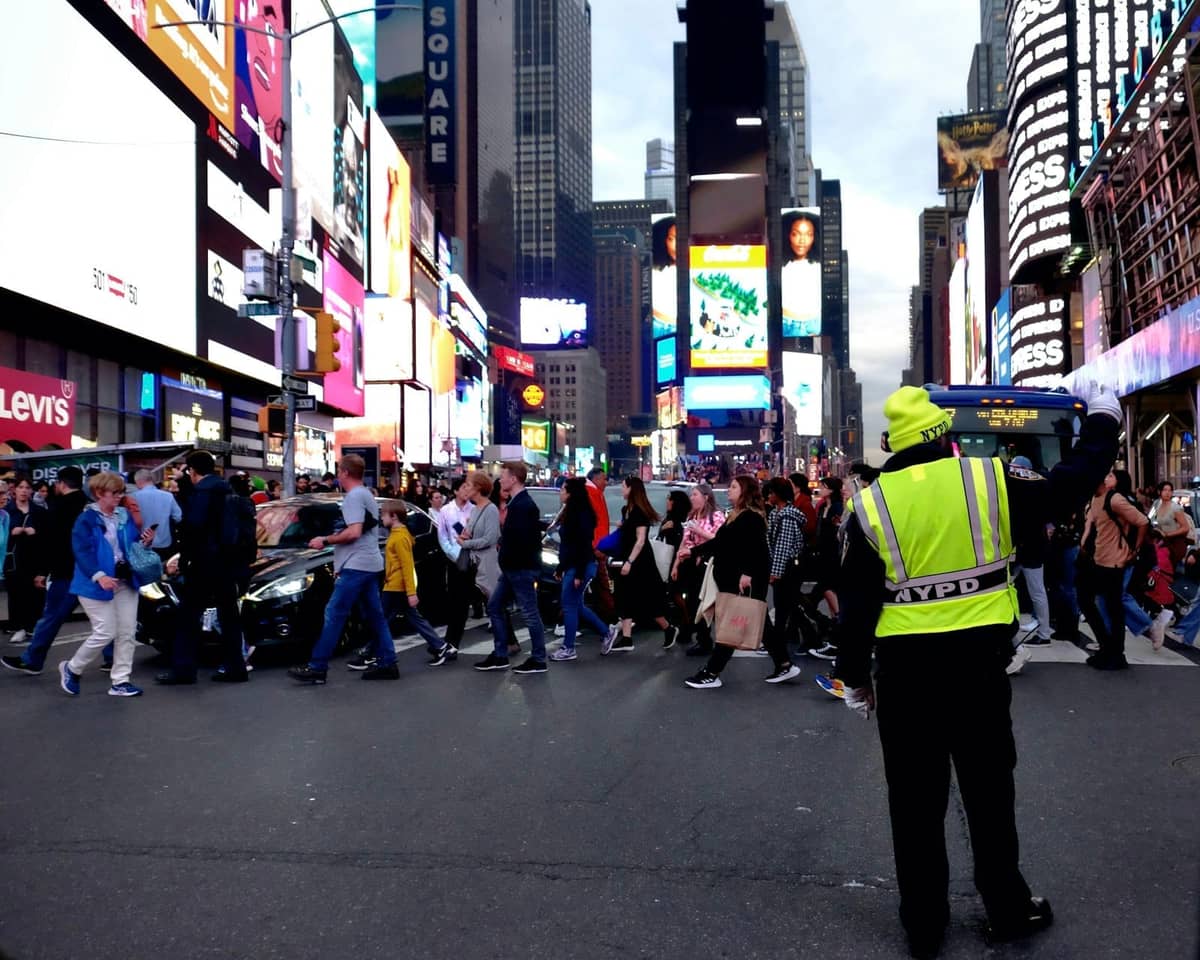
New York City safety is one of the most searched topics for first-time visitors, and the honest answer is more reassuring than most people expect. NYC has undergone a dramatic reduction in crime since the early 1990s, and major tourist corridors are among the most police-patrolled environments in the world. That said, with over 8.5 million residents and tens of millions of annual visitors compressed into a relatively small area, petty crime is a real and consistent factor.
The realistic risk for most visitors is opportunistic theft, not violent crime. Pickpockets, phone snatchers, and bag-grab incidents cluster in high-density tourist areas: Times Square, Penn Station, Grand Central Terminal, and the area around the Statue of Liberty ferry. The risks are manageable with basic precautions, and millions of people navigate the city safely every single day.
ℹ️ Good to know
The NYPD publishes regular CompStat crime data at nyc.gov. If you want current, neighborhood-level crime statistics before your trip, that is the authoritative source. Avoid relying on generalized reputation or outdated headlines.
Subway and Transit Safety
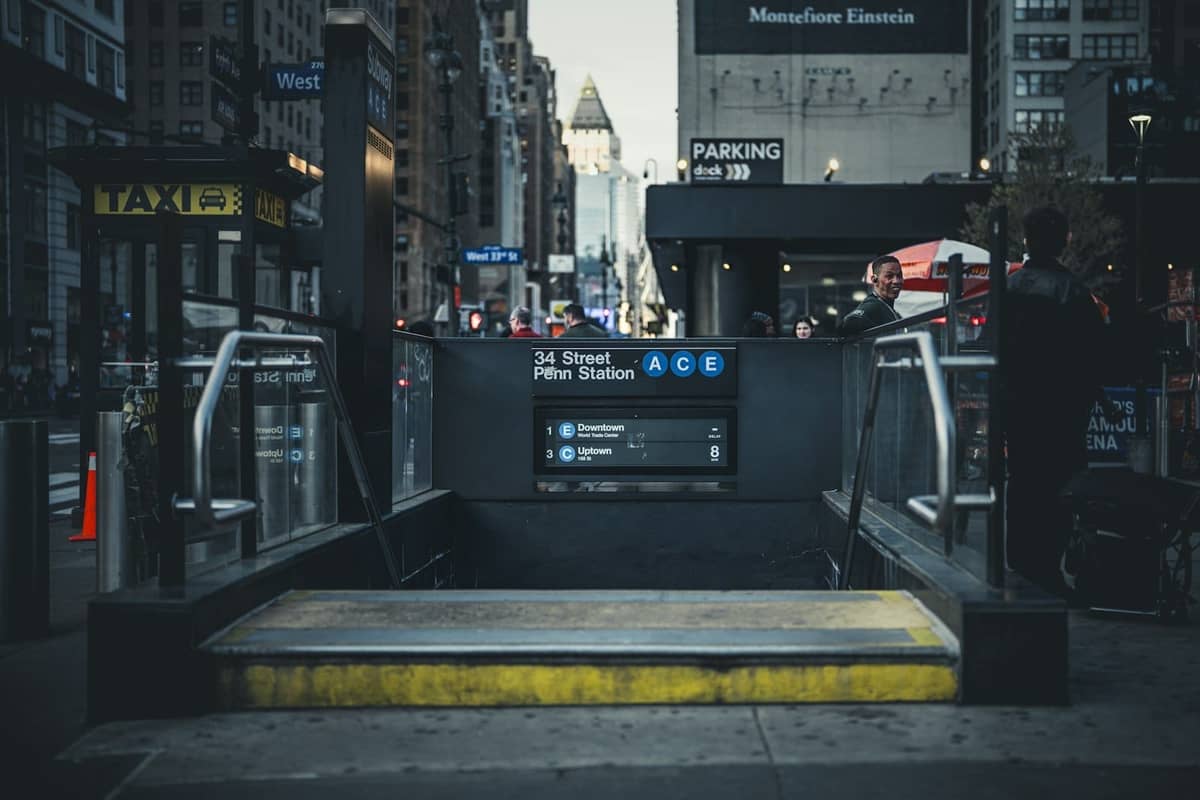
The New York City Subway is one of the world's largest transit systems, operating 24 hours a day across Manhattan, Brooklyn, Queens, and The Bronx. Locals and tourists use it constantly. It is not something to avoid, but there are a few practical habits that make a real difference.
- Stand behind the yellow platform strip Always keep distance from the platform edge, especially during rush hour when platforms are crowded. This is the single most important physical safety habit on the subway.
- Keep your phone in your pocket on the platform Platform phone grabs happen when people are distracted scrolling. If you need to check a map, step back from the edge and be aware of who is around you.
- Choose occupied cars at night Late-night trains run with lower frequency and fewer passengers. Opt for cars with multiple people rather than riding in an empty car, especially after midnight.
- Use OMNY or a MetroCard, not cash on the platform The base fare is $3.00 per ride. OMNY (tap-to-pay with a contactless card or phone) is the standard option. The weekly fare cap of $35 (after 12 rides) offers good value for visitors who plan to use the subway frequently.
- Verify service changes before you travel The MTA regularly runs weekend service changes that reroute or suspend specific lines. Check the MTA website or app before any journey to avoid being stranded at an unexpected stop.
Taxis and ride-hailing are straightforward in NYC. Use only licensed yellow cabs (metered) or green borough taxis, or regulated app services like Uber and Lyft. The critical rule at airports: never accept a ride from someone approaching you inside the terminal or on the sidewalk without a legitimate app booking. Unofficial rides from JFK, LaGuardia, and Newark are a reliable source of overcharging and occasionally worse.
⚠️ What to skip
At JFK and LaGuardia, unlicensed drivers actively approach arriving passengers in baggage claim and outside exits. Always request your ride through the official app pickup zones and match the license plate before getting in.
Common Scams in NYC (and How to Avoid Them)
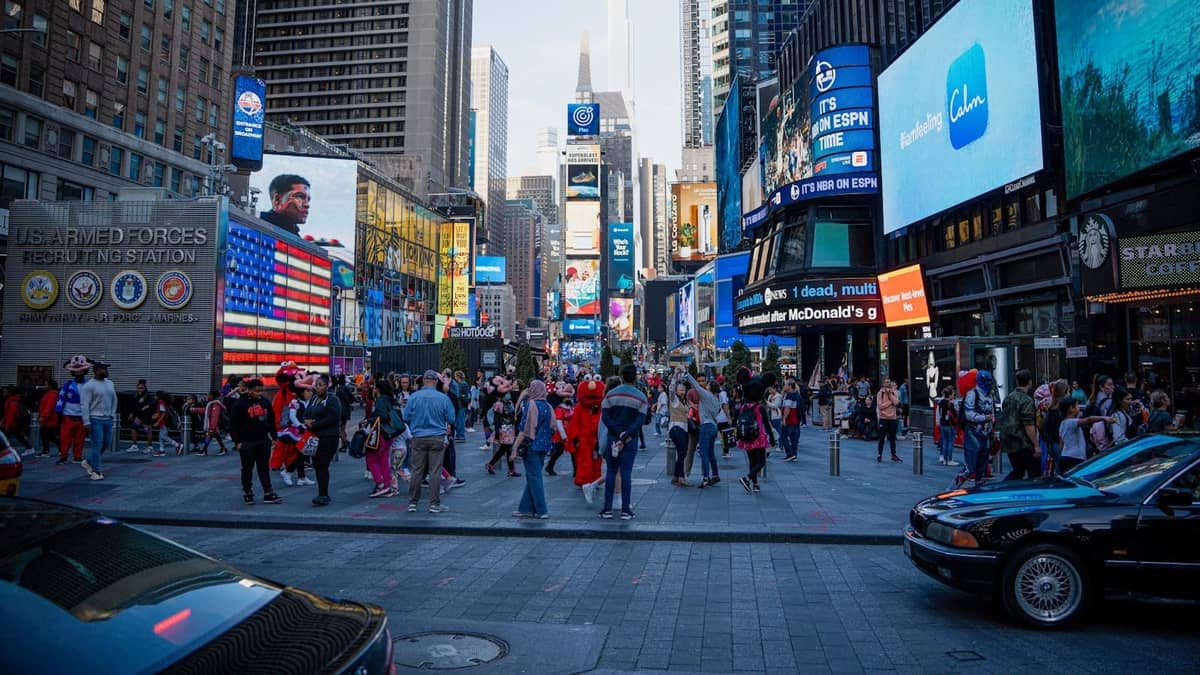
New York City scams targeting tourists are well-documented and follow predictable patterns. Knowing them in advance is the most effective defense, because in the moment they can feel surprisingly convincing.
- The Times Square CD scam A person approaches you, places a CD in your hands, and says it is a gift. Once you hold it, they demand payment, sometimes aggressively. The only reliable defense: do not take anything that is handed to you unsolicited in this area.
- Unofficial ticket sellers Street sellers near Broadway theaters, the Statue of Liberty ferry terminals, and major attractions offer discounted tickets that are frequently counterfeit or void. Buy Broadway tickets from the TKTS booth in Times Square, official box offices, or verified online platforms only.
- Three-card monte and street gambling These games operate with a shill in the crowd to make it look beatable. They are not. Do not stop, do not watch, and do not reach for your wallet.
- Aggressive donation requests People near tourist hubs may approach with clipboards or hand you a bracelet before asking for a donation. This is a pressure tactic. You are not legally obligated to pay for anything placed in your hands without your consent.
- Fake monk donations Individuals in saffron robes place a bead necklace or small figurine on you and present a card soliciting a donation. Politely hand it back.
✨ Pro tip
The common thread in all NYC tourist scams is manufactured obligation: they get something into your hands or onto your body before asking for money. The counter-strategy is simple: do not accept anything from strangers in high-traffic tourist zones, even if it appears free.
Neighborhood Safety and Where to Be Alert
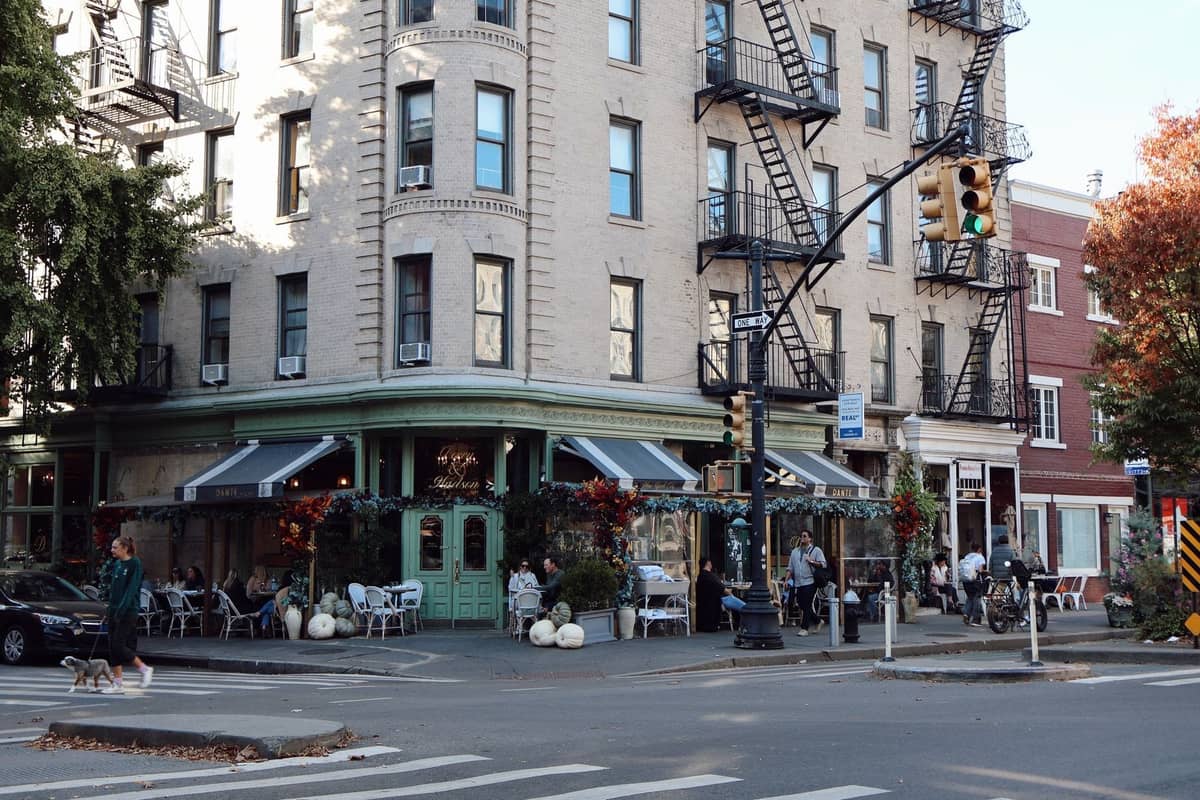
NYC's five boroughs contain hundreds of neighborhoods with genuinely different characters. Most areas tourists visit, including Midtown Manhattan, Lower Manhattan, Greenwich Village, and Williamsburg, are busy and well-lit with regular foot traffic well into the night.
A few practical observations: the areas immediately around Penn Station and Port Authority Bus Terminal can feel overwhelming at any hour, and late at night they attract some degree of disorder. This does not make them dangerous to pass through, but lingering without purpose is not advisable. Parts of The Bronx and outer Brooklyn have higher crime rates than Manhattan's tourist core, though specific neighborhoods within both boroughs are entirely safe. The honest answer is that context matters more than borough name.
If you plan to explore beyond the standard tourist circuit, the NYC neighborhoods guide breaks down the character and logistics of each area. For first-time visitors trying to orient themselves, the first-time visitor guide covers which areas to base yourself in and how to move between them efficiently.
Seasonal Safety Considerations
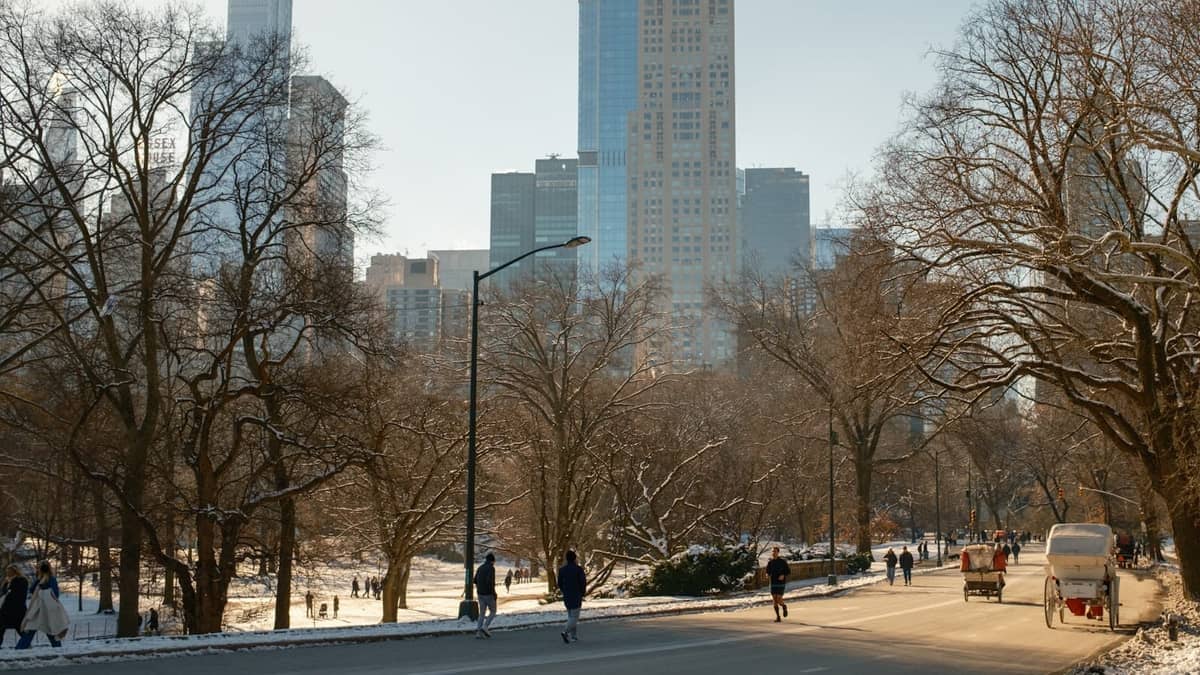
New York City's climate adds a layer of practical safety planning that many visitors underestimate. The city's four distinct seasons each come with specific physical hazards.
- Winter (December to February) January averages around 31°F (-0.5°C), and snowfall is real. Subway stairs, sidewalks, and crosswalks become icy after precipitation. Use handrails, walk slowly on stairs, and wear footwear with grip. Allow extra travel time during and after storms.
- Spring (March to May) Temperatures rise gradually to the mid-60s°F (around 18°C) by late spring. Rain is common. A compact umbrella is useful, and layering is practical as morning and afternoon temperatures can differ significantly.
- Summer (June to August) NYC summers are hot and humid. June averages around 72°F (22°C), with July and August often hotter. Tourists frequently underestimate how much walking they will do. Carry water, wear breathable clothing, and recognize signs of heat exhaustion: dizziness, nausea, and heavy sweating that suddenly stops.
- Fall (September to October) The most comfortable period for city walking. Temperatures are mild and humidity drops. Daylight shortens notably from September to November, so factor in earlier dark if you're planning evening walks in less-populated areas.
For a detailed breakdown of how weather affects your visit by month, the NYC weather guide is worth reading before you book. The best time to visit NYC page also weighs climate against crowds and pricing.
Practical Safety Essentials: Numbers, Norms, and Logistics
A few practical details that belong in every traveler's back pocket before arriving in New York City:
- Emergency services Dial 911 for police, fire, or ambulance anywhere in NYC. For non-emergency city information and services, call 311 or 212-639-9675.
- Tap water NYC tap water is regulated and treated under federal and state standards. It is safe to drink directly from the tap, which saves money and reduces plastic waste.
- Tipping Tipping is a standard part of NYC service culture. In restaurants, 18-22% is typical. Taxis and ride-hailing services typically expect 15-20%. Hotel housekeeping: $2-5 per night is customary. This is not a legal requirement but is treated as an expectation in service industries.
- Electricity Standard US supply of 120V / 60Hz with Type A (two flat pins) or Type B (two flat pins plus ground) sockets. European and Australian travelers will need plug adapters and should check whether their devices support dual-voltage.
- Entry requirements Entry to the US is federally regulated. Many nationalities enter under the Visa Waiver Program with an approved ESTA; others require a visa. Check the US Department of State website directly before travel, as this changes and country-specific rules apply.
💡 Local tip
Download the official MTA app and a maps app with offline capability before you arrive. Cell service is inconsistent in subway tunnels, and having an offline map of the subway and street grid means you won't need to stop and visibly consult your phone in unfamiliar areas.
If you're planning your itinerary around major attractions, the NYC Pass guide can help you book and budget for key sites in advance, which also reduces the temptation to buy from unofficial street vendors. For solo travelers, solo travel in NYC covers specific considerations around transport, neighborhoods, and staying connected.
FAQ
Is New York City safe for tourists in 2026?
Yes, for the vast majority of visitors. Major tourist areas are heavily policed and active at most hours. The most common risk is petty theft in crowded areas, particularly phone and bag snatching. Violent crime targeting tourists is rare. Basic precautions like keeping valuables secure and being aware in crowded places are sufficient for most trips.
Is the New York City subway safe at night?
The subway operates 24 hours and is used by millions of people daily, including at night. Late-night rides are generally fine, but the practical advice from locals is consistent: choose cars with other passengers, keep your phone out of sight on the platform, stand behind the yellow edge strip, and stay alert in near-empty stations. Frequency drops overnight, so check the MTA schedule to avoid long waits.
What are the most common tourist scams in NYC?
The most documented scams are the Times Square CD handout (someone gives you a CD or item, then demands payment), unofficial ticket sellers near Broadway theaters and ferry terminals, three-card monte street games, aggressive donation solicitations, and fake monk bead placement. The common defense: do not accept anything handed to you by strangers in high-traffic tourist areas.
Which NYC neighborhoods should tourists be more cautious in?
Most neighborhoods tourists visit are safe. The immediate areas around Penn Station and Port Authority Bus Terminal can feel chaotic, especially late at night, though they are heavily trafficked. If you plan to explore parts of The Bronx or outer Brooklyn beyond well-known destinations, research the specific area beforehand. Reputation by borough alone is not a useful guide; specific neighborhood context matters.
What should I do in an emergency in New York City?
Call 911 for any police, fire, or medical emergency. For non-urgent city information or to report issues, call 311. The NYPD has precincts throughout all five boroughs. If you lose your passport, contact your country's nearest consulate or embassy in New York City immediately.