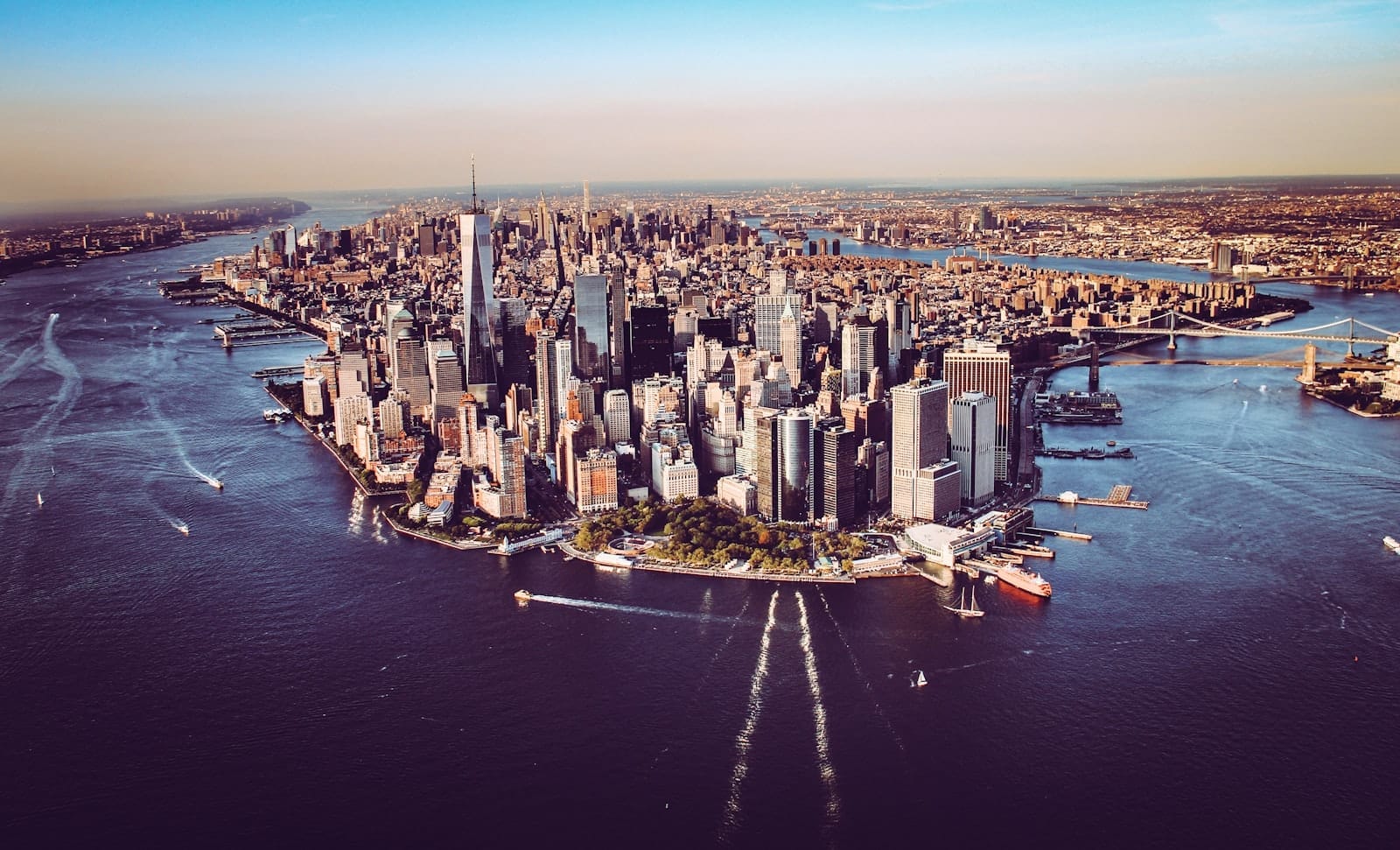
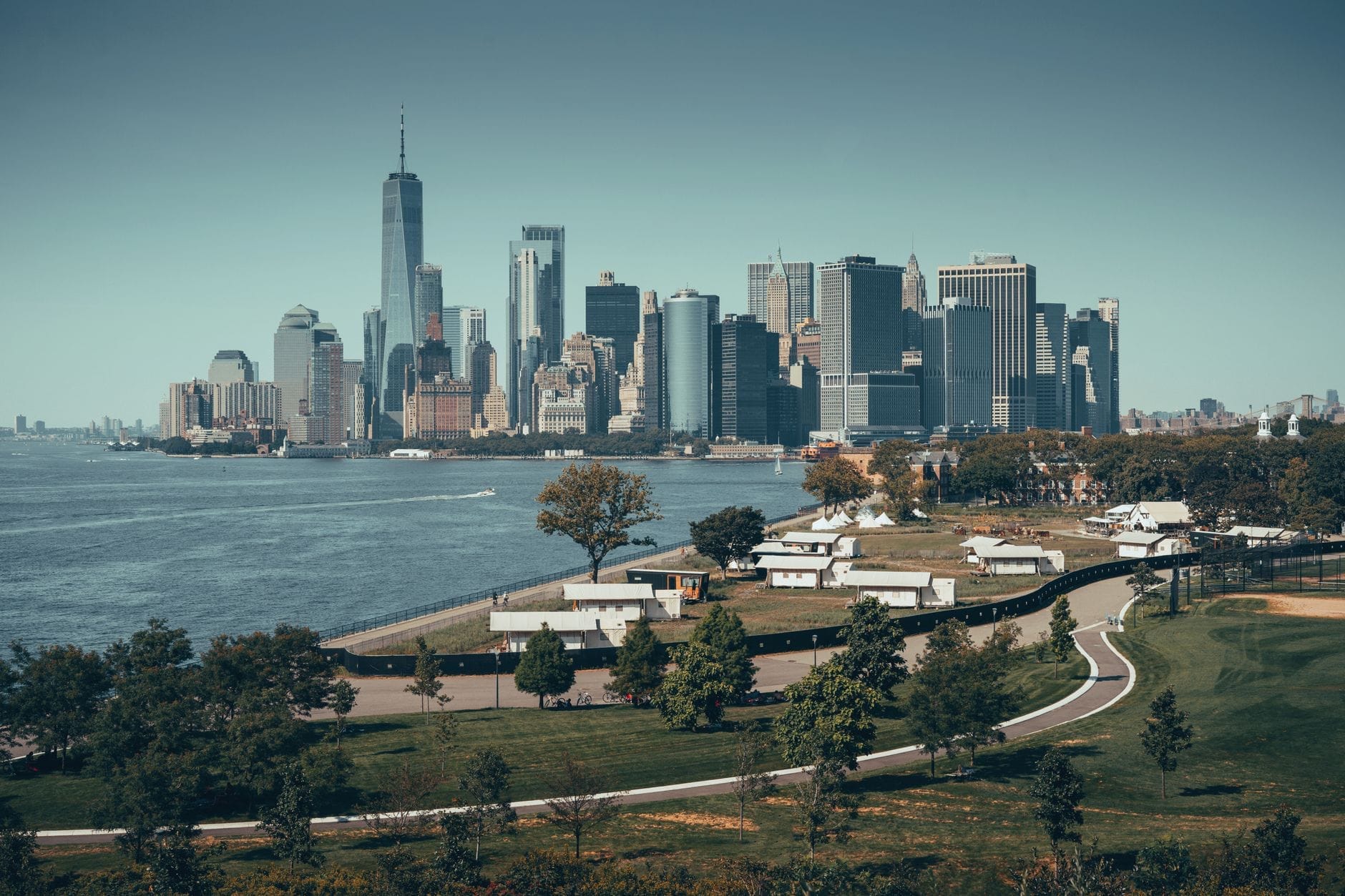
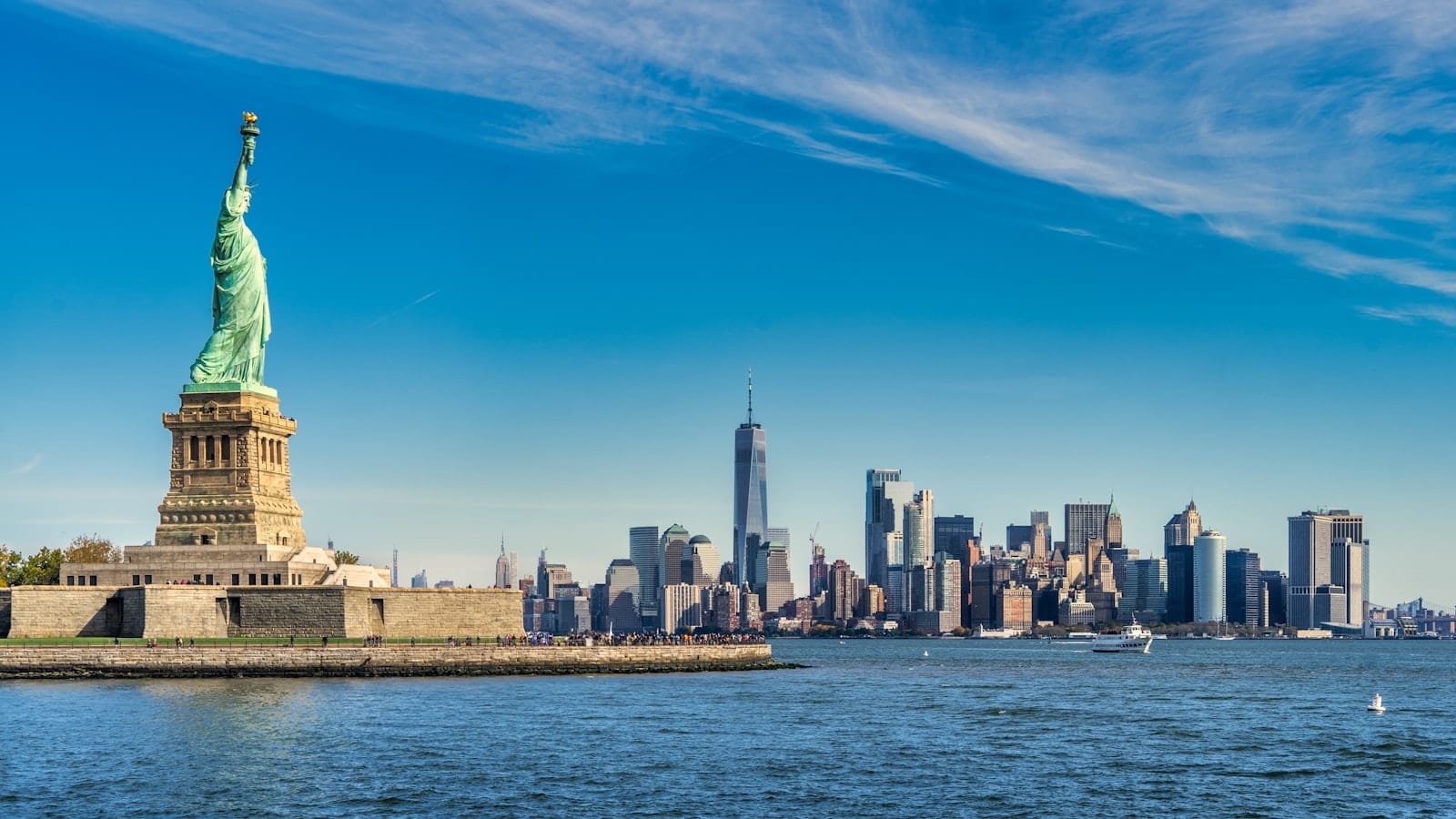
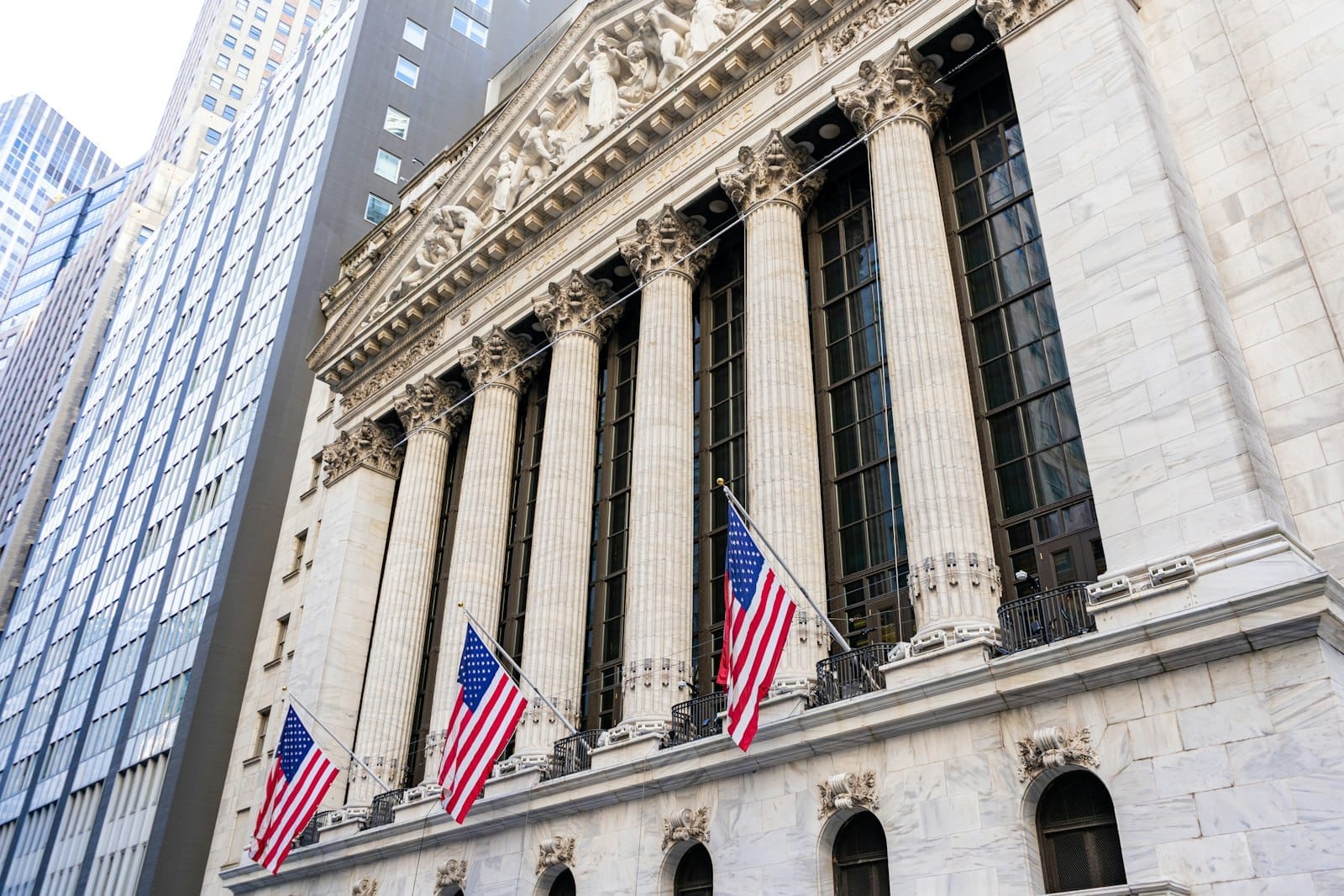
Lower Manhattan is the southern tip of Manhattan Island, where New York City's history begins. It runs from the Financial District and Battery Park up through Chinatown, Little Italy, and the Lower East Side, packing centuries of commerce, immigration, and reinvention into a compact and walkable area.
Lower Manhattan is where New York City started, and the weight of that history is visible on almost every block. Wall Street and the 9/11 Memorial anchor the Financial District, while Chinatown, Little Italy, and the Lower East Side tell the story of waves of immigration that shaped the city. This is a neighborhood of extremes: glass towers and narrow colonial-era streets, weekday crowds in suits and weekend visitors with cameras, solemn memorial spaces and some of the city's most electric night markets.
Orientation
Lower Manhattan occupies the southern tip of Manhattan Island, generally defined as everything south of Chambers Street in the civic core, though the broader definition extends north to Canal Street and even 14th Street depending on who you ask. For practical purposes, visitors tend to treat it as three overlapping zones: the Financial District and Battery Park City to the southwest, the civic and government buildings around City Hall to the north, and the cultural neighborhoods of Chinatown, Little Italy, Nolita, and the Lower East Side stretching northeast toward the Williamsburg Bridge.
The geography here is shaped by the original shoreline of Manhattan Island. Much of Battery Park City is built on landfill, which is why its street grid feels oddly clean and modern compared to the tangled lanes of the Financial District, where streets like Stone Street and Beaver Street follow paths that predate the American Revolution. The further north you walk from The Battery, the more the grid begins to regularize, eventually locking into the structured blocks of the wider Manhattan street plan above Canal Street.
Lower Manhattan connects directly to Brooklyn via the Brooklyn Bridge, whose Manhattan entrance sits near City Hall Park at the area's northern edge. To the west, the Hudson River separates it from New Jersey, with ferry terminals at Brookfield Place and the World Financial Center serving commuters and visitors alike. The East River runs along the southern and eastern edge, with the South Street Seaport district sitting along its banks. Neighboring areas that bleed into Lower Manhattan include the Lower East Side to the northeast and Tribeca immediately to the north.
Character & Atmosphere
Lower Manhattan operates on a rhythm unlike almost anywhere else in New York. On weekday mornings, the Financial District is a study in purposeful movement: workers streaming out of subway exits at Fulton Street and Fulton Center, coffee cups in hand, filling the narrow canyon of Broadway between Chambers Street and Bowling Green. The towers cast long shadows, the streets echo with footsteps and construction noise, and the whole area has the energy of a place that takes itself seriously.
By midday, the scene softens slightly. Office workers spread out into the plazas around the World Trade Center and along the benches of Zuccotti Park. The 9/11 Memorial pools draw a quieter, more reflective crowd. Stone Street, a narrow pedestrian lane lined with old brick buildings just south of Exchange Place, fills with outdoor lunch tables. In the afternoon, the light off the glass towers and the harbor creates a peculiar golden quality, especially in autumn, when the low sun cuts straight down Water Street and catches the steel and glass at an angle that feels almost cinematic.
After 6 p.m. on weekdays, large portions of the Financial District go quiet in a way that surprises first-time visitors. The lunch crowds evaporate, many restaurants close or reduce hours, and the streets around Wall Street and Nassau Street can feel empty by 8 p.m. This is less true around the World Trade Center area and South Street Seaport, which have more evening foot traffic. Chinatown, by contrast, runs at full volume from early morning until late, with produce vendors and restaurant kitchens operating well into the night. The Lower East Side comes alive after 10 p.m., with bars and music venues on Orchard and Ludlow Streets drawing a younger crowd.
Weekends shift the balance significantly. The absence of the commuter crowd makes the Financial District easier to explore on foot, and the tourists who fill the 9/11 Memorial and One World Observatory give the area a more mixed, international feel. Chinatown on a Saturday morning is one of the most sensory-rich experiences the city offers: the smell of roasting duck and salt fish, vendors selling produce from crates stacked on the sidewalk along Mott Street and Canal Street, the sound of Cantonese and Mandarin mixing with English. It is noisy, crowded, and occasionally chaotic, which is part of the appeal.
ℹ️ Good to know
The Financial District is one of the few areas in Manhattan where Sunday afternoon feels like a ghost town. If you want to photograph the narrow streets around Wall Street and Exchange Place without crowds, Sunday morning before 10 a.m. is the optimal window.
What to See & Do
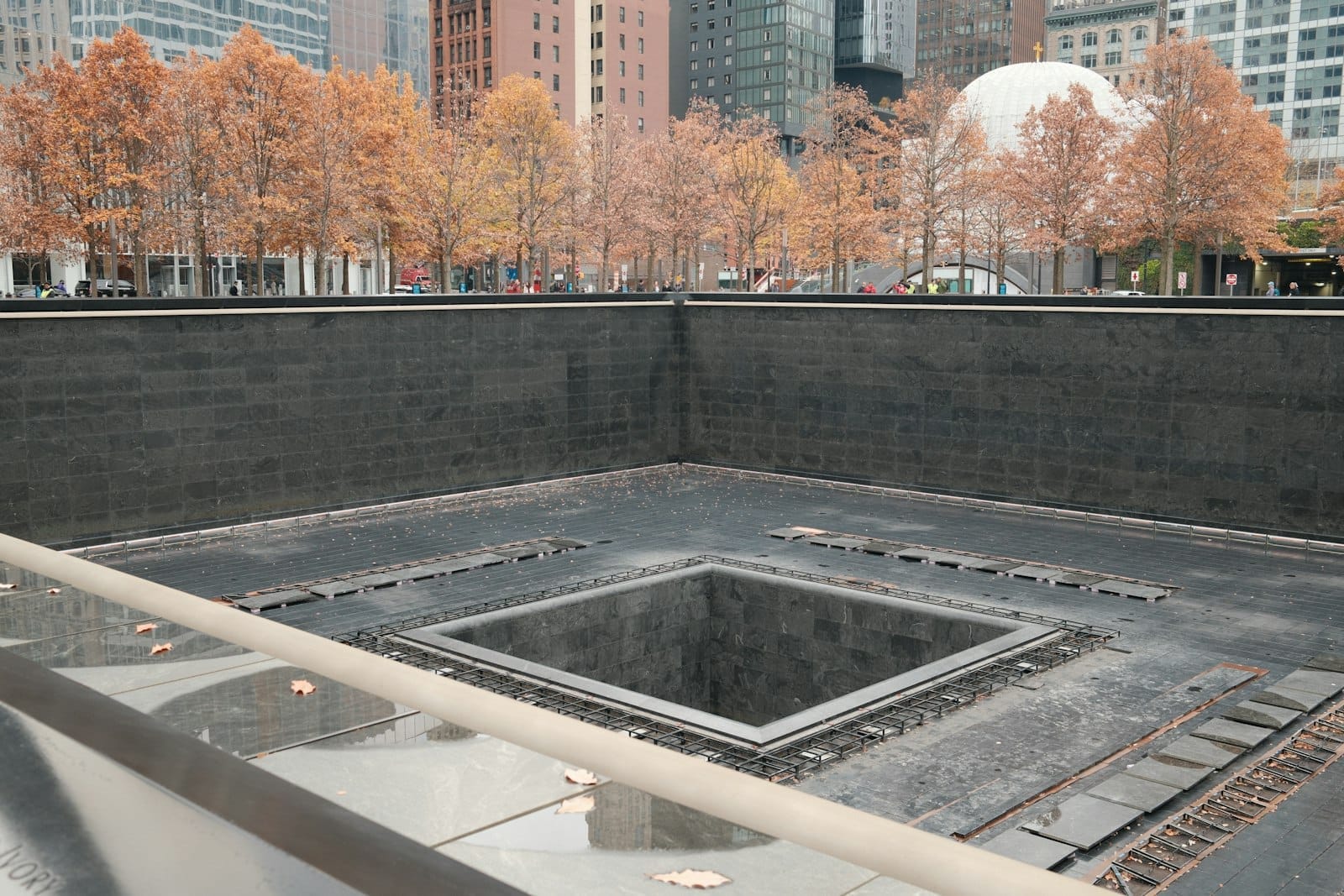
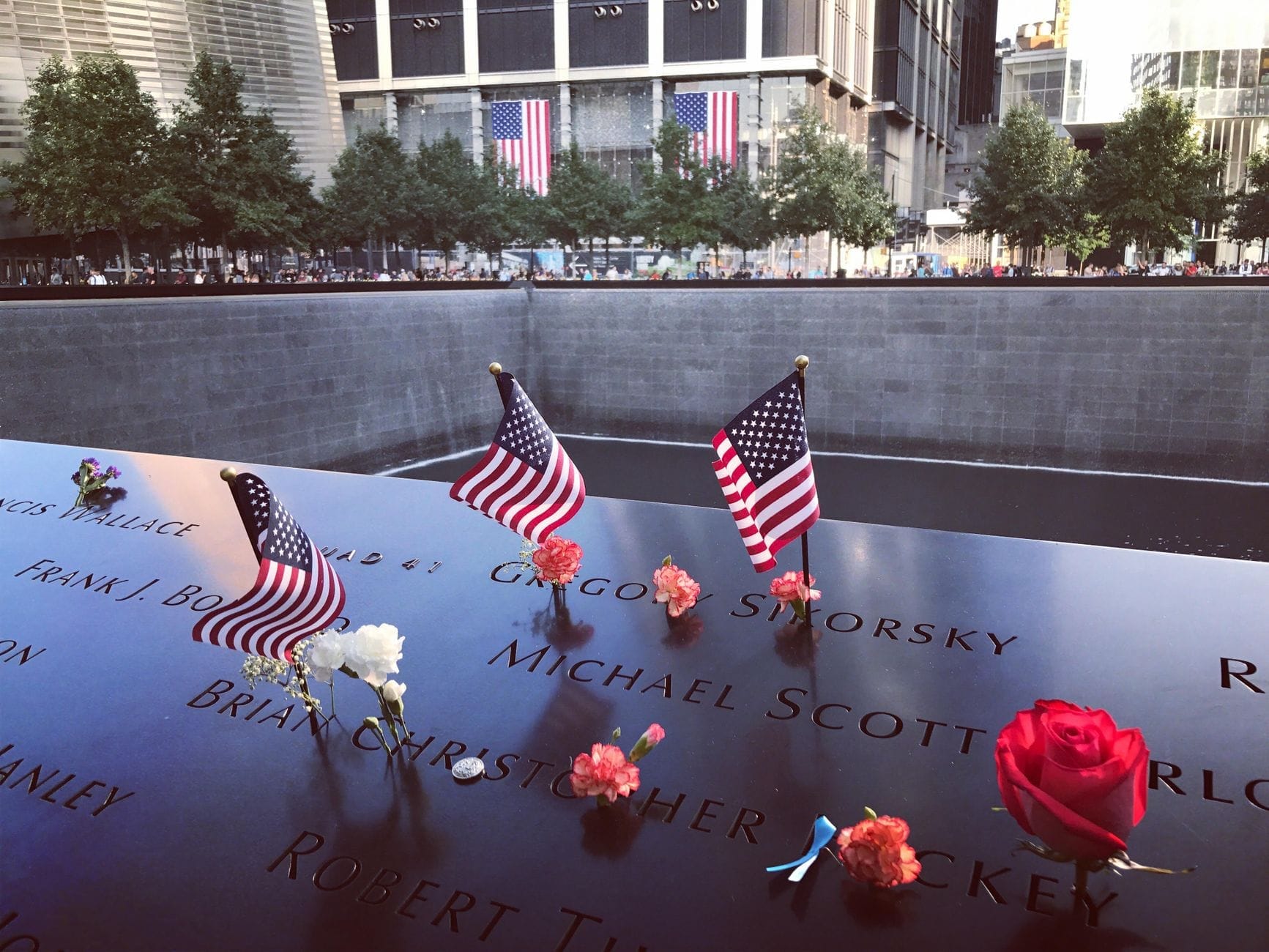
The 9/11 Memorial9/11 Memorial is the emotional and geographic center of the World Trade Center site. The two reflecting pools, set in the footprints of the original Twin Towers, are among the most thoughtfully designed public memorials in the country. They are free to visit and open daily, though the adjacent 9/11 Museum requires a ticketed entry. Reserve tickets in advance, particularly in summer and around September 11, when lines can be substantial.
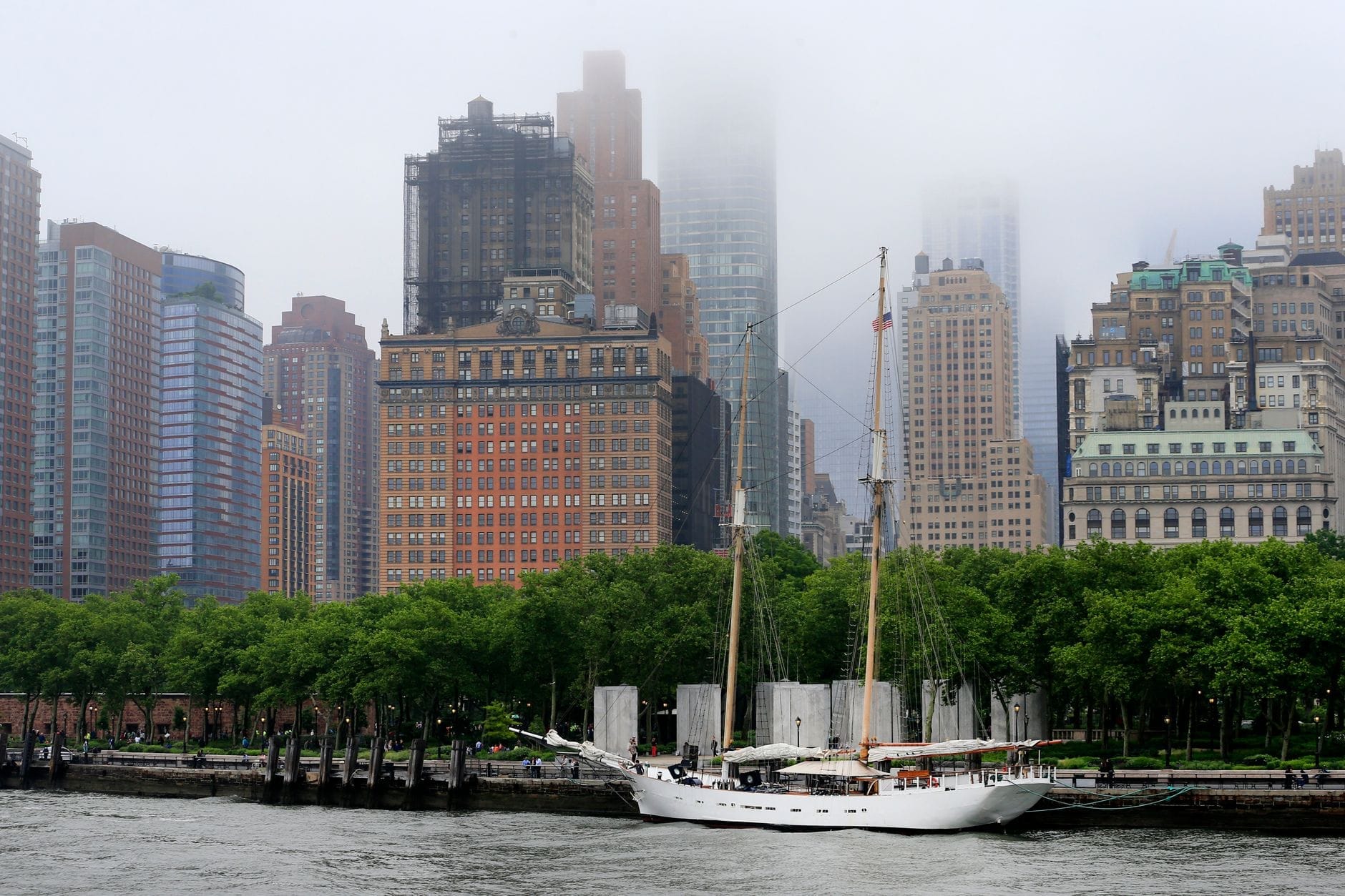
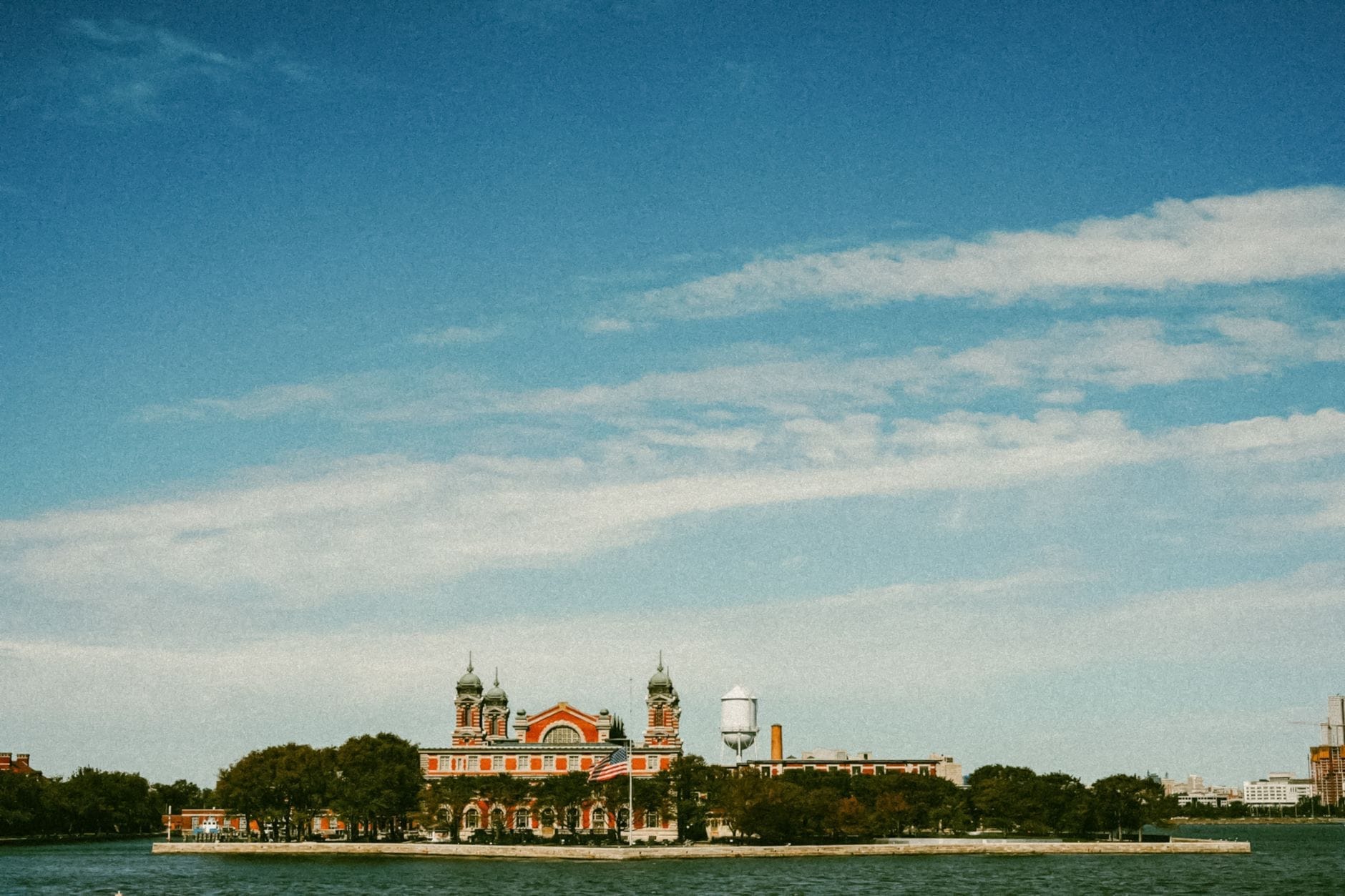
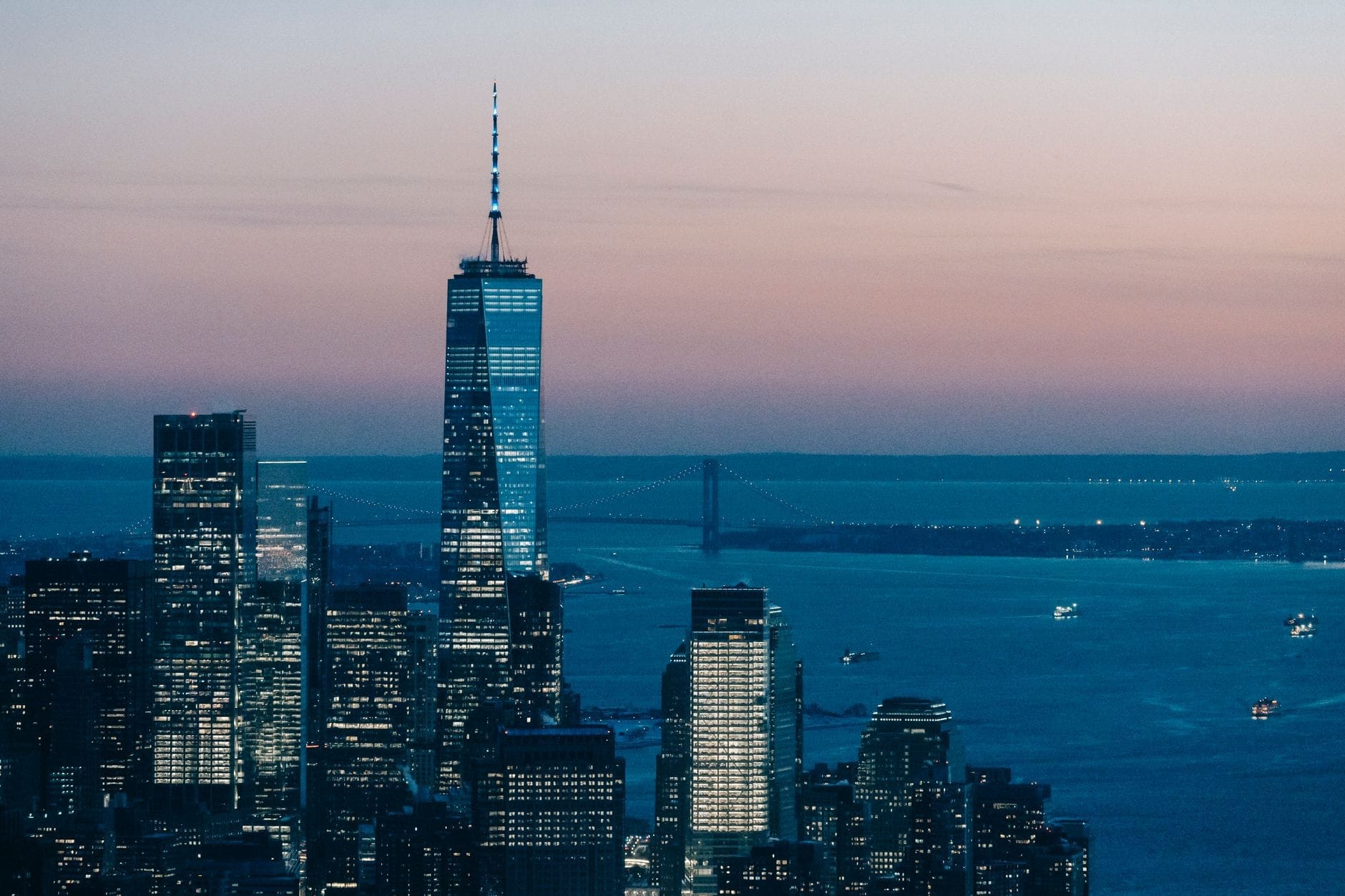
Rising above the memorial plaza, One World Observatory offers views from the 100th, 101st, and 102nd floors of One World Trade Center. For a different perspective on the skyline, the Battery Park at the southern tip provides sweeping harbor views and serves as the departure point for ferries to the Statue of Liberty and Ellis Island. Both require advance ferry ticket booking in peak season.
Wall Street is worth a walk even if finance means nothing to you. Federal Hall, where George Washington was inaugurated as the first U.S. president in 1789, sits directly across from the New York Stock Exchange on Broad Street. The surrounding blocks are dense with federal architecture and narrow lanes that give a real sense of how old this part of the city is. At the northern edge of the neighborhood, the Brooklyn Bridge pedestrian walkway begins at the foot of Centre Street and offers one of the definitive New York views, looking back at Lower Manhattan's skyline from the bridge's midpoint.
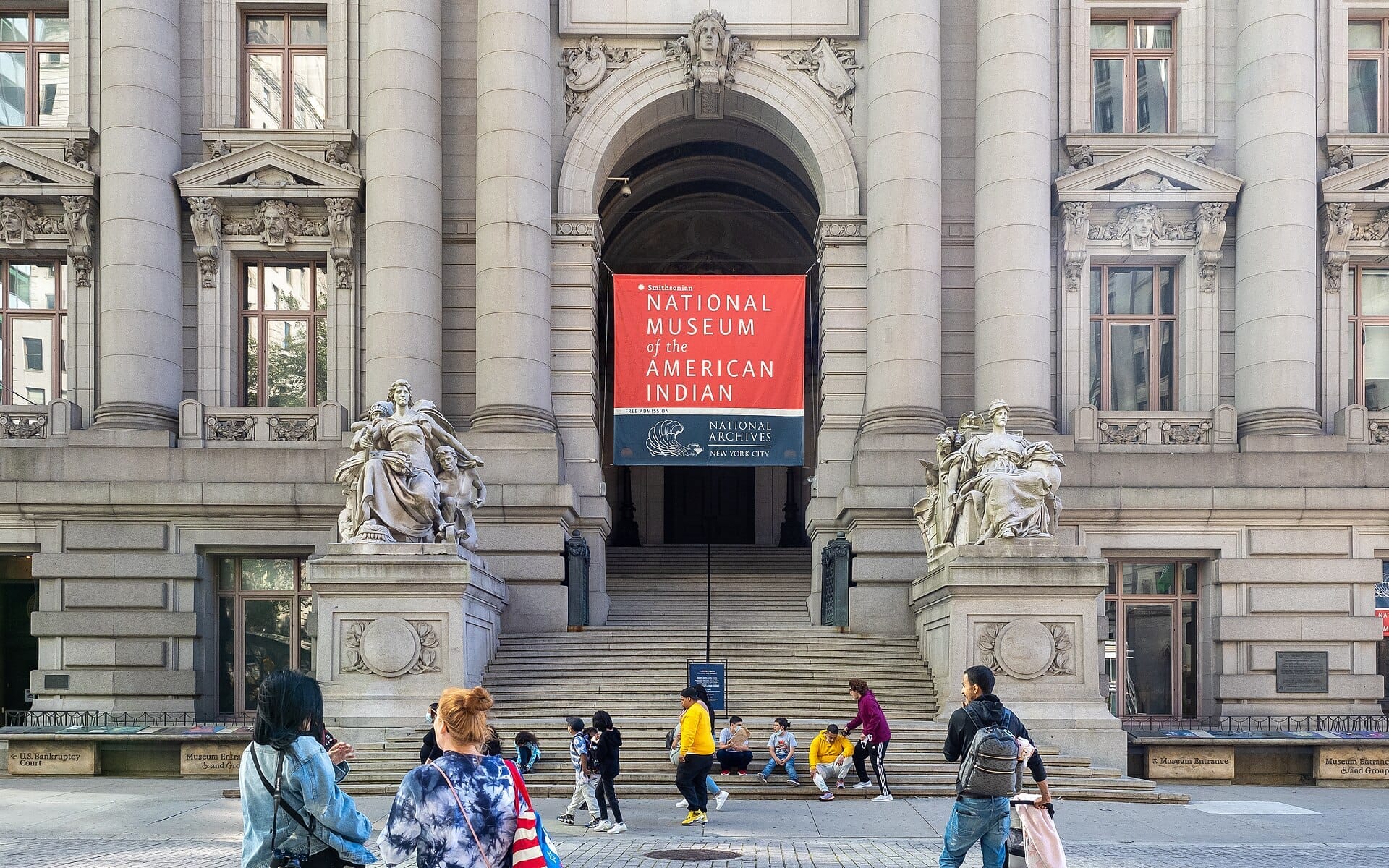
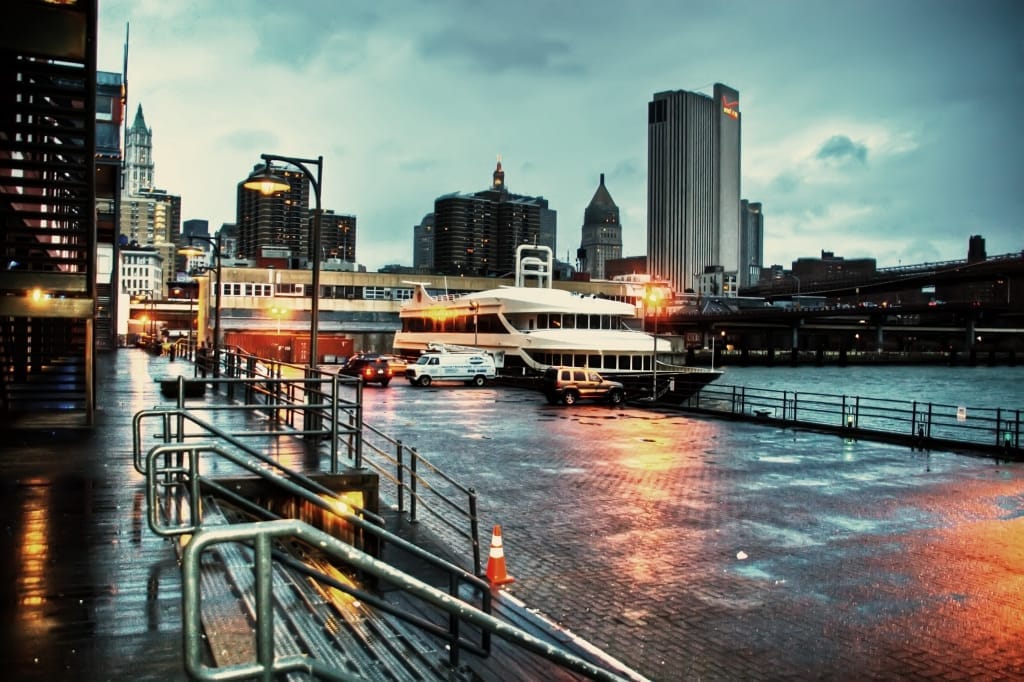
The South Street Seaport along the East River has undergone significant redevelopment and now combines historic ships, a redesigned Pier 17 with rooftop events and concerts, and a stretch of shops and restaurants. It can feel curated and tourist-forward, but the views of the Brooklyn Bridge from Fulton Street Pier are excellent. The National Museum of the American Indian in the Alexander Hamilton U.S. Custom House on Bowling Green is free, undervisited, and houses a serious permanent collection: it is one of the more rewarding cultural stops in the area.
9/11 Memorial: free entry, open daily, pools are outdoors
9/11 Museum: ticketed, book in advance for peak season
One World Observatory: ticketed, skip-the-line passes available
National Museum of the American Indian: free, in the Custom House at Bowling Green
Federal Hall National Memorial: free, Wall Street at Nassau Street
South Street Seaport and Pier 17: free to walk, events ticketed
Battery Park: free, Statue of Liberty and Ellis Island ferry departures
Brooklyn Bridge pedestrian walkway: free, entrance near City Hall Park
💡 Local tip
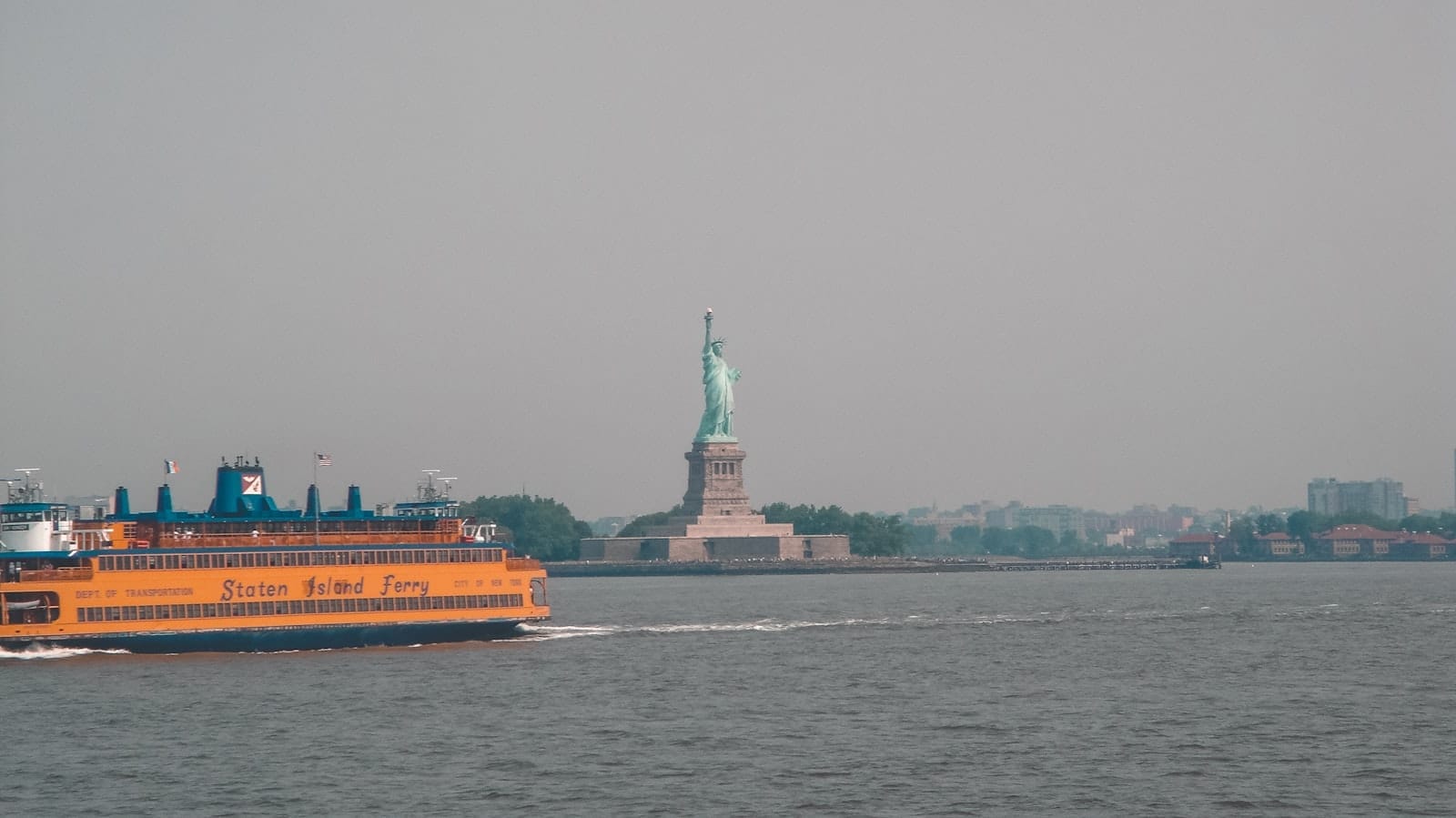
The Staten Island Ferry departs from Whitehall Terminal at the edge of Battery Park every 30 minutes and is completely free. It passes close to the Statue of Liberty and gives clear views of the Lower Manhattan skyline from the water, making it one of the best free experiences in New York City.
Eating & Drinking
The eating landscape in Lower Manhattan is more uneven than in neighborhoods to the north. The Financial District has historically catered to weekday lunch crowds, which means a lot of the restaurants operate on limited hours and can feel utilitarian. That said, the area has improved considerably over the past decade, with the World Trade Center campus adding higher-quality options at Brookfield Place and the renovation of the Fulton Center area bringing in more diverse choices.
Stone Street is the most atmospheric dining street in the Financial District proper, a cobblestoned pedestrian lane running between Hanover Square and Coenties Alley where the buildings date to the early 1800s. The restaurants here are primarily bars and grills that put out outdoor tables in warmer months, making for a lively evening even in a neighborhood that otherwise goes quiet. It is worth walking through regardless of whether you eat there.
For more interesting food, Chinatown is the destination. The blocks around Mott Street, Doyers Street, and Canal Street contain an enormous range of Cantonese, Fujianese, Vietnamese, and Malaysian restaurants at prices that are low by New York standards. Dim sum in Chinatown, particularly on weekend mornings when carts circulate through large dining rooms, is a full experience rather than just a meal. Doyers Street, a sharply curved alley that was historically known as the Bloody Angle for its role in early-20th-century gang territory disputes, now contains a Vietnamese sandwich shop and several small restaurants worth seeking out.
The Lower East Side, which overlaps with the northeastern edge of Lower Manhattan, has one of the most concentrated bar and restaurant scenes in the city, particularly on Orchard, Ludlow, and Rivington Streets. This area is better for dinner and late-night eating than the Financial District, with a range of small restaurants, cocktail bars, and live music venues. The neighborhood's Jewish deli tradition, while much reduced from its peak, still has a few surviving institutions worth visiting.
Chinatown: best value eating in Lower Manhattan, strong for dim sum, noodles, and Fujianese dishes
Stone Street (Financial District): outdoor seating, historically atmospheric, primarily bars and American-style grills
Brookfield Place: upscale food hall options near the World Financial Center, better for dinner than most of the FiDi
South Street Seaport: tourist-oriented but some solid seafood options, especially around Pier 17
Lower East Side: cocktail bars, international restaurants, NYC's surviving Jewish deli tradition
Little Italy on Mulberry Street: worth a look but largely tourist-oriented; the more authentic Italian food in New York is found elsewhere
⚠️ What to skip
Many restaurants in the Financial District, particularly around Wall Street and Broad Street, close on weekends or operate significantly reduced hours. If you are visiting on a Saturday or Sunday, check hours in advance and plan to gravitate toward Chinatown, the Seaport, or Battery Park for more reliable options.
Getting There & Around
Lower Manhattan has some of the best subway coverage of any neighborhood in the city. The Fulton Center, at the intersection of Broadway and Fulton Street, is one of the major transit hubs in the entire system, connecting the 2, 3, 4, 5, A, C, J, and Z trains in a single complex. From Fulton Center, you can reach Midtown in under 15 minutes on the express 4 or 5 train, and reach the airports via connections at other major stations.
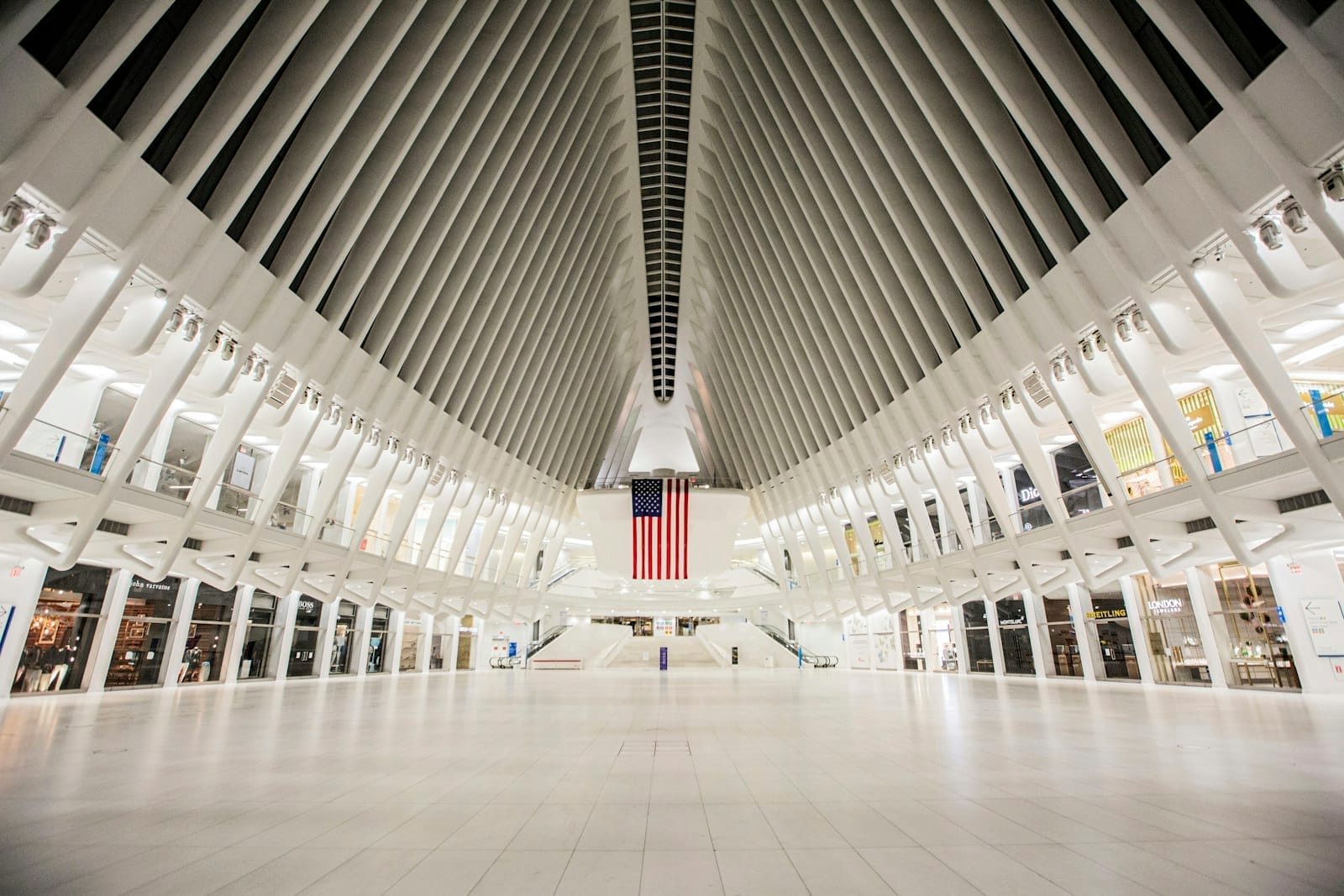
The World Trade Center complex is served by the E train at the World Trade Center station, with the PATH train to New Jersey departing from the same Oculus building. Cortlandt Street on the R and W lines provides additional access to the WTC area. At the southern tip, Bowling Green serves the 4 and 5 lines, while South Ferry serves the 1 train with direct access to the Staten Island Ferry terminal. Whitehall Street and Rector Street on the R and W lines complete the coverage in the southernmost blocks.
For getting around within Lower Manhattan itself, walking is almost always the best option. From the 9/11 Memorial to Battery Park is a 10-minute walk. From Wall Street to the Brooklyn Bridge entrance is about 15 minutes on foot. The neighborhood is compact enough that most visitors cover the major Financial District sites in a single morning without needing transit. The MTA subway becomes more useful when crossing into Chinatown, the Lower East Side, or heading north to Midtown.
From JFK Airport, the most direct public transit route involves the AirTrain to Jamaica Station and then the A train to Fulton Street, a journey of roughly 60 to 75 minutes depending on connections. From Newark Airport, the AirTrain to Newark Liberty station and NJ Transit into New York Penn Station, followed by a subway south, takes approximately 45 to 60 minutes. From LaGuardia, MTA bus connections are less direct; a taxi or rideshare is often more practical, taking 30 to 50 minutes depending on traffic.
Fulton Center: 2, 3, 4, 5, A, C, J, Z lines, major interchange hub
World Trade Center / Cortlandt Street: E, R, W lines; PATH to NJ from Oculus
Bowling Green: 4, 5 lines, closest subway to Battery Park
South Ferry: 1 line, directly connects to Staten Island Ferry terminal
Whitehall Street / Rector Street: R, W lines, southern Financial District coverage
Chambers Street / Brooklyn Bridge-City Hall: 4, 5, 6, J, Z, A, C lines at northern boundary
Where to Stay
Lower Manhattan has developed a genuine hotel scene over the past two decades, partly driven by demand from the World Trade Center rebuilding era and partly by the conversion of old office buildings into residential and hotel use. Staying here makes sense for visitors whose primary interests are the 9/11 Memorial, Wall Street, and the harbor, or for those who want quiet streets at night rather than the constant noise of Midtown. The tradeoff is that evening food and activity options within the Financial District are limited, and some visitors find the area feels corporate and empty after dark.
The best hotel locations within Lower Manhattan for most visitors are the blocks immediately surrounding the World Trade Center and the streets between Fulton and Liberty, where transit access is excellent and the major sights are walkable. Battery Park City, just west of the WTC site, offers a quieter, more residential feel with Hudson River views, though it is a slightly longer walk to subway lines. Hotels near the South Street Seaport sit close to the waterfront and the Brooklyn Bridge, which works well for visitors planning to cross the bridge on foot.
For travelers on a budget, the Financial District is not the most economical choice. Better-value accommodation options exist in Brooklyn, Queens, and upper Manhattan, all within reasonable subway distance. Consider whether the premium for a Lower Manhattan address is worth it based on your itinerary, or check the broader guide to where to stay in New York City for neighborhood-by-neighborhood comparisons.
Practical Tips & Safety
Lower Manhattan is generally considered one of the safer parts of New York City, with violent crime rates in the NYPD's 1st, 5th, and 7th Precincts lower than in many other parts of the five boroughs. As with any crowded urban environment, standard precautions apply: keep bags zipped and in front of you in Chinatown on busy weekend mornings, be aware of your surroundings near major tourist sites where pickpockets tend to concentrate, and avoid leaving valuables visible in rideshare or taxi vehicles.
The area around the 9/11 Memorial is well-policed and patrolled, and the World Trade Center complex has significant security infrastructure. Late at night, the streets in the financial core can be very quiet, which can feel disorienting but is generally safe. The Lower East Side is livelier after midnight but also has a higher bar-crowd density, which brings the usual noise and occasional street altercations associated with nightlife zones. For a full picture of navigating safety across the city, the NYC safety tips guide covers the main considerations for visitors.
One practical note: the streets in the Financial District follow a pre-grid layout and do not follow the numbered system that makes navigation easy in Midtown and uptown. Streets like William, Nassau, Broad, and Beaver intersect at irregular angles. A map application is especially useful here in a way it is not further north. If you are planning a full day in Lower Manhattan that also takes in Brooklyn, the walking tour routes that cross the Brooklyn Bridge and continue into DUMBO can be an efficient way to structure the day.
💡 Local tip
If you are visiting in summer, the South Street Seaport and Battery Park waterfront catch more breeze than the interior streets of the Financial District, where the tower canyons trap heat and humidity. On very hot days, plan to start at the harbor and work inland later in the day.
TL;DR
Lower Manhattan is the historic core of New York City, home to the 9/11 Memorial, Wall Street, Battery Park, and the Brooklyn Bridge, concentrated into a compact and highly walkable area.
Best suited to history-focused travelers, first-time visitors to NYC, and anyone whose itinerary centers on the WTC site, the harbor, or a Brooklyn Bridge crossing on foot.
The Financial District goes quiet after 6 p.m. on weekdays and on weekends; plan dinner in Chinatown, the Lower East Side, or the Seaport area rather than the Wall Street blocks.
Transit access is excellent, with multiple subway lines converging at Fulton Center and easy connections to every other part of Manhattan and to Brooklyn.
Not the best fit for visitors primarily looking for nightlife, boutique shopping, or a neighborhood-life atmosphere; those priorities are better served by staying further north or in Brooklyn.
Three days is enough to cover New York City's greatest hits — if you plan smart. This itinerary organizes Manhattan by neighborhood cluster, adds a Brooklyn half-day, and cuts through the noise with practical guidance on what's worth your time and money.
New York City has more than 100 museums, which makes choosing worthwhile. This guide cuts through the noise and covers the best museums across Manhattan, Brooklyn, and Queens, from encyclopedic giants to intimate institutions you'll wish you'd discovered sooner.
New York City rewards visitors year-round, but the timing of your trip shapes everything from hotel rates to how much you'll enjoy walking the streets. This guide breaks down every season honestly, including the months most guides skip over.
New York City's skyline is one of the most iconic in the world, and the city offers an extraordinary range of ways to see it. This guide covers every major paid observation deck, the best free viewpoints, and the hidden-angle panoramas that most visitors never find.
Broadway is one of the defining experiences of any visit to New York City. This guide covers everything from ticket prices and discount programs to the best seats, what to expect on the night, and how to avoid getting ripped off.
New York City rewards explorers who venture beyond Manhattan. Whether you want Atlantic Ocean beaches, Victorian river towns, wild urban nature, or a different borough entirely, these day trips are all reachable within two hours of Midtown.
New York City is one of the world's most expensive destinations, but a surprising amount of its best experiences cost nothing at all. From harbor ferry rides and elevated parks to world-class museums with free admission, this guide covers the top free things to do across all five boroughs.
New York City has one of the most comprehensive transit networks in the world, but navigating it takes some know-how. This guide covers the subway, buses, ferries, Citi Bike, taxis, ride-hailing, and airport transfers, with current fares, practical tips, and straightforward guidance on what to skip.
New York City's most famous attractions draw millions, but the city rewards those who look beyond the obvious. From a medieval monastery perched above the Hudson to a car-free harbor island and a cemetery with better skyline views than most rooftop bars, these hidden gems span all five boroughs and cost nothing to seek out.
New York City is one of the world's premier luxury destinations, with six three-Michelin-star restaurants, world-class private experiences, and neighborhoods that reward serious travelers. This guide cuts through the noise to focus on what actually delivers at the high end.
New York City is served by three major airports, and picking the wrong one can cost you an hour or more in transit. This guide breaks down JFK, LaGuardia, and Newark by location, ground transport options, travel times, and real costs so you can make the right call before you book.
New York City contains more than 7,000 completed high-rise buildings spanning four centuries of architectural history. This guide breaks down the city's defining styles, the best buildings to visit by neighborhood, observation deck logistics, and how to explore beyond Manhattan's famous skyline.
New York City is one of the world's great art capitals, with roughly 1,500 galleries spread across Chelsea, the Lower East Side, SoHo, and Brooklyn, plus a cluster of world-class museums that define modern and contemporary art globally. This guide cuts through the noise to identify the essential institutions, experimental spaces, and outdoor art experiences worth your time.
Brooklyn is New York City's most populous borough, home to 2.7 million residents, iconic landmarks, and more distinct neighborhoods than most cities have total. This guide covers the best things to do in Brooklyn, from the Brooklyn Bridge and Prospect Park to Coney Island and Smorgasburg, with practical transport advice, seasonal timing, and honest takes on what's worth your time.
New York City is the stand-up comedy capital of the world, with intimate basement rooms and historic theaters hosting everyone from open-mic newcomers to surprise celebrity drop-ins. This guide covers the best clubs and complementary venues across Manhattan and beyond, with practical tips on booking, neighborhoods, and what to expect.
New York City rewards visitors who come prepared. This guide covers the five boroughs, how to get around on the subway, airport transfers, seasonal timing, tipping customs, and the attractions actually worth your time — plus honest warnings about what to skip.
New York City restaurants span every cuisine on earth, every budget, and every borough. This guide cuts through the noise to tell you exactly what to order, where to go, and what to skip — from legendary delis on the Lower East Side to Queens' unmatched immigrant food corridors.
New York City does romance at every budget and in every season. This guide covers the best couples activities in NYC, from iconic skyline viewpoints and free waterfront walks to Broadway date nights and quiet neighborhood escapes, with practical advice on timing, booking, and what to skip.
Harlem is one of New York City's most culturally significant neighborhoods, home to the Apollo Theater, landmark soul food restaurants, live jazz venues, and a history that shaped American music and literature. This guide covers everything you need to plan a meaningful visit, from the best spots on 125th Street to the quieter brownstone blocks locals actually frequent.
December transforms New York City into its most theatrical self: Christmas trees, ice rinks, department store windows, and the world's most-watched New Year's Eve countdown. This guide covers every major holiday event, practical logistics, weather realities, and the shortcuts that make the difference between a stressful visit and a genuinely great one.
Fall is one of the best times to visit New York City, but it is also one of the most expensive. This guide covers the weather month by month, where to catch the best foliage, every major fall event worth planning around, and the honest tradeoffs of visiting during peak season.
Spring is one of the best times to visit New York City, but timing matters more than most guides admit. This guide covers the real weather picture, cherry blossom logistics, top seasonal events, crowd patterns, and practical tips for getting the most out of April and May in NYC.
Summer in New York City runs hot, loud, and packed with free programming that most visitors never find. This guide covers the best events, beaches, outdoor concerts, and borough-by-borough highlights for June, July, and August, plus practical tips on heat, crowds, and advance booking.
New York City is the jazz capital of the world, with legendary clubs spread across Greenwich Village, Midtown, Harlem, and the Upper West Side. This guide covers the best rooms for hearing live jazz, from intimate basement stages to world-class concert halls.
New York City's neighborhoods span five boroughs and dozens of distinct communities, each with its own character, price point, and visitor experience. This guide breaks down what each area is actually like, who it suits, and what you need to know before you go.
New Year's Eve in New York City is one of the world's most iconic celebrations, but pulling it off well requires planning. This guide covers the Times Square Ball Drop, fireworks locations, transport logistics, ticketed events, and smarter alternatives for every type of traveler.
New York City night options span more than 25,000 establishments across five boroughs. This guide breaks down the best neighborhoods, what drinks cost, how late things run, and the practical details most guides skip.
New York City has a reputation for being expensive, but the reality is more nuanced. With the right approach to transit, food, accommodation, and attractions, you can experience the best of the city for far less than you might expect. This guide covers every angle of the New York City budget equation.
New York City attraction passes promise big savings, but the math only works under specific conditions. This guide breaks down CityPASS, the New York Pass, and the Go City Explorer Pass side by side, with real pricing, key caveats, and a clear verdict on who should buy which.
New York City is far safer than its reputation suggests, but smart travelers still follow a few ground rules. This guide covers subway safety, common scams, neighborhood awareness, seasonal hazards, and practical emergency information so you can focus on enjoying the city.
New York City is one of the world's great shopping destinations, offering everything from Midtown luxury flagships and SoHo boutiques to Brooklyn flea markets and Queens food halls. This guide breaks down the best shopping districts, practical budgeting advice, seasonal crowd patterns, and what to skip — so you spend your time and money wisely.
Thanksgiving in New York City means one thing above all else: the Macy's Thanksgiving Day Parade. But there's far more to the long weekend than giant balloons and floats. This guide covers the parade route, smartest viewing strategies, what to do if crowds aren't your thing, and how to make the most of one of NYC's biggest holidays.
The US Open is one of the four Grand Slam tennis tournaments and the only one held in the United States. Staged each year at the USTA Billie Jean King National Tennis Center in Flushing Meadows–Corona Park, Queens, it draws hundreds of thousands of fans over two weeks in late August and early September. This guide covers everything from buying tickets to getting there, what to expect on site, and how to plan your trip around it.
New York City rewards walkers more than almost any city on earth. These self-guided routes take you through historic districts, iconic parks, waterfront promenades, and neighborhoods where the architecture tells the story better than any museum. Lace up and go.
New York City's weather shifts dramatically across four distinct seasons, from humid July heat to January snowstorms. This guide breaks down what to expect each month, what to pack, and when the climate actually works in your favor as a visitor.
Two days in New York City is enough to see iconic landmarks, eat well, and understand why this city operates at a different scale than anywhere else. This guide gives you a practical, honest framework for a weekend in NYC, with real prices, transit logistics, and clear priorities.
From the American Museum of Natural History to Coney Island, New York City with kids is genuinely doable — if you know where to go, what things actually cost, and how to avoid the planning mistakes that derail family trips. This guide covers the best family-friendly attractions, practical transit tips, seasonal timing, and honest takes on what's worth your time.
Seven days is enough to hit NYC's iconic landmarks, explore its best neighborhoods, and actually understand why this city operates the way it does. This itinerary is built around the subway, structured by geography, and honest about what's worth your time.
New York City is one of the most rewarding solo travel destinations in the world, but it rewards preparation. This guide covers transit, safety, neighborhoods, budgeting, and seasonal strategy so you can move through all five boroughs with confidence.
New York City offers more experiences per square mile than almost anywhere on earth. This guide cuts through the noise to highlight the top things to do in New York City, with honest takes on prices, crowd patterns, and which attractions are actually worth your time.
New York City has over 25,000 restaurants, 57 Michelin-starred venues, and some of the world's best street food — all within five boroughs. This guide cuts through the noise with specific recommendations, honest price ranges, and practical booking advice to help you eat well no matter your budget or neighborhood.
Choosing where to stay in New York City shapes your entire trip. This guide breaks down every major neighborhood by price, access, vibe, and who it suits best — with practical advice on what to avoid and when to book.