Where to Eat in New York City: Every Budget, Every Borough
New York City has over 25,000 restaurants, 57 Michelin-starred venues, and some of the world's best street food — all within five boroughs. This guide cuts through the noise with specific recommendations, honest price ranges, and practical booking advice to help you eat well no matter your budget or neighborhood.
Plan and book this trip
Tools from our partner Travelpayouts help you compare flights and hotels. If you book through them, we may earn a commission at no extra cost to you.
Flights
Hotels map
TL;DR
- New York City has 25,000+ restaurants and 57 Michelin-starred venues across all five boroughs — the best eating is not limited to Manhattan.
- Budget meals are genuinely excellent here: a classic pizza slice runs $1–$5, a bagel with schmear around $3–$8, and a Katz's pastrami sandwich about $25–$30.
- Mid-range sit-down restaurants typically cost $40–$80 per person before drinks; high-end tasting menus at starred restaurants commonly exceed $200 per person.
- NYC Restaurant Week runs twice a year (winter and summer) with prix-fixe menus at hundreds of restaurants — check our NYC food guide for deeper cuisine coverage.
- Popular restaurants fill up fast, especially on weekend evenings and during peak tourist seasons — book via Resy or OpenTable at least a week in advance for anything notable.
Understanding the NYC Dining Scene
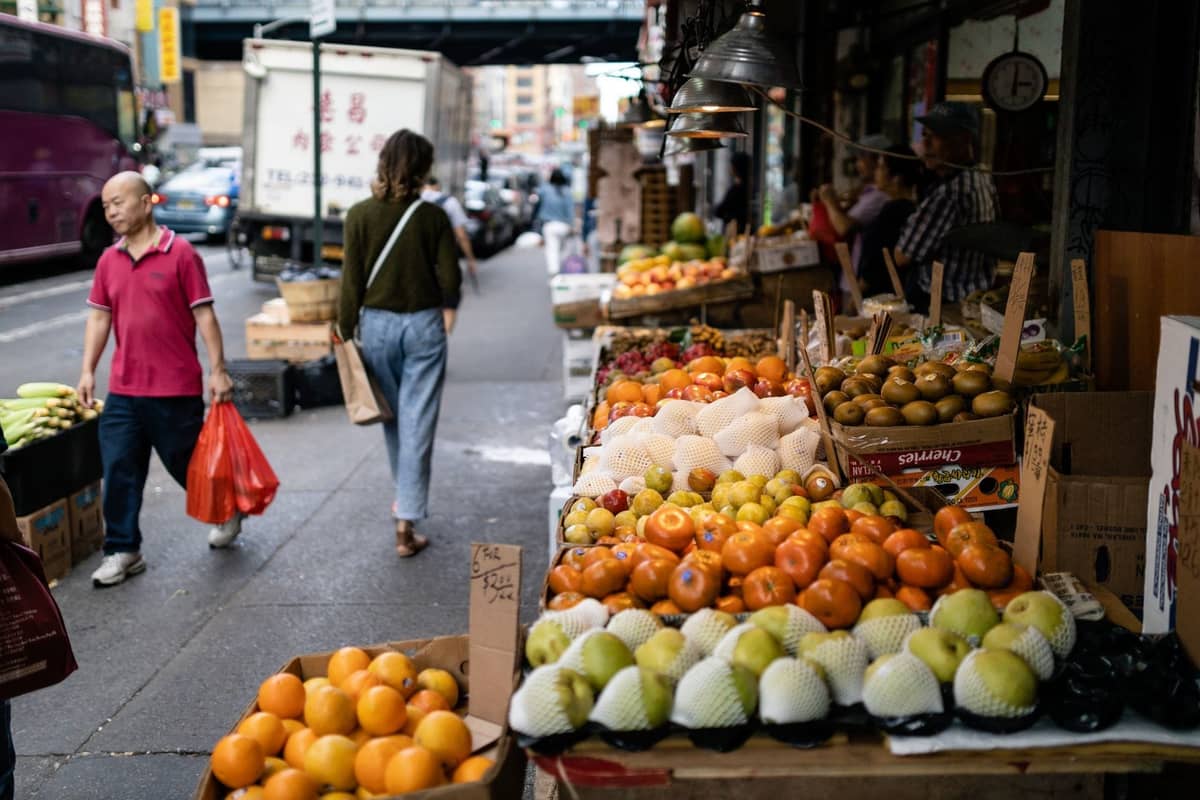
New York City restaurants reflect the city's demographics in the most direct way possible. With over 8.5 million residents speaking dozens of languages across five boroughs, the range of cuisines available is genuinely unmatched in the United States. You can eat Sichuan dan dan noodles in Flushing, Ethiopian injera in Harlem, Georgian khachapuri in Brighton Beach, and a hyper-seasonal tasting menu in a West Village townhouse, all in the same weekend.
The 2025 MICHELIN Guide for New York City lists 57 starred restaurants, plus dozens of Bib Gourmand picks (exceptional food at moderate prices) and hundreds of additional recommended spots. But the guide only scratches the surface. Plenty of the city's most interesting eating happens in places that no critic has formally reviewed: weekend food markets, cash-only taco counters, and the kind of dim sum hall in Queens where you need to arrive before 10am on a Sunday or wait an hour for a table.
ℹ️ Good to know
Tipping in NYC restaurants is a standard practice, not optional. The expected range is 18–22% on the pre-tax total at sit-down restaurants. Many places now add suggested tip amounts to the check; at counter-service spots, tipping is appreciated but not mandatory.
Budget Eating: Where NYC Actually Delivers
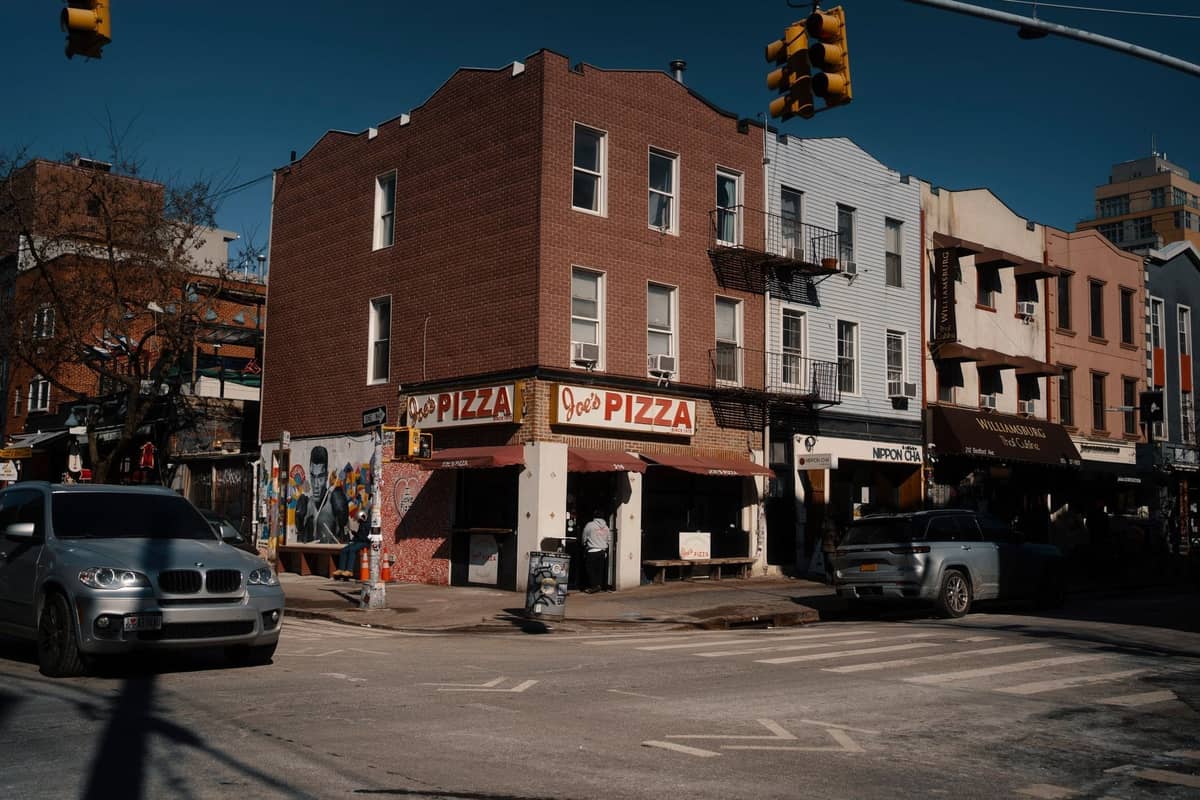
The city's reputation as expensive obscures one of its genuine strengths: the budget food scene is world-class. A proper New York pizza slice — thin, foldable, slightly charred underneath — costs $1–$5 at good spots across all five boroughs. Joe's Pizza in the West Village is the standard reference point, but dozens of neighborhood slice shops match it. For bagels, Russ & Daughters on the Lower East Side and Ess-a-Bagel in Midtown are the most cited names; expect to pay $3–$8 for a bagel with schmear. These are not tourist traps — they are daily staples for locals. For a broader breakdown of affordable options, see eating in NYC on a budget.
- Pizza by the slice The definitive NYC fast meal. A good slice costs $1–$5 and requires no table, no reservation, and no cutlery. Quality varies enormously — look for places where the slice is kept warm on the tray, not sitting cold in a glass case.
- Bagels Dense, chewy, and hand-rolled is the standard you want. The best shops in the city use high-gluten flour and boil before baking. Budget $3–$8 depending on toppings. Avoid hotel lobbies and airport versions entirely.
- Smorgasburg and food markets The outdoor food market in Williamsburg (Saturdays, April through October) and Prospect Park (Sundays) features 80+ vendors selling everything from ramen to lobster rolls. Individual dishes typically run $10–$18 — not ultra-cheap, but portions are large and quality is high.
- Flushing, Queens The most concentrated destination for affordable Asian food in the city. The New World Mall food court and surrounding blocks serve Sichuan, Hong Kong BBQ, hand-pulled noodles, and Korean fried chicken at prices that are difficult to match in Manhattan.
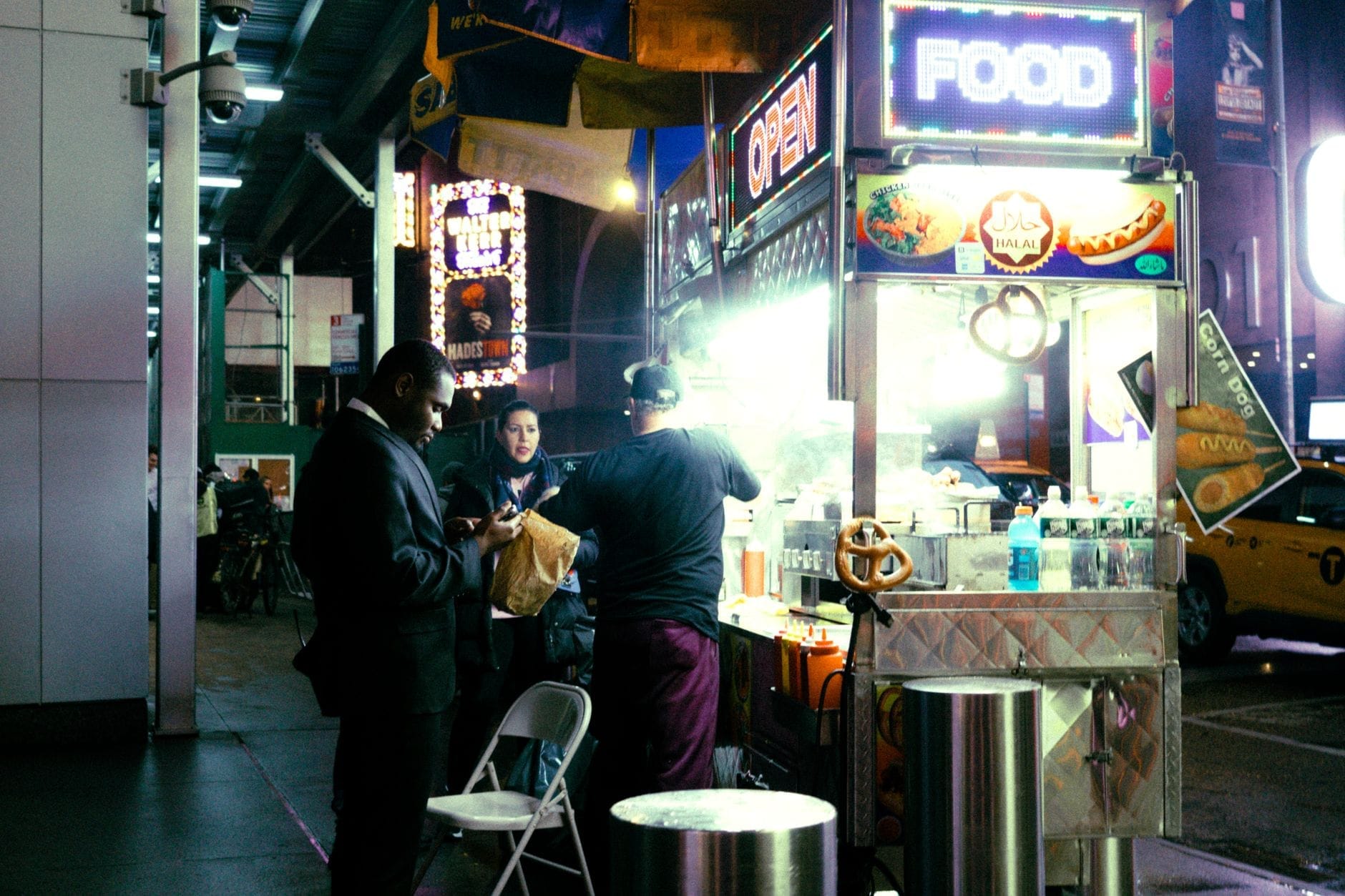
- Halal carts The chicken-and-rice cart at 53rd and 6th Avenue in Midtown is the most famous, but the format appears across the city. A full plate with white sauce and hot sauce runs around $7–$10 and is one of the better quick lunches available at that price.
⚠️ What to skip
Times Square restaurants, with a few exceptions, are not where locals eat. The area is convenient but the food-to-price ratio is poor. Walk five minutes in any direction from the square and you will find significantly better options at lower prices.
Mid-Range Restaurants: The Sweet Spot of NYC Dining
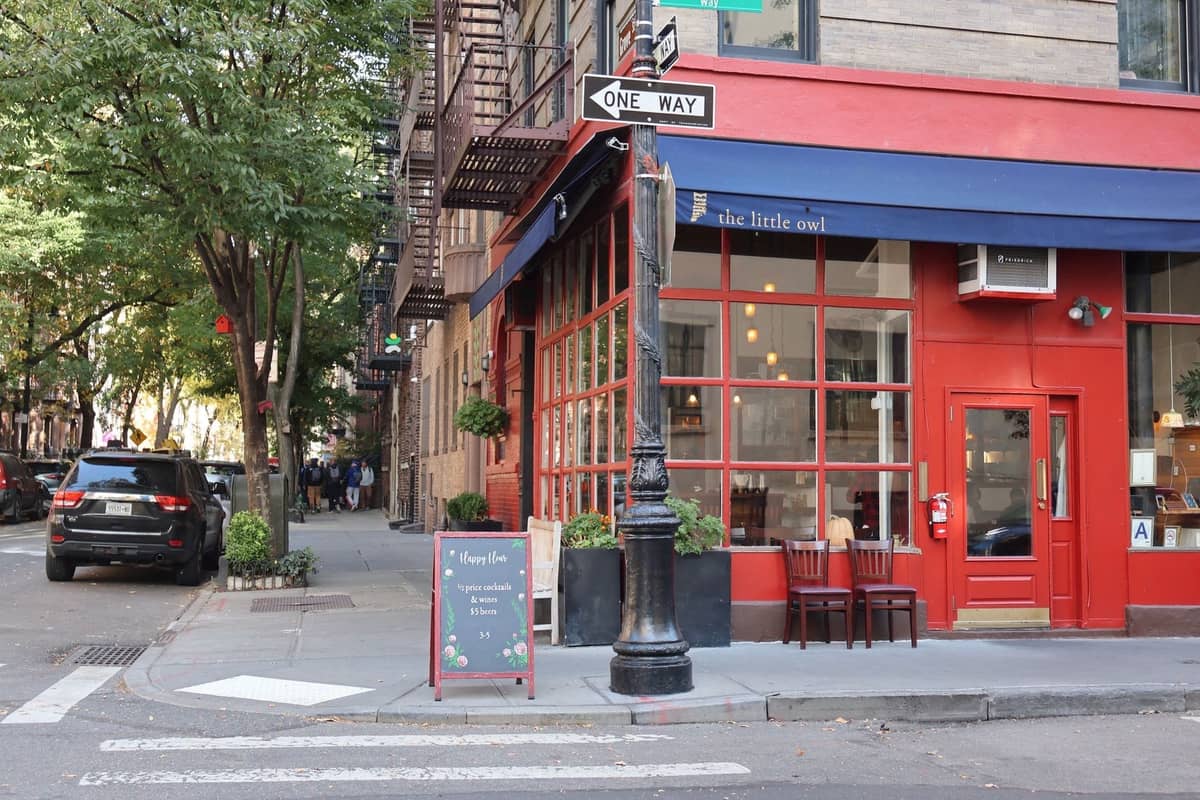
The $40–$80 per person range (before drinks) covers a large portion of what makes New York City dining genuinely exciting. This is where you find creative neighborhood restaurants with serious kitchens, interesting natural wine lists, and dining rooms that feel neither stuffy nor disposable. Greenwich Village, the Lower East Side, and Carroll Gardens in Brooklyn are particularly dense with this type of restaurant.
Some specific names that appear consistently in well-researched 2025 and 2026 roundups: Dame in the West Village (British-influenced seafood, notoriously hard to book), and Market Table, also in the Village, which has maintained a loyal neighborhood following for years. In Brooklyn, Fort Greene and Carroll Gardens have seen strong restaurant openings that lean toward thoughtful, ingredient-focused cooking without the Manhattan price premium. The Greenwich Village area remains one of the most reliable stretches for mid-range dining in Manhattan.
✨ Pro tip
Lunch at a mid-range or even high-end restaurant is often 30–40% cheaper than dinner for similar food. Many Michelin Bib Gourmand spots do weekday lunches that are accessible without a weeks-long reservation wait.
Fine Dining and Tasting Menus
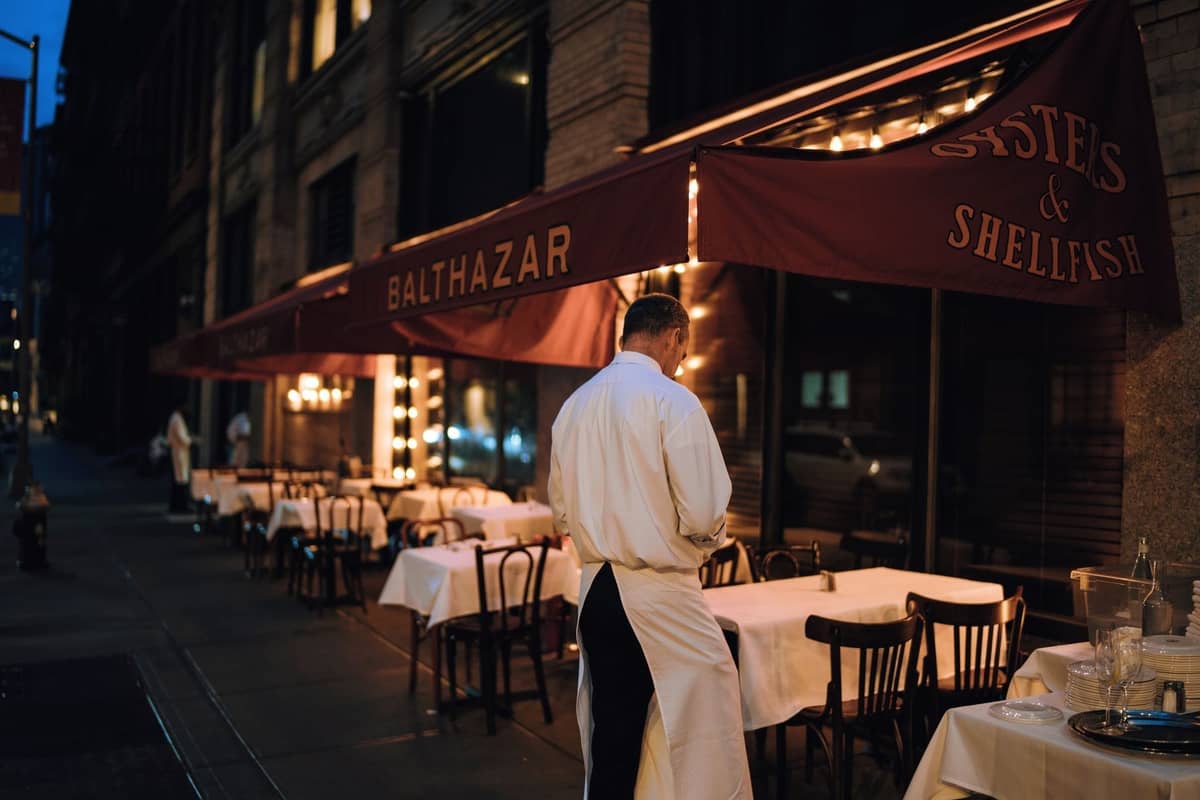
New York City's high-end dining scene is among the most competitive in the world. The 57 Michelin-starred restaurants in the 2025 guide span Japanese omakase counters, classical French kitchens, and modern American tasting menus. At this level, expect to pay upward of $200 per person before drinks, and often significantly more. The Modern at MoMA and Gabriel Kreuther near Bryant Park are two frequently cited examples that represent the city's approach to European fine dining done at the highest level.
Booking logistics at this tier require planning. Most top tasting menu restaurants release reservations 30–60 days in advance on Resy or their own websites, and demand consistently outpaces supply. Some highly regarded omakase counters in the East Village and Midtown release tables at specific times and sell out within minutes. If a specific restaurant is important to your trip, treat the reservation like a concert ticket — set a reminder and book the moment the window opens.
- Book tasting menu restaurants 4–6 weeks in advance minimum for weekend seatings; many popular spots are booked out further.
- Resy and OpenTable are the dominant booking platforms; check both, as not all restaurants use the same system.
- Cancellation policies at high-end spots often involve credit card holds; no-shows may be charged $50–$100 per person.
- Some of the most interesting omakase and kaiseki experiences are counter-only with 8–12 seats — these are the hardest to book and often require the most lead time.
- The MICHELIN Guide website (guide.michelin.com) provides current star ratings, price tiers, and often direct booking links for NYC restaurants.
Eating by Neighborhood and Borough
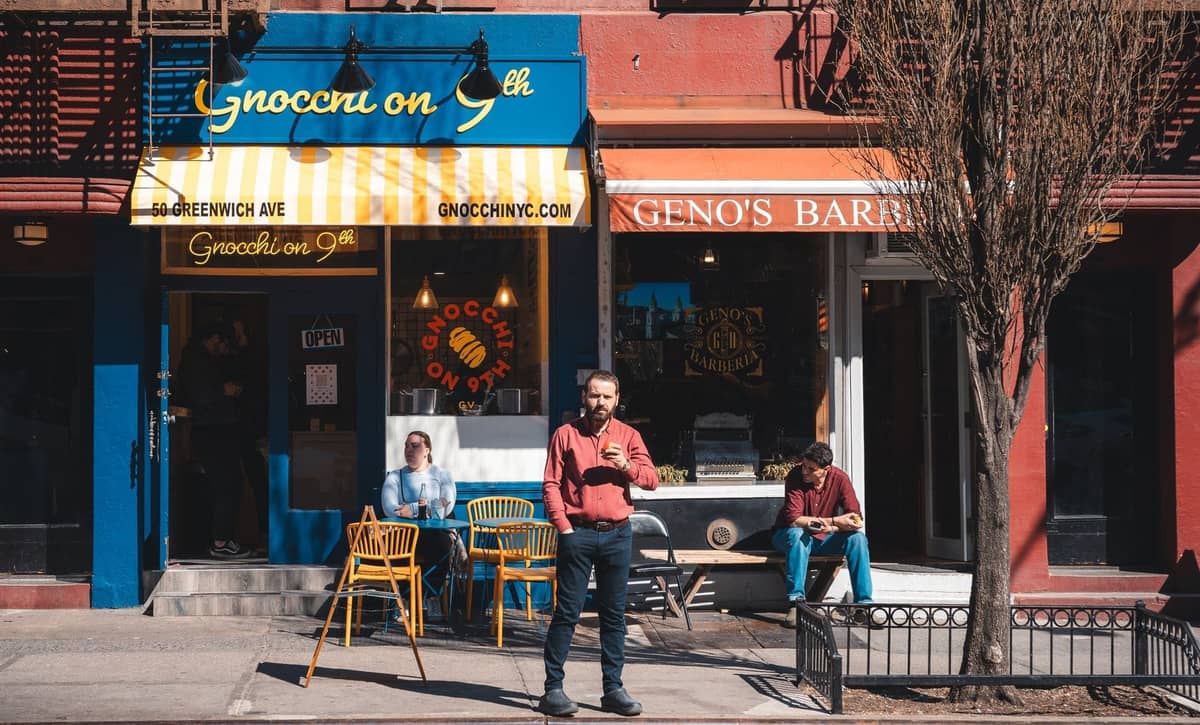
One of the most persistent misconceptions about eating in New York City is that the best restaurants are in Manhattan. Brooklyn and Queens have significant dining scenes that in many categories match or exceed what you find across the river.
In Manhattan, Midtown serves the widest range of expense-account dining and international cuisine, while the West Village and Lower East Side are stronger for independent restaurants with genuine neighborhood character. Harlem is the best area in the city for soul food, with a number of long-running institutions serving fried chicken, collard greens, and cornbread that have no equivalent elsewhere in the five boroughs.
In Brooklyn, Williamsburg has the highest concentration of restaurants, ranging from ramen shops to Michelin-recognized tasting menus. DUMBO and Brooklyn Heights lean toward weekend brunch crowds. Prospect Park and Park Slope attract serious independent restaurants and a local clientele that tends to keep quality high. For an in-depth look at what Brooklyn has to offer, the Brooklyn neighborhood guide covers the borough's distinct eating areas in detail.
Queens is the borough to visit for sheer diversity and value. Flushing is unambiguously the best destination in the city for Chinese regional cuisine, with Sichuan, Cantonese, Shanghainese, and Xinjiang food all within walking distance of each other. Astoria has a strong Greek dining corridor along Ditmars Boulevard. Jackson Heights, technically within Queens, is one of the best places in the country to eat South Asian and Colombian food.
Seasonal Eating and NYC Restaurant Week
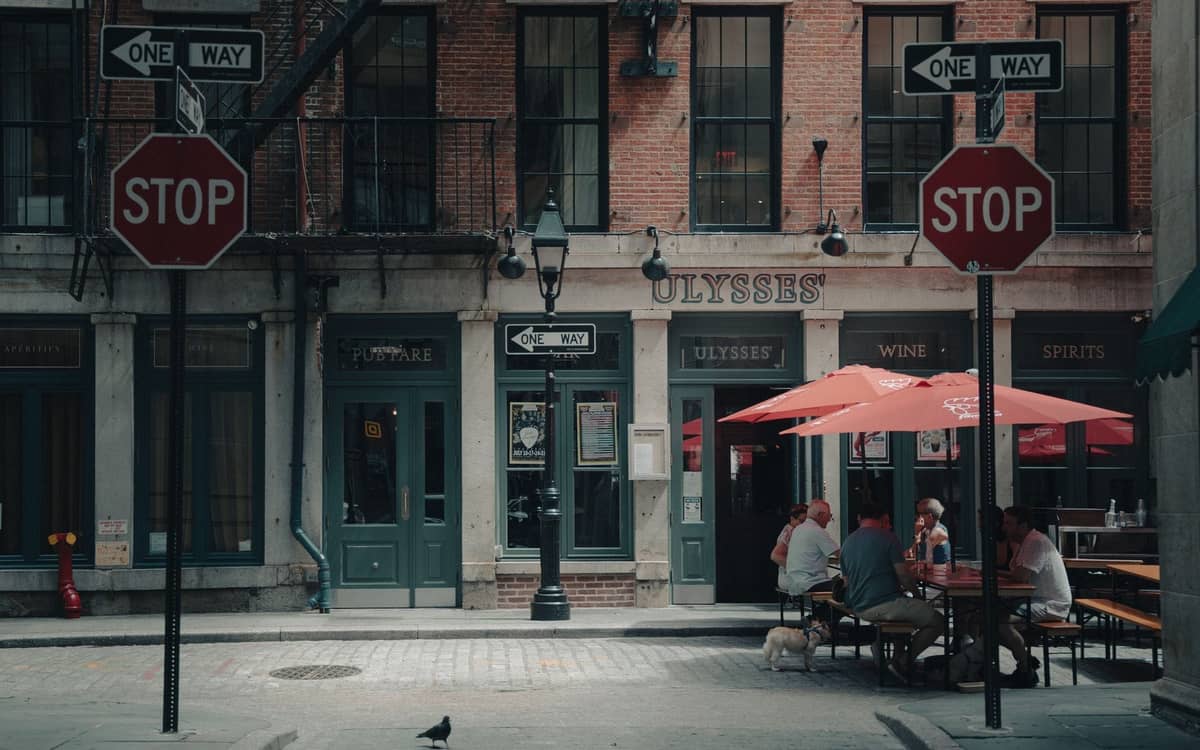
NYC Restaurant Week is the city's most significant annual dining event. Launched by NYC Tourism and the city government, it runs twice a year — typically in winter (January) and summer (July into August) — and features hundreds of participating restaurants offering prix-fixe menus at set price points for two- or three-course lunches and dinners. It is a practical opportunity to eat at mid-range and upscale restaurants at a meaningful discount, though the most prestigious Michelin-starred spots rarely participate.
Seasonality also shapes what is worth eating outside of Restaurant Week. Late spring and fall are when NYC farmers markets, particularly the Union Square Greenmarket, are at their strongest, and restaurant menus reflect that with more interesting produce-driven dishes. Summer brings outdoor dining in earnest, with sidewalk tables available across most neighborhoods from May through October. December is when hotel restaurants and midtown institutions see their highest demand and prices; advance booking is essential if you want to eat at anything notable during that month.
💡 Local tip
The Union Square Greenmarket runs Monday, Wednesday, Friday, and Saturday year-round and is one of the best places in the city to understand what is in season. Many chefs shop here personally on Wednesday and Saturday mornings — it gives you a real sense of what the restaurants will be cooking that week.
For visitors planning around specific seasons, the guides on visiting NYC in fall and NYC in summer cover how the restaurant scene shifts across the year, including outdoor dining options and seasonal food events.
FAQ
What are the best restaurants in New York City right now?
The current MICHELIN Guide for New York City (available at guide.michelin.com) is the most reliable reference for top-tier restaurants across all price levels and boroughs. For a broader picture that includes casual and mid-range spots, Eater NY and the New York Times restaurant coverage are updated frequently and reflect what is actually popular with locals, not just critics.
How much should I budget for food in New York City?
Budget travelers can eat well on $25–$40 per day by relying on pizza slices, bagels, food markets, and borough food courts. A mid-range approach — one sit-down restaurant meal per day plus quick lunches — typically costs $60–$100 per day before drinks. Fine dining tasting menus run $200+ per person. Drinks add significantly to restaurant bills; a glass of wine at a mid-range spot typically costs $14–$20.
Do I need reservations at New York City restaurants?
For anything notable — whether a Michelin-starred spot, a popular neighborhood restaurant, or a brunch destination on weekends — yes, reservations are strongly recommended. Many restaurants now release tables 30 days in advance on Resy or OpenTable. Walk-in seating exists but is unreliable at popular spots, particularly on Friday and Saturday evenings.
Where should I eat in New York City if I'm on a tight budget?
Queens is the best borough for high-quality, affordable eating. The Flushing food courts, Jackson Heights, and Astoria all offer full meals for $10–$15. In Manhattan, the Lower East Side and Chinatown remain relatively affordable. Food markets like Smorgasburg in Williamsburg (Saturdays, spring through fall) and the Queens Night Market in Flushing Meadows (weekends, May through October) offer exceptional variety at accessible prices.
When is NYC Restaurant Week and how does it work?
NYC Restaurant Week typically runs twice annually: a winter session in January and a summer session in July and August. Participating restaurants offer prix-fixe menus at standardized price points for two- or three-course lunches and dinners. Hundreds of restaurants across all five boroughs participate. Check NYCTourism.com for exact dates and the list of participating restaurants, as both change each session.