Brooklyn Travel Guide: Best Things to Do in NYC's Most Exciting Borough
Brooklyn is New York City's most populous borough, home to 2.7 million residents, iconic landmarks, and more distinct neighborhoods than most cities have total. This guide covers the best things to do in Brooklyn, from the Brooklyn Bridge and Prospect Park to Coney Island and Smorgasburg, with practical transport advice, seasonal timing, and honest takes on what's worth your time.
Plan and book this trip
Tools from our partner Travelpayouts help you compare flights and hotels. If you book through them, we may earn a commission at no extra cost to you.
Flights
Hotels map
TL;DR
- Brooklyn is NYC's largest borough by population, with major visitor areas including DUMBO, Williamsburg, Prospect Park, Coney Island, and Downtown Brooklyn.
- Walk the Brooklyn Bridge for free, then explore DUMBO's waterfront, cobblestone streets, and independent bookshops within the same afternoon.
- Spring is the best time to visit for cherry blossoms at Brooklyn Botanic Garden; summer is peak season for Coney Island and outdoor food markets.
- From Manhattan, most of Brooklyn is under 30 minutes by subway. There is no JFK flat taxi fare to Brooklyn, unlike Manhattan.
- Brooklyn rewards slow exploration by neighborhood. If you're planning a broader NYC trip, our NYC neighborhoods guide puts Brooklyn in context alongside the other four boroughs.
Understanding Brooklyn: Size, History, and Why It Matters
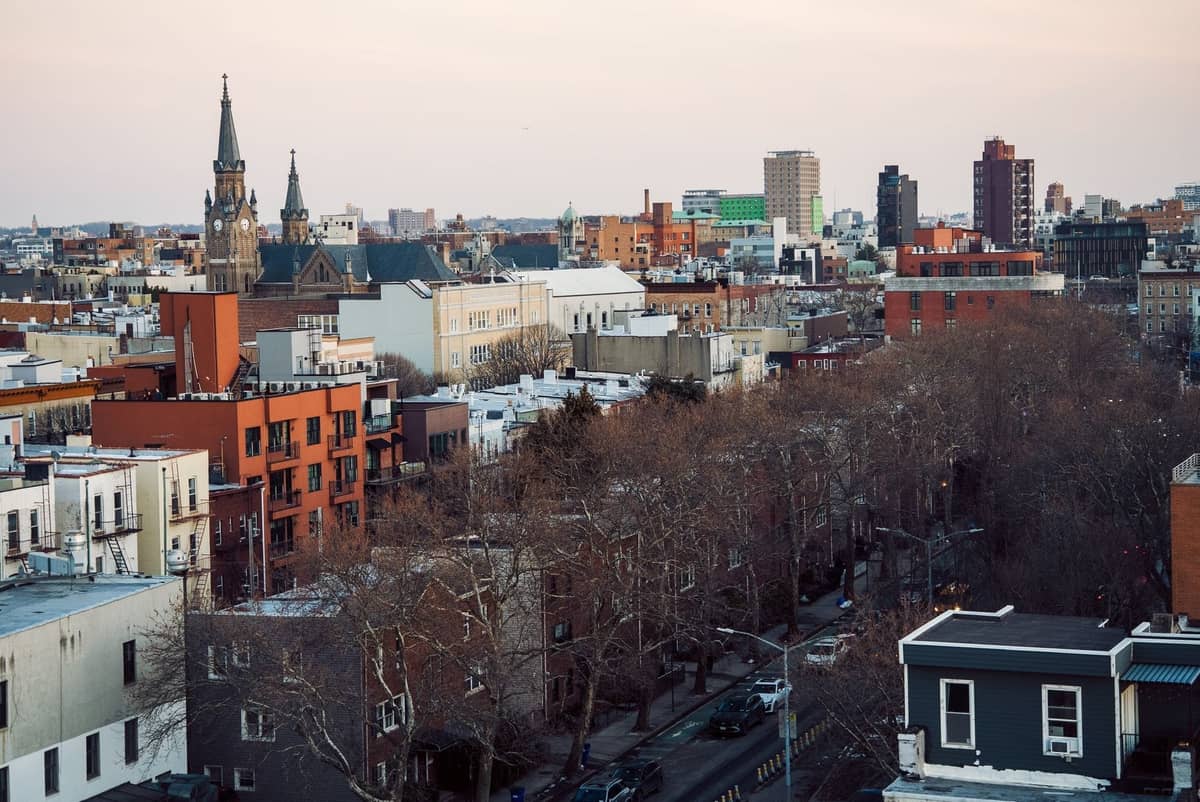
Brooklyn occupies the southwestern tip of Long Island and covers about 71 square miles, making it larger in area than many U.S. cities. With roughly 2.7 million residents, it would rank as the fourth-largest city in the country if it stood alone. In fact, it did stand alone: Brooklyn was an independent city until 1898, when it consolidated with Manhattan, Queens, The Bronx, and Staten Island to form modern New York City. That independent streak still shows. Brooklyn has its own cultural identity, its own culinary scene, and neighborhoods that function almost as self-contained villages.
A common mistake first-time visitors make is treating Brooklyn as a single neighborhood rather than a full borough. Williamsburg and DUMBO get the most tourist attention, but the borough also contains Prospect Park, Red Hook's waterfront warehouses, the Caribbean food corridor along Flatbush Avenue, the Victorian homes of Park Slope, and the last stretch of old-school New York boardwalk at Coney Island. Each area has a different character and a different pace, and understanding that spread helps you plan a more honest trip.
ℹ️ Good to know
Brooklyn is part of Kings County, one of the five counties that make up New York City. The subway connects most major visitor destinations to Manhattan in under 30 minutes, making day trips straightforward. That said, Brooklyn is large enough to justify staying here rather than in Midtown, often at lower nightly rates.
The Brooklyn Bridge and DUMBO: Where Most Visitors Start
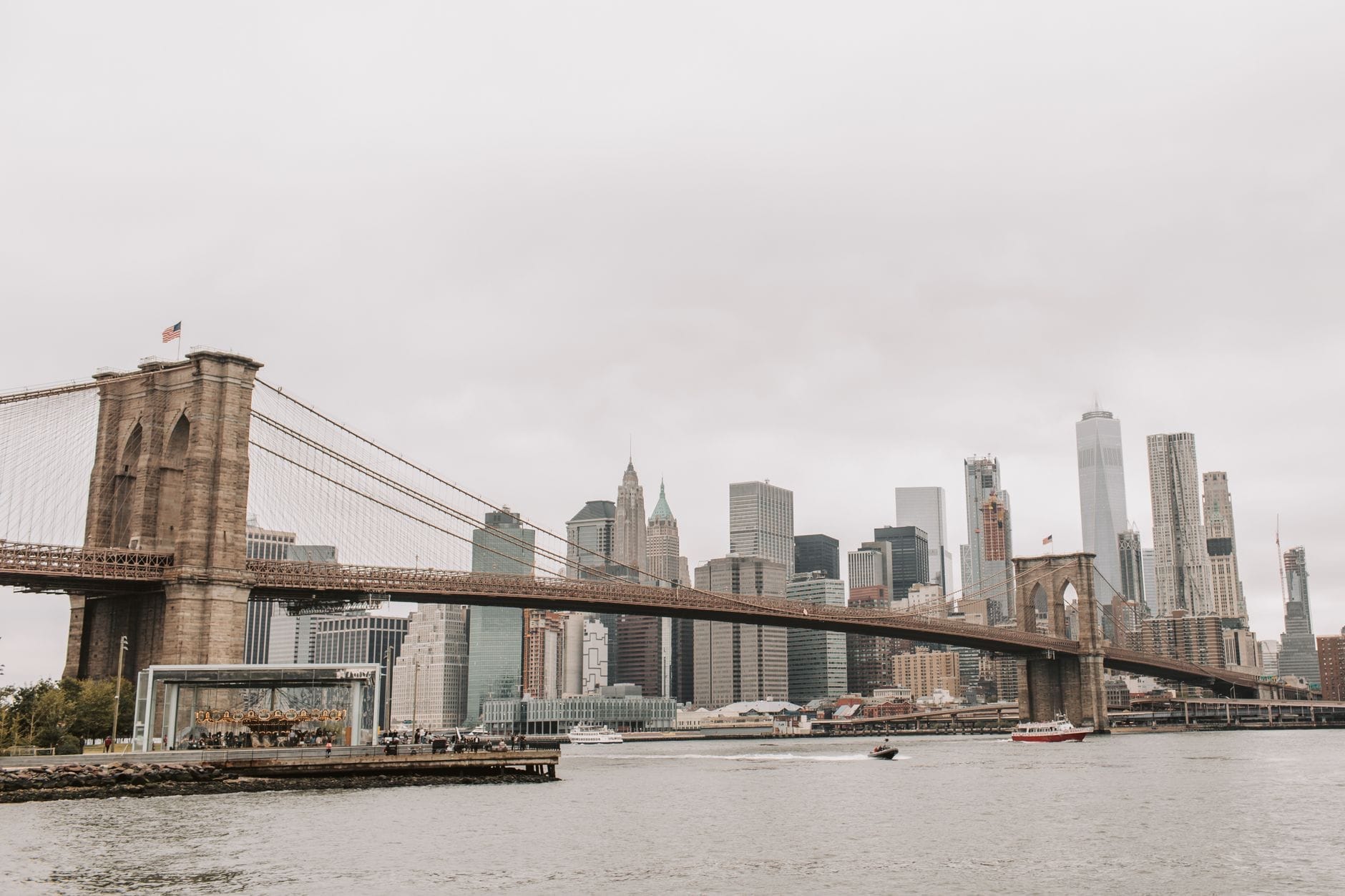
The Brooklyn Bridge is the logical entry point for most visitors crossing from Manhattan. The pedestrian and bike path runs along the top of the bridge's roadway, offering elevated views of the East River, Lower Manhattan's skyline, and the towers of the bridge itself. The walk from the Manhattan entrance (near City Hall) to the Brooklyn side takes around 20-30 minutes at a comfortable pace. Go early on weekdays if you want to avoid the mid-morning tourist surge; weekend afternoons can feel crowded. The bridge is free and open 24 hours, and the Manhattan skyline view looking back from the Brooklyn side, just after the towers, is one of the better vantage points in the city.
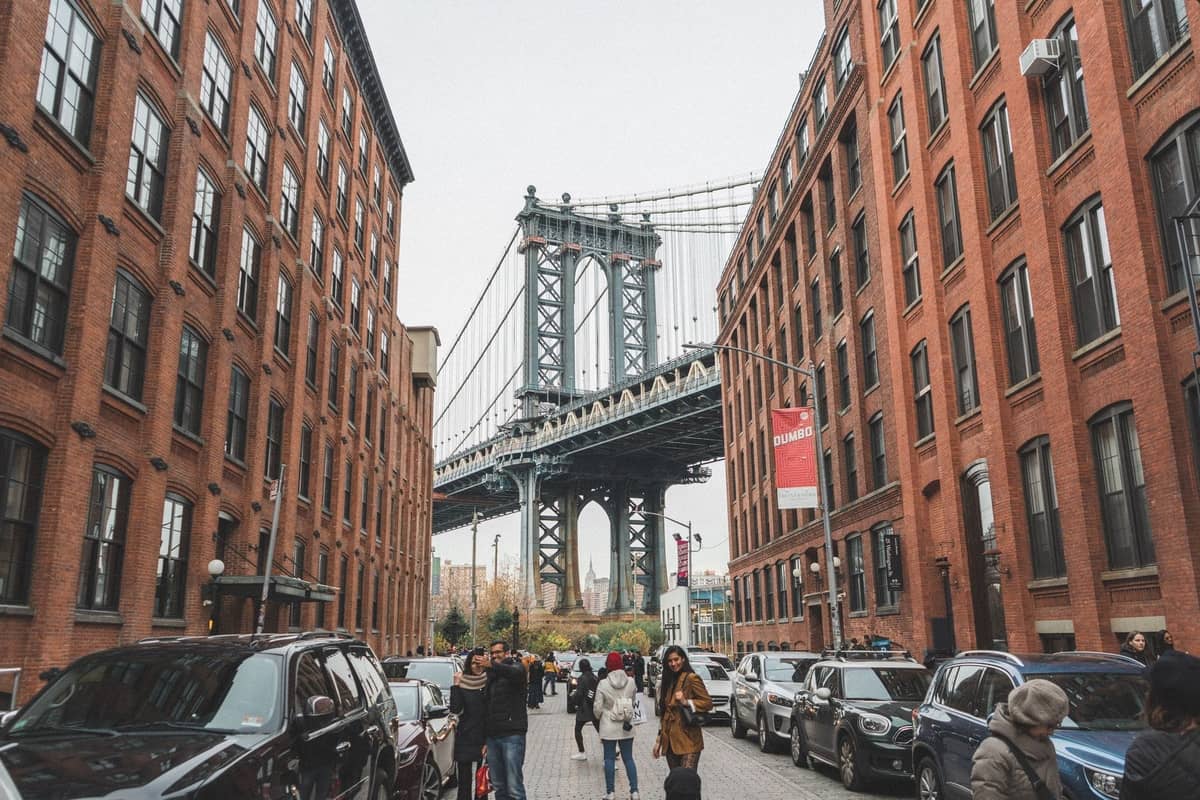
DUMBO (Down Under the Manhattan Bridge Overpass) sits directly at the Brooklyn end of the bridge. The neighborhood's grid of cobblestone streets beneath the Manhattan Bridge arches is one of the most photographed spots in New York City, specifically the view west along Washington Street where the Manhattan Bridge frames the Empire State Building. It is worth seeing, though you'll be sharing the frame with dozens of others on weekends. Brooklyn Bridge Park stretches along the waterfront here, with lawns, playgrounds, a restored carousel inside a glass pavilion, and clear sightlines back to Lower Manhattan. Entry to the park is free.
- Best time to photograph the bridge Early morning on weekdays, roughly 7-9am, gives you the cleanest light and the fewest people on the walkway.
- Washington Street photo spot Stand at the intersection of Washington and Front Streets in DUMBO looking west. The Manhattan Bridge frames the Empire State Building perfectly. Most crowded on weekend afternoons.
- Jane's Carousel A beautifully restored 1922 carousel housed in a Jean Nouvel-designed glass pavilion at the edge of Brooklyn Bridge Park. Tickets are a few dollars and the structure itself is worth seeing.
- Brooklyn Flea Runs weekends under the DUMBO archways, selling vintage furniture, antiques, and independent design goods. Entry is free; quality varies by vendor.
Prospect Park, the Botanic Garden, and the Park Slope Corridor
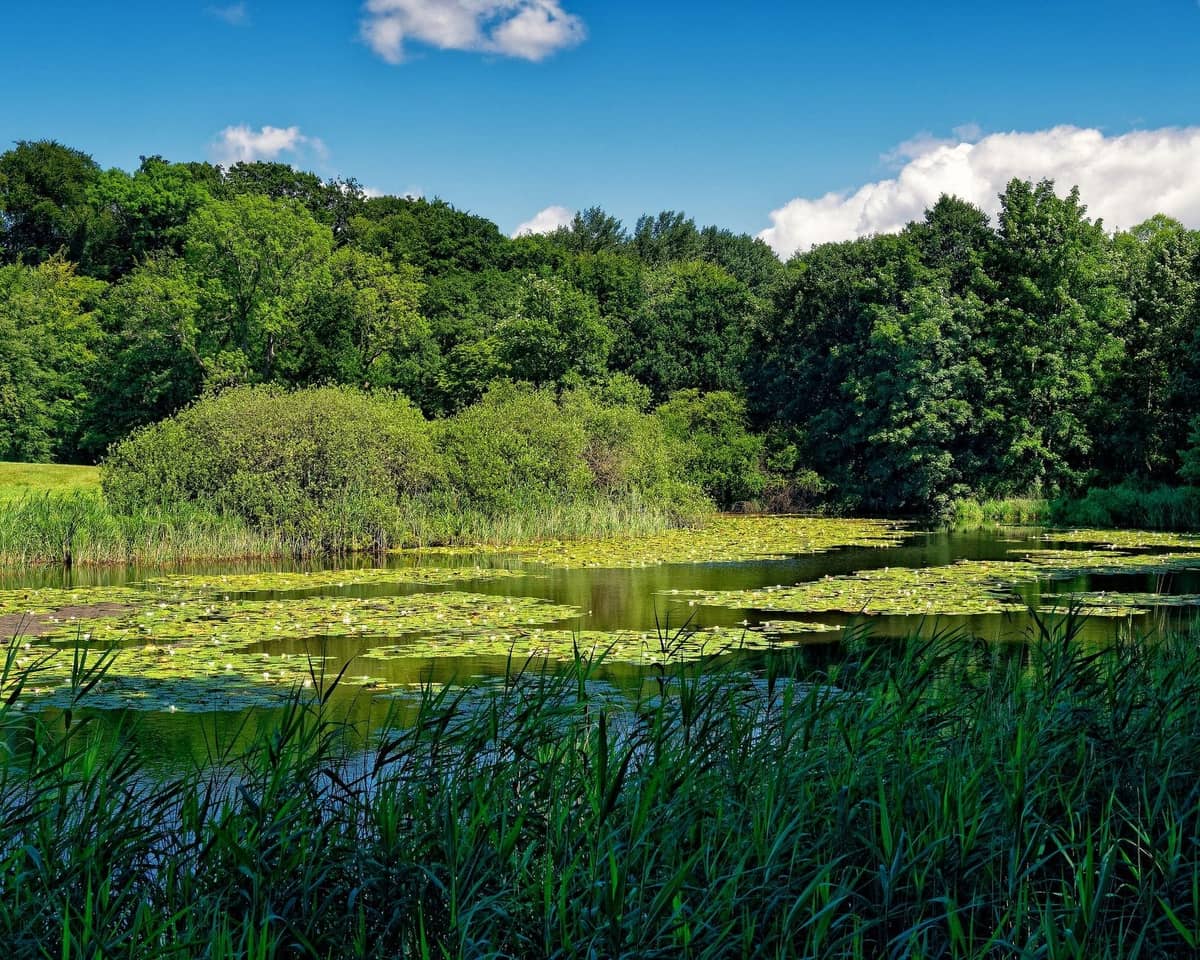
Prospect Park covers 526 acres and was designed by Frederick Law Olmsted and Calvert Vaux, the same team behind Central Park. Many landscape historians argue Prospect Park was actually their preferred work. It has a long meadow, a lake, forested trails, a bandshell that hosts free summer concerts, and a generally less frenetic atmosphere than its Manhattan counterpart. Admission is free. On a weekend morning in spring or fall, it draws locals for running, cycling, and picnicking in a way that feels neighborhood-scaled rather than tourist-facing.
Adjacent to the park's eastern edge, the Brooklyn Botanic Garden is one of the best-designed urban gardens in the United States. The 52-acre site contains a Japanese Hill-and-Pond Garden (opened in 1915 and one of the oldest Japanese gardens in a public U.S. institution), a Shakespeare Garden, a rose garden with over 1,000 varieties, and the Cherry Esplanade. Adult admission typically runs around $18; check the official website at bbg.org for current pricing, as it updates periodically. The garden is generally closed on Mondays. Spring visits, specifically late March through mid-April, coincide with the Sakura Matsuri cherry blossom festival, which draws large crowds. Arrive at opening time if you want the Japanese garden without the shoulder-to-shoulder experience.
💡 Local tip
Brooklyn Botanic Garden offers free admission on select weekday mornings. Check bbg.org before your visit, as free access windows change seasonally. Members of several other U.S. botanical gardens may also get reciprocal free entry.
Park Slope, the residential neighborhood running along Prospect Park's western side, is worth walking through even if you have no specific destination. The blocks between Flatbush Avenue and Eighth Avenue contain some of the best-preserved Romanesque Revival and Queen Anne brownstones in the city, built between roughly 1880 and 1910. Fifth Avenue in Park Slope is the main commercial strip, lined with independent restaurants, wine bars, and bookshops rather than chains. If you want to see what Brooklyn looks like when it's functioning as a neighborhood rather than a tourist attraction, this is the area. The Brooklyn Museum sits at the northern edge of Prospect Park on Eastern Parkway. It's the second-largest art museum in New York City and is consistently underattended compared to the Met, which means you can move through major collections without the crush. Suggested admission applies.
Williamsburg: Food, Markets, and the North Brooklyn Scene
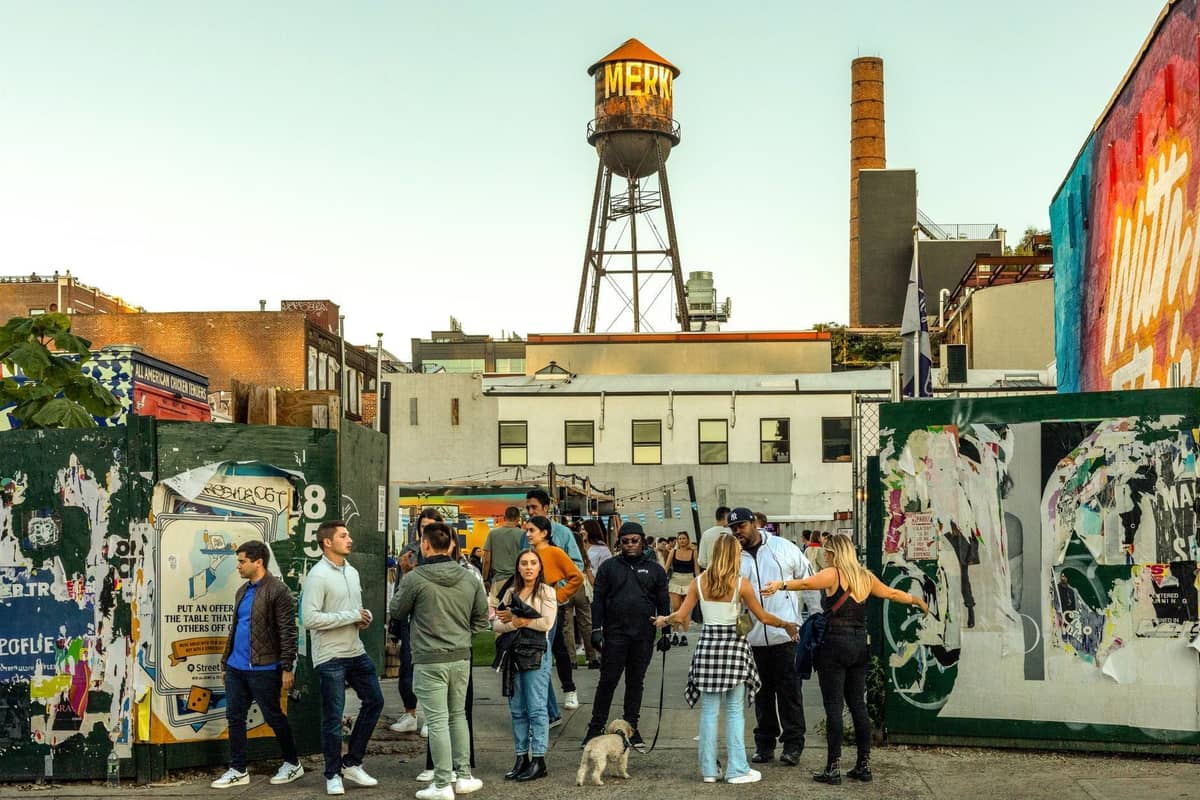
Williamsburg sits directly across the East River from the Lower East Side and is reachable from Manhattan via the L train (Bedford Avenue stop) in about 10 minutes. It's the most heavily marketed part of Brooklyn to visitors, and the core stretch of Bedford Avenue between North 7th and North 10th Streets is commercial in a way that can feel anticlimactic. The more interesting version of the neighborhood is found on the side streets east of Bedford, and in the blocks near the waterfront along Kent and Berry Streets. Williamsburg rewards wandering over planned itineraries.
Smorgasburg is the outdoor food market that runs Saturday in Williamsburg (at Marsha P. Johnson State Park) and Sunday in Prospect Park, from April through October. Around 100 vendors sell food spanning Korean fried chicken, Salvadoran pupusas, Japanese milk bread, elaborate ice cream, and a rotating cast of experimental small-batch producers. Entry is free; individual items typically run $8-15. It gets packed by noon on good weather weekends. Arrive between 10-11am for shorter lines and better energy. The Williamsburg waterfront location also has river views of Manhattan worth the trip on its own.
⚠️ What to skip
The L train connection between Manhattan and Williamsburg (14th Street to Bedford Avenue) is the borough's busiest subway link and experiences significant weekend service disruptions for maintenance. Always check the MTA's website or app before traveling on weekends. The G train offers an alternative connecting Williamsburg to other Brooklyn neighborhoods without going through Manhattan.
Coney Island: Boardwalk, Rides, and the Real Thing
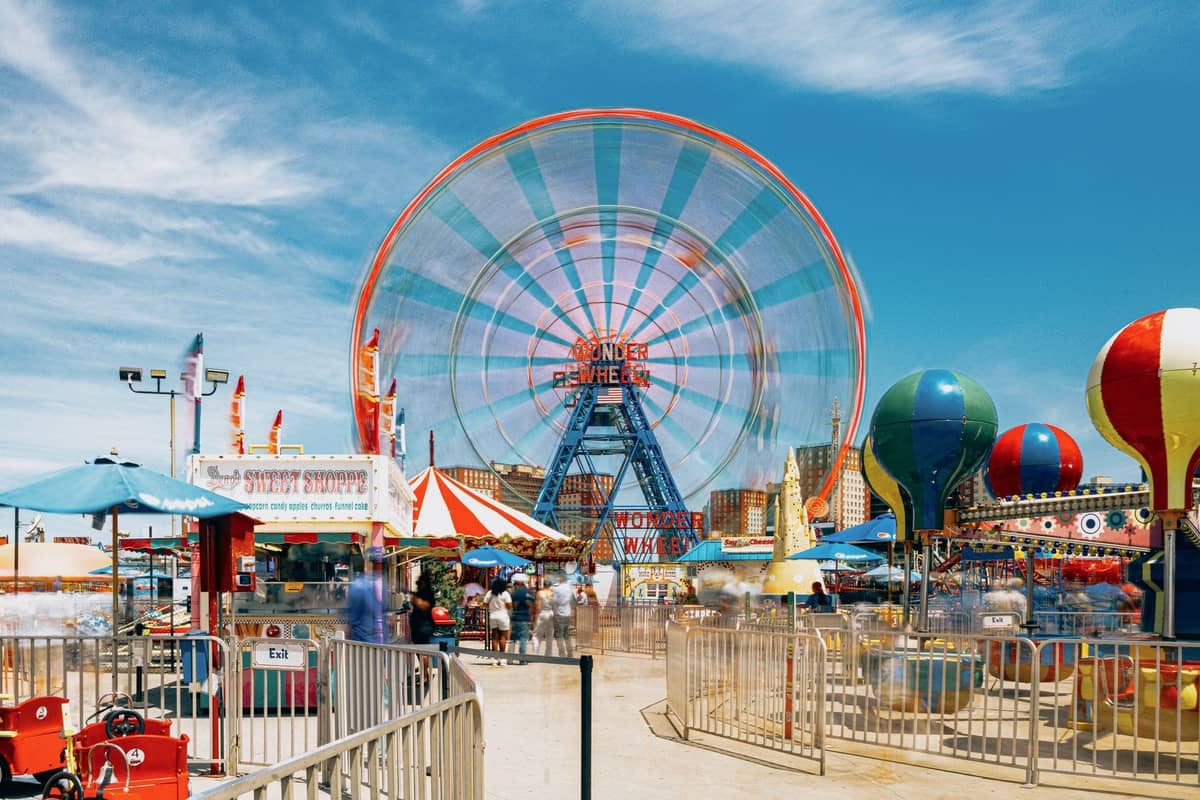
Coney Island's boardwalk is free year-round, and the beach itself is a public city beach open through the summer swimming season. The neighborhood at the end of the D, F, N, and Q subway lines (Coney Island–Stillwell Avenue) is unlike anywhere else in New York City: a mix of 1920s amusement park nostalgia, Caribbean food vendors, Russian-language signs (the surrounding Brighton Beach neighborhood has a large Russian-speaking community), and a slightly faded grandeur that is either charming or dispiriting depending on your expectations. Don't arrive expecting Disneyland. Arrive expecting something more interesting and less polished.
Luna Park operates seasonally, roughly April through October, with the Cyclone roller coaster (a National Historic Landmark, operating since 1927) as its main draw. Individual ride tickets and unlimited ride wristbands are available; prices are seasonal and subject to change, so check lunaparknyc.com before your visit. The New York Aquarium sits adjacent to Luna Park and is run by the Wildlife Conservation Society; it's a solid option if you're visiting with children. Coney Island is roughly an hour from Midtown Manhattan by subway, making it a genuine half-day commitment rather than a quick detour.
Getting to Brooklyn: Transport Logistics
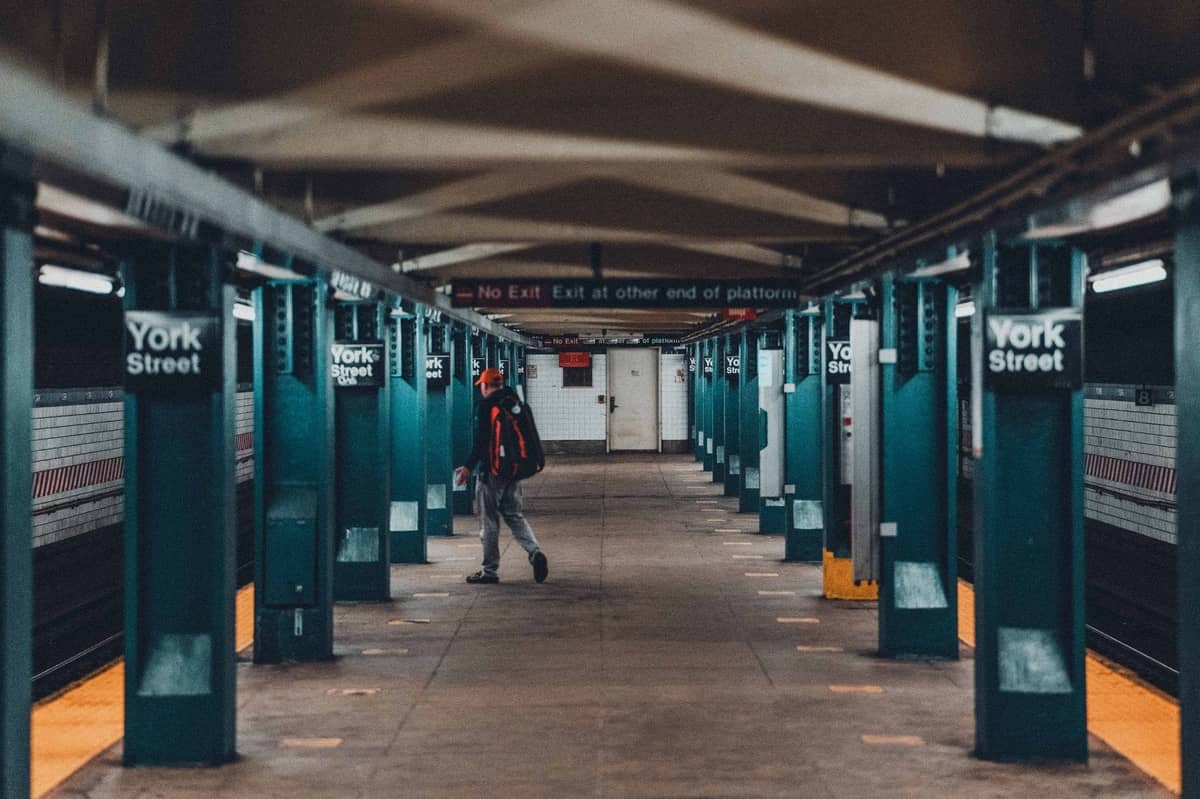
The NYC Subway is by far the most practical way to reach Brooklyn from Manhattan. Multiple lines serve different parts of the borough, and the MTA operates 24 hours. For DUMBO and Brooklyn Heights, take the A or C train to High Street, or the F train to York Street. For Williamsburg, use the L train to Bedford Avenue, the first stop in Brooklyn after leaving Manhattan. For Prospect Park and Park Slope, the B or Q train to Prospect Park, or the F/G to 7th Avenue. For Coney Island, take the D, F, N, or Q to Stillwell Avenue, which is the end of the line on all four routes.
One logistics note that catches many visitors off guard: the flat yellow cab fare from JFK Airport applies only to Manhattan destinations. Rides to Brooklyn from JFK are metered, and depending on traffic, costs typically run around $50-70 plus tip. From LaGuardia, metered taxis to Brooklyn run similarly, depending on destination and traffic. Travel times from either airport can range from 30 to 90 minutes in heavy traffic. If you're staying in Brooklyn and flying in, budgeting extra time and fare compared to a Manhattan hotel makes practical sense.
- Brooklyn Bridge / DUMBO A or C train to High Street, or F train to York Street. Also walkable across the Brooklyn Bridge from Manhattan's City Hall area.
- Williamsburg L train to Bedford Avenue (10 minutes from 14th Street-Union Square). Check weekend service advisories.
- Park Slope / Prospect Park B or Q train to Prospect Park; F or G to 7th Avenue. About 25-35 minutes from Midtown.
- Coney Island D, F, N, or Q train to Stillwell Avenue, end of line. Allow 50-60 minutes from Midtown Manhattan.
- Red Hook No direct subway service. Take the B61 bus from Carroll Gardens or Smith-9th Street G train station. NYC Ferry also connects to Red Hook from Wall Street/Pier 11.
Seasonal Timing: When to Go and What Changes
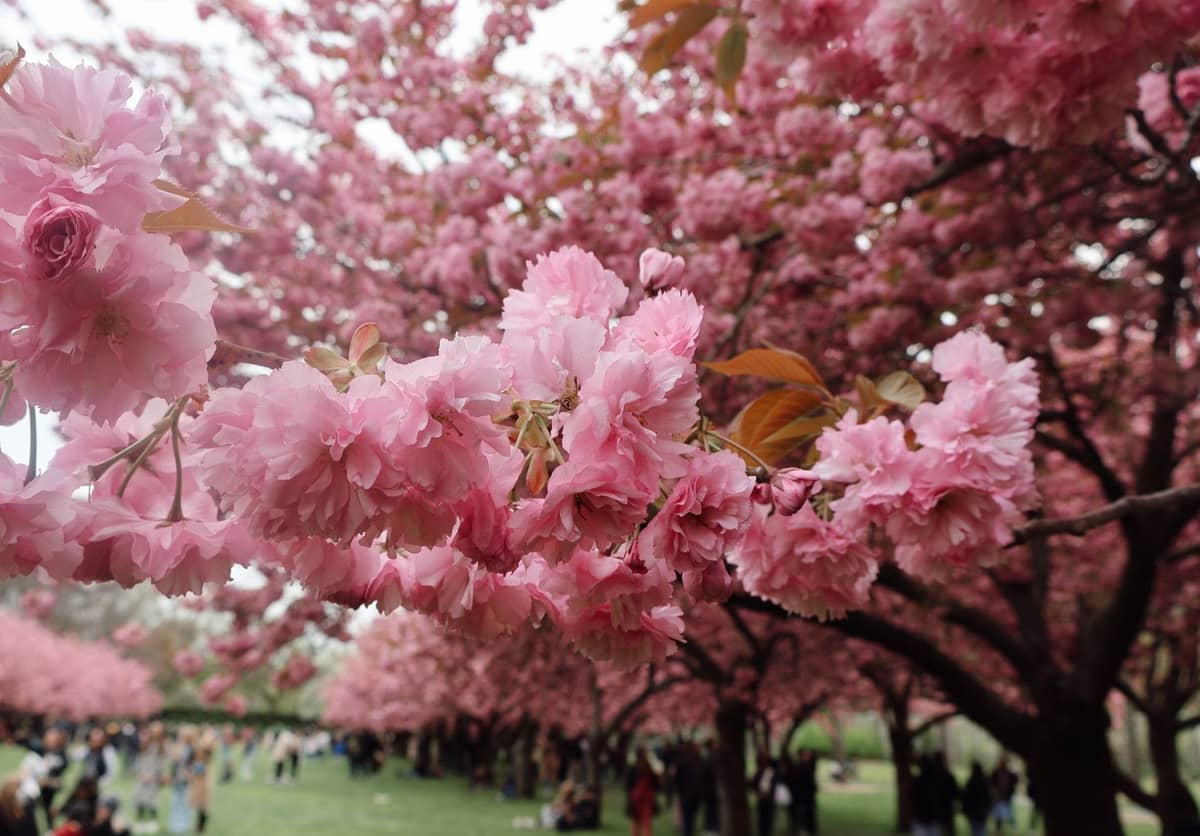
Spring and fall are the most comfortable seasons in Brooklyn, with temperatures typically in the mid-50s to mid-60s Fahrenheit (12-18°C) and lower humidity than summer. The cherry blossom season at Brooklyn Botanic Garden, usually late March to mid-April, is a legitimate highlight but requires early arrival or weekday timing to avoid the largest crowds. For broader context on timing a New York trip by season, the best time to visit New York City guide covers citywide weather patterns and event calendars in detail.
Summer (June through August) is peak season for Coney Island, the Smorgasburg food markets, Brooklyn Bridge Park's waterfront, and free outdoor concerts at Prospect Park's bandshell. The borough is lively, but also crowded and hot, with temperatures often reaching the high 80s Fahrenheit (around 30°C) with significant humidity. If you're visiting in summer, plan outdoor activities for morning and use air-conditioned museums or indoor venues in the early afternoon. Winter keeps most outdoor attractions and seasonal markets closed or reduced, but the Brooklyn Museum, Brooklyn Botanic Garden's indoor glasshouses, and the borough's restaurant scene remain active year-round.
✨ Pro tip
If Brooklyn is your primary focus, consider staying in the borough rather than Midtown Manhattan. Neighborhoods like Park Slope, Carroll Gardens, and Cobble Hill have hotels and short-term rentals that often run cheaper than comparable Manhattan options, and put you within walking distance of Prospect Park, the botanic garden, and dozens of excellent local restaurants.
For visitors combining Brooklyn with Manhattan sightseeing, a logical approach is to dedicate one full day to the Brooklyn Bridge, DUMBO, and Brooklyn Heights Promenade walk (which provides the classic Manhattan skyline view), and a second day to the Prospect Park corridor: the botanic garden in the morning, the park itself over lunch, and the Brooklyn Museum in the afternoon. That structure fits most of the borough's primary highlights without requiring a car. If you're building a longer NYC itinerary, the 3 days in New York City guide offers a framework for balancing Manhattan and Brooklyn across a short trip.
FAQ
How do I get from Manhattan to Brooklyn?
The fastest and cheapest option is the NYC Subway. Use the A/C to High Street or F to York Street for DUMBO, the L to Bedford Avenue for Williamsburg, the B/Q to Prospect Park for Park Slope, and the D/F/N/Q to Stillwell Avenue for Coney Island. The Brooklyn Bridge pedestrian walkway is a free option for the DUMBO and Brooklyn Heights area. Yellow cabs and rideshare apps also cross the East River, but cost more and are subject to traffic.
What is the best neighborhood in Brooklyn to visit?
It depends on what you're after. DUMBO and Brooklyn Heights offer the most concentrated photogenic appeal and the best Manhattan views. Williamsburg has the most active food and nightlife scene. Park Slope and Prospect Park deliver the most balanced mix of greenspace, brownstone architecture, and neighborhood restaurants. Coney Island is in a category of its own, worth visiting for the boardwalk and the Cyclone roller coaster specifically.
Is Brooklyn worth visiting on a short New York trip?
Yes, even a half-day adds significant depth to any NYC visit. The Brooklyn Bridge walk plus a few hours in DUMBO or Brooklyn Bridge Park can be done comfortably in 3-4 hours from Midtown Manhattan. A full day allows you to add Prospect Park, the Brooklyn Botanic Garden, or the Brooklyn Museum. If your trip is 3 days or longer, dedicating a full day specifically to Brooklyn is worthwhile.
When is the best time to visit Brooklyn Botanic Garden?
Late March through mid-April for cherry blossoms, which is the garden's most popular period. Arrive at opening time on weekdays to avoid peak crowds. The rose garden peaks in late May to early June. The garden is generally closed on Mondays; check bbg.org for current hours and admission prices before visiting, as both change periodically.
Is there a flat taxi fare from JFK to Brooklyn?
No. The official flat fare for yellow cabs from JFK Airport applies only to destinations in Manhattan. Rides to Brooklyn from JFK are metered. Depending on traffic and your specific destination in the borough, expect to pay roughly $50-70 plus tip. Travel times can range from 30 to 90 minutes depending on traffic conditions.