Brooklyn Museum: What to Expect, What to See, and How to Make the Most of It
The Brooklyn Museum is one of the largest and most encyclopedic art institutions in the United States, housed in a monumental Beaux-Arts building on Eastern Parkway. With a permanent collection spanning ancient Egyptian artifacts to contemporary feminist art, it rewards repeat visits and first-timers equally.
Quick Facts
- Location
- 200 Eastern Parkway, Brooklyn, NY 11238 (Prospect Park / Crown Heights border)
- Getting There
- Subway lines 2 or 3 to Eastern Pkwy – Brooklyn Museum station (exit directly in front of the main entrance)
- Time Needed
- 2–4 hours for a focused visit; a full day for the comprehensive collection
- Cost
- Ticketed admission; prices vary by date and exhibition. Check brooklynmuseum.org for current USD pricing
- Best for
- Art lovers, history enthusiasts, architecture admirers, families, and solo travelers
- Official website
- www.brooklynmuseum.org
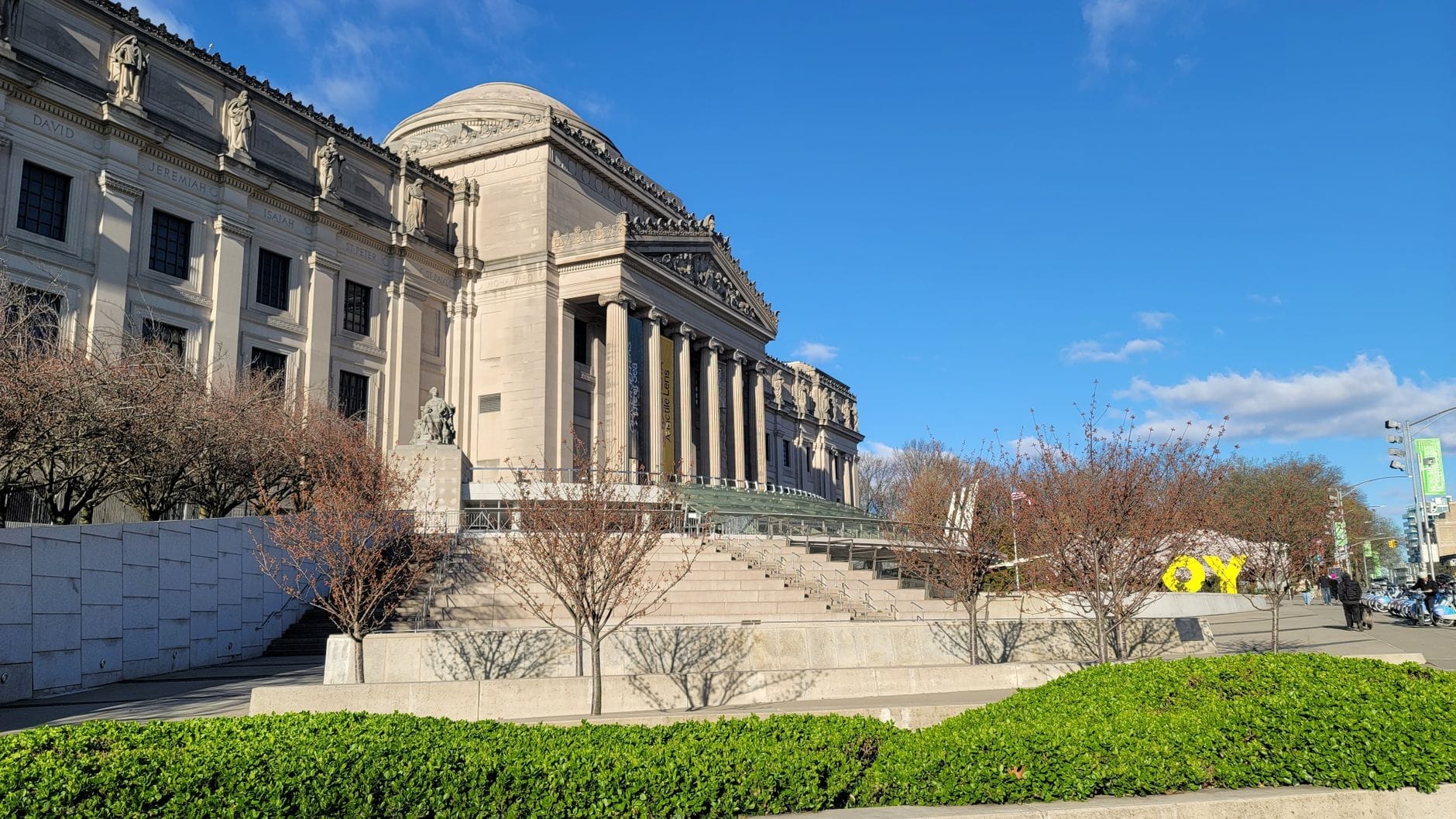
Why the Brooklyn Museum Deserves More Than a Day-Trip Afterthought
Most visitors crossing into Brooklyn for the first time head straight for the bridge or the waterfront. The Brooklyn Museum sits a few miles south on Eastern Parkway, and that extra distance filters out the casual foot traffic. What you get instead is one of New York's most rewarding cultural institutions, one that rarely feels overwhelmed even on a Saturday afternoon. At roughly 560,000 square feet, it is one of the largest museums in New York City, and yet it carries none of the logistical stress of the Metropolitan Museum of Art on a busy weekend.
The museum traces its institutional roots to 1824, when the Brooklyn Apprentices' Library was established as a forerunner to the collection. Construction of the current building began in 1895 under the architectural firm McKim, Mead & White, whose Beaux-Arts design was intended to be even grander. The museum opened to the public in 1897, and although the original master plan was never fully realized, what stands today is still a commanding civic monument. If you're interested in how the borough has shaped its cultural identity over time, the Brooklyn neighborhood guide provides useful context before your visit.
💡 Local tip
The museum is open Wednesday through Sunday, 11:00–18:00, and is closed Monday and Tuesday. Arrive within the first hour of opening for the quietest experience, particularly in the Egyptian galleries on the third floor.
The Building: A Beaux-Arts Statement Worth Studying Before You Walk In
Stand on Eastern Parkway for a moment before entering. The facade is a study in late-19th-century institutional ambition: grand Corinthian columns, a broad ceremonial staircase (partially preserved from the original design), and stone that has acquired the particular grey-beige patina of a building that has absorbed a century of Brooklyn weather. The 2004 renovation by Polshek Partnership Architects added a glass-and-steel entry pavilion at street level that sits in direct dialogue with the classical structure behind it. The contrast works better in person than it sounds on paper.
The interior opens into a lobby that is airy without being cavernous. Natural light filters through the pavilion during morning hours, making the entrance feel less like a formal institution and more like a place that was designed to be used. The five floors are organized thematically rather than chronologically, which means you can move laterally through time and culture rather than marching forward in a prescribed sequence.
Tickets & tours
Hand-picked options from our booking partner. Prices are indicative; availability and final rates are confirmed when you complete your booking.
Statue of Liberty, Ellis Island, and Brooklyn Bridge Happy Hour Cruise
From 49 €Instant confirmationFree cancellationChristmas lights tour in Dyker Heights, Brooklyn
From 48 €Instant confirmationFree cancellationNew York Brooklyn Bridge and DUMBO food-tasting guided tour
From 89 €Instant confirmationFree cancellationBrooklyn Bridge and DUMBO neighborhood walking tour
From 42 €Instant confirmationFree cancellation
What the Collection Actually Contains (and Where to Start)
The Brooklyn Museum holds approximately 1.5 million objects, though only a portion is on display at any given time. The depth of the collection means that different wings reward different interests entirely.
The Egyptian collection on the third floor is one of the finest outside of Cairo and London. The mummies, coffins, and funerary objects are displayed with precise lighting that shows surface detail clearly, and the galleries feel appropriately solemn rather than theatrical. Spend time here even if Egyptian antiquities aren't your primary interest. The craftsmanship across media, from carved wood to inlaid faience, shifts how you think about the ancient world.
The fifth floor houses the museum's American art collection, which covers decorative arts, paintings, and period rooms from the 17th century through the 20th. The Moorish Room from the John D. Rockefeller house, installed here in full, is a specific highlight: it's an intact domestic interior from 1884 that gives a sense of how Gilded Age wealth translated into private space.
The Elizabeth A. Sackler Center for Feminist Art occupies a dedicated space on the fourth floor and is home to Judy Chicago's monumental installation The Dinner Party, a triangular table setting honoring 39 historical and mythical women across 39 place settings. It remains one of the most significant works of feminist art in any permanent collection in the world. For travelers building a broader New York art itinerary, the New York City art guide maps out how this museum fits alongside other major institutions.
How the Experience Changes by Time of Day
Weekday mornings between 11:00 and 13:00 are consistently the quietest window. The Egyptian galleries in particular feel almost private during this time. You can stand directly in front of display cases without crowds pressing in, and the low ambient noise lets you actually read the interpretive panels without distraction.
Weekend afternoons bring a more social atmosphere. Families arrive in numbers after lunch, and the first-floor lobby becomes noticeably louder. The contemporary art exhibitions on the first and second floors tend to draw younger visitors and can feel more like a gallery opening than a museum visit, which is either appealing or distracting depending on what you're after.
Lighting shifts matter too. The European paintings galleries rely more on artificial lighting than daylight, so they look consistent across the day. The ground floor, with its glass pavilion, is at its brightest in the morning hours and feels warmest in afternoon light during winter months when the sun angle drops.
ℹ️ Good to know
Photography with a personal camera (no flash, no tripod) is generally permitted in the permanent collection galleries. Check signage in temporary exhibition spaces, where restrictions often apply.
Getting There and Getting Around the Neighborhood
The subway is the most straightforward option. Lines 2 and 3 stop at Eastern Pkwy – Brooklyn Museum, and the exit deposits you directly in front of the museum entrance. The ride from Midtown Manhattan takes roughly 30–35 minutes from Times Square. Once you're in the area, the Brooklyn Botanic Garden shares a border with the museum's south side, making a combined visit practical. The entrance to the garden is a short walk from the museum's rear.
Prospect Park, one of Brooklyn's most well-used green spaces, is also within a 10-minute walk. If you're visiting on a warm weekend, the park is worth folding into the afternoon. The Prospect Park and Park Slope area has a concentration of cafes and restaurants along Vanderbilt Avenue and Flatbush Avenue for post-museum meals.
The museum is fully wheelchair accessible. Elevators serve all five floors, and accessible restrooms are available on each level. The lobby is level with the street-level pavilion entrance, so there is no stair requirement for entry when using the main glass pavilion doors rather than the historic ceremonial staircase.
⚠️ What to skip
The museum is closed Monday and Tuesday. Several visitors are caught off-guard by this. If your trip falls on those days, plan around it carefully.
Practical Details: What to Bring and What to Expect
Ticket prices are set by the museum and vary by exhibition and date. The official website at brooklynmuseum.org carries current USD pricing and is the most reliable source. Third-party ticket vendors may list prices in other currencies at different conversion rates, so purchasing directly from the museum is advisable. The museum operates a bag check near the entrance, which is worth using if you're carrying a large bag or backpack, as some gallery staff may ask you to check oversized items.
The museum has a cafe on the first floor that serves coffee, light meals, and snacks. It is adequate for a midday break but not a dining destination in its own right. The gift shop carries a solid selection of art books, exhibition catalogs, and design objects and is one of the better museum shops in the borough.
Comfortable shoes matter here. The galleries involve considerable walking across hard floors, and a thorough visit covering multiple floors will put several miles of walking on your feet. For visitors building a wider Brooklyn cultural day, the Brooklyn guide outlines how to structure the day efficiently.
Who This Museum Is Not For
If your primary goal in a New York museum visit is Impressionist painting, this is not the strongest option. The European collection exists but is not the institution's main draw compared to the Egyptian antiquities, the feminist art holdings, or the American decorative arts. The Metropolitan Museum of Art across the river carries a significantly larger European painting collection.
Visitors with very limited time who are determined to see only the most famous individual artworks may also find the museum's encyclopedic structure frustrating. The Brooklyn Museum rewards curiosity and browsing more than it rewards a checklist approach. If you're looking for a single iconic work to anchor your visit, The Dinner Party on the fourth floor is the clearest candidate.
Insider Tips
- The first Saturday of many months (often called First Saturday) has historically included free evening programming with extended hours. Check the museum's current calendar, as the format and schedule change periodically.
- The museum's Egyptian collection is arranged to encourage close reading. Pick up the printed gallery map at the entrance specifically for that floor: the layout is not immediately intuitive and the map clarifies which cases are organized by dynasty versus by object type.
- The exterior plaza on the Eastern Parkway side is a legitimate architectural photo opportunity, especially in early morning when the light hits the columns directly. Most visitors walk past it without pausing.
- If you're visiting the Brooklyn Botanic Garden on the same day, buy the museum ticket first and ask at the information desk about any current joint-admission arrangements before purchasing a separate garden ticket.
- The fifth-floor American art galleries are often the least crowded part of the museum on weekends, even when the Egyptian wing and contemporary spaces are busy. The period rooms in particular are almost always quiet.
Who Is Brooklyn Museum For?
- Art and history travelers who want a world-class collection without the crowd density of Manhattan's flagship museums
- Architecture enthusiasts interested in Beaux-Arts civic buildings and the dialogue between historic and contemporary design
- Visitors specifically interested in ancient Egyptian artifacts, feminist art history, or American decorative arts
- Families with children who benefit from more breathing room and lower noise levels than larger institutions typically offer
- Brooklyn-focused itineraries that combine the museum with the Botanic Garden and Prospect Park in a single day
Nearby Attractions
Other things to see while in Prospect Park & Park Slope:
- Brooklyn Botanic Garden
Spread across 52 acres in central Brooklyn, the Brooklyn Botanic Garden is one of the most carefully curated urban gardens in the United States. From the world-famous Japanese Hill-and-Pond Garden to the fragrant Rose Garden, it rewards visitors in every season — though timing your visit right makes a significant difference.
- Green-Wood Cemetery
Founded in 1838 and designated a National Historic Landmark, Green-Wood Cemetery spans 478 acres of rolling hills in Brooklyn, holding the remains of over 570,000 people including artists, politicians, and Civil War generals. The grounds are free to enter year-round and reward visitors with panoramic views, Gothic Revival architecture, and some of the quietest hours available anywhere in New York City.
- Prospect Park
Prospect Park is Brooklyn's 526-acre centerpiece, designed by the same duo behind Central Park and free to enter year-round. From its Long Meadow to its forested Ravine, it rewards visitors who slow down and explore beyond the main loop.