Luna Park Coney Island: Rides, History, and What to Actually Expect
Luna Park in Coney Island is Brooklyn's seaside amusement park, sitting on the same storied stretch of boardwalk that once drew millions at the turn of the twentieth century. It offers classic coasters, carnival games, and sweeping Atlantic Ocean views within a short subway ride of Manhattan. Here's how to make the most of it.
Quick Facts
- Location
- 1000 Surf Avenue, Brooklyn, NY 11224, USA
- Getting There
- Coney Island–Stillwell Ave (D, F, N, Q trains)
- Time Needed
- 3–5 hours (full day with beach)
- Cost
- Pay-per-ride credits or unlimited wristbands; verify current pricing at lunaparknyc.com
- Best for
- Families, nostalgia seekers, summer day-trippers
- Official website
- lunaparknyc.com
What Luna Park Actually Is
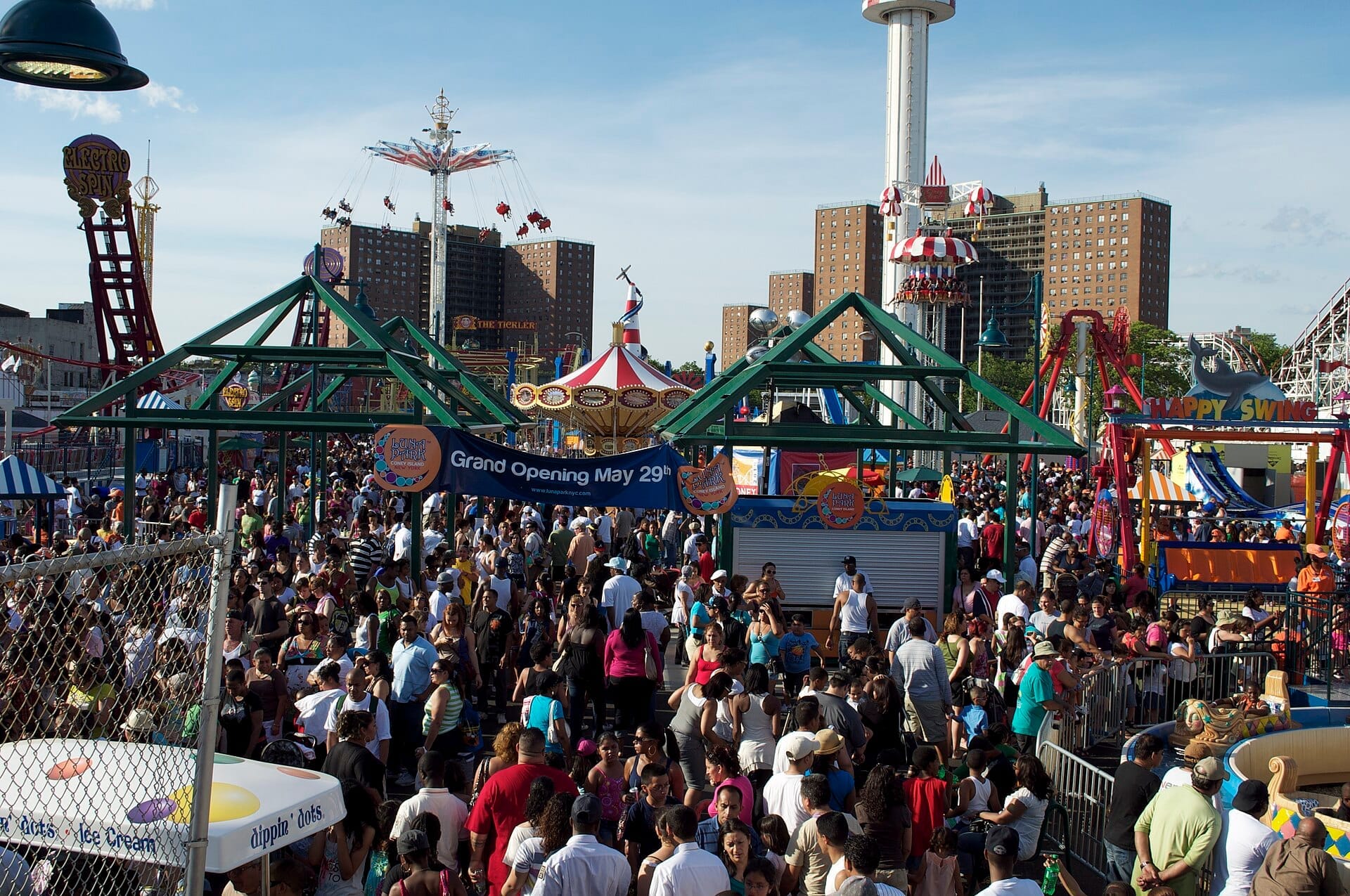
Luna Park in Coney Island is a seasonal outdoor amusement park operating on the southwestern tip of Brooklyn, directly beside the Atlantic Ocean. It sits at the corner of Surf Avenue and West 10th Street, right along the Coney Island boardwalk, with the smell of salt air and funnel cake mixing from the moment you exit the subway. The park runs roughly from spring through fall, with exact open dates published on its official seasonal calendar at lunaparknyc.com.
This is not a theme park in the Walt Disney mold. There are no immersive story worlds or queue entertainment systems. What Luna Park offers instead is something older and, for many visitors, more satisfying: a concentrated cluster of rides, some genuinely thrilling, alongside carnival games, boardwalk food, and that specific kind of loud, sun-bleached summer energy that feels almost impossible to replicate indoors.
ℹ️ Good to know
Luna Park operates seasonally. Hours vary significantly by day and month. Always check the official calendar on lunaparknyc.com before traveling, especially for shoulder-season dates in spring and fall.
A Place With Over a Century of History Behind It
The original Luna Park opened at Coney Island on May 16, 1903, created by entrepreneurs Frederic Thompson and Elmer 'Skip' Dundy. At its peak, the park was one of the most elaborate entertainment complexes in the world, featuring over a million electric lights at a time when much of the country had never seen electric illumination at scale. It drew crowds from across the country and helped transform Coney Island into a byword for American popular leisure.
That historic park eventually burned down and closed by mid-century, as Coney Island's fortunes ebbed and flowed with broader changes in urban demographics and entertainment culture. The current Luna Park, which opened in 2010, carries the name and occupies much of the same geography, but it is a modern operation rebuilt on that legendary foundation. The Cyclone roller coaster, directly adjacent and dating to 1927 and designated a New York City Landmark in 1988, provides the most tangible physical link to Coney Island's golden era.
For a fuller sense of the neighborhood's layered history, the Coney Island Boardwalk stretches for nearly three miles and connects Luna Park to the wider context of what this shoreline once meant to New York City.
Tickets & tours
Hand-picked options from our booking partner. Prices are indicative; availability and final rates are confirmed when you complete your booking.
Neighborhoods of New York tour: Brooklyn, Bronx, Harlem, Queens and Coney Island
From 72 €Instant confirmationFree cancellationStatue of Liberty, Ellis Island, and Brooklyn Bridge Happy Hour Cruise
From 49 €Instant confirmationFree cancellationSpirit of New York Dinner Cruise
From 161 €Instant confirmationFree cancellationNew York City Highlights bike tour
From 70 €Instant confirmationFree cancellation
The Rides: What to Prioritize
The Cyclone is the headline attraction and one of the few genuinely historic wooden roller coasters still operating in New York City. It was designated a New York City landmark in 1988 and was added to the National Register of Historic Places in 1991. The ride itself is rough by modern coaster standards, with a steep 85-foot drop and lateral forces that feel considerably more aggressive than its stats suggest on paper. First-time riders consistently underestimate it.
Beyond the Cyclone, Luna Park's ride lineup includes the Thunderbolt steel coaster, several family-friendly options, and a collection of spinning and swinging rides suited to different age groups and thrill tolerances. The Sling Shot and the Zenobio are the rides most likely to generate genuine screaming. Height restrictions and health advisories are posted at each ride entrance and on the park's website.
Luna Park uses a pay-per-ride credit system as well as unlimited wristband passes for a set number of hours. For a family planning to spend most of the day at the park, the wristband option typically provides better value, though pricing structures and promotions change during the season. Check current ticket options at lunaparknyc.com before you arrive, as buying online in advance is usually cheaper than at the gate.
💡 Local tip
Buy tickets online before your visit. Gate prices are typically higher, and some date-specific promotions are only available through the website.
How the Experience Changes Through the Day
Arrival between 10am and noon on a weekday gives you the clearest run at the major rides. Crowds are manageable, the sun is still forgiving, and you can hear the mechanical rhythm of the Cyclone climbing its first hill without the surrounding noise of a packed midway. By early afternoon on summer weekends, particularly in July and August, wait times for the Cyclone and Thunderbolt can stretch significantly, and the general energy of the park shifts toward a louder, denser, more festive atmosphere.
Late afternoon brings a specific quality of light at Coney Island that rewards lingering. The low Atlantic sun hits the rides at an angle that makes the steel coasters look almost sculptural, and the smell of the ocean becomes more noticeable as the land breeze shifts. If you combine the park with time on the beach, the rhythm most visitors recommend is: rides in the morning, beach and boardwalk in the early afternoon, return to the park for a final ride or two before the evening crowd peaks.
On clear evenings in peak season, the park stays open after dark. The ride lighting at night transforms the experience entirely and is worth experiencing at least once, especially on the Thunderbolt, which feels faster with less visual context around it.
Getting There and Navigating the Area
The subway is the most practical way to reach Luna Park from anywhere in Manhattan or central Brooklyn. The D, F, N, and Q lines all terminate at Coney Island–Stillwell Avenue station, one of the largest subway terminals in the MTA system. The park entrance on Surf Avenue is approximately a five-minute walk from the platform. The journey from Midtown Manhattan takes roughly 45 to 60 minutes depending on the line and time of day.
If you're combining this with other Brooklyn destinations, the Brooklyn neighborhood guide covers how Coney Island fits into a broader Brooklyn itinerary, including connections to other parts of the borough.
Paid parking is available in lots near the park for those driving, but traffic on summer weekends along the Belt Parkway and Ocean Parkway can be heavy. Driving adds unpredictability to what should be a straightforward trip. The subway is reliable and drops you directly at the destination.
⚠️ What to skip
On hot summer Saturdays and Sundays, the Coney Island area gets extremely crowded. If you are sensitive to heat, bring water, sunscreen, and a hat. There is limited shade inside the park itself.
The Surrounding Area: What Else Is Here
Luna Park does not exist in isolation. The boardwalk directly behind the park runs east toward Brighton Beach and west toward Sea Gate, and the beach itself is free and public. Nathan's Famous hot dog stand at Surf and Stillwell Avenues has been operating since 1916 and is worth stopping at for the history alone, regardless of how you feel about hot dogs. The New York Aquarium is a short walk away, making it a practical add-on for families with younger children.
The New York Aquarium sits right at the edge of the amusement district and can absorb a couple of hours before or after a Luna Park visit without requiring much travel between the two.
For food beyond the park's concessions, the stretch of Surf Avenue and the boardwalk itself offers everything from grilled corn and empanadas to pizza and seafood. Brighton Beach, a ten-minute walk east, has an entirely different food culture centered on Russian and Eastern European cuisine, with restaurants and shops spilling out under the elevated subway tracks.
Practical Notes on Accessibility and Weather
Luna Park states its commitment to accommodating guests with disabilities, with ride-specific accessibility information posted at each attraction and detailed on the park's website. Some rides have height, weight, and mobility restrictions that are strictly enforced for safety reasons. Guests with specific questions are advised to contact the park directly before their visit.
Weather is a significant factor. The park is entirely outdoors and exposed to the Atlantic, which means summer afternoons can involve strong sun with little shade, and occasional afternoon thunderstorms during July and August can result in temporary ride closures. Checking the forecast before going is practical, not overcautious. Overcast days in late May, September, or early October are often the most comfortable times to visit from a temperature standpoint, with shorter queues to match.
For more on how New York City's seasons affect outdoor attractions, the best time to visit New York City guide breaks down what each season realistically offers.
Insider Tips
- The Cyclone feels dramatically different in the back row versus the front. The back delivers harder, more unpredictable forces on the drops; the front offers better sightlines. First-timers: start at the front.
- Weekday visits in late May and early June, after schools are still in session, offer some of the least crowded conditions of the entire season. The weather is mild and the queues are short.
- Bring cash for the boardwalk and surrounding food vendors. Many of the independent food stalls near Stillwell Avenue still operate cash-only, and the ATMs in the immediate area sometimes run out during peak summer weekends.
- If you plan to do both Luna Park and the beach, wear your swimsuit under your clothes. Changing facilities are available at the beach but can get crowded on busy days, and the back-and-forth logistics are easier if you plan ahead.
- The view from the top of the Thunderbolt lift hill briefly takes in the entire Coney Island shoreline, Brighton Beach, and on clear days, the Rockaways. It lasts about two seconds, so you have to be ready for it.
Who Is Luna Park Coney Island For?
- Families with children aged 5 and up looking for a full outdoor day in New York City
- Adults who want a classic American amusement park experience without major theme park pricing
- History and architecture enthusiasts drawn to the Cyclone's landmark status and Coney Island's cultural legacy
- Summer visitors combining a beach day with rides and boardwalk food
- Budget-conscious travelers on weekdays, where the per-ride or wristband model can offer decent value compared to major theme parks
Nearby Attractions
Other things to see while in Coney Island:
- Coney Island Boardwalk
The Riegelmann Boardwalk at Coney Island is a 2.7-mile wooden promenade along the southern Brooklyn shoreline, free to walk and open year-round. From summer crowds eating Nathan's Famous hot dogs to quiet winter mornings with only the Atlantic for company, it offers one of New York City's most iconic experiences.
- New York Aquarium
The New York Aquarium has been drawing visitors since 1896, making it the oldest continually operating aquarium in the United States. Set on 14 acres on the Coney Island boardwalk in Brooklyn, it combines serious marine conservation with genuinely engaging exhibits — including a 500,000-gallon shark tank that earns its reputation.