Governors Island: New York's Car-Free Harbor Escape
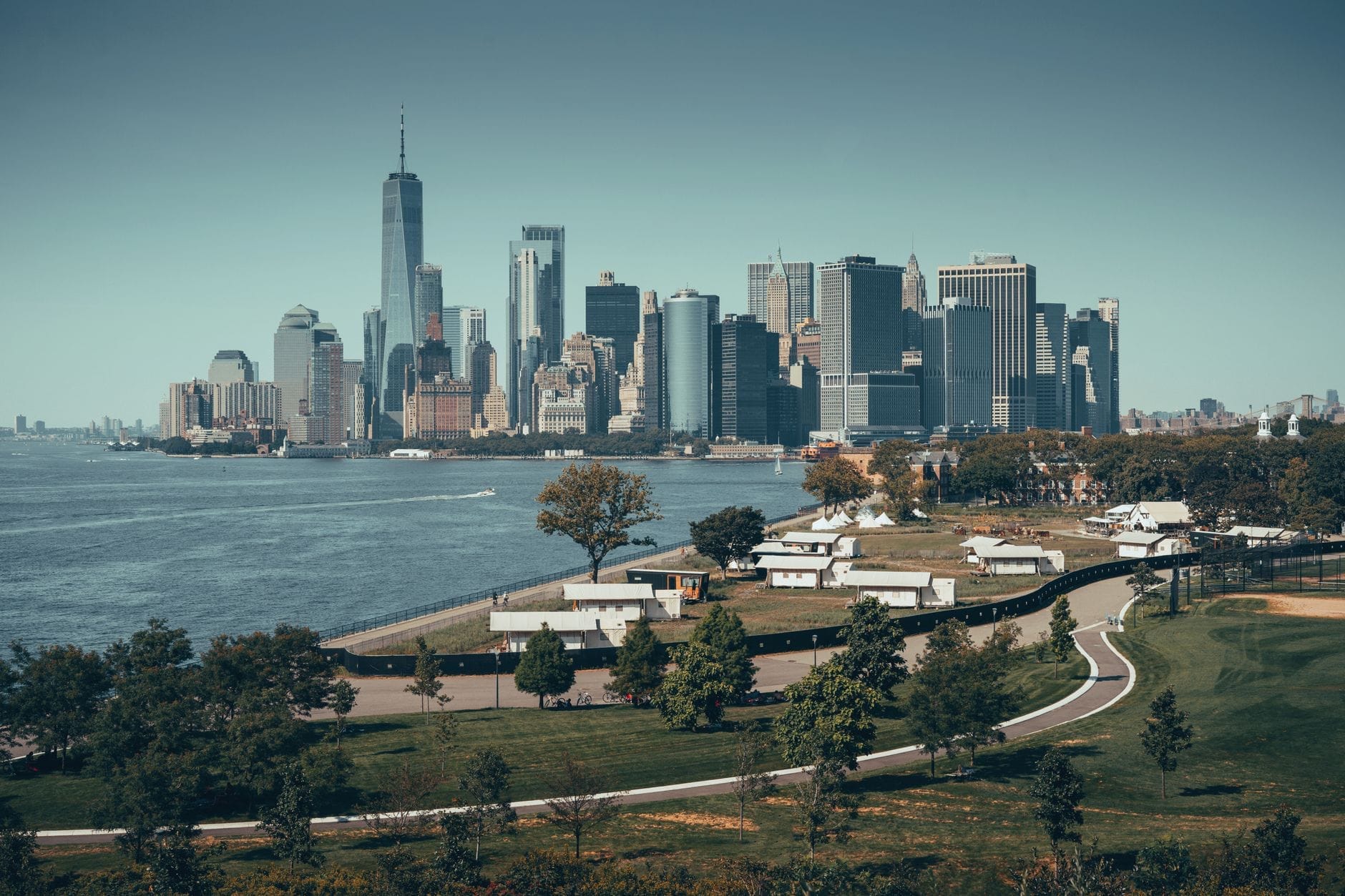
Governors Island sits just 800 yards off the tip of Lower Manhattan, yet feels worlds apart from the city. A former military post turned public park, its 172 acres offer sweeping harbor views, fort ruins, art installations, cycling paths, and some of the most relaxed open space in New York.
Quick Facts
- Location
- New York Harbor, approx. 800 yards from Lower Manhattan
- Getting There
- Governors Island Ferry from Battery Maritime Building, 10 South Street, Manhattan. NYC Ferry also stops here (separate ticket). Seasonal Brooklyn ferries from Brooklyn Bridge Park Pier 6 and Red Hook on weekends.
- Time Needed
- 2–5 hours depending on pace; a full day is easy to fill
- Cost
- Island entry is free; ferry ticket required (verify current fare at govisland.com before travel)
- Best for
- Cycling, picnics, history, harbor views, art, families
- Official website
- www.govisland.com
What Governors Island Actually Is
Governors Island is a 172-acre public island in New York Harbor, administered by the Trust for Governors Island and the National Park Service. It sits close enough to Lower Manhattan that you can see the skyline clearly from the grass, yet the absence of cars, the sound of wind in the trees, and the pace of foot traffic make it feel like a different city entirely.
The name became official in 1784, when the New York State Legislature designated the island exclusively for New York's royal governors. It went on to serve as a U.S. Army post from 1783 to 1966 and then a U.S. Coast Guard installation until 1996. For nearly two centuries, civilians had no access. The island reopened to the public in the early 2000s, and since 2021 it has been open year-round, though its South Island Park closes at dusk outside peak season.
Twenty-two of those 172 acres, including Fort Jay and Castle Williams, form Governors Island National Monument, managed by the National Park Service. The remaining acreage is city parkland with evolving public programming, including art installations, a school campus, food vendors, and seasonal events.
ℹ️ Good to know
Island hours: 7:00 am–10:00 pm Sunday–Thursday, 7:00 am–11:00 pm Friday–Saturday. Entry to the island is free; you pay only for the ferry. Confirm current ferry fares at govisland.com before you travel, as pricing is updated periodically.
The Ferry Crossing and First Impressions
The Governors Island Ferry departs from the Battery Maritime Building at 10 South Street in Lower Manhattan, a Beaux-Arts terminal that has been shuttling passengers to the island since the early twentieth century. The crossing takes roughly seven minutes. That is enough time to clear your head and watch the Lower Manhattan skyline from the water, one of the better free angles on the financial district's tower cluster.
On weekends and holidays from roughly late May through early November, seasonal ferries also run from Brooklyn Bridge Park Pier 6 and the Red Hook Atlantic Basin, which makes the island easier to combine with a day in Brooklyn without backtracking. NYC Ferry operates separate service to Governors Island as well, with its own ticketing. Check schedules for all three options in advance, especially on summer weekends when ferries fill up and you may wait for the next departure.
💡 Local tip
Arrive at the Battery Maritime Building at least 20 minutes before your intended ferry on summer weekends. The line moves quickly once boarding begins, but the wait to reach the gangway can be longer than it looks.
Tickets & tours
Hand-picked options from our booking partner. Prices are indicative; availability and final rates are confirmed when you complete your booking.
Statue of Liberty, Ellis Island, and Brooklyn Bridge Happy Hour Cruise
From 49 €Instant confirmationFree cancellationSpirit of New York Dinner Cruise
From 161 €Instant confirmationFree cancellationNew York City Highlights bike tour
From 70 €Instant confirmationFree cancellationNew York Statue of Liberty and Ellis Island tour by ferry
From 55 €Instant confirmation
The Military Heritage: Forts, Fortifications, and Scale
The two fortifications at the northern end of the island are the most architecturally significant features on Governors Island, and they are underappreciated even by many regular visitors. Fort Jay is a star-shaped earthwork fort completed in 1798 and rebuilt in the early 1800s, with a dry moat, grass-covered ramparts, and an interior that is both imposing and surprisingly serene. The masonry gate at the entrance is one of the most photogenic details on the island, particularly in morning light when shadows fall across the stonework.
Castle Williams, completed in 1811 and designed by military engineer Jonathan Williams, is a cylindrical sandstone fort with walls up to seven feet thick. It was built to defend the harbor alongside Fort Jay and served as a Confederate prisoner-of-war camp during the Civil War. The circular interior courtyard gives a genuine sense of what military confinement looked like in the nineteenth century. Both structures are part of Governors Island National Monument, and the National Park Service periodically offers ranger-led tours, which are worth checking before your visit.
If you enjoy this kind of layered military-to-public-space history, the Brooklyn Navy Yard and the Intrepid Sea, Air and Space Museum offer related contexts across the harbor.
The Hills, the Views, and the Southern Park
The southern portion of the island is dominated by The Hills, a series of artificial mounds built largely from the demolition debris of on-island buildings and clean fill, topped with recycled stone and engineered soil. The tallest, Outlook Hill, reaches about 80 feet and provides a 360-degree view of the harbor that takes in the Statue of Liberty, the Verrazano-Narrows Bridge, Lower Manhattan, the Brooklyn waterfront, and New Jersey. This is one of the best unobstructed harbor panoramas in the entire city, and it involves nothing more than a short climb on a grass path.
The Hill views are most striking in the late afternoon, when the sun moves toward the west and lights up the Manhattan towers across the water. For those specifically seeking elevated city views, the comparison with rooftop observatories like Summit One Vanderbilt is instructive: the Governors Island perspective is lower and less dramatic as a skyline shot, but the harbor context, open air, and lack of admission charge make it unique.
The South Island Park also contains a hammock grove, a picnic area, and a children's adventure playground. On warm weekend afternoons, families spread across the lawns in a way that feels genuinely relaxed rather than performative, a quality that is harder to find in Manhattan's more surveilled green spaces. Note that certain areas of the South Island close at dusk outside the Memorial Day to Labor Day peak season.
Cycling, Walking, and Getting Around the Island
No private cars are allowed on Governors Island. The primary modes of transport are walking and cycling. The paved perimeter path loops the entire island and is about 2.2 miles long, flat along the northern half and gently hilly toward the south. At a leisurely pace, the full loop takes around 45 minutes to an hour without stops. Most visitors do not rush it.
Bike rentals are available on the island from seasonal vendors near the ferry landings. If you plan to cycle, renting on the island is straightforward and no prior booking is typically needed, though peak weekend crowds can create short queues. Bringing your own bicycle is also permitted on certain ferry departures, though capacity is limited and specific rules should be confirmed on the ferry operator's site before travel.
An accessible shuttle service operates seasonally, stopping at key locations on the island including the ferry landings; check current schedules as frequency and dates can vary. All ferries and island grounds are wheelchair accessible. Motorized mobility devices are permitted throughout.
💡 Local tip
If mobility is a concern, the tram is the most practical way to see the full island without covering the perimeter path on foot. Accessible restrooms are available at Building 110 near Soissons Landing and at Yankee Pier, Liggett Terrace, and South Battery.
Food, Art, and Programming
Governors Island has developed a genuine food scene over the past several years. Seasonal vendors operate near both ferry landings and along the main paths, ranging from coffee carts and ice cream to food trucks and informal restaurants. Quality and selection have improved significantly since the early public-access years. Bringing a picnic is still a practical and popular option, especially for families, since the lawn space is abundant and there are no restrictions on outside food.
The island hosts art installations throughout its grounds, typically curated through the Trust for Governors Island's programming calendar. These range from large-scale outdoor sculpture to temporary exhibitions in repurposed military buildings. The programming changes seasonally, so checking the Trust's website before you visit is worthwhile if contemporary art is part of your reason for coming. Summer weekends also bring outdoor music, fitness classes, and family events, which are listed on the official site.
For a broader sense of what public art looks like across the city, the High Line in Chelsea runs a parallel programming model, integrating art commissions into a repurposed public infrastructure — the comparison is useful for travelers planning a day around public space and outdoor art.
When to Go and What to Expect by Season
Summer weekends from late June through August are when Governors Island is at its most energetic and its most crowded. Ferry queues at Battery Maritime Building can stretch along the waterfront, and the lawns fill up by midday. If you are visiting in peak summer, a morning departure on the first or second ferry of the day gives you at least an hour on the island before the main crowd arrives. Weekday visits in summer are noticeably quieter.
Spring and early fall are the most comfortable seasons for a long walk around the island. Temperatures are moderate, the light is clear, and the crowds are smaller. The island was only opened year-round in 2021, so winter visits remain less trafficked but the South Island closes at dusk, which limits your usable daylight. NYC's seasonal weather patterns are discussed in more detail in the best time to visit New York City guide.
Weather matters significantly here. The island is exposed to the harbor, which means wind is a constant presence. On blustery days, the Hills and the perimeter path can feel raw even when the city itself is mild. A layer is worth packing unless you are certain of warm, calm conditions. On overcast days, the harbor views lose much of their drama — clear skies make the difference between an adequate panorama and a genuinely memorable one.
⚠️ What to skip
The last ferry back to Manhattan departs before closing time, not at it. Check the return ferry schedule when you arrive, especially on weekdays when departures can be less frequent. Missing the last boat means a potentially long wait for an alternative.
Insider Tips
- The view of Manhattan from the Hill at Outlook Point is better than most people expect. Arrive in the late afternoon and you'll catch the towers lit by low westerly sun — bring a wider lens if you're shooting with a camera.
- Building 110, near Soissons Landing, is not just a restroom block — it periodically hosts exhibitions and serves as a hub for island programming. It's worth a look even if the main draw is the outdoors.
- The Brooklyn ferry from Pier 6 at Brooklyn Bridge Park is less crowded than the Manhattan terminal on weekend mornings, and it pairs naturally with a morning walk along the Brooklyn Heights Promenade before boarding.
- NPS ranger tours of Fort Jay and Castle Williams provide context that the structures alone do not communicate. Check the NPS website (nps.gov/gois) for current tour times — they are free and genuinely informative.
- The hammock grove in the South Island fills up fast on warm Saturdays. Go early, or time your arrival after 4:00 pm when some families begin heading back to the ferry.
Who Is Governors Island For?
- Cyclists looking for a car-free loop with genuine scenery
- Families with children who need open space and a low-cost outing
- History and architecture enthusiasts interested in early American military fortifications
- Photographers seeking harbor-wide Manhattan and Statue of Liberty compositions
- Visitors wanting a full afternoon outdoors without spending money on attractions
Nearby Attractions
Other things to see while in Lower Manhattan:
- National September 11 Memorial
The National September 11 Memorial occupies the original footprints of the Twin Towers in Lower Manhattan. The outdoor reflecting pools are free and open daily from 8:00 a.m. to 8:00 p.m. This page covers the memorial plaza; for the underground museum, see our separate museum guide.
- National September 11 Museum
The National September 11 Museum sits beneath the World Trade Center memorial plaza in Lower Manhattan. The 110,000-square-foot underground museum documents the attacks of September 11, 2001, and February 26, 1993, and is one of the most emotionally significant museum experiences in the United States. The outdoor memorial pools are free; museum admission requires a timed ticket.
- Battery Park
Perched at the southernmost tip of Manhattan, The Battery is a free waterfront park offering sweeping views of New York Harbor, access to the Statue of Liberty and Ellis Island ferries, and nearly four centuries of layered history. It works well at any hour, but rewards those who arrive early.
- Ellis Island National Museum of Immigration
Ellis Island National Museum of Immigration sits in New York Harbor on ground that shaped American history more than almost any other. Reached only by ferry, it offers a deeply affecting look at the 12 million immigrants who passed through between 1892 and 1954, housed in a landmark Beaux-Arts building that has been meticulously restored.