Ellis Island National Museum of Immigration: What to Expect Before You Go
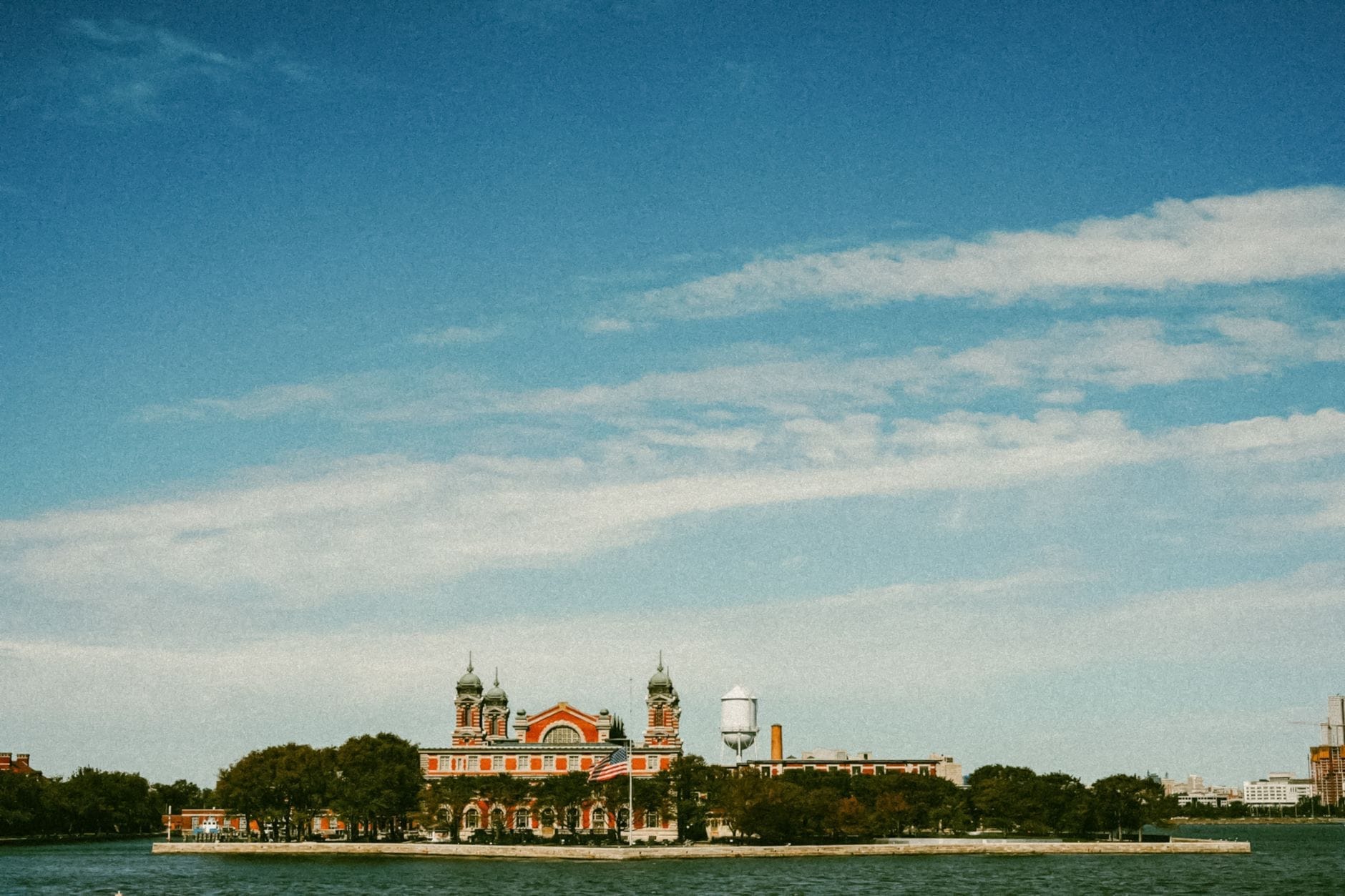
Ellis Island National Museum of Immigration sits in New York Harbor on ground that shaped American history more than almost any other. Reached only by ferry, it offers a deeply affecting look at the 12 million immigrants who passed through between 1892 and 1954, housed in a landmark Beaux-Arts building that has been meticulously restored.
Quick Facts
- Location
- Ellis Island, New York Harbor (NY 10004) — ferry from The Battery (Battery Park), Manhattan or Liberty State Park, NJ
- Getting There
- Subway to Bowling Green (4/5), South Ferry (1), or Whitehall St (R/W), then walk to the Battery ferry terminal
- Time Needed
- 3–5 hours including ferry, museum, and optional Statue of Liberty stop
- Cost
- Museum entry is free; round-trip Statue City Cruises ferry ticket required (fee varies — verify current prices at statueofliberty.org)
- Best for
- History enthusiasts, families tracing immigrant ancestry, first-time NYC visitors
- Official website
- www.nps.gov/elis
Why Ellis Island Still Matters
The Ellis Island National Museum of Immigration is not simply a museum about the past. For an estimated one-third to 40 percent of Americans, the connection is personal: an ancestor processed through this island between January 1, 1892, when the station opened, and November 12, 1954, when it finally closed. The numbers alone are staggering — roughly 12 million people were examined and registered here, the single largest wave of documented human migration in American history.
The main building, an imposing Beaux-Arts structure completed in 1900, was gutted and left derelict for decades before a major restoration effort brought it back. It reopened as a museum in 1990 and was officially renamed the Ellis Island National Museum of Immigration on May 20, 2015, following completion of the Peopling of America Center. The National Park Service manages the site as part of the Statue of Liberty National Monument; Ellis Island was added to the monument in 1965, while the monument itself dates to 1924.
ℹ️ Good to know
Museum entry is free. You pay only for the round-trip Statue City Cruises ferry ticket, which also includes access to Liberty Island. Book ferry tickets in advance — they sell out, especially on weekends between May and September.
Getting There: The Ferry Is Part of the Experience
There is no bridge or subway connection to Ellis Island. The only way in is by ferry operated by Statue City Cruises, departing from two points: Battery Park on the southern tip of Manhattan, or Liberty State Park in Jersey City, New Jersey. For most visitors staying in Manhattan, Battery Park is the natural starting point. From Bowling Green station (4/5 trains) or Whitehall Street station (R/W trains), the walk to the ferry terminal is under ten minutes.
Ferries run daily, with first departures typically in the morning and last return ferries in the late afternoon. Schedules vary by season and can shift due to weather or operational changes, so check current times at the NPS or Statue City Cruises sites before you go. The crossing itself takes roughly 15–20 minutes from The Battery and offers unobstructed views of the Statue of Liberty and the Lower Manhattan skyline — a perspective worth pausing to absorb rather than rushing past.
The ferry route stops at both Liberty Island and Ellis Island, and most tickets cover both. If you plan to visit the Statue of Liberty as well, factor in a full day. For detailed advice on managing time across Lower Manhattan's major sights, it helps to plan the ferry as your morning anchor and leave the afternoon for street-level exploration.
💡 Local tip
Take the first or second ferry of the morning. The Great Hall empties out quickly after the crowds from early boats move through, and by late morning it becomes noticeably more congested. Arriving early also ensures the best light through the Registry Room's arched windows.
Tickets & tours
Hand-picked options from our booking partner. Prices are indicative; availability and final rates are confirmed when you complete your booking.
Statue of Liberty, Ellis Island, and Brooklyn Bridge Happy Hour Cruise
From 49 €Instant confirmationFree cancellationNew York Statue of Liberty and Ellis Island tour by ferry
From 55 €Instant confirmationStatue of Liberty and Ellis Island Guided Tour
From 67 €Instant confirmationFree cancellationPrivate guided tour of the Statue of Liberty and Ellis Island
From 109 €Instant confirmationFree cancellation
Inside the Museum: What You Actually See
The centerpiece of the museum is the Registry Room, also known as the Great Hall, on the second floor of the main building. It is a large, vaulted space tiled in Guastavino herringbone brickwork overhead, where immigrants were assembled in long lines to be inspected by doctors and registered by officials. Standing in it now, with pale winter light or warm afternoon sun filtering through the arched windows, the scale of what happened here becomes tangible in a way that statistics cannot achieve.
The permanent galleries spread across three floors and trace the history of American immigration from the colonial era through the late 20th century. Exhibits on the first floor cover the arrival experience in granular detail: the medical inspections, the language barriers, the fear of being turned back. Personal objects left behind or donated by immigrant families, including clothing, religious items, and documents, are displayed with biographical context that keeps the history from feeling abstract.
The Peopling of America Center, added before the museum's 2015 renaming, extends the narrative beyond the Ellis Island era to cover earlier immigration from the 17th century onward and the continued waves that followed the station's closure. It is a more recent addition and somewhat less visited than the main Registry Room galleries, which makes it a quieter space worth seeking out.
The American Immigrant Wall of Honor, located outside along the seawall, lists the names of more than 700,000 individuals whose families paid to have them inscribed. It is exposed to weather and best seen in dry conditions. The surrounding promenade also provides some of the most photogenic views of the Manhattan skyline looking north.
Audio Tours and the Annotation That Changes Everything
The audio tour is included with your ferry ticket for most visitors and is available in multiple languages. It is genuinely worth using. The tour layers firsthand accounts from former immigrants and inspectors over the physical spaces you are standing in, and that combination of place and voice does something printed text on a wall panel rarely manages. American Sign Language and audio descriptive versions are also available, making this one of the more thoughtfully accessible experiences in New York Harbor.
If you are visiting with children, the audio tour is a practical anchor for keeping the experience focused. The museum is large enough that without some structure, it can feel overwhelming for younger visitors. The ferry journey, the Great Hall, and two or three key galleries is a realistic itinerary for families.
When to Go and How Weather Affects the Visit
Summer (June through August) is peak season. The ferry queue at Battery Park can be long on summer weekend mornings, and the museum itself is at its most crowded between 11am and 2pm. If a summer visit is unavoidable, arriving for the first departure and moving through the Registry Room before mid-morning makes a real difference.
Spring (April through early June) and autumn (September through October) offer the best combination of manageable crowds and tolerable temperatures. These are the same seasons generally cited as optimal across New York City's visitor calendar, and the logic applies here too: mild temperatures make the outdoor areas of the island, including the promenade and the Wall of Honor, much more pleasant to spend time on.
Winter visits are quieter and the light through the Registry Room windows has a particular quality in December and January, but ferry schedules are reduced and the open-air areas of the island lose their appeal in cold or wet weather. Strong winds across the harbor can also affect ferry operations. Always check the NPS site for closures, especially if visiting outside the May-to-October core season.
⚠️ What to skip
The island and museum can close without much warning due to weather, particularly high winds affecting ferry safety. If you have one specific day allocated for this visit, check the NPS site (nps.gov/elis) the evening before.
Practical Details: What to Know Before You Arrive
Wear comfortable shoes. Between the ferry terminal, the island grounds, the museum's three floors, and the outdoor promenade, you will cover more distance than the map suggests. The main building and museum are fully wheelchair accessible, with ramps and elevators throughout. Service animals are permitted under National Park Service policy.
Photography is permitted throughout the museum and on the island grounds. The Registry Room is one of the most photographed interiors in New York City, and for good reason — the geometry of the arched ceiling and the quality of the natural light reward a patient approach. For wider context on memorable views across the city and harbor, the best views in New York City guide includes notes on the perspective from the ferry itself.
There is a café on the island operated by Statue City Cruises. Prices are typical for a captive tourist environment. If you are visiting both islands and expect to spend the better part of a day on the water, carrying snacks and a water bottle is practical.
The ferry also passes Battery Park, which is worth a short walk before or after your trip. The park sits at the very tip of Manhattan and has its own quiet merit, particularly early in the morning before the ferry queues form.
Who Should Reconsider This Visit
Ellis Island is not a fast attraction. The journey, the museum, and even a minimal outdoor exploration will take at least three hours, and anyone who wants to do it properly will spend closer to four or five. Visitors with very limited time in New York who are already feeling rushed by a packed itinerary may find the logistics, particularly the ferry schedule and the time commitment, frustrating rather than rewarding.
Travelers with no particular interest in American history or immigration may find the depth of the museum's focus more than they bargained for. It is not a sensory spectacle or an interactive entertainment venue. It is a serious, text-heavy museum with powerful emotional content. That is a strength for the right visitor and a potential mismatch for others.
Insider Tips
- Book the first ferry departure of the day, particularly on weekends from May through September. The Registry Room on an early weekday morning is a genuinely different experience from the same room at midday — quieter, better lit, and easier to move through at your own pace.
- The ferry ticket desk at Battery Park can have long queues even if you have pre-booked. Pre-booking online also lets you skip the main ticketing line and go directly to the boarding queue — but confirm this process with Statue City Cruises before assuming, as procedures can change.
- If you have family names to research, the American Family Immigration History Center inside the museum has a searchable database of passenger records from the Ellis Island era. This requires some time and works best if you come with names and approximate arrival years already in hand.
- The south side of the island, away from the main entrance, is rarely crowded and offers a direct view across the harbor toward Liberty Island. It is easy to miss if you follow the main visitor flow, but worth a few minutes.
- If traveling from New Jersey, the Liberty State Park ferry departure is significantly less crowded than the Battery Park terminal and offers a different approach to the island across the harbor.
Who Is Ellis Island National Museum of Immigration For?
- Visitors with American immigrant heritage who want a tangible connection to that history
- History and architecture enthusiasts drawn to the Beaux-Arts building and the early 20th-century context
- Families with older children (roughly 8 and up) who can engage with the exhibits meaningfully
- First-time New York visitors pairing the trip with the Statue of Liberty on the same ferry ticket
- Photographers looking for exceptional interior light and harbor panoramas
Nearby Attractions
Other things to see while in Lower Manhattan:
- National September 11 Memorial
The National September 11 Memorial occupies the original footprints of the Twin Towers in Lower Manhattan. The outdoor reflecting pools are free and open daily from 8:00 a.m. to 8:00 p.m. This page covers the memorial plaza; for the underground museum, see our separate museum guide.
- National September 11 Museum
The National September 11 Museum sits beneath the World Trade Center memorial plaza in Lower Manhattan. The 110,000-square-foot underground museum documents the attacks of September 11, 2001, and February 26, 1993, and is one of the most emotionally significant museum experiences in the United States. The outdoor memorial pools are free; museum admission requires a timed ticket.
- Battery Park
Perched at the southernmost tip of Manhattan, The Battery is a free waterfront park offering sweeping views of New York Harbor, access to the Statue of Liberty and Ellis Island ferries, and nearly four centuries of layered history. It works well at any hour, but rewards those who arrive early.
- Governors Island
Governors Island sits just 800 yards off the tip of Lower Manhattan, yet feels worlds apart from the city. A former military post turned public park, its 172 acres offer sweeping harbor views, fort ruins, art installations, cycling paths, and some of the most relaxed open space in New York.