New York City Weekend Guide: How to Make the Most of 2 Days in NYC
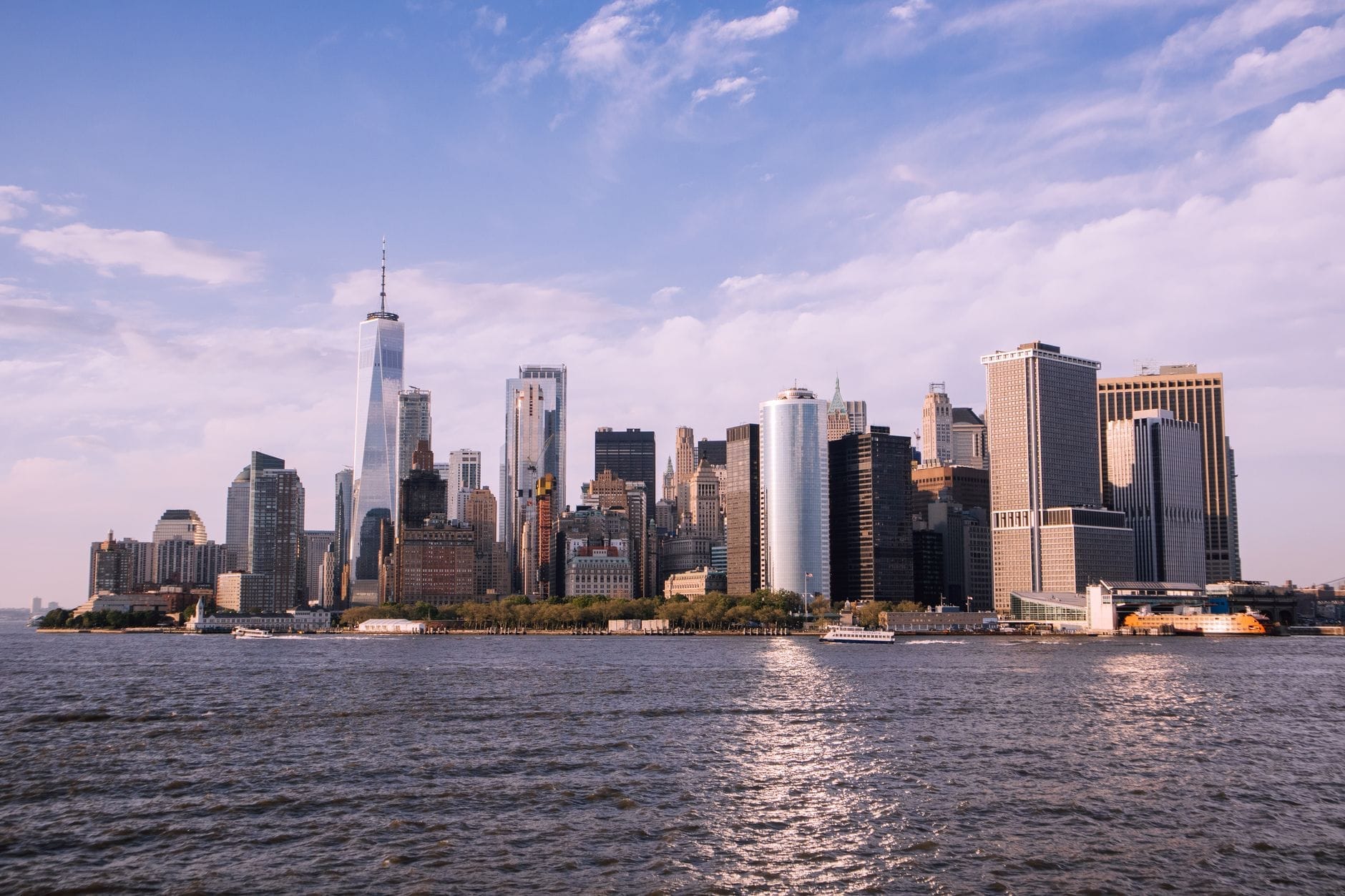
Two days in New York City is enough to see iconic landmarks, eat well, and understand why this city operates at a different scale than anywhere else. This guide gives you a practical, honest framework for a weekend in NYC, with real prices, transit logistics, and clear priorities.
Plan and book this trip
Tools from our partner Travelpayouts help you compare flights and hotels. If you book through them, we may earn a commission at no extra cost to you.
Flights
Hotels map
TL;DR
- Two days covers the highlights, but plan ruthlessly: pick one or two neighborhoods per day and go deep rather than racing across all five boroughs.
- The NYC subway runs 24/7 at a flat fare of $3.00 per ride — use OMNY tap-to-pay and skip the MetroCard lines. See our getting around New York City guide for full transit details.
- Prioritize: 9/11 Memorial, Central Park, Brooklyn Bridge, and one observatory (Empire State Building or Edge) — these four deliver the best return on time invested.
- Book timed-entry tickets for the 9/11 Museum and any observatory in advance, especially on weekends. Walk-up lines can cost you 45-90 minutes.
- If you can extend to three or four days, you'll feel far less rushed. Check our 3-day NYC itinerary for an expanded plan.
Before You Arrive: Airport Logistics and First-Night Setup
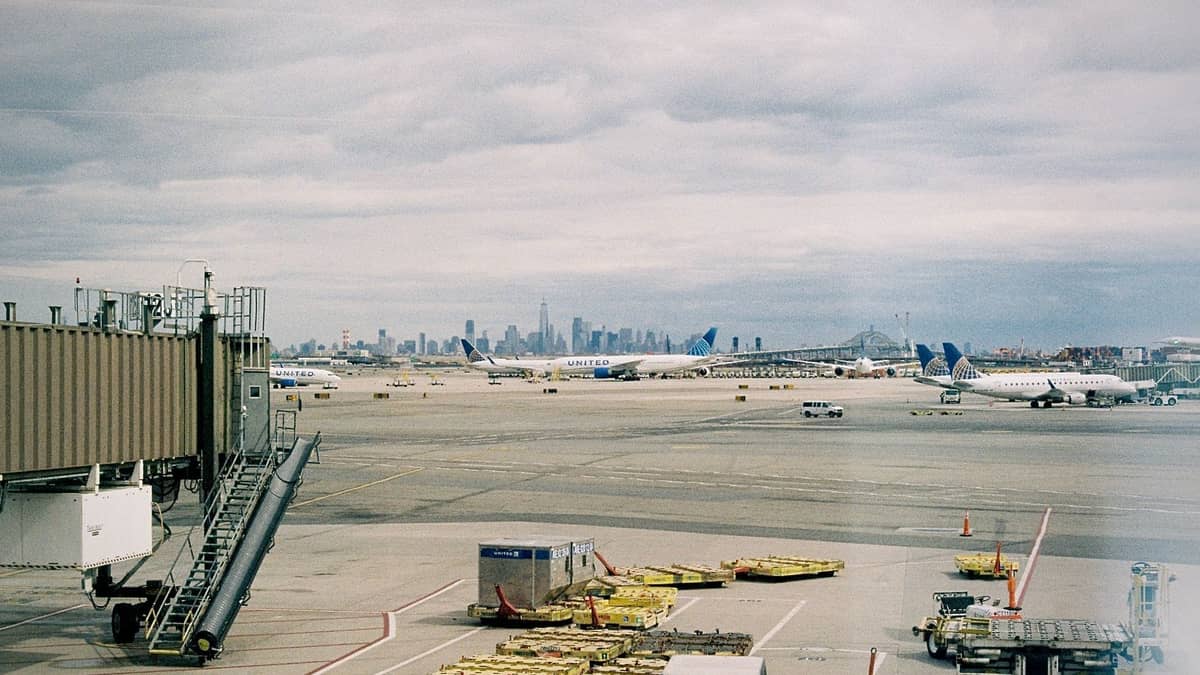
New York City is served by three airports: John F. Kennedy International (JFK) in Queens, about 15-20 miles from Midtown Manhattan; LaGuardia (LGA) in Queens, roughly 8-10 miles out; and Newark Liberty (EWR) in New Jersey, approximately 16-18 miles from Midtown. Which airport you use shapes your first hour in the city considerably.
- From JFK Take the AirTrain (around $8.50) to the Jamaica or Howard Beach subway station, then ride the subway into Manhattan for $3.00. Total cost: under $12. A yellow cab flat-rate from JFK to Manhattan is $70 plus tolls and tip — legitimate for groups or late arrivals, but not necessary.
- From LaGuardia The Q70 Select Bus Service connects LGA to the subway for the standard $3.00 fare. Rideshare apps (Uber, Lyft) are widely used from LGA, but expect surge pricing during peak hours.
- From Newark (EWR) AirTrain Newark connects to Newark Liberty rail station, where NJ Transit and Amtrak trains reach New York Penn Station in about 25-30 minutes. Fares vary — verify current pricing on the NJ Transit website before you travel.
💡 Local tip
Set up OMNY tap-to-pay on your phone or contactless card before landing. It works on every subway turnstile and bus, charges the standard $3.00 per ride, and saves you time at the MetroCard machines — which are notorious for long queues at airport stations on Friday evenings.
Where you stay matters for a two-day trip. Midtown Manhattan places you within walking distance of Times Square, the Empire State Building, and Grand Central Terminal, but it is also the most expensive and loudest part of the city. Chelsea and the Upper West Side offer better value and easier subway access to both downtown and uptown sights. Brooklyn neighborhoods like Williamsburg are worth considering if you plan to spend time in the borough, though the subway ride into Manhattan adds 20-30 minutes each way.
Day One: Lower Manhattan and the Brooklyn Waterfront
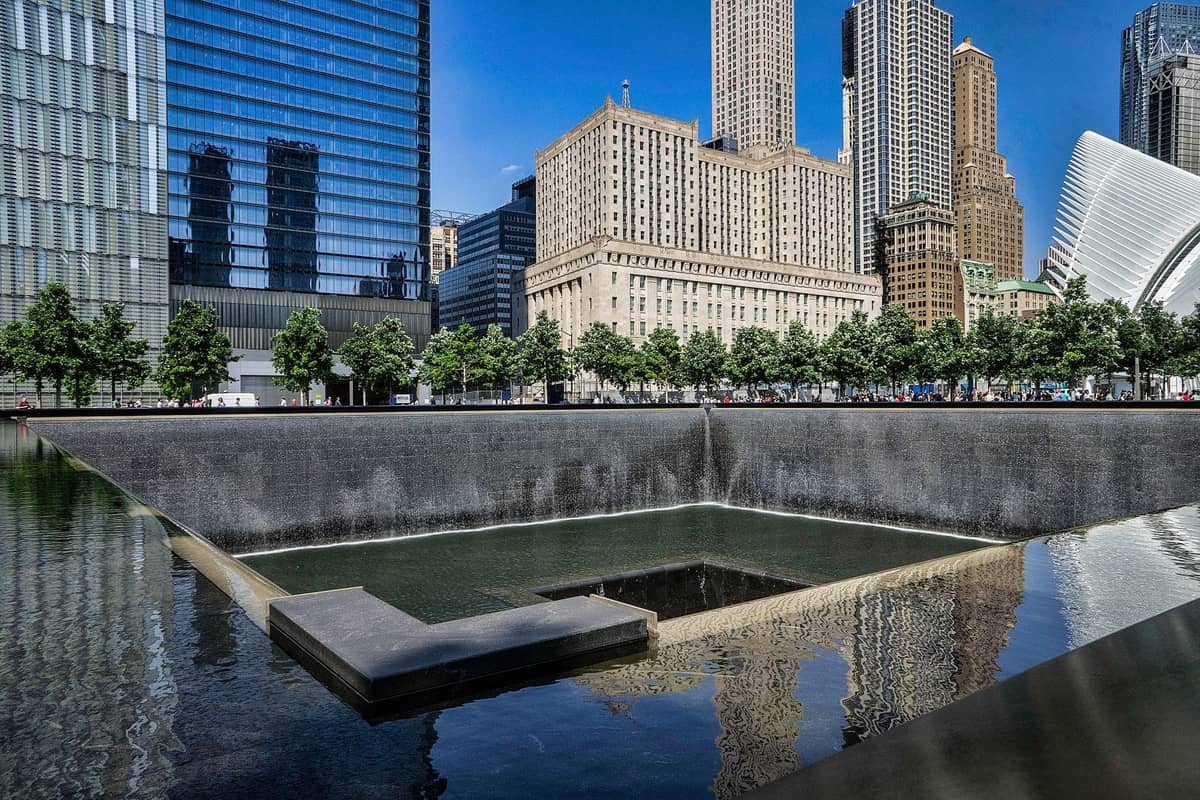
Start early in Lower Manhattan, ideally by 8:30 or 9am. This part of the city wakes up slowly on weekends — tourist crowds don't peak until mid-morning, which gives you a real window to see the 9/11 Memorial pools without the shoulder-to-shoulder experience that arrives by 11am.
The 9/11 Memorial pools are free and open daily. The adjacent museum requires a timed-entry ticket, currently around $33 for adults — book this at least a few days ahead on weekends. It takes most visitors 90 minutes to two hours to move through properly. Don't rush it. From the memorial, walk east along Fulton Street to the Oculus, the striking white transit hub designed by Santiago Calatrava, which is free to enter and worth five minutes of your time.
After the memorial, head south to Battery Park to catch the Staten Island Ferry. The ferry runs 24/7, costs nothing, and gives you a close harbor view of the Statue of Liberty from the upper deck. The crossing takes about 25 minutes each way. Ride it out, spend 15 minutes at the St. George terminal in Staten Island, and come back — you don't need to linger. This is genuinely the best free activity in the city.
ℹ️ Good to know
The paid Statue of Liberty ferry (operated by Statue City Cruises from Battery Park) costs around $24.50 for adults for the standard round-trip ticket, and significantly more for pedestal or crown access. Crown tickets sell out weeks in advance. If you want to step foot on Liberty Island rather than just view it from the water, book well before your trip.
For the afternoon, cross the Brooklyn Bridge on foot. The walkway is on the upper level, above traffic, and the views of Lower Manhattan and the East River are excellent. The crossing takes about 30-40 minutes at a relaxed pace. On the Brooklyn side, walk down into DUMBO for the classic view of the bridge framed by the arch at Washington Street — this is one of the most photographed spots in New York, and yes, it earns it. Grab food here: DUMBO has solid pizza, coffee, and restaurants along the waterfront.
If your legs still have life in the early evening, the Brooklyn Heights Promenade offers an unobstructed skyline view of Lower Manhattan across the East River. It's a short uphill walk from DUMBO through the Brooklyn Heights neighborhood. This stretch of the promenade, particularly around sunset, is one of the most underused great views in the entire city.
Day Two: Midtown, Central Park, and One Iconic View
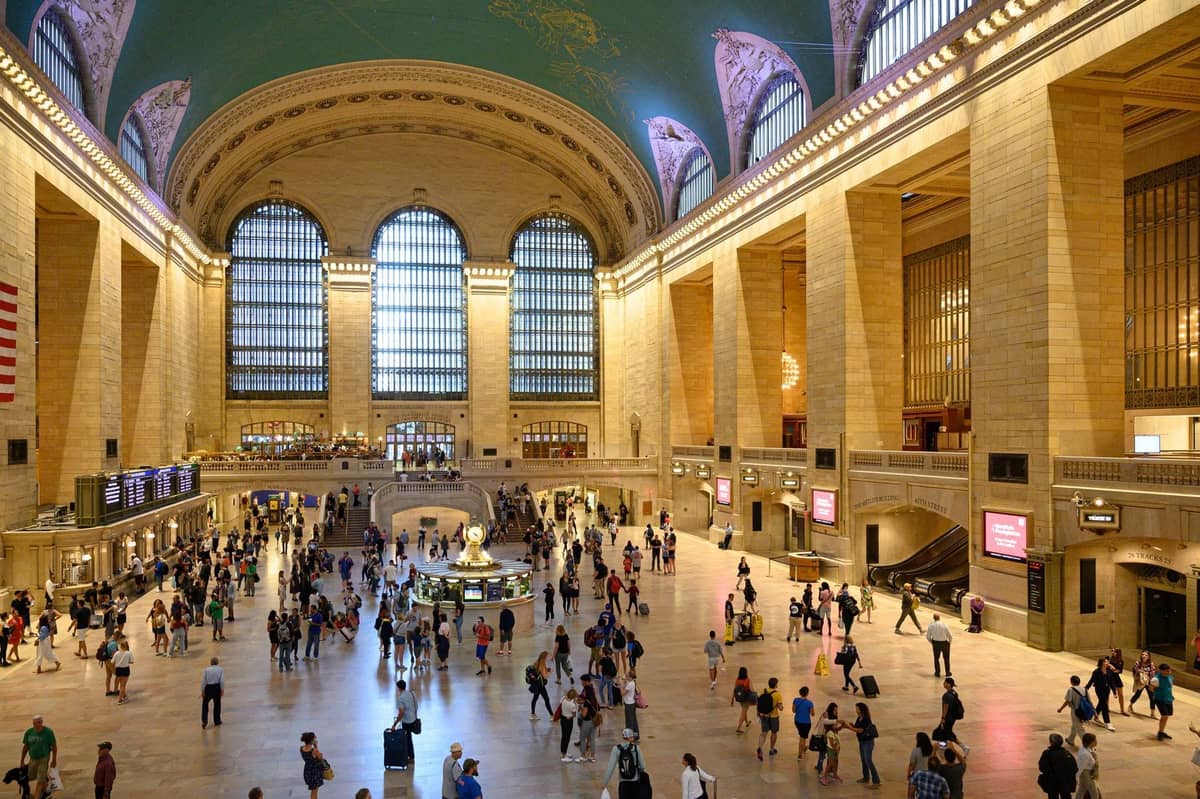
Start at Grand Central Terminal around 8am. Midweek, this place runs at a controlled chaos that borders on cinematic. On a weekend morning, you can actually stand in the Main Concourse and appreciate the vaulted ceiling and the light. It's free, it's coffee-adjacent (there are cafes inside the terminal), and it sets the architectural tone for a Midtown morning.
From Grand Central, walk north to Central Park. The park covers 843 acres of Manhattan, which means you cannot see all of it in a weekend — so don't try. Pick a route: the Reservoir loop in the middle, or the southern end from the Wollman Rink down to Bethesda Terrace and Fountain, which gives you the park's most theatrical set piece. Weekend mornings from 9-11am see runners, cyclists, and locals before the tourist crowds arrive. This is the right time to be here.
For the observatory, you have three real options: the Empire State Building (86th-floor main deck, tickets from around $44), Top of the Rock at Rockefeller Center (great because you can see the Empire State Building from it), or the Edge at Hudson Yards (outdoor glass-floored deck, tickets from the mid-$40s). All three deliver genuine skyline views. The Empire State Building has the most iconic status; Top of the Rock has the clearest angle on Central Park. Skip Summit One Vanderbilt if you're on a tight budget — the mirror installations are striking, but the price-to-view ratio is lower than the alternatives.
⚠️ What to skip
Book your observatory tickets online in advance. Walk-up weekend prices are often higher, and timed entry slots at the Empire State Building can sell out by Thursday for a Saturday visit. Check the official websites directly rather than third-party resellers to avoid inflated prices or invalid tickets.
For an evening activity on Day Two, Broadway is the obvious answer. Same-day discount tickets at the TKTS booth in Times Square (the red steps area) run 20-50% off regular prices and become available from 11am for matinees and 3pm for evening shows. The selection varies daily — you won't get tickets to the hottest new show, but for a weekend visitor, there's almost always something worth seeing. The High Line is also nearby: the elevated park running above the old rail line through Chelsea is a pleasant 45-minute walk with good Hudson River views from the western end.
What to Eat and When
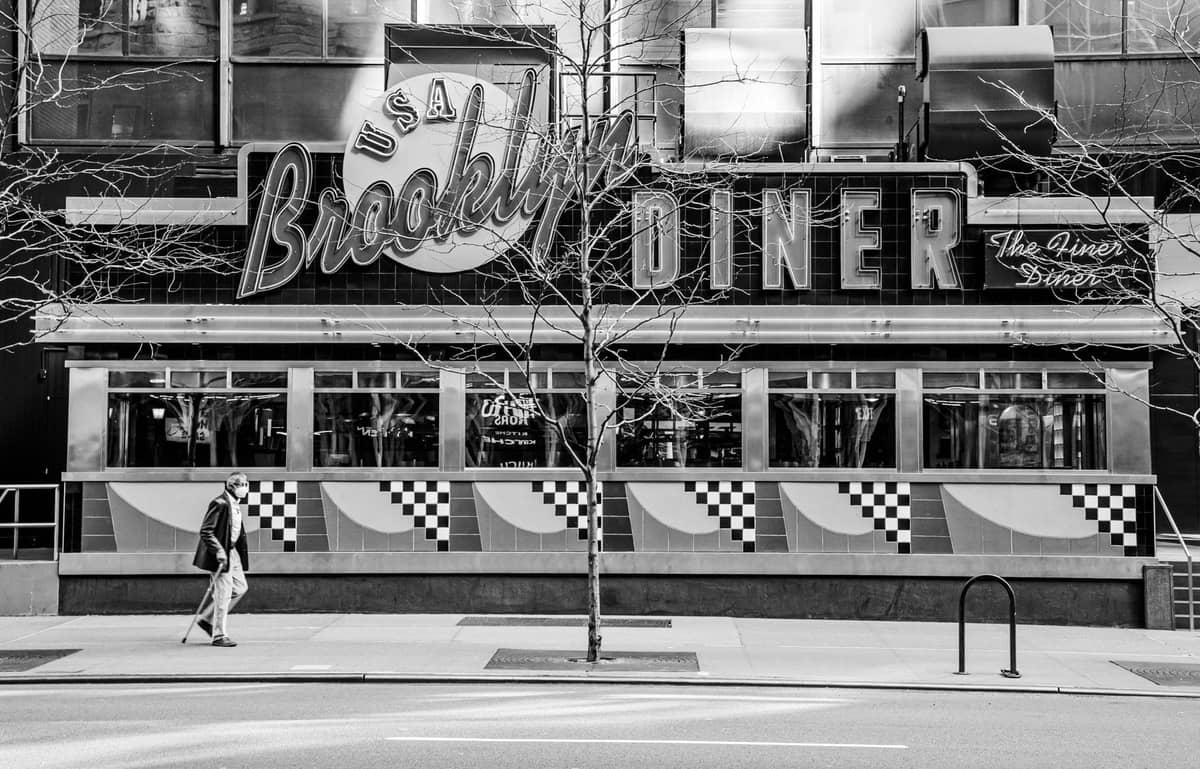
New York rewards people who eat early and skip the obvious tourist spots. For a fuller breakdown, see our New York City food guide, but here is the essential weekend framework: breakfast at a classic NYC diner (counter seating, eggs, coffee, often under $20), lunch at a dollar-slice pizza spot (two slices and a drink for around $7-9 in most neighborhoods), and one serious dinner at a sit-down restaurant where you've made a reservation.
- Chelsea Market on the High Line contains a range of food vendors under one roof — good for lunch without committing to a restaurant.
- The Lower East Side has some of the city's best value dining, particularly for international food. Katz's Delicatessen on East Houston is expensive and tourist-heavy, but the pastrami sandwich is legitimately exceptional.
- For weekend brunch, expect 30-60 minute waits at popular spots in Brooklyn (Williamsburg, Park Slope) and the West Village without a reservation. Either book ahead or arrive before 10am.
- Avoid eating directly on or around Times Square. Prices are high, quality is low, and there's no reason to do it when better options are a 10-minute walk in any direction.
Realistic Expectations: What Two Days Can and Cannot Do
Two full days gets you a solid introduction to New York City, not a comprehensive picture. The city has five boroughs and over 200 distinct neighborhoods. Most weekend visitors never leave Manhattan and a slice of Brooklyn, which is fine, but worth acknowledging. You will not get to the Bronx Zoo, the Cloisters, Flushing's food scene in Queens, or Coney Island in two days without sacrificing something significant.
The most common mistake is over-scheduling. New York City rewards the visitor who commits to fewer things and does them well. If you try to hit 10 attractions in two days, you'll spend most of your time in transit and queues. Pick five or six anchor experiences, build in time to walk and eat, and let the city happen between your destinations. The first-time visitor guide to NYC goes deeper on managing expectations and common planning errors.
Seasonally, early fall (September-October) is the most comfortable time for a weekend visit: temperatures in the 60s-70s°F (15-24°C), lower humidity than summer, and slightly thinner crowds than peak July or December. Summer weekends are possible but expect heat, humidity, and full tourist capacity everywhere. Winter weekends can be cold enough (January average around 31°F/-0.5°C) to make outdoor activities unpleasant. For a broader view on timing, see our guide on the best time to visit New York City.
Practical Details: Money, Tipping, and Staying Connected
New York City uses the US dollar (USD). ATMs are widely available, but many charge fees to non-account holders — check with your bank before relying on in-network machines. Most restaurants, shops, and attractions accept contactless card payments, and many are now cash-light or cash-free. Still, carry $20-40 in small bills for street food vendors, some food carts, and tipping situations where card isn't practical.
Tipping is standard practice in NYC, not optional. At sit-down restaurants, 18-22% on the pre-tax total is the accepted norm, not the floor. Taxi drivers, rideshare drivers, and hotel staff also expect tips. The city runs on this system, and skipping it is genuinely poor form. For practical help on what's free and what isn't, the free things to do in New York City guide covers cost-free experiences across the five boroughs.
- Emergency services: dial 911 for police, fire, or ambulance.
- Non-emergency city information: call 311 or 212-NEW-YORK (639-9675).
- Electricity: 120V, 60Hz, using Type A and B plugs. International visitors from Europe, Australia, or Asia need a plug adapter.
- Tap water in NYC is potable and well-regarded — no need to buy bottled water.
- Phone coverage: all major US carriers and most international roaming plans work throughout Manhattan and Brooklyn. Subway platforms have limited signal but station areas above ground are fine.
✨ Pro tip
Download the official MTA app and Google Maps with offline NYC maps before your trip. Cell service in subway tunnels is improving but still unreliable. Knowing your stop and transfer points ahead of going underground saves meaningful time and frustration.
FAQ
Is two days enough to see New York City?
Two days gives you a genuine introduction: Lower Manhattan, Central Park, the Brooklyn Bridge, and one or two major museums or observatories. It is not enough to see everything, and local tourism guidance consistently recommends 3-4 days minimum for a broader experience. Focus on quality over quantity and you'll come away satisfied.
What is the cheapest way to get around NYC for a weekend?
The subway is the best value at $3.00 per ride using OMNY tap-to-pay. For a weekend visitor making 4-6 trips per day, individual tap payments work out cheaper than an unlimited day pass unless you're moving constantly. Walking is also very practical in Manhattan — midtown blocks are short and many major sights are within a mile of each other.
Do I need to book NYC attractions in advance for a weekend visit?
Yes, for several key experiences. The 9/11 Museum, Empire State Building, and Statue of Liberty crown access all benefit from advance booking, especially for Saturday visits. The TKTS booth for Broadway same-day tickets doesn't require advance purchase, but you need to arrive early and accept that availability is unpredictable.
Which neighborhoods should I stay in for a NYC weekend trip?
Midtown Manhattan is central and convenient but expensive and noisy. Chelsea and the Upper West Side offer better hotel value with easy subway access. If you're comfortable with a 20-30 minute subway ride into Manhattan, Williamsburg in Brooklyn has good hotels, strong food and bar options, and a less tourist-saturated environment.
What should I skip on a short NYC weekend?
Skip Times Square as a destination — pass through it to reach the TKTS booth or a theater, but don't treat it as an attraction. The area is crowded, prices are high, and the spectacle wears off quickly. Also skip the Top of the Rock and Summit One Vanderbilt if you've already picked the Empire State Building or Edge — one great observatory is enough.