Best Things to Do in New York City: The Definitive Guide
New York City offers more experiences per square mile than almost anywhere on earth. This guide cuts through the noise to highlight the top things to do in New York City, with honest takes on prices, crowd patterns, and which attractions are actually worth your time.
Plan and book this trip
Tools from our partner Travelpayouts help you compare flights and hotels. If you book through them, we may earn a commission at no extra cost to you.
Flights
Hotels map
TL;DR
- NYC's five boroughs each offer distinct experiences — don't limit yourself to Midtown Manhattan.
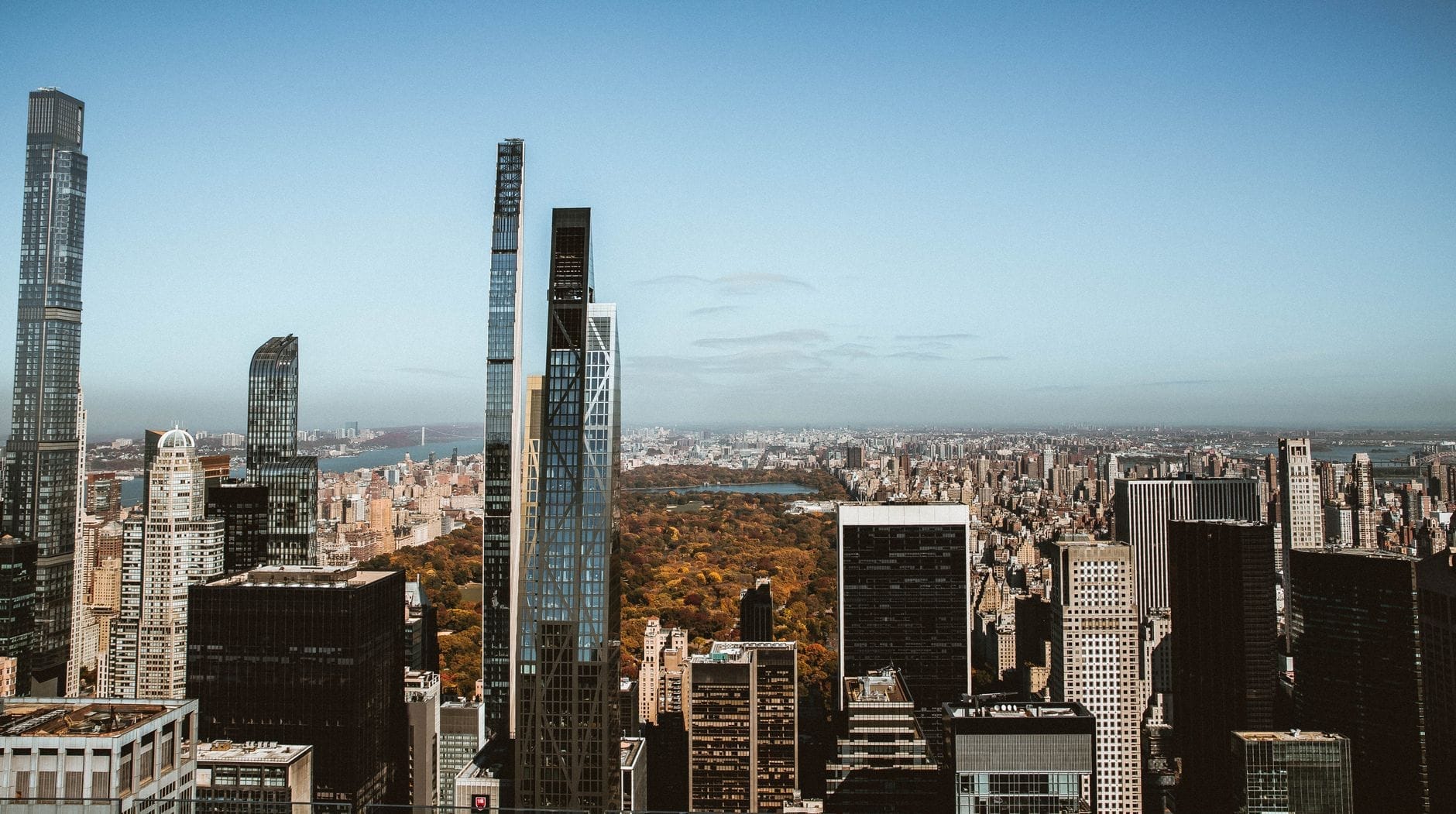
- Top paid attractions include the Empire State Building (86th floor from ~$44), Top of the Rock (from ~$42), and SUMMIT One Vanderbilt (~$40+); book in advance to skip lines. See our best views in New York City guide for a full comparison.
- Central Park, the High Line, and the Staten Island Ferry are free or nearly free — and excellent.
- Spring (April–June) and fall (September–October) are the most comfortable seasons to visit. Check the best time to visit New York City for a full seasonal breakdown.
- The subway costs $3.00 per ride and will get you to almost every major attraction efficiently — skip the rental car entirely.
Iconic Landmarks and Observatories
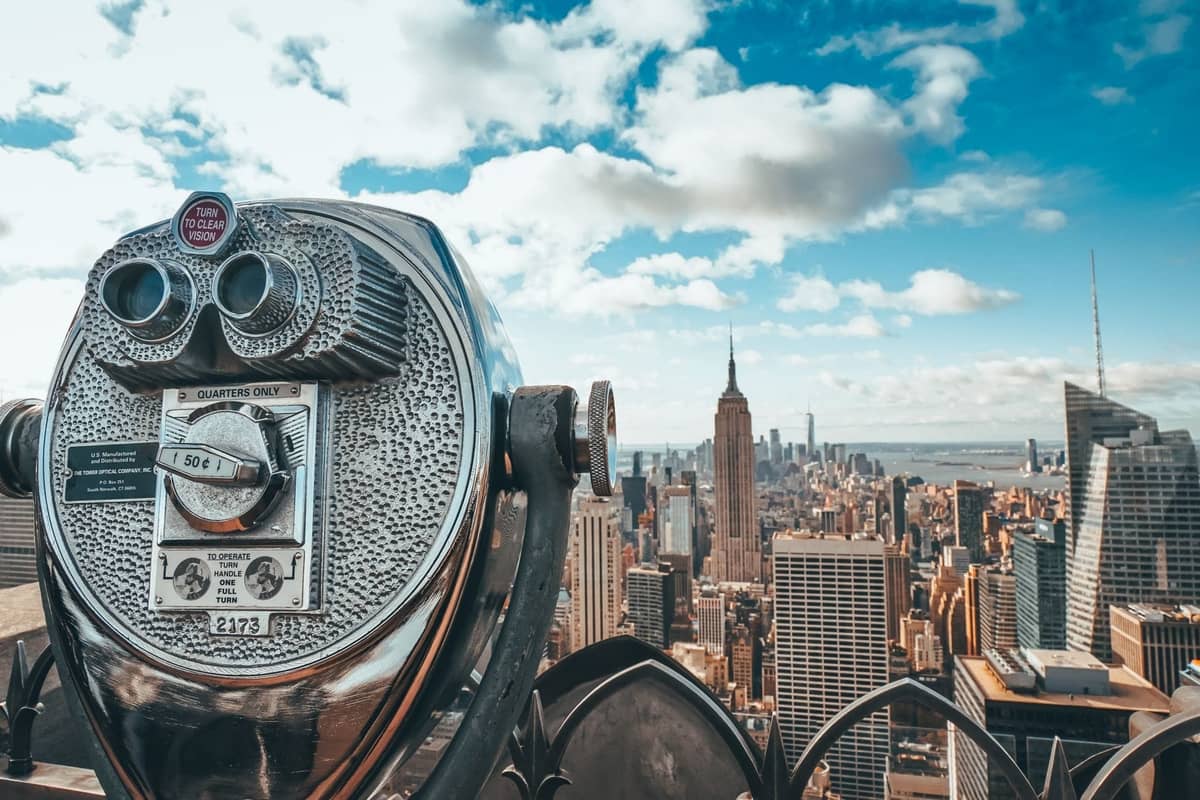
NYC things to do lists always start here, and for good reason. The city's observation decks and skyline landmarks are world-class, but the differences between them matter more than most guides acknowledge.
- Empire State Building 86th-floor main deck tickets start from ~$44 for adults. Hours run approximately 9 AM to midnight, making it one of the few observatories open late enough for a proper nighttime skyline. The 102nd floor top deck costs extra. Crowds peak between 11 AM and 3 PM — arrive before 10 AM or after 8 PM for the best experience.
- Top of the Rock (Rockefeller Center) Adult tickets from around $42 with timed-entry slots. Unlike the Empire State Building, Top of the Rock gives you a view that actually includes the Empire State Building in the skyline — many photographers prefer it for this reason. Sunset slots sell out days in advance in peak season.
- SUMMIT One Vanderbilt The newest of the major observatories, with immersive mirror and glass installations that make it more of an experience than a straight view deck. Tickets typically start above $40 depending on time slot and package. Best for visitors who want something beyond a standard rooftop view.
- Statue of Liberty and Ellis Island Reserve tickets via the official provider, Statue City Cruises, starting at $25 for adults. Ferries leave from Battery Park in Lower Manhattan and Liberty State Park in New Jersey. One critical note: the free Staten Island Ferry passes near the statue but does not dock at Liberty Island. If you want to set foot on the island, book in advance — pedestal and crown access sells out weeks ahead.
⚠️ What to skip
The Metropolitan Museum of Art's pay-what-you-wish admission applies to New York State residents and full-time students only. Most visitors pay the standard $30 adult admission. Don't arrive expecting to name your price.
For a free aerial perspective that still impresses, the Staten Island Ferry runs 24 hours a day and costs nothing. The views of Lower Manhattan and the harbor on the return trip from Staten Island are among the best free sights in the city. Go on a weekday morning for the emptiest crossing.
Parks, Waterfronts, and Free NYC Experiences
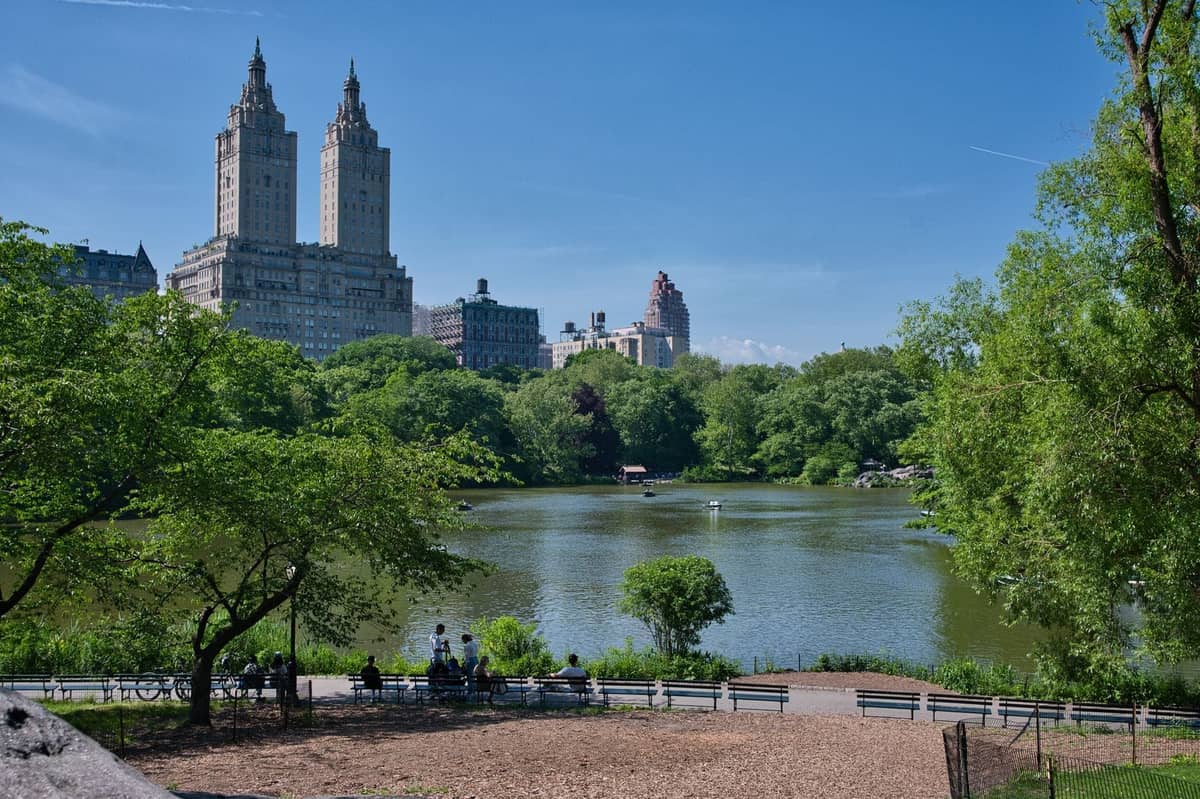
Some of the best things to do in New York City cost nothing. Central Park spans 843 acres in the middle of Manhattan and is open daily from 6 AM to 1 AM. The park works best as a destination in itself rather than a backdrop for a quick photo. Rent a bike near the 72nd Street entrances, walk the Reservoir loop, or find a quiet bench near Bethesda Terrace on a weekday afternoon. Weekend crowds near Strawberry Fields and the main Bethesda area can be intense.
The High Line is a 1.45-mile elevated rail-trail running from Gansevoort Street in the Meatpacking District north to Hudson Yards. It's free and generally open from 7 AM to 10 PM in spring and fall, with longer hours in summer and shorter hours in winter. The stretch between 14th and 23rd Streets has the best architecture and food vendors. Avoid it on sunny weekend afternoons in summer when it becomes uncomfortable.
In Brooklyn, Brooklyn Bridge Park stretches 1.3 miles along the East River waterfront with direct views of the Manhattan skyline. The park contains sports courts, a carousel, and pier-based lawns. Arrive around sunset for a skyline view that rivals any paid observatory. Combine it with a walk across the Brooklyn Bridge from the Manhattan side — the pedestrian walkway is free, takes about 30 to 40 minutes, and deposits you directly into DUMBO.
💡 Local tip
For a full rundown of experiences that won't cost you anything, check the free things to do in New York City guide. From free museum nights to open-air concerts in Central Park, there's a surprising amount on offer.
Museums and Cultural Institutions
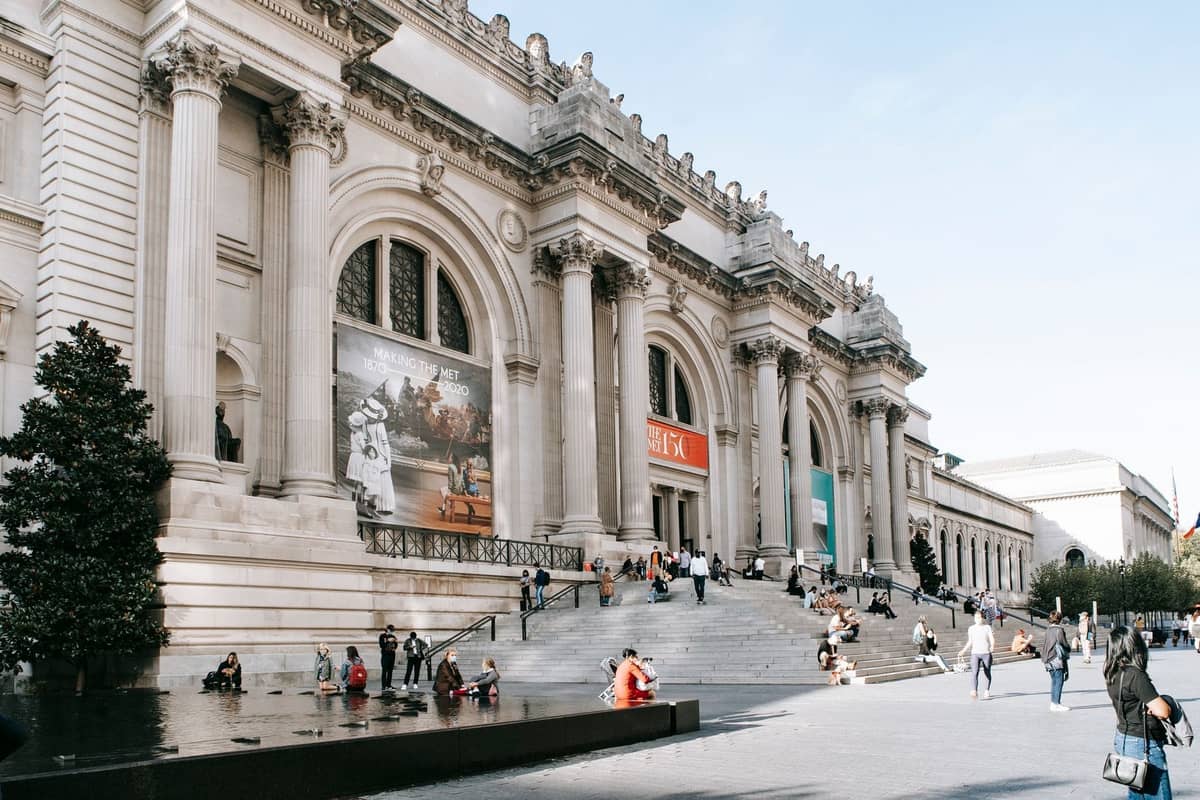
New York City's museum landscape is enormous. The Metropolitan Museum of Art on the Upper East Side is the anchor — with over two million objects spanning 5,000 years, a single visit covers a fraction of it. General admission is $30 for most adults. The museum's hours are roughly 10 AM to 5 PM most days, with later closing on Fridays and Saturdays. The rooftop garden (open seasonally) has a view of Central Park that's worth the admission alone.
The Museum of Modern Art (MoMA) in Midtown charges $30 for adult admission and holds one of the strongest permanent collections of modern and contemporary art anywhere in the world. For a smaller, more focused experience, the Guggenheim Museum on Fifth Avenue is as much about Frank Lloyd Wright's spiral building as the art inside. Tickets run around $25 for adults. The Whitney Museum of American Art in the Meatpacking District is the best place in the city for 20th and 21st century American art, with a rooftop terrace that overlooks the Hudson.
- American Museum of Natural History On the Upper West Side, recommended admission around $28 for adults. The dinosaur halls and the Rose Center for Earth and Space are the standout sections. Allow at least three hours. Very popular with families on weekends.
- 9/11 Memorial and Museum The outdoor memorial pools are free and open daily. The museum charges around $29 for adults. Even if you skip the museum, the memorial pools in Lower Manhattan are a significant and moving site worth visiting.
- The Tenement Museum On the Lower East Side, this museum offers ticketed guided tours of preserved tenement apartments that tell the story of immigrant life in New York from the 1860s onward. One of the most distinctive museum experiences in the city — small group tours make it feel personal. Tickets typically around $30.
✨ Pro tip
The NYC Culture Pass, available through the New York Public Library system, gives cardholders free access to dozens of museums and cultural institutions including the American Museum of Natural History and the New York Botanical Garden. It requires a library card, which visitors can often obtain with proof of a local address — worth researching before you arrive.
Neighborhoods Worth Exploring on Foot
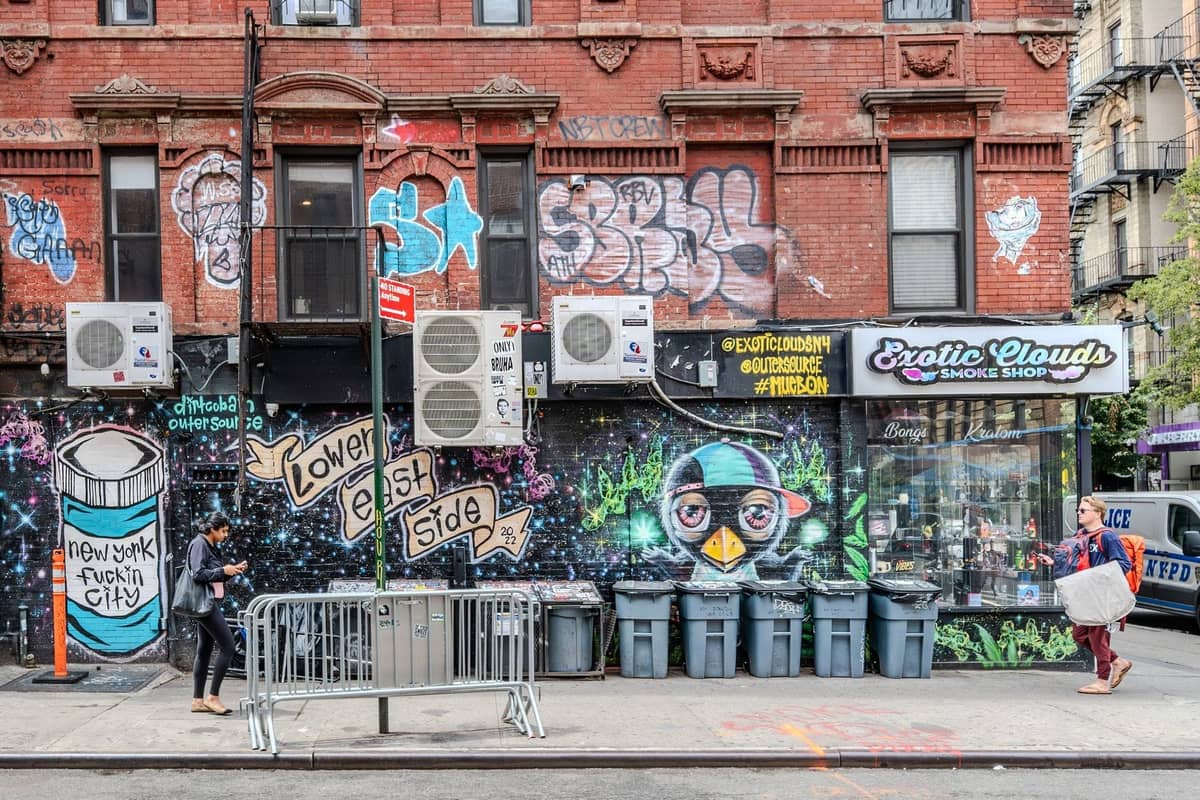
Midtown gets most of the foot traffic, but some of the most rewarding NYC experiences are in neighborhoods that don't appear at the top of most tourist lists. The Lower East Sidethe Lower East Side is one of the most historically layered neighborhoods in the city, with a past rooted in Jewish and immigrant culture and a present defined by independent restaurants, bars, and the Tenement Museum. Walk along Orchard Street on a Sunday when vendors sometimes set up along the old market corridor.
In Brooklyn, the Williamsburg waterfront on Kent Avenue offers uninterrupted Manhattan skyline views and access to weekend markets like Smorgasburg, the open-air food market running Saturdays in Williamsburg and Sundays at the Brooklyn Flea site. For something quieter, Harlem rewards an afternoon visit: the Apollo Theater, Marcus Garvey Park, and a number of restaurants serving some of the best Southern food in the city.
For architecture and shopping in the same neighborhood, Chelsea and the Meatpacking District offer gallery rows, the High Line access points, and Chelsea Market inside a converted Nabisco factory. The building alone justifies the detour. For a full rundown of how the five boroughs and their neighborhoods compare, see the NYC neighborhoods guide.
Broadway, Food, and Nightlife
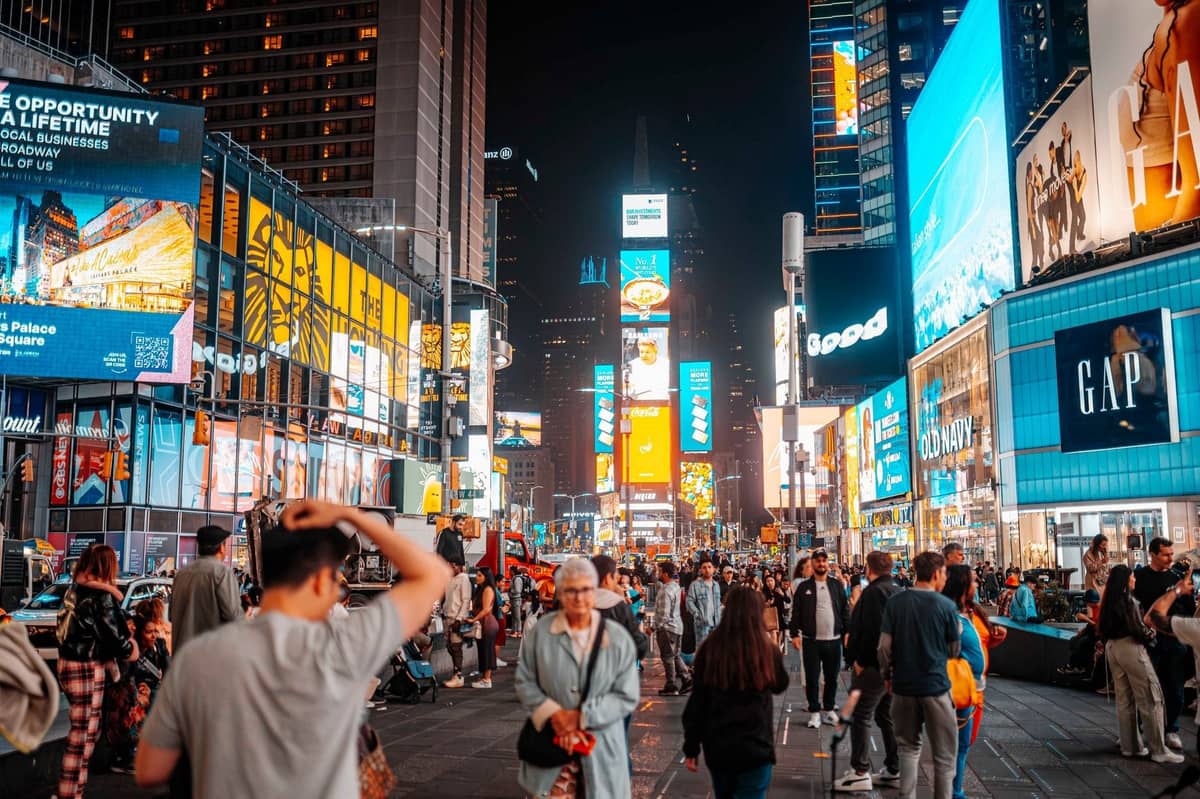
A Broadway show is one of the defining NYC experiences, even for people who don't typically follow theater. The TKTS booth in Times Square sells same-day discounted tickets — typically 20 to 50 percent off the full price — for evening and matinee performances. Lines form before opening, so arrive early. Online, the primary authorized ticket sellers are Telecharge and Ticketmaster depending on the venue. For a deeper look at how to book and what to see, the Broadway guide for New York City covers the full process.
New York's food scene defies easy summary. The city has extraordinary pizza, but the debates about which style and which slice shop are exhaustive. More practically: avoid eating immediately adjacent to major tourist attractions. The restaurants within a two-block radius of Times Square, the Empire State Building, and the 9/11 Memorial tend to charge more for less. Walk four or five blocks in any direction and quality improves noticeably. For neighborhood-by-neighborhood eating recommendations, the where to eat in New York City guide is the place to start.
Planning Tips: Getting Around, Timing, and Avoiding Crowds
The subway is the most practical way to move around the city. A single ride costs $3.00 with OMNY (tap-to-pay) or a MetroCard. The system runs 24 hours a day on most lines, which is rare among major transit networks worldwide. For tourists, the key lines are the A/C/E, the B/D/F/M, the 4/5/6, and the 1/2/3 — these cover the vast majority of Manhattan attractions and connect to Brooklyn, Queens, and The Bronx. Avoid driving in Manhattan. Parking is expensive, traffic is unpredictable, and the subway is almost always faster.
Spring (April to June) and fall (September to October) are the most comfortable periods for walking the city. Summer brings heat and humidity that makes extended outdoor exploration tiring, though the energy of the city in July and August is high. Winter is cold — January averages around 32°F / 0°C — but it also brings thinner crowds at most major attractions and some genuine pleasures like the skating rink at Wollman Rink in Central Park. For a month-by-month breakdown, see the New York City weather guide.
- Book observation deck tickets at least 2–3 days in advance in peak season; sunset and evening slots sell out fastest.
- Statue of Liberty crown access requires booking weeks or even months ahead — don't assume availability when you arrive.
- Many major museums are closed on specific weekdays (typically Tuesday or Wednesday); check hours before building an itinerary around them.
- The NYC CityPASS and New York Pass bundle popular attractions at a discount — compare prices against what you actually plan to visit before buying.
- Tipping is standard in NYC: 18–20 percent at restaurants, $1–2 per drink at bars, and rounding up in taxis is expected rather than optional.
ℹ️ Good to know
NYC operates on Eastern Time (ET): UTC-5 in winter (EST) and UTC-4 during Daylight Saving Time (roughly early March through early November). The US uses 120V/60Hz electricity with Type A and B plugs — travelers from Europe, Asia, and Australia will need adapters. Tap water in New York City is safe to drink and is supplied from upstate reservoirs.
FAQ
What are the best free things to do in New York City?
Central Park, the High Line, the Brooklyn Bridge pedestrian walkway, the Staten Island Ferry, the 9/11 Memorial pools, and most of the city's public waterfront parks are free. Several museums offer free admission on specific evenings — MoMA has had free Friday evenings, and the American Museum of Natural History offers pay-what-you-wish admission for New York, New Jersey, and Connecticut residents while charging fixed admission for other visitors. The NYC Public Library's Culture Pass provides free museum access for cardholders.
How many days do you need in New York City?
A first-time visitor can cover the major Manhattan landmarks in three to four days, but a week allows you to explore Brooklyn, Queens, and The Bronx meaningfully. Most seasoned travelers would say NYC rewards longer stays — the neighborhoods, food scene, and cultural depth take time to absorb. If you only have a weekend, prioritize based on what matters most to you: observatories and iconic sights, or neighborhoods and food.
What is the best way to get around New York City?
The subway is the fastest and cheapest option for most trips. A single ride costs $3.00 with OMNY tap-to-pay or a MetroCard. Taxis and ride-hailing apps (Uber, Lyft) are widely available but significantly more expensive and subject to traffic delays. Walking is practical within neighborhoods. Avoid renting a car in Manhattan — parking costs and traffic make it counterproductive.
What are the best things to do in New York City with kids?
The American Museum of Natural History, Central Park Zoo, Brooklyn Children's Museum, New York Aquarium at Coney Island, and a walk across the Brooklyn Bridge are all strong choices. The Staten Island Ferry is free and gives kids a harbor experience without the cost of the Statue of Liberty ferry. For older children, a Broadway show or the Intrepid Sea, Air and Space Museum are worth considering.
Are there good things to do in New York City in December?
December is one of the most visually impressive times to visit. The Rockefeller Center Christmas tree, holiday markets at Bryant Park and Union Square, and light displays across Fifth Avenue make the city feel distinct from any other time of year. Crowds are high around Christmas week but the period between Thanksgiving and mid-December is manageable. Dress warmly — temperatures in December average in the mid-30s to low 40s Fahrenheit. See the NYC in December guide for specific events and timing.