Solo Travel in New York City: The Complete Guide
New York City is one of the most rewarding solo travel destinations in the world, but it rewards preparation. This guide covers transit, safety, neighborhoods, budgeting, and seasonal strategy so you can move through all five boroughs with confidence.
Plan and book this trip
Tools from our partner Travelpayouts help you compare flights and hotels. If you book through them, we may earn a commission at no extra cost to you.
Flights
Hotels map
TL;DR
- The subway is your best friend: a single fare is $3.00 with OMNY tap-to-pay, and the weekly fare cap effectively costs $35 after 12 rides.
- Spring (April-June) and fall (September-October) offer the most comfortable conditions for walking the city solo.
- Most central neighborhoods are safe for solo travelers; use the NYC safety tips guide to understand which areas require extra awareness after dark.
- Free experiences like the Staten Island Ferry and select museum free-admission windows make solo NYC very doable on a budget.
- Plan at least 3-4 days to cover the highlights; see the 3-day NYC itinerary for a structured starting point.
Why NYC Works So Well for Solo Travelers
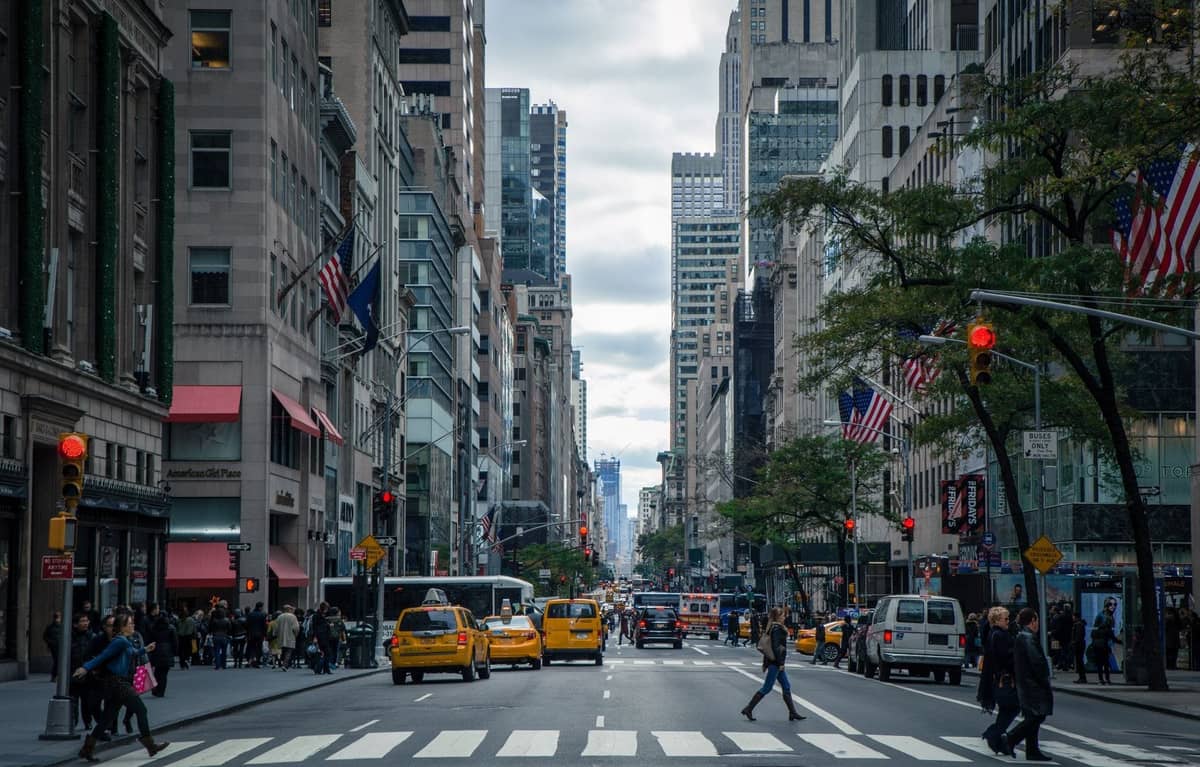
Solo travel in New York City is genuinely different from solo travel in most other cities. The scale works in your favor. With 8.5 million residents spread across five boroughs, the city generates constant foot traffic at almost any hour, which means you're rarely the only person on a block, in a cafe, or waiting for a train. The infrastructure was built for individuals moving independently: the subway runs 24 hours, corner delis stock everything you need at 2am, and dining alone at a counter or bar stool is completely normal, even expected.
The city is also deeply used to strangers. New Yorkers are famously direct rather than effusively welcoming, but that directness is useful when you need accurate directions or a restaurant recommendation. The sheer diversity of the population, with large communities speaking Spanish, Chinese, Russian, Bengali, and dozens of other languages, means you're unlikely to feel out of place regardless of your background. For first-timers, the first-time visitor guide covers orientation basics that pair well with solo planning.
ℹ️ Good to know
NYC operates on Eastern Time (ET): UTC-5 in winter and UTC-4 roughly from mid-March to early November. The city uses US dollars (USD), standard 120V/60Hz electricity with Type A and B plugs, and potable tap water. Emergency services: dial 911. For non-emergency city info: dial 311.
Getting There: Airports and First Arrivals
New York City is served by three major airports. John F. Kennedy International (JFK) in Queens sits about 15-20 miles from Midtown Manhattan. LaGuardia (LGA), also in Queens, is closer at 8-10 miles out. Newark Liberty International (EWR) is across the state line in New Jersey, roughly 16-18 miles from Midtown. For solo travelers arriving with a carry-on and no rigid schedule, public transit from all three is entirely manageable.
- JFK to Manhattan via AirTrain + Subway Take the AirTrain ($8.50) to either Howard Beach or Jamaica Station, then connect to the subway ($3.00) for a total of around $11.50. Budget 60-75 minutes depending on your final destination. A yellow cab charges a regulated flat fare to Manhattan (verify the current rate with the NYC Taxi and Limousine Commission before traveling); factor in tolls and a tip on top.
- LaGuardia to Manhattan via Bus The Q70-SBS or M60-SBS bus connects LGA directly to subway lines at Jackson Heights, Astoria, and 125th Street for a standard $3.00 fare. It's slower than a cab but straightforward for anyone with light luggage.
- Newark (EWR) to Manhattan via AirTrain + NJ Transit AirTrain Newark connects terminals to Newark Liberty International Airport Station, where NJ Transit trains run to New York Penn Station. Verify current fares on the NJ Transit website; the journey typically takes 30-45 minutes and is significantly cheaper than a car service.
⚠️ What to skip
Avoid unlicensed 'gypsy cab' drivers who approach you inside airport terminals. Only use yellow cabs from designated taxi stands, or request a ride through Uber or Lyft using the official app. Transit fares and flat-rate taxi policies change periodically; always verify current figures with the MTA (new.mta.info) or the NYC Taxi and Limousine Commission before your trip.
Getting Around the City
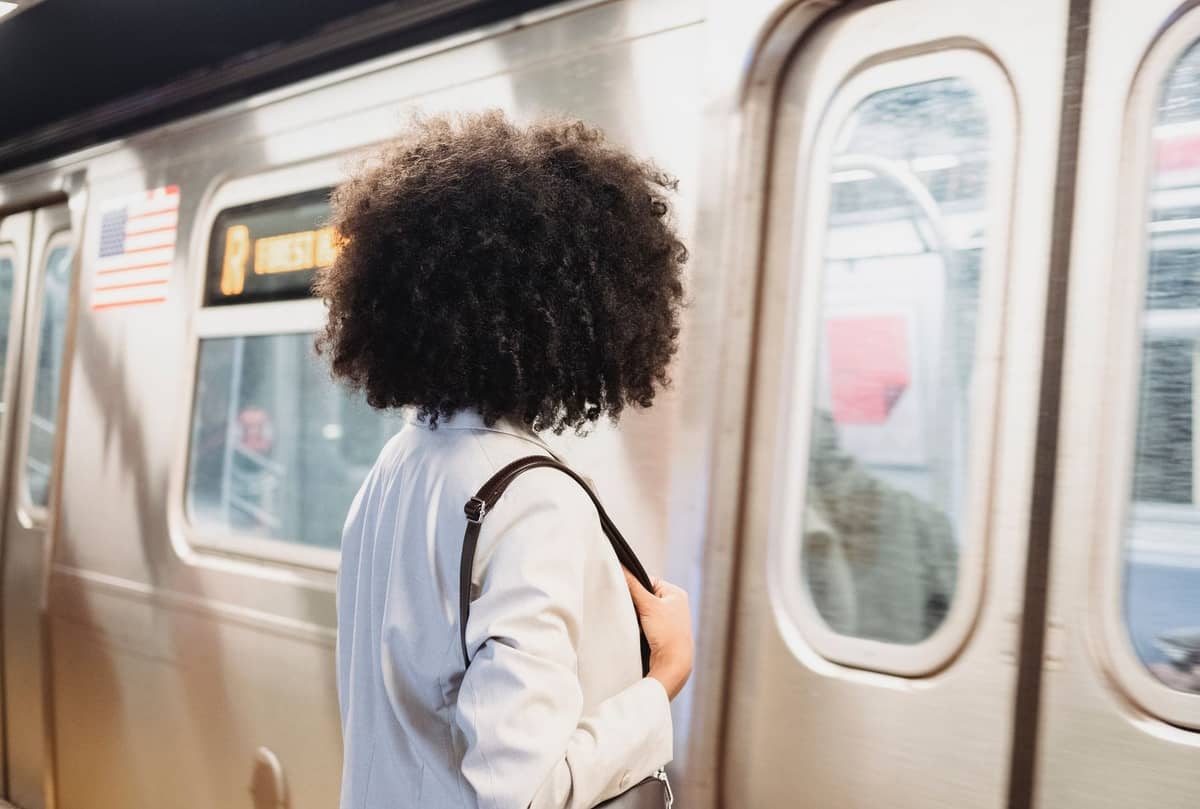
The New York City Subway is one of the largest rapid transit systems in the world by station count, and it operates around the clock, every single day. For solo travelers, that's the crucial detail: you're never truly stranded. The network covers Manhattan, Brooklyn, Queens, and The Bronx extensively. Staten Island has its own rail line and connects to Manhattan via ferry.
Payment is straightforward. Tap your contactless bank card or phone directly at the turnstile using OMNY. A single ride costs $3.00. If you're staying more than four or five days, the OMNY weekly fare cap ($35 after 12 rides) saves money quickly. Buses use the same fare system and cover areas the subway doesn't reach. For a full breakdown of route strategy and borough-to-borough logistics, the getting around New York City guide goes into detail on transfers, express versus local trains, and the most common navigation mistakes.
Taxis and ride-hailing apps (Uber and Lyft both operate widely under NYC Taxi and Limousine Commission regulations) are worth using late at night when subway platforms feel sparse, when you have heavy luggage, or when you're crossing boroughs in a way that requires multiple transfers. For most daytime movement, they're slower than the subway due to Manhattan traffic and cost significantly more. Yellow cabs are metered except for the JFK flat-rate exception.
✨ Pro tip
The Staten Island Ferry is completely free and runs 24 hours. The 25-minute crossing gives you unobstructed views of Lower Manhattan and the Statue of Liberty without paying for a dedicated boat tour. Board at Whitehall Terminal in Lower Manhattan. Go on a clear day for the best skyline views heading back toward Manhattan.
Neighborhoods: Where to Base Yourself
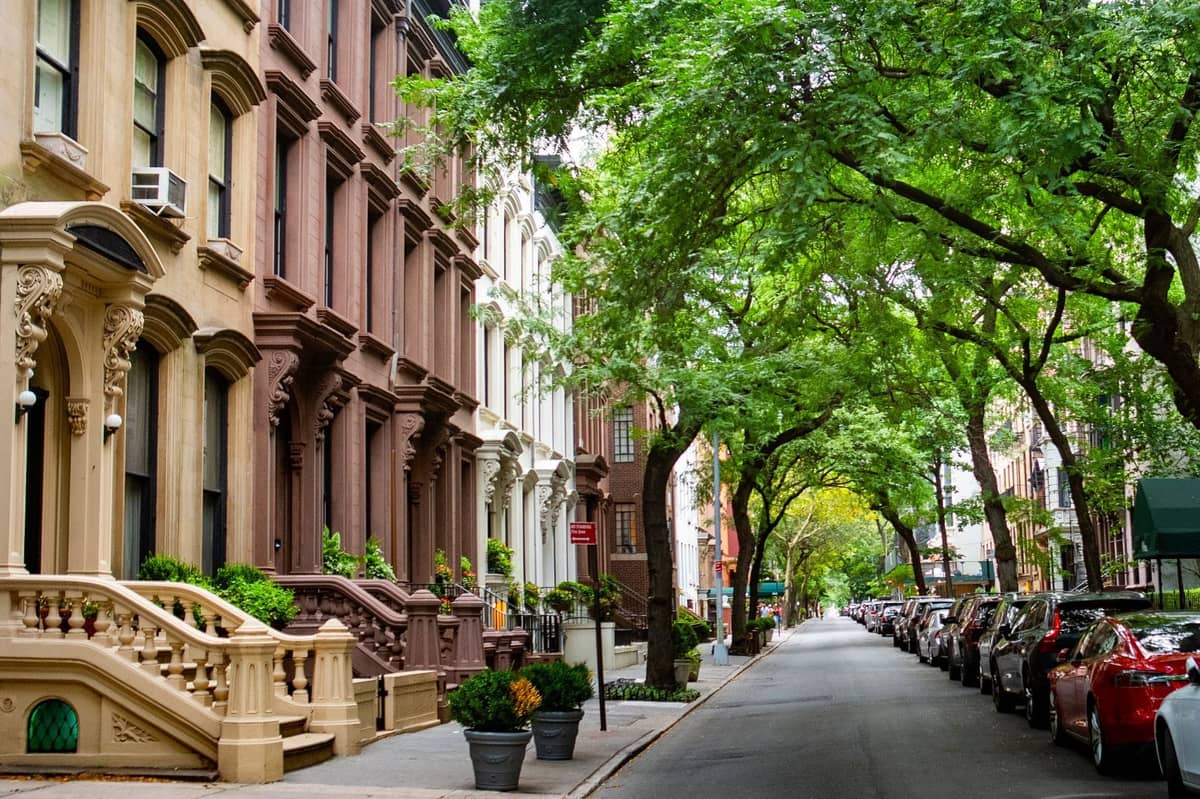
Where you stay shapes your entire solo experience. Manhattan is the obvious default, and it's practical: you'll be close to subway lines, walkable to most major attractions, and surrounded by 24-hour services. But it's also the most expensive option by a wide margin. Brooklyn, particularly areas like Williamsburg and Brooklyn Heights, has become a legitimate base for solo travelers who want lower accommodation costs and a less tourist-saturated daily environment.
- Midtown Manhattan Maximum convenience, worst value. You're within walking distance of Times Square, the High Line, and major transit hubs, but hotel prices reflect the location. Good for very short stays where time efficiency matters most.
- Lower Manhattan Quieter at night than Midtown, closer to the 9/11 Memorial, South Street Seaport, and the ferry terminals. A solid choice if financial district or downtown attractions are your priority.
- Greenwich Village / Lower East Side More neighborhood character, great food and nightlife options, well-connected by subway. The Lower East Side in particular suits solo travelers who want to meet people through bar culture and live music.
- Williamsburg, Brooklyn Around 15-20 minutes from Midtown by L train. Significantly cheaper than Manhattan hotels, with independent restaurants, rooftop bars, and a social atmosphere that makes solo travel feel natural rather than isolating.
For accommodation budget guidance and neighborhood comparisons, the where to stay in New York City guide breaks down pricing tiers and trade-offs across all five boroughs. If budget is the primary concern, NYC on a budget covers hostel options, discount passes, and free attraction strategies in full detail.
What to Do: Solo-Friendly Experiences Across the City
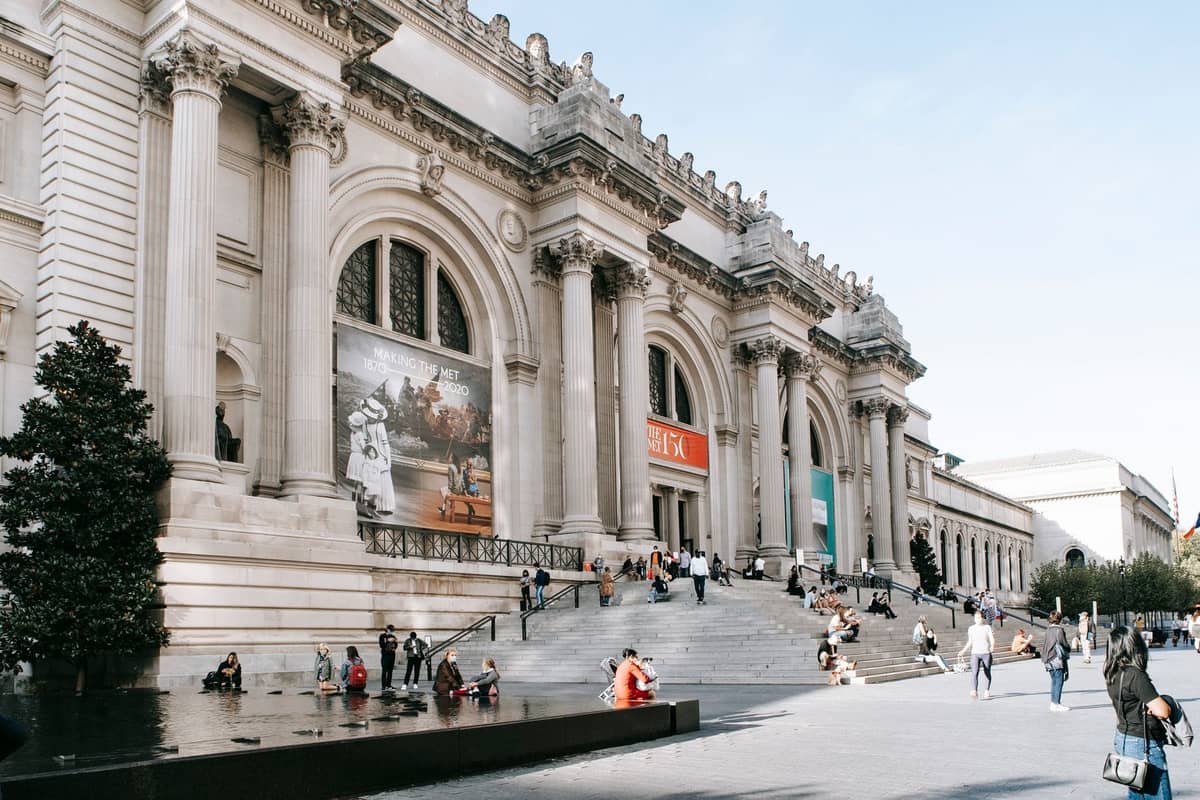
Solo travel in NYC works best when you lean into the city's natural rhythm rather than trying to replicate a group itinerary at half the pace. The city's museums are particularly well-suited to solo visitors: you move at your own speed, linger where you want, and skip what doesn't interest you. A few institutions offer free or reduced admission during specific evening windows (MoMA's UNIQLO Free Friday Nights, Brooklyn Museum's free first Saturdays) — check each museum's website, as eligibility and schedules vary.
The Metropolitan Museum of Art on the Upper East Side is genuinely vast enough to occupy a full day without seeing everything. The MoMA in Midtown is more curated. For something outside the standard circuit, the best museums in NYC guide includes smaller institutions that are far less crowded and often more rewarding for solo visitors who want to actually absorb what they're seeing.
Walking is underrated as a solo activity in NYC. The High Line, a converted elevated railway on the west side of Manhattan, runs about 1.5 miles and drops you near Chelsea Market and Hudson Yards. Central Park is 843 acres: you can spend a full morning there without covering it entirely. Brooklyn Bridge Park along the waterfront in DUMBO gives you skyline views without the tourist density of Midtown. These are experiences that are genuinely better alone, at your own pace, without waiting for a group to reassemble.
For evening plans, solo dining at the bar is standard practice in New York. It signals nothing unusual and often leads to conversations. Broadway is also excellent solo: the Broadway guide covers TKTS discount booths where day-of tickets for major shows sell at significant reductions. Single seats are often easier to get than pairs, which actually works in your favor.
Safety, Seasonal Timing, and Practical Logistics
The common fear that NYC is dangerous for solo travelers doesn't align with the current reality of the city's tourist areas and well-trafficked neighborhoods. Midtown, the Upper West and East Sides, Greenwich Village, DUMBO, Williamsburg, and most of the subway system during daytime hours are consistently cited by solo travel resources as safe by any major city standard. Standard urban precautions apply: keep your phone out of sight on crowded platforms, be aware of your surroundings late at night, and avoid empty subway cars at 2am when you have other options.
Seasonal timing genuinely matters for solo travel specifically because it affects how social and comfortable the city feels. Summer (June-August) brings free outdoor concerts, movies in the park, and extended daylight hours, which makes spontaneous solo activity easy. It's also the hottest and most humid period, and hotel prices peak. Winter (December-February) has a character of its own, with skating rinks, holiday markets, and indoor cultural programming, but temperatures regularly drop below freezing and occasional snow disrupts outdoor plans. Spring and fall are widely considered the most balanced options: mild temperatures, lower crowds than summer, and the city at its most photogenic.
- Spring (April-June): Best all-around conditions for walking. Cherry blossoms at Brooklyn Botanic Garden in April. Accommodation prices begin rising through June.
- Summer (June-August): Free SummerStage concerts in Central Park, outdoor film screenings, and extended hours at many attractions. Hot and humid; pack light and stay hydrated.
- Fall (September-October): Arguably the best solo travel window. Cooler temperatures, stunning foliage in Central Park and Prospect Park, and fewer international tourists than summer.
- Winter (December-February): Cold, occasionally snowy, but atmospheric. Wollman Rink in Central Park, holiday window displays on Fifth Avenue, and significantly cheaper weekday hotel rates after the New Year.
For a full seasonal breakdown with specific event dates and pricing patterns, the best time to visit New York City guide covers each month in detail. If you're visiting in fall specifically, the NYC in fall guide is worth reading before you book.
💡 Local tip
Tipping is a genuine cultural expectation in New York, not optional. In restaurants, 18-20% is the norm; 15% reads as dissatisfied. Taxi and ride-hailing apps usually prompt you at checkout. Hotel housekeeping, $2-5 per night left daily, is widely recommended. Skipping tips entirely in service settings will be noticed and remembered.
FAQ
Is New York City safe for solo female travelers?
Yes, in the areas where most tourists spend their time. Resources including Adventurous Kate and Solo Traveler World consistently categorize NYC as one of the more manageable major cities for solo female travel, citing 24-hour transit, constant foot traffic, and well-lit main streets. The same cautions that apply anywhere apply here: be aware of your surroundings after midnight, stick to populated streets, and trust your instincts about situations that feel off. Research specific neighborhoods before venturing into unfamiliar areas late at night.
What is the cheapest way to get from JFK to Manhattan?
The AirTrain to the subway is the most economical option at around $11.50 total ($8.50 AirTrain + $3.00 subway fare). It takes 60-75 minutes depending on your destination. A yellow cab charges a regulated flat fare to Manhattan plus tolls and tip, which works out considerably more expensive but saves time if traffic cooperates. Verify current fare amounts with the MTA and NYC TLC before travel, as rates are updated periodically.
How many days do I need for a solo trip to NYC?
Four to five days covers the core of Manhattan with one or two borough excursions. Three days is workable if you're focused and willing to skip secondary attractions. A week lets you move at a relaxed pace and explore Brooklyn, Queens, or The Bronx properly. Solo travelers who want to go deep on specific interests (art, food, music, history) benefit from longer stays because the city rewards repeat visits to specific neighborhoods.
Is the NYC subway safe to use alone at night?
Generally yes, particularly on busy lines and before around midnight. The guidance from solo travel resources is consistent: choose populated cars rather than empty ones, stay alert on platforms, and position yourself near the conductor's car if you're traveling late. Incidents on the subway are relatively uncommon given the volume of daily riders, but they do occur. Many solo travelers opt for a taxi or rideshare for very late-night trips, especially on quieter lines.
What are the best free things to do solo in NYC?
The Staten Island Ferry is the most underrated free activity in the city: 25 minutes each way with views of the Statue of Liberty and Lower Manhattan skyline. Walking the Brooklyn Bridge costs nothing. Central Park, the High Line, and Brooklyn Bridge Park are all free. Several museums offer free or reduced admission during specific evening windows (check each institution's website for current schedules). Free outdoor concerts and film screenings run throughout summer at venues including Central Park's SummerStage.