Best Jazz Clubs in New York City: Where to Hear Live Jazz Tonight
New York City is the jazz capital of the world, with legendary clubs spread across Greenwich Village, Midtown, Harlem, and the Upper West Side. This guide covers the best rooms for hearing live jazz, from intimate basement stages to world-class concert halls.
Plan and book this trip
Tools from our partner Travelpayouts help you compare flights and hotels. If you book through them, we may earn a commission at no extra cost to you.
Flights
Hotels map
New York City's jazz scene didn't merely survive the decades — it kept reinventing itself. The same Greenwich Village blocks where jazz legends have played since the 1940s still host nightly double sets at clubs that have barely changed their sightlines. Meanwhile, Harlem — the neighborhood that gave the world swing and the Cotton Club — remains central to the city's jazz identity. Whether you want a reverential sit-down experience, a late-night jam session, or a panoramic room with cocktails and skyline views, NYC has a jazz club for it. This guide focuses on the venues you can actually visit, anchored by the Village Vanguard and expanded with the concert halls and cultural institutions that make NYC's live music ecosystem unmatched. For a full picture of the city's nightlife, see our New York City nightlife guide.
✨ Pro tip
Most top NYC jazz clubs charge a cover ($20–$56 for headliners) plus a food or drink minimum per person. Book online in advance — shows at the Village Vanguard, Blue Note, and Dizzy's Club routinely sell out, especially on weekends and during summer.
The Legendary Clubs: Where Jazz History Was Made
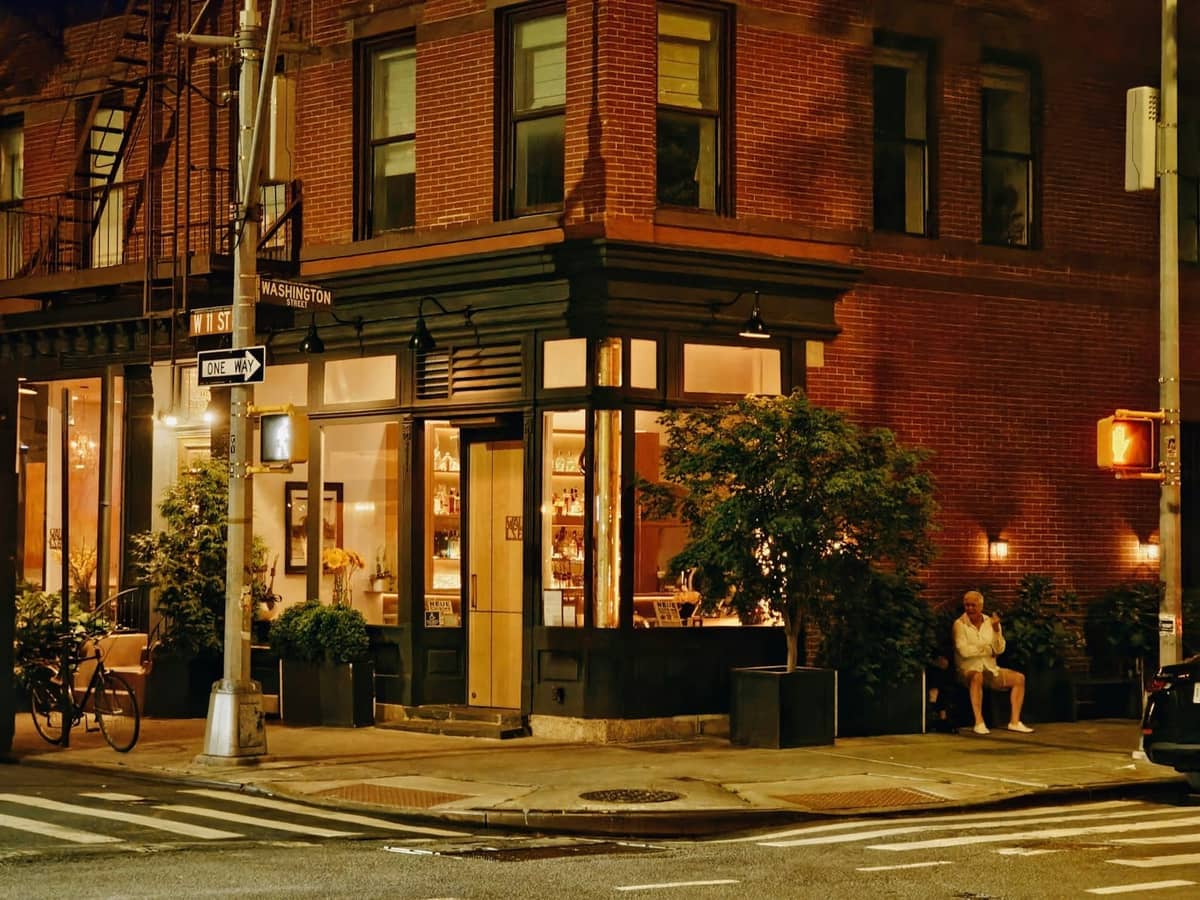
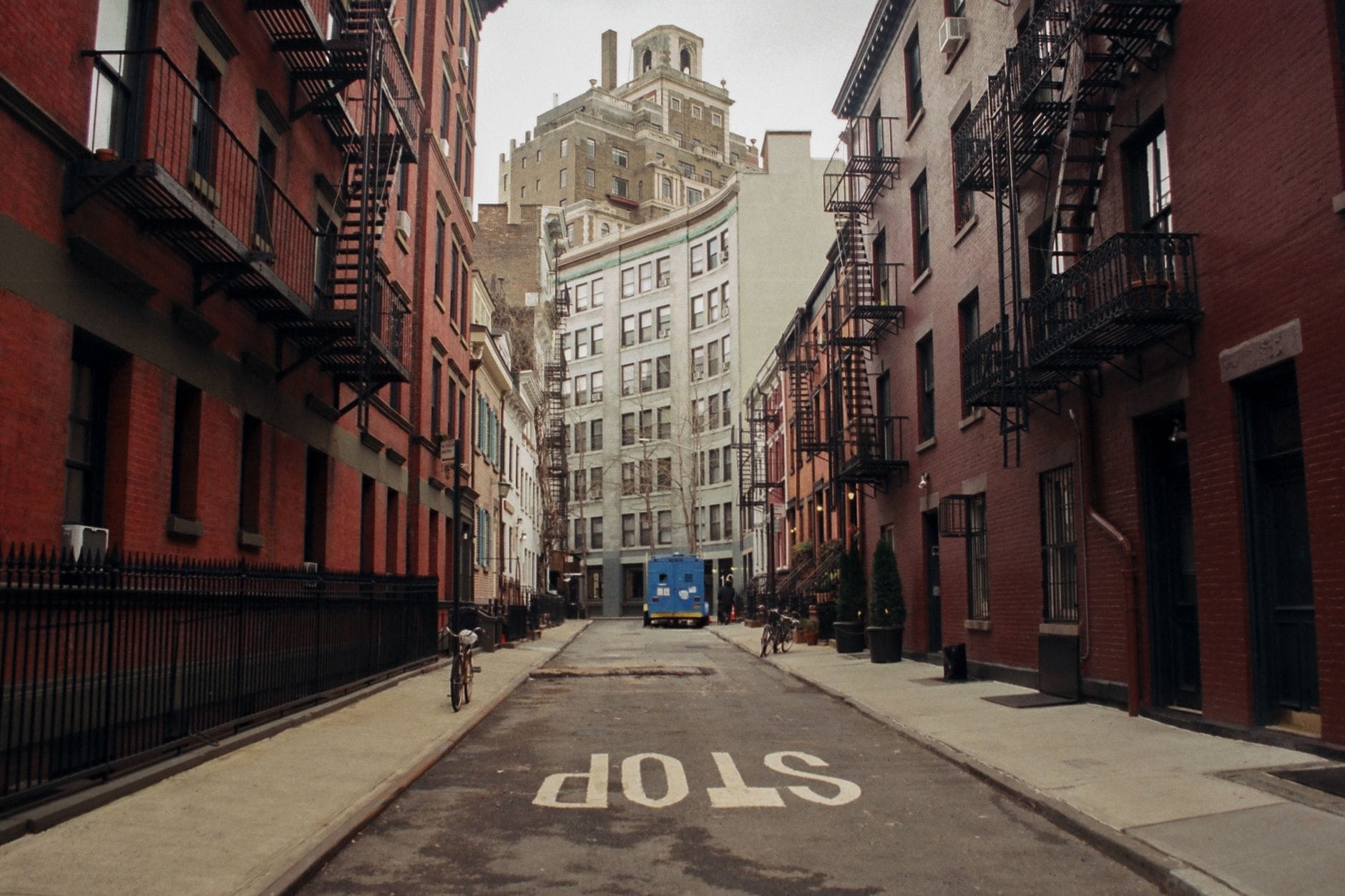
Greenwich Village is the undisputed heart of New York's jazz club scene. The neighborhood's compact grid of streets between Seventh Avenue South and Bleecker Street contains more jazz history per block than almost anywhere on earth. If you only have one night for live jazz, start here. Our first-time visitor guide covers how to navigate the neighborhood efficiently.
1. Catch a Double Set at the Village Vanguard
The most storied jazz club in the world: a triangular basement on Seventh Avenue South open since 1935. Monday nights belong to the Village Vanguard Orchestra, a tradition running 50+ years. Reserve early — the room holds fewer than 130 people.
Explore1. Catch a Double Set at the Village Vanguard
The most storied jazz club in the world: a triangular basement on Seventh Avenue South open since 1935. Monday nights belong to the Village Vanguard Orchestra, a tradition running 50+ years. Reserve early — the room holds fewer than 130 people.
Explore💡 Local tip
The Village Vanguard typically runs two sets nightly at 7 pm and 9 pm. Arrive at least 20 minutes before the first set to secure your seat — latecomers may be held at the door until a break.
Concert Halls with Jazz Programming: Big Rooms, Big Names
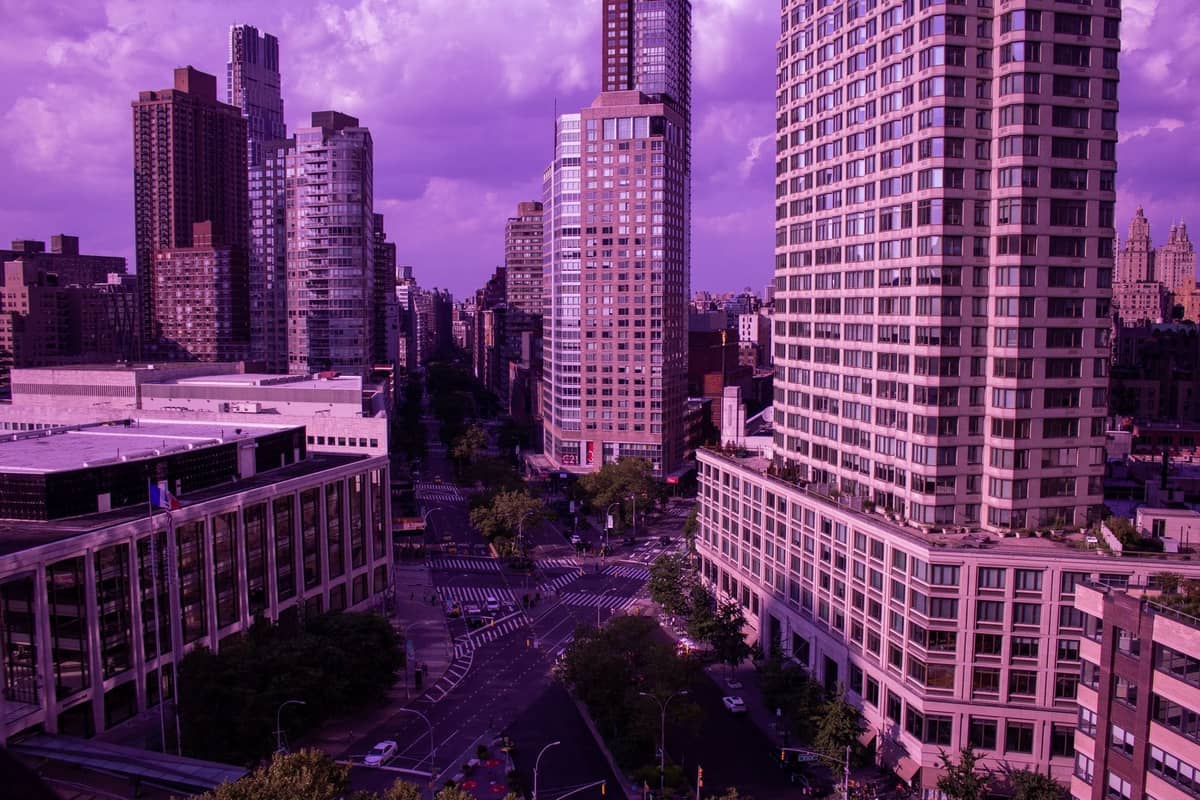
Beyond the basement clubs, several of New York's great concert halls and performing arts venues program jazz at the highest level. These rooms offer a different experience — more formal seating, top-tier acoustics, and major international headliners — but they are essential parts of the city's jazz calendar. The Upper West Side and Midtown are the primary hubs for this kind of programming.
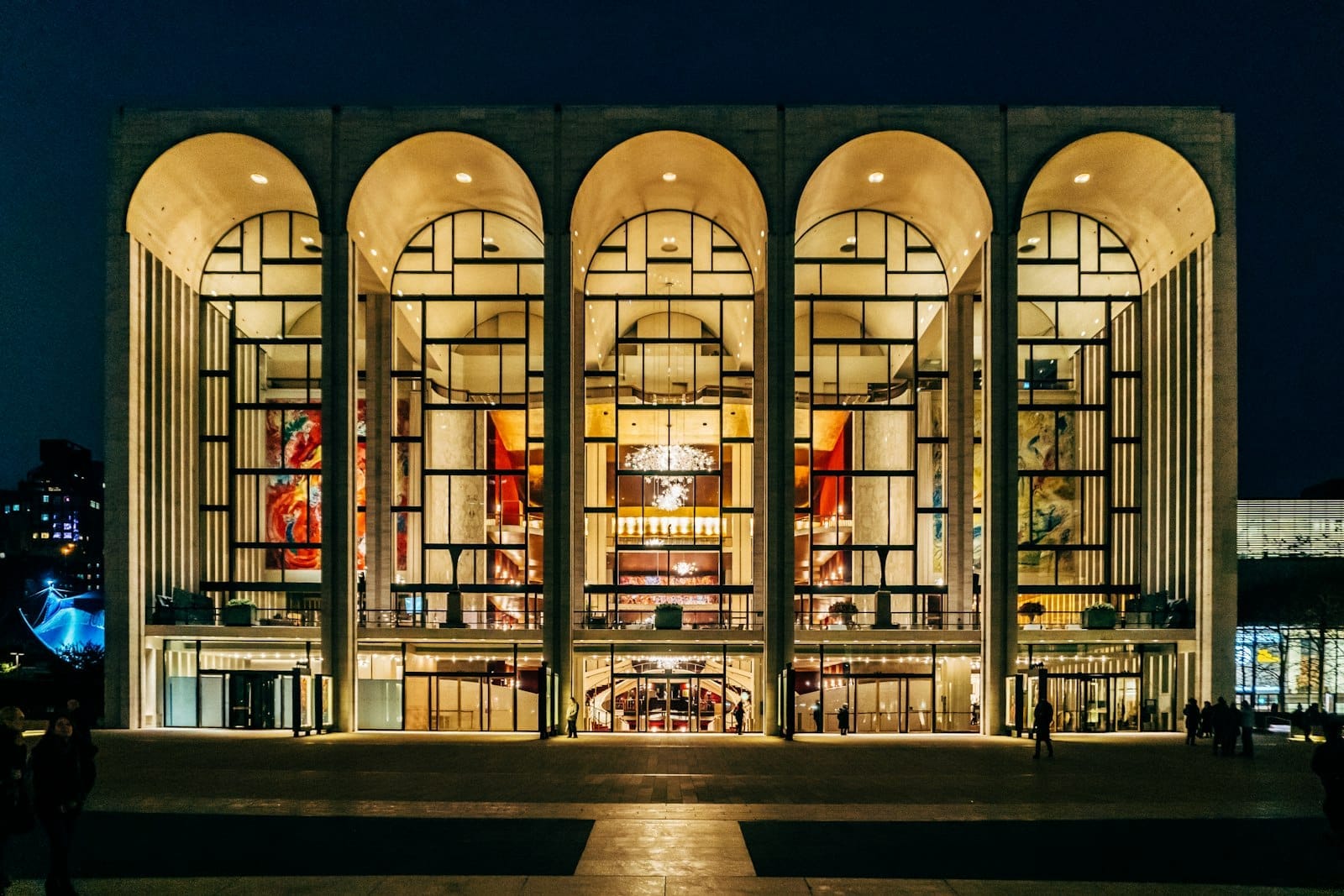
2. Experience Jazz at Lincoln Center's Dizzy's Club
Lincoln Center is home to Jazz at Lincoln Center, with Dizzy's Club running nightly sets at 7:30 pm and 9:30 pm. The room sits high above Columbus Circle with floor-to-ceiling views of Central Park — one of the most atmospheric jazz settings anywhere.
Explore2. Experience Jazz at Lincoln Center's Dizzy's Club
Lincoln Center is home to Jazz at Lincoln Center, with Dizzy's Club running nightly sets at 7:30 pm and 9:30 pm. The room sits high above Columbus Circle with floor-to-ceiling views of Central Park — one of the most atmospheric jazz settings anywhere.
Explore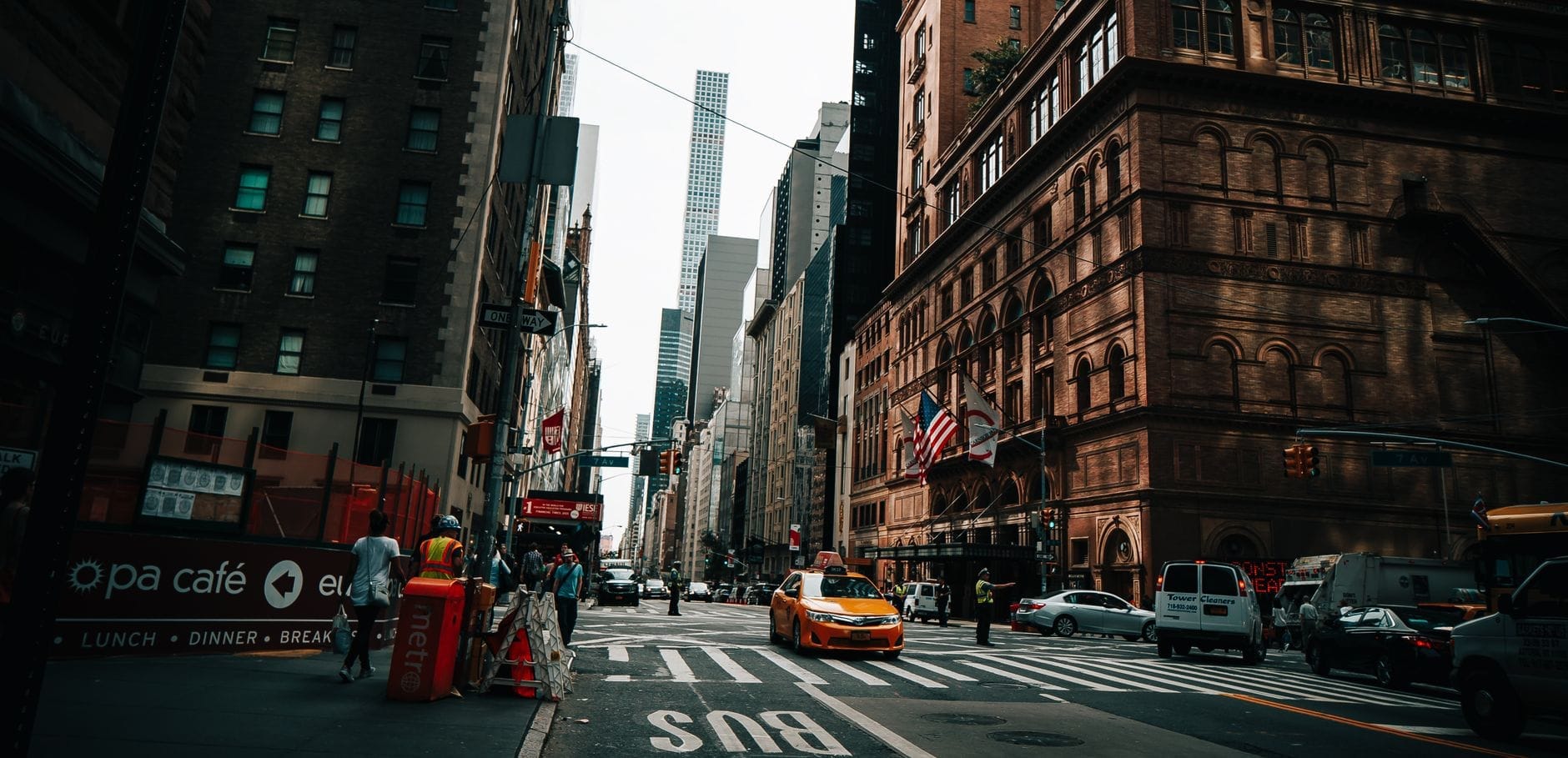
3. Hear Jazz Legends on the Carnegie Hall Stage
Carnegie Hall's calendar regularly features the world's foremost jazz musicians in the legendary Stern Auditorium. The acoustics are unmatched. Check the season program for dedicated jazz nights — Wynton Marsalis and other jazz royalty perform here regularly.
Explore3. Hear Jazz Legends on the Carnegie Hall Stage
Carnegie Hall's calendar regularly features the world's foremost jazz musicians in the legendary Stern Auditorium. The acoustics are unmatched. Check the season program for dedicated jazz nights — Wynton Marsalis and other jazz royalty perform here regularly.
Explore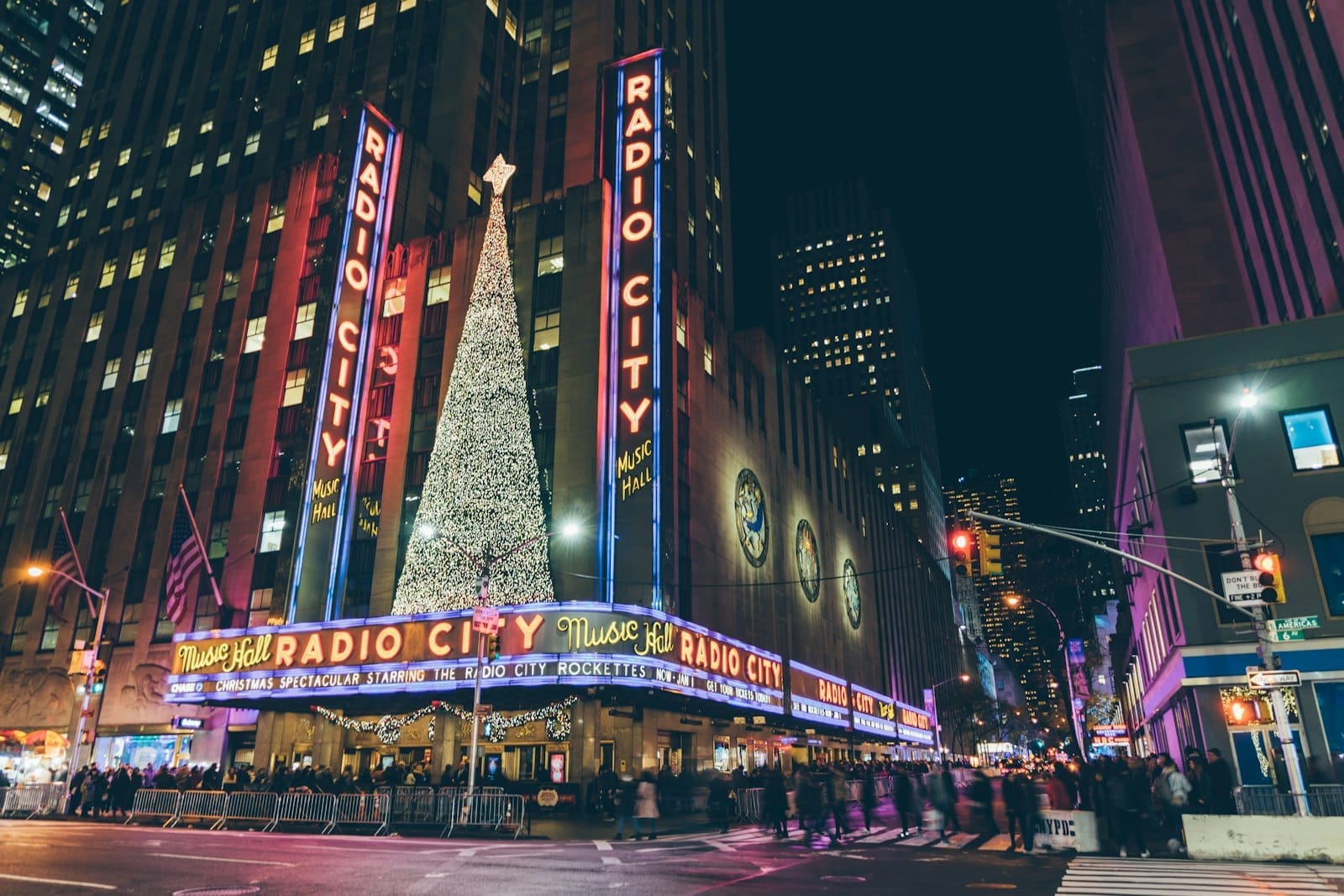
4. Catch a Rare Jazz Concert at Radio City Music Hall
This 1932 Art Deco masterpiece seats nearly 6,000 and occasionally hosts jazz spectaculars — think big-band tributes and jazz festival headliners. It's a very different scale from a basement club, but the room itself is a performance worth seeing.
Explore4. Catch a Rare Jazz Concert at Radio City Music Hall
This 1932 Art Deco masterpiece seats nearly 6,000 and occasionally hosts jazz spectaculars — think big-band tributes and jazz festival headliners. It's a very different scale from a basement club, but the room itself is a performance worth seeing.
ExploreHarlem: The Birthplace of the Swing Era
Harlem's contribution to jazz history cannot be overstated. The neighborhood that incubated bebop at Minton's Playhouse and hosted Count Basie at the Cotton Club still pulses with live music. The Harlem neighborhood guide covers how to build a full day around the area's music, food, and cultural institutions.
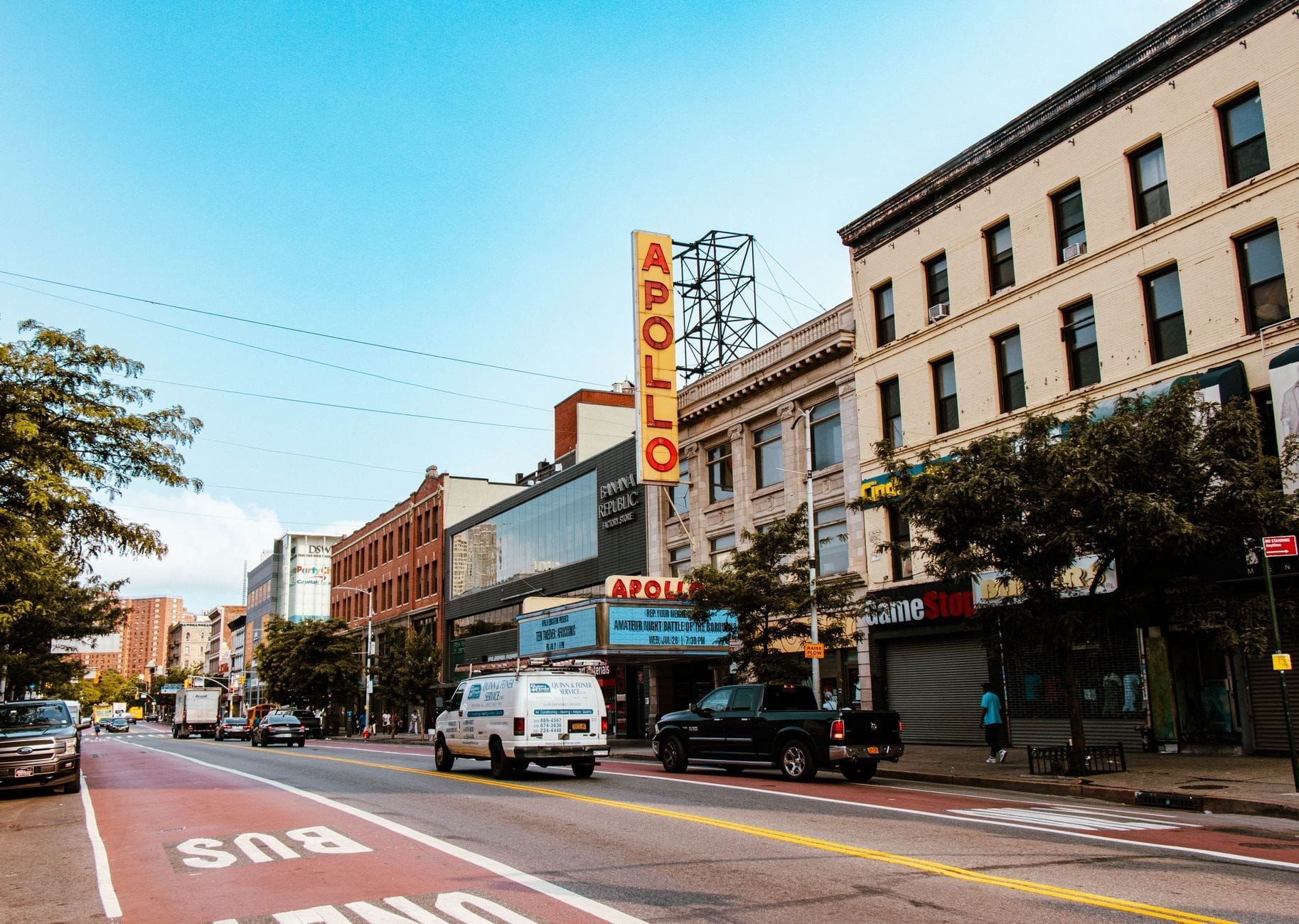
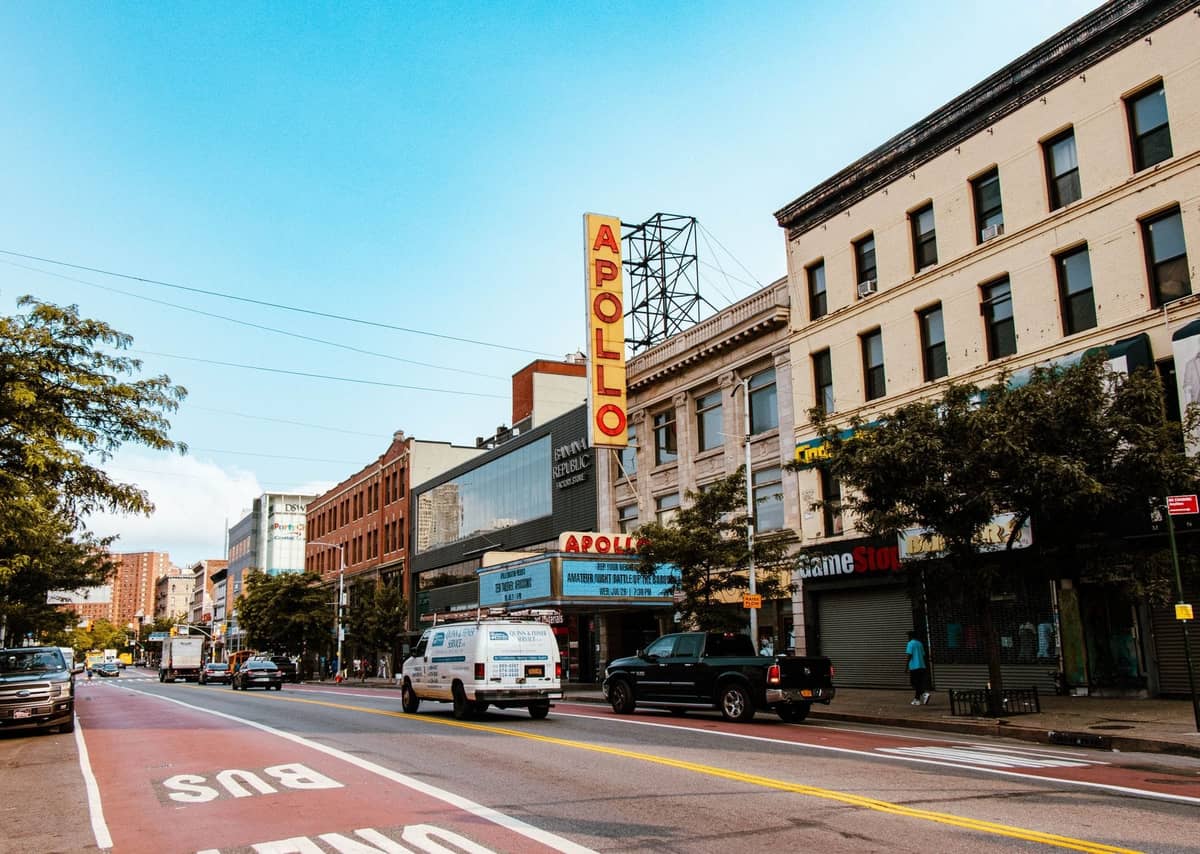
5. Attend a Jazz Night at the Legendary Apollo Theater
The Apollo launched Ella Fitzgerald and James Brown via its Amateur Night stage. Today it books jazz alongside other genres, and the room's history adds weight to every performance. Check the calendar — jazz programming varies by season and artist.
Explore5. Attend a Jazz Night at the Legendary Apollo Theater
The Apollo launched Ella Fitzgerald and James Brown via its Amateur Night stage. Today it books jazz alongside other genres, and the room's history adds weight to every performance. Check the calendar — jazz programming varies by season and artist.
Explore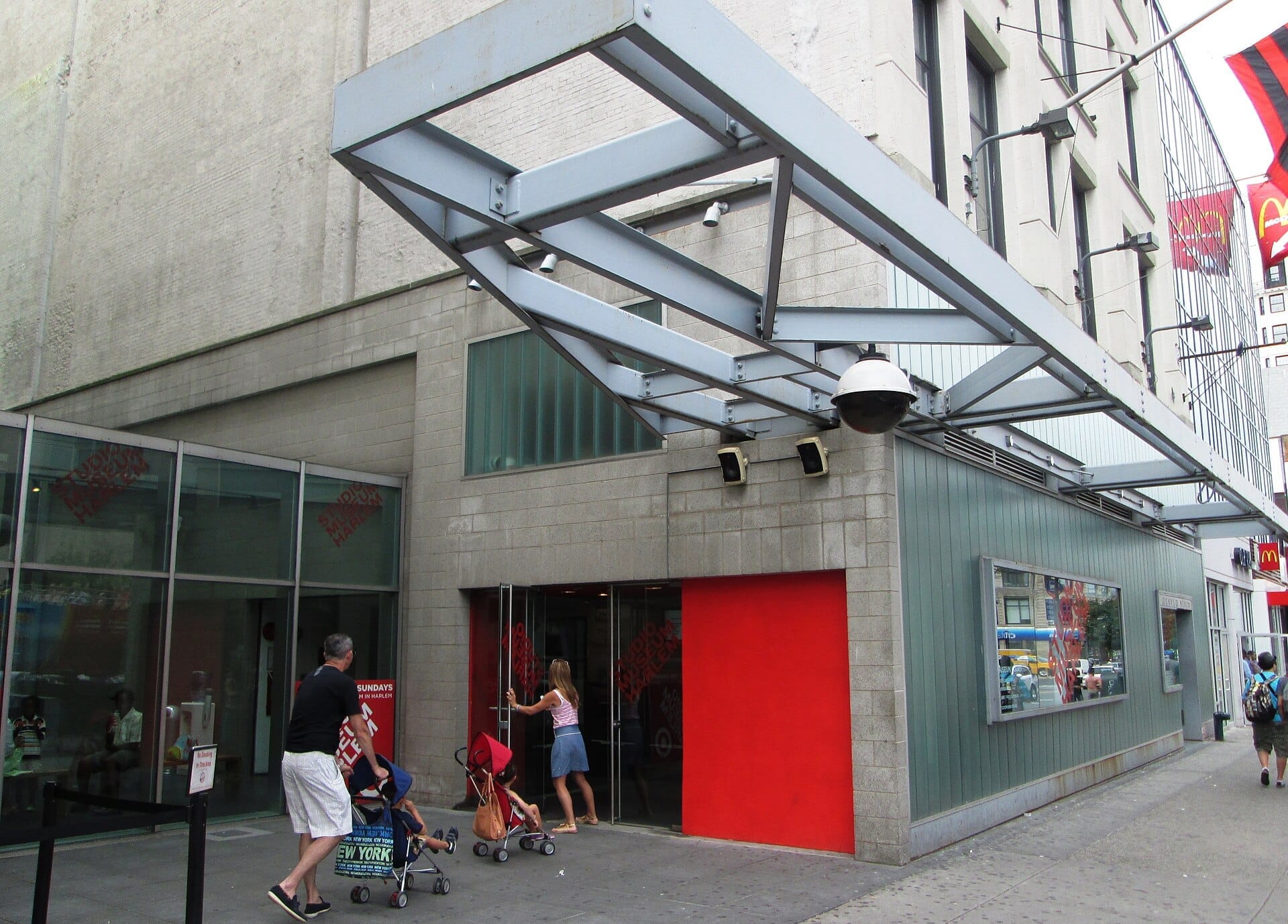
6. Pair Jazz History with Art at the Studio Museum in Harlem
The Studio Museum doesn't host jazz nightly, but its programming frequently intersects music and visual art through events and opening nights. It anchors a Harlem jazz walk that includes nearby clubs and restaurants on 125th Street.
Explore6. Pair Jazz History with Art at the Studio Museum in Harlem
The Studio Museum doesn't host jazz nightly, but its programming frequently intersects music and visual art through events and opening nights. It anchors a Harlem jazz walk that includes nearby clubs and restaurants on 125th Street.
ExploreBefore and After the Music: Setting the Scene
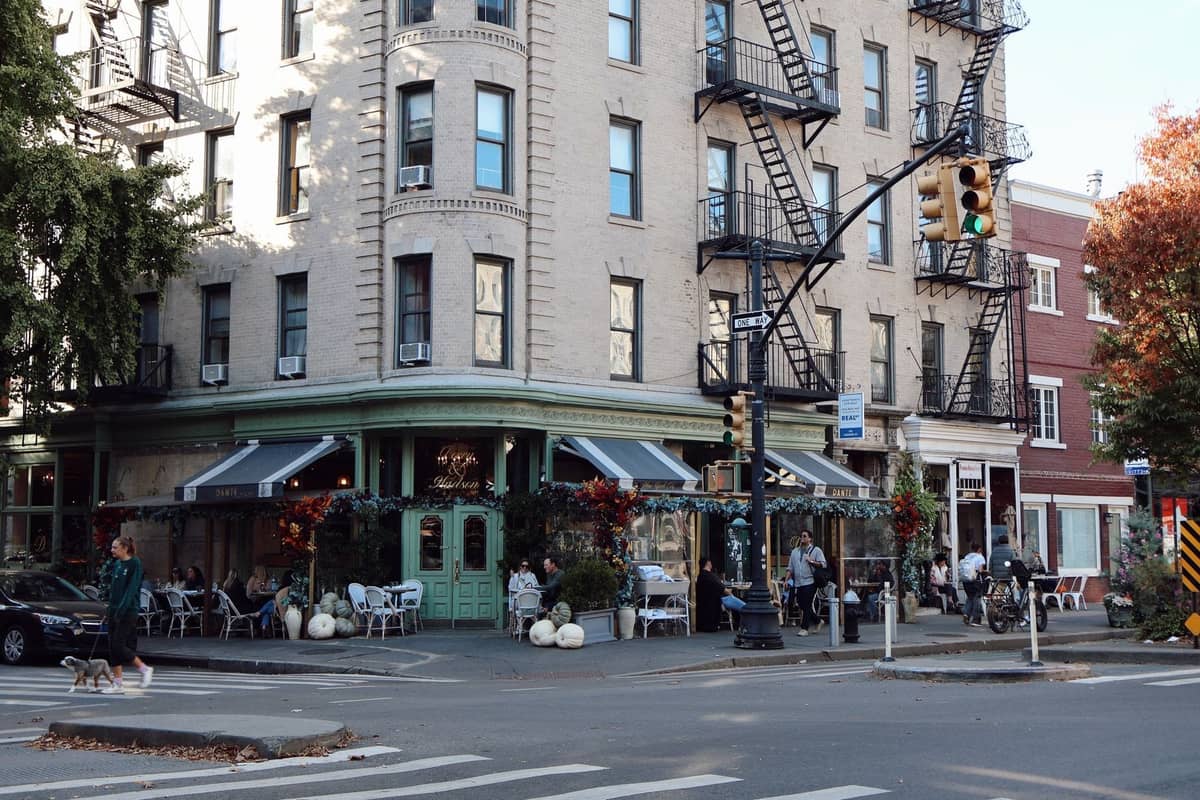
A great jazz night in New York isn't just about the 90 minutes inside the club. The neighborhoods surrounding the best venues offer exceptional pre-show dining, post-show bars, and some of the city's most atmospheric streets. Our New York City food guide has detailed recommendations for dining near the main jazz districts.
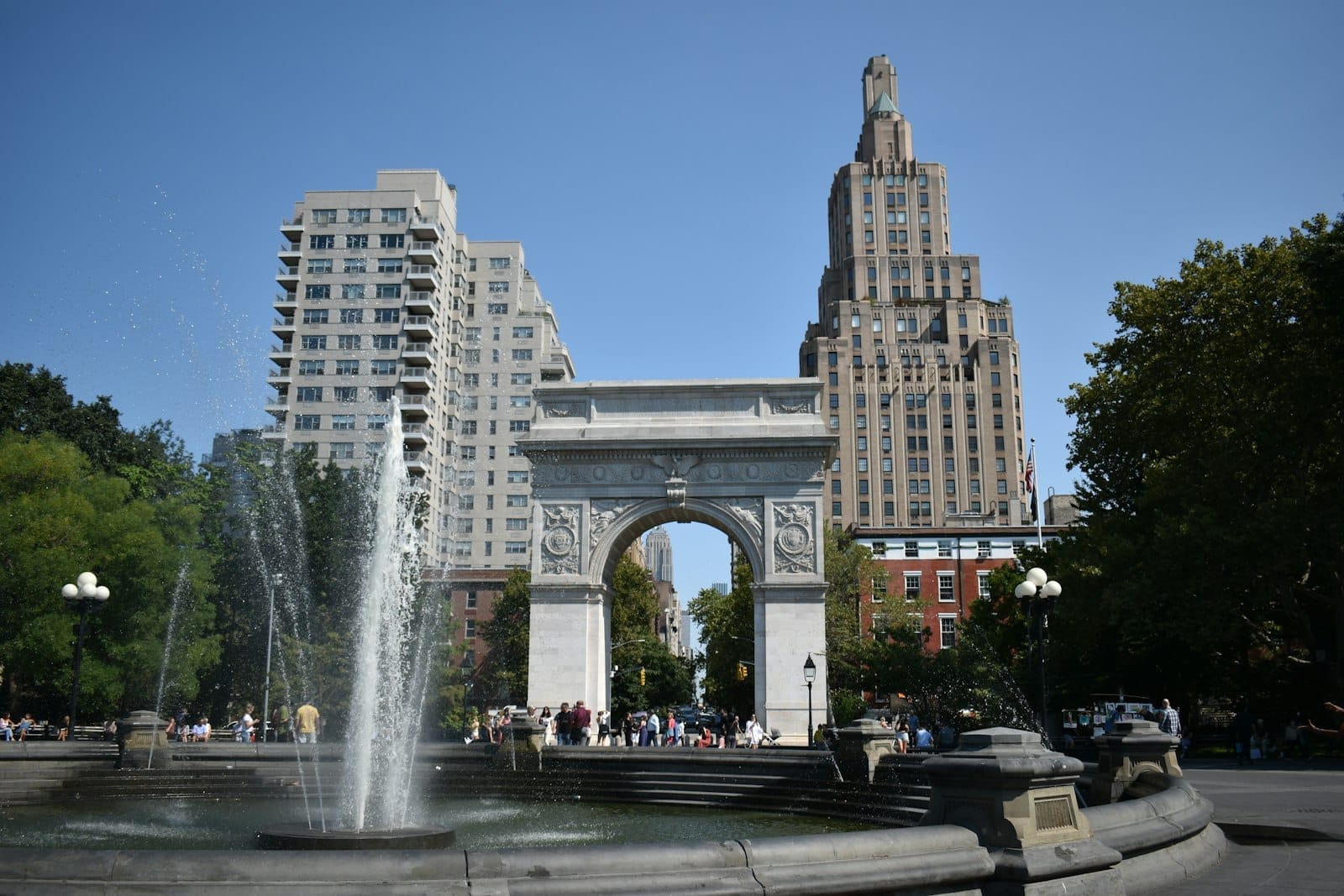
7. Start Your Jazz Evening at Washington Square Park
Arrive early and spend an hour at this iconic Village park, just blocks from the Village Vanguard and Blue Note. Street musicians play year-round near the fountain. It's the perfect warm-up for a night of jazz and costs nothing.
Explore7. Start Your Jazz Evening at Washington Square Park
Arrive early and spend an hour at this iconic Village park, just blocks from the Village Vanguard and Blue Note. Street musicians play year-round near the fountain. It's the perfect warm-up for a night of jazz and costs nothing.
Explore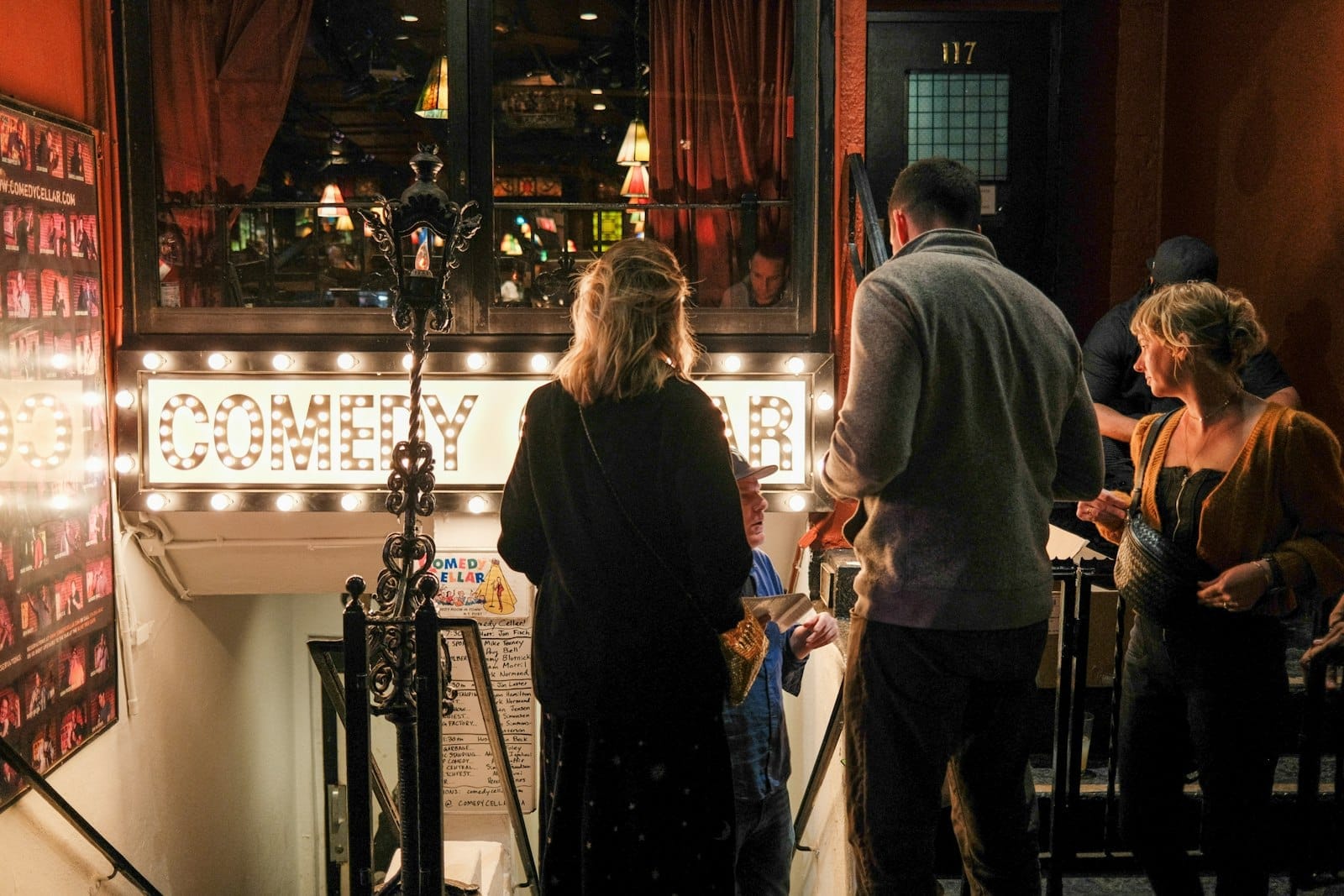
8. Add a Comedy Cellar Set to Your Village Jazz Night
The Comedy Cellar is steps from the Village Vanguard. Book an early comedy set, then walk to the 10 pm jazz show. It's one of NYC's great double-bill evenings — both venues are small, intimate, and occasionally host surprise celebrity appearances.
Explore8. Add a Comedy Cellar Set to Your Village Jazz Night
The Comedy Cellar is steps from the Village Vanguard. Book an early comedy set, then walk to the 10 pm jazz show. It's one of NYC's great double-bill evenings — both venues are small, intimate, and occasionally host surprise celebrity appearances.
Explore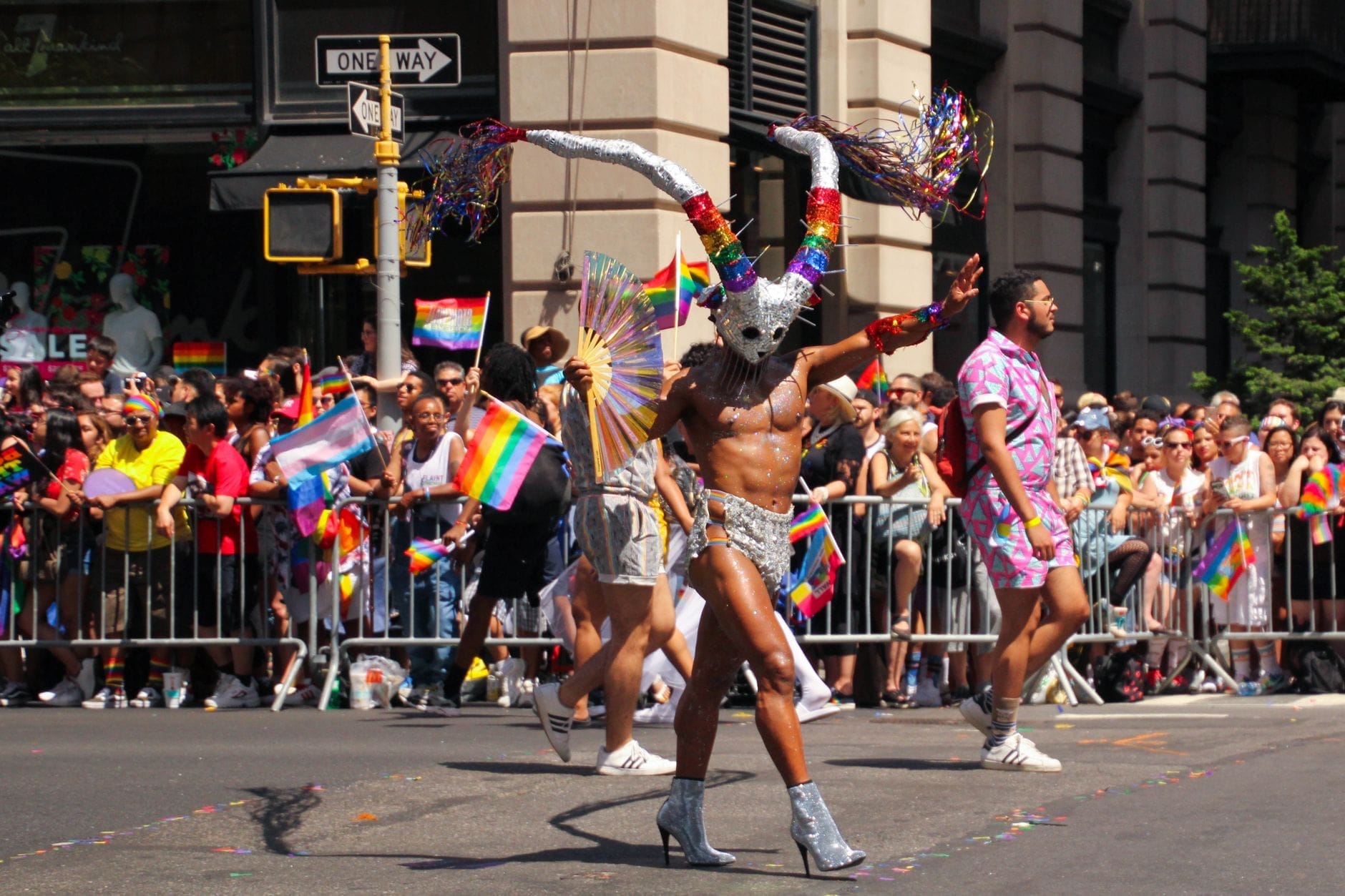
9. Walk Christopher Street Before Heading to the Vanguard
The Stonewall Inn sits at the heart of the West Village, a short walk from the jazz clubs on Seventh Avenue South. The surrounding streets — with their brownstones, cafes, and music spilling from doorways — set exactly the right mood for a jazz evening.
Explore9. Walk Christopher Street Before Heading to the Vanguard
The Stonewall Inn sits at the heart of the West Village, a short walk from the jazz clubs on Seventh Avenue South. The surrounding streets — with their brownstones, cafes, and music spilling from doorways — set exactly the right mood for a jazz evening.
Explore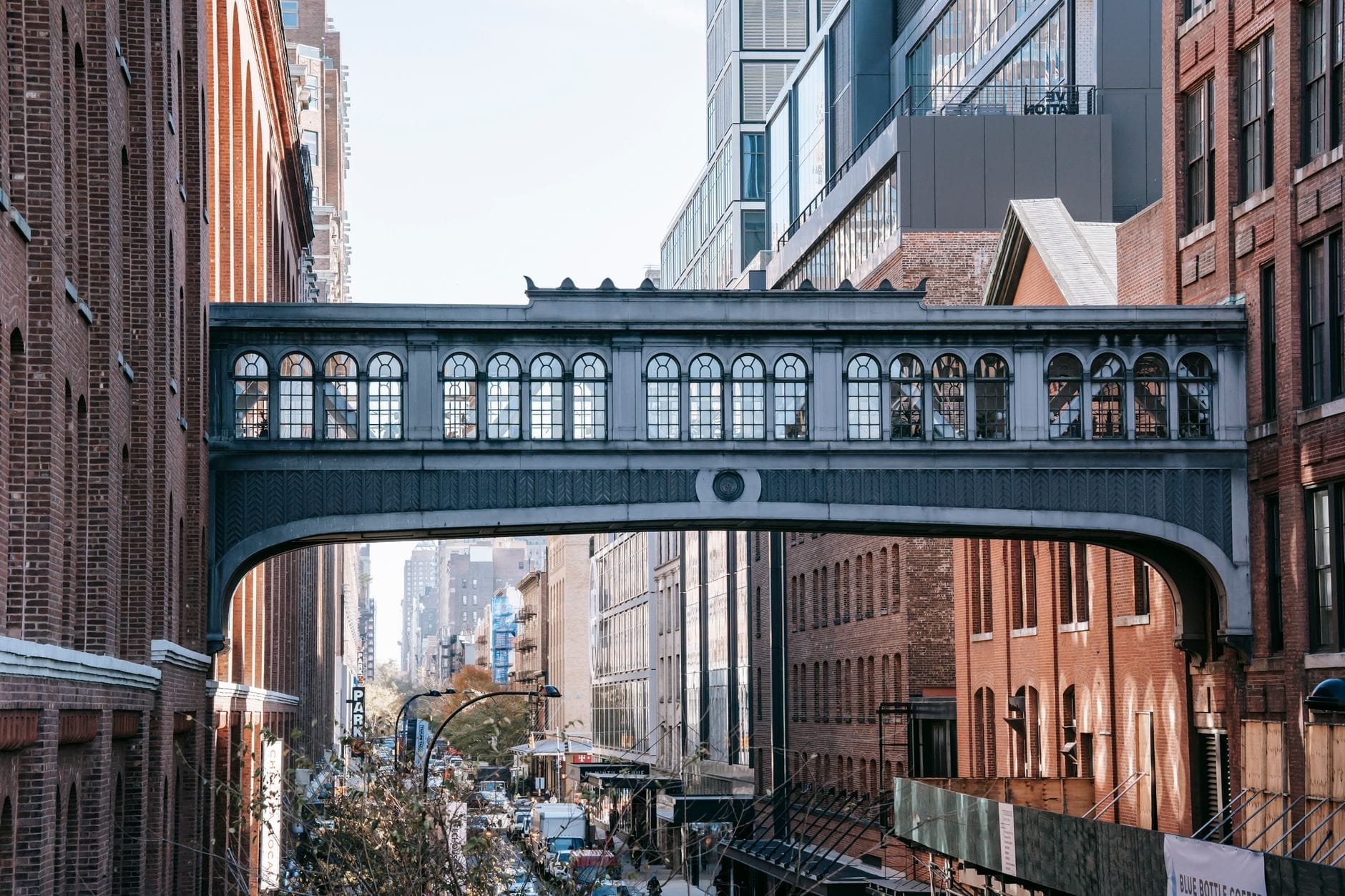
10. Grab Pre-Show Dinner at Chelsea Market
A 10-minute walk or quick cab ride from the West Village jazz clubs, Chelsea Market's converted factory space houses excellent food vendors and sit-down spots. Arrive hungry, eat well, and head downtown for the 8 pm set without rushing.
Explore10. Grab Pre-Show Dinner at Chelsea Market
A 10-minute walk or quick cab ride from the West Village jazz clubs, Chelsea Market's converted factory space houses excellent food vendors and sit-down spots. Arrive hungry, eat well, and head downtown for the 8 pm set without rushing.
ExploreJazz Architecture and Cultural Context
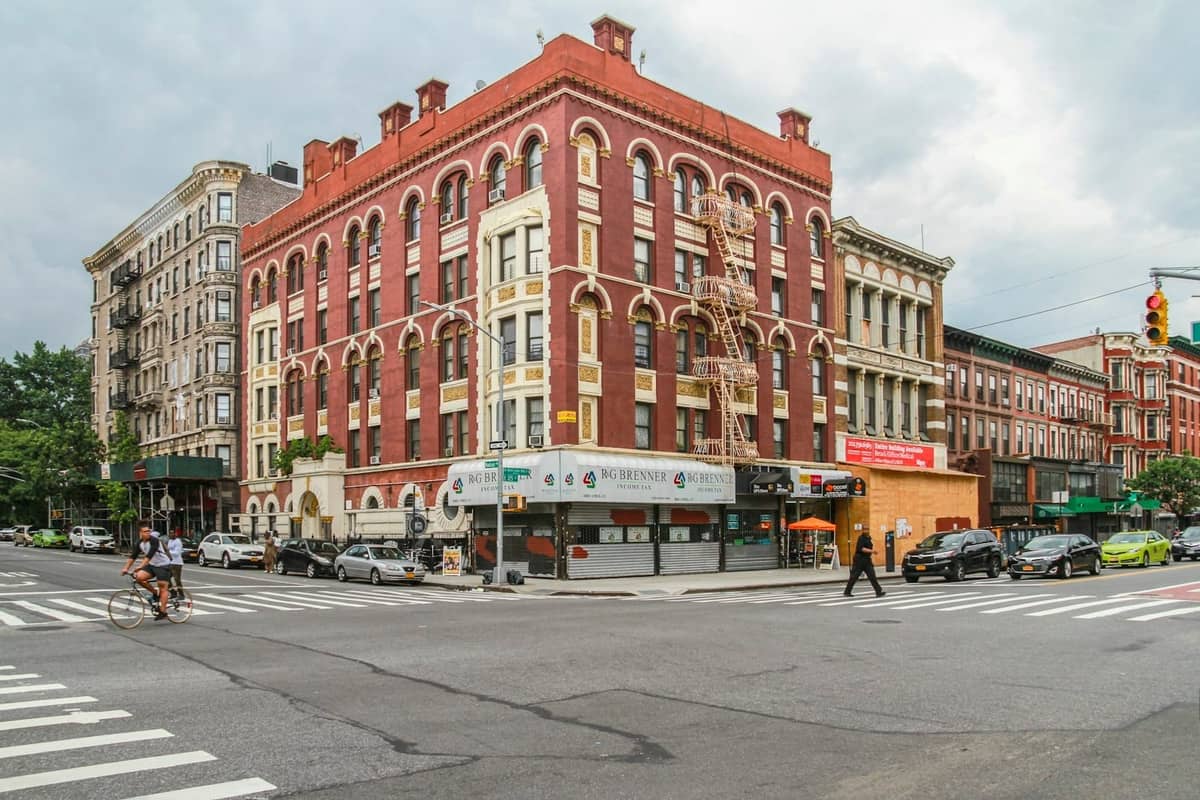
Understanding where New York's jazz scene grew helps you appreciate it more deeply. Several institutions and spaces around the city tell the story of the music's roots in Black American culture, particularly in Harlem and the Village. The New York City art guide includes additional context on the cultural institutions that shaped the city's creative identity.
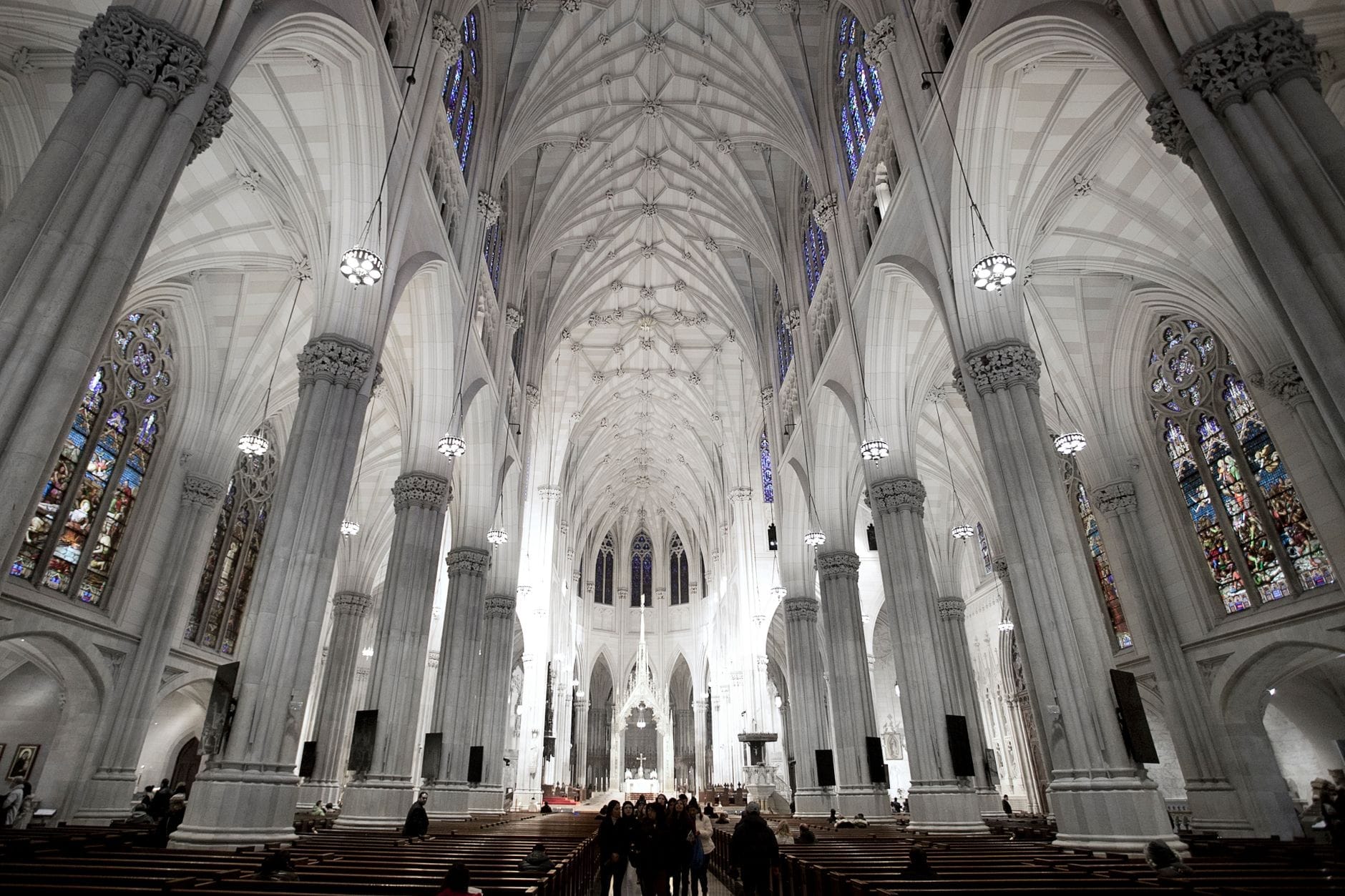
11. Attend a Jazz Vespers at the Cathedral of St. John the Divine
This unfinished Gothic cathedral in Morningside Heights hosts occasional jazz vespers and concert events where the acoustics of the world's largest cathedral by volume transform the music entirely. Check the events calendar for scheduled performances.
Explore11. Attend a Jazz Vespers at the Cathedral of St. John the Divine
This unfinished Gothic cathedral in Morningside Heights hosts occasional jazz vespers and concert events where the acoustics of the world's largest cathedral by volume transform the music entirely. Check the events calendar for scheduled performances.
Explore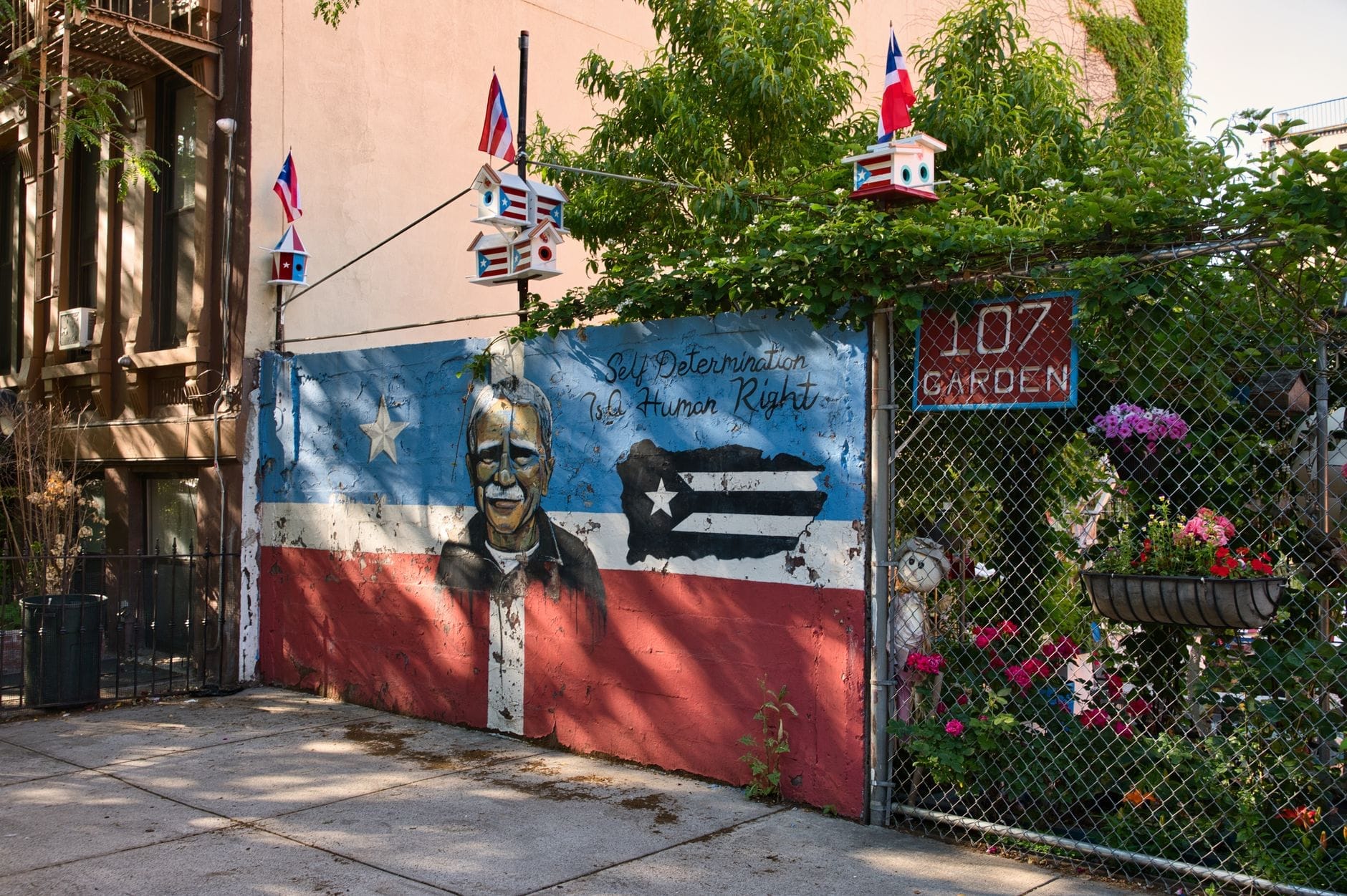
12. Explore Latin Jazz Roots at El Museo del Barrio
New York's Latin jazz tradition, from Tito Puente to Celia Cruz, is inseparable from the city's jazz story. El Museo del Barrio on Museum Mile programs events that connect Latin music and culture, offering crucial context for understanding NYC jazz's full scope.
Explore12. Explore Latin Jazz Roots at El Museo del Barrio
New York's Latin jazz tradition, from Tito Puente to Celia Cruz, is inseparable from the city's jazz story. El Museo del Barrio on Museum Mile programs events that connect Latin music and culture, offering crucial context for understanding NYC jazz's full scope.
Explore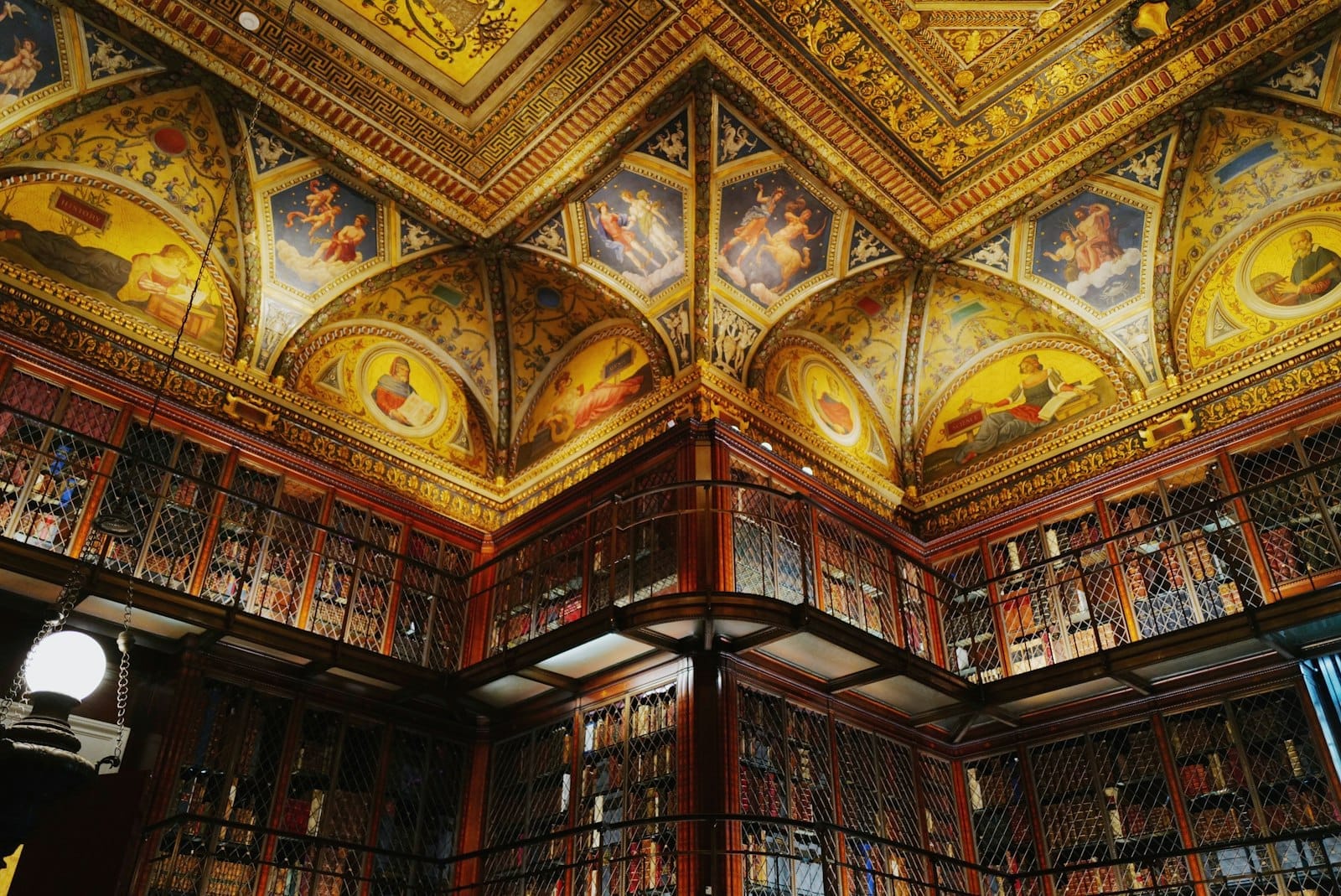
13. See Original Jazz-Era Manuscripts at the Morgan Library
The Morgan's rare manuscript collection occasionally includes music-related holdings from the jazz era, and its programming touches on American musical history. A quieter, daytime counterpoint to the evening club circuit, housed in a stunning McKim building near Midtown.
Explore13. See Original Jazz-Era Manuscripts at the Morgan Library
The Morgan's rare manuscript collection occasionally includes music-related holdings from the jazz era, and its programming touches on American musical history. A quieter, daytime counterpoint to the evening club circuit, housed in a stunning McKim building near Midtown.
ExploreFAQ
How much does it cost to go to a jazz club in New York City?
Most of NYC's top jazz clubs charge a cover fee plus a food or drink minimum per person. Covers range from around $20 at smaller rooms to roughly $40–$55 for headliner shows at venues like Birdland or Dizzy's Club. Budget roughly $60–$80 per person total for a mid-range evening once you include a couple of drinks.
Do I need to book jazz club tickets in advance in New York City?
Yes, for popular venues like the Village Vanguard, Blue Note, Birdland, and Dizzy's Club, advance booking is strongly recommended — especially on weekends, during summer, and around the December holidays. Most clubs sell tickets directly through their official websites. Walk-ins are sometimes possible at smaller rooms like Smalls, but you risk missing the show.
What is the best jazz club for a first-time visitor to New York City?
The Village Vanguard is the consensus choice for first-timers who want an authentic experience. The room is small, the history is unmatched, and the Monday night Village Vanguard Orchestra is a New York institution. Dizzy's Club at Lincoln Center is an excellent alternative if you want reserved seating, dinner service, and a stunning view of Central Park.
Is there jazz in Harlem, or is it all in Greenwich Village?
Both neighborhoods have strong jazz traditions. Harlem is home to the Apollo Theater and was the center of the swing era, with venues like Minton's Playhouse (where bebop was invented) still operating. The Upper West Side's Smoke Jazz & Supper Club is another key spot north of Midtown. Greenwich Village clusters the most internationally famous clubs, but Harlem offers a deeper historical context.
What time do jazz shows start in New York City?
Most clubs run two sets nightly. The first set typically starts between 7:30 pm and 8:30 pm, and the late set usually begins around 10 pm or 10:30 pm. Some venues like Smalls are known for late-night jam sessions that run past midnight. Always check the specific club's website for exact set times, as schedules vary by night and artist.