Radio City Music Hall: Inside NYC's Art Deco Entertainment Palace
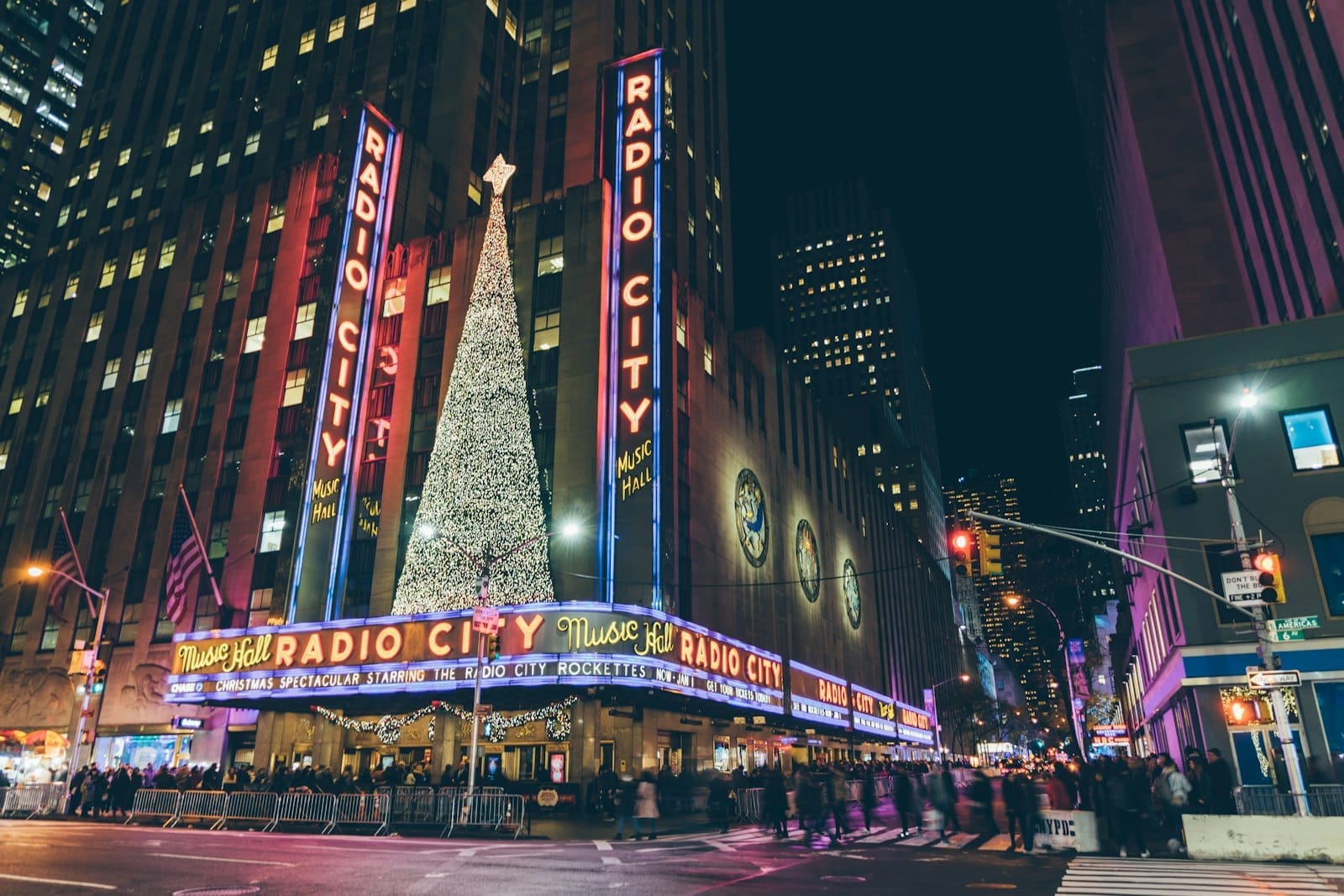
Radio City Music Hall has anchored Midtown Manhattan since 1932, combining landmark Art Deco architecture with one of the world's most storied stages. Whether you're attending a show, booking the Stage Door Tour, or simply curious about what's inside, this guide covers everything you need to know.
Quick Facts
- Location
- 1260 6th Avenue (Avenue of the Americas), between 50th & 51st Streets, Midtown Manhattan
- Getting There
- 47–50 Sts–Rockefeller Center (B, D, F, M trains, ~3 min walk); 5 Av/53 St (E, M trains, ~4 min walk)
- Time Needed
- 1.5–2 hrs for the Stage Door Tour; 2–3 hrs for a full show
- Cost
- No walk-in admission; tour and show tickets priced in USD — check official site for current rates
- Best for
- Architecture lovers, first-time visitors, holiday travelers, concert-goers
- Official website
- www.msg.com/radio-city-music-hall
What Radio City Music Hall Actually Is
Radio City Music Hall is a concert hall, theater, and architectural landmark all at once — and understanding that combination is key to planning a worthwhile visit. It opened in December 1932 as part of the Rockefeller Center complex, and it was immediately unlike anything New York had seen: a nearly 6,000-seat indoor venue that married the ambitions of grand opera houses with the democratic sensibility of popular entertainment.
The building is widely cited as one of the world's largest indoor theaters by seat count. Its exterior on 6th Avenue reads as a long, low Deco wall of brick and glass, modest by Manhattan skyscraper standards. The real spectacle is inside. Designed by architect Edward Durell Stone, with interior decoration supervised by Donald Deskey, the Hall introduced a generation of New Yorkers to a world of curved ceilings, layered golden arches, and materials — aluminum, bakelite, cork — that felt resolutely modern in the 1930s.
New York City designated it a landmark in the late 1970s, a decision that saved it from demolition during a period when the venue's commercial future looked uncertain. A significant renovation in the late 1990s restored the interiors to close to their original condition. Today it operates as a major live-entertainment venue while also offering guided tours that allow non-ticketed visitors inside.
ℹ️ Good to know
You cannot walk in off the street for free. Access requires either an event ticket or a reservation for the Stage Door Tour. Check the official MSG website before visiting, as tour schedules vary by season and can sell out.
The Architecture: What Deskey's Interior Looks Like Up Close
The lobby stops most visitors cold. A grand staircase in red and gold rises beneath a ceiling so high it feels pressurized with light. The carpet patterns, the metalwork on the railings, the geometry of the light fixtures — none of it is accidental. Donald Deskey won an open design competition in 1932, beating out more than two dozen other designers. He oversaw not just the big gestures but the ashtrays, the upholstery, and the font on the signage.
The auditorium itself is the main event. The stage is wide enough to accommodate elaborate productions, and the proscenium arch rises in a series of concentric golden bands that echo the shape of a rising sun — or, depending on your angle, a setting one. The effect from the rear of the orchestra level is theatrical before any performer has appeared. From the upper mezzanine, you get a better sense of the ceiling's full arc, which was inspired by the natural phenomenon of a sunset over the ocean, according to design histories of the building.
Practical note for photographers: the auditorium lighting during tours is relatively dim and shifts during different sections of the presentation. A wide-angle lens or a phone with a capable night mode will serve you better than a standard zoom. Photography policies can change depending on what's touring or performing, so confirm current rules when you book.
Tickets & tours
Hand-picked options from our booking partner. Prices are indicative; availability and final rates are confirmed when you complete your booking.
Buena Vista Social Club The Musical
From 58 €Instant confirmationEscape Tour self-guided, interactive city challenge in New York
From 30 €Instant confirmationEscape Tour self-guided, interactive city challenge in New York
From 30 €Instant confirmationBroadway tickets to Moulin Rouge! The Musical
From 73 €Instant confirmation
The Stage Door Tour: What to Expect
The Radio City Stage Door Tour is the primary way to see the interior if you don't have show tickets. Tours typically depart starting at 9:30 AM, with multiple sessions running through the day, though availability depends on the performance and event calendar. On days when a production is loading in or out, tours may be shortened or cancelled. Book in advance, particularly during the holiday season.
The tour covers the main lobby, the auditorium, and backstage areas. Guides are generally well-versed in the building's history and Deskey's design philosophy, and groups tend to be small enough that you can ask questions without feeling rushed. The backstage section is a genuine highlight: the fly system above the stage is enormous, and seeing the scale of the Rockette dressing rooms and production infrastructure makes clear why the venue remains a practical choice for large-scale touring shows, not just a nostalgia act.
The tour usually runs about 75 to 90 minutes. It involves some stair-climbing, though the venue does have elevator access and accessible seating for guests with mobility needs. The official FAQ recommends contacting Guest Relations in advance if you need specific accommodations.
💡 Local tip
Morning tours (9:30–11:00 AM slots) tend to attract smaller groups than afternoon sessions. If you want a less crowded experience with more time to linger in the auditorium, book the earliest available slot.
Attending a Show: Concerts, Events, and the Christmas Spectacular
Radio City hosts a wide range of events throughout the year: pop and rock concerts, award ceremonies, comedy specials, and film premieres have all taken place on the stage. The venue's acoustic profile and sightlines make it popular with touring artists, and a show here has a different atmosphere from Madison Square Garden — more intimate despite the size, with better sight-lines from most seats. If you're planning your visit around a performance, check the NYC live entertainment guide for context on how Radio City fits into the broader theater and concert landscape.
The Christmas Spectacular Starring the Radio City Rockettes is the venue's signature annual production. It runs from roughly October through January, with multiple shows per day during peak weeks in November and December. Tickets sell well in advance for prime holiday dates. The production is deliberately family-oriented — large-scale dance numbers, precision choreography, seasonal pageantry — and it reliably fills the house. If you're visiting New York in late November or December and have children in your group, this is one of the few large-scale shows that works well for a wide age range. If theatrical spectacle of the cheerful, crowd-pleasing variety isn't your preference, you'll want to attend a concert or tour instead.
For holiday planning specifically, the area around Rockefeller Center is extremely congested from mid-November through New Year's, particularly in the evenings when the skating rink and Christmas tree draw large crowds. Arrive by subway rather than by car or rideshare to avoid significant delays.
The Neighborhood Context: Rockefeller Center and Midtown
Radio City Music Hall sits on the western edge of the Rockefeller Center complex, which itself occupies several blocks of prime Midtown Manhattan. The Center's Art Deco buildings, plazas, and underground concourse form one of the most coherent urban architectural ensembles in the United States. A visit to Radio City pairs naturally with the Top of the Rock observation deck, the Channel Gardens, and the lower plaza — all within a two-minute walk. The New York City architecture guide covers the broader Midtown Deco context, including the Chrysler Building a few blocks east.
6th Avenue in this stretch is wide, windy, and characteristically Midtown: dense foot traffic during the day, slightly quieter after 9 PM when the office crowd thins. The nearest subway stop at 47–50 Sts–Rockefeller Center is on the B, D, F, and M lines, putting you roughly 20 minutes from Lower Manhattan and about 10 minutes from Penn Station. The E and M trains at 5 Av/53 St are also a comfortable four-minute walk.
The area around Radio City is covered in detail in the Midtown Manhattan neighborhood guide, which includes accommodation options, dining, and other major attractions within walking distance.
When to Visit and How Weather Affects the Experience
Because Radio City is entirely indoors, weather has limited impact on the experience itself. However, it affects the surrounding visit. The Rockefeller Center area in December sees the highest foot traffic of any time of year: sidewalks on 5th and 6th Avenues can be genuinely difficult to navigate in the evenings near the holiday tree lighting and skating rink. If your primary goal is the architecture or the tour, September through early November and January through March offer the easiest pedestrian conditions.
Spring and fall are the most comfortable seasons for Midtown on foot — mild temperatures and manageable crowds compared with summer, when midday heat on the concrete blocks of 6th Avenue can be oppressive. For general climate context and seasonal trade-offs, the best time to visit New York City guide breaks down what each season actually delivers.
Honest Assessment: Is It Worth Your Time?
Radio City Music Hall rewards visitors who come for specific reasons: a genuine interest in Art Deco design, a scheduled performance, or the Christmas Spectacular as a deliberate holiday experience. The Stage Door Tour offers something genuinely unusual — access to one of the most elaborately preserved interiors in 1930s American design, plus backstage scale that surprises most visitors regardless of expectations.
It is less rewarding as a casual stop. You cannot simply walk in and wander; you need either a tour reservation or show tickets. And the exterior, while handsome, doesn't demand a special trip on its own. Travelers who are tight on time and focused on outdoor or neighborhood experiences may find the nearby Rockefeller Center plaza gives a better feel for the area without the ticket requirement.
For travelers building a broader Midtown itinerary, Radio City fits naturally into a morning that includes Top of the Rock and the New York Public Library a few blocks south — all of them landmarks that reward architectural attention.
Insider Tips
- If you're attending the Christmas Spectacular, seats in the front orchestra (rows A–F) are very close to the stage and can make it hard to see the full ensemble formations. Rows M–T in the orchestra or the front mezzanine tend to give the best overall perspective on the Rockettes' precision choreography.
- The men's lounge on the first floor was designed by Deskey and features original 1932 aluminum fixtures. It's sometimes included in tour stops but rarely mentioned in advance — ask your guide specifically if you want to see it.
- Tour ticket prices and availability fluctuate. The MSG website occasionally offers discount pricing midweek in January and February, when the Christmas production has ended and demand drops significantly.
- The venue's acoustics vary noticeably by seat tier. For concerts, the rear orchestra and front mezzanine are generally considered the acoustic sweet spots. The upper balcony can feel disconnected from the stage energy at louder shows.
- If you're visiting the Rockefeller Center area in December, plan your Radio City visit for a weekday morning. Evening and weekend visits coincide with the peak skating rink and tree crowd, and entry lines for tours back up onto 6th Avenue.
Who Is Radio City Music Hall For?
- Architecture and design enthusiasts interested in American Art Deco at its most elaborate
- Families visiting New York in November or December who want a polished, large-scale theatrical experience
- First-time NYC visitors who want to understand the cultural and physical scale of 1930s Midtown ambition
- Concert-goers seeking a mid-size venue with better sightlines and atmosphere than a stadium
- Travelers building a Rockefeller Center itinerary who want to go beyond the exterior plaza
Nearby Attractions
Other things to see while in Midtown Manhattan:
- Broadway Theater District
The Broadway Theater District in Midtown Manhattan is the center of American live theater, home to 41 official Broadway houses spanning nearly a century of performance history. Whether you're booking months in advance or hunting same-day discount tickets, this guide covers everything from curtain times to architectural details.
- Bryant Park
Tucked behind the New York Public Library on Sixth Avenue, Bryant Park is an 8-acre public park that holds its own against the surrounding skyscrapers. Free to enter year-round, it shifts character dramatically by season, from a winter ice rink to a summer outdoor cinema — and remains one of the most functional and well-managed public spaces in New York City.
- Carnegie Hall
Carnegie Hall has anchored Midtown Manhattan's cultural life since 1891. With three auditoriums ranging from 268 to 2,790 seats, it hosts everything from orchestral premieres to intimate recitals. This guide covers the halls, the history, and exactly how to make the most of a visit.
- Chrysler Building
Completed in 1930 and briefly the tallest building on earth, the Chrysler Building remains the finest example of Art Deco architecture in New York City. Visitors generally can't go inside beyond the main lobby, but the experience of standing beneath its gleaming stainless steel crown is genuinely unforgettable.