Stonewall Inn & National Monument: America's First LGBTQ Historic Site
The Stonewall Inn and its surrounding Christopher Park form Stonewall National Monument, the first unit of the U.S. National Park System dedicated to LGBTQ history. This Greenwich Village site marks the location of the 1969 uprising that fundamentally reshaped civil rights in America, and it remains a living gathering place as much as a historic landmark.
Quick Facts
- Location
- Christopher Street at West 4th Street & Grove Street, Greenwich Village, Manhattan
- Getting There
- Christopher St–Sheridan Sq station (1 train); W 4th St station (A, C, E, B, D, F, M trains)
- Time Needed
- 30–90 minutes for the park and visitor center; longer if you explore the surrounding neighborhood
- Cost
- Free to enter Christopher Park and the monument area; check stonewallvisitorcenter.org for any program-specific fees
- Best for
- History enthusiasts, LGBTQ travelers, first-time visitors to NYC seeking cultural landmarks
- Official website
- www.nps.gov/ston/index.htm
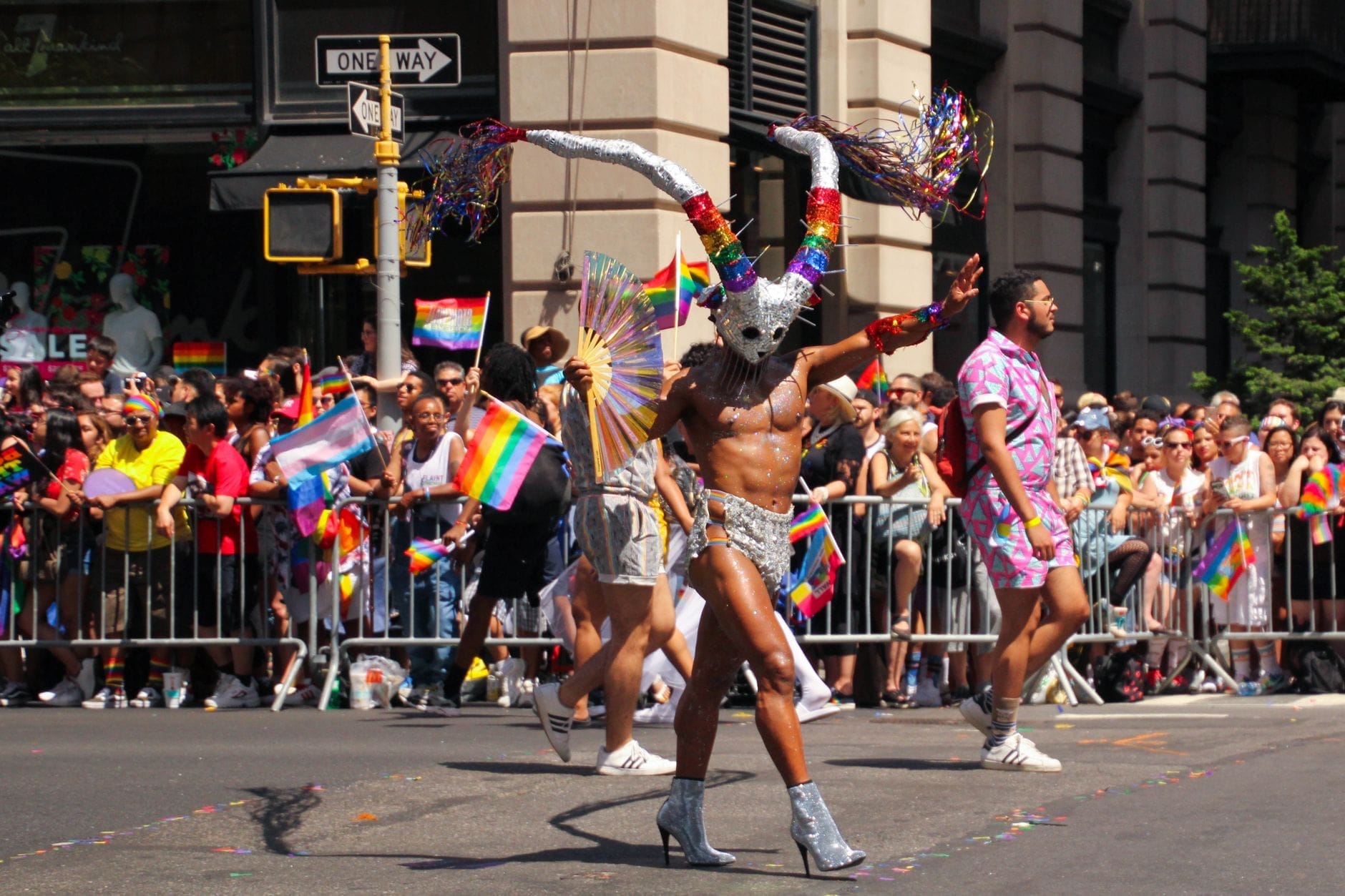
What the Stonewall National Monument Actually Is
The Stonewall National Monument is not a single building. It is a cluster of places woven into the fabric of Greenwich Village: the Stonewall Inn itself at 53 Christopher Street, the small triangular Christopher Park directly across the street, and the surrounding blocks that witnessed the protests beginning on June 28, 1969. Designated on June 24, 2016, as the 412th unit of the U.S. National Park System, it was the first national monument in American history dedicated to LGBTQ history and rights.
The Stonewall Inn is still a functioning bar. This is one of the first things that surprises visitors expecting a polished museum experience. The building's exterior, a two-story structure with a nondescript brick facade and small rainbow flags, sits flush with the Christopher Street sidewalk. There is no grand entrance plaza, no monument in the traditional sense. The power of the place comes from its ordinariness and from what you know happened here.
ℹ️ Good to know
The Stonewall National Monument Visitor Center is located at 51 Christopher Street, steps from the bar itself. Hours vary by season, so confirm current hours at stonewallvisitorcenter.org before your visit.
The 1969 Uprising: Why This Block Changed History
In the early hours of June 28, 1969, New York City police raided the Stonewall Inn, a bar that served as one of the few gathering places for gay men, lesbians, transgender people, and drag performers in the city. Raids on gay bars were routine at the time, legally sanctioned under laws that criminalized same-sex behavior and cross-dressing. What made that night different was the response. Rather than disperse, patrons and bystanders pushed back, and the resistance escalated into protests that continued for six days.
The uprising did not create the LGBTQ rights movement from nothing, but it catalyzed it. Within months, activist organizations formed in New York City. Within a year, the first Gay Pride marches took place in New York, Los Angeles, San Francisco, and Chicago, held to mark the anniversary of the Stonewall events. That tradition became the global Pride movement that now spans hundreds of cities every June. Standing outside the Inn, knowing this trajectory, gives the unremarkable facade of the building an almost disproportionate weight.
Understanding this context is easier if you've read up beforehand, but the visitor center provides solid introductory material on-site. For a broader sweep of the neighborhood's cultural history, the NYC first-time visitor guide covers Greenwich Village alongside the city's other landmark neighborhoods.
Tickets & tours
Hand-picked options from our booking partner. Prices are indicative; availability and final rates are confirmed when you complete your booking.
Spirit of New York Dinner Cruise
From 161 €Instant confirmationFree cancellationBateaux New York dinner sightseeing cruise
From 229 €Instant confirmationSpirit of New Jersey Dinner Cruise
From 154 €Instant confirmationFree cancellationBustronome gourmet dinner tour in New York
From 179 €Instant confirmationFree cancellation
Christopher Park: The Outdoor Heart of the Monument
Christopher Park is a small triangular green directly across Christopher Street from the Inn. It holds a set of life-sized white-painted sculptures by artist George Segal, installed in 1992: two same-sex couples, one male, one female, rendered in a naturalistic style. At the time of their installation, they were among the very few public sculptures in the United States depicting same-sex couples, and they remain quietly striking in a city full of monumental public art.
The park is the kind of space that belongs to its neighborhood rather than to tourism. On weekday mornings it is mostly empty aside from the occasional dog walker cutting across from Waverly Place. By late afternoon, particularly in warmer months, it fills gradually with locals and visitors sharing the benches, often with the background hum of traffic on West 4th Street. In the evenings, especially around Pride in June, the park becomes a focal point for gatherings that feel organic rather than staged.
💡 Local tip
June is the most emotionally resonant time to visit. Pride season in New York culminates around the anniversary of the 1969 uprising, and Christopher Park and the surrounding streets host vigils, rallies, and impromptu celebrations. Expect large crowds on the final weekend of June.
Visiting the Stonewall Inn and Visitor Center
The Stonewall Inn itself operates as a bar, which means its character shifts dramatically depending on when you arrive. During daylight hours, particularly on weekdays, the interior is relatively quiet. The wood paneling, low ceilings, and narrow layout give a real sense of how the space would have felt in 1969, cramped and closed off from the street by heavy curtains, which was intentional given the legal climate at the time.
The Stonewall National Monument Visitor Center at 51 Christopher Street is operated separately from the bar and provides the most organized educational experience on-site. Exhibits here cover the events of June 1969 in detail, as well as the longer arc of LGBTQ history in New York City. Staff and volunteers are generally knowledgeable and welcoming of questions. If you are visiting with children or in a group that wants structured context, start here rather than at the bar.
Hours at the visitor center vary by season. Always verify the current schedule before visiting, as hours shift between summer and off-season. Entry to Christopher Park and the monument area is free at all times as it is a national park space managed by the National Park Service.
How the Experience Changes by Time of Day
Morning visits, roughly before 10:00, offer the most reflective experience. Christopher Street is genuinely quiet at this hour, the coffee shops along the block are just opening, and you can stand at the Stonewall Inn's facade without navigating a crowd. The painted facade, the worn sidewalk, the small plaques and rainbow crosswalk markings on the surrounding streets, all read more clearly when foot traffic is low.
Midday through early afternoon brings a steady flow of tourists, particularly in summer. This is when the visitor center is most active. Late afternoon tends to bring a younger crowd, including students and LGBTQ visitors for whom this is genuinely personal history rather than abstract civic heritage. The shift in tone is perceptible, and the conversations you overhear in the park change accordingly.
After dark, the Stonewall Inn functions as a bar, and the block takes on a very different energy. The venue hosts DJs, drag performances, and community events most nights of the week. This version of the Stonewall experience is legitimate and historically continuous with the space's purpose as a gathering place, but it is not primarily a tourism experience. If an evening visit interests you, check the Inn's event calendar directly.
Practical Details for Your Visit
Getting here by subway is straightforward. The 1 train stops at Christopher Street-Sheridan Square, one block away, making it among the most walkable subway connections to any national monument in the city. The A, C, E, B, D, F, and M lines stop at West 4th Street-Washington Square, about a five-minute walk through the Village. Bus routes also pass nearby.
The monument sits at the edge of Greenwich Village, one of New York City's most walkable and historically layered neighborhoods. After visiting, Washington Square Park is a ten-minute walk northeast, and the surrounding streets hold some of the best pre-war residential architecture in Manhattan. For a longer exploration of the neighborhood's layers, consider pairing this visit with the NYC walking tour guide which includes Greenwich Village routes.
Accessibility at Christopher Park is generally good for a city park, with paved paths and open access. The Stonewall Inn itself is at street level, though the interior layout is tight. Confirm specific accessibility features for the visitor center directly with staff before visiting if step-free access or other accommodations are a requirement.
Weather matters more here than at enclosed attractions. The experience of standing in Christopher Park in a January rain is atmospheric in its own way, but the site gives most visitors more in spring and early fall, when the neighborhood's sidewalk life is active and the park is genuinely occupied. Summer brings heat and the full intensity of Pride-season crowds.
⚠️ What to skip
Visitors who expect the Stonewall Inn to function like a traditional historic site, with roped-off interiors, interpretive signage throughout, and guided tours, may be surprised. It is a working bar first. The visitor center at number 51 provides the curated museum-style experience.
Who May Not Find This Worth Their Time
Visitors who need visual spectacle or architectural grandeur to feel a site has been worth visiting will likely be underwhelmed here. This is a small, dense urban block with a modest park and a bar that looks like hundreds of other bars in New York. The significance is entirely contextual and historical. If you are unfamiliar with the events of 1969 and have no particular connection to LGBTQ history, consider reading about the uprising before you arrive. The experience scales directly with what you bring to it. Families traveling with young children may find the visitor center engaging as an educational stop, but the bar environment in the evenings is unsuitable for that group. For travelers whose interest is primarily in visual landmarks and iconic skylines, the best viewpoints in New York City will hold more immediate appeal.
Insider Tips
- The rainbow-painted crosswalk nearby is not officially part of the national monument but makes for one of the most photographed spots in the area. Go early morning for unobstructed photos.
- The National Park Service may post rangers at Christopher Park who can provide guided context and answer questions. These staffed visits are informal but genuinely informative. Check the NPS website for any scheduled ranger programs.
- The Stonewall Inn hosts a range of ticketed events, from drag brunches to political fundraisers. Checking their calendar before your visit means you can attend something that connects the historical space to its living community purpose.
- Just north on 7th Avenue South, the Village Vanguard jazz club has operated since 1935, making the few blocks around Christopher Street one of the densest concentrations of American cultural history in the city. Consider pairing both on the same afternoon.
- If you visit in late June, arrive at Christopher Park early on the morning of the Pride March rather than the evening before. The park in the hours before the march fills with a particular kind of quiet energy that is quite different from the festival atmosphere later in the day.
Who Is Stonewall Inn & National Monument For?
- LGBTQ travelers for whom this is personal and political history
- History and civil rights enthusiasts wanting to understand a turning point in American social history
- First-time NYC visitors building an itinerary around cultural and civic landmarks
- Educators and students researching 20th-century American history and social movements
- Travelers who enjoy exploring a neighborhood on foot alongside its headline attractions
Nearby Attractions
Other things to see while in Greenwich Village:
- Comedy Cellar
Tucked beneath MacDougal Street in Greenwich Village, the Comedy Cellar has been the proving ground for American stand-up comedy since 1981. Small, loud, and brilliantly unpredictable, it remains the club where surprise drop-ins from major names still happen on any given night.
- Village Vanguard
Open since 1935, the Village Vanguard is a basement jazz club on 7th Avenue South where the music has never stopped. Two shows nightly, first-come seating, and a one-drink minimum make for an intimate, no-frills experience that serious music lovers rank among the best in the world.
- Washington Square Park
Washington Square Park is the social and cultural heart of Greenwich Village, a free 9.75-acre public square anchored by Stanford White's marble arch and animated by street performers, chess players, NYU students, and longtime locals. Open daily with a curfew from midnight to 6 a.m., it rewards visitors at every hour.