Yankee Stadium: The Complete Visitor Guide to The Bronx's Iconic Ballpark
Home to the New York Yankees since 2009, Yankee Stadium in The Bronx is one of the most recognizable sports venues in the world. Whether you're catching a game, watching NYCFC, or taking a stadium tour, here's what you actually need to know before you go.
Quick Facts
- Location
- One East 161st Street, The Bronx, NY 10451
- Getting There
- 161st Street – Yankee Stadium station (B, D, 4 trains); Metro-North on game days
- Time Needed
- 3–4 hours for a game; 1.5–2 hours for a guided tour
- Cost
- Varies by event and seat; check mlb.com/yankees/tickets for current prices
- Best for
- Baseball fans, sports architecture enthusiasts, families, first-time NYC visitors
- Official website
- www.mlb.com/yankees/ballpark
What Yankee Stadium Is, and Why It Matters
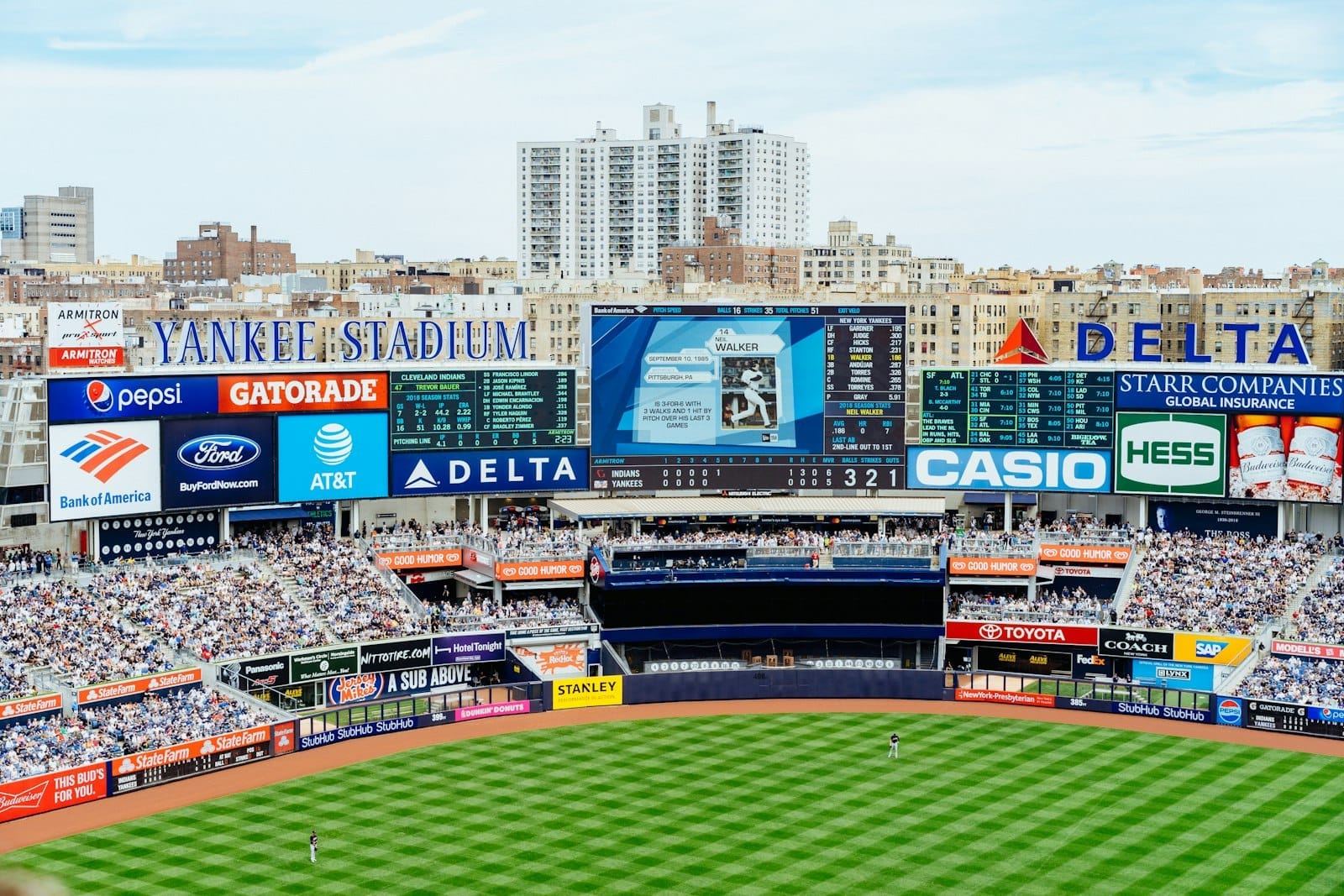
Yankee Stadium opened in 2009, replacing the legendary 1923 original that stood directly across 161st Street for 86 years. The current structure seats roughly 47,000 for baseball and is the home ballpark of the New York Yankees, one of the most decorated franchises in Major League Baseball history. It also serves as a home venue for New York City FC of Major League Soccer, and regularly hosts concerts and other large-scale events.
The stadium is not a historical landmark in the architectural sense. It is a modern facility, built with comfort and revenue in mind, and that is exactly what it delivers. The upper decks offer genuinely good sightlines, the concourses are wide and navigable, and the Great Hall entrance along the first-base side gives the venue a sense of ceremonial arrival that older, tighter parks rarely manage. If you are expecting the gritty atmosphere of the 1923 Yankee Stadium, this is a different experience. But as a 21st-century American ballpark, it is well-designed and easy to enjoy.
💡 Local tip
The subway is almost always faster than driving. The 4, B, and D trains stop directly at 161st Street – Yankee Stadium station, and on game days the platform fills quickly after the final out. Leave 15–20 minutes before the game ends if you want to beat the crush, or linger inside until the crowds thin.
Getting There: Your Best Options
The simplest route is the subway. The 4 express train runs directly from Midtown Manhattan, with travel time from Grand Central Terminal typically under 20 minutes. The B and D trains offer additional access from the Upper West Side and Midtown. All three lines share the Bronx-bound 161st Street – Yankee Stadium station, which deposits you on the stadium's doorstep. On game days, MTA runs increased service on all three lines.
Metro-North Railroad is a strong option if you are coming from the northern suburbs or want a less crowded ride home after the game. The Hudson, Harlem, and New Haven lines all stop at Yankees – East 153rd Street station during Yankee home games and select football games. The walk from there to the stadium gates takes about five minutes. Check the Metro-North schedule before you go, as game-day service additions are not always posted far in advance.
By car, the stadium is accessible from Interstate 87 (the Major Deegan Expressway) via exits 4 and 5 northbound or exit 5 southbound. Parking lots surround the venue, but they fill fast and the cost reflects the demand. Rideshare drop-offs work well at the designated zones along River Avenue. On heavy game days, traffic in the immediate area around 161st Street can back up significantly in the hour before first pitch.
Tickets & tours
Hand-picked options from our booking partner. Prices are indicative; availability and final rates are confirmed when you complete your booking.
New York Yankees home game tickets
From 15 €Instant confirmationStatue of Liberty, Ellis Island, and Brooklyn Bridge Happy Hour Cruise
From 49 €Instant confirmationFree cancellationSpirit of New York Dinner Cruise
From 161 €Instant confirmationFree cancellationNew York City Highlights bike tour
From 70 €Instant confirmationFree cancellation
The Game-Day Experience, Hour by Hour
Gates typically open about 90 minutes before first pitch for Yankees games, and most serious fans arrive early for batting practice. The lower sections along the left-field and right-field lines tend to fill first during BP as fans chase home run balls. The Monument Park, located beyond center field, is accessible before games and offers a quiet, interesting look at the plaques and retired numbers honoring Yankee legends including Babe Ruth, Lou Gehrig, Mickey Mantle, and Derek Jeter. It closes when the Yankees take the field for batting practice, so time your arrival accordingly.
The Great Hall runs along the exterior of the stadium's main concourse and connects multiple gates. It functions as an indoor gathering space that smells of ballpark food almost immediately after entering, with the combined scent of grilled sausages, pretzels, and popcorn drifting from vendor carts stationed throughout. The noise level inside during a game varies considerably: a regular-season weekday game in April against a mid-table opponent feels noticeably quieter than a late September pennant race or a Yankees-Red Sox matchup, where the crowd noise becomes a physical presence.
Upper deck seats in sections 400 and 500 offer an unobstructed panoramic view of the field and are typically the most affordable option. The sightlines are clean, and on clear days you can see the skyline of the South Bronx framing the outfield. Budget-conscious visitors get a genuinely good view from up there, particularly for families where price per seat adds up quickly.
ℹ️ Good to know
Yankees games use dynamic pricing, meaning the same seat can cost significantly more for a rivalry game or playoff push than for a midweek April matchup. Checking prices across multiple dates before your trip can save a meaningful amount.
Stadium Tours: Visiting Without a Game Ticket
Yankee Stadium offers public guided tours on non-game days and certain game days. Tours typically include access to the field level, dugout, Monument Park, press box, and premium club areas. The experience is well-paced for groups with younger children and for visitors who want to engage with the Yankees' history without committing to a full game. Tour schedules and availability shift around the event calendar, so verify current times and prices on the official Yankees website before planning your visit.
If you are building a Bronx itinerary around the tour, the neighborhood around the stadium has more to offer than the surrounding streets might initially suggest. Arthur Avenue, the Bronx's historic Italian-American market strip, is a short distance northeast and worth pairing with a stadium visit. The Bronx Zoo and the New York Botanical Garden are both reachable by subway from 161st Street and make natural companions for a full day in The Bronx.
Practical Details: What to Know Before You Arrive
Yankee Stadium is wheelchair accessible, with multiple entry gates (Gates 2, 4, 6, and 8) distributed around the venue's perimeter. Elevators serve all levels, and accessible seating is available across multiple price tiers. Guest Relations staff are positioned near each main gate and can assist with accessibility requests, lost and found, and general inquiries.
The stadium enforces a bag policy for most events, with size restrictions that align broadly with MLB guidelines. Clear bags are the safest option. Outside food is permitted if brought in a clear plastic bag and non-alcoholic beverages in clear factory-sealed plastic bottles of 1 liter or less, though specific dietary accommodations and other details vary by policy, so checking the Yankees' official guest experience page before your visit is worth the few minutes it takes.
Summer games in July and August can be genuinely hot, with afternoon first pitches in the sun turning the lower bowl into a slow cooker. Evening games during summer are considerably more comfortable. Spring and early fall games can be chilly after sunset, particularly in April and October when temperatures in The Bronx at night regularly drop into the 50s Fahrenheit. Layers are sensible. Rain delays happen, and the stadium does not issue rain checks automatically, so checking the forecast before a night game is a reasonable precaution.
⚠️ What to skip
Parking lots near the stadium fill quickly before sold-out games, and prices in private lots near the venue can be steep. Public transit is faster, cheaper, and less stressful on high-attendance nights.
NYCFC and Other Events
New York City FC of Major League Soccer uses Yankee Stadium as their home ground, with gates typically opening 90 minutes before kickoff. The experience of an NYCFC match is meaningfully different from a Yankees game: the supporter sections in sections 237 and 239 generate continuous noise from opening whistle, flags wave throughout, and the atmosphere tilts closer to what you might find at a European club match than a typical American sports event. Standing throughout the match is the norm in those sections, so seat selection matters if you prefer to sit.
For fans interested in the broader NYC sports and entertainment landscape, the stadium sits comfortably within a wider Arthur Avenue and Bronx cultural circuit. A pre-match meal on Arthur Avenue before an NYCFC evening game is a local tradition worth adopting.
Who Should Skip This
Travelers with no particular interest in baseball, soccer, or American stadium culture will find the experience unremarkable without a live event to anchor it. A stadium tour is engaging if you have some context for the Yankees' history, but it is a limited draw for someone with no connection to the sport. The surrounding South Bronx neighborhood near the stadium is primarily transit corridors and parking infrastructure, so there is not much to explore on foot in the immediate area outside of game days. Visitors looking for architecture, parks, or cultural institutions in The Bronx would be better served heading directly to Arthur Avenue, the Bronx Zoo, or Wave Hill.
Insider Tips
- Monument Park inside the stadium is free to access with any game ticket and is open before games until 45 minutes prior to the scheduled start time. Arrive 90 minutes early to walk through it without a crowd.
- Metro-North is consistently faster and less crowded than the subway after a night game. If you are staying in Midtown and the train times work, it is almost always the better option for the ride home.
- Midweek afternoon games in May or September tend to have the lightest crowds and the lowest dynamic pricing. You can sometimes sit in genuinely good sections for a fraction of what a weekend game costs.
- The upper deck along the first-base side (sections 413–422) offers an unobstructed view of the entire field and the Bronx skyline beyond left field. It is one of the better perspectives in the ballpark and usually among the more affordable seats.
- For NYCFC matches, sections 237 and 239 behind the goal are where the organized supporter groups stand and chant for the full 90 minutes. If you want a quieter seat with a good view, the corners of the upper deck work well and you can still hear the atmosphere.
Who Is Yankee Stadium For?
- Baseball fans visiting New York for the first time or making a pilgrimage to see the Yankees play
- Families with children who want a manageable, self-contained afternoon or evening activity
- Soccer fans who want to experience a lively MTA supporter atmosphere at an NYCFC match
- Sports architecture and stadium culture enthusiasts interested in modern American ballpark design
- Visitors building a full-day Bronx itinerary combining the stadium tour with Arthur Avenue or the Bronx Zoo
Nearby Attractions
Other things to see while in The Bronx:
- Arthur Avenue — The Real Little Italy
Arthur Avenue in the Belmont neighborhood of The Bronx is the most genuine Italian-American commercial strip left in New York City. Unlike its Manhattan counterpart, this is a working neighborhood where third-generation butchers, hand-rolled cigars, and fresh pasta made on-site are still the daily norm, not tourist theatre.
- Bronx Zoo
One of the largest urban zoos in the world, the Bronx Zoo stretches across more than 265 acres of hardwood forest in The Bronx, housing over 11,000 animals from 640-plus species. Whether you have three hours or a full day, knowing how the grounds work before you arrive makes all the difference.
- New York Botanical Garden
Spanning 250 acres in The Bronx, the New York Botanical Garden combines world-class plant collections, a landmark Victorian glasshouse, and one of the last old-growth forests in New York City. Here is everything you need to plan a visit worth the trip.
- Pelham Bay Park
Pelham Bay Park is New York City's largest public park, covering 2,772 acres of salt marshes, coastal forest, wetlands, and 13 miles of Long Island Sound shoreline. Three times the size of Central Park, it sits at the northeastern tip of The Bronx and remains genuinely off the tourist trail.