Madison Square Garden: New York's Most Famous Arena
Madison Square Garden sits above Penn Station in the heart of Midtown Manhattan, hosting everything from NBA and NHL games to major concerts and boxing matches. Known simply as 'The Garden,' this approximately 820,000-square-foot arena has been New York's premier live entertainment venue since 1968, carrying a name that dates back to 1879.
Quick Facts
- Location
- 4 Pennsylvania Plaza, Midtown Manhattan, New York, NY 10001
- Getting There
- 34th St–Penn Station (A/C/E, 1/2/3), 34th St–Herald Square (B/D/F/M/N/Q/R/W), PATH at 33rd St, Amtrak/LIRR/NJ Transit at Penn Station
- Time Needed
- 2–4 hours for most events; allow extra time for arrival queues on busy nights
- Cost
- Event-dependent; tickets sold through official MSG channels and authorized resellers. Prices vary widely by seat and show.
- Best for
- Sports fans, concert-goers, first-time NYC visitors wanting a classic New York experience
- Official website
- www.msg.com/madison-square-garden
What Madison Square Garden Actually Is
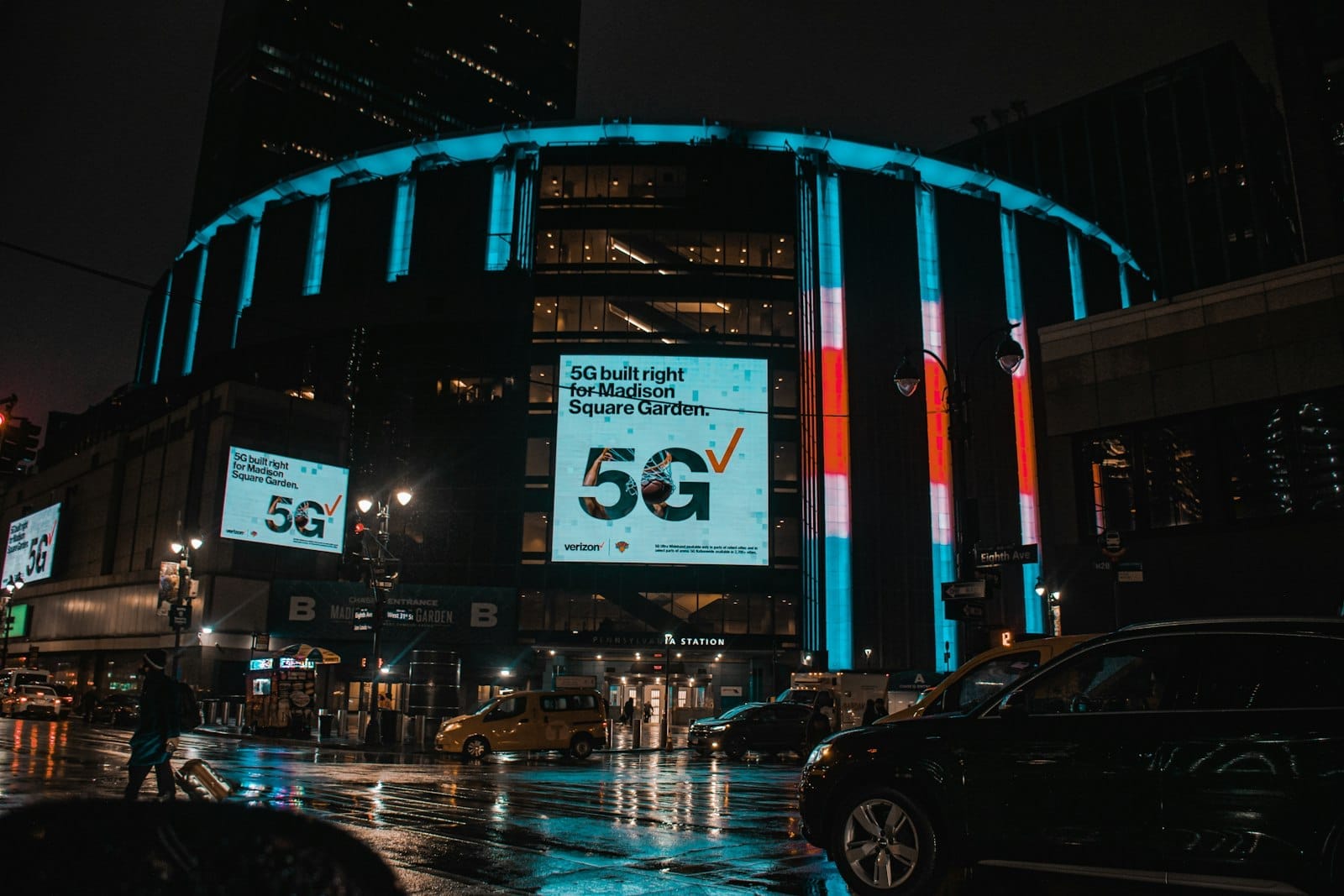
Madison Square Garden is a circular indoor arena that sits directly above Pennsylvania Station in Midtown Manhattan, making it one of the most transit-accessible major venues in the United States. The building opened in its current form in 1968, though the Madison Square Garden name traces back to 1879, when the original venue operated near Madison Square Park on 26th Street. Four distinct buildings have carried the name, each one representing a chapter in New York's entertainment history.
The current structure spans approximately 820,000 square feet and holds roughly 20,000 people for concerts, somewhat less for basketball or hockey depending on the configuration. It is the permanent home of the New York Knicks (NBA) and the New York Rangers (NHL), and it regularly hosts world-class boxing, professional wrestling, graduations for local universities, and major touring artists. On any given week, the schedule might jump from a playoff game to a pop concert to a college commencement.
ℹ️ Good to know
The Garden operates on an event-based schedule with no fixed public opening hours. Check the official MSG calendar at msg.com before planning your visit, as the building is not generally open to the public on non-event days.
The Experience Before You Walk Through the Door
The approach to MSG on an event night is part of the experience. Seventh Avenue and 33rd Street fill with fans wearing team jerseys, street vendors selling merchandise from folding tables, and food cart operators doing brisk business with pretzels and roasted nuts. The smell hits before you reach the entrance: a warm combination of roasted peanuts and diesel from the constant taxi and bus traffic on Eighth Avenue nearby.
The exterior of the building is not architecturally beautiful by any standard. The drum-shaped concrete structure rising above the Penn Station entrance hubs is purely functional, a product of its era. What generates atmosphere is the crowd. On a Rangers playoff night or a sold-out Knicks game, the block between 31st and 33rd Streets on Seventh Avenue becomes shoulder-to-shoulder. Arriving 45 to 60 minutes before tip-off or showtime gives you space to move and time to find your seat without the final-minute crush.
💡 Local tip
Take the subway rather than a cab or rideshare on event nights. Penn Station is directly below the arena, and surface traffic on the surrounding blocks can add 20-30 minutes to any car journey in the final hour before a major event.
Tickets & tours
Hand-picked options from our booking partner. Prices are indicative; availability and final rates are confirmed when you complete your booking.
Statue of Liberty, Ellis Island, and Brooklyn Bridge Happy Hour Cruise
From 49 €Instant confirmationFree cancellationSpirit of New York Dinner Cruise
From 161 €Instant confirmationFree cancellationNew York City Highlights bike tour
From 70 €Instant confirmationFree cancellationNew York Statue of Liberty and Ellis Island tour by ferry
From 55 €Instant confirmation
Inside the Arena: Layout and Orientation
The Garden's circular layout means there are no truly bad sightlines for sports events — you are always looking inward toward the floor. The seating tiers are steep enough that upper-level seats feel closer to the action than equivalents in many newer arenas. For concerts, the floor configuration changes: sometimes it is all standing, sometimes seated, depending on the artist's preferences. Check your ticket carefully to understand which section you are in, as the nomenclature ('100 level,' '200 level,' '300 level,' 'Chase Bridge') can be confusing on first visit.
The Chase Bridge is the suspended seating structure that runs across the upper interior, added during the major renovation completed in 2013. It offers a genuinely unusual perspective directly above center court or the stage, though it is not for anyone uncomfortable with heights. Lower bowl seats on the sides provide a more classic arena experience, while floor-level seats for basketball place you close enough to hear players communicating.
Food and drink options inside are extensive but expensive, as expected at any major U.S. arena. Beer, hot dogs, pretzels, pizza by the slice, and a handful of branded restaurant concepts are scattered around the concourses. Queues at concession stands are longest in the 15 minutes immediately before the event starts and at halftime or intermission. If you want to eat and watch, arrive early or wait until the action resumes.
Knicks, Rangers, and the Culture of the Garden
The atmosphere at a New York Knicks game has a particular energy that differs from newer, corporate-feeling arenas. The Knicks have played at MSG since the venue opened in 1968, and the Garden faithful are vocal, knowledgeable, and quick to express both joy and frustration. The same loyalty applies to the Rangers. Attending either team's home game gives you access to something genuinely tied to New York identity in a way that a tourist attraction cannot manufacture. For context on how to structure a broader trip around this kind of experience, the 3-day New York City itinerary covers how to balance arena events with the rest of Midtown's offerings.
Concert nights feel different from sports nights: the floor transforms, the lighting rigs descend, and the crowd skews younger or older depending on who is playing. Artists from Elton John to Harry Styles have performed residencies here, and the room's acoustics — while not perfect for every configuration — carry enough of a wall of sound to make large-scale pop and rock shows feel appropriately massive.
Boxing at MSG carries its own historical weight. The venue hosted the 'Fight of the Century' between Joe Frazier and Muhammad Ali in 1971, and significant bouts continue to take place here. If you are in New York during a major fight card, the pre-event atmosphere inside and outside the arena is unlike anything else the city offers that night.
Getting There and Getting In
Penn Station sits directly underneath MSG and is served by Amtrak, the Long Island Rail Road, and NJ Transit, making the arena reachable from well outside the city without a car. From within Manhattan, the 1, 2, 3 trains stop at 34th Street–Penn Station on the west side, while the A, C, and E lines stop at the same station from a separate entrance. The B, D, F, M, N, Q, R, and W trains stop one block east at 34th Street–Herald Square. For guidance on navigating these connections, the NYC transportation guide covers subway lines and fares in detail.
Security screening at the entrance involves bag checks and walk-through metal detectors. Bags larger than roughly 14 by 14 by 6 inches are generally not permitted. The official MSG website publishes current bag policy, which is worth checking before you arrive. On high-demand nights — playoff games, major concert openers — the queue at the security checkpoints can stretch around the building. Budget an extra 20 minutes if you are arriving close to showtime.
⚠️ What to skip
Ticket scalpers operate in the surrounding blocks on event nights. Purchase tickets through the official MSG Box Office or authorized sellers to avoid counterfeit issues. The official site is msg.com.
After the Event: The Neighborhood at Night
The blocks around MSG empty quickly after events end, which is both a feature and a limitation. Penn Station becomes the priority for tens of thousands of people simultaneously, and the subway platforms on the 1/2/3 line directly below can reach uncomfortable density within minutes of a final buzzer. If you have flexibility, waiting 20 minutes before heading to the subway platform makes the journey considerably more comfortable. The surrounding area of Midtown Manhattan has plenty of bars and restaurants on Eighth Avenue and in the nearby Hell's Kitchen neighborhood where post-game crowds disperse.
The immediate Penn Station complex is not a pleasant place to linger, so if you are meeting people after an event, agree on a specific street corner above ground rather than a vague point in the station. The intersection of 34th and Seventh is a recognizable anchor, though it will be crowded immediately post-event.
Practical Details for First-Time Visitors
Dress code at MSG is informal for sports and most concerts. Jeans and sneakers are the norm. Premium club areas and suites may have slightly more polished crowds, but there is no enforced dress requirement for general admission seating. In winter, the arena interior is well-heated, so check your coat at the designated areas rather than carrying it to your seat. In summer, air conditioning is aggressive — bring a layer if you run cold.
Photography policies vary by event. Sports games generally permit personal cameras without detachable lenses for fan use. Concerts often restrict professional photography equipment and sometimes prohibit cameras entirely, depending on the artist's contract. Check the specific event policy before bringing any camera equipment. For those interested in the broader architectural and cultural landscape of the area, the NYC architecture guide places MSG in context alongside landmarks like Penn Station's original iteration and the surrounding Midtown building stock.
Accessibility accommodations including wheelchair-accessible seating, companion seating, and assistive listening devices are available. The official MSG website provides current accessibility information and a dedicated contact for assistance requests. Given the building's age, it is worth confirming specific needs in advance rather than assuming on arrival.
Insider Tips
- For Knicks or Rangers games, seats in the lower bowl between the two team benches (roughly sections 101–115 on the arena side) offer the best combination of sightlines and proximity to the action. These sell out first, so monitor ticket drops starting about three weeks before a home game.
- The Garden's Chase Bridge seats directly above center court provide an unusual overhead perspective that genuinely changes how you watch basketball. They are worth trying once, though they suit viewers who prefer seeing the game's geometric patterns rather than individual player detail.
- If you are attending a concert, the Garden's general-admission floor can feel very different depending on where you stand. Arriving early and positioning yourself stage-left or stage-right (rather than dead center) often gives you a cleaner view and less compression from the crowd.
- The MSG Box Office at 4 Pennsylvania Plaza sometimes releases limited day-of tickets for non-sold-out events. For regular-season Knicks and Rangers games that are not high-profile matchups, it is worth checking walk-up availability before committing to resale prices.
- Parking in the area is extremely limited and expensive. If you must drive, the MSG Parking garage has entry on 33rd Street, but it fills hours before major events. Most local visitors take the train — the transit access here is genuinely exceptional by any standard.
Who Is Madison Square Garden For?
- Sports fans attending Knicks (NBA) or Rangers (NHL) home games for an authentic New York arena atmosphere
- Concert-goers catching a major touring artist or residency at one of the world's most storied music venues
- First-time NYC visitors who want to experience how the city gathers around live events
- Boxing fans, given MSG's historical connection to landmark bouts stretching back decades
- Travelers arriving by train from outside the city, since Penn Station below means zero transfer needed
Nearby Attractions
Other things to see while in Midtown Manhattan:
- Broadway Theater District
The Broadway Theater District in Midtown Manhattan is the center of American live theater, home to 41 official Broadway houses spanning nearly a century of performance history. Whether you're booking months in advance or hunting same-day discount tickets, this guide covers everything from curtain times to architectural details.
- Bryant Park
Tucked behind the New York Public Library on Sixth Avenue, Bryant Park is an 8-acre public park that holds its own against the surrounding skyscrapers. Free to enter year-round, it shifts character dramatically by season, from a winter ice rink to a summer outdoor cinema — and remains one of the most functional and well-managed public spaces in New York City.
- Carnegie Hall
Carnegie Hall has anchored Midtown Manhattan's cultural life since 1891. With three auditoriums ranging from 268 to 2,790 seats, it hosts everything from orchestral premieres to intimate recitals. This guide covers the halls, the history, and exactly how to make the most of a visit.
- Chrysler Building
Completed in 1930 and briefly the tallest building on earth, the Chrysler Building remains the finest example of Art Deco architecture in New York City. Visitors generally can't go inside beyond the main lobby, but the experience of standing beneath its gleaming stainless steel crown is genuinely unforgettable.