Innere Stadt is Vienna's historic heart and 1st district, a compact area of imperial palaces, Gothic cathedrals, and grand 19th-century boulevards enclosed by the famous Ringstraße. It holds the highest concentration of major cultural institutions in the city, from the Hofburg Palace to the Vienna State Opera, all within walking distance of each other. This is where Vienna's story began, and where most visitors spend the bulk of their time.
Innere Stadt is Vienna at its most monumental. The 1st district packs a medieval cathedral, an imperial palace, a world-class opera house, and centuries of Habsburg ambition into a roughly circular area that a determined walker can cross in under 30 minutes. It is simultaneously the city's tourist epicenter and its genuine civic and cultural core.
Orientation
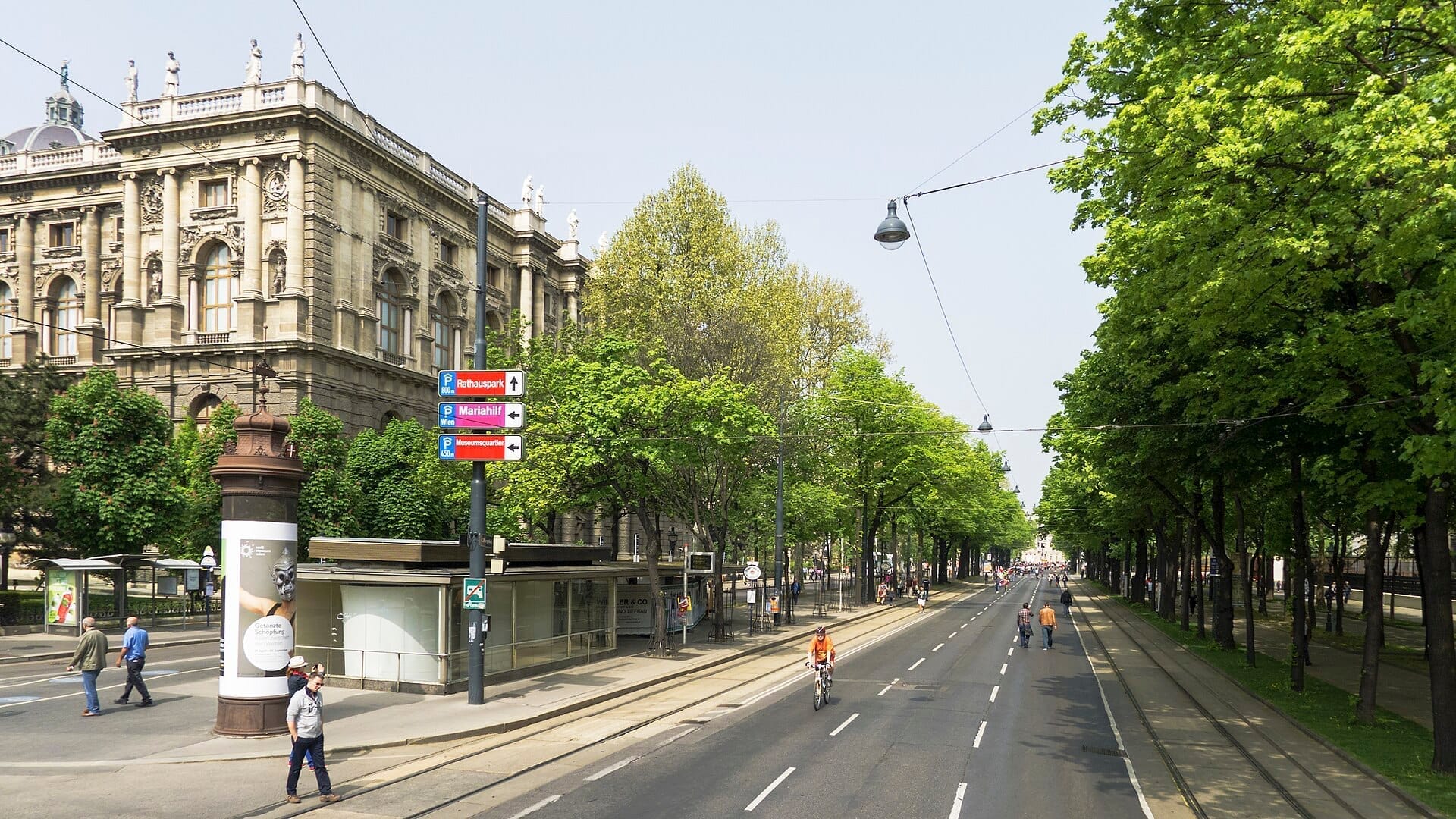
Innere Stadt occupies the geographical and historical center of Vienna, sitting at the core of the city like the bull's-eye of a target. Its outline follows the path of the old city walls, which were demolished in the 1850s on the order of Emperor Franz Joseph I and replaced by the grand Ringstraße boulevard. That ring road is what defines the district's boundary today: a sweeping arc of monumental 19th-century architecture that separates the medieval inner city from the surrounding districts.
The boundary streets running along or near the Ring include Lothringerstraße to the southeast, Karlsplatz to the south, and the curve of the Ring itself through Burgring, Dr.-Karl-Renner-Ring, Universitätsring, and Schottenring to the north, before the district edges meet the Danube Canal on the northeastern side. That canal, a regulated branch of the Danube, forms a natural moat-like border separating the 1st district from Leopoldstadt to the east.
Within this boundary, the district is compact enough that most of its major landmarks are within 15 minutes on foot of each other. Stephansplatz, the square surrounding St. Stephen's Cathedral, functions as the navigational heart. From there, Kärntner Straße runs south toward the Ringstraße and the Vienna State Opera, while Graben and Kohlmarkt extend northwest toward the Hofburg. Understanding this central spine makes the rest of the district easy to navigate. For a broader sense of how the 1st district connects to the rest of Vienna, the Innere Stadt walking tour guide provides a structured route through the area.
Character & Atmosphere
There is a specific quality to early mornings in Innere Stadt. By 7am, the delivery trucks are already working the narrow streets behind Stephansplatz, clattering across cobblestones that have been worn smooth over centuries. The pedestrian zones of Graben and Kärntner Straße are nearly empty, and the Gothic spire of the Stephansdom catches the low morning light in a way that makes it look freshly carved. Street cleaners move methodically through the lanes. Café staff arrange chairs on terraces. For about an hour, before the tour groups arrive, the district feels like a real city rather than a stage set.
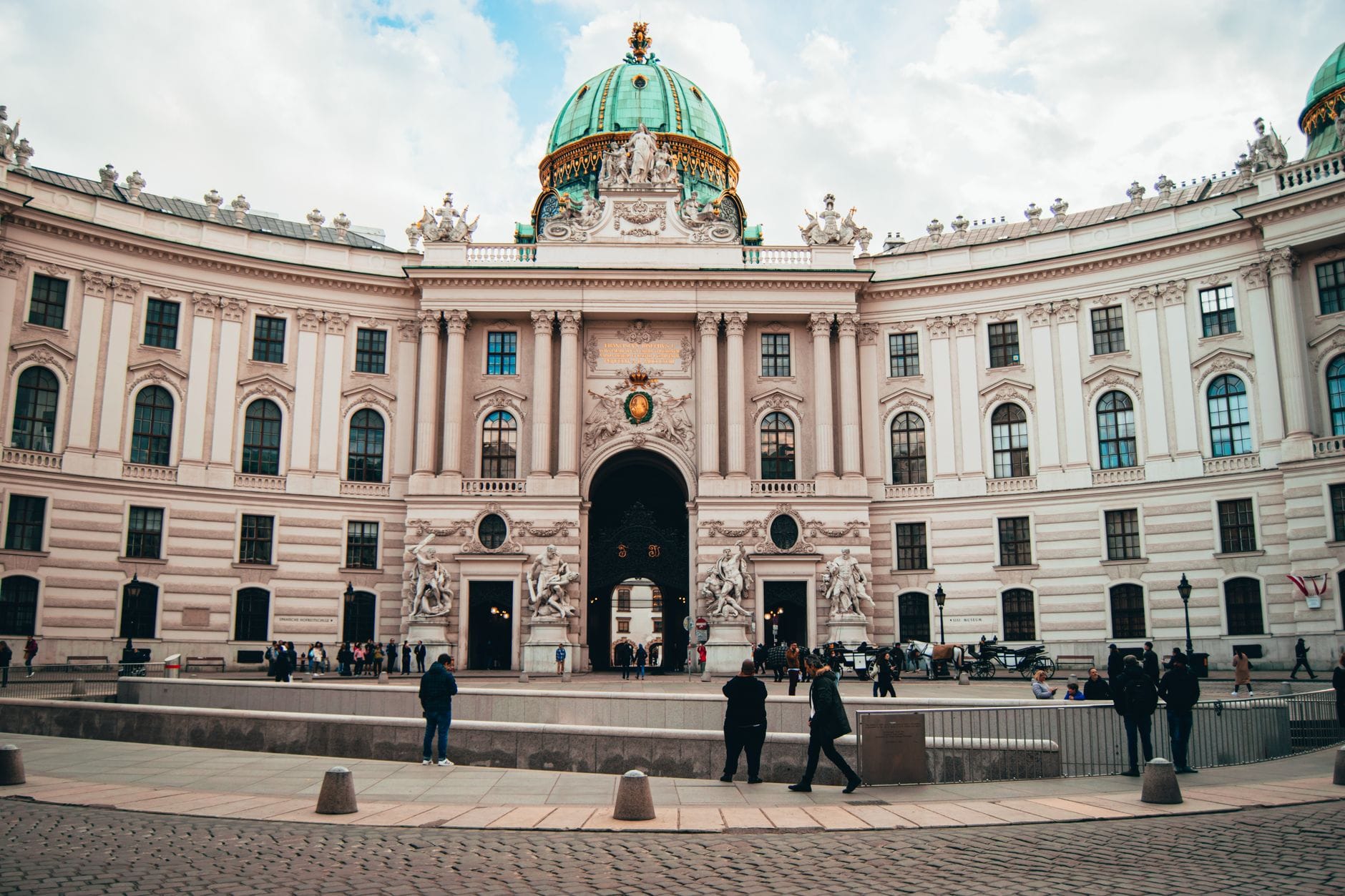
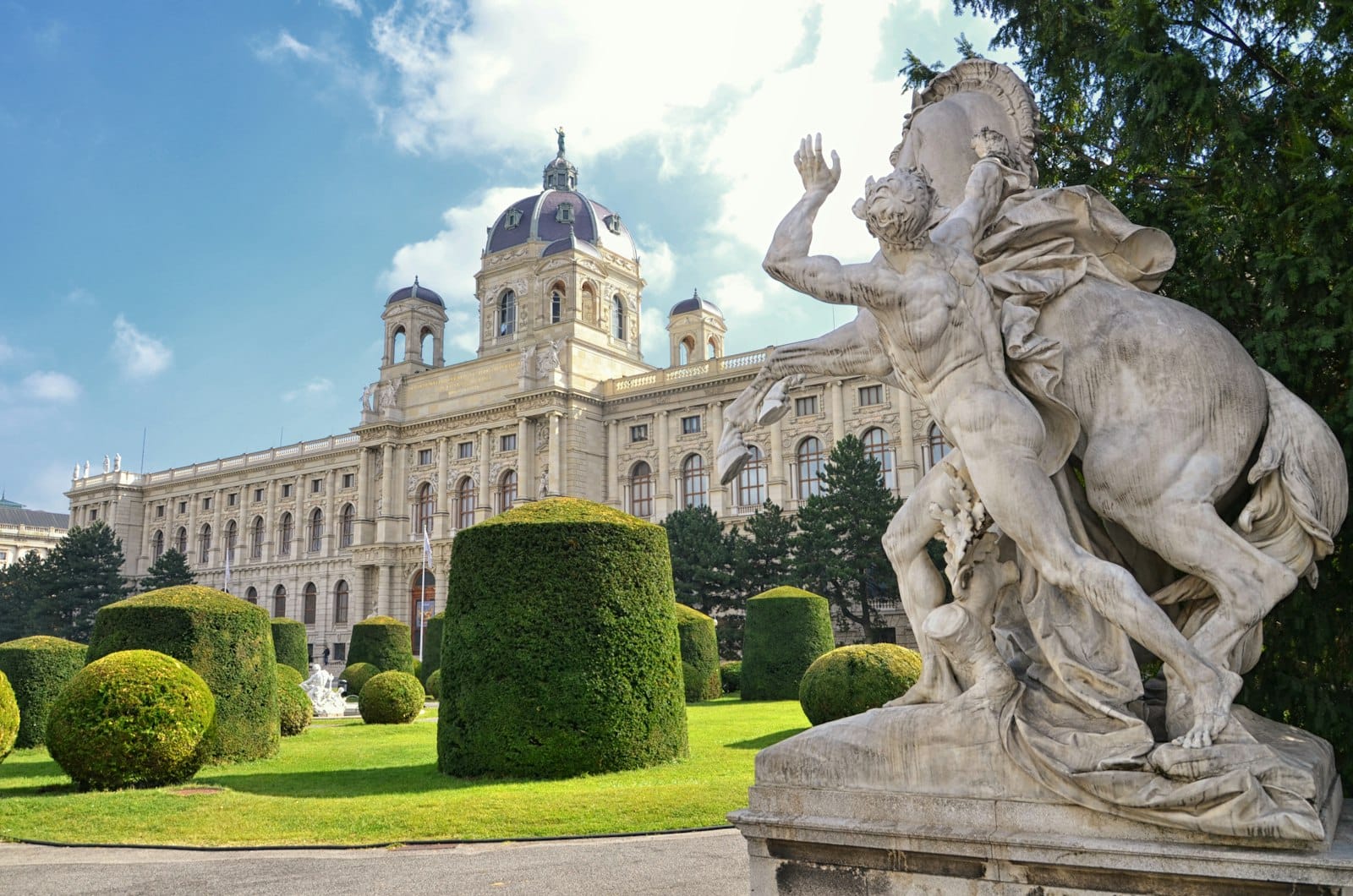
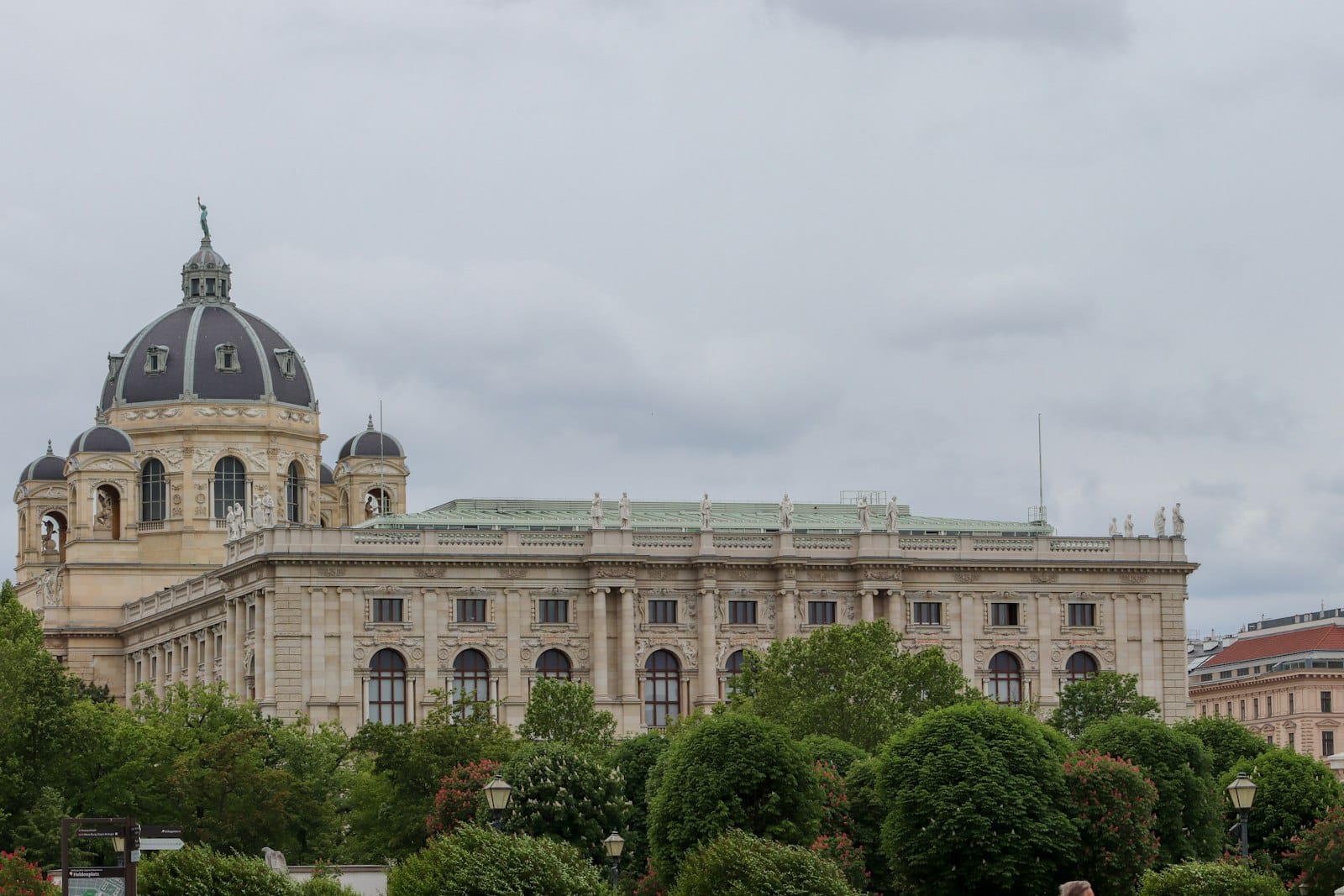
By mid-morning, that changes completely. Kärntner Straße fills with a dense mix of tourists, school groups, and commuters passing through. The pace quickens around Stephansplatz, where guides hold up colored umbrellas and horse-drawn fiakers wait at the curb. The architectural scale here is genuinely overwhelming in person: the Hofburg complex alone covers around 240,000 square meters, and the Ringstraße buildings, from the Kunsthistorisches Museum to the Parliament, were designed to project imperial permanence.
Away from the main pedestrian axes, the character shifts considerably. The lanes of the old Jewish quarter around Judenplatz, the quieter streets north of Hoher Markt, and the residential pockets near Am Gestade retain something of the medieval street plan. Buildings press close together, the alleys twist unexpectedly, and you can stumble on a Romanesque doorway or a baroque courtyard without warning. These quieter corners reward wandering and offer relief from the busier southern half of the district.
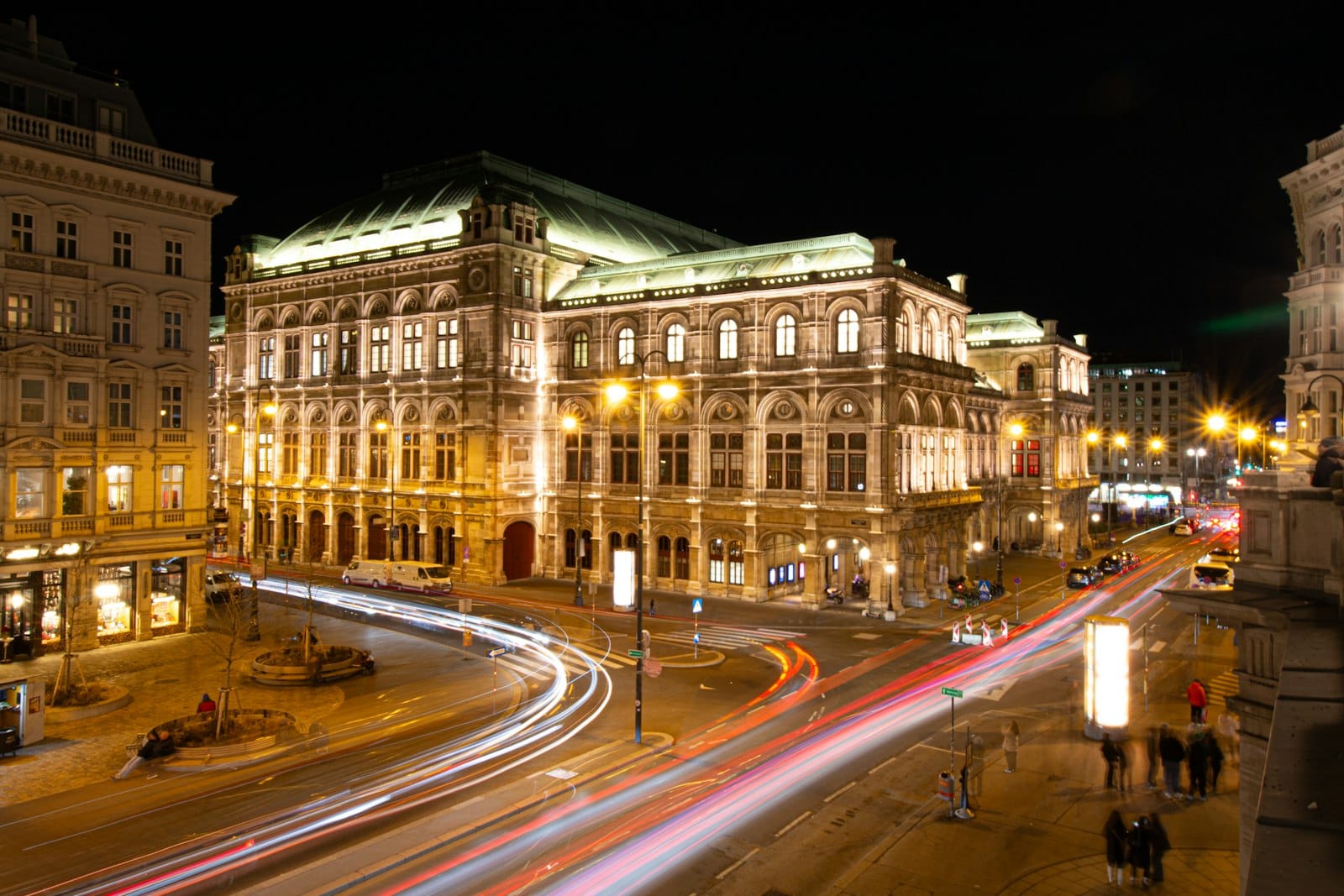
After dark, the district divides into two distinct worlds. Around the State Opera, Albertina, and the Ringstraße, evenings are formal and unhurried: opera-goers in smart clothes, restaurants with white tablecloths, the golden glow from the Staatsoper's windows. Further into the old lanes, particularly around Bäckerstraße and Schönlaternengasse, a younger and more relaxed crowd fills wine bars and smaller restaurants. The district is well-lit and generally safe after dark, though the usual precautions against pickpocketing apply in crowded spots, especially around Stephansplatz.
💡 Local tip
To experience Innere Stadt at its most atmospheric, arrive at Stephansplatz before 8am. The crowds arrive in force by 10am, and the difference is dramatic. Early morning is also the best time to photograph the Stephansdom without scaffolding crowds or tour groups in frame.
What to See & Do
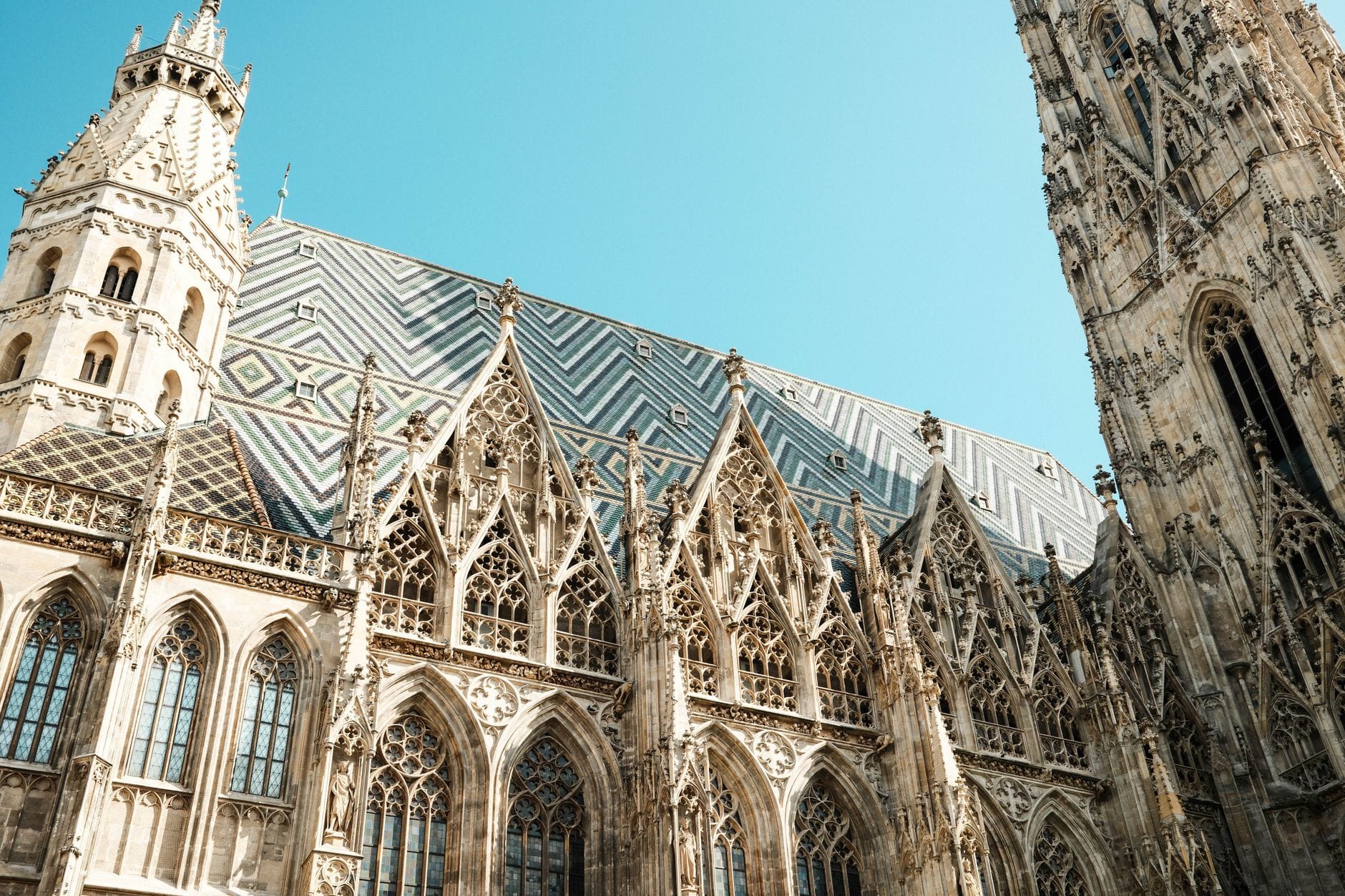
The undisputed anchor of the district is St. Stephen's Cathedral, the Gothic cathedral whose distinctive chevron-patterned roof tiles are among the most recognizable images in Austria. The exterior is worth extended study before you enter: centuries of stonework, gargoyles, and a south tower that took over a century to complete. Inside, the catacombs below the cathedral contain the remains of Habsburg rulers and thousands of medieval Viennese. Climbing the north tower by elevator offers one of the better elevated views over the inner city rooftops.
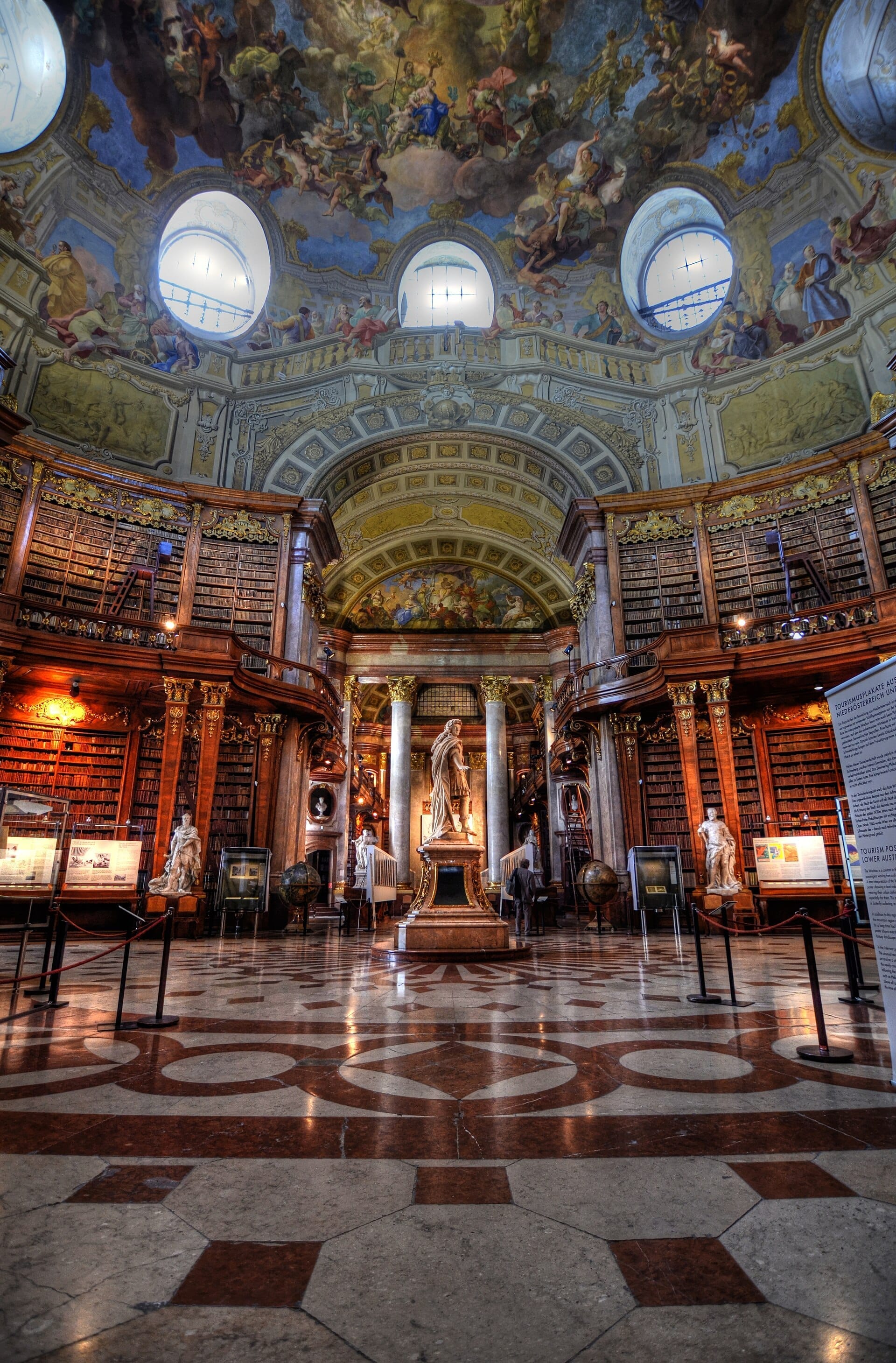
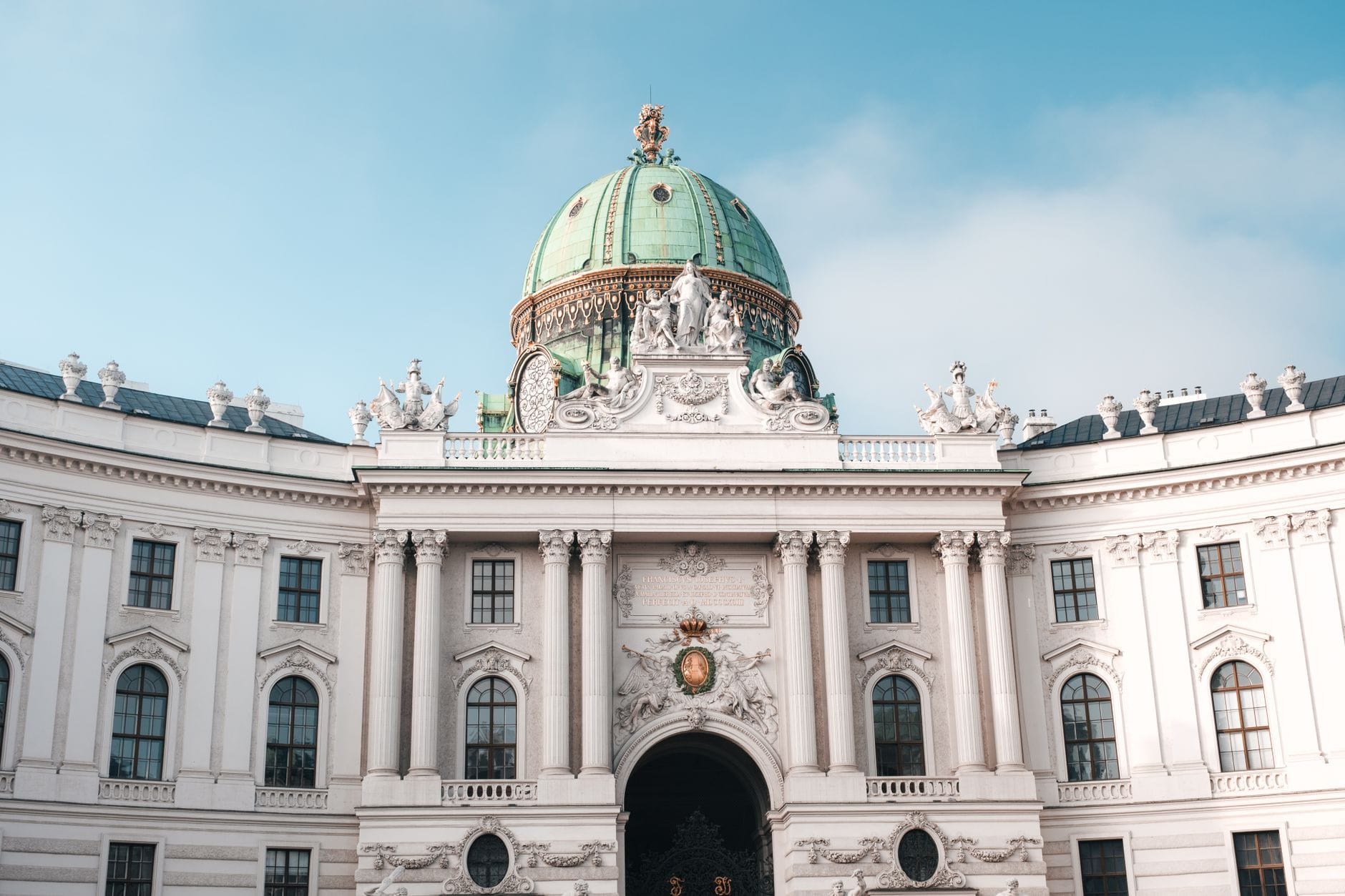
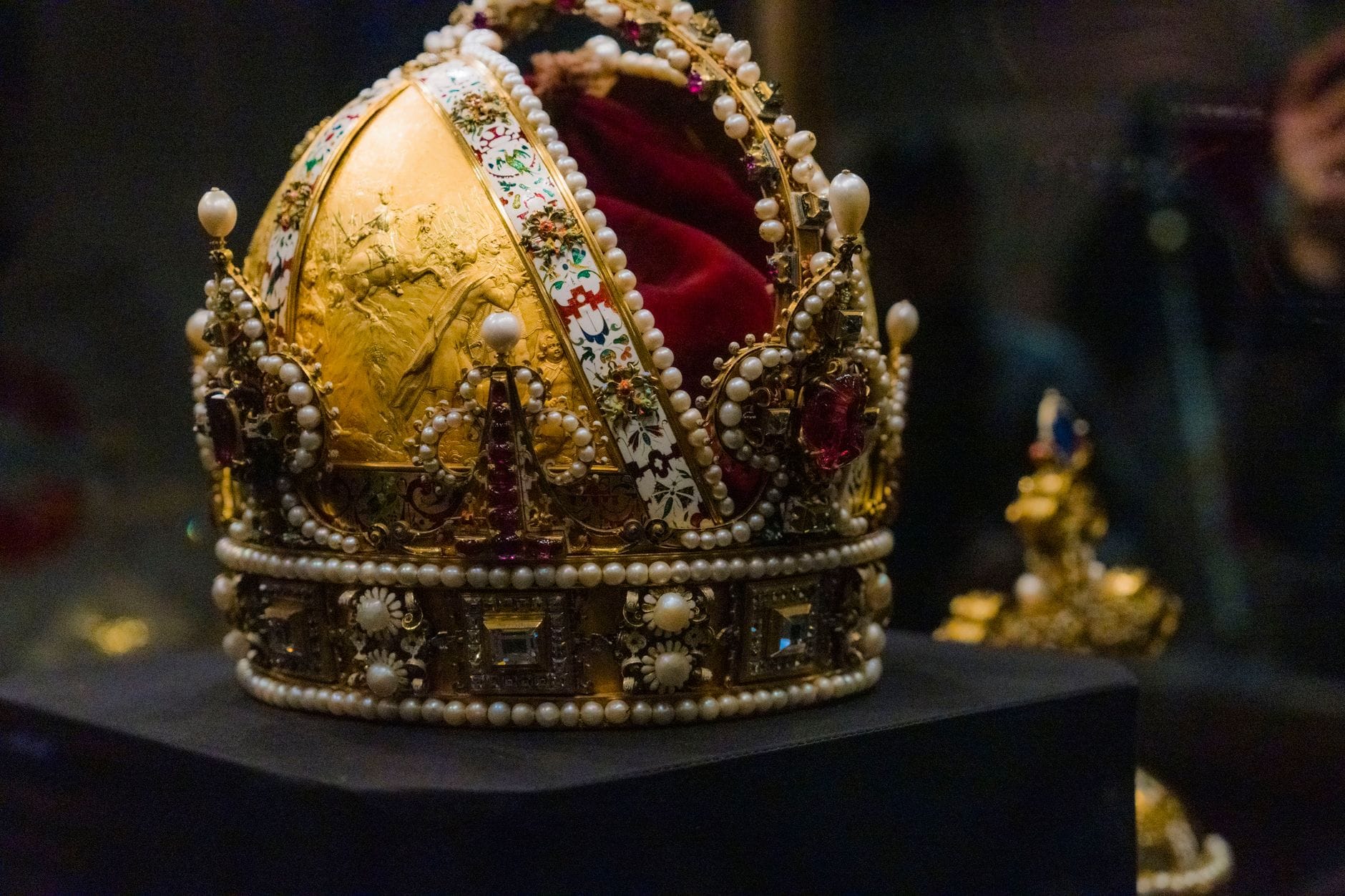
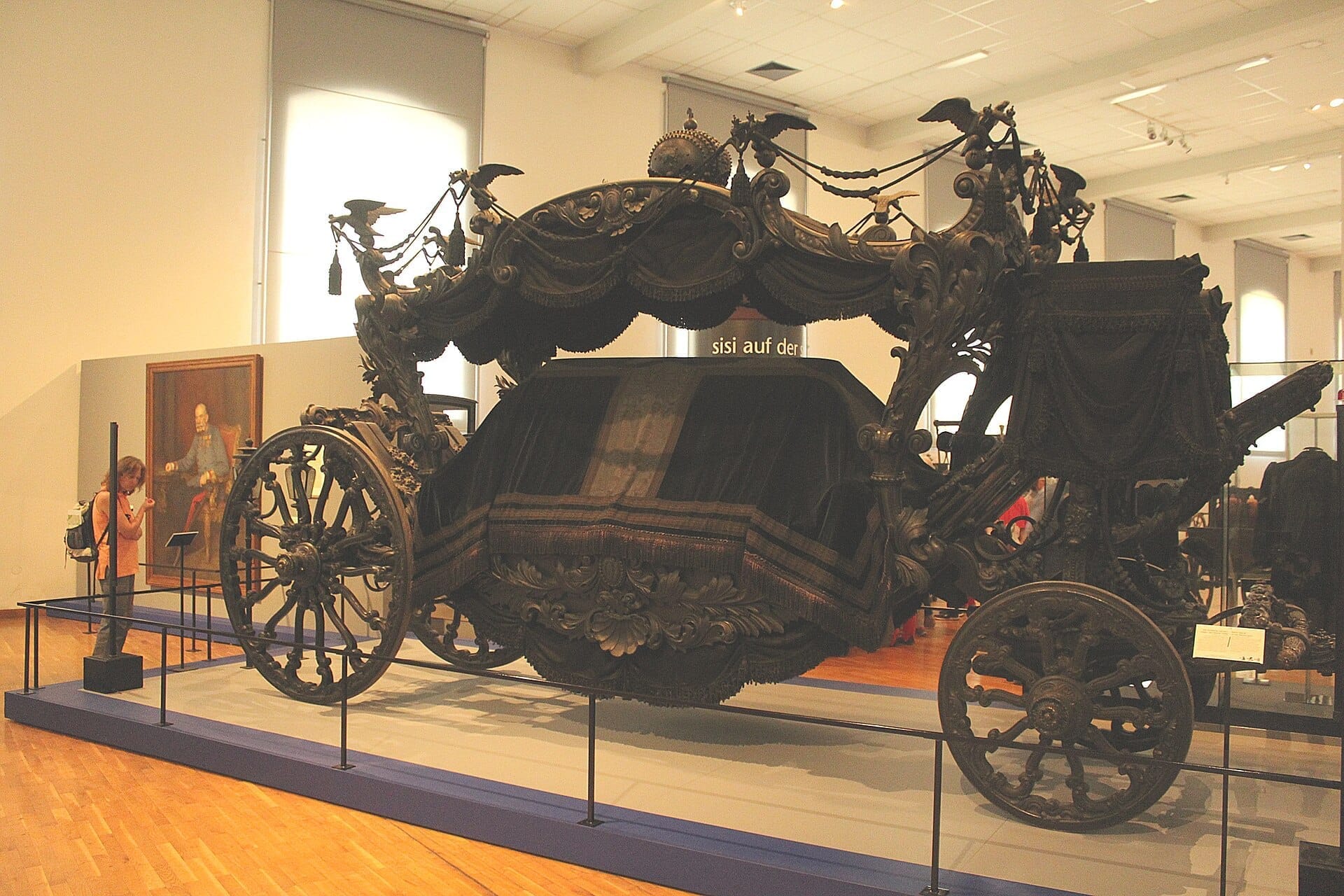
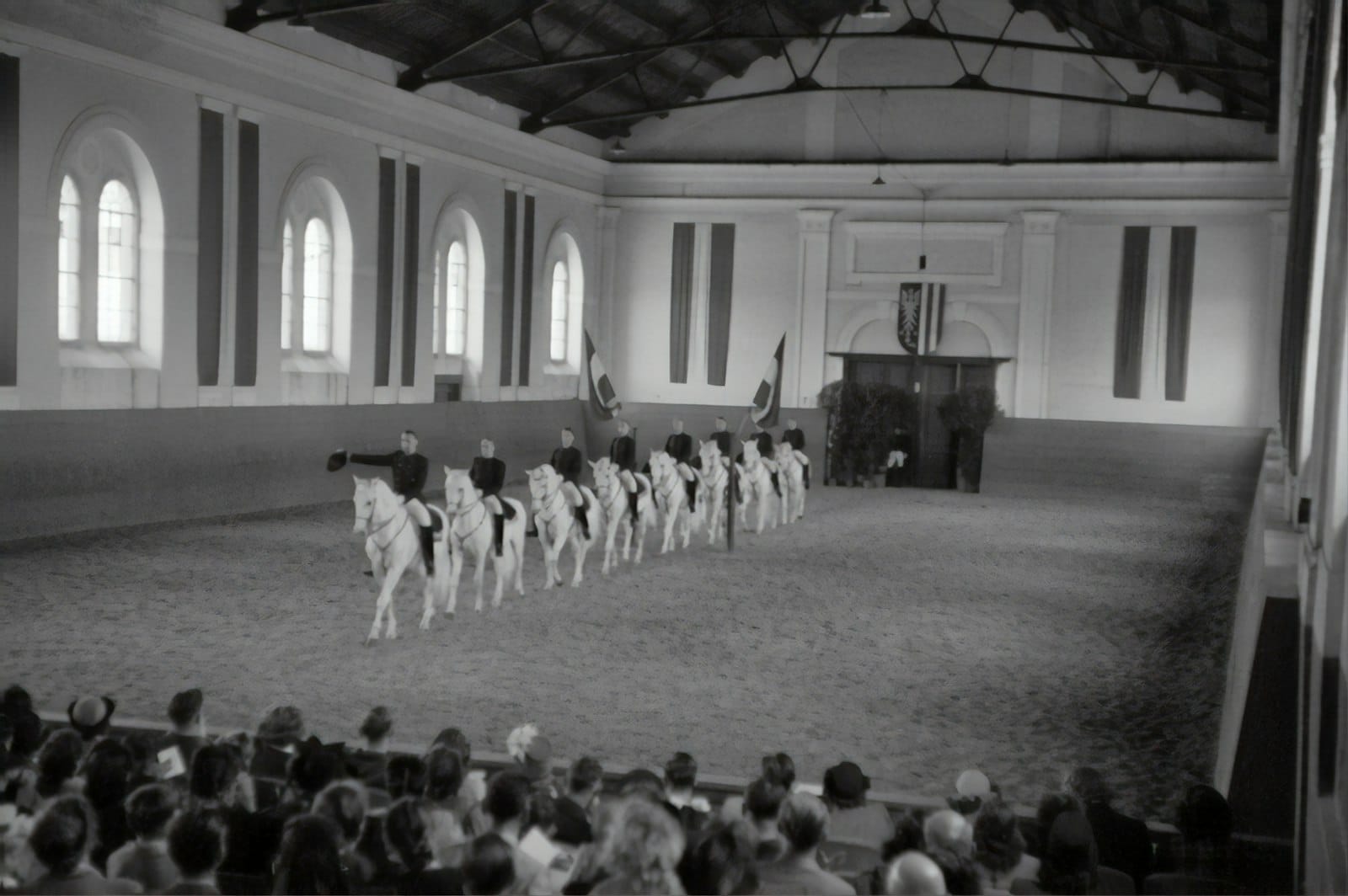
The Hofburg Palace is less a single building than an accumulated complex of wings, courtyards, and institutions spanning seven centuries of construction. Within it, visitors can explore the Sisi Museum, the Imperial Apartments, the Imperial Treasury with the Habsburg crown jewels, the Spanish Riding School, and the Austrian National Library's Prunksaal, one of the finest baroque library halls in the world. Budget at least half a day if you plan to visit more than one of these.
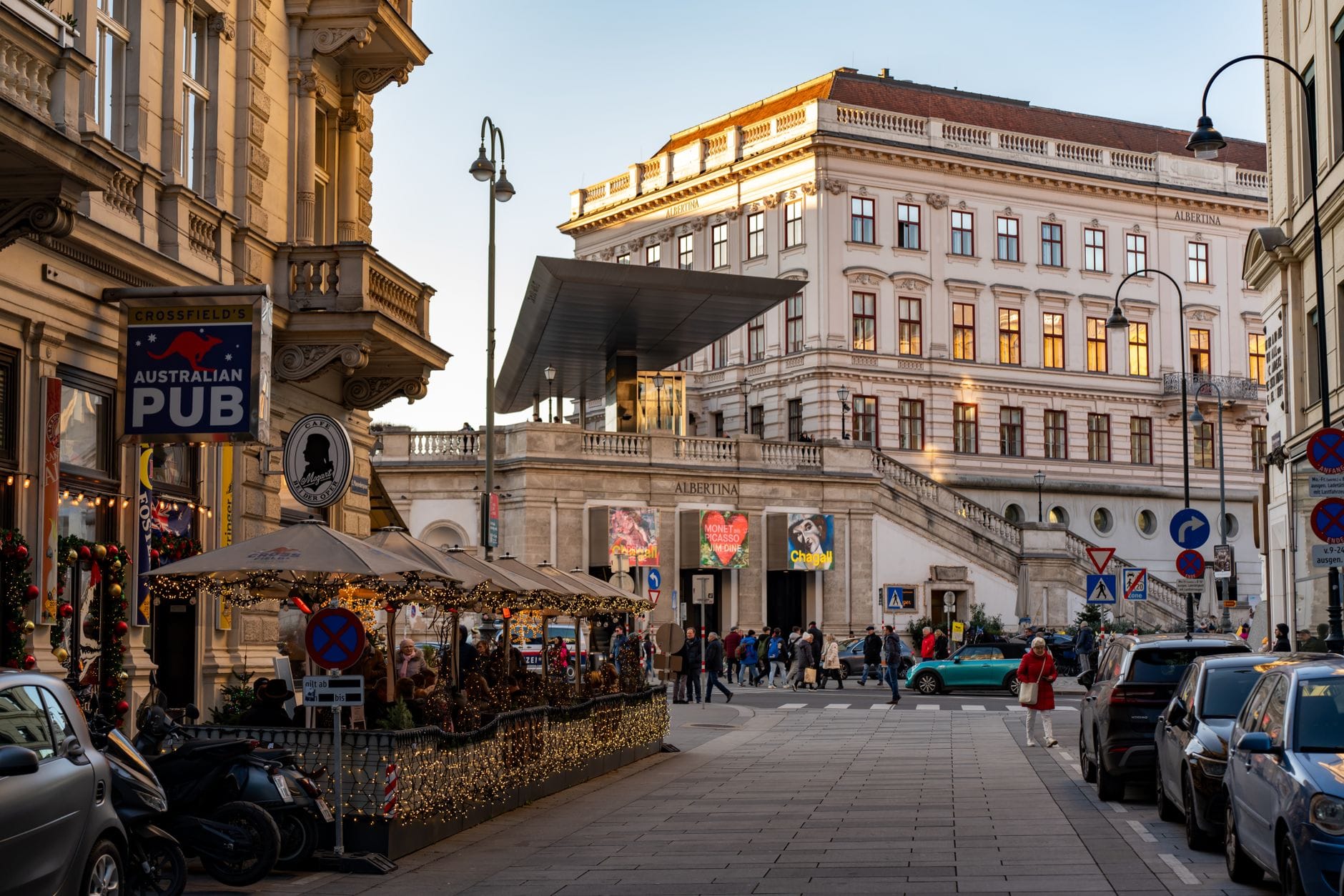
The southern edge of the district, along the Ringstraße, holds the Vienna State Opera and the Albertina Museum, two of Vienna's premier cultural institutions. The Albertina's permanent collection spans works from Monet to Picasso and includes one of the world's largest graphic art collections. Standing tickets at the State Opera remain one of the great cultural bargains in Europe, check current availability and pricing directly with the opera house before visiting.
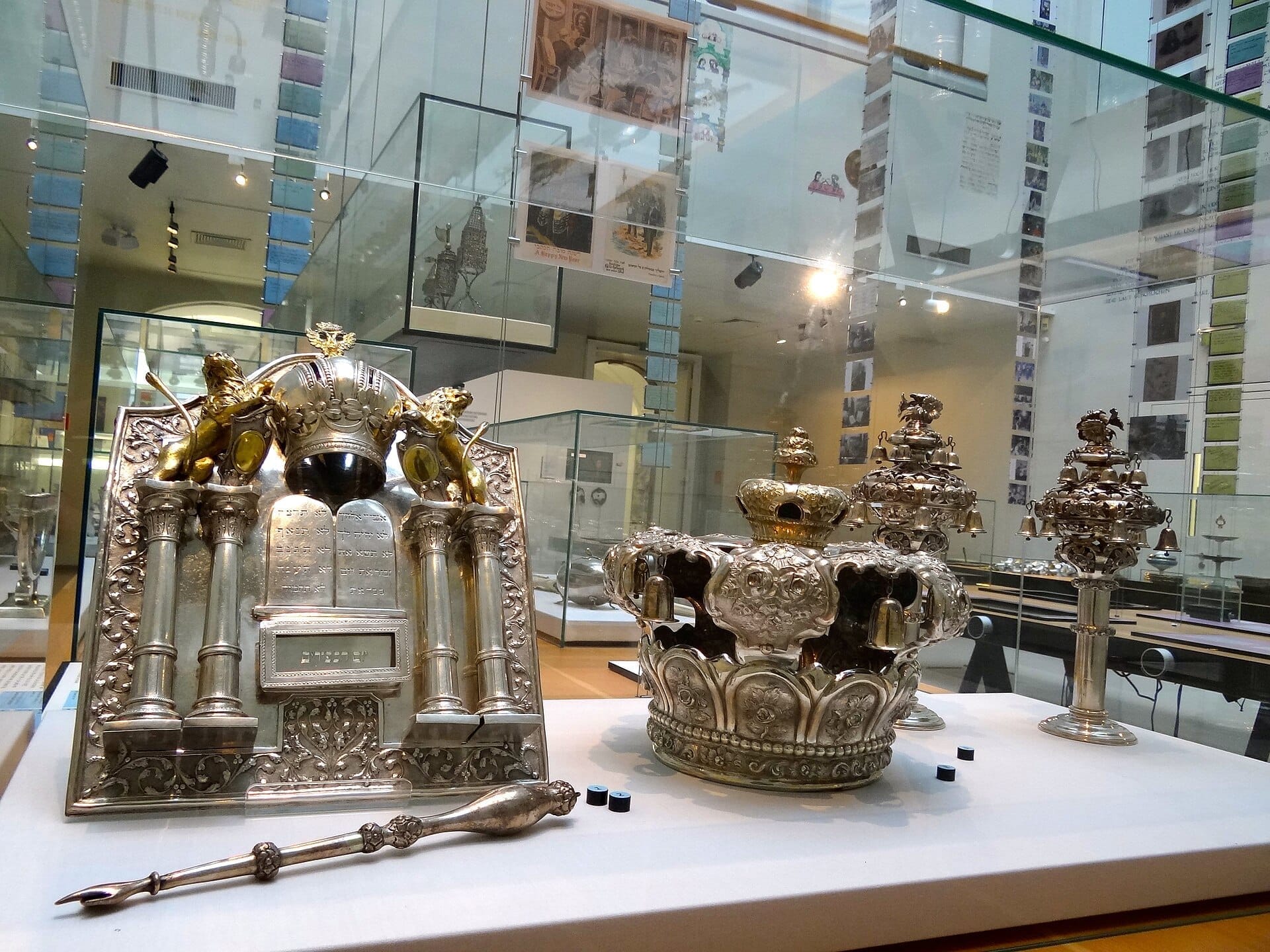
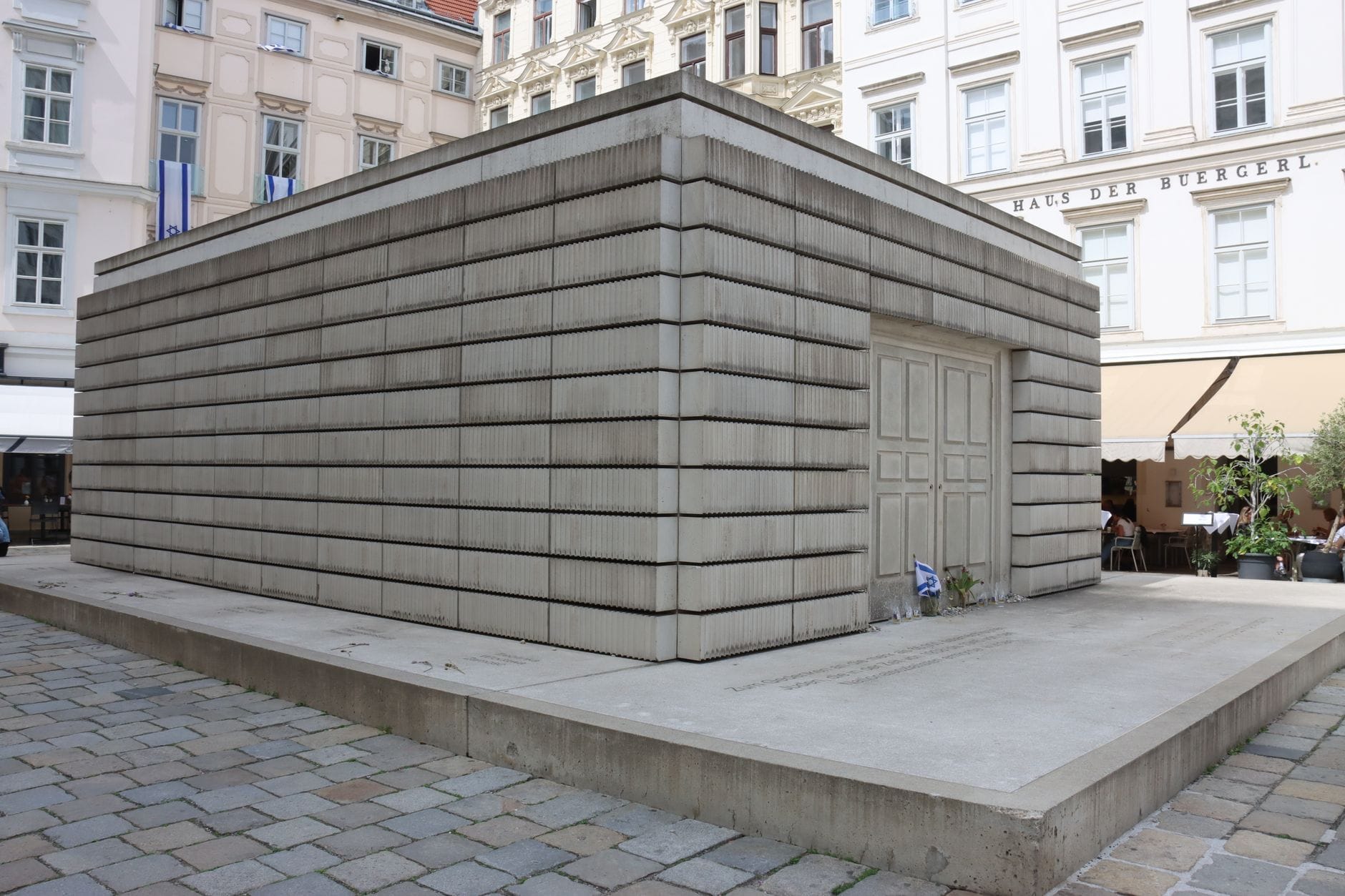
Judenplatz: the medieval Jewish quarter, now home to a sobering Holocaust memorial and the Museum Judenplatz documenting Vienna's medieval Jewish community
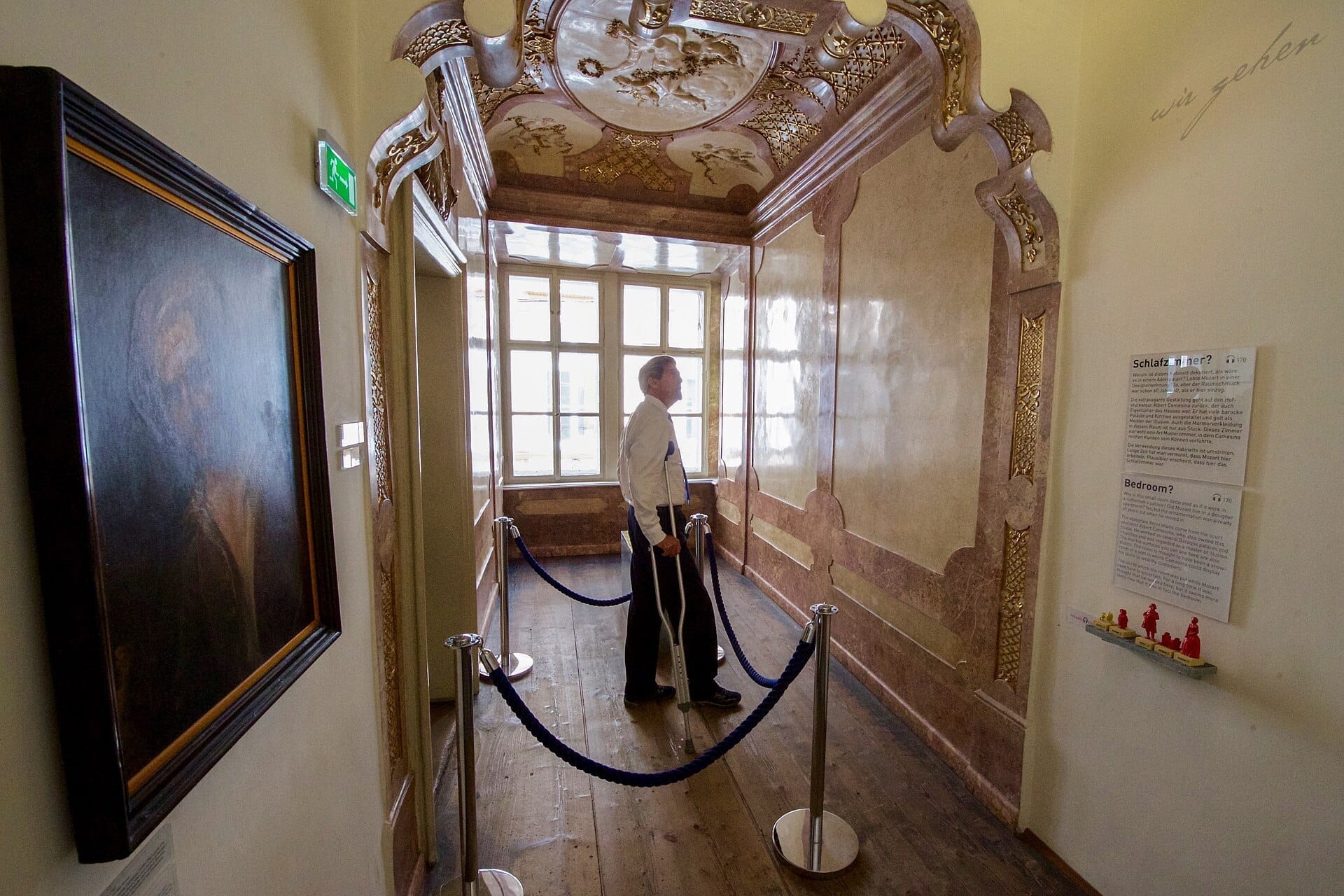
Mozarthaus Vienna: Mozart's only surviving apartment in Vienna, on Domgasse, where he composed The Marriage of Figaro
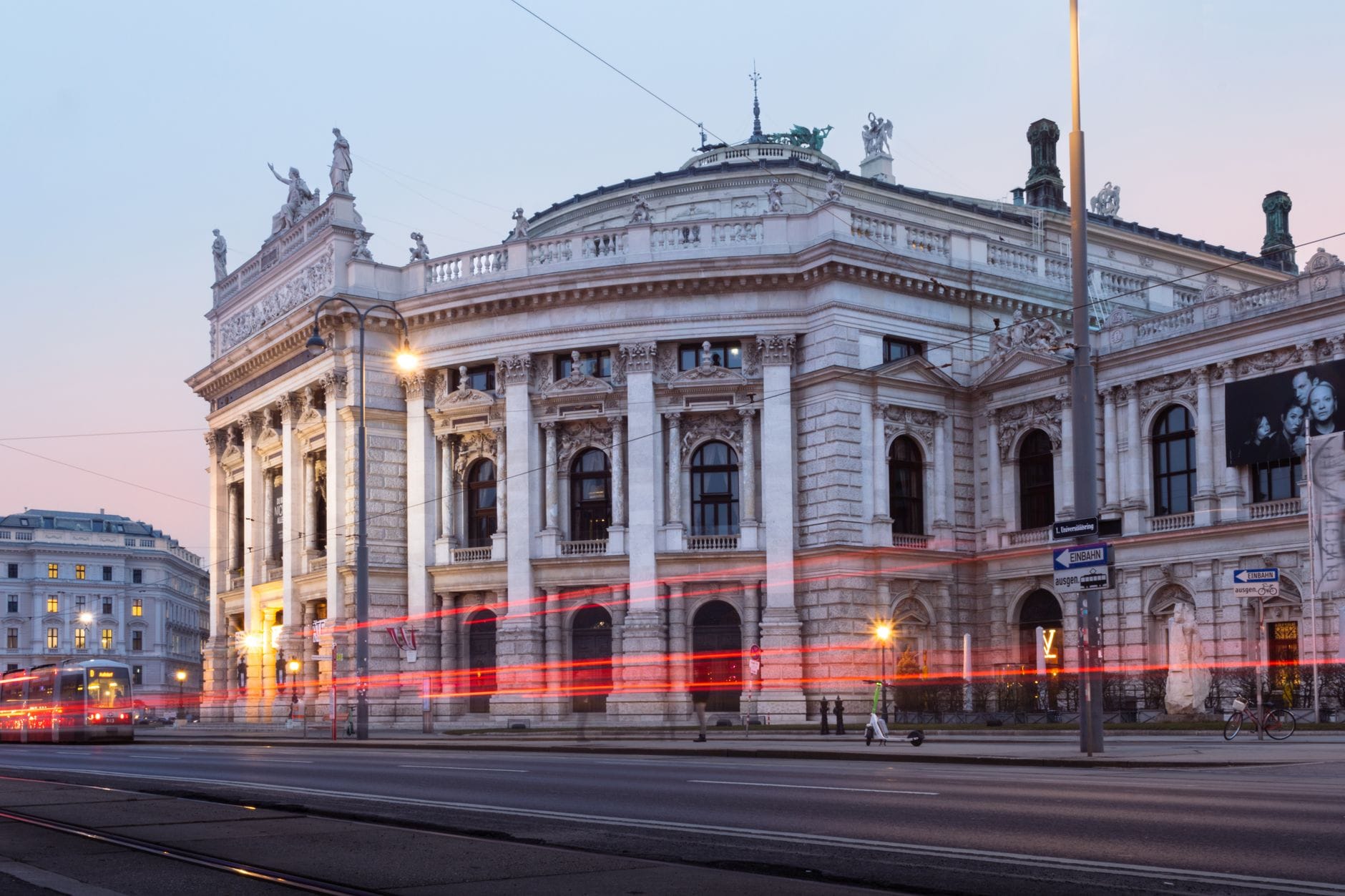
Burgtheater: the German-language theater on the Ring, one of the most prestigious stages in the German-speaking world
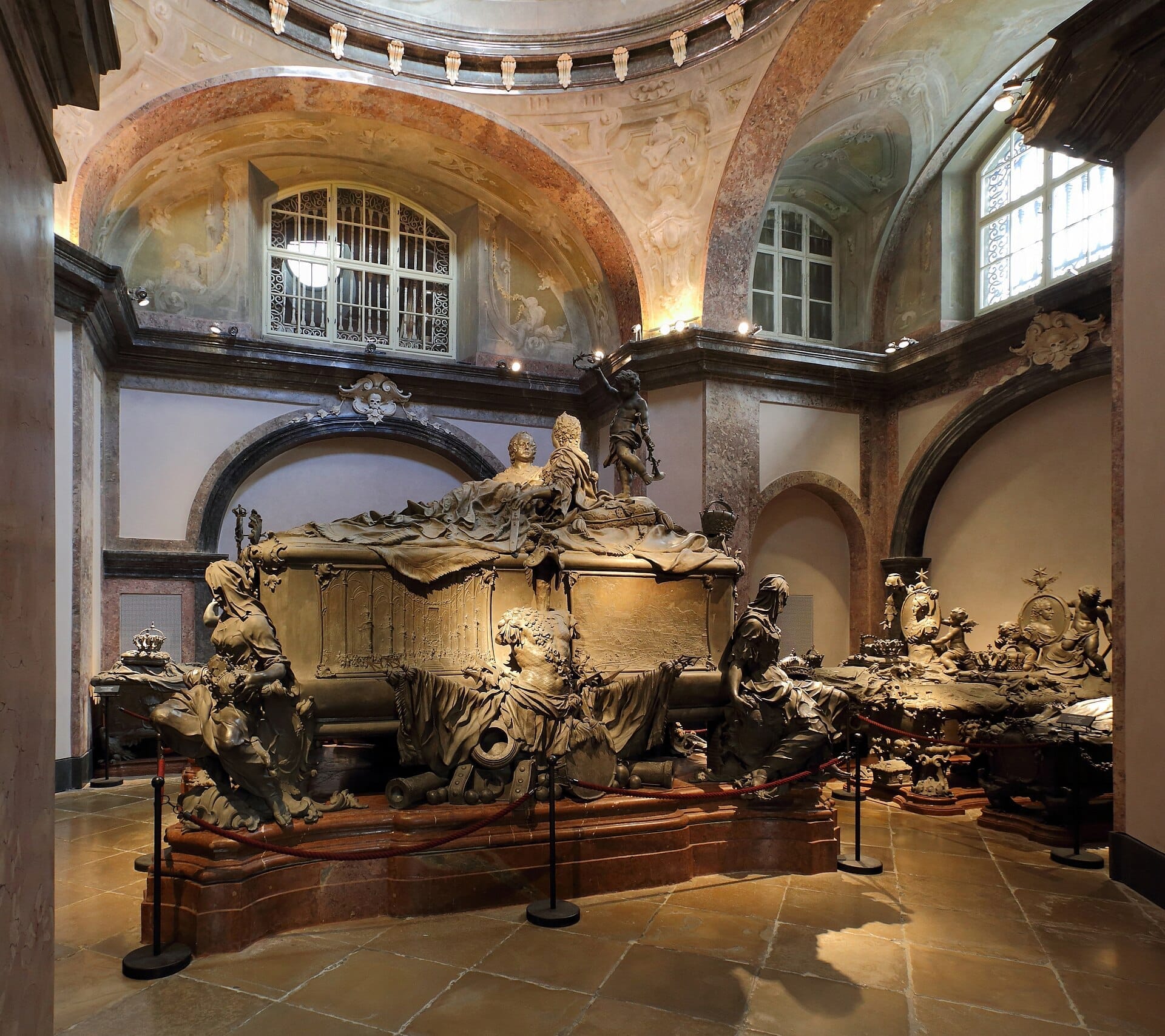
Kapuzinergruft: the Imperial Crypt beneath the Kapuzinerkirche on Neuer Markt, where 149 Habsburgs are interred
Hoher Markt: one of Vienna's oldest squares, with a Roman museum beneath it documenting the Roman legionary fortress Vindobona
Peterskirche and Dominikanerkirche: two undervisited baroque churches within easy walking distance of Stephansplatz
ℹ️ Good to know
The Ringstraße itself is an attraction. Emperor Franz Joseph I commissioned this grand boulevard in 1857, and the buildings constructed along it over the following decades, including the Parliament, Rathaus, Burgtheater, and twin museums, represent one of the most ambitious urban planning projects of the 19th century. Walking the full Ring takes about 45 minutes at a relaxed pace.
Eating & Drinking
The food and drink landscape in Innere Stadt is genuinely two-tiered. The main pedestrian zones, particularly Kärntner Straße and the streets directly around Stephansplatz, are lined with overpriced cafés and tourist-facing restaurants where the food is mediocre and the atmosphere is transactional. Avoiding these requires only a modest detour into the side streets, where the quality improves significantly and the prices drop.
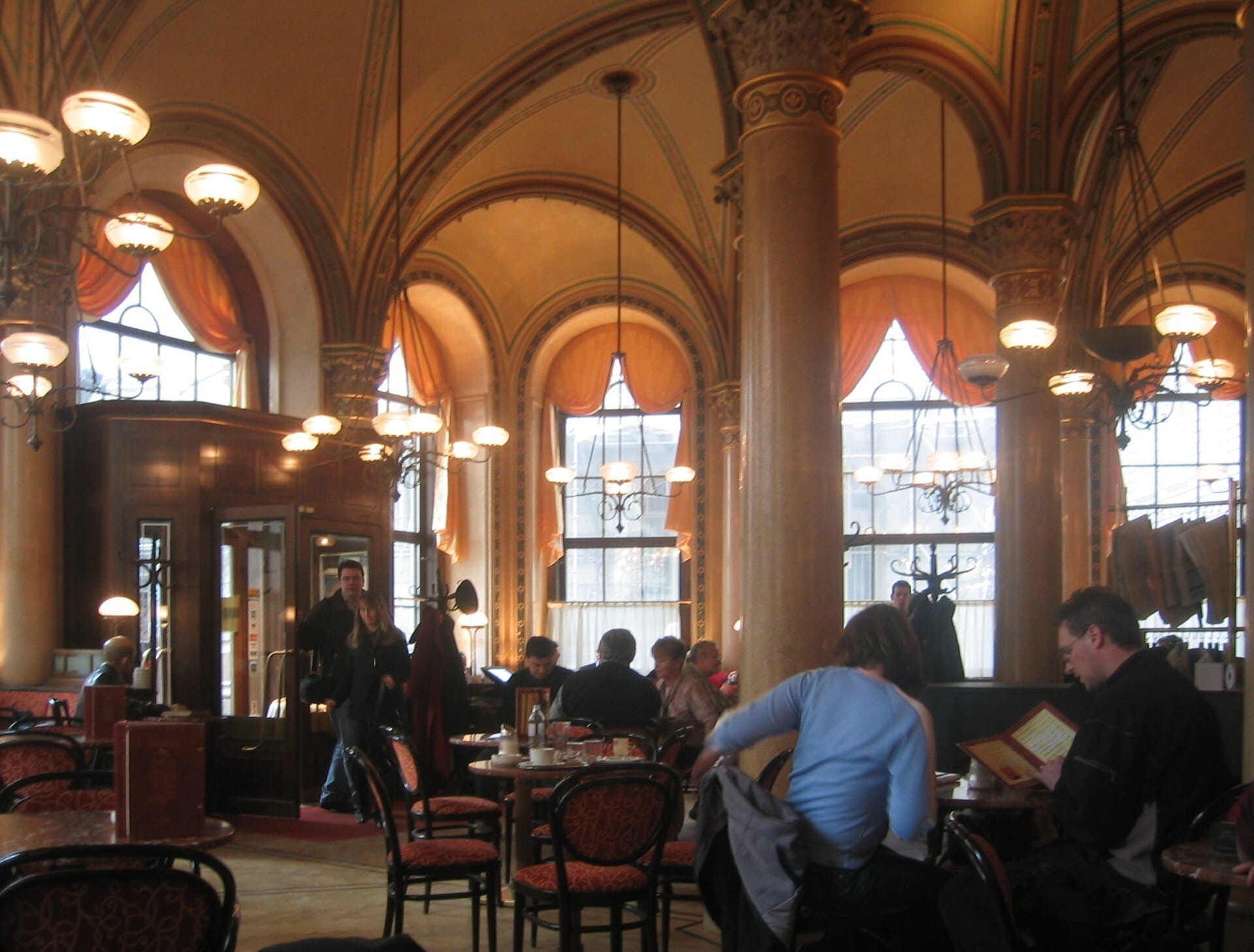
Vienna's coffeehouse culture is on full display in the 1st district. Café Central on Herrengasse, housed in a vaulted neo-Gothic banking hall, is the most famous and most visited. It remains genuinely impressive architecturally, though the lines and tourist volumes mean it can feel rushed during peak hours. Café Hawelka on Dorotheergasse and Café Landtmann on Universitätsring offer similar grandeur with slightly different crowds and atmospheres. For a broader understanding of what makes Vienna's coffeehouses historically significant, the Vienna coffeehouse guide is worth reading before you visit.
For traditional Viennese cuisine, the district has several solid options in the lanes east and north of Stephansplatz. Wiener Schnitzel, Tafelspitz (boiled beef with horseradish), and Gulasch appear on most menus. Portions are generous and prices at non-tourist-facing establishments are reasonable by central European capital standards. The wine lists at older Viennese restaurants tend toward Austrian producers, with Grüner Veltliner and Zweigelt appearing most frequently.
For something sweet, the district is home to the Sacher Hotel on Philharmonikerstraße, where the original Sachertorte has been made since the 19th century. The price is steep and the queues can be long, but the experience is tied to Vienna's culinary identity in a way that few other confections are. The guide to Sachertorte and Viennese cakes explains the rivalry between Sacher and Demel, both located within the 1st district.
⚠️ What to skip
The restaurants directly on or immediately facing Kärntner Straße and the area around Stephansplatz are almost universally overpriced for what they deliver. Walk two or three streets in any direction and you will find significantly better value. The side streets between Wollzeile, Schönlaternengasse, and Bäckerstraße are a reliable starting point.
Getting There & Around
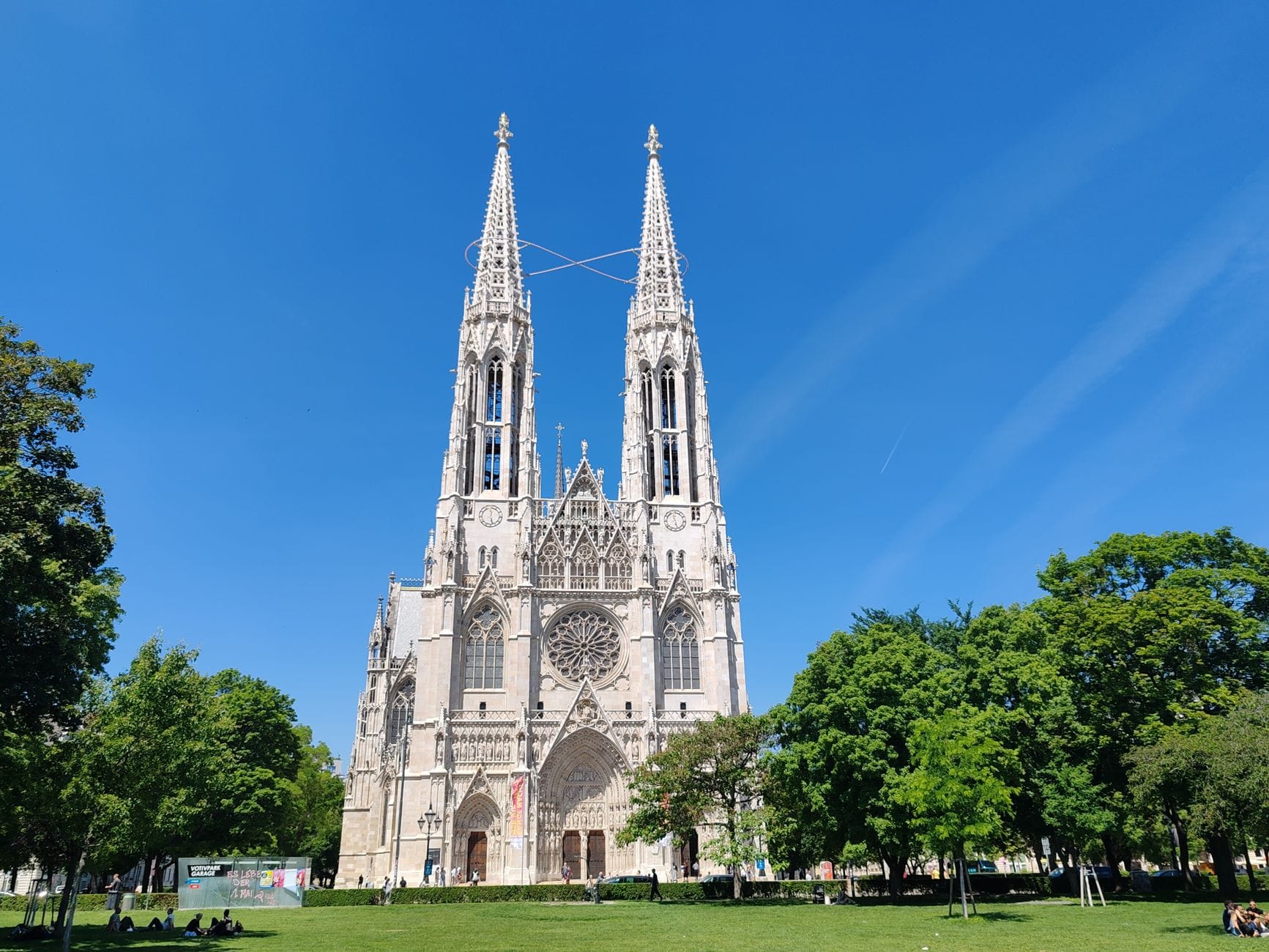
Innere Stadt is the best-connected district in Vienna by public transit. The U-Bahn serves it from multiple directions: U1 and U3 converge at Stephansplatz, the literal center of the district. U1 also stops at Schwedenplatz on the northeastern edge, near the Danube Canal. U3 stops at Herrengasse, close to the Hofburg, and at Stubentor on the eastern side. U2 and U4 both stop at Karlsplatz on the southern boundary, near the State Opera and the Ringstraße. A U2Z shuttle additionally stops at Schottentor on the northern Ring, beside the Votivkirche and the university. For a full overview of how the U-Bahn network connects the city, the guide to getting around Vienna covers all transit options and ticketing.
Trams run along the full length of the Ringstraße, connecting the outer edge of the 1st district to surrounding neighborhoods and major transit hubs. Lines 1 and 2 circle the Ring in opposite directions, making them useful for moving between the State Opera, the Parliament, and Schottenring without going underground. Several bus lines also serve the district's interior, though the streets are largely pedestrianized and the bus network plays a secondary role inside the Ring.
From Vienna International Airport (VIE), the City Airport Train (CAT) and S-Bahn S7 both connect to Wien Mitte-Landstraße station, adjacent to the 3rd district, from where it is two stops on the U3 to Stephansplatz. Total journey time from the airport to the center of Innere Stadt is typically under 30 minutes by rail. Taxis and ride-hailing services are available but take considerably longer in traffic, particularly during morning and evening peak hours.
Within the district itself, walking is the primary and most practical mode of transport. The core is compact: from Stephansplatz to the Hofburg is roughly 7 minutes on foot, from the State Opera to the Judenplatz memorial around 15 minutes. Car access is restricted in most of the pedestrianized center. Cycling is possible but requires care on the cobblestoned lanes.
Where to Stay
Innere Stadt is among the most expensive places to stay in Vienna. The accommodation offer skews toward luxury and upper-midrange hotels, with grand properties concentrated around the Ringstraße, the Hofburg, and Kärntner Straße. Staying here puts you within walking distance of nearly every major attraction and eliminates transit time entirely, which has genuine value for short trips. The guide to where to stay in Vienna compares the 1st district against surrounding neighborhoods for different traveler profiles.
The quieter northern half of the district, roughly the streets between Hoher Markt, Am Gestade, and Schottenring, offers slightly more residential character and less foot traffic at night, while still keeping the major sights close. This area is worth prioritizing for travelers who want central access without the noise of the main pedestrian zones directly outside their window.
Budget accommodation is largely absent from the 1st district. Travelers looking to stretch their funds will find better value in neighboring districts: Leopoldstadt across the Danube Canal, Mariahilf to the southwest (with good transport links via U3), or the area around the Museumsquartier in the 7th, all of which offer reasonable transit access to the inner city in under 15 minutes.
Innere Stadt is also where Vienna's luxury travel experience is most concentrated, with flagship hotel properties, high-end shopping on Kohlmarkt and Graben, and formal dining near the Staatsoper. For travelers prioritizing that experience, there is no substitute for the 1st district.
Honest Assessment: Who This Neighborhood Is For
Innere Stadt is not a neighborhood in the way that Neubau or Alsergrund are neighborhoods: it does not have the everyday rhythms of a place where people primarily live their ordinary lives. The resident population is relatively small for its geographic size, and the dominant activity during daylight hours is tourism and institutional life. This is not a criticism so much as a reality to factor into your expectations.
What it does offer is unmatched concentration. If your priority is seeing the Hofburg, the Stephansdom, the State Opera, and the imperial museums, there is nowhere in Vienna where you will spend less time in transit between these things. The architecture of the Ringstraße and the historic core is genuinely extraordinary, the kind of urban fabric that took centuries to accumulate and cannot be replicated. For a first visit to Vienna, spending at least a full day here is essentially obligatory.
Those returning to Vienna, or travelers who prefer residential character and local authenticity, will likely find the 1st district exhausting as a base. In that case, using the U-Bahn to visit during the day while staying in a surrounding district makes more sense. The guide to Vienna's less-visited spots points toward corners of the city that offer a counterpoint to the monumental scale of Innere Stadt.
TL;DR
Innere Stadt is Vienna's historic and cultural core, home to the Stephansdom, Hofburg Palace, Vienna State Opera, and dozens of world-class museums and institutions, all within a compact, largely walkable area.
The district is best experienced early in the morning or in the evening, when crowd levels drop and the architecture reads most clearly. Midday can feel overwhelmingly touristy, particularly on Kärntner Straße and around Stephansplatz.
Transit access is exceptional: multiple U-Bahn lines (U1, U2, U3, U4) and the Ringstraße trams connect the district to every corner of Vienna, and the airport rail link reaches the center in under 30 minutes.
Accommodation and dining are skewed toward the upper end of the price range; budget travelers will find better value in adjacent districts like Leopoldstadt or Mariahilf, with easy transit access back to the center.
Best for: first-time visitors to Vienna, travelers with a strong interest in imperial history and classical music, anyone wanting to minimize transit time between the city's major landmarks.
Three days is enough to experience Vienna's imperial core, its greatest art museums, and its legendary coffeehouse culture — if you route each day by geography. This guide structures your visit around three logical zones: the historic Innere Stadt, the Belvedere and Naschmarkt corridor, and Schönbrunn with the Prater.
Vienna holds one of the densest concentrations of world-class museums anywhere in Europe, from imperial art collections built over centuries to cutting-edge contemporary spaces. This guide covers the essential institutions, what makes each one worth your time, and how to plan your visits efficiently.
Vienna rewards visitors in every season, but the experience varies dramatically depending on when you go. This guide breaks down the weather, crowd levels, pricing, and cultural calendar month by month so you can choose the timing that fits your priorities.
Vienna sits at the centre of Central Europe, which makes it one of the best bases on the continent for day trips. From the vine-covered slopes of the Wachau Valley to the baroque splendour of Salzburg, here is everything you need to plan a trip outside the city with confidence.
Vienna's public transport network is one of Europe's most efficient, covering the entire city with U-Bahn, trams, buses, and S-Bahn. This guide covers 2026 ticket prices, airport transfer options, night services, and everything you need to move around the city without a car.
Vienna delivers imperial grandeur at every turn, from Schönbrunn Palace and the Vienna State Opera to Michelin-starred restaurants and storied grand cafés. This guide covers everything you need to plan an indulgent 3-5 day stay, with practical guidance on where to splurge and what to skip.
Vienna rewards couples with imperial grandeur, world-class music, candlelit coffeehouses, and panoramic hilltop views. This guide covers the most romantic things to do in Vienna, from palaces and concert halls to wine taverns and riverside strolls.
Vienna rewards visitors who go beyond the postcard. This guide covers the top things to do in Vienna Austria — from Schönbrunn Palace and Klimt's 'The Kiss' to Naschmarkt and the city's underrated museum scene — with real prices, seasonal advice, and clear notes on what's worth your time.
Forty-eight hours is enough to experience Vienna's imperial grandeur, world-class museums, and legendary café culture. This itinerary cuts through the options and tells you exactly what to prioritize, in what order, and why.
Vienna International Airport (IATA: VIE) sits 18-20 km southeast of the city centre at Schwechat. This guide covers every transfer option in detail, from the 16-minute City Airport Train to pre-booked fixed-price transfers that often undercut metered taxis, plus everything you need to know before you land.
Vienna is one of Europe's great architectural cities, where Baroque palaces, 19th-century Historicist monuments, and Art Nouveau masterpieces exist within walking distance of each other. This guide takes you through the buildings that define the city's visual identity, from imperial grandeur to radical modernism.
Vienna's ball season transforms the city every winter into one of the world's great celebrations of formal dance. This guide covers everything from Opera Ball tickets and dress codes to affordable alternatives, so you can plan the right night for your budget and style.
Vienna transforms into one of Europe's most spectacular Christmas destinations from November through early January, with dozens of free markets spread across imperial palaces, Gothic squares, and cobblestone lanes. This guide covers the best markets, what to eat and drink, and the top nearby attractions to combine for a full festive day out.
Vienna's sacred architecture spans eight centuries, from Romanesque foundations to soaring Gothic cathedrals, opulent Baroque interiors, and one of the world's great Art Nouveau churches. This guide covers the essential churches across styles, with practical tips on what to see inside each one.
Vienna is the undisputed world capital of classical music, home to the Vienna Philharmonic, Vienna State Opera, Musikverein, and dozens of nightly concerts across palaces and churches. This guide covers every major venue, realistic ticket prices, seasonal highlights, and how to book without overpaying.
Vienna's traditional coffeehouses are UNESCO-recognised cultural institutions, not just places to drink coffee. This guide covers the best venues, what to order, typical costs, etiquette rules, and how to tell the genuine article from a tourist trap.
Vienna holds more Egon Schiele than anywhere else on earth. This guide covers the major museum collections, the art-world context that shaped him, and the biographical sites that trace his short, electric life in the city.
From the Hofburg to the Kapuzinergruft, the Habsburg dynasty left Vienna with one of Europe's most concentrated collections of imperial architecture, art, and ritual. This guide covers the key sites, historical context, ticket prices, and the best way to structure a full day in imperial Vienna.
Vienna rewards those who look beyond the Hofburg and Schönbrunn. These off-the-beaten-path experiences range from a private princely art collection to a cemetery full of composers, a hilltop vineyard trail, and a museum inside a WWII gun tower.
Vienna surprises most visitors with how much green space it packs within its borders. Between the forested hills of the Vienna Woods, the Danube's recreational islands, and 14 marked city hiking trails totaling over 240 km, the Austrian capital rewards anyone willing to lace up their shoes or rent a bike.
Summer in Vienna runs hot, loud, and remarkably free. From the Vienna Philharmonic playing open-air in Schönbrunn's gardens to lakeside swimming on the Old Danube, this guide covers every worthwhile summer activity, the major festivals with dates, and the honest truth about peak-season crowds.
Vienna in winter is cold, atmospheric, and surprisingly rewarding. From Christmas markets and imperial palace tours to world-class concerts and coffeehouse culture, this guide covers everything you need to plan a smart, enjoyable trip between November and March.
Gustav Klimt and the Vienna Secession transformed Western art in just a decade. This guide traces their legacy across the city, from the gold-domed Secession building to the museums, churches, and coffeehouses that shaped the movement.
Vienna after dark is more layered than its imperial reputation suggests. This guide breaks down the best bar districts, club zones, jazz venues, and classical nights out, with honest price breakdowns, seasonal advice, and the neighborhoods worth exploring beyond the tourist trail.
Vienna has a reputation for imperial grandeur and high prices, but a realistic daily budget of €50–80 covers accommodation, food, transport, and plenty of sightseeing. This guide breaks down exactly where your money goes, what you can skip paying for entirely, and how to get the most out of every euro.
Vienna is a city of palaces, with far more than the two famous names. From the sprawling Hofburg to the intimate Liechtenstein Garden Palace and the museum-filled Albertina, this guide takes you through the full sweep of Vienna's imperial and aristocratic architectural heritage.
The Vienna Pass promises free entry to 70+ attractions and hop-on hop-off buses, but it only pays off under specific conditions. This guide breaks down exactly who benefits, who overpays, and how to calculate your own savings before you buy.
The Sachertorte is Vienna's most iconic dessert, but not every slice is created equal. This guide breaks down the history, the competing originals, current prices, and where to actually eat chocolate cake in Vienna without overpaying or getting a subpar version.
Vienna's shopping scene ranges from Habsburg-era luxury arcades to independent boutiques in the 7th district and a sprawling open-air food market that has operated for over a century. This guide maps out every major shopping area by character, price point, and practical logistics.
The Vienna to Budapest train is one of Europe's most straightforward cross-border routes: direct, frequent, and genuinely fast. This guide covers ticket prices, how to book, which operators to use, whether a day trip is realistic, and how Budapest fits into a wider Central European itinerary.
The Vienna to Prague corridor is one of Central Europe's most traveled routes, with direct trains, budget buses, and flights all competing for your ticket. This guide breaks down real journey times, current price ranges, booking strategy, and which option actually gets you there fastest.
The Vienna to Salzburg route is one of Austria's most traveled corridors, with fast Railjet trains covering 249 km in as little as 2 hours 22 minutes. This guide covers every transport option, realistic fares, booking strategy, and how to structure a day trip without rushing.
The Wachau Valley is one of the most rewarding day trips from Vienna, combining a Baroque abbey, a ruined castle above the Danube, and one of Austria's finest wine towns. This guide covers the best route, transport options, seasonal cruise logistics, and what to skip so you can make the most of a single day.
The First District is Vienna's compact historic core, a UNESCO World Heritage site you can cross on foot in 20 minutes. This guide covers the full self-guided walking route, key landmarks, honest pricing, and practical tips for every season.
Vienna is one of the few world capitals with functioning vineyards inside its city limits. This guide covers the Heuriger tavern tradition, the best wine districts to visit, how to get there, what to drink, and what separates a genuine Buschenschank from a tourist-facing imitation.
Vienna is one of Europe's most underrated family destinations, with free museum entry for under-18s, affordable public transport for kids, and attractions that genuinely engage children of all ages. This guide covers the best things to do in Vienna with kids, from palace gardens and aquariums to hands-on science museums and a 127-year-old ferris wheel.
Vienna played a central role in both World Wars, first as the capital of the Austro-Hungarian Empire and later as a focal point of Nazi annexation and persecution. This guide covers the key historical sites, Holocaust memorials, and practical logistics for visiting them — along with the honest, complicated history that shaped modern Austria.
Vienna's food culture runs deep: centuries of imperial cooking, Central European comfort food, and a coffee house tradition unlike anywhere else. This guide covers the dishes you should actually order, where to find the best versions, realistic prices, and the misconceptions that trip up first-time visitors.
Vienna's 23 districts each offer a different pace, price point, and proximity to the city's top sights. This guide cuts through the noise to tell you exactly which neighborhoods suit first-timers, budget travelers, culture seekers, and those who want a more local experience — with practical advice on transport, pricing, and what to watch out for.