Vienna Classical Music Guide: Concerts, Opera & Tickets
Vienna is the undisputed world capital of classical music, home to the Vienna Philharmonic, Vienna State Opera, Musikverein, and dozens of nightly concerts across palaces and churches. This guide covers every major venue, realistic ticket prices, seasonal highlights, and how to book without overpaying.
Plan and book this trip
Tools from our partner Travelpayouts help you compare flights and hotels. If you book through them, we may earn a commission at no extra cost to you.
Flights
Hotels map
TL;DR
- Vienna has classical music performances nearly every night of the year, ranging from intimate church concerts to world-class opera at the Vienna State Opera.
- Ticket prices range from around €30 for church and palace concerts to €135+ for premium seats at the Musikverein or Vienna State Opera.
- Book major venues online well in advance — popular performances sell out weeks ahead, especially during high season (May-September) and the Vienna Ball season.
- Church concerts at Karlskirche, Peterskirche, and Stephansdom offer an affordable, atmospheric alternative to the grand concert halls.
- The season runs September through June for most orchestras; summer fills in with festival and palace concerts. See the best time to visit Vienna for how the calendar affects availability.
Why Vienna Remains the World Capital of Classical Music
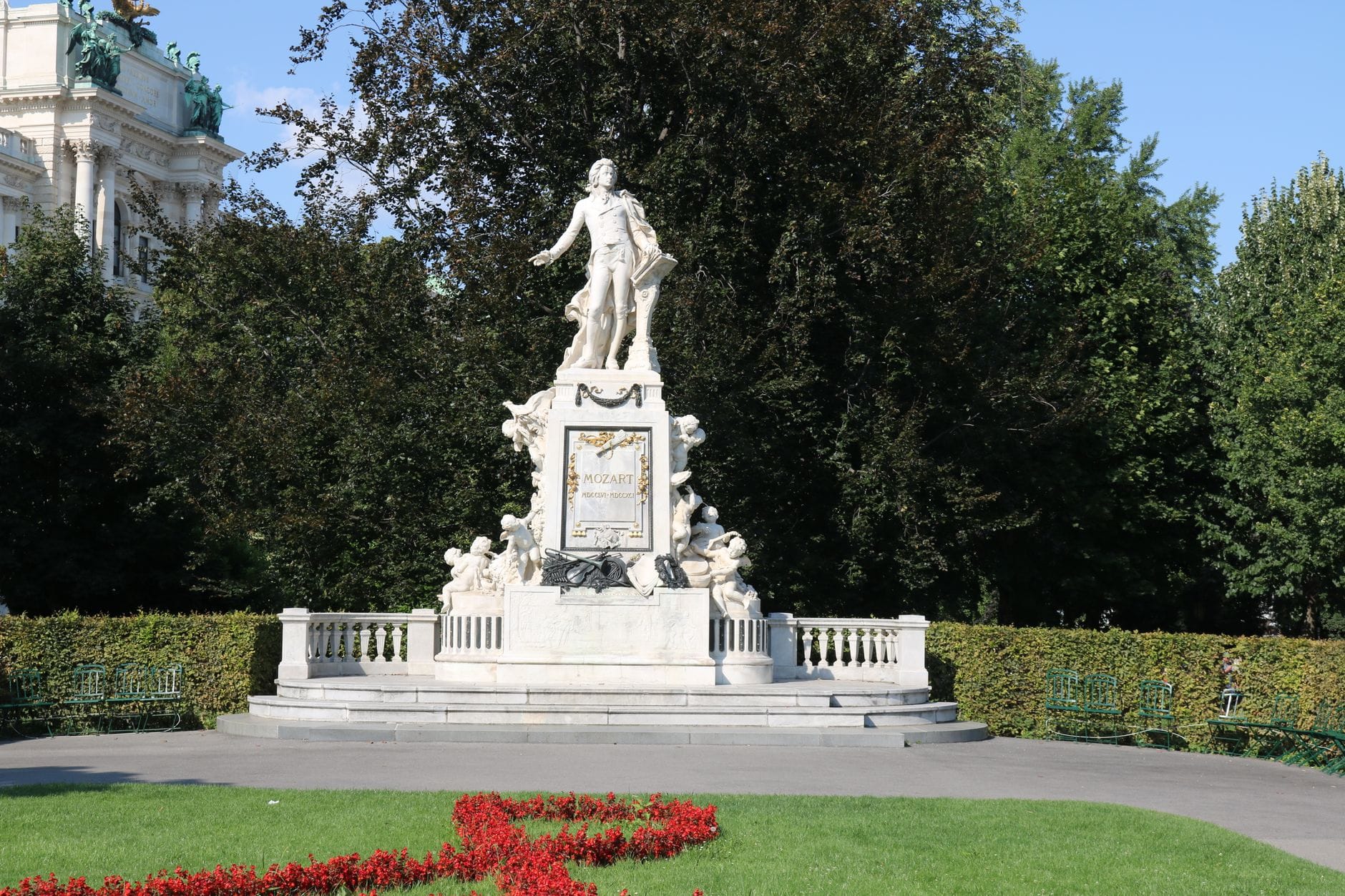
No city has shaped the Western classical tradition more profoundly than Vienna. Mozart, Beethoven, Schubert, Brahms, Mahler, and Bruckner all lived and worked here. The Habsburg court poured resources into music for centuries, building institutions that still define the form today. What makes Vienna unique in 2025 is not nostalgia but continuity: the Vienna Philharmonic is one of the few orchestras in the world that still selects its own members entirely from the pit of the Vienna State Opera, preserving a distinctive sound tradition that has been passed down for over 180 years.
That heritage is accessible at every price point. You can hear Vivaldi's Four Seasons performed by a period-instrument ensemble inside Karlskirche for around €35, or pay upwards of €200 for a front-row seat at a New Year's concert gala. Neither experience is inherently superior; they serve different purposes. The key is knowing which venues match your expectations, budget, and musical interests before you book.
The Major Concert Halls: Musikverein, Konzerthaus, and the Opera Houses
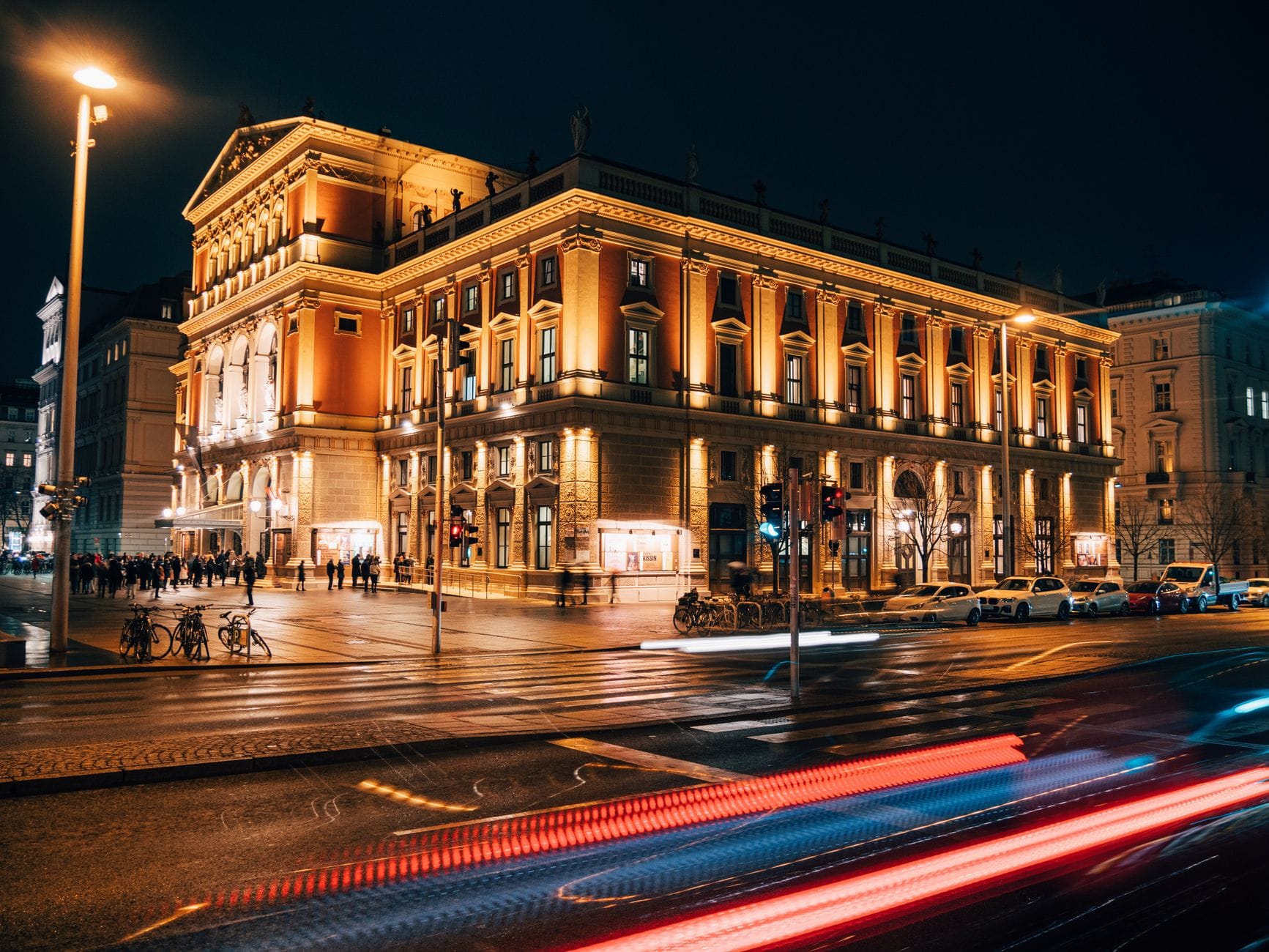
The Musikverein in the 1st District is the most celebrated concert hall in Vienna, and arguably in the world. Its Goldener Saal (Golden Hall) is where the Vienna Philharmonic's New Year's Concert is broadcast to around 50 countries each January 1. Acoustically, the hall ranks among the finest ever built, and the ornate interior alone justifies attending at least one performance here. Standard tickets for Philharmonic subscription concerts are heavily oversubscribed — the waiting list for annual subscriptions can stretch for years. However, single tickets for non-subscription concerts, recitals, and visiting orchestras are available and significantly easier to obtain.
The Konzerthaus, about a ten-minute walk from the Musikverein near Stadtpark, programs a broader and more eclectic range of events. It hosts the Vienna Symphony Orchestra (Wiener Symphoniker), chamber concerts, jazz, and the annual Resonanzen early-music festival in January. Ticket availability is generally better here than at the Musikverein for comparable quality performances.
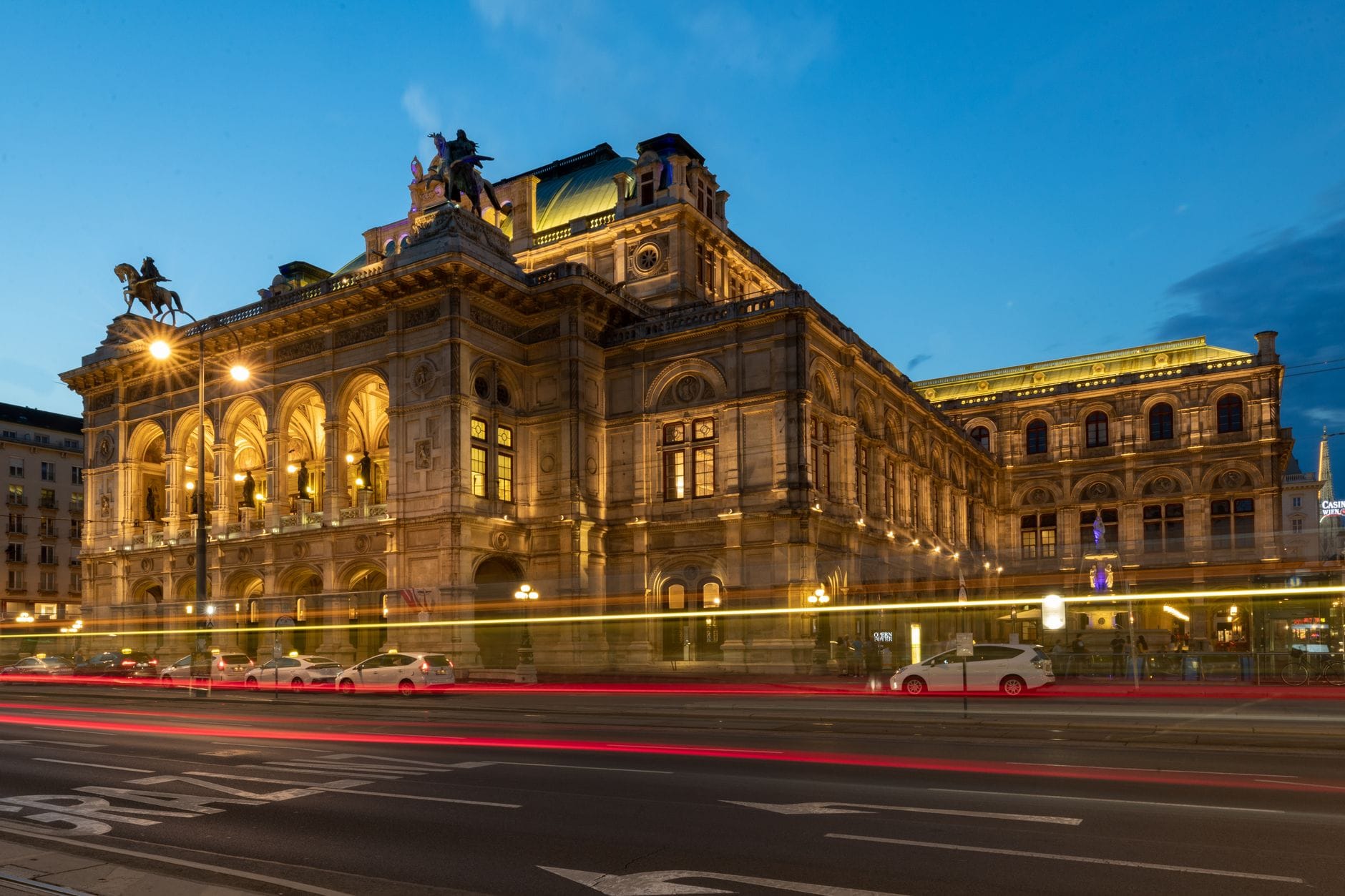
For opera, there are two main stages. The Vienna State Opera (Wiener Staatsoper) on the Ringstrasse is the flagship: it runs a true repertory system, meaning different productions are staged almost every night from September through June, with over 300 performances per season. The Volksoper Wien in the 9th District focuses on operetta, lighter opera, and musical theatre at lower price points. Both offer standing-room tickets (Stehplätze) at the door for a few euros, which is genuinely one of the best-value experiences in European culture.
✨ Pro tip
Standing-room tickets at the Vienna State Opera are sold at the box office from around 80 minutes before curtain. Lines form early; arrive at least 30 minutes before sales open. For €4-10 you can hear world-class opera in one of the world's great houses. Dress is not enforced for standing room, though most people are smart-casual or better.
Palace and Church Concerts: Atmosphere on a Budget
Vienna's smaller-scale concert scene operates across palaces, courtyards, and churches every evening of the year, including summer when the main orchestras are on break. These are commercial productions designed for tourists, which is worth stating clearly: the performers are professional musicians, but these are not the same as a Vienna Philharmonic subscription concert. What they offer is intimacy, historic settings, and accessibility without long booking queues.
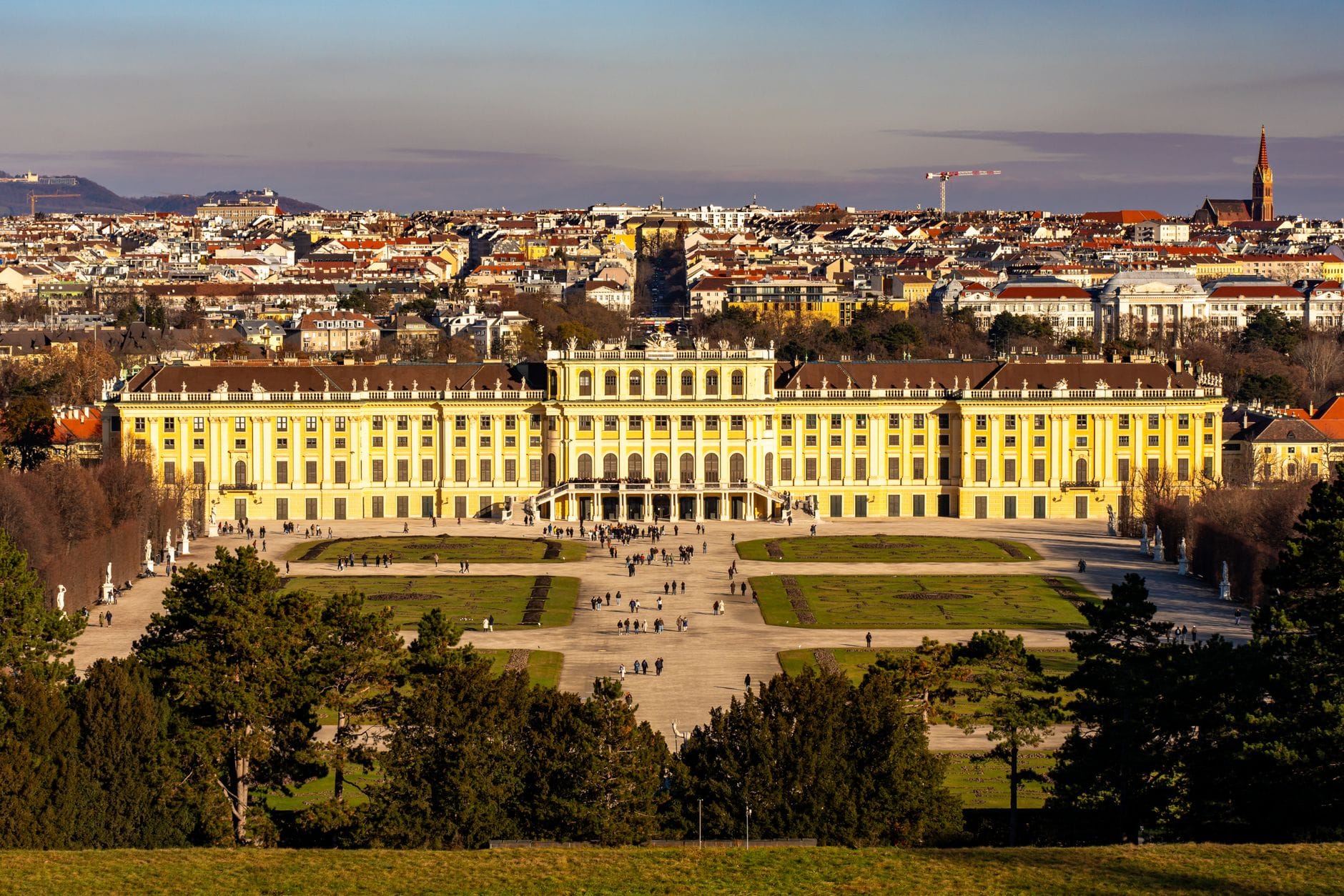
Schönbrunn Palace stages regular evening concerts in its Orangery and palace rooms. A July 2026 concert at Schönbrunn Palace is priced around €58-€135 for the concert alone, or €105-€180 combined with a three-course dinner beforehand. The dinner-concert package is more expensive per hour of music but convenient if you want the full imperial evening experience.
Church concerts are the most affordable option. Karlskirche runs regular performances of Vivaldi's Four Seasons by Orchestra 1756, a period-instrument ensemble, with tickets typically under €40. Peterskirche (St. Peter's Church, 1st District) hosts classical and sacred music concerts most evenings; the setting — a Baroque interior that took decades to complete — is extraordinary. Stephansdom (St. Stephen's Cathedral) holds organ recitals and occasional larger concerts within its Gothic nave. Advance booking for church concerts is advisable in peak season but rarely as urgent as for the Musikverein.
⚠️ What to skip
Be selective about costumed Mozart-and-Strauss concerts marketed heavily near tourist areas. Some are perfectly enjoyable; others are formulaic and overpriced relative to what you get. Check whether the ensemble is named, whether they perform regularly (not just for tour groups), and read recent reviews before booking.
Ticket Prices, Where to Book, and What to Avoid
Understanding the pricing landscape prevents both overspending and disappointment. Concert tickets in Vienna span a wide range depending on venue prestige, seating category, and whether you book direct or through an aggregator.
- Vienna State Opera and Musikverein Premium categories can exceed €200 for top performances. Mid-range seats typically run €40-€120. Standing room is €4-€10 at the door.
- Konzerthaus Slightly more accessible pricing. Top seats around €80-€100; reasonable mid-tier seats often available in the €25-€60 range.
- Schönbrunn and palace concerts Category pricing from around €58-€135 for concerts; dinner-concert packages €105-€180.
- Church concerts (Karlskirche, Peterskirche) Generally €25-€45. These represent the best value-to-atmosphere ratio in the city.
- Vienna Philharmonic special concerts New Year's Concert and Sommernachtskonzert (open-air at Schönbrunn) are extremely difficult to obtain. Check official lottery applications at wienerphilharmoniker.at well in advance.
For booking, the direct route is always best for major venues: the Vienna State Opera (wiener-staatsoper.at), Musikverein (musikverein.at), and Konzerthaus (konzerthaus.at) all sell tickets online with no added middleman fees. For aggregators, Music of Vienna (musicofvienna.com), ViennaConcerts.com, and Vienna Ticket Events are the established options. Vienna Ticket Events specifically advertises no booking fees on classical concerts. The organizer Kunst und Kultur (kunstkultur.com) also sells online, by email, phone, or at their office Monday-Friday 10:00-15:00.
The Vienna Philharmonic ticket office is open Monday-Friday 09:30-15:30 in the main season, with reduced hours in August (10:00-13:00) and closures around certain holidays. Subscription applications must be submitted in writing or via their online webshop. For casual visitors, the realistic path to hearing the Philharmonic live is a non-subscription concert or the open-air Sommernachtskonzert at Schönbrunn, which is free to attend.
💡 Local tip
The Sommernachtskonzert Schönbrunn is a free open-air concert by the Vienna Philharmonic held in the Schönbrunn Palace gardens each May or June. Tens of thousands attend. No ticket required, but arrive early to secure a good position on the lawn.
The Concert Season, Festivals, and When to Go
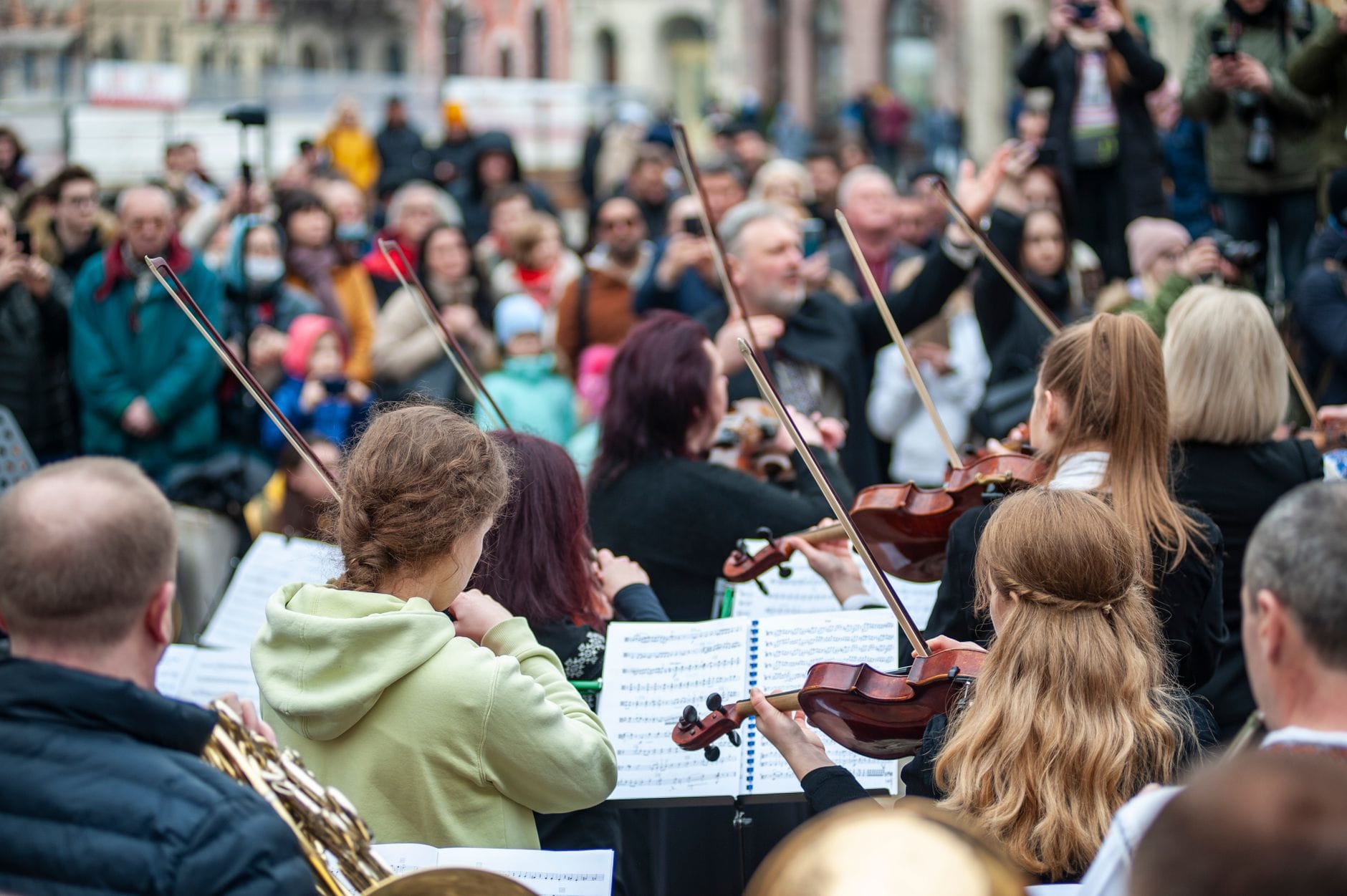
The formal concert season for the Vienna Philharmonic, Vienna Symphony, and State Opera runs from September through late June. July and August are quieter for major orchestras but filled with palace concerts, outdoor events, and festival programming. If your primary goal is hearing the Philharmonic or attending the State Opera at full strength, aim for October through May. For the full imperial-Vienna experience — opera, balls, and concert halls — the Vienna Ball season from January through March is the peak.
- Resonanzen (January, Konzerthaus) An early-music festival featuring period-instrument ensembles from across Europe. One of the most respected early-music events on the continent.
- Wiener Festwochen (May-June) A major performing arts festival running across multiple venues, mixing opera, theatre, and contemporary work.
- Sommernachtskonzert Schönbrunn (May-June) Free Vienna Philharmonic open-air concert. The single best free classical music event in the city.
- Wien Modern (October-November) The city's main festival for contemporary and avant-garde music. Not for listeners seeking Beethoven, but essential for anyone interested in 20th- and 21st-century composition.
- New Year's Concert (January 1, Musikverein) The globally televised Vienna Philharmonic concert. Tickets are allocated by lottery; apply via the official Philharmonic website the previous year.
Summer in Vienna does not mean a musical drought. The Vienna summer calendar is dense with outdoor screenings, opera performances broadcast live on public squares (Wiener Staatsoper Sommerkino), and regular palace concerts. The Rathausplatz Film Festival runs throughout July and August, screening concert and opera films nightly for free. It is less formal than a concert hall but a genuinely enjoyable way to spend an evening.
Practical Logistics: Getting There, Dress Code, and Concert Etiquette
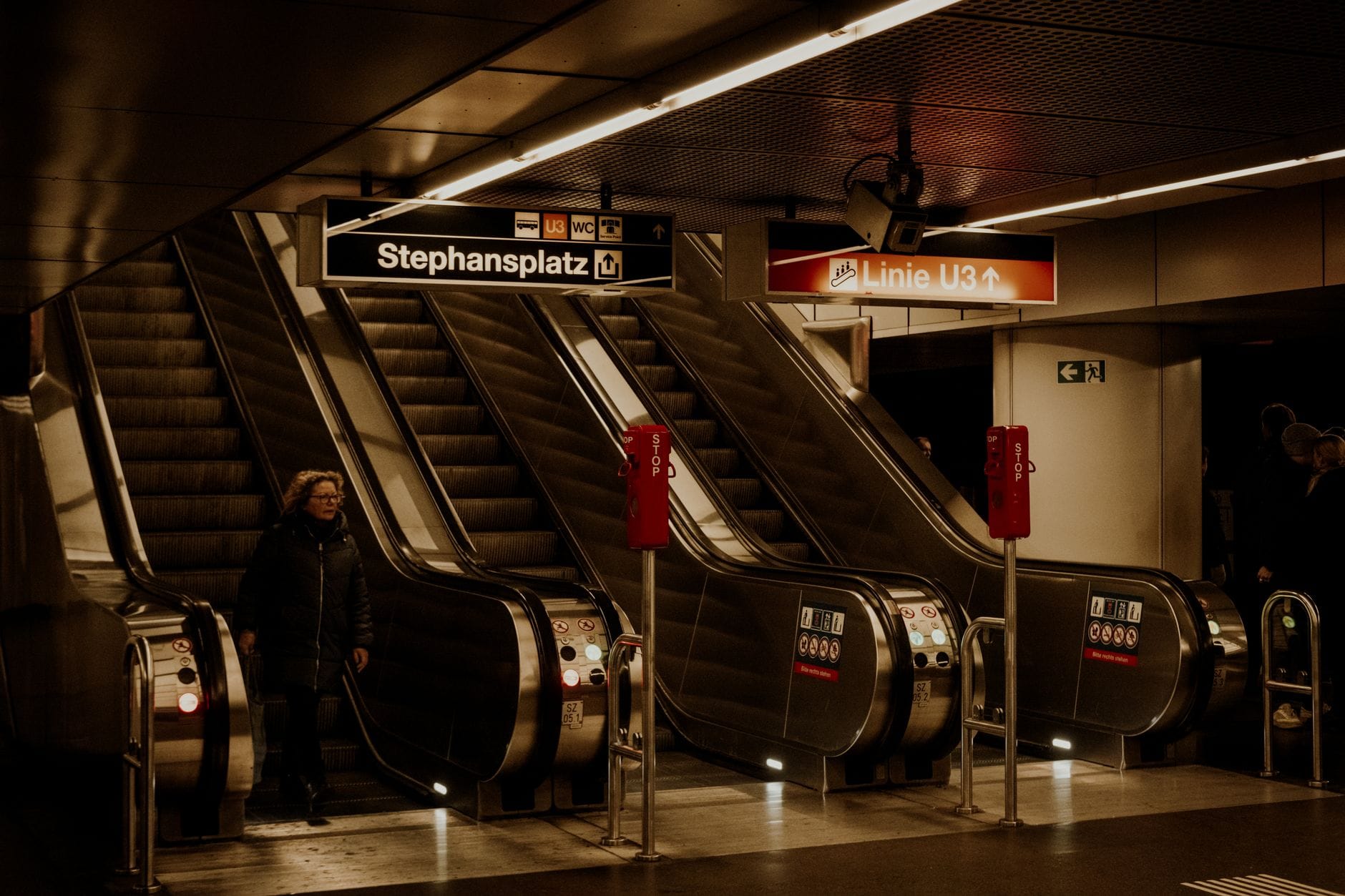
Nearly all major concert venues are in or near the 1st District (Innere Stadt) and are easily reached by U-Bahn. The Musikverein and Konzerthaus are a short walk from Karlsplatz (U1, U2, U4). The Vienna State Opera is directly at Karlsplatz/Oper. Volksoper is at Währinger Strasse-Volksoper on tram lines D, 5, 40, 41, and 42. Vienna's public transport runs reliably late into the night, so getting back after a performance is rarely an issue. For more detail on navigating the city, see the getting around Vienna guide.
On dress codes: the Vienna State Opera and Musikverein do not enforce formal dress, but the atmosphere skews smart to formal, especially for galas and premieres. A jacket for men and equivalent for women is appropriate and will make you comfortable in the crowd. Church concerts are entirely casual. Palace concerts are somewhere in between: smart-casual is fine. No one will turn you away at the door for wearing jeans, but the experience of a Baroque concert hall in formal dress has a specific quality to it.
Latecomer policy varies by venue. The Vienna State Opera and Musikverein typically hold latecomers in a lobby area until a suitable break in the music before allowing entry. Arrive at least 20 minutes before the advertised start time. Programme booklets are usually available in the foyer for a small fee and add genuine context, especially for less familiar repertoire.
FAQ
How far in advance should I book Vienna opera tickets?
For popular Vienna State Opera productions and Vienna Philharmonic concerts, booking 2-3 months in advance is recommended for good seat availability. For gala events and the New Year's Concert, the timeline extends to a full year through official lottery systems. Church and palace concerts can usually be booked days or even hours before the performance, though peak summer evenings fill quickly.
Are standing-room tickets at the Vienna State Opera worth it?
Yes, if you are comfortable standing for 2-3 hours and can arrive early enough to secure a position with a clear sightline. At €4-€10, they represent exceptional value and the acoustics are excellent throughout the house. The standing-room areas at the rear of the parterre (orchestra level) and upper levels each have their advocates; the parterre standing room gives the closest view of the orchestra pit.
Is there free classical music in Vienna?
Yes. The Sommernachtskonzert at Schönbrunn is a free Vienna Philharmonic open-air concert held annually in May or June. The Rathausplatz Film Festival (July-August) screens opera and concert films nightly for free. Some church concerts and open rehearsals are also free or very low cost. Check the Wien.info events calendar for current listings.
What is the difference between the Musikverein and the Konzerthaus?
The Musikverein is the home of the Vienna Philharmonic and the more prestigious venue internationally, with the famous Goldener Saal. The Konzerthaus is the home of the Vienna Symphony Orchestra and programs a broader range of music including early music festivals, chamber concerts, and contemporary work. Ticket availability is generally better at the Konzerthaus, and prices are comparable. If you are specifically targeting the Philharmonic, the Musikverein is the place; for wider programming options, the Konzerthaus is excellent.
Can I hear classical music in Vienna in July and August?
Absolutely. While the Vienna Philharmonic and State Opera are on summer break, palace concerts at Schönbrunn and the Orangerie run nightly. Church concerts at Karlskirche and Peterskirche continue year-round. The Musikverein and Konzerthaus host summer series with visiting ensembles. And the free Rathausplatz open-air screenings run throughout both months.