Vienna Ball Season: The Opera Ball & Beyond
Vienna's ball season transforms the city every winter into one of the world's great celebrations of formal dance. This guide covers everything from Opera Ball tickets and dress codes to affordable alternatives, so you can plan the right night for your budget and style.
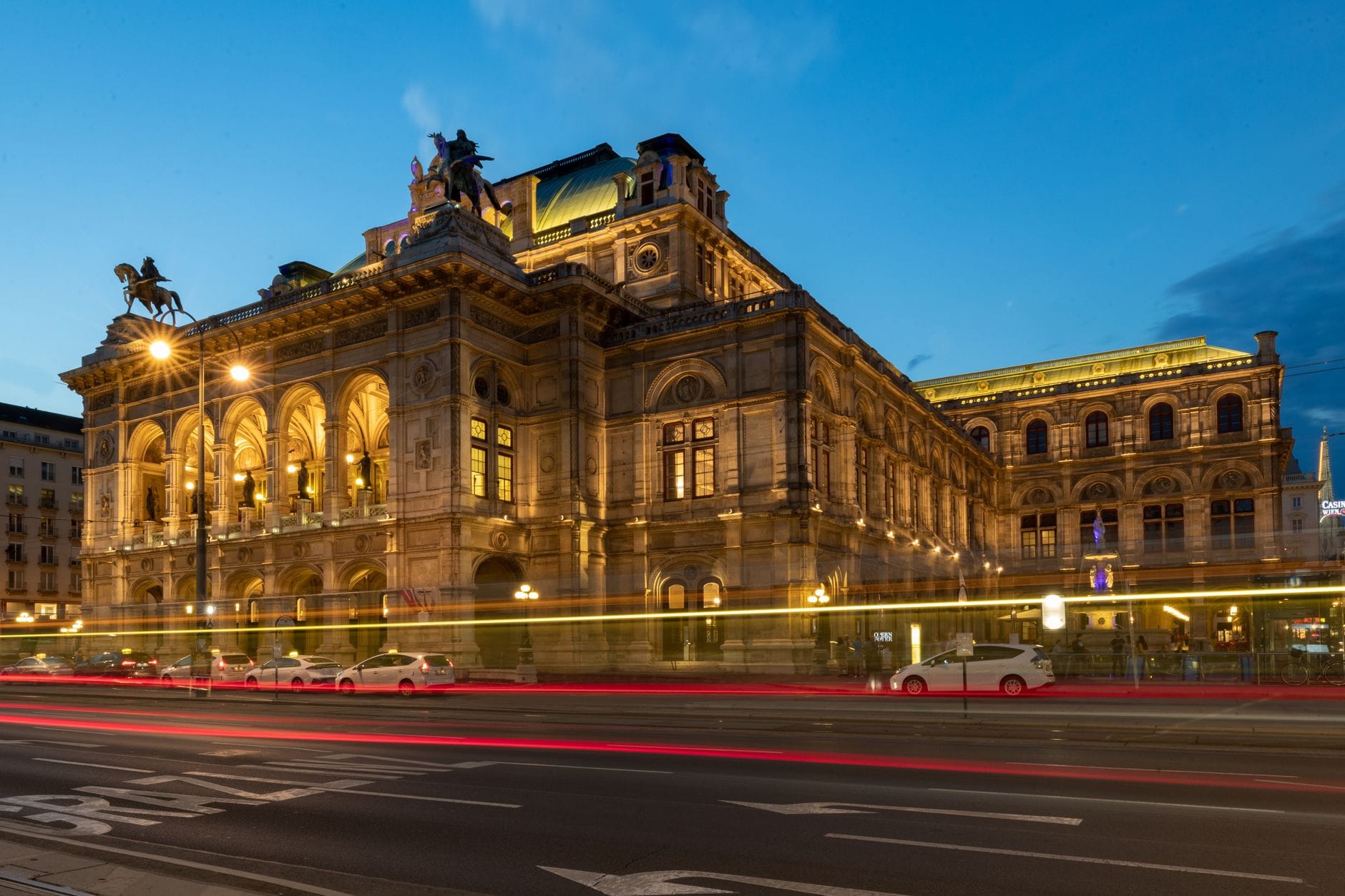
Tickets & tours
Live prices and dates from our booking partner. If you book, we may earn a commission at no extra cost to you.
TL;DR
- The Vienna ball season runs from New Year's through Carnival (Fasching), typically January to late February.
- The Vienna Opera Ball, held at the Vienna State Opera, is the season's flagship event — standard entrance tickets for 2026 cost €410, but table seats are booked and priced separately.
- Over 300 balls take place across the season, with entrance prices ranging from around €80 to €410 — there are real options for every budget.
- Dress code is strict at most balls: floor-length gowns for women, black tie or tailcoat for men.
- Tickets for popular events sell out fast — book as early as autumn for the following year's season.
What Is Vienna's Ball Season?
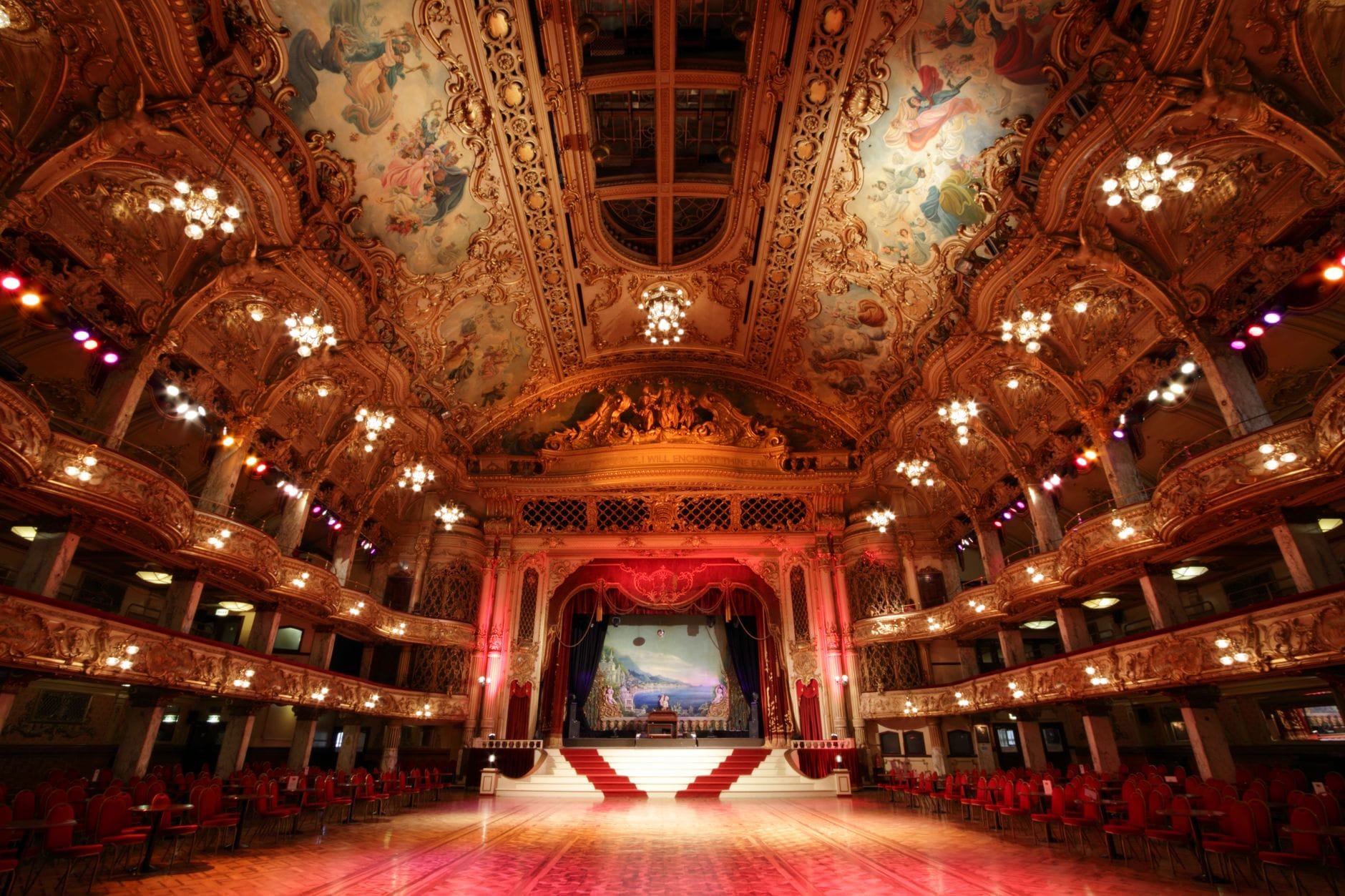
Vienna takes formal dancing seriously in a way that no other city does. Every year between early January and the end of Carnival, more than 300 balls take place across the Austrian capital. These aren't costume parties or charity galas in the loosely organized sense — they are highly structured events with professional orchestras, strict dress codes, and in many cases centuries of tradition behind them. The season culminates on the Thursday before Ash Wednesday, when the Vienna Opera Ball fills the auditorium of the Vienna State Opera and draws guests from across the world.
The tradition is rooted in the Habsburg era, when court balls were a central part of aristocratic life. After the collapse of the Empire, the balls were democratized and adopted by professional guilds, university faculties, and civic organizations. Today, nearly every professional body in Vienna runs its own ball: there's the Pharmacists' Ball, the Coffeehouse Owners' Ball, the Chimney Sweeps' Ball, and hundreds more. For a deeper look at what makes Vienna's imperial legacy so central to its cultural life, the Habsburg history guide provides useful context.
ℹ️ Good to know
The ball season follows the Catholic Carnival calendar, which shifts each year based on Easter. Always check the exact date of the Opera Ball against the current year's liturgical calendar — it falls on the Thursday before Ash Wednesday, which can be anywhere from late January to early March.
The Vienna Opera Ball: Everything You Need to Know
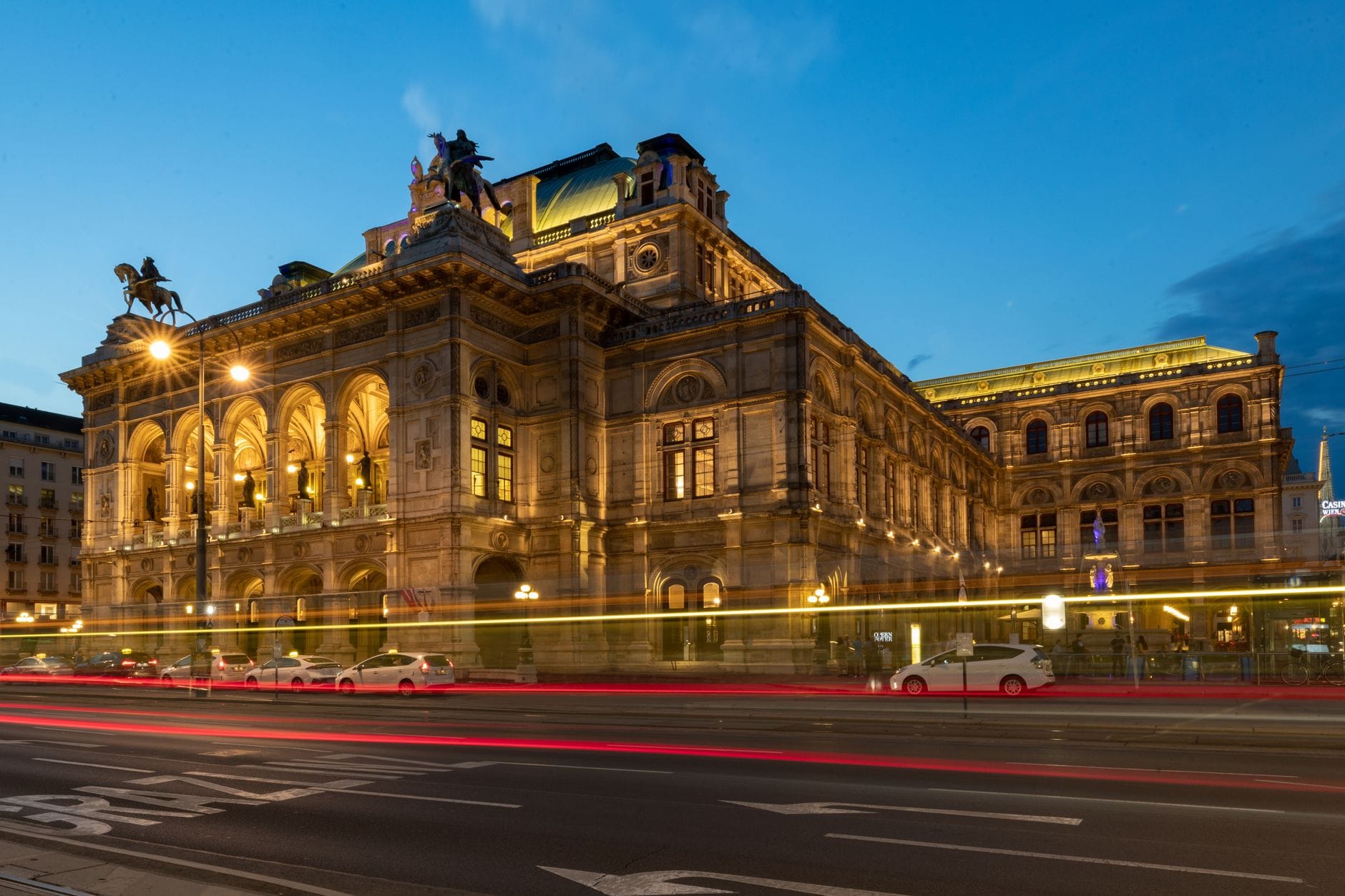
The Opera Ball is the most famous single event in Vienna's social calendar. On the night of the ball, the entire auditorium floor of the Vienna State Opera is covered with a temporary wooden dancefloor, transforming one of the world's great opera houses into a ballroom. The event begins at 8:15 pm with a formal opening ceremony, including the debut of that season's debutante pairs, and dancing continues until around 5 am.
The Vienna Opera Ball 2026 takes place on 12 February 2026 at Opernring 2, 1010 Vienna. Ticket sales for entrance and table combinations opened from 25 June 2025. For box reservations, you need to contact the Opera Ball Office directly at +43 1 51444 2614 or opernball@wiener-staatsoper.at. All official ticketing goes through the Vienna State Opera website — avoid third-party resellers, which frequently charge multiples of the face value for no additional benefit.
- Standard Entrance Ticket €410 per person (includes a €35 charitable donation). Grants access to the building but does NOT include a seat, a table, or a guaranteed viewing spot. You're joining a large crowd of standing guests.
- Balcony/Gallery Seats (Rows 1-2) €250 additional per seat (includes €10 donation). These offer the best sightlines over the dancefloor during the opening ceremony.
- Balcony/Gallery Seats (Rows 3-4) €200 additional per seat (includes €10 donation).
- Balcony/Gallery Seats (Rows 5-6) €180 additional per seat (includes €10 donation).
- Reserved Standing Area / Balcony / Gallery €100 additional (includes €10 donation). A designated area but no fixed seat.
- Tables and Boxes Booked separately through the Opera Ball Office. Prices vary significantly and these are the most exclusive and expensive options — boxes in particular are held year after year by the same corporations and families.
⚠️ What to skip
A common mistake: many first-time visitors assume the €410 entrance ticket means a comfortable evening with a guaranteed seat. It does not. If you want to actually watch the opening ceremony from a fixed position, budget for an additional reserved seat on top of the entrance fee. Without one, you'll be navigating a dense standing crowd.
Getting there on the night requires planning. The nearest metro stations are Karlsplatz (U1, U2, U4 lines) and the Karlsplatz/Oper tram stop serves lines 1, 2, D, and 71. However, streets around the opera are typically closed off on Opera Ball night and tram routes are diverted, so expect detours and allow extra time. Taxis drop guests further away than usual. The surrounding Innere Stadt fills with onlookers, security personnel, and arriving guests for hours before the event begins.
Dress Code: What to Actually Wear
Vienna's balls are not themed costume events. The dress code at the Opera Ball and most major balls is strictly formal: floor-length evening gowns for women, and black tie or tailcoat (Frack) for men. At the Opera Ball specifically, tailcoat is the traditional choice for men, though black tie is generally accepted. Check each individual ball's official website before attending, as expectations vary slightly — some balls are black tie only, others specify tailcoat.
Arriving underdressed is not just a social embarrassment; at the Opera Ball and several other prominent events, you can be turned away at the entrance. If you don't own formal attire, Vienna has several rental services for both gowns and tailcoats. Hotels in the luxury bracket sometimes arrange rentals for guests. Budget additional time on the day for fittings and pick-up.
✨ Pro tip
If you're attending multiple balls in a single season, renting a tailcoat for the full season rather than per-event can reduce costs significantly. Rental shops in Vienna typically offer weekly or seasonal rates during the Carnival period.
Beyond the Opera Ball: The Best Alternatives by Budget
The Opera Ball gets the headlines, but it is genuinely not the best experience for everyone — and at €410 plus extras before you've bought a single drink, it's a significant outlay for a standing-crowd evening. Vienna's other balls offer serious alternatives, and some of them are more enjoyable for first-time attendees precisely because they're smaller, more accessible, and less crowded.
The Philharmoniker Ball, held at the Musikverein, is consistently cited as one of the most prestigious balls after the Opera Ball — the Musikverein is an extraordinary venue for a formal evening, and student tickets are available at around €75. The Ball of Sciences (Akademikerball) and the Ball der Technik are both well-organized large-scale events with more moderate pricing. For something smaller and less intimidating, faculty or guild balls held at venues across the city are often the better introduction to the tradition.
- Vienna Opera Ball (Opernball) ~€410 entrance. The most famous, the most crowded, and the most expensive. Best experienced if you've booked a reserved seat and know what you're in for.
- Vienna Philharmonic Ball (Philharmonikerball) ~€75 student tickets, higher for general admission. Held at the Musikverein. One of the finest venues in the city and arguably better value for the setting.
- Flowers Ball (Blumenball) ~€80. One of the more affordable major balls, held at the Vienna City Hall (Rathaus). A good entry point for first-timers.
- Ball of Sciences (Ball der Wissenschaften) ~€40 student rate. Held in the Hofburg. Significant discount for students with valid ID.
- Coffeehouse Owners' Ball (Kaffeesieder Ball) ~€120-150 range. One of the more charming and characterful guild balls, with a guest list that includes both locals and international visitors.
The Rathaus (Vienna City Hall) hosts several balls across the season and is worth noting as a venue — it's a spectacular neo-Gothic building that opens its great hall for these events. The Rathaus is also home to the Vienna Christmas Market in December, so if you're visiting across seasons, it's a venue that rewards repeat visits in different contexts.
Planning Your Ball Season Visit: Timing and Logistics
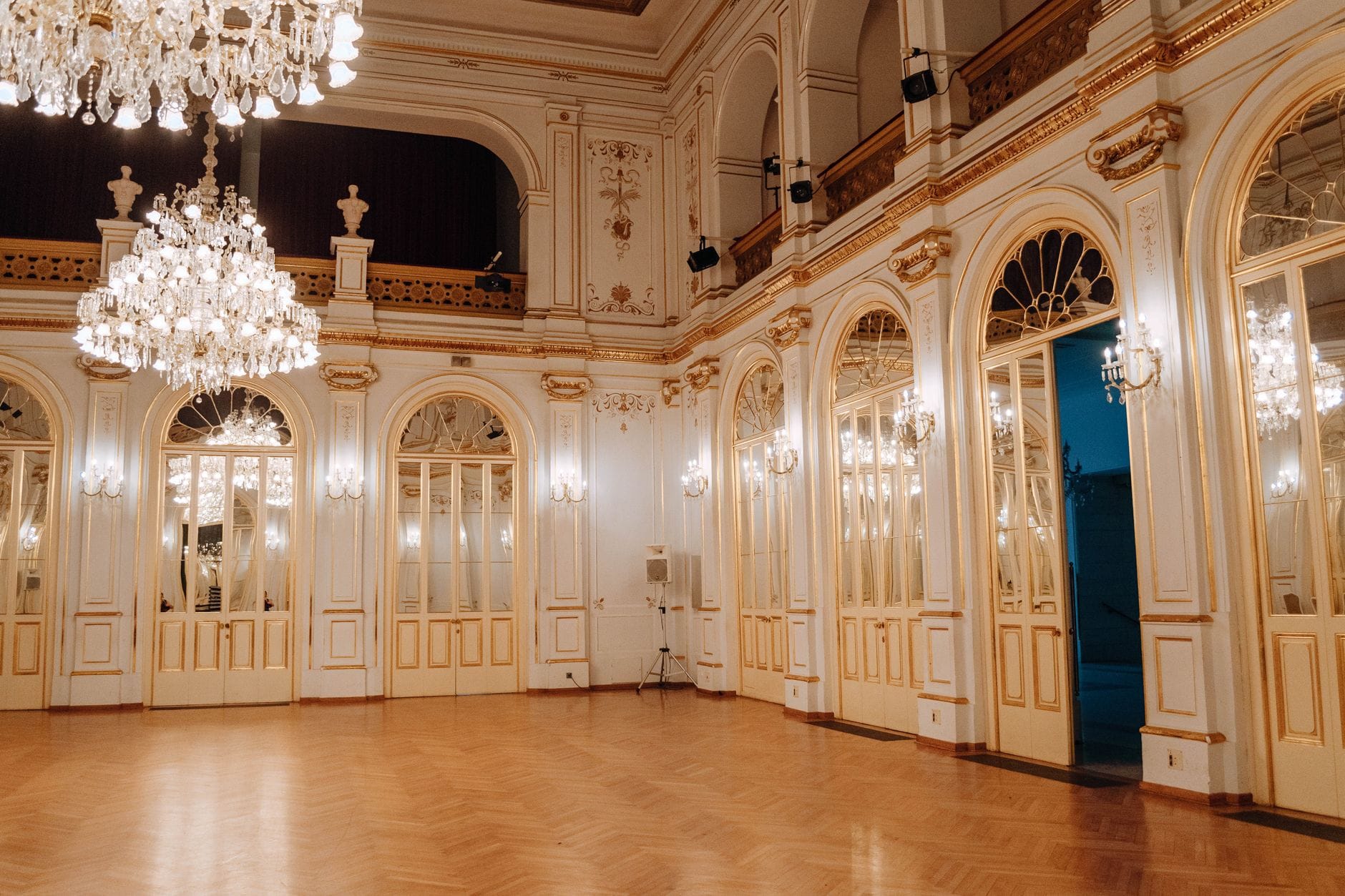
The ball season runs from around early January through to the end of Carnival, which falls before Ash Wednesday. The specific dates shift each year. For 2026, the Opera Ball is on 12 February. Most other major balls cluster on weekend evenings throughout January and February, with the highest concentration in the final two weeks before Ash Wednesday.
Tickets for the most popular events go on sale in autumn of the preceding year and sell out quickly. If you're targeting the Opera Ball specifically, entrance and table ticket ordering opens in late June for the following February. Book accommodation early too — Vienna is busy in January and February regardless of the ball season, and prices rise further around major ball dates. The guide to where to stay in Vienna covers the neighbourhoods and price brackets in detail.
Vienna in winter has its own distinct character beyond the balls. Temperatures regularly drop to near or below freezing, and the city's coffee houses become essential warm refuges between events. The Vienna in winter guide covers what else is worth doing across the season, from the Viennese coffeehouse culture to classical music programming at the opera and concert halls.
💡 Local tip
If you want to experience the atmosphere of the Opera Ball without attending it, spectators gather along Opernring in the hours before the event. Guests arrive in gowns and tailcoats, and the street-level spectacle is genuinely worth seeing. It costs nothing and gives you a real sense of the event's scale.
Is the Vienna Opera Ball Worth It?
That depends almost entirely on what you're expecting. If you picture an intimate, romantic evening of waltzing in a grand opera house, the reality may disappoint — the event draws several thousand guests, the dancefloor is crowded, and without a reserved seat, the opening ceremony is difficult to see clearly. The production values are extraordinary and the setting is genuinely exceptional, but it's also a very long night in formal dress with expensive food and drink options on top of the entrance fee.
For those who want the full spectacle of Vienna's formal ball tradition with a more manageable crowd and better value for money, one of the major guild or faculty balls at the Hofburg Palace or the Musikverein is often a more satisfying experience. The Opera Ball is worth it if you specifically want to say you've attended the Opera Ball — that's a legitimate reason — but approach it with clear expectations rather than romantic assumptions.
Vienna's broader cultural calendar in winter extends well beyond the balls. The classical music scene is at its most active in winter, with the Vienna Philharmonic concert season in full swing and the Vienna State Opera running a full programme on every other night of the year outside of the ball itself.
FAQ
When is the Vienna Opera Ball 2026?
The Vienna Opera Ball 2026 takes place on 12 February 2026, beginning at 8:15 pm at the Vienna State Opera, Opernring 2, 1010 Vienna.
How much does a ticket to the Vienna Opera Ball cost?
A standard entrance ticket for the 2026 Opera Ball costs €410, which includes a €35 charitable donation. This does not include a seat, a table, or a guaranteed viewing position. Reserved balcony or gallery seats are available at additional cost (€100 to €250 depending on row), and table or box reservations must be made separately through the Opera Ball Office.
What is the dress code for the Vienna Opera Ball?
The dress code is strictly formal. Women are expected to wear floor-length evening gowns. Men traditionally wear a tailcoat (Frack), though black tie is generally accepted. Guests who arrive without appropriate formal attire may be refused entry.
Are there cheaper alternatives to the Opera Ball?
Yes. Vienna's ball season includes over 300 events at varying price points. The Flowers Ball runs at around €80, and the Philharmoniker Ball offers student tickets at around €75. The Ball of Sciences has student rates of around €40. Many guild and faculty balls price entrance between €120 and €210.
When do Opera Ball tickets go on sale?
For the 2026 Opera Ball, entrance and table ticket combinations became available to order from 25 June 2025. Box reservations are handled directly by the Opera Ball Office. Popular ticket categories sell out quickly — monitor the official Vienna State Opera website and set a calendar reminder for the sale date.
Tickets & tours
Live prices and dates from our booking partner. If you book, we may earn a commission at no extra cost to you.
Planning a trip? Discover personalized activities with the Nomado app.