Vienna in Winter: What to Expect & the Best Things to Do
Vienna in winter is cold, atmospheric, and surprisingly rewarding. From Christmas markets and imperial palace tours to world-class concerts and coffeehouse culture, this guide covers everything you need to plan a smart, enjoyable trip between November and March.
Plan and book this trip
Tools from our partner Travelpayouts help you compare flights and hotels. If you book through them, we may earn a commission at no extra cost to you.
Flights
Hotels map
TL;DR
- Winter temperatures typically range from -5°C to 3°C (December through February), cold but not extreme — dress in layers and you'll be fine.
- December is the peak month for Vienna's Christmas markets, but crowds and prices spike significantly around mid-December.
- Snow is possible but not guaranteed — a white Christmas in Vienna is the exception, not the rule.
- Museums, coffeehouses, the Vienna State Opera, and Schönbrunn Palace all operate through winter, making it a genuinely strong cultural season.
- January and February offer lower hotel prices, fewer tourists, and a more authentic side of the city — the trade-off is shorter daylight and occasional grey skies.
Vienna Winter Weather: What You're Actually Getting Into
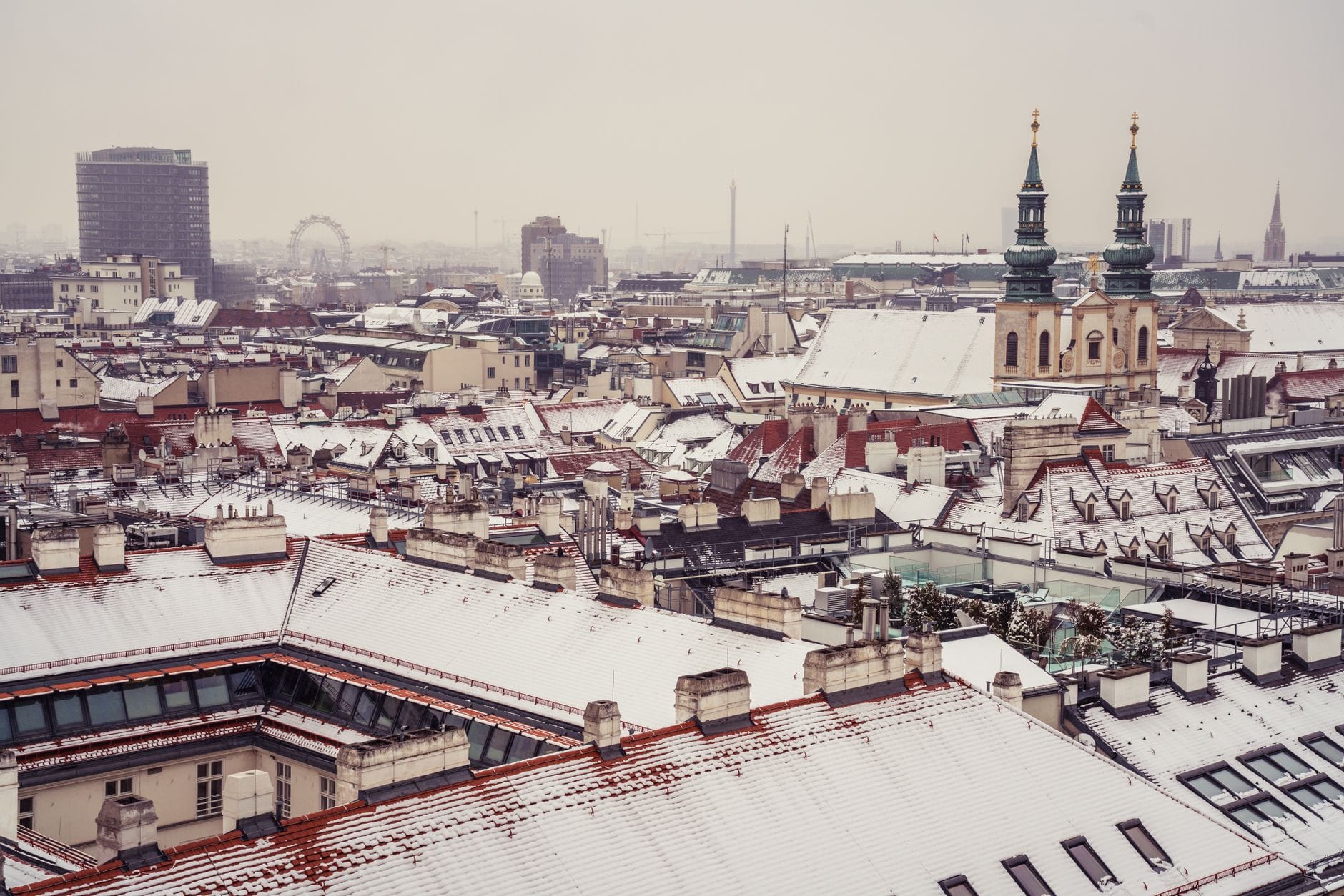
Vienna sits at about 48°N in northeastern Austria, on the edge of the Pannonian Plain, which means winters are colder and drier than cities further west in Europe. The climate is classified as humid continental (Köppen Dfb), and December through February is the coldest period. Average temperatures hover between -5°C and 3°C, with January typically the coldest month. Brief cold snaps can push temperatures below -10°C, though these rarely last more than a few days.
Snow is part of the picture, but don't build your trip around it. Vienna does receive winter snowfall, but it tends to be light and short-lived. A proper snowfall that blankets the city and sticks around for a week or more happens, but it's not the reliable winter-wonderland scenario some visitors imagine. A white Christmas specifically is relatively rare — if that's your priority, you may be disappointed. What you're more likely to encounter is frost, bare trees, occasional sleet, and cold grey days broken up by crisp, clear spells when the city looks genuinely beautiful.
- December Coldest and darkest, but the Christmas market season makes it the most festive. Expect 0°C to 3°C on average, crowds at markets from late November, and higher hotel rates.
- January The quietest month for tourism. Temperatures dip to around -3°C to 1°C. Ball season begins in earnest. Prices drop noticeably after New Year's.
- February Slowly brightening but still cold. The Vienna Ball season peaks. Ice rinks may still be open. A good balance of calm and activity.
- Late March (shoulder) Not quite winter, not quite spring — temperatures start to climb above 5°C and daylight returns. Easter markets begin at Schönbrunn.
💡 Local tip
Pack a proper winter coat, waterproof boots with grip, and thermal layers. The cobblestones in the Innere Stadt get slippery when wet or icy, and you'll be walking more than you expect. A good hat matters more than you'd think when wind comes off the Danube.
Christmas Markets: The Good, the Overcrowded, and the Underrated
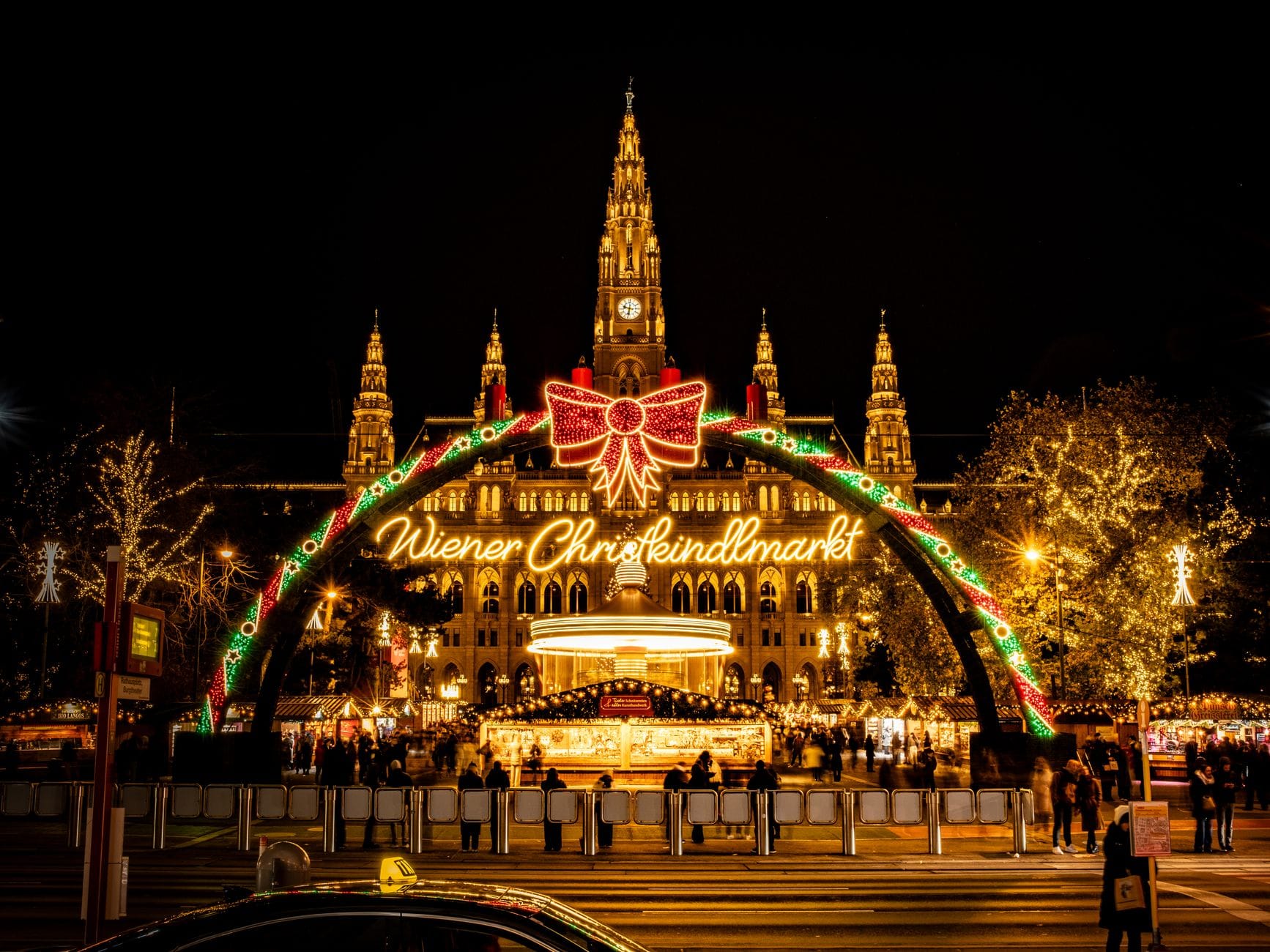
Vienna's Christmas markets (Christkindlmärkte) are the city's biggest winter draw, and the main ones are genuinely worth seeing. The Rathausplatz market in front of City Hall is the largest, running from mid-November through Christmas Eve, with an ice skating path winding through the square. The market on Freyung and the one at Schönbrunn Palace are strong alternatives with less foot traffic on weekdays.
The Rathausplatz market draws enormous crowds on weekend evenings from late November onward. If you go, aim for a Tuesday or Wednesday between 5pm and 7pm. You'll still find the atmosphere and the mulled wine (Glühwein), but you won't be elbowing your way between stalls. The market at Spittelberg in the 7th district is smaller and more artisanal in character, set on cobblestone lanes — worth seeking out if you want to avoid the main tourist circuit.
⚠️ What to skip
Christmas market prices are not budget-friendly. A mug of Glühwein costs around €4-6, and you'll pay a deposit (Pfand) of €2-3 for the cup, which you can reclaim or keep as a souvenir. Food stalls sell Bratwurst, Langos, and roasted chestnuts at market rates. Budget accordingly if you're spending multiple evenings out.
Indoor Culture: Why Winter Is Actually a Great Time to Visit
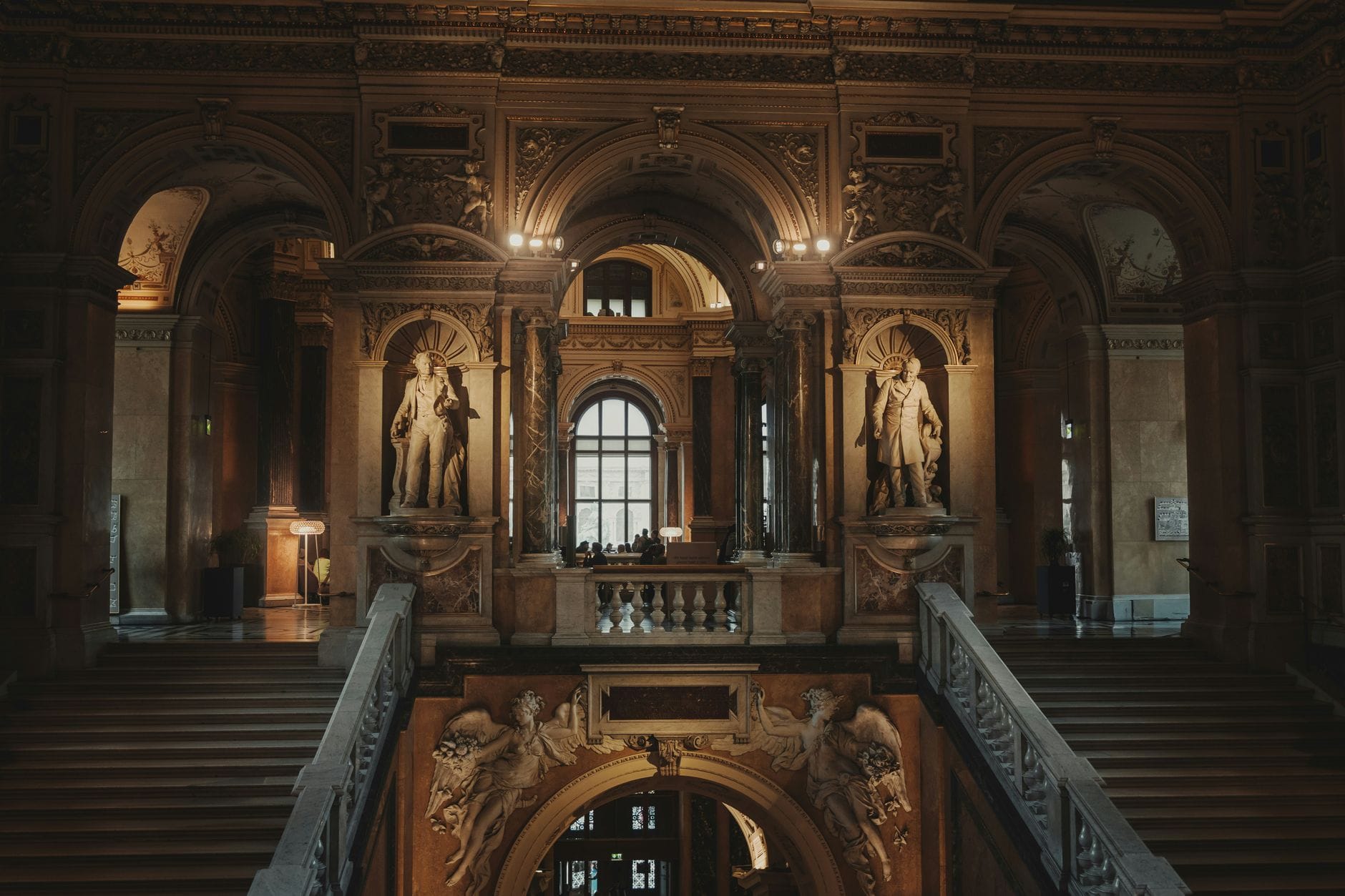
The argument for visiting Vienna in winter isn't just about tolerating the cold — it's that the city's cultural institutions are at their best when the weather pushes you inside. The Vienna State Opera runs its full season from September through June, and the winter months are prime time. Getting tickets requires planning: book directly through the official website weeks in advance for popular productions, or queue from around 10am on the day for standing-room tickets (Stehplätze), which cost well under €10 and put you inside one of the world's great opera houses.
The Kunsthistorisches Museum on the Ringstrasse is essential in any season, but winter is when it shines — the grand interior is warm, the crowds are thinner than in July, and the Bruegel collection in Gallery X is one of the finest groupings of his work anywhere in the world. Budget at least two hours. Similarly, the Upper Belvedere holds Klimt's Kiss and surrounding Secessionist work that rewards a slow visit. The formal gardens outside are bare in winter but have their own stark appeal.
- Vienna State Opera: full season with nightly performances; book well ahead or try same-day Stehplätze
- Kunsthistorisches Museum: less crowded than summer, world-class European paintings and antiquities
- Upper Belvedere: Klimt's The Kiss in situ, plus strong 20th-century Austrian collection
- Albertina: major temporary exhibitions in addition to the permanent graphic arts collection
- Musikverein: home of the Vienna Philharmonic; the famous New Year's Concert sells out years in advance, but other concerts are bookable with planning
- House of Music (Haus der Musik): interactive and great if you have younger travellers or want a lighter afternoon
Vienna's coffeehouse culture is worth treating as a destination in itself during winter. The Café Central in the Palais Ferstel is the most visited, and yes, it's a bit touristy, but the architecture justifies the pilgrimage. For a more local experience, try Café Hawelka in the 1st district or Café Landtmann near the Burgtheater. The unwritten rule: there's no pressure to leave after one coffee. Order what you like, read a newspaper from the rack, and stay as long as you want.
The Vienna Ball Season: An Insider's Take
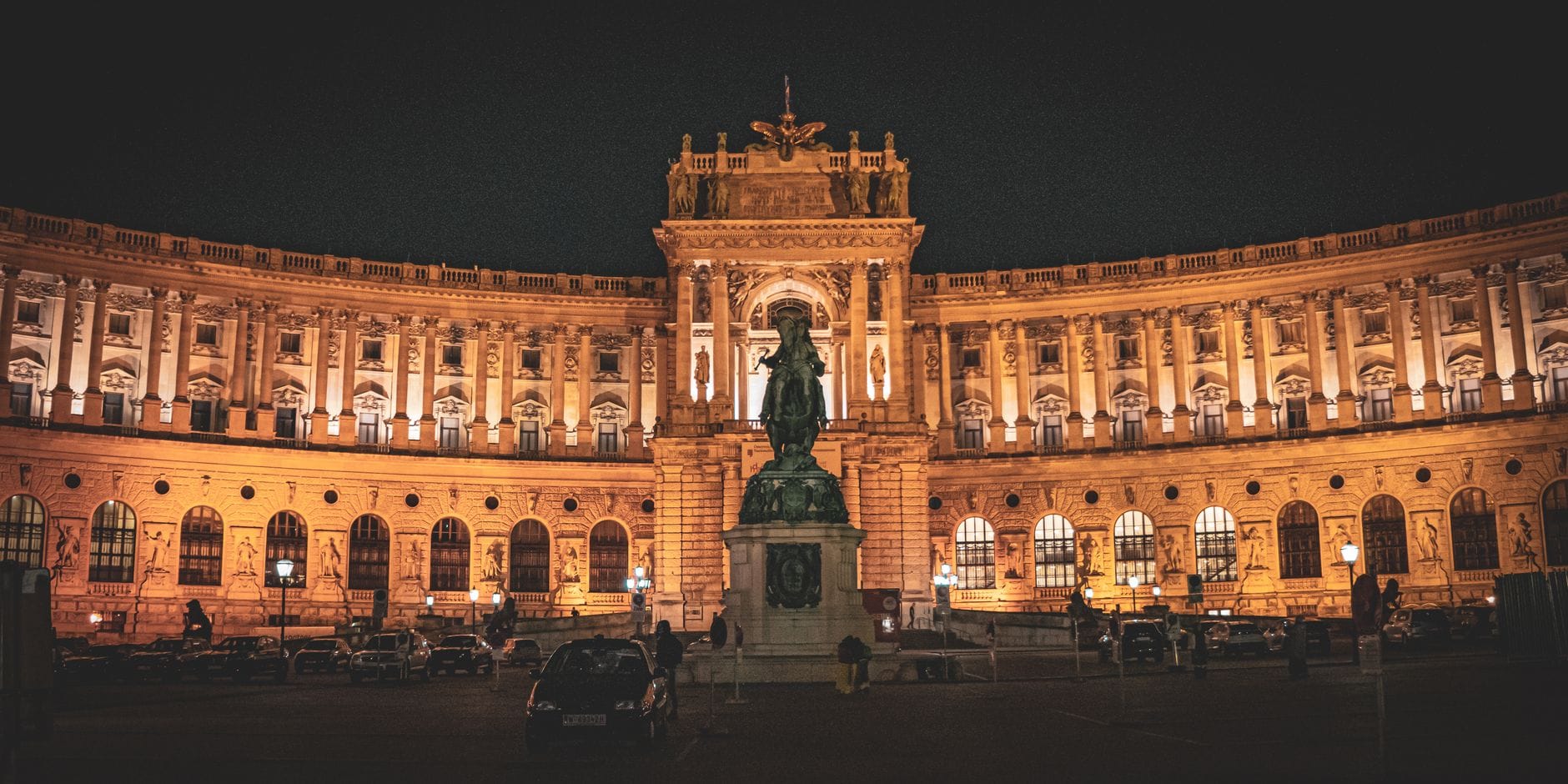
January and February bring Vienna's famous ball season, a tradition that turns the city's grandest venues into formal dance floors. There are over 300 balls across the season, ranging from the prestigious Opera Ball at the Vienna State Opera to trade-specific events like the Pharmacists' Ball and the Coffeehouse Owners' Ball. Vienna's ball season is one of those experiences that genuinely has no equivalent in most other European cities.
The Opera Ball (Opernball) in February is the most famous — and the most expensive and difficult to get into. Tickets run into hundreds of euros, dress codes are strictly black tie and evening gown, and the event gets heavy media coverage. For most visitors, a different ball makes more practical sense. The Coffeehouse Owners' Ball (Kaffeesiederball) and the Philharmoniker Ball are both highly regarded and more accessible. Entry typically costs €30-100 depending on the event, and most have dance lessons available in the weeks before.
✨ Pro tip
If you plan to attend a Vienna ball, rent formal attire in Vienna rather than travelling with it. Several rental shops near the city centre cater specifically to ball visitors. Book the rental at least a week in advance during January and February, as availability gets tight.
Getting Around Vienna in Winter: Practical Logistics
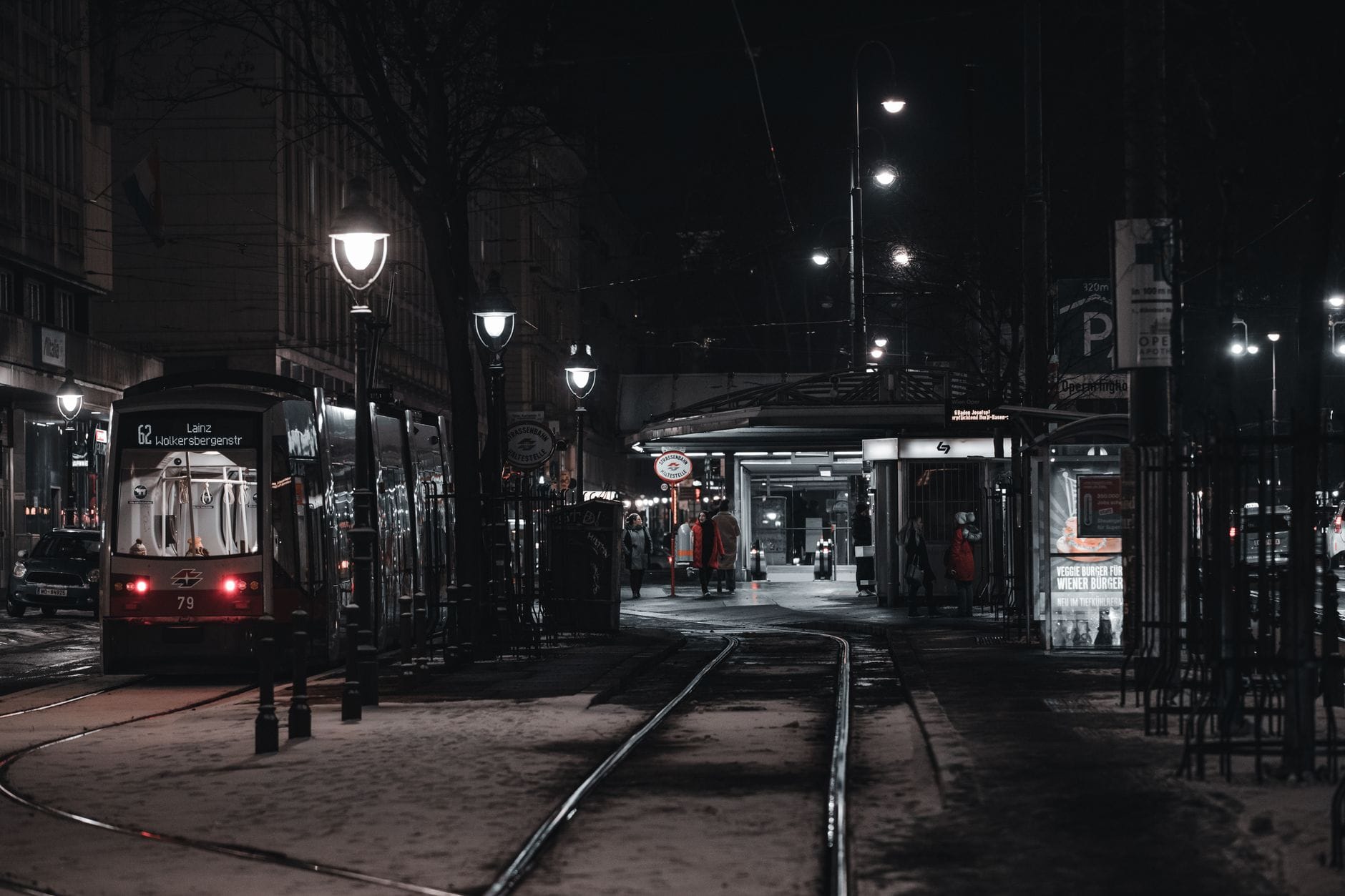
Vienna's public transport network, operated by Wiener Linien, runs year-round and is one of the most reliable urban systems in Europe. The U-Bahn (metro), trams, and buses cover the city thoroughly, and from the airport, the City Airport Train (CAT) or S-Bahn S7 connects Vienna International Airport (VIE, about 18km southeast of the centre) to the city in roughly 16-30 minutes depending on the service. For full transport options, see the guide to getting around Vienna.
In winter, the tram network is particularly useful for staying warm between sights. Tram line D runs along the Ringstrasse past the main museums and opera house — an inexpensive way to see the grand boulevard without walking it in the cold. Night services (Nachtbus) run on weekends when the U-Bahn closes. Taxis and ride-hailing apps (Uber and Bolt both operate in Vienna) are reliable for late nights or heavy luggage, but the public transport coverage is so good that you'll rarely need them.
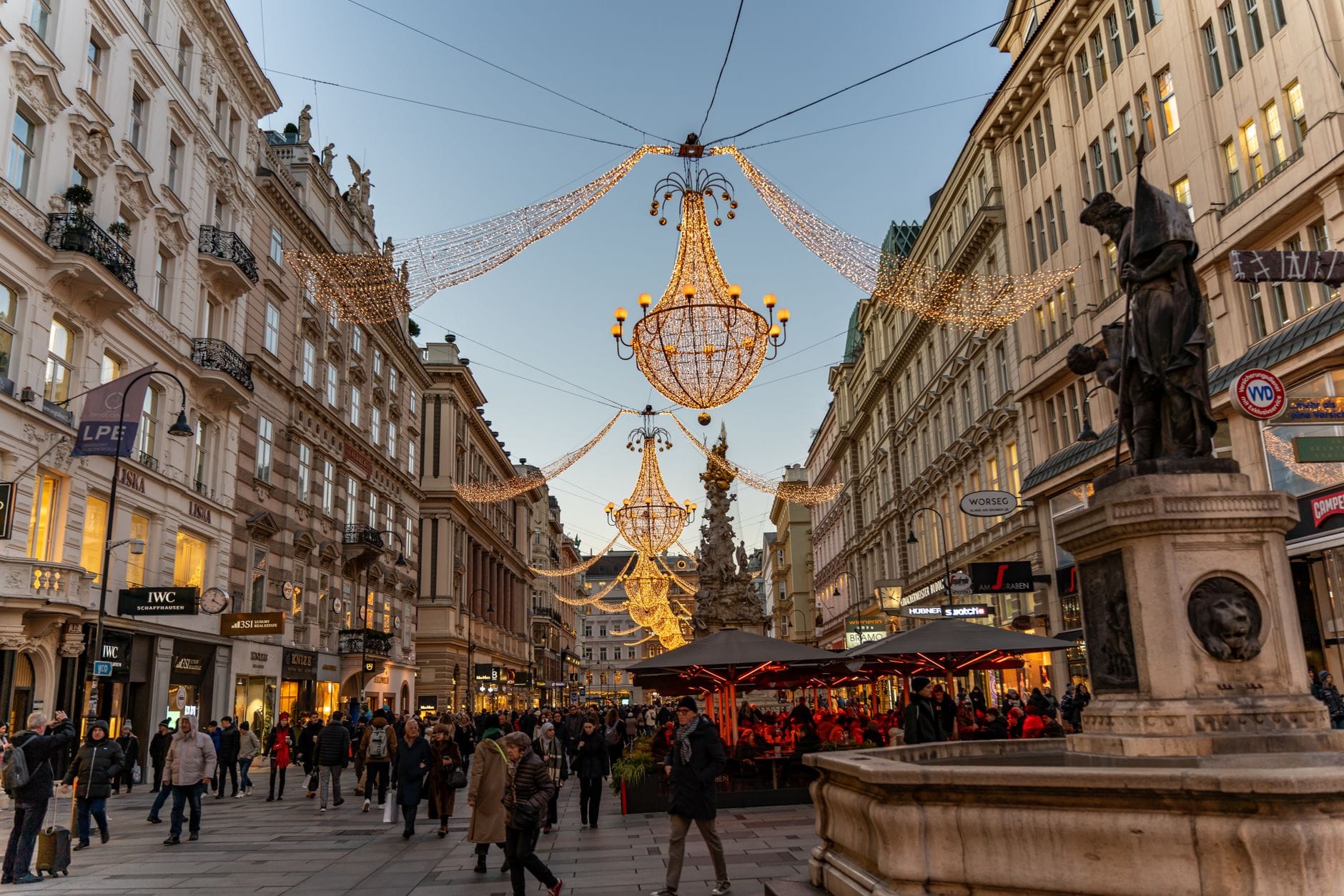
For accommodation, the Innere Stadt (1st district) puts you within walking distance of most major sights and the Christmas markets, but hotel rates there are at a premium, especially in December. The 6th and 7th districts (Mariahilf and Neubau) offer good value, U-Bahn access, and local restaurants without the tourist surcharge. If you're visiting purely for New Year's or Christmas, book accommodation at least 2-3 months in advance — the city fills up.
Honest Drawbacks: What Winter in Vienna Is Not
It's worth being direct about what winter visitors should not expect. Daylight is limited — in December, Vienna gets around 8 hours of daylight, and overcast days reduce that further. The city doesn't feel oppressive because of this, but outdoor photography and sightseeing work better planned around midday. The Prater park and Danube Island, which are excellent in summer, are largely empty and uninteresting in December and January. Save those for warmer months.
The Naschmarkt, Vienna's famous open-air food market, operates in winter but with reduced stalls and atmosphere compared to warmer months. It's still worth a Saturday morning visit for the flea market section, but don't expect the full summer experience. Similarly, the Heuriger wine taverns in the wine villages north of the city (Grinzing, Nussdorf) tend to reduce their hours or close in deep winter — check ahead before making a trip out there.
One final note on budget: December in Vienna, particularly the second and third weeks before Christmas, is expensive. Hotels charge high-season rates, Christmas market food and drink adds up, and the Opera and Philharmonic performances during this period are heavily booked. If budget is a factor, January is genuinely the best winter month to visit — quieter, cheaper, and the cultural calendar is still full with ball season and concert programming.
FAQ
Does it snow in Vienna in winter?
Yes, but not consistently. Vienna typically gets some snowfall each winter, usually in December through February, but it often melts quickly. A sustained snow cover lasting more than a few days is possible but not guaranteed. A white Christmas specifically is relatively rare — most years, Vienna's Christmas markets operate without significant snow on the ground.
Is Vienna worth visiting in January and February, after the Christmas markets close?
Absolutely. January and February are arguably the best winter months for visitors who prioritise culture over festivity. Hotel prices drop after New Year's, crowds thin considerably, and the Vienna Ball season runs through both months. The Opera, Philharmonic, museums, and coffeehouses are all fully operational, and you'll experience the city closer to how locals actually live in it.
How cold does Vienna get in winter, and what should I pack?
Temperatures typically range from around -5°C to 3°C in December through February, with January usually the coldest. Occasional cold snaps can drop below -10°C. Pack a warm waterproof coat, thermal base layers, a hat, gloves, and waterproof boots with good grip — cobblestones can be icy. Dressing in removable layers works best given the contrast between heated indoor spaces and cold streets.
When do Vienna's Christmas markets run, and which is the best one?
Most markets open in mid-to-late November and run until Christmas Eve (December 24). The Rathausplatz market is the largest and most well-known. For fewer crowds and a more local feel, the Spittelberg market in the 7th district and the Freyung market in the 1st district are strong alternatives. If you visit Schönbrunn Palace in winter, the market in its forecourt is well-integrated into a palace visit.
Do I need to book Vienna attractions and concerts in advance for a winter trip?
For popular performances at the Vienna State Opera and Musikverein, yes — book several weeks in advance online, especially for December concerts and anything during the ball season. Museum entry can usually be handled on the day, though booking online avoids queuing. For Vienna Ball tickets, especially the more prestigious events, advance booking of at least a few weeks is essential.