Where to Stay in Vienna: Best Neighborhoods & Hotels
Vienna's 23 districts each offer a different pace, price point, and proximity to the city's top sights. This guide cuts through the noise to tell you exactly which neighborhoods suit first-timers, budget travelers, culture seekers, and those who want a more local experience — with practical advice on transport, pricing, and what to watch out for.
Tickets & tours
Live prices and dates from our booking partner. If you book, we may earn a commission at no extra cost to you.
TL;DR
- The 1st district (Innere Stadt) is the most central base but also the priciest — budget around €150-300/night for hotels, or €120-200/night for apartments in peak summer.
- Districts 2 through 9 sit within 10-20 minutes of the center by U-Bahn or tram and cost noticeably less — Leopoldstadt, Neubau, and Mariahilf are the strongest alternatives.
- Vienna's public transport network (run by Wiener Linien) is dense enough that you almost never need a taxi — staying outside the 1st district is rarely inconvenient.
- Avoid booking in the 1st district for the Vienna Ball Season (January-February) without checking event dates — hotel prices spike sharply during this period.
- Read our full guide to getting around Vienna before choosing a neighborhood — transit access should be your primary filter.
How Vienna's District System Works
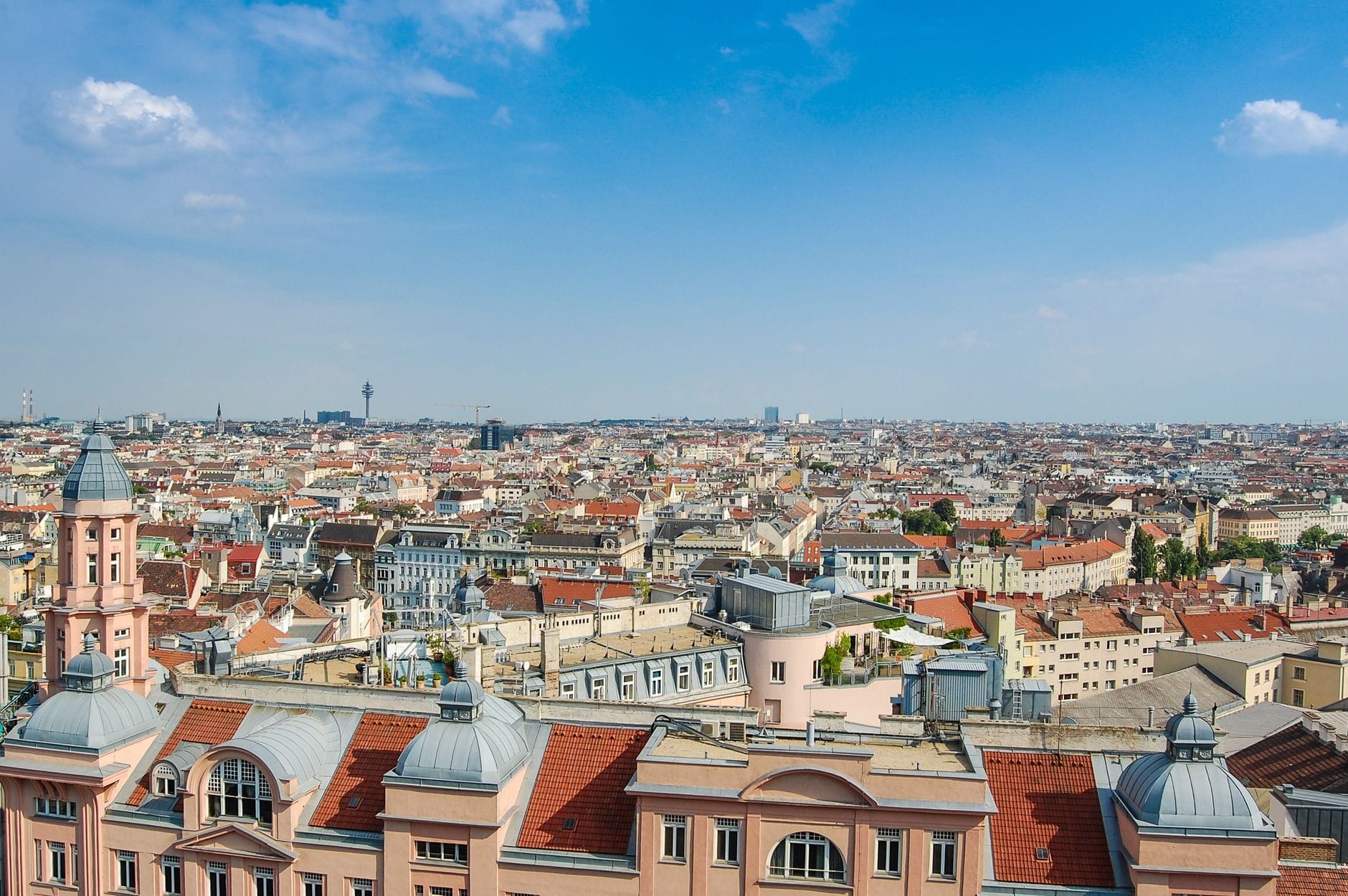
Vienna is divided into 23 districts, called Bezirke, numbered outward from the historic core. The 1st district (Innere Stadt) is the center, the Ringstrasse boulevard forms its boundary, and the Gürtel — a wide ring road — marks the outer edge of the inner districts (2nd through 9th). Beyond the Gürtel, districts get progressively more residential and less tourist-focused. For most visitors, the relevant question is simply: how far am I from the Ringstrasse, and how many U-Bahn stops is that?
The U-Bahn has five lines (U1 through U6) that connect the inner districts efficiently. A single ticket covers all modes — U-Bahn, tram, and bus — within the city. If you're spending more than a couple of days, a 72-hour or weekly pass from Wiener Linien makes the math easy. The key point: in Vienna, being in the 2nd or 7th district does not mean you're far from anything. It means you're one or two stops away, in a quieter street, paying less per night.
ℹ️ Good to know
Vienna addresses include the district number in the postal code — 1010 means 1st district, 1020 means 2nd, 1070 means 7th, and so on. When comparing hotels on booking platforms, check the first two middle digits to instantly identify the district.
Innere Stadt (1st District): The Imperial Core
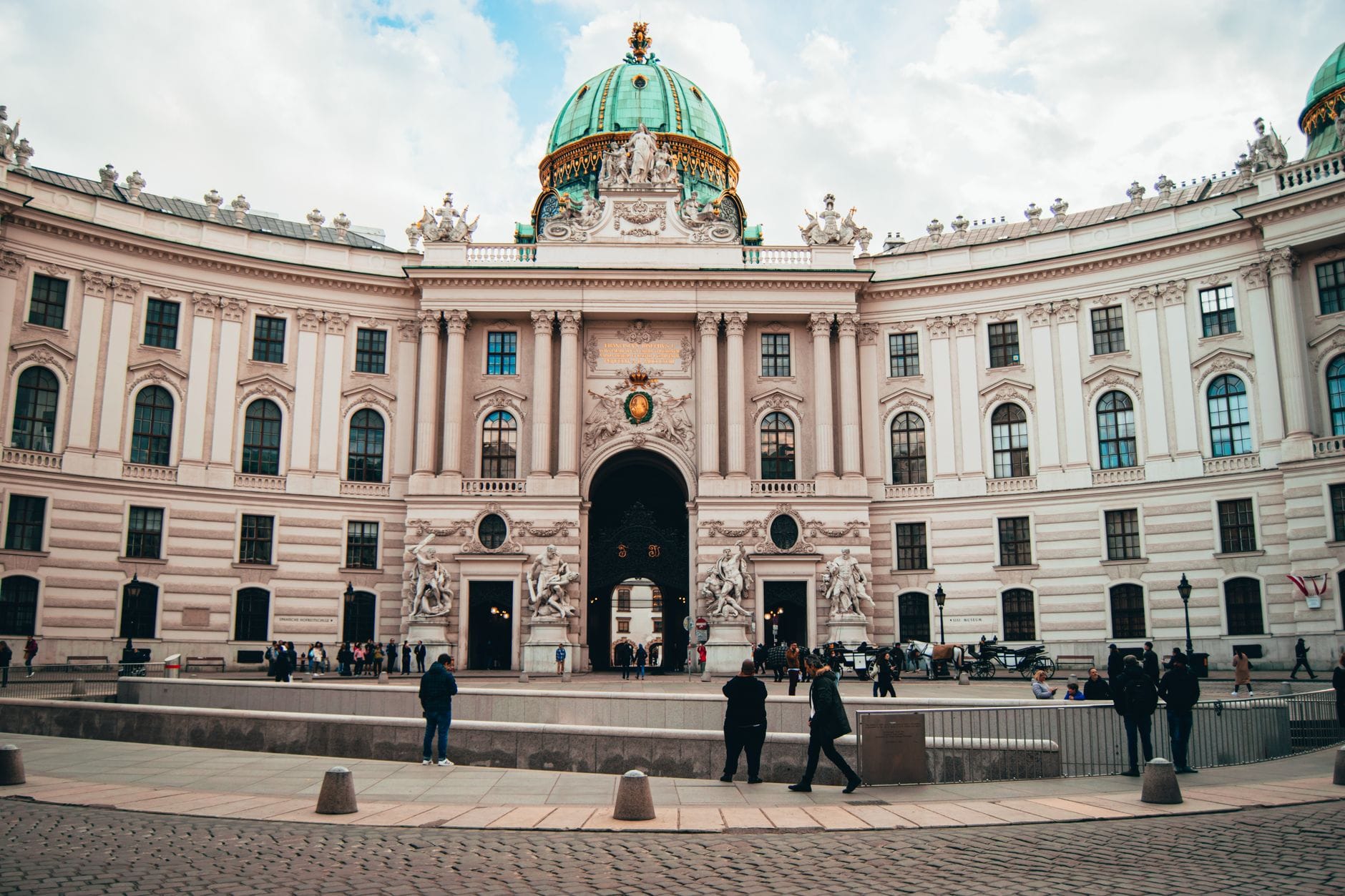
If it's your first visit to Vienna and you want to step out of your hotel and immediately be surrounded by imperial architecture, the Innere Stadt is where you want to be. Stephansdom, the Hofburg Palace, and the Vienna State Opera are all walkable from virtually any hotel in this district. The density of world-class sights per square kilometer is genuinely remarkable.
The trade-off is cost and atmosphere. The 1st district is Vienna's most expensive neighborhood by a significant margin, and it can feel more like a museum than a living neighborhood — especially in summer, when tour groups dominate the main pedestrian streets like Kärntner Strasse and Graben. Many hotels here cater to business travelers and luxury tourists, which means the local cafe culture and neighborhood restaurants that define Vienna at its best are somewhat diluted. Expect to pay €150-300/night for a mid-range hotel room, and considerably more for five-star properties near the Opera.
That said, the 1st district is not all tourist infrastructure. The streets behind the Rathaus and around Judenplatz are quieter, the coffeehouses (Cafe Central, Cafe Landtmann) are genuinely excellent, and the walking access to the Ringstrasse institutions — the Kunsthistorisches Museum, the Burgtheater, the natural history museum — is unbeatable. For families with limited mobility, older travelers, or those on very short trips (two nights or fewer), paying the premium for the 1st district often makes sense.
⚠️ What to skip
The Innere Stadt has very limited parking and traffic restrictions. If you're arriving by car or planning to rent one, stay in an outer district with parking access. Driving in the 1st is more trouble than it's worth.
The Best Alternative Neighborhoods: Districts 2-9
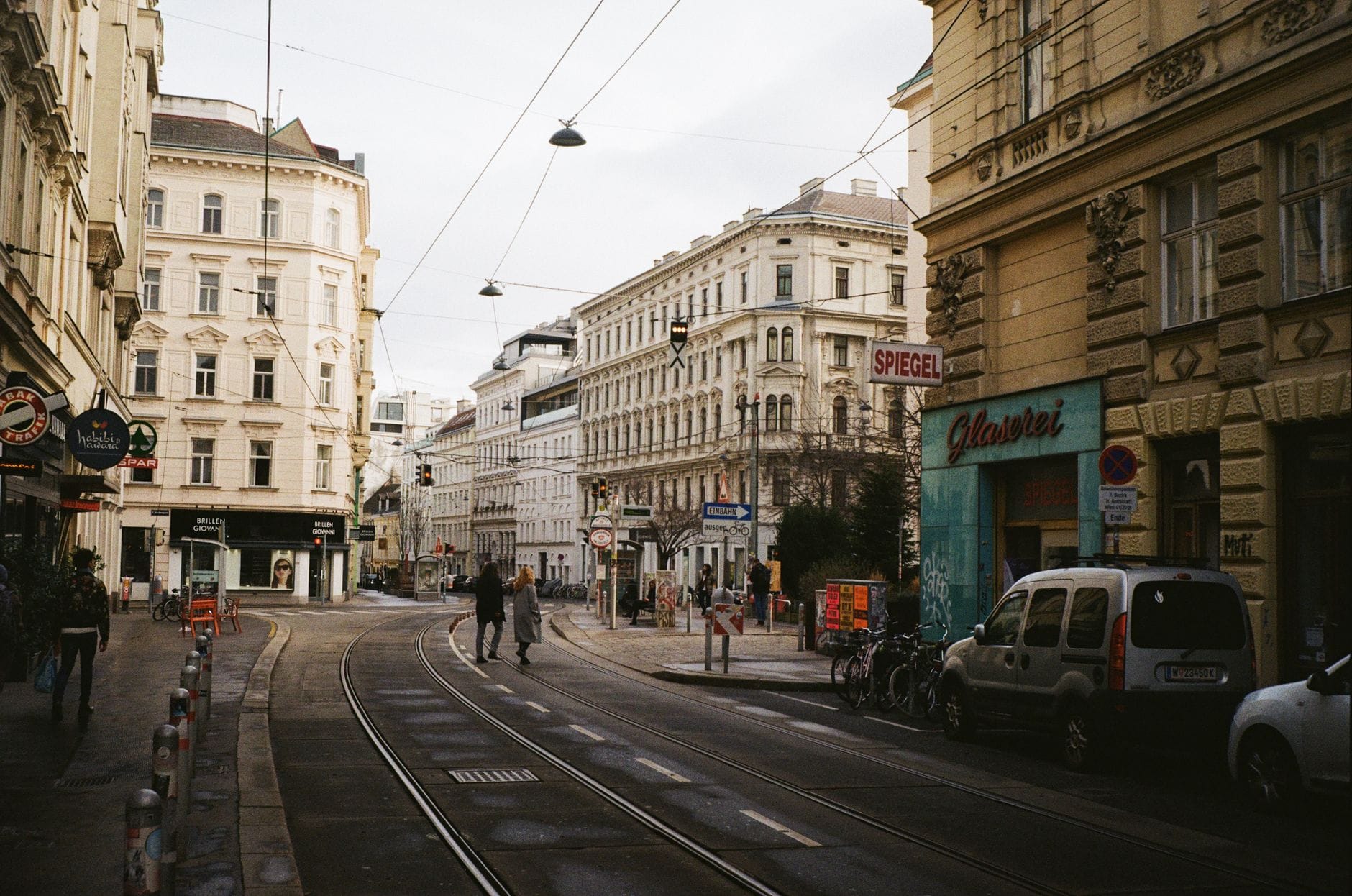
The districts immediately surrounding Innere Stadt — numbered 2 through 9 — represent the sweet spot for most travelers. They're close enough to the center to walk to major sights in 15-25 minutes, well connected by tram and U-Bahn, and home to the kind of local bakeries, wine bars, and neighborhood markets that make Vienna feel like more than a postcard.
- Leopoldstadt (2nd District) East of the city center, separated from the 1st by the Danube Canal. Home to the Prater park and the historic Riesenrad ferris wheel. More green space than any inner district, a strong Jewish cultural heritage, and noticeably lower accommodation prices than the 1st. The U1 line connects it directly to Stephansplatz in under five minutes.
- Landstraße (3rd District) Southeast of the center and home to the Belvedere palace complex — one of Vienna's top art destinations. A mix of residential streets and diplomatic institutions. Practical if the Belvedere is high on your list; the U3 and U4 lines both serve this district.
- Wieden (4th District) Directly south of the 1st, bordering the Naschmarkt. A compact, walkable district that's slightly under-discussed in travel guides but excellent value. Quiet residential streets, good restaurant density on Wiedner Hauptstrasse, and a short tram ride to everything.
- Mariahilf (6th District) The Mariahilfer Strasse — Vienna's main shopping boulevard — runs through this district. Well-connected, affordable relative to the center, and popular with younger travelers. Lots of mid-range hotels and good transit access on the U3 line.
- Neubau (7th District) Consistently praised as Vienna's most locally appealing inner district. Compact streets, independent boutiques, a strong cafe culture, and proximity to the Museumsquartier complex. Slightly higher prices than Mariahilf but lower than the 1st. The vibe here is genuinely local.
- Alsergrund (9th District) North of the center, home to the main university campus and Sigmund Freud's former practice. More academic and residential in character, with some excellent traditional restaurants. Quieter at night, which some travelers prefer.
For most first-time visitors who want a balance of atmosphere, access, and value, Neubau (7th) or Mariahilf (6th) are the strongest picks. Both sit adjacent to the Museumsquartier area and are a short tram ride from the Ringstrasse. Leopoldstadt works particularly well if you're visiting with children — the Prater offers immediate outdoor space, and the Wiener Riesenrad is right there.
Practical Pricing: What to Budget by District
Vienna is not a cheap city, but it's more affordable than Paris or Zurich for comparable quality. Hotel pricing shifts substantially by district and season, and understanding the patterns helps you book smarter.
- 1st district (Innere Stadt): €150-350/night for mid-to-upper hotels in peak season; apartments on short-term rental platforms from around €120-200/night in summer
- 2nd-4th districts: €90-180/night for decent three-star hotels in summer; noticeably lower in shoulder season (March-May, September-October)
- 6th-7th districts (Mariahilf, Neubau): €80-160/night for comfortable hotels; good hostel options from €25-40/night per bed
- 9th district and outer areas: Often 20-30% cheaper than equivalent properties in the 6th or 7th
- Peak pricing periods: Ball Season (January-February), Easter, summer (June-August), and major classical music festivals — book 3-4 months ahead for these windows
✨ Pro tip
Vienna levies a city tourist tax (Ortstaxe) of around 3.2% of the accommodation price per night. This is usually added at checkout and often not visible in the initial booking price. Factor it in when comparing options.
Neighborhoods Worth Skipping (or Approaching Carefully)
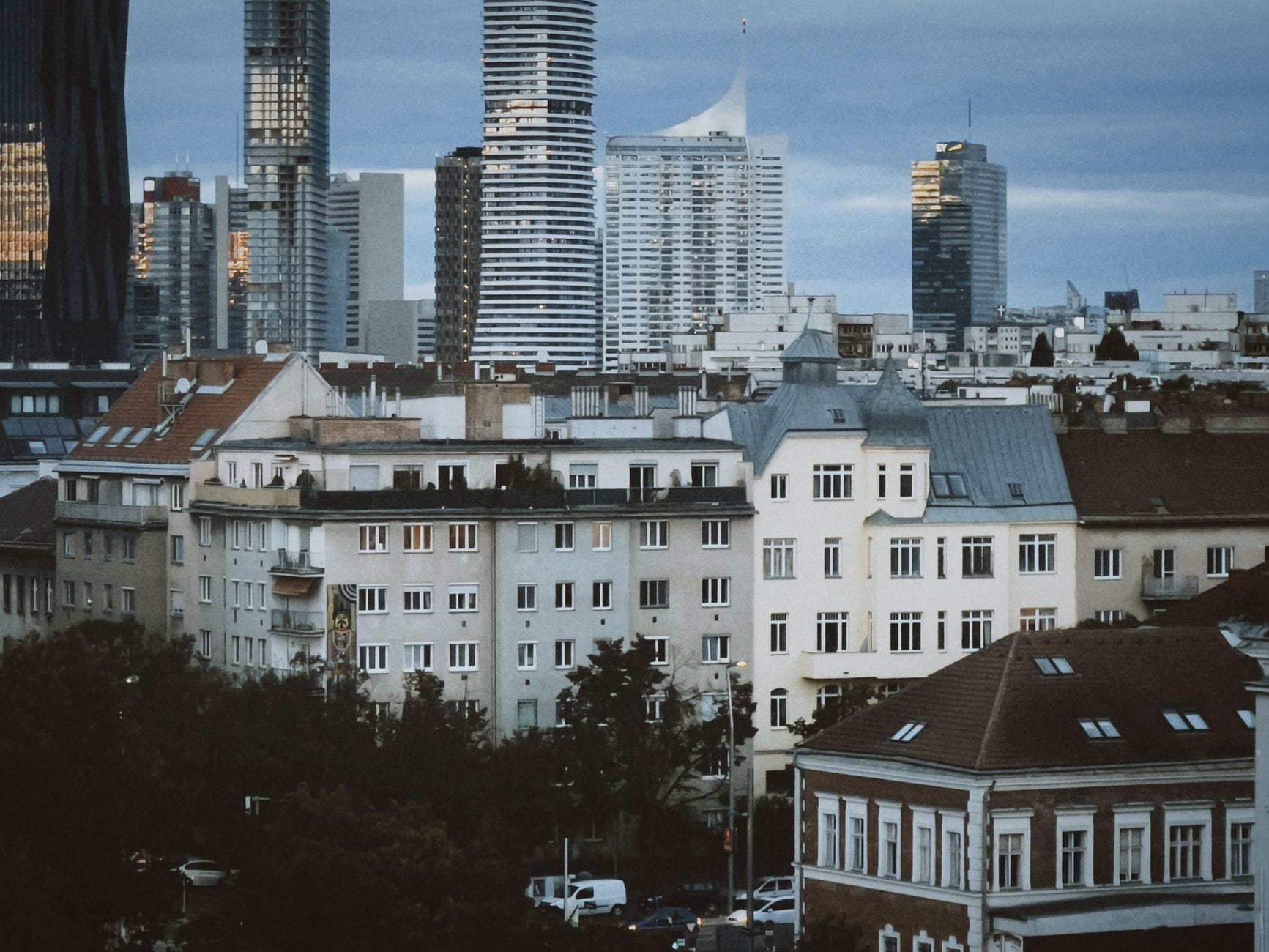
Beyond the Gürtel, districts 10 through 23 are predominantly residential suburbs with limited tourist infrastructure. Staying in, say, the 12th or 15th district because you found a cheap deal is a false economy — the money saved on accommodation gets eaten up in transit time and the psychological friction of commuting to everything. Unless you have a specific reason (visiting a friend, a concert venue in an outer district), stick to the 1st through 9th districts.
Within the inner districts, the area immediately around the Westbahnhof (15th district edge) can feel gritty and is further from sights than the price sometimes suggests. Similarly, some hotels marketed as 'central Vienna' use the Ringstrasse address loosely — always check the exact postal code before booking.
💡 Local tip
When searching on hotel booking platforms, use the map view and filter by district postal code rather than relying on the property's self-description. A hotel calling itself 'city center' might be in the 15th or 16th district.
Getting From the Airport to Your Neighborhood
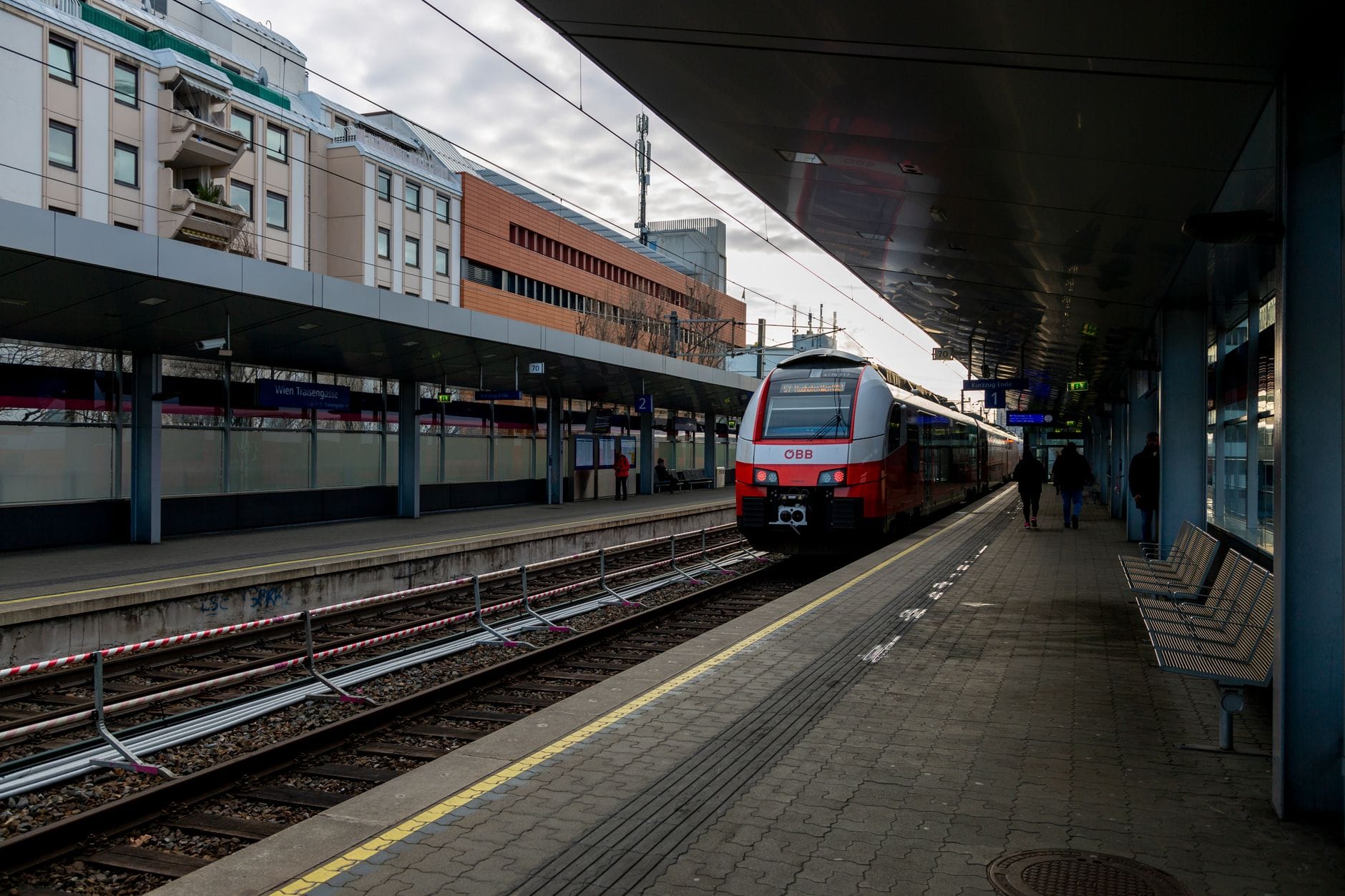
Vienna International Airport (IATA: VIE) is located at Schwechat, roughly 18-20 km southeast of central Vienna. You have three realistic options for getting into the city, and the right one depends on where you're staying. For the full breakdown, see our Vienna airport guide.
- City Airport Train (CAT): Runs directly to Wien Mitte/Landstrasse (3rd district) in about 16 minutes. Expensive but fast — best if you're staying in the 1st, 2nd, or 3rd district. Verify current fares before travel.
- S-Bahn (S7 line): Slower than the CAT (around 25-30 minutes) but significantly cheaper, using a standard zone ticket. Stops at Wien Mitte and continues to Wien Praterstern (2nd district). Best value for most travelers.
- Taxi or rideshare: Fixed-rate taxis from the airport to the city center are available; Uber also operates. Useful if you have heavy luggage or are arriving late at night. Expect fares in the €30-45 range — verify current rates.
Once you're in the city, a Wiener Linien weekly pass covers all public transport and is worth buying immediately if your trip is four or more days. The network is comprehensive enough that you'll rarely need a taxi — even reaching the Schönbrunn area or the Belvedere from any inner district takes under 20 minutes by public transport.
FAQ
Is it worth staying in the 1st district in Vienna?
For first-time visitors on short trips (1-2 nights) or those who prioritize walking access to the main imperial sights, yes — the premium is justified. For everyone else, staying in the 2nd through 7th districts saves money without meaningfully increasing travel time to attractions. Vienna's U-Bahn and tram network makes location less critical than in many other major cities.
Which Vienna neighborhood is best for families with children?
Leopoldstadt (2nd district) is the strongest pick for families. It borders the Prater park — which has playgrounds, cycling paths, and the iconic Riesenrad ferris wheel — and connects to the center in under five minutes on the U1. Accommodation prices are lower than the 1st district, and the district has a relaxed, residential feel that works well with kids.
How far in advance should I book hotels in Vienna?
For summer travel (June-August), book 2-3 months ahead, especially for 1st district properties. During Ball Season (January-February) and around major classical music events like the Vienna Philharmonic's New Year's Concert, some hotels fill up 4-6 months in advance. Shoulder season (March-May, September-October) offers more flexibility, but good-value options in the inner districts still go quickly.
Is public transport in Vienna reliable enough to stay outside the center?
Yes, reliably so. Wiener Linien operates one of Europe's most punctual and comprehensive urban transit networks. The U-Bahn runs until around midnight on weekdays and through the night on weekends. Trams and buses fill in the gaps. Staying in Neubau, Mariahilf, or Leopoldstadt and commuting to Innere Stadt attractions is a routine experience for locals, not a compromise.
What's the cheapest area to stay in Vienna without sacrificing access?
The 6th district (Mariahilf) and parts of the 4th (Wieden) offer the best combination of reasonable prices and strong transit connections. Alsergrund (9th) is also worth considering — it's a bit further north but has good U6 access and tends to be quieter and cheaper. Avoid outer districts (10th and beyond) unless you have a specific reason to be there.
Tickets & tours
Live prices and dates from our booking partner. If you book, we may earn a commission at no extra cost to you.
Planning a trip? Discover personalized activities with the Nomado app.