Vienna on a Budget: How to Visit Without Overspending
Vienna has a reputation for imperial grandeur and high prices, but a realistic daily budget of €50–80 covers accommodation, food, transport, and plenty of sightseeing. This guide breaks down exactly where your money goes, what you can skip paying for entirely, and how to get the most out of every euro.
Plan and book this trip
Tools from our partner Travelpayouts help you compare flights and hotels. If you book through them, we may earn a commission at no extra cost to you.
Flights
Hotels map
TL;DR
- A realistic Vienna budget is €50–80 per day, covering a hostel or budget hotel, cheap meals, and public transport.
- Many major sights are free, including the Ringstrasse, Schönbrunn Palace gardens, Stadtpark, and the nave of St. Stephen's Cathedral.
- The S7 S-Bahn from Vienna Airport costs significantly less than the City Airport Train (CAT) and takes only a few minutes longer.
- Lunch is the best-value meal in Vienna: look for 'Mittagsmenü' boards outside restaurants from around 11:30am.
- Shoulder seasons (March–May and September–October) offer lower prices and thinner crowds. See the best time to visit Vienna for a full seasonal breakdown.
What Vienna Actually Costs: Setting a Realistic Daily Budget
Vienna is not cheap by global standards, but it is not the budget-breaker its imperial image suggests either. The real cost depends almost entirely on your choices around accommodation and food, since transport and most sightseeing can be kept very low.
- Accommodation Hostel dorms run roughly €20–35/night; budget private rooms in guesthouses or 2-star hotels typically €60–100/night. Outer districts (7th, 8th, 9th) offer better value than the 1st.
- Food A sit-down Mittagsmenü (lunch set menu) costs €8–13 with a drink. Kebabs, Würstelstand sausages, and bakery sandwiches keep snack costs under €5. Dinner at a mid-range Beisl runs €15–25 per person.
- Transport A single U-Bahn/tram ticket costs around €2.40; a 24-hour pass is approximately €8. The Vienna City Card (24h/€17, 48h/€25, 72h/€29) adds museum discounts on top of unlimited transit.
- Sightseeing Dozens of free attractions mean you can have a full day without spending a cent on entry fees. Paid highlights like the Kunsthistorisches Museum or Schönbrunn Palace interior cost €12–22 per person.
- Daily total Hostel traveller: €50–60/day. Budget private room: €70–90/day. Both include transport, meals, and a paid attraction every other day.
💡 Local tip
Vienna's tap water is excellent quality, sourced from Alpine springs. Carry a refillable bottle and skip paying €3–4 for bottled water at cafes and tourist spots.
Free Sights Worth a Full Day of Your Time
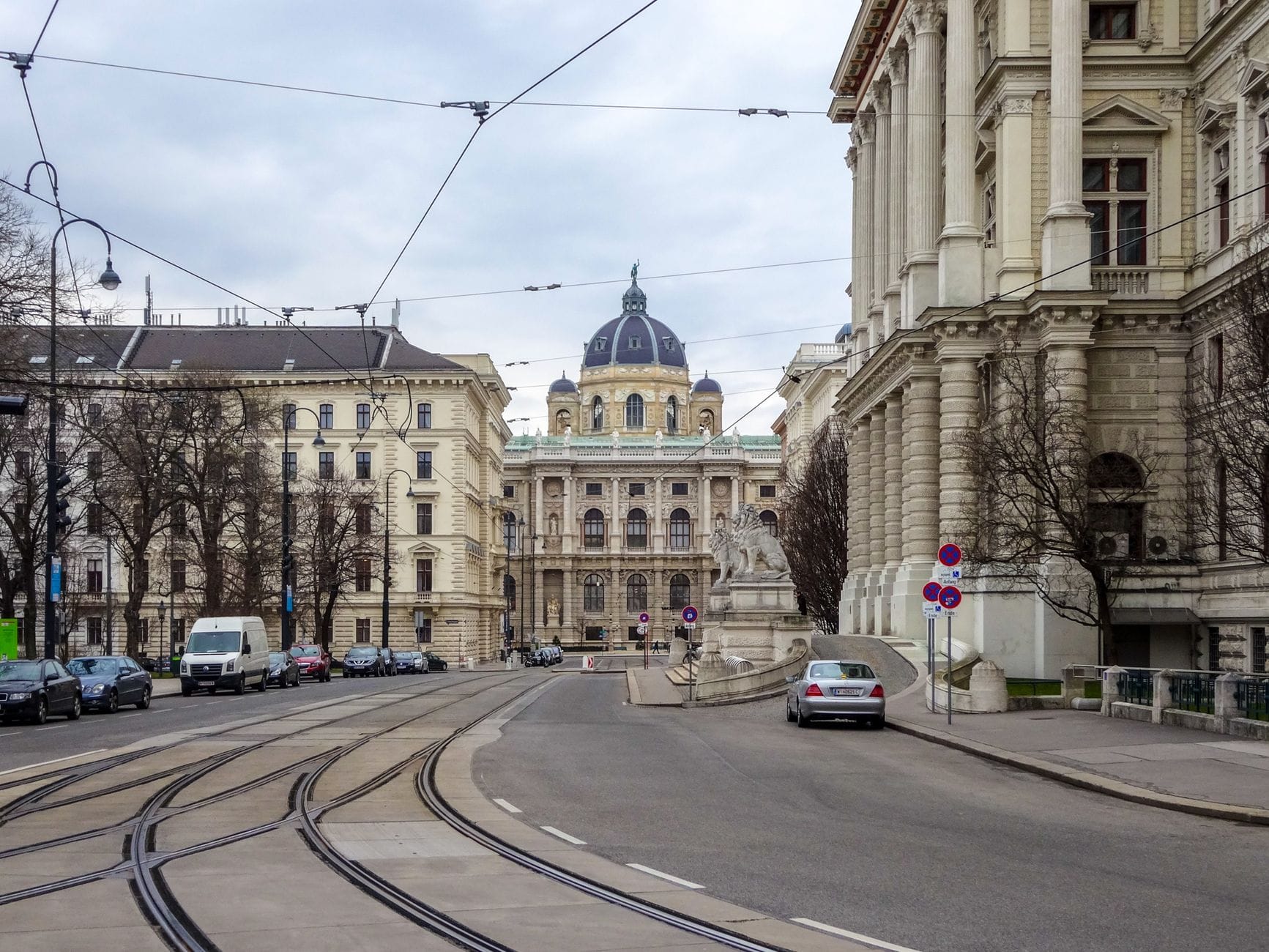
Vienna's historic core is essentially an open-air museum. The Ringstrasse, the grand 19th-century boulevard encircling the city center, is lined with monumental architecture including the Burgtheater, the Natural History Museum exterior, and the Vienna Rathaus. Walking its full circuit takes about 90 minutes and costs nothing.
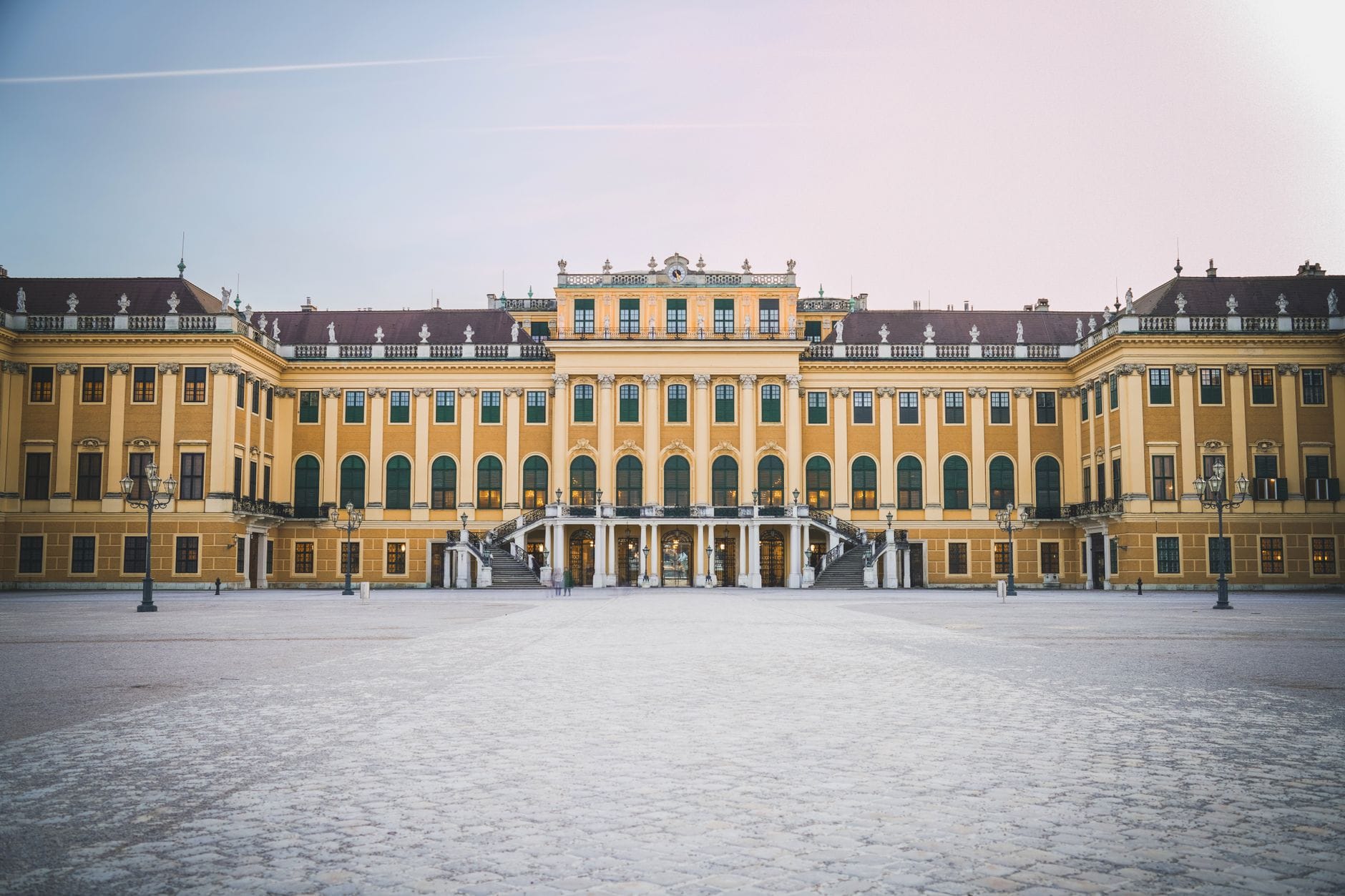
The Schönbrunn Palace gardens are free to enter and open year-round. The formal French gardens, the Neptune Fountain, and the hill walk up to the Gloriette (exterior free) give you a complete Schönbrunn experience without buying a palace ticket. The actual palace interior is worth the entry fee, but it is not required to have a good visit.
- St. Stephen's Cathedral nave: free entry; tower climb and catacombs cost extra
- Stadtpark: free, beautiful year-round, best in spring when roses bloom around the Strauss statue
- Belvedere gardens: the formal baroque gardens between Upper and Lower Belvedere are free to walk
- Heldenplatz and the Hofburg exterior: wander freely; only ticketed interiors (Sisi Museum, Imperial Treasury) cost money
- Wiener Secession building exterior and its iconic golden dome: free to view; the interior has a small admission fee
- Augarten park: one of Vienna's oldest baroque parks, free and rarely crowded
- Naschmarkt (Monday–Saturday): the city's main market is free to browse; eating there is affordable rather than free
ℹ️ Good to know
Several Vienna museums offer free admission on specific days or evenings. The Kunsthistorisches Museum, Albertina, and others occasionally run free-entry Sundays or late-night openings. Check individual museum websites before booking paid tickets, as the schedule changes seasonally.
Getting Around Vienna Without Paying Too Much
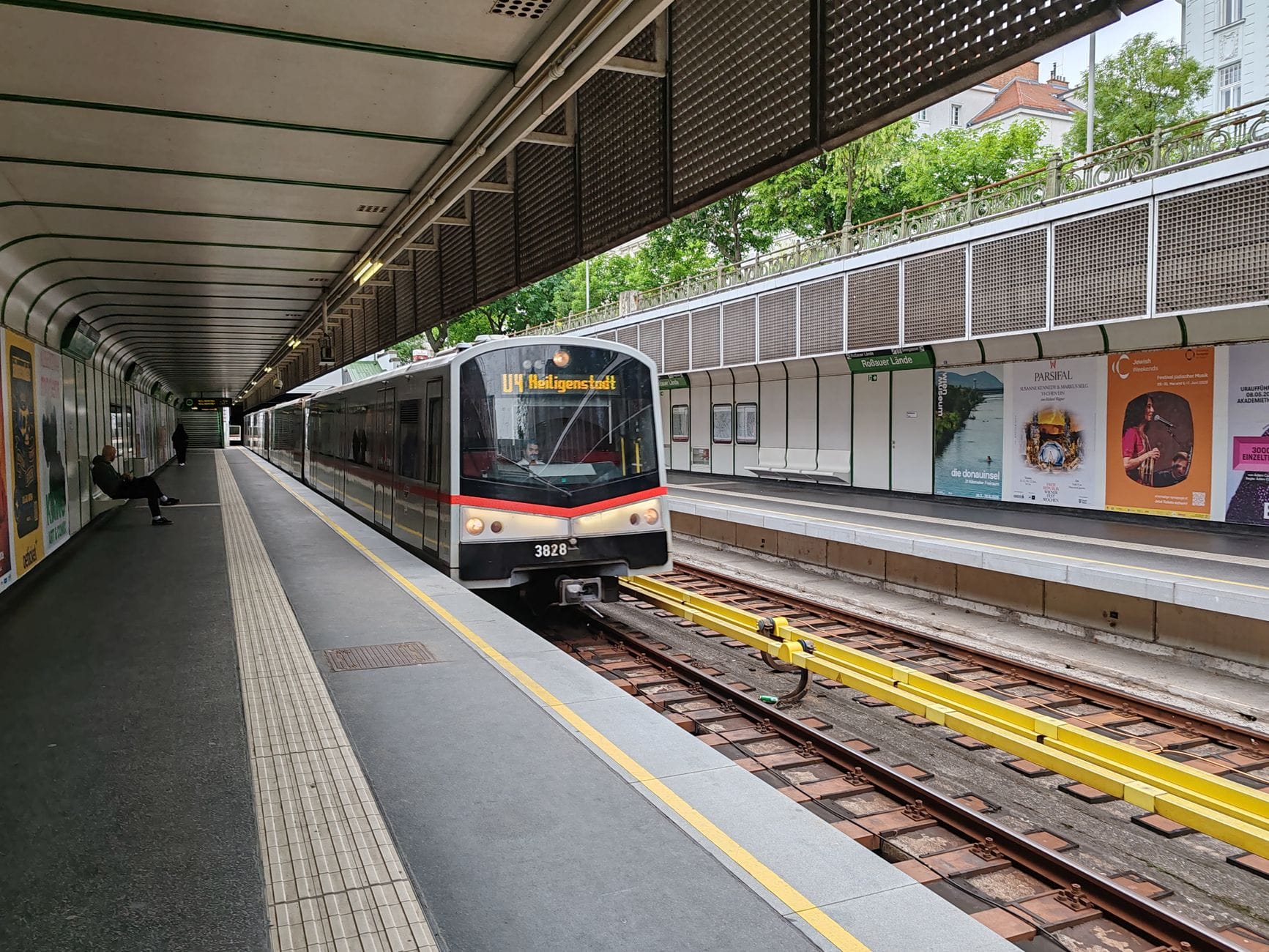
Vienna's public transport network, operated by Wiener Linien, covers the entire city through five U-Bahn lines, an extensive tram network, and city buses. For a short trip, a single ticket (valid for one continuous journey with transfers) costs around €2.40. For anything more than two trips in a day, a day pass makes financial sense.
The central city is also very walkable. The 1st district (Innere Stadt) is compact enough to cover most major landmarks on foot. From St. Stephen's Cathedral to the Hofburg is a 10-minute walk; from the Hofburg to the Kunsthistorisches Museum is another 10 minutes. If your accommodation is in the 4th through 9th districts, you can often walk to the center in 20–30 minutes and skip transit entirely for short sightseeing days.
For airport arrivals, the City Airport Train (CAT) is the fastest rail option at roughly 16 minutes, but it carries a premium price. The S7 S-Bahn covers the same route for a fraction of the cost and takes about 25–30 minutes total, making it one of the easiest budget travel decisions in Vienna. Standard Wiener Linien tickets or the Vienna City Card are valid on the S7. See the full Vienna airport transport guide for current fares and platform details.
⚠️ What to skip
Avoid taking taxis from Vienna Airport unless splitting the cost with other travelers. Fixed-rate airport taxis to the city center can cost €35–45 or more, several times the cost of the S-Bahn. Uber and Bolt operate in Vienna but pricing from the airport varies significantly depending on surge times.
Eating and Drinking Without Draining Your Budget
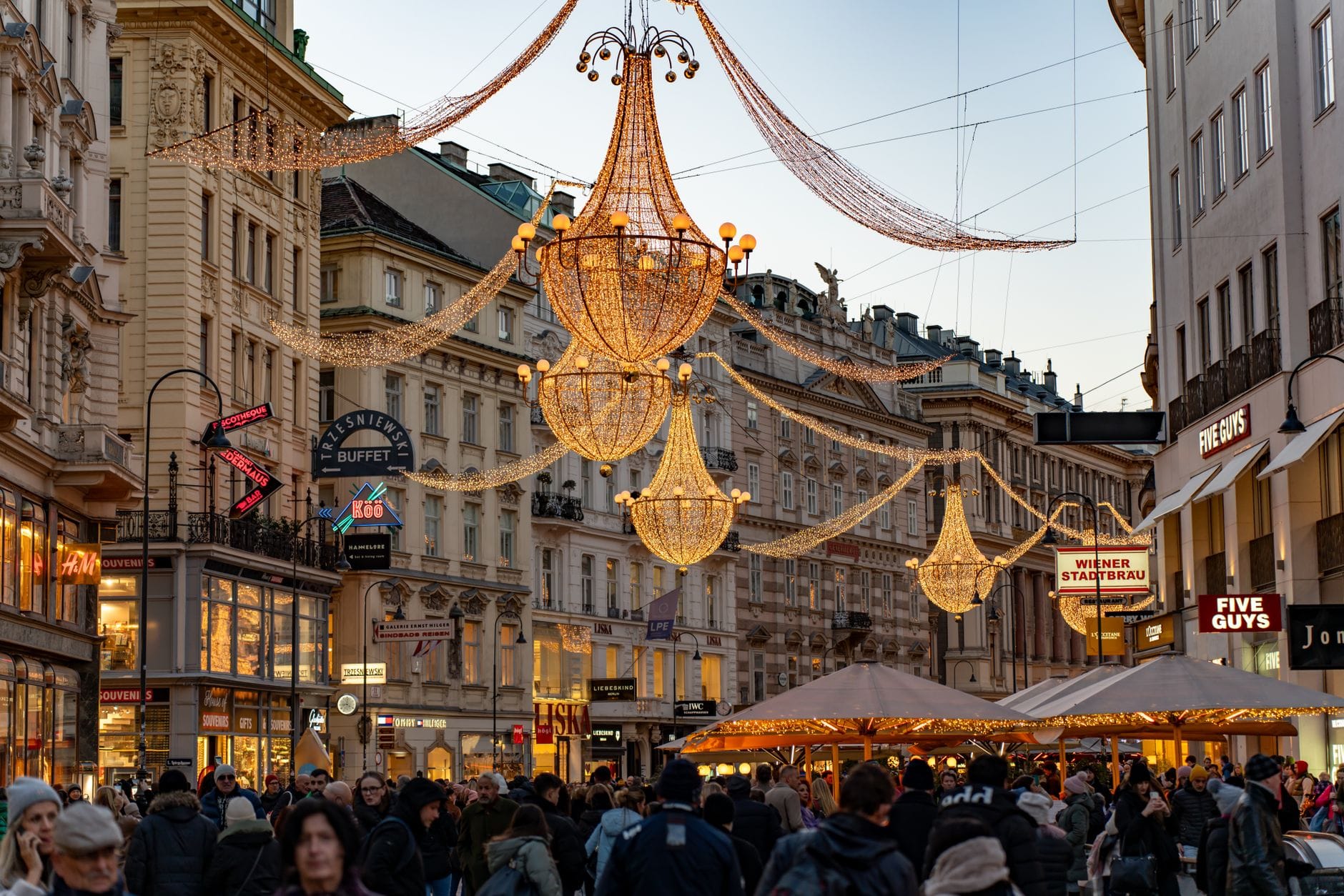
Food is where budget travelers in Vienna either save well or lose money fast. The trap is dining near major tourist sights: restaurants around the Stephansplatz and along the Graben charge noticeably more than places two or three streets away. The quality is often no better.
The Mittagsmenü system is your best friend. Most traditional Austrian restaurants and many Italian, Turkish, and Asian places post a set lunch menu outside from around 11:30am to 2pm. A typical Mittagsmenü includes soup plus a main course with a soft drink for €8–13. This is the same food you would pay €20+ for at dinner. Make lunch your main meal and keep dinner simple.
- Würstelstand (sausage stands): Vienna's classic street food; a Käsekrainer with bread costs around €4–5 and is genuinely good
- Turkish döner kebab: plentiful in the 6th and 16th districts, around €5–7 for a filling wrap
- Bakery chains (Anker, Ströck): fresh rolls, sandwiches, and pastries under €4, ideal for breakfast
- Naschmarkt stalls: affordable international food, especially at the market's western end near the U4 Kettenbrückengasse stop
- Supermarkets (Billa, Spar, Hofer/Aldi): grab beer, wine, cheese, and cold cuts for picnics in Stadtpark or the Augarten at a fraction of restaurant prices
Vienna's coffeehouse culture is genuinely worth experiencing, but it does not have to be expensive. A Melange (Viennese coffee with milk foam) at a traditional Kaffeehaus costs around €4–5, and the culture is that you can sit for hours without being pressured to order more. That is good value for what is essentially a quiet workspace or reading room. For a deeper look at which coffeehouses offer the best experience for the money, see the Vienna coffeehouse guide.
Paid Attractions: Which Are Worth It and Which to Skip
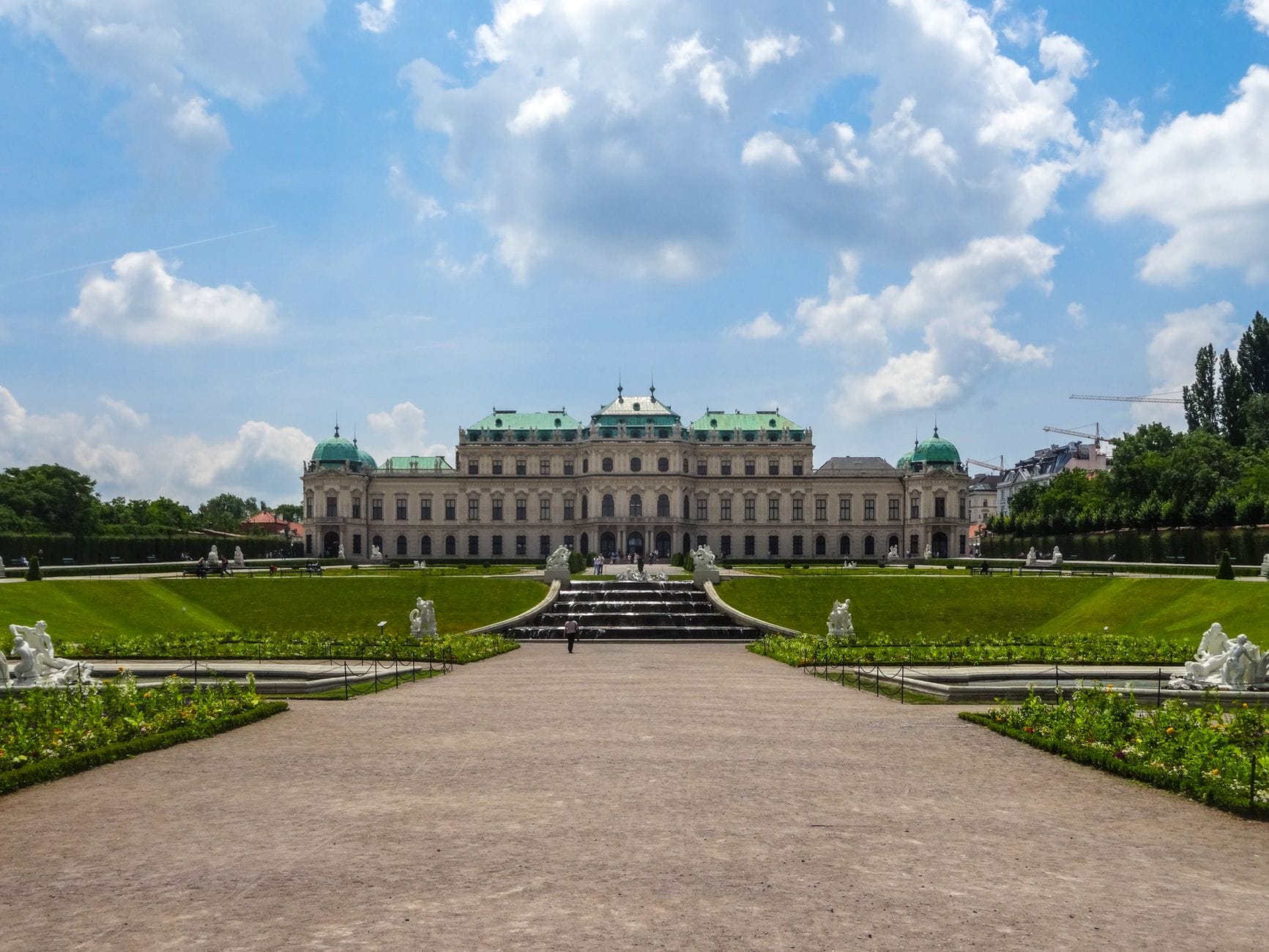
Not every paid attraction in Vienna deserves your money equally. Here is an honest assessment to help you allocate your sightseeing budget where it counts.
- Worth paying for Kunsthistorisches Museum (world-class art collection, €15–16), Schönbrunn Palace interior (Grand Tour ~€22), Upper Belvedere for Klimt's 'The Kiss' (~€16), the Imperial Treasury in the Hofburg (~€14 for the Habsburg crown jewels).
- Consider carefully The Vienna Pass (€69–109+) pays off only if you plan to visit 5 or more paid attractions in 24–48 hours at full price. Light sightseers rarely break even. Check the dedicated analysis before buying.
- Skip or go free Fiaker (horse-drawn carriage rides) are expensive tourist theater, typically €55–110 for 20–40 minutes. The Mozart/Strauss concert package deals sold on the street are heavily marked up; genuine concert tickets from proper venues cost less and offer far better quality.
For families, several attractions offer reduced or free admission for children under 10 or 14. The Schönbrunn Zoo and Natural History Museum both have family ticket options that meaningfully reduce per-person costs. Plan around these if traveling with children.
Timing Your Visit to Maximize Value
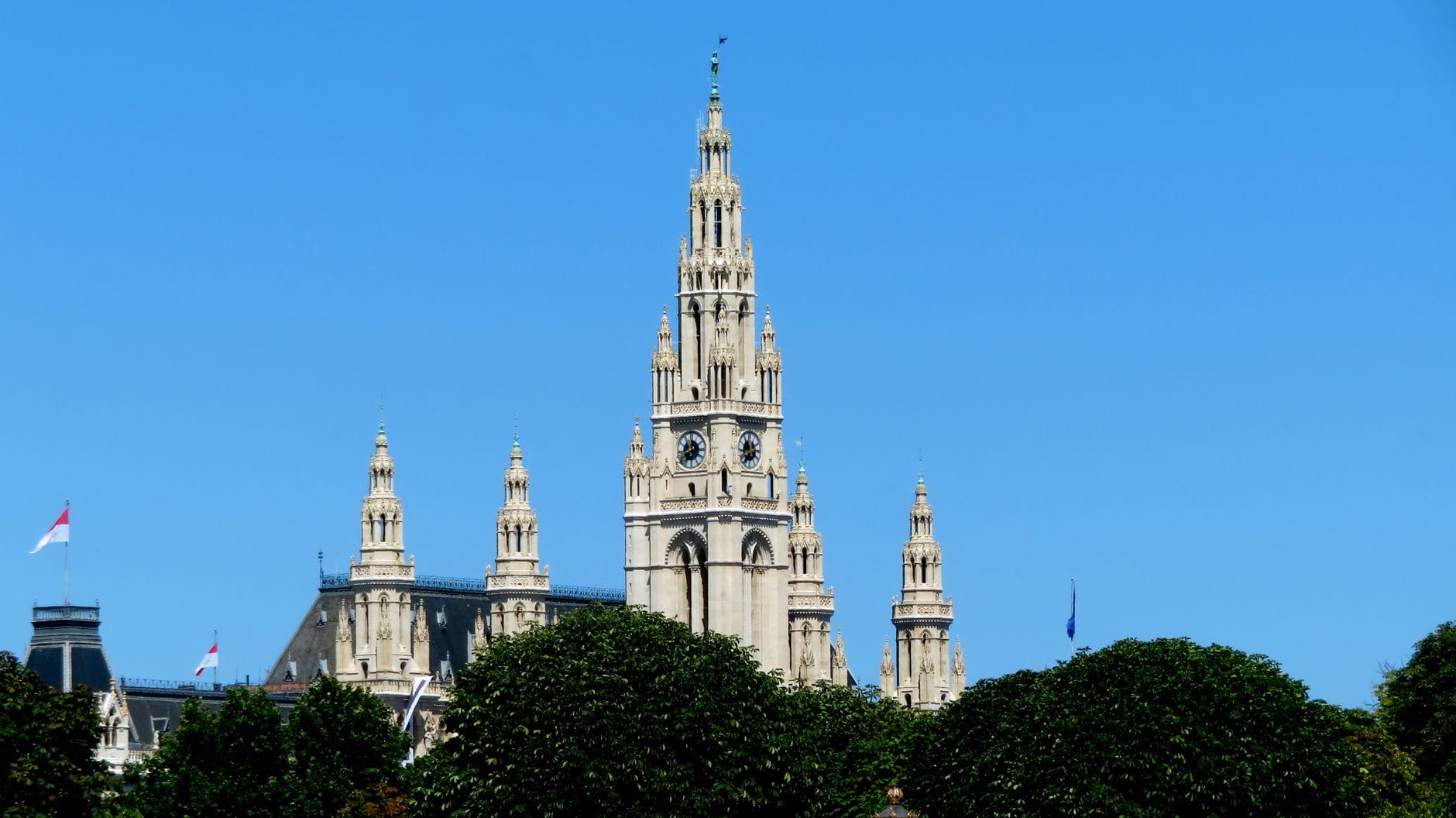
High season in Vienna runs roughly June through August and again around Christmas markets in December. During these periods, accommodation prices rise noticeably, popular sights have longer queues, and the city feels more commercial. Summer is genuinely enjoyable but not the most cost-effective time to visit.
The best value windows are March to May and September to October. Temperatures are comfortable (10–20°C in spring, 15–20°C in early autumn), crowds at key sights like Schönbrunn and the Kunsthistorisches Museum are thinner, and accommodation prices are lower than peak season. Winter (November through February, excluding Christmas) is genuinely cheap: hotel prices drop significantly, and the city is far less crowded. The trade-off is cold weather and shorter daylight hours. For a full breakdown of what each season offers, see the guide to the best time to visit Vienna.
✨ Pro tip
Book accommodation at least 4–6 weeks ahead for spring and summer visits. Vienna hotels in the 1st district sell out early, and prices for last-minute bookings in high season can be double the shoulder-season rate. Staying in the 4th, 6th, or 7th district instead saves money and still puts you within a 15-minute tram ride of everything.
FAQ
How much does a day in Vienna cost on a budget?
A realistic low-budget day in Vienna costs €50–60 if you stay in a hostel dorm, eat Mittagsmenü for lunch, pick up groceries or street food for other meals, use public transport, and focus on free sights. Add another €20–30 if you want a private room or plan to visit a major paid attraction that day.
Is the Vienna City Card worth it?
The Vienna City Card (€17 for 24h, €25 for 48h, €29 for 72h) includes unlimited Wiener Linien public transport plus discounts at a range of museums and attractions. It is worth it if you are moving around the city frequently and plan to use those discounts. If you are spending most of your time walking the center or visiting just one or two paid sights, a standard 24-hour Wiener Linien pass (around €8) is cheaper.
What can I see in Vienna for free?
Quite a lot. Free highlights include the nave of St. Stephen's Cathedral, the entire Ringstrasse boulevard and its monumental building exteriors, the Schönbrunn Palace gardens, Stadtpark, the Belvedere gardens, Heldenplatz, the Naschmarkt (to browse), and the Augarten. Free walking tours operating on a tip model also cover the historic center well.
What is the cheapest way to get from Vienna Airport to the city?
The S7 S-Bahn is the cheapest airport-to-city option, accepted on standard Wiener Linien tickets and travel passes. It takes around 25–30 minutes to Wien Mitte/Landstraße and costs a fraction of the City Airport Train (CAT). The CAT is faster at 16 minutes but charges a significant premium. Taxis are the most expensive option and are not necessary for solo or pair travelers.
Is Vienna expensive compared to other European capitals?
Vienna sits in the mid-to-upper range of European city costs, more expensive than Budapest or Prague but comparable to Berlin and somewhat cheaper than Paris, Zurich, or London. The key difference is how many free and low-cost options Vienna offers: extensive parks, walkable free-entry landmarks, and an affordable public transport network mean daily costs are very controllable if you plan ahead.