Best Time to Visit Vienna: A Month-by-Month Guide to Planning Your Trip
Vienna rewards visitors in every season, but the experience varies dramatically depending on when you go. This guide breaks down the weather, crowd levels, pricing, and cultural calendar month by month so you can choose the timing that fits your priorities.
Plan and book this trip
Tools from our partner Travelpayouts help you compare flights and hotels. If you book through them, we may earn a commission at no extra cost to you.
Flights
Hotels map
TL;DR
- The best time to visit Vienna for most travelers is April–May or September–October: comfortable temperatures (11–20°C), manageable crowds, and the full cultural program running.
- July and August are the warmest months but come with peak crowds, higher hotel prices, and a notable gap: the Vienna State Opera, Vienna Boys' Choir, and Spanish Riding School all pause their regular seasons.
- December is expensive and busy but spectacular if the Christmas markets are your priority. January and February offer the lowest prices of the year, plus a full concert calendar.
- Ball season peaks in February, with the Vienna Opera Ball as the headline event — book months in advance if that's on your list.
- Vienna is not a seasonal destination in the way that beach resorts are. Even in the coldest months, the museums, coffeehouses, and concert halls are open and worth your time. See our guide to Vienna in winter for what to expect off-peak.
Vienna's Climate at a Glance
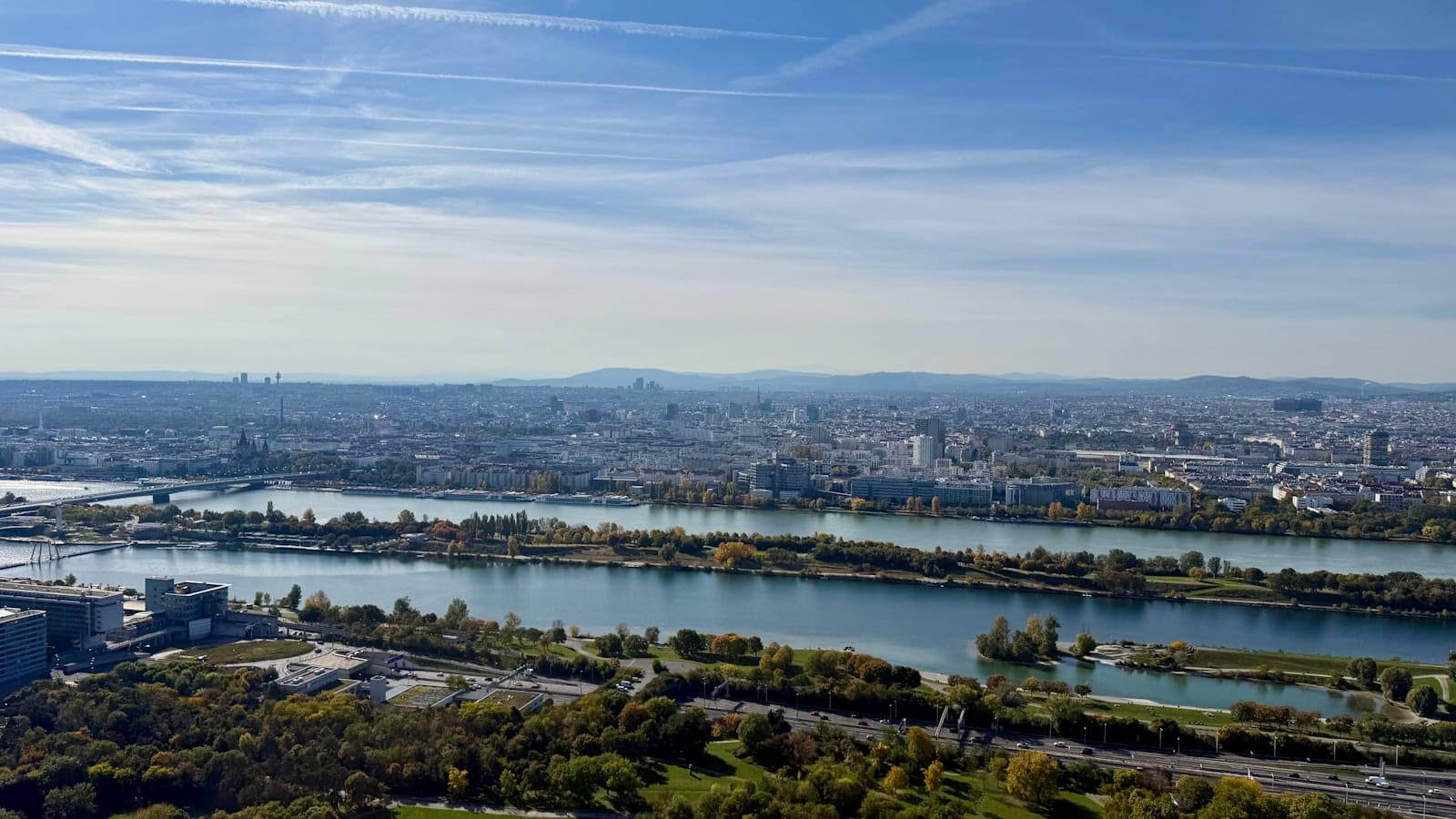
Vienna sits at around 48°N in northeastern Austria, on the Danube between the foothills of the Alps and the start of the Pannonian Plain. That geography gives it a transitional climate, classified broadly as humid continental (Köppen Dfb), with four genuinely distinct seasons. Winters are cold with frequent frost, summers can push into real heat, and spring and autumn offer the kind of weather that makes outdoor sightseeing easy.
Rainfall is spread fairly evenly across the year, with a slight lean toward wetter conditions in late spring and summer. There is no monsoon season to plan around. What matters more for visitors is temperature and how it intersects with the city's cultural calendar — because in Vienna, the question of when to go is as much about what's open and performing as it is about the weather.
- Winter (Dec–Feb) Often around 0°C, frequent frost, occasional snow. Low prices outside December. Full classical music season.
- Spring (Mar–May) Gradual warm-up from around 8°C in March to 20°C by May. Gardens bloom from April. Excellent shoulder-season value.
- Summer (Jun–Aug) Warm to hot, averaging 22–27°C, with occasional spikes above 30°C. Peak crowds and prices. Outdoor festivals compensate for the cultural gaps.
- Autumn (Sep–Nov) Cooling from around 17°C in September to 5–8°C in November. Early autumn is arguably the city's best-kept seasonal secret.
Spring (March to May): The Sweet Spot Starts Here
March is genuinely transitional: mornings can be cold enough to see your breath while afternoons reach 12–15°C. The Prater's chestnut trees start budding, and the Schönbrunn Palace gardens begin their slow return to color. Tourist volumes are low enough that you can walk into major attractions without queueing for long, and hotel rates haven't climbed to summer levels yet.
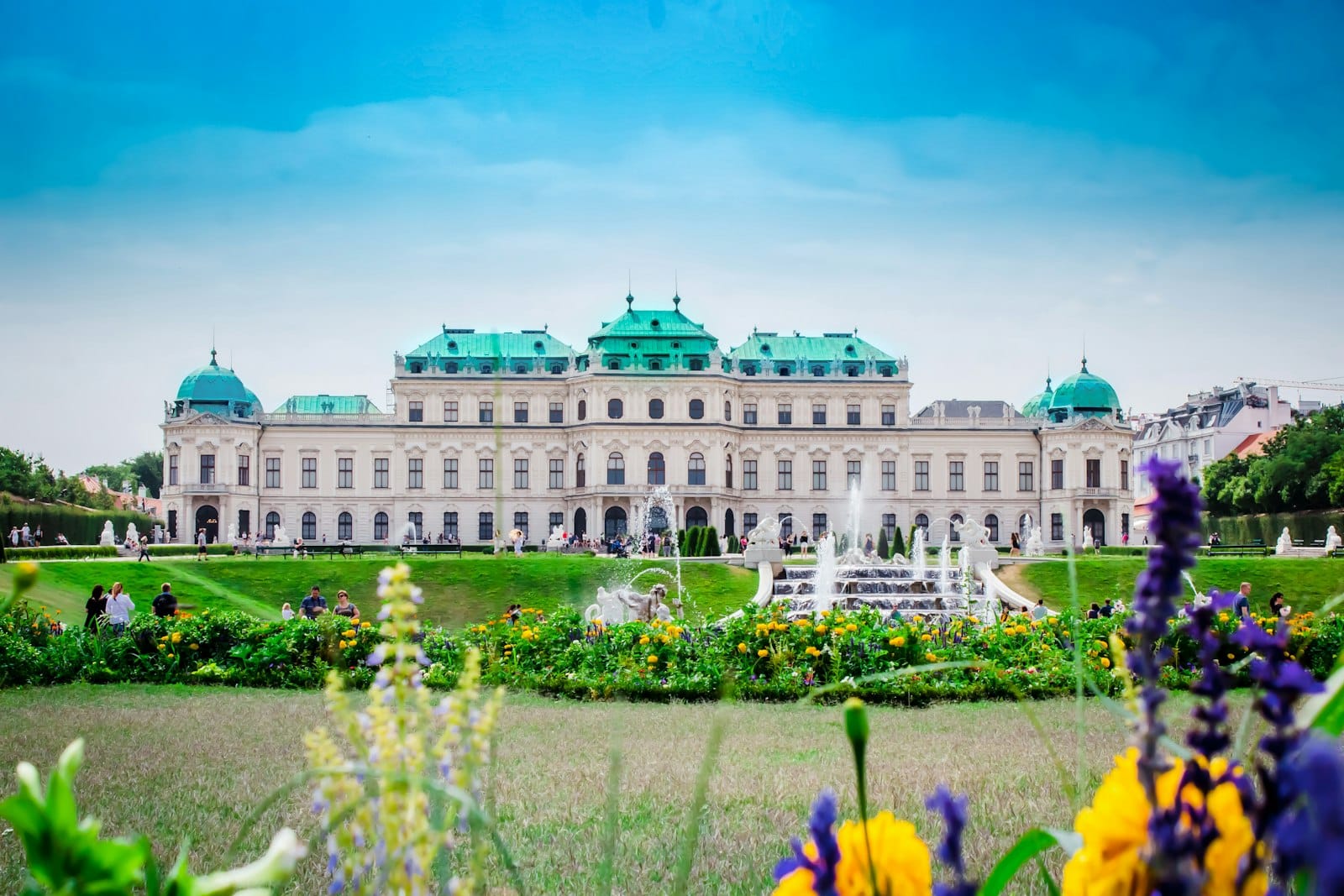
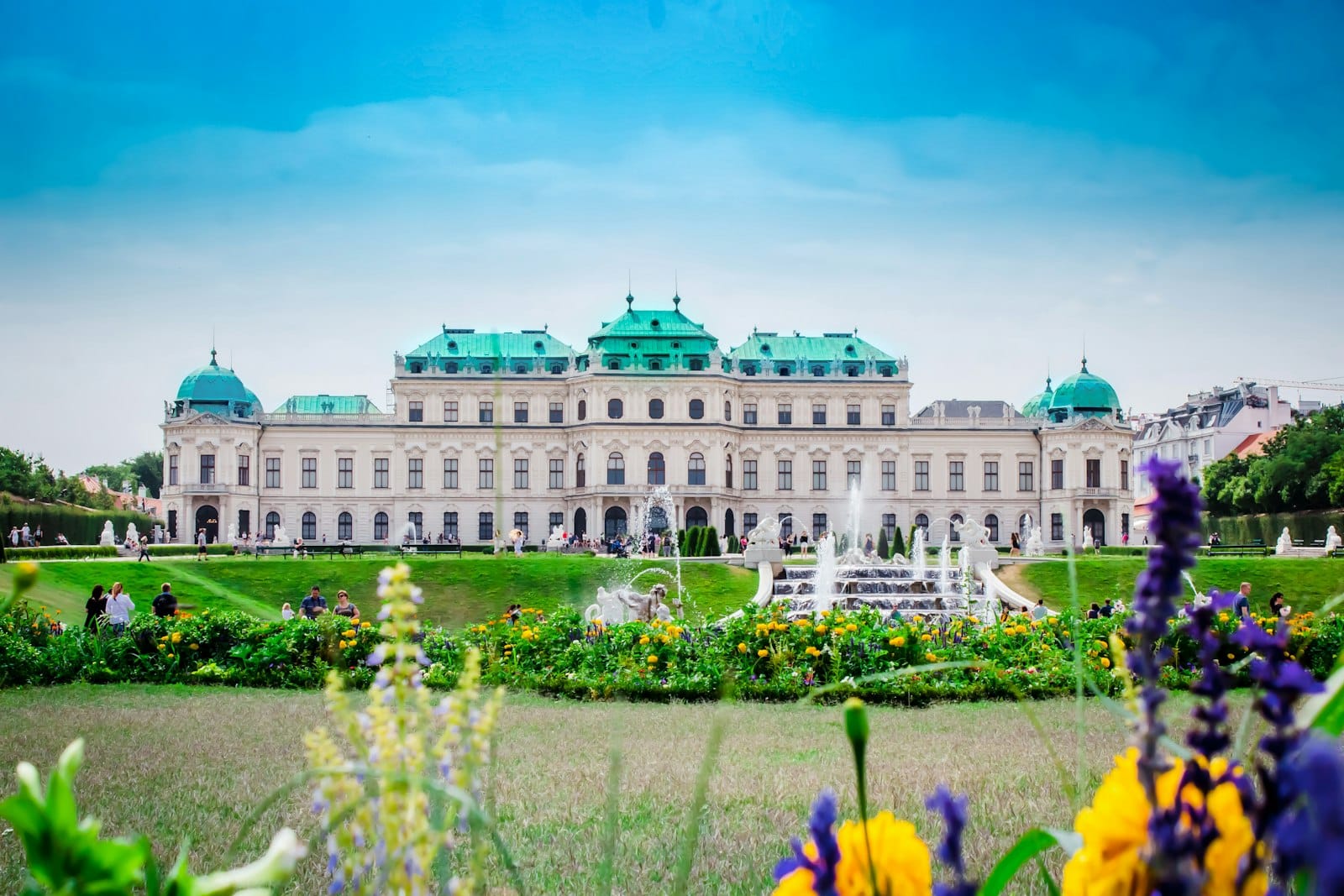
April is where spring becomes convincing. Temperatures reliably climb to 15–18°C, the Belvedere Gardens put on one of the city's best floral displays, and the full cultural program is running. The Vienna State Opera, Vienna Philharmonic, and Spanish Riding School are all active. This is the beginning of the best window for first-time visitors who want the complete experience without peak-season prices.
May is peak shoulder season and arguably the single best month to visit Vienna. Average highs approach 20°C, rain is manageable, the Schönbrunn Palace grounds are at full bloom, and the city hasn't yet filled with the summer wave of tourists. Book accommodation at least 6–8 weeks out for May, as the word is well and truly out.
💡 Local tip
If you're visiting Vienna primarily for classical music, avoid July and August. The Vienna State Opera is closed for its summer break, the Vienna Boys' Choir does not perform at Sunday Mass during that period, and the Spanish Riding School (Lipizzaner stallions) pauses from late June through mid-August. Check the official Wiener Staatsoper website for the precise season dates before booking.
Summer (June to August): Busy, Hot, and Still Worth It
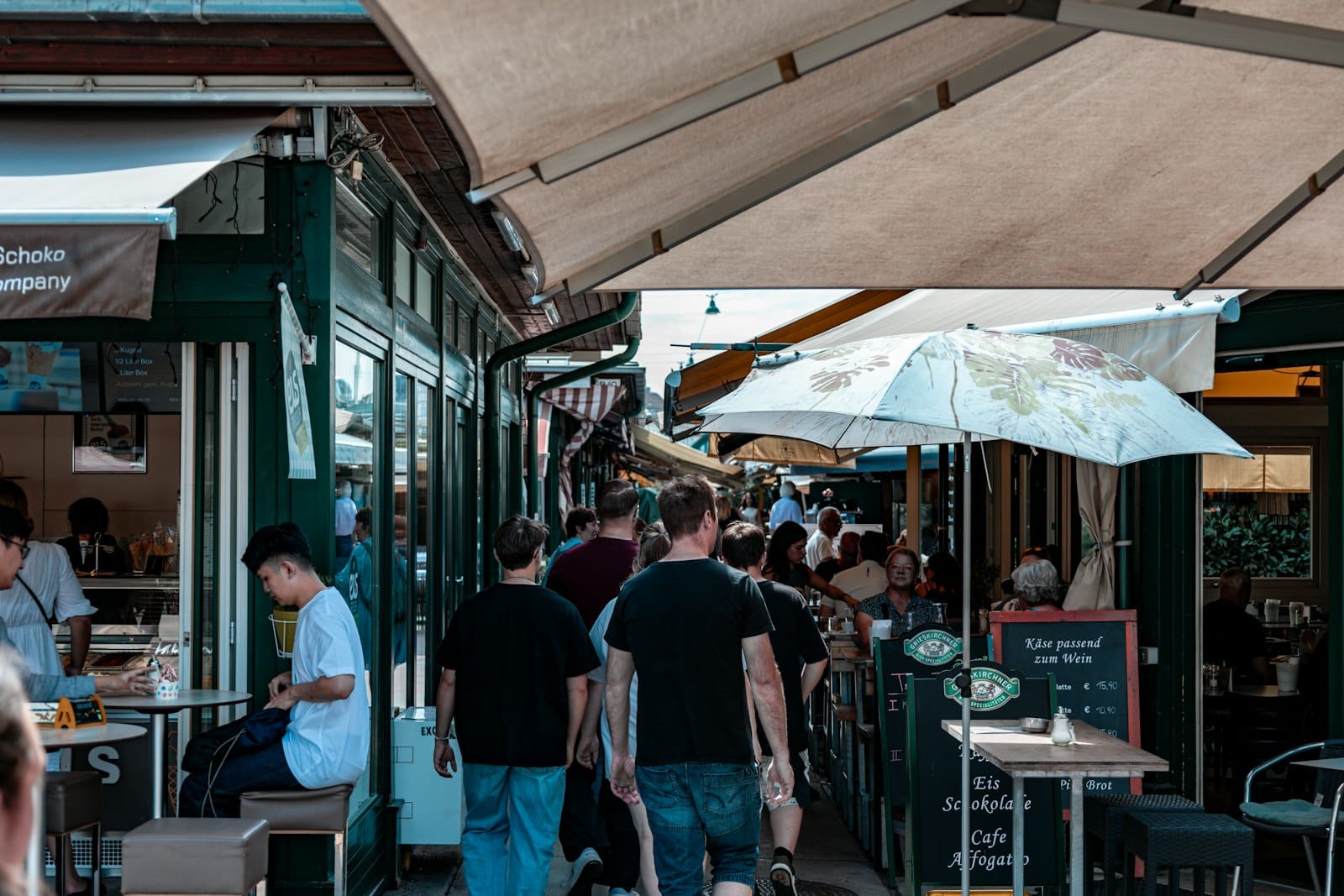
June is the gateway to high season and a strong month on its own terms. Temperatures are warm without being oppressive (averaging around 22–24°C), the cultural calendar is still running for most of the month, and the city's outdoor spaces come into their own. The Naschmarkt at 7am on a Saturday morning in June is a genuinely good experience — locals shopping, produce at its seasonal peak, the energy unhurried before the tourist wave arrives later in the day.
July and August are when Vienna hits its annual tourism maximum. Hotel rates peak, the major sights draw long queues, and the city's flagship performing arts institutions are on summer break. What fills the gap: outdoor cinema at the Rathaus film festival (Filmfestival am Rathausplatz), free concerts in the Stadtpark, jazz festivals, and extended evening hours at many museums. If your trip is about parks, architecture, and cafe culture rather than the opera house, summer is fine — just book everything well in advance and budget for higher costs.
⚠️ What to skip
Vienna's summers have been getting hotter. Temperatures above 35°C are no longer rare in July and August. If you're visiting with young children or have low heat tolerance, budget for accommodation with air conditioning — not all older Viennese hotels have it. Check explicitly before booking.
For travelers whose priority is outdoor exploration rather than concert halls, summer has a real argument. The Alte Donau lake area becomes Vienna's urban beach, the Donauinsel fills with cycling and swimming, and the long daylight hours (sunset around 8:45pm in June) mean you can comfortably sightsee from morning to evening without rushing.
Autumn (September to November): The Underrated Season
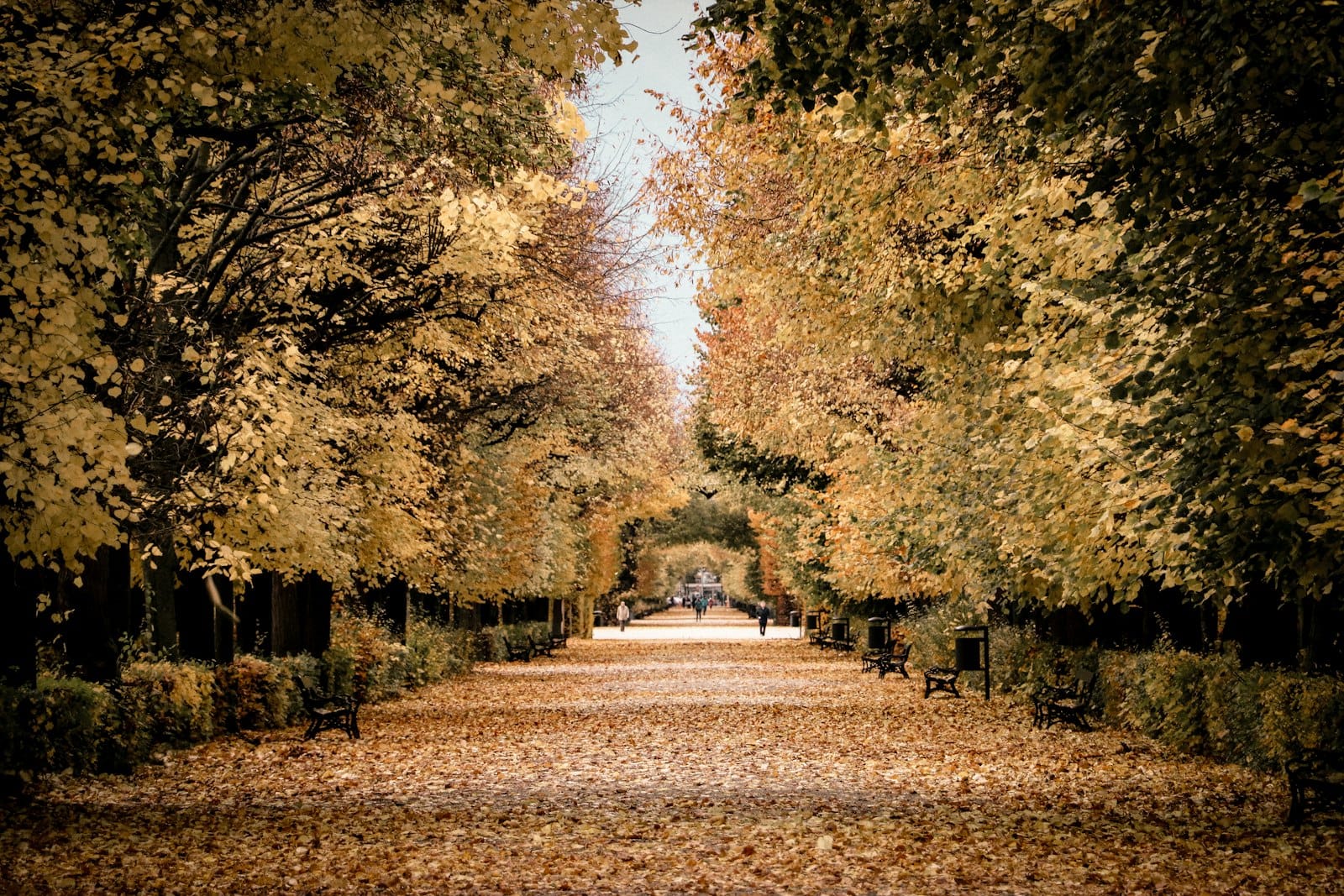
September is the month that experienced Vienna visitors tend to recommend most strongly. The summer crowds have thinned, hotel rates drop from their July–August peaks, temperatures sit in a comfortable 17–20°C range, and the full cultural season resumes in earnest. The Vienna State Opera opens its new season in early September with considerable fanfare, and the Spanish Riding School returns to its regular performance schedule.
October continues the pattern, with golden light on the Ringstrasse's plane trees and average temperatures around 13–15°C. Wrap up warmly in the evenings and you'll find the city operating at something close to optimal: full program, reasonable prices, and crowds that are present but not suffocating. The Vienna Wiesn (Vienna's version of Oktoberfest-style events) and various harvest festivals add seasonal texture.
November is where autumn tips into something more challenging. Temperatures fall to 5–10°C, daylight shortens noticeably, and the city can feel grey. The upside: hotel prices are at their second-lowest point of the year (after January–February), museums are uncrowded, and the Vienna coffeehouse culture takes on its most genuine form — locals lingering over Melange and newspapers without a tourist queue in sight. Late November brings the first Christmas markets, usually opening around the third week of the month.
Winter (December to February): Expensive December, Excellent January
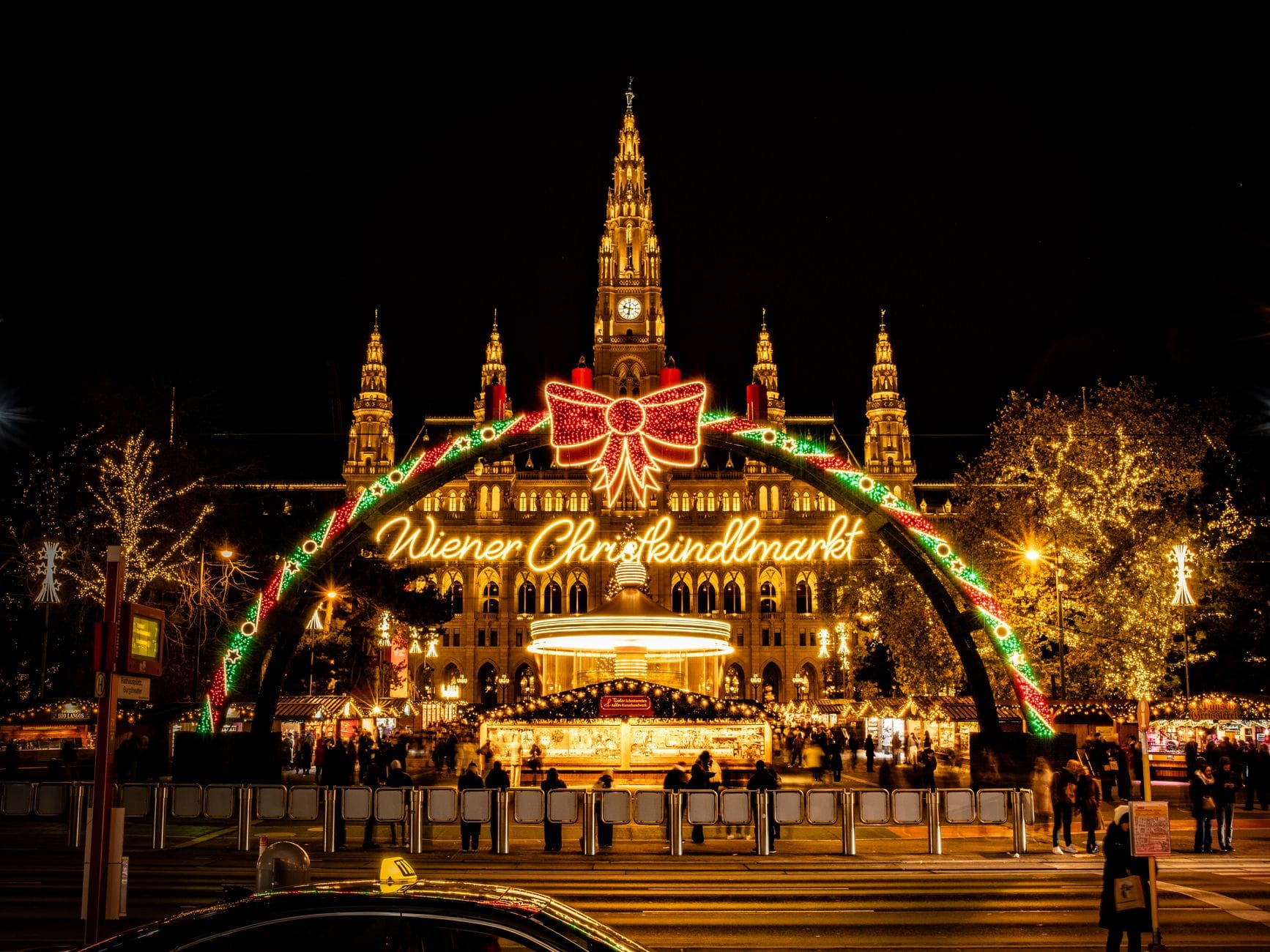
December splits into two very different experiences. The first three weeks are defined by the Christmas markets, which transform Vienna's major squares into one of Europe's most atmospheric festive settings. The Christkindlmarkt on Rathausplatz, the market in front of Schönbrunn Palace, and the more compact Spittelberg market are the standout options. Crowds are significant, prices are elevated, and accommodation books out fast — but the city does this season genuinely well.
The week between Christmas and New Year is peak chaos and peak price. New Year's Eve (Silvester) in Vienna is celebrated on a grand scale with concerts and street events centered around the inner city, but it requires planning and budget to do properly. If your priority is the Christmas market atmosphere rather than the full holiday period, aim for the first two weeks of December and you'll experience the best of it with slightly less pressure.
January and February represent the budget-conscious traveler's best entry point. Temperatures sit around 0–4°C, there may be snow, and the city is the quietest it gets all year. What's often missed: the classical music and opera calendar is fully active, Vienna's coffeehouses are at their most atmospheric, and museums like the Kunsthistorisches Museum and the Upper Belvedere can be explored at a pace that summer visitors never experience.
February also brings Vienna's legendary ball season, which runs from January through to Mardi Gras. The Vienna Opera Ball is the headline event, held at the State Opera building, but there are hundreds of balls across the season covering every profession and interest — the Coffeehouse Owners' Ball, the Philharmoniker Ball, the Lawyers' Ball. Attending one is genuinely memorable and surprisingly accessible at entry level if you research ticket categories in advance.
✨ Pro tip
For the best balance of value and full cultural access, book Vienna for late September or early October. You'll get the new opera season in full swing, autumn foliage in the Prater and Ringstrasse, temperatures around 15°C, and hotel rates 20–30% below their August peaks. It's consistently the window that rewards repeat visitors most.
Quick Comparison: Who Should Visit When
- First-time visitors wanting the full picture April, May, or September. All major cultural institutions open, weather comfortable, crowds manageable.
- Classical music and opera fans September through June. Avoid July–August when the State Opera closes for summer.
- Budget travelers January or February. Lowest hotel rates of the year, full museum access, active concert season.
- Families with children June or September offer the best mix of outdoor activity weather and manageable crowds. See our guide to Vienna with kids for specifics.
- Christmas market lovers First two weeks of December, ideally a weekday visit to avoid weekend crowds.
- Ball season enthusiasts January through early March. Book the Vienna Opera Ball (late January or February) many months in advance.
- Outdoor and active travelers June–August for cycling, swimming at Alte Donau, and hiking in the Wienerwald.
One practical note on the Vienna City Card and museum passes: their value depends heavily on how many major attractions you plan to visit and in what order. In summer, when queues are longest and energy is highest, a pass that includes skip-the-line access pays for itself quickly. In January, when you can walk into most museums freely, the calculation is different. Always run the numbers against your actual itinerary before buying.
ℹ️ Good to know
Vienna is Austria's capital and largest city, covering approximately 415 km² with a population of around 2 million. It functions as both a city and one of Austria's nine federal states (Bundesländer). The official language is German; the local dialect is Austro-Bavarian (Wean). English is widely spoken in tourism contexts. Austria uses the Euro (EUR) and follows Central European Time (CET/UTC+1, CEST/UTC+2 in summer).
FAQ
What is the best time to visit Vienna?
For most travelers, April–May and September–October offer the best overall conditions: comfortable temperatures between 11–20°C, the full cultural program including opera and classical concerts, and crowds and prices that haven't hit their summer peak. September is particularly strong because the new opera season opens, summer tourists have thinned, and the weather remains reliably pleasant.
Is Vienna worth visiting in winter?
Yes, with caveats. December is spectacular but expensive, particularly around the Christmas markets and New Year. January and February are the cheapest months to visit, and the classical music and opera calendar runs in full — the Vienna State Opera, Musikverein, and Konzerthaus are all active. The cold is real (around 0–4°C) but the city's coffeehouses and museum culture make it rewarding. Some outdoor sights are less appealing in grey weather, but the indoor experience is genuinely excellent.
What should I avoid in summer?
If classical music is your primary reason for visiting Vienna, summer is a poor choice. The Vienna State Opera closes for its annual summer break, the Vienna Boys' Choir doesn't perform at Sunday Mass, and the Spanish Riding School pauses from late June through mid-August. Summer also brings the highest hotel prices and the longest queues at major sights. If outdoor events, cycling, and lake swimming are your priorities, those concerns don't apply.
When is Vienna the cheapest to visit?
January and February are the cheapest months overall. Hotel rates drop significantly from their December and summer peaks, and the city is quieter. February adds the ball season, which brings some price spikes around major events like the Vienna Opera Ball, but doesn't affect the general market the way December does.
How many days do I need in Vienna?
Three to four days is the practical minimum to cover the major highlights without rushing — the imperial core of the Innere Stadt, Schönbrunn Palace, the MuseumsQuartier, a concert or opera performance, and time in a traditional Viennese coffeehouse. A week allows you to move at a genuine pace and explore neighborhoods like Leopoldstadt, the Belvedere area, and day trips to the Wachau Valley or Bratislava.