Top Things to Do in Vienna, Austria: The Definitive Guide
Vienna rewards visitors who go beyond the postcard. This guide covers the top things to do in Vienna Austria — from Schönbrunn Palace and Klimt's 'The Kiss' to Naschmarkt and the city's underrated museum scene — with real prices, seasonal advice, and clear notes on what's worth your time.
Plan and book this trip
Tools from our partner Travelpayouts help you compare flights and hotels. If you book through them, we may earn a commission at no extra cost to you.
Flights
Hotels map
TL;DR
- Vienna's top things to do cluster around imperial palaces, world-class museums, and coffeehouse culture — but the city has serious depth beyond the obvious. Plan at least 2-3 days to cover the highlights efficiently.
- Schönbrunn Palace tickets start at €28 for state apartments alone; book online in advance to avoid queues, especially in summer.
- Many of Vienna's best experiences are free: the Schönbrunn gardens, the Belvedere gardens, most churches, and wandering the Innere Stadt cost nothing.
- Spring (April-May) and early autumn (September-October) offer the best balance of good weather, manageable crowds, and reasonable accommodation prices.
- Vienna's public transport (U-Bahn, trams, buses) is excellent — a 24-hour or 48-hour pass covers nearly everything and is far cheaper than taxis. See our guide on getting around Vienna for full details.
Imperial Palaces: Where to Go and What to Skip
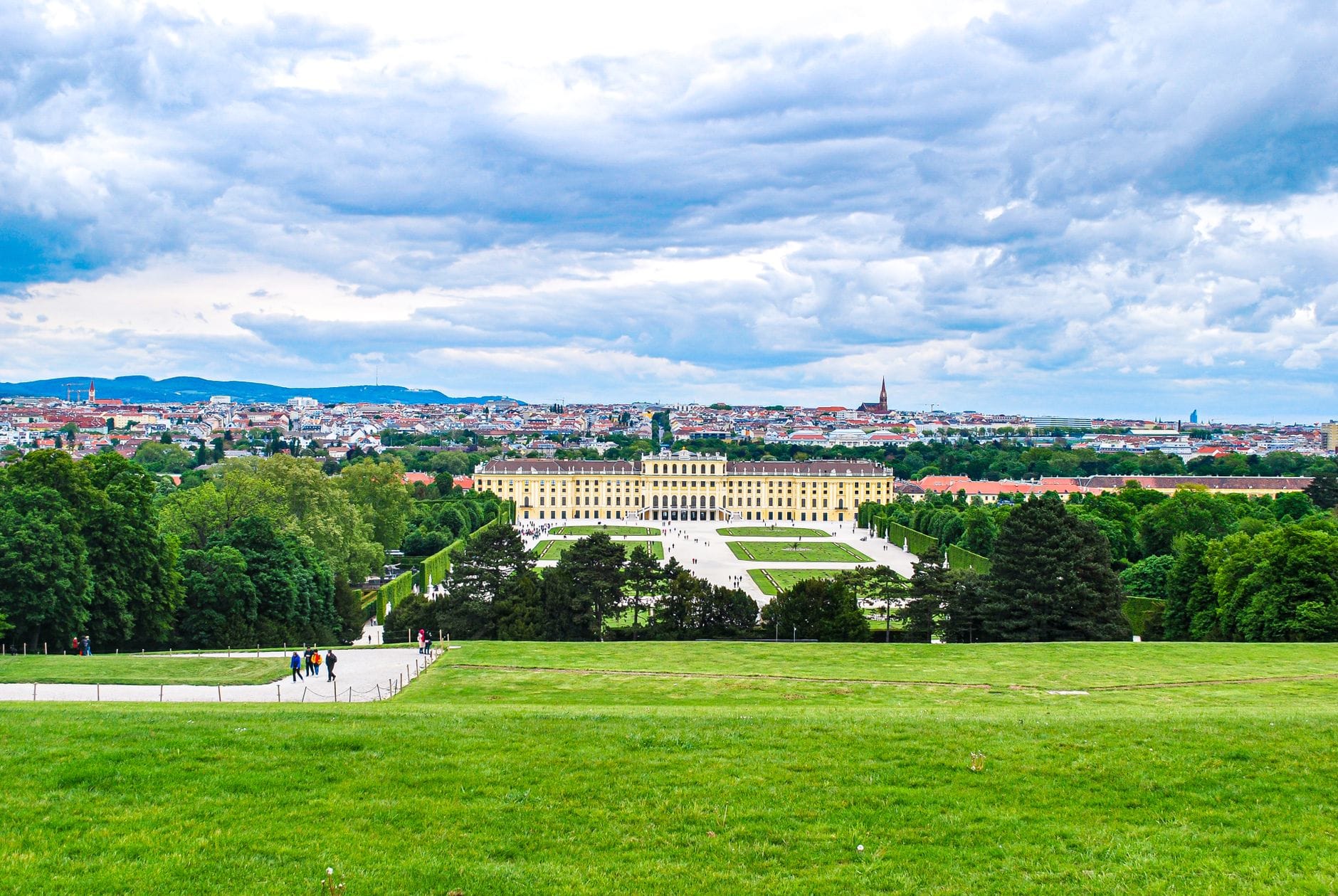
No visit to Vienna is complete without at least one imperial palace, and the city has two heavyweights: Schönbrunn Palace and the Hofburg Palace. Both are UNESCO-listed as part of the Historic Centre of Vienna. The question is how much time and money to allocate.
Schönbrunn is the more visually dramatic of the two — a sprawling 1,441-room Baroque palace that served as the Habsburg summer residence. For most visitors, the Grand Tour (40 state rooms with audio guide) at €38 is the right call. The Imperial Tour covers 22 rooms at €28 and is better for visitors with limited time. The Classic Pass at €44 adds access to the Privy Garden, Maze, Gloriette, and Orangery Garden, but it only runs from late March through early November. Crucially, the palace gardens themselves are free and open daily from approximately 06:30 to 21:00 — you can enjoy the grounds and walk up to the Gloriette viewpoint without spending a cent on palace admission.
💡 Local tip
Book Schönbrunn tickets online before you arrive. Walk-up queues at the ticket counter can run 45 minutes or more in July and August, and timed-entry slots sell out on busy days. The palace website (schoenbrunn.at) handles direct bookings.
The Hofburg is a different kind of experience: less scenic from outside but richer in Habsburg detail. The Sisi Museum, Imperial Apartments, and Imperial Silver Collection are all contained within the complex and sold as a combined ticket. If you're serious about Habsburg history, pair it with the Kapuzinergruft (Imperial Crypt), a short walk away, where 149 members of the Habsburg dynasty are buried. It's oddly moving and rarely overcrowded.
For those who want to go deeper on the imperial story, our guide to Vienna's Habsburg imperial history covers the full picture — from the dynasty's rise to the collapse of the Austro-Hungarian Empire in 1918.
Museums Worth Your Time (and One You Can Skip)
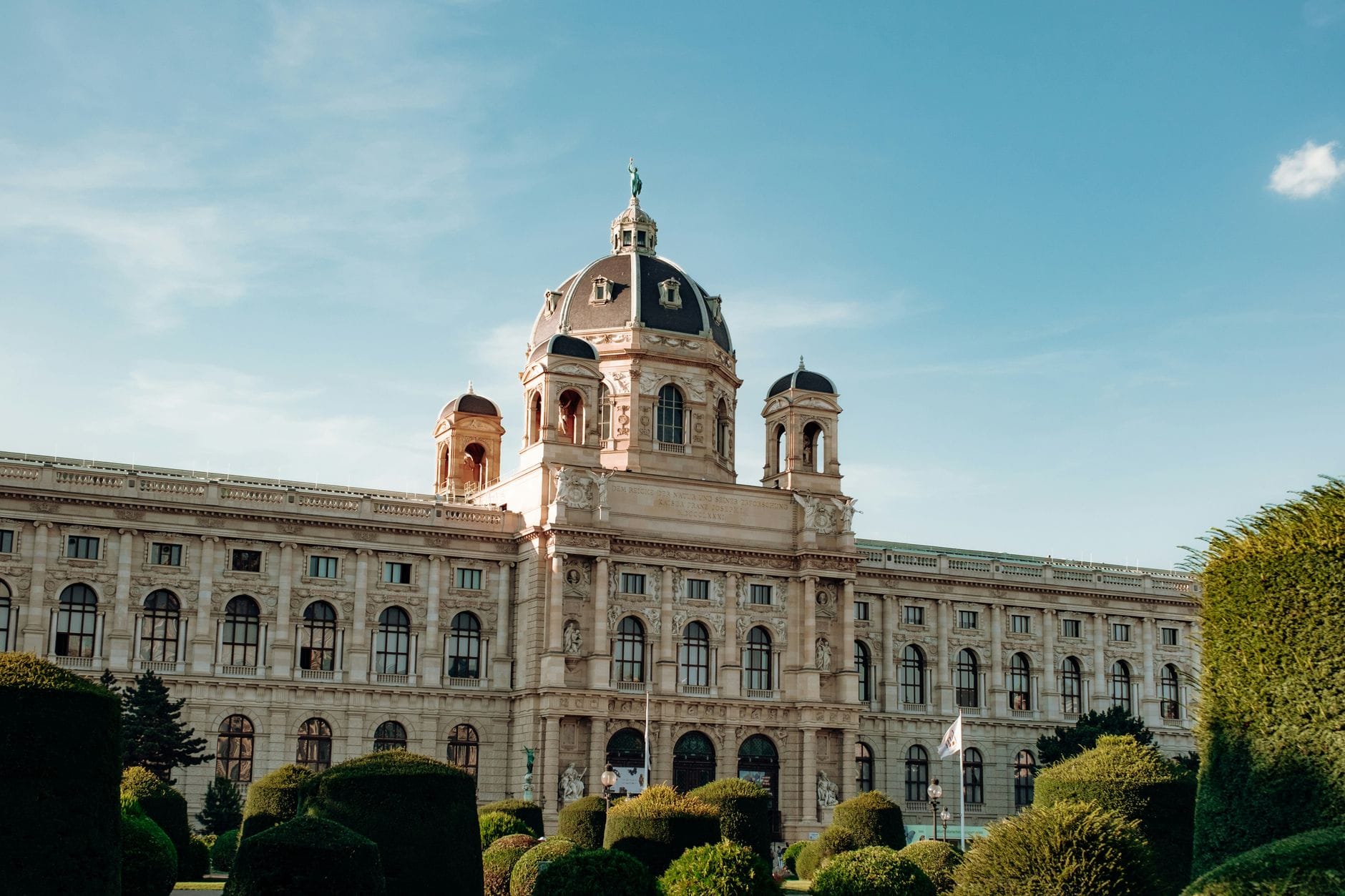
Vienna has more museums per square kilometer than almost any city in Europe, which is both a gift and a trap. The Kunsthistorisches Museum on the Ringstrasse is the anchor — a vast art history museum with one of the world's great collections of Old Masters, Egyptian antiquities, and decorative arts. Budget at least three hours. Admission runs around €21 for adults.
For modern and contemporary art, the MuseumsQuartier district holds the Leopold Museum (the world's largest Egon Schiele collection) and mumok (Museum of Modern Art). The quarter itself is a pleasant place to sit in the courtyard on a warm afternoon.
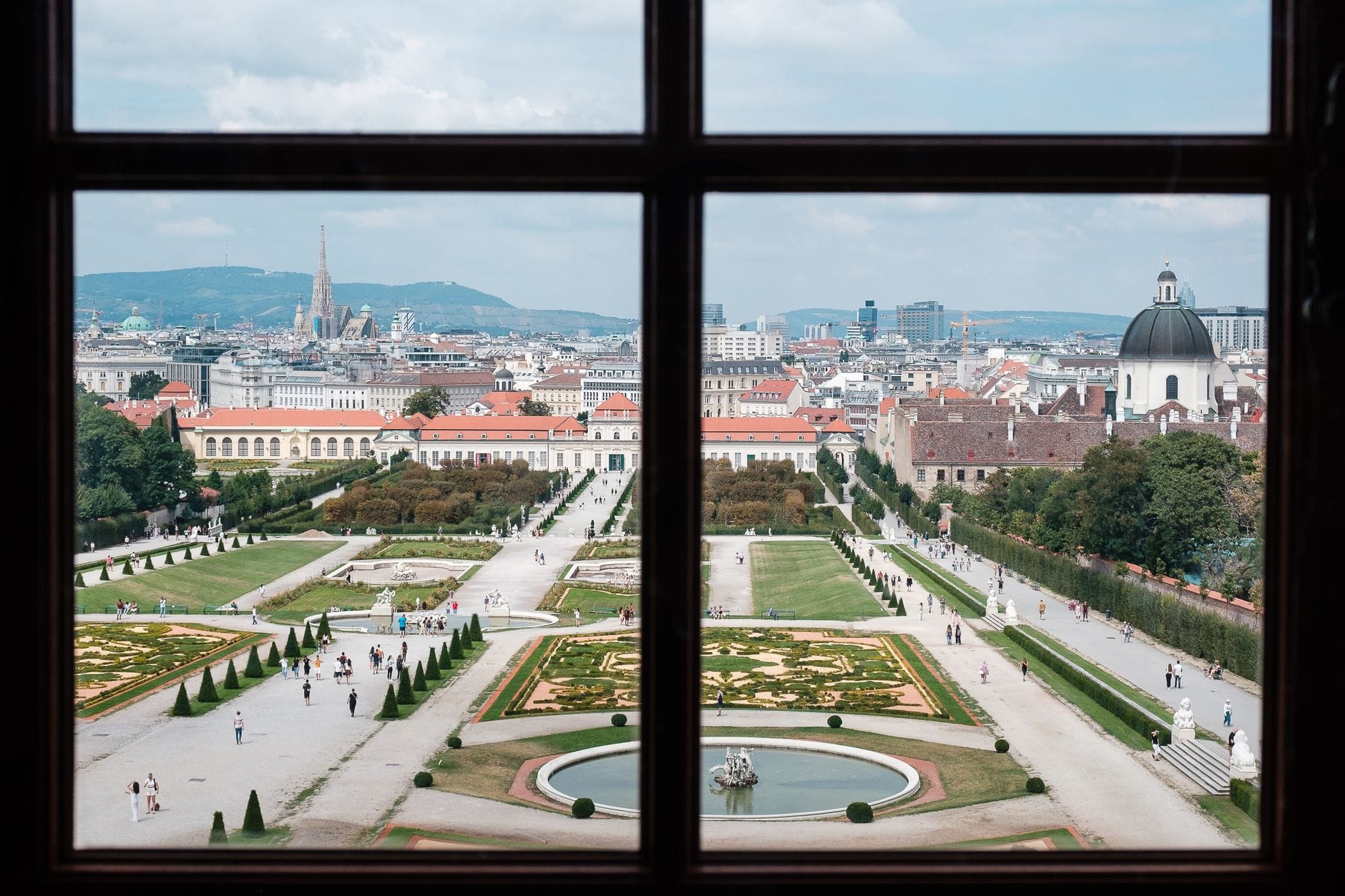
- Upper Belvedere Home to Klimt's 'The Kiss' and an exceptional collection of Austrian art from the Biedermeier period through the early 20th century. The gardens connecting Upper and Lower Belvedere are free to walk through.
- Albertina The graphic arts collection here is one of the largest in the world — over a million prints and drawings. Worth two hours, especially for the Monet and Picasso works on loan to the permanent display.
- Naturhistorisches Museum Often overshadowed by its neighbor across the Maria-Theresien-Platz, but genuinely excellent — particularly for families. The Venus of Willendorf, 25,000 years old, is displayed here.
- Sigmund Freud Museum Located in Freud's actual former apartment and consulting rooms at Berggasse 19. Smaller than you might expect, but well-curated and interesting for anyone with even a passing interest in the history of psychology.
- Heeresgeschichtliches Museum The Military History Museum is undervisited and excellent. It contains the car Franz Ferdinand was assassinated in — the actual vehicle — and does not sugarcoat the horrors of the wars Austria was involved in.
⚠️ What to skip
The Vienna Pass claims to save money on museum entries, but it only makes financial sense if you plan to visit six or more paid attractions in two days. For most visitors on a 3-day trip with a mix of free and paid sights, individual tickets often work out cheaper. Run the numbers for your specific itinerary before buying.
Culture, Music, and Coffeehouse Vienna
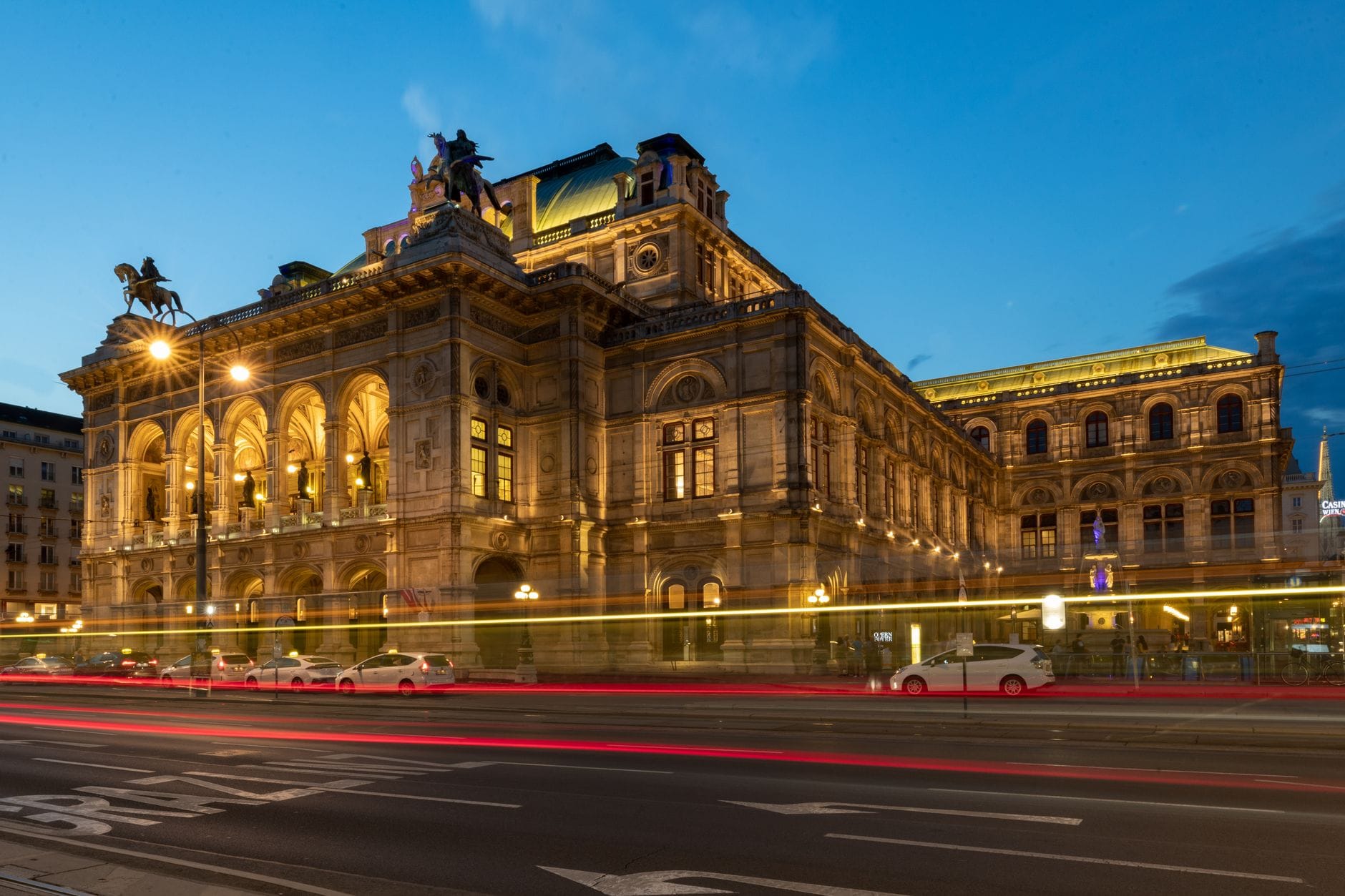
Vienna's classical music scene is the real thing, not a tourist performance. The Vienna State Opera and the Musikverein (home of the Vienna Philharmonic) are operating performance venues that happen to be open to visitors. Standing room tickets at the State Opera cost around €3-10 and go on sale 80 minutes before each performance — this is how many locals attend, and it's an authentic way to experience a world-class production without paying hundreds of euros for a seat.
Vienna's coffeehouses are institutions in the literal sense: UNESCO listed 'Viennese coffeehouse culture' on its Intangible Cultural Heritage list. Café Central in the Palais Ferstel is the most famous and consequently the most visited by tourists. It's grand and worth seeing, but expect to queue. For a more local experience, smaller coffeehouses in the 7th, 8th, and 9th districts operate the same way — you order a Melange (coffee with steamed milk), it arrives with a glass of water, and no one will rush you to leave. Budget 90 minutes minimum.
Our detailed Vienna coffeehouse guide covers the best options by neighborhood, what to order, and the unwritten rules of the Viennese café experience.
Free and Low-Cost Things to Do in Vienna
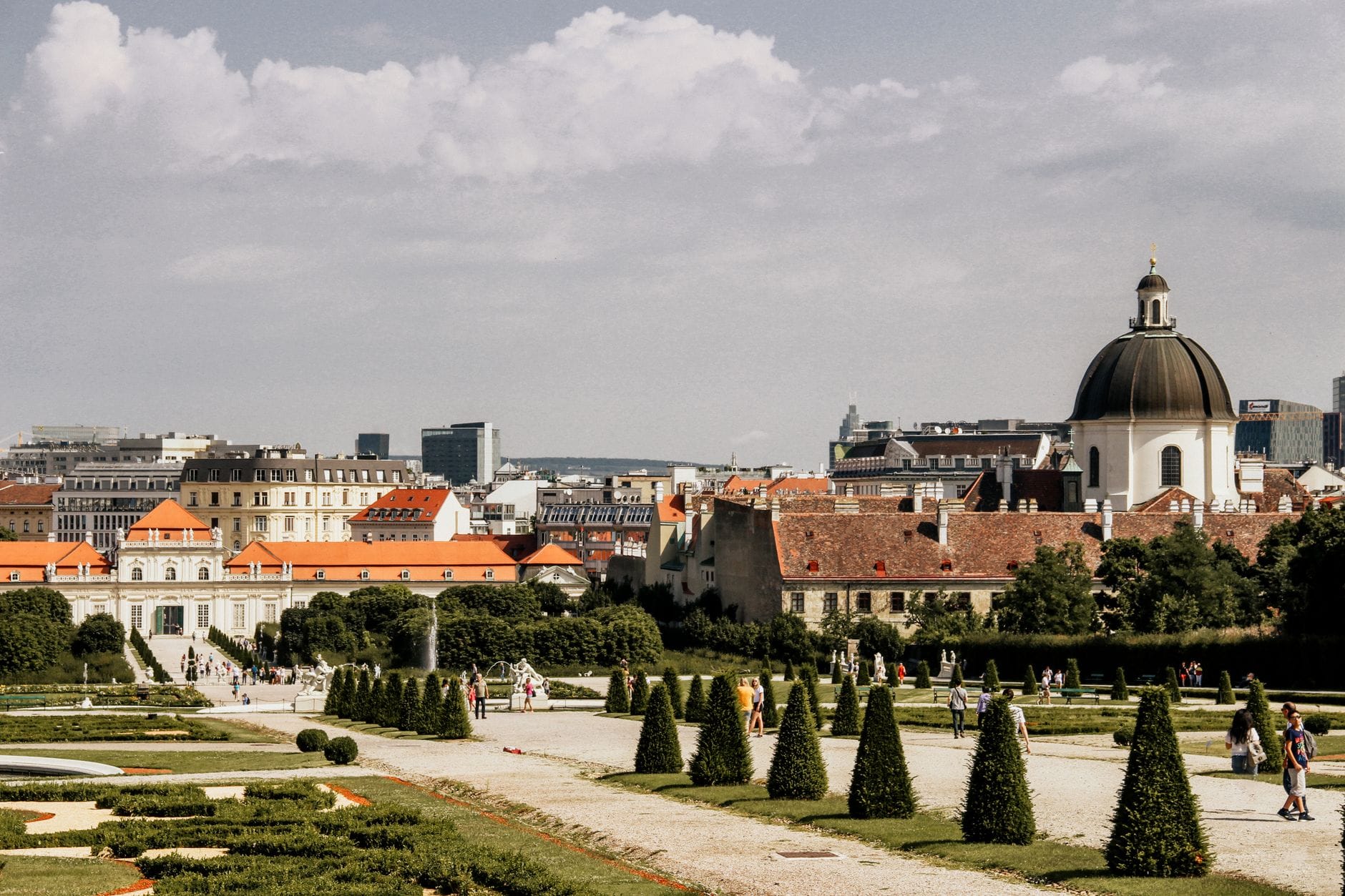
Vienna has a reputation as an expensive city, and accommodation and restaurant prices do reflect a wealthy capital. But the list of genuinely free things to do in Vienna is longer than most visitors realize. You can fill an entire day without spending money on entry fees.
- Schönbrunn Palace gardens and grounds, including the walk up to the Gloriette — free, open daily
- Belvedere gardens between the Upper and Lower palaces — free access
- St. Stephen's Cathedral (Stephansdom) interior — free; tower climbs and catacombs charge separately
- The Ringstrasse boulevard walk, passing the Parliament, Rathaus, Burgtheater, and Opera House exteriors
- Naschmarkt browsing — the market itself costs nothing; food stalls and restaurants are extra
- Stadtpark, including the famous gilded Johann Strauss II monument
- Augarten park in Leopoldstadt, with its stark WWII flak towers now covered in graffiti art
- The Wiener Secession building exterior and its unusual golden 'cabbage dome'
- Many churches, including the Karlskirche exterior and Votivkirche interior
✨ Pro tip
The Austrian National Library's Prunksaal (State Hall) is one of the most beautiful Baroque library halls in the world and charges around €10 entry — worth every cent and rarely discussed in mainstream guides. It holds over 200,000 historical books and feels like stepping into a different century.
If you're traveling on a tight budget, our Vienna on a budget guide goes deep on free museum days, discount cards, and where to eat well without overspending.
Neighborhoods Worth Exploring Beyond the Tourist Trail
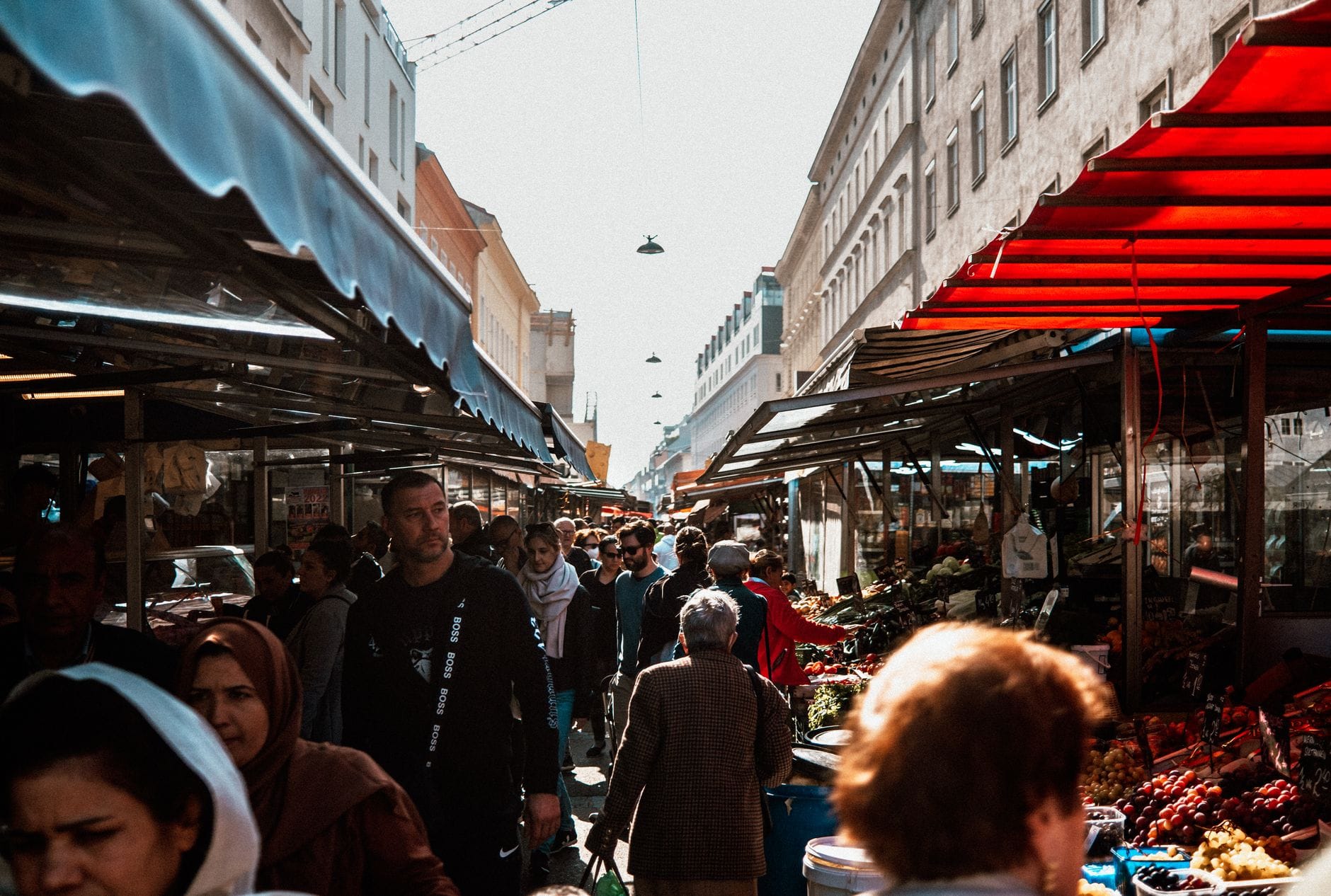
Most first-time visitors to Vienna spend almost all their time in the 1st district (Innere Stadt) and the areas immediately surrounding it. That makes sense — the density of major sights there is extraordinary. But Vienna's other districts offer a different side of the city, and several are easy to reach by U-Bahn. The Leopoldstadt district (2nd) was historically Vienna's Jewish quarter, and the combination of the Prater park, the Giant Ferris Wheel, and the Karmelitermarkt makes for a full half-day away from the main crowds.
The 7th district (Neubau) and neighboring MuseumsQuartier area have a denser concentration of independent shops, galleries, and restaurants. This is where Viennese in their 20s and 30s tend to eat and drink. The contrast with the formality of the Innere Stadt is noticeable and refreshing after a few days of palaces.
Further out, the villages of Grinzing and Nussdorf on the edge of the Vienna Woods are where the city's Heuriger (wine tavern) culture is most authentic. These are working wine producers who open their doors to the public in season, serving their own wine alongside cold platters of food. It's an entirely different Vienna from the one most tourists see. Our Vienna wine and Heuriger guide has everything you need to plan an evening out there.
Seasonal Highlights: When You Visit Changes What You Do
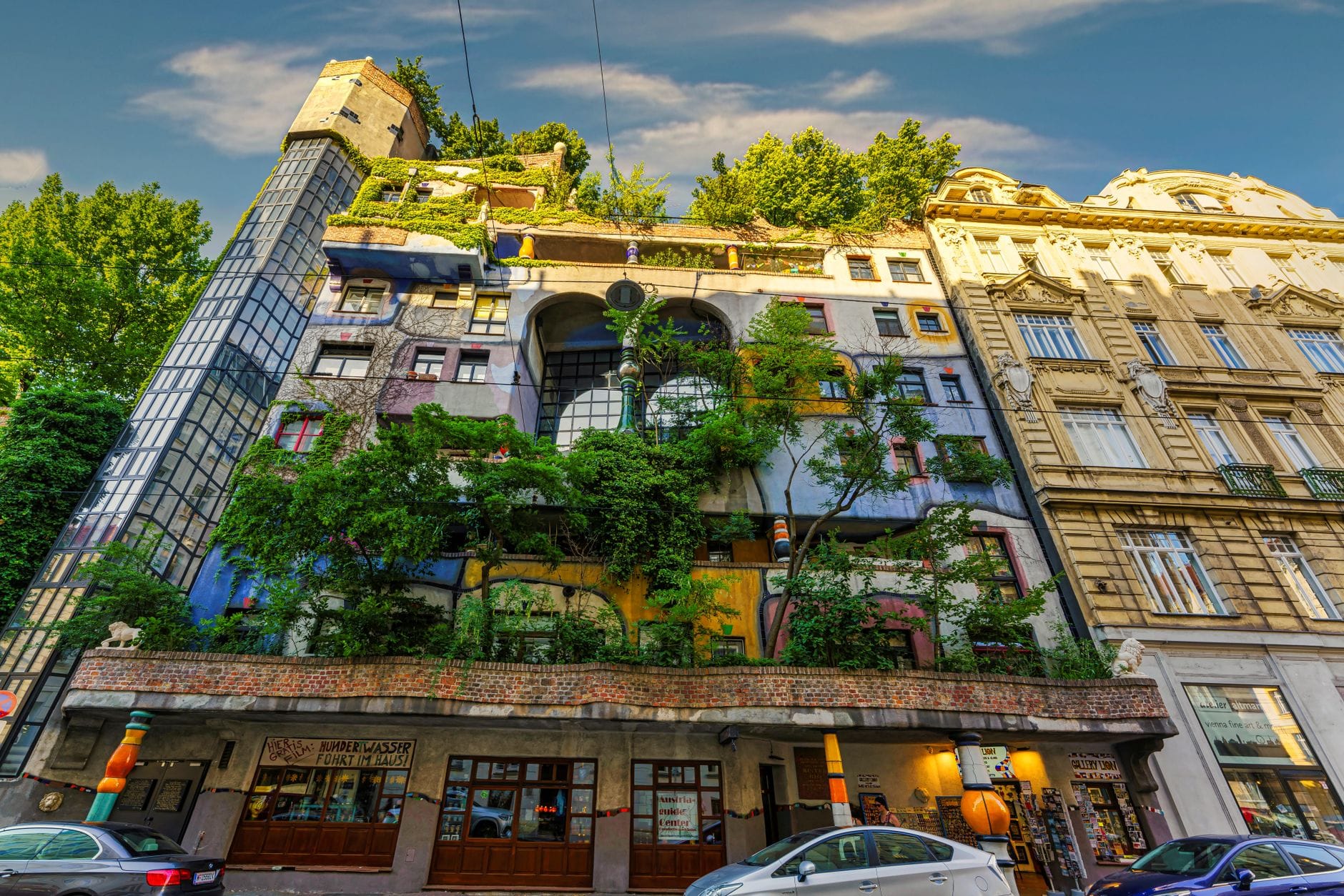
Vienna is a year-round destination, but the experience varies significantly by season. Summer (June through August) is the most popular period. Outdoor sights are at their best, the Danube Island fills with swimmers and cyclists, and events like the outdoor Film Festival on the Rathausplatz draw large local crowds. The tradeoff is that major attractions are at their most crowded and accommodation prices peak. July and August queues at Schönbrunn can be substantial even with pre-booked tickets.
Winter in Vienna, particularly December, is defined by its Christmas markets. The market in front of the Rathaus and those at Schönbrunn, Belvedere, and the Spittelberg neighborhood are the main ones. Our Vienna Christmas markets guide breaks down each market's character and what to eat and drink at each. Vienna in January and February is quieter and cheaper, and the Vienna Ball Season — with hundreds of formal balls across the city's grand venues — is a uniquely Viennese experience that most visitors miss entirely.
ℹ️ Good to know
Spring (April-May) and early autumn (September-October) are the sweet spots for most visitors: temperatures between 10-20°C, smaller crowds at major attractions, and better hotel availability. Late March through May also sees cherry blossoms in the Prater and tulips in the Belvedere gardens.
Practical Logistics Before You Go
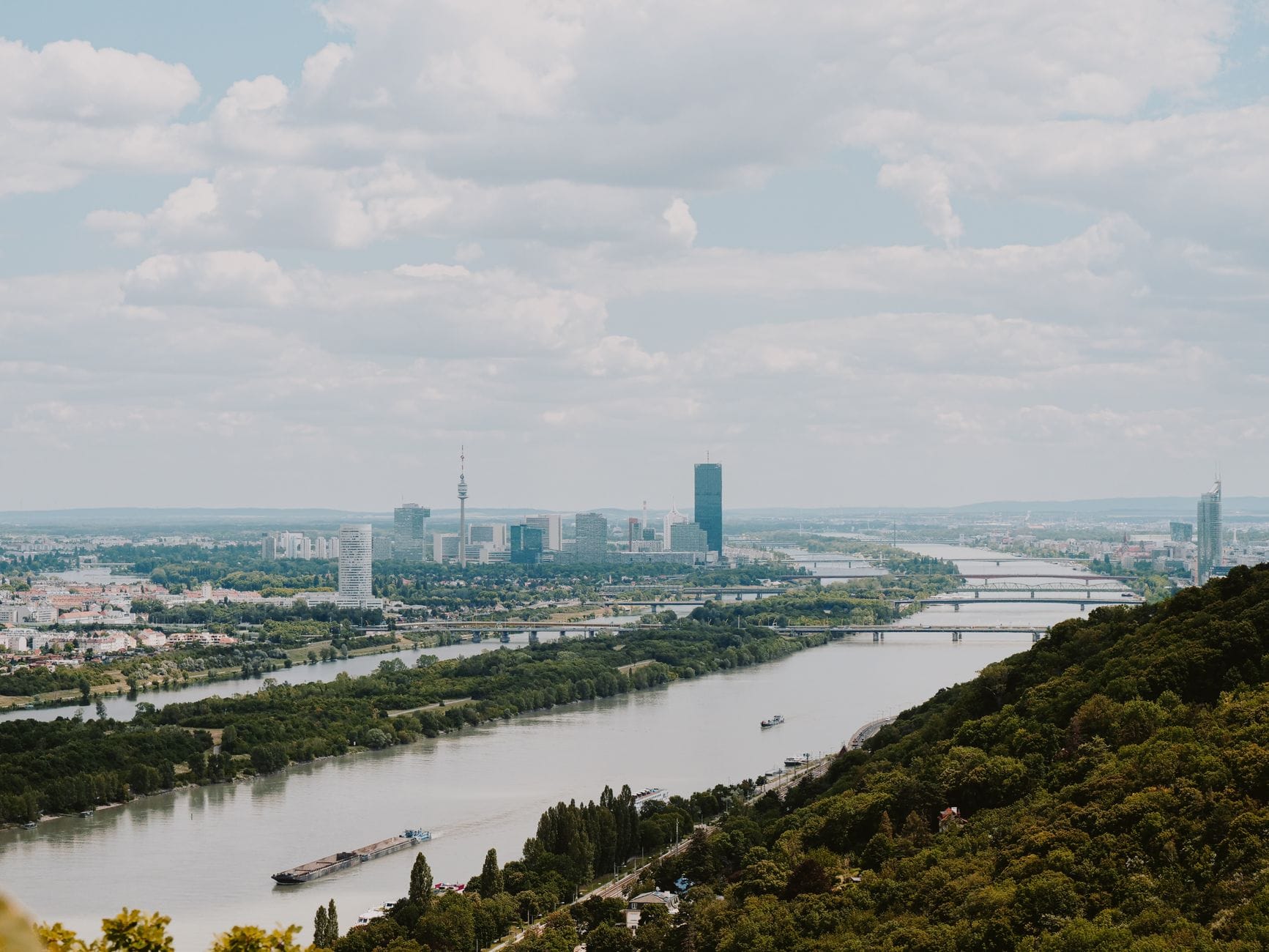
Vienna International Airport (IATA: VIE) sits at Schwechat, roughly 18-20 km southeast of the city center. The City Airport Train (CAT) runs non-stop to Wien Mitte station in 16 minutes and costs around €14 one-way. The S-Bahn (S7 line) covers the same route with one stop for a fraction of the price on a standard transit ticket. Both are faster and more reliable than taxis in rush hour.
Within the city, the U-Bahn is the fastest way to move between districts. The network runs until around midnight on weekdays and all night on weekends. Trams are slower but more pleasant for short hops through the Innere Stadt. A 24-hour transit pass covers all modes and is the best value for most tourists doing a full day of sightseeing. Vienna uses an honor system for ticket validation — inspectors do check, and fines for riding without a validated ticket are steep.
German is the official language, though English is widely spoken in hotels, major attractions, and restaurants in the central districts. In outer neighborhoods and traditional coffeehouses, some basic German phrases go a long way. Tipping is expected but not at American levels — rounding up the bill or leaving 5-10% is the norm. Austria uses Type F (Schuko) plugs at 230V, compatible with standard European two-pin adapters. Tap water throughout Vienna is safe to drink and notably high quality, sourced partly from Alpine springs.
FAQ
How many days do you need in Vienna to see the main sights?
Two to three days is enough to cover the major attractions efficiently if you plan in advance and book tickets online. Two days works if you prioritize ruthlessly — one day for the Innere Stadt (Stephansdom, Hofburg, Ringstrasse) and one for Schönbrunn and a museum. Three days lets you add Belvedere, a neighborhood walk, and a Heuriger evening. A week is comfortable if you want to explore outer districts and take a day trip.
What are the best free things to do in Vienna?
The Schönbrunn and Belvedere gardens, the Ringstrasse walk, most church interiors, Naschmarkt, Stadtpark, and the Augarten are all free. Several major museums offer free admission on specific days or for visitors under 19 (EU citizens). Check the Austrian National Library's Prunksaal for one of Vienna's most spectacular interiors at low cost.
Is the Vienna Pass worth buying?
Only if you plan to visit six or more paid attractions within two days. For a typical 3-day visit mixing free sights with two or three major paid museums, individual tickets usually cost less. Calculate your specific itinerary before committing — our Vienna Pass guide has a detailed breakdown.
What is the best time of year to visit Vienna?
April-May and September-October offer the best combination of pleasant weather (10-20°C), manageable crowds, and competitive hotel prices. Summer is peak season with the best outdoor conditions but the highest crowds and prices. December is magical if you visit for Christmas markets, though it gets cold. January-February is the cheapest time to visit and has the unique Ball Season.
What unique things to do in Vienna are worth seeking out?
Beyond the palaces and major museums, consider: the Kapuzinergruft (Habsburg imperial crypt, surprisingly affecting), the Heeresgeschichtliches Museum with Franz Ferdinand's assassination car, a standing-room ticket at the State Opera for €3-10, an evening at a Heuriger wine tavern in Grinzing or Nussdorf, the Third Man Museum dedicated to the classic 1949 film noir set in postwar Vienna, and the Kirche am Steinhof — Otto Wagner's stunning Art Nouveau church on the edge of the city.