Vienna Wine Guide: Heuriger Taverns & City Vineyards
Vienna is one of the few world capitals with functioning vineyards inside its city limits. This guide covers the Heuriger tavern tradition, the best wine districts to visit, how to get there, what to drink, and what separates a genuine Buschenschank from a tourist-facing imitation.
Plan and book this trip
Tools from our partner Travelpayouts help you compare flights and hotels. If you book through them, we may earn a commission at no extra cost to you.
Flights
Hotels map
TL;DR
- Vienna produces wine within its own city boundaries — mostly Grüner Veltliner and Riesling — and drinking it at a Heuriger tavern is one of the most distinctly Viennese experiences you can have.
- Authentic Heuriger (called Buschenschank) are legally restricted to outer districts like the 19th (Döbling), 21st, and 23rd — areas like Grinzing, Nussdorf, Neustift am Walde, and Stammersdorf. See our guide to Heuriger wine taverns for an overview.
- Expect to pay around €3–€5 for a Viertel (quarter-litre) of house wine, and €8–€15 for a Brettljause cold platter. A full evening usually runs €15–€30 per person.
- Many Heuriger are seasonal and cash-only — always check opening hours before making the trip.
- Public transport reaches most wine districts easily: tram 38 to Grinzing, tram D to Nussdorf, bus 35A to Neustift am Walde.
What Is a Heuriger? The Tradition Explained
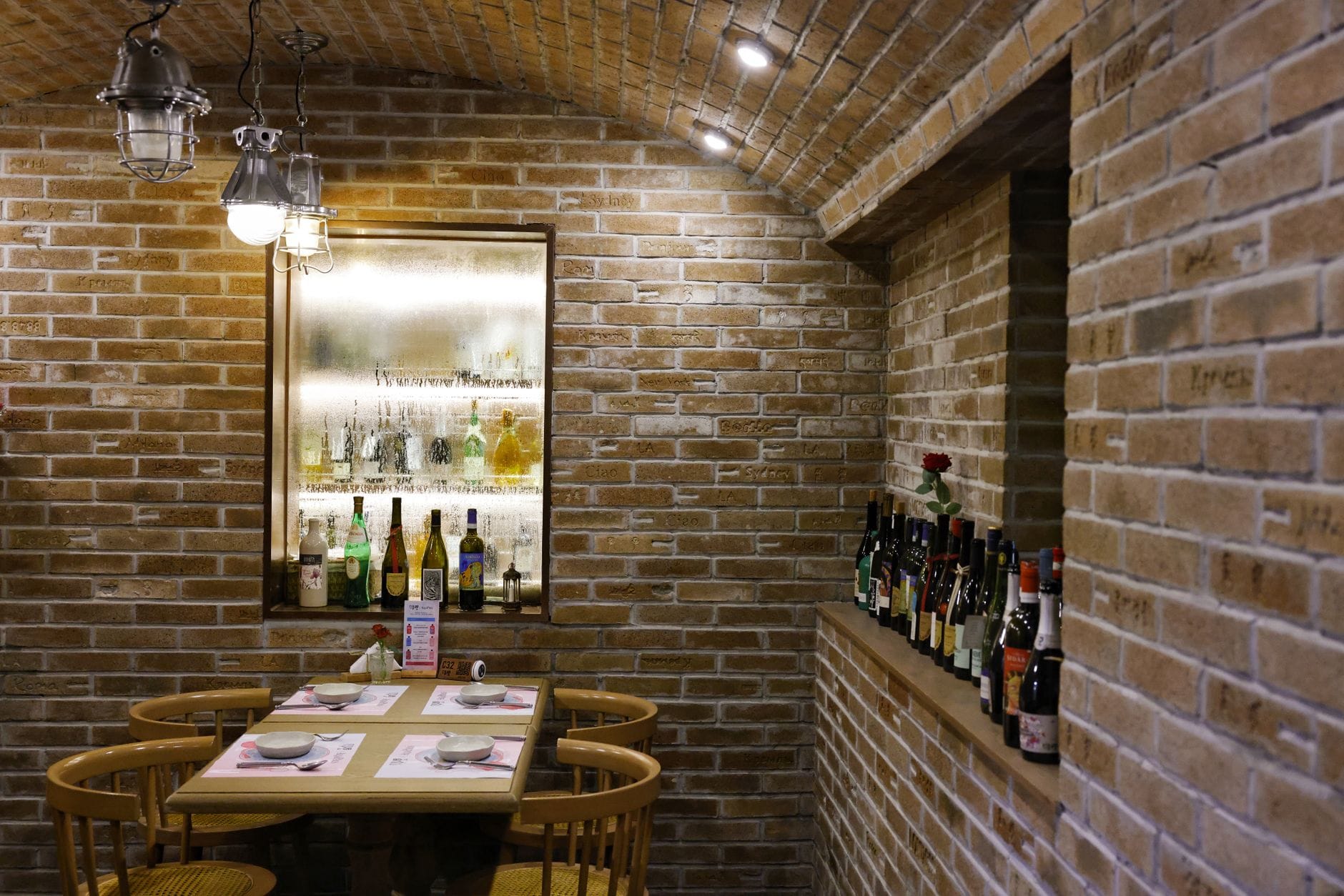
A Heuriger (plural: Heurigen) is a wine tavern licensed to serve wine from its own vineyard, typically from the current or most recent harvest. The word itself means 'this year's' in Viennese dialect. The tradition dates to a 1784 imperial decree by Emperor Joseph II, which allowed winemakers to sell their own produce directly from their properties without a formal liquor licence. That legal structure still shapes what a genuine Heuriger can and cannot do.
The most authentic form is the Buschenschank, named for the pine branch (Buschen) historically hung above the door to signal the tavern was open and serving new wine. A Buschenschank is legally permitted to sell only its own wine and a limited menu — cold dishes, simple hot items, and seasonal snacks. These are not restaurants in the conventional sense. You go for the wine, the garden, and the atmosphere. The food is secondary, though a good Brettljause (a board of cold cuts, cheese, pickles, and bread) is nothing to dismiss.
ℹ️ Good to know
Not every place calling itself a 'Heuriger' in Vienna is a genuine Buschenschank. Many venues in central districts and tourist zones use the name but operate as full restaurants serving wine from multiple producers. The real thing is found in the outer wine districts, not near the Ringstrasse.
Vienna's Wine Districts: Where the Vineyards Actually Are
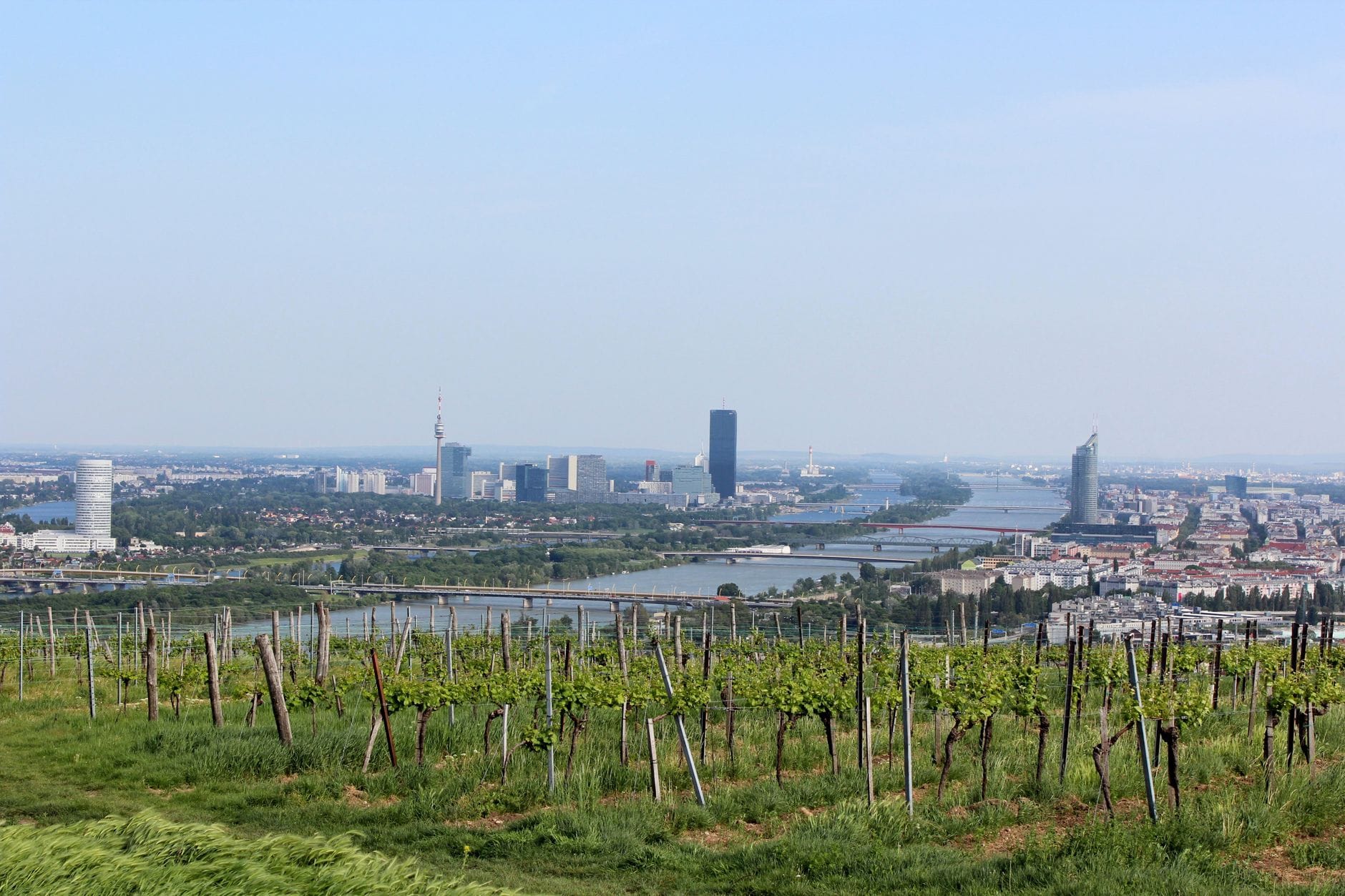
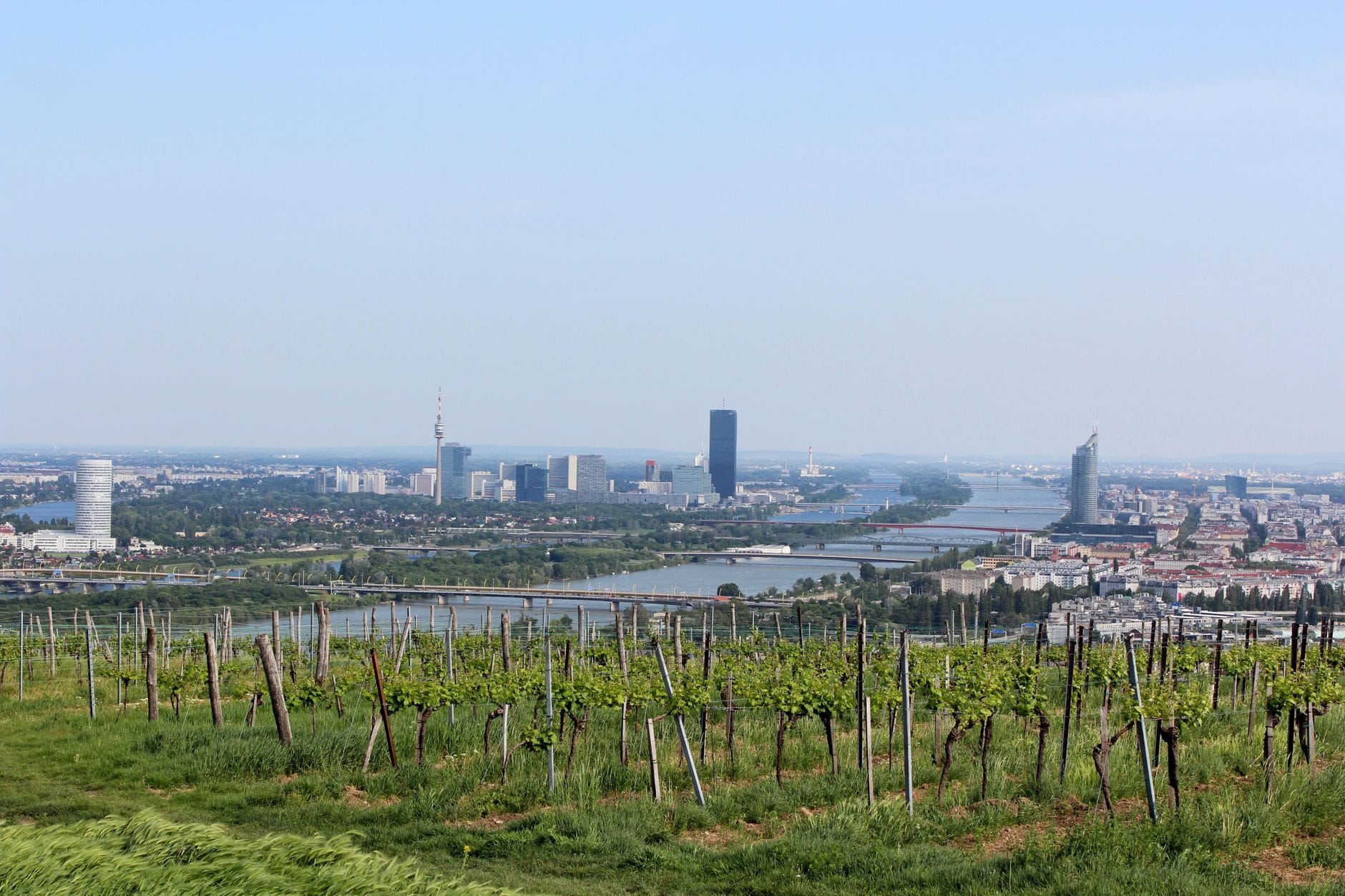
Vienna is unusual among major European capitals in that it produces a significant volume of wine — around 700 hectares of vineyards lie within city limits, mostly on the slopes of the Wienerwald foothills in the northwest and north. The wine is predominantly white: Grüner Veltliner and Wiener Gemischter Satz are the signatures, with Riesling and Weißburgunder (Pinot Blanc) also common. Wiener Gemischter Satz, a field blend of multiple white grape varieties grown and harvested together, earned DAC (Districtus Austriae Controllatus) protected status in 2013 — a mark of genuine regional identity.
The main Heuriger clusters are in the 19th district (Döbling), which includes the neighbourhoods of Grinzing, Nussdorf, and Kahlenberg, as well as Neustift am Walde, Sievering, and Heiligenstadt. Across the Danube, Stammersdorf, Strebersdorf, and Jedlersdorf in the 21st district offer a less-visited alternative with a more local atmosphere. The 23rd district (Liesing), particularly the Mauer area, is another cluster worth noting. Ottakring (16th) and Hernals (17th) have smaller but genuine Heuriger presences as well.
- Grinzing (19th district) The most famous Heuriger area and consequently the most tourist-facing. Quality varies considerably. The genuine taverns here are excellent; the ones set up for bus tours are not. Tram 38 from Schottentor, or U4 to Heiligenstadt then bus 38A.
- Nussdorf (19th district) A more local feel than Grinzing, situated near the Danube and beneath the Kahlenberg hill. Tram D from central stops including Schottentor. A short walk from the tram stop brings you to several well-regarded taverns.
- Neustift am Walde (19th district) A quieter village feel within the city, with vineyard walks and some of Vienna's better-regarded wine estates. Bus 35A from the Heiligenstadt area. Worth combining with a walk through the vineyards before settling in.
- Stammersdorf (21st district) The best area if you want to drink with locals rather than other tourists. Fewer English menus, more genuine atmosphere. Tram D or bus lines connect from the city centre, though the journey takes longer.
- Mauer (23rd district) The most southern wine district, less visited and genuinely off the tourist trail. Weingut Zahel is the best-known name here — Mon–Sat 16:00–23:00, though always verify current hours directly with the venue.
How to Get to the Heuriger Districts
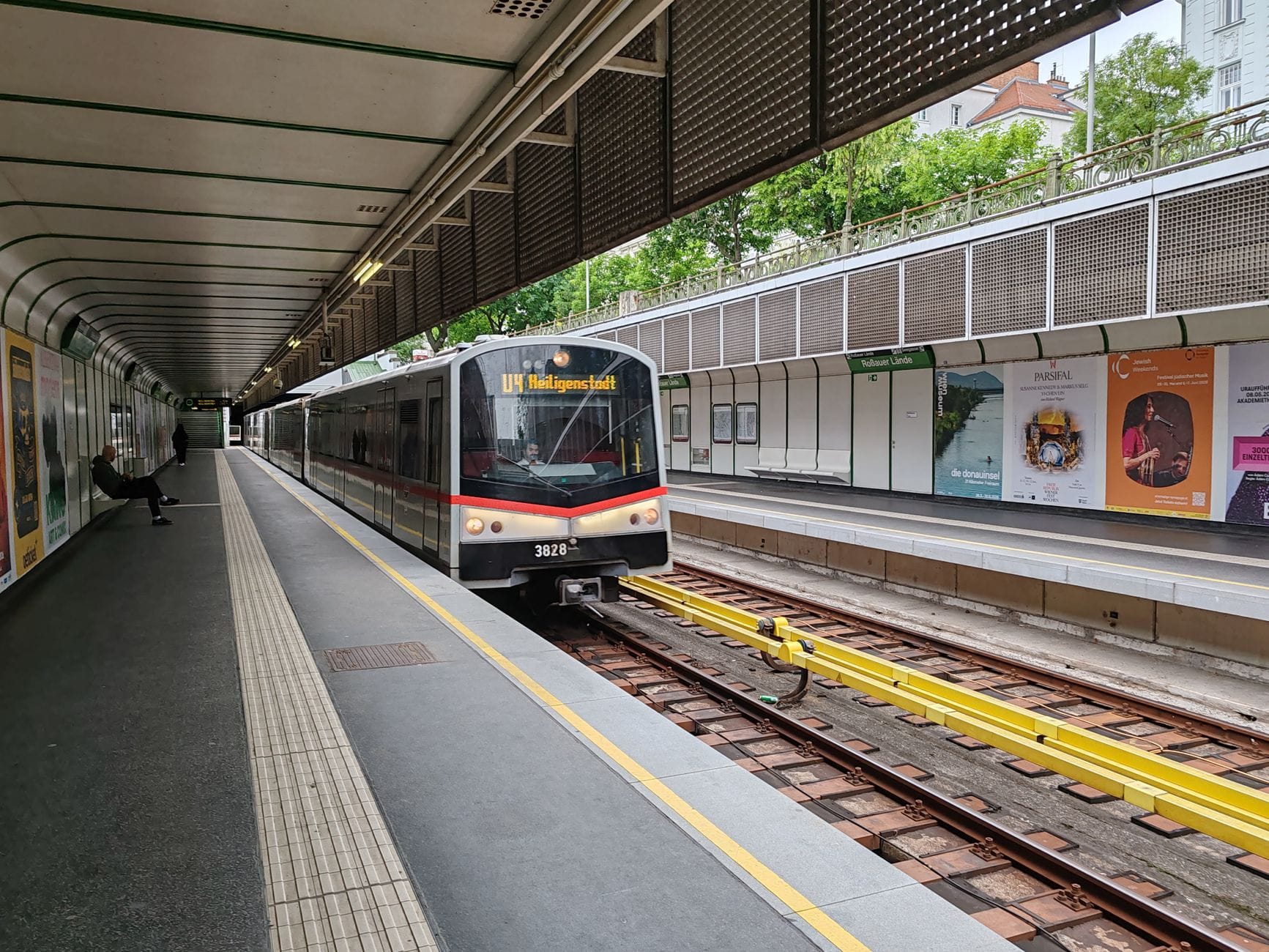
Vienna's public transport network covers the wine districts well, which is useful since you will likely be drinking. The U-Bahn (subway) connects to hub points from which trams and buses branch out toward the vineyard slopes. U4 to Heiligenstadt is the standard starting point for the northern wine districts — from there, tram 38A reaches Grinzing and bus 35A serves Neustift am Walde. Tram D, running from the city centre northward, drops you near the Nussdorf Heuriger cluster. Stammersdorf on the north bank of the Danube is reached by tram D to its terminus or by suburban bus.
Between early April and late October, a seasonal Heurigen Express tourist train runs afternoon services to several wine tavern areas. It is aimed at visitors and priced accordingly, but it does offer a convenient and pleasant way to reach multiple areas in one afternoon without navigating tram changes. Check current schedules and pricing directly with the operator, as these change each season.
💡 Local tip
Take public transport rather than a taxi or rideshare to the Heuriger. The whole point of the evening is to drink wine without a plan — knowing the tram home runs until midnight means you can actually relax. U-Bahn and tram services run late, and night buses cover the gaps after the last trams.
What to Order: Wine, Food, and the Buffet System
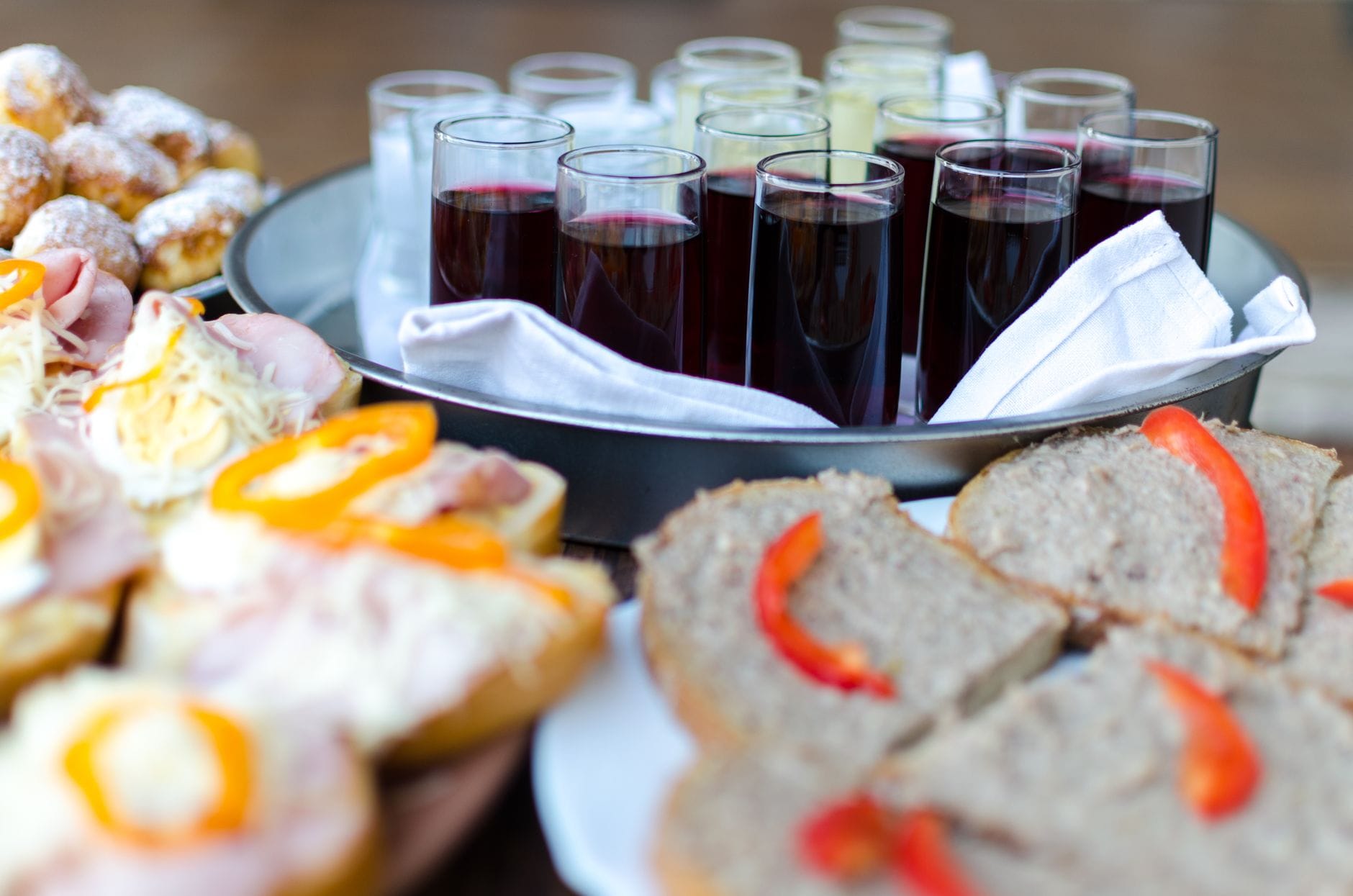
At a genuine Heuriger, wine is ordered by the Viertel (quarter-litre, around €3–€5) or Achtel (eighth-litre). Ask for the Hauswein (house wine) or specify Grüner Veltliner or Gemischter Satz by name. The house wine will almost always be from the property's own vineyard. Spritzers (Gespritzter) are also common — white wine with sparkling water, served as a lighter option, particularly popular in summer. This is not a sophistication issue; even serious wine drinkers order Gespritzter at a Heuriger.
Food at most Heuriger operates on a self-service buffet model: you collect a plate, load it from the cold buffet counter, and pay per item or by weight depending on the setup. The Brettljause is the classic choice — a wooden board with sliced meats, Liptauer cheese spread (seasoned with paprika and caraway), Lard bread, pickles, and radishes. Budget €8–€15 for a good board. Hot dishes, when available, include things like roast pork, Viennese sausages, or seasonal soups. A full evening with multiple rounds of wine and a shared food spread typically comes to €15–€30 per person.
- Grüner Veltliner: the dominant grape, dry and peppery, pairs well with the fatty cold cuts of a Brettljause
- Wiener Gemischter Satz: Vienna's signature field blend, legally protected since 2013 — look for the DAC label on better bottles
- Riesling: grown on steeper, cooler slopes; more mineral and acidic than the Veltliner
- Gespritzter: wine mixed with sparkling water, ordered as a Weißer Spritzer — perfectly acceptable and widely drunk
- Sturm: semi-fermented grape juice available only in autumn during harvest — cloudy, slightly fizzy, and lower in alcohol. Not available year-round
⚠️ What to skip
Many smaller Heuriger are still cash-only. Bring euros in small denominations. Card readers are becoming more common but are not universal, and asking 'do you take cards?' at the buffet counter after you've already eaten is an awkward conversation to have.
Named Heuriger Worth Knowing
Three Heuriger appear consistently in both local and visitor recommendations and offer a reliable starting point, especially for first-timers navigating the difference between a genuine tavern and a tourist operation.
Mayer am Pfarrplatz in Heiligenstadt (Beethoven famously lodged in the building) is open daily from 12:00 to midnight, making it one of the more accessible options. It operates year-round and has an English-friendly menu. Fuhrgassl-Huber in Neustift am Walde is a large, well-run estate with extensive garden seating and typical hours of Monday to Saturday 14:00–23:00, Sunday and holidays from 12:00. Weingut Zahel in Mauer (23rd district) is smaller and more off-the-beaten-path, open Monday to Saturday from 16:00 to 23:00. All opening times should be verified directly with the venue before visiting, as they change seasonally. For broader context on the local area, the Grinzing, Nussdorf, and Kahlenberg neighbourhood guide covers the surrounding area in detail.
The official Wiener Heurigen Guide, published annually by Wiener Wein, lists verified open Heuriger with contact details and seasonal dates. It is available as a PDF and in print from tourist offices. This is the most reliable resource for confirming which taverns are actually open on any given week, since unofficial listings frequently contain outdated information.
Seasonal Patterns and When to Go
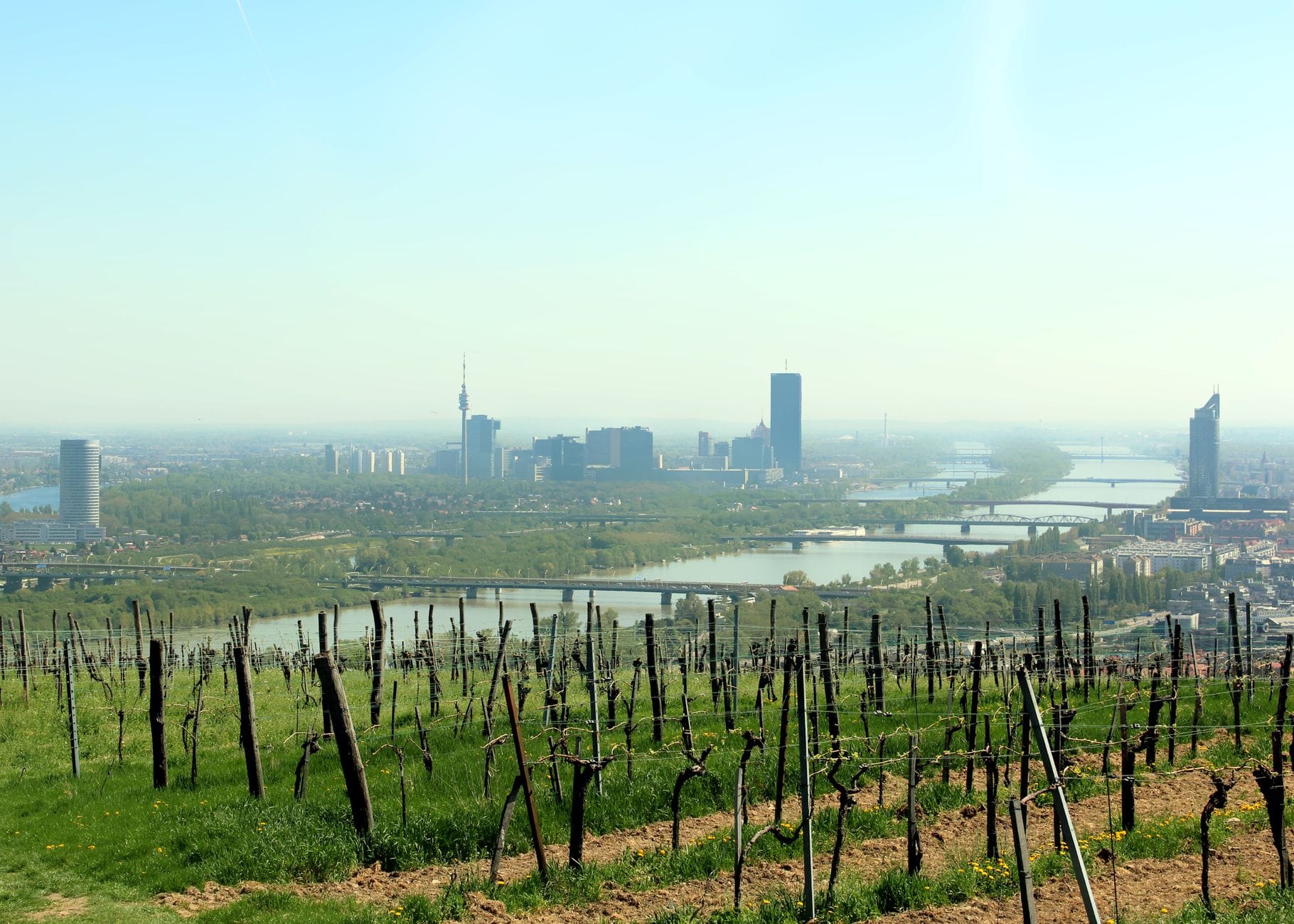
The Heuriger experience is at its best from late April through October, when garden seating opens and vineyard walks are viable. Summer evenings in a Heuriger garden, with the city spread out below the vineyard slope and a glass of cold Veltliner on the table, are genuinely one of the better ways to spend time in Vienna. The atmosphere in June and July is relaxed and social; August can see heavier tourist presence in Grinzing specifically.
September and early October are arguably the best weeks to visit. Harvest is underway, Sturm (young semi-fermented wine) appears on menus, and the vineyard slopes turn golden. It is cooler than high summer but still comfortable for garden seating. For broader seasonal advice on planning a Vienna trip, the best time to visit Vienna guide covers all seasons across all activities.
Many Heuriger close entirely in winter or reduce to very limited hours. Some, like Mayer am Pfarrplatz, remain open year-round — but the garden seating is closed, the atmosphere is different, and it resembles a wine restaurant more than a traditional tavern. If your visit falls between November and March, the Heuriger experience is still possible but requires more research to find genuinely open venues.
✨ Pro tip
Arrive between 16:00 and 18:00 on a weekday for the most relaxed experience. Weekend evenings, especially Saturday from 18:00 onward, can see garden tables fill up quickly at the more popular Heuriger in Grinzing and Nussdorf. No reservation is typically needed or expected at a traditional Buschenschank, but for the larger wine-restaurant hybrids like Mayer am Pfarrplatz, booking ahead on weekends is sensible.
If you want to pair the Heuriger experience with a broader exploration of Vienna's food culture, the Vienna food guide covers the wider eating landscape — from Naschmarkt stalls to Beisl restaurants. The Heuriger is one part of a much richer local food and drink scene that rewards time and curiosity.
FAQ
What is the difference between a Heuriger and a regular wine bar in Vienna?
A genuine Heuriger (specifically a Buschenschank) is legally licensed to serve only wine from its own vineyard plus a limited cold-and-hot food menu. It is not a full restaurant and cannot serve wine from other producers. Many wine bars in central Vienna use the word 'Heuriger' loosely but are essentially restaurants. The real thing is found in the outer wine districts like Grinzing, Nussdorf, Neustift am Walde, and Stammersdorf.
How much does a typical evening at a Heuriger cost?
A quarter-litre (Viertel) of house wine costs around €3–€5. A Brettljause cold platter runs €8–€15. A relaxed evening with two to three rounds of wine and shared food typically comes to €15–€30 per person. Prices at more tourist-facing Heuriger in Grinzing can be slightly higher. Many smaller taverns are cash-only, so bring euros.
Are Heuriger open year-round?
Most traditional Heuriger operate seasonally, typically from spring through late autumn. Some close for weeks at a time between harvests or during winter. A few, like Mayer am Pfarrplatz in Heiligenstadt, remain open year-round, though the atmosphere changes significantly in colder months. Always check the specific venue's current opening hours before visiting — unofficial listings are frequently outdated.
What wine should I order at a Heuriger?
Start with the Hauswein (house wine) — it will be from the estate's own vineyard and is usually the best-value option. Ask specifically for Grüner Veltliner or Wiener Gemischter Satz if you want a more local focus. In autumn, order Sturm — semi-fermented young wine available only during harvest season. A Gespritzter (wine mixed with sparkling water) is also perfectly appropriate and widely drunk, even by locals.
How do I get to the Heuriger districts without a car?
Public transport is the practical choice. For Grinzing, take tram 38 from Schottentor or U4 to Heiligenstadt then bus 38A. For Nussdorf, tram D from central stops. For Neustift am Walde, bus 35A from the Heiligenstadt area. Stammersdorf is reached by tram D to its terminus. A seasonal Heurigen Express tourist train also runs from April to late October on afternoon services to the main wine areas.