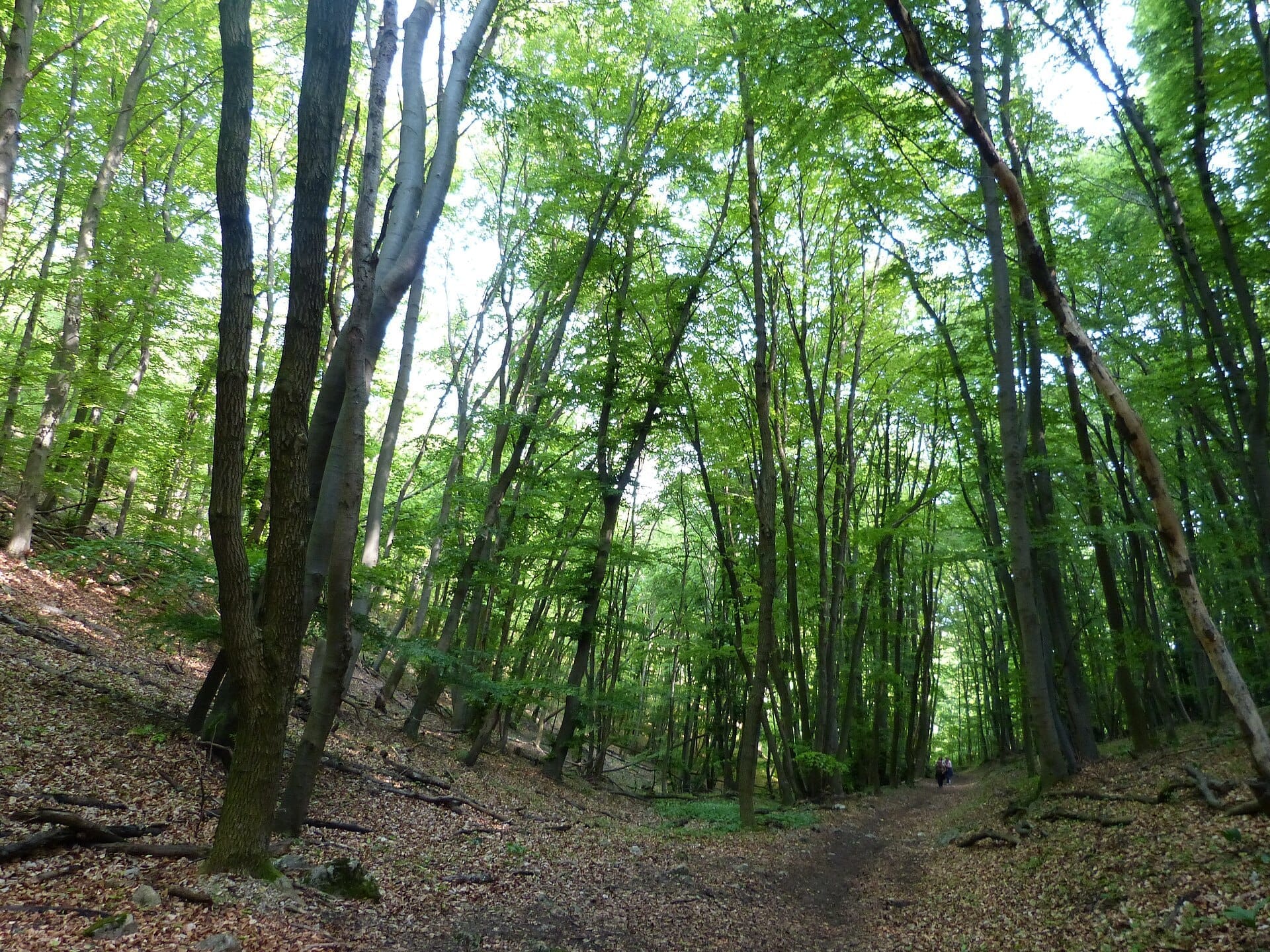
Vienna Wine Country (Grinzing, Nussdorf & Kahlenberg)
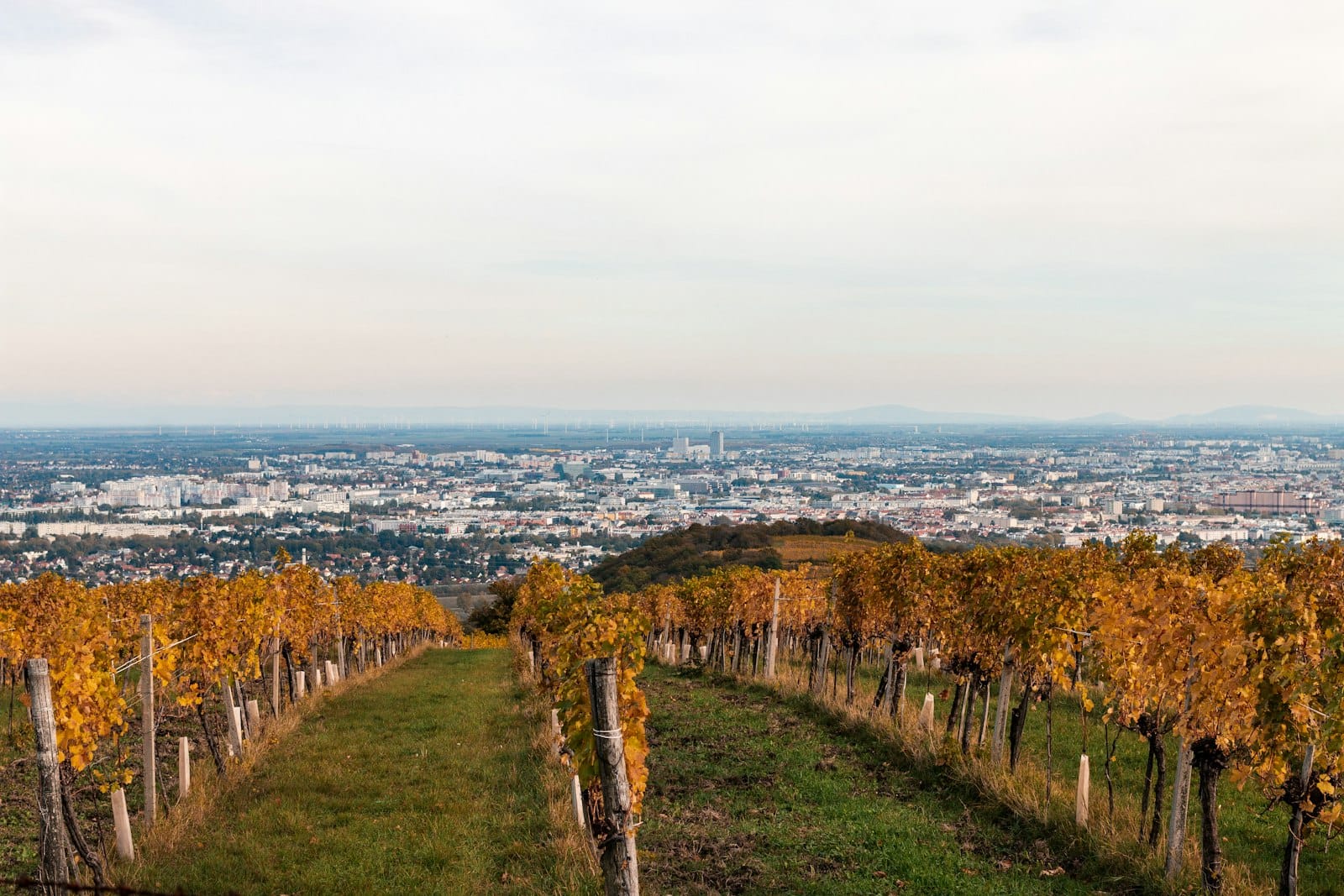
Grinzing, Nussdorf and Kahlenberg form Vienna's wine country within the city itself, a stretch of vineyard-covered hillsides and centuries-old wine villages in the 19th district of Döbling. This is where Viennese traditions around the heuriger, the local wine tavern, feel most alive, and where the city gives way to the forested ridges of the Vienna Woods.
Vienna is one of the few capital cities in the world where you can walk from a metro station into working vineyards within half an hour. The villages of Grinzing and Nussdorf and the hilltop of Kahlenberg, all in or immediately above the 19th district of Döbling, represent the living tradition of Viennese wine culture: rows of Grüner Veltliner vines on steep slopes, lantern-lit heuriger courtyards, and views across the entire city from ridges that were forested long before Vienna became an empire.
Orientation
This cluster of wine villages sits in the far northwest of Vienna, within the 19th district known as Döbling. Grinzing lies roughly 8 kilometres from the Ringstrasse, tucked into a low valley where Grinzinger Straße forms the spine of the old village. Nussdorf (officially Nußdorf) is positioned slightly to the east, closer to the Danube, with its celebrated Nussberg vineyards climbing steeply up toward the Kahlenberg ridge. Kahlenberg itself is the hill that crowns the area, rising to around 485 metres above sea level and forming one of the most recognisable silhouettes on Vienna's northern skyline.
The broader wine belt of Döbling also includes the villages of Neustift am Walde, Heiligenstadt and Sievering, but Grinzing and Nussdorf are the two destinations most associated with the classic heuriger experience. To the south, Döbling borders Währing and Alsergrund, and the district edges up against the start of the Wienerwald, the Vienna Woods, which stretch northwest toward Klosterneuburg and the Wachau valley.
Travellers staying in the centre will find this area feels like a different city entirely. For context on how the various districts of Vienna relate to one another, the Innere Stadt overview and the broader guide to where to stay in Vienna both help build a useful mental map before you head north.
Character & Atmosphere
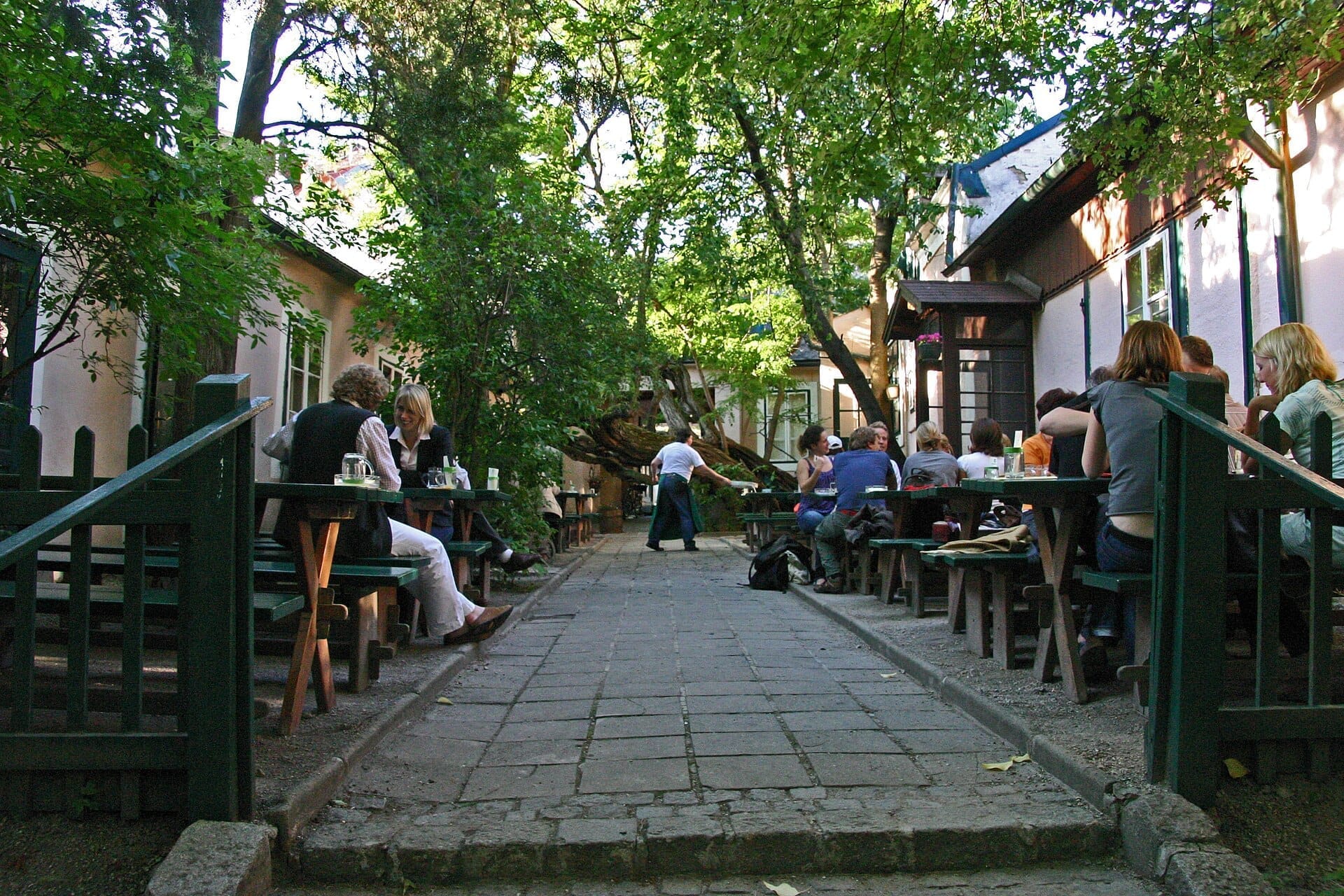
What strikes most visitors first is the quiet. Arriving in Grinzing from the city centre, the tram deposits you on a village street where the loudest sound is often the scrape of wooden benches on stone courtyards and the distant clinking of wine glasses. The architecture shifts too: the old Heuriger buildings are low, painted in ochre or cream, with thick walls and heavy wooden shutters that have nothing to do with the Ringstrasse grandeur twenty minutes south.
Morning in Grinzing belongs to dog-walkers and the occasional delivery van. The village core along Grinzinger Straße is compact enough to cross on foot in ten minutes, and the vineyards start almost immediately behind the last row of houses. In September and October, during the harvest season, the air carries a faint sweetness from the pressing of the Grüner Veltliner and Wiener Gemischter Satz grapes. By early afternoon the heuriger begin to open, and by 4pm the courtyards fill with a reliable mix of Viennese families, groups of friends, and visitors who have made the pilgrimage specifically for this.
Nussdorf has a slightly different atmosphere. It sits at the base of the hill where Kahlenberger Straße begins its climb, and it retains more of a working neighbourhood feel than Grinzing. There are local butchers, small grocery shops, and residents going about ordinary routines. The Nussberg vineyards above the village are some of the steepest in the Vienna wine region, and walking up through them in the late afternoon light, with the Danube visible in the distance below, gives the area a drama that flat wine regions rarely manage.
At night, the heuriger close early by city standards, typically by 11pm or midnight, and the villages revert to near-total quiet. This is not a neighbourhood for those who want late-night energy. It is a neighbourhood for those who want to understand a particular, deeply Viennese way of spending an evening.
ℹ️ Good to know
Vienna is one of the only capital cities in the world with significant commercial vineyards inside its municipal boundaries. The city's wine zone covers around 700 hectares, concentrated in Döbling and on Bisamberg to the northeast.
What to See & Do
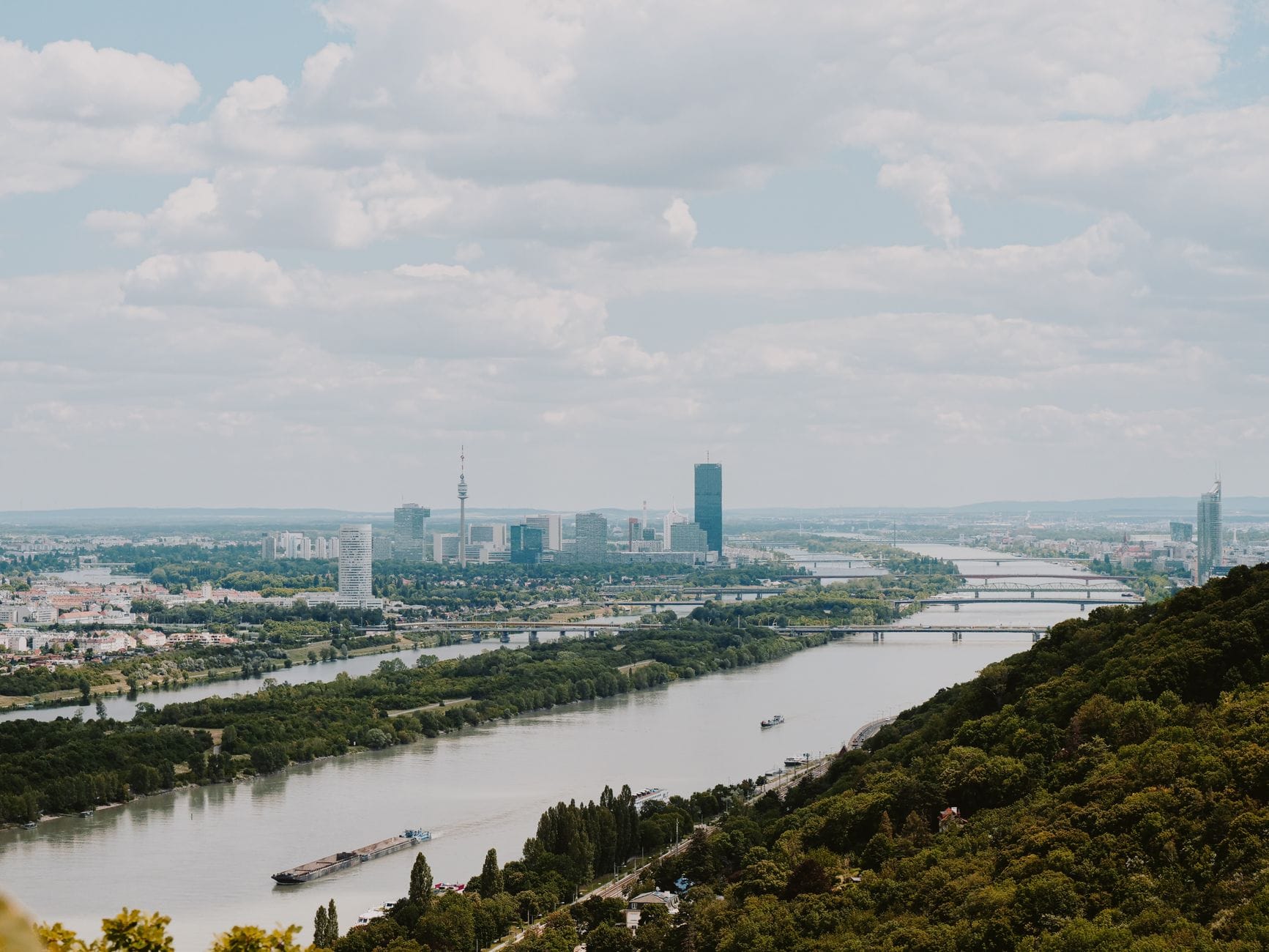
The single most rewarding thing to do in this area is walk. The vineyard trails connecting Grinzing, Nussdorf and Kahlenberg are well-maintained and clearly marked, and the Kahlenberg summit rewards the climb with a panoramic terrace overlooking central Vienna, the Danube, and on clear days the foothills of the Alps to the south. The church of St. Josef on the summit marks the spot where King John III Sobieski of Poland allegedly gave a pre-battle mass before leading the relief of Vienna against the Ottoman siege in 1683, a detail that gives the hilltop genuine historical weight.
The annual Vienna Wine Hiking Day, typically held in early autumn, sets up marked routes through the vineyards around Kahlenberg and Nussberg with tasting stops at participating producers. It is one of the more genuinely local events in Vienna's calendar, drawing Viennese residents as much as visitors, and worth planning a trip around if the dates align.
For wine education rather than just wine drinking, the heuriger themselves are the institution to engage with. The tradition of the heuriger, a producer who opens their own home to sell the current year's wine directly, was codified by a decree of Emperor Joseph II in 1784. Today the best examples remain family-run operations. The heuriger wine tavern tradition is explained in detail in its own guide, but in practical terms: look for a pine branch or bunch of greenery hung above the door, the traditional signal that a heuriger is open.
If you want to combine the wine country visit with a broader understanding of Viennese wine culture, the Vienna wine and heuriger guide covers producers, grape varieties and the etiquette of visiting a heuriger in depth. The protected designation Wiener Gemischter Satz, a field blend of at least three white grape varieties grown and harvested together, is the wine to order in this district.
Walk the marked vineyard trail from Grinzing to Nussdorf via Kahlenberg: allow 2 to 3 hours at a comfortable pace
Visit Kahlenberg summit for the panoramic viewpoint over Vienna and the Danube plain
Spend an evening at a traditional heuriger in Grinzing on Grinzinger Straße or Sandgasse
Walk the Nussberg slopes above Nussdorf in the afternoon when the light comes from the west
Attend the Vienna Wine Hiking Day in May if your visit coincides with it
Look out for the Beethoven connection: the composer spent summers in this area, and the Heiligenstadt Testament was written in nearby Heiligenstadt
💡 Local tip
The pine-branch signal works across all of Vienna's wine villages: a fresh green branch or wreath hung above the entrance means the heuriger is currently open for business. No branch means closed. This custom has not changed in centuries.
Eating & Drinking
The food at a traditional heuriger is deliberately simple and deliberately good. The standard spread is a cold buffet: Liptauer (a spiced curd cheese), smoked meats, dark bread, pickled vegetables, and occasionally a warm Fleckerl (pasta dish) or roast pork. The point is not culinary ambition. The point is that the food serves as ballast for the wine, and both are consumed slowly over several hours in an open courtyard or vine-covered garden.
Prices at heuriger in Grinzing and Nussdorf are moderate by Vienna standards. A quarter-litre of house wine (ein Viertel) typically costs between three and five euros, and a full plate from the buffet adds another nine to fifteen euros. The experience is affordable precisely because it has always been meant for everyone, not just visitors.
Beyond the heuriger, dining options in Grinzing proper are limited. The village is not set up as a restaurant destination in the conventional sense. There are a handful of Gasthäuser serving traditional Austrian food, and a small number of cafés near the tram stop, but if you want a full restaurant dinner, you are better positioned going to neighbouring Heiligenstadt or heading back toward the city. Nussdorf has slightly more neighbourhood infrastructure, with a few local restaurants and a bakery serving the residential community.
For the wider context of what to eat across Vienna, the guide to what to eat in Vienna covers everything from Wiener Schnitzel to Sachertorte, while the Vienna coffeehouse guide is the reference to consult before your first proper Viennese coffee.
⚠️ What to skip
Most heuriger in Grinzing and Nussdorf are closed on weekdays during winter and some operate only on weekends year-round. Always check current opening times before making a special trip. Opening schedules vary significantly by producer and season.
Getting There & Around
The area is reachable from central Vienna in around 25 to 35 minutes by public transport. Wiener Linien, Vienna's public transport authority, operates the routes, and a standard city ticket covers the journey. There is no U-Bahn directly to Grinzing or Nussdorf, so the trip requires trams or buses, which is part of what preserves the area's unhurried character.
For Grinzing, the most direct route is Tram 38, which runs from Schottentor (on the Ringstrasse and the U2 metro line) out to Grinzing terminus. The ride takes around 25 to 30 minutes and deposits you directly in the village centre on Grinzinger Straße. For a broader overview of navigating Vienna by public transport, see the complete guide to getting around Vienna.
For Nussdorf, Tram D runs north along the Danube Canal embankment to its terminus at Nussdorf, from where you can begin the climb up Kahlenberger Straße toward the vineyards and ultimately Kahlenberg summit. Bus 38A connects Grinzing and Nussdorf and continues up toward Kahlenberg and Klosterneuburg, making it possible to travel between the villages without returning to the city centre. This bus route is the spine of the whole area and is well-used by both residents and wine-country visitors.
For Kahlenberg summit specifically, bus 38A from either Grinzing or Nussdorf/Heiligenstadt is the easiest option unless you are walking up from the vineyards below. The U4 metro to Heiligenstadt station serves as a useful gateway for walkers approaching Nussdorf and the Nussberg vineyard trails from the southeast. From Heiligenstadt it is a 20- to 25-minute walk to the base of the Nussberg slopes.
Driving is possible, and parking exists near Grinzing village, but Sunday afternoons in good weather can make the approach roads slow. Cycling is an option for the fit: the routes are scenic but involve serious gradients on the Kahlenberg climb. Walking between Grinzing and Nussdorf via the vineyard ridge takes roughly 2 to 3 hours at a relaxed pace and is one of the better half-day walks within Vienna's city limits.
Where to Stay
Grinzing, Nussdorf and Kahlenberg are not primary accommodation hubs. Most visitors stay in the city centre or in a central district and make the journey out as a half-day or evening trip. That said, Döbling does have small guesthouses and a handful of hotels, typically catering to travellers who specifically want a quieter, greener base away from the urban core. If this appeals, the where to stay in Vienna guide covers the full range of neighbourhood options across the city.
Staying in this area suits travellers who prioritise hiking, wine, and a residential village atmosphere over proximity to museums and concert halls. The trade-off is obvious: getting to the Kunsthistorisches Museum or the Vienna State Opera from Grinzing takes around 30 to 40 minutes by public transport each way, which adds up quickly if you plan multiple cultural visits per day.
For travellers interested primarily in wine and outdoor walks, this corner of Döbling pairs well with a day trip to the Wachau Valley, Vienna's most celebrated wine region beyond the city limits, about 90 minutes by train to the west. The villages of Grinzing and Nussdorf serve as an excellent introduction to Viennese wine culture before venturing further into the country.
History & Context
The wine-growing tradition in the Döbling hills predates Vienna as a modern city. Roman settlements in the area, traces of which have been found in Nussdorf, likely maintained vineyards on the same slopes where Grüner Veltliner grows today. The medieval expansion of viticulture was encouraged by monastic orders, and by the 18th century the villages of Grinzing and Nussdorf were well-established wine producers supplying the imperial capital.
Emperor Joseph II's 1784 Schankfreiheit decree formalised the right of wine producers to sell their own wine directly from their homes for a set period each year. This gave birth to the modern heuriger as a social institution, one that has survived industrialisation, two world wars, and the mass expansion of Vienna's suburbs into the surrounding landscape. What is remarkable is how intact Grinzing's village core remains. The Heuriger buildings along Sandgasse and the lanes off Grinzinger Straße look largely as they did a century ago.
The Kahlenberg ridge carries its own layer of history. The 1683 Battle of Vienna, in which an Ottoman siege of the city was broken by a relief army partly assembled on the Kahlenberg slopes, is commemorated at the church of St. Josef on the summit. For travellers interested in Vienna's longer imperial history, the Habsburg imperial history guide provides the wider narrative into which this hilltop episode fits.
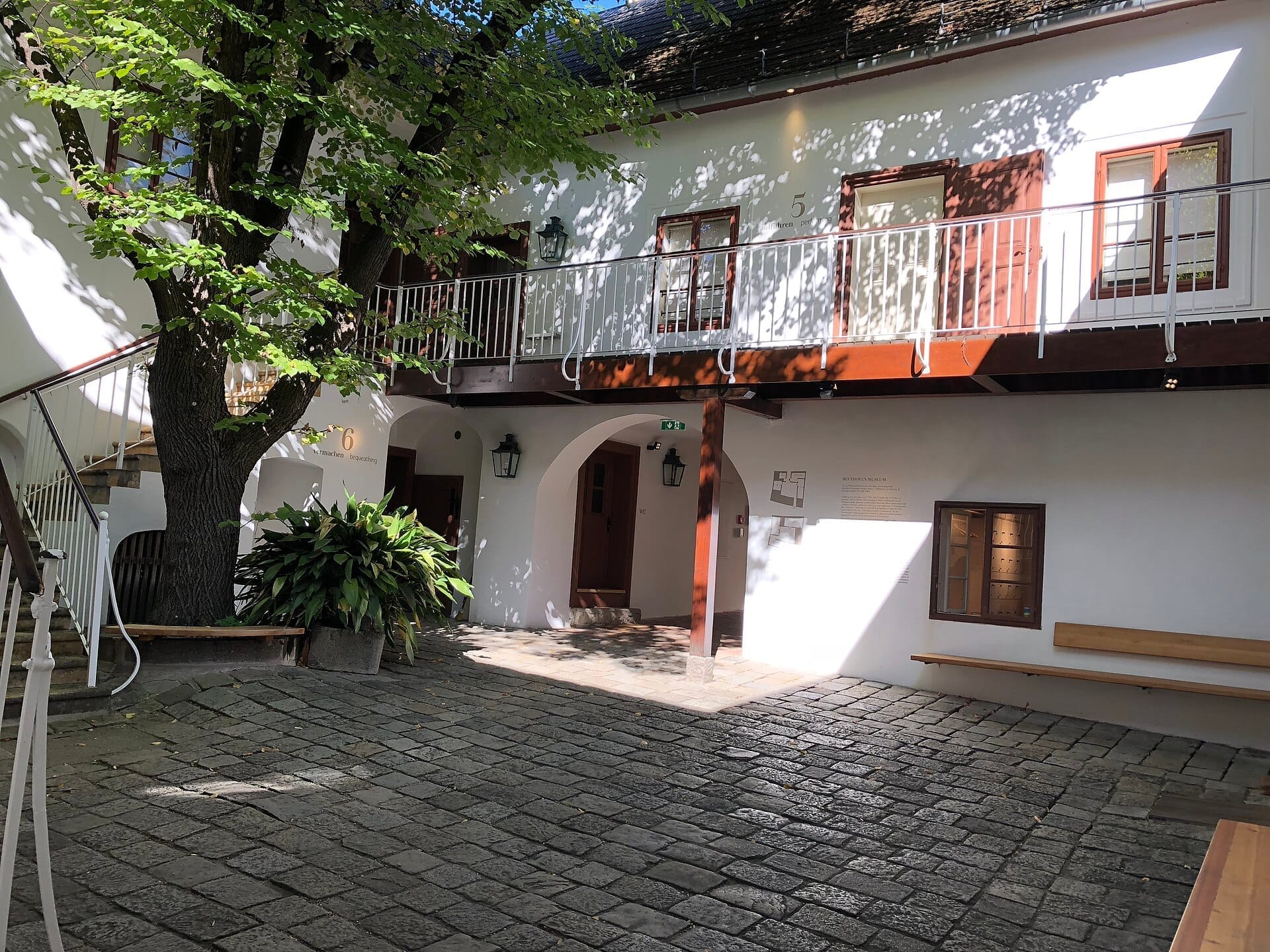
Beethoven spent multiple summers in the Döbling villages seeking relief for his worsening deafness. He wrote the Heiligenstadt Testament, his anguished letter about coming to terms with that deafness, in nearby Heiligenstadt in 1802. The Beethoven Museum in Heiligenstadt is a short detour from Nussdorf and is worth adding to a wine-country afternoon if you have time.
Practical Notes
The best time to visit this area is between late April and October. Spring brings green vineyards and mild temperatures. Summer evenings in a heuriger courtyard are an archetypal Viennese experience. Autumn harvest season, typically September through early November, is arguably the most atmospheric time, with grape picking underway on the slopes and the new young wine (Sturm) appearing on heuriger menus. For the wider picture on seasonal timing, the best time to visit Vienna guide covers the whole city across all seasons.
Wear comfortable shoes whenever you visit. Even staying within Grinzing village involves cobbled lanes and gentle gradients. The vineyard trails above Nussdorf involve real elevation gain, and the path to Kahlenberg from the valley is steep enough to require proper footwear. In wet weather the vineyard tracks can be slippery.
This area is not on the standard Vienna tourist circuit, and for some travellers that is exactly the point. If you are working through the city's major museums and imperial palaces, the 3-day Vienna itinerary suggests how to integrate a Döbling wine excursion without displacing the city highlights. For those with more time and a specific interest in the outdoors, the Vienna hiking and outdoor guide covers the full range of walking options across the Vienna Woods and beyond.
TL;DR
Grinzing, Nussdorf and Kahlenberg form Vienna's in-city wine country in the 19th district of Döbling, about 25 to 35 minutes from the centre by tram or bus.
The area is defined by its heuriger tradition: wine taverns where producers sell their own Grüner Veltliner and Wiener Gemischter Satz directly, in courtyards that close by midnight and feel untouched by tourism pressure.
Kahlenberg summit offers one of the best panoramic views of Vienna and carries genuine historical significance from the 1683 siege; the vineyard walk between Grinzing and Nussdorf via the ridge is one of the best half-day hikes within city limits.
Best for: wine enthusiasts, walkers, travellers who want to experience a specifically Viennese way of spending an evening, and anyone staying more than three or four days who wants to see beyond the Ringstrasse.
Not ideal for: travellers on a short visit with limited time for transit, those expecting a full restaurant and nightlife scene, or anyone whose priority is proximity to central Vienna's concert halls and major museums.
Top Attractions in Vienna Wine Country (Grinzing, Nussdorf & Kahlenberg)
Three days is enough to experience Vienna's imperial core, its greatest art museums, and its legendary coffeehouse culture — if you route each day by geography. This guide structures your visit around three logical zones: the historic Innere Stadt, the Belvedere and Naschmarkt corridor, and Schönbrunn with the Prater.
Vienna holds one of the densest concentrations of world-class museums anywhere in Europe, from imperial art collections built over centuries to cutting-edge contemporary spaces. This guide covers the essential institutions, what makes each one worth your time, and how to plan your visits efficiently.
Vienna rewards visitors in every season, but the experience varies dramatically depending on when you go. This guide breaks down the weather, crowd levels, pricing, and cultural calendar month by month so you can choose the timing that fits your priorities.
Vienna sits at the centre of Central Europe, which makes it one of the best bases on the continent for day trips. From the vine-covered slopes of the Wachau Valley to the baroque splendour of Salzburg, here is everything you need to plan a trip outside the city with confidence.
Vienna's public transport network is one of Europe's most efficient, covering the entire city with U-Bahn, trams, buses, and S-Bahn. This guide covers 2026 ticket prices, airport transfer options, night services, and everything you need to move around the city without a car.
Vienna delivers imperial grandeur at every turn, from Schönbrunn Palace and the Vienna State Opera to Michelin-starred restaurants and storied grand cafés. This guide covers everything you need to plan an indulgent 3-5 day stay, with practical guidance on where to splurge and what to skip.
Vienna rewards couples with imperial grandeur, world-class music, candlelit coffeehouses, and panoramic hilltop views. This guide covers the most romantic things to do in Vienna, from palaces and concert halls to wine taverns and riverside strolls.
Vienna rewards visitors who go beyond the postcard. This guide covers the top things to do in Vienna Austria — from Schönbrunn Palace and Klimt's 'The Kiss' to Naschmarkt and the city's underrated museum scene — with real prices, seasonal advice, and clear notes on what's worth your time.
Forty-eight hours is enough to experience Vienna's imperial grandeur, world-class museums, and legendary café culture. This itinerary cuts through the options and tells you exactly what to prioritize, in what order, and why.
Vienna International Airport (IATA: VIE) sits 18-20 km southeast of the city centre at Schwechat. This guide covers every transfer option in detail, from the 16-minute City Airport Train to pre-booked fixed-price transfers that often undercut metered taxis, plus everything you need to know before you land.
Vienna is one of Europe's great architectural cities, where Baroque palaces, 19th-century Historicist monuments, and Art Nouveau masterpieces exist within walking distance of each other. This guide takes you through the buildings that define the city's visual identity, from imperial grandeur to radical modernism.
Vienna's ball season transforms the city every winter into one of the world's great celebrations of formal dance. This guide covers everything from Opera Ball tickets and dress codes to affordable alternatives, so you can plan the right night for your budget and style.
Vienna transforms into one of Europe's most spectacular Christmas destinations from November through early January, with dozens of free markets spread across imperial palaces, Gothic squares, and cobblestone lanes. This guide covers the best markets, what to eat and drink, and the top nearby attractions to combine for a full festive day out.
Vienna's sacred architecture spans eight centuries, from Romanesque foundations to soaring Gothic cathedrals, opulent Baroque interiors, and one of the world's great Art Nouveau churches. This guide covers the essential churches across styles, with practical tips on what to see inside each one.
Vienna is the undisputed world capital of classical music, home to the Vienna Philharmonic, Vienna State Opera, Musikverein, and dozens of nightly concerts across palaces and churches. This guide covers every major venue, realistic ticket prices, seasonal highlights, and how to book without overpaying.
Vienna's traditional coffeehouses are UNESCO-recognised cultural institutions, not just places to drink coffee. This guide covers the best venues, what to order, typical costs, etiquette rules, and how to tell the genuine article from a tourist trap.
Vienna holds more Egon Schiele than anywhere else on earth. This guide covers the major museum collections, the art-world context that shaped him, and the biographical sites that trace his short, electric life in the city.
From the Hofburg to the Kapuzinergruft, the Habsburg dynasty left Vienna with one of Europe's most concentrated collections of imperial architecture, art, and ritual. This guide covers the key sites, historical context, ticket prices, and the best way to structure a full day in imperial Vienna.
Vienna rewards those who look beyond the Hofburg and Schönbrunn. These off-the-beaten-path experiences range from a private princely art collection to a cemetery full of composers, a hilltop vineyard trail, and a museum inside a WWII gun tower.
Vienna surprises most visitors with how much green space it packs within its borders. Between the forested hills of the Vienna Woods, the Danube's recreational islands, and 14 marked city hiking trails totaling over 240 km, the Austrian capital rewards anyone willing to lace up their shoes or rent a bike.
Summer in Vienna runs hot, loud, and remarkably free. From the Vienna Philharmonic playing open-air in Schönbrunn's gardens to lakeside swimming on the Old Danube, this guide covers every worthwhile summer activity, the major festivals with dates, and the honest truth about peak-season crowds.
Vienna in winter is cold, atmospheric, and surprisingly rewarding. From Christmas markets and imperial palace tours to world-class concerts and coffeehouse culture, this guide covers everything you need to plan a smart, enjoyable trip between November and March.
Gustav Klimt and the Vienna Secession transformed Western art in just a decade. This guide traces their legacy across the city, from the gold-domed Secession building to the museums, churches, and coffeehouses that shaped the movement.
Vienna after dark is more layered than its imperial reputation suggests. This guide breaks down the best bar districts, club zones, jazz venues, and classical nights out, with honest price breakdowns, seasonal advice, and the neighborhoods worth exploring beyond the tourist trail.
Vienna has a reputation for imperial grandeur and high prices, but a realistic daily budget of €50–80 covers accommodation, food, transport, and plenty of sightseeing. This guide breaks down exactly where your money goes, what you can skip paying for entirely, and how to get the most out of every euro.
Vienna is a city of palaces, with far more than the two famous names. From the sprawling Hofburg to the intimate Liechtenstein Garden Palace and the museum-filled Albertina, this guide takes you through the full sweep of Vienna's imperial and aristocratic architectural heritage.
The Vienna Pass promises free entry to 70+ attractions and hop-on hop-off buses, but it only pays off under specific conditions. This guide breaks down exactly who benefits, who overpays, and how to calculate your own savings before you buy.
The Sachertorte is Vienna's most iconic dessert, but not every slice is created equal. This guide breaks down the history, the competing originals, current prices, and where to actually eat chocolate cake in Vienna without overpaying or getting a subpar version.
Vienna's shopping scene ranges from Habsburg-era luxury arcades to independent boutiques in the 7th district and a sprawling open-air food market that has operated for over a century. This guide maps out every major shopping area by character, price point, and practical logistics.
The Vienna to Budapest train is one of Europe's most straightforward cross-border routes: direct, frequent, and genuinely fast. This guide covers ticket prices, how to book, which operators to use, whether a day trip is realistic, and how Budapest fits into a wider Central European itinerary.
The Vienna to Prague corridor is one of Central Europe's most traveled routes, with direct trains, budget buses, and flights all competing for your ticket. This guide breaks down real journey times, current price ranges, booking strategy, and which option actually gets you there fastest.
The Vienna to Salzburg route is one of Austria's most traveled corridors, with fast Railjet trains covering 249 km in as little as 2 hours 22 minutes. This guide covers every transport option, realistic fares, booking strategy, and how to structure a day trip without rushing.
The Wachau Valley is one of the most rewarding day trips from Vienna, combining a Baroque abbey, a ruined castle above the Danube, and one of Austria's finest wine towns. This guide covers the best route, transport options, seasonal cruise logistics, and what to skip so you can make the most of a single day.
The First District is Vienna's compact historic core, a UNESCO World Heritage site you can cross on foot in 20 minutes. This guide covers the full self-guided walking route, key landmarks, honest pricing, and practical tips for every season.
Vienna is one of the few world capitals with functioning vineyards inside its city limits. This guide covers the Heuriger tavern tradition, the best wine districts to visit, how to get there, what to drink, and what separates a genuine Buschenschank from a tourist-facing imitation.
Vienna is one of Europe's most underrated family destinations, with free museum entry for under-18s, affordable public transport for kids, and attractions that genuinely engage children of all ages. This guide covers the best things to do in Vienna with kids, from palace gardens and aquariums to hands-on science museums and a 127-year-old ferris wheel.
Vienna played a central role in both World Wars, first as the capital of the Austro-Hungarian Empire and later as a focal point of Nazi annexation and persecution. This guide covers the key historical sites, Holocaust memorials, and practical logistics for visiting them — along with the honest, complicated history that shaped modern Austria.
Vienna's food culture runs deep: centuries of imperial cooking, Central European comfort food, and a coffee house tradition unlike anywhere else. This guide covers the dishes you should actually order, where to find the best versions, realistic prices, and the misconceptions that trip up first-time visitors.
Vienna's 23 districts each offer a different pace, price point, and proximity to the city's top sights. This guide cuts through the noise to tell you exactly which neighborhoods suit first-timers, budget travelers, culture seekers, and those who want a more local experience — with practical advice on transport, pricing, and what to watch out for.