Wienerwald (Vienna Woods): Vienna's Forest Escape, Just Beyond the City Edge
The Wienerwald, or Vienna Woods, is a UNESCO Biosphere Reserve covering roughly 135,000 hectares of forested hills west and southwest of Vienna. Access is free, trails range from gentle to steep, and the area rewards visitors across every season with panoramic viewpoints, wine-village walks, and deep quiet that the city centre cannot offer.
Quick Facts
- Location
- West and southwest of Vienna, accessible from districts including Döbling, Hietzing, and Penzing
- Getting There
- Multiple U-Bahn and tram lines reach the forest edge; Bus 38A to Kahlenberg is a popular starting point from Heiligenstadt (U4)
- Time Needed
- 2 hours for a short walk; a full day for serious hiking or combining multiple viewpoints
- Cost
- Free to enter; individual facilities (restaurants, some cable cars, monasteries) charge separately
- Best for
- Hikers, nature seekers, photographers, families, and anyone needing a break from the city
- Official website
- www.wienerwald.info/en
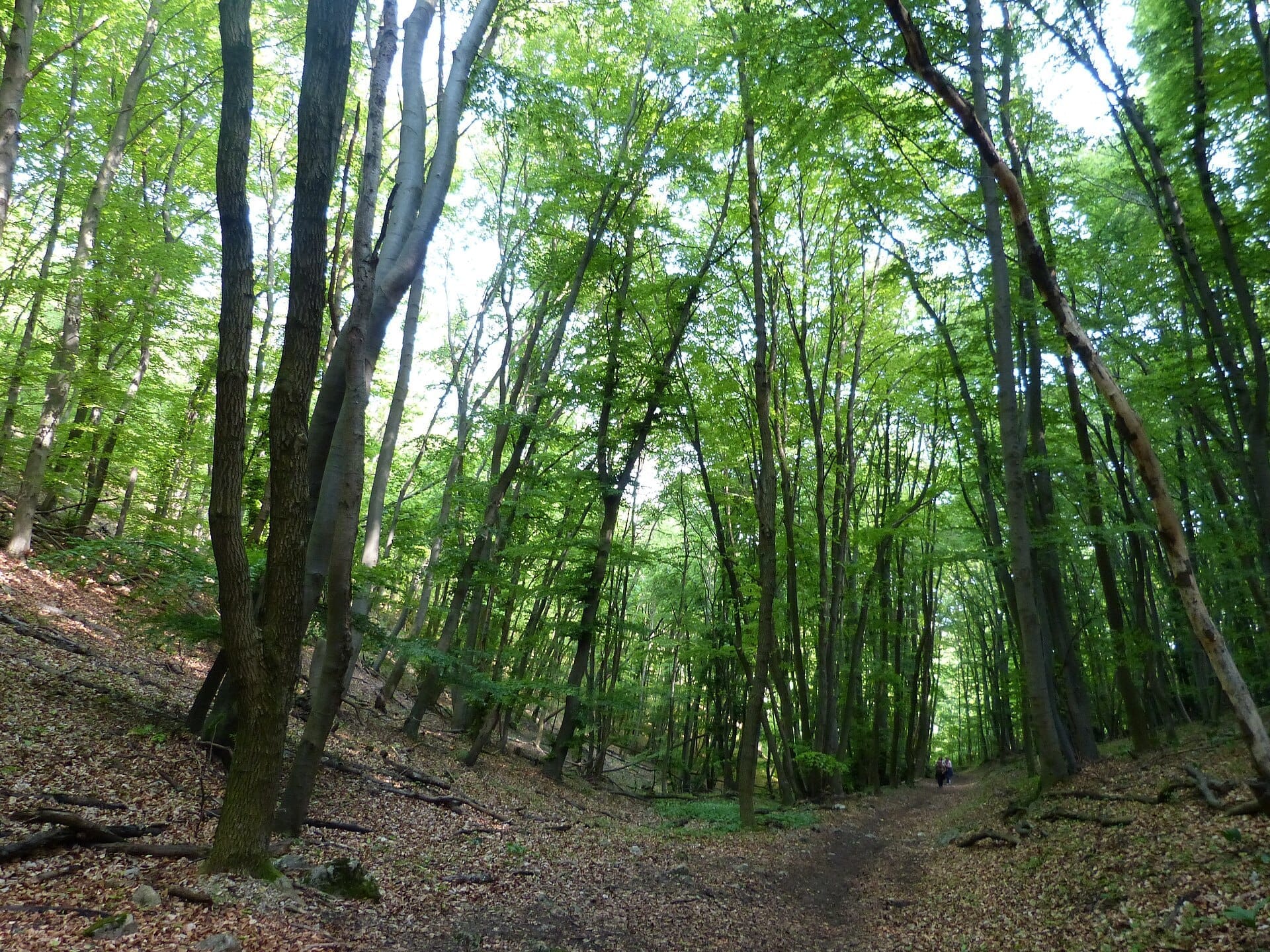
What the Vienna Woods Actually Are
The Wienerwald is not a park with a gate and a ticket booth. It is a sprawling forested hill range forming the northeastern foothills of the Northern Limestone Alps, stretching roughly 45 kilometres long and 20 to 30 kilometres wide. The total area covered is around 135,000 hectares, approximately 90 percent of which lies in Lower Austria, with the remaining 10 percent falling within Vienna's own city limits across seven districts: Hietzing, Penzing, Ottakring, Hernals, Währing, Döbling, and Liesing.
In 2005, the Wienerwald was designated a UNESCO Biosphere Reserve, recognising its ecological value as one of the largest forested areas immediately adjacent to a European capital. The biosphere reserve itself covers around 105,645 hectares across 51 communities in Lower Austria and these seven Viennese districts. The highest point reachable from Vienna territory is Hermannskogel at 542 metres, which also marks Vienna's highest point overall. Kahlenberg, at roughly 484 metres, is the most visited summit, offering views over the city and the Danube plain.
The terrain divides broadly into two zones. The Flysch-Wienerwald to the north and west is characterised by gentler, rounded hills covered in beech and oak forest, generally more accessible for casual walkers. The Kalk-Wienerwald to the south and east features steeper, rockier limestone terrain with denser conifer stands. Both zones carry well-marked trails, but the surface underfoot changes considerably between them.
ℹ️ Good to know
Entry to the forest trails and open areas of the Vienna Woods is free of charge. There is no general admission fee or ticketing system for the Wienerwald as a whole.
How to Get There from Vienna
The Vienna Woods are reachable from the city entirely by public transport, which is one of the more practical aspects of visiting. The northern edge of the forest, including Kahlenberg and Leopoldsberg, is served by Bus 38A departing from Heiligenstadt station, which is on the U4 U-Bahn line. The bus climbs directly into the hills and stops at the Kahlenberg summit, making this the easiest single-route option for first-time visitors.
For access from the western and southwestern edges, tram and bus routes in Hietzing and Penzing bring you to the forest fringe, from where marked trails begin almost immediately. The U4 terminus at Hütteldorf is a practical jumping-off point for several routes into the Flysch-Wienerwald. If you are combining the woods with a visit to the wine villages of Grinzing or Nussdorf, tram lines running through Döbling provide direct connections from the inner city.
Cyclists will find the Wienerwald well-connected to Vienna's cycling infrastructure, though trails within the forest vary between smooth gravel paths and rough unpaved tracks. The Vienna hiking and outdoor guide covers trail conditions and recommended cycling routes into the forest in more detail.
Tickets & tours
Hand-picked options from our booking partner. Prices are indicative; availability and final rates are confirmed when you complete your booking.
Imperial Vienna 72-hour hop-on hop-off bus
From 55 €Instant confirmationFree cancellationSkip-the-Line Entrance with Guide to Schonbrunn Palace and Gardens
From 45 €Instant confirmationFree cancellationLuggage Storage in Vienna
From 6 €Instant confirmationFree cancellationStrauss Dinner Show
From 99 €Instant confirmationFree cancellation
What the Experience Feels Like: Time of Day and Season
Early morning in the Wienerwald is genuinely quiet. On weekday mornings, you may walk for 30 minutes without encountering another person, hearing only the sound of wind in the beech canopy and occasional woodpeckers working through dead bark. The forest floor retains moisture overnight, so there is a characteristic damp-earth smell that dissipates as the sun rises above the treeline. This is the best window for photography: soft directional light filters through the canopy, and ground mist occasionally sits in the valley folds below Kahlenberg.
Weekend afternoons transform the atmosphere completely. From late morning onward, families, joggers, dog walkers, and groups of hikers fill the main trails from Grinzing, Nussdorf, and the Kahlenberg ridge. The restaurants at the Kahlenberg summit can be crowded by noon on sunny weekends. If you are visiting on a Saturday or Sunday, starting before 9:00 in the morning makes a noticeable difference in how undisturbed the experience feels.
Autumn, from September through November, is the period most experienced hikers cite as the woods at their best. Beech trees turn yellow and copper across the hillsides, the air is cool and clear, and the viewpoints over the city are at their sharpest before winter haze sets in. Spring brings wildflowers, particularly in the meadow clearings of the Flysch zone, and birdlife is at its most active. Summer is pleasant but the main trails become noticeably more populated, and the tree cover means you may not realise how warm it is until you emerge at a viewpoint.
Winter visits are underappreciated. Snow on the beech forest above Kahlenberg is genuinely striking, and most trails remain passable unless heavy snowfall has occurred. The weekend crowd thins considerably in January and February, and the city panorama from Kahlenberg takes on a different character under low winter light. Bring appropriate footwear: packed snow on forest paths can be icy without being immediately obvious.
💡 Local tip
Wear proper walking shoes regardless of season. Even well-maintained trails in the Wienerwald involve tree roots, loose gravel, and damp patches. Trainers work on the wider gravel paths near Kahlenberg, but anything more ambitious requires ankle support.
Kahlenberg and Leopoldsberg: The Northern Viewpoints
For most visitors arriving by Bus 38A, Kahlenberg is the first and most accessible high point. The summit, at approximately 484 metres, offers a panoramic view south over Vienna, the Danube, and on clear days, the Carpathian foothills of Slovakia. The viewing terrace next to the church at the summit is the obvious stopping point, and it is busy for a reason: the scale of the view, with the city spread flat below and the Danube curving through the middle distance, is the kind of perspective that genuinely reframes how you think about Vienna's geography.
Leopoldsberg, roughly 2 kilometres east along the ridge from Kahlenberg, sits at around 425 metres and carries a ruined castle and a Baroque church. The ridge walk between the two peaks takes about 40 minutes at an unhurried pace and passes through open forest with several informal viewpoints over the Danube valley. This combination route is one of the most rewarding short itineraries in the area. For more context on this specific neighbourhood and its surroundings, the Grinzing, Nussdorf, and Kahlenberg neighbourhood guide provides useful orientation.
Historically, Kahlenberg carries considerable weight. The Battle of Vienna in 1683, in which a coalition of European forces under King John III Sobieski of Poland relieved the city from Ottoman siege, was launched from this ridge. A Polish church on the summit commemorates this event. The history adds a layer to the view that is easy to miss if you visit purely as a nature outing.
Trails, Routes, and What to Expect Underfoot
The Wienerwald trail network is well-signposted using a colour-coded system maintained by local hiking organisations. Trail markers are generally reliable, but maps downloaded in advance are worthwhile because mobile signal becomes intermittent in the deeper forest sections. The Vienna Woods tourism portal at wienerwald.info provides downloadable trail maps and route descriptions, which are more detailed than most hiking apps for this specific region.
For a half-day circuit, the loop from Nussdorf via Kahlenberg and back down through the vineyard terraces above Grinzing covers varied terrain across 8 to 10 kilometres and around 400 metres of ascent. This route combines forest walking, open ridge sections, and a descent through working vineyards, finishing close to the Heuriger wine taverns in Grinzing, which makes for a natural endpoint.
The Hermannskogel summit at 542 metres is Vienna's highest point and lies within the city boundaries in the Döbling district. The route from the trailhead near Sievering is approximately 4 kilometres one way through continuous forest. It is quieter than Kahlenberg and less visited, which suits those who want altitude without company. From the summit clearing there are partial views, though the tree cover limits panoramic sightlines compared to Kahlenberg. If you want to extend the outing with a longer hike, the Kahlenberg attraction page covers the northern ridgeline in more detail.
⚠️ What to skip
Accessibility is limited throughout most of the Wienerwald. The majority of trails are unpaved, uneven, and unsuitable for wheelchairs or pushchairs. Some wider gravel paths near the Kahlenberg summit are more manageable, but anyone with significant mobility constraints should check individual trail conditions with the official visitor information before travelling.
Combining the Woods with Food, Wine, and Village Culture
The Wienerwald does not exist in isolation from the wine villages at its edges. Grinzing, Nussdorf, Gumpoldskirchen, and Perchtoldsdorf all sit at the forest boundary and are associated with the Heuriger tradition, the informal wine taverns where local vintners serve their own wine alongside cold food spreads. Ending a forest walk at a Heuriger in Grinzing, with a glass of Grüner Veltliner and a table outside, is the kind of afternoon that Vienna does unusually well.
The wine culture here is specific to this landscape. The vineyards on the southern slopes below Kahlenberg and Nussdorf have been under cultivation for centuries, and the proximity of the forest to the vines creates a microclimate that is part of what makes this corner of Vienna distinctive. For more on the Heuriger culture and how to navigate these taverns as a visitor, the Heuriger wine taverns guide is a practical companion to any Wienerwald walk.
If you want to extend a Wienerwald visit into a broader exploration of this part of Vienna, combining it with the villages of Grinzing or Nussdorf and then returning via a different route adds depth to the day. The area also connects naturally to the broader theme of Vienna's outdoor life, which the Vienna in summer guide addresses for those planning warm-weather visits.
Photography and Practical Considerations
The best photography windows in the Wienerwald are early morning, when light enters the forest at low angles and mist sits in the valley hollows, and late afternoon in autumn, when golden-hour light catches the turning beech canopy from the open ridge sections above Kahlenberg. The city panorama from the Kahlenberg viewing terrace photographs well in any direction, but the view looking south toward the Danube and the city centre benefits from morning light, which falls from behind the camera.
Mobile phone cameras perform adequately on the open viewpoints but struggle in the deep forest where light levels drop quickly. A camera with reasonable low-light performance will produce noticeably better results in the tree-covered sections. There are no photography restrictions anywhere in the open forest areas.
Bring water from Vienna. There are tap water points and fountain stops at some trailheads and villages, but they are not consistent along routes. If you are doing a half-day hike, carry at least one litre per person. Weather in the hills can change more quickly than in the city below, particularly in spring and autumn when afternoon thunderstorms develop without much warning. The best time to visit Vienna guide covers seasonal weather patterns that also apply to the surrounding hills.
Who Should Consider Skipping This
The Wienerwald rewards people who want to spend time outdoors and are comfortable with an experience that is self-directed rather than curated. If you have only one or two days in Vienna and your priority is museums, palaces, and architecture, the woods are hard to justify over the concentrated cultural density of the inner city. The round trip from the centre to Kahlenberg and back takes the better part of three hours at minimum, which is a significant allocation of limited time.
Similarly, visitors expecting a manicured park with clear facilities, marked rest points, and consistent amenities will find the Wienerwald unevenly equipped. Outside of the Kahlenberg summit area and a handful of trailhead restaurants, the forest is simply forest. That is its value, but it is worth knowing in advance.
Insider Tips
- Bus 38A to Kahlenberg fills up quickly on sunny weekend mornings. Take the first or second bus of the day (check current Wiener Linien timetables) to avoid standing for the entire uphill journey.
- The ridge walk between Kahlenberg and Leopoldsberg is consistently less crowded than either summit on its own. Most day-trippers go up to one point and come back down the same way; the connecting ridge path is where you find quiet.
- Hermannskogel, Vienna's actual highest point at 542 metres, receives a fraction of the visitors that Kahlenberg does. The trailhead near Sievering is accessible by bus from the city, and the summit forest is peaceful even on busy weekends.
- If you are planning to finish at a Heuriger in Grinzing or Nussdorf, check whether the specific tavern is open before you set out. Heuriger display a pine branch above the door when open, but hours vary seasonally and many close on weekdays outside peak season.
- Downloaded offline maps from wienerwald.info or a reliable hiking app are worth having before you enter the forest. Phone signal is intermittent along most routes beyond the main ridge, and trail junctions are not always accompanied by clear landmark signage.
Who Is Wienerwald (Vienna Woods) For?
- Hikers looking for half-day or full-day routes with genuine elevation gain and forest solitude
- Visitors combining a morning walk with an afternoon at a Heuriger wine tavern in Grinzing or Nussdorf
- Photographers chasing autumn foliage, dawn mist, or city panoramas from the Kahlenberg ridge
- Families with older children who can handle unpaved trails over 5 to 10 kilometres
- Anyone spending more than three days in Vienna who wants a change of pace from the city's cultural core
Nearby Attractions
Other things to see while in Vienna Wine Country (Grinzing, Nussdorf & Kahlenberg):
- Beethoven Museum Heiligenstadt
Housed in the Heiligenstadt building where Ludwig van Beethoven wrote his devastating 1802 Testament, this compact but deeply affecting museum explores one of classical music's most pivotal personal crises. Operated by Wien Museum and expanded in 2017, it sits in a quiet village-like corner of Vienna's 19th district, far from the tourist crowds of the centre.
- Heuriger Wine Taverns
Heuriger wine taverns are a category of venue unique to Vienna, where licensed winemakers serve their own freshly pressed wine alongside simple cold-buffet food. Found on the green fringes of the city in districts like Grinzing, Nussdorf, and Stammersdorf, they offer something no city-centre bar can replicate: wine poured by the people who grew the grapes, in the garden where those vines still grow.
- Kahlenberg
Standing at 484 metres above the Viennese basin, Kahlenberg offers one of the widest, most rewarding panoramas of any European capital. Free to access and reachable by public bus, it combines natural beauty, layered history, and genuine visual payoff in a single excursion.