Beethoven Museum Heiligenstadt: Where a Composer Confronted His Silence
Housed in the Heiligenstadt building where Ludwig van Beethoven wrote his devastating 1802 Testament, this compact but deeply affecting museum explores one of classical music's most pivotal personal crises. Operated by Wien Museum and expanded in 2017, it sits in a quiet village-like corner of Vienna's 19th district, far from the tourist crowds of the centre.
Quick Facts
- Location
- Probusgasse 6, 1190 Vienna (Heiligenstadt, 19th district)
- Getting There
- Bus 38A to Armbrustergasse, or Tram 37 to Hohe Warte, then walk
- Time Needed
- 45–90 minutes
- Cost
- €8 standard / €6 reduced / Free under 19 & first Sunday of month
- Best for
- Classical music lovers, Beethoven devotees, history seekers
- Official website
- www.wienmuseum.at/beethoven_museum_en
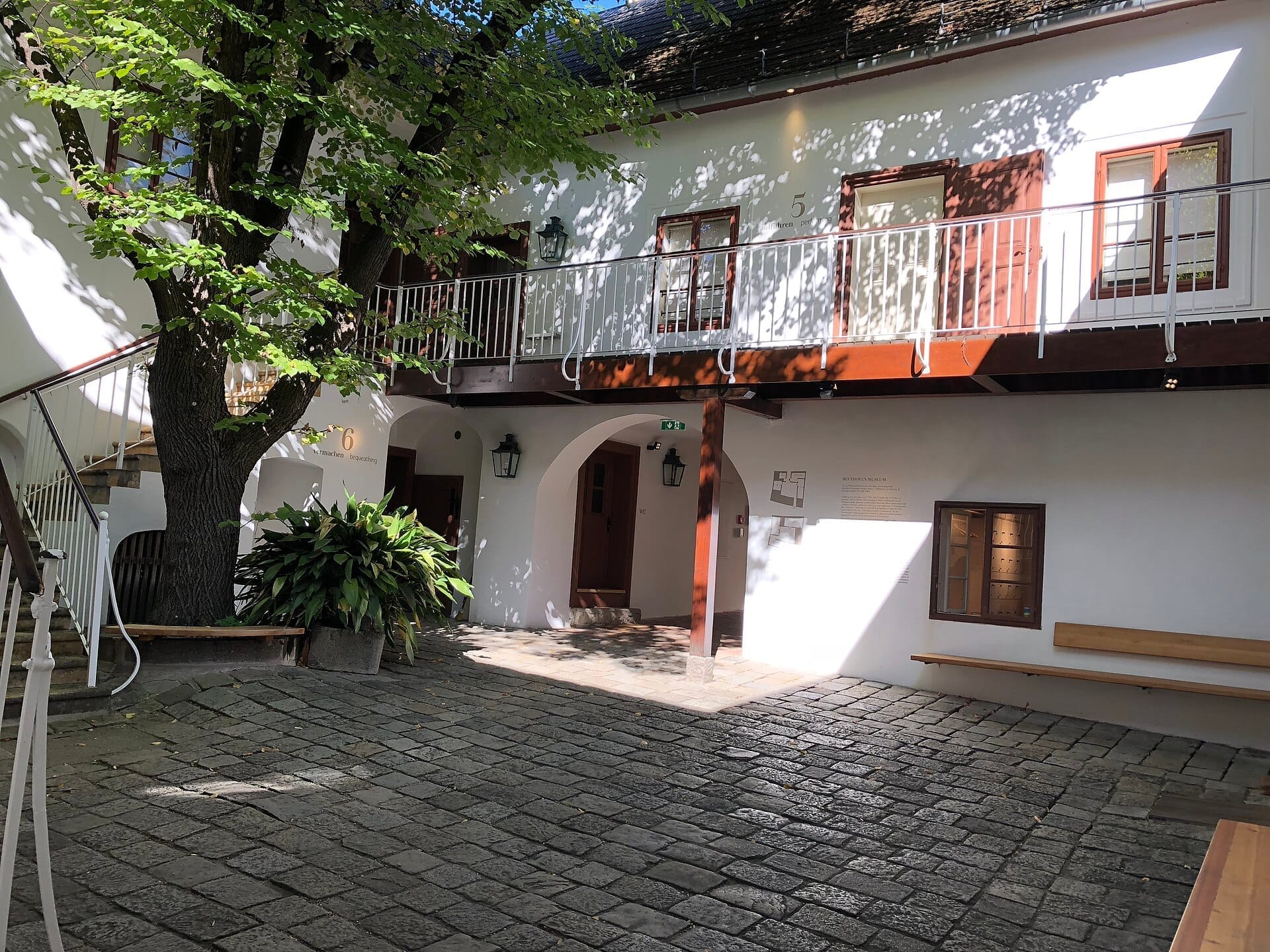
What This Place Actually Is
The Beethoven Museum Heiligenstadt is a small memorial museum run by Wien Museum, occupying the historic house at Probusgasse 6 where Ludwig van Beethoven retreated in the summer of 1802. It is not a sprawling biographical exhibition covering his entire life. It is something more specific and more affecting: a place connected directly to a single, shattering episode in which one of the greatest composers in Western history sat in a quiet Vienna suburb and wrote a letter he never sent, addressed to his brothers, describing his growing deafness and his contemplation of death.
That letter, the Heiligenstadt Testament, was found only after Beethoven died in 1827, folded inside a drawer. The museum exists because of it. The building was long maintained as a modest memorial but was renovated and substantially expanded in 2017, growing from around 40 square metres to a proper 265-square-metre museum spread across multiple rooms. What visitors encounter today is a thoughtfully curated space that combines period atmosphere with genuine historical objects and audio installations.
💡 Local tip
Admission is free on the first Sunday of every month and for all visitors under 19. If you are travelling with younger companions or on a budget, plan your visit accordingly.
The Story Behind the Address
Beethoven spent numerous summers in Heiligenstadt, drawn by the rural air and relative quiet, which doctors hoped might slow the progression of his hearing loss. In 1802, when he was thirty-one years old, the isolation intensified rather than soothed. He was already losing the ability to hear conversation and had begun to conceal the problem from colleagues and audiences. In October of that year, he wrote what became the Heiligenstadt Testament, a raw confession of despair addressed to his brothers Carl and Johann but never sent or shown to anyone during his lifetime.
The Testament is one of the most extraordinary documents in musical history, not for its literary polish but for what it reveals: a man weighing the option of suicide and deciding, with evident effort, to continue living because his art remained unfinished. Beethoven left Heiligenstadt shortly after writing it, returned to Vienna, and within two years had completed his Second Symphony and was well into his Third, the Eroica, the work that transformed the possibilities of orchestral music. The house at Probusgasse 6 therefore sits at one of the great turning points in the history of Western music.
Understanding that backstory before you arrive makes the visit substantially richer. If you want broader context on how Beethoven fits into Vienna's musical landscape, the Vienna classical music guide covers the city's full compositional heritage, from Haydn and Mozart through to Schubert and Brahms.
Tickets & tours
Hand-picked options from our booking partner. Prices are indicative; availability and final rates are confirmed when you complete your booking.
Freud, Mozart, Beethoven exploration game and tour in Vienna
From 10 €Instant confirmationFree cancellationImperial Vienna 72-hour hop-on hop-off bus
From 55 €Instant confirmationFree cancellationSkip-the-Line Entrance with Guide to Schonbrunn Palace and Gardens
From 45 €Instant confirmationFree cancellationLuggage Storage in Vienna
From 6 €Instant confirmationFree cancellation
What You Will Find Inside
The museum unfolds across rooms that retain something of the domestic scale of a nineteenth-century Viennese summer house. Ceilings are low, corridors are narrow, and the light from the courtyard windows is the soft, slightly filtered quality that characterises older buildings in the Viennese suburbs. The 2017 renovation was careful: new exhibition infrastructure sits alongside rather than over the building's character.
Original documents, letters, and scores are displayed alongside period instruments. A reproduction of the Heiligenstadt Testament itself is presented with care, and the audio installations allow visitors to hear the works Beethoven was composing during the Heiligenstadt period, which gives the silent rooms an unexpected emotional depth. The curators have resisted the temptation to over-explain: the exhibition respects the intelligence of its visitors and trusts the primary material.
Rooms are sequenced to move from biographical context through to the crisis moment and then outward toward what followed it creatively. One section addresses the practical reality of Beethoven's deafness in a way that is unusually frank, with information about the ear trumpets he used and the conversation books through which he communicated in later years.
ℹ️ Good to know
The museum building is historic and is not barrier-free. Visitors with mobility impairments should be aware that the layout includes stairs and narrow passages that are not fully accessible.
The Neighbourhood Changes the Experience
Heiligenstadt is not a neighbourhood most visitors to Vienna encounter unless they make a deliberate effort. It sits in the 19th district, well beyond the Ringstrasse and the central museum quarter, in an area that retains a distinctly village character. Probusgasse itself is a short, quiet street with cobblestones and old plaster walls. There are no large tourist crowds here, no line of souvenir stands, no background noise of tour group commentary.
On a weekday morning, the walk from the bus stop through the backstreets of Heiligenstadt takes about five minutes and passes exactly the kind of Viennese residential architecture that existed in Beethoven's era, at least in its outline. The Pfarrplatz a short walk away contains the parish church of St. Michael, and the neighbourhood's stream and garden structures give a genuine sense of why Vienna's composers retreated here in summer. The silence, even now, is palpable in the residential lanes.
Heiligenstadt is also close to the wine country of the northern slopes, and the area around Grinzing and Nussdorf is lined with Heuriger wine taverns that make a natural complement to a museum visit. Many visitors combine an afternoon at the museum with an early evening at one of these informal garden taverns.
Visiting at Different Times
The museum is open Tuesday through Sunday, from 10:00 to 13:00 and again from 14:00 to 17:00, with a midday closure. It is closed on Mondays, and also on January 1, May 1, and December 25. On December 24 and December 31, hours are shortened to 10:00 to 14:00. These hours are specific and worth confirming before you travel out to the 19th district.
Morning visits, particularly on weekdays, are when the museum is at its quietest. The rooms are small enough that even a modest group of twelve or fifteen people changes the atmosphere considerably. The midday closure means there is a natural break in visitor flow: arriving around 10:00 or 10:30 gives you the first session largely to yourself in quieter periods. Weekend afternoons in the second session, from 14:00 onward, tend to draw more visitors, particularly in summer.
Winter visits have a particular quality. The grey light of a November or February morning suits the introspective nature of the exhibition content far better than a bright July afternoon. There are no outdoor elements to the museum experience, so weather does not affect what you see inside, but the atmosphere of the surrounding Heiligenstadt streets in the colder months feels more consonant with the emotional register of the Heiligenstadt Testament itself.
⚠️ What to skip
Do not arrive during the midday break (13:00 to 14:00). The museum is closed during this period and there are no waiting facilities directly at the entrance. Plan to arrive at 10:00 or at 14:00.
Getting There Without a Car
The most straightforward route from central Vienna is to take the U4 line to Heiligenstadt (the northern terminus), then board Bus 38A in the direction of Cobenzl or Kahlenberg and ride to the Armbrustergasse stop. From there, Probusgasse 6 is a short walk. Total journey time from the city centre is typically around 30 to 40 minutes depending on connections.
An alternative is Tram 37 to Hohe Warte, followed by a walk down through the side streets to Probusgasse. This route takes slightly longer but passes through attractive residential streets and gives a better sense of the neighbourhood geography. Both routes use standard Vienna public transport tickets.
If you are planning a broader day in the 19th district, the guide to getting around Vienna explains how to navigate the city's transport zones and which ticket types work for the outer districts.
Photography, Honesty, and Expectations
The museum is compact. If your primary interest is in large-scale immersive exhibitions or dramatic architectural spaces, this is not that experience. The value here is concentration and specificity rather than scope. You will not emerge having learned everything about Beethoven's life. You will emerge having spent time in the rooms where a particular and important thing happened, surrounded by objects and sounds that illuminate it.
Photography policies should be confirmed with staff on arrival, as guidelines for historic documents and objects can vary. The courtyard and exterior of the building photograph well in morning light, with the old plaster facade and wooden window shutters giving an image that reads clearly as pre-industrial Vienna.
Visitors who want to extend their engagement with Beethoven's Vienna can also visit the Mozarthaus Vienna in the first district, though that site covers a different composer in a very different urban context. The House of Music on Seilerstätte offers a broader and more interactive exploration of Vienna's musical history if you want to extend the day into something more comprehensive.
Insider Tips
- The midday closure from 13:00 to 14:00 is strictly observed. Build this into your itinerary rather than arriving around noon expecting to wait at the door.
- The first Sunday of every month offers free admission. This is a genuine benefit for budget travellers, but be aware that Sunday afternoons in the second session are the museum's busiest period.
- Combine the visit with the nearby Pfarrplatz, a few minutes' walk away, which contains the parish church where Beethoven is said to have attended mass during his Heiligenstadt stays. It adds context without requiring extra transit.
- The neighbourhood has several Heuriger wine taverns within walking distance or a short bus ride. An early afternoon museum visit followed by an evening at one of the Grinzing or Nussdorf taverns makes a coherent and unhurried 19th-district afternoon.
- The audio components of the exhibition are an important part of the experience. If you are hard of hearing or want to use personal equipment, check with Wien Museum in advance whether the installations have accessible formats.
Who Is Beethoven Museum Heiligenstadt For?
- Classical music enthusiasts who want to go beyond concert halls into the living history of composition
- Travellers interested in biography and psychological history rather than purely visual or architectural sights
- Those who want a half-day excursion away from the crowded inner city, combined with the Heiligenstadt neighbourhood
- Visitors with the Vienna PASS looking to include a lesser-known but substantive Wien Museum site
- Anyone who has recently attended a Beethoven concert in Vienna and wants the experience grounded in something tangible
Nearby Attractions
Other things to see while in Vienna Wine Country (Grinzing, Nussdorf & Kahlenberg):
- Heuriger Wine Taverns
Heuriger wine taverns are a category of venue unique to Vienna, where licensed winemakers serve their own freshly pressed wine alongside simple cold-buffet food. Found on the green fringes of the city in districts like Grinzing, Nussdorf, and Stammersdorf, they offer something no city-centre bar can replicate: wine poured by the people who grew the grapes, in the garden where those vines still grow.
- Kahlenberg
Standing at 484 metres above the Viennese basin, Kahlenberg offers one of the widest, most rewarding panoramas of any European capital. Free to access and reachable by public bus, it combines natural beauty, layered history, and genuine visual payoff in a single excursion.
- Wienerwald (Vienna Woods)
The Wienerwald, or Vienna Woods, is a UNESCO Biosphere Reserve covering roughly 135,000 hectares of forested hills west and southwest of Vienna. Access is free, trails range from gentle to steep, and the area rewards visitors across every season with panoramic viewpoints, wine-village walks, and deep quiet that the city centre cannot offer.