Vienna in Summer: The Complete Guide to June, July & August
Summer in Vienna runs hot, loud, and remarkably free. From the Vienna Philharmonic playing open-air in Schönbrunn's gardens to lakeside swimming on the Old Danube, this guide covers every worthwhile summer activity, the major festivals with dates, and the honest truth about peak-season crowds.
Plan and book this trip
Tools from our partner Travelpayouts help you compare flights and hotels. If you book through them, we may earn a commission at no extra cost to you.
Flights
Hotels map
TL;DR
- Summer (June–August) is Vienna's peak tourist season with temperatures typically between 20–30°C and daylight stretching past 9pm.
- Several of the city's biggest events are completely free: the Rathausplatz Film Festival, Donauinselfest, and the Schönbrunn Summer Night Concert with the Vienna Philharmonic.
- The Spanish Riding School closes to public performances in July and August, and some orchestral institutions take summer recess — classical music fans should plan accordingly.
- Book accommodation and timed tickets for major museums at least 4–6 weeks in advance; July and August are among the busiest months of the year.
- The Old Danube (Alte Donau) and Danube Island are where Viennese locals actually spend their summers — both are accessible by U-Bahn and largely free.
What Summer Actually Feels Like in Vienna
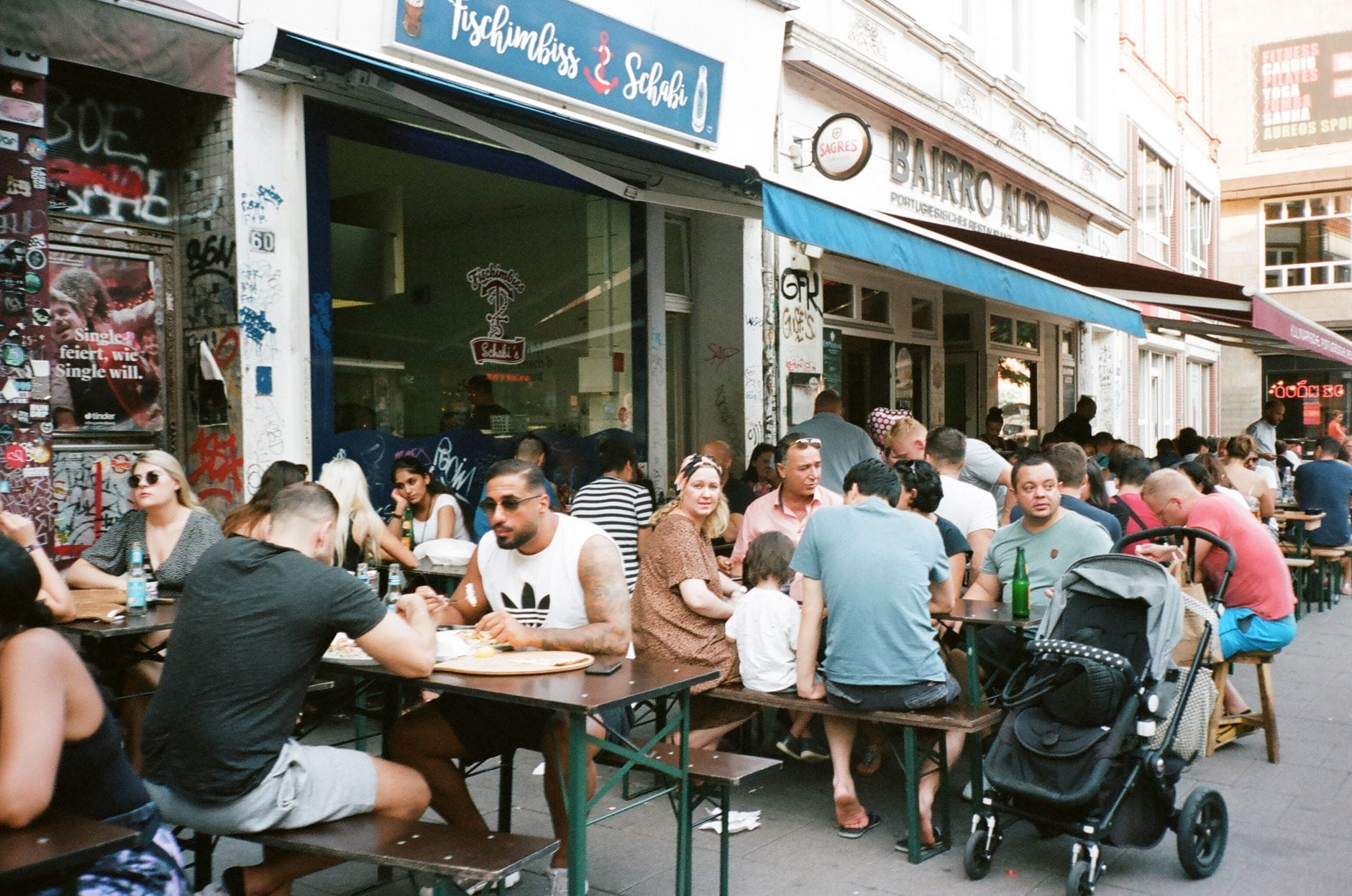
Vienna in summer is a different city from the one visitors encounter in autumn or winter. The Imperial grandeur is still there, but from late June onward the city turns outward. Restaurants move onto the pavement, the parks fill up by mid-afternoon, and temporary stages appear in squares that are otherwise just transit corridors. June averages around 20–24°C with long evenings; July regularly pushes past 28°C and occasionally hits heatwaves above 30°C. August follows a similar pattern before gradually cooling in the final week.
Daylight is a genuine advantage. Sunset in late June falls after 9pm, giving you almost unlimited time to explore without feeling rushed. The flip side is that July and August bring the highest visitor numbers of the year. St. Stephen's Cathedral, the Hofburg, and Schönbrunn Palace see enormous queues by mid-morning. Arriving at opening time or booking timed-entry tickets in advance is not optional — it is the practical difference between a good visit and an hour spent in a line.
⚠️ What to skip
Vienna does not have air conditioning as a standard feature in older hotels, cafes, or public buildings. If heat sensitivity is a concern, specifically request an air-conditioned room when booking, and check before confirming. Temperatures above 32°C are unusual but not rare in late July.
Free Summer Festivals Worth Planning Around
The single most impressive thing about Vienna's summer cultural calendar is how much of it costs nothing. The Rathausplatz Film Festival (Film Festival am Rathausplatz) is arguably the best free event in the city. From late June to early September, enormous screens in front of City Hall broadcast opera performances, classical concerts, and occasionally ballet every evening. A large international food court surrounds the seating area, so the practical move is to pick up food from one of the stalls and watch a full opera with the neo-Gothic Rathaus lit up behind the screen. No tickets, no registration — just show up.
The Donauinselfest, typically held over three days in late June, is Europe's largest free open-air music festival. The figure cited consistently is 3 million visitors across the weekend, spread across multiple stages on the long, thin Danube Island. Genres range from rock and pop to electronic and folk. The scale is genuinely staggering and the atmosphere is relaxed rather than intense. Getting there is straightforward via the U1 or U2 to Donauinsel station. Bring cash for food vendors and expect the U-Bahn home to be packed after headline sets.
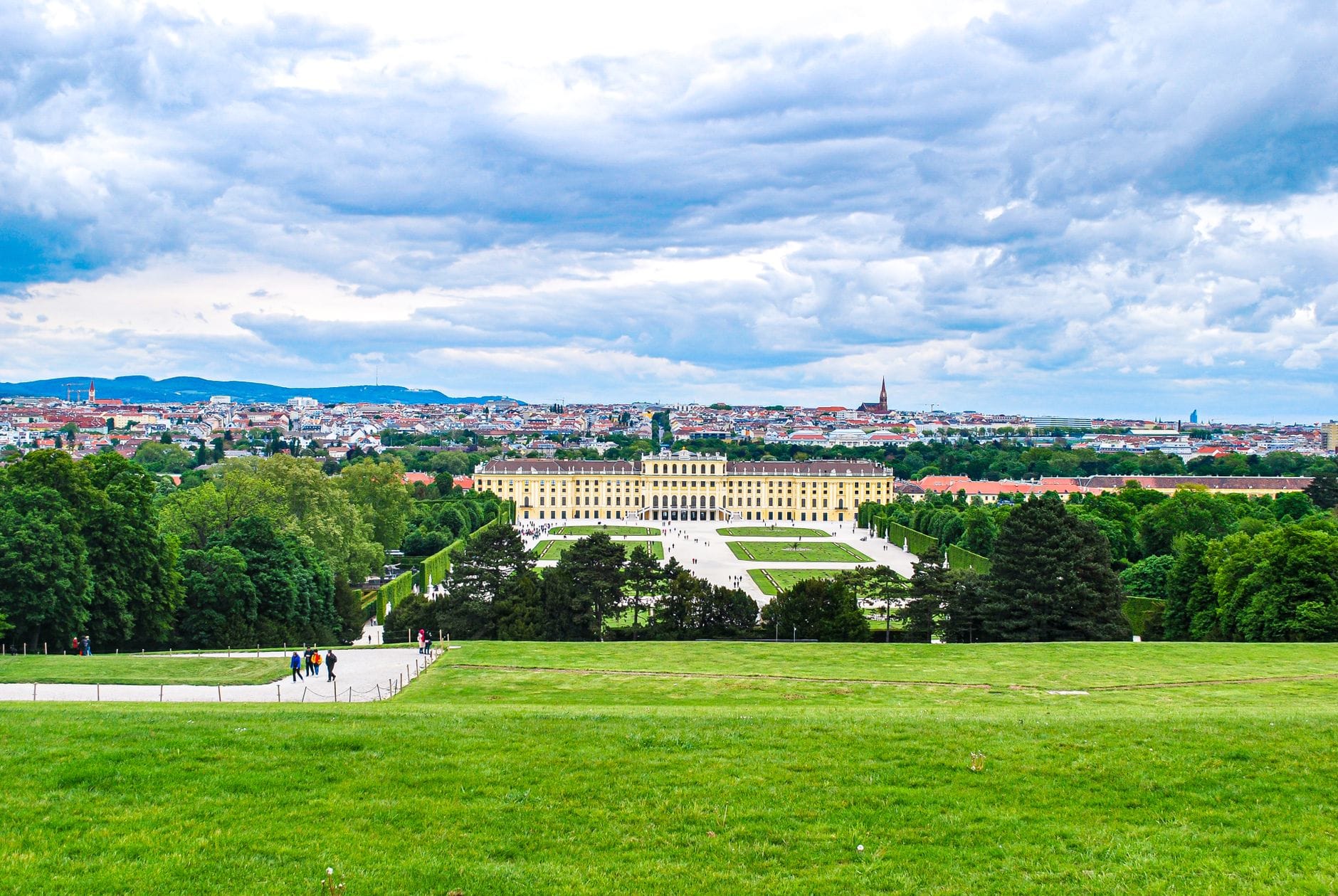
Each June, the Vienna Philharmonic performs its annual Sommernachtskonzert (Summer Night Concert) in the gardens of Schönbrunn Palace. The concert is free and open to the public, with tens of thousands gathering on the lawn in front of the Gloriette hill. The program changes annually and is announced by the Philharmonic in the weeks before. Arrive at least 90 minutes early for a reasonable spot with a sightline to the stage. The evening ends with fireworks above the palace.
- Rathausplatz Film Festival Late June to early September, nightly screenings of opera and concerts in front of City Hall. Free admission, food court on site.
- Donauinselfest Three days in late June, multiple stages across Danube Island. Europe's largest free open-air music festival, drawing around 3 million visitors.
- Schönbrunn Summer Night Concert One evening in June, Vienna Philharmonic performs free in the palace gardens. Ends with fireworks. Check the Philharmonic's website for the exact date.
- ImPulsTanz Early July to early August, Vienna's international contemporary dance festival. Mix of ticketed performances and free public events across the city.
- Kultursommer Wien City-funded free cultural program running throughout summer with music, theater, and dance in parks and public spaces.
💡 Local tip
For exact dates on all these festivals, check the official Wien.info events calendar before your trip. Dates shift by a few days each year and are usually confirmed in March or April.
Outdoor Swimming and the Danube in Summer
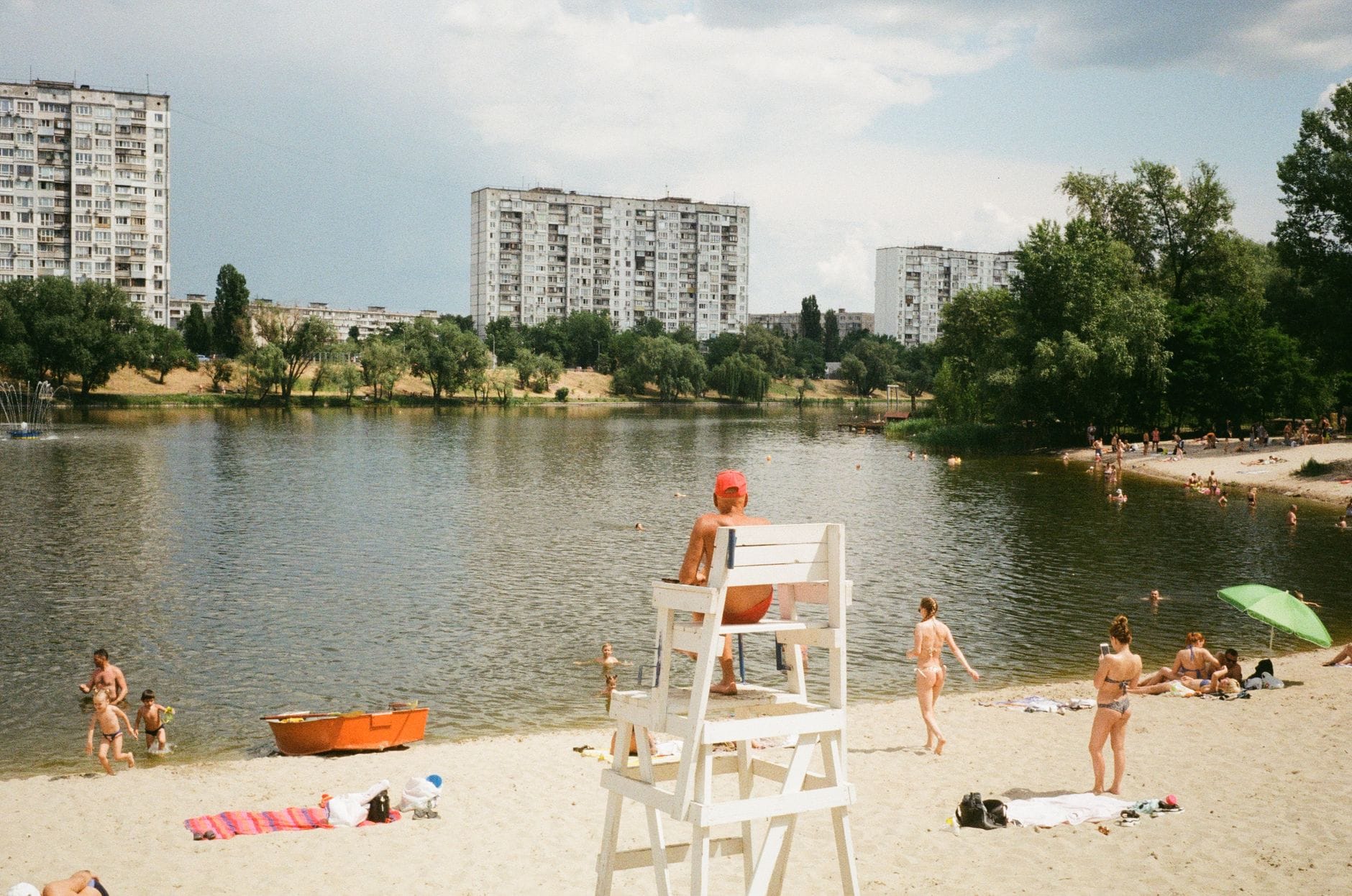
The single best local insight about Viennese summers is this: when temperatures climb, the city migrates to water. The Old Danube (Alte Donau) is a calm ox-bow lake in the 22nd district, separated from the main river and used almost exclusively for recreation. Water temperatures in July and August regularly reach 24–26°C, making it genuinely comfortable for swimming. Pedal boats, rowing boats, electric boats, and stand-up paddleboards are available for rent at multiple operators along the shore. The surrounding meadows fill with locals from early afternoon on weekends.
The Danube Island stretches 21 kilometers along the main river and has designated swimming areas, cycle paths, beach bars (locally called Strandbar), and running routes. It is less curated than the Old Danube and better suited to cycling and walking. Both are easily reached by U-Bahn: the Old Danube via U1 to Alte Donau station, and Danube Island via U1 or U6 to Donauinsel.
Danube river cruises and canal cruises operate throughout summer, ranging from one-hour sightseeing trips to longer evening dinner cruises. These are worth considering specifically for the perspective they give on the city's eastern districts and the scale of the river. Booking in advance via operators or platforms like GetYourGuide is recommended in July and August when departure times fill quickly.
✨ Pro tip
The Gänsehäufel, a large public bathing island on the Old Danube, is the most popular designated swimming area in the city. It has changing facilities, a water slide, and food stands. Weekday mornings before 11am are significantly less crowded than weekend afternoons.
Museums and Indoor Attractions: What to Prioritize
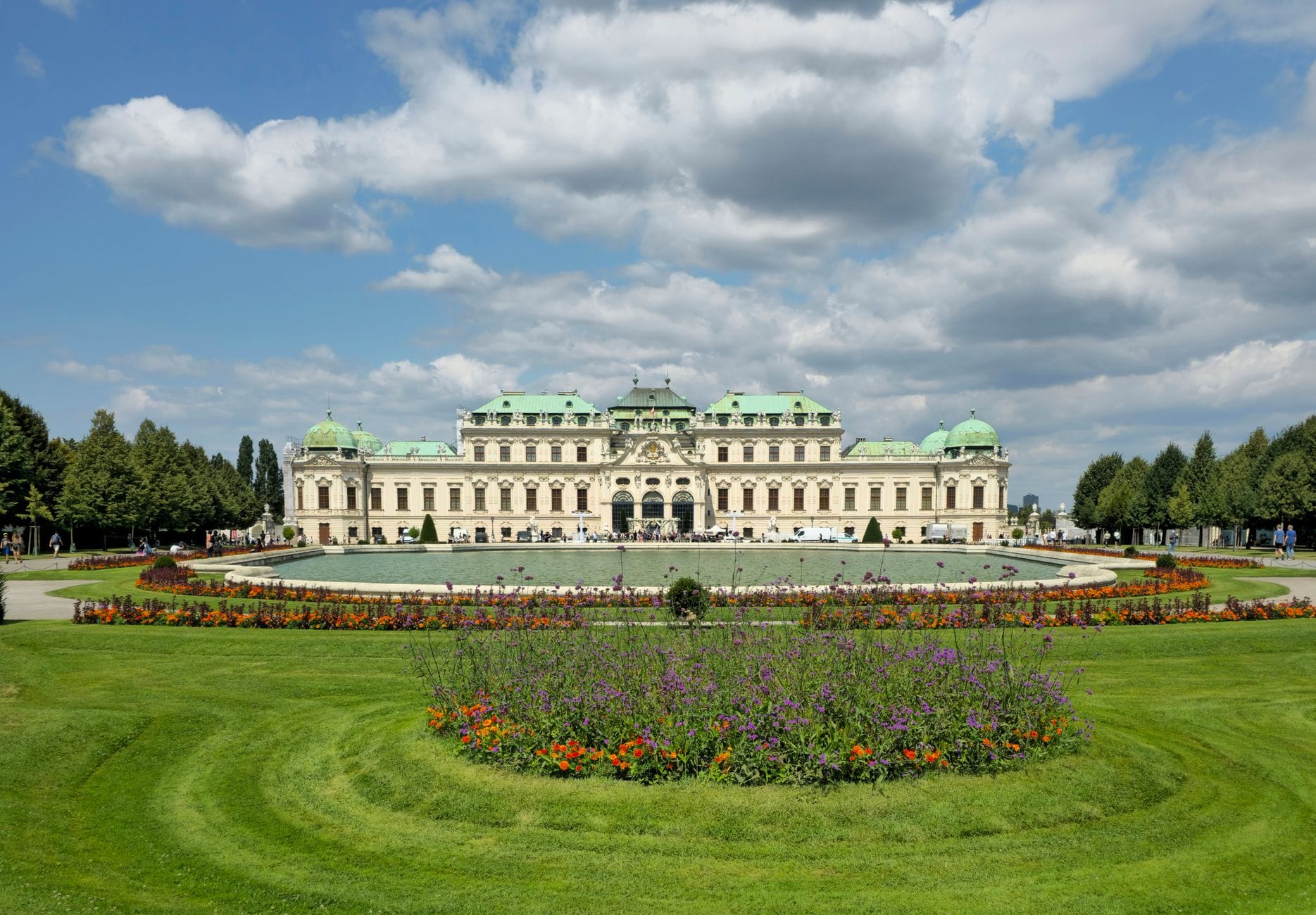
Summer heat actually makes Vienna's museum density an asset rather than a trade-off. On the hottest afternoons, stepping into the Kunsthistorisches Museum or the Upper Belvedere provides cool marble interiors and world-class collections. The Belvedere's collection of Gustav Klimt paintings, including The Kiss, draws large crowds in summer, so timed entry booking is strongly advised.
The MuseumsQuartier courtyard becomes one of the city's most pleasant outdoor lounging spots in summer, with deck chairs and small bars set up between the museum buildings. This is worth visiting in the early evening even if you skip the museums themselves. The area around Naschmarkt is best experienced in the morning before it gets uncomfortably hot — by early afternoon the covered market stalls can feel stifling.
- Book timed entry for Schönbrunn Palace, the Upper Belvedere, and the Imperial Treasury at least 2 weeks ahead in July and August.
- The Spanish Riding School is closed for public performances July and August — do not plan your trip around seeing it in midsummer.
- The Vienna State Opera runs a reduced summer schedule, with the main season resuming in September. Check the Staatsoper website for any summer performances before assuming the house is dark.
- The Prater's Wiener Riesenrad (Giant Ferris Wheel) operates year-round and is particularly atmospheric at dusk in summer when the city lights come on.
- Many smaller museums have shorter queues in summer than the flagship institutions — consider the House of Music, the Sigmund Freud Museum, or the Third Man Museum as alternatives on busy days.
Practical Logistics for a Summer Visit
Vienna International Airport (IATA: VIE) is located at Schwechat, roughly 18–20 km southeast of the city center. The City Airport Train (CAT) connects the airport to Wien Mitte in around 16 minutes and is the fastest option, though regular S-Bahn services (S7) cover the same route at lower cost with a slightly longer journey. For a full breakdown of transport options, see the Vienna airport transport guide.
Within the city, the U-Bahn network run by Wiener Linien covers all major tourist areas efficiently. In summer, cycling is also viable: Vienna has an extensive dedicated cycle path network and Citybike Wien rental stations throughout the inner districts. For a full overview of getting around, the Vienna transport guide covers tickets, passes, and route planning in detail.
Accommodation prices in Vienna peak in July and August. Booking 6–8 weeks in advance is advisable for anything in the 1st through 9th districts. If you want help deciding which neighborhood to base yourself in, the Vienna accommodation guide covers the tradeoffs between staying in the Innere Stadt versus surrounding districts.
ℹ️ Good to know
Austria uses the Euro (EUR). Tap water in Vienna is safe to drink and well regarded — the city's supply comes partly from Alpine springs. Carrying a refillable bottle is both practical and free. Emergency services: 112 (general European emergency number), 133 (police), 144 (ambulance). Country code: +43.
What's Overrated (and What Locals Actually Do)
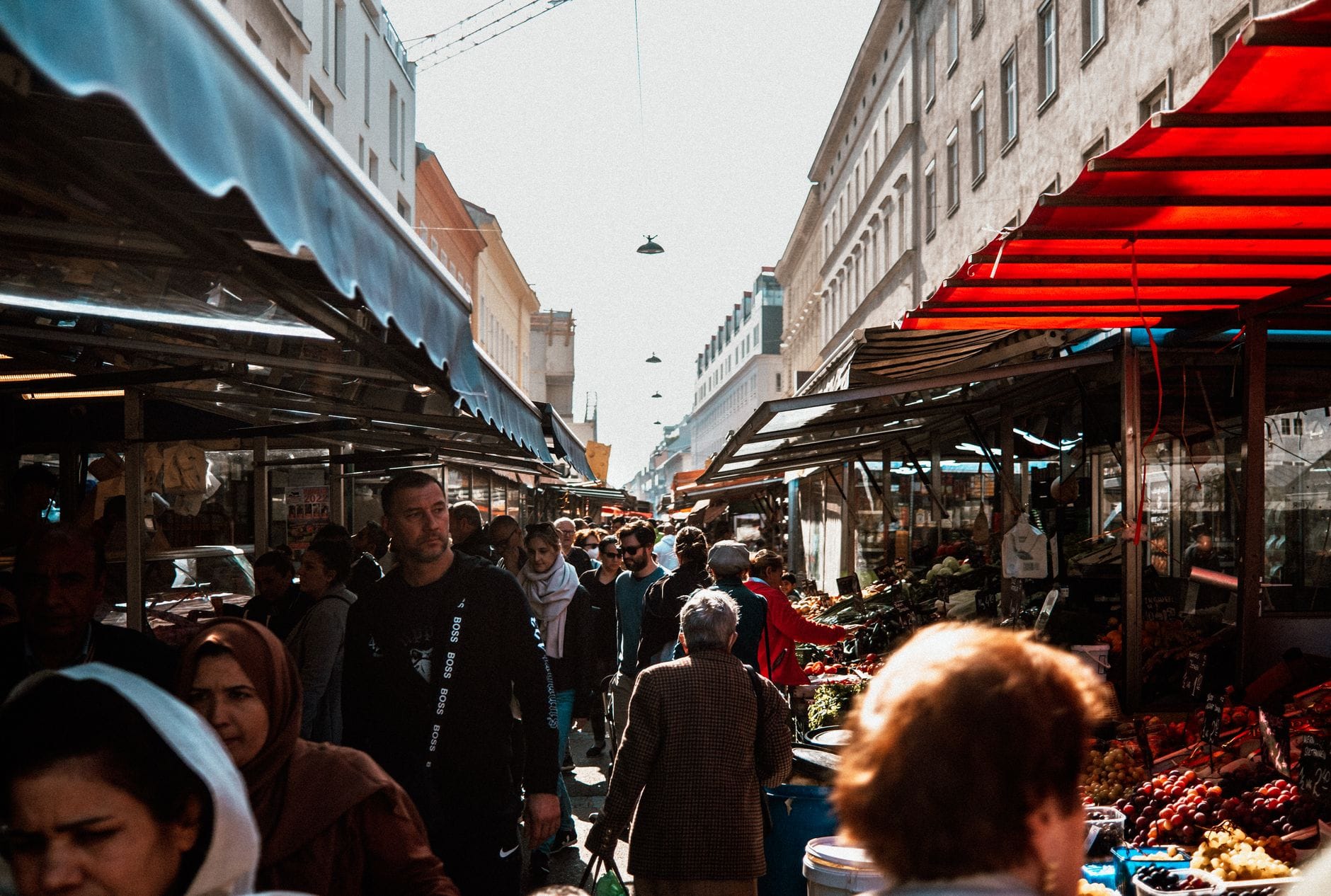
The standard tourist circuit in summer, Schönbrunn in the morning followed by the Hofburg in the afternoon, is perfectly valid but misses a lot of what makes Vienna interesting in warm weather. The palaces are magnificent, but they look much as they do in photographs. What photographs cannot convey is a Wednesday evening at the Rathausplatz Film Festival with a glass of wine and a Wiener Schnitzel from one of the food stalls, watching a live opera broadcast under open sky.
Viennese locals in summer tend toward the water, the parks, and the Heuriger wine taverns in the vineyard villages north of the city. The Heuriger experience, sitting outdoors with local wine and cold buffet food, is one of the most authentic things you can do on a summer evening and is almost entirely ignored by package tourism. The villages of Grinzing and Nussdorf are accessible by public transport and feel genuinely removed from the city center.
For travelers who want to go further afield, summer is also the ideal season for day trips. The Wachau Valley is at its best in late summer with vineyards in full growth, and the river cruise from Krems to Melk is one of the better day trips from any European capital. Options for day trips from Vienna are plentiful and well-served by rail.
FAQ
Is Vienna worth visiting in summer despite the crowds?
Yes, but with adjusted expectations. The summer festival calendar is genuinely exceptional, outdoor life in the city is at its peak, and the long daylight hours make logistics easier. The downside is that major attractions are crowded and accommodation is expensive. Booking in advance and arriving at sights early in the morning largely solves the crowd problem.
What is the Rathausplatz Film Festival and is it really free?
The Film Festival am Rathausplatz screens opera, classical concerts, and performing arts films nightly on large outdoor screens in front of Vienna's City Hall from late June to early September. It is entirely free to attend — no tickets or registration required. A large food court with international stalls operates alongside. It runs every evening regardless of weather, with a covered viewing area for rain.
Does Vienna's classical music scene shut down in summer?
Partly. The Vienna Philharmonic and the main Musikverein orchestra season pause over summer, and the Spanish Riding School closes to public performances in July and August. However, the city compensates with open-air concerts, the Schönbrunn Summer Night Concert, and the ImPulsTanz dance festival. Smaller concert venues and the Volksoper often maintain summer programming. Check individual venue websites for current schedules.
Where do locals swim in Vienna in summer?
The Old Danube (Alte Donau) in the 22nd district is the primary swimming destination for locals, with warm, calm water and rental facilities for boats and paddleboards. The Gänsehäufel bathing island on the Old Danube is the largest designated area with facilities. Danube Island also has swimming spots but is more used for cycling and outdoor bars. Both are reachable by U1 or U6.
How far in advance should I book for a Vienna summer trip?
For accommodation in central districts, 6–8 weeks ahead is recommended for July and August. For major attractions like Schönbrunn Palace interior tours, the Upper Belvedere, and the Hofburg, book timed tickets 2–3 weeks in advance at minimum. Free events like the Rathausplatz Film Festival and Donauinselfest require no booking but benefit from arriving early for good positioning.