Wachau Valley Day Trip from Vienna: Melk, Dürnstein & Krems
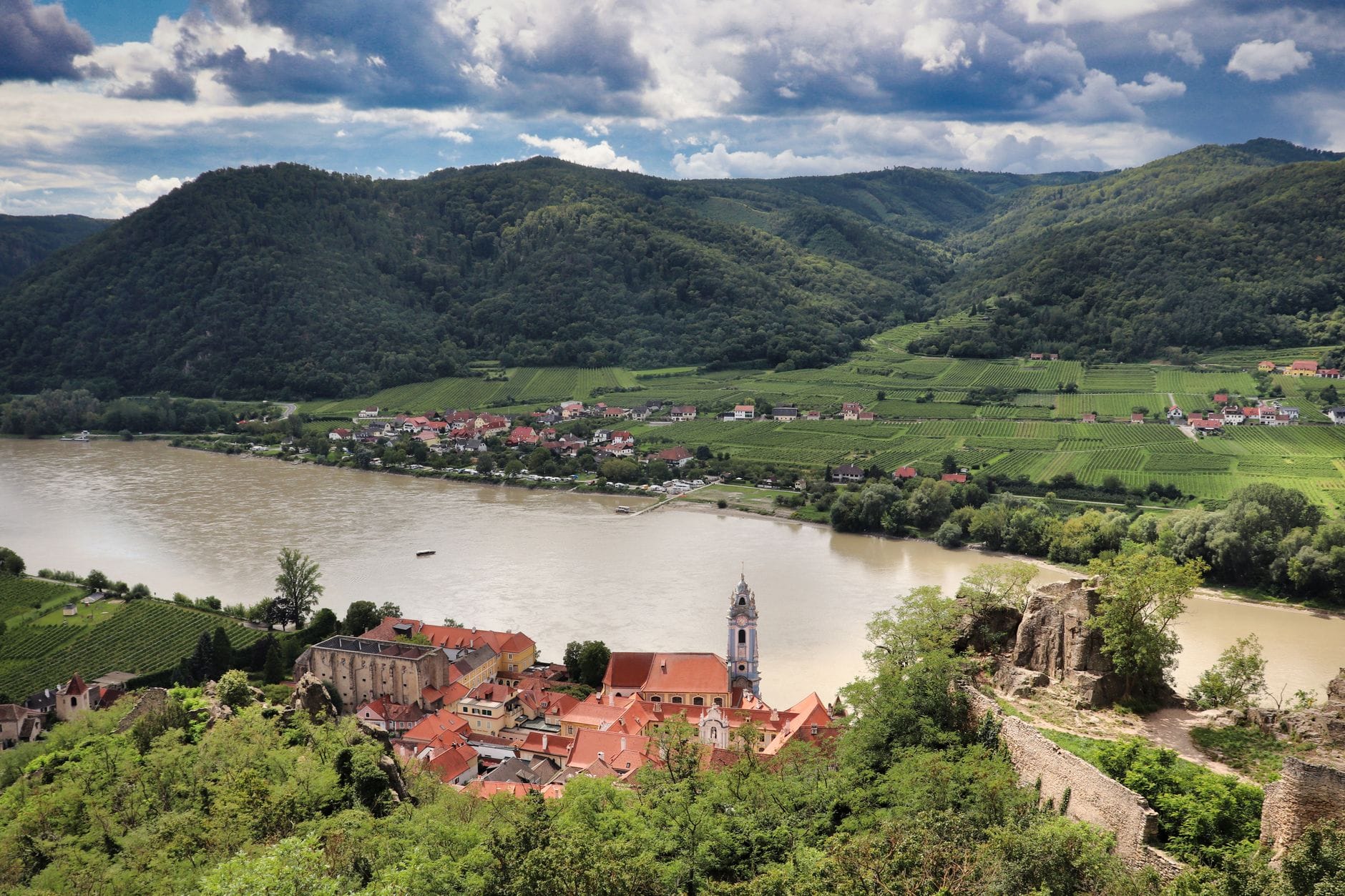
The Wachau Valley is one of the most rewarding day trips from Vienna, combining a Baroque abbey, a ruined castle above the Danube, and one of Austria's finest wine towns. This guide covers the best route, transport options, seasonal cruise logistics, and what to skip so you can make the most of a single day.
Tickets & tours
Live prices and dates from our booking partner. If you book, we may earn a commission at no extra cost to you.
TL;DR
- The classic Wachau day trip follows a train-boat-train loop: Vienna to Melk by rail (about 1 hour), then a downstream Danube cruise to Dürnstein or Krems (1.5 hours), then train back to Vienna from Krems.
- The core scenic stretch of the Wachau is just 36 km between Melk and Krems, a UNESCO World Heritage landscape. You do not need to drive or book a full-day cruise from Vienna.
- Budget around €55-65 per person all-in: train tickets (around €20 each way), a one-way DDSG Blue Danube cruise (around €37 Melk to Krems), and Melk Abbey entry (around €16). See more budget planning tips for Vienna.
- Wachau river cruises run April to October only. The Wachau Railway (scenic regional rail) operates seasonally from mid-March to mid-November.
- This trip pairs well with other day trips from Vienna if you're spending a week or more in the region.
Why the Wachau Valley Is Worth a Day of Your Vienna Trip
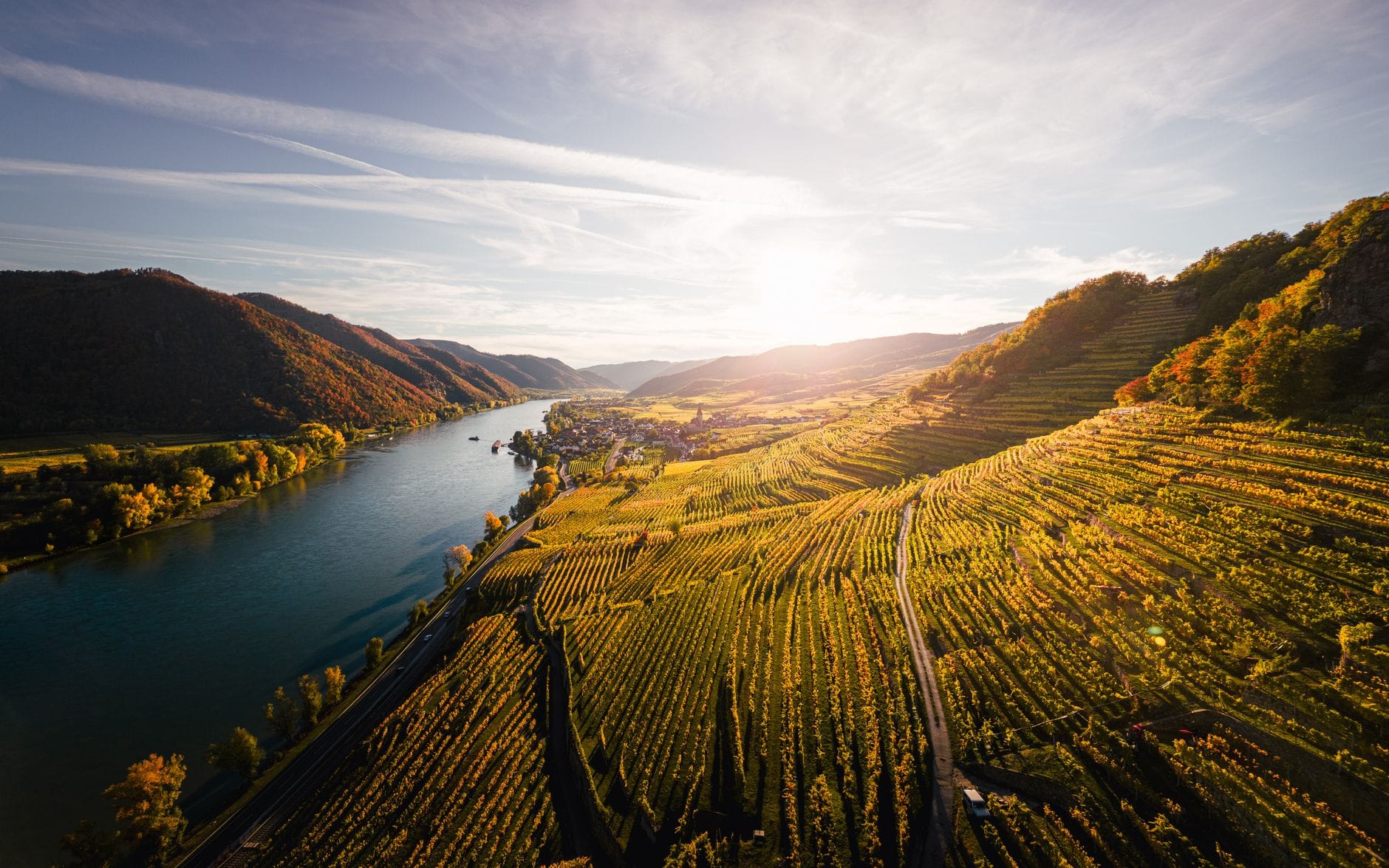
The Wachau Valley sits roughly 80 km west of Vienna, where the Danube cuts through a narrow gorge flanked by terraced vineyards, apricot orchards, and medieval ruins. UNESCO granted it World Heritage status in 2000, recognising the rare interplay of natural landscape and centuries of human cultivation. For anyone spending more than two days in Vienna, it ranks among the most satisfying half-day to full-day excursions available.
What makes the Wachau particularly well-suited to independent travellers is the combination of trains and a river cruise that handles the logistics elegantly. You arrive in Melk by rail, walk up to the abbey, descend back to the river, board a cruise downstream through the most dramatic scenery, stop in Dürnstein for wine or a short hike, continue to Krems, and catch a train back to Vienna. No car required, no tour bus, no wasted backtracking.
ℹ️ Good to know
A common misconception: many visitors assume the Wachau requires a full-day river cruise from Vienna itself. It does not. The scenic section of the Danube is only the 36 km between Melk and Krems. Everything upstream of Melk is largely industrial and unremarkable. Take the train to Melk and cruise only the good bit.
The Best Route: Train + Cruise + Train
The most efficient and rewarding Wachau itinerary runs west to east: Vienna to Melk by ÖBB train, then downstream by DDSG Blue Danube cruise to Krems, and finally back to Vienna from Krems by train. Going downstream (west to east) cuts the cruise time roughly in half compared to the upstream direction, from around 1.5 hours versus up to 3 hours for the same stretch in reverse. That extra 90 minutes matters when you're fitting everything into one day.
- Vienna Westbahnhof to Melk Direct ÖBB trains run regularly, taking around 1 hour. Check oebb.at for timetables and book in advance for cheaper fares. Aim for a departure before 9:00 to reach Melk by 10:00 and give yourself time at the abbey before the cruise.
- Melk Abbey (allow 1.5 to 2 hours) The abbey sits directly above the train station, a steep 10-15 minute walk uphill. Adult entry is around €16. The baroque library and church interior are the highlights; the garden is worth a short detour in spring and summer.
- DDSG Blue Danube cruise from Melk to Krems The downstream cruise takes approximately 1.5 hours and costs around €37 one way. Krems is the full endpoint; you can also disembark at Dürnstein (about 1 hour into the cruise) for an extra stop before catching a later boat or bus to Krems.
- Dürnstein (optional, 1 to 1.5 hours) A compact village worth exploring if you disembark here. The ruined castle above the village is where Richard the Lionheart was famously held captive in 1192-93. The climb takes about 20-30 minutes each way and offers sweeping valley views. The blue-and-white Augustinian church tower is one of the most photographed sights in the Wachau.
- Krems to Vienna Westbahnhof Trains from Krems back to Vienna take around 1 hour and run frequently throughout the afternoon and evening. No need to rush for an early train; services continue until late.
💡 Local tip
Buy your Melk-to-Krems cruise ticket directly through DDSG Blue Danube (ddsg-blue-danube.at) before you travel, especially on summer weekends when boats fill up. The Melk departure is mid-morning, so check the current season schedule carefully as exact times vary by year.
Melk Abbey: What to Know Before You Go
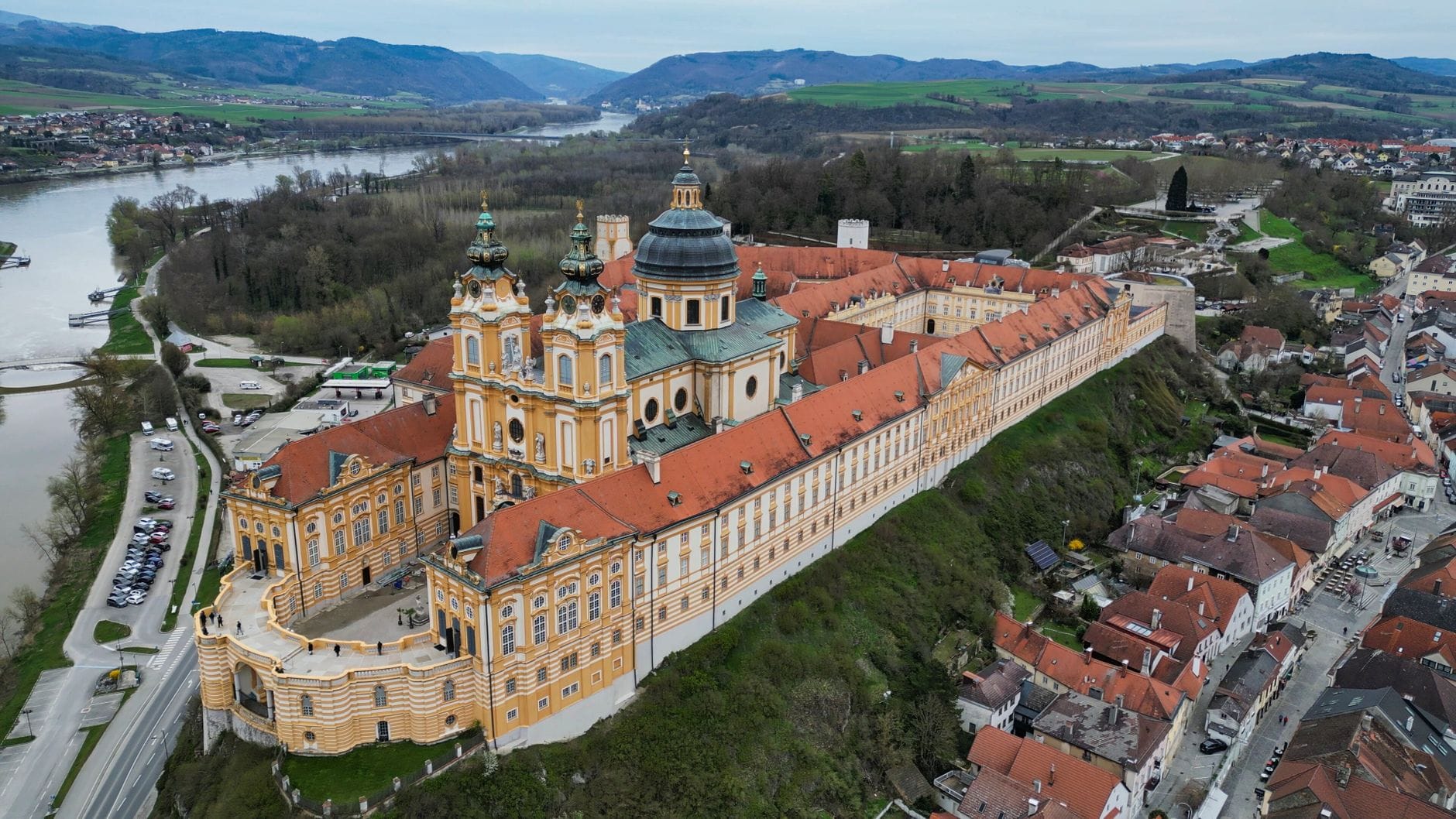
Stift Melk is one of the most important Benedictine monasteries in the world, and its location on a rocky promontory above the Danube gives it a visual drama that photographs genuinely cannot capture. The current baroque complex dates primarily from the early 18th century, designed by Jakob Prandtauer. It has been a functioning monastery since 1089.
The self-guided tour covers the Imperial Rooms, the marble hall, the library (one of the most beautiful in Europe, holding around 100,000 volumes), and the church. The library alone justifies the entrance fee. Plan for at least 90 minutes if you want to move through the rooms properly rather than rushing. The terrace café overlooking the Danube is a decent spot for a coffee before heading down to the boat dock.
⚠️ What to skip
Melk Abbey is a working monastery, not just a museum. Dress modestly when entering the church section. Photography restrictions apply in certain rooms, particularly the library. Check the official site (stiftmelk.at) for current opening hours before visiting, as they vary by season and the abbey closes for certain religious events.
Dürnstein and Krems: Making the Most of the Stops
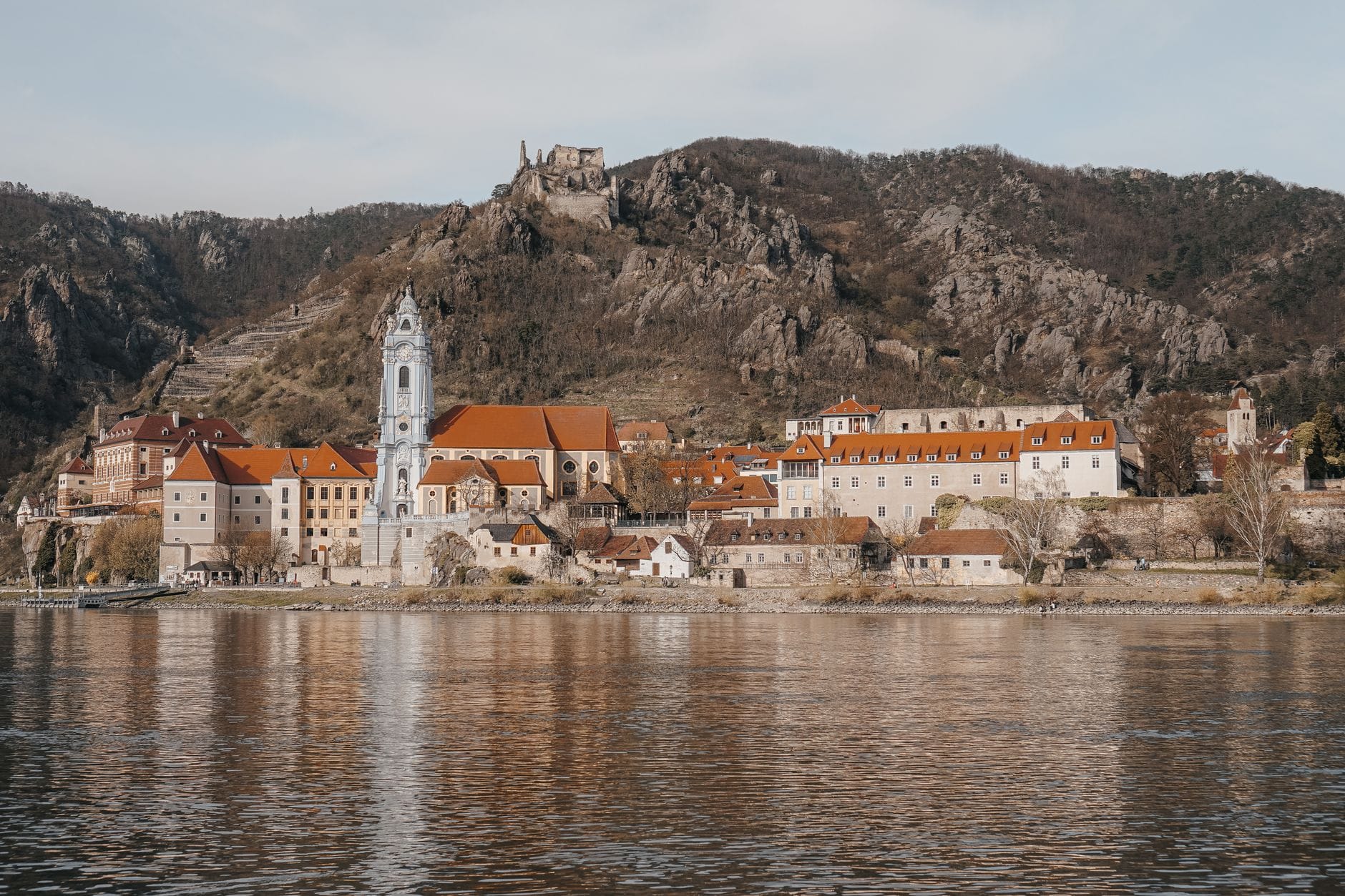
Dürnstein is compact enough to see in 60-90 minutes if you skip the castle hike, or around 2.5 hours if you climb to the ruins. The village has a single main street lined with wine shops and restaurants, and the Wachau produces some of Austria's best Grüner Veltliner and Riesling. A glass of local white wine with a plate of bread and Liptauer cheese while watching the Danube is one of the simpler pleasures the valley offers.
Krems is a proper small city with a medieval old town (Altstadt) that receives far fewer visitors than Dürnstein despite being more substantial. The pedestrianised Landstraße street is pleasant for a short walk, and the Kunstmeile Krems arts district has several galleries if you have time. For travellers who want to go deeper into Austrian wine culture, Krems serves as a good base. If you're planning a longer regional itinerary, the Vienna wine and Heuriger guide provides useful context on the broader Austrian wine scene.
- Dürnstein castle hike: steep and uneven terrain, no entry fee, approximately 20-30 minutes each way from the village. Worth it in clear weather.
- Dürnstein wine: the village wineries sell Wachau DAC wines directly. Look for the Vinea Wachau classification labels: Steinfeder (light), Federspiel (medium), and Smaragd (full-bodied).
- Krems old town: free to explore, takes about 30-45 minutes at a relaxed pace. The Steiner Tor gate is the most photogenic landmark.
- Krems train station: about 15-20 minutes walk from the Altstadt, or a short taxi or bus ride. Factor this into your timing.
Transport Options and Practical Logistics
Independent travel by public transport works well for the Wachau. The main tools are ÖBB trains for the Vienna-Melk and Krems-Vienna legs, DDSG Blue Danube for the river cruise, and regional bus 715 as a backup for the Melk-Krems road connection if you want to skip the boat on a particular day or during the off-season. The Wachau Railway (operated by NÖVOG) is a scenic narrow-gauge option running seasonally, but verify its current operating days before relying on it.
Organised tours from Vienna are widely available and can be a reasonable choice if you prefer not to coordinate transport yourself, particularly for first-time visitors or those travelling with young children or older adults. Getting around Vienna by public transport covers the Austrian rail system in more detail, including how to buy ÖBB tickets and navigate regional connections.
- ÖBB train (Vienna to Melk / Krems to Vienna) Around €20 per person each way, booked in advance. Trains run from Vienna Westbahnhof or Hauptbahnhof; check which departure station your specific train uses.
- DDSG Blue Danube cruise (Melk to Krems, one way) Around €37 per person. Shorter segments cost less: Krems to Dürnstein is around €21 one way. Book at ddsg-blue-danube.at.
- Guided day tour from Vienna Typically €50-90 per person including transport but usually excluding abbey entry. Convenient but less flexible; lunch stops and pace are fixed by the group.
- Renting a bike in Krems or Melk The Danube Cycle Path (EuroVelo 6) runs through the Wachau and is excellent for cyclists. You can rent in Krems, cycle to Melk along the river, then take a train back. A full Krems-to-Melk ride is around 30 km and takes 2.5-3 hours at a moderate pace.
When to Go: Seasons, Crowds, and What Changes
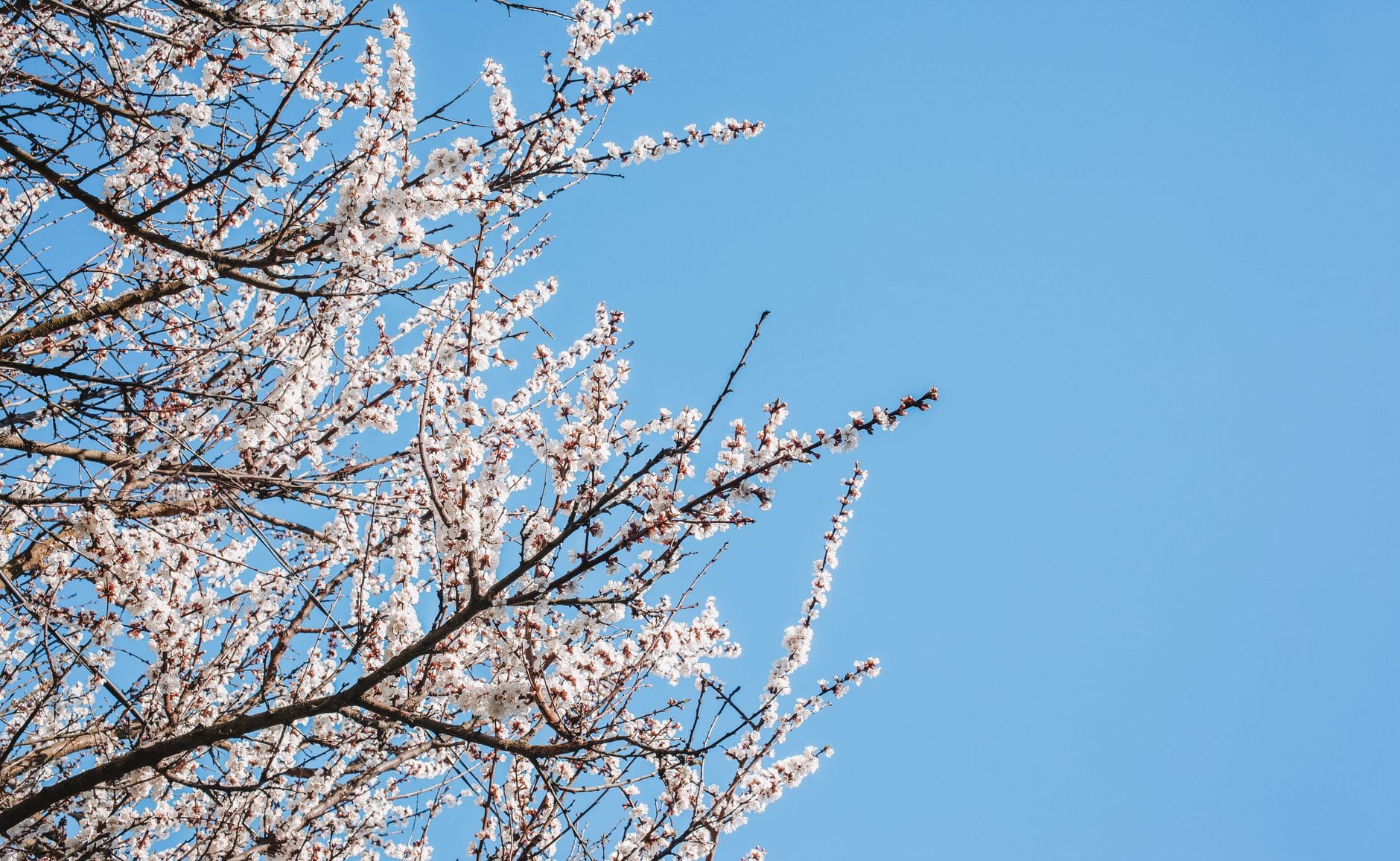
The Wachau has a clear seasonal rhythm. Spring (April to May) brings apricot blossoms across the valley, one of the most distinctive sights in Lower Austria. The apricot harvest in late July and August is another peak moment, when local markets sell fresh fruit, jams, and schnapps made from Wachauer Marille, the protected variety grown only in this valley. Autumn (September to October) brings the grape harvest and the most photogenic vineyard colours. For timing your Vienna trip around the Wachau, late April and September are the two strongest windows: good weather, manageable crowds, and seasonal activities at their peak.
Summer weekends in July and August are the busiest period. Dürnstein in particular can feel congested between 11:00 and 15:00 when cruise groups pass through. Arriving early and timing your stops to avoid the midday rush makes a meaningful difference. Winter is largely off-limits for the river cruise (DDSG operates April to October), though the train connections to Melk and Krems run year-round and the abbey stays open with reduced hours.
✨ Pro tip
If you visit in late September or October, look for Heuriger (wine tavern) signs in Dürnstein and Krems advertising 'Sturm', the partially fermented grape juice produced during harvest. It is cloudy, slightly fizzy, sweet, and only available for a few weeks a year. It is also deceptively strong.
The Wachau is often compared to similar UNESCO river valleys in Germany and France, but it has a more compact and accessible character that suits day-tripping particularly well. If you are building a broader Austrian itinerary, the valley pairs naturally with a stop in Salzburg or a journey further into the Alps. See the Vienna to Salzburg route guide for ideas on combining destinations.
FAQ
How do I get from Vienna to the Wachau Valley without a car?
Take an ÖBB train from Vienna Westbahnhof to Melk (around 1 hour, approximately €20 one way). From Melk, a DDSG Blue Danube river cruise runs downstream to Krems between April and October (around 1.5 hours, approximately €37). Return to Vienna by train from Krems (around 1 hour). The entire loop is comfortably doable in a single day without a car or guided tour.
Is it worth visiting the Wachau Valley in one day, or should I stay overnight?
A single day is genuinely sufficient for the core experience: Melk Abbey, the cruise, a stop in Dürnstein, and a walk through Krems. Staying overnight makes sense if you want to cycle the Danube Cycle Path, visit more wineries at a relaxed pace, or explore the region's smaller villages. But for most Vienna visitors, one well-planned day covers everything essential.
When do Wachau river cruises run?
DDSG Blue Danube operates Wachau cruises from approximately April to October. The exact season and departure times vary by year, so check the current schedule at ddsg-blue-danube.at before booking. Cruises do not operate in winter; if you visit outside the cruise season, you can still reach Melk and Krems by train and use regional buses to move between the two.
What is the admission cost for Melk Abbey?
Adult admission was around €16 at the time of writing, but prices are updated periodically. Check the official Stift Melk website (stiftmelk.at) for current pricing before your visit. The ticket covers the Imperial Rooms, marble hall, library, church, and garden.
Is the Wachau Valley trip suitable for children?
Yes, with some caveats. The river cruise is well-suited to children. Melk Abbey is impressive visually but involves a lot of walking through interior rooms, which younger children may find dull after 45 minutes. The Dürnstein castle hike involves rough, steep terrain and is not appropriate for very young children or those with mobility issues. Krems is flat and easy to walk. Overall, the day is manageable for families if you keep the pace relaxed and prioritise the cruise and abbey.
Tickets & tours
Live prices and dates from our booking partner. If you book, we may earn a commission at no extra cost to you.
Planning a trip? Discover personalized activities with the Nomado app.