Vienna Airport (VIE): Arrivals, Transfers & Getting to the City
Vienna International Airport (IATA: VIE) sits 18-20 km southeast of the city centre at Schwechat. This guide covers every transfer option in detail, from the 16-minute City Airport Train to pre-booked fixed-price transfers that often undercut metered taxis, plus everything you need to know before you land.
Plan and book this trip
Tools from our partner Travelpayouts help you compare flights and hotels. If you book through them, we may earn a commission at no extra cost to you.
Flights
Hotels map
TL;DR
- Vienna International Airport (IATA code VIE) is located at Schwechat, roughly 18-20 km southeast of the city centre.
- The fastest city connection is the City Airport Train (CAT): non-stop to Wien Mitte in 16 minutes.
- Pre-booked fixed-price transfers from around €38-40 often cost less than a metered taxi rank ride (typically around €50).
- A free shuttle connects gate areas C/D and F/G every 10 minutes between 05:30 and 23:30 for connecting passengers.
- For trip planning beyond the airport, see the complete guide to getting around Vienna.
Vienna Airport at a Glance
Vienna International Airport, known in German as Flughafen Wien-Schwechat, is Austria's largest airport and one of Central Europe's major hubs. Its IATA code is VIE, a detail worth knowing when searching for flights or checking baggage transfer confirmations. The airport sits in the municipality of Schwechat in Lower Austria, just outside Vienna's city boundary, at approximately 18-20 km southeast of Stephansplatz in the first district.
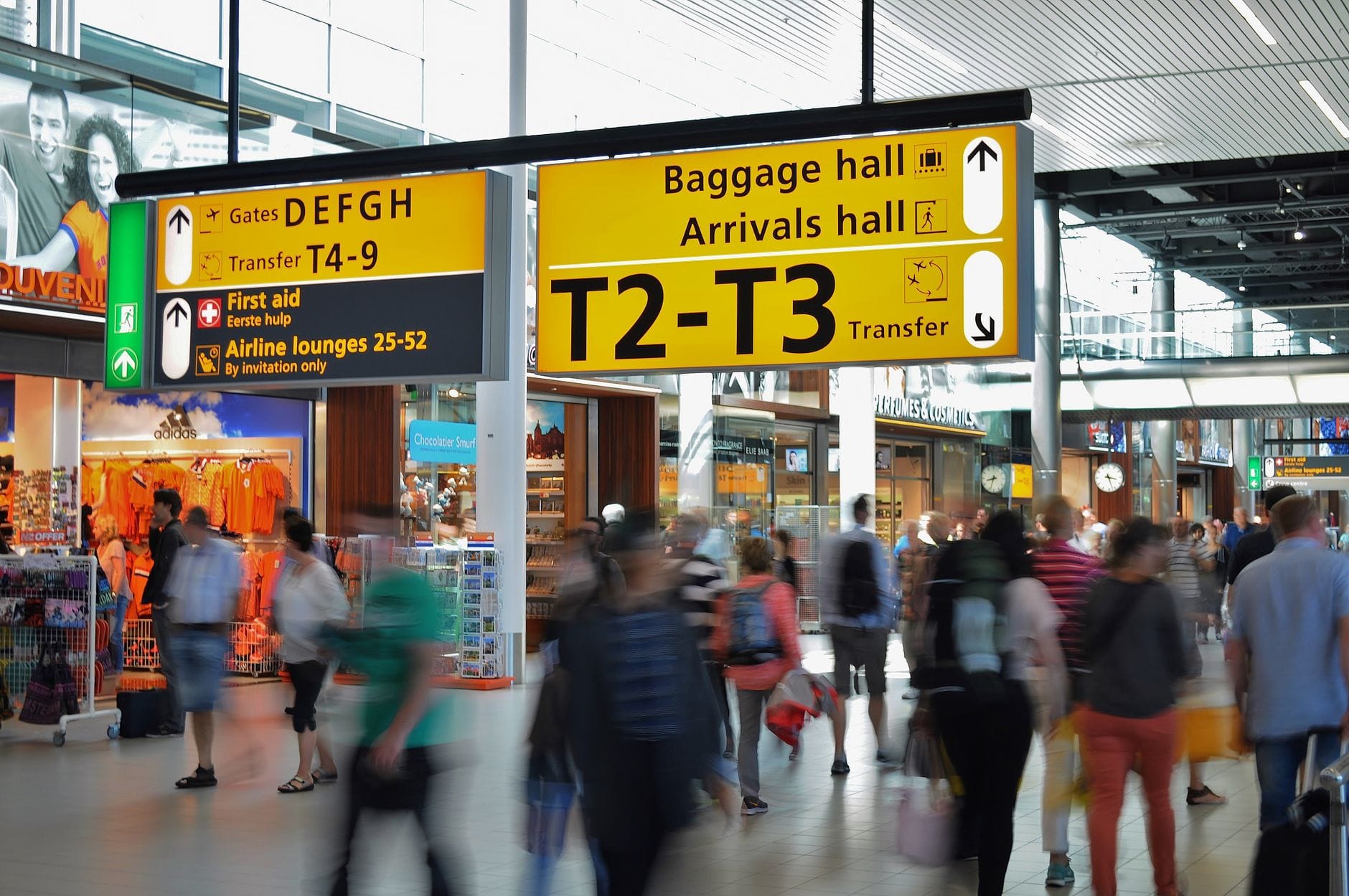
The terminal is compact and reasonably navigable by European hub standards. Arrivals from Schengen and non-Schengen destinations both feed into the same arrivals hall level, with luggage carousels, customs exits, the Tourist Info Vienna desk, and ground transport options all within a short walk of each other. The airport train station sits directly beneath the terminal, accessible by a ramp immediately to the right after clearing customs.
ℹ️ Good to know
The Tourist Info Vienna desk is located in the Arrivals Hall at 1300 Schwechat. Staff can assist with city maps, transit tickets, and hotel bookings. Hours vary seasonally, so check the official Wien.info site before you travel.
Navigating Arrivals and Connecting Flights
Whether you pass through passport control depends entirely on your routing. If you arrive from another Schengen Area country and depart to a Schengen destination, there is no passport check. If either leg is non-Schengen, you will clear border control. This matters for transfer time: Schengen-to-Schengen connections are significantly faster, while non-Schengen arrivals should allow adequate buffer time during busy periods.
For passengers connecting between gates, Vienna Airport operates a free shuttle between the C/D and F/G gate areas. It runs daily from 05:30 to 23:30, roughly every 10 minutes, with a ride time of about 4 minutes. If you have a tight connection and need to cross between these areas, budget at least 20-25 minutes to account for walking, waiting, and security re-screening if applicable.
- Schengen arrivals No passport control required. Follow signs to baggage claim and exit directly into the main arrivals hall.
- Non-Schengen arrivals Passport control required. EU and EEA nationals use automated e-gates where available. Allow extra time during morning and evening peaks.
- Transit passengers Use the free gate-area shuttle (C/D to F/G) if connecting between terminals. Runs every 10 minutes, 05:30-23:30.
- Car rental All major rental desks are signposted as 'Car Rental Centre' in car park P4, Deck 0, reached via the ramp to the left after customs and through the station area.
Getting from Vienna Airport to the City Centre
There are four realistic ways to travel between Vienna International Airport and the city: the dedicated City Airport Train, standard ÖBB rail services, Vienna Airport Lines buses, and road-based options (taxis and private transfers). Each suits a different type of traveller. For broader context on moving around the city once you arrive, the Vienna public transport guide covers U-Bahn, tram, and S-Bahn networks in detail.
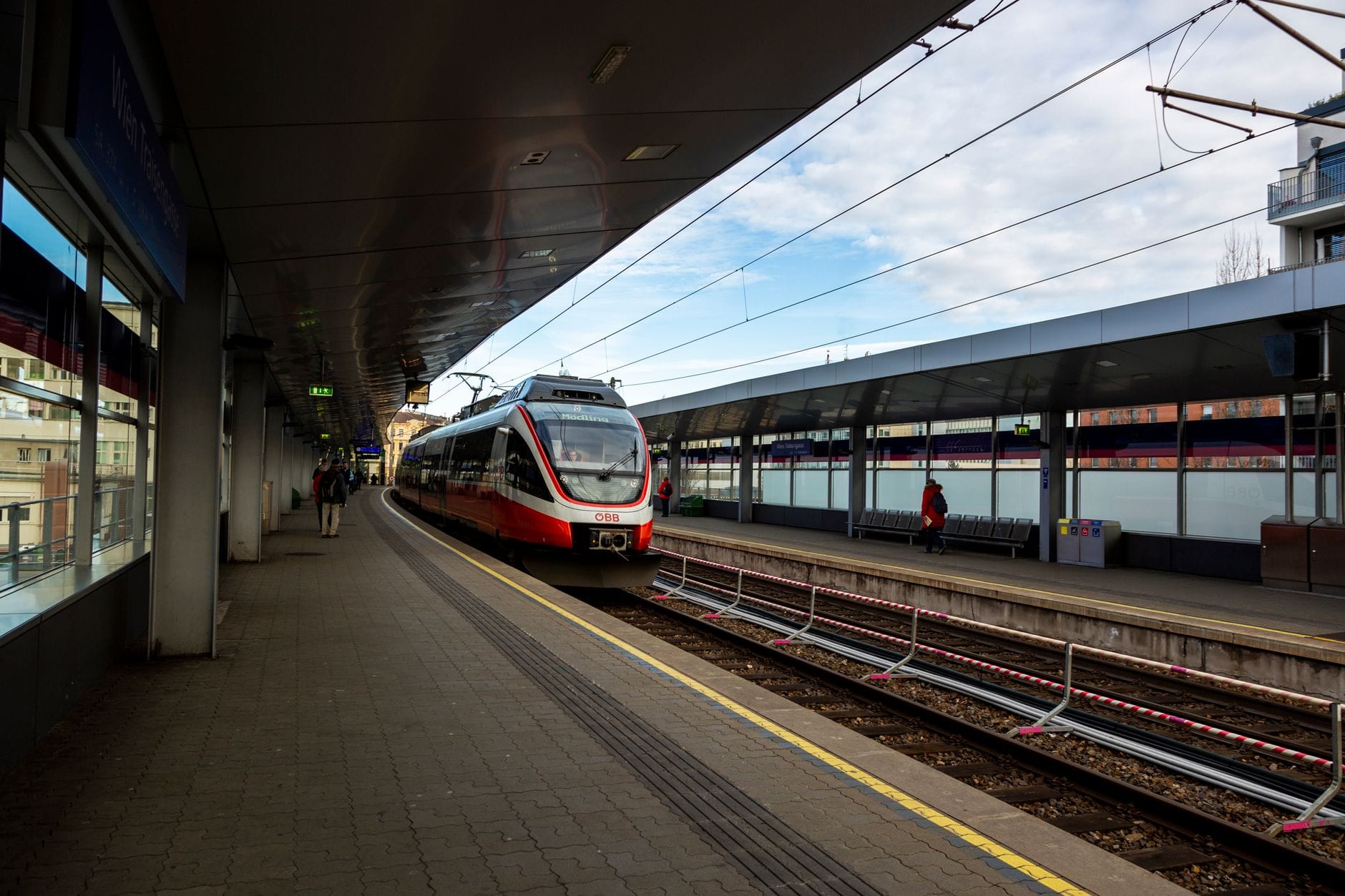
- City Airport Train (CAT) Non-stop service from the airport to Wien Mitte (Landstrasse) in 16 minutes. Follow the green CAT signs from arrivals. Tickets are priced at a premium over standard rail but include generous luggage space and a check-in option for select airlines at Wien Mitte. Book at cityairporttrain.com or at ticket machines on the platform.
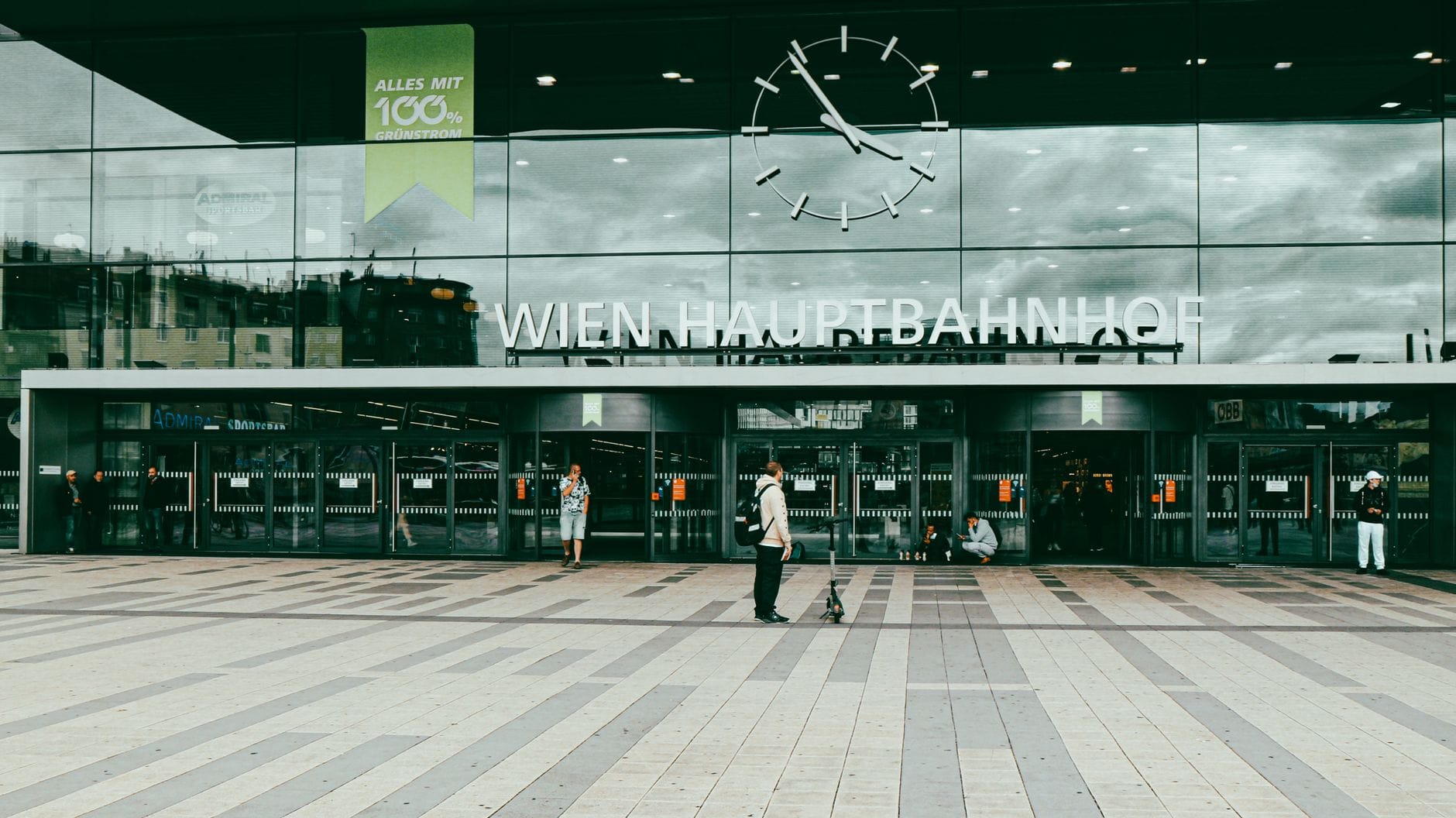
- ÖBB Railjet / S-Bahn (S7) Standard Austrian Federal Railways services run from 'Flughafen Wien' station (beneath the terminal) to Wien Hauptbahnhof (Vienna Central Station) in around 25 minutes. The S7 suburban line is cheaper than the CAT and uses the same platform. Valid with a standard Vienna transport day ticket covering Zone 100+. Check oebb.at for current fares and timetables.
- Vienna Airport Lines (VAL) buses Coach services depart from directly outside the terminal exits. Routes cover Morzinplatz/Schwedenplatz (1st/2nd district), Westbahnhof (15th district), and Donauzentrum (22nd district), generally every 30-60 minutes. Tickets available online, from machines in arrivals, or from the driver. Good option if your accommodation is near a VAL stop.
- Taxi (rank) The taxi rank is immediately outside arrivals. Expect to pay around €50 to the city centre, depending on traffic, time of day, and exact destination. Journeys typically take 25-40 minutes but can stretch significantly during rush hour or in poor weather.
- Pre-booked private transfer Fixed-price private transfers from services such as Welcome Pickups, Blacklane, or local operators like ATAV start from around €38-40 for an economy vehicle to central Vienna. This can undercut the taxi rank and removes any uncertainty about metered pricing. Book in advance online.
✨ Pro tip
If you are travelling as a group of two or more people, a pre-booked fixed-price transfer to central Vienna (from around €38-40 per vehicle) frequently works out cheaper per person than the CAT, and door-to-door convenience is hard to beat after a long flight. Compare this against the ÖBB S7 if you are travelling solo and on a tighter budget.
Choosing the Right Transfer: An Honest Comparison
The City Airport Train is not the only option, and for many travellers it is not the best one. Its premium price point is justified primarily by speed and the ability to check in luggage for certain airlines at Wien Mitte station before heading to the airport. If you do not need those features, the ÖBB S7 suburban train uses the same underground station beneath the terminal, takes about 25 minutes to Hauptbahnhof, and costs considerably less.
Vienna Airport Lines buses are worth considering if you are heading to the western districts or the Schwedenplatz area in the 1st district, as the bus can drop you closer to your accommodation than the rail options. The trade-off is journey time: road transfers are more susceptible to traffic, especially on the A4 motorway during peak hours.
Taxis from the rank are convenient but not necessarily the cheapest road option. Metered or zone-based taxi fares typically land around €50, while pre-booked fixed-rate transfers can come in at €38-40 for the same journey. If cost matters, book ahead. If you land unexpectedly late or your flight is delayed, the taxi rank is available without a reservation.
⚠️ What to skip
Avoid unlicensed drivers approaching you inside the arrivals hall. Legitimate taxis queue at the clearly marked rank outside the terminal. Pre-booked private transfer drivers will meet you at a designated pickup point, usually with a name board. If someone approaches you unsolicited offering a 'fixed price', decline and use the official rank or your pre-arranged pickup.
Practical Airport Essentials
Austria uses the Euro (EUR). ATMs are available in the arrivals hall and throughout the terminal. Currency exchange counters are present but typically offer less favourable rates than withdrawing from an ATM with a low-fee card. Vienna operates on Central European Time (CET, UTC+1) and Central European Summer Time (CEST, UTC+2) during daylight saving, usually from late March to late October. If you are arriving from a significantly different time zone, factor this in when planning onward transport, particularly if you need to meet a check-in deadline. For accommodation options across the city, the where to stay in Vienna guide breaks down the best neighbourhoods by visitor type.
Austria's mains voltage is 230V at 50Hz, using Type F (Schuko) plugs compatible with the standard two-pin Type C plugs used across continental Europe. Visitors from the UK, USA, or Australia will need an adaptor. Mobile data is generally strong throughout the airport, and free Wi-Fi is available in the terminal. Vienna Airport Lines buses also offer Wi-Fi and USB charging sockets onboard.
Austria sits in the Schengen Area, meaning EU and most Western passport holders enter without a visa for short stays. US citizens can visit for up to 90 days in any 180-day period under Schengen rules. For other nationalities, check with your national foreign ministry or the Austrian embassy before travel, as visa requirements vary and are subject to change. Emergency numbers in Austria: 112 (general European emergency), 133 (police), 144 (ambulance).
First Steps in Vienna After Arriving
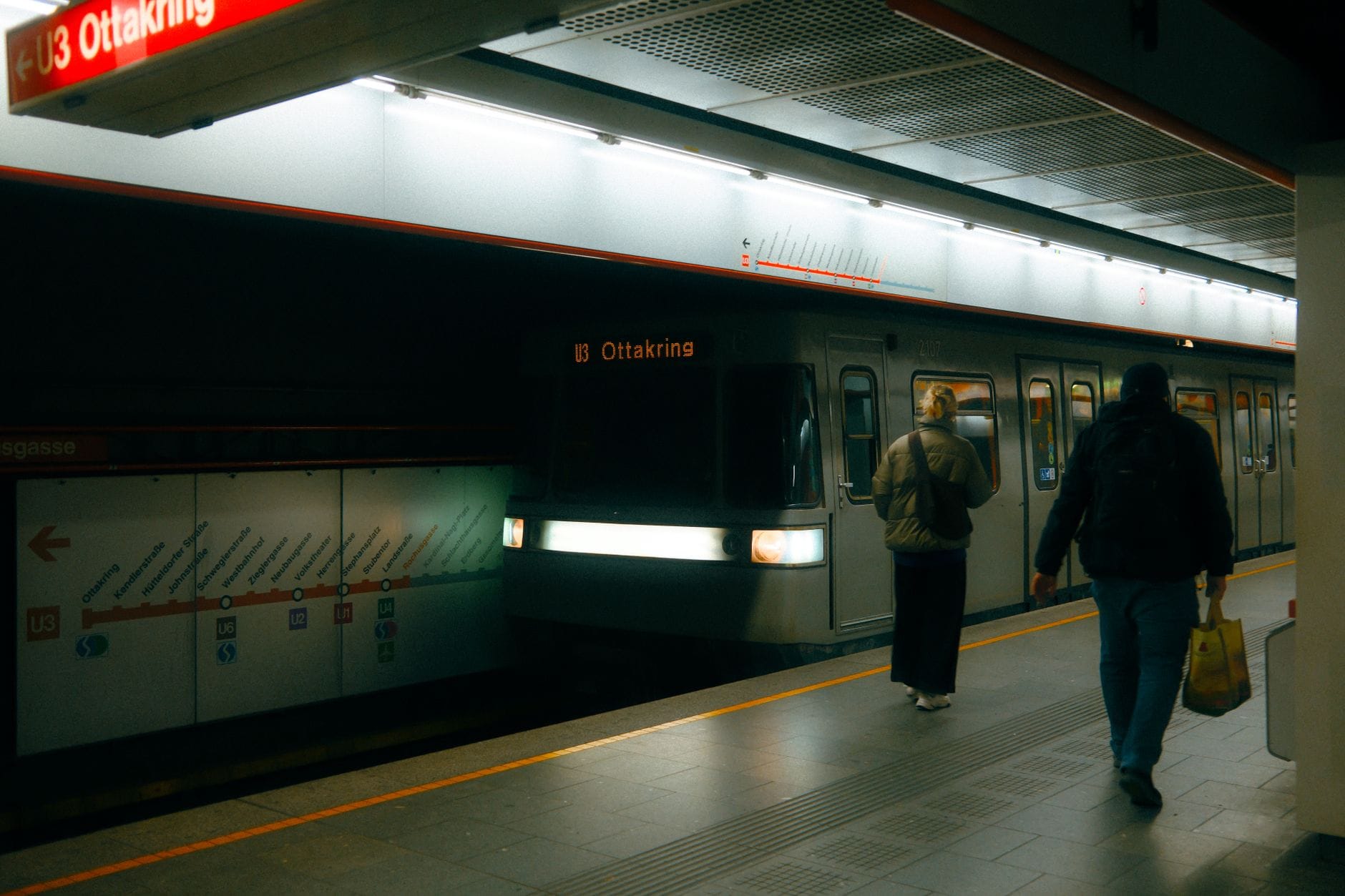
Once you reach the city, Vienna's public transport network operated by Wiener Linien takes over. The U-Bahn metro system covers five lines (U1 through U4 and U6) with frequent service from around 05:00 to midnight on weekdays, and 24-hour service on Friday and Saturday nights. The S-Bahn suburban rail extends coverage into the wider metropolitan area. If you arrive at Wien Mitte via the CAT or at Hauptbahnhof via ÖBB, you are already connected to the metro network. For first-time visitors trying to orient themselves, a self-guided walking tour of Innere Stadt is a practical way to get your bearings around the historic first district.
Vienna's 23 districts radiate outward from the first district, the Innere Stadt, which contains the major imperial landmarks including Stephansdom, the Hofburg Palace, and the Ringstrasse. Most visitors base themselves in the inner districts, but the second through ninth districts each have distinct character and are well-served by transit. If you are planning a full itinerary, the 3-day Vienna itinerary is a solid starting point.
Timing your visit affects more than just weather. Vienna's ball season runs from New Year through Lent and brings formal events and higher hotel prices. Summer fills the city with festival crowds. The shoulder months of April-May and September-October tend to offer better availability and more moderate temperatures. For a detailed seasonal breakdown, the best time to visit Vienna guide covers crowd patterns, events, and weather across the full year.
FAQ
What is the IATA airport code for Vienna?
Vienna International Airport's IATA code is VIE. The airport's full name is Flughafen Wien-Schwechat, located in the municipality of Schwechat, approximately 18-20 km southeast of central Vienna.
How long does it take to get from Vienna Airport to the city centre?
The City Airport Train (CAT) reaches Wien Mitte in 16 minutes non-stop. The ÖBB S7 or Railjet takes around 25 minutes to Vienna Hauptbahnhof. Taxis and private transfers typically take 25-40 minutes by road, depending on traffic. Rush hours and adverse winter weather can add significant time to road-based options.
Is there a map of Vienna Airport available?
Yes. Vienna Airport publishes an official interactive terminal map on its website at viennaairport.com. It shows gate areas, check-in zones, lounges, shops, car parks, and ground transport connections. A printed version is also available at information desks in the terminal.
What is the cheapest way to get from Vienna Airport to the city?
The ÖBB S7 suburban train is typically the most affordable rail option, considerably cheaper than the City Airport Train on the same platform. If travelling by road, a pre-booked fixed-price private transfer from around €38-40 often costs less than a taxi rank ride at approximately €50. Prices are subject to change, so verify current fares before travel.
Can I buy a Vienna public transport ticket at the airport?
Yes. Ticket machines in the airport train station sell standard Wiener Linien tickets, including single journeys, 24-hour passes, and 72-hour passes valid across the U-Bahn, tram, and bus network within Vienna's core zone. The S7 to Hauptbahnhof is included with a ticket covering Zone 100. The Tourist Info desk in arrivals can also advise on the right ticket for your stay.