3 Days in Vienna: The Perfect Itinerary for First-Time Visitors
Three days is enough to experience Vienna's imperial core, its greatest art museums, and its legendary coffeehouse culture — if you route each day by geography. This guide structures your visit around three logical zones: the historic Innere Stadt, the Belvedere and Naschmarkt corridor, and Schönbrunn with the Prater.
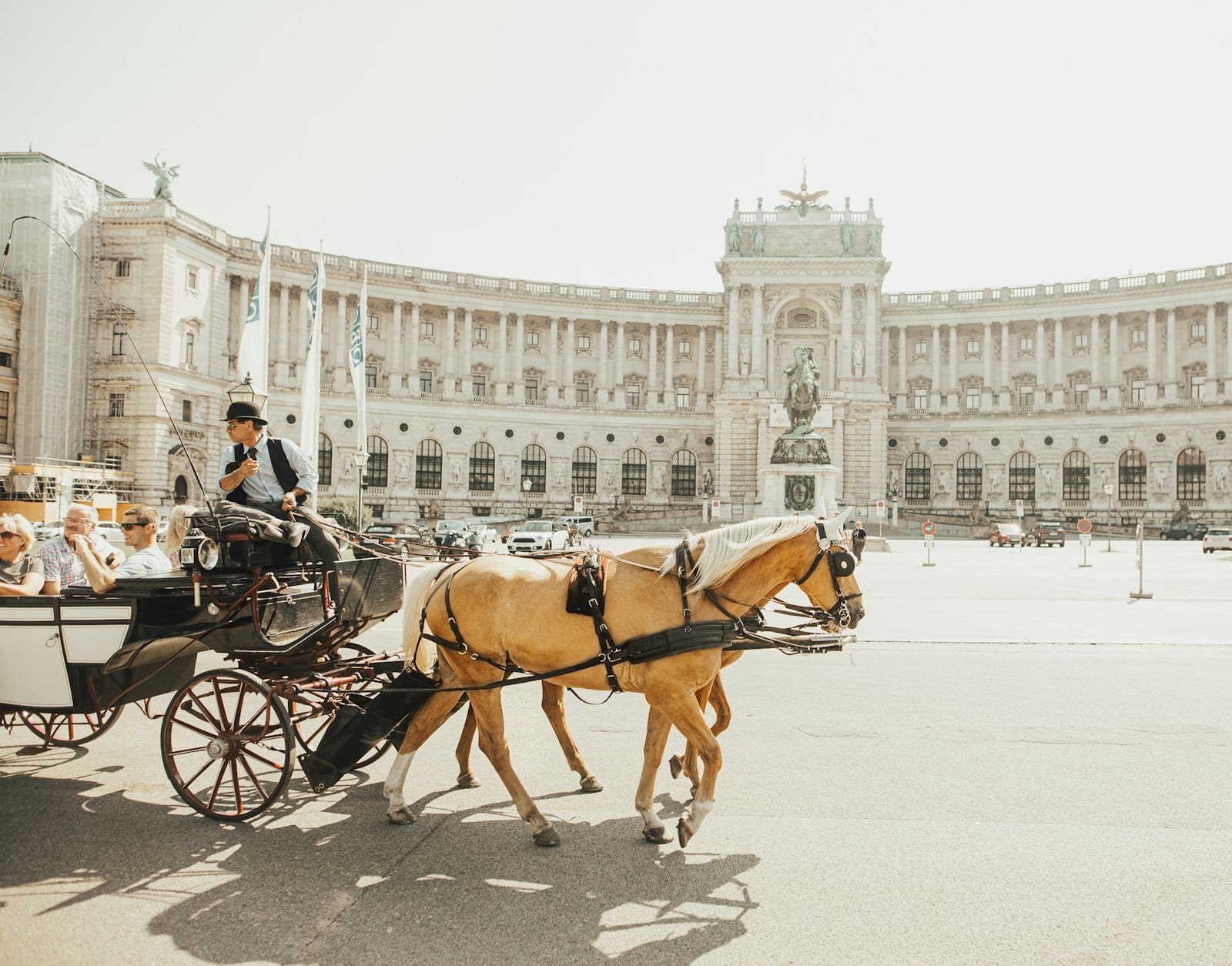
Plan and book this trip
Tools from our partner Travelpayouts help you compare flights and hotels. If you book through them, we may earn a commission at no extra cost to you.
Flights
Hotels map
Vienna rewards a structured approach. The city's major sights cluster into distinct neighborhoods, and moving efficiently between them makes three days feel generous rather than rushed. For practical advice on navigating the U-Bahn, trams, and the newly restructured ticketing system, see our guide to getting around Vienna. If you're deciding whether a sightseeing pass makes sense for your budget, our Vienna Pass review breaks down the numbers honestly. One non-negotiable: book timed-entry tickets for Schönbrunn Palace and the Hofburg imperial apartments before you arrive — walk-up availability is unreliable, especially in summer.
✨ Pro tip
Book Schönbrunn Palace and Hofburg timed-entry tickets online before you travel. Both sites fill up quickly in peak season, and showing up without a reservation wastes hours of your limited three days.
Day 1: The Imperial Heart of Vienna (Innere Stadt)
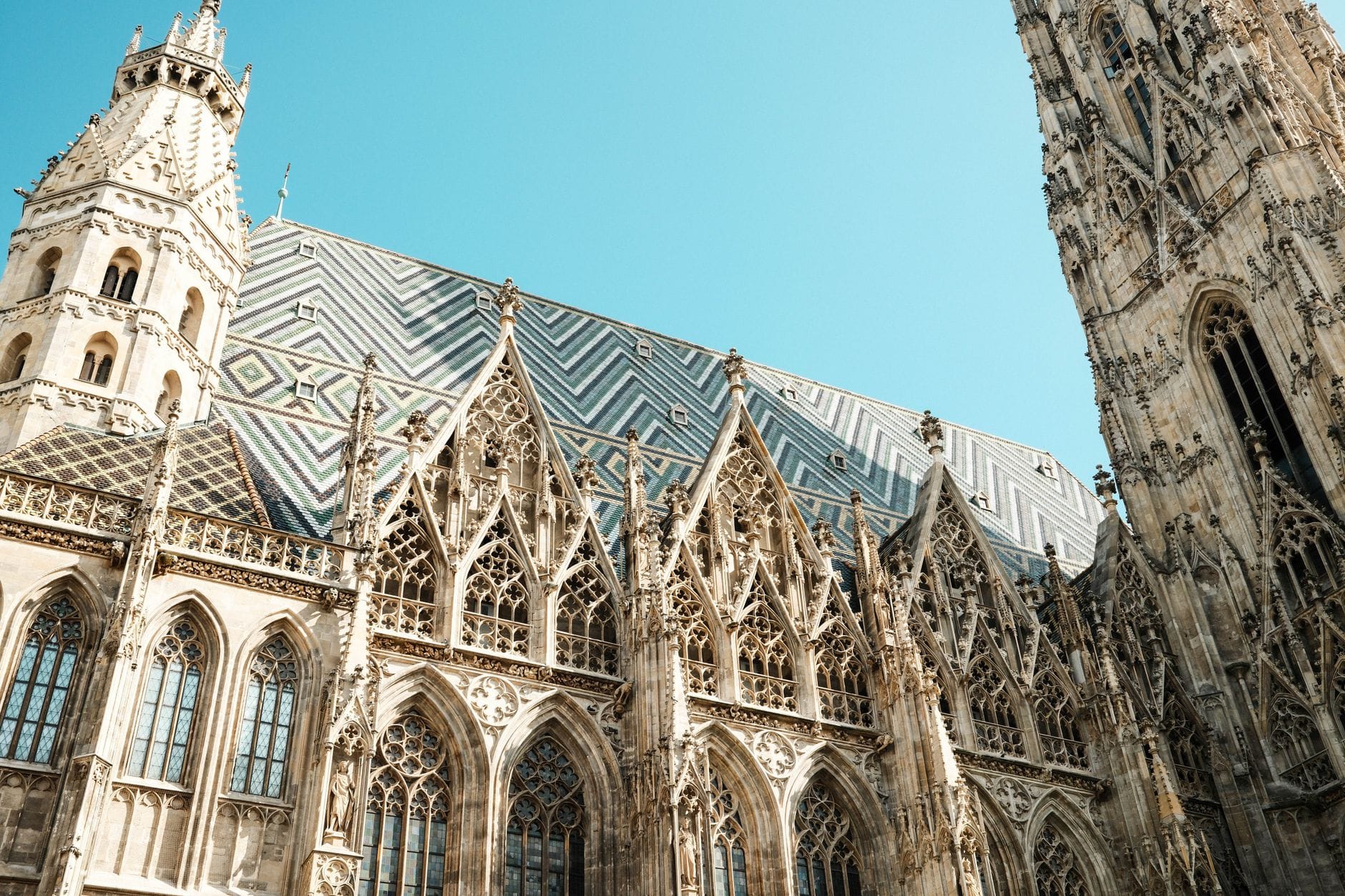
Spend your first day entirely in the Innere Stadt, Vienna's compact historic center. Everything here is walkable, and the density of world-class sights means you can move between them without any public transport. Start at St. Stephen's Cathedral at opening time, work your way through the Hofburg complex, and finish the afternoon with the Kunsthistorisches Museum. The Ringstrasse boulevard connects these anchors with a series of monumental buildings that are worth slowing down for even if you don't go inside.
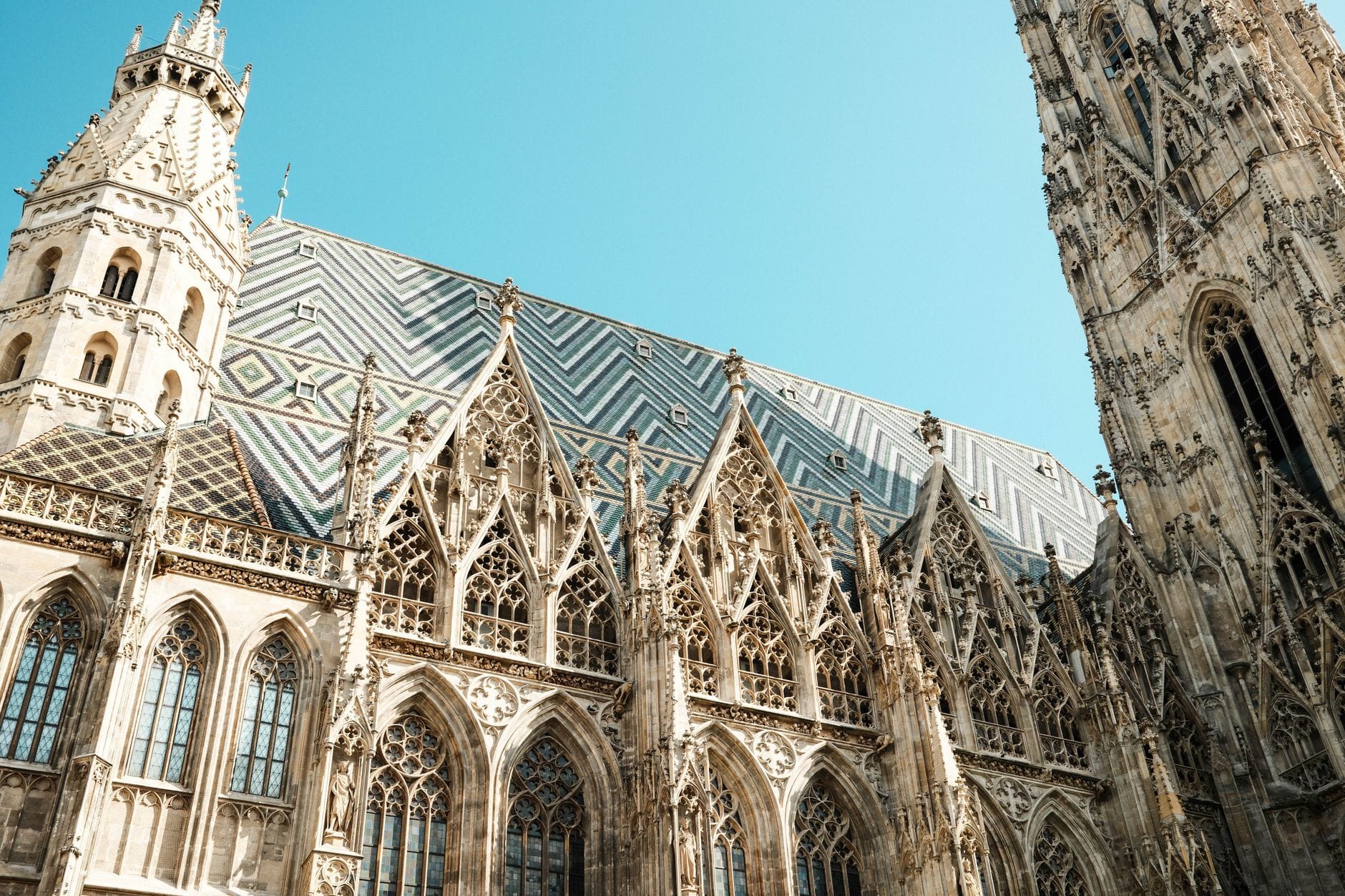
1. Start Day 1 at the Top of the South Tower
Arrive at Stephansdom early to beat the crowds. Climb the 343 steps of the South Tower for rooftop views over Vienna's old town, then descend to the catacombs below. The dazzling geometric mosaic roof is best photographed from the Stephansplatz itself.
Explore1. Start Day 1 at the Top of the South Tower
Arrive at Stephansdom early to beat the crowds. Climb the 343 steps of the South Tower for rooftop views over Vienna's old town, then descend to the catacombs below. The dazzling geometric mosaic roof is best photographed from the Stephansplatz itself.
Explore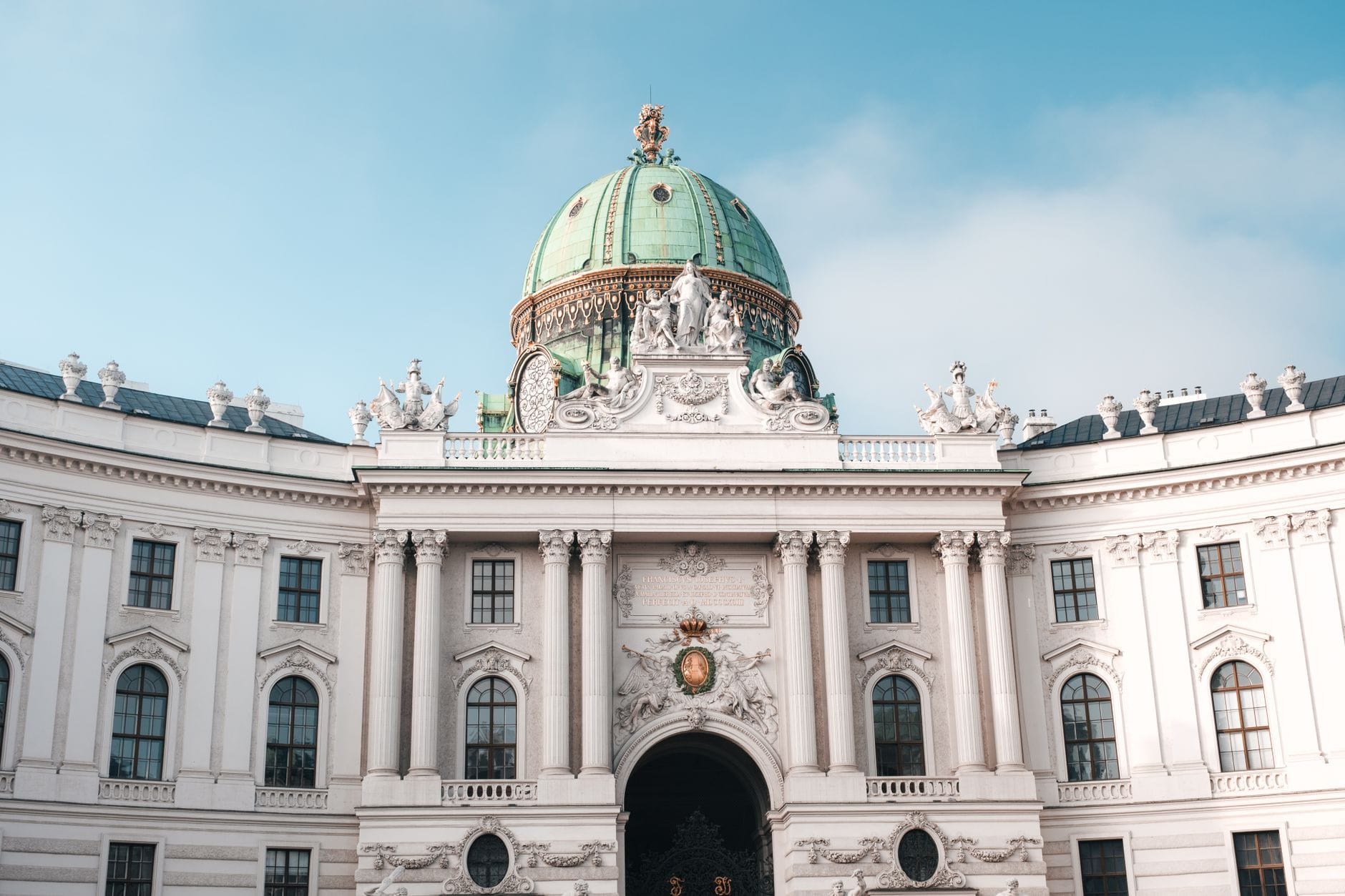
2. Spend the Morning Inside the Hofburg Complex
The Hofburg is not one museum but many, so prioritize. The Imperial Apartments and Sisi Museum share one ticket and take about 90 minutes. Add the Imperial Treasury for the Habsburg Crown Jewels and the Holy Lance — artifacts that make European history tangible.
Explore2. Spend the Morning Inside the Hofburg Complex
The Hofburg is not one museum but many, so prioritize. The Imperial Apartments and Sisi Museum share one ticket and take about 90 minutes. Add the Imperial Treasury for the Habsburg Crown Jewels and the Holy Lance — artifacts that make European history tangible.
Explore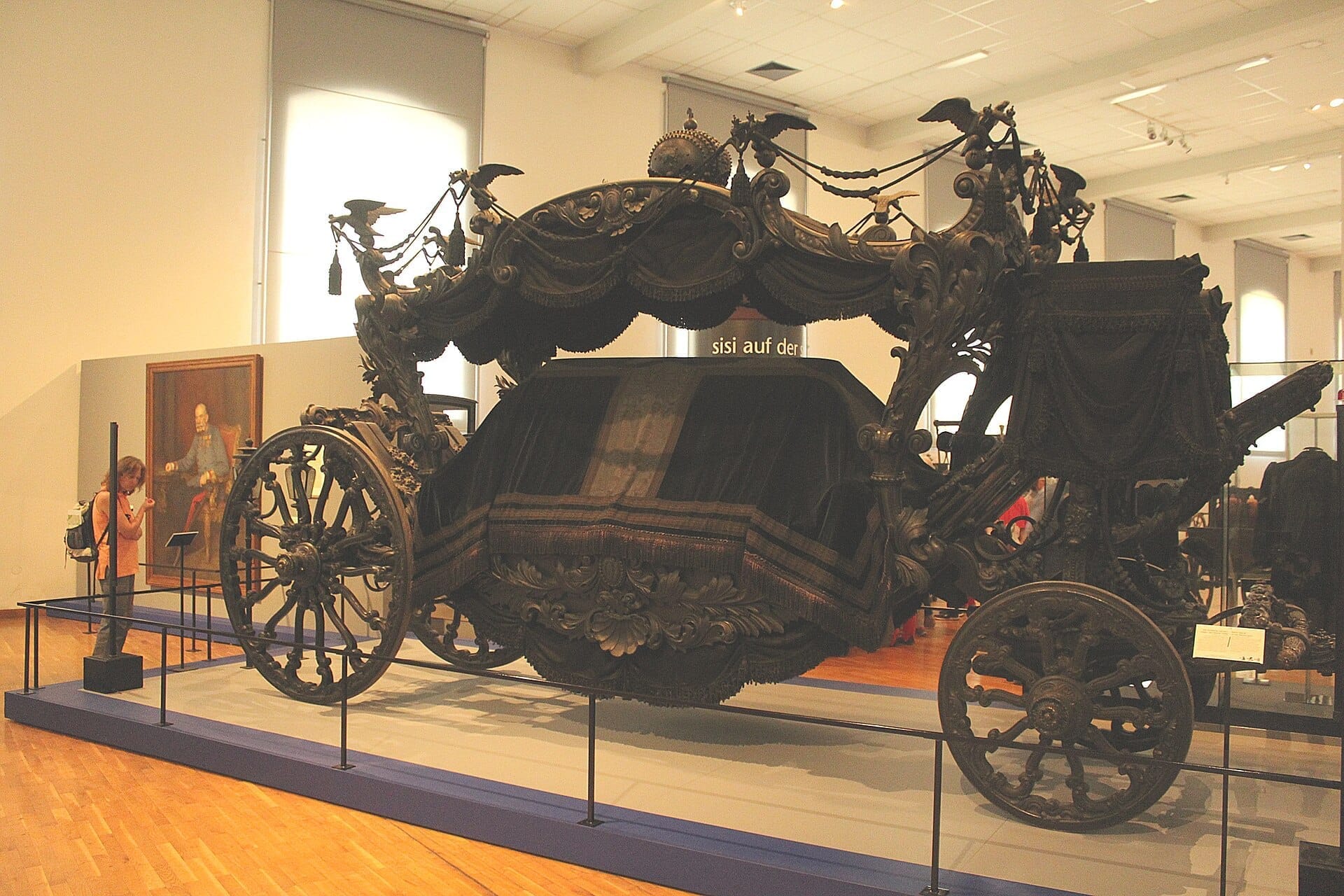
3. Meet the Real Empress Elisabeth at the Sisi Museum
Inside the Hofburg, this museum dismantles the romantic myth of Sisi with personal possessions, portraits, and the uncomfortable facts of her life. Her obsessive fitness regimes, her assassination in 1898 — it's far more gripping than the films suggest.
Explore3. Meet the Real Empress Elisabeth at the Sisi Museum
Inside the Hofburg, this museum dismantles the romantic myth of Sisi with personal possessions, portraits, and the uncomfortable facts of her life. Her obsessive fitness regimes, her assassination in 1898 — it's far more gripping than the films suggest.
Explore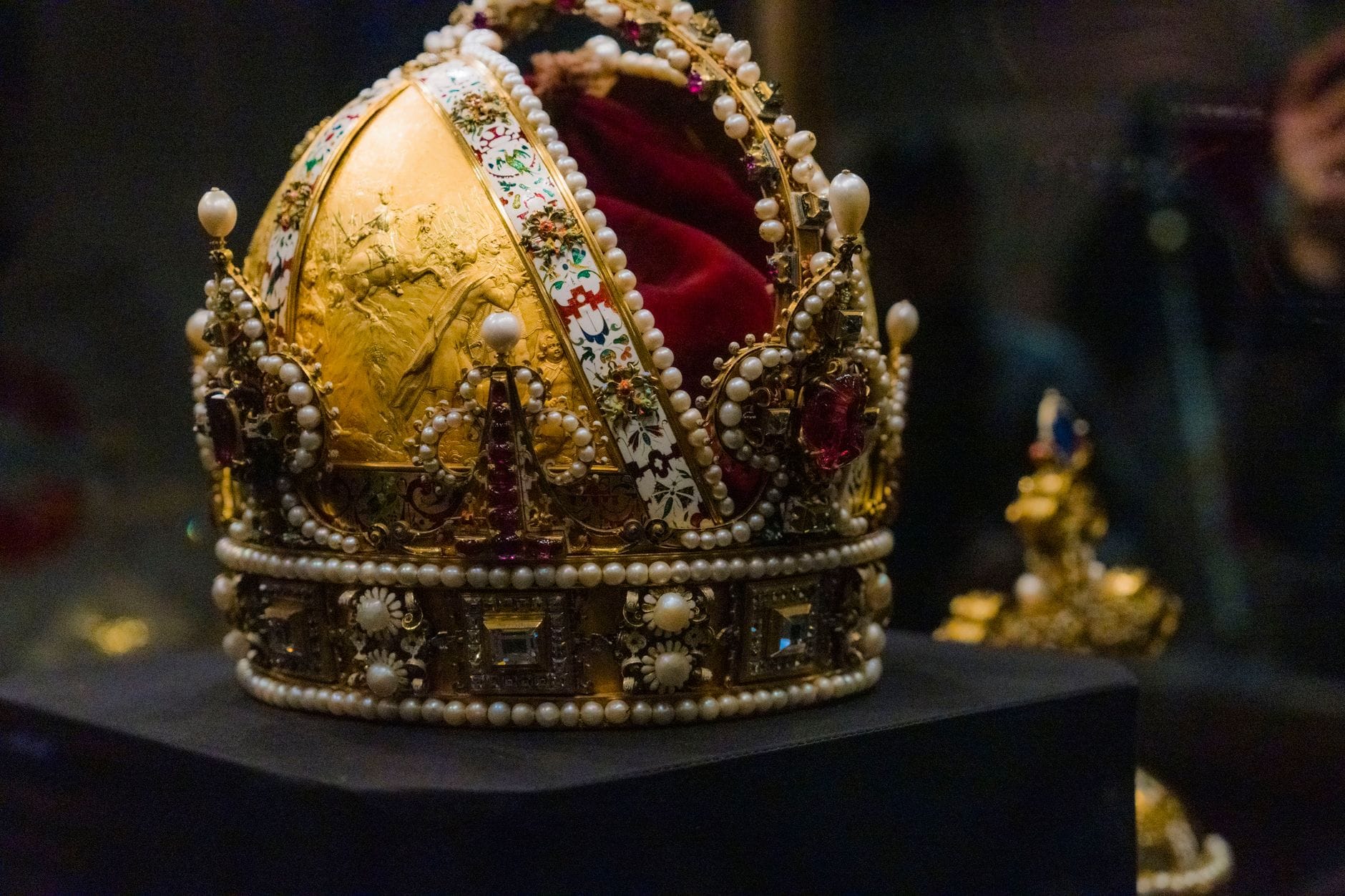
4. See the Habsburg Crown Jewels at the Imperial Treasury
The Schatzkammer holds a millennium of European imperial history in one room. The Holy Roman Empire's crown, the Holy Lance, and the Burgundian Treasure are genuinely extraordinary. Allow 45-60 minutes and arrive with fresh eyes — the detail rewards slow looking.
Explore4. See the Habsburg Crown Jewels at the Imperial Treasury
The Schatzkammer holds a millennium of European imperial history in one room. The Holy Roman Empire's crown, the Holy Lance, and the Burgundian Treasure are genuinely extraordinary. Allow 45-60 minutes and arrive with fresh eyes — the detail rewards slow looking.
Explore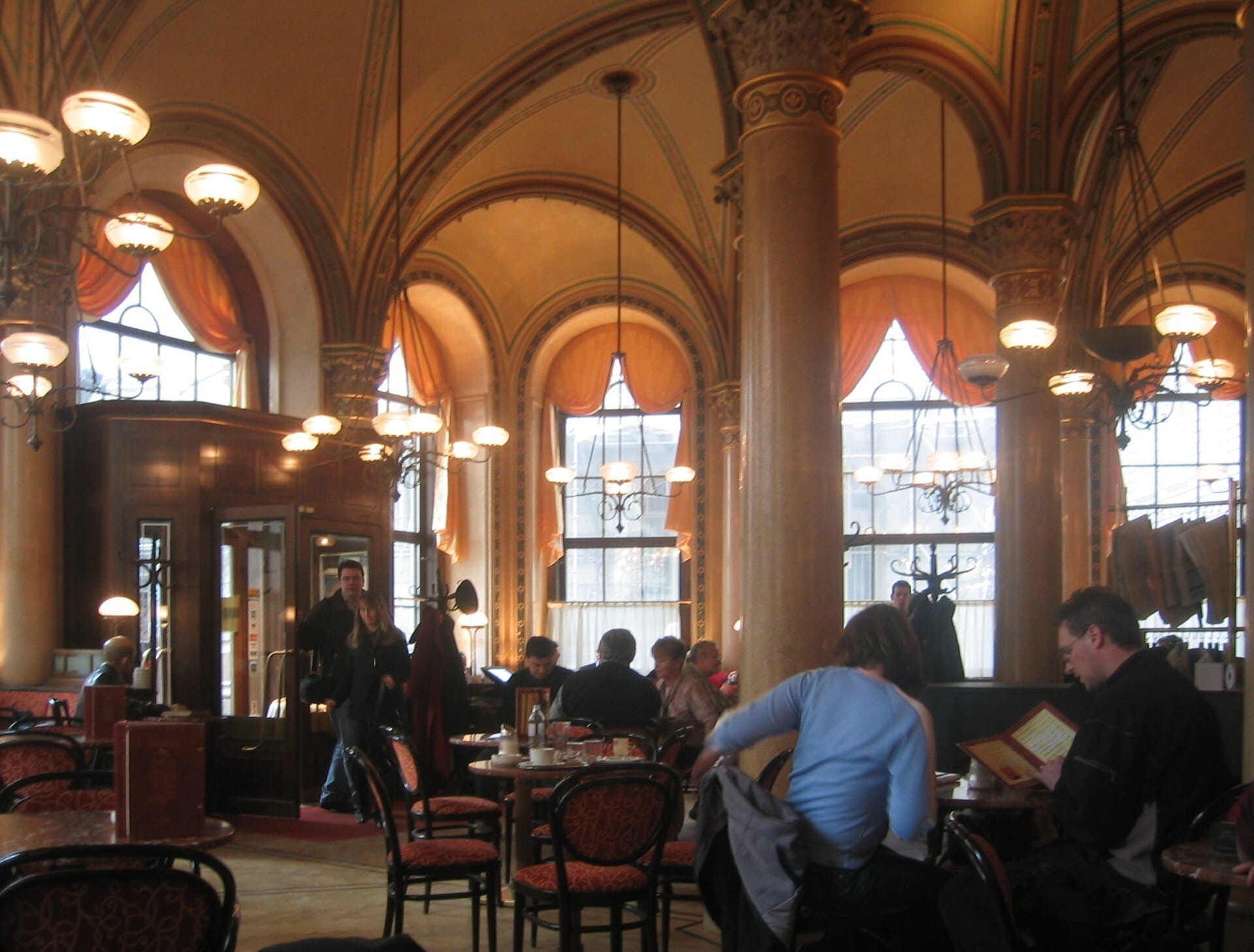
5. Take a Proper Lunch Break at Café Central
A five-minute walk from the Hofburg, this palatial coffeehouse is the right place for your first Viennese Melange and a plate of Apfelstrudel. The vaulted arcade interior, unchanged since 1876, is genuinely one of Europe's great interior spaces.
Explore5. Take a Proper Lunch Break at Café Central
A five-minute walk from the Hofburg, this palatial coffeehouse is the right place for your first Viennese Melange and a plate of Apfelstrudel. The vaulted arcade interior, unchanged since 1876, is genuinely one of Europe's great interior spaces.
Explore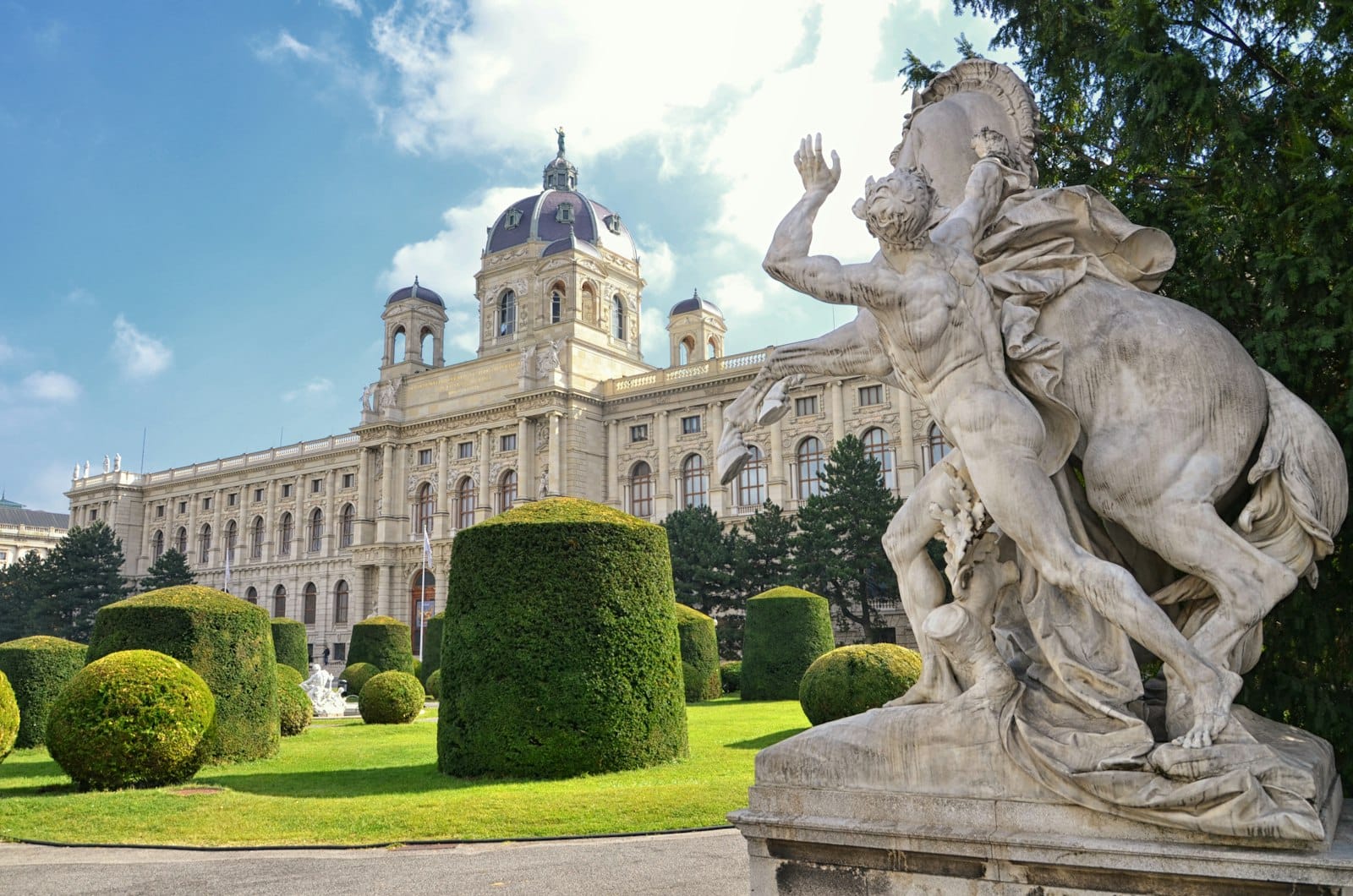
6. Spend Your Afternoon at the Kunsthistorisches Museum
One of Europe's great art museums, built by Franz Joseph to house the Habsburg collection. Vermeer, Raphael, Bruegel, Caravaggio, and Cellini's golden saltcellar all live here. Budget two hours minimum — more if you want to do it justice.
Explore6. Spend Your Afternoon at the Kunsthistorisches Museum
One of Europe's great art museums, built by Franz Joseph to house the Habsburg collection. Vermeer, Raphael, Bruegel, Caravaggio, and Cellini's golden saltcellar all live here. Budget two hours minimum — more if you want to do it justice.
Explore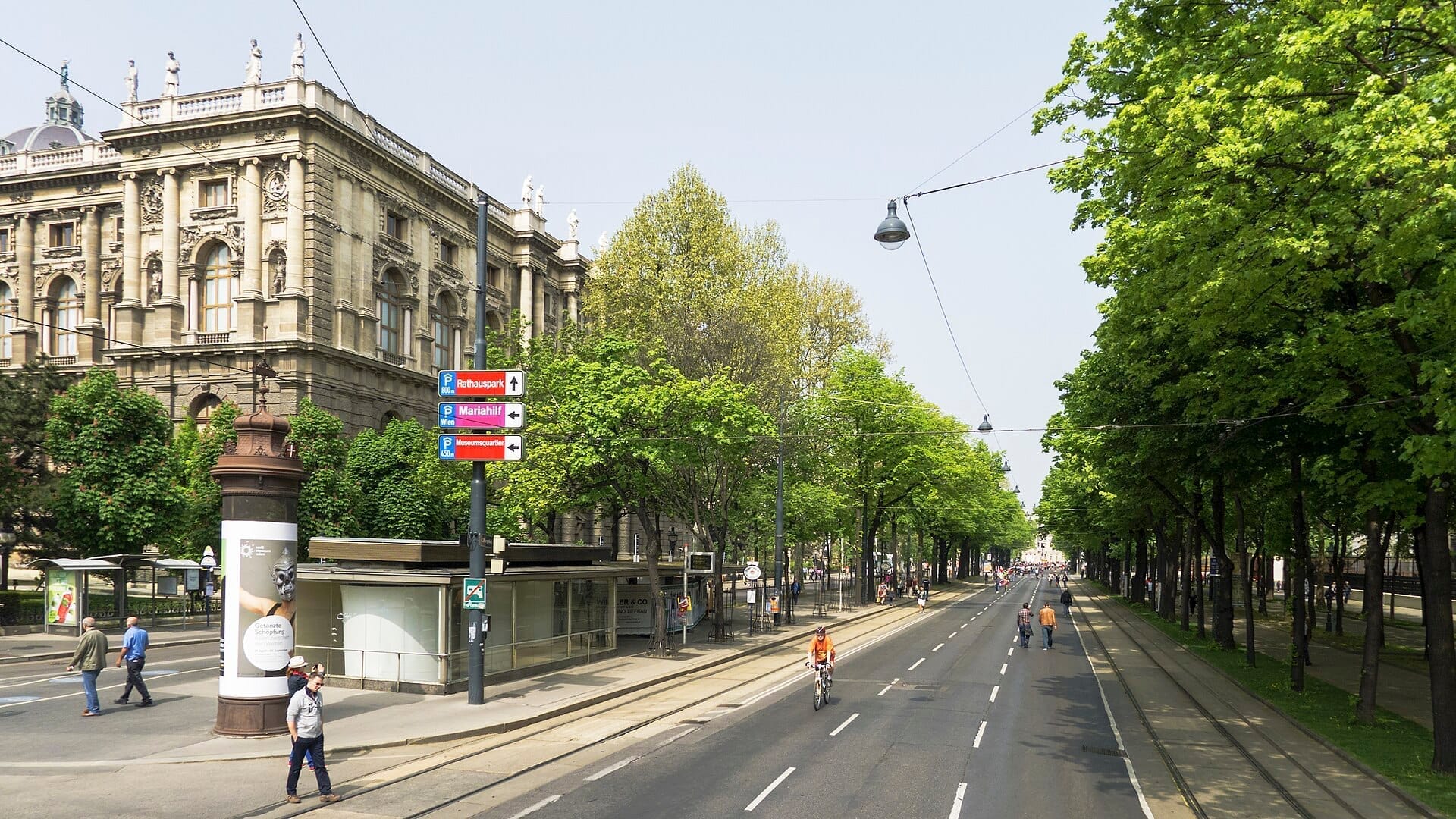
7. Walk the Ringstrasse at Dusk
As the museums close, walk a section of the Ringstrasse boulevard. The Opera House, Parliament, City Hall, and Burgtheater are all lit dramatically at dusk. This is the best way to grasp the scale of Franz Joseph's 19th-century urban ambition.
Explore7. Walk the Ringstrasse at Dusk
As the museums close, walk a section of the Ringstrasse boulevard. The Opera House, Parliament, City Hall, and Burgtheater are all lit dramatically at dusk. This is the best way to grasp the scale of Franz Joseph's 19th-century urban ambition.
Explore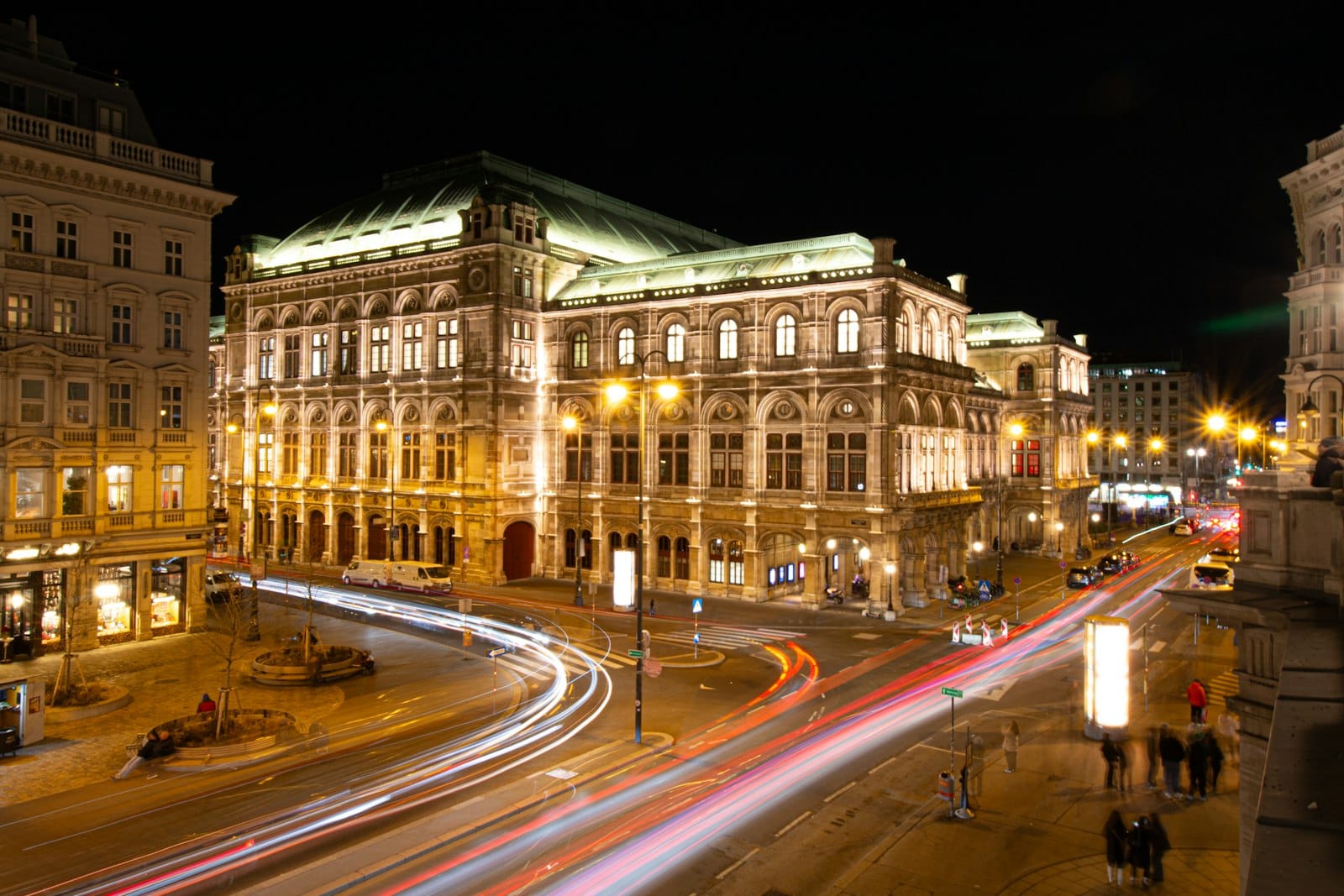
8. Catch an Evening Performance at the State Opera
Standing-room tickets (Stehplätze) go on sale 80 minutes before curtain for a few euros, making world-class opera genuinely accessible. Book a seat ticket online well in advance if you prefer to sit. Either way, the Neo-Renaissance interior is worth dressing up for.
Explore8. Catch an Evening Performance at the State Opera
Standing-room tickets (Stehplätze) go on sale 80 minutes before curtain for a few euros, making world-class opera genuinely accessible. Book a seat ticket online well in advance if you prefer to sit. Either way, the Neo-Renaissance interior is worth dressing up for.
ExploreDay 2: Art, Markets, and the Belvedere
Day two works the arc from the Naschmarkt through the Wiener Secession and MuseumsQuartier to the Belvedere. This is Vienna's art and market corridor, running roughly southeast from the Ringstrasse. The Belvedere area and the MuseumsQuartier are close enough to combine in one day if you start early and don't linger too long at the Naschmarkt. Tram D connects several of these stops conveniently.
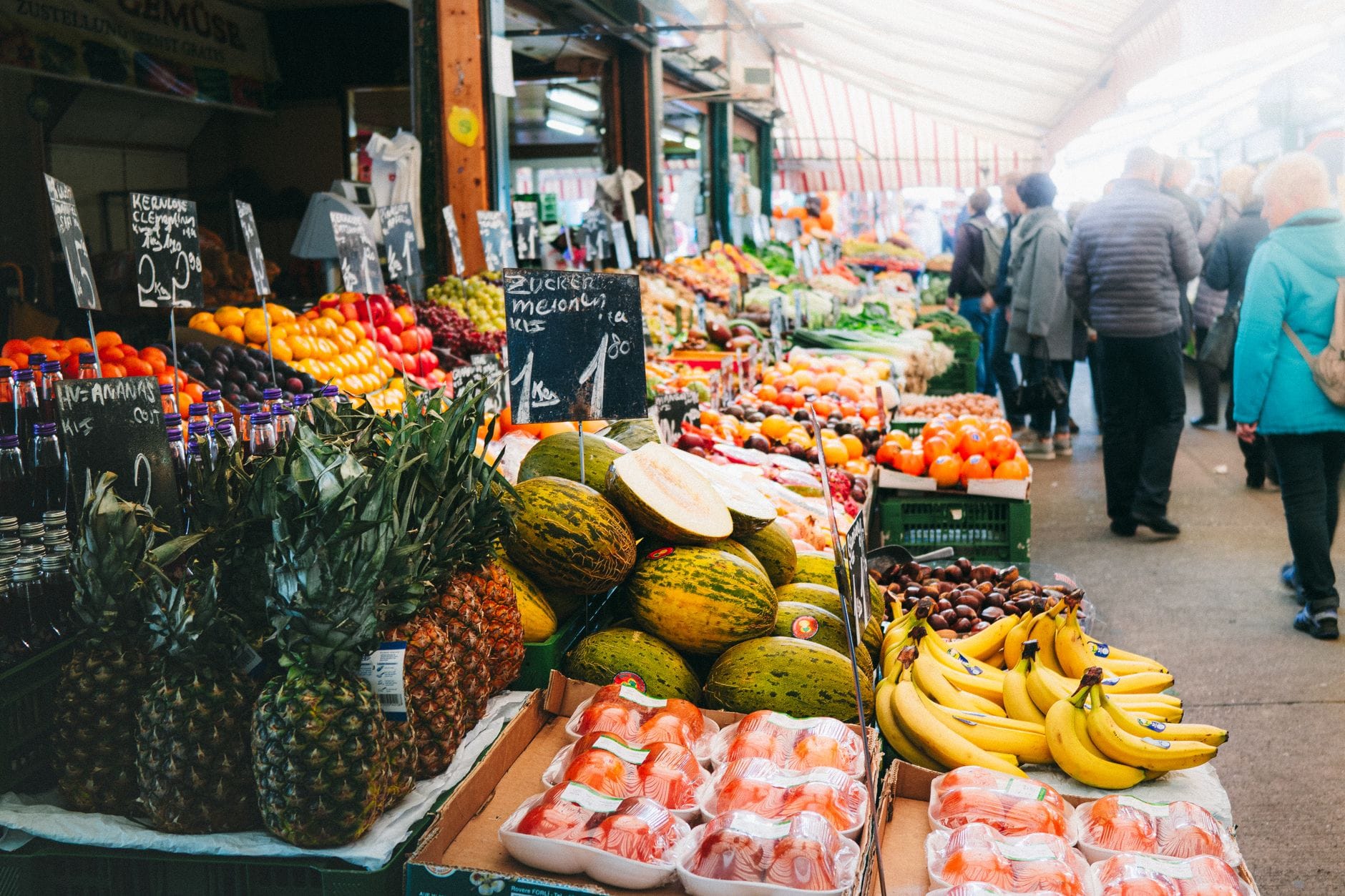
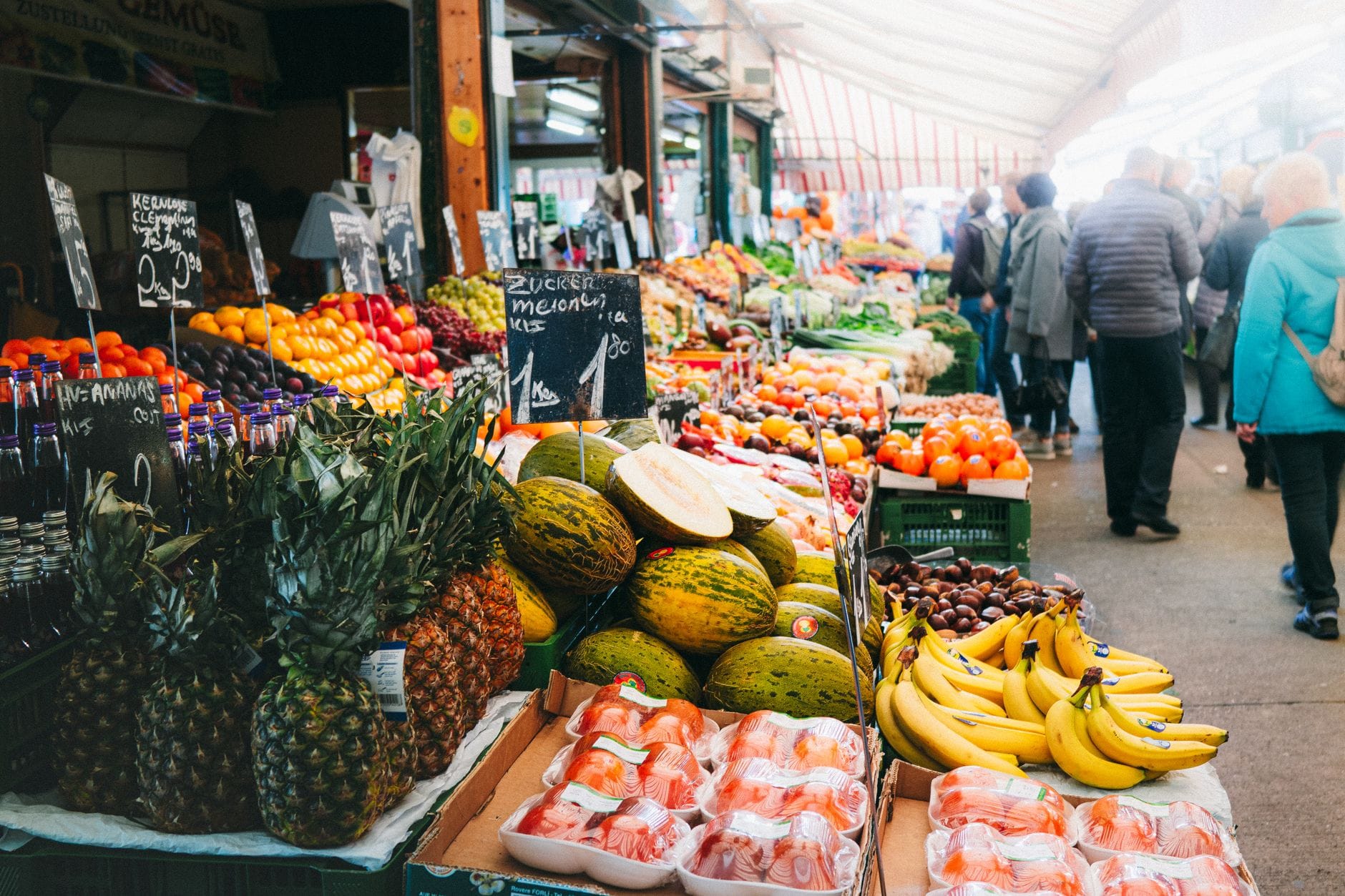
9. Breakfast and Browse at the Naschmarkt
Vienna's 1-km open-air market is best before 10am, when it belongs to locals rather than tour groups. Pick up a Käsekrainer sausage from a market stall, grab coffee, then explore the stalls of cheese, spices, olives, and fresh produce. On Saturdays, the flea market extends the full length.
Explore9. Breakfast and Browse at the Naschmarkt
Vienna's 1-km open-air market is best before 10am, when it belongs to locals rather than tour groups. Pick up a Käsekrainer sausage from a market stall, grab coffee, then explore the stalls of cheese, spices, olives, and fresh produce. On Saturdays, the flea market extends the full length.
Explore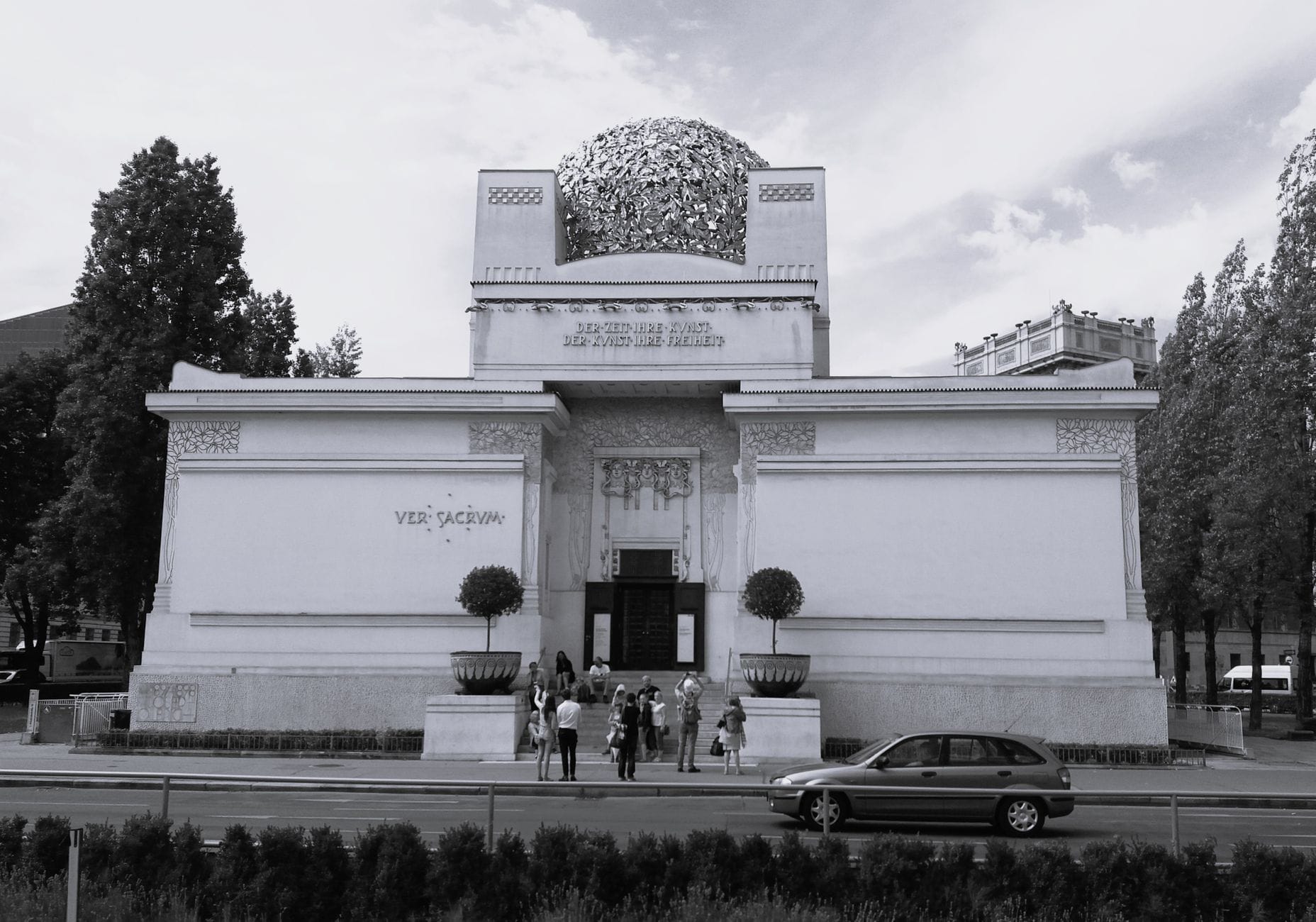
10. See Klimt's Beethoven Frieze at the Secession
The golden 'cabbage dome' building is Art Nouveau architecture as manifesto. But the real reason to go is the basement: Klimt's 34-meter Beethoven Frieze, painted in 1902 and permanently installed here, is one of the most powerful artworks in Vienna. Allow 45 minutes.
Explore10. See Klimt's Beethoven Frieze at the Secession
The golden 'cabbage dome' building is Art Nouveau architecture as manifesto. But the real reason to go is the basement: Klimt's 34-meter Beethoven Frieze, painted in 1902 and permanently installed here, is one of the most powerful artworks in Vienna. Allow 45 minutes.
Explore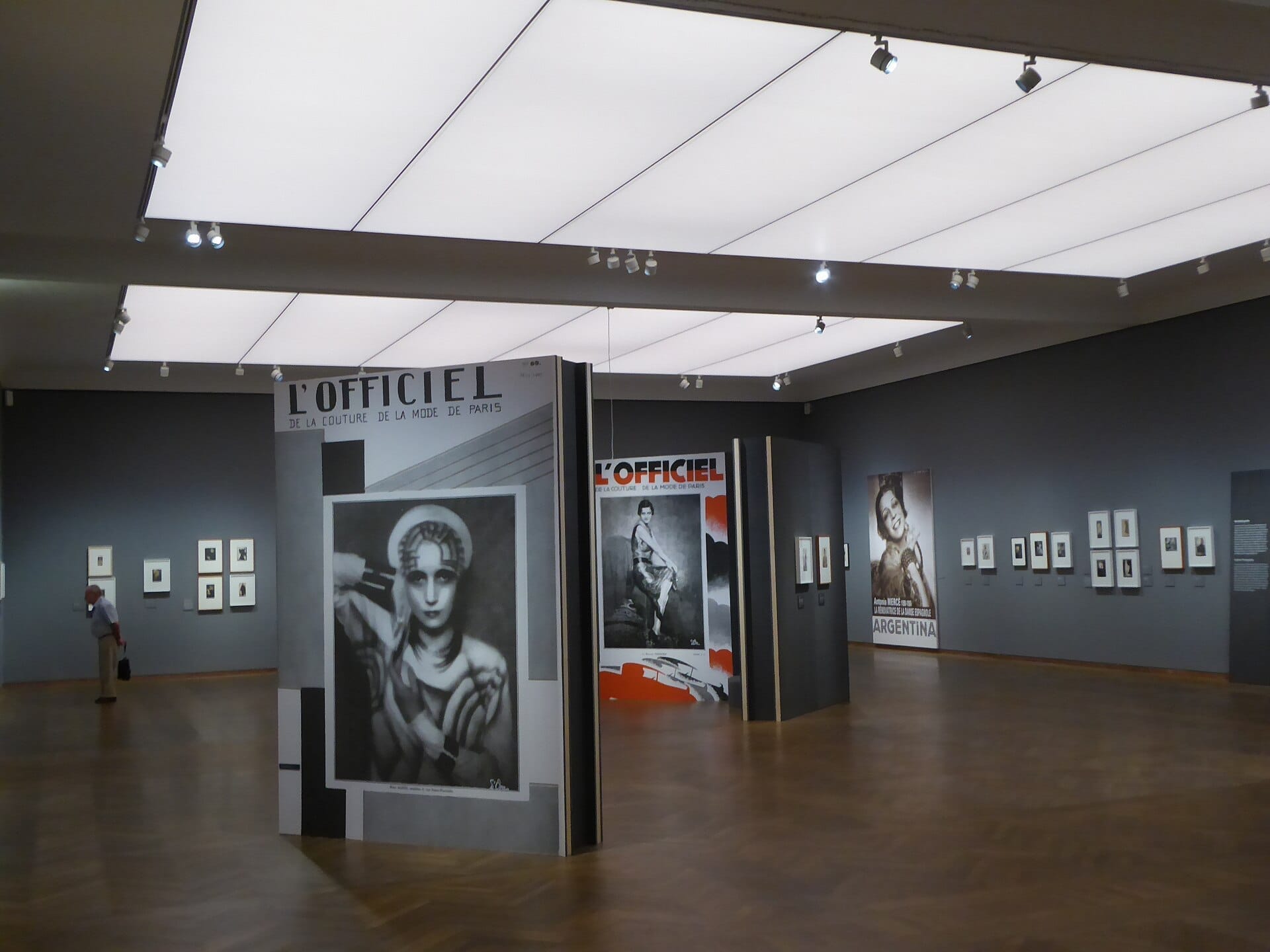
11. See the World's Largest Schiele Collection at the Leopold Museum
The MuseumsQuartier's white limestone cube holds the definitive collection of Egon Schiele alongside major Klimt works. If you care about early 20th-century Austrian art, this is the essential stop. The top-floor Schiele rooms alone justify the entrance fee.
Explore11. See the World's Largest Schiele Collection at the Leopold Museum
The MuseumsQuartier's white limestone cube holds the definitive collection of Egon Schiele alongside major Klimt works. If you care about early 20th-century Austrian art, this is the essential stop. The top-floor Schiele rooms alone justify the entrance fee.
Explore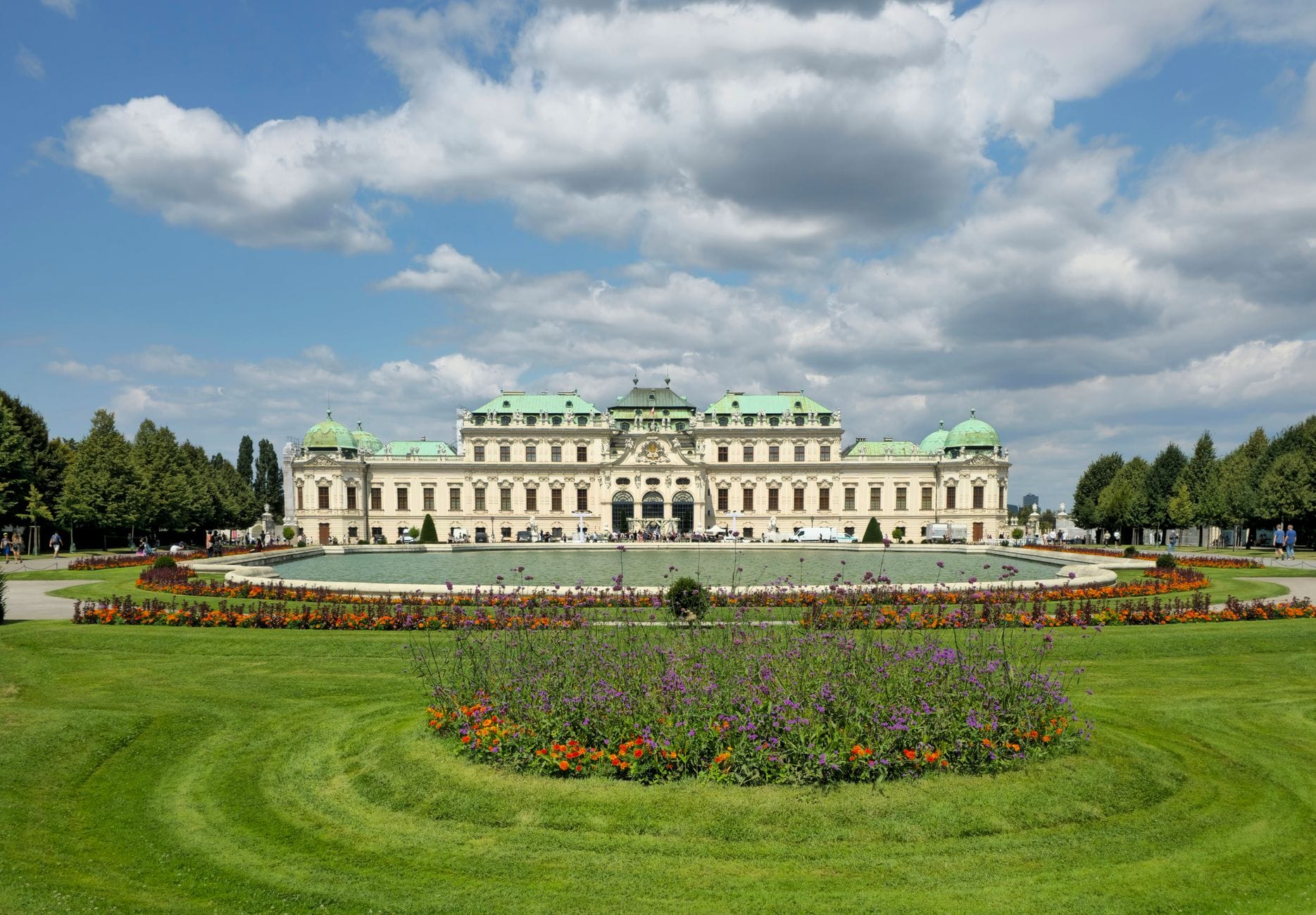
12. See 'The Kiss' at the Upper Belvedere
Klimt's 'The Kiss' hangs in the Upper Belvedere and is every bit as luminous in person as reproductions suggest. The Baroque palace itself, Prince Eugene's summer residence, frames the experience beautifully. Book a timed-entry ticket and arrive at opening for the quietest viewing.
Explore12. See 'The Kiss' at the Upper Belvedere
Klimt's 'The Kiss' hangs in the Upper Belvedere and is every bit as luminous in person as reproductions suggest. The Baroque palace itself, Prince Eugene's summer residence, frames the experience beautifully. Book a timed-entry ticket and arrive at opening for the quietest viewing.
Explore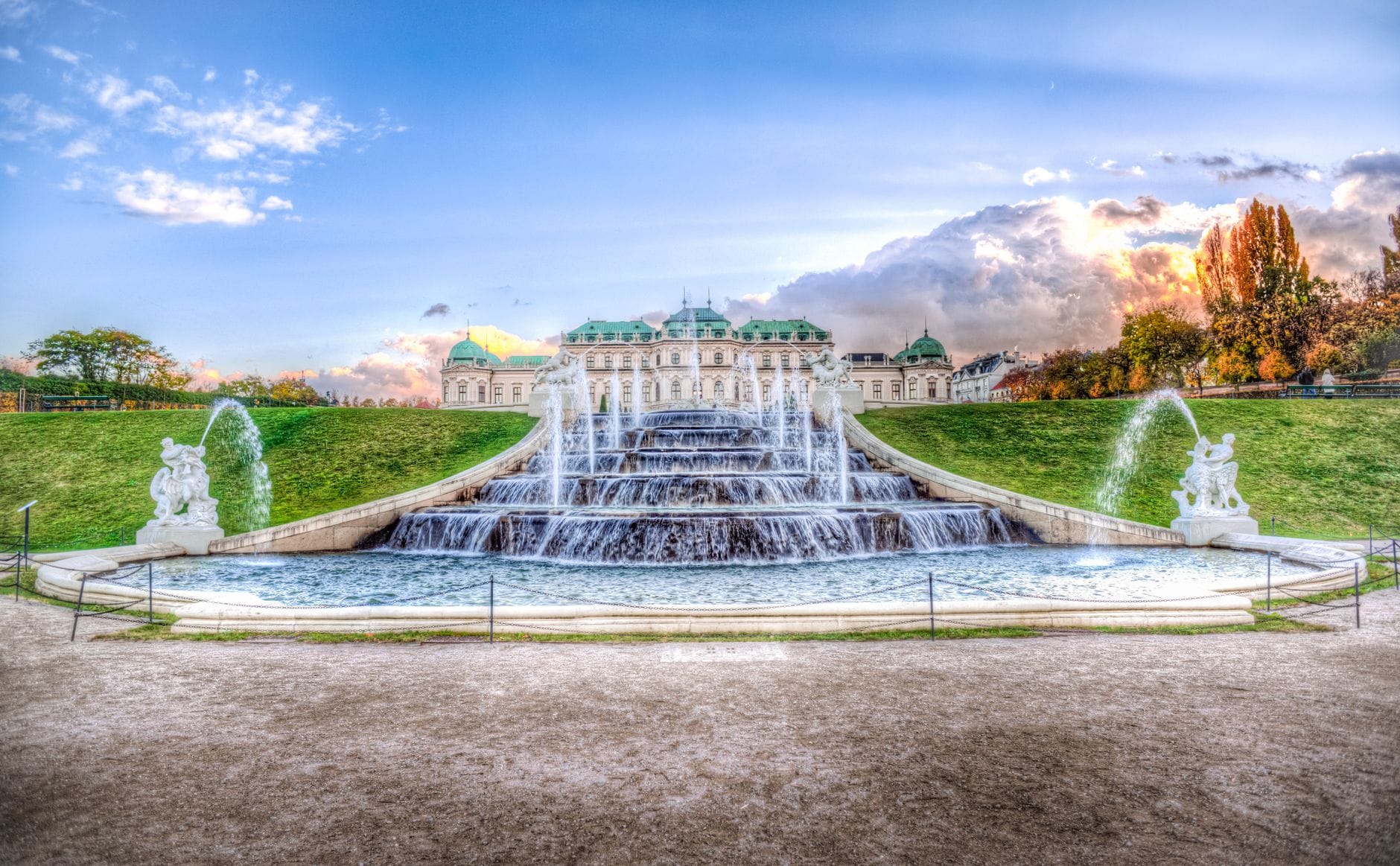
13. Stroll Through the Belvedere's French Formal Gardens
Free to enter, the Baroque gardens connecting Upper and Lower Belvedere are among Vienna's finest green spaces. Sphinx sculptures, cascading fountains, and perfect axial views of both palace facades make this a rewarding 30-minute walk between the two museums.
Explore13. Stroll Through the Belvedere's French Formal Gardens
Free to enter, the Baroque gardens connecting Upper and Lower Belvedere are among Vienna's finest green spaces. Sphinx sculptures, cascading fountains, and perfect axial views of both palace facades make this a rewarding 30-minute walk between the two museums.
Explore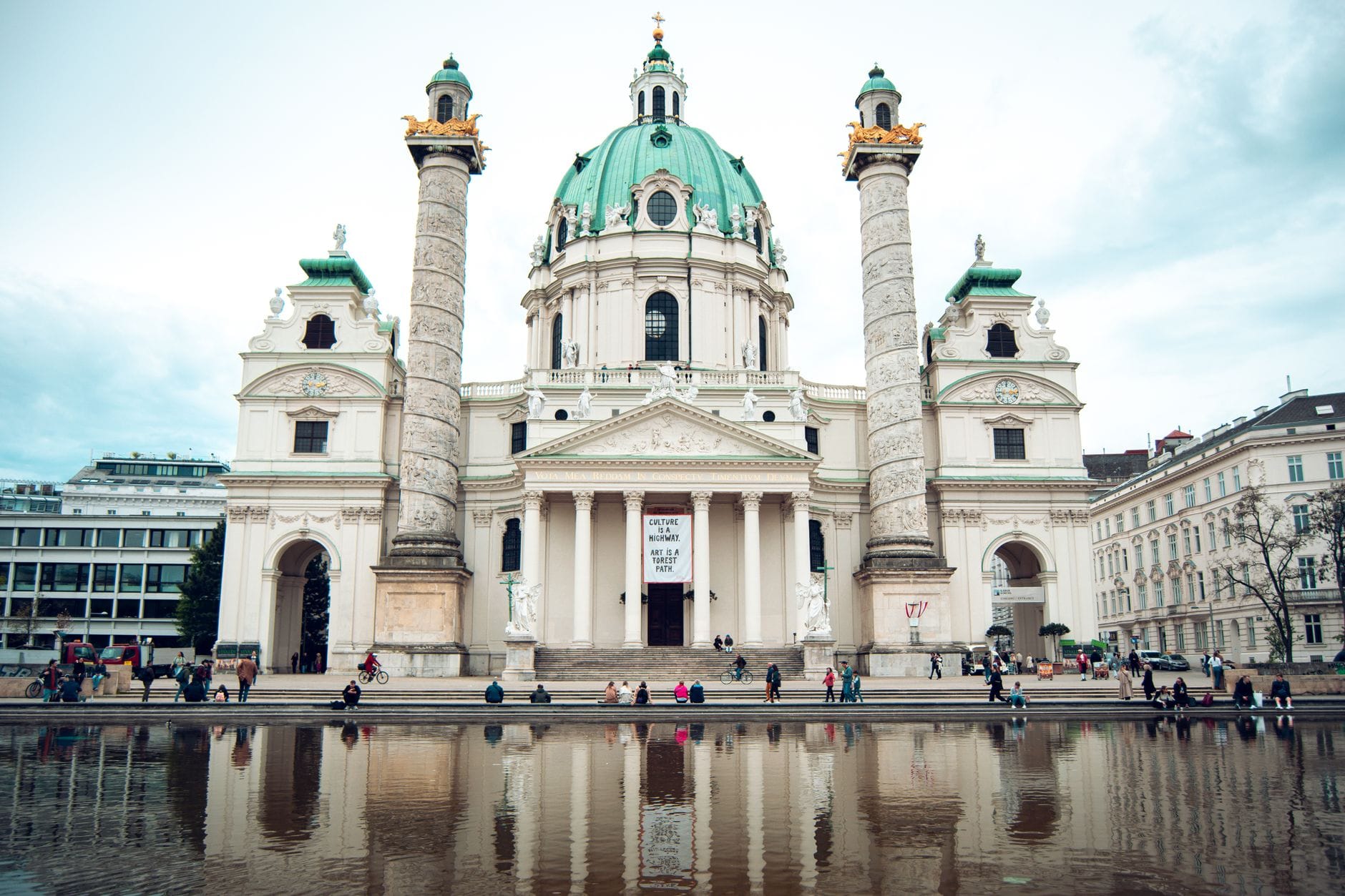
14. Ride the Lift Inside Karlskirche's Dome
Vienna's finest Baroque church has a panoramic lift installed inside the dome that takes you face-to-face with Rottmayr's ceiling frescoes — an extraordinary close-up view you can't get anywhere else. The twin triumphal columns outside are best seen from across the Resselpark pond.
Explore14. Ride the Lift Inside Karlskirche's Dome
Vienna's finest Baroque church has a panoramic lift installed inside the dome that takes you face-to-face with Rottmayr's ceiling frescoes — an extraordinary close-up view you can't get anywhere else. The twin triumphal columns outside are best seen from across the Resselpark pond.
ExploreDay 3: Schönbrunn, the Prater, and Vienna's Green Side
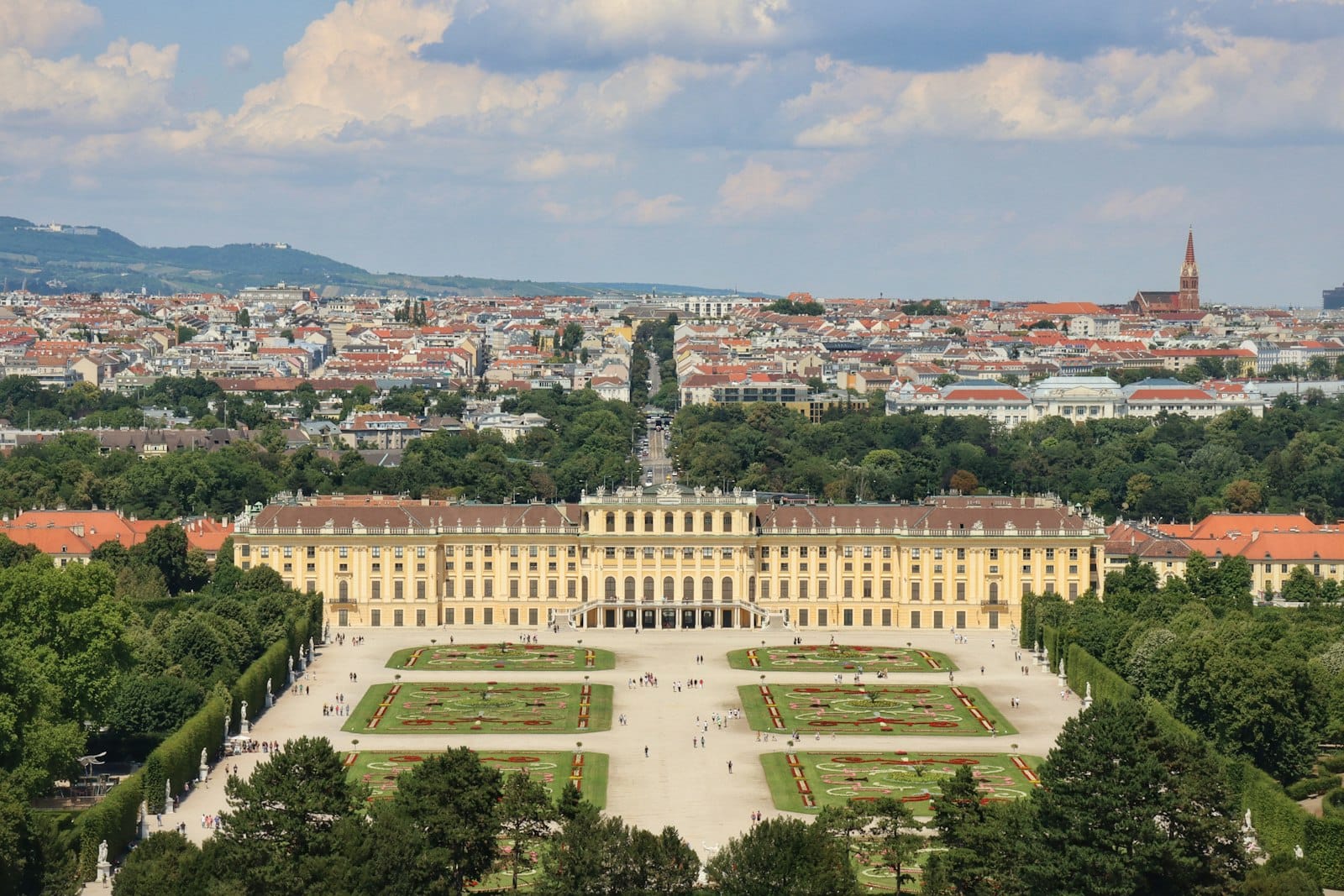
Your third day combines the city's two great imperial and recreational spaces: Schönbrunn Palace to the west, and the Prater to the east. U4 handles Schönbrunn in the morning; the U1 or U2 gets you to the Prater by afternoon. For families, this day works particularly well — both sites have plenty to keep children engaged. See our dedicated Vienna with kids guide for additional ideas.
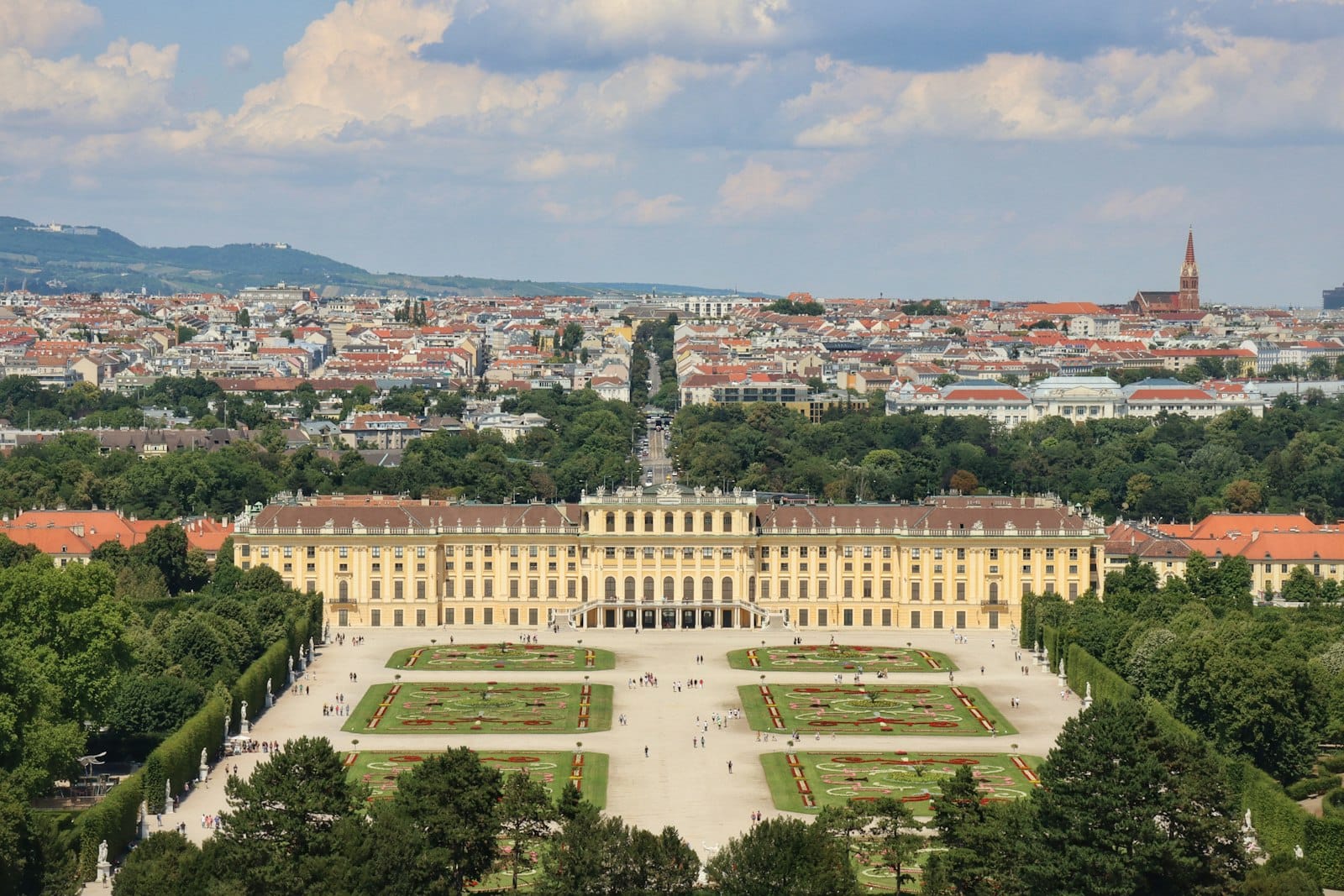
15. Tour the Imperial Apartments at Schönbrunn Palace
Book your timed-entry ticket for the first slot of the morning. The Grand Tour covers 40 of the palace's 1,441 rooms, including the Hall of Mirrors where the young Mozart performed. Allow 90 minutes for the rooms, then exit into the gardens.
Explore15. Tour the Imperial Apartments at Schönbrunn Palace
Book your timed-entry ticket for the first slot of the morning. The Grand Tour covers 40 of the palace's 1,441 rooms, including the Hall of Mirrors where the young Mozart performed. Allow 90 minutes for the rooms, then exit into the gardens.
Explore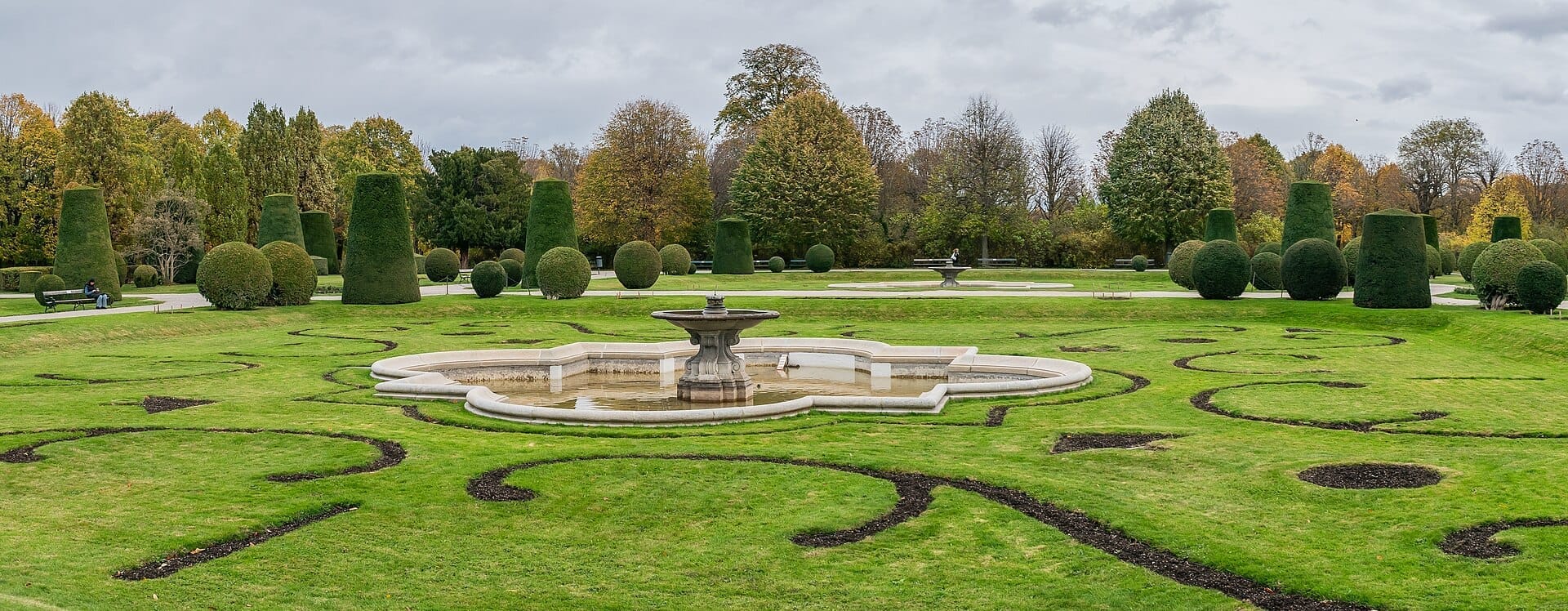
16. Walk the Palace Gardens Up to the Gloriette
The gardens are free to enter and stretch up the hill behind the palace. Walk the formal parterres, pass the Neptune Fountain, and climb to the Gloriette for the finest panorama over the palace facade and Vienna's rooftops. Round trip takes about 45 minutes at a leisurely pace.
Explore16. Walk the Palace Gardens Up to the Gloriette
The gardens are free to enter and stretch up the hill behind the palace. Walk the formal parterres, pass the Neptune Fountain, and climb to the Gloriette for the finest panorama over the palace facade and Vienna's rooftops. Round trip takes about 45 minutes at a leisurely pace.
Explore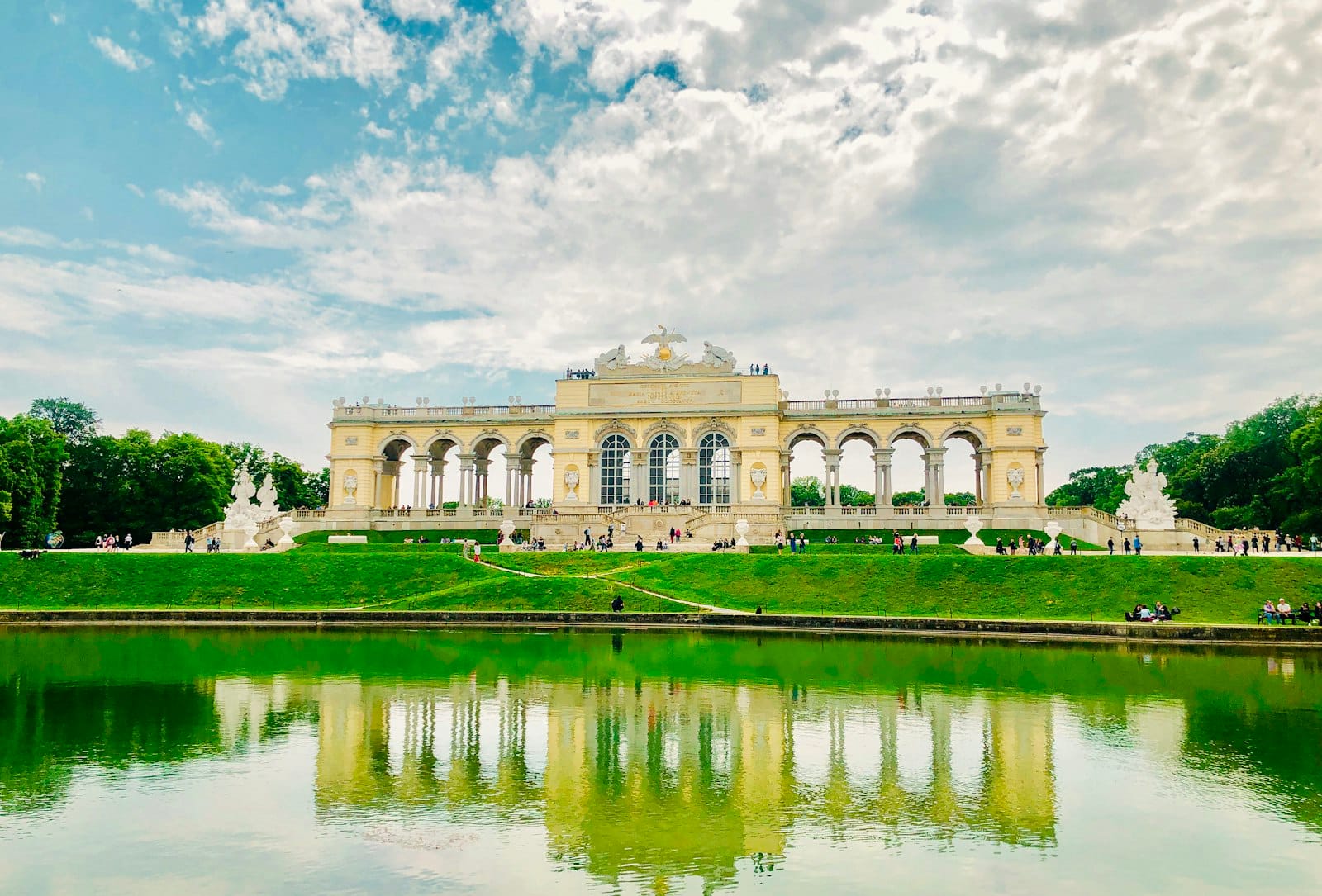
17. Take in Vienna's Best Rooftop View from the Gloriette
The neoclassical colonnade at the hilltop above Schönbrunn frames a perfect view down over the palace gardens and the city beyond. There's a café inside for a mid-morning coffee. On clear days the view extends toward the Vienna Woods on the horizon.
Explore17. Take in Vienna's Best Rooftop View from the Gloriette
The neoclassical colonnade at the hilltop above Schönbrunn frames a perfect view down over the palace gardens and the city beyond. There's a café inside for a mid-morning coffee. On clear days the view extends toward the Vienna Woods on the horizon.
Explore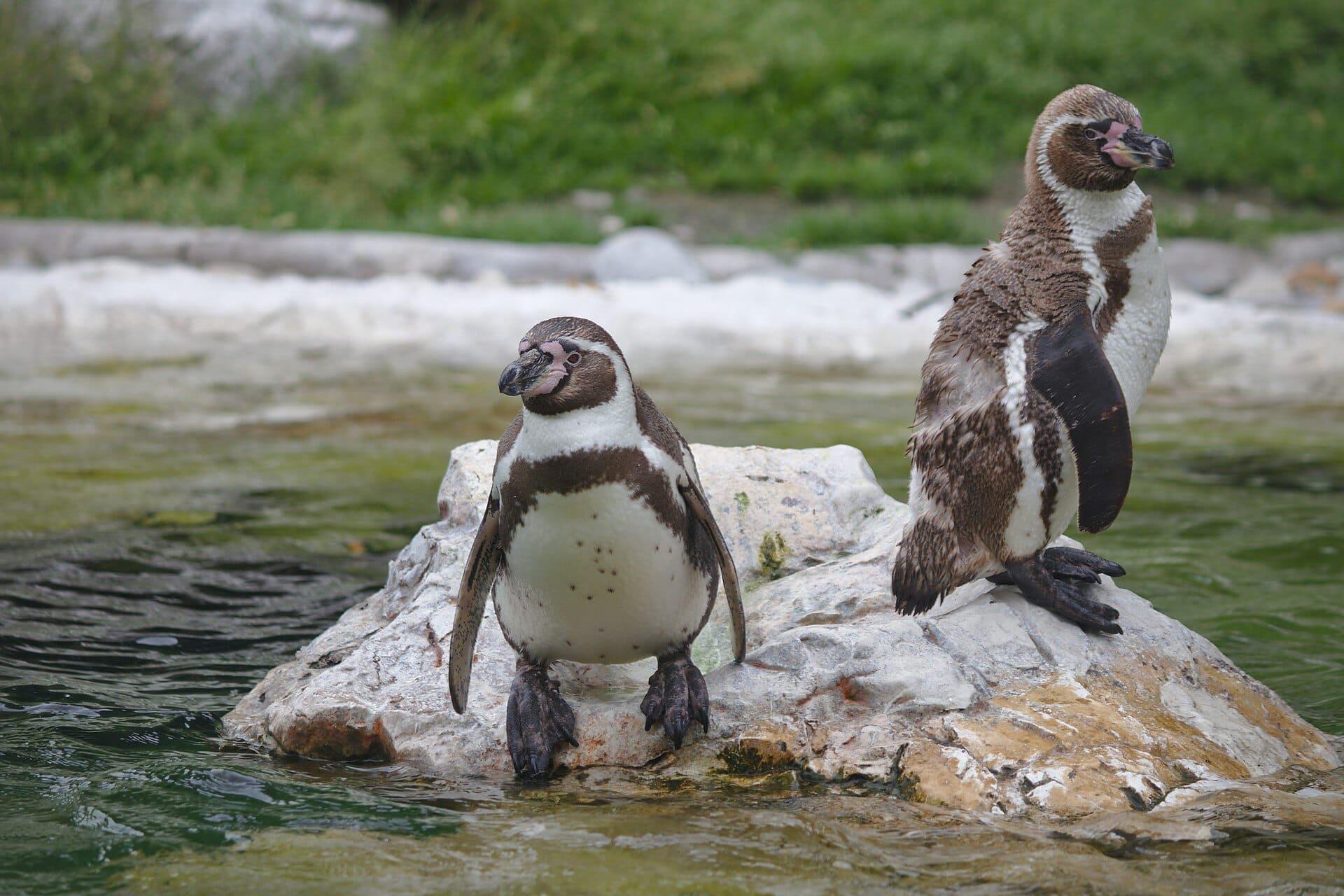
18. Visit the World's Oldest Zoo at Schönbrunn
Founded in 1752, the Tiergarten sits within the palace grounds and is one of the world's most respected zoos. Giant pandas, polar bears, and Komodo dragons live in historic Baroque pavilions. A good 2-hour add-on if you have children or a genuine interest in wildlife.
Explore18. Visit the World's Oldest Zoo at Schönbrunn
Founded in 1752, the Tiergarten sits within the palace grounds and is one of the world's most respected zoos. Giant pandas, polar bears, and Komodo dragons live in historic Baroque pavilions. A good 2-hour add-on if you have children or a genuine interest in wildlife.
Explore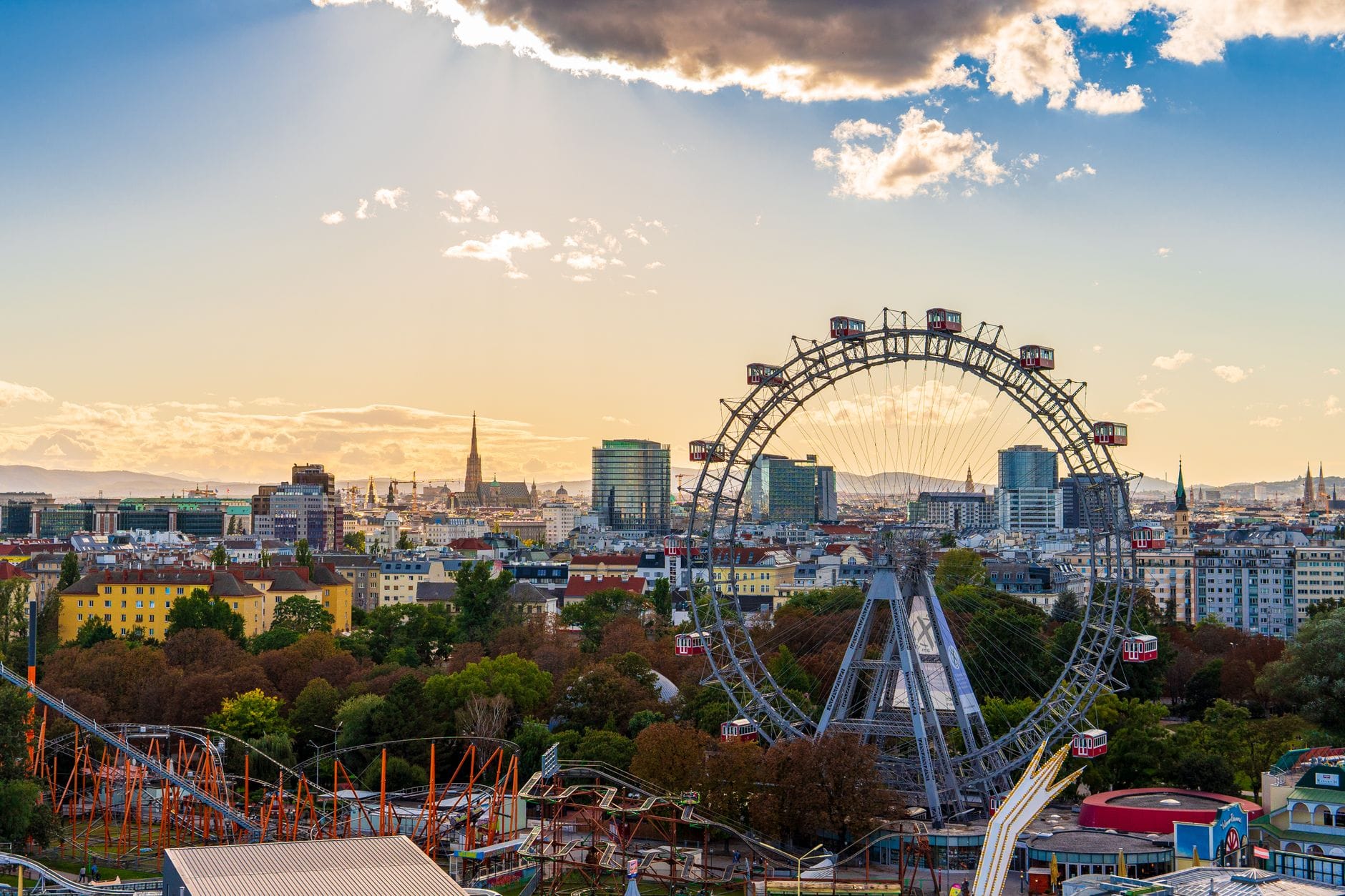
19. Ride the Giant Ferris Wheel in the Prater
The 65-meter wooden Riesenrad has turned since 1897 and is one of Vienna's most recognizable landmarks. The ride in the historic red gondolas takes about 20 minutes and delivers panoramic city views. Best visited late afternoon when the light is warm and the crowds thin.
Explore19. Ride the Giant Ferris Wheel in the Prater
The 65-meter wooden Riesenrad has turned since 1897 and is one of Vienna's most recognizable landmarks. The ride in the historic red gondolas takes about 20 minutes and delivers panoramic city views. Best visited late afternoon when the light is warm and the crowds thin.
Explore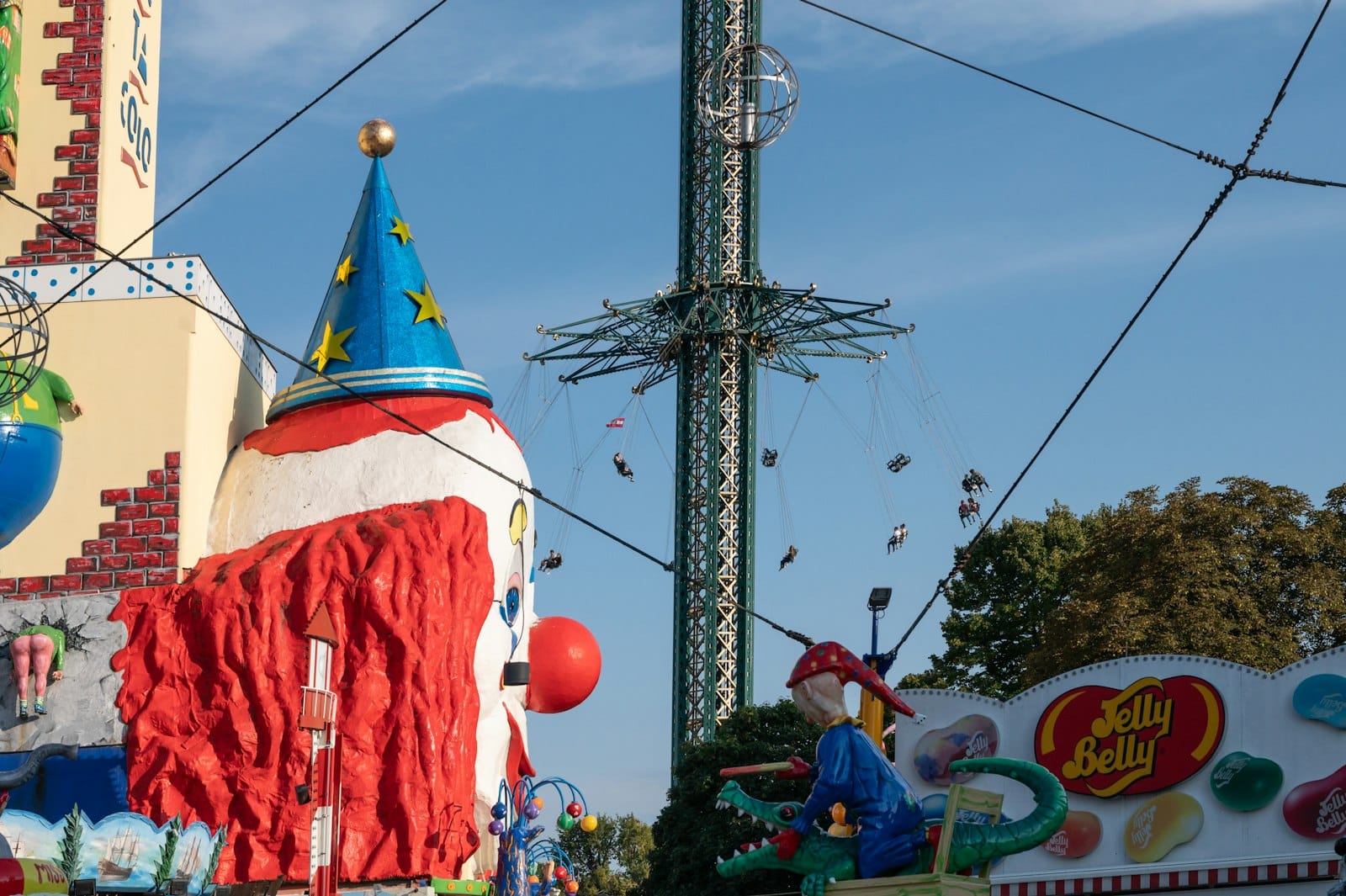
20. Cycle or Walk the Prater's Chestnut-Lined Hauptallee
Beyond the Ferris Wheel, the vast Prater park stretches for kilometers. The Hauptallee, a dead-straight 4.5-km chestnut avenue, is perfect for a late-afternoon bike ride or walk. Hire a bike at the Praterstern entrance and follow the path through meadows to the river.
Explore20. Cycle or Walk the Prater's Chestnut-Lined Hauptallee
Beyond the Ferris Wheel, the vast Prater park stretches for kilometers. The Hauptallee, a dead-straight 4.5-km chestnut avenue, is perfect for a late-afternoon bike ride or walk. Hire a bike at the Praterstern entrance and follow the path through meadows to the river.
Explore💡 Local tip
Save Day 3 evenings for a coffeehouse session rather than another museum. Café Central, Café Schwarzenberg, or Café Hawelka are all within the Innere Stadt and give you a proper send-off from the city.
Worth Adding If You Have Extra Time
If you find yourself with a free morning or afternoon — perhaps because you've pre-booked tickets efficiently and moved faster than expected — these attractions fit neatly into gaps. The Vienna hidden gems guide has further ideas for going beyond the standard circuit.
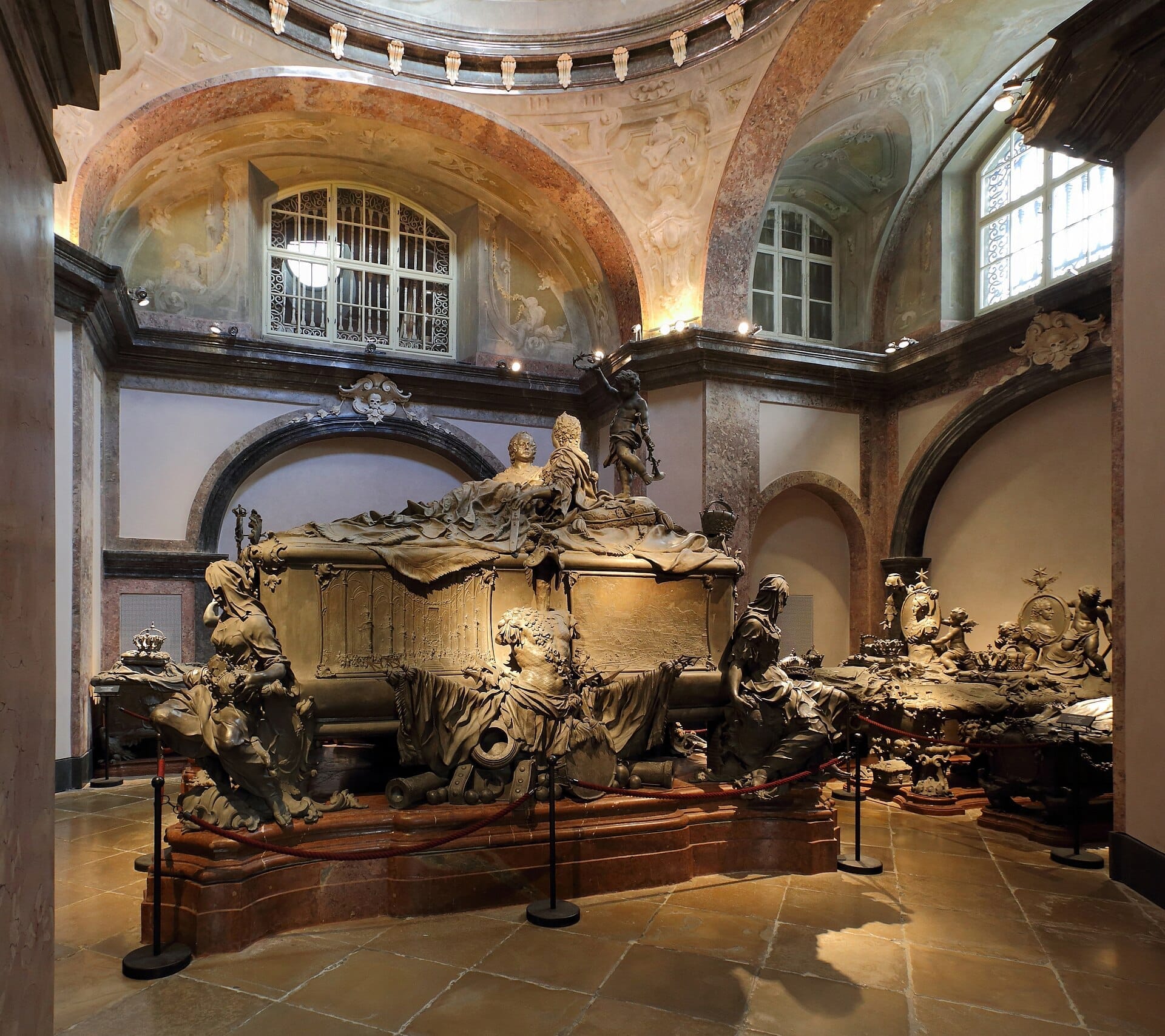
21. Pay Respects to the Habsburgs at the Imperial Crypt
The Kapuzinergruft beneath the Neuer Markt houses 149 Habsburg sarcophagi, including those of Empress Sisi and Franz Joseph. It's small, takes 30-40 minutes, and is among Vienna's most atmospheric and genuinely moving historic spaces.
Explore21. Pay Respects to the Habsburgs at the Imperial Crypt
The Kapuzinergruft beneath the Neuer Markt houses 149 Habsburg sarcophagi, including those of Empress Sisi and Franz Joseph. It's small, takes 30-40 minutes, and is among Vienna's most atmospheric and genuinely moving historic spaces.
Explore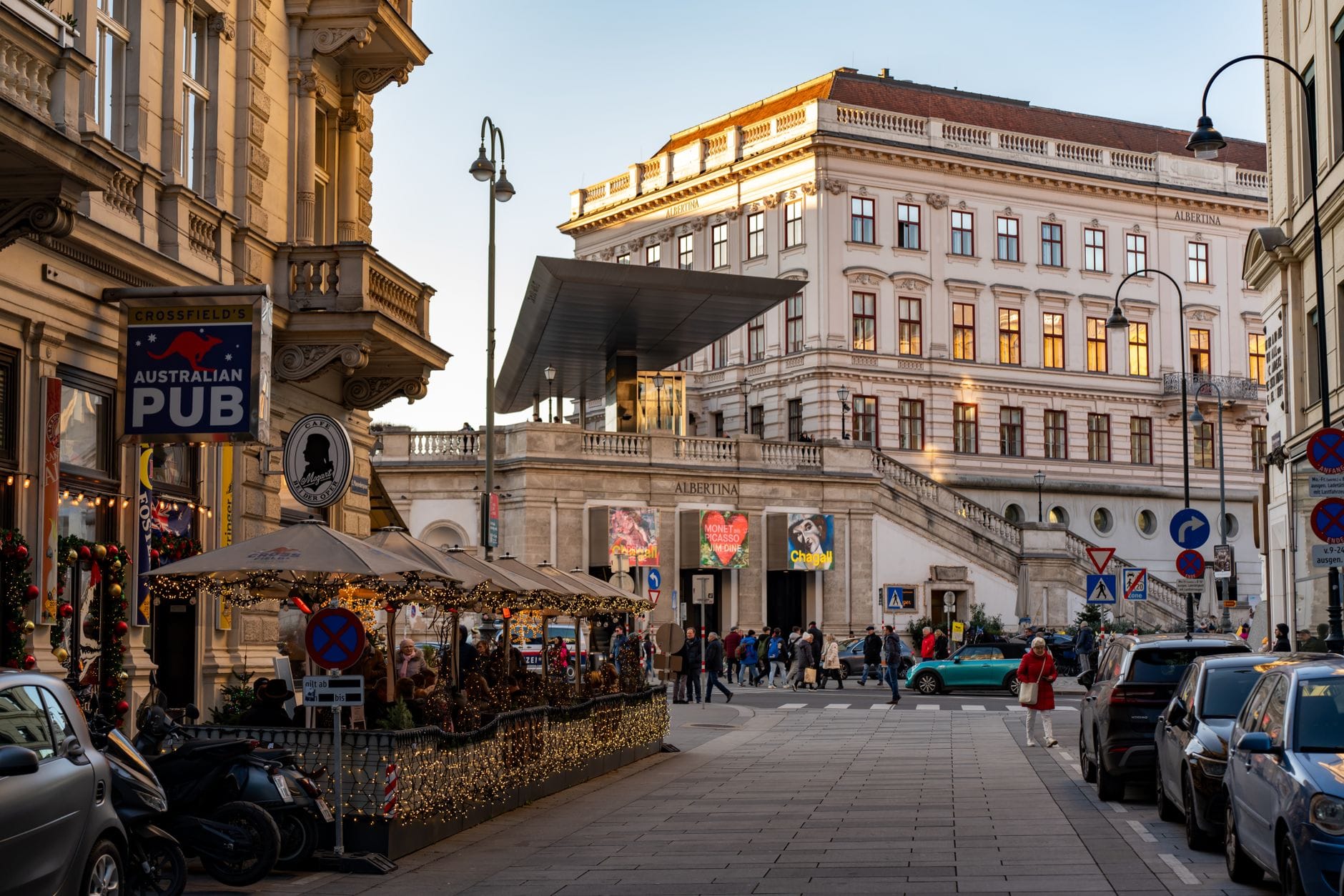
22. See Dürer and Monet at the Albertina
The Albertina's graphic art collection, housed in a palatial building at the edge of the Hofburg, spans Dürer, Monet, Picasso, and Klimt. Strong temporary exhibitions run year-round. It's directly adjacent to the Opera House, making it an easy addition to Day 1.
Explore22. See Dürer and Monet at the Albertina
The Albertina's graphic art collection, housed in a palatial building at the edge of the Hofburg, spans Dürer, Monet, Picasso, and Klimt. Strong temporary exhibitions run year-round. It's directly adjacent to the Opera House, making it an easy addition to Day 1.
Explore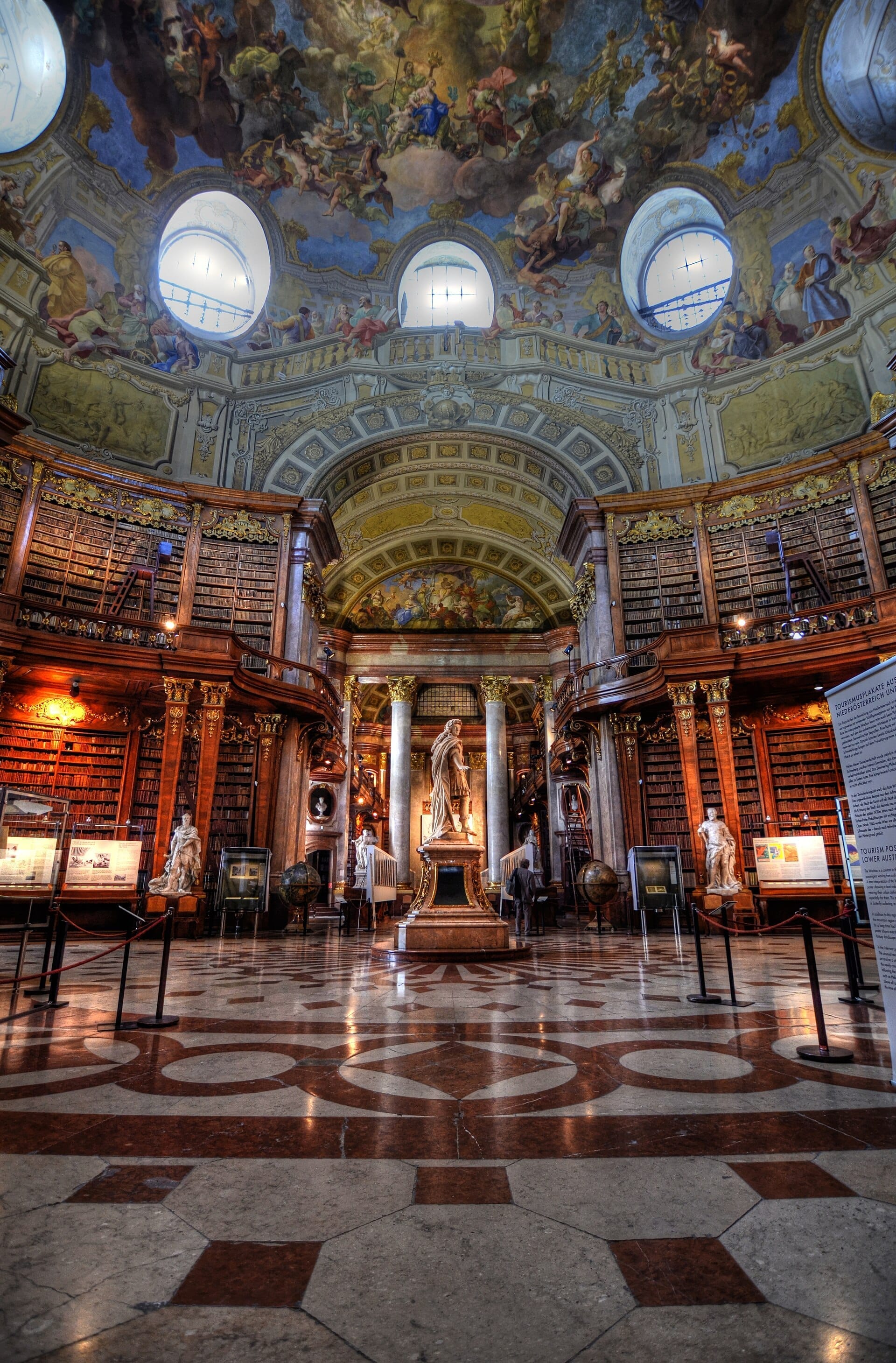
23. Step Inside One of the World's Most Beautiful Rooms
The Baroque State Hall of the National Library, with its frescoed ceilings, marble columns, and Habsburg globe collection, is one of Europe's most extraordinary interiors. Visits are time-limited but the 30-minute experience is worth every minute.
Explore23. Step Inside One of the World's Most Beautiful Rooms
The Baroque State Hall of the National Library, with its frescoed ceilings, marble columns, and Habsburg globe collection, is one of Europe's most extraordinary interiors. Visits are time-limited but the 30-minute experience is worth every minute.
Explore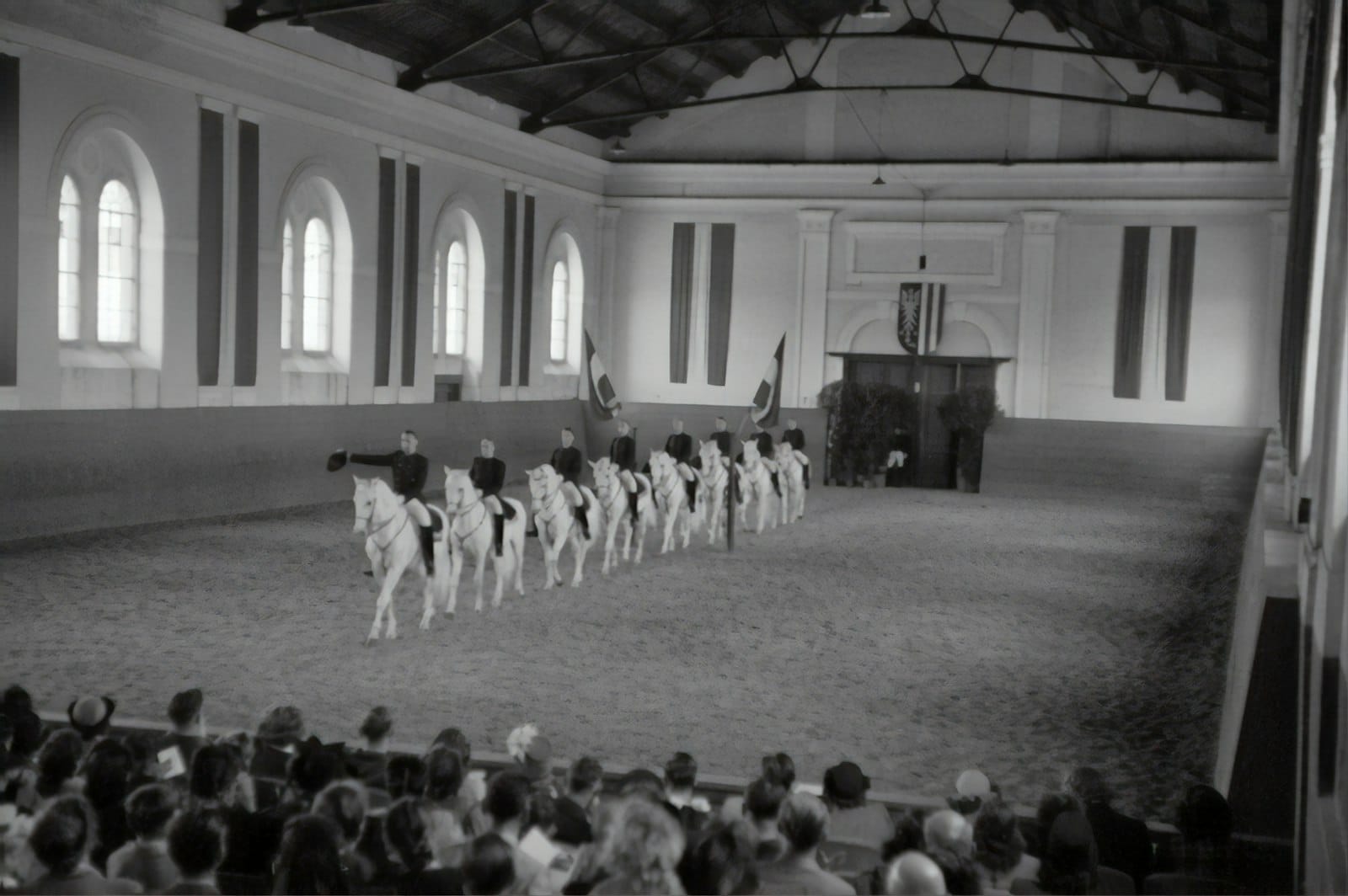
24. Watch the Haute École Horses at the Spanish Riding School
The world's oldest classical equestrian academy performs in a stunning Baroque hall inside the Hofburg. Full performances sell out weeks ahead, but morning training sessions offer a more affordable and often equally impressive alternative for spontaneous visitors.
Explore24. Watch the Haute École Horses at the Spanish Riding School
The world's oldest classical equestrian academy performs in a stunning Baroque hall inside the Hofburg. Full performances sell out weeks ahead, but morning training sessions offer a more affordable and often equally impressive alternative for spontaneous visitors.
Explore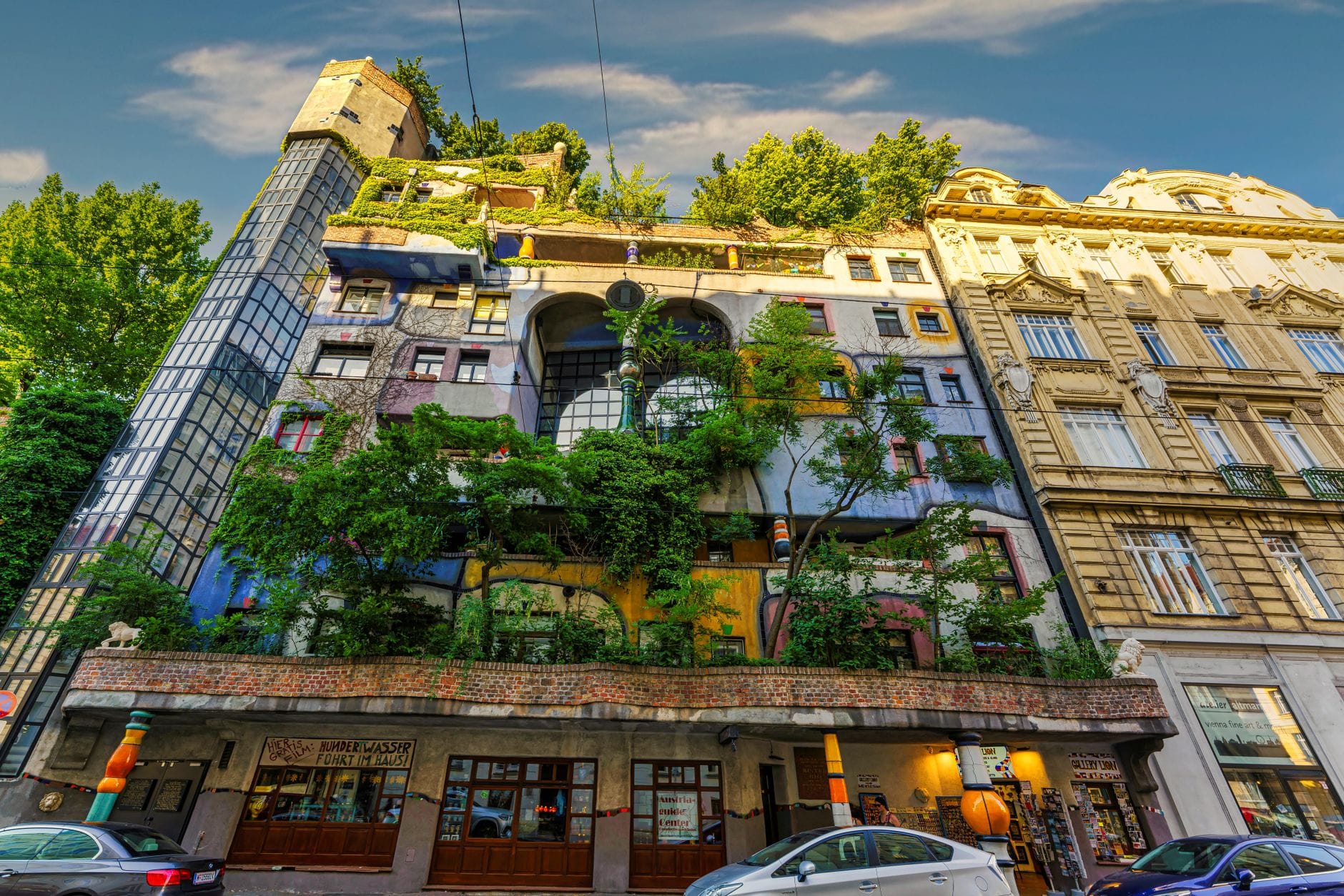
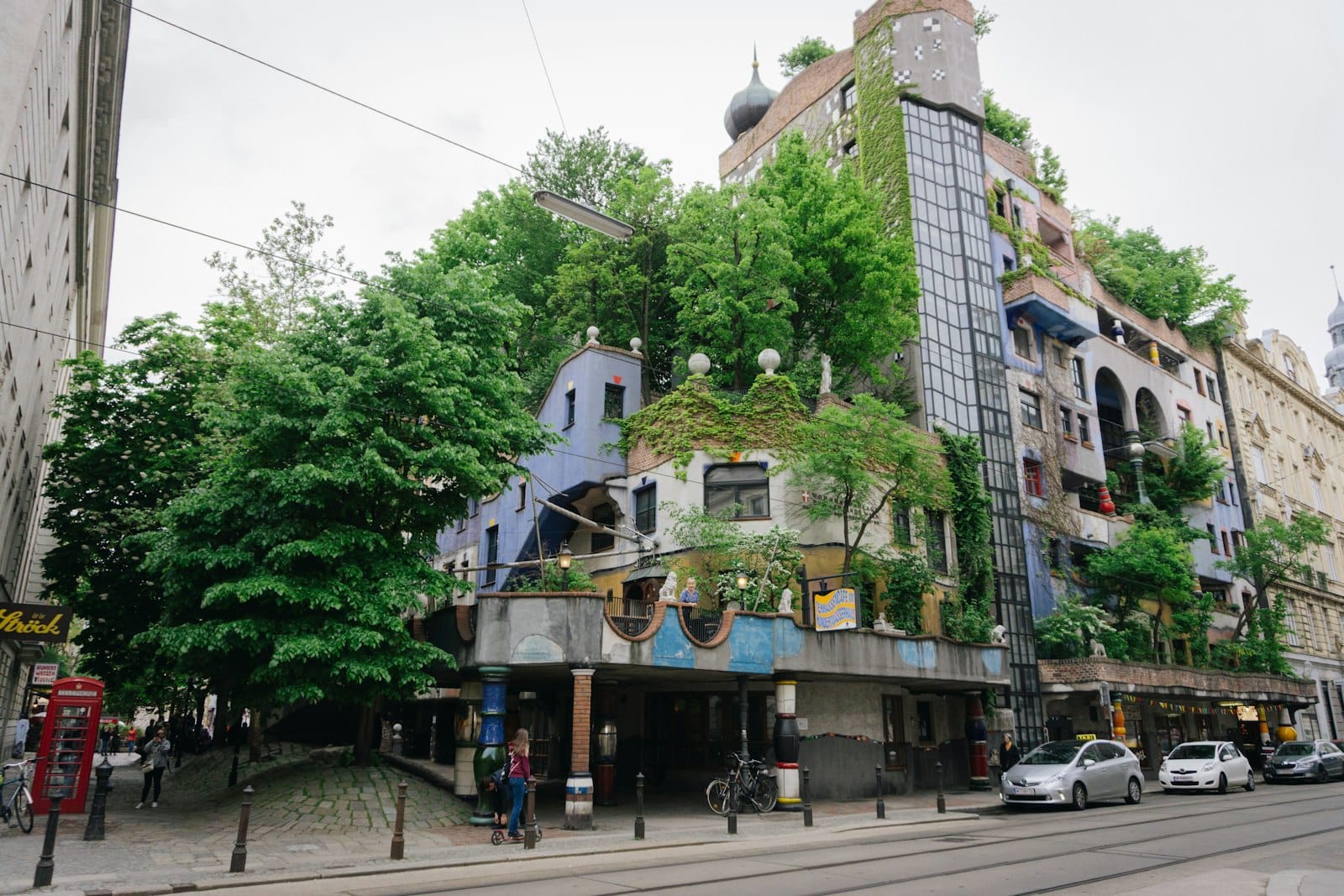
25. Walk Past Vienna's Most Eccentric Building
Hundertwasser's wildly colorful residential building in the 3rd district, with its rooftop trees and undulating facade, takes 15 minutes to visit — it's a functioning apartment block, so you can only view the exterior. Walk over from the Belvedere on Day 2 if the routing works.
Explore25. Walk Past Vienna's Most Eccentric Building
Hundertwasser's wildly colorful residential building in the 3rd district, with its rooftop trees and undulating facade, takes 15 minutes to visit — it's a functioning apartment block, so you can only view the exterior. Walk over from the Belvedere on Day 2 if the routing works.
ExploreFAQ
Is 3 days enough to see Vienna?
Three days is enough to cover Vienna's imperial highlights comfortably if you route each day by geography. You can visit St. Stephen's Cathedral, the Hofburg complex, Kunsthistorisches Museum, Naschmarkt, the Upper Belvedere (and Klimt's 'The Kiss'), Schönbrunn Palace, and the Prater Giant Ferris Wheel without feeling rushed. You won't see everything, but you'll see the best of it.
Do I need to book tickets in advance for Vienna's main attractions?
Yes, especially for Schönbrunn Palace and the Hofburg imperial apartments, Yes, especially for Schönbrunn Palace and the Hofburg imperial apartments, both of which now use timed-entry slots that fill up quickly in peak season. Book these online before you travel. For museums like the Kunsthistorisches or Belvedere, advance booking is recommended in summer but is less critical in winter or spring. Book these online before you travel. For museums like the Kunsthistorisches or Belvedere, advance booking is recommended in summer but is less critical in winter or spring.
What is the best way to get around Vienna in 3 days?
The U-Bahn (metro) handles most of the journey. U4 connects Schönbrunn, the Naschmarkt area, and the city center. Tram D runs along the Ringstrasse past the Opera and museum district. Most of the Innere Stadt (Day 1) is best covered on foot. The U-Bahn (metro) handles most of the journey. U4 connects Schönbrunn, the Naschmarkt area, and the city center. Tram D runs along the Ringstrasse past the Opera and museum district. Most of the Innere Stadt (Day 1) is best covered on foot. As of 2026, Wiener Linien no longer sells 48- or 72-hour passes; buy a 24-hour ticket or a 7-day pass instead.
Should I buy the Vienna Pass for a 3-day trip?
It depends on how many attractions you plan to pay for. It depends on how many attractions you plan to pay for. A 3-day Vienna Pass covers 60+ attractions including Schönbrunn, the Belvedere, and hop-on hop-off bus access. If you're visiting most major palaces and several museums, it likely pays for itself. If you plan to spend significant time in free spaces like parks or the Naschmarkt, the math is tighter. If you're visiting most major palaces and several museums, it likely pays for itself. If you plan to spend significant time in free spaces like parks or the Naschmarkt, the math is tighter.
What should I eat in Vienna during 3 days?
Start each morning at a traditional coffeehouse with a Melange (espresso with steamed milk) and Kipferl. Try a Käsekrainer sausage at the Naschmarkt. For a sit-down meal, Start each morning at a traditional coffeehouse with a Melange (espresso with steamed milk) and Kipferl. Try a Käsekrainer sausage at the Naschmarkt. For a sit-down meal, Wiener Schnitzel (traditionally veal, not pork, in a proper restaurant) and Tafelspitz (boiled beef) are the canonical Vienna dishes. Finish at least one evening with a Sachertorte at Café Sacher or a slice of Apfelstrudel at Café Central. and Tafelspitz (boiled beef) are the canonical Vienna dishes. Finish at least one evening with a Sachertorte at Café Sacher or a slice of Apfelstrudel at Café Central.