Best Museums in Vienna: A Complete Guide to the City's Greatest Collections
Vienna holds one of the densest concentrations of world-class museums anywhere in Europe, from imperial art collections built over centuries to cutting-edge contemporary spaces. This guide covers the essential institutions, what makes each one worth your time, and how to plan your visits efficiently.
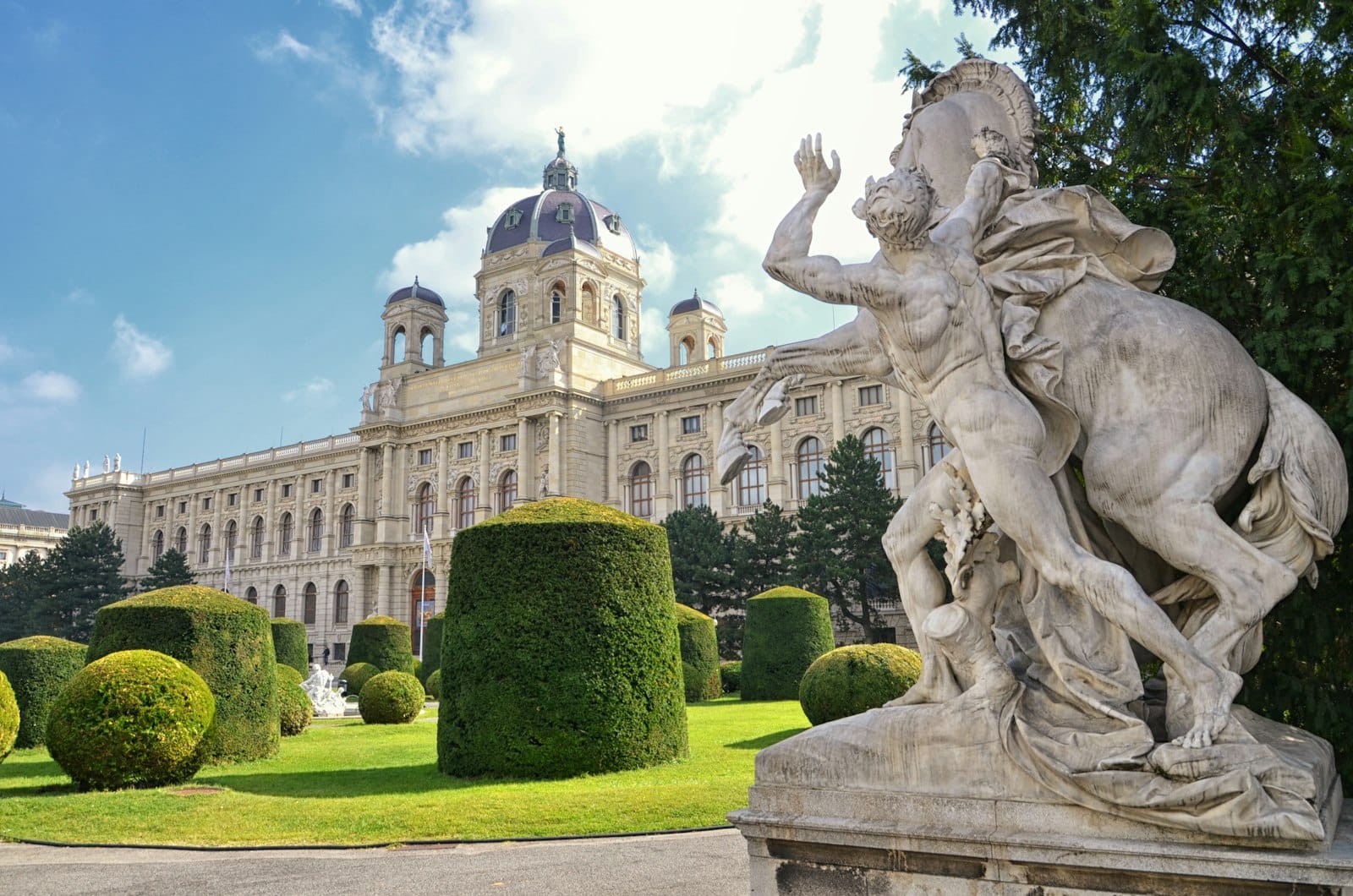
Tickets & tours
Live prices and dates from our booking partner. If you book, we may earn a commission at no extra cost to you.
Few cities can match Vienna for sheer museum density. The imperial Habsburgs spent five centuries accumulating art, artifacts, and curiosities on a breathtaking scale, and the institutions that grew from those collections remain extraordinary. Add to that a thriving contemporary art scene anchored by the MuseumsQuartier, intimate specialist museums scattered across the city's districts, and a culture of serious investment in public cultural infrastructure, and you have a city that serious museum-goers can spend a week exploring without exhausting. Most major museums cluster around Maria-Theresien-Platz, the MuseumsQuartier, and the great palace complexes, making it easy to combine several in one day. For a broader overview of how to structure your time, see our things to do in Vienna guide. One practical note: under-19s enter all Austrian federal museums free, which makes Vienna exceptional value for families.
✨ Pro tip
Most major museums open between 9:00 and 10:00 and close around 18:00. Many extend hours on Thursdays. The Wien Museum offers free entry on the first Sunday of every month at its main location. Always verify hours, free-entry days, and book timed tickets online before visiting.
The Imperial Art Collections
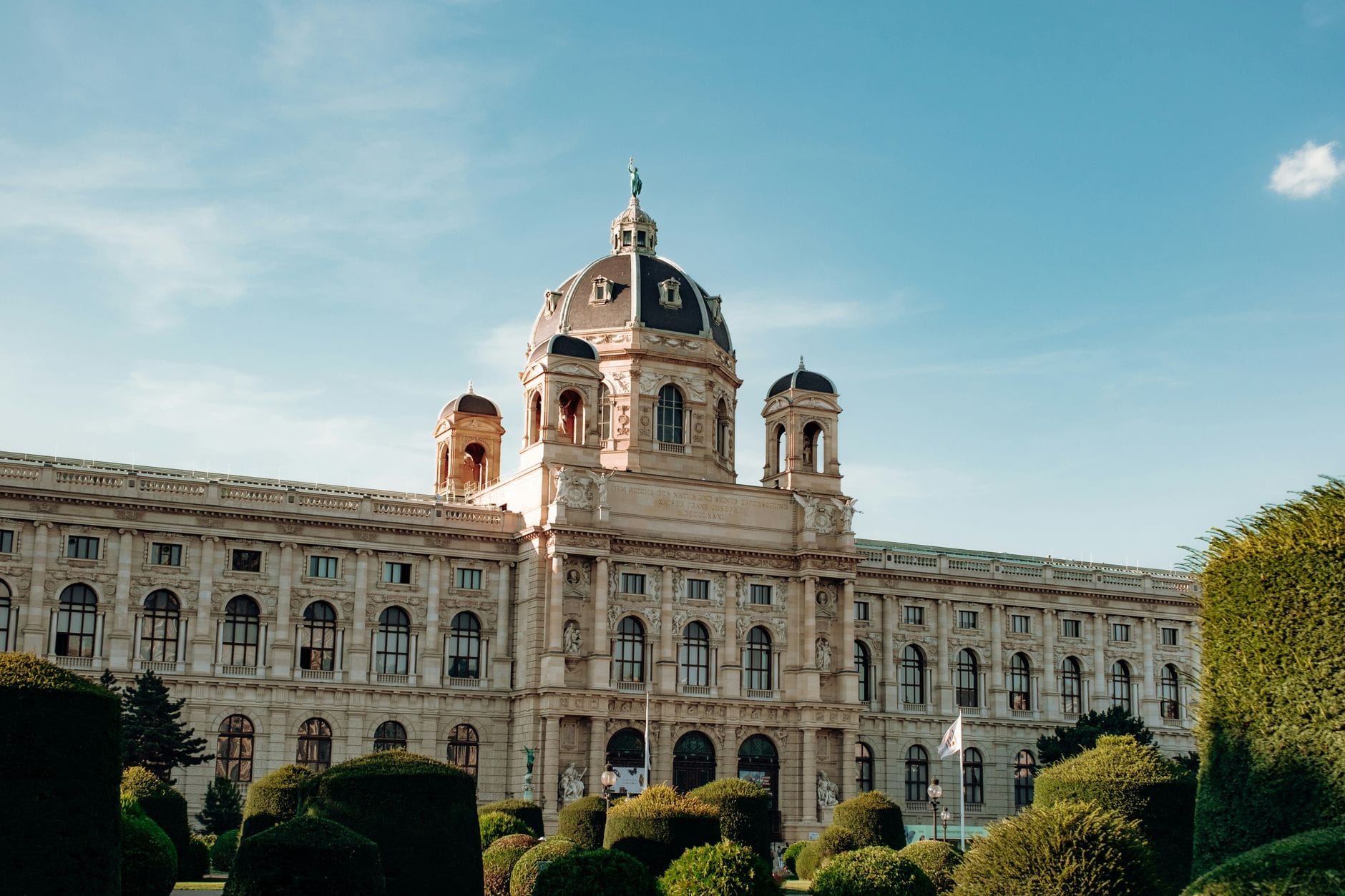
The Habsburg dynasty's passion for collecting produced some of the world's great art museums. These institutions, housed in monumental buildings around the Innere Stadt and the Ringstrasse, represent centuries of imperial acquisition at the highest level. Plan at least three to four hours for each of the major ones, and consider the Vienna Pass if you intend to visit several in quick succession.
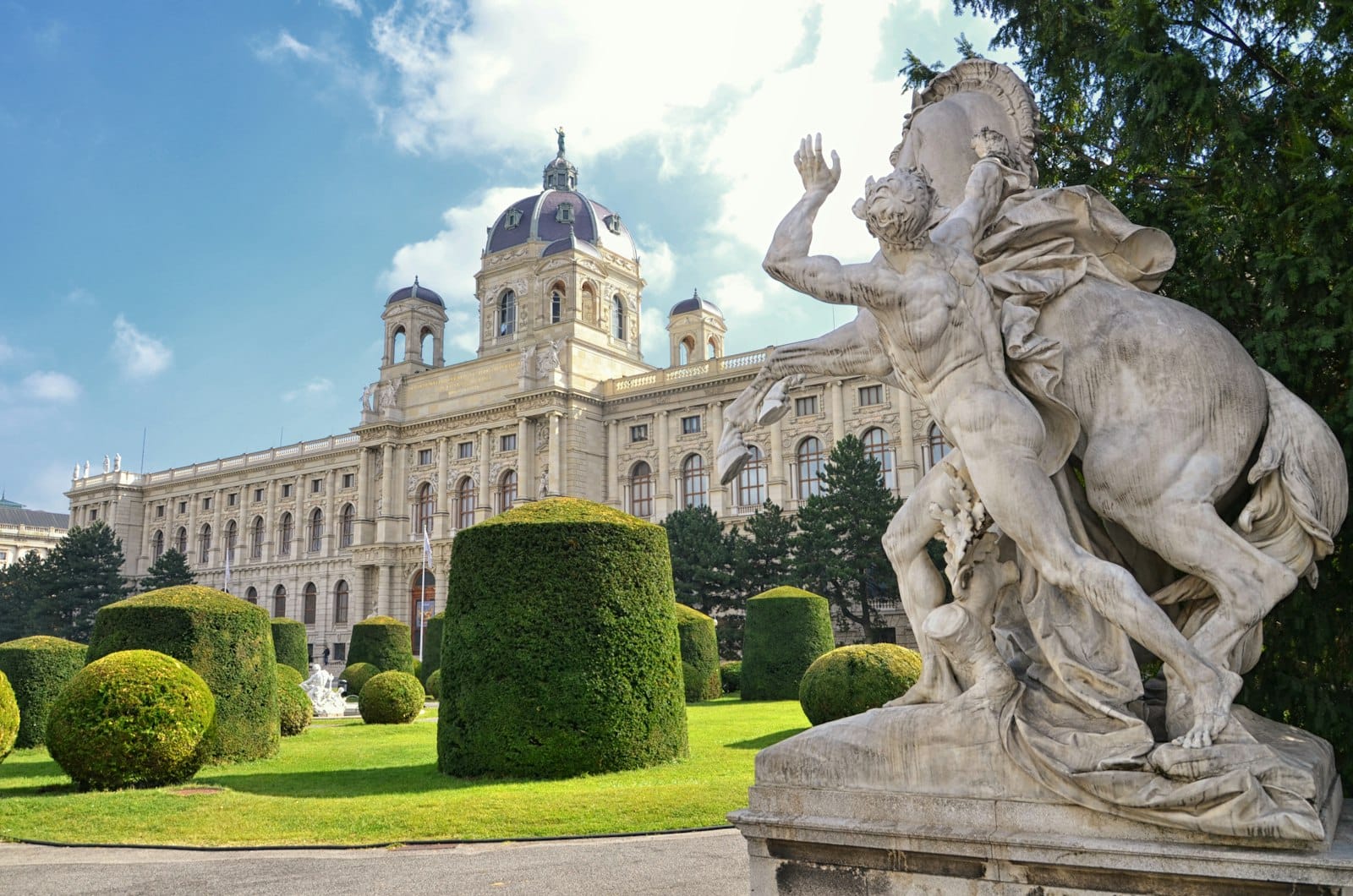
1. Spend Half a Day at Austria's Greatest Art Museum
The Habsburg art collection spans Vermeer, Raphael, Caravaggio, and Bruegel under one roof, plus Cellini's astonishing golden saltcellar. The building itself, on Maria-Theresien-Platz, is as spectacular as anything inside. Allow four hours minimum.
Explore1. Spend Half a Day at Austria's Greatest Art Museum
The Habsburg art collection spans Vermeer, Raphael, Caravaggio, and Bruegel under one roof, plus Cellini's astonishing golden saltcellar. The building itself, on Maria-Theresien-Platz, is as spectacular as anything inside. Allow four hours minimum.
Explore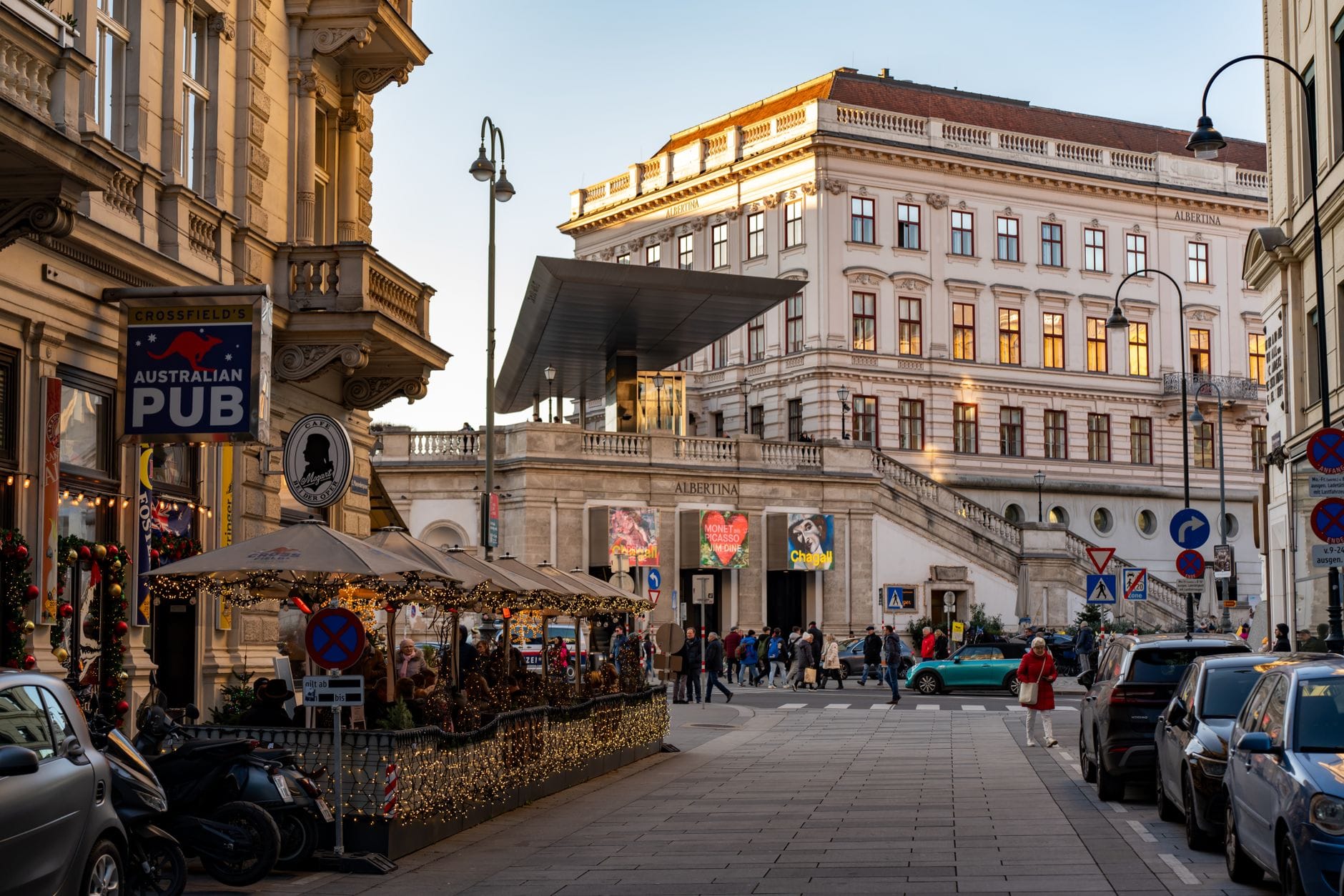
2. See Over a Million Works on Paper at the Albertina
One of the world's great graphic art repositories, with Dürer, Monet, Picasso, and Klimt in a palatial building at the Hofburg's edge. Temporary exhibitions here are consistently among Vienna's most compelling. Book tickets in advance for popular shows.
Explore2. See Over a Million Works on Paper at the Albertina
One of the world's great graphic art repositories, with Dürer, Monet, Picasso, and Klimt in a palatial building at the Hofburg's edge. Temporary exhibitions here are consistently among Vienna's most compelling. Book tickets in advance for popular shows.
Explore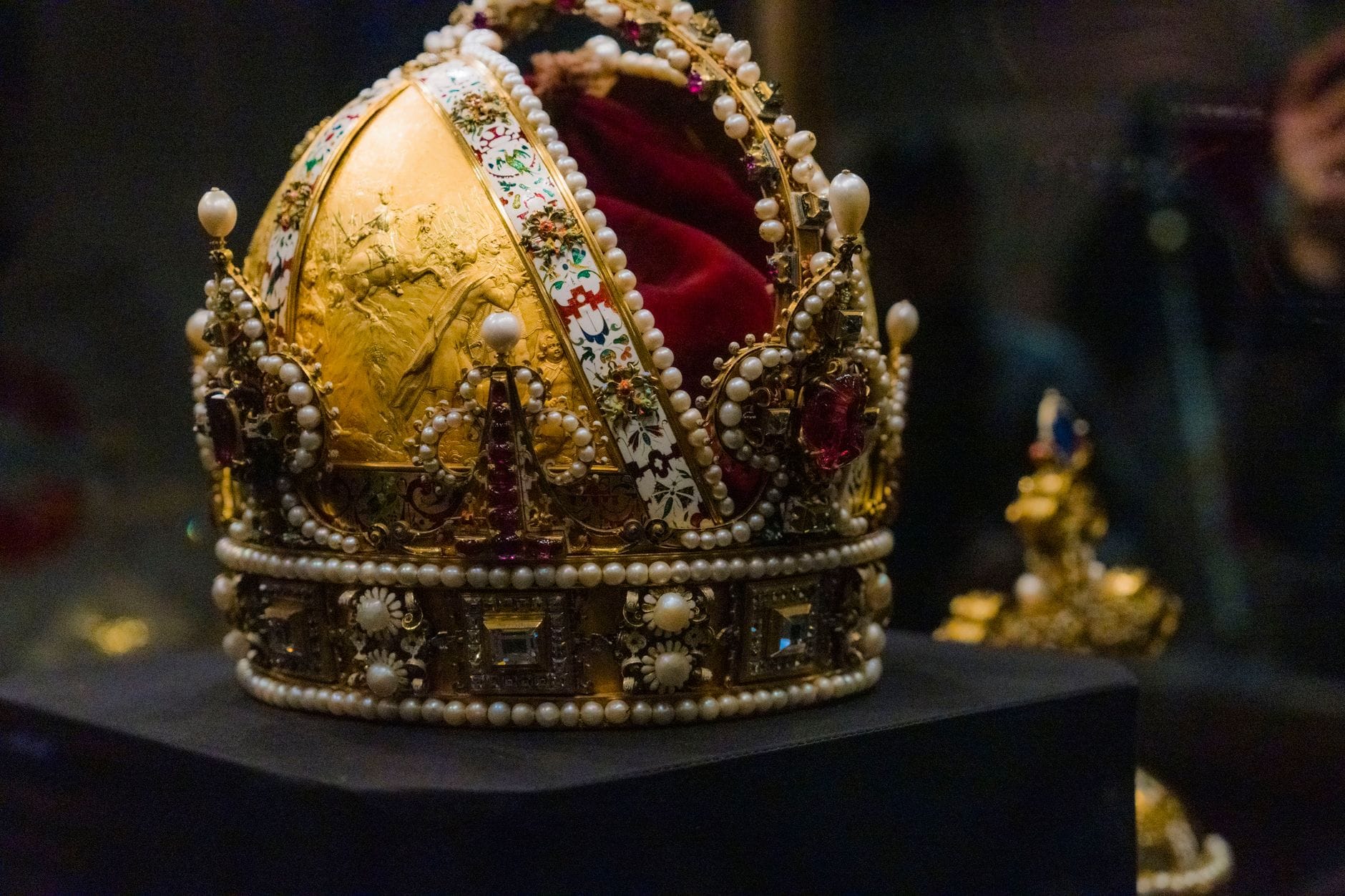
3. Stand Before the Habsburg Crown Jewels in the Imperial Treasury
The Hofburg's Schatzkammer holds the Holy Lance, the Habsburg imperial crown, and the Burgundian Treasure in concentrated, staggering detail. Few collections anywhere pack this much historical weight into a compact space. Allow 90 minutes.
Explore3. Stand Before the Habsburg Crown Jewels in the Imperial Treasury
The Hofburg's Schatzkammer holds the Holy Lance, the Habsburg imperial crown, and the Burgundian Treasure in concentrated, staggering detail. Few collections anywhere pack this much historical weight into a compact space. Allow 90 minutes.
Explore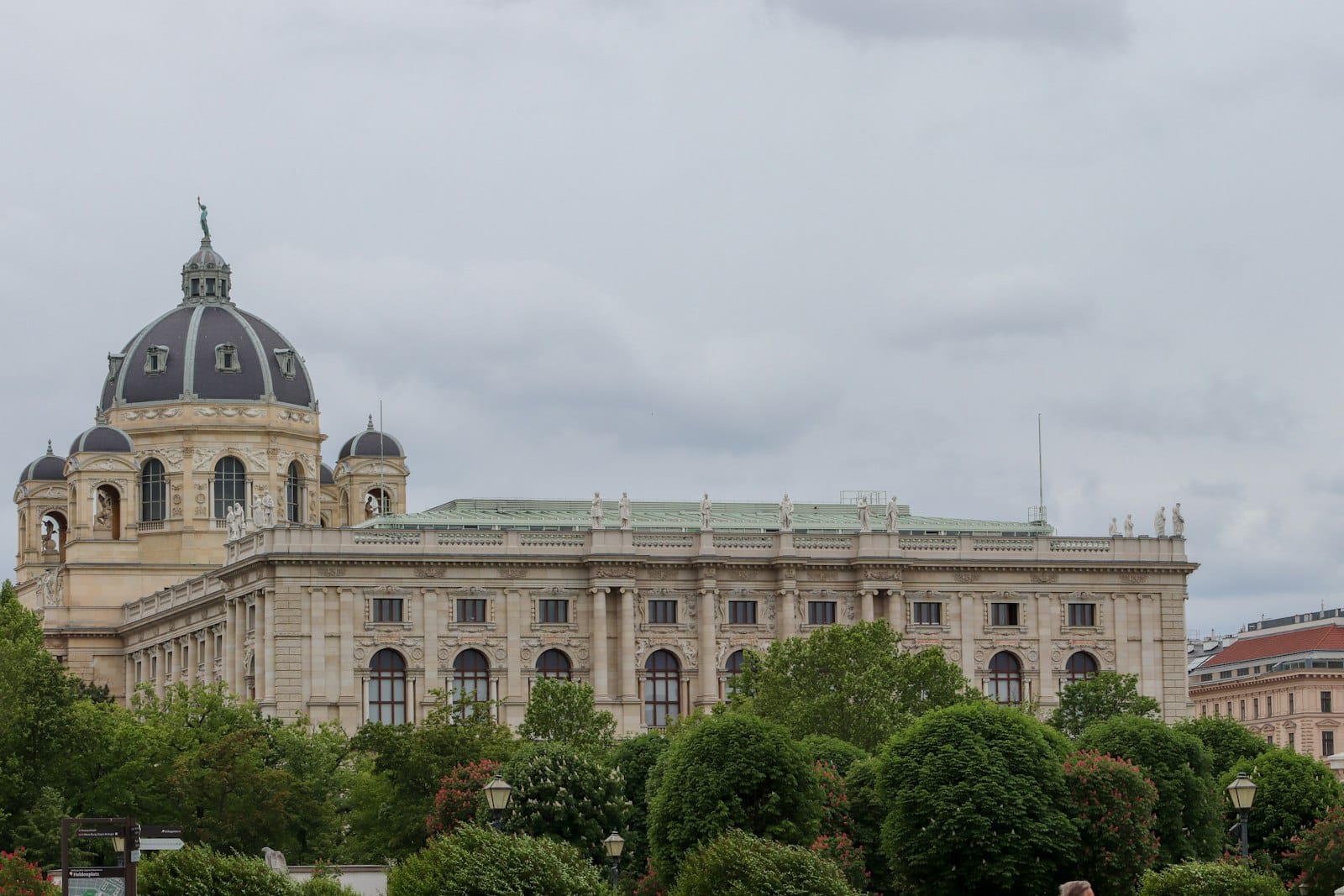
4. Find the Venus of Willendorf at the Natural History Museum
The twin building to the Kunsthistorisches Museum houses one of Europe's largest natural history collections. The 25,000-year-old Venus of Willendorf figurine alone justifies the visit. Under-19s enter free, making this ideal for families.
Explore4. Find the Venus of Willendorf at the Natural History Museum
The twin building to the Kunsthistorisches Museum houses one of Europe's largest natural history collections. The 25,000-year-old Venus of Willendorf figurine alone justifies the visit. Under-19s enter free, making this ideal for families.
Explore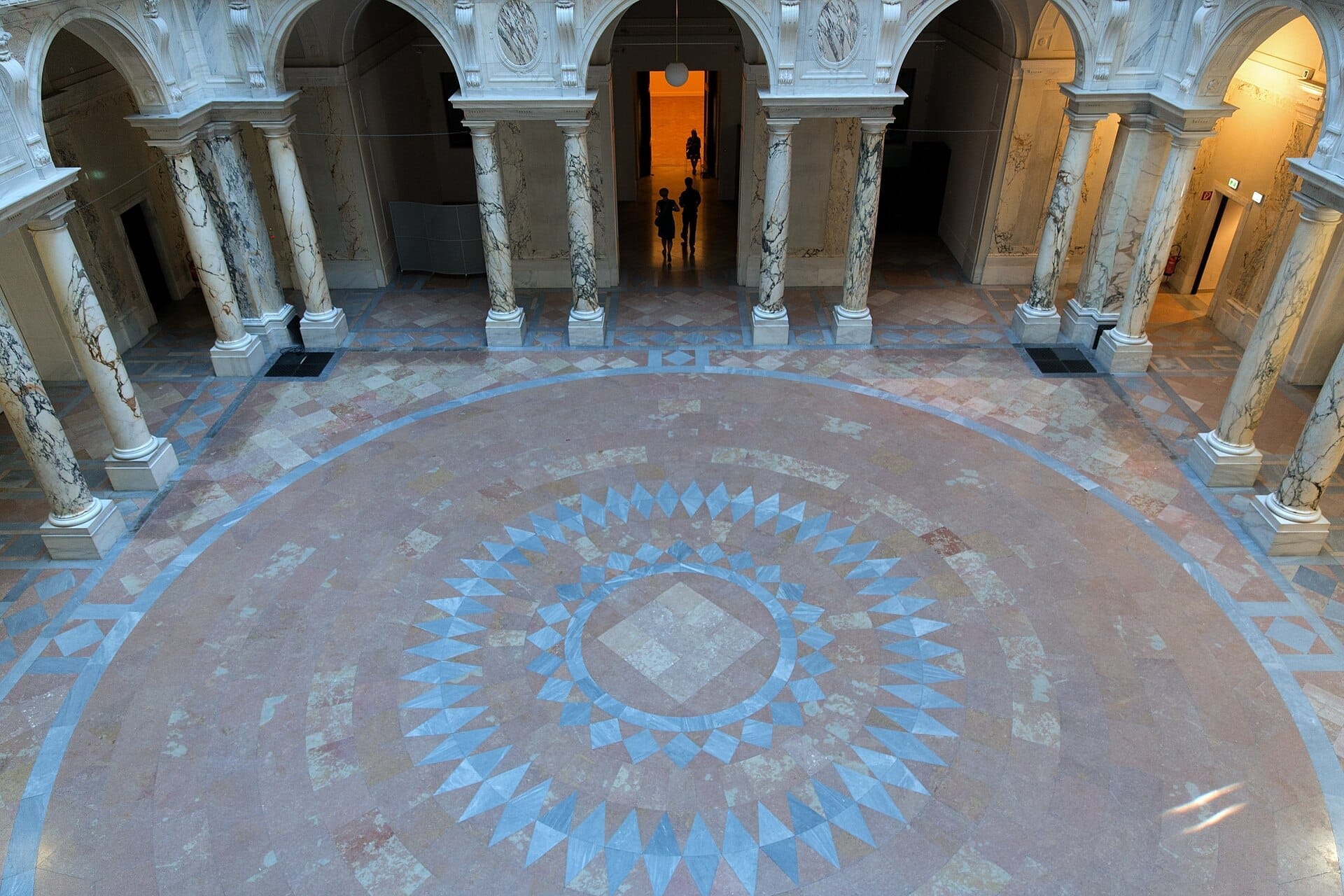
5. Explore Non-European Cultures at the Weltmuseum in the Hofburg
The Hofburg's ethnographic collection includes Aztec featherwork, Pacific Island artifacts, and important West African pieces in spectacular Baroque rooms. It remains undervisited relative to its quality, so crowds are rarely a problem.
Explore5. Explore Non-European Cultures at the Weltmuseum in the Hofburg
The Hofburg's ethnographic collection includes Aztec featherwork, Pacific Island artifacts, and important West African pieces in spectacular Baroque rooms. It remains undervisited relative to its quality, so crowds are rarely a problem.
Explore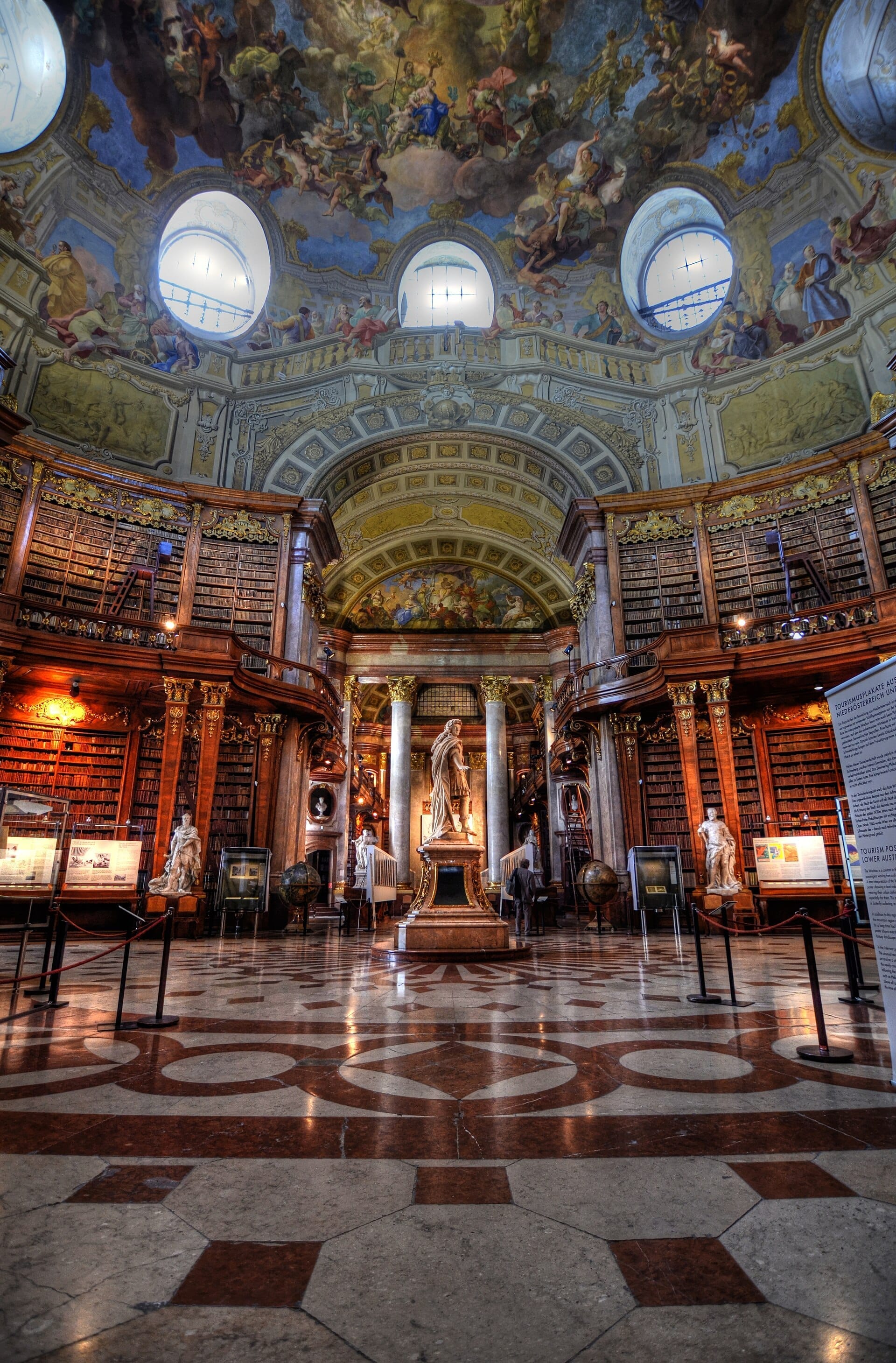
6. Step Inside One of the World's Most Beautiful Rooms
The Baroque State Hall of the Austrian National Library is a cathedral of books: frescoed ceilings, marble columns, and Habsburg globes in a room that feels almost impossibly grand. Visits are ticketed and timed. Allow 45 minutes.
Explore6. Step Inside One of the World's Most Beautiful Rooms
The Baroque State Hall of the Austrian National Library is a cathedral of books: frescoed ceilings, marble columns, and Habsburg globes in a room that feels almost impossibly grand. Visits are ticketed and timed. Allow 45 minutes.
ExploreAustrian Art: From the Baroque to the Avant-Garde
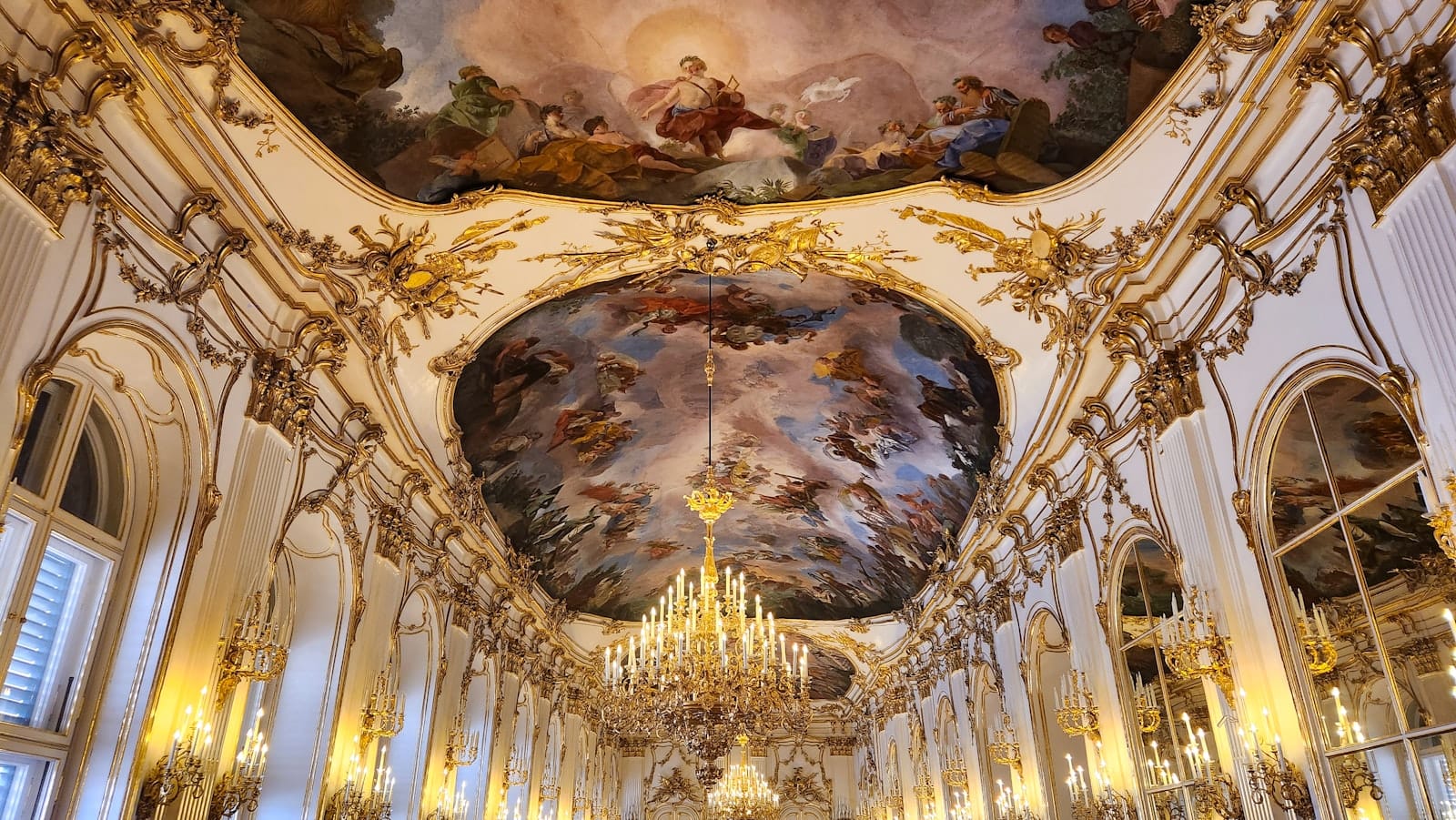
Vienna's homegrown art museums trace a compelling arc from medieval altarpieces through the imperial Baroque to the explosive creativity of the Secession era. The Klimt and Secession guide goes deeper into the Art Nouveau thread, while our Egon Schiele guide covers the Expressionist angle in detail. The institutions below represent the essential stops for anyone serious about Austrian art.
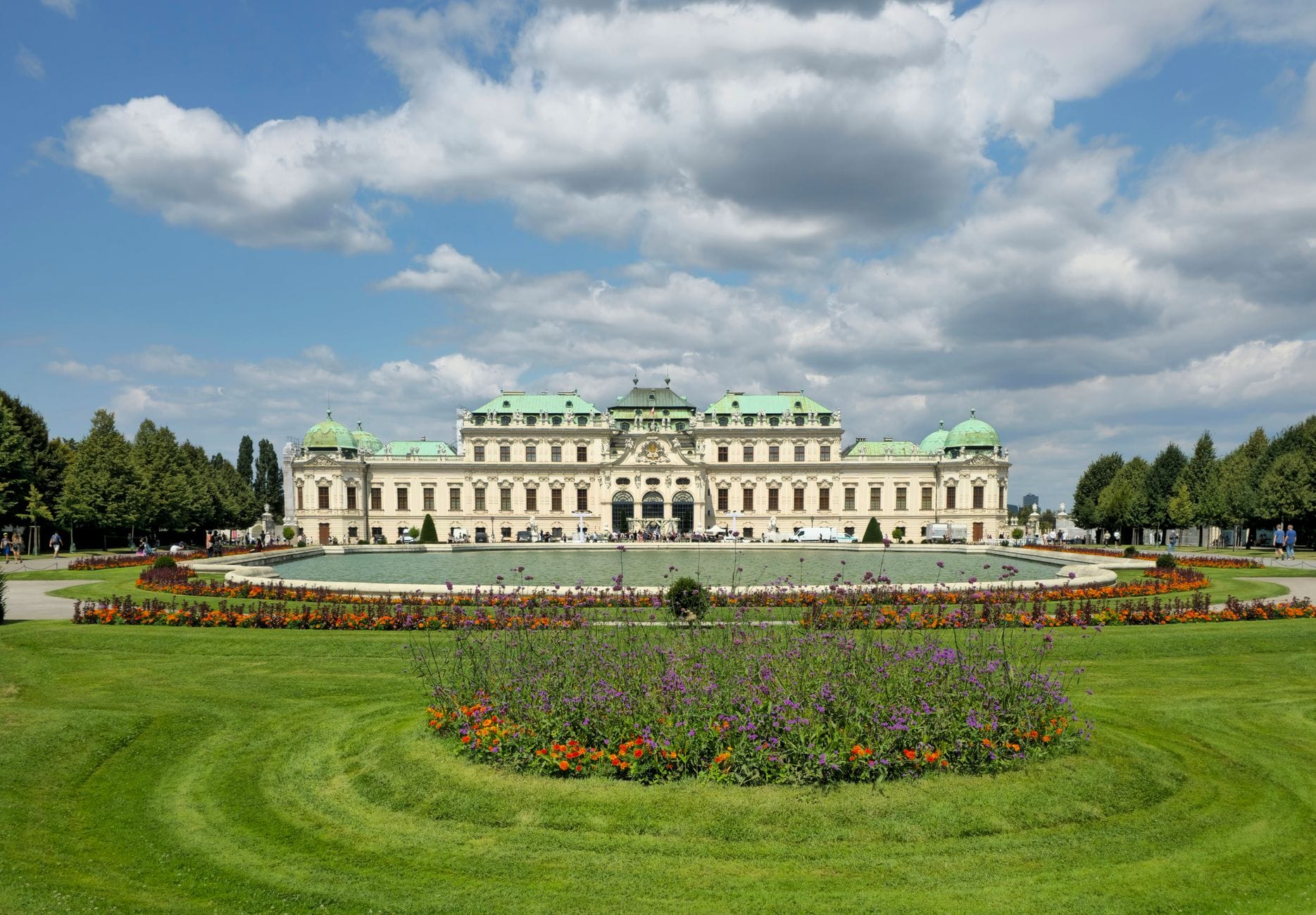
7. See Klimt's 'The Kiss' at the Upper Belvedere
Austria's most iconic painting hangs in a Baroque summer palace of breathtaking grandeur. The permanent collection spans Austrian art from medieval times to the early 20th century. Go early or late to avoid peak crowds around the Klimt rooms.
Explore7. See Klimt's 'The Kiss' at the Upper Belvedere
Austria's most iconic painting hangs in a Baroque summer palace of breathtaking grandeur. The permanent collection spans Austrian art from medieval times to the early 20th century. Go early or late to avoid peak crowds around the Klimt rooms.
Explore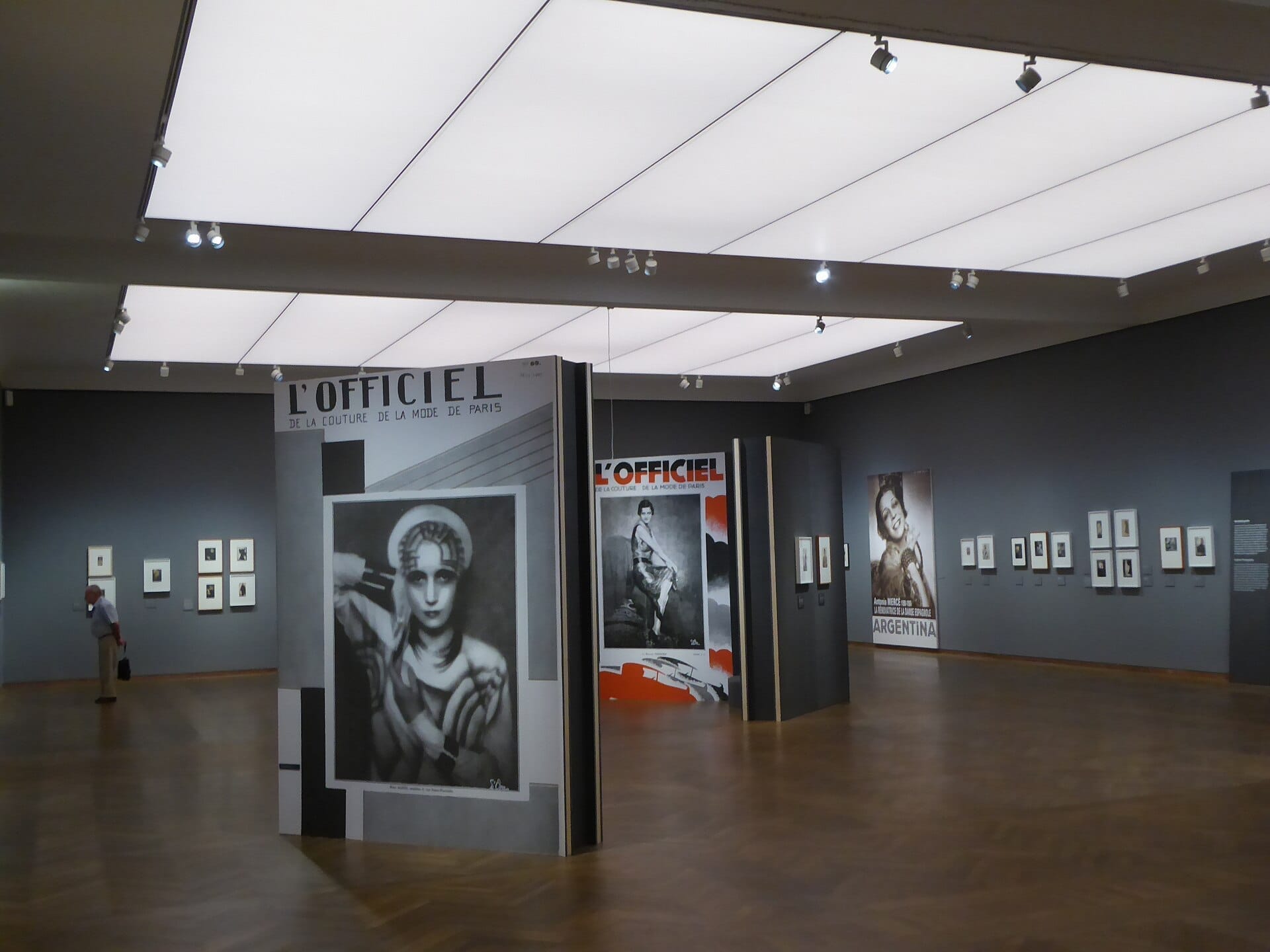
8. Immerse Yourself in the World's Largest Egon Schiele Collection
The Leopold Museum in the MuseumsQuartier holds the definitive Schiele collection alongside major Klimt and Kokoschka works. The building's white limestone cube is striking by day and atmospheric when lit at night. Closed Tuesdays; late opening Thursdays.
Explore8. Immerse Yourself in the World's Largest Egon Schiele Collection
The Leopold Museum in the MuseumsQuartier holds the definitive Schiele collection alongside major Klimt and Kokoschka works. The building's white limestone cube is striking by day and atmospheric when lit at night. Closed Tuesdays; late opening Thursdays.
Explore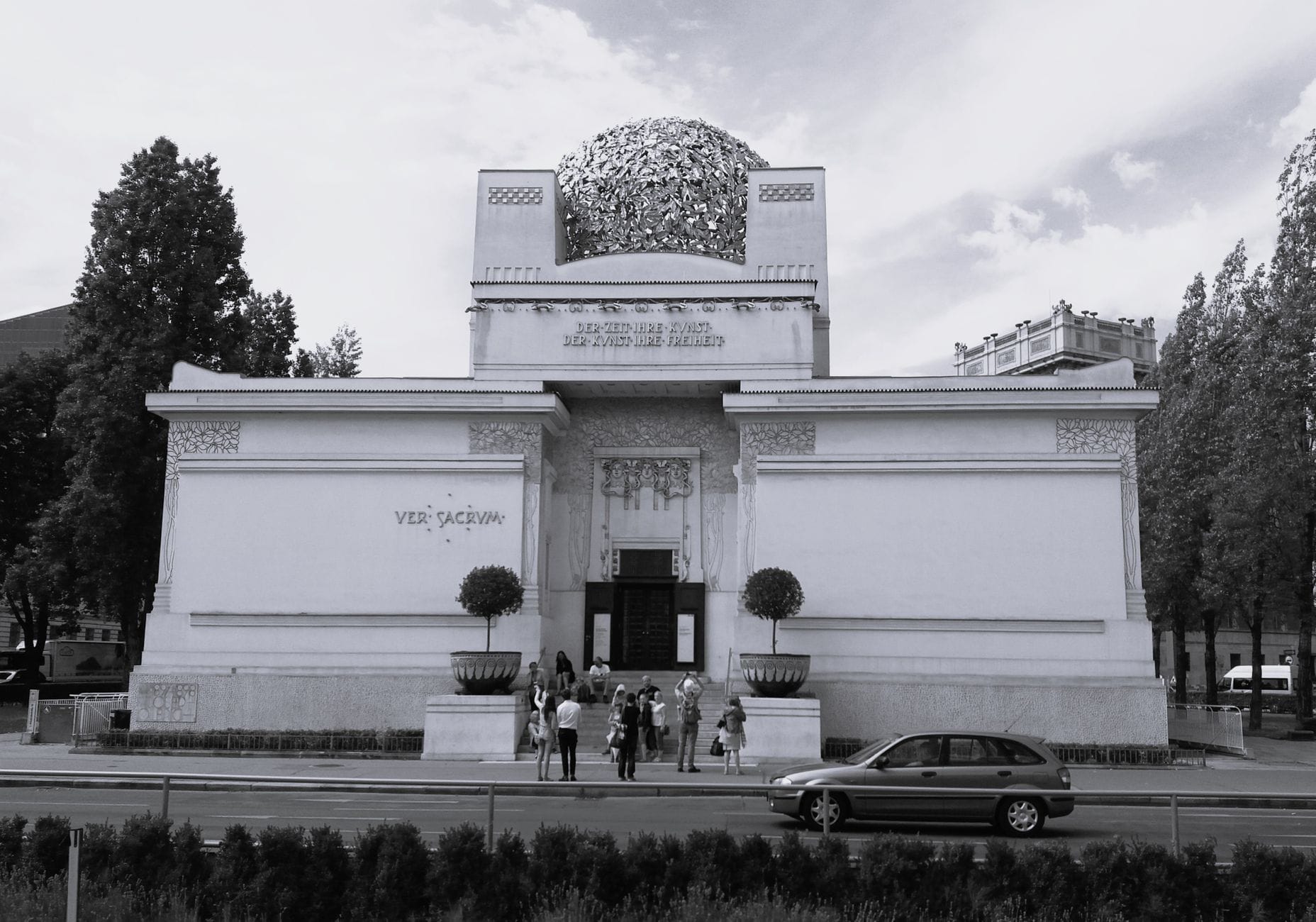
9. Visit Klimt's Beethoven Frieze at the Secession Building
The golden-domed Secession building houses Klimt's monumental 34-meter Beethoven Frieze in its basement. Built in 1897 as a defiant break from academic art, the building and its permanent work remain one of Vienna's most powerful artistic experiences.
Explore9. Visit Klimt's Beethoven Frieze at the Secession Building
The golden-domed Secession building houses Klimt's monumental 34-meter Beethoven Frieze in its basement. Built in 1897 as a defiant break from academic art, the building and its permanent work remain one of Vienna's most powerful artistic experiences.
Explore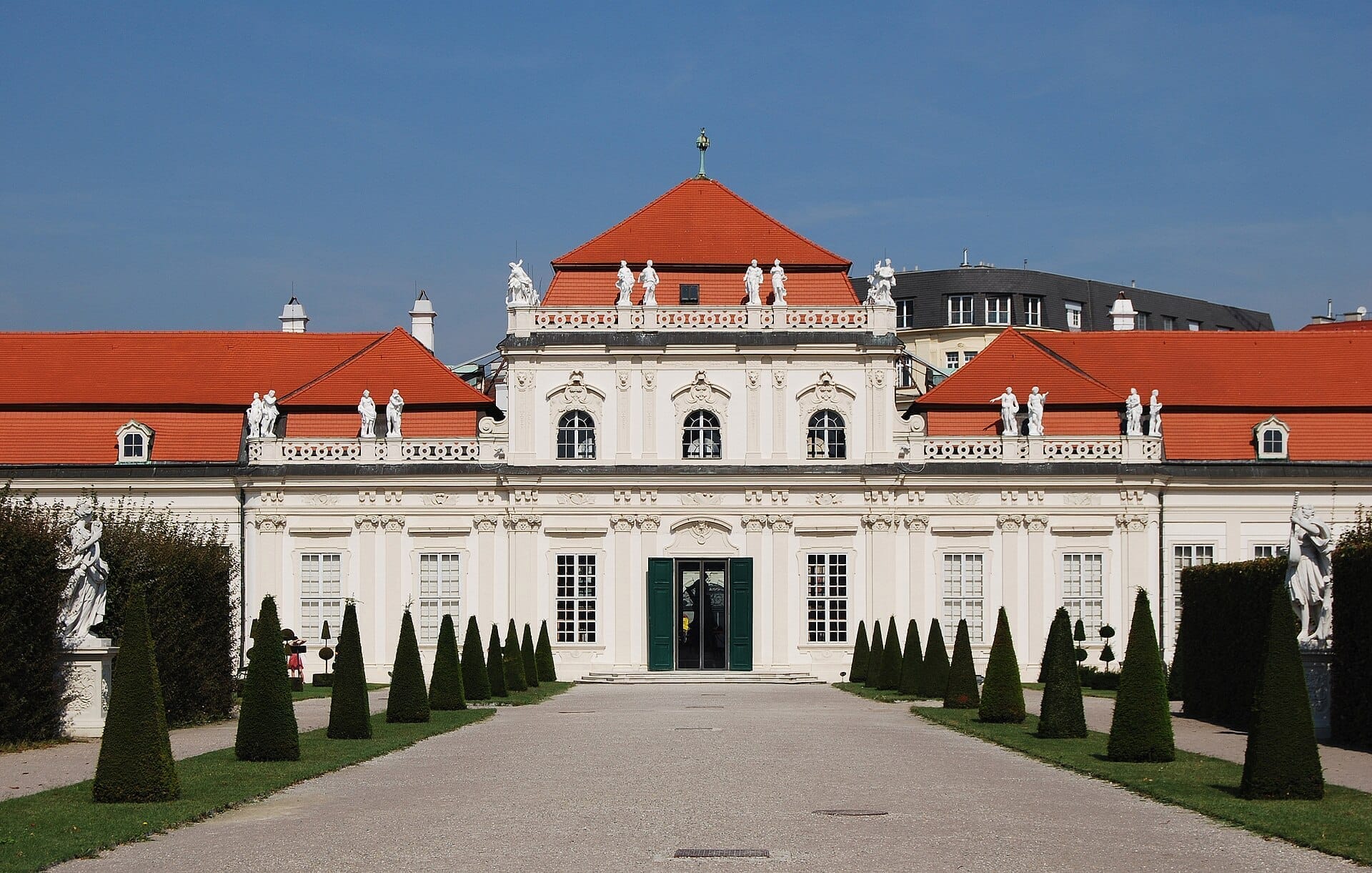
10. Discover the Baroque Museum and Medieval Masters at the Lower Belvedere
The Lower Belvedere's intimate palace rooms hold the Baroque Museum and the Museum of Medieval Austrian Art, with rotating contemporary shows in the Orangery. Quieter than its famous sibling up the hill, it rewards those who take the time.
Explore10. Discover the Baroque Museum and Medieval Masters at the Lower Belvedere
The Lower Belvedere's intimate palace rooms hold the Baroque Museum and the Museum of Medieval Austrian Art, with rotating contemporary shows in the Orangery. Quieter than its famous sibling up the hill, it rewards those who take the time.
Explore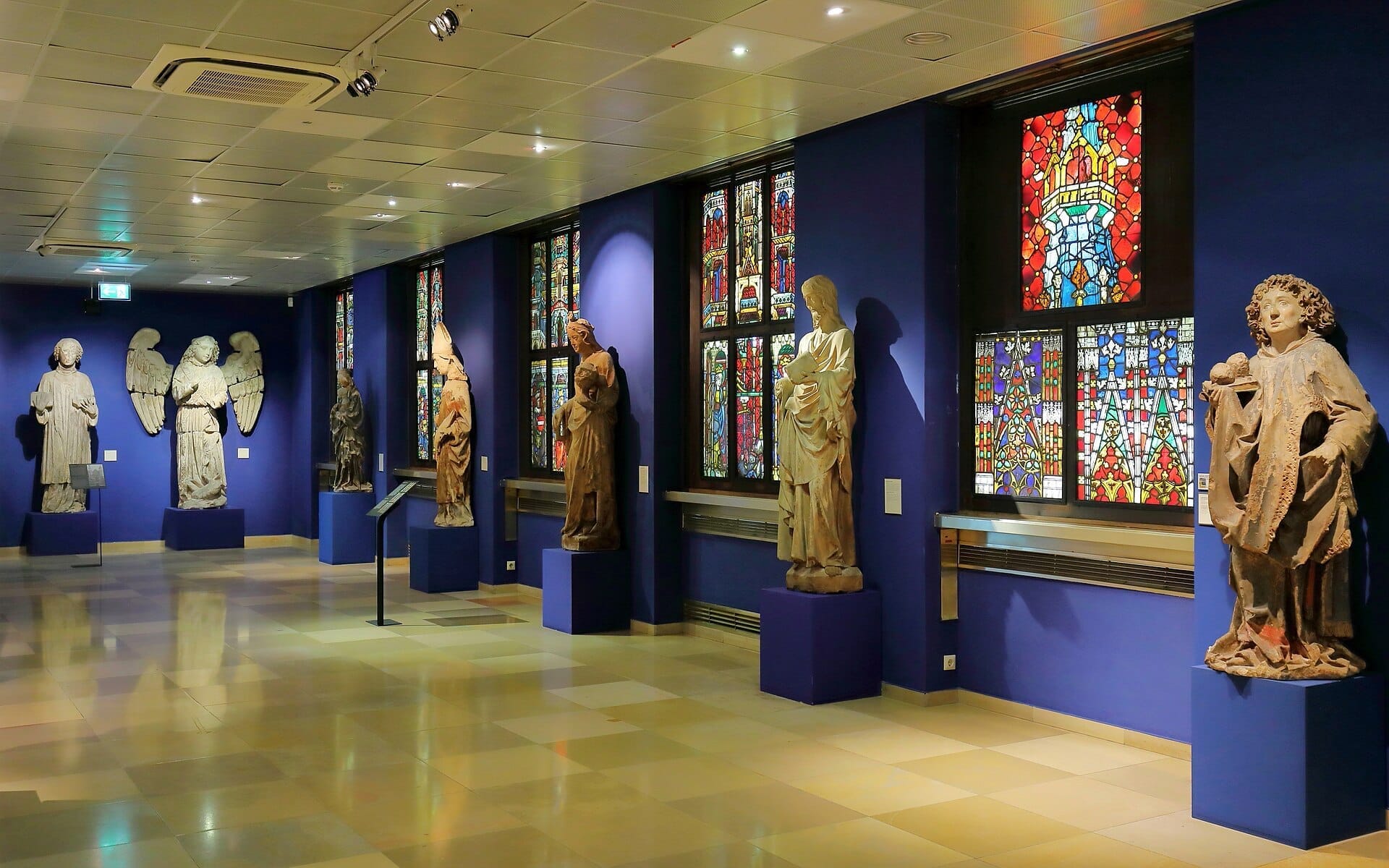
11. Understand Vienna's Own Story at the Newly Renovated Wien Museum
Vienna's city history museum on Karlsplatz reopened after a major renovation, with a striking new building that has become an attraction in itself. The collection spans prehistoric times to the present through art, maps, and urban artifacts. Free first Sundays.
Explore11. Understand Vienna's Own Story at the Newly Renovated Wien Museum
Vienna's city history museum on Karlsplatz reopened after a major renovation, with a striking new building that has become an attraction in itself. The collection spans prehistoric times to the present through art, maps, and urban artifacts. Free first Sundays.
ExploreContemporary and Modern Art
Vienna's contemporary art scene is anchored by the MuseumsQuartier, one of the world's largest cultural districts, where several major institutions cluster around shared courtyards. The MuseumsQuartier area is worth a half-day on its own, and the courtyard benches are among the city's great free social spaces in summer.
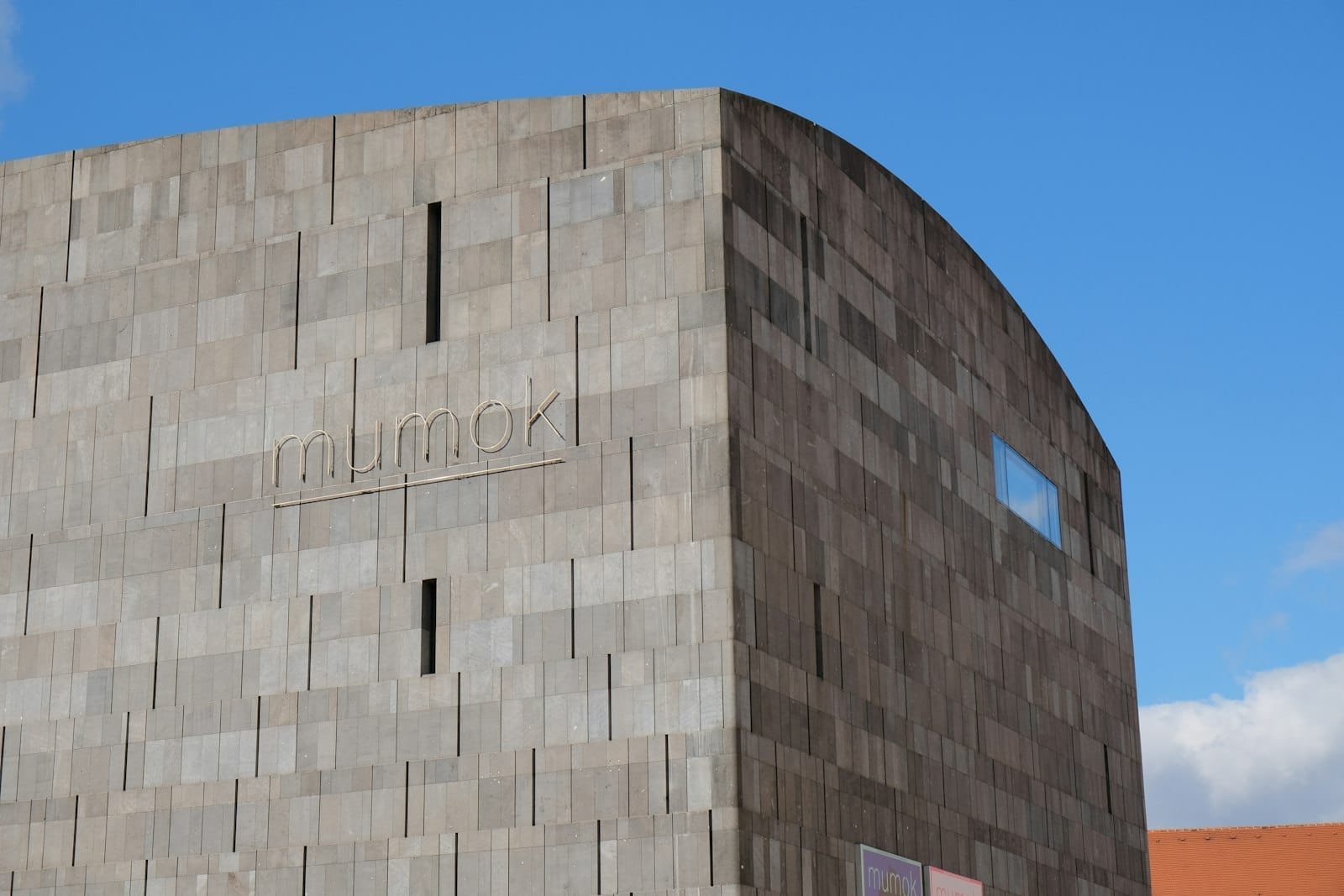
12. Explore Vienna's Leading Contemporary Art Collection at MUMOK
The basalt lava cube of the MUMOK houses Vienna's strongest modern and contemporary art collection, from Pop Art and Fluxus through Viennese Actionism to Conceptual Art. The Viennese Actionism rooms alone are unlike anything you'll see elsewhere.
Explore12. Explore Vienna's Leading Contemporary Art Collection at MUMOK
The basalt lava cube of the MUMOK houses Vienna's strongest modern and contemporary art collection, from Pop Art and Fluxus through Viennese Actionism to Conceptual Art. The Viennese Actionism rooms alone are unlike anything you'll see elsewhere.
Explore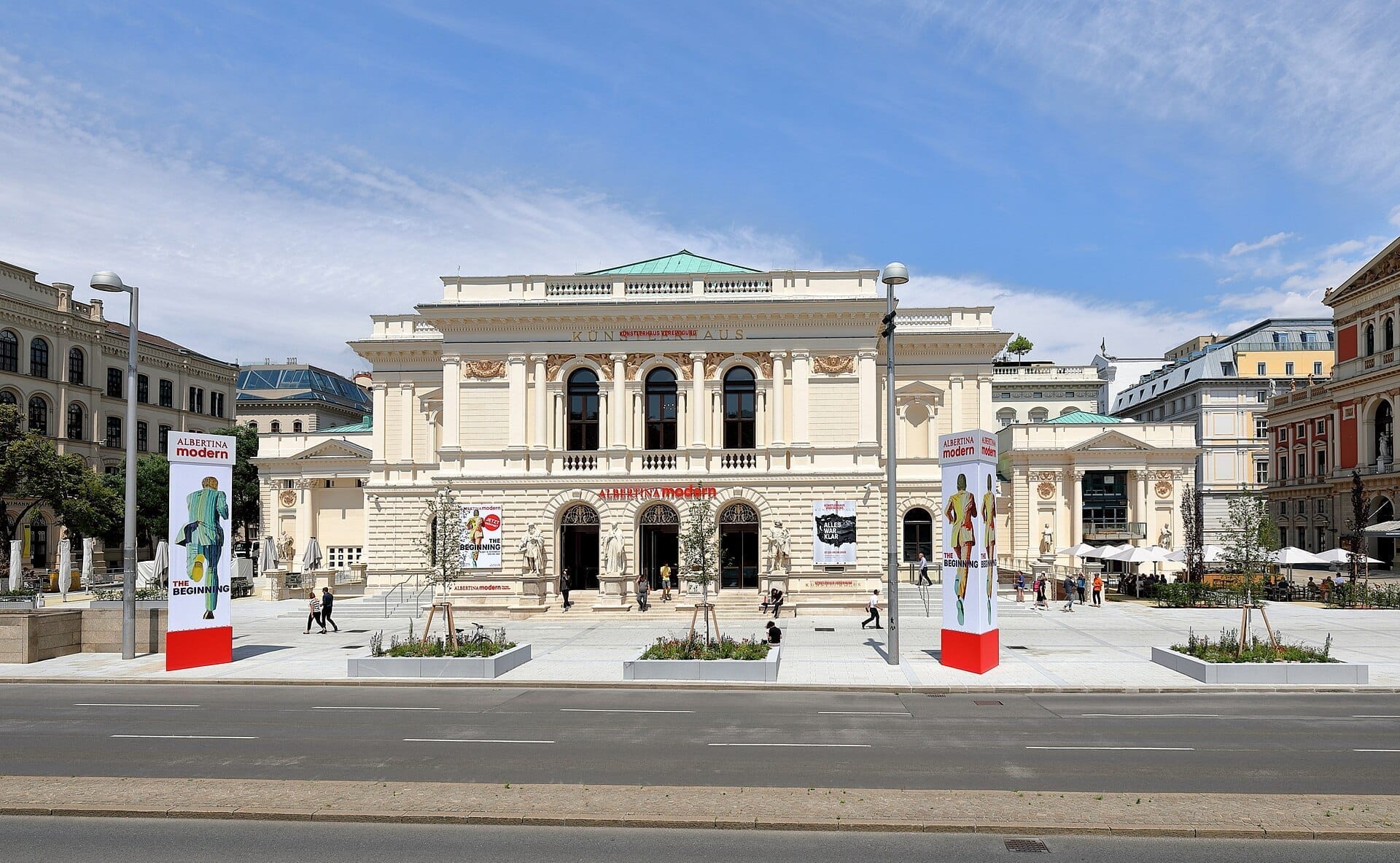
13. See Post-War Austrian Art at Albertina Modern on Karlsplatz
The Albertina's contemporary outpost in the Künstlerhaus focuses on Austrian and international art from 1945 to the present. Less visited than the main Albertina, it covers territory that most international visitors miss entirely. Strong temporary exhibitions year-round.
Explore13. See Post-War Austrian Art at Albertina Modern on Karlsplatz
The Albertina's contemporary outpost in the Künstlerhaus focuses on Austrian and international art from 1945 to the present. Less visited than the main Albertina, it covers territory that most international visitors miss entirely. Strong temporary exhibitions year-round.
Explore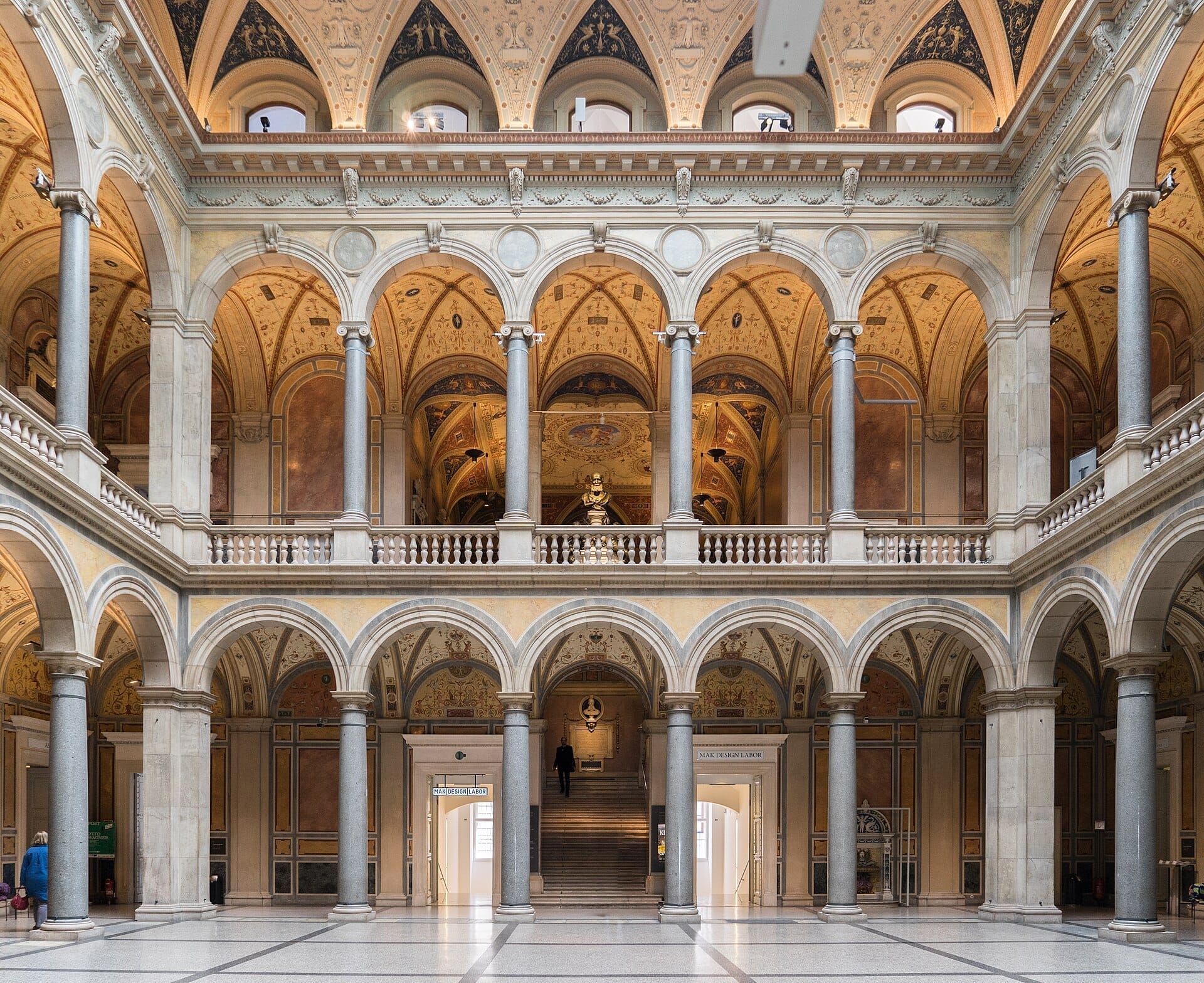
14. Discover Wiener Werkstätte Masterpieces at the MAK
The Museum of Applied Arts holds extraordinary collections of Wiener Werkstätte design, Art Nouveau furniture, glass, and textiles from the Middle Ages to the present. The permanent gallery installations, designed by contemporary artists, are themselves worth the visit.
Explore14. Discover Wiener Werkstätte Masterpieces at the MAK
The Museum of Applied Arts holds extraordinary collections of Wiener Werkstätte design, Art Nouveau furniture, glass, and textiles from the Middle Ages to the present. The permanent gallery installations, designed by contemporary artists, are themselves worth the visit.
Explore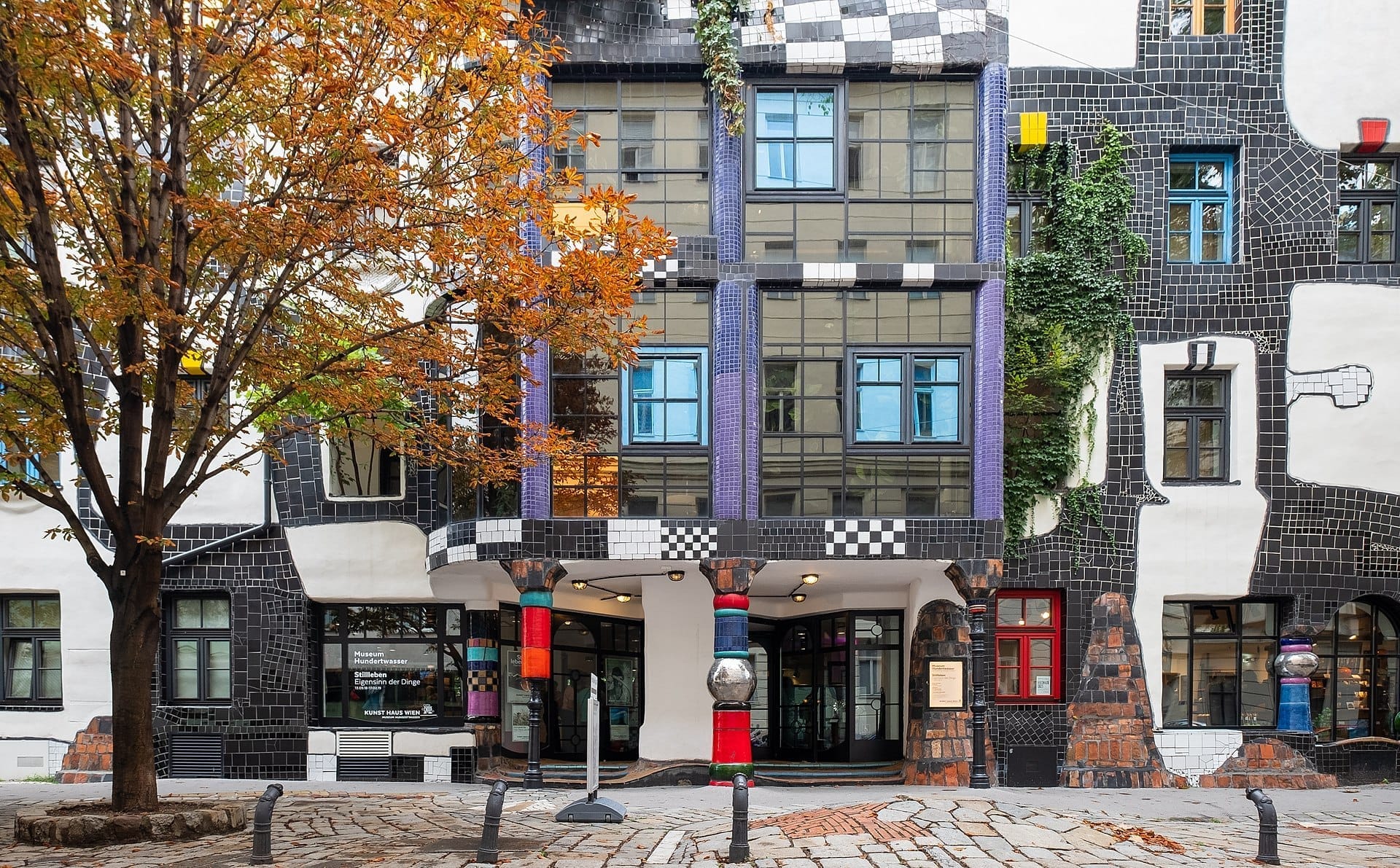
15. Understand Hundertwasser's Vision at Kunst Haus Wien
The museum dedicated to Friedensreich Hundertwasser's paintings and architectural philosophy occupies a characteristically irregular building near the Hundertwasserhaus. It provides the most complete survey of his work, from large-format prints to architectural models.
Explore15. Understand Hundertwasser's Vision at Kunst Haus Wien
The museum dedicated to Friedensreich Hundertwasser's paintings and architectural philosophy occupies a characteristically irregular building near the Hundertwasserhaus. It provides the most complete survey of his work, from large-format prints to architectural models.
ExploreImperial History and Specialist Museums
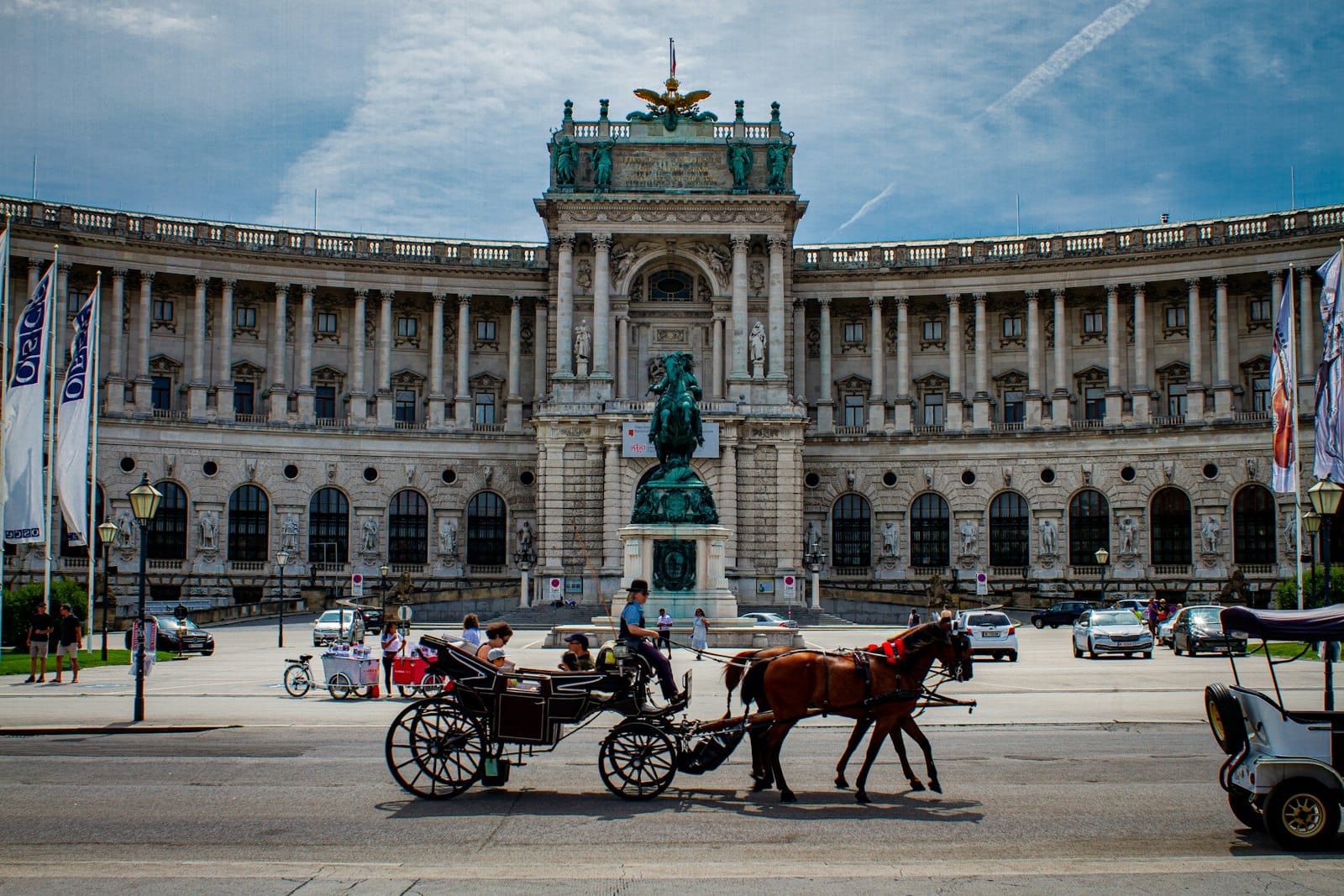
Beyond the headline art collections, Vienna's specialist museums offer some of the city's most absorbing experiences. The imperial palace complexes alone contain multiple distinct institutions worth visiting independently. For a deeper dive into the Habsburg world, our Habsburg imperial history guide covers the essential context.
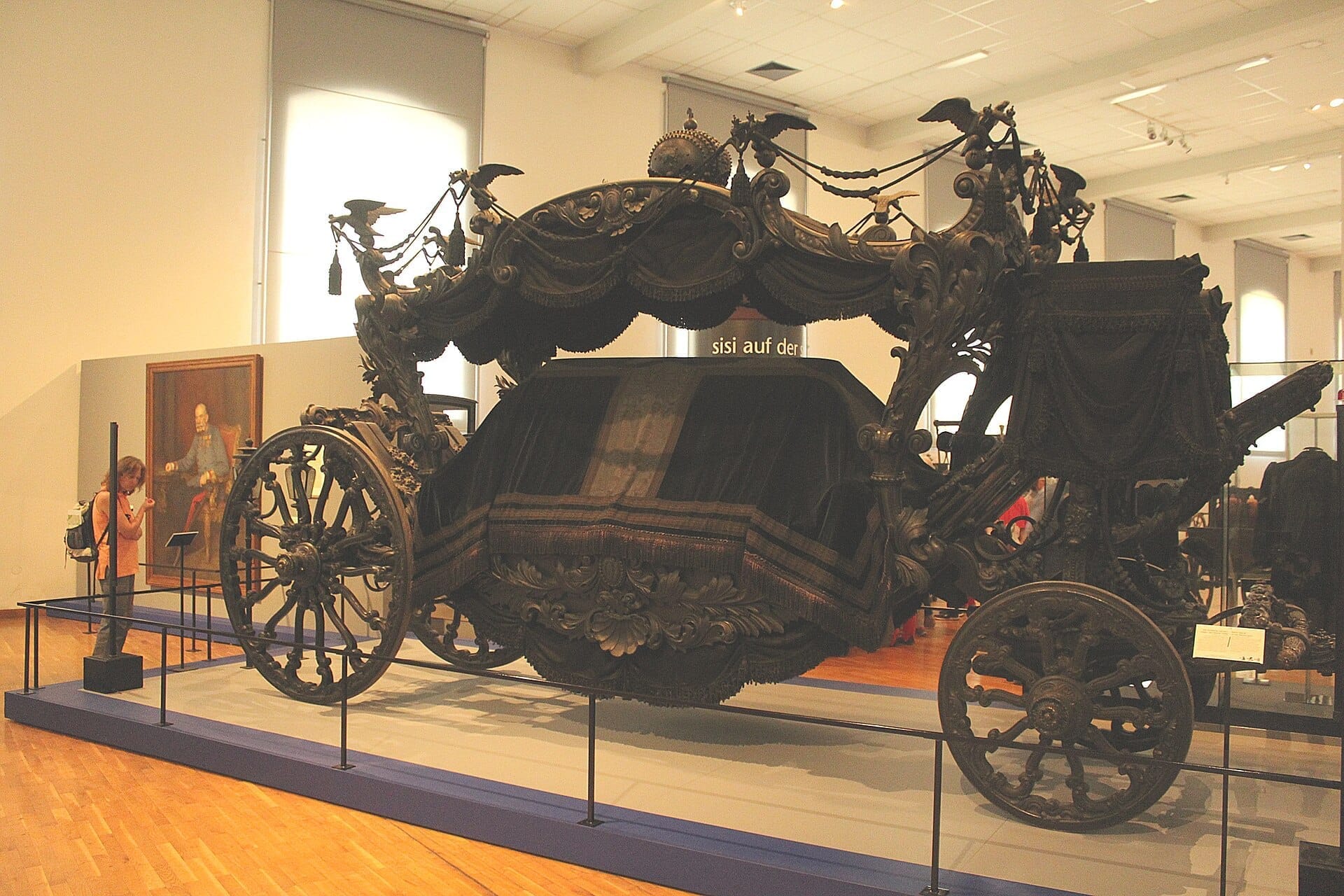
16. Follow Empress Sisi's Extraordinary Life Through the Hofburg
The Sisi Museum within the Hofburg presents the personal possessions, portraits, and complex story of Empress Elisabeth with considerable nuance. Combined tickets with the Imperial Apartments and Imperial Silver Collection offer the fullest picture of Habsburg court life.
Explore16. Follow Empress Sisi's Extraordinary Life Through the Hofburg
The Sisi Museum within the Hofburg presents the personal possessions, portraits, and complex story of Empress Elisabeth with considerable nuance. Combined tickets with the Imperial Apartments and Imperial Silver Collection offer the fullest picture of Habsburg court life.
Explore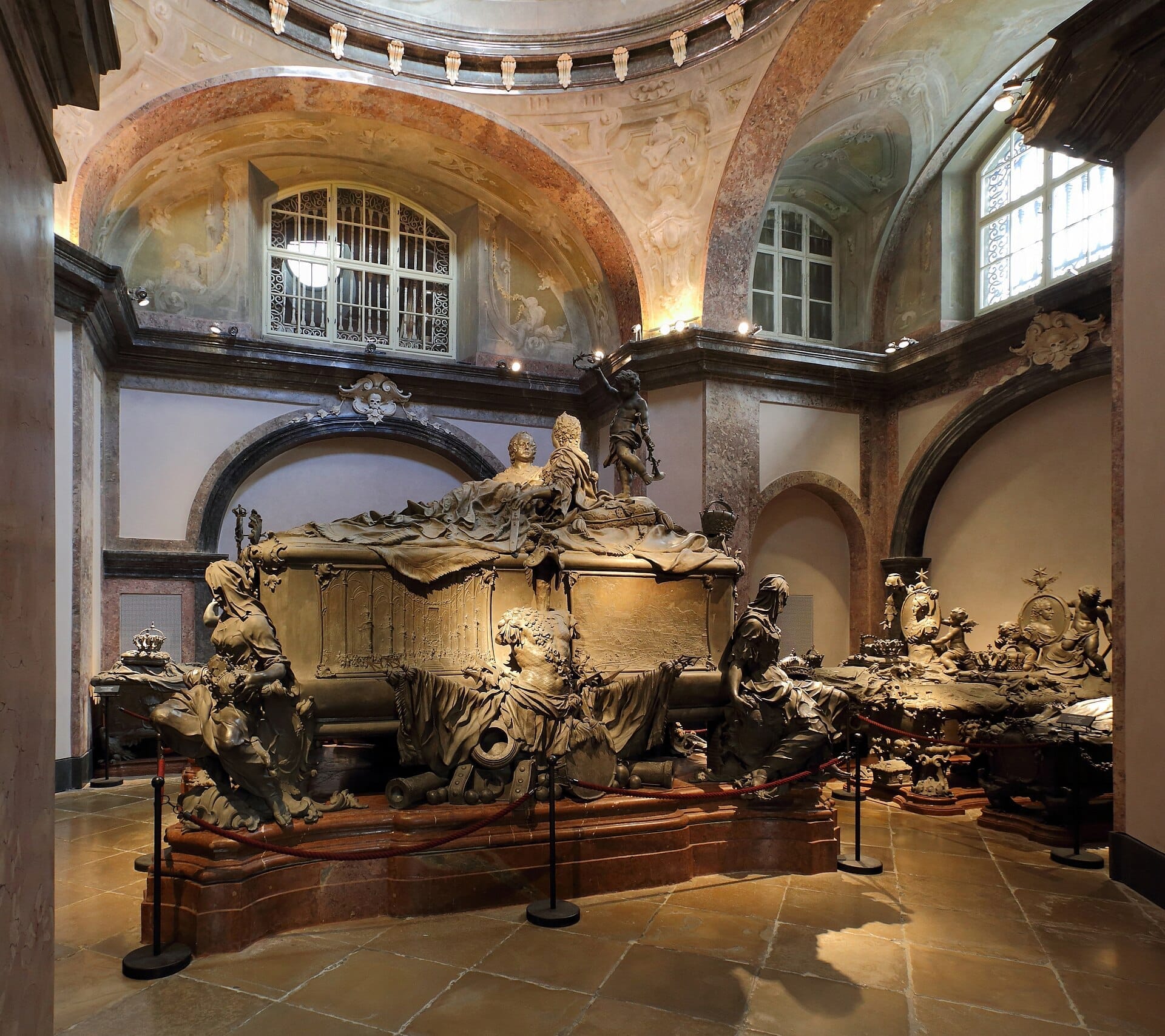
17. Pay Respects to 149 Habsburgs in the Imperial Crypt
Beneath an unassuming Neuer Markt church lie the elaborately decorated sarcophagi of Habsburg emperors and empresses, including Sisi and Franz Joseph. The crypt has received Habsburg burials since 1633. Compact but deeply atmospheric; allow 45 minutes.
Explore17. Pay Respects to 149 Habsburgs in the Imperial Crypt
Beneath an unassuming Neuer Markt church lie the elaborately decorated sarcophagi of Habsburg emperors and empresses, including Sisi and Franz Joseph. The crypt has received Habsburg burials since 1633. Compact but deeply atmospheric; allow 45 minutes.
Explore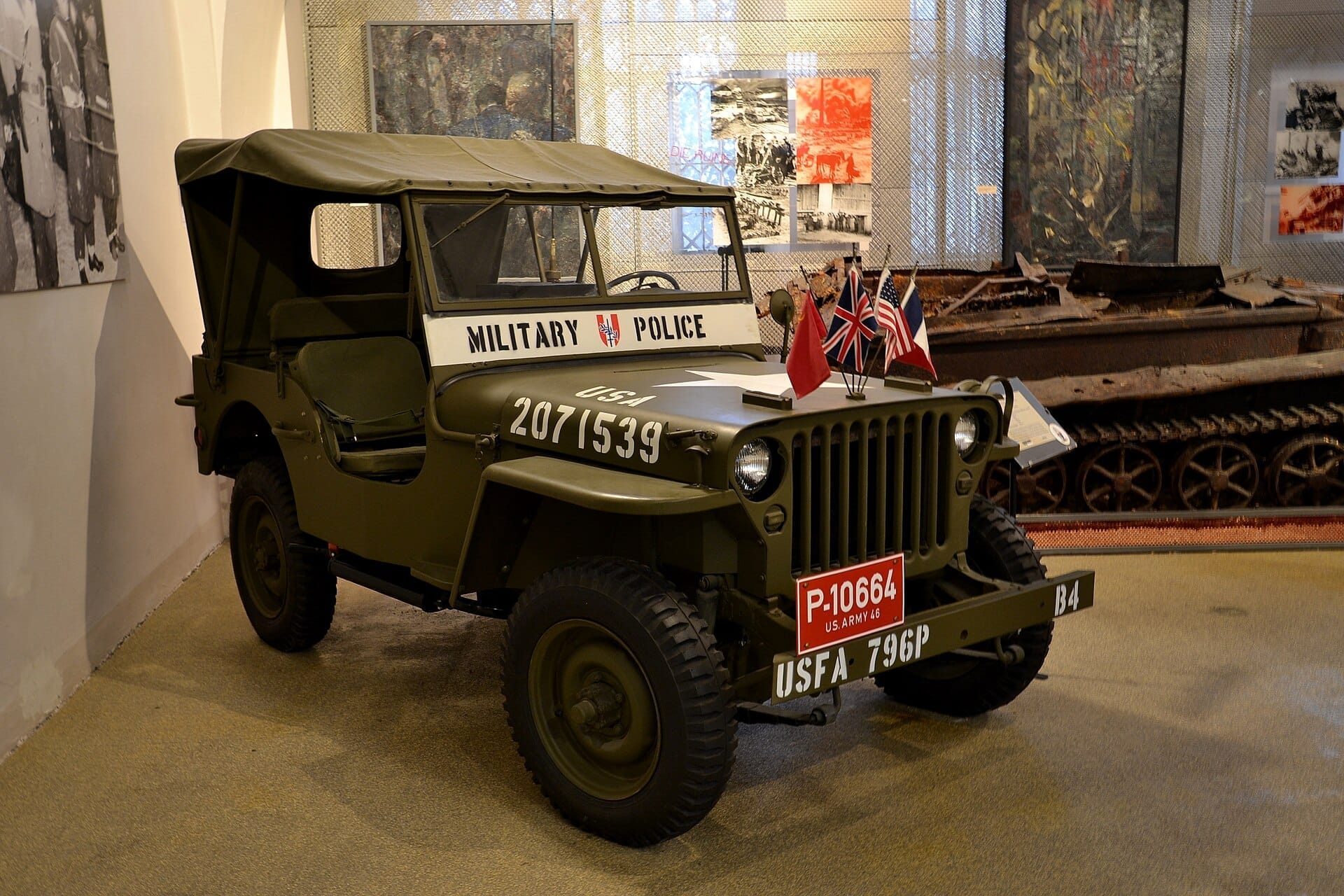
18. See the Assassination Car That Triggered WWI at the Military History Museum
Austria's oldest public museum covers military history from the Thirty Years' War to WWI, including the actual car in which Archduke Franz Ferdinand was shot in Sarajevo. The Arsenal building itself is spectacular. This museum is consistently underrated by visitors.
Explore18. See the Assassination Car That Triggered WWI at the Military History Museum
Austria's oldest public museum covers military history from the Thirty Years' War to WWI, including the actual car in which Archduke Franz Ferdinand was shot in Sarajevo. The Arsenal building itself is spectacular. This museum is consistently underrated by visitors.
Explore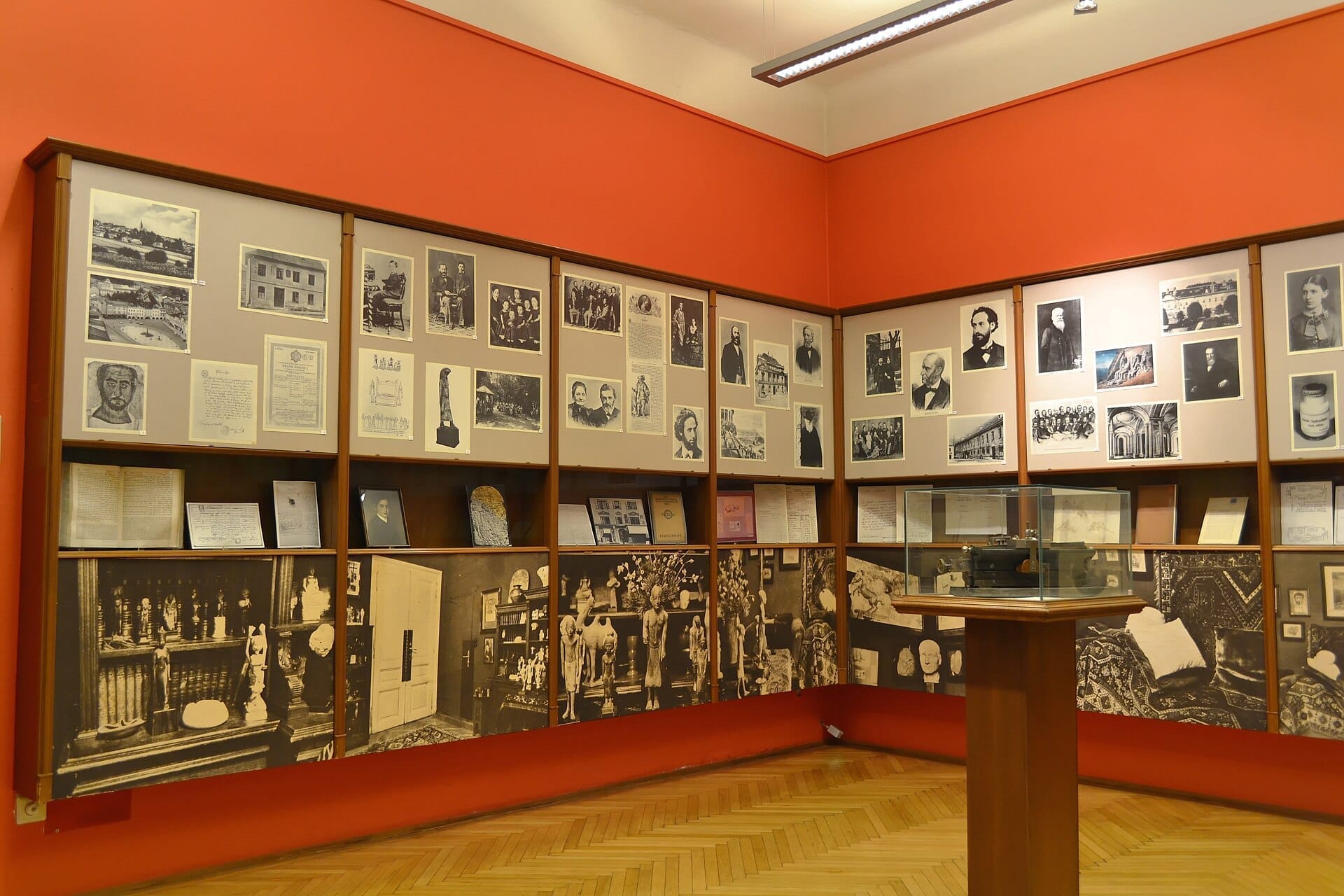
19. Visit Freud's Consulting Rooms at Berggasse 19
The apartment where Freud lived and worked for 47 years, developing psychoanalysis, is preserved with original furnishings and a comprehensive archive. The consulting room where the couch once stood remains the emotional center of any visit. Allow 90 minutes.
Explore19. Visit Freud's Consulting Rooms at Berggasse 19
The apartment where Freud lived and worked for 47 years, developing psychoanalysis, is preserved with original furnishings and a comprehensive archive. The consulting room where the couch once stood remains the emotional center of any visit. Allow 90 minutes.
Explore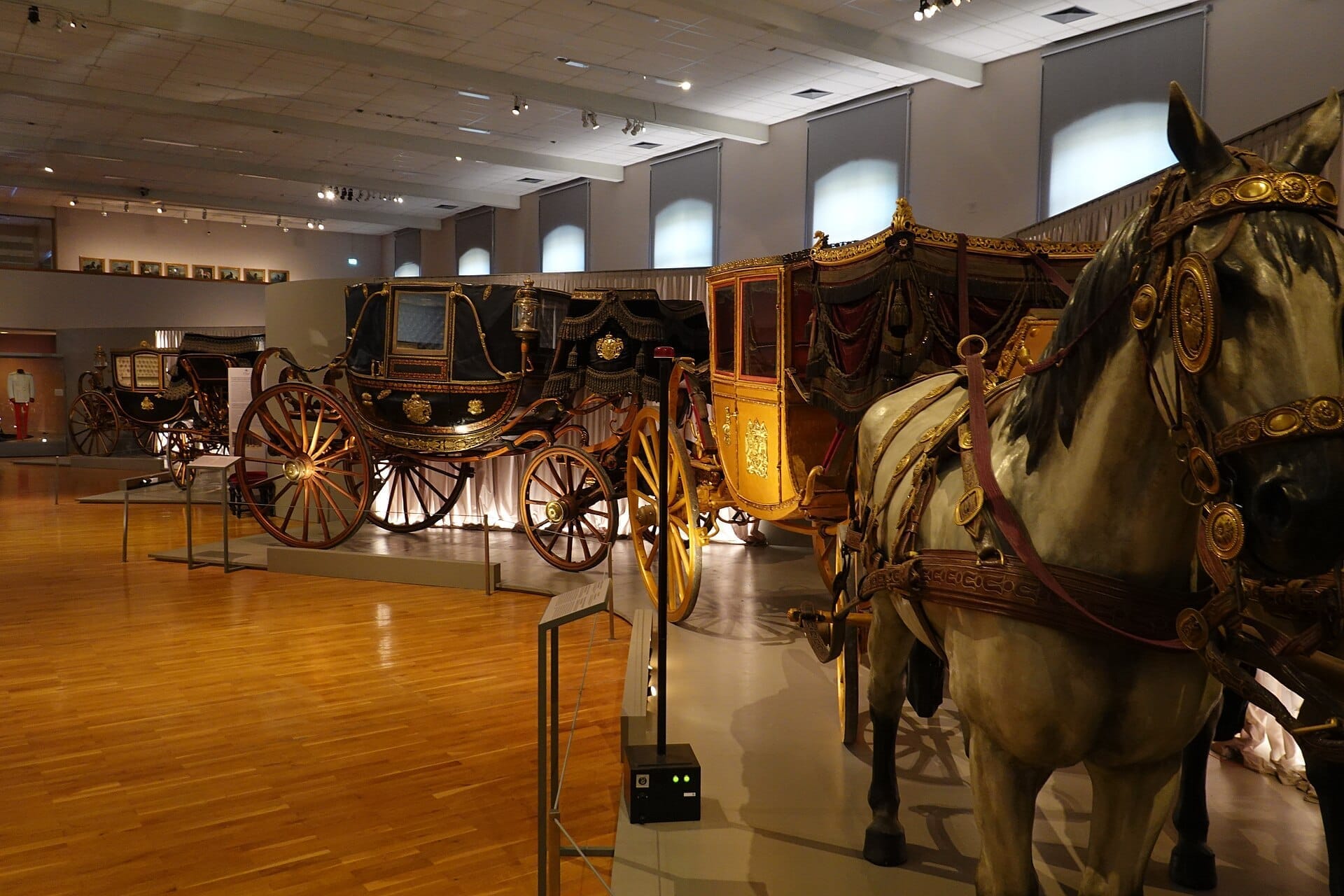
20. Admire the Golden Coronation Coach at the Imperial Carriage Museum
The Wagenburg at Schönbrunn holds one of the world's great collections of imperial carriages, from everyday court vehicles to the gilded coronation coach of Emperor Charles VI. Easily combined with a visit to Schönbrunn Palace across the courtyard.
Explore20. Admire the Golden Coronation Coach at the Imperial Carriage Museum
The Wagenburg at Schönbrunn holds one of the world's great collections of imperial carriages, from everyday court vehicles to the gilded coronation coach of Emperor Charles VI. Easily combined with a visit to Schönbrunn Palace across the courtyard.
Explore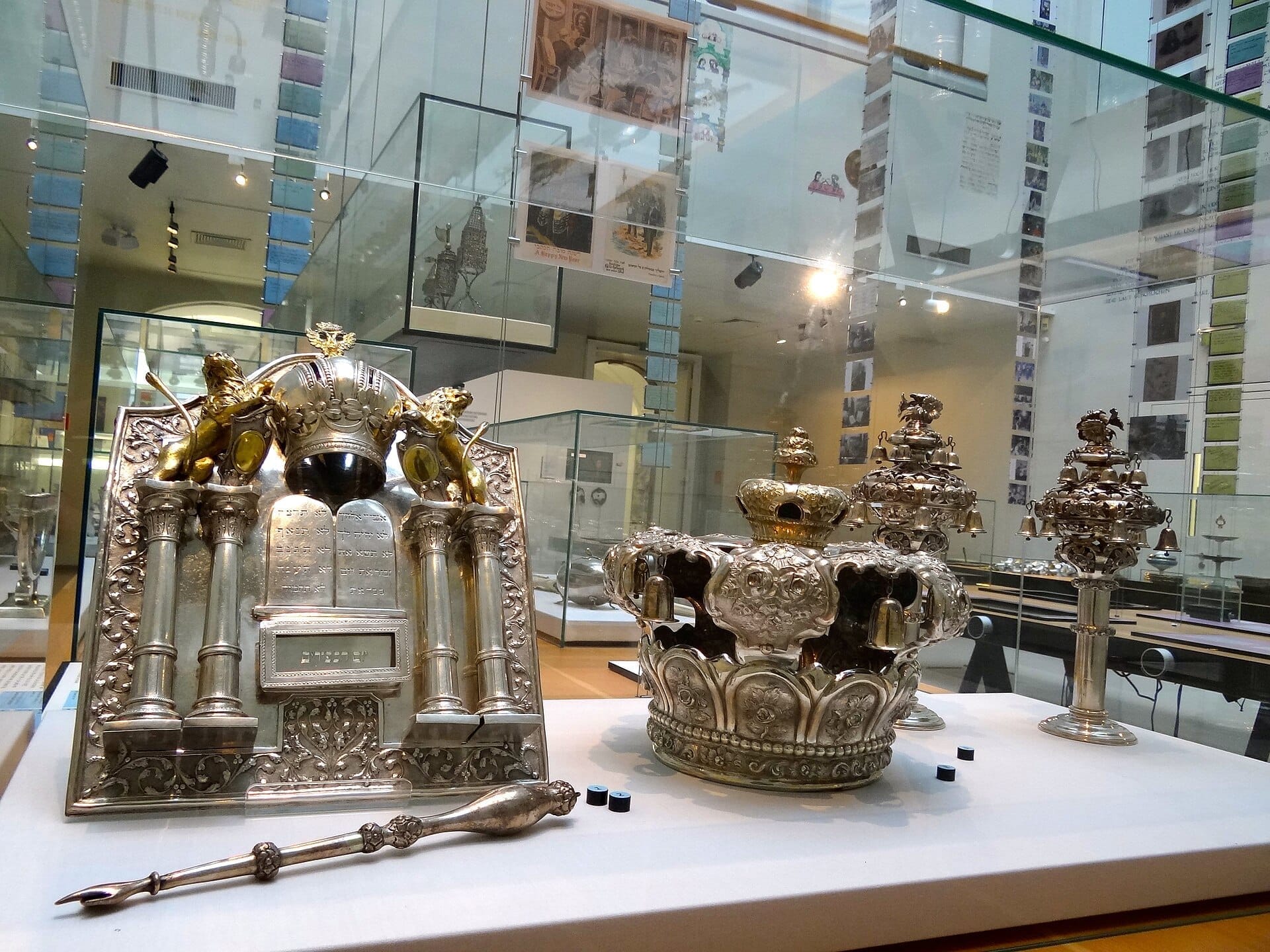
21. Learn the Story of Vienna's Jewish Community at the Jewish Museum
The Jewish Museum on Dorotheergasse tells the history of Vienna's Jewish community, once one of Europe's most significant, through art, artifacts, and multimedia in a converted palace. A combined ticket includes the Museum Judenplatz and the medieval synagogue excavations.
Explore21. Learn the Story of Vienna's Jewish Community at the Jewish Museum
The Jewish Museum on Dorotheergasse tells the history of Vienna's Jewish community, once one of Europe's most significant, through art, artifacts, and multimedia in a converted palace. A combined ticket includes the Museum Judenplatz and the medieval synagogue excavations.
Explore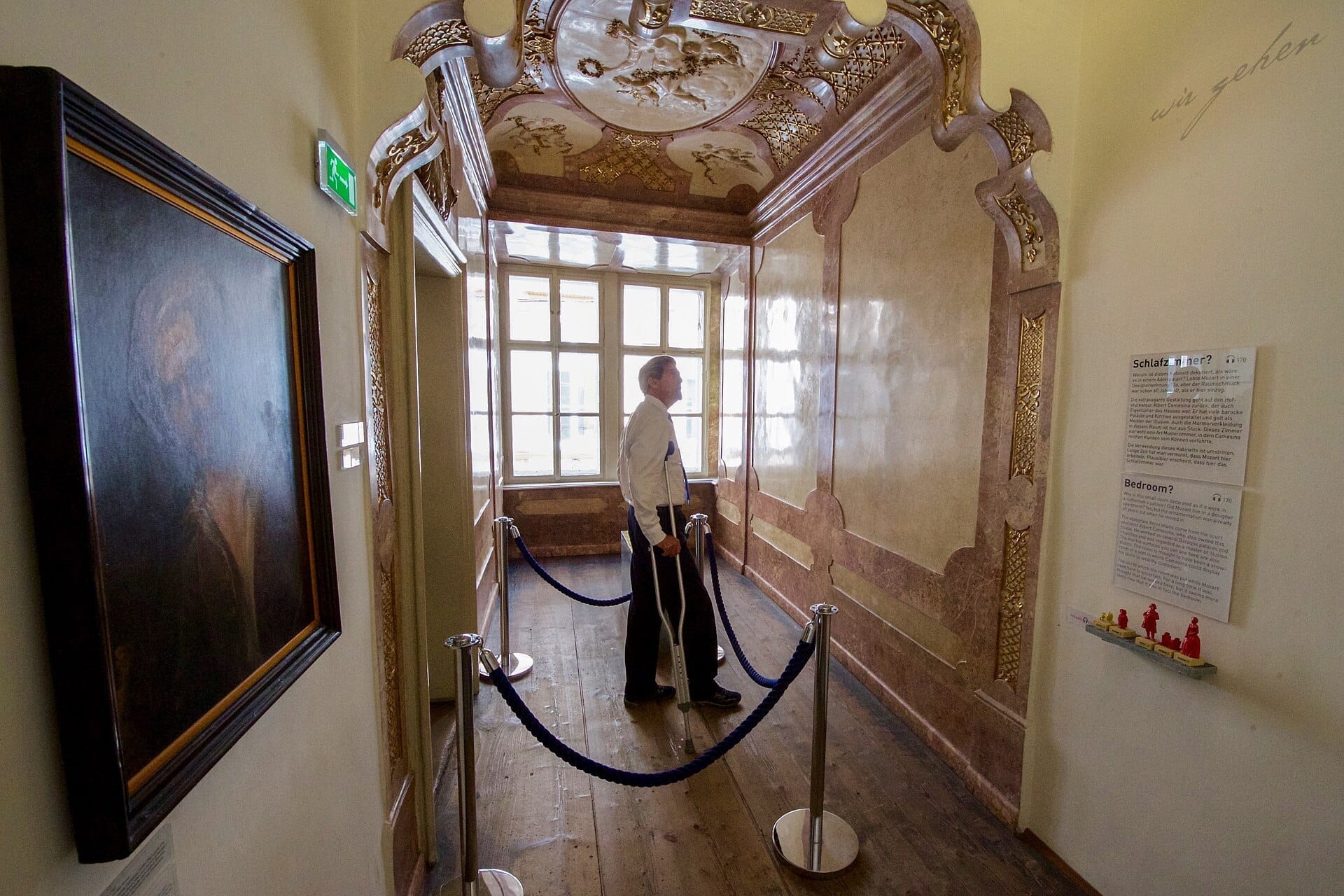
22. Visit the Apartment Where Mozart Composed The Marriage of Figaro
The only surviving Vienna apartment where Mozart lived, near St. Stephen's Cathedral, is where he wrote his greatest opera. The museum explores his Vienna years across several floors, with good English-language interpretation. Allow one hour.
Explore22. Visit the Apartment Where Mozart Composed The Marriage of Figaro
The only surviving Vienna apartment where Mozart lived, near St. Stephen's Cathedral, is where he wrote his greatest opera. The museum explores his Vienna years across several floors, with good English-language interpretation. Allow one hour.
Explore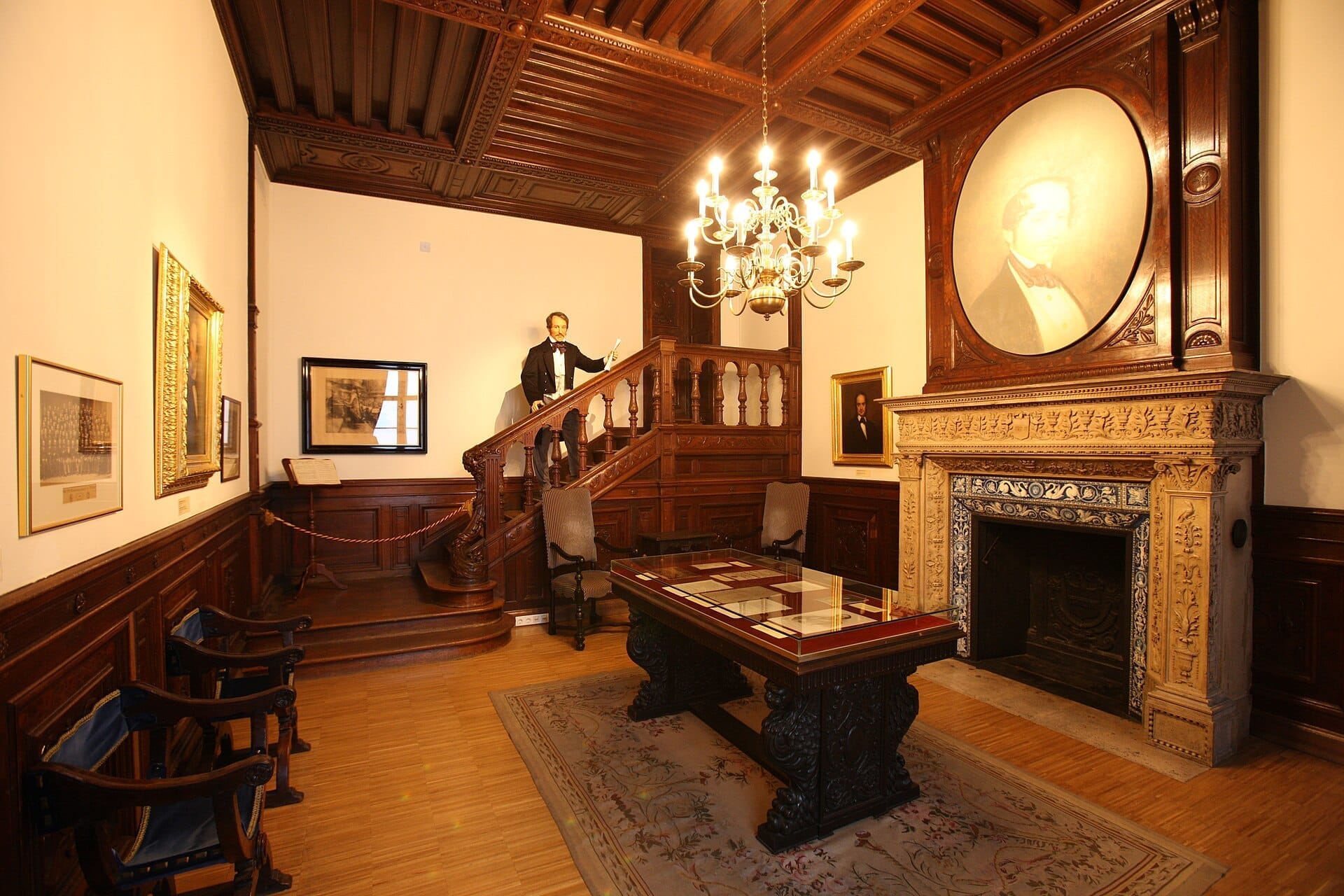
23. Conduct the Vienna Philharmonic Virtually at the House of Music
This interactive music museum lets you conduct the Philharmonic via motion sensors, compose music with AI, and explore the lives of Haydn, Mozart, Beethoven, and Strauss through immersive installations. Excellent for families and genuinely engaging for adults too.
Explore23. Conduct the Vienna Philharmonic Virtually at the House of Music
This interactive music museum lets you conduct the Philharmonic via motion sensors, compose music with AI, and explore the lives of Haydn, Mozart, Beethoven, and Strauss through immersive installations. Excellent for families and genuinely engaging for adults too.
Explore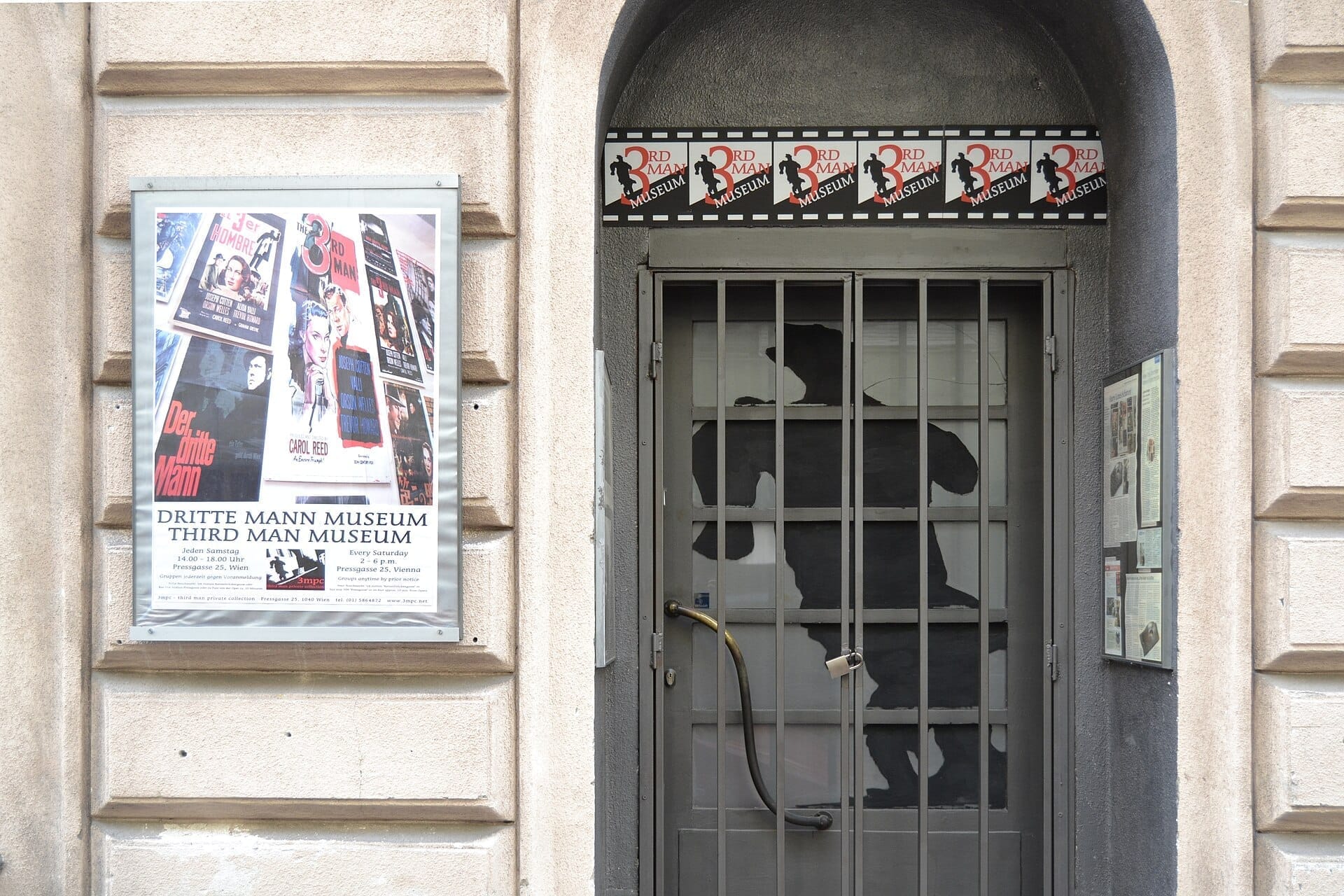
24. Discover the Private Collection Behind 'The Third Man'
This private museum dedicated to Carol Reed's 1949 Vienna-set film noir holds an extraordinary trove of posters, props, and behind-the-scenes material. Run by passionate collectors, it opens only on Saturdays. Check current hours before visiting.
Explore24. Discover the Private Collection Behind 'The Third Man'
This private museum dedicated to Carol Reed's 1949 Vienna-set film noir holds an extraordinary trove of posters, props, and behind-the-scenes material. Run by passionate collectors, it opens only on Saturdays. Check current hours before visiting.
Explore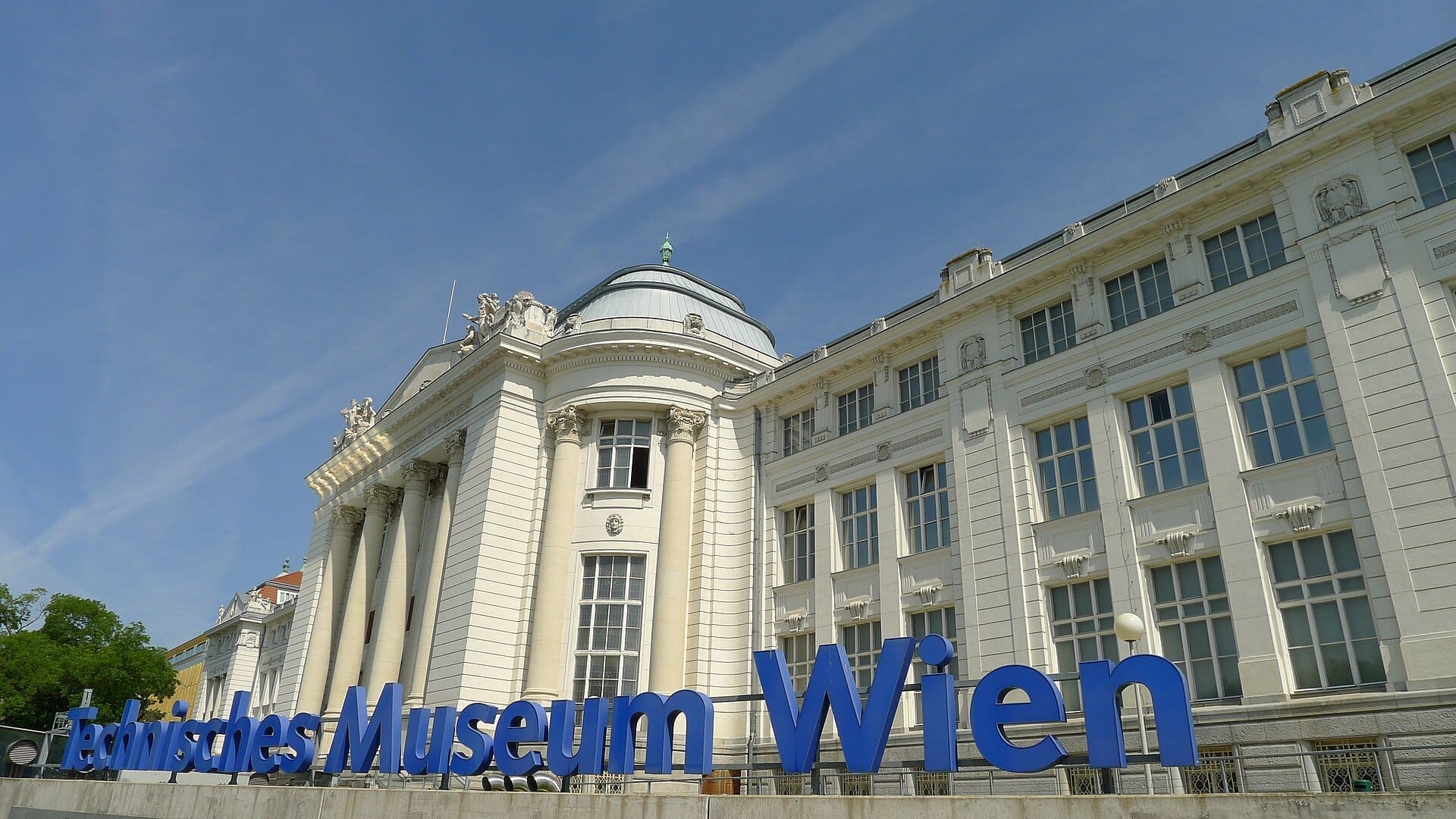
25. Explore Aviation, Rail, and Innovation at the Technical Museum
Austria's national museum of technology covers historic locomotives, aircraft, energy systems, and musical instrument making with hands-on exhibits across large, well-lit halls. Under-19s enter free, and the scale of the collection suits a full half-day visit.
Explore25. Explore Aviation, Rail, and Innovation at the Technical Museum
Austria's national museum of technology covers historic locomotives, aircraft, energy systems, and musical instrument making with hands-on exhibits across large, well-lit halls. Under-19s enter free, and the scale of the collection suits a full half-day visit.
Explore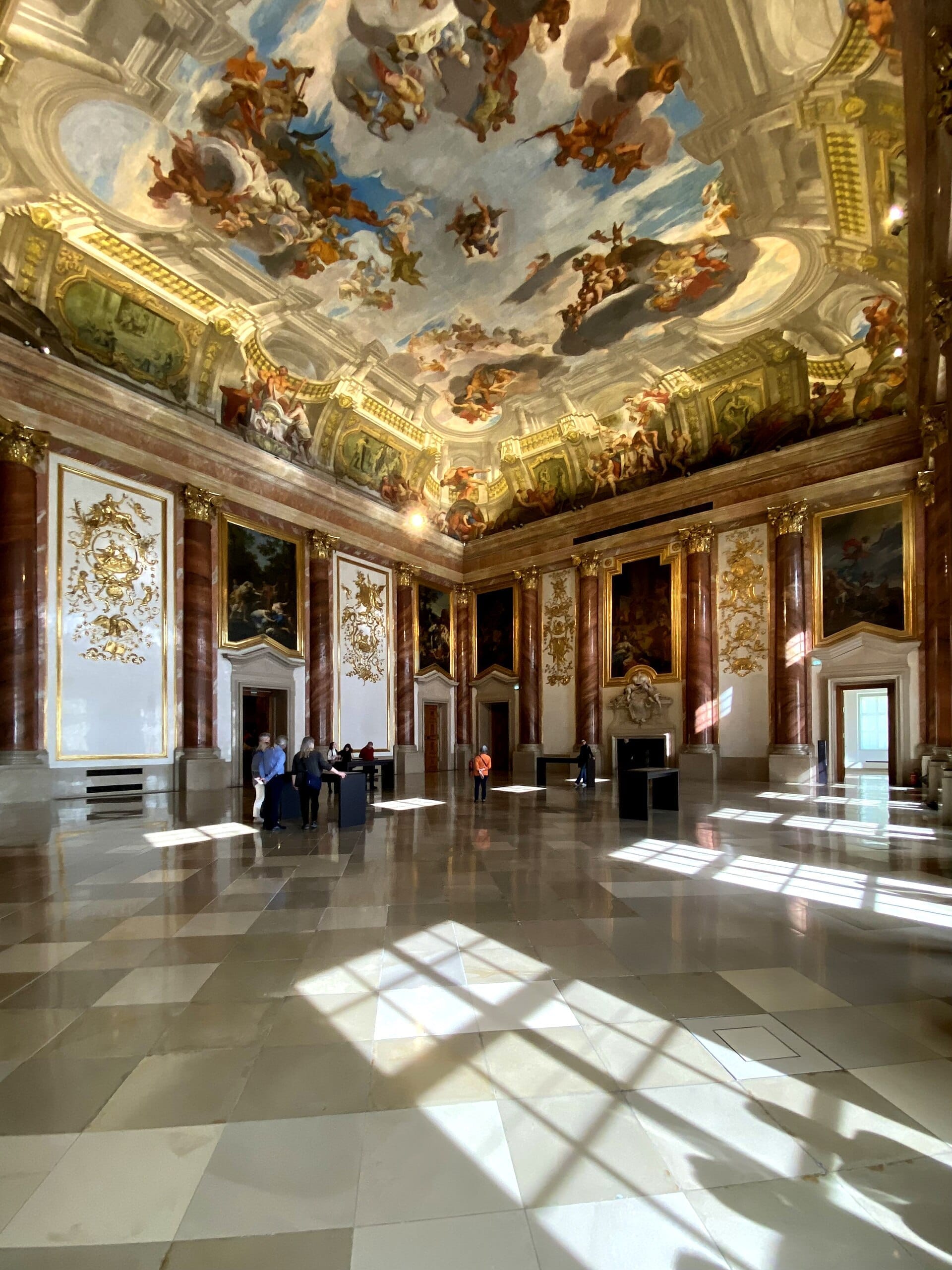
26. See Raphael and Rubens in a Baroque Palace Open to the Public
The Liechtenstein Garden Palace in the 9th district houses one of Europe's greatest private collections, with Raphael, Rubens, and Van Dyck in lavish Baroque interiors. Access is by guided tour and advance booking is essential. A genuinely rare experience.
Explore26. See Raphael and Rubens in a Baroque Palace Open to the Public
The Liechtenstein Garden Palace in the 9th district houses one of Europe's greatest private collections, with Raphael, Rubens, and Van Dyck in lavish Baroque interiors. Access is by guided tour and advance booking is essential. A genuinely rare experience.
ExploreOutside the Centre: Museums Worth the Journey
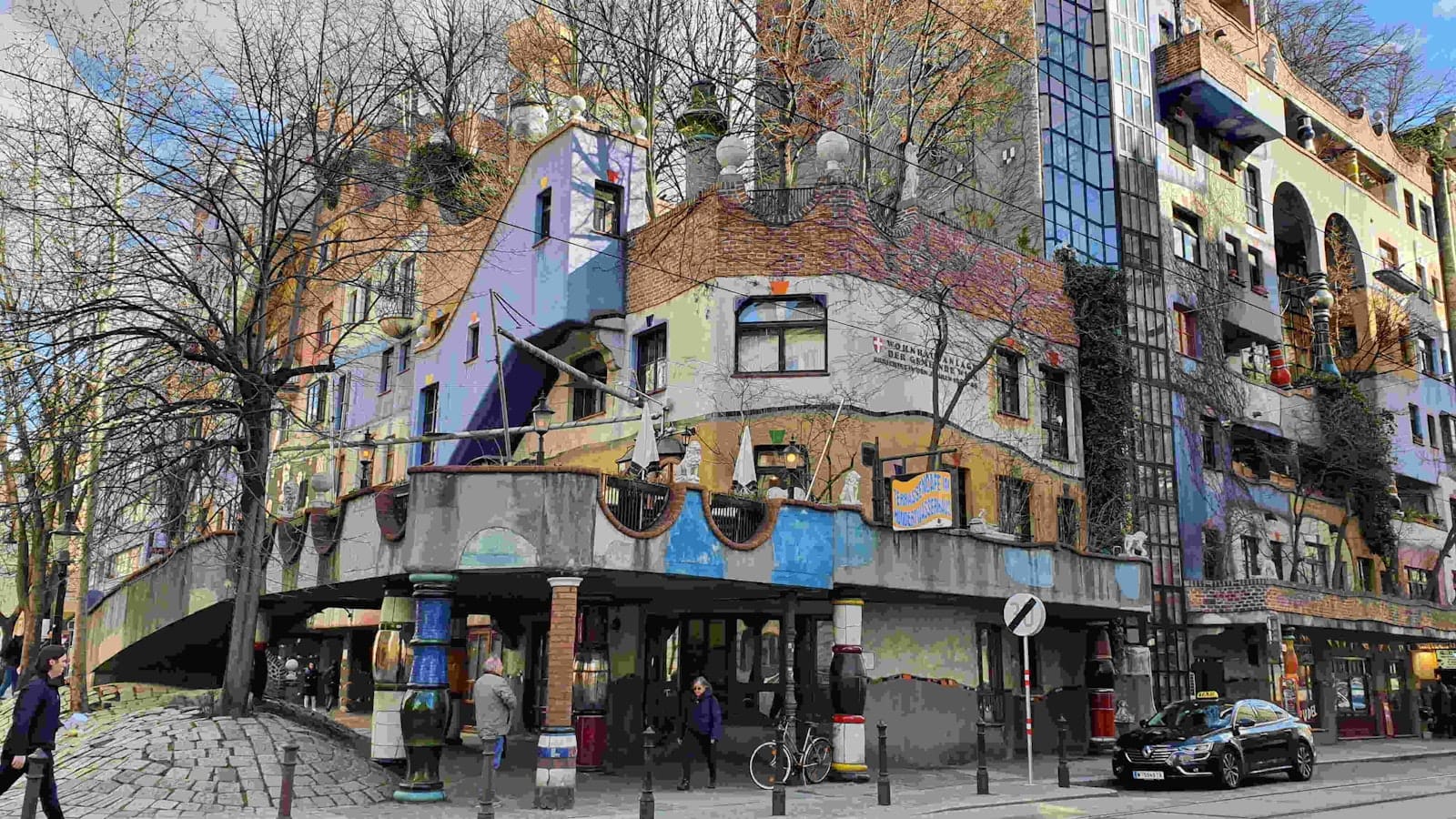
Some of Vienna's most rewarding museum experiences lie outside the main tourist loop. The hidden gems guide covers further off-the-beaten-track discoveries, but the institutions below are entirely practical stops that simply require a short U-Bahn or tram ride.
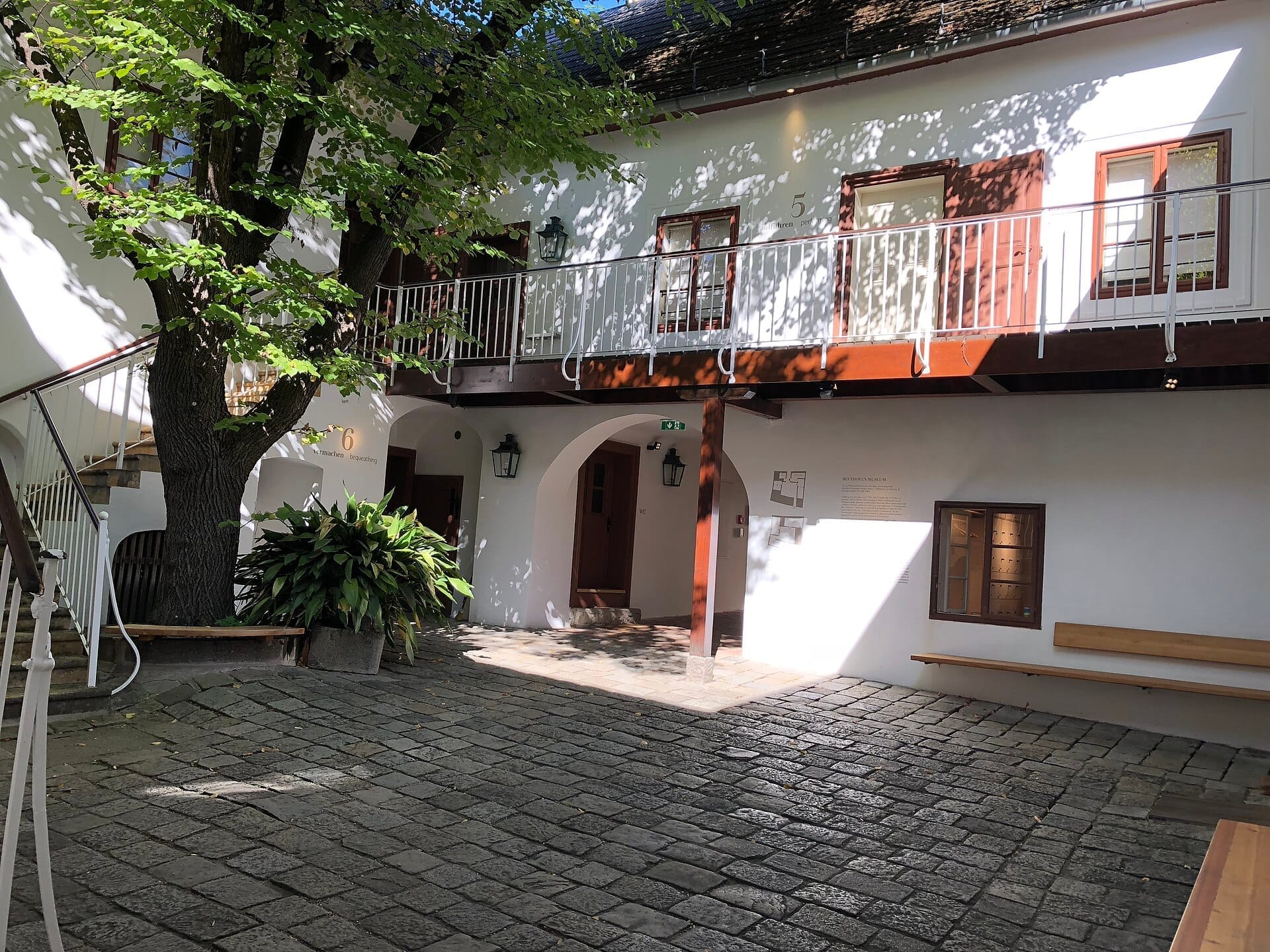
27. Make a Pilgrimage to Where Beethoven Wrote His Heiligenstadt Testament
The Heiligenstadt house where Beethoven confronted his deafness and wrote his famous 1802 testament is now a moving museum in a quiet wine village. A natural pairing with a Heuriger lunch nearby. Take the U4 to Heiligenstadt and walk ten minutes.
Explore27. Make a Pilgrimage to Where Beethoven Wrote His Heiligenstadt Testament
The Heiligenstadt house where Beethoven confronted his deafness and wrote his famous 1802 testament is now a moving museum in a quiet wine village. A natural pairing with a Heuriger lunch nearby. Take the U4 to Heiligenstadt and walk ten minutes.
ExploreFAQ
Which Vienna museum should I prioritize if I only have one day?
The Kunsthistorisches Museum is the single most significant choice for a one-day visit, with masterpieces by Vermeer, Bruegel, Raphael, and Caravaggio under one roof. Pair it with the Upper Belvedere in the afternoon to see Klimt's The Kiss, and you have an extraordinarily complete day of Austrian and European art.
Are Vienna's museums free for children?
All Austrian federal museums, including the Kunsthistorisches Museum, Natural History Museum, Albertina, Leopold Museum, MUMOK, and Technical Museum, offer free entry to visitors under 19. The Wien Museum also offers free entry to under-19s, though it is a city museum rather than a federal institution. This makes Vienna one of Europe's best-value museum cities for families.
What is the best way to save money on Vienna museum tickets?
Several options exist: under-19s enter federal museums free; the Wien Museum and some city museums offer free admission on the first Sunday of every month; the Vienna Pass bundles multiple museum entries, while public transport savings are covered by products like the Vienna City Card; and many museums have reduced-price late-opening evenings, typically on Thursdays. Always book online in advance to avoid on-site surcharges.
How many museums can I realistically visit in one day in Vienna?
Two major institutions is a realistic and satisfying goal for most visitors. The Kunsthistorisches Museum and Natural History Museum face each other across Maria-Theresien-Platz and can be combined in a full day. The MuseumsQuartier campus, with Leopold Museum and MUMOK, offers another natural pairing, with Albertina Modern a short walk away at Karlsplatz.
Do I need to book Vienna museum tickets in advance?
For most museums on regular days, advance booking is convenient but not always essential. However, for the Sisi Museum and Imperial Apartments in the Hofburg, the Albertina during blockbuster exhibitions, and the Liechtenstein Garden Palace (which requires guided tours), advance booking is strongly recommended. The Spanish Riding School and Vienna State Opera tours also sell out frequently.
Tickets & tours
Live prices and dates from our booking partner. If you book, we may earn a commission at no extra cost to you.
Planning a trip? Discover personalized activities with the Nomado app.