Klimt & the Vienna Secession: The Complete Art Lover's Guide to Vienna
Gustav Klimt and the Vienna Secession transformed Western art in just a decade. This guide traces their legacy across the city, from the gold-domed Secession building to the museums, churches, and coffeehouses that shaped the movement.
Tickets & tours
Live prices and dates from our booking partner. If you book, we may earn a commission at no extra cost to you.
In 1897, Gustav Klimt and a group of painters, architects, and designers walked out of Vienna's conservative art establishment and founded the Vienna Secession, a movement built on a single radical idea: art should be free. What followed was one of the most fertile decades in European cultural history, producing the Beethoven Frieze, The Kiss, and a wave of Jugendstil buildings that still define Vienna's streetscapes. The movement united painting, architecture, and decorative arts under one concept, the Gesamtkunstwerk, or total work of art. Today, tracing that legacy is one of the great pleasures of visiting the city. For broader context, see our guide to Vienna's architecture and the dedicated museum guide to plan your days efficiently.
✨ Pro tip
The Wiener Secession building, Leopold Museum, Upper Belvedere, MAK, and Wien Museum are the five essential stops for any Klimt and Secession itinerary. Group them by neighborhood to cut transit time.
The Secession Movement's Heartland
The founding institutions of the Secession movement are concentrated around Karlsplatz and the Belvedere area, making this the logical starting point for any Klimt pilgrimage. Within a 15-minute walk you can stand inside the Secession building, examine Otto Wagner's Jugendstil pavilions, and reach the Wien Museum, all key nodes of the same creative revolution.
1. Stand Before Klimt's Beethoven Frieze in the Secession Building
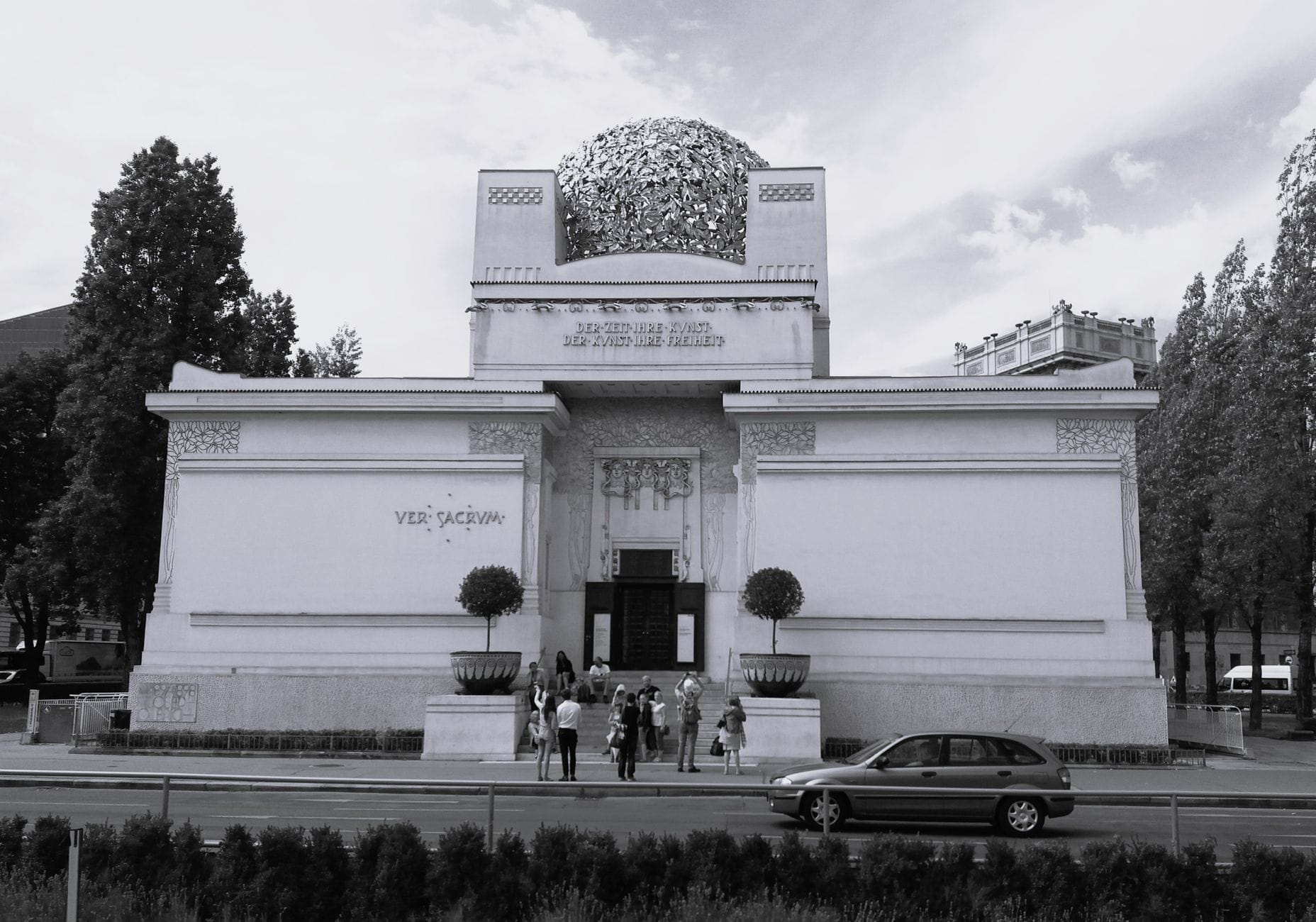
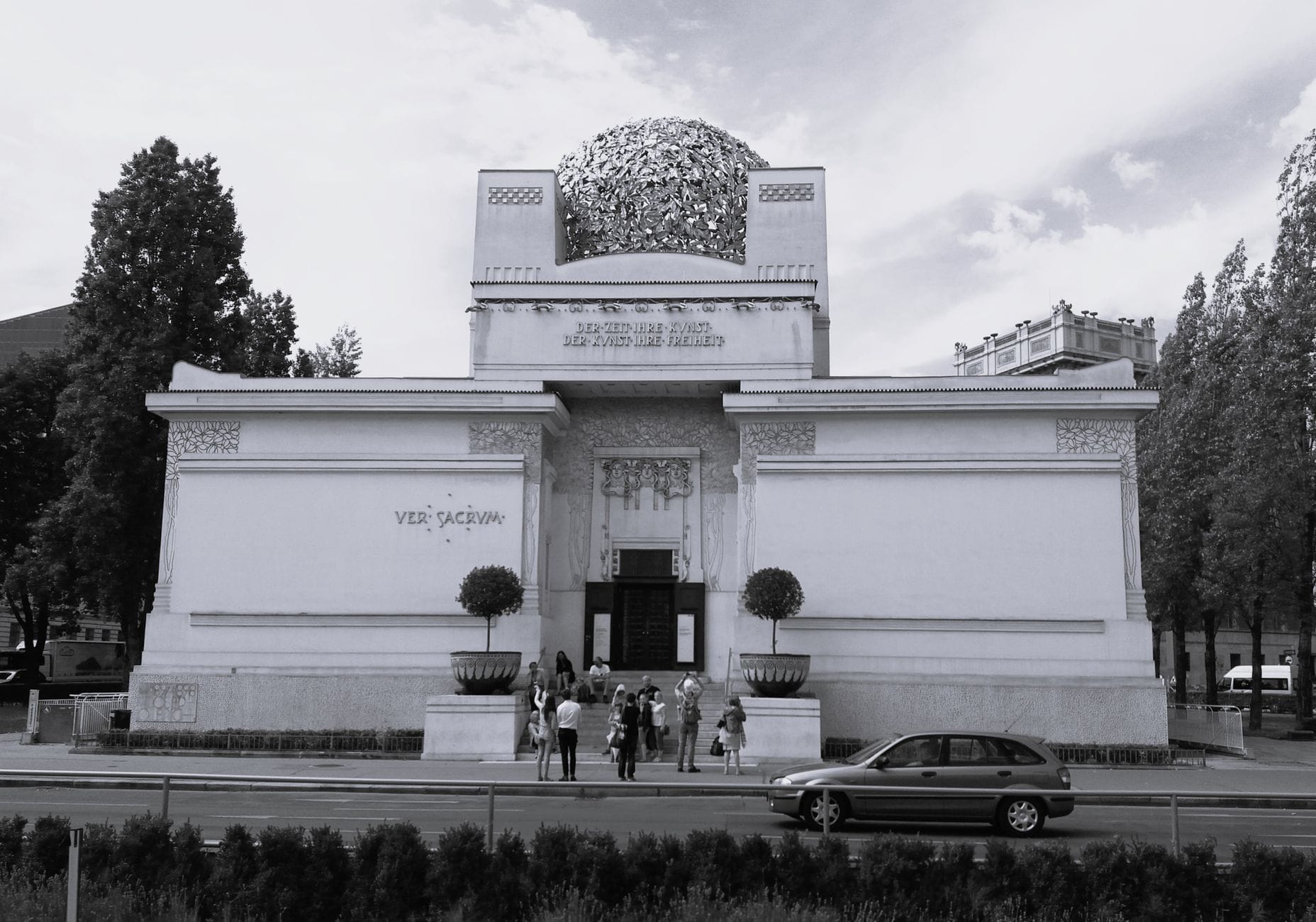
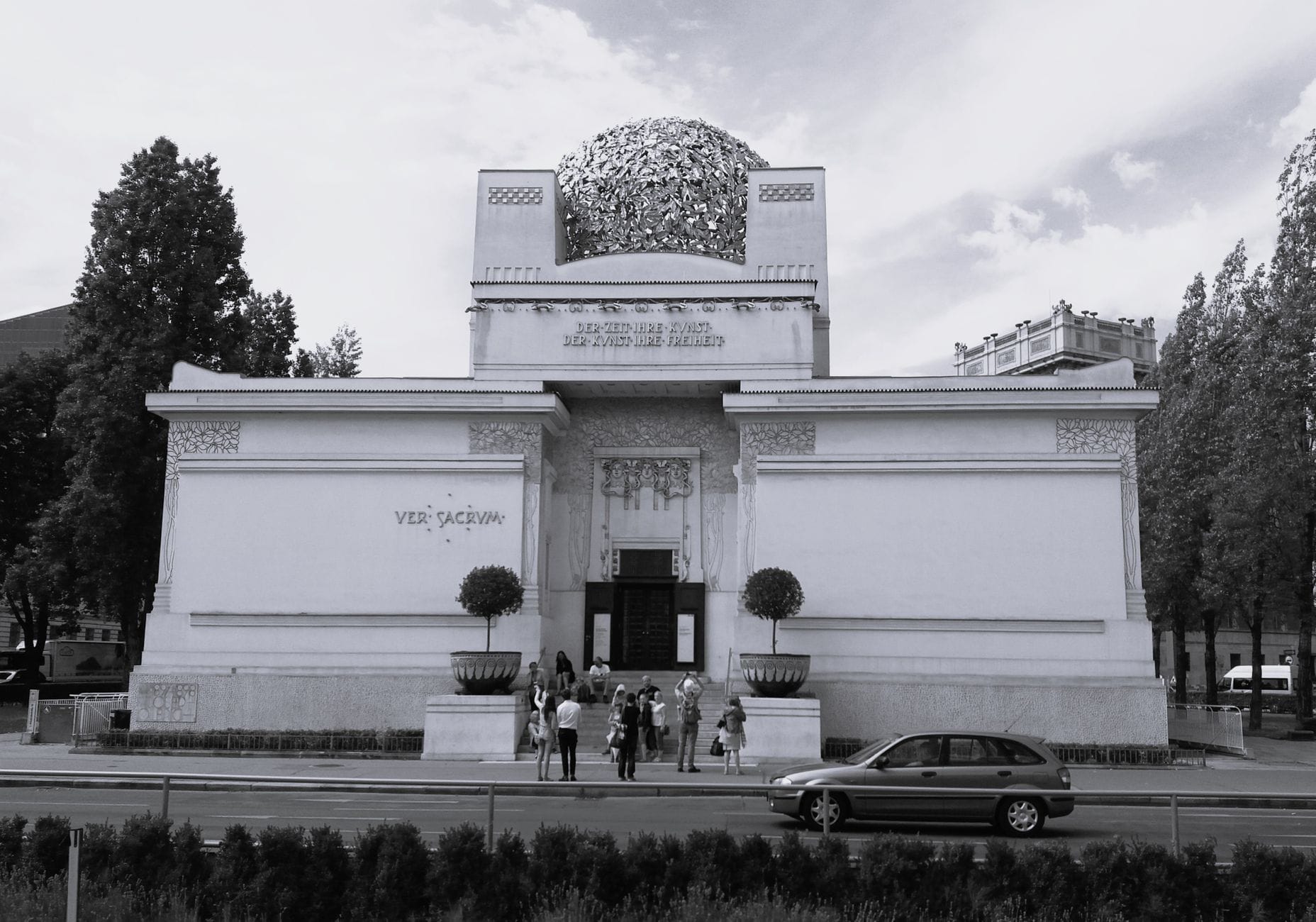
Built in 1898 as the movement's manifesto in stone and gilded steel, the Secession's golden 'cabbage dome' is iconic. Its basement permanently houses Klimt's 34-meter Beethoven Frieze, painted in 1902 and among the most powerful works of Art Nouveau. Open Tue-Sun.
Explore1. Stand Before Klimt's Beethoven Frieze in the Secession Building
Built in 1898 as the movement's manifesto in stone and gilded steel, the Secession's golden 'cabbage dome' is iconic. Its basement permanently houses Klimt's 34-meter Beethoven Frieze, painted in 1902 and among the most powerful works of Art Nouveau. Open Tue-Sun.
Explore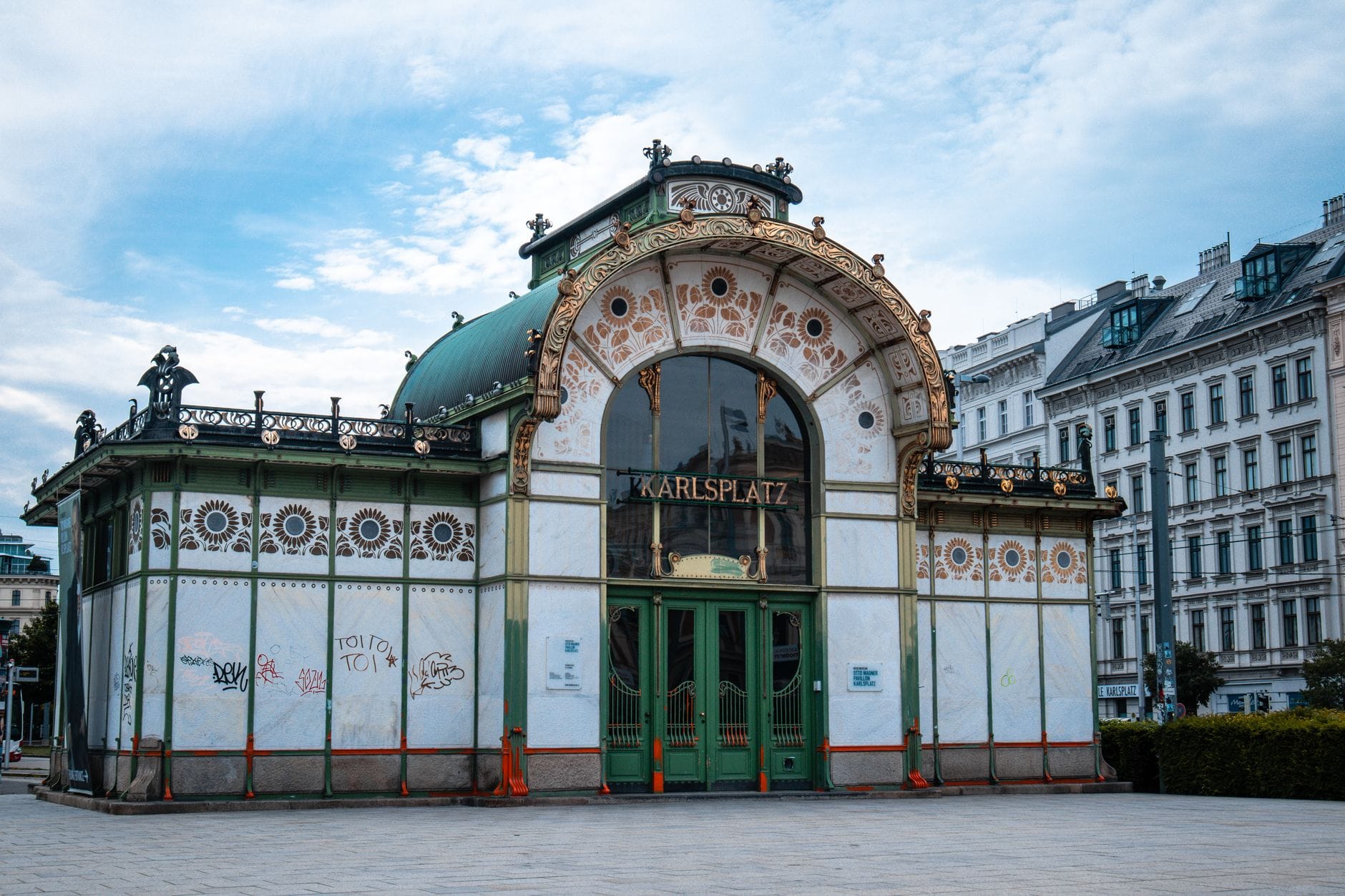
2. Admire Otto Wagner's Jugendstil Masterwork at Karlsplatz
Two delicate white-and-gold pavilions designed by Secession co-founder Otto Wagner in 1898 for the city railway. Up close, the sunflower ornaments and green marble panels reveal the movement's obsession with integrating art into everyday urban infrastructure.
Explore2. Admire Otto Wagner's Jugendstil Masterwork at Karlsplatz
Two delicate white-and-gold pavilions designed by Secession co-founder Otto Wagner in 1898 for the city railway. Up close, the sunflower ornaments and green marble panels reveal the movement's obsession with integrating art into everyday urban infrastructure.
Explore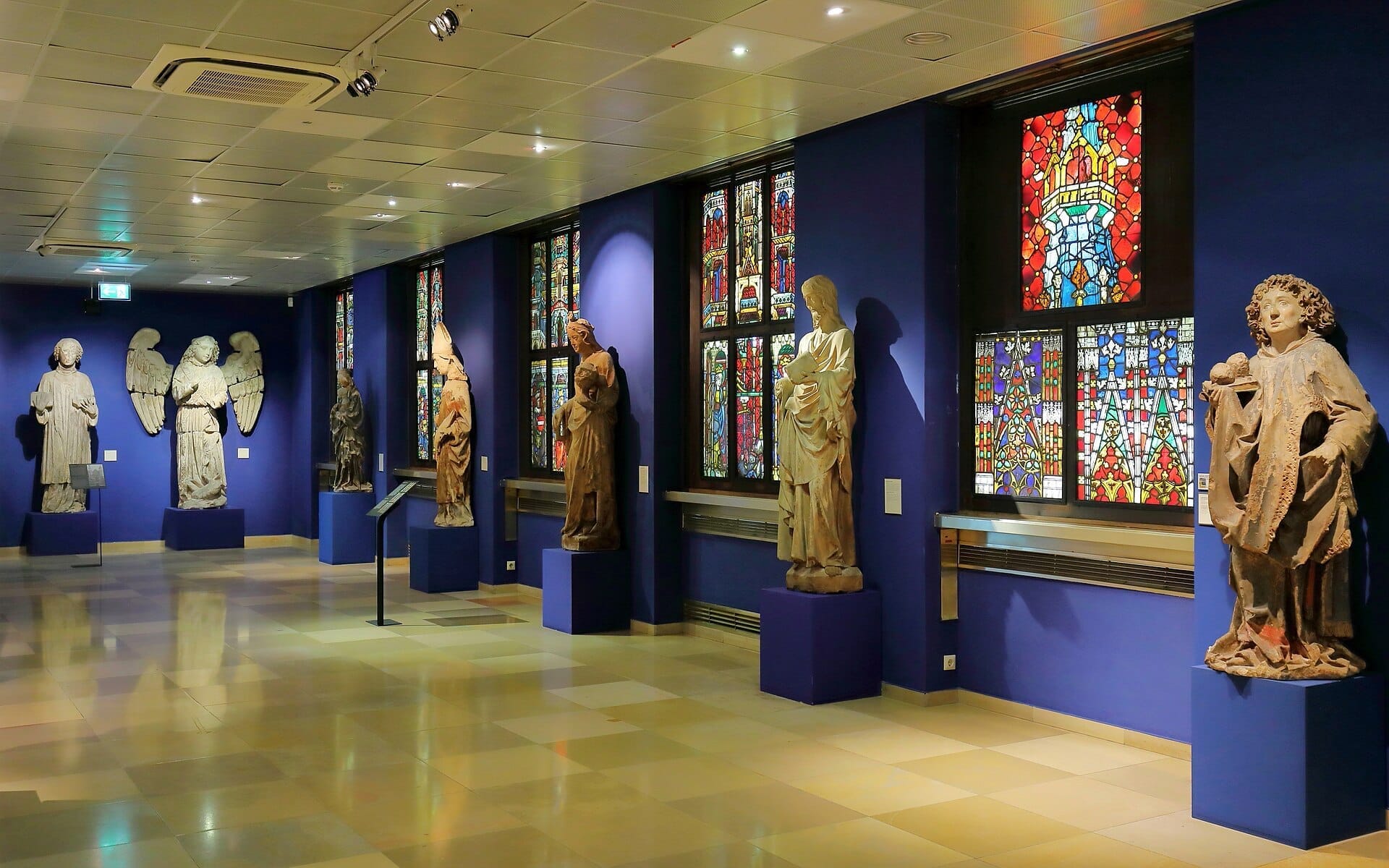
3. Explore Klimt's Vienna at the Newly Renovated Wien Museum
The city museum on Karlsplatz, recently expanded and reimagined, places Klimt and the Secession in deep urban context. Its permanent collection includes Secession-era paintings, posters, and decorative arts, and it hosts major temporary exhibitions on the movement.
Explore3. Explore Klimt's Vienna at the Newly Renovated Wien Museum
The city museum on Karlsplatz, recently expanded and reimagined, places Klimt and the Secession in deep urban context. Its permanent collection includes Secession-era paintings, posters, and decorative arts, and it hosts major temporary exhibitions on the movement.
Explore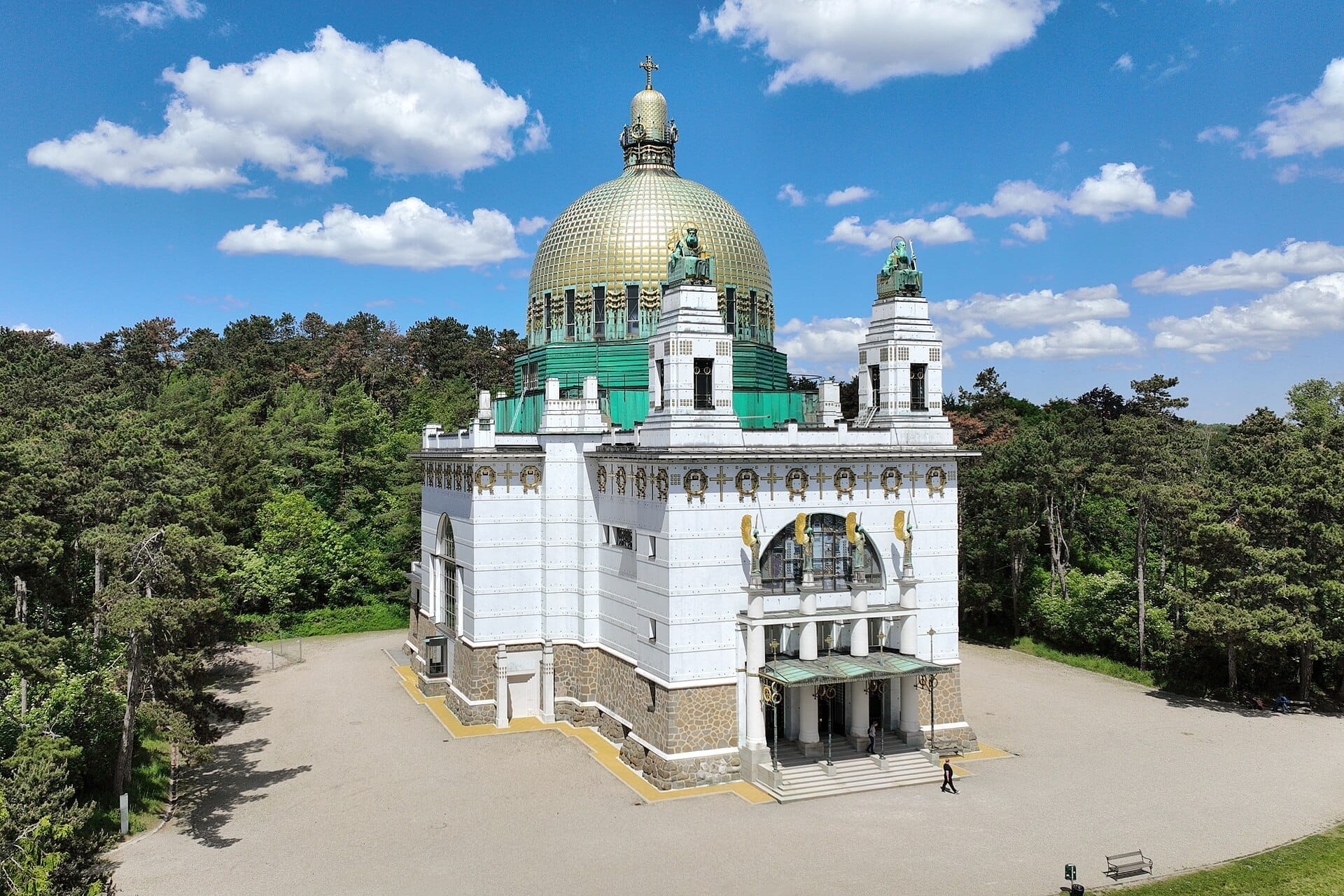
4. See Kolo Moser's Stained Glass at the Steinhof Church
Otto Wagner's 1907 Jugendstil church on the Steinhof hospital grounds is one of Vienna's most important Art Nouveau buildings. Kolo Moser, a Secession co-founder, designed the luminous stained glass windows. Worth the tram ride to the city's western edge.
Explore4. See Kolo Moser's Stained Glass at the Steinhof Church
Otto Wagner's 1907 Jugendstil church on the Steinhof hospital grounds is one of Vienna's most important Art Nouveau buildings. Kolo Moser, a Secession co-founder, designed the luminous stained glass windows. Worth the tram ride to the city's western edge.
ExploreWhere to See Klimt's Greatest Paintings
Klimt's canvases are spread across several Vienna institutions, each offering a different angle on his evolution. The MuseumsQuartier and the Belvedere hold the densest concentrations, and serious visitors often spend a full day moving between these two neighborhoods. The Leopold Museum alone can absorb two or three hours if you engage with the Schiele holdings alongside the Klimt works.
5. See 'The Kiss' at the Upper Belvedere
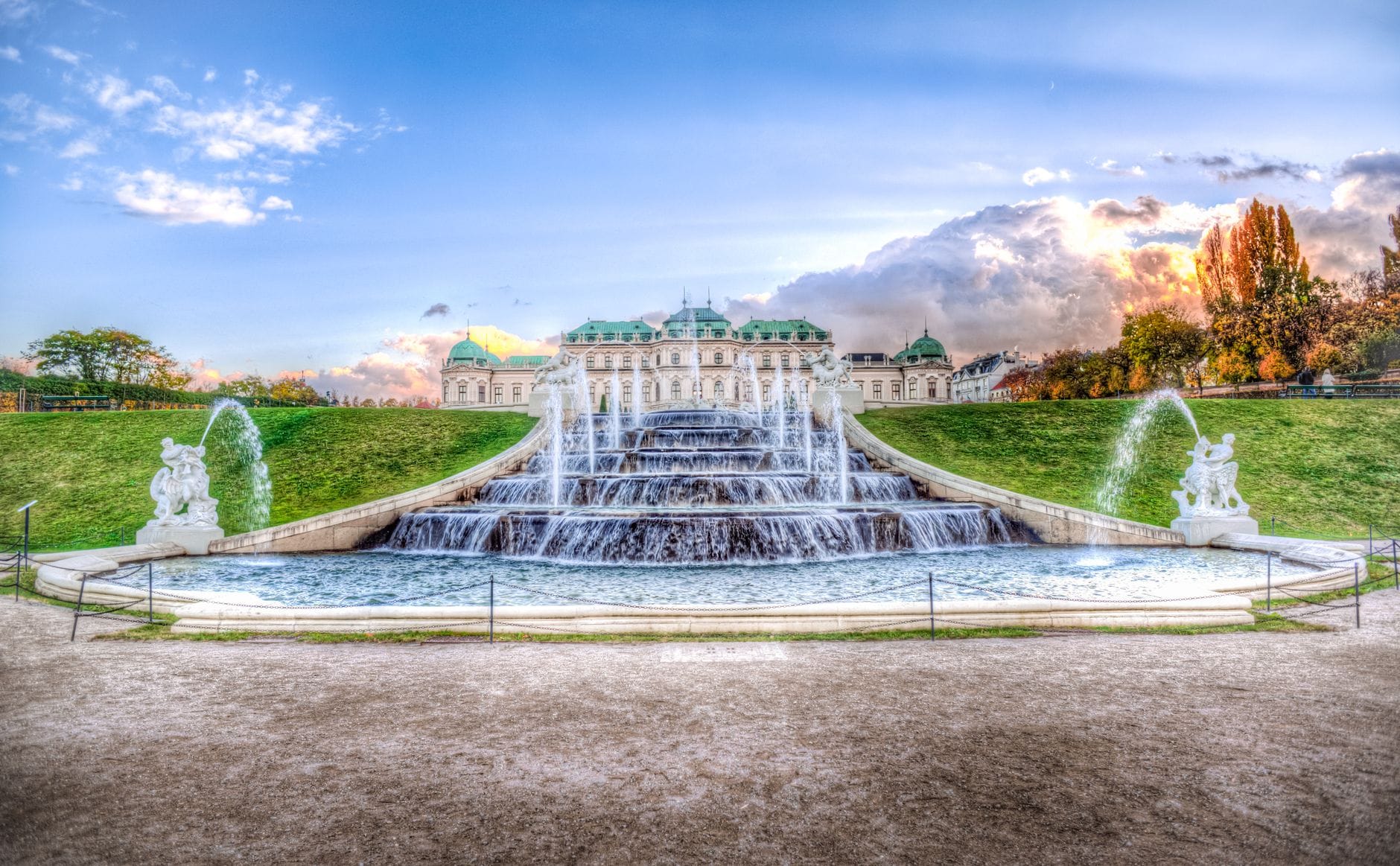
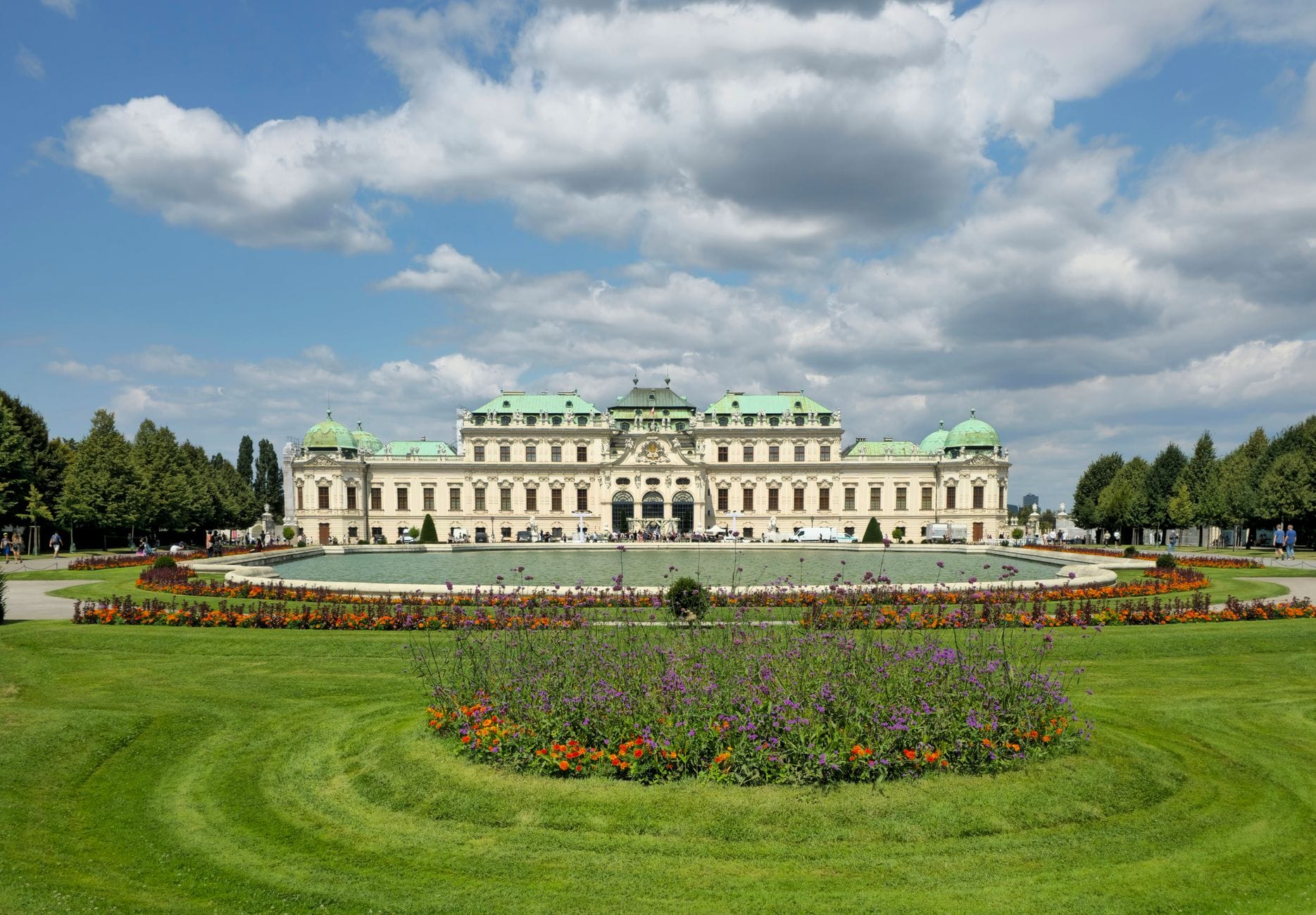
The Upper Belvedere holds Austria's single most famous painting: Klimt's gold-leaf 'The Kiss' (1907-08). The surrounding collection traces Austrian art from Baroque to early modernism, giving 'The Kiss' essential context. Book timed entry in advance to avoid queues.
Explore5. See 'The Kiss' at the Upper Belvedere
The Upper Belvedere holds Austria's single most famous painting: Klimt's gold-leaf 'The Kiss' (1907-08). The surrounding collection traces Austrian art from Baroque to early modernism, giving 'The Kiss' essential context. Book timed entry in advance to avoid queues.
Explore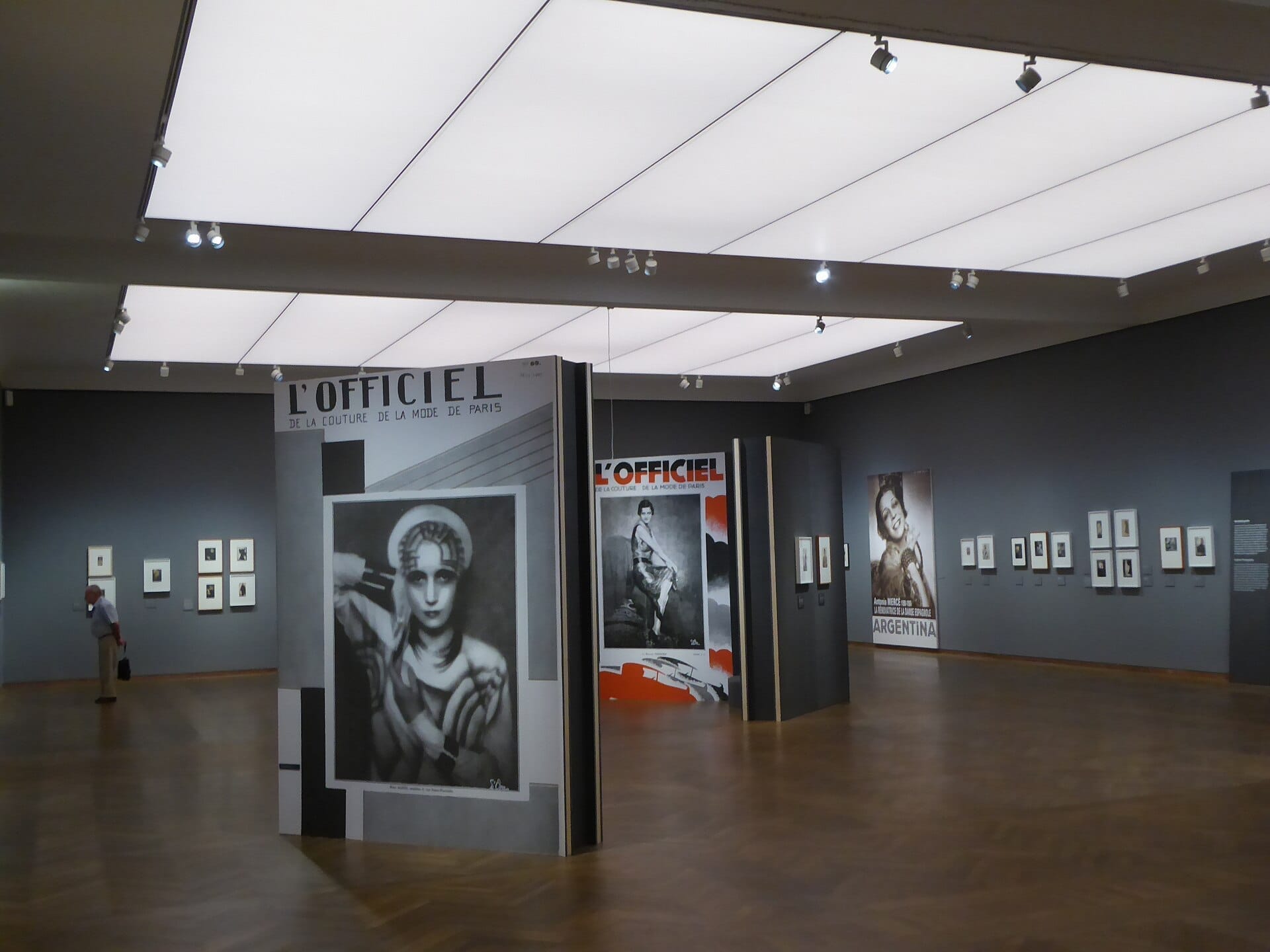
6. Immerse Yourself in Klimt and Schiele at the Leopold Museum
The world's largest Egon Schiele collection sits alongside major Klimt holdings and works by Kokoschka and Gerstl. This is where Vienna's post-Secession expressionist turn becomes clear. Budget at least two hours; the top-floor Klimt rooms alone reward extended looking.
Explore6. Immerse Yourself in Klimt and Schiele at the Leopold Museum
The world's largest Egon Schiele collection sits alongside major Klimt holdings and works by Kokoschka and Gerstl. This is where Vienna's post-Secession expressionist turn becomes clear. Budget at least two hours; the top-floor Klimt rooms alone reward extended looking.
Explore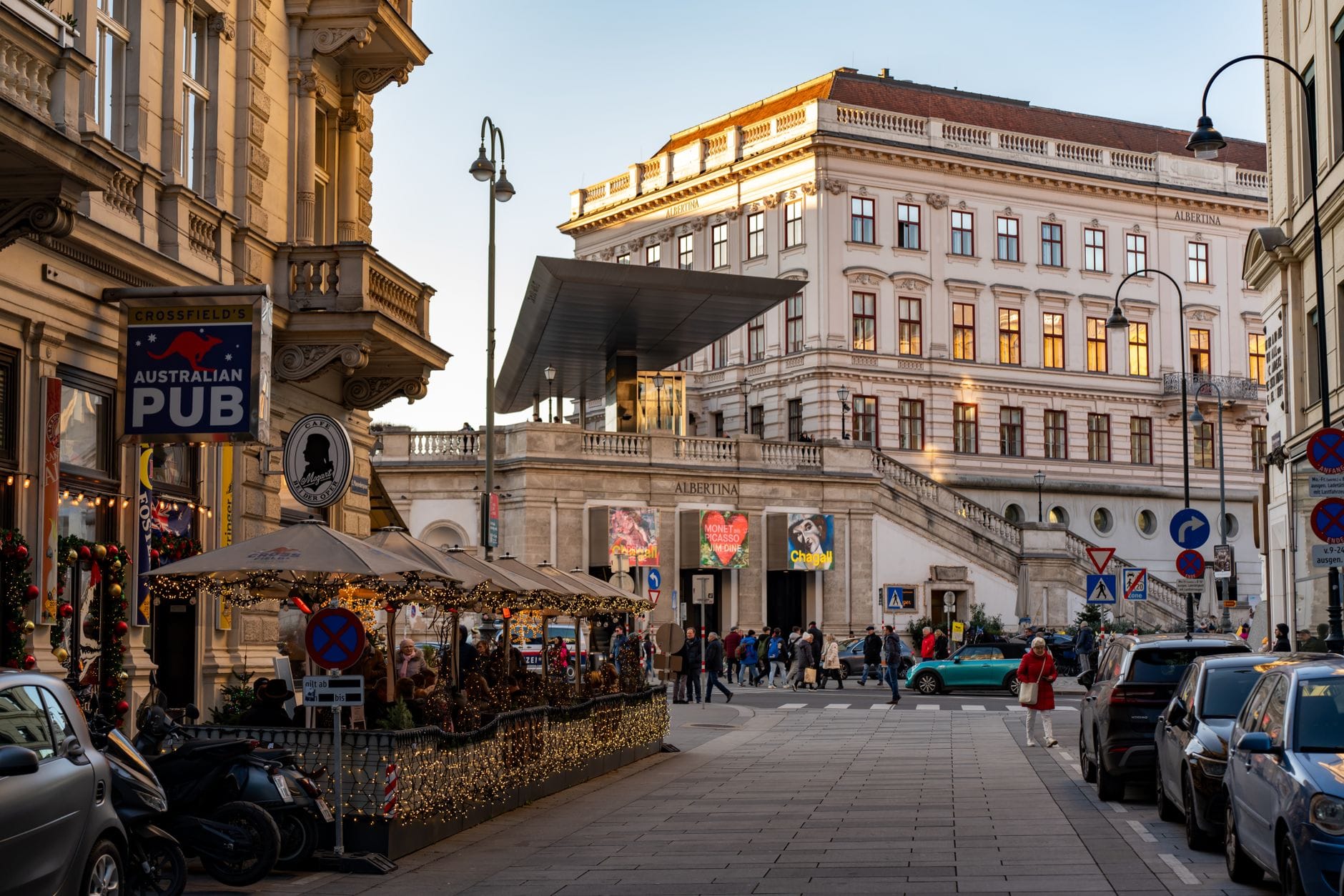
7. Study Klimt's Works on Paper at the Albertina
The Albertina holds one of the world's great graphic art collections, including significant Klimt drawings that reveal his preparatory process. Its temporary exhibitions frequently feature Secession-era masters. The Monet to Picasso permanent show adds further depth.
Explore7. Study Klimt's Works on Paper at the Albertina
The Albertina holds one of the world's great graphic art collections, including significant Klimt drawings that reveal his preparatory process. Its temporary exhibitions frequently feature Secession-era masters. The Monet to Picasso permanent show adds further depth.
Explore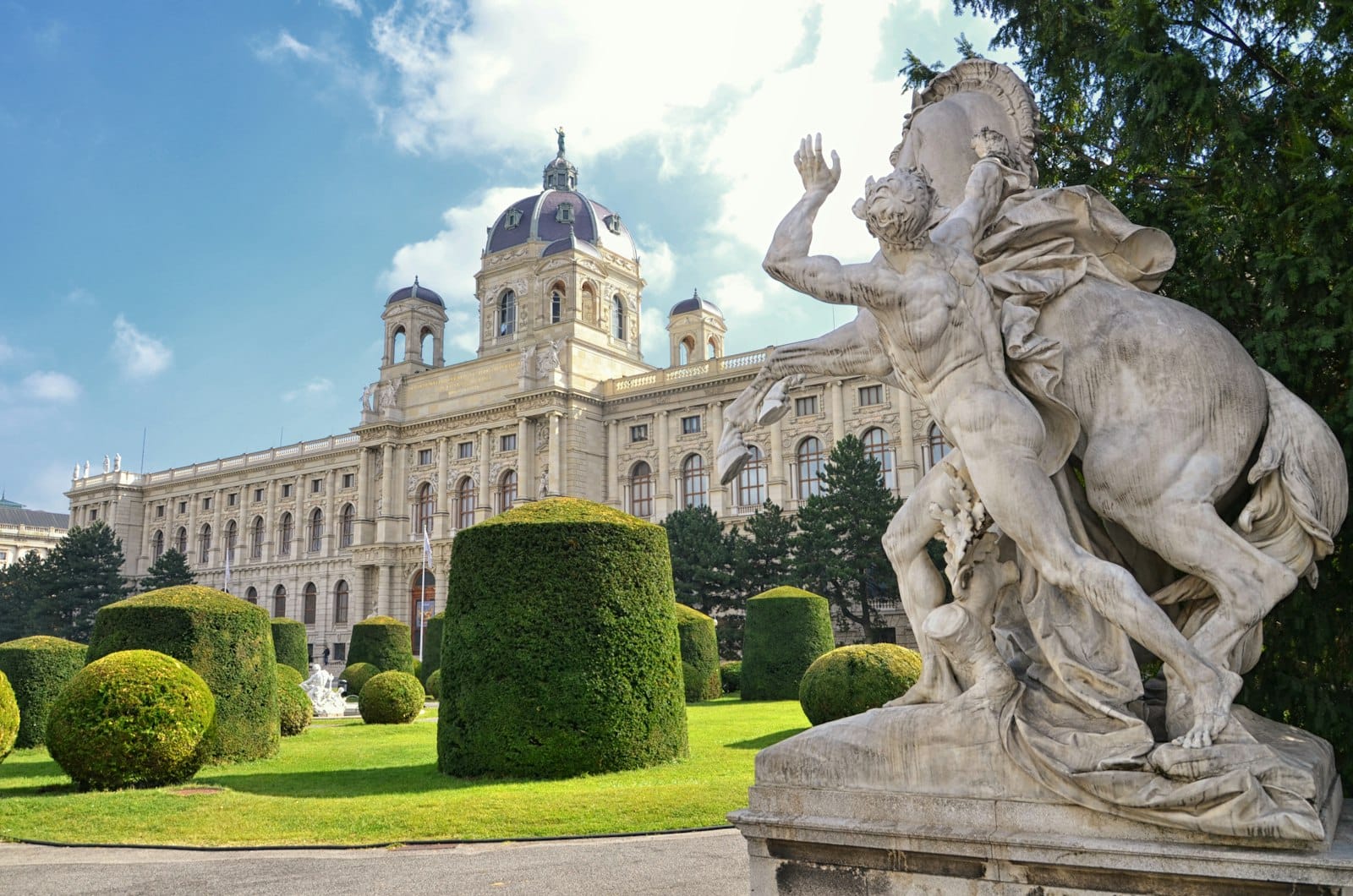
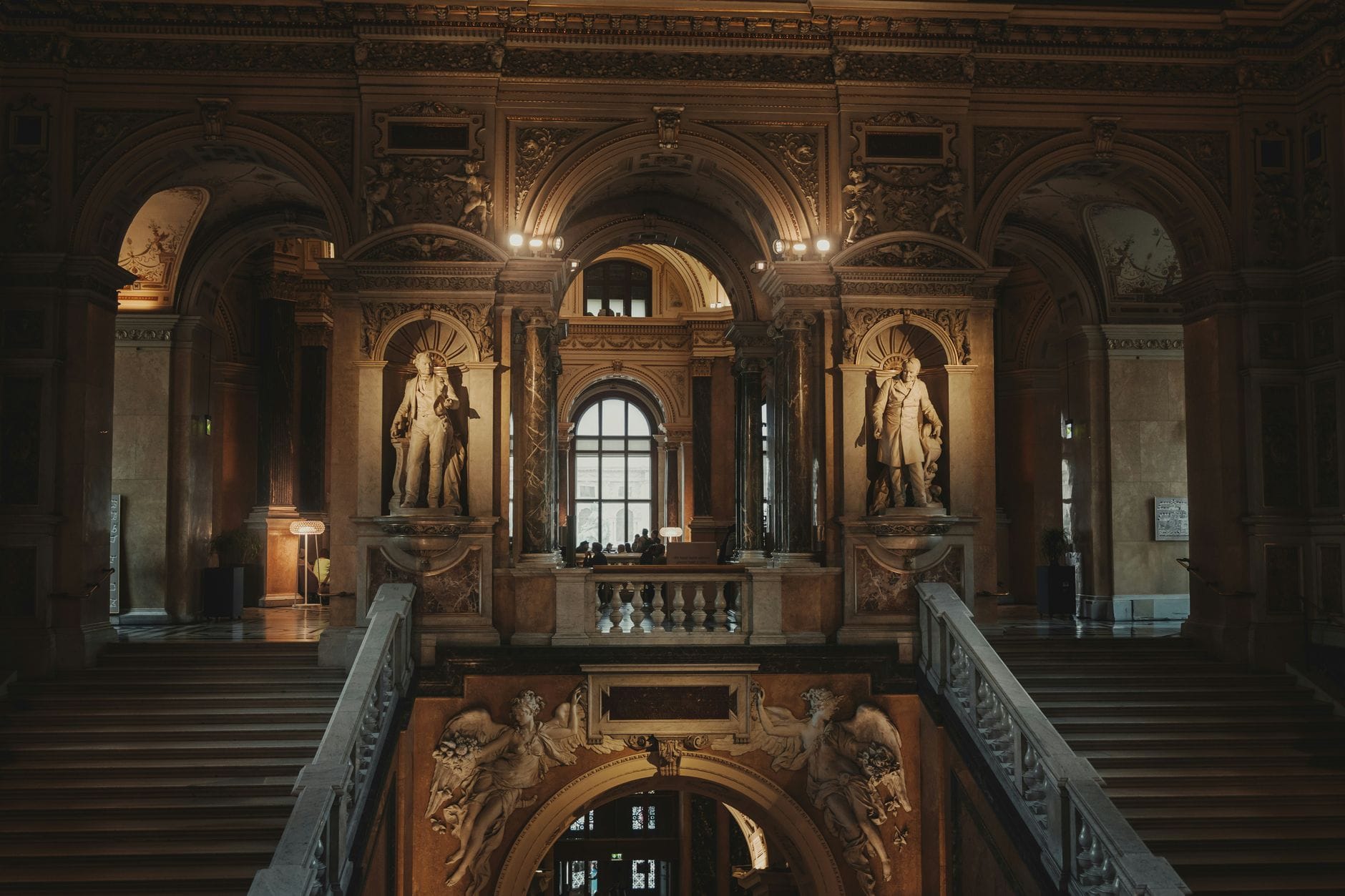
8. See the Spandrel Paintings Klimt Made at the KHM
Before the Secession, a young Klimt was commissioned to paint allegorical ceiling decorations in the Kunsthistorisches Museum's grand staircase (1890-91). They are among his earliest major works and show exactly what he was rebelling against by 1897.
Explore8. See the Spandrel Paintings Klimt Made at the KHM
Before the Secession, a young Klimt was commissioned to paint allegorical ceiling decorations in the Kunsthistorisches Museum's grand staircase (1890-91). They are among his earliest major works and show exactly what he was rebelling against by 1897.
ExploreThe Applied Arts and Architecture of the Secession
The Secession was never just about painting. Klimt's collaborators, especially Josef Hoffmann and Koloman Moser, founded the Wiener Werkstätte in 1903 to bring Secession ideals into furniture, glass, textiles, and ceramics. The Innere Stadt holds several institutions where this broader vision comes alive, particularly the MAK, which has the most important Wiener Werkstätte holdings in the world.
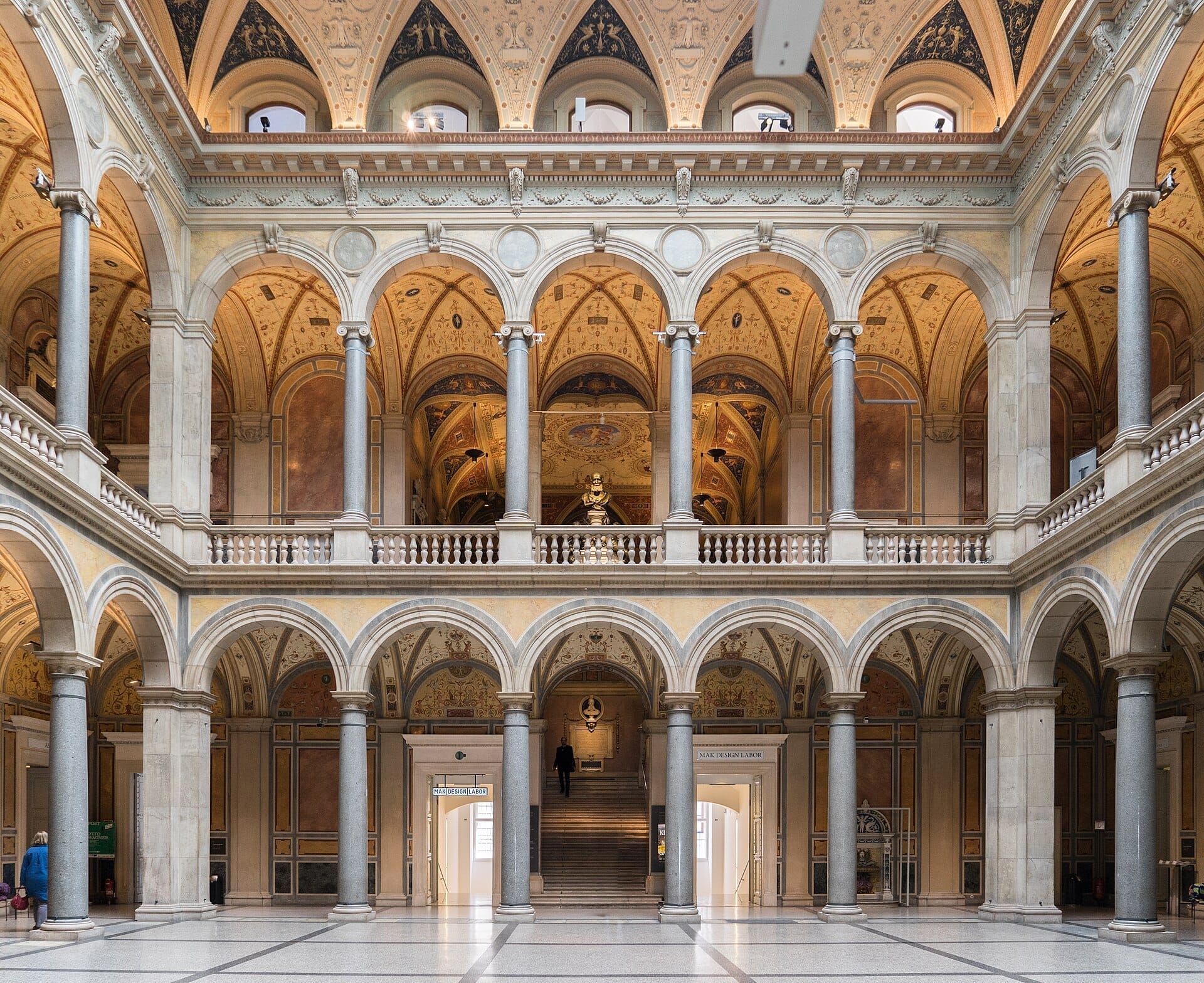
9. Discover the Wiener Werkstätte at the MAK
The Museum of Applied Arts holds the world's premier Wiener Werkstätte collection, textiles, jewelry, metalwork, and furniture by Hoffmann and Moser, Klimt's closest collaborators. Each gallery is designed by a contemporary artist, making the space itself a Gesamtkunstwerk.
Explore9. Discover the Wiener Werkstätte at the MAK
The Museum of Applied Arts holds the world's premier Wiener Werkstätte collection, textiles, jewelry, metalwork, and furniture by Hoffmann and Moser, Klimt's closest collaborators. Each gallery is designed by a contemporary artist, making the space itself a Gesamtkunstwerk.
Explore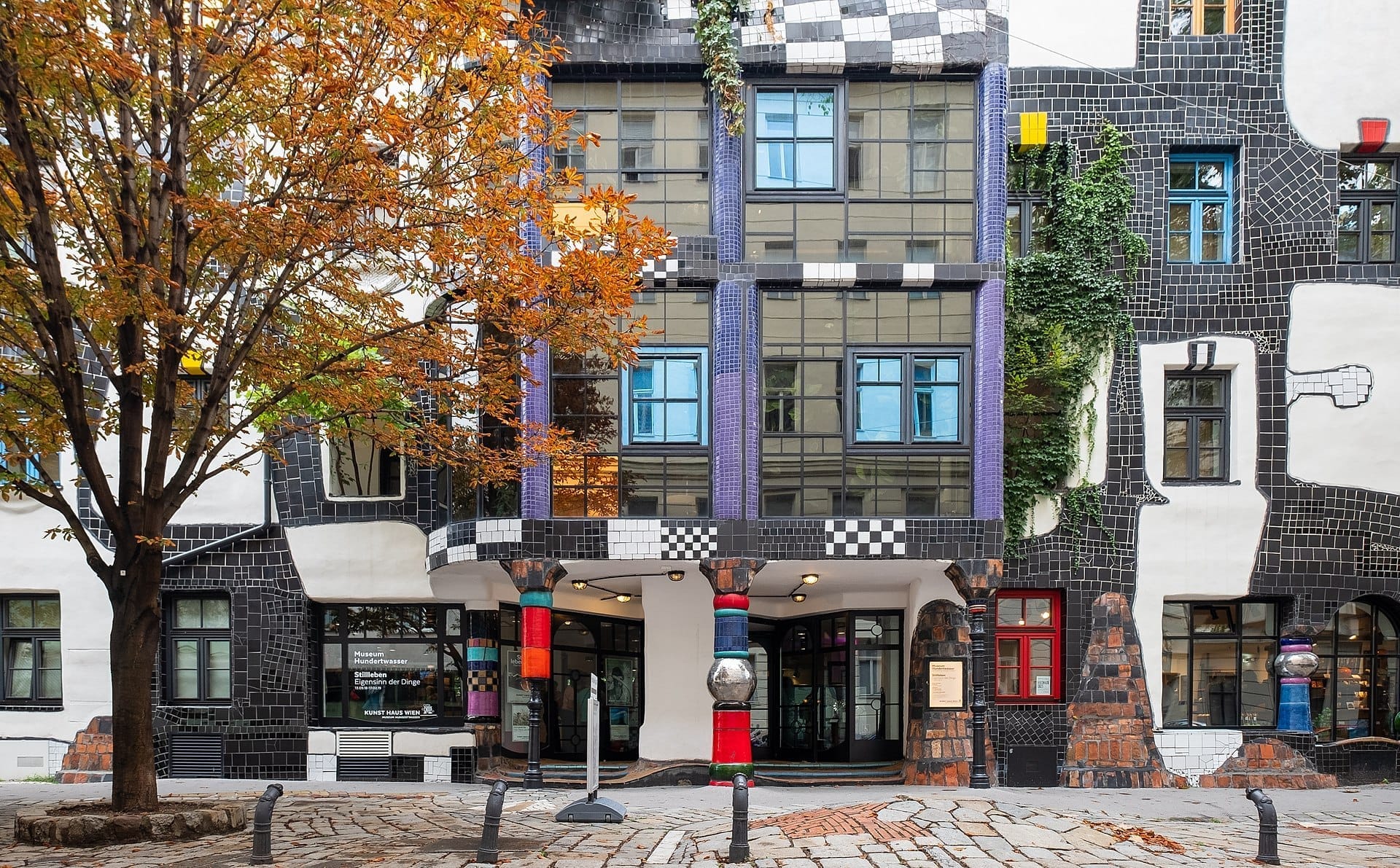
10. Explore Hundertwasser's Radical Vision at the Kunst Haus Wien
The Secession's legacy of rejecting artistic convention runs directly to Friedensreich Hundertwasser. This museum in his characteristically irregular building covers his paintings, prints, and architectural philosophy, tracing how Secessionist ideals survived into the late 20th century.
Explore10. Explore Hundertwasser's Radical Vision at the Kunst Haus Wien
The Secession's legacy of rejecting artistic convention runs directly to Friedensreich Hundertwasser. This museum in his characteristically irregular building covers his paintings, prints, and architectural philosophy, tracing how Secessionist ideals survived into the late 20th century.
Explore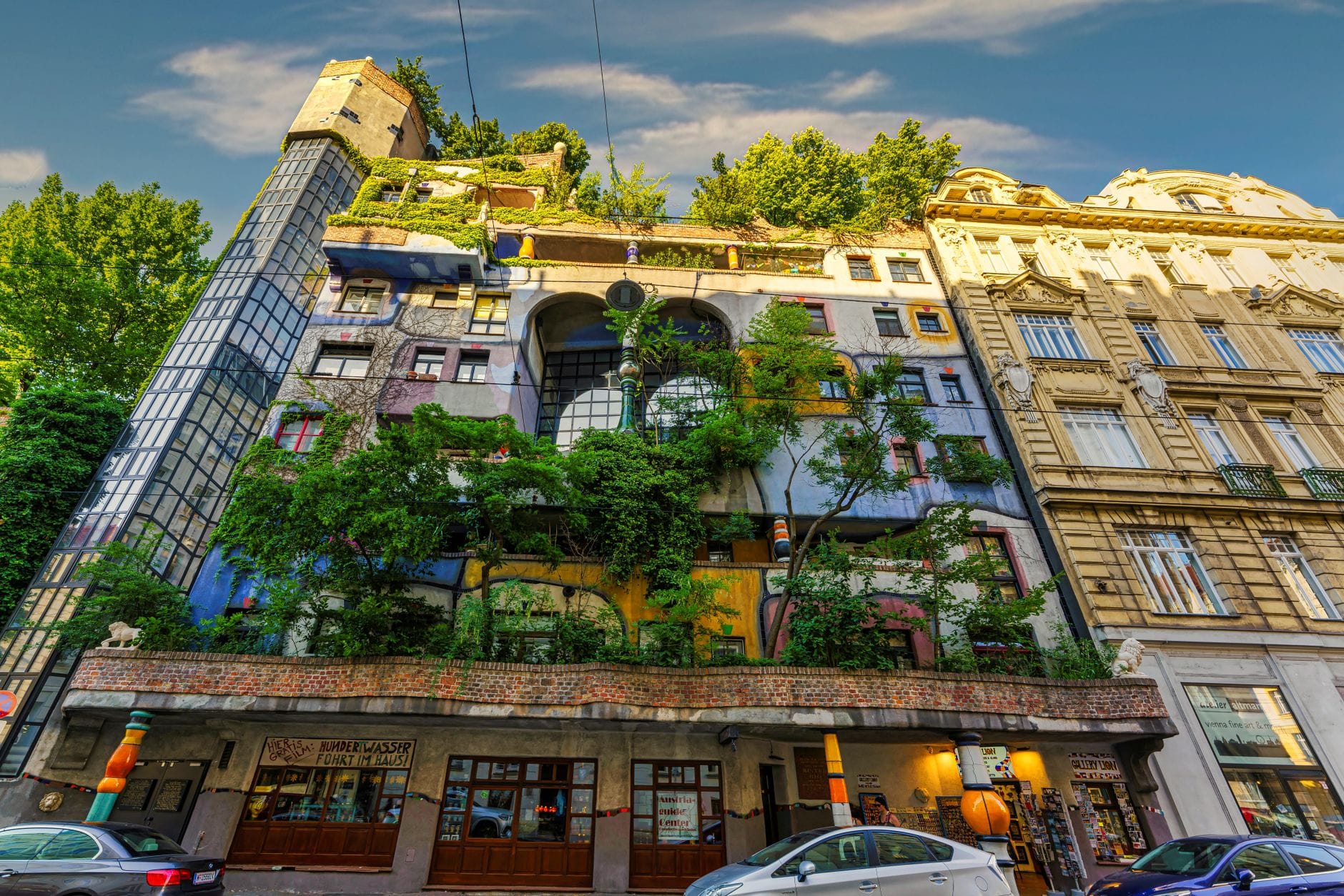
11. Walk Past Hundertwasser's Living Manifesto on Löwengasse
Hundertwasser's 1986 residential building, with its undulating floors, rooftop trees, and mosaic facade, is the most visible descendant of the Secession's total-art ambitions. You cannot enter, but the exterior is best seen in a 10-minute walk around the entire block.
Explore11. Walk Past Hundertwasser's Living Manifesto on Löwengasse
Hundertwasser's 1986 residential building, with its undulating floors, rooftop trees, and mosaic facade, is the most visible descendant of the Secession's total-art ambitions. You cannot enter, but the exterior is best seen in a 10-minute walk around the entire block.
Explore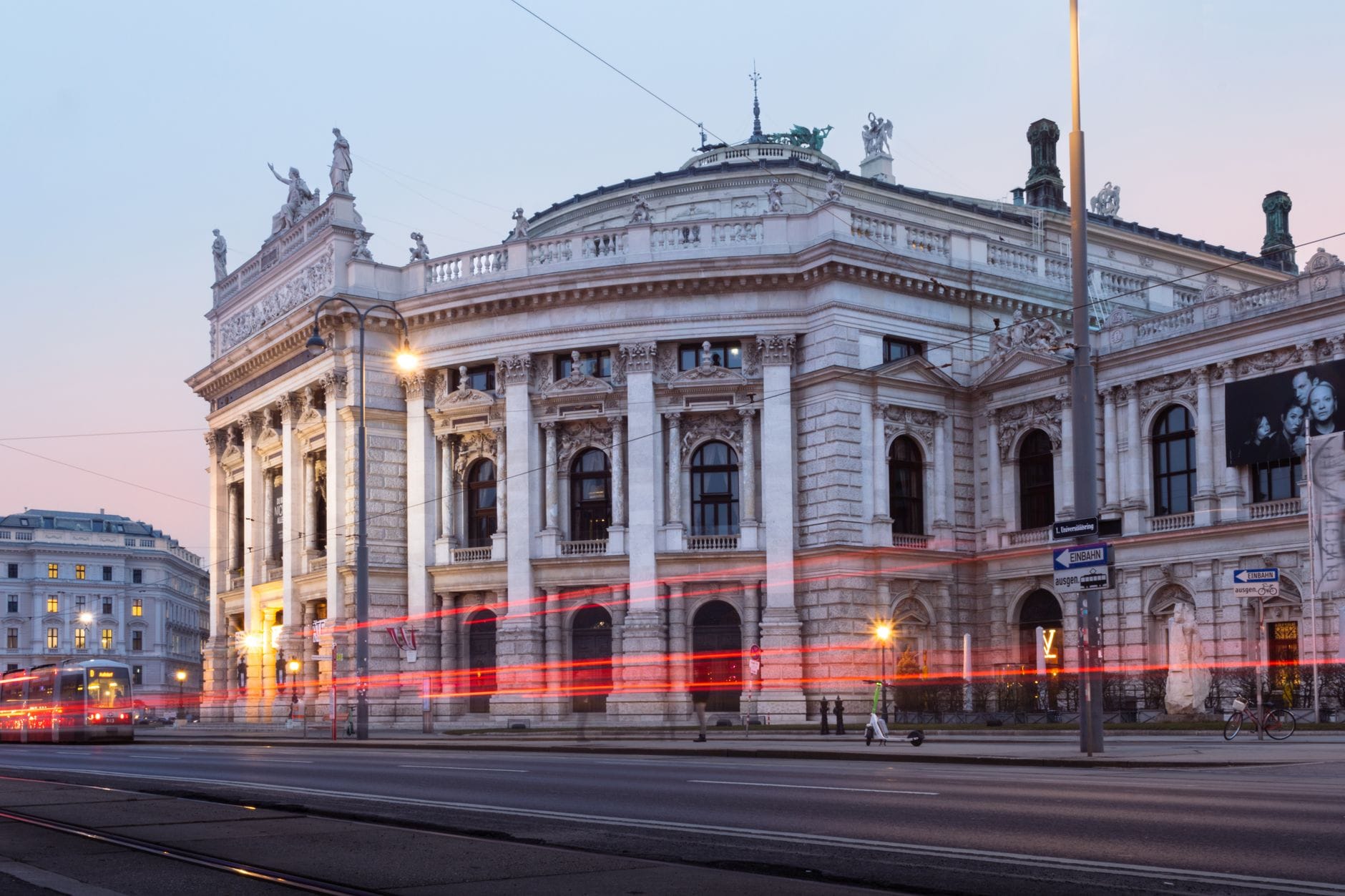
12. Find the Young Klimt's Ceiling Paintings at the Burgtheater
In the late 1880s, Klimt and his brother Ernst painted ceiling lunettes in the Burgtheater's grand staircases, commissioned before his Secessionist break. Guided tours reveal these early works and the Neo-Baroque architecture that the Secession would soon challenge.
Explore12. Find the Young Klimt's Ceiling Paintings at the Burgtheater
In the late 1880s, Klimt and his brother Ernst painted ceiling lunettes in the Burgtheater's grand staircases, commissioned before his Secessionist break. Guided tours reveal these early works and the Neo-Baroque architecture that the Secession would soon challenge.
ExploreThe MuseumsQuartier: Vienna's Modern Art Campus
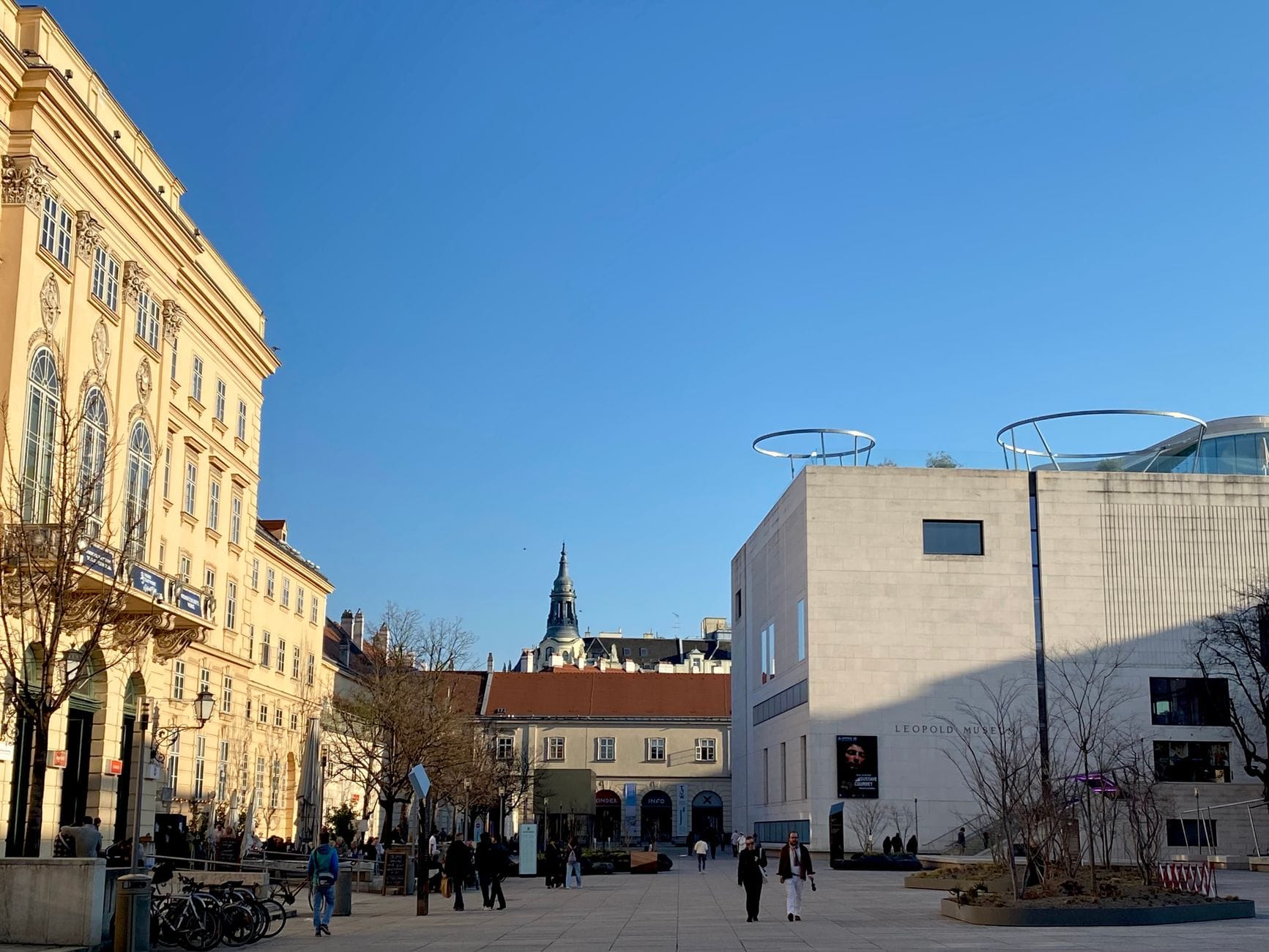
The MuseumsQuartier is where Vienna's response to the Secession's legacy plays out in real time. The Leopold Museum, MUMOK, and the broader campus together form one of Europe's densest concentrations of modern and contemporary art. Allocate a full day here if Klimt and post-Secessionist Austrian art are your primary interest. Our Egon Schiele guide goes deeper into the artists who followed directly in Klimt's wake.
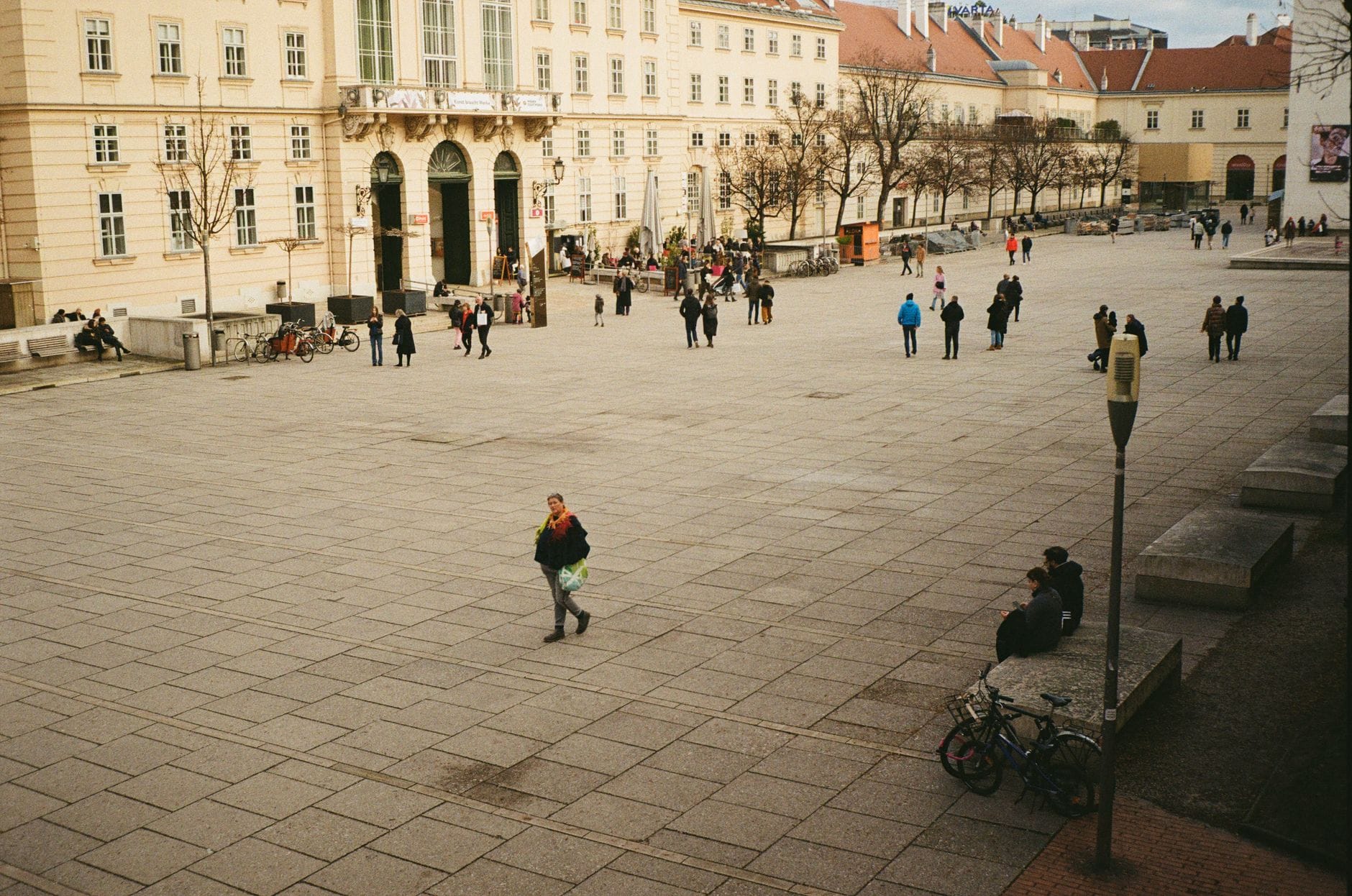
13. Use the MuseumsQuartier as Your Art Day Base Camp
The former imperial stables turned cultural campus houses the Leopold Museum, MUMOK, and smaller venues in one walkable complex. The central courtyards are good for regrouping between galleries. The complex opens early and several cafés operate inside the grounds.
Explore13. Use the MuseumsQuartier as Your Art Day Base Camp
The former imperial stables turned cultural campus houses the Leopold Museum, MUMOK, and smaller venues in one walkable complex. The central courtyards are good for regrouping between galleries. The complex opens early and several cafés operate inside the grounds.
Explore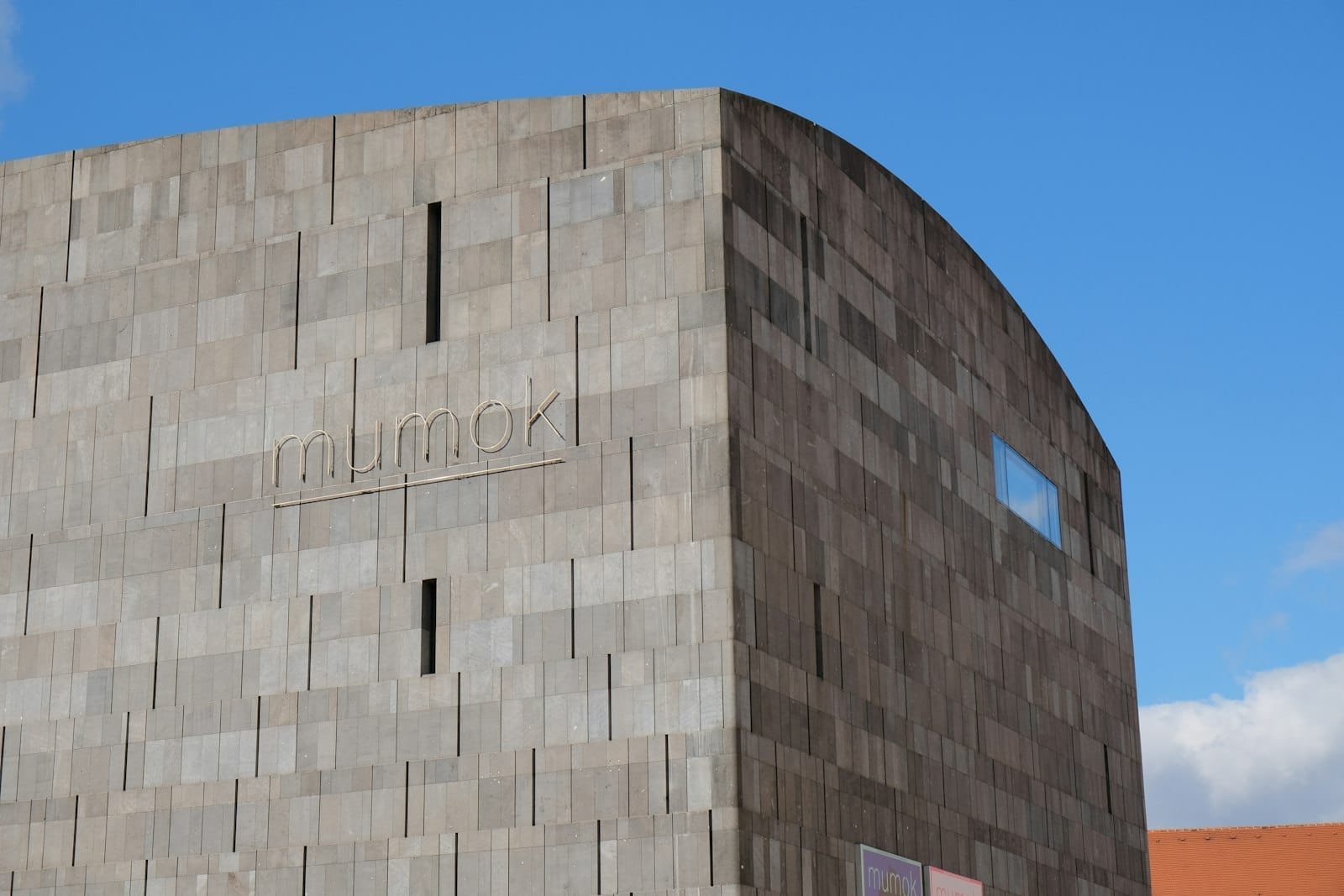
14. Trace Vienna Actionism and Post-War Art at MUMOK
MUMOK's collection charts what came after the Secession: Vienna Actionism, Fluxus, Pop Art, and Conceptual Art. For anyone tracking the full arc of Austrian modernism, this basalt-lava cube is the essential next step after the Leopold Museum across the courtyard.
Explore14. Trace Vienna Actionism and Post-War Art at MUMOK
MUMOK's collection charts what came after the Secession: Vienna Actionism, Fluxus, Pop Art, and Conceptual Art. For anyone tracking the full arc of Austrian modernism, this basalt-lava cube is the essential next step after the Leopold Museum across the courtyard.
Explore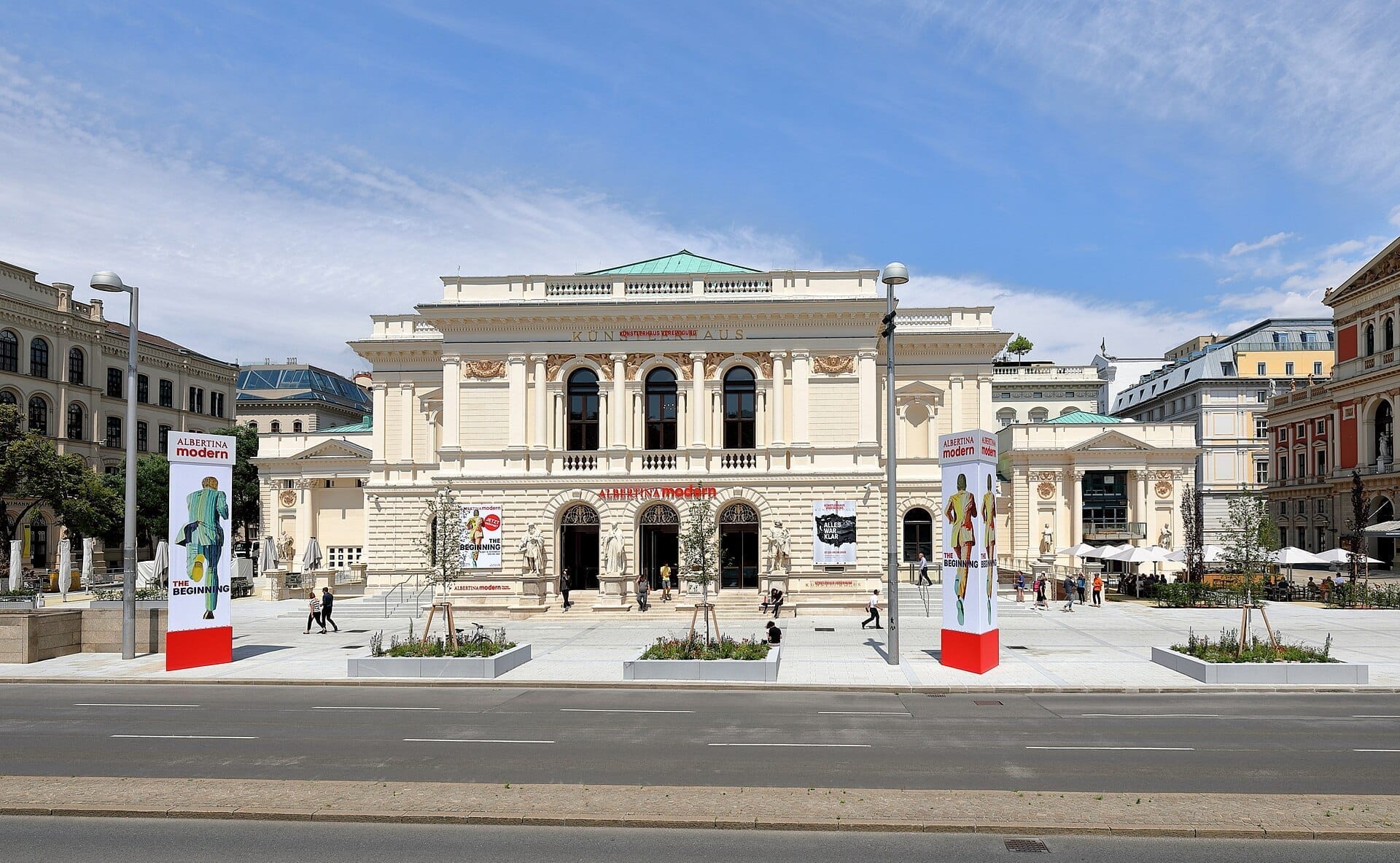
15. See Austrian Art from 1945 Onward at Albertina Modern
Housed in the Künstlerhaus on Karlsplatz, Albertina Modern focuses on Austrian and international art from 1945 to the present. Its location in a former Secession-era exhibiting institution adds an extra layer of historical resonance to its contemporary programming.
Explore15. See Austrian Art from 1945 Onward at Albertina Modern
Housed in the Künstlerhaus on Karlsplatz, Albertina Modern focuses on Austrian and international art from 1945 to the present. Its location in a former Secession-era exhibiting institution adds an extra layer of historical resonance to its contemporary programming.
ExploreCultural Context: Where the Secession Was Born
The Secession did not emerge in a vacuum. It grew from the charged intellectual atmosphere of fin-de-siècle Vienna, a city where Freud was developing psychoanalysis and the coffeehouse was the primary venue for artistic debate. Walking the coffeehouse circuit and the Ringstrasse gives essential context for understanding why the break with tradition was so explosive when it came.
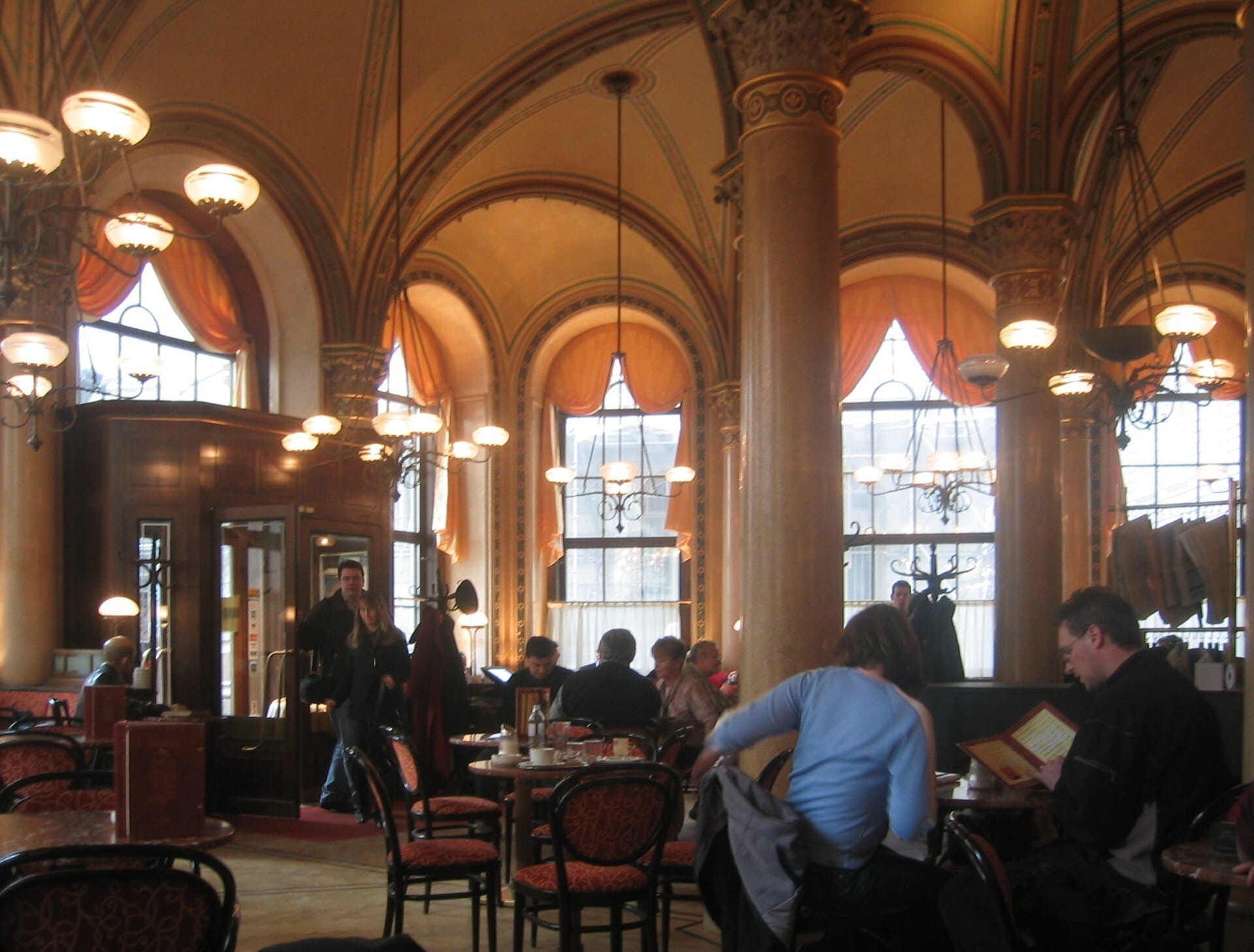
16. Sit in the Coffeehouse Where Klimt and His Circle Debated
Café Central's vaulted Neo-Gothic arcades were a regular haunt of Klimt's Vienna, a city where coffeehouses served as studios, salons, and debating chambers. Order a Melange and a Strudel, and read the Secession's founding manifesto while you're there.
Explore16. Sit in the Coffeehouse Where Klimt and His Circle Debated
Café Central's vaulted Neo-Gothic arcades were a regular haunt of Klimt's Vienna, a city where coffeehouses served as studios, salons, and debating chambers. Order a Melange and a Strudel, and read the Secession's founding manifesto while you're there.
Explore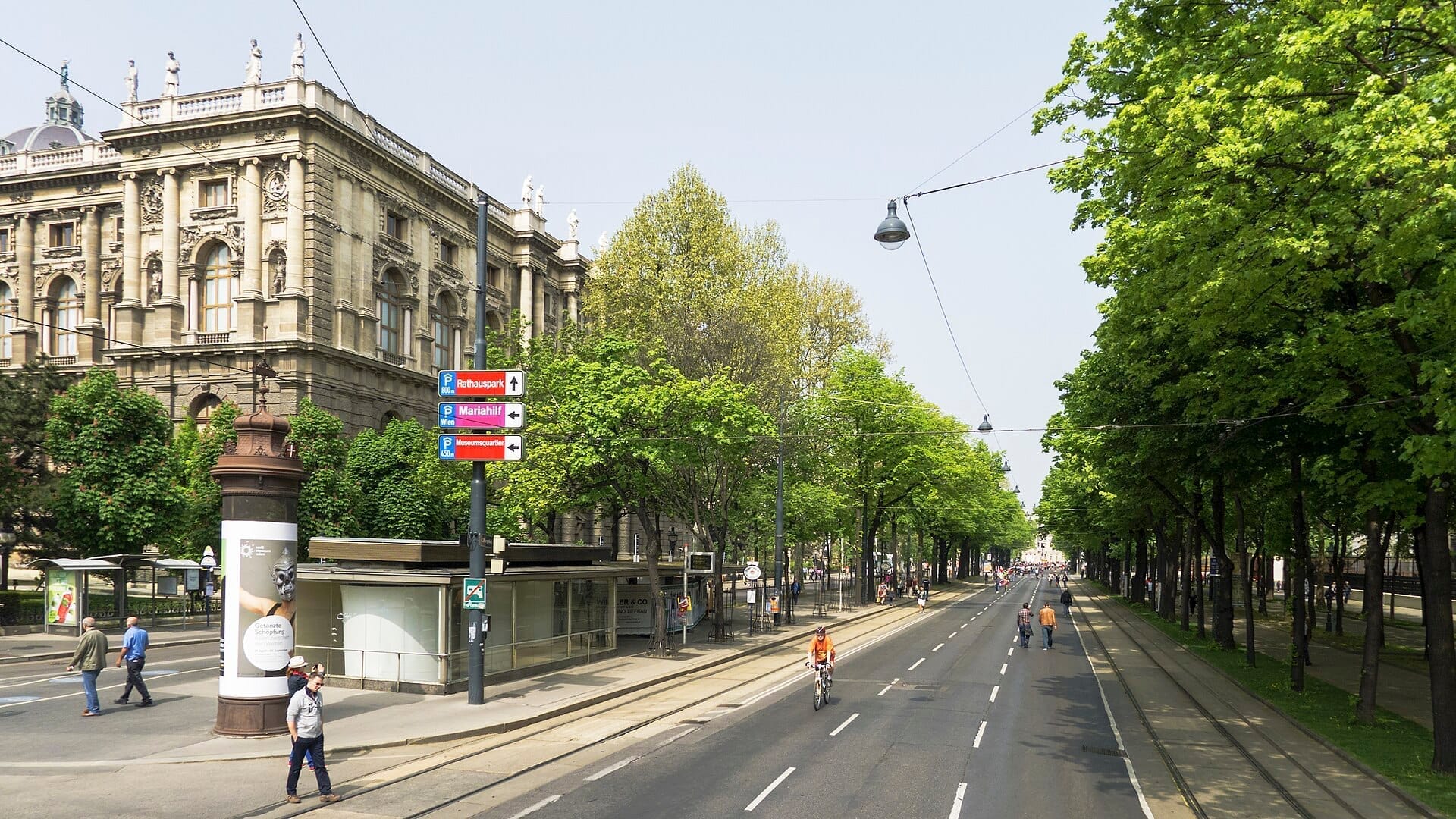
17. Walk the Ringstrasse to Understand What the Secession Rebelled Against
Emperor Franz Joseph's grand boulevard of Neo-Renaissance and Neo-Gothic public buildings is the architectural establishment the Secessionists broke from in 1897. Walking it reveals exactly how radical their stripped-down, ornament-as-function aesthetic was by comparison.
Explore17. Walk the Ringstrasse to Understand What the Secession Rebelled Against
Emperor Franz Joseph's grand boulevard of Neo-Renaissance and Neo-Gothic public buildings is the architectural establishment the Secessionists broke from in 1897. Walking it reveals exactly how radical their stripped-down, ornament-as-function aesthetic was by comparison.
Explore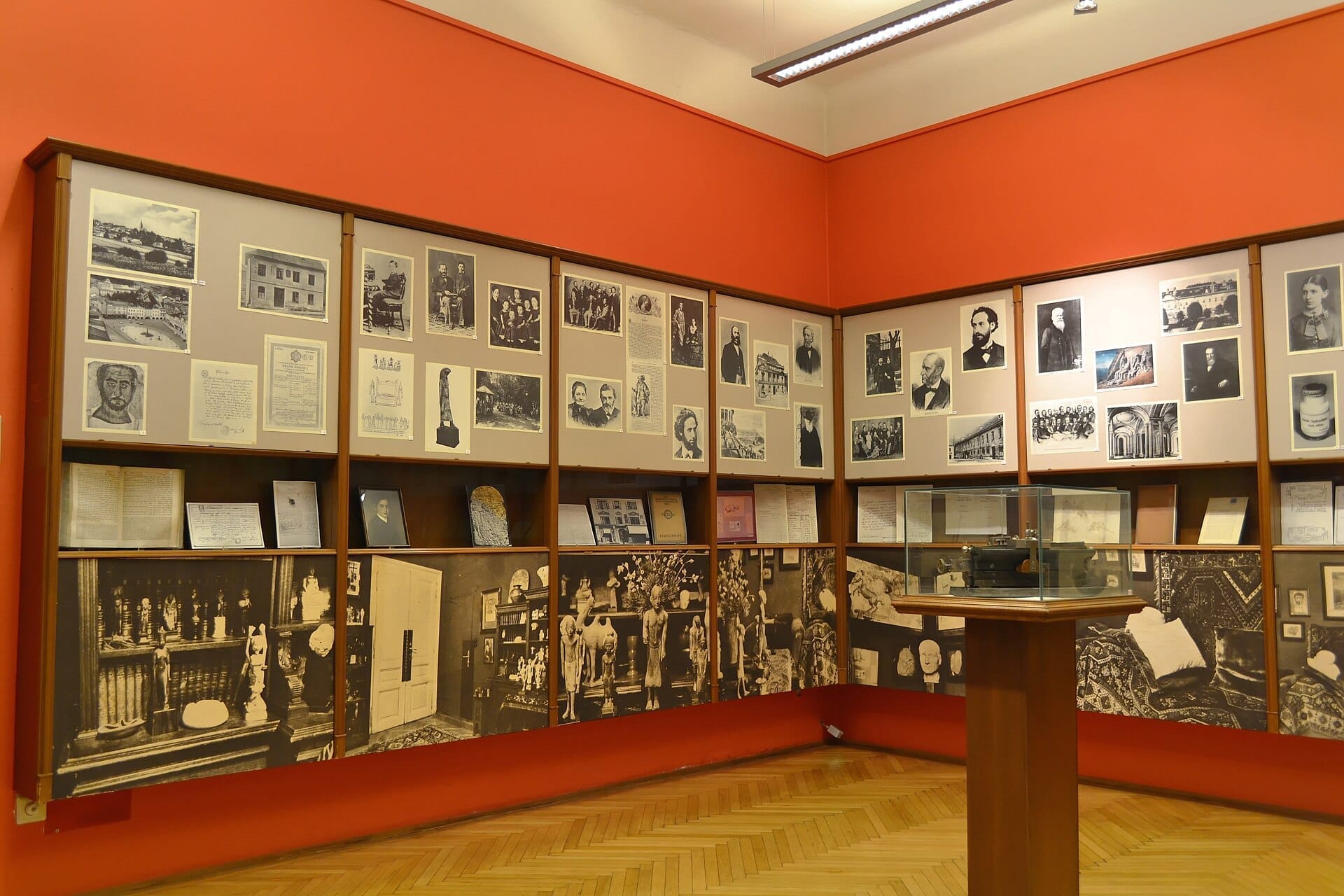
18. Visit Freud's Consulting Rooms for Parallel Intellectual Context
Freud and Klimt were contemporaries in the same city, both dismantling 19th-century certainties from different directions. The preserved apartment at Berggasse 19 puts the Secession's psychological intensity into the broader context of Vienna's revolutionary intellectual moment.
Explore18. Visit Freud's Consulting Rooms for Parallel Intellectual Context
Freud and Klimt were contemporaries in the same city, both dismantling 19th-century certainties from different directions. The preserved apartment at Berggasse 19 puts the Secession's psychological intensity into the broader context of Vienna's revolutionary intellectual moment.
Explore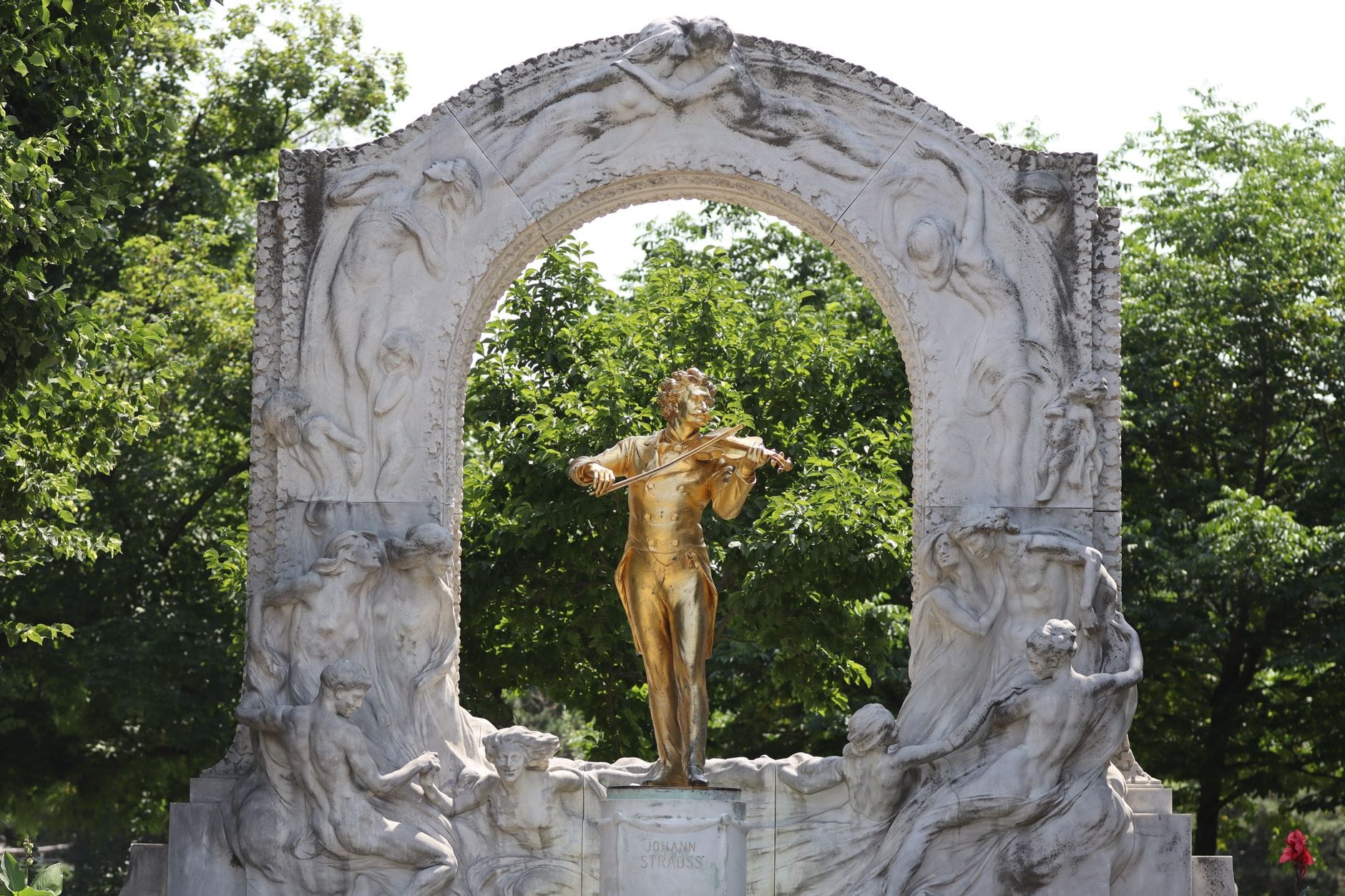
19. Find the Klimt Memorial in the Stadtpark
Vienna's beloved city park contains a seated bronze memorial to Gustav Klimt installed in 2012. It stands near the more famous Strauss monument, offering a quiet pause between gallery visits and a reminder of how deeply the city has reclaimed its most famous painter.
Explore19. Find the Klimt Memorial in the Stadtpark
Vienna's beloved city park contains a seated bronze memorial to Gustav Klimt installed in 2012. It stands near the more famous Strauss monument, offering a quiet pause between gallery visits and a reminder of how deeply the city has reclaimed its most famous painter.
ExploreFAQ
Where can I see Klimt's 'The Kiss' in Vienna?
'The Kiss' (1907-08) is permanently displayed at the Upper Belvedere palace. It is Austria's most visited painting. Book timed-entry tickets in advance online, especially in summer, to avoid long queues at the door.
What is the Beethoven Frieze and where is it?
The Beethoven Frieze is a 34-meter-long painting Klimt created in 1902 for the 14th Vienna Secession exhibition. It is permanently installed in the basement of the Secession building on Friedrichstraße. The Secession is open Tuesday to Sunday, 10:00-18:00 (verify current hours before visiting).
Is the Wiener Secession building a museum?
Not in the traditional sense. The Secession functions as an active contemporary art exhibition space housed in an 1898 historic building. The Beethoven Frieze is the only permanent work; all other galleries rotate with new contemporary exhibitions throughout the year.
Can I see Klimt's work in more than one Vienna museum?
Yes. The Upper Belvedere, Leopold Museum, Albertina, and Wien Museum all hold significant Klimt works or drawings. The Burgtheater and Kunsthistorisches Museum contain his early commissioned ceiling paintings from before the Secession was founded.
How much time do I need to cover the main Klimt and Secession sites?
Realistically, two full days. Day one: Secession building, Otto Wagner Pavilions, Wien Museum, and MAK. Day two: Leopold Museum and MUMOK in the MuseumsQuartier in the morning, Upper Belvedere in the afternoon. The Kirche am Steinhof requires a separate half-day trip.
Tickets & tours
Live prices and dates from our booking partner. If you book, we may earn a commission at no extra cost to you.
Planning a trip? Discover personalized activities with the Nomado app.