Wien Museum: Vienna's City Museum, Completely Reimagined
Reopened in December 2023 after a sweeping renovation, the Wien Museum at Karlsplatz is where Vienna tells its own story — warts, glory, and all. The permanent collection is free, the building itself is worth the detour, and the rooftop view of the Karlskirche is genuinely hard to beat.
Quick Facts
- Location
- Karlsplatz 8, 1040 Vienna (4th district, Wieden)
- Getting There
- U1, U2, U4 — Karlsplatz station (2-minute walk); multiple tram lines also stop at Karlsplatz
- Time Needed
- 1.5–3 hours for permanent collection; add 45–60 min for a special exhibition
- Cost
- Permanent exhibition free; special exhibitions typically €8–€12 (concessions available). Verify current pricing before visiting.
- Best for
- History lovers, architecture enthusiasts, first-time visitors wanting context before exploring the city
- Official website
- www.wienmuseum.at/wien_museum_en
What the Wien Museum Actually Is
The Wien Museum — officially Vienna's city history museum — sits at one of the most symbolically loaded squares in the city: Karlsplatz, directly in front of Johann Fischer von Erlach's baroque Karlskirche. That location is not accidental. The museum is the city looking at itself, and the view from its rooftop terrace, looking back at the church dome across the square, drives that point home immediately.
The original postwar building, erected in the 1950s, was functional but unloved. After years of debate and a comprehensive renovation, the museum reopened on 6 December 2023 with a dramatically expanded footprint and a new identity. The transformation added a substantial upper floor clad in reflective aluminum panels, making the building a contemporary counterpoint to its baroque neighbor. Whether you find that juxtaposition bold or jarring will probably depend on your general feelings about architectural contrast — but it is unambiguously intentional.
The permanent exhibition, titled "Vienna. My History," covers roughly 2,000 years of the city's development and is free of charge — one of the few major permanent collections in Vienna that costs nothing to enter. For the broader cultural landscape around Karlsplatz, the nearby Wiener Secession and the Karlskirche form a natural half-day triangle with the Wien Museum.
💡 Local tip
The permanent collection is free — no ticket purchase required. If you plan to see a special exhibition too, check the museum's website for current pricing and whether combined tickets are available before you arrive.
The Building: Why the Architecture Matters Here
Most city museums could be in any city. The Wien Museum, at least in its new form, could only be in Vienna — specifically, in this Vienna that is perpetually in conversation with its own past. The renovated structure keeps the 1950s concrete base largely intact, then adds a floating upper level that mirrors the square below in its polished facade. On clear days, the reflection of the Karlskirche dome appears in the cladding, creating a kind of architectural feedback loop.
The rooftop terrace is publicly accessible and free, regardless of whether you enter the museum. That alone makes a visit worthwhile on a clear afternoon. From up there, the relationship between the Ringstrasse-era city, the baroque church, and the Otto Wagner pavilions flanking the square becomes legible in a way that no map or guidebook fully captures. Come up here before touring the galleries and the exhibit's historical timeline will feel much more grounded.
Visitors with a deeper interest in Vienna's architectural layers should also note that the Otto Wagner Pavilions at Karlsplatz — the delicate green-and-gold metro station structures from 1898 — are visible from the terrace and just steps away at street level. They represent a completely different chapter in the city's design story, and seeing them in proximity to the museum building makes both more interesting.
Tickets & tours
Hand-picked options from our booking partner. Prices are indicative; availability and final rates are confirmed when you complete your booking.
Wiener Melange coffeehouse experience
From 34 €Instant confirmationFree cancellationSelf-guided digital scavenger hunt in Wiener Neustadt
From 13 €Instant confirmationVienna KunstHausWien Museum Hundertwasser tickets
From 15 €Instant confirmationFree cancellationImperial Vienna 72-hour hop-on hop-off bus
From 55 €Instant confirmationFree cancellation
The Permanent Exhibition: "Vienna. My History"
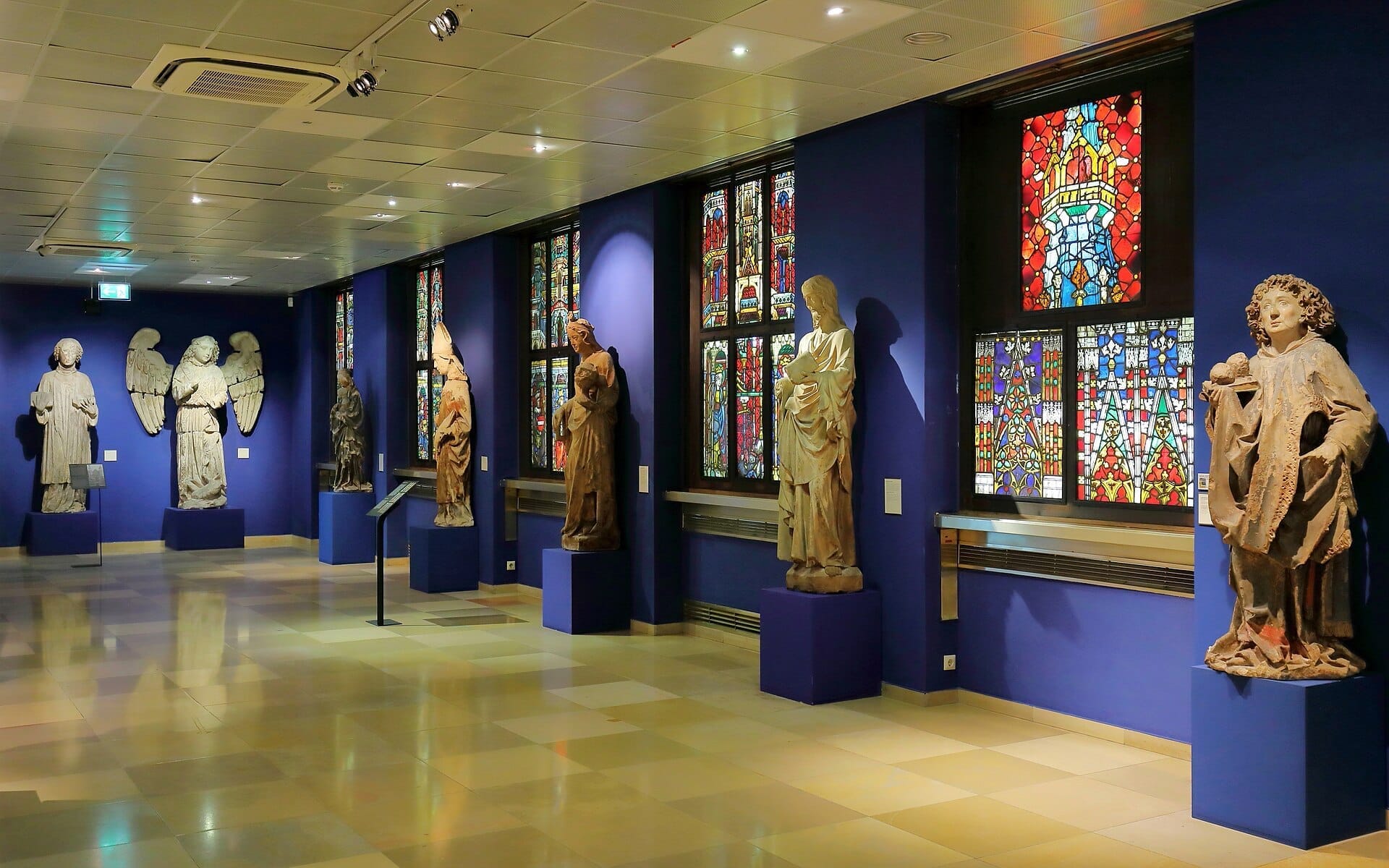
The free permanent collection moves roughly chronologically through Vienna's history from Roman Vindobona through the medieval city, the Habsburg imperial centuries, the Ring Road era of the 19th century, the fin-de-siècle cultural explosion, the turbulent 20th century, and into the present. The curators have made deliberate choices to include uncomfortable chapters — the museum does not present a triumphalist city narrative, which makes it more trustworthy and ultimately more interesting.
Original objects carry the exhibition. There are archaeological finds from Roman layers beneath the city, medieval stonework, paintings from the Habsburg court, and objects from ordinary domestic life across the centuries. The balance between high culture and everyday urban history is one of the collection's strengths — you get Klimt-era luxury objects alongside the rent books and workshop tools of the workers who lived in the same city during the same decades.
If you arrive at the Wien Museum already versed in the Habsburg imperial story — perhaps after visiting the Hofburg Palace or the Kunsthistorisches Museum — you will find this collection fills in the urban and social history that those imperial institutions naturally leave out. It is not a redundant visit; it is a different angle on the same city.
ℹ️ Good to know
Opening hours: Tuesday, Wednesday, and Friday 9:00–18:00; Thursday 9:00–21:00; Saturday and Sunday 10:00–18:00. Closed Mondays and on 1 January, 1 May, and 25 December. Thursday evenings are notably quiet.
How the Experience Changes by Time of Day
Weekday mornings, particularly Tuesday through Thursday between opening and noon, tend to be calm. School groups do visit — this is a city museum, after all — but they typically move through at a pace that doesn't block the galleries. By midday on weekends, especially when a popular special exhibition is running, the ground-floor areas and cafe can become crowded enough to feel rushed.
Thursday evenings, with the extended 21:00 closing time, offer something genuinely different. The crowds thin out after about 18:30, the ambient light through the upper-level windows shifts, and the museum takes on a quieter register that suits thoughtful engagement with the collection. If you are in Vienna midweek and want to give a museum visit real time without sacrificing your afternoon, Thursday evening is the most practical option.
The rooftop terrace changes character entirely depending on the season. In summer it draws people who are there specifically for the view and the cafe. In autumn and winter, on a clear cold afternoon, you can often have the terrace nearly to yourself, with the Karlskirche dome catching low light directly. Dress for the temperature — there is no shelter up there.
Getting There and Getting Around
Karlsplatz is one of Vienna's major public transit intersections. The U1, U2, and U4 metro lines all converge here, and several tram routes stop at or just adjacent to the square. From the central 1st district, the museum is about a 10-minute walk south from the State Opera or 5 minutes from the Naschmarkt end of the square. There is genuinely no reason to take a taxi or rideshare for this trip from anywhere in the inner city.
If you are combining the Wien Museum with the nearby Naschmarkt, plan the market visit first in the morning when produce stalls are at their best, then cross to the museum for the afternoon. The two attractions are about 8 minutes apart on foot and make a logical combination for a morning-into-afternoon itinerary.
Photography, Accessibility, and Practical Notes
Photography is permitted throughout the permanent collection without flash. The reflective facade of the upper building is itself a compelling exterior subject, particularly in morning light when the low sun hits the aluminum cladding at a sharp angle. The Karlskirche framed through the museum terrace railing is one of the more distinctive urban compositions in the Belvedere area.
The building's post-renovation design incorporates lift access between floors, and the ground-level entrance from Karlsplatz is step-free. For detailed accessibility information including audio guides and tactile resources, check the official museum website before your visit, as specific provisions may have expanded since reopening.
The museum has a cafe and a shop. The cafe occupies a ground-floor position with views out toward the square and is open to non-museum visitors — useful to know if you want to pause during a walking route through the area without committing to the full collection.
⚠️ What to skip
The museum is closed on Mondays, as well as 1 January, 1 May, and 25 December. If you are visiting Vienna during a public holiday period, double-check the schedule on the official website.
Who Should Skip It (and Why)
Travelers on a very short visit — one or two days — who are prioritizing the imperial interiors of the Hofburg, the Belvedere's Klimt collection, or the concert halls should probably not reshuffle their itinerary for the Wien Museum unless city history is a specific interest. The permanent collection is free, so the cost is time, not money — and in a city this dense with options, that is a real trade-off.
Visitors who have already spent significant time in Vienna on previous trips and want to move beyond the imperial circuits will find this museum considerably more rewarding. It layers in the social, architectural, and political history that the great imperial institutions understandably do not tell. For that traveler, and for anyone working through a deeper understanding of Vienna's architectural history, the Wien Museum is not optional — it is foundational.
Insider Tips
- The rooftop terrace is free and publicly accessible even if you skip the museum interior. On a clear afternoon, the view of the Karlskirche dome is one of the best architectural perspectives in the Belvedere district — and it costs nothing.
- Thursday evening (open until 21:00) is consistently the quietest time to visit the permanent collection. If you are in Vienna midweek, this is the slot that lets you take your time without crowds.
- The museum's cafe is open to non-visitors. If you are doing a walking route through Karlsplatz and need a break, you can stop in without buying a museum ticket.
- Combine the Wien Museum with the Otto Wagner Pavilions immediately outside — two of them survive on the square and are small exhibition spaces in their own right. Together they form a compressed story about how the city has handled architectural modernization at the same spot across different eras.
- In the permanent collection, the sections covering the late 19th and early 20th century tend to be the most densely curated. If your time is limited, prioritize those floors rather than moving rigidly chronologically from the Roman finds.
Who Is Wien Museum (City Museum) For?
- First-time visitors to Vienna who want historical context before exploring the city's imperial districts
- Architecture and design enthusiasts interested in how a postwar municipal building has been reimagined for the 21st century
- Return visitors to Vienna who have covered the imperial highlights and want the city's social and urban history
- Budget travelers: the permanent exhibition is free, and the rooftop terrace costs nothing
- Travelers with an afternoon gap — the museum is compact enough to do justice to in two hours without feeling rushed
Nearby Attractions
Other things to see while in Belvedere & Landstraße (3rd District):
- Albertina Modern
Opened in 2020 inside the landmark Künstlerhaus building at Karlsplatz, Albertina Modern is Vienna's dedicated space for modern and contemporary art. Across 2,500 square metres, it offers a counterpoint to the Habsburgs-and-Old-Masters narrative that dominates so many of the city's museums.
- Belvedere Gardens
Stretching between two palaces built for Prince Eugene of Savoy, the Belvedere Gardens form one of Central Europe's finest Baroque garden compositions. Entry to the main gardens is free, and the grounds shift dramatically in character from early morning calm to afternoon crowds and golden evening light.
- Heeresgeschichtliches Museum (Museum of Military History)
Housed in a striking Moorish-Byzantine arsenal building from the 1850s, the Heeresgeschichtliches Museum is one of the oldest purpose-built military history museums in the world. At just €3.50 admission, it offers an unexpectedly deep dive into Austria's military and political past, including the actual car in which Archduke Franz Ferdinand was assassinated in 1914.
- Hundertwasserhaus
Hundertwasserhaus is a municipal apartment block in Vienna's 3rd district that looks like it was painted by a child and designed by a forest. The exterior is free to view any time, and the adjacent Hundertwasser Village gives you a place to linger. Here is what a visit actually involves.