Egon Schiele in Vienna: Where to See His Work & Legacy
Vienna holds more Egon Schiele than anywhere else on earth. This guide covers the major museum collections, the art-world context that shaped him, and the biographical sites that trace his short, electric life in the city.
Plan and book this trip
Tools from our partner Travelpayouts help you compare flights and hotels. If you book through them, we may earn a commission at no extra cost to you.
Flights
Hotels map
Egon Schiele died in Vienna in October 1918, aged just 28, three days after his pregnant wife Edith succumbed to the Spanish flu. He left behind one of the most visceral bodies of work in Western art: raw, angular figures that shocked the Viennese establishment and continue to unsettle and compel in equal measure. Today, Vienna holds the world's deepest concentration of his paintings, drawings, and watercolors, spread across several institutions. The essential stop is the MuseumsQuartier, but Schiele's presence extends to the Belvedere, the Wien Museum, and the art-world buildings of the Secession that defined his era. For the full picture of early 20th-century Viennese art, pair this guide with our Klimt and Secession guide and the broader best museums in Vienna overview.
✨ Pro tip
Always check current exhibition listings at the Leopold Museum, Upper Belvedere, Albertina, and Wien Museum before visiting. Schiele shows rotate, and temporary exhibitions can double the number of works on display.
The Core Collections: Where Schiele Lives in Vienna
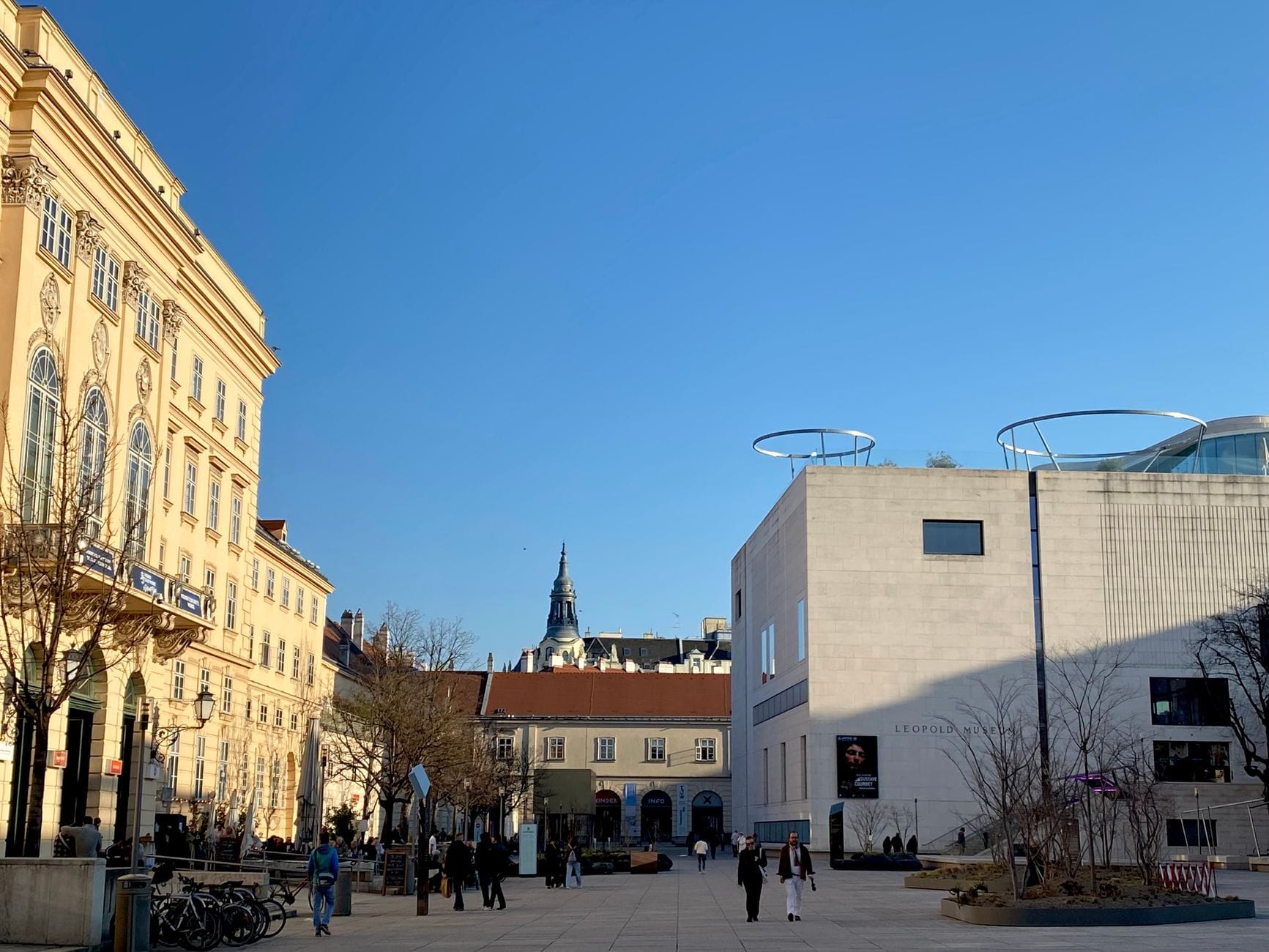
Three institutions form the backbone of any Schiele-focused visit. The Leopold Museum is non-negotiable, holding 44 paintings and over 200 works on paper. The Upper Belvedere and the Wien Museum both own significant Schiele holdings and display them in permanent rotation alongside contemporaries including Klimt and Kokoschka. The Habsburg-era cultural context visible throughout these collections explains exactly why Schiele's work felt so transgressive to the society that produced him.
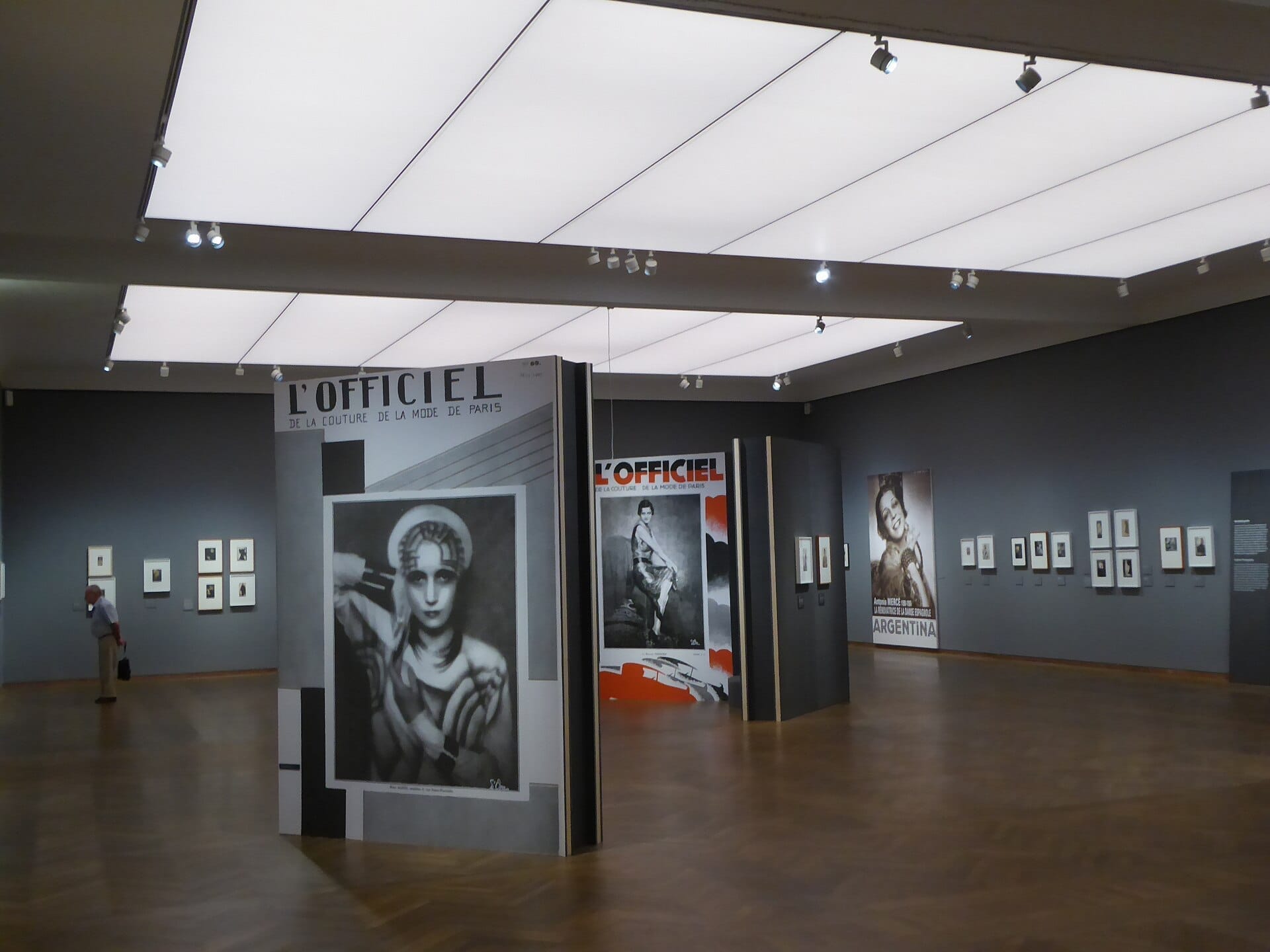
1. See the World's Largest Schiele Collection at the Leopold Museum
44 paintings and over 200 watercolors, drawings, and documents make this the undisputed home of Schiele. Dedicated galleries display his self-portraits, nudes, and landscapes chronologically. Budget at least two hours here.
Explore1. See the World's Largest Schiele Collection at the Leopold Museum
44 paintings and over 200 watercolors, drawings, and documents make this the undisputed home of Schiele. Dedicated galleries display his self-portraits, nudes, and landscapes chronologically. Budget at least two hours here.
Explore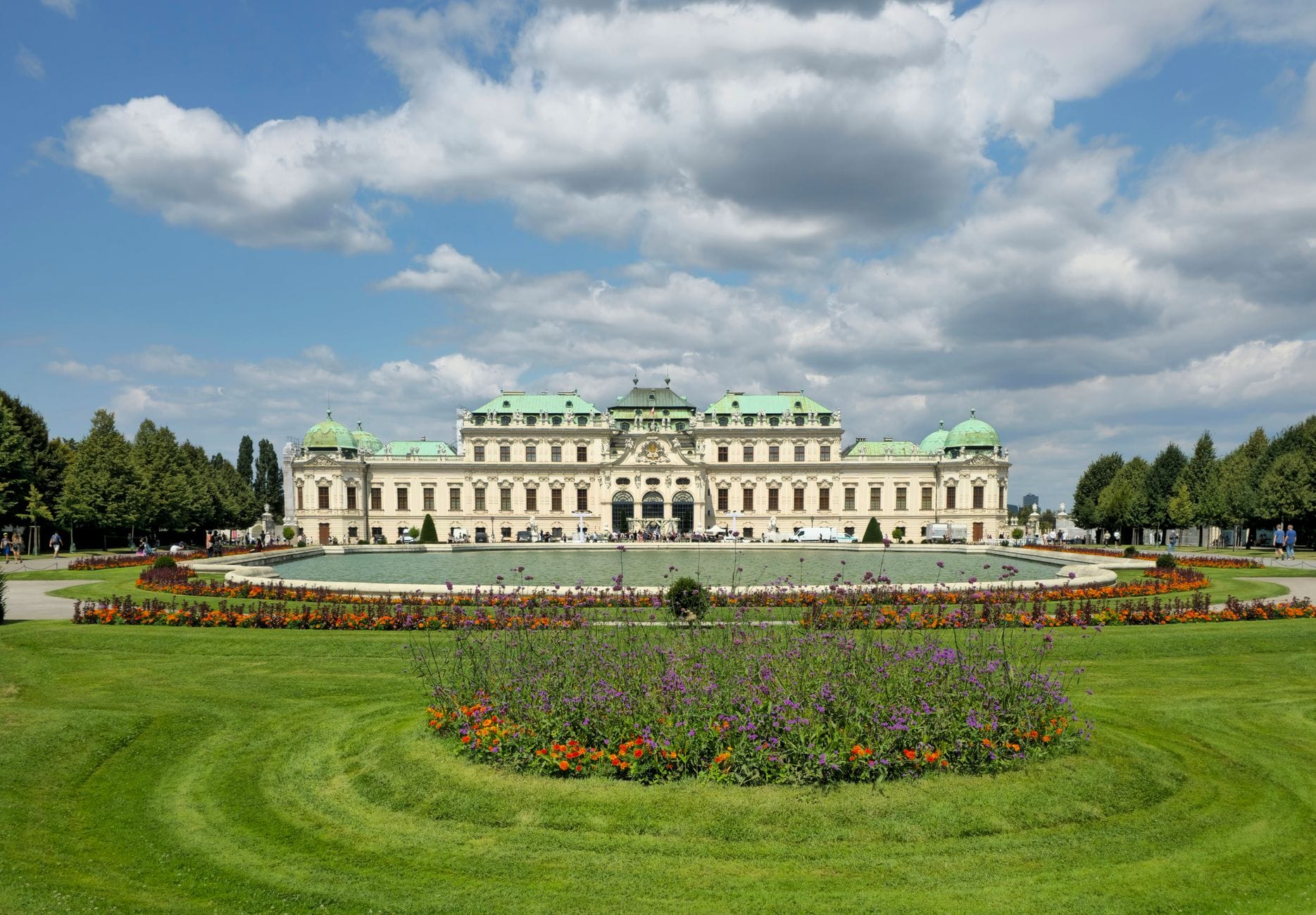
2. Find Schiele Alongside Klimt at the Upper Belvedere
Schiele features in the permanent Austrian art collection alongside Klimt's 'The Kiss'. Seeing both artists in one gallery underscores how radically Schiele pushed beyond his mentor's decorative language into something rawer.
Explore2. Find Schiele Alongside Klimt at the Upper Belvedere
Schiele features in the permanent Austrian art collection alongside Klimt's 'The Kiss'. Seeing both artists in one gallery underscores how radically Schiele pushed beyond his mentor's decorative language into something rawer.
Explore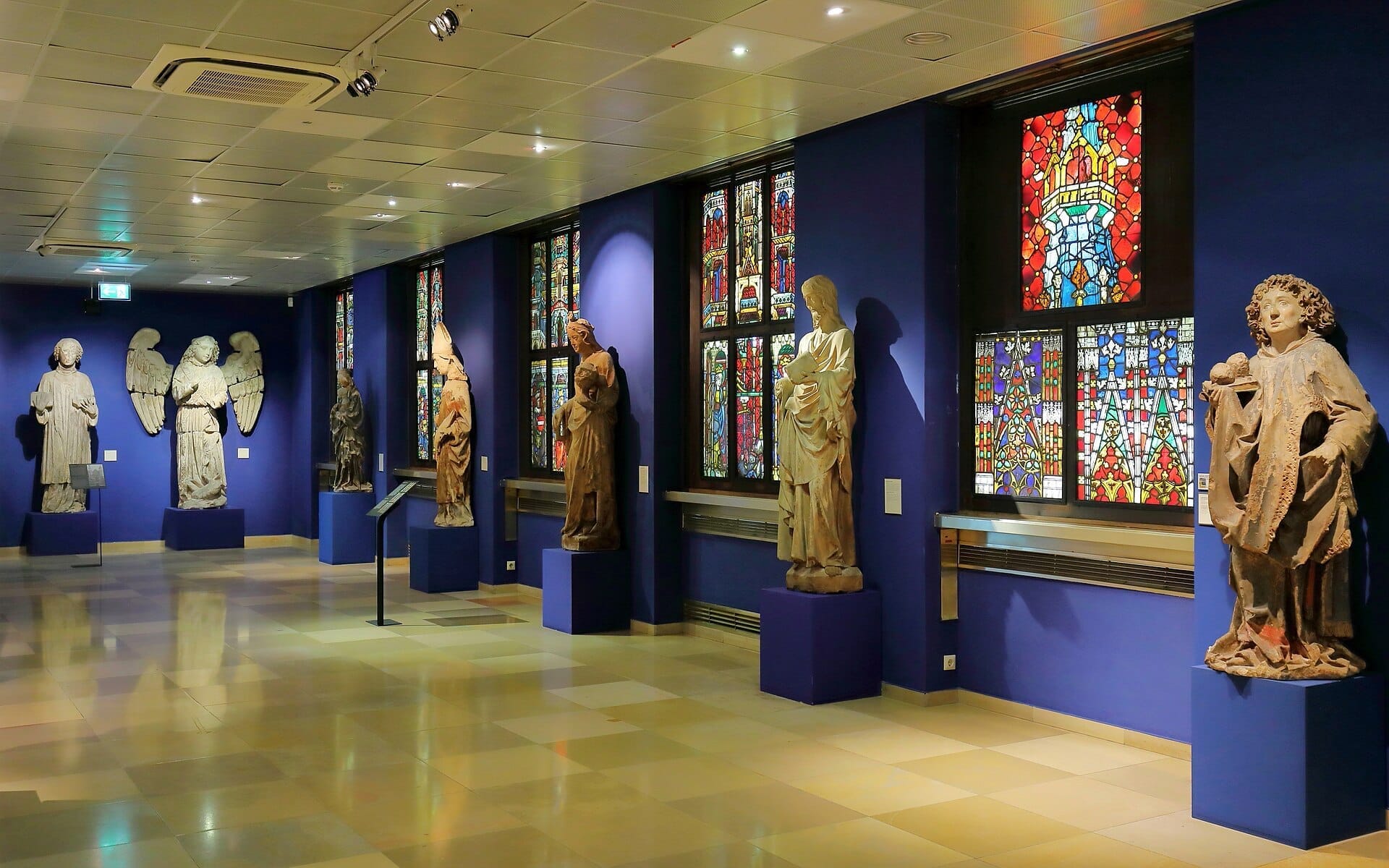
3. Catch Schiele at the Newly Renovated Wien Museum
Vienna's city museum owns Schiele works and focuses heavily on the city around 1900. A special 'Schiele & Peschka' exhibition runs April–September 2026. The permanent collection is free to enter.
Explore3. Catch Schiele at the Newly Renovated Wien Museum
Vienna's city museum owns Schiele works and focuses heavily on the city around 1900. A special 'Schiele & Peschka' exhibition runs April–September 2026. The permanent collection is free to enter.
Explore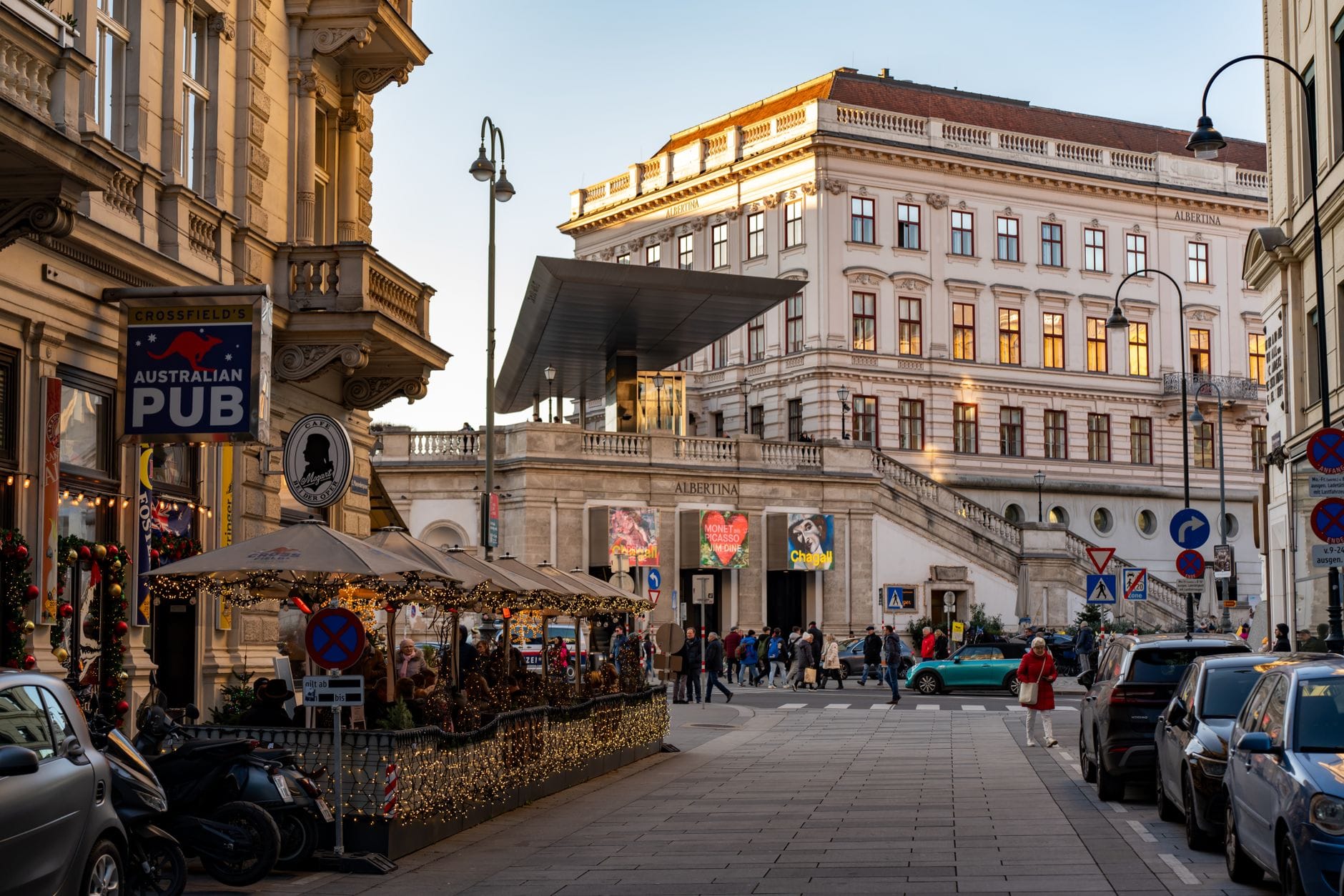
4. Check the Albertina's Schiele Holdings Before You Visit
The Albertina holds a significant Schiele archive including original works, photographs, and diaries, but most material rotates rather than staying on permanent display. Check their current exhibition schedule before making this your Schiele stop.
Explore4. Check the Albertina's Schiele Holdings Before You Visit
The Albertina holds a significant Schiele archive including original works, photographs, and diaries, but most material rotates rather than staying on permanent display. Check their current exhibition schedule before making this your Schiele stop.
ExploreThe Secession & Jugendstil: Schiele's Artistic World
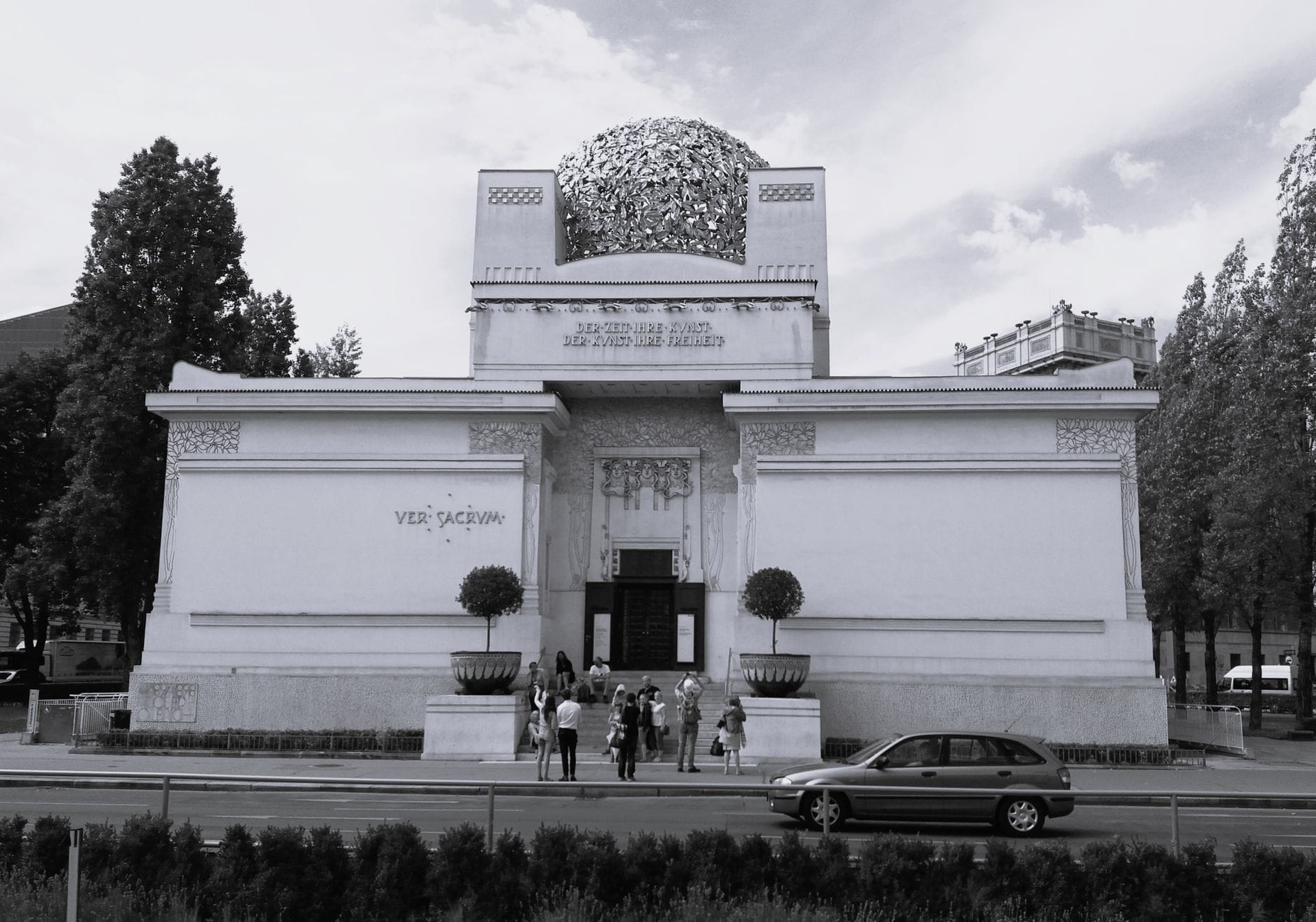
Schiele came of age inside the Viennese Secession movement. He studied under Klimt, exhibited at Secession venues, and was shaped by the same rejection of academic convention that produced the golden dome on Friedrichstraße. Walking through these buildings gives you the physical environment in which his radicalism developed. The Vienna architecture guide covers the Jugendstil buildings in greater depth if you want to extend this architectural thread.
5. Visit the Secession Building That Defined Schiele's Generation
Built in 1897 as a deliberate challenge to the art establishment, the Secession's basement houses Klimt's Beethoven Frieze. This institution championed Schiele's circle and remains the physical symbol of the movement that made him possible.
Explore5. Visit the Secession Building That Defined Schiele's Generation
Built in 1897 as a deliberate challenge to the art establishment, the Secession's basement houses Klimt's Beethoven Frieze. This institution championed Schiele's circle and remains the physical symbol of the movement that made him possible.
Explore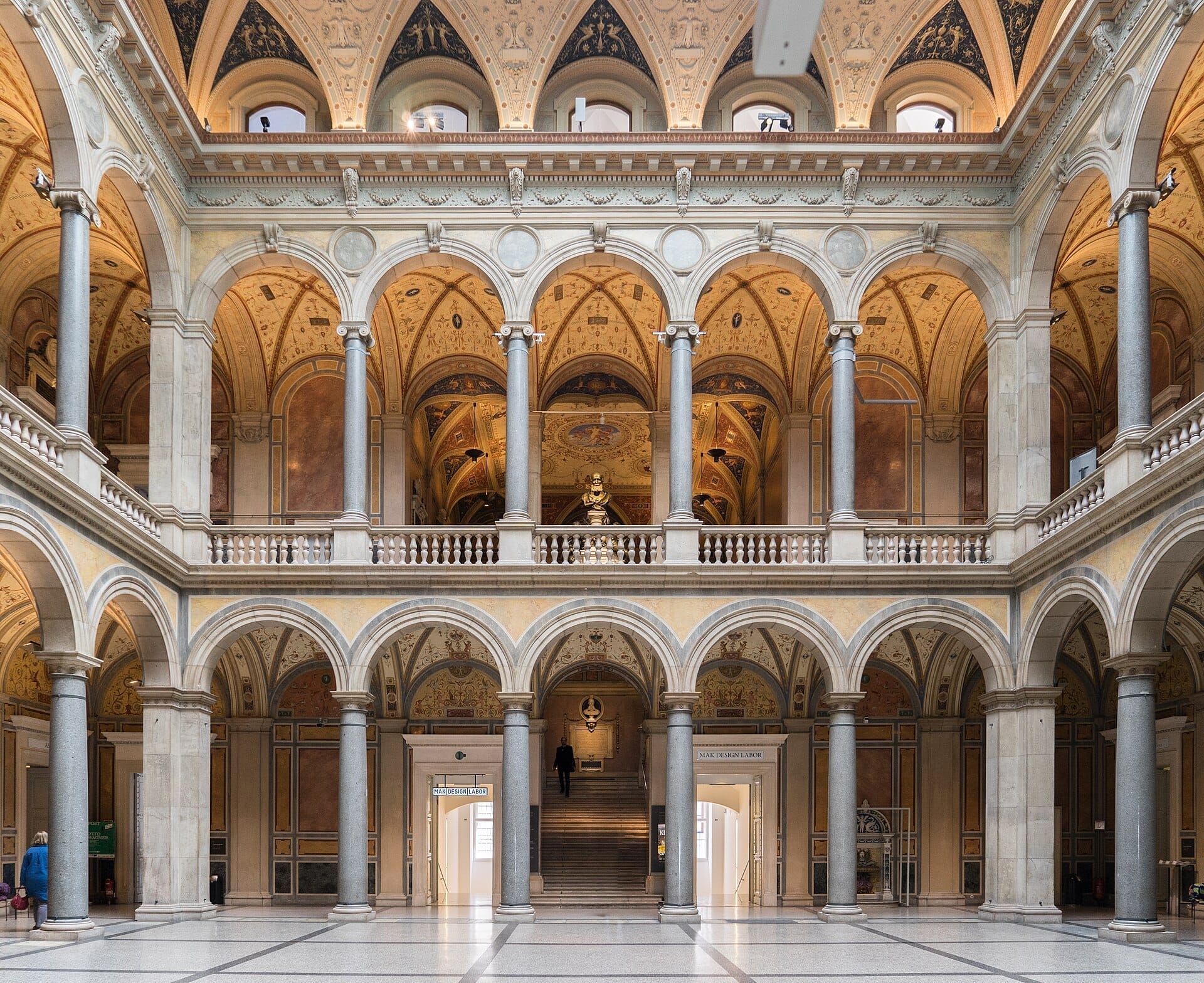
6. Explore the Wiener Werkstätte Design World at the MAK
The MAK's Wiener Werkstätte collection covers the applied arts movement that ran parallel to Schiele's painting career. Designers like Kolo Moser moved between decorative arts and fine art in circles that overlapped directly with Schiele's milieu.
Explore6. Explore the Wiener Werkstätte Design World at the MAK
The MAK's Wiener Werkstätte collection covers the applied arts movement that ran parallel to Schiele's painting career. Designers like Kolo Moser moved between decorative arts and fine art in circles that overlapped directly with Schiele's milieu.
Explore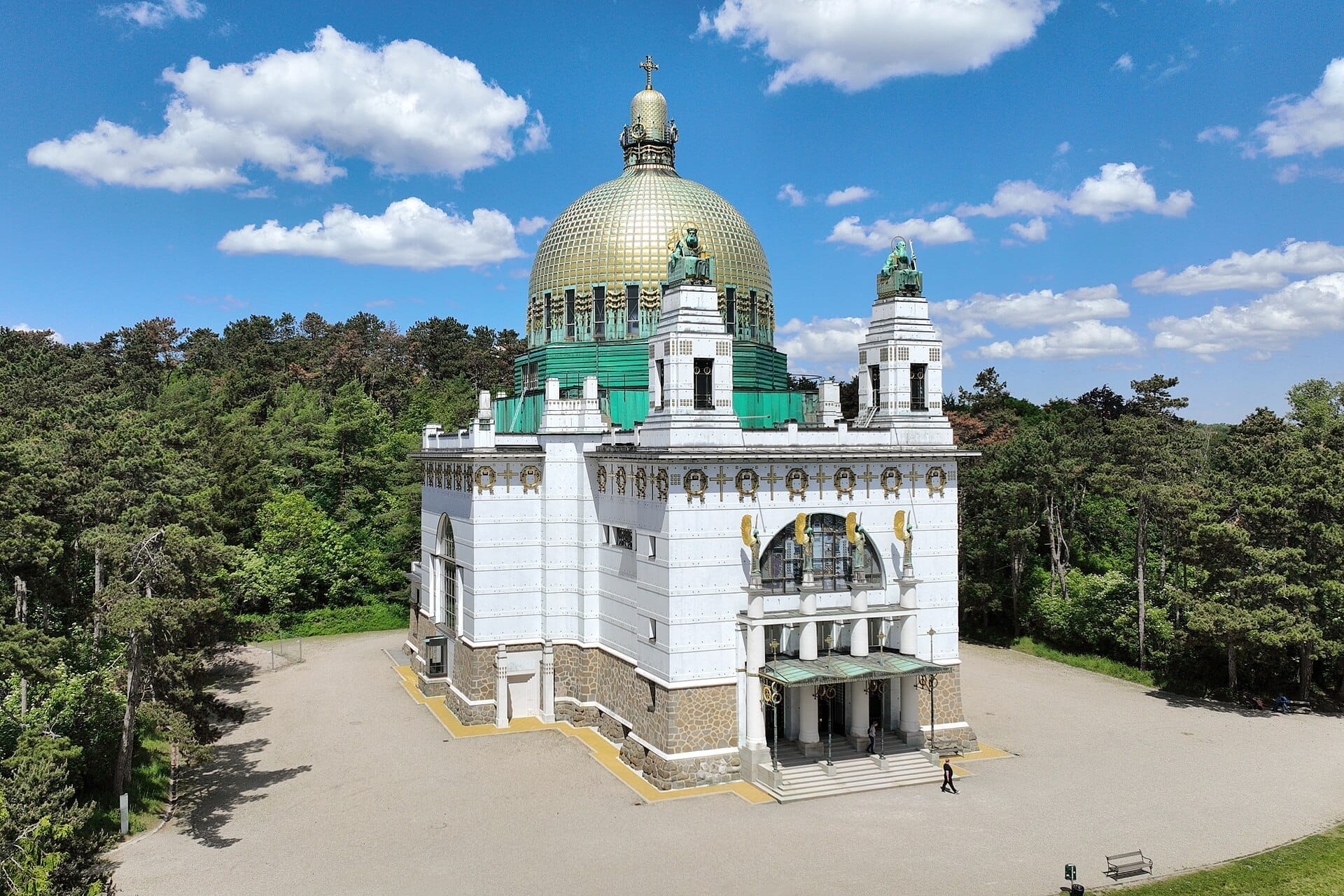
7. See Otto Wagner's Jugendstil Masterpiece at Steinhof
Built in 1907 with Kolo Moser stained glass, this copper-domed church on a psychiatric hospital grounds is the finest Jugendstil sacred building in Vienna. It captures the same intellectual seriousness that runs through Schiele's most ambitious works.
Explore7. See Otto Wagner's Jugendstil Masterpiece at Steinhof
Built in 1907 with Kolo Moser stained glass, this copper-domed church on a psychiatric hospital grounds is the finest Jugendstil sacred building in Vienna. It captures the same intellectual seriousness that runs through Schiele's most ambitious works.
Explore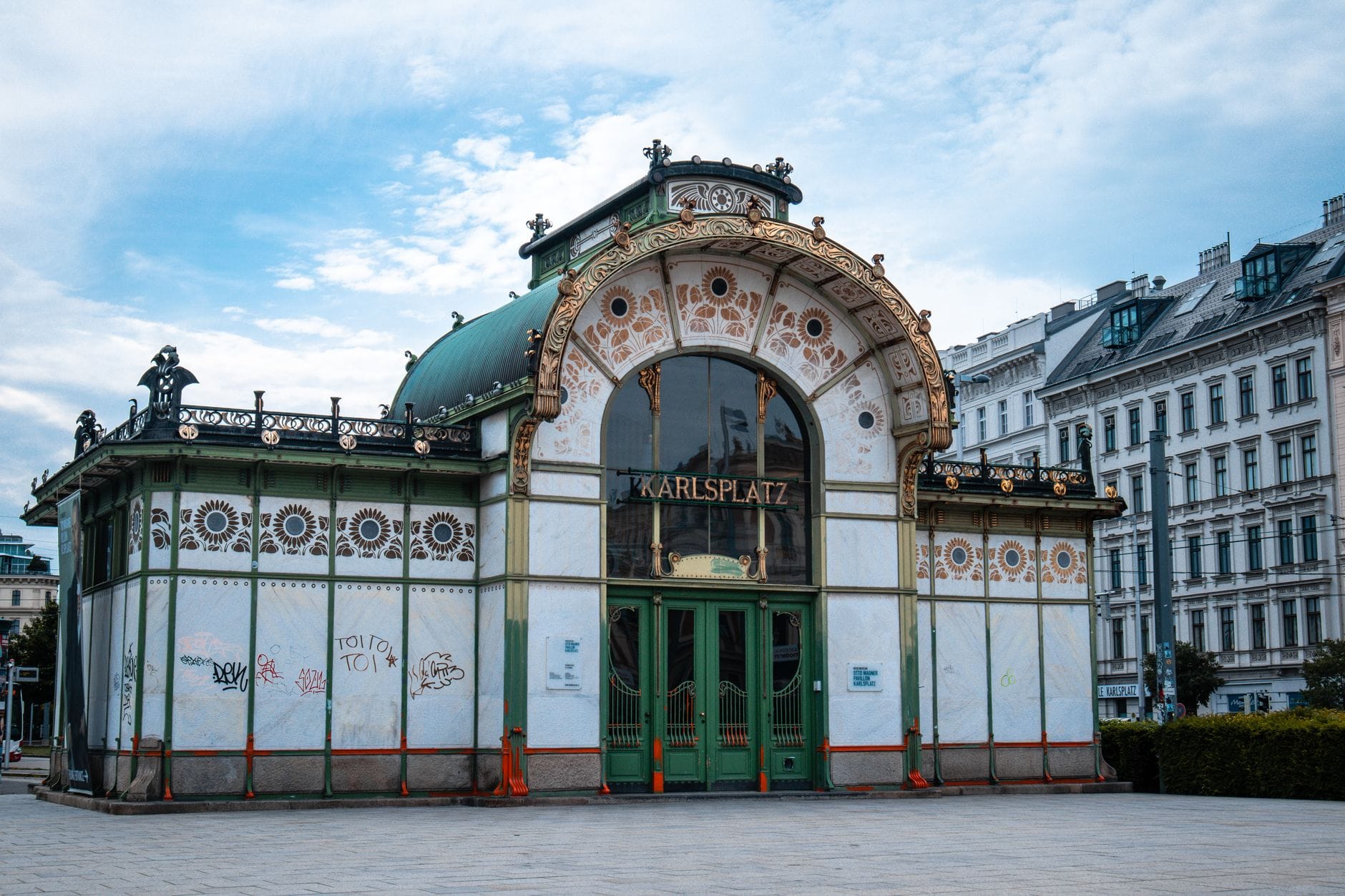
8. Admire Otto Wagner's Karlsplatz Pavilions Up Close
Two immaculate 1898 Jugendstil subway pavilions on Karlsplatz, a short walk from the Wien Museum. They illustrate the decorative vocabulary shared across the Secession generation, from Wagner's architecture to Schiele's graphic line work.
Explore8. Admire Otto Wagner's Karlsplatz Pavilions Up Close
Two immaculate 1898 Jugendstil subway pavilions on Karlsplatz, a short walk from the Wien Museum. They illustrate the decorative vocabulary shared across the Secession generation, from Wagner's architecture to Schiele's graphic line work.
Explore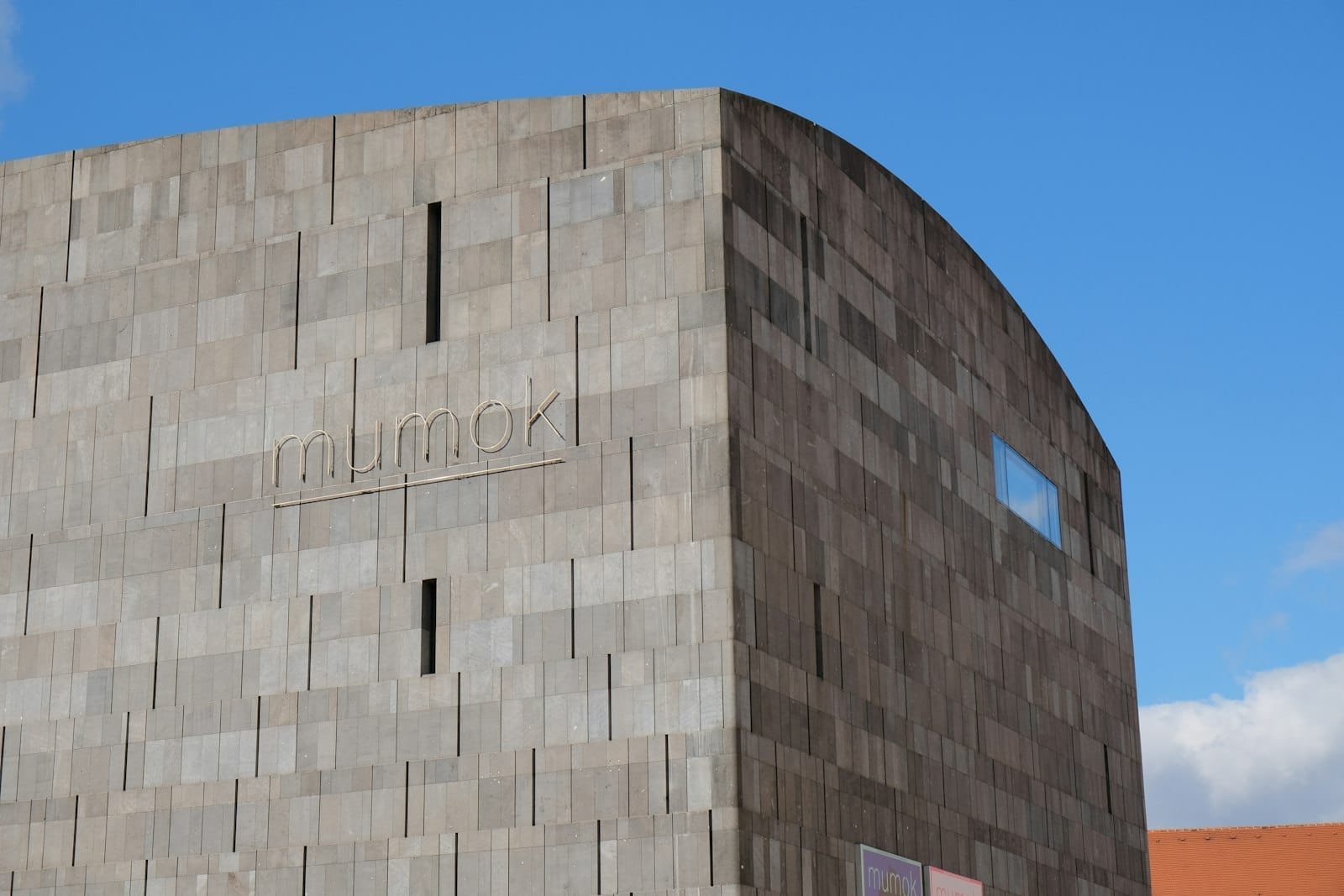
9. See Viennese Actionism at MUMOK for Context on Schiele's Legacy
MUMOK's collection of Viennese Actionism shows what came after Schiele: artists like Nitsch and Muehl pushed his confrontational body-focused work into extreme performance. Seeing this arc clarifies Schiele's foundational role in Austrian art history.
Explore9. See Viennese Actionism at MUMOK for Context on Schiele's Legacy
MUMOK's collection of Viennese Actionism shows what came after Schiele: artists like Nitsch and Muehl pushed his confrontational body-focused work into extreme performance. Seeing this arc clarifies Schiele's foundational role in Austrian art history.
ExploreThe MuseumsQuartier & Surrounding Area
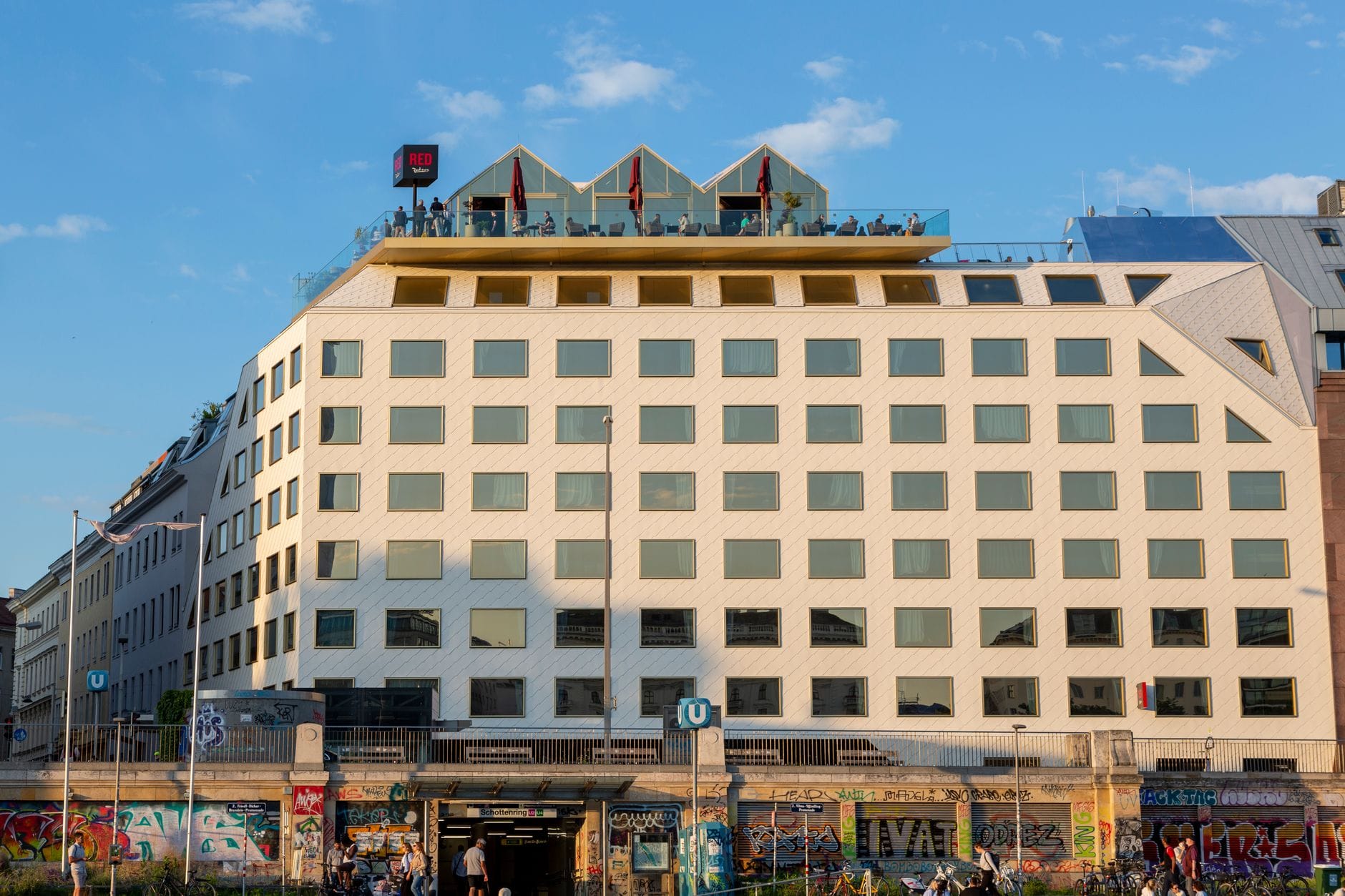
The MuseumsQuartier complex is the most efficient base for a Schiele-focused day. The Leopold Museum, MUMOK, and Albertina Modern are all within walking distance of each other, and the courtyard offers good café stops between visits. From here, the Naschmarkt and the Secession are a five-minute walk south.
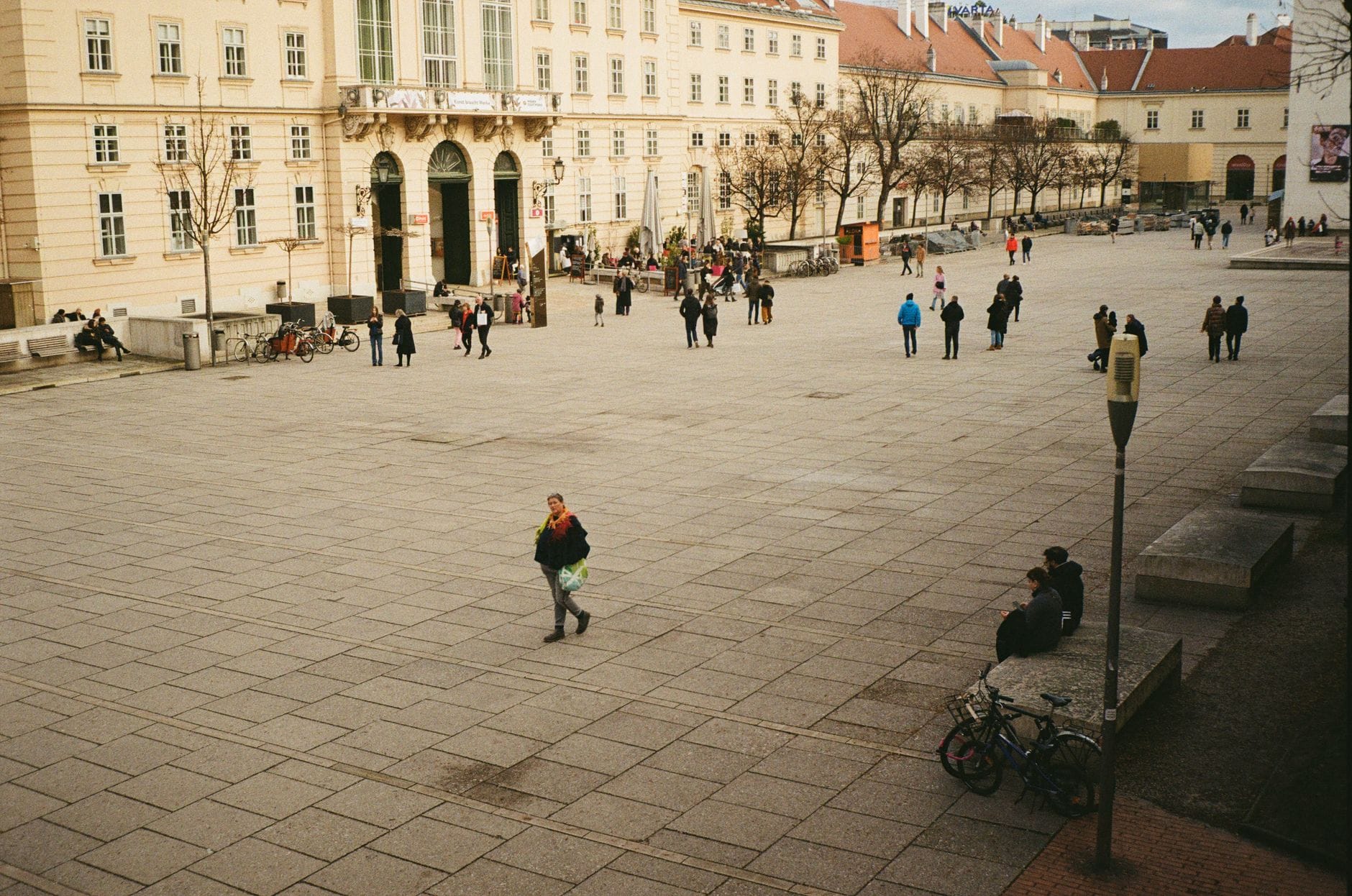
10. Use the MuseumsQuartier as Your Base for a Schiele Day
The former imperial stables now house the Leopold Museum, MUMOK, and several smaller venues in one compact campus. Arrive at opening, spend the morning in the Leopold, and use the courtyard between sessions to reset before afternoon visits.
Explore10. Use the MuseumsQuartier as Your Base for a Schiele Day
The former imperial stables now house the Leopold Museum, MUMOK, and several smaller venues in one compact campus. Arrive at opening, spend the morning in the Leopold, and use the courtyard between sessions to reset before afternoon visits.
Explore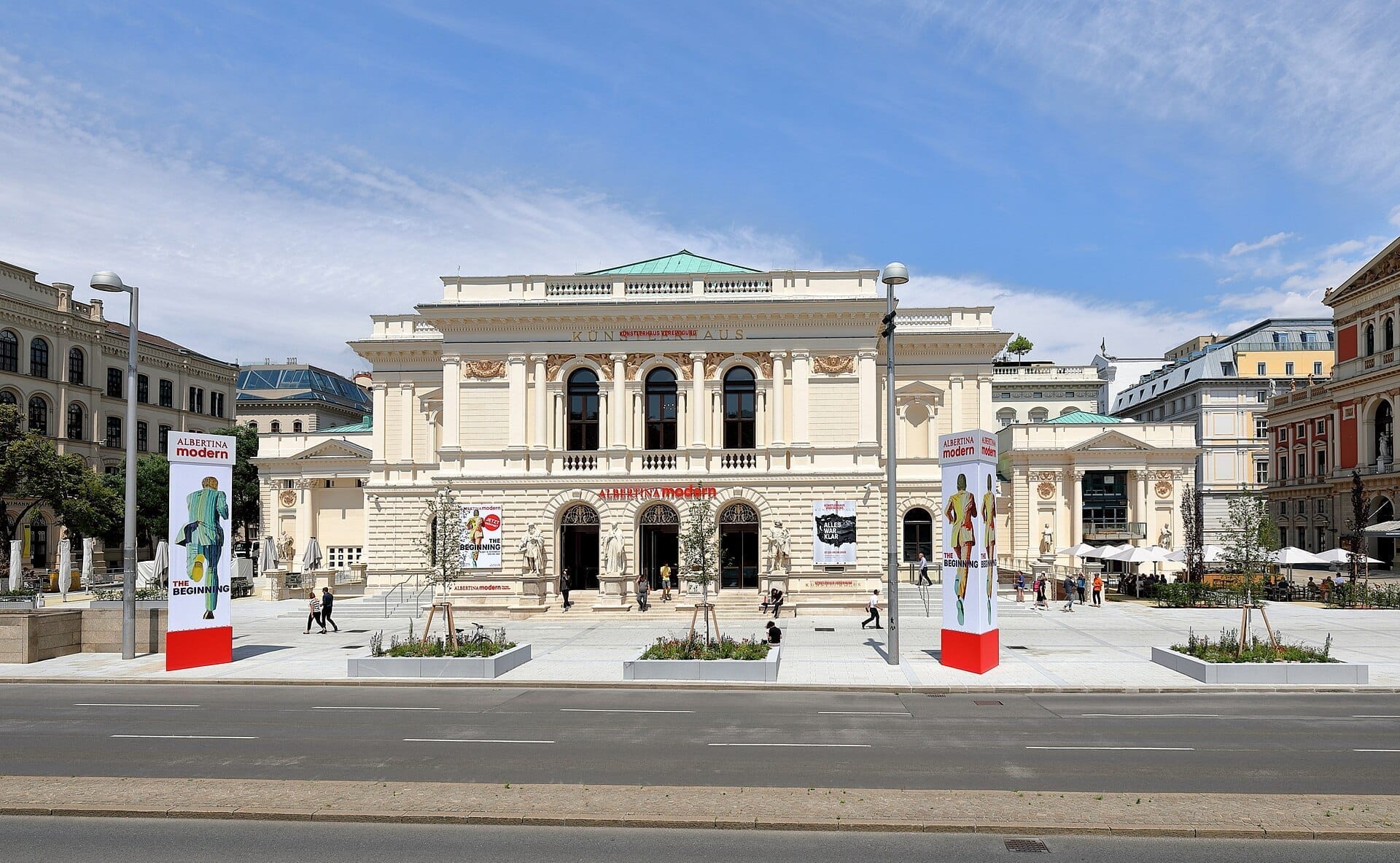
11. Trace Austrian Art After Schiele at Albertina Modern
The Albertina's contemporary outpost covers Austrian art from 1945 onward, showing how Schiele's expressionist intensity fed into postwar painting. The Künstlerhaus building on Karlsplatz is itself a Secession-era landmark worth examining.
Explore11. Trace Austrian Art After Schiele at Albertina Modern
The Albertina's contemporary outpost covers Austrian art from 1945 onward, showing how Schiele's expressionist intensity fed into postwar painting. The Künstlerhaus building on Karlsplatz is itself a Secession-era landmark worth examining.
Explore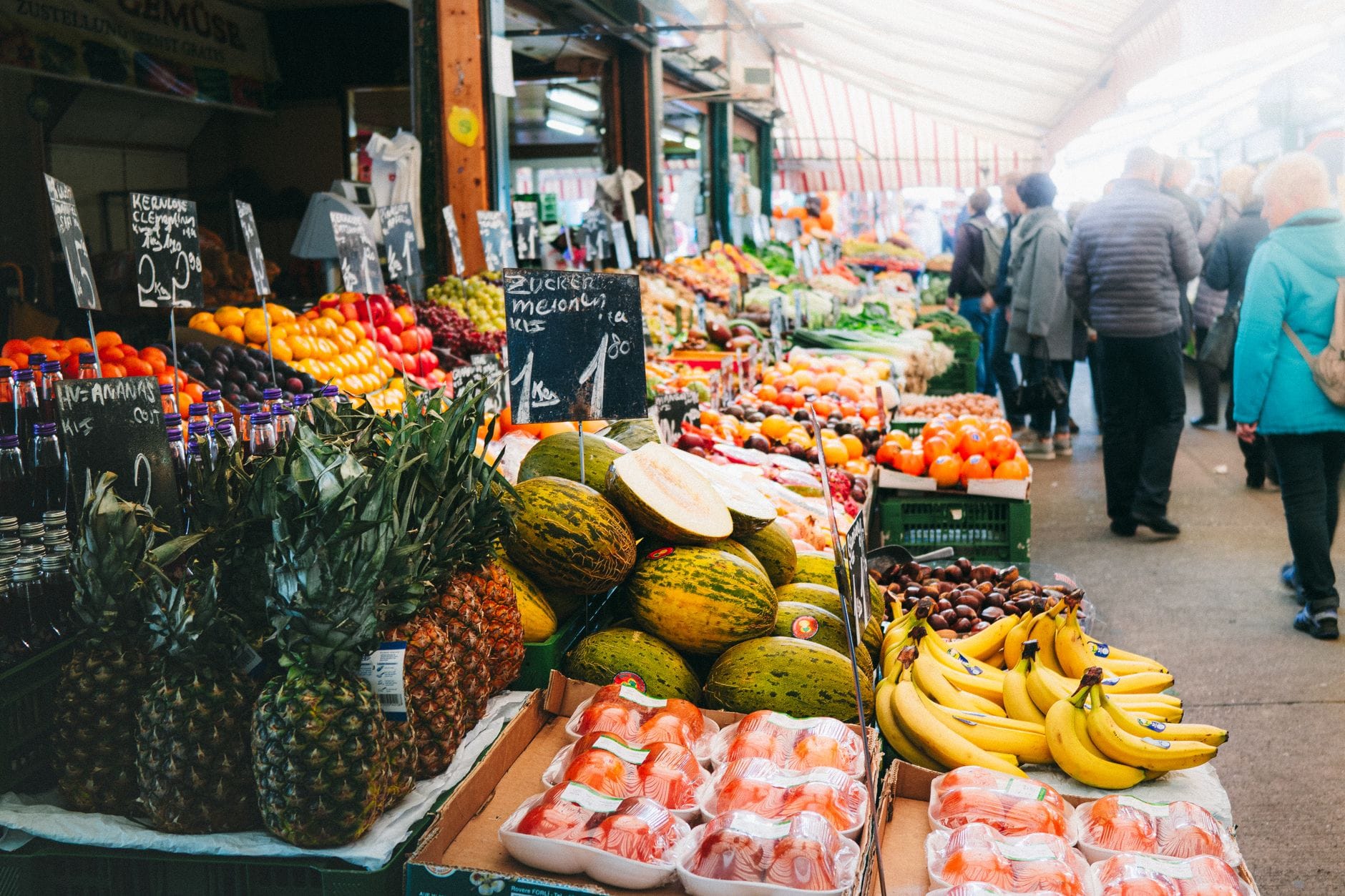
12. Walk the Naschmarkt, Where Schiele's Vienna Lived and Traded
The Naschmarkt runs along the Wienzeile, flanked by Otto Wagner's ornamental apartment buildings. Schiele's Vienna was a city of street markets and dense urban texture. Walking here connects the biography to the built environment he inhabited.
Explore12. Walk the Naschmarkt, Where Schiele's Vienna Lived and Traded
The Naschmarkt runs along the Wienzeile, flanked by Otto Wagner's ornamental apartment buildings. Schiele's Vienna was a city of street markets and dense urban texture. Walking here connects the biography to the built environment he inhabited.
ExploreBiographical Vienna: Locations That Shaped His Life
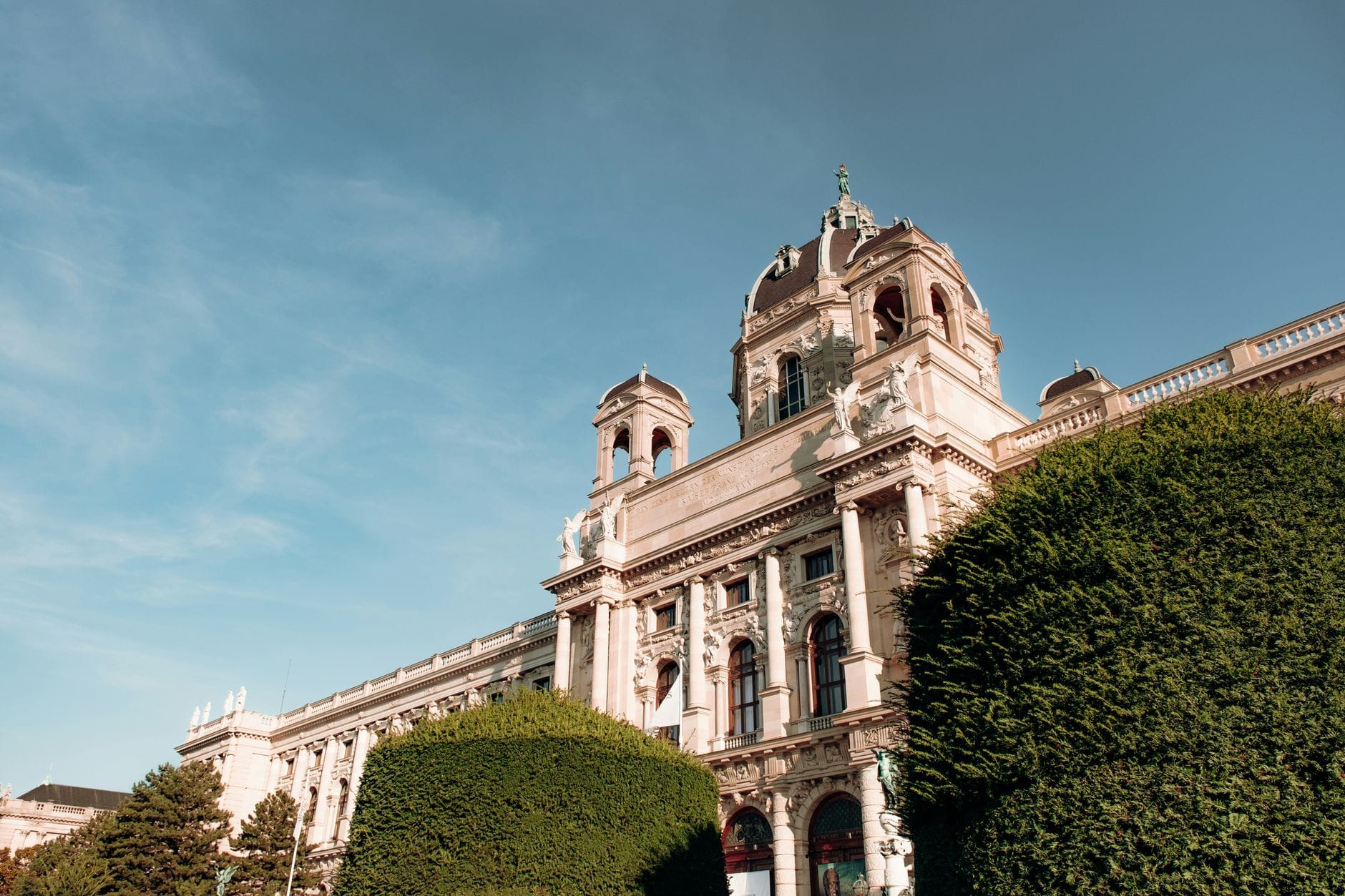
Schiele was born in Tulln on the Danube but spent his adult life in Vienna, studying at the Academy of Fine Arts on the Schillerplatz, living in studios across the city, and dying in Hietzing in 1918. Several sites carry biographical significance beyond the museums, offering a quieter kind of encounter with the artist's story. For a broader walk through the historic center where many of Vienna's artists and intellectuals lived, see our Innere Stadt walking tour guide.
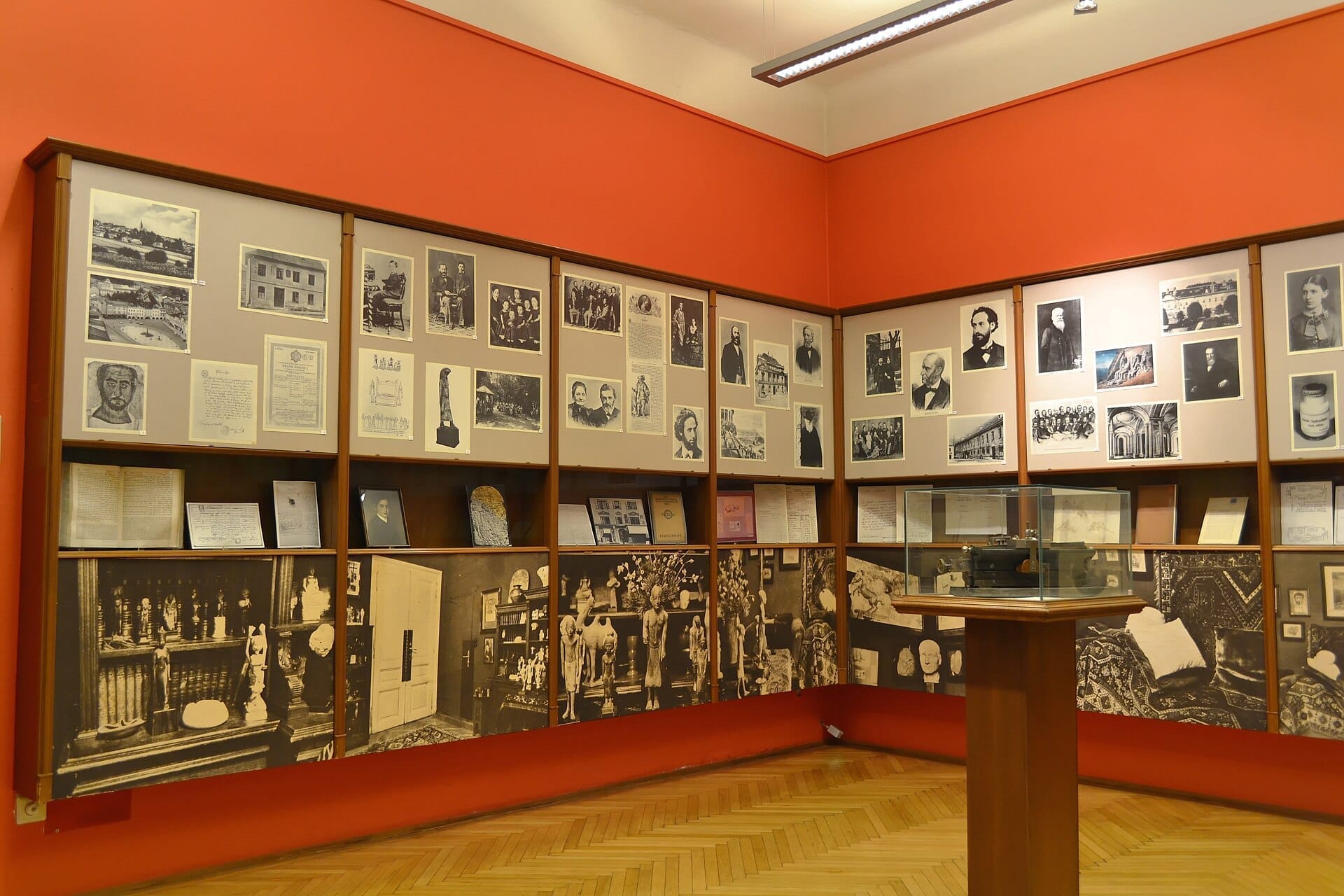
13. Visit Freud's Apartment to Ground Yourself in Schiele's Vienna
Freud's consulting rooms at Berggasse 19 were active during precisely the years Schiele was painting. Both men were mapping the interior life through radically new methods. The museum shows the intellectual atmosphere that surrounded Schiele's circle.
Explore13. Visit Freud's Apartment to Ground Yourself in Schiele's Vienna
Freud's consulting rooms at Berggasse 19 were active during precisely the years Schiele was painting. Both men were mapping the interior life through radically new methods. The museum shows the intellectual atmosphere that surrounded Schiele's circle.
Explore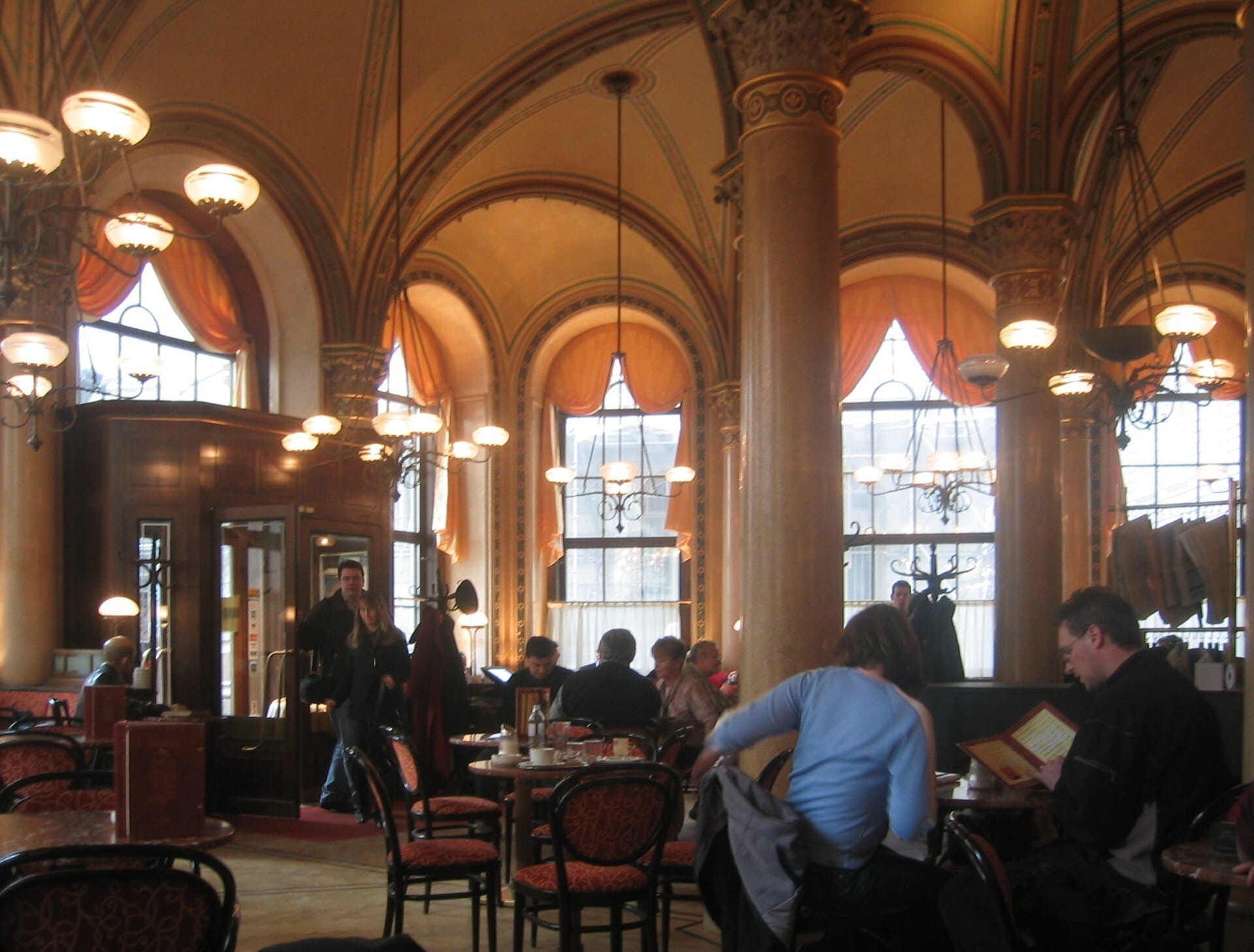
14. Sit in Café Central, Where Schiele's Vienna Argued and Theorized
Klimt, Freud, and their contemporaries debated art and ideas in this magnificent vaulted coffeehouse. Schiele moved through the same café culture. Order a Melange and read about his life here. The architecture alone is worth the trip.
Explore14. Sit in Café Central, Where Schiele's Vienna Argued and Theorized
Klimt, Freud, and their contemporaries debated art and ideas in this magnificent vaulted coffeehouse. Schiele moved through the same café culture. Order a Melange and read about his life here. The architecture alone is worth the trip.
Explore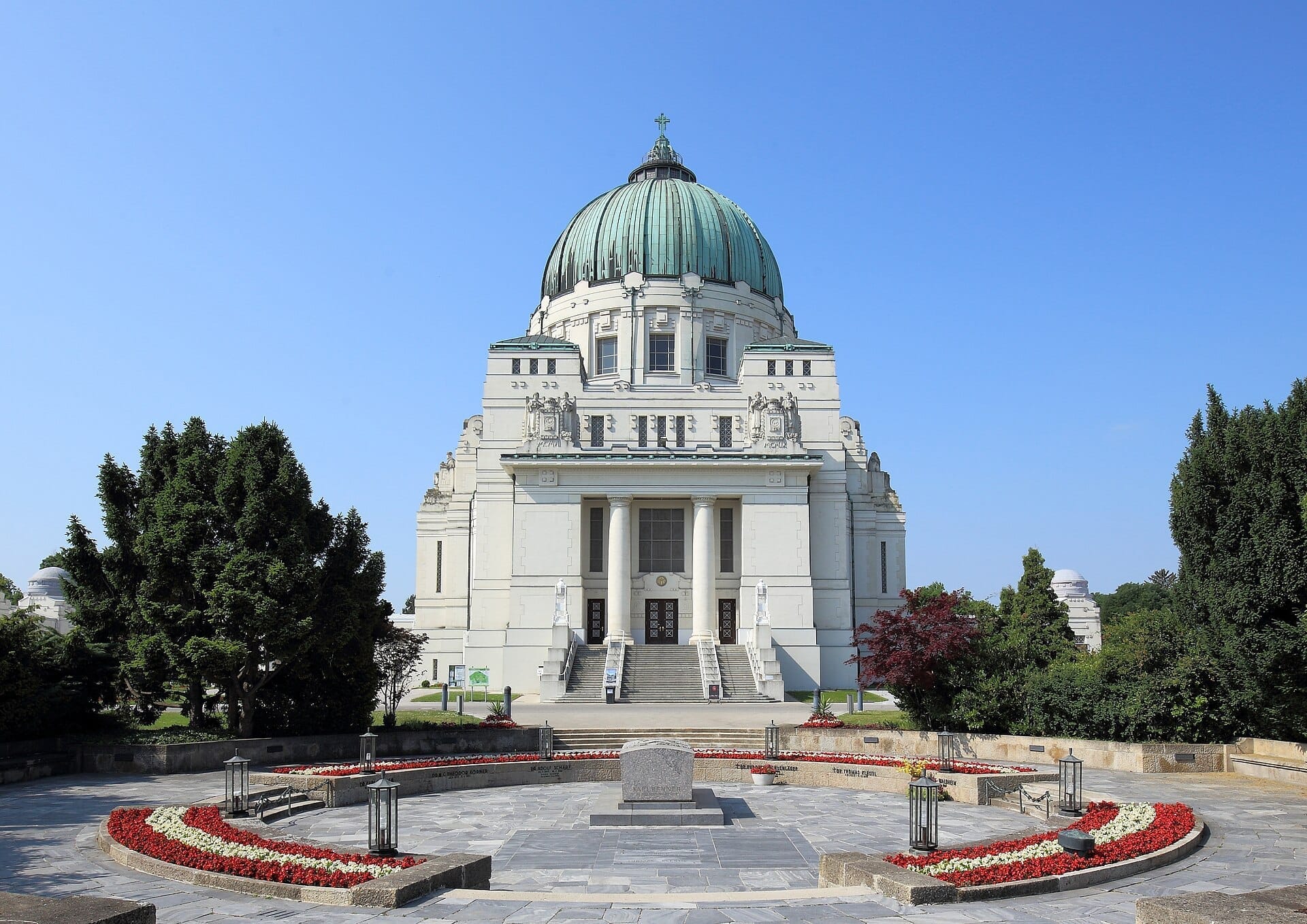
15. Pay Respects at the Zentralfriedhof, Where Vienna's Artists Rest
Schiele is buried in Ober St. Veit cemetery in Hietzing, not the Zentralfriedhof, but this vast burial ground holds Klimt, Moser, and the broader cultural world Schiele belonged to. The composers' graves section is a moving memorial to the era.
Explore15. Pay Respects at the Zentralfriedhof, Where Vienna's Artists Rest
Schiele is buried in Ober St. Veit cemetery in Hietzing, not the Zentralfriedhof, but this vast burial ground holds Klimt, Moser, and the broader cultural world Schiele belonged to. The composers' graves section is a moving memorial to the era.
Explore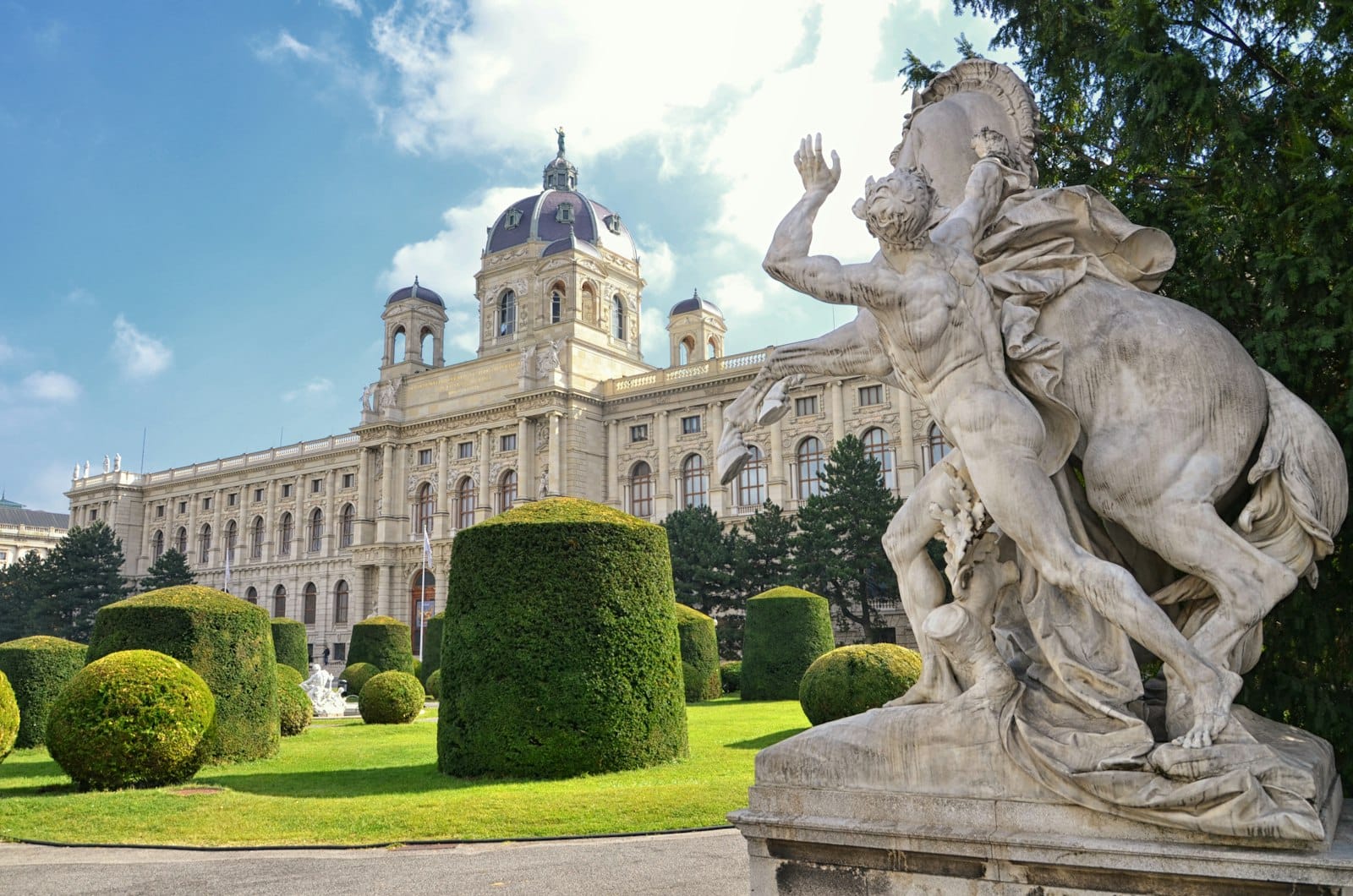
16. See the Old Masters That Trained Schiele's Eye at the KHM
Schiele studied the Habsburg collections intensively. The Kunsthistorisches Museum holds the works by Bruegel, Cranach, and Dürer that he absorbed. His elongated figures and unsparing realism owe a precise debt to Northern Renaissance masters on these walls.
Explore16. See the Old Masters That Trained Schiele's Eye at the KHM
Schiele studied the Habsburg collections intensively. The Kunsthistorisches Museum holds the works by Bruegel, Cranach, and Dürer that he absorbed. His elongated figures and unsparing realism owe a precise debt to Northern Renaissance masters on these walls.
ExploreContext & Culture: Rounding Out the Vienna Experience
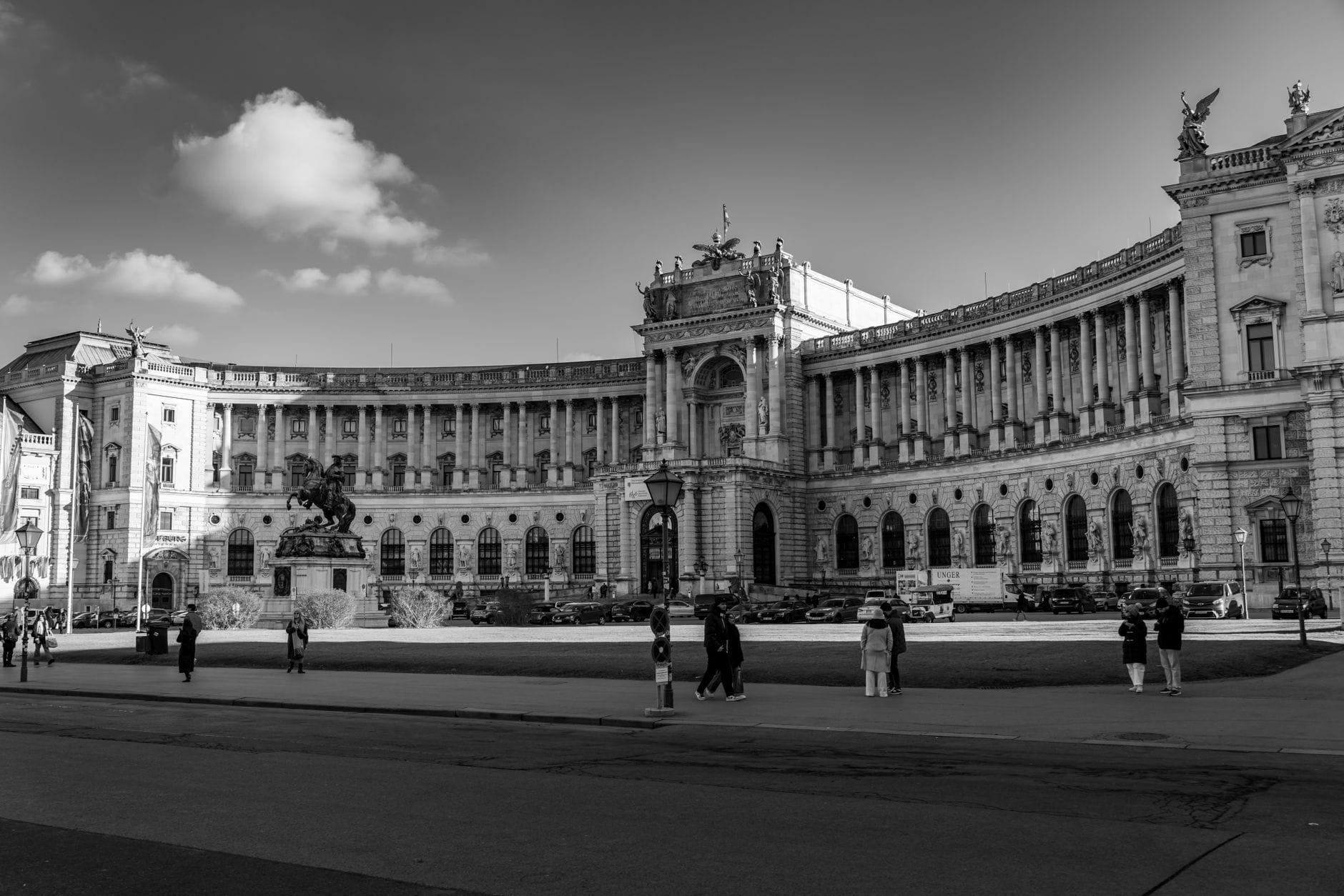
Schiele's Vienna was the Vienna of the dying Habsburg empire, the city of Freud, Mahler, Loos, and Wittgenstein. A few hours exploring the Ringstrasse, the Hofburg, and the intellectual sites of the Innere Stadt deepens every painting you'll see in the museums. The Vienna coffeehouse guide is useful here: the coffeehouse was Schiele's generation's laboratory, and experiencing it properly adds texture to the art.
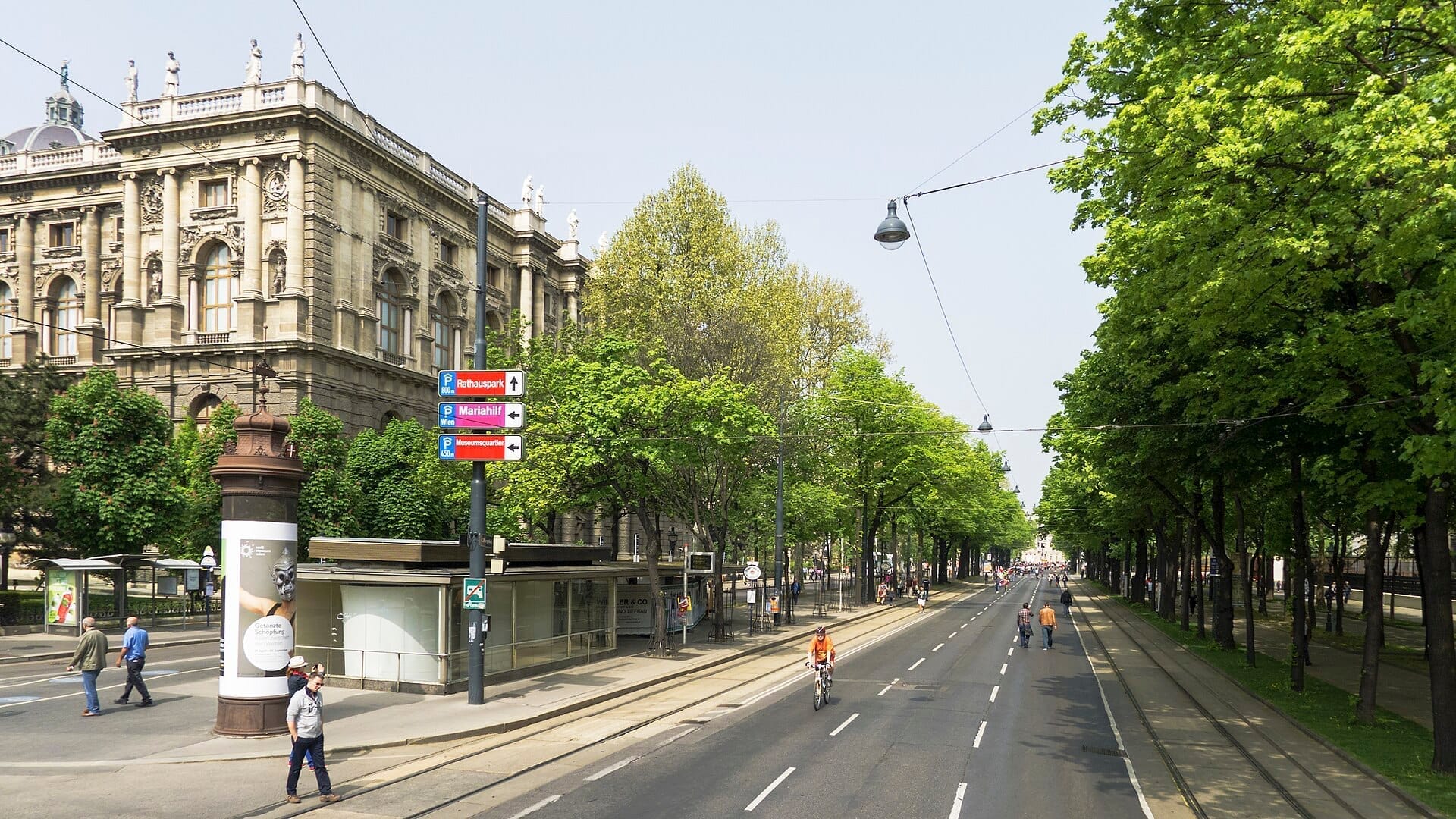
17. Walk the Ringstrasse to Understand the Empire Schiele Painted Against
The monumental boulevard commissioned by Franz Joseph was completed just decades before Schiele's birth. Its imperial grandeur is the establishment his generation rebelled against. Walking it puts the Secession's provocation in sharp physical relief.
Explore17. Walk the Ringstrasse to Understand the Empire Schiele Painted Against
The monumental boulevard commissioned by Franz Joseph was completed just decades before Schiele's birth. Its imperial grandeur is the establishment his generation rebelled against. Walking it puts the Secession's provocation in sharp physical relief.
Explore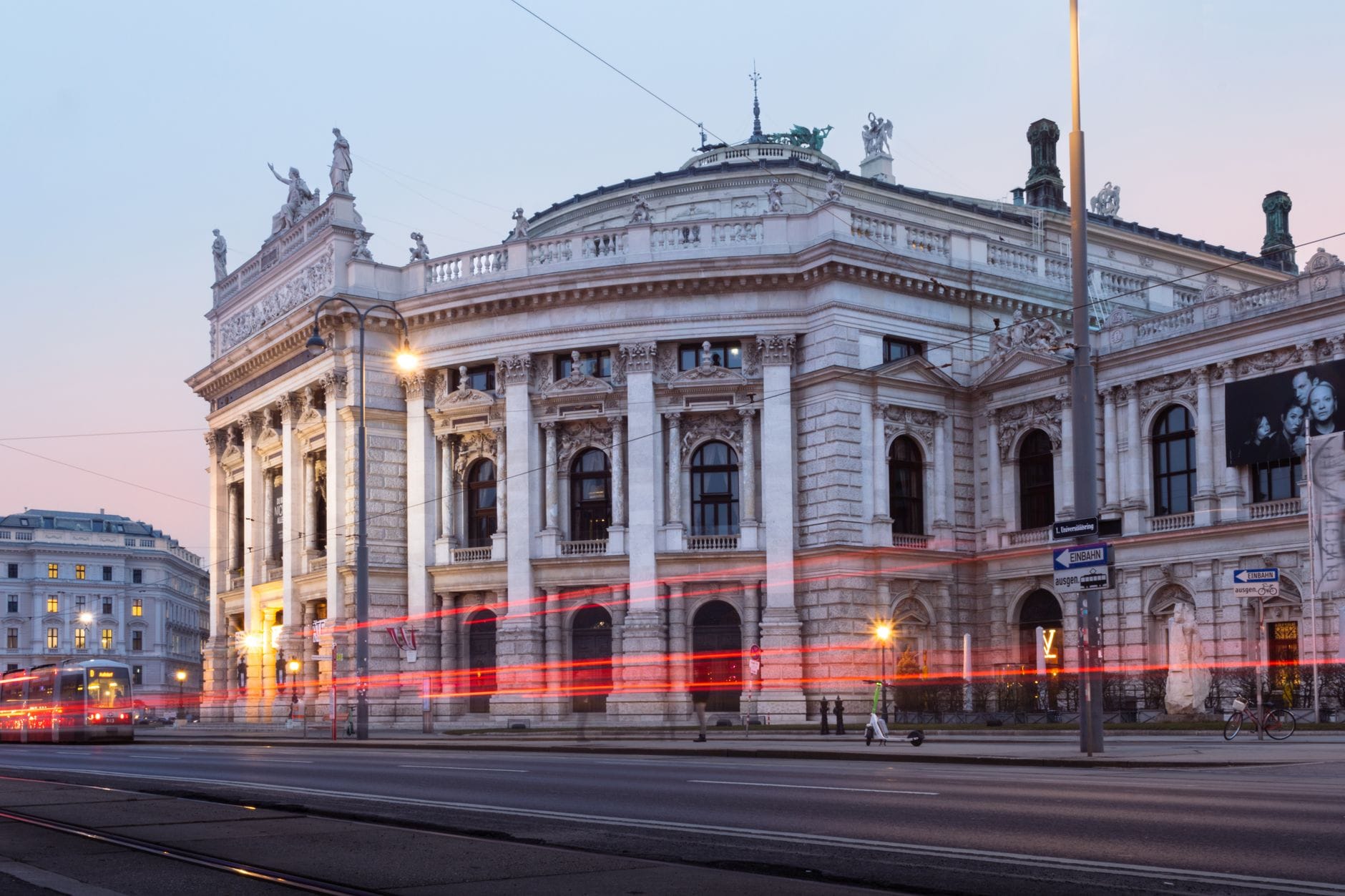
18. See the Klimt Ceiling Paintings at the Burgtheater
The Burgtheater's staircase ceiling paintings are among the few public Klimt works in Vienna outside the Belvedere. Schiele's mentor painted here before developing the gold-leaf style. Guided tours include the painted halls; verify tour times before visiting.
Explore18. See the Klimt Ceiling Paintings at the Burgtheater
The Burgtheater's staircase ceiling paintings are among the few public Klimt works in Vienna outside the Belvedere. Schiele's mentor painted here before developing the gold-leaf style. Guided tours include the painted halls; verify tour times before visiting.
Explore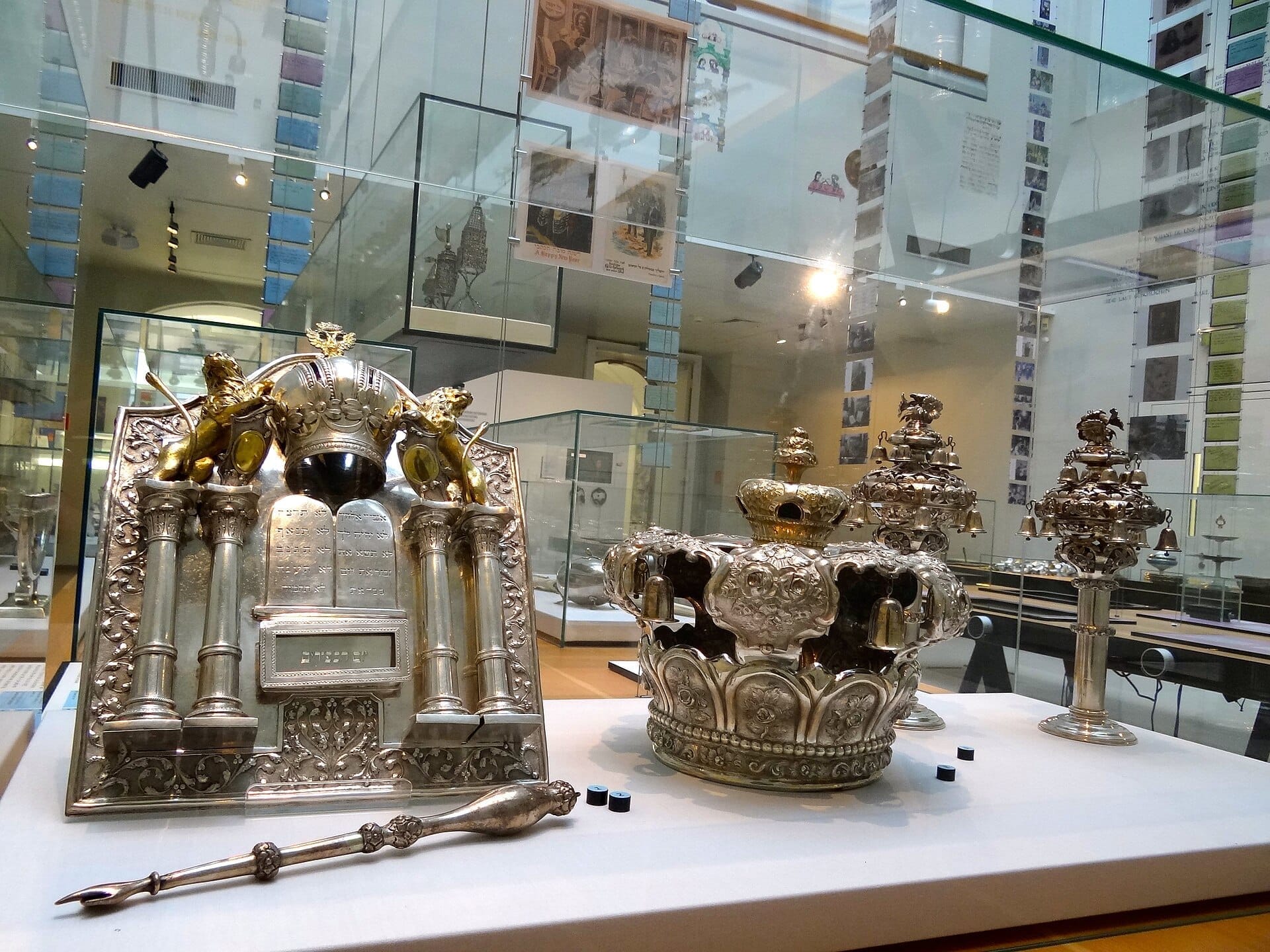
19. Understand the Cultural World Schiele Inhabited at the Jewish Museum
Vienna's Jewish community was central to the intellectual and artistic milieu Schiele moved through. Major collectors, critics, and dealers who supported him were part of this community. The museum tells that story with clarity and depth.
Explore19. Understand the Cultural World Schiele Inhabited at the Jewish Museum
Vienna's Jewish community was central to the intellectual and artistic milieu Schiele moved through. Major collectors, critics, and dealers who supported him were part of this community. The museum tells that story with clarity and depth.
ExploreFAQ
Where is the largest Egon Schiele collection in Vienna?
The Leopold Museum in the MuseumsQuartier holds the world's largest Schiele collection: 44 paintings and over 200 works on paper including watercolors, drawings, prints, writings, and documents. It is the essential stop for any Schiele visit.
Does the Albertina have Schiele works on permanent display?
The Albertina holds a significant Schiele archive but most works are in storage or rotation rather than on permanent display. Check their current exhibition schedule online before visiting specifically for Schiele. Temporary shows occasionally feature his work prominently.
Can I see Schiele at the Belvedere, or is it only Klimt?
The Upper Belvedere's permanent collection includes several Schiele paintings alongside Klimt's 'The Kiss' and works by Kokoschka. Schiele is clearly present in the standard Austrian art display, not just in temporary shows.
Are there any Schiele biographical sites to visit in Vienna beyond the museums?
Yes. Schiele's final studio was at Hietzinger Hauptstraße 101, marked by a plaque. He died nearby at number 114 on 31 October 1918. The Hietzing District Museum holds a bronze bust he designed himself, though opening hours are limited. His grave with wife Edith is in Ober St. Veit cemetery in Hietzing.
How much time should I plan for a Schiele-focused visit to Vienna?
Budget a full day minimum. The Leopold Museum alone warrants two to three hours for Schiele admirers. Add the Upper Belvedere (two hours) and the Wien Museum (one to two hours) and you have a dense full day. The MuseumsQuartier location makes morning Leopold visits easy to combine with the Secession and Naschmarkt area in the afternoon.