Vienna's Imperial History: A Complete Guide to the Habsburg Legacy
From the Hofburg to the Kapuzinergruft, the Habsburg dynasty left Vienna with one of Europe's most concentrated collections of imperial architecture, art, and ritual. This guide covers the key sites, historical context, ticket prices, and the best way to structure a full day in imperial Vienna.
Tickets & tours
Live prices and dates from our booking partner. If you book, we may earn a commission at no extra cost to you.
TL;DR
- The Habsburg dynasty ruled Austria for over 640 years, from 1278 to 1918, shaping virtually every corner of central Vienna.
- The three core imperial sites are the Hofburg Palace, Schönbrunn Palace, and the Kapuzinergruft (Imperial Crypt).
- Expect to pay around €55-70 total for adult entry to all three sites; timed-entry booking is essential in high season.
- The Ringstrasse boulevard, commissioned in 1857 by Emperor Franz Joseph, is an open-air museum of Habsburg ambition and worth a dedicated walk.
- For a broader view of Vienna beyond the imperial core, see the full Vienna travel guide.
Who Were the Habsburgs and Why Does Vienna Still Bear Their Mark?
The Habsburgs were one of the most consequential royal dynasties in European history. When Rudolf I was recognized as ruler of Austria in 1278, he set in motion a dynastic project that would eventually control territory stretching from Spain to Hungary, from the Netherlands to southern Italy. Vienna, positioned on the Danube between the Alps and the Carpathians, became the administrative heart of this empire, and for over six centuries the city was shaped almost entirely around the needs, tastes, and ambitions of one family.
One important clarification before you visit: the term 'Habsburg Empire' is an informal shorthand. Before 1804, there was no single unified empire. The Habsburgs controlled a patchwork of territories, often governed through their position within the Holy Roman Empire. In 1804, Emperor Franz II proclaimed the Austrian Empire as a formal state. Then in 1867, following military defeats and rising nationalist pressures, it was restructured into the Austro-Hungarian Empire, a dual monarchy that survived until November 1918, when Karl I abdicated and Austria became a republic.
Understanding this timeline matters when you're standing inside these buildings. The Hofburg you see today is not a single coherent palace but a layered accretion of construction spanning 700 years. Each wing reflects a different era, a different emperor, a different set of political pressures. Schönbrunn, meanwhile, is a baroque fantasy built during the peak of Habsburg confidence in the 18th century. And the Kapuzinergruft, where 149 Habsburgs are buried across 12 vaults, tells the dynasty's story in reverse: you enter the oldest tombs first and walk toward the modern era.
The Hofburg: Six Centuries of Imperial Power in One Complex
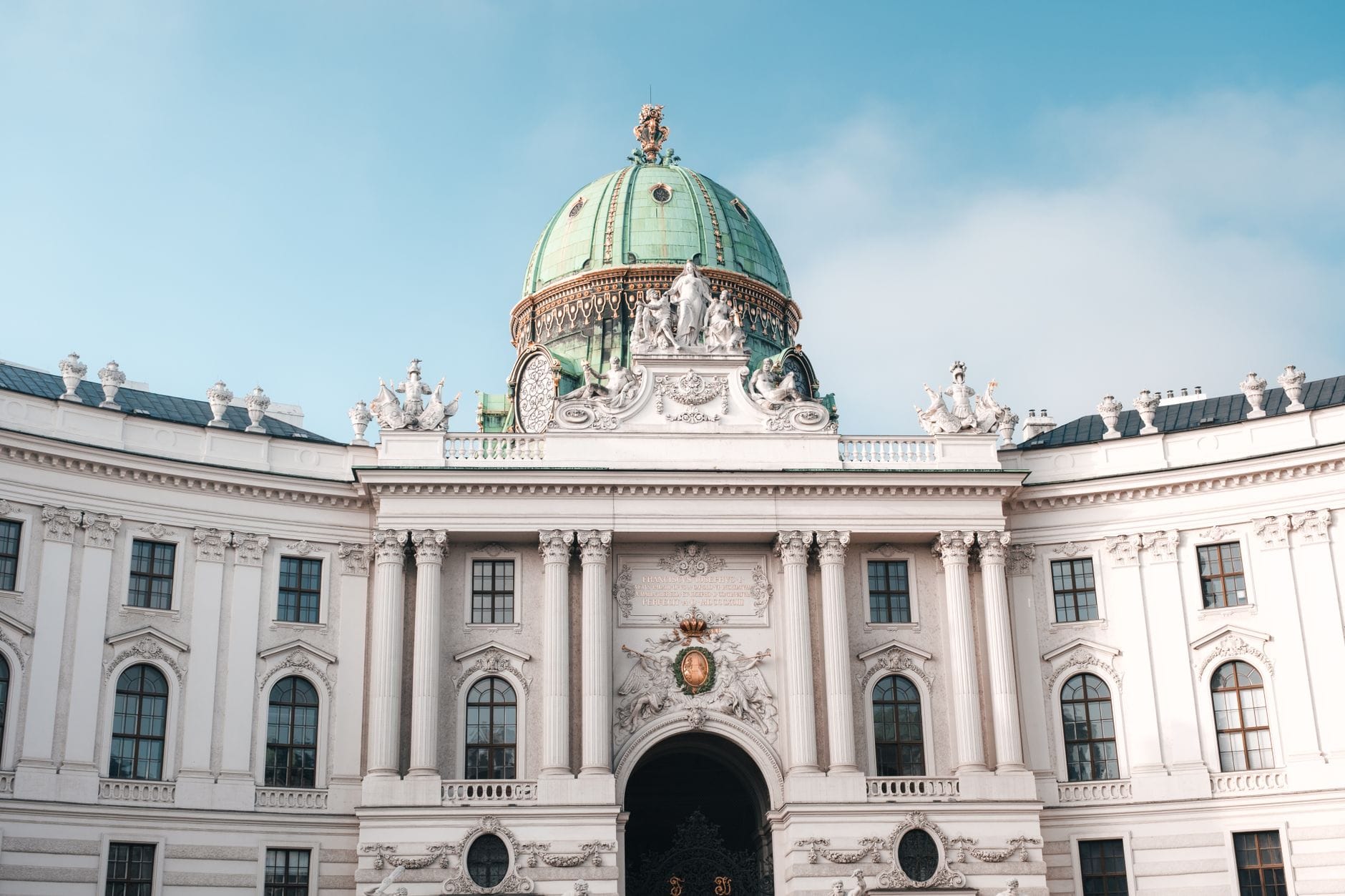
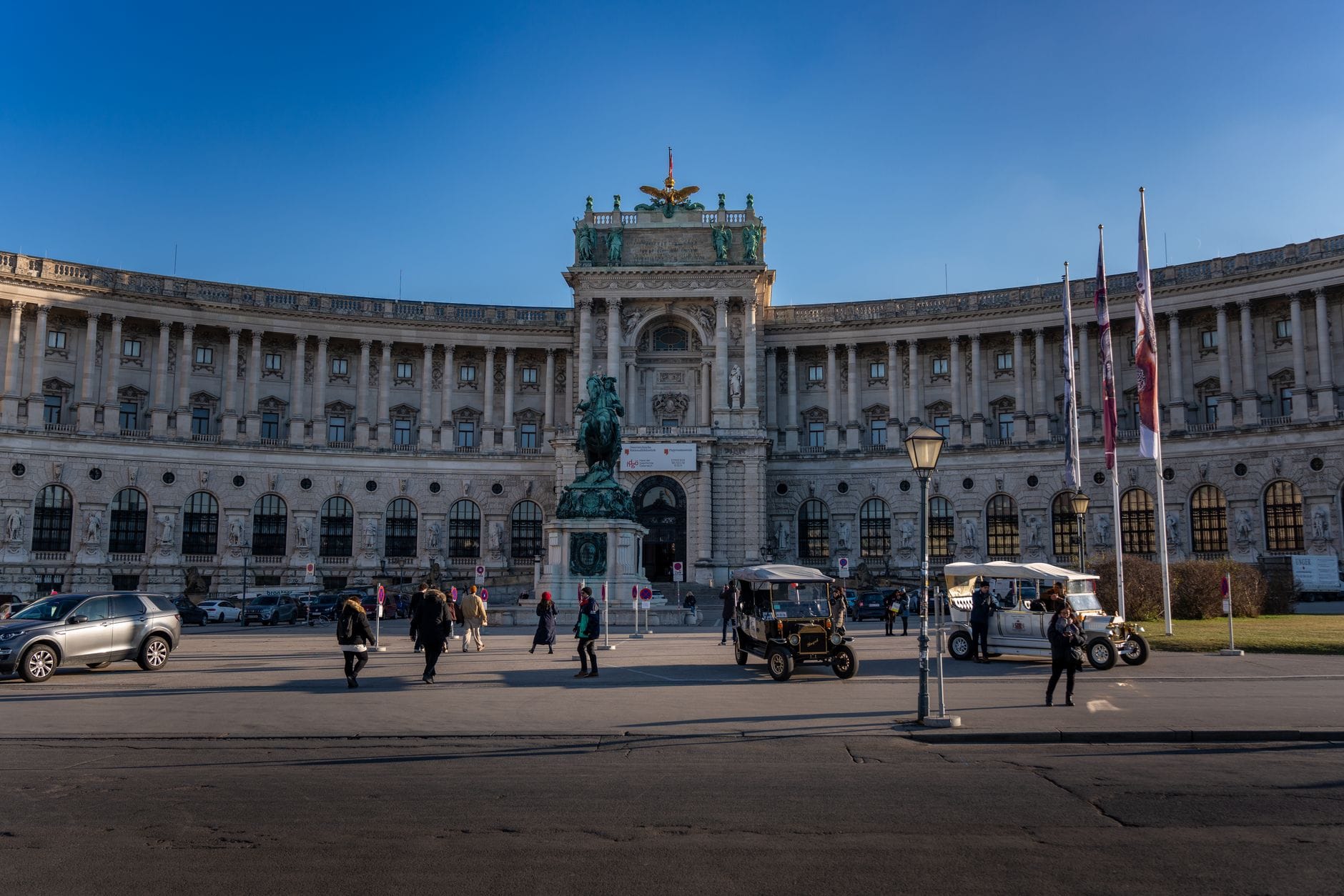
The Hofburg Palace served as the principal imperial residence from the late 13th century until the monarchy's collapse in 1918. Today it covers around 240,000 square meters in the center of Vienna's Innere Stadt, houses the offices of the Austrian Federal President, and contains several of the city's most important museums. The sheer scale of the complex is disorienting at first: there is no single main entrance, no obvious starting point.
For most visitors, the practical focus is the Imperial Apartments, the Sisi Museum, and the Imperial Silver Collection, which are sold as a combined ticket for around €17.50 for adults (verify current pricing at the official Hofburg website before visiting). The Sisi Museum focuses on Empress Elisabeth, the 19th-century empress whose personal story has become something of a cult in Vienna: anorexic by modern diagnosis, obsessively athletic, deeply unhappy in court life, and assassinated in Geneva in 1898. The museum does a reasonable job of complicating the romanticized image that dominates Viennese kitsch culture.
Within the Hofburg complex, the Imperial Treasury deserves separate entry and a separate visit. It houses the Habsburg crown jewels including the Imperial Crown of the Holy Roman Empire, an octagonal goldsmith's masterpiece dating to around 962 AD. The Spanish Riding School is also within the complex, and morning training sessions offer a more affordable alternative to full performances.
✨ Pro tip
The Hofburg is not a single museum but a cluster of distinct institutions with separate tickets. Decide in advance which parts you want to see and budget your time accordingly. The Imperial Apartments alone take 60-90 minutes at a comfortable pace. Adding the Treasury and the Imperial Library's Prunksaal could easily fill a full day.
Schönbrunn Palace: The Habsburg Summer Residence
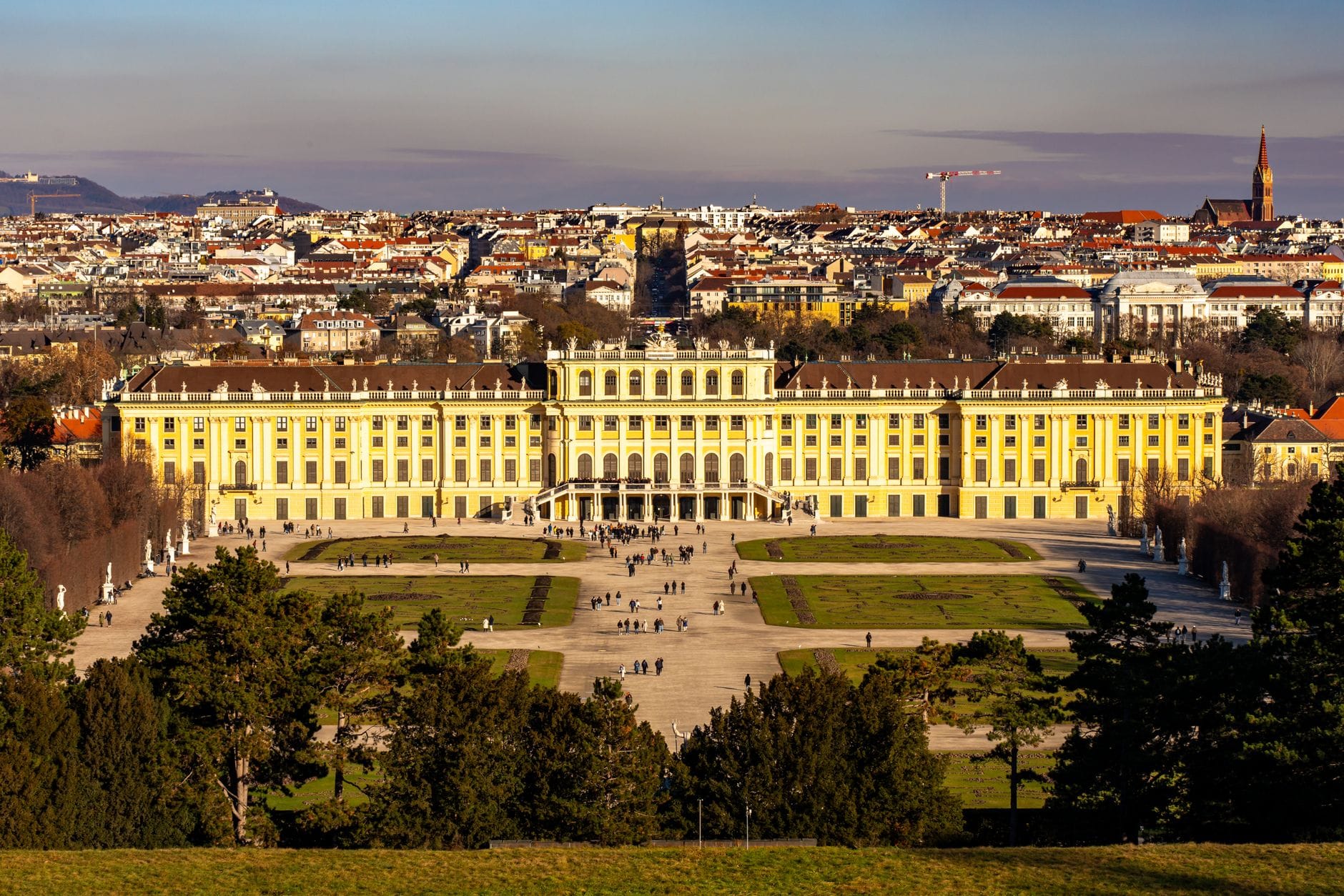
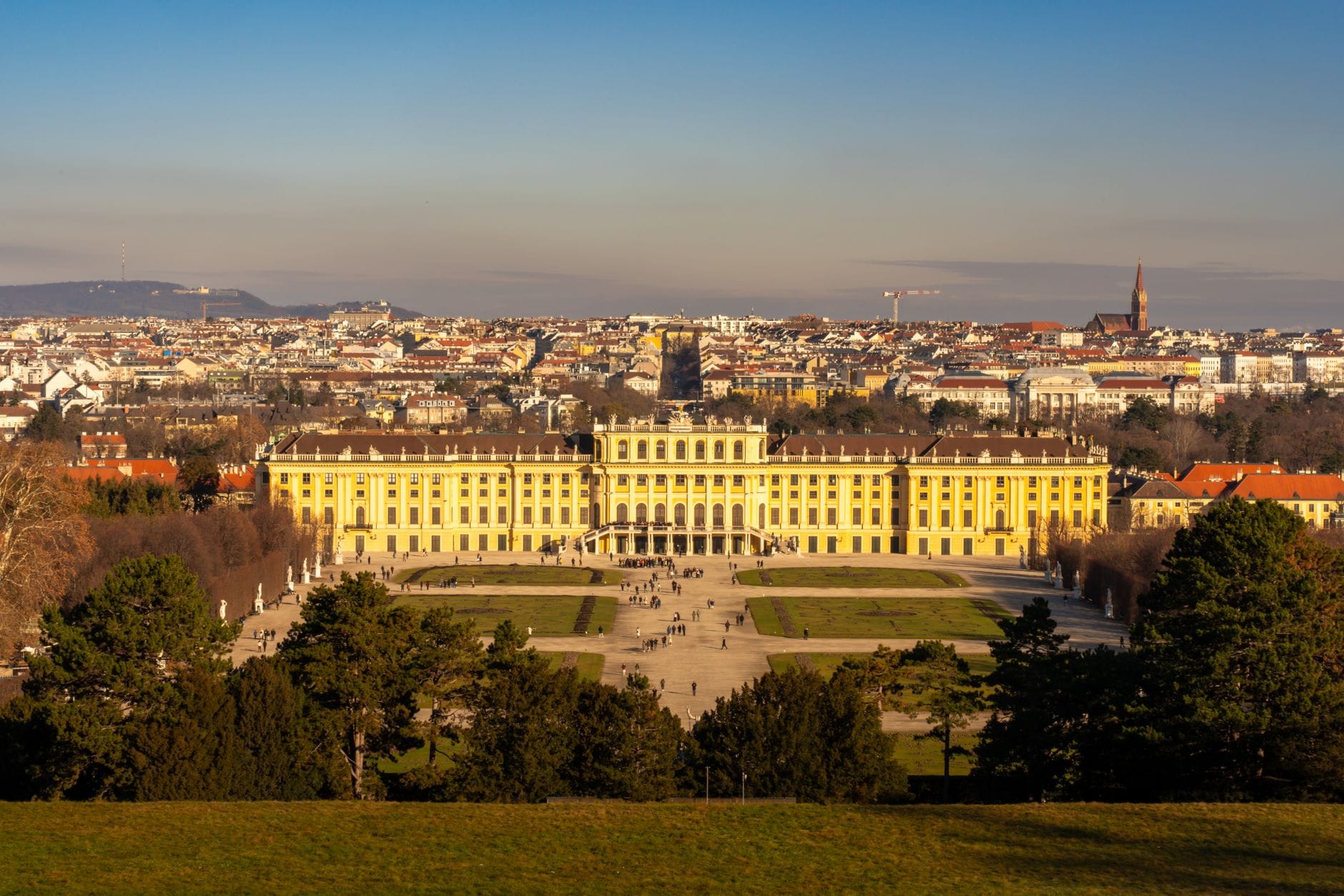
If the Hofburg is where the Habsburgs governed, Schönbrunn Palace is where they relaxed. The baroque complex in Vienna's 13th district is consistently the city's single most visited attraction, and for good reason: the scale and interior decoration represent the height of Habsburg theatrical self-presentation.
Tickets for the Grand Tour (40 rooms) start around €28-38 for adults as of 2026, though you should verify current pricing directly at schoenbrunn.at before booking. The palace also offers a Classic Tour covering 22 rooms at a lower price point, which is sufficient for most visitors. The gardens are free to enter and include formal French-style parterres, fountains, and walking paths up to the Gloriette, the neoclassical arcade at the hill's summit with views back over the city.
- Classic Tour (22 rooms) Best for first-time visitors with limited time. Covers the main state rooms and private apartments. Takes around 30-40 minutes.
- Grand Tour (40 rooms) Recommended if you have a genuine interest in Habsburg daily life and court ceremony. Adds the Emperor's apartments and several ceremonial halls.
- Schönbrunn Gardens Free entry. Allow 45-90 minutes for a walk to the Gloriette and back. The gardens are at their best in May and June when the parterres are in full bloom.
- Tiergarten Schönbrunn The zoo within the palace grounds is the world's oldest, founded in 1752. A separate ticket is required and is worth adding for visitors with children or an interest in its baroque imperial origins.
⚠️ What to skip
Schönbrunn receives enormous visitor numbers between April and October. Without a timed-entry booking, waits of 45-90 minutes at the ticket office are common in July and August. Book online at least a few days in advance during high season. The palace is open year-round, and winter visits are genuinely pleasant: fewer crowds, frost on the gardens, and all interior rooms remain accessible.
The Kapuzinergruft and the Imperial Burial Tradition
The Kapuzinergruft (Imperial Crypt) beneath the Kapuziner Church on Neuer Markt is one of Vienna's most genuinely affecting sites and one that many visitors underestimate or skip. Opened in 1633 under Emperor Matthias, it contains 149 Habsburg burials across 12 vaults, including 12 emperors and 19 empresses.
Adult entry is around €13 as of 2026 (verify at kaisergruft.at), and the visit takes about 30-45 minutes. The space works chronologically: older, simpler tombs at the entrance, progressing toward the elaborate baroque sarcophagi of Karl VI and Maria Theresia (whose double sarcophagus, designed during her own lifetime, is the most dramatic object in the crypt), and then forward to Franz Joseph and Empress Elisabeth in the late 19th-century vault. The most recent burial was in 2011, when Archduke Otto von Habsburg was interred here, a reminder that the dynasty's descendants are still among us.
One detail worth knowing: Habsburg burial tradition separated the body across three locations. The heart was preserved in the Herzgruft at the Augustinian Church (Augustinerkirche, adjacent to the Hofburg), while the viscera were placed in the Ducal Crypt beneath St. Stephen's Cathedral. Only the remaining body came to the Kapuzinergruft. This ritual fragmentation of the imperial body was a deliberate devotional practice, distributing the Habsburg remains across Vienna's spiritual geography.
The Ringstrasse: Reading Habsburg Ambition in Stone
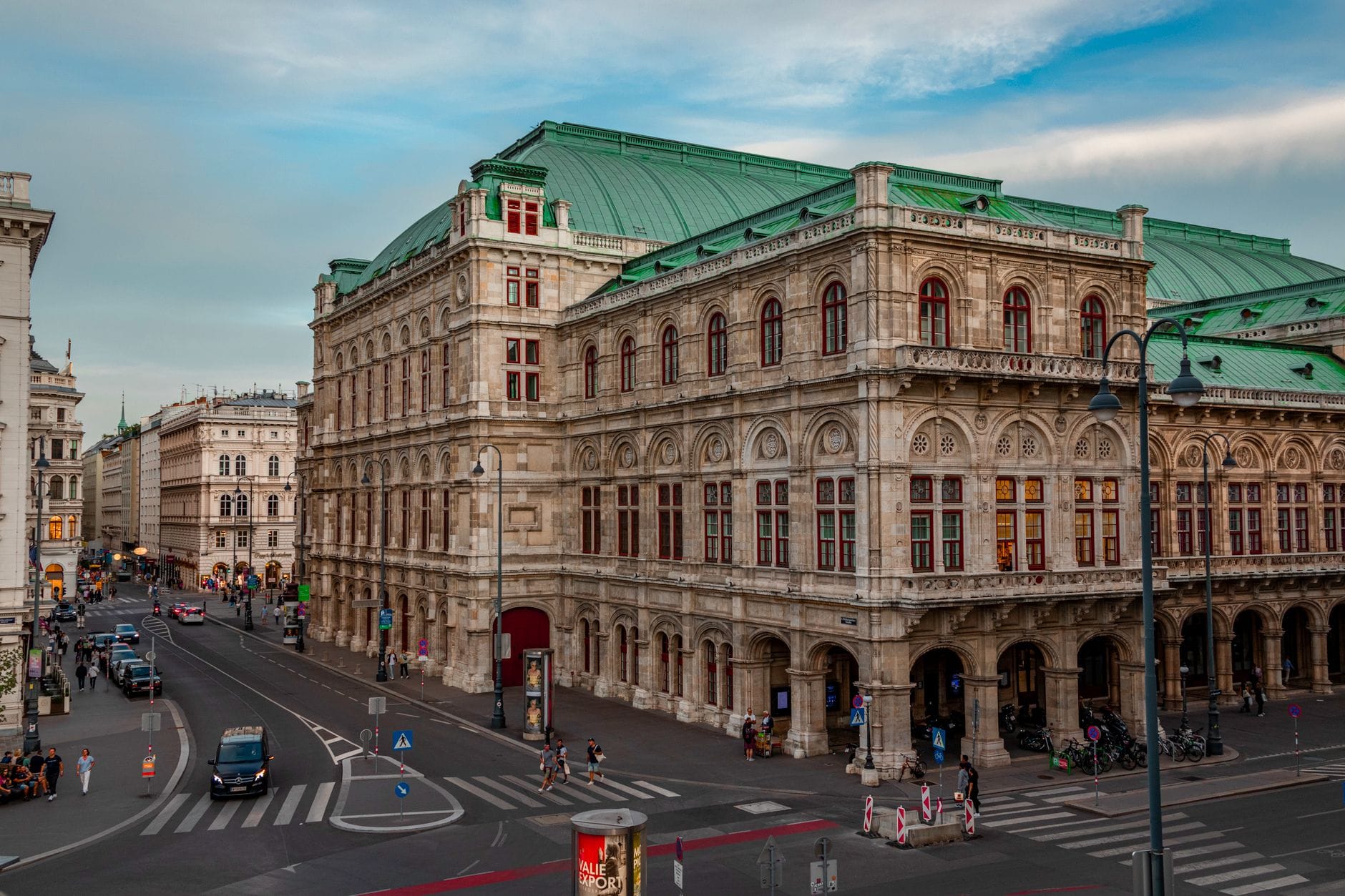
In 1857, Emperor Franz Joseph ordered the demolition of Vienna's medieval city walls and instructed that the cleared land be developed as a grand ceremonial boulevard. The result was the Ringstrasse, a roughly 5-kilometer ring road lined with monumental public buildings in historicist styles: neo-Gothic for the Rathaus, neo-Renaissance for the Kunsthistorisches Museum and the opera house, neo-Classical for Parliament. The whole project was completed over roughly four decades and represents the last major phase of Habsburg urban self-representation.
Walking the Ringstrasse is free and takes about 90 minutes at a leisurely pace. Along the route you pass the Kunsthistorisches Museum, the Naturhistorisches Museum, the Vienna State Opera, the Burgtheater, and the Votivkirche. For a structured approach, the dedicated Innere Stadt walking tour guide covers the key stops in logical order.
ℹ️ Good to know
The Kunsthistorisches Museum is directly tied to Habsburg collecting: it was built to house the imperial collections accumulated over centuries by the dynasty. The Egyptian, Greek, Roman, and Old Masters galleries reflect the Habsburgs' deliberate use of art as a tool of political prestige. Entry is around €21 for adults; check the museum's website for current pricing and any temporary exhibitions.
Planning a Full Day of Imperial Vienna: Logistics and Priorities
Realistically, you cannot do all of imperial Vienna in a single day without feeling rushed. The Hofburg complex alone could absorb a full morning; Schönbrunn is best visited either in the morning before crowds peak or late afternoon. The Kapuzinergruft is compact and fits naturally as a 45-minute add-on before or after the Hofburg.
- Day 1 (Imperial Core): Hofburg complex in the morning (Imperial Apartments, Sisi Museum, Silver Collection), Kapuzinergruft after lunch, evening Ringstrasse walk.
- Day 2 (Schönbrunn focus): Schönbrunn Palace tour in the morning before 10am crowds arrive, gardens and Gloriette at midday, afternoon visit to the Kunsthistorisches Museum.
- Add-ons for serious Habsburg enthusiasts: Imperial Treasury, Spanish Riding School training session, Augustinerkirche (Herzgruft), St. Stephen's Cathedral crypt.
- Budget option: Ringstrasse walk is free. Schönbrunn gardens are free. The Kapuzinergruft at around €13 is the best value of the major imperial sites.
The Vienna City Pass (Vienna PASS) includes entry to many imperial sites and is worth calculating against your planned itinerary. For a detailed breakdown of whether it saves money for your specific visit, see the Vienna PASS guide. If you're planning more than two or three days in the city, also check the 3-day Vienna itinerary which integrates imperial sites with the city's other strengths.
For context beyond the palaces, Vienna's imperial heritage extends into its music culture. The Habsburgs were active patrons of composers including Haydn, Mozart, Beethoven, and Schubert. The Musikverein and the Vienna State Opera are both direct products of the imperial cultural project. See the Vienna classical music guide for performance options and booking advice.
FAQ
How long did the Habsburg dynasty rule Austria?
From Rudolf I's recognition as ruler of Austria in 1278 until Emperor Karl I's abdication in November 1918, the Habsburgs controlled Austria for over 640 years. The dynasty did not found Vienna but transformed it into the capital and seat of imperial power, commissioning the buildings and monuments that define the city's historic core.
Which Habsburg site in Vienna is worth visiting most?
That depends on your interests. For sheer spectacle and historical depth, Schönbrunn Palace is the most complete experience. For understanding how imperial power actually functioned day-to-day, the Hofburg's Imperial Apartments are more revealing. For emotional impact and something genuinely different, the Kapuzinergruft (Imperial Crypt) is the most underrated of the three and the least crowded.
Do I need to book tickets to Habsburg sites in advance?
For Schönbrunn Palace between April and October, advance timed-entry booking is strongly recommended; walk-up queues can exceed 60-90 minutes in peak summer. The Hofburg is generally more manageable, though booking ahead eliminates any waiting. The Kapuzinergruft rarely requires advance booking. Check the official websites for each site before your visit.
Is there a pass that covers multiple Habsburg sites in Vienna?
The Vienna PASS (Vienna City Pass) includes entry to many of the major imperial attractions including Schönbrunn and sites within the Hofburg complex. Whether it represents genuine savings depends on which sites you plan to visit and in how many days. Run the numbers against individual entry fees before purchasing.
What is the difference between the Austrian Empire and the Austro-Hungarian Empire?
The Austrian Empire was formally proclaimed in 1804 when Emperor Franz II established it as a unified state separate from the Holy Roman Empire (which dissolved in 1806). In 1867, after military defeats by Prussia, the empire was restructured under the Ausgleich (Compromise) into the Austro-Hungarian Empire, a dual monarchy in which Hungary gained equal constitutional status. This second form lasted until 1918 when both Austria and Hungary became republics following World War I.
Tickets & tours
Live prices and dates from our booking partner. If you book, we may earn a commission at no extra cost to you.
Planning a trip? Discover personalized activities with the Nomado app.