Vienna's Famous Coffeehouses: The Complete Guide to Wiener Kaffeehäuser
Vienna's traditional coffeehouses are UNESCO-recognised cultural institutions, not just places to drink coffee. This guide covers the best venues, what to order, typical costs, etiquette rules, and how to tell the genuine article from a tourist trap.
Plan and book this trip
Tools from our partner Travelpayouts help you compare flights and hotels. If you book through them, we may earn a commission at no extra cost to you.
Flights
Hotels map
TL;DR
- Vienna's coffeehouses (Wiener Kaffeehäuser) are UNESCO Intangible Cultural Heritage sites where lingering for hours over a single drink is not just accepted — it's the entire point.
- Expect to pay €3.50–€4.50 for a classic Melange; tourist-facing landmark cafés charge up to €6.50 or more. Coffee and cake combined typically runs €6–€15.
- The most famous houses include Café Central, Café Landtmann, Demel, and Café Sacher — all in the 1st District (Innere Stadt). See our Innere Stadt neighbourhood guide for context.
- A glass of tap water is served free with every coffee. You never need to keep ordering. The bill only comes when you ask for it.
- Pair a coffeehouse visit with Vienna's broader food culture for a complete picture of how Viennese people actually eat and socialise.
Why Vienna's Coffeehouse Culture Is Unlike Anywhere Else
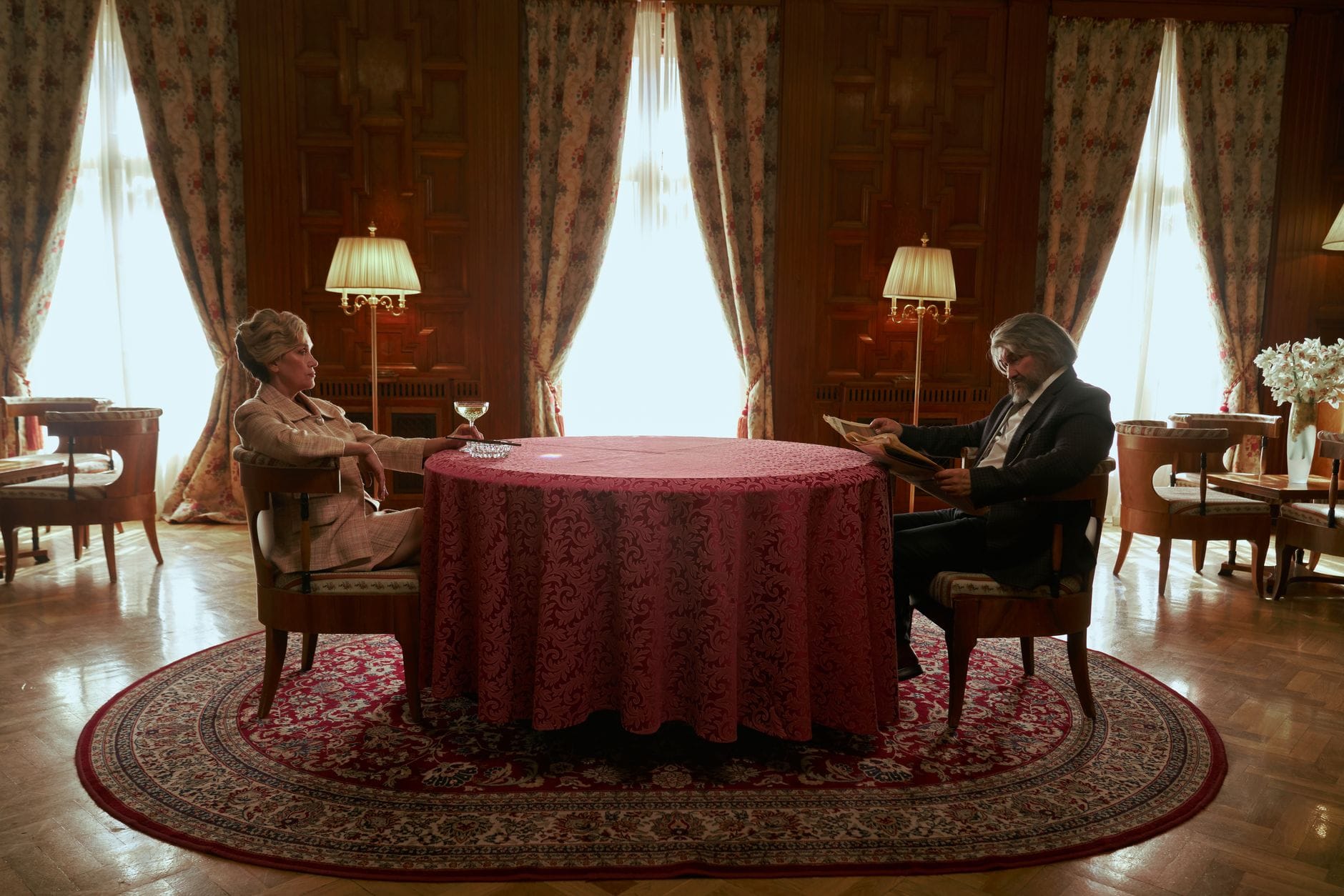
The Viennese coffeehouse is not a café in the way most people understand the word. It is, by longstanding tradition and now official UNESCO recognition, a social institution. Since 2011, the Wiener Kaffeehaus has been listed as Intangible Cultural Heritage by UNESCO, acknowledging that these spaces preserve a particular way of spending time in public: reading newspapers, playing chess, debating politics, writing, or doing nothing at all. You are not expected to leave when your cup is empty.
What distinguishes a genuine traditional coffeehouse from a regular café is the combination of several factors: the physical space (high ceilings, marble tabletops, coat hooks at each table, waiters in formal dress), the service style (unhurried, occasionally verging on aloof), and the social contract between staff and guest. A Herr Ober — the traditional title for a male waiter — will not hover. He will not ask if everything is okay three times. He will bring your order and leave you alone until you ask for the bill. This is not rudeness. It is respect.
ℹ️ Good to know
The phrase 'Zahlen, bitte' (zahlen = to pay, bitte = please) is how you signal to your waiter that you're ready for the bill. Don't wait for it to arrive automatically — it won't. This is a feature, not a bug, of the system.
The Essential Coffeehouses: Where to Go and What to Expect
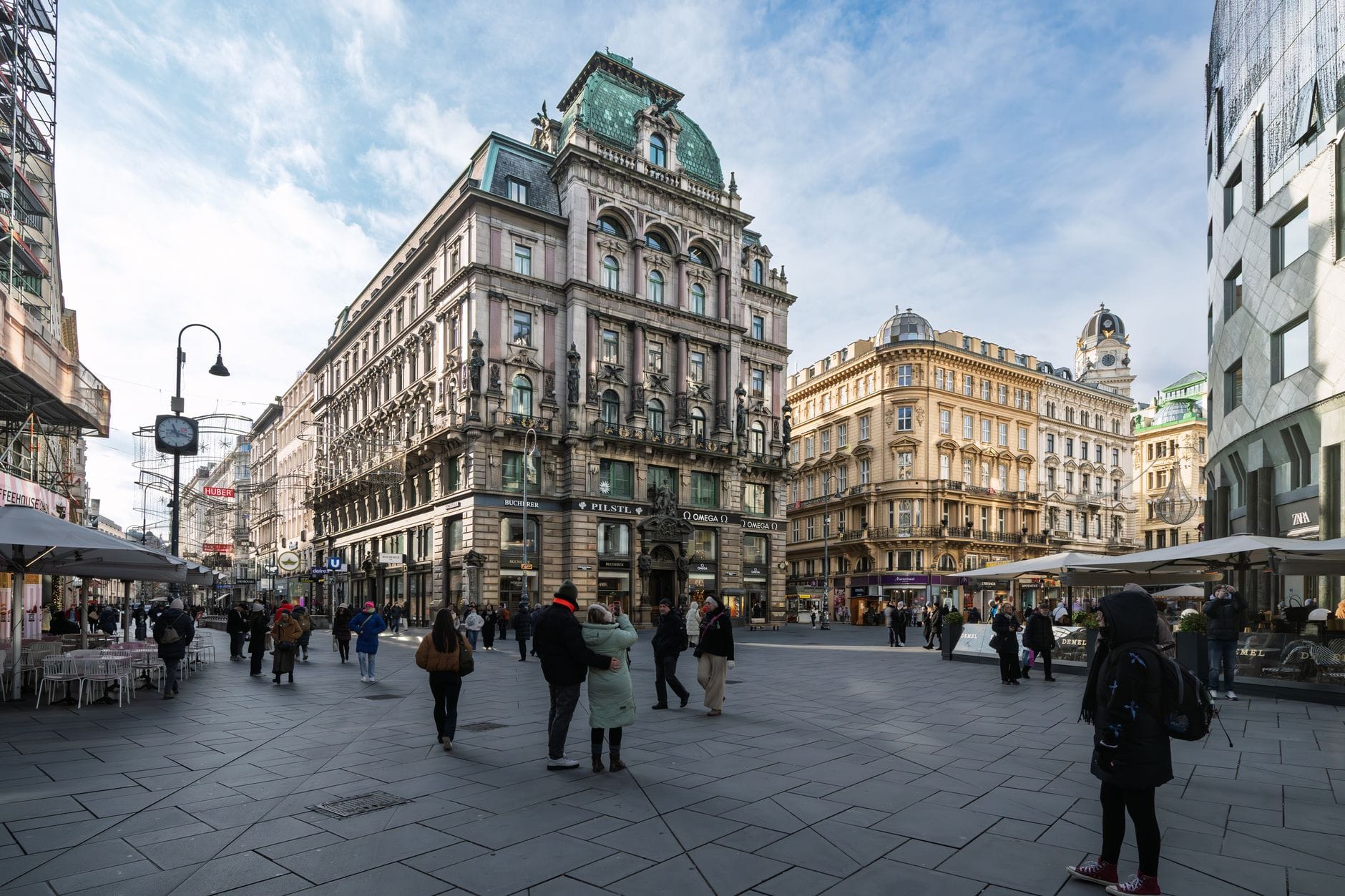
The concentration of classic coffeehouses in the 1st District is high, and the tourist footfall is accordingly heavy at the most famous names. That does not disqualify them — Café Central and Café Landtmann are genuinely extraordinary spaces — but you should walk in with calibrated expectations about crowds, particularly between 10:00 and 14:00 on weekends.
- Café Central (Herrengasse 14, 1010) Set inside the Palais Ferstel, this is probably Vienna's most photographed interior: vaulted neo-Gothic arcades, marble columns, and a string quartet on many afternoons. Trotsky supposedly played chess here before World War I. The food is solid, the Melange is reliably good, and the prices reflect the surroundings (budget around €5 for a coffee). Go early on weekdays to avoid queues at the door.
- Café Landtmann (Universitätsring 4, 1010) Sigmund Freud's preferred café, and still one of the most atmospheric on the Ringstrasse. Adjacent to the Burgtheater and the Rathaus, it draws a mix of politicians, academics, and theatregoers. The interior is spacious enough to feel genuinely quiet in off-peak hours. Reservations are accepted and worth making for weekend brunch.
- Café Sacher (Philharmonikerstraße 4, 1010) Home of the Original Sacher-Torte, the dense chocolate cake with apricot jam that has been the subject of a decades-long legal dispute with Demel over which version is 'authentic'. The café itself is red velvet and dark wood, attached to the Hotel Sacher behind the State Opera. The Torte costs around €7–€8 per slice. Go once for the experience, but understand that the queue and the prices are baked in (so to speak).
- Demel (Kohlmarkt 14, 1010) Founded in 1786 and formerly the imperial pastry supplier to the Habsburg court, Demel is as much a patisserie as a coffeehouse. The window displays of hand-crafted sugar sculptures are worth stopping for even if you don't go in. Inside, the pace is faster than a traditional Kaffeehaus, and the cakes — particularly the Anna Torte — are exceptional. Prices are high but justified by quality.
- Café Schwarzenberg (Kärntner Ring 17, 1010) One of the oldest coffeehouses on the Ringstrasse, with a grand 19th-century interior and a terrace overlooking one of Vienna's main boulevards. Typical hours are 07:30–23:30 weekdays and 08:30–23:30 on weekends, though verify before visiting. Less toured than Central or Sacher, which makes it a better choice for a relaxed afternoon.
- Café Frauenhuber (Himmelpfortgasse 6, 1010) Reputedly the oldest coffeehouse in Vienna still in operation, and one of the few where both Mozart and Beethoven are said to have performed. The interior is more restrained than Central or Landtmann — less grand, more intimate. Official site: cafefrauenhuber.at.
⚠️ What to skip
Not every café with marble floors and white-jacketed staff is a genuine traditional coffeehouse. Several spots near the Stephansdom and Graben are styled to look historic but operate more like tourist restaurants with higher prices and lower standards. If the menu is only in English and has photographs of the food, recalibrate.
What to Order: A Practical Guide to the Vienna Coffee Menu
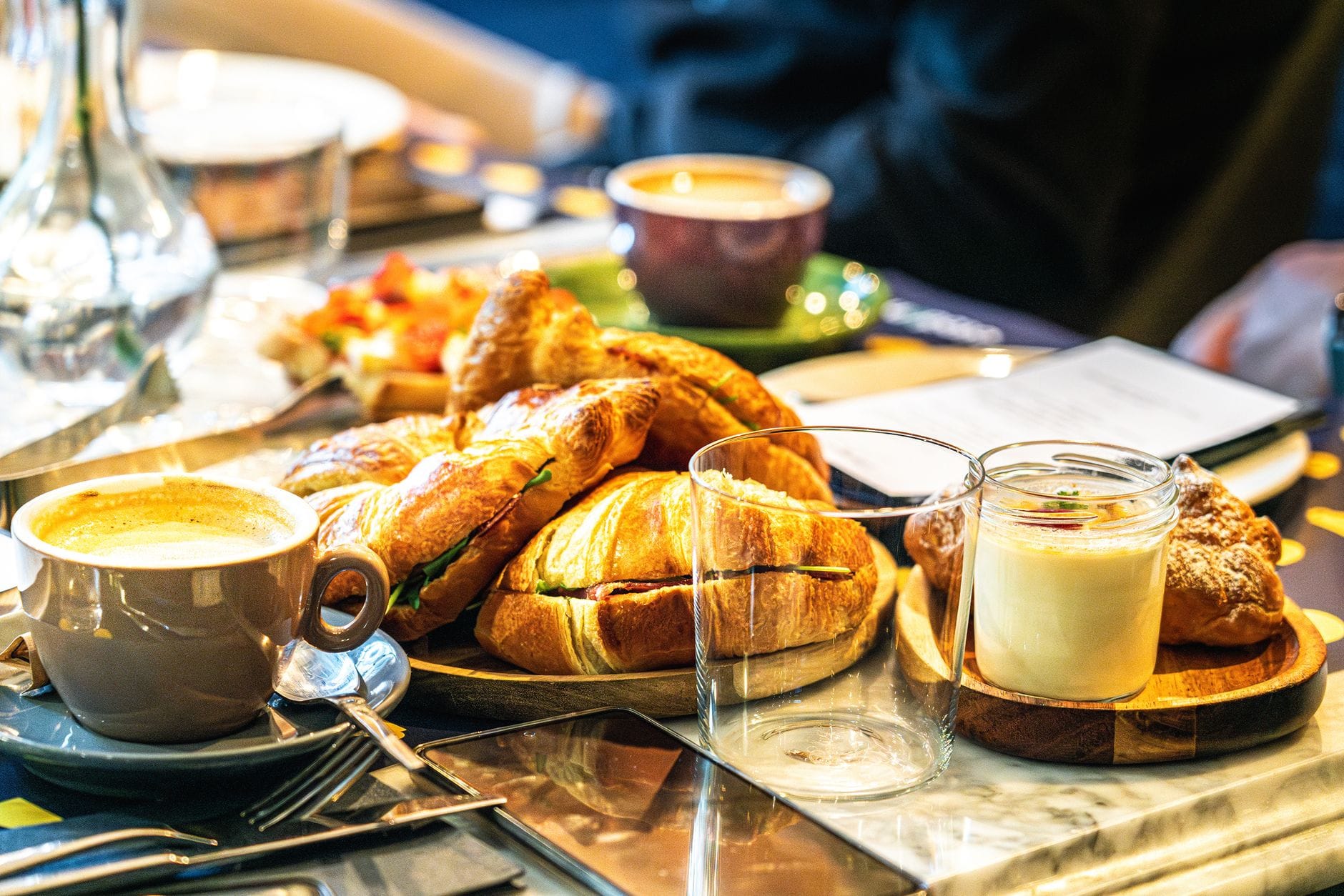
Ordering coffee in Vienna is its own small art form. The menu at a traditional Kaffeehaus will list dozens of variants, many with German names that have no direct English translation. Knowing a handful of key terms prevents you from staring blankly at the waiter — or, worse, ordering an Espresso and confirming every stereotype about tourists.
- Melange The iconic Viennese coffee: roughly half espresso, half steamed milk, similar to a cappuccino but typically served in a glass and with a slightly different milk-to-coffee ratio. This is the default order for most locals. Expect to pay €3.50–€4.50 in a standard house.
- Verlängerter (Verlängerter Brauner) A weaker espresso diluted with hot water, with a small jug of milk on the side. Good for people who want something milder and longer-lasting.
- Kleiner/Großer Brauner Kleiner = small, Großer = large. A Brauner is espresso with a small amount of cream or milk on the side. The standard choice if you don't want the froth of a Melange.
- Schwarzer Black espresso, served without anything. Kleiner Schwarzer = single shot; Großer Schwarzer = double. Straightforward and widely drunk.
- Einspänner A Großer Schwarzer topped with a generous dome of unsweetened whipped cream (Schlagobers), served in a glass. Named after the one-horse carriage whose drivers used the cream to keep the coffee warm while driving. A particularly Viennese experience.
- Fiaker Coffee with rum, Maraschino liqueur, and whipped cream. Named after Vienna's horse-drawn carriage drivers. An afternoon or evening drink rather than a morning one.
- Wiener Eiskaffee Cold black coffee with vanilla ice cream and whipped cream. A summer staple and considerably more substantial than it sounds.
On food: coffeehouses serve far more than coffee and cake. Most offer full breakfast from opening until late morning, and many serve hot food throughout the day, including soups, Gulasch, and open-faced sandwiches. If you're planning a light lunch rather than a restaurant meal, a traditional Kaffeehaus can serve as a perfectly reasonable alternative.
✨ Pro tip
A glass of tap water is served automatically with every coffee order in a traditional Viennese coffeehouse — you are never charged for it. If you want more, ask. Vienna's tap water comes from Alpine springs and is genuinely excellent; drinking it straight is standard practice for locals.
Prices, Tipping, and the Bill: What You'll Actually Pay
Prices vary significantly depending on location and category. A Melange at a neighbourhood coffeehouse away from the tourist core costs roughly €3.50–€4.50. The same drink at Café Central, Café Landtmann, or Café Sacher will typically run €4.50–€6.50. Add a slice of Apfelstrudel (€4–€6) or Sachertorte (€7–€8 at Sacher or Demel), and a solo coffee-and-cake visit comes in at €8–€15. For a broader sense of food costs in Vienna, see our guide to eating in Vienna.
Tipping works differently here than in the United States. You do not leave cash on the table. Instead, when the waiter comes with the bill, you state the total you want to pay (including tip), and they return the change. Rounding up to the nearest Euro or adding 5–10% is customary. On a €9.50 bill, saying 'zehn' (ten) when handing over a €10 note is standard. Saying 'stimmt so' (it's fine as it is) means you're leaving the full amount as the tip.
If you're planning to combine your coffeehouse experience with a visit to Vienna's imperial landmarks or museums nearby, the Vienna City Card and Vienna Pass options are worth considering for transport discounts if you're staying multiple days.
Coffeehouse Etiquette: What Locals Know That Tourists Don't
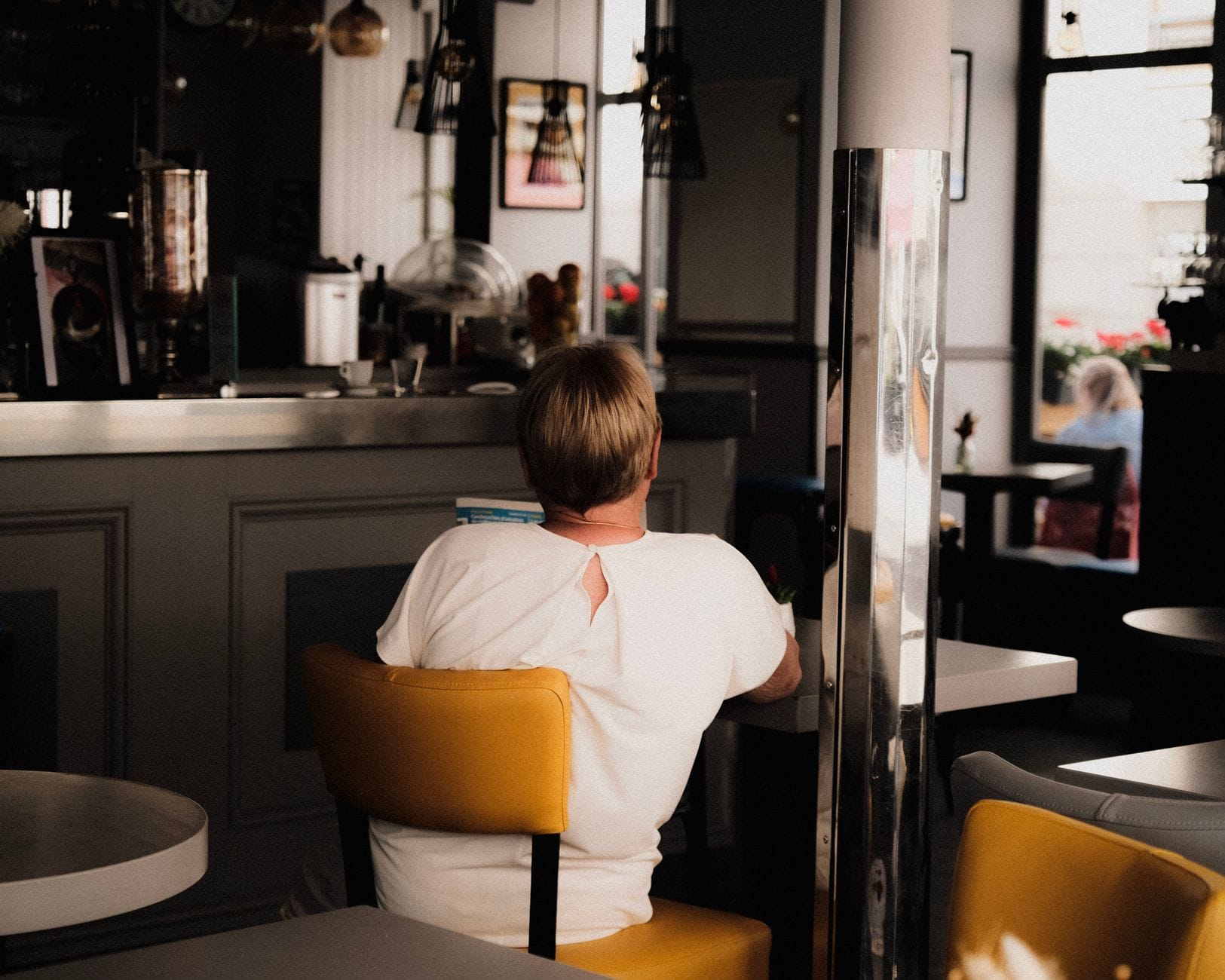
The single most important piece of etiquette is already covered above: you are not expected to keep ordering. Sitting for two hours over one Melange while reading, writing, or doing nothing in particular is entirely normal and carries no social stigma. Waiters understand this. They will not bring you a passive-aggressive 'can I get you anything else?' This is what makes the Viennese coffeehouse different from almost any other urban café culture in the world.
Newspapers are often provided free of charge on wooden holders called Zeitungshalter. At traditional houses, you may find a selection of Austrian and German-language papers; a few major houses also stock international titles. Asking your waiter for a newspaper is perfectly acceptable.
- Don't sit down at a table that hasn't been cleared if the café is busy — wait to be seated or catch the eye of a waiter first.
- Dress is casual-smart at most places. You don't need formal wear, but turning up in hiking gear with a large rucksack at Café Central will feel out of place.
- If sharing a table with strangers (common when it's busy), a brief nod or 'Grüß Gott' (the standard Austrian greeting) is polite.
- Mobile phone calls at normal conversational volume are broadly accepted, though long loud calls at a marble table will attract quiet disapproval.
- At peak tourist coffeehouses, particularly Café Sacher and Café Central, queues at the door are common on weekend mornings. Arrive before 09:30 or after 15:00 to avoid them.
- Some houses have a coat check (Garderobe). Using it is optional but conventional for longer visits in winter.
Seasonal Patterns and When to Visit
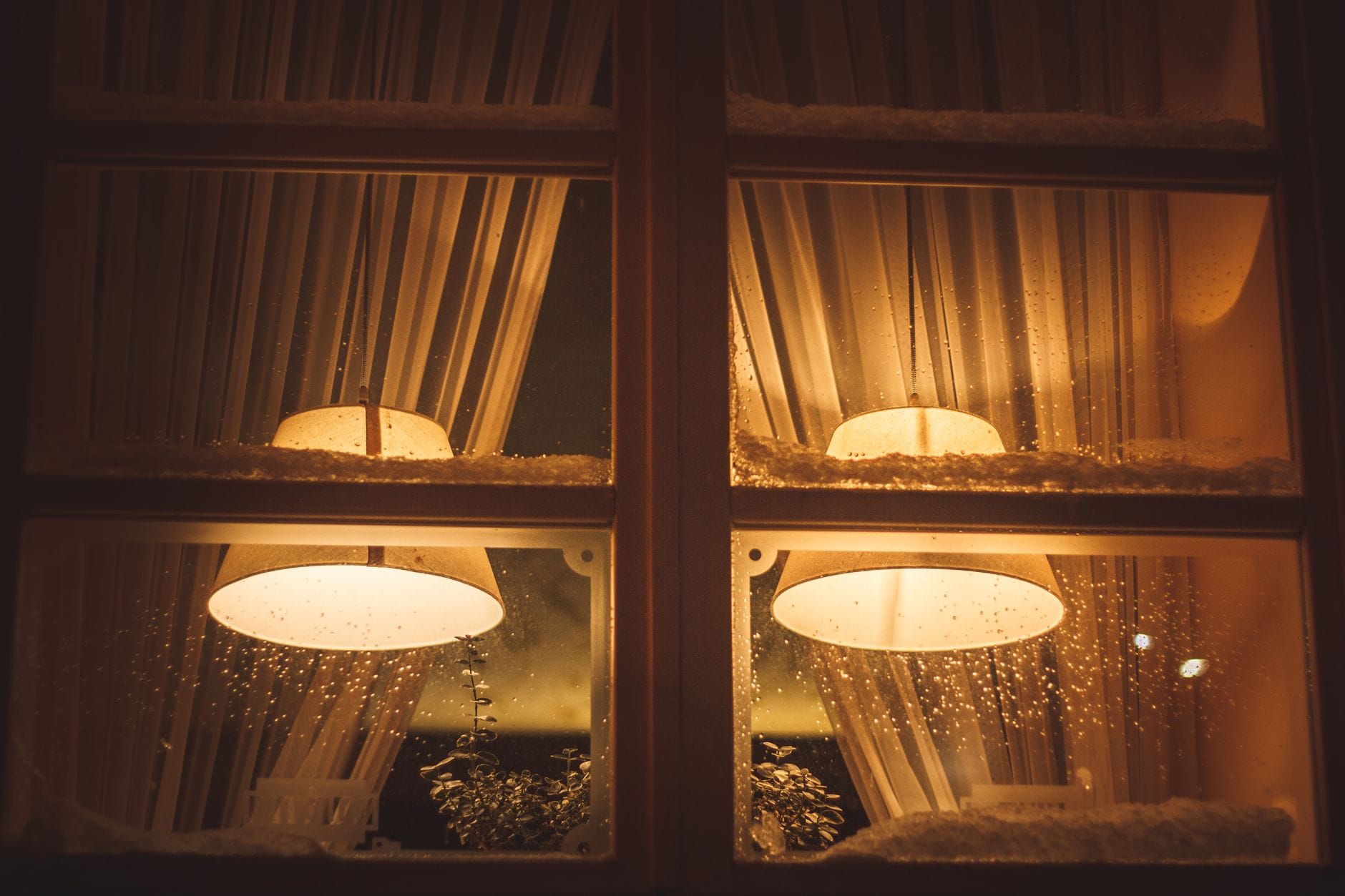
Vienna's coffeehouses are year-round institutions, but the experience shifts by season. In winter, the indoor atmosphere is at its most theatrical: steamed-up windows, heavy coats on the hooks, and the contrast between the cold outside and a warm Einspänner inside is genuinely the stuff of cliché for good reason. This is also when Vienna's Christmas markets operate nearby, making a coffeehouse pit-stop particularly practical.
In spring and summer, coffeehouses with outdoor terraces (Schanigärten) extend onto pavements and small gardens. The coffeehouse in the Burggarten is worth mentioning here, though its terrace hours are limited outside the warmer months. Summer in Vienna sees higher tourist volumes across all the landmark cafés; if you're visiting in July or August, consider going to less-central neighbourhood houses in districts like Alsergrund or Josefstadt, where prices are lower and the clientele is predominantly local.
Autumn is widely considered the most atmospheric season for coffeehouse culture: temperatures are cool enough to make indoor seating appealing, tourism volumes drop after September, and the afternoon light through tall windows has a quality that photographers reliably seek out. Many regulars cite October as their preferred month to spend time in a Kaffeehaus.
Beyond the Famous Names: Neighbourhood Coffeehouses Worth Seeking Out
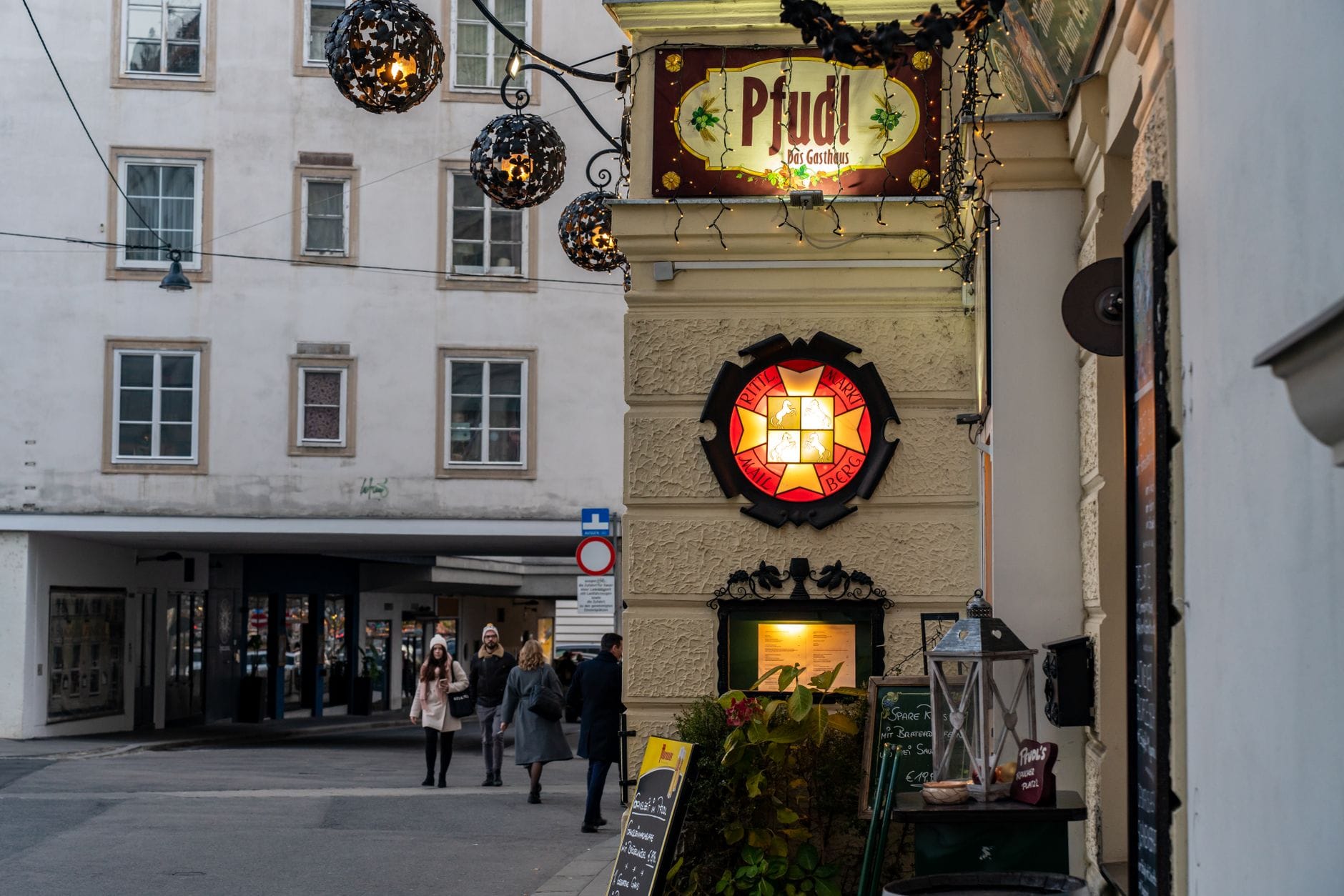
The landmark coffeehouses are worth visiting at least once, but the everyday Viennese coffeehouse experience is more accurately found in the 4th through 9th districts, where prices are lower, queues are non-existent, and the regulars have been coming for years. The Alsergrund and Josefstadt districts (9th and 8th) are particularly well-stocked with traditional houses that haven't recalibrated their menus for international visitors.
Café Hawelka on Dorotheergasse (1st District) is smaller and more eccentric than the grand palaces, famous for staying open until the small hours and for the Buchteln — warm jam-filled dumplings served only after 22:00 on some nights. It's a genuine institution, albeit one that has been famous long enough to have its own layer of tourist interest. Café Prückel on Stubenring, near the MAK museum, offers a more lived-in 1950s interior and is consistently less crowded than its counterparts on the Ring.
If you're combining a coffeehouse visit with a museum afternoon, the area around the MuseumsQuartier and Mariahilf has several solid options. Café Ritter on Mariahilfer Strasse is a functional, no-frills traditional house that locals use precisely because it's not on any top-ten list.
FAQ
How long can you sit in a Vienna coffeehouse without ordering again?
As long as you like. There is no time limit and no expectation to keep ordering. Sitting for two or three hours over a single coffee is completely normal and is considered part of the institution's social purpose. This is what UNESCO recognised as culturally significant about the Wiener Kaffeehaus tradition.
What is the most famous coffeehouse in Vienna?
Café Central (Herrengasse 14) is arguably the most photographed and visited, followed by Café Sacher (home of the Original Sacher-Torte) and Café Landtmann (the former favourite of Sigmund Freud, adjacent to the Burgtheater). All three are in the 1st District and require some tolerance for tourist crowds at peak times.
How much does coffee cost in a Vienna coffeehouse?
A Melange (the standard Viennese coffee) costs roughly €3.50–€4.50 in most traditional houses, and €4.50–€6.50 at the most prominent tourist-facing venues like Café Sacher, Café Central, and Demel. A coffee-and-cake combination typically comes to €8–€15 per person, depending on location.
Do you need to tip in Vienna coffeehouses?
Tipping is customary but not mandatory, and the method is specific to Austria. When you pay, you tell the waiter the total amount you want to pay (inclusive of tip) rather than leaving cash on the table. Rounding up to the nearest Euro or adding 5–10% is the norm. Say 'stimmt so' if you want to leave the full amount as a tip.
What is the difference between a Melange and a cappuccino?
A Melange is Vienna's native equivalent, made with espresso and steamed milk, but typically served in a glass (not a ceramic cup), with a slightly different milk-to-coffee balance than a standard Italian cappuccino. Some houses use a small amount of foam on top; others don't. It's milder than a straight espresso and lighter in milk than a latte. Ordering a 'cappuccino' in a traditional Viennese coffeehouse is understood but slightly signals that you're not familiar with the local menu.