Alsergrund (9th district) and Josefstadt (8th district) sit just north and northwest of Vienna's historic core, forming a compact, lived-in zone of Gründerzeit apartment blocks, former noble palaces, and one of Europe's great medical universities. These are neighborhoods where students, doctors, lawyers, and long-term Viennese residents share the same streets, and where the city's day-to-day rhythms are on full display without the tourist overlay of the Innere Stadt.
Alsergrund and Josefstadt are the side of Vienna that most visitors never quite reach but many wish they had. Together, the 8th and 9th districts form a quiet, educated, historically layered pocket of the city where 19th-century architecture, academic life, and genuine neighborhood cafés coexist within ten minutes' walk of the Ringstrasse.
Orientation: Where These Two Districts Sit
Josefstadt and Alsergrund occupy the northwestern quadrant of Vienna's inner ring, pressing directly against the back of the Innere Stadt. Think of them as the city's second layer: still central, still walkable from the major sights, but unmistakably residential in character.
Josefstadt, the 8th district, is Vienna's smallest district at just 1.08 km². Its boundaries are sharply drawn: Alser Straße to the north, Lerchenfelder Straße to the south, the Gürtel ring road to the west, and the former tram ring corridor to the east. Everything inside those lines is compact, well-preserved, and largely free of through-traffic noise. You can walk its full width in under fifteen minutes.
Alsergrund, the 9th district, is considerably larger at roughly 2.99 km² and stretches from the Danube Canal in the east to the Gürtel and Währing border in the west. To the south it meets Josefstadt and the Innere Stadt along Alser Straße and Universitätsstraße. To the north it touches Döbling and Brigittenau. The district contains several distinct sub-quarters: Roßau along the canal edge, Lichtental further inland, and the heavily institutional zone around the Allgemeines Krankenhaus (AKH), Austria's largest hospital complex.
Both districts are well inside the city's transit network and close enough to central attractions that you can walk to the Votivkirche on Universitätsring in about 10 minutes from most of Alsergrund, or reach the Rathaus and the theater district in a similar time from Josefstadt. This proximity makes the pair a genuinely practical base for exploring Vienna without paying Innere Stadt hotel prices.
Character & Atmosphere
Walking into Josefstadt from Lerchenfelder Straße, the change from the busier streets to the south is immediate. The blocks are filled with four- and five-story Gründerzeit apartment buildings, their facades still carrying the ornamental detail of the late 19th century: carved keystones, wrought-iron balconies, double-height doorways opening onto tiled entrance halls. Many of the streets are narrow enough that the light arrives at an angle in the morning and the shadows lengthen fast in the afternoon. It feels like a real neighborhood because it is one.
In the morning, Josefstadt's small streets carry a quiet domestic energy. Residents pick up bread from bakeries on Lange Gasse or Piaristengasse, the trams on Alser Straße rumble at intervals, and the area's many lawyers and civil servants begin filtering toward the Rathaus and Justizpalast. The district's former noble palaces, converted over centuries into civic and cultural uses, give certain corners an almost theatrical solidity. The Burgtheater is a 15-minute walk east; the theater culture has seeped into the district's identity, and Josefstadt itself has its own significant theater, the Theater in der Josefstadt on Josefstädter Straße.
Alsergrund has a different texture: larger blocks, wider streets, and the perpetual low hum of one of Europe's most significant university hospital complexes. The area around the AKH, between Spitalgasse and Lazarettgasse, is essentially a city within the city, its campus covering an enormous footprint in the western part of the district. The streets around it are busy at all hours with students, medical staff, and the specific service economy that clusters around large hospitals. But move east toward Roßau and the Liechtensteinstraße corridor, and the character shifts again toward quiet residential grandeur.
By evening, both districts settle into a neighborhood pace that feels far removed from the tourist circuits of the 1st district. The bars along Währinger Straße and the streets around the Volksoper pick up a student and young professional crowd from around 7pm. The cafés stay open late, and the footfall around the Theater in der Josefstadt increases on performance nights, bringing a dressed-up local crowd that gives the area an unpretentious elegance. Neither district generates much nightlife noise by midnight; these are places where people actually sleep.
💡 Local tip
For a condensed sense of both districts, walk north up Josefstädter Straße from the U2 stop at Rathaus, cross Alser Straße into Alsergrund, and continue up Währinger Straße past the Volksoper. The 20-minute walk crosses both districts and reveals most of their character.
What to See & Do
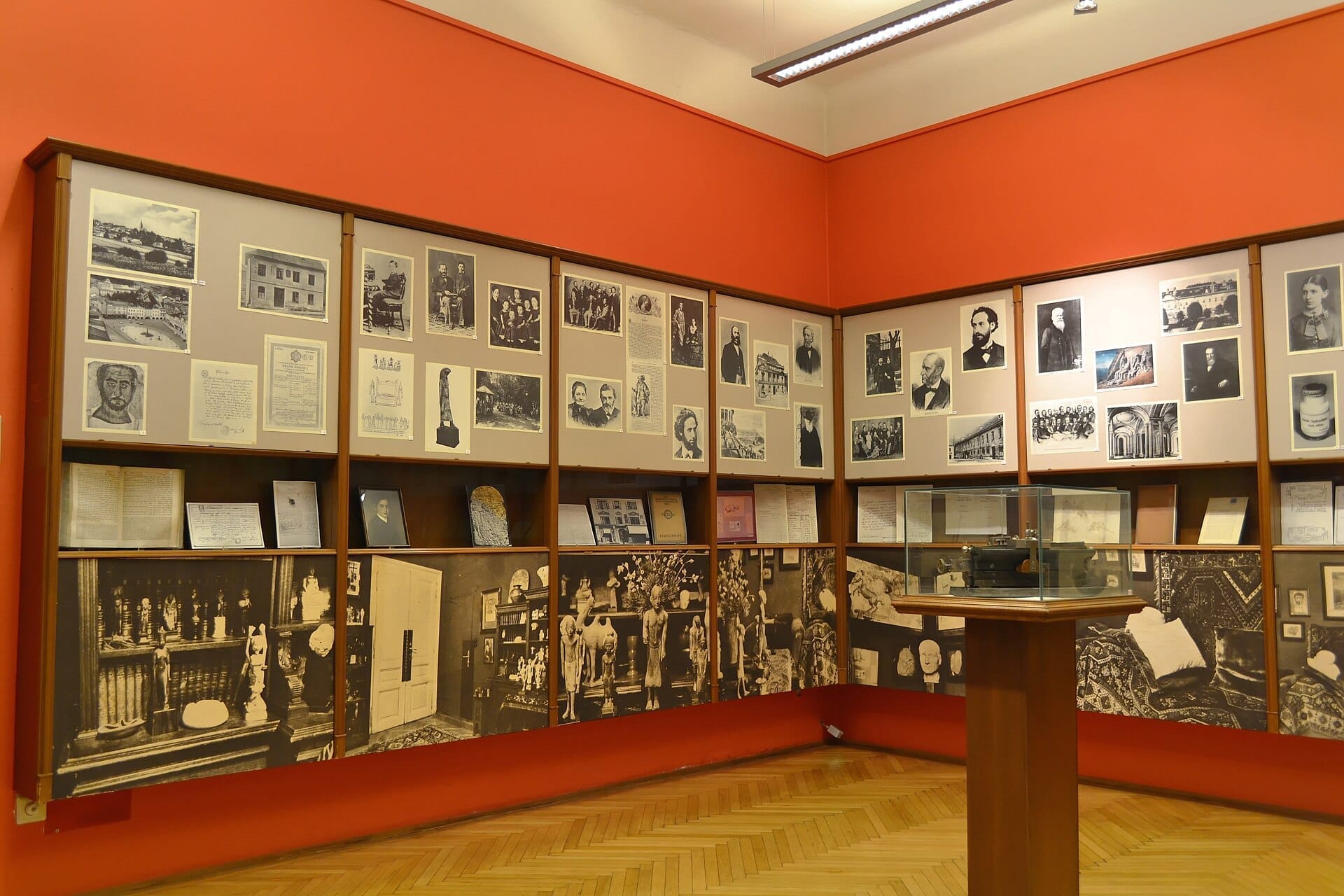
The single most significant cultural stop in this part of Vienna is the Sigmund Freud Museum at Berggasse 19 in Alsergrund. This is the apartment where Freud lived and worked for 47 years, and where he developed the foundational texts of psychoanalysis. The museum occupies the original rooms and contains period furniture, personal objects, and extensive documentation. It is compact but genuinely absorbing, and far less visited than its importance warrants.
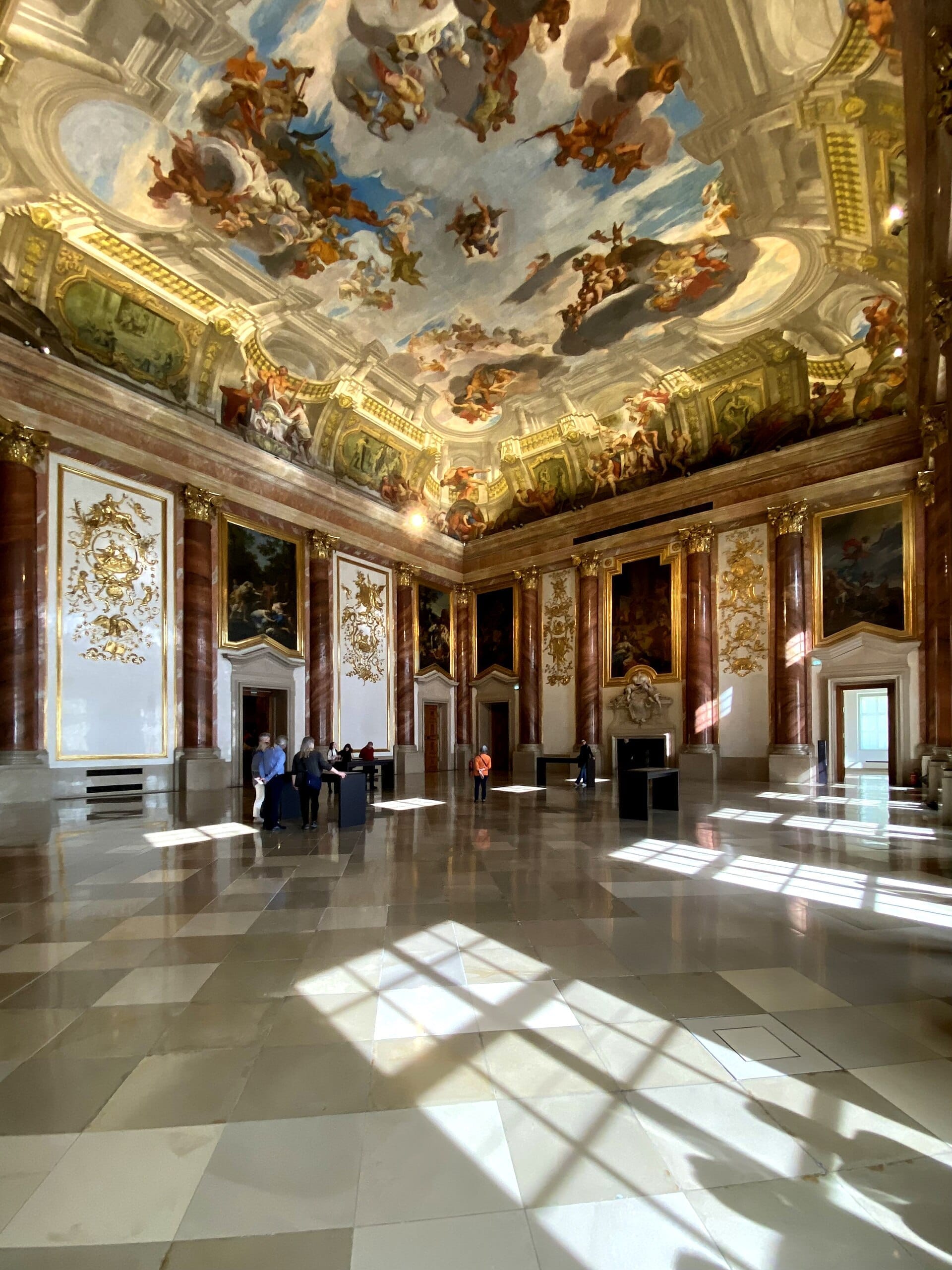
Further north in Alsergrund, the Liechtenstein Garden Palace on Fürstengasse is one of the city's finest Baroque palaces. Built in the late 17th century as the Liechtenstein family's summer residence, the palace houses a significant private art collection and sits within formal gardens that offer an unusually quiet retreat for this part of the city. Opening days and hours are limited, so check before visiting.
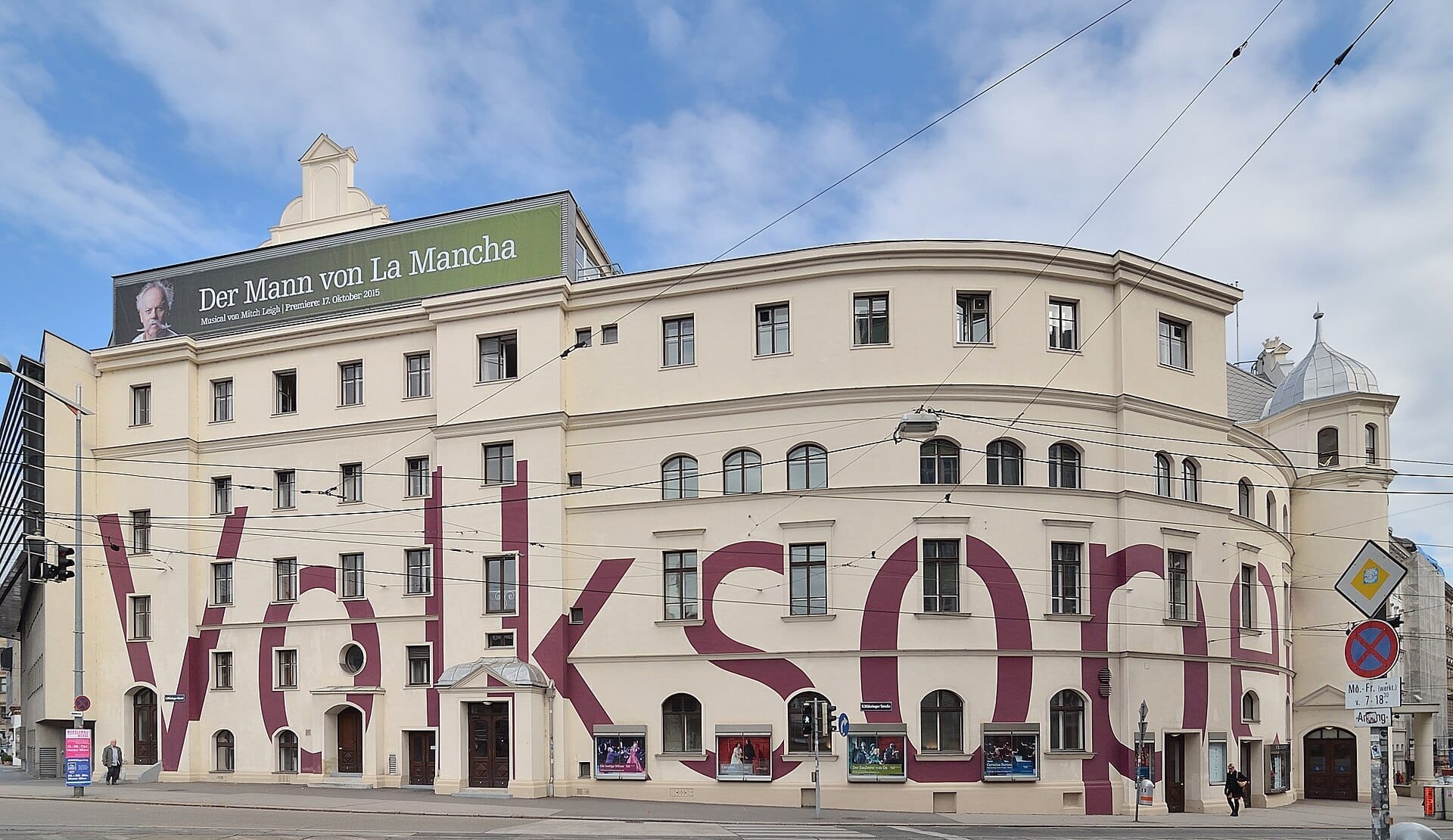
The Volksoper Wien on Währinger Straße is Austria's second opera house and the city's primary stage for operetta, musical theater, and lighter opera. It has a more informal atmosphere than the Staatsoper and tickets are considerably easier to obtain. An evening here gives you a genuine Viennese cultural experience without the formality or expense of the 1st district's main houses.
Sigmund Freud Museum, Berggasse 19: the psychoanalyst's original apartment and consulting rooms
Liechtenstein Garden Palace: a Baroque palace with one of Europe's major private art collections
Volksoper Wien: Vienna's second opera house, strong on operetta and accessible ticket prices
Theater in der Josefstadt: one of Vienna's most historically significant spoken theater venues
Palais Cumberland and various former noble palaces throughout Josefstadt's streets
The AKH campus: architecturally significant in its scale, though not a conventional tourist stop
ℹ️ Good to know
The area around Alsergrund is closely tied to Vienna's intellectual and scientific history. Freud is the most famous resident, but the district also has connections to composers, physicians, and figures from the late Habsburg period. Walking the streets with this in mind changes what you notice.
Eating & Drinking
The food scene in both districts is oriented toward residents rather than visitors, which means quality tends to be solid and prices stay reasonable. Neither area has a single concentrated restaurant street, but both have a good spread of Viennese coffee houses, neighborhood restaurants, and the occasional specialist food shop that has been in the same family for decades.
Coffee houses are the backbone of daily life here, as they are across Vienna. Several traditional Kaffeehäuser in Josefstadt and Alsergrund maintain the full format: marble tables, Thonet chairs, newspapers on wooden frames, and a menu that runs from Melange and Einspänner through to Gulasch and Tafelspitz. For context on what to order and how these institutions work, the Vienna coffeehouse guide covers the essentials.
Währinger Straße and the streets running off it in Alsergrund carry a mix of student-oriented restaurants, Asian food spots, and more established Viennese places. Lange Gasse in Josefstadt has a number of small cafés and wine bars that fill early in the evening with a local crowd. Piaristengasse is worth walking slowly, both for its architecture and for the small businesses at street level.
For wine, several small Heurigen-style bars in both districts serve Austrian regional wines by the glass. The full Heuriger experience, with outdoor wooden benches and the specific atmosphere of the wine villages, requires going further out to Grinzing or Nussdorf, but the urban version in Alsergrund and Josefstadt serves as a good introduction at more accessible prices.
Traditional Viennese coffee houses: look along Piaristengasse, Lange Gasse, and the Alser Straße corridor
Neighborhood Gasthäuser serving Tafelspitz, Schnitzel, and seasonal Austrian dishes at non-tourist prices
Wine bars and small Heuriger-style places along Währinger Straße and Lange Gasse
Student-oriented cafés and international restaurants near the AKH and university buildings
Bakeries and small food shops for a morning coffee and pastry before the city gets moving
Getting There & Around
Both districts are well served by Vienna's public transport network, operated by Wiener Linien. For a full overview of how to navigate the city, the getting around Vienna guide covers tickets, day passes, and the U-Bahn map in practical detail.
Josefstadt is bracketed by the U2 metro line on its eastern edge (Rathaus station is directly on Lerchenfelder Straße) and the U6 on its western Gürtel boundary. The U3 at Volkstheater is a short walk south. Trams run along Alser Straße to the north and Lerchenfelder Straße to the south, connecting the district laterally across the city. Within Josefstadt itself, everything is walkable: the district is small enough that no point inside it is more than 10 minutes from a transit stop.
Alsergrund has tram coverage along its main arteries: tram lines run along Währinger Straße toward the outer districts and along Alser Straße connecting east toward the Ringstrasse. The U4 line runs through the southern edge of the district at Roßauer Lände along the Danube Canal. The U6 runs along the western Gürtel boundary. The AKH area has its own transit connections given the volume of daily visitors, with buses and trams converging on the hospital campus.
Walking from the Innere Stadt into either district is entirely practical. From the Votivkirche on Universitätsring, you are already at the boundary with Alsergrund; continuing north up Währinger Straße brings you deep into the 9th district within 10 minutes. From Rathaus, Josefstadt starts immediately across Lerchenfelder Straße.
💡 Local tip
The tram network in this part of Vienna is particularly useful for getting across to the Ringstrasse without using the U-Bahn. Trams along Alser Straße connect directly with the wider ring system and are often faster for shorter hops than descending to the metro.
Where to Stay
Both districts offer a quieter and more affordable alternative to staying in the 1st district, without meaningful loss of central access. For a broader comparison of Vienna's neighborhoods as bases, the where to stay in Vienna guide gives a full picture.
Josefstadt suits travelers who want a genuine residential neighborhood feel with fast access to the city center. The small district means you are never far from transit, and the streets are quiet at night. The area attracts longer-stay visitors, academics, and those who find the 1st district's density exhausting. Hotel options tend toward smaller properties and apartments; there are no large chain hotels within the district's narrow boundaries.
Alsergrund offers more accommodation variety given its larger size. The area around Roßau and the Liechtensteinstraße corridor is particularly well-placed: close to the Danube Canal, with good tram access eastward and an easy walk south to the Ringstrasse. The streets around the Volksoper are also a reasonable base, though they see more foot traffic on performance evenings. The AKH end of the district is practical for medical visitors but less atmospheric for leisure travelers.
⚠️ What to skip
Streets immediately adjacent to the Gürtel in both districts carry significant road noise. When booking, check whether your accommodation faces the Gürtel directly; interior courtyard rooms or streets set one block back make a noticeable difference to overnight comfort.
Honest Drawbacks
Neither district has a conventional tourist anchor point. There is no single landmark that draws crowds the way the Schönbrunn Palace or the Naschmarkt do, which means visitors who need a structured itinerary may find these areas feel like transition zones rather than destinations. The Freud Museum and the Liechtenstein Palace are both excellent, but they require some prior interest to feel rewarding.
The AKH hospital complex dominates a significant portion of western Alsergrund and gives those streets a utilitarian character that has nothing to do with the rest of the district. If you are navigating on foot for the first time, the hospital campus can be disorienting due to its scale. It is not a safety concern, just not the scenic quarter of the 9th district.
Josefstadt's compactness, while generally an advantage, also means there is limited diversity in what you can see and do within the district itself. It works best as part of a broader exploration of this northwestern inner-city zone rather than as a full day's destination on its own.
Quick Verdict
TL;DR
Best for: travelers who want genuine Vienna residential life, Freud Museum visitors, Volksoper attendees, and anyone looking to base themselves centrally without 1st district prices.
Josefstadt is Vienna's smallest district: walkable end-to-end, quiet at night, and well-connected by U2 and U6 metro lines.
Alsergrund has more depth and variety, anchored by the Freud Museum, the Liechtenstein Palace, and the Volksoper, with strong tram and metro access via U4 at Roßauer Lände and U6.
Neither district suits visitors whose primary focus is sightseeing density; both work well as a base or as part of an afternoon walk from the Ringstrasse.
The Gürtel boundary brings road noise to the western edges of both districts; aim for rooms facing interior courtyards or streets set back from the ring road.
Top Attractions in Alsergrund & Josefstadt (8th–9th Districts)
Three days is enough to experience Vienna's imperial core, its greatest art museums, and its legendary coffeehouse culture — if you route each day by geography. This guide structures your visit around three logical zones: the historic Innere Stadt, the Belvedere and Naschmarkt corridor, and Schönbrunn with the Prater.
Vienna holds one of the densest concentrations of world-class museums anywhere in Europe, from imperial art collections built over centuries to cutting-edge contemporary spaces. This guide covers the essential institutions, what makes each one worth your time, and how to plan your visits efficiently.
Vienna rewards visitors in every season, but the experience varies dramatically depending on when you go. This guide breaks down the weather, crowd levels, pricing, and cultural calendar month by month so you can choose the timing that fits your priorities.
Vienna sits at the centre of Central Europe, which makes it one of the best bases on the continent for day trips. From the vine-covered slopes of the Wachau Valley to the baroque splendour of Salzburg, here is everything you need to plan a trip outside the city with confidence.
Vienna's public transport network is one of Europe's most efficient, covering the entire city with U-Bahn, trams, buses, and S-Bahn. This guide covers 2026 ticket prices, airport transfer options, night services, and everything you need to move around the city without a car.
Vienna delivers imperial grandeur at every turn, from Schönbrunn Palace and the Vienna State Opera to Michelin-starred restaurants and storied grand cafés. This guide covers everything you need to plan an indulgent 3-5 day stay, with practical guidance on where to splurge and what to skip.
Vienna rewards couples with imperial grandeur, world-class music, candlelit coffeehouses, and panoramic hilltop views. This guide covers the most romantic things to do in Vienna, from palaces and concert halls to wine taverns and riverside strolls.
Vienna rewards visitors who go beyond the postcard. This guide covers the top things to do in Vienna Austria — from Schönbrunn Palace and Klimt's 'The Kiss' to Naschmarkt and the city's underrated museum scene — with real prices, seasonal advice, and clear notes on what's worth your time.
Forty-eight hours is enough to experience Vienna's imperial grandeur, world-class museums, and legendary café culture. This itinerary cuts through the options and tells you exactly what to prioritize, in what order, and why.
Vienna International Airport (IATA: VIE) sits 18-20 km southeast of the city centre at Schwechat. This guide covers every transfer option in detail, from the 16-minute City Airport Train to pre-booked fixed-price transfers that often undercut metered taxis, plus everything you need to know before you land.
Vienna is one of Europe's great architectural cities, where Baroque palaces, 19th-century Historicist monuments, and Art Nouveau masterpieces exist within walking distance of each other. This guide takes you through the buildings that define the city's visual identity, from imperial grandeur to radical modernism.
Vienna's ball season transforms the city every winter into one of the world's great celebrations of formal dance. This guide covers everything from Opera Ball tickets and dress codes to affordable alternatives, so you can plan the right night for your budget and style.
Vienna transforms into one of Europe's most spectacular Christmas destinations from November through early January, with dozens of free markets spread across imperial palaces, Gothic squares, and cobblestone lanes. This guide covers the best markets, what to eat and drink, and the top nearby attractions to combine for a full festive day out.
Vienna's sacred architecture spans eight centuries, from Romanesque foundations to soaring Gothic cathedrals, opulent Baroque interiors, and one of the world's great Art Nouveau churches. This guide covers the essential churches across styles, with practical tips on what to see inside each one.
Vienna is the undisputed world capital of classical music, home to the Vienna Philharmonic, Vienna State Opera, Musikverein, and dozens of nightly concerts across palaces and churches. This guide covers every major venue, realistic ticket prices, seasonal highlights, and how to book without overpaying.
Vienna's traditional coffeehouses are UNESCO-recognised cultural institutions, not just places to drink coffee. This guide covers the best venues, what to order, typical costs, etiquette rules, and how to tell the genuine article from a tourist trap.
Vienna holds more Egon Schiele than anywhere else on earth. This guide covers the major museum collections, the art-world context that shaped him, and the biographical sites that trace his short, electric life in the city.
From the Hofburg to the Kapuzinergruft, the Habsburg dynasty left Vienna with one of Europe's most concentrated collections of imperial architecture, art, and ritual. This guide covers the key sites, historical context, ticket prices, and the best way to structure a full day in imperial Vienna.
Vienna rewards those who look beyond the Hofburg and Schönbrunn. These off-the-beaten-path experiences range from a private princely art collection to a cemetery full of composers, a hilltop vineyard trail, and a museum inside a WWII gun tower.
Vienna surprises most visitors with how much green space it packs within its borders. Between the forested hills of the Vienna Woods, the Danube's recreational islands, and 14 marked city hiking trails totaling over 240 km, the Austrian capital rewards anyone willing to lace up their shoes or rent a bike.
Summer in Vienna runs hot, loud, and remarkably free. From the Vienna Philharmonic playing open-air in Schönbrunn's gardens to lakeside swimming on the Old Danube, this guide covers every worthwhile summer activity, the major festivals with dates, and the honest truth about peak-season crowds.
Vienna in winter is cold, atmospheric, and surprisingly rewarding. From Christmas markets and imperial palace tours to world-class concerts and coffeehouse culture, this guide covers everything you need to plan a smart, enjoyable trip between November and March.
Gustav Klimt and the Vienna Secession transformed Western art in just a decade. This guide traces their legacy across the city, from the gold-domed Secession building to the museums, churches, and coffeehouses that shaped the movement.
Vienna after dark is more layered than its imperial reputation suggests. This guide breaks down the best bar districts, club zones, jazz venues, and classical nights out, with honest price breakdowns, seasonal advice, and the neighborhoods worth exploring beyond the tourist trail.
Vienna has a reputation for imperial grandeur and high prices, but a realistic daily budget of €50–80 covers accommodation, food, transport, and plenty of sightseeing. This guide breaks down exactly where your money goes, what you can skip paying for entirely, and how to get the most out of every euro.
Vienna is a city of palaces, with far more than the two famous names. From the sprawling Hofburg to the intimate Liechtenstein Garden Palace and the museum-filled Albertina, this guide takes you through the full sweep of Vienna's imperial and aristocratic architectural heritage.
The Vienna Pass promises free entry to 70+ attractions and hop-on hop-off buses, but it only pays off under specific conditions. This guide breaks down exactly who benefits, who overpays, and how to calculate your own savings before you buy.
The Sachertorte is Vienna's most iconic dessert, but not every slice is created equal. This guide breaks down the history, the competing originals, current prices, and where to actually eat chocolate cake in Vienna without overpaying or getting a subpar version.
Vienna's shopping scene ranges from Habsburg-era luxury arcades to independent boutiques in the 7th district and a sprawling open-air food market that has operated for over a century. This guide maps out every major shopping area by character, price point, and practical logistics.
The Vienna to Budapest train is one of Europe's most straightforward cross-border routes: direct, frequent, and genuinely fast. This guide covers ticket prices, how to book, which operators to use, whether a day trip is realistic, and how Budapest fits into a wider Central European itinerary.
The Vienna to Prague corridor is one of Central Europe's most traveled routes, with direct trains, budget buses, and flights all competing for your ticket. This guide breaks down real journey times, current price ranges, booking strategy, and which option actually gets you there fastest.
The Vienna to Salzburg route is one of Austria's most traveled corridors, with fast Railjet trains covering 249 km in as little as 2 hours 22 minutes. This guide covers every transport option, realistic fares, booking strategy, and how to structure a day trip without rushing.
The Wachau Valley is one of the most rewarding day trips from Vienna, combining a Baroque abbey, a ruined castle above the Danube, and one of Austria's finest wine towns. This guide covers the best route, transport options, seasonal cruise logistics, and what to skip so you can make the most of a single day.
The First District is Vienna's compact historic core, a UNESCO World Heritage site you can cross on foot in 20 minutes. This guide covers the full self-guided walking route, key landmarks, honest pricing, and practical tips for every season.
Vienna is one of the few world capitals with functioning vineyards inside its city limits. This guide covers the Heuriger tavern tradition, the best wine districts to visit, how to get there, what to drink, and what separates a genuine Buschenschank from a tourist-facing imitation.
Vienna is one of Europe's most underrated family destinations, with free museum entry for under-18s, affordable public transport for kids, and attractions that genuinely engage children of all ages. This guide covers the best things to do in Vienna with kids, from palace gardens and aquariums to hands-on science museums and a 127-year-old ferris wheel.
Vienna played a central role in both World Wars, first as the capital of the Austro-Hungarian Empire and later as a focal point of Nazi annexation and persecution. This guide covers the key historical sites, Holocaust memorials, and practical logistics for visiting them — along with the honest, complicated history that shaped modern Austria.
Vienna's food culture runs deep: centuries of imperial cooking, Central European comfort food, and a coffee house tradition unlike anywhere else. This guide covers the dishes you should actually order, where to find the best versions, realistic prices, and the misconceptions that trip up first-time visitors.
Vienna's 23 districts each offer a different pace, price point, and proximity to the city's top sights. This guide cuts through the noise to tell you exactly which neighborhoods suit first-timers, budget travelers, culture seekers, and those who want a more local experience — with practical advice on transport, pricing, and what to watch out for.