Vienna in World War I & II: History, Sites & Memorials
Vienna played a central role in both World Wars, first as the capital of the Austro-Hungarian Empire and later as a focal point of Nazi annexation and persecution. This guide covers the key historical sites, Holocaust memorials, and practical logistics for visiting them — along with the honest, complicated history that shaped modern Austria.
Tickets & tours
Live prices and dates from our booking partner. If you book, we may earn a commission at no extra cost to you.
TL;DR
- Vienna was the imperial capital of Austria-Hungary in WWI and the site of the 1938 Anschluss, when Nazi Germany annexed Austria with minimal resistance.
- Before WWII, Vienna had around 182,000 Jewish residents — roughly 65,000 were murdered in the Holocaust; today multiple memorials scattered across the city commemorate them.
- The major outdoor memorials (Judenplatz, Albertinaplatz, Morzinplatz, Wall of Names) are free and accessible year-round; the Heeresgeschichtliches Museum is the essential indoor site for WWI history.
- Austria's post-war identity was complex: officially framed as a 'victim' of Nazism for decades, though many Austrians actively participated in Nazi policies. Current museums address this directly.
- Allow at least half a day to visit the main memorial circuit in the 1st and 9th districts; a full day covers the Military History Museum and outer sites.
Vienna's Role in World War I: Imperial Capital in Crisis
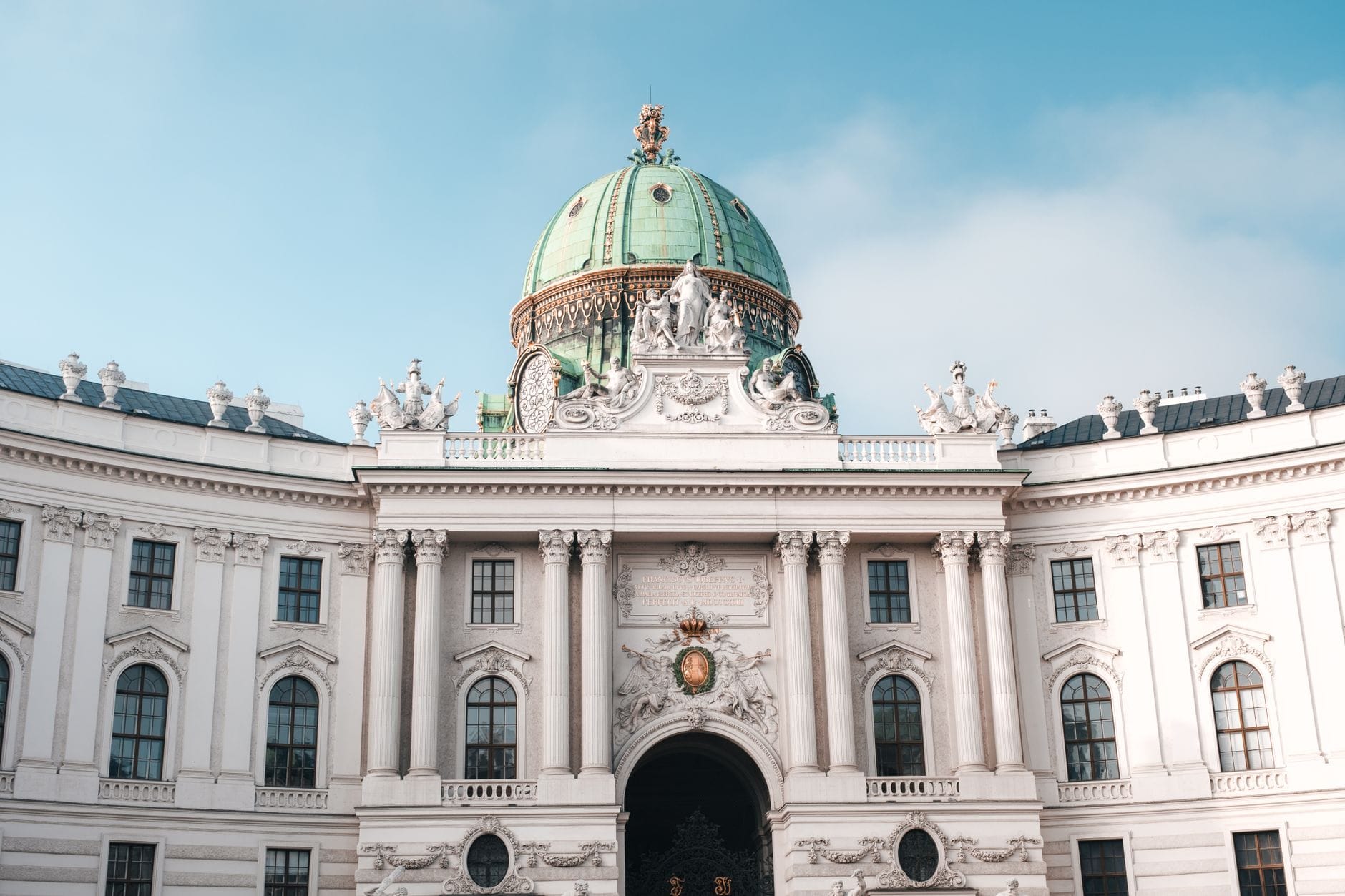
In 1914, Vienna was the sprawling capital of the Austro-Hungarian Empire, a dual monarchy of around 50 million people stretching from Bohemia to the Balkans. The assassination of Archduke Franz Ferdinand in Sarajevo on 28 June 1914 set off a chain of events that ended the empire entirely. Vienna's political elite, based at the Hofburg Palace, issued the ultimatum to Serbia that triggered the war — making the city, in a very direct sense, the place where the first domino fell.
For visitors interested in WWI history, the Heeresgeschichtliches Museum (Museum of Military History) in the 3rd district is the place to start. It holds one of the most significant WWI artifacts in existence: the actual 1910 Graf & Stift open touring car in which Franz Ferdinand and his wife Sophie were shot. The blood-stained uniform the Archduke wore that day is also on display. The museum's WWI wing covers Austria's four-year campaign in clinical detail, including the Eastern Front, the Italian campaign, and the catastrophic collapse of 1918 that dissolved the empire.
ℹ️ Good to know
The Heeresgeschichtliches Museum is one of Vienna's most undervisited major museums — partly because it sits outside the main tourist circuit in Arsenal, about 2 km south of the Ringstrasse. Take tram D or tram 18 to Südbahnhof/Belvedere, then walk 10 minutes. Entry fees are modest compared to most Vienna museums; verify current prices on the museum's official site before visiting.
The end of WWI in November 1918 was not just military defeat for Vienna — it was existential collapse. The city went from governing a continent-spanning empire to being the outsized capital of a small, landlocked republic almost overnight. Vienna's population dropped sharply, and the interwar period was marked by political violence between socialist and conservative factions, economic instability, and eventually the authoritarian rule of Engelbert Dollfuss from 1933. Understanding this trajectory makes the 1938 Anschluss much more comprehensible: Austria arrived at that moment already fragile.
The Anschluss and Nazi Occupation: What Happened in Vienna
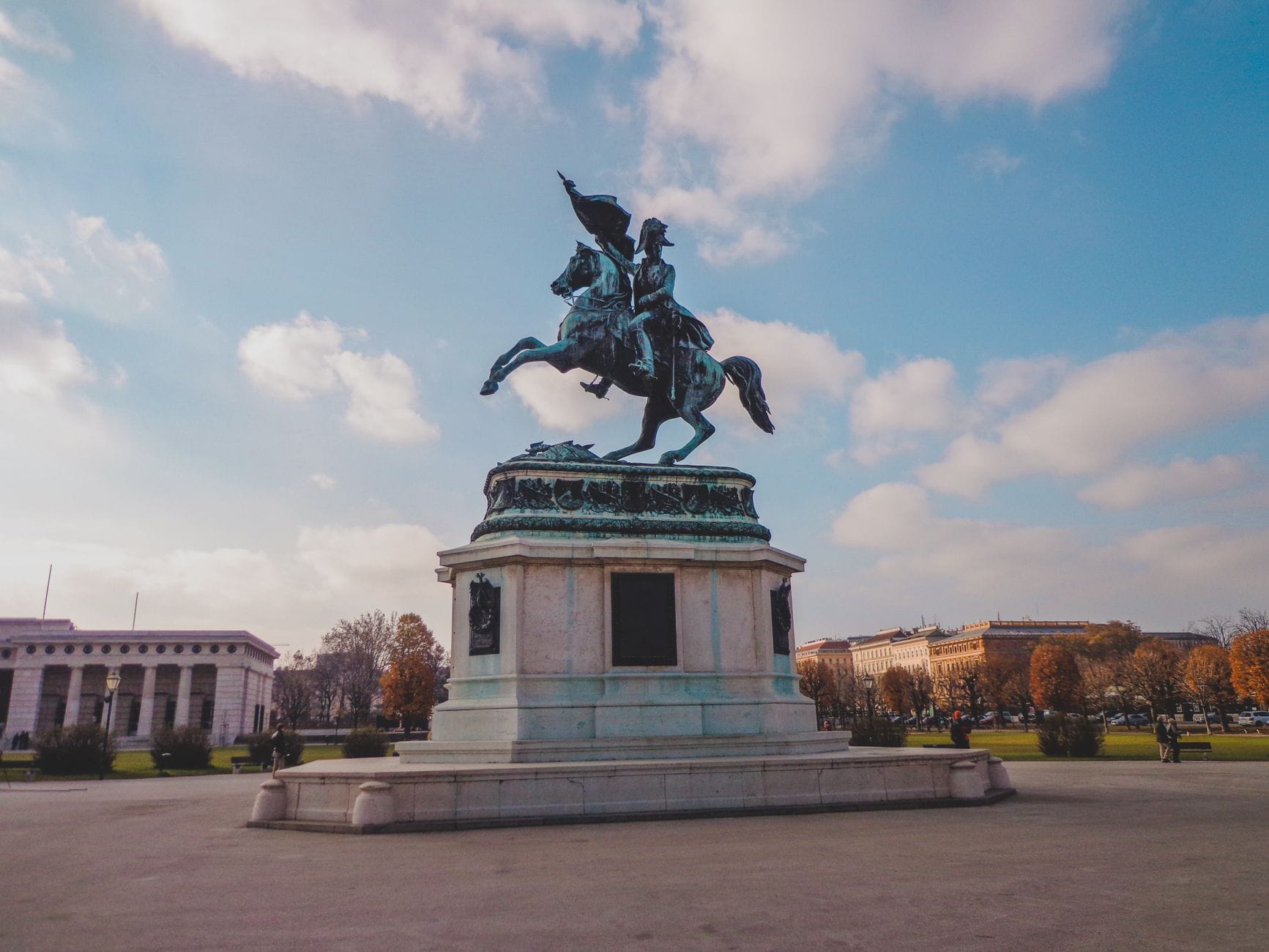
On 13 March 1938, Nazi Germany formally annexed Austria in what became known as the Anschluss. Adolf Hitler, himself Austrian-born, entered Vienna to enormous crowds at the Heldenplatz — a historical image that Austria spent decades trying to contextualize. The annexation happened without significant military resistance, and many Viennese welcomed it openly. Austria ceased to exist as a sovereign state and was renamed 'Ostmark,' then later 'Donau- und Alpenreichsgaue.'
The consequences for Vienna's Jewish community were immediate and catastrophic. Before the Anschluss, Vienna had approximately 182,000 Jews, the third-largest Jewish population in Europe at the time. Within days of annexation, systematic persecution began: forced emigration, property seizure, public humiliation, and violence. Around 136,000 Jews managed to flee before borders closed. Of those who remained, roughly 65,000 were murdered in the Holocaust. By 1945, only a few hundred Jewish residents survived in the city.
⚠️ What to skip
For years after WWII, Austria cultivated an official narrative as Nazi Germany's 'first victim.' This framing, while not entirely false (Austria was invaded), obscured widespread Austrian participation in Nazi crimes. The Waldheim Affair of 1986 — when presidential candidate Kurt Waldheim's wartime past as a Wehrmacht officer was exposed — forced a national reckoning. Visitors will find that contemporary Viennese memorials and museums now address Austrian complicity directly. Don't visit expecting a simple victim narrative.
The Holocaust Memorials: What to Visit and Where
Vienna has invested significantly in Holocaust remembrance infrastructure over the past three decades, though the sites are spread across several districts rather than concentrated in one area. The central memorial circuit, all within walking distance of each other in the 1st district, takes about two hours at a thoughtful pace.
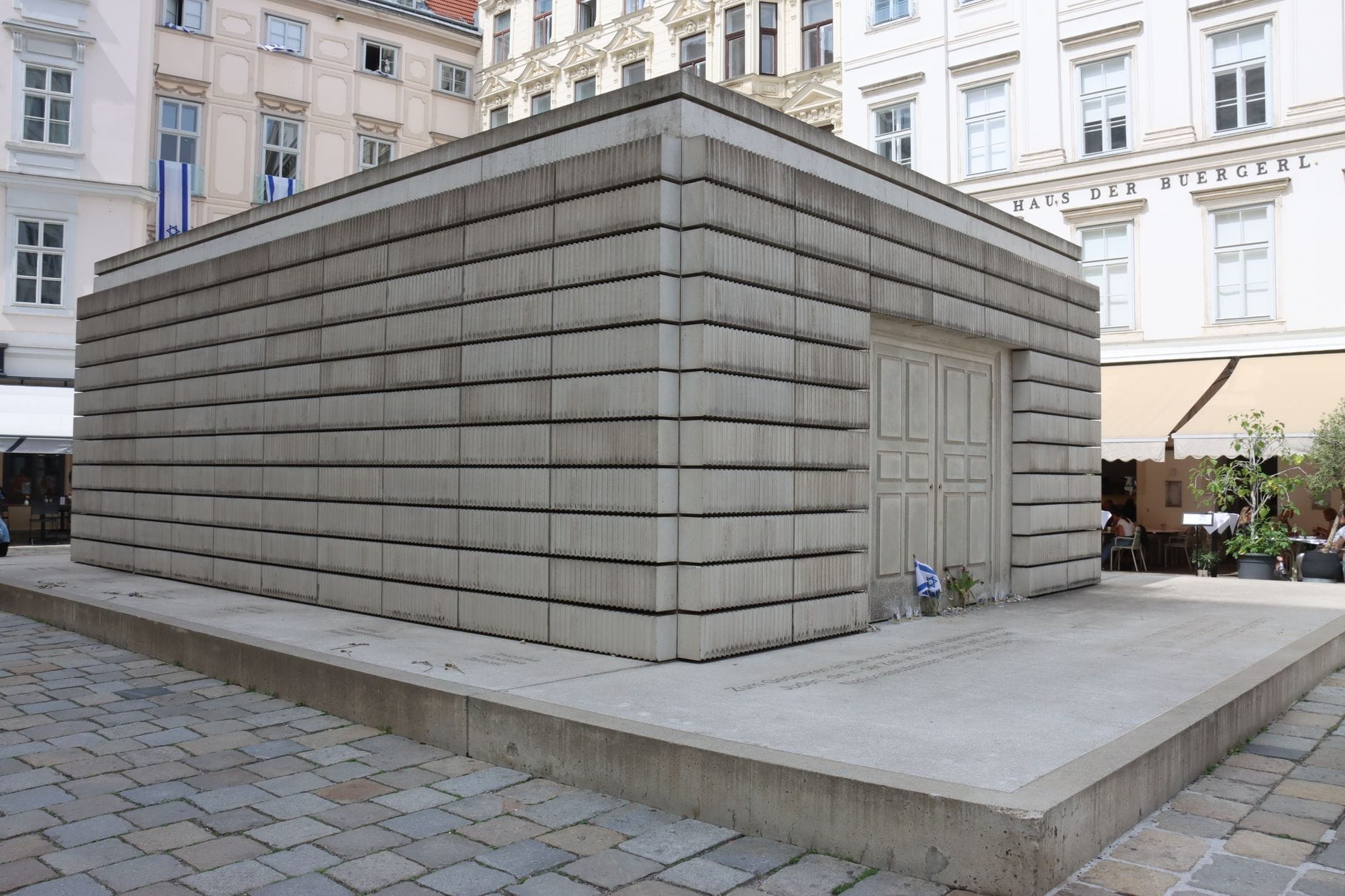
- Judenplatz Holocaust Memorial (Nameless Library) The most architecturally striking memorial in Vienna. Designed by British sculptor Rachel Whiteread and unveiled in 2000, it takes the form of an inverted library — shelves of unreadable books cast in concrete, symbolizing both Jewish intellectual tradition and the silencing of those 65,000 lives. Located on Judenplatz in the 1st district, it sits above excavated medieval synagogue ruins that are viewable in the adjacent Judenplatz Museum. Free to view from outside; museum entry is ticketed.
- Monument Against War and Fascism (Albertinaplatz) A cluster of figurative sculptures by Alfred Hrdlicka on Albertinaplatz, directly behind the Vienna State Opera. Unveiled in 1988 on the 50th anniversary of the Anschluss, it includes a deliberately disturbing figure of a Jewish man scrubbing the street — referencing the public humiliations inflicted immediately after the annexation. It's confrontational by design and occasionally controversial. Free, accessible 24 hours.
- Wall of Names (Shoah Memorial Vienna) An elliptical installation of dark stone panels near Otto-Wagner-Platz in the 9th district, listing the names of around 66,000 Austrian Jewish victims of the Holocaust by name, birth year, and year of murder. Opened in 2021, it is the most recent major memorial and the most emotionally direct. Nearest U-Bahn: Schottentor (U2), then tram 43 or 44 one stop toward Otto-Wagner-Platz. Free, always accessible.
- Morzinplatz Memorial (Niemals Vergessen) A bronze and granite monument at Morzinplatz in the 1st district, marking the former site of the Hotel Metropole, which served as Gestapo headquarters from 1938 to 1945. Thousands were interrogated, tortured, and deported from this location. The memorial is relatively understated but the site's history is significant. Take U1 or U4 to Schwedenplatz, then walk along Franz-Josefs-Kai.
- Memorial for Victims of Nazi Military Justice (Ballhausplatz) Located near the Federal Chancellery at Ballhausplatz in the 1st district, this memorial commemorates soldiers executed for desertion, resistance, or refusing to carry out criminal orders. It's a less-visited but historically important site, since the experience of Wehrmacht soldiers who resisted from within is often overlooked.
✨ Pro tip
If you're planning a focused half-day on Holocaust memorials, start at Judenplatz (with the adjacent museum), walk 10 minutes to Albertinaplatz, then take the U1 or U4 from Stephansplatz to Schwedenplatz for Morzinplatz. The Wall of Names in the 9th district requires a separate trip; combine it with a visit to the Sigmund Freud Museum, which is nearby on Berggasse 19.
Beyond the Memorials: Other Significant WWII Sites
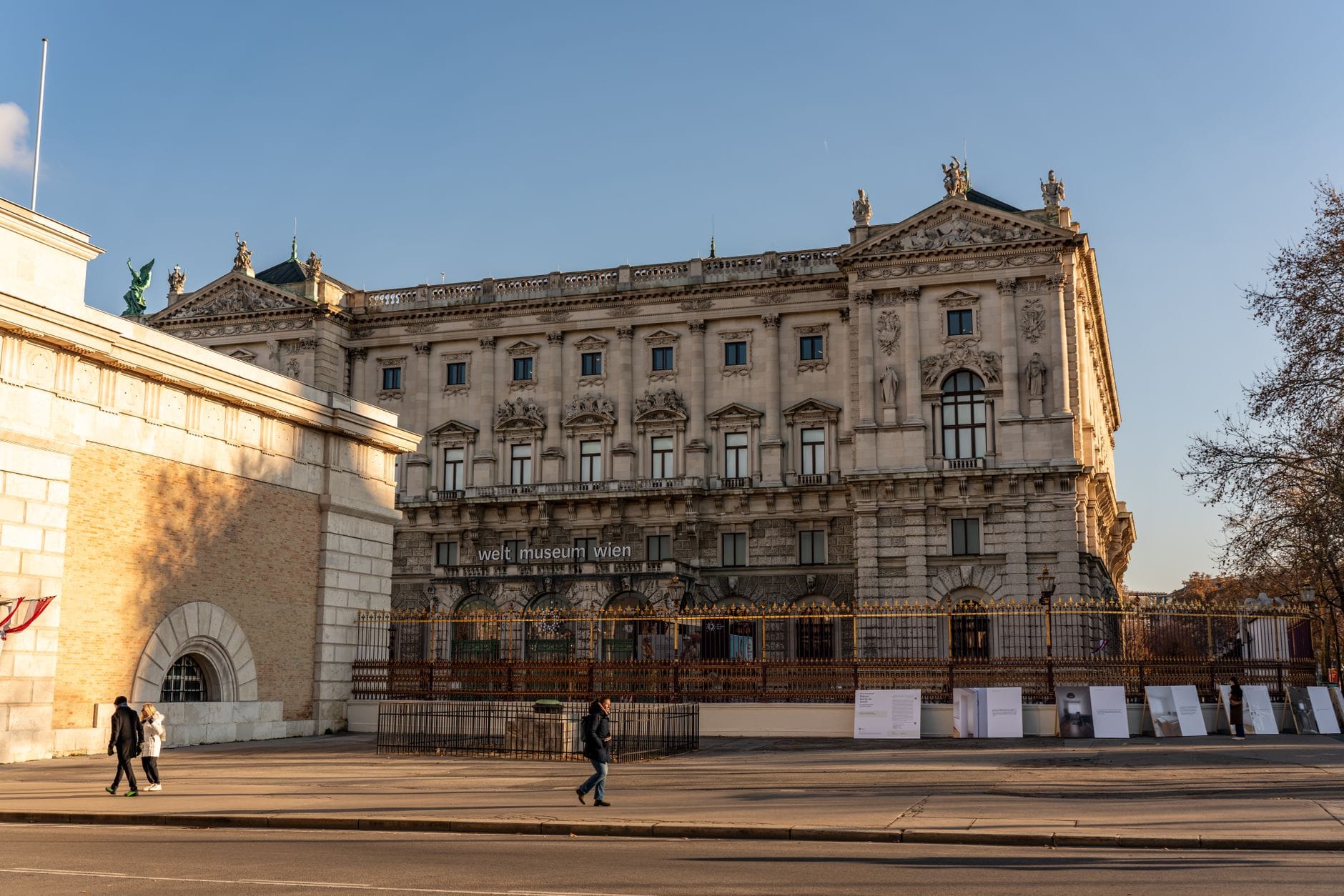
Vienna's WWII history extends beyond the formal memorial sites. The Jewish Museum Vienna in Dorotheergasse (1st district) covers both the pre-war Jewish community and the Holocaust in considerable depth, with rotating exhibitions and a permanent collection. It's the best place for contextual understanding if you want more than a walk past monuments.
The Am Spiegelgrund site in the 14th district (Steinhof grounds) is darker territory. During the Nazi period, this children's psychiatric facility became a site of the T4 euthanasia program, where children with disabilities were murdered under the guise of 'mercy killing.' A memorial and documentation center exists there, though it requires significant travel from the center. It is not a casual tourist stop, but it's important for anyone studying the full scope of Nazi crimes in Austria.
The Judenplatz area also rewards slower exploration. Beneath the square lie the excavated remains of a medieval synagogue destroyed in 1421 during a massacre of Vienna's Jewish community — a reminder that anti-Semitism in Vienna long predates the Nazi period. The underground museum connects that medieval history to the 20th century in ways that are genuinely illuminating.
Visiting Practicalities: Logistics, Timing, and What to Expect
All major outdoor memorials are free and require no advance booking. They are accessible year-round, though winter visits between December and February mean short daylight hours — plan your itinerary accordingly if you want to photograph the sites or read inscription panels. The Wall of Names in particular benefits from a daylight visit; the engraved text can be difficult to read in low light.
- Dress practically: the memorial circuit involves significant walking on cobblestones across multiple districts.
- The Heeresgeschichtliches Museum is closed on certain public holidays; verify opening hours on the museum's official website before visiting.
- The Jewish Museum Vienna and Judenplatz Museum offer a combined ticket, which is good value if you plan to visit both.
- Audio guides and guided tours in English are available at the main museum sites; the outdoor memorials have information panels in German and English.
- Vienna's public transport (Wiener Linien U-Bahn, trams, buses) connects all these sites efficiently. A 24-hour or 48-hour transit pass is worthwhile if you're combining them into one day.
- Guided historical walking tours specifically covering WWII Vienna operate year-round through several local tour operators; booking in advance is advisable for small-group tours, especially in summer.
For the broader context of Vienna's imperial history that preceded both wars, the Vienna Habsburgs and imperial history guide provides essential background on how the Austro-Hungarian Empire functioned and why its collapse after WWI created conditions for what followed. It makes the WWII history significantly more legible.
💡 Local tip
September and October are arguably the best months for this kind of historical itinerary. Crowds thin out after summer, the light is good until early evening, and temperatures are comfortable for extended walking. Spring (April-May) works equally well. Avoid late July and August if you want a quieter experience at the memorials — tourist numbers in the 1st district are at their peak.
Historical Context: The Complicated Truth About Austria and the War
Austria's post-war self-presentation as 'the first victim of Nazi aggression' was codified in the Moscow Declaration of 1943, when the Allied powers described Austria as a country 'occupied' by Germany. This framing was strategically convenient for rebuilding Austrian national identity after 1945, and it also had a kernel of truth: Austria was indeed invaded and annexed against the terms of international law. Full sovereignty was only restored in 1955 with the Austrian State Treaty, on condition of permanent neutrality.
But the victim framing obscured uncomfortable facts. Austrians made up a disproportionately high number of senior Nazi officials, including Ernst Kaltenbrunner (head of the Reich Security Main Office), Odilo Globocnik (who oversaw Operation Reinhard, the extermination of Polish Jews), and Arthur Seyss-Inquart (Reich Commissioner of the occupied Netherlands). The enthusiasm with which large crowds greeted Hitler at Heldenplatz in March 1938 was real, not manufactured. Modern Vienna's memorials and museums grapple with this honestly, which is worth acknowledging when you visit.
If you want to orient yourself to the 1st district's broader historical landscape before or after visiting the war sites, the Innere Stadt walking tour guide covers the area's geography and key streets, which is useful for navigating between memorials, the Hofburg, and Heldenplatz.
FAQ
Is there an entry fee for the Holocaust memorials in Vienna?
No. All major outdoor memorials — the Judenplatz Holocaust Memorial, Monument Against War and Fascism, Wall of Names, and Morzinplatz Memorial — are free and accessible at all times. The Judenplatz Museum (underground excavation) and the Jewish Museum Vienna charge admission and are ticketed attractions; they offer a combined ticket. The Heeresgeschichtliches Museum also charges entry; verify current prices on the museum's official website.
How long does it take to visit Vienna's main WWII sites?
The central memorial circuit (Judenplatz, Albertinaplatz, Morzinplatz) takes about 2-3 hours at a thoughtful pace, including time to read the memorial inscriptions and visit the Judenplatz Museum. Adding the Wall of Names in the 9th district adds another 30-45 minutes of travel and visit time. The Heeresgeschichtliches Museum for WWI history requires at least 2 hours on its own. A dedicated full day covers everything; a focused half-day covers the 1st district memorial circuit.
What is the Anschluss, and why does it matter for understanding Vienna's WWII history?
The Anschluss ('connection' or 'annexation') refers to the absorption of Austria into Nazi Germany on 13 March 1938. It was the event that ended Austrian sovereignty and immediately subjected Vienna's Jewish population to Nazi racial laws. Understanding the Anschluss explains why the persecution of Viennese Jews was so rapid and systematic — the Nazi apparatus was immediately transferred wholesale to Vienna. Austria remained part of the German Reich until the end of WWII in May 1945.
Are there guided tours of Vienna's WWII and Holocaust history?
Yes. Several operators run guided walking tours focused specifically on WWII Vienna, Nazi history, and Holocaust sites. These typically cover 2-3 hours and are conducted in English. Booking in advance is recommended, especially in the peak summer months of June through August. Check with the Vienna Tourist Board or platforms like GetYourGuide and Viator for current offerings, as operators and availability change.
Is Vienna's WWI history connected to any sites outside the Military History Museum?
WWI history is less visually memorialized in Vienna than WWII history, but the context is everywhere. The Hofburg Palace was the seat of the empire that started the war; the Heldenplatz square in front of it holds statues of field marshals Archduke Charles and Prince Eugene. The Zentralfriedhof (Central Cemetery) contains the graves of many figures from the imperial era. The broader Ringstrasse architecture was largely built during the imperial period leading up to WWI. For WWI-specific artifacts, the Heeresgeschichtliches Museum remains the definitive destination.
Tickets & tours
Live prices and dates from our booking partner. If you book, we may earn a commission at no extra cost to you.
Planning a trip? Discover personalized activities with the Nomado app.