Luxury Vienna: The Ultimate Indulgent City Break Guide
Vienna delivers imperial grandeur at every turn, from Schönbrunn Palace and the Vienna State Opera to Michelin-starred restaurants and storied grand cafés. This guide covers everything you need to plan an indulgent 3-5 day stay, with practical guidance on where to splurge and what to skip.
Plan and book this trip
Tools from our partner Travelpayouts help you compare flights and hotels. If you book through them, we may earn a commission at no extra cost to you.
Flights
Hotels map
TL;DR
- Plan at least 3-5 days to experience Vienna's imperial palaces, world-class museums, and luxury dining without rushing.
- 5-star hotels on and near the Ringstrasse typically run €280-€600 per night for standard rooms, €500-€1,500 for suites — book well ahead for spring and autumn peak seasons. See our guide to where to stay in Vienna for neighbourhood breakdowns.
- The Spanish Riding School, Vienna State Opera, and Schönbrunn Grand Tour all require advance booking — same-day tickets are rarely available for premium time slots.
- Vienna's luxury scene extends well beyond palaces: Musikverein concerts, designer shopping near the Ringstrasse, and historic grand coffeehouses all belong on an indulgent itinerary.
- The Vienna Pass can be worth it for attraction-heavy stays — compare costs before buying if your priority is dining and opera rather than museums.
Why Vienna Stands Apart as a Luxury Destination
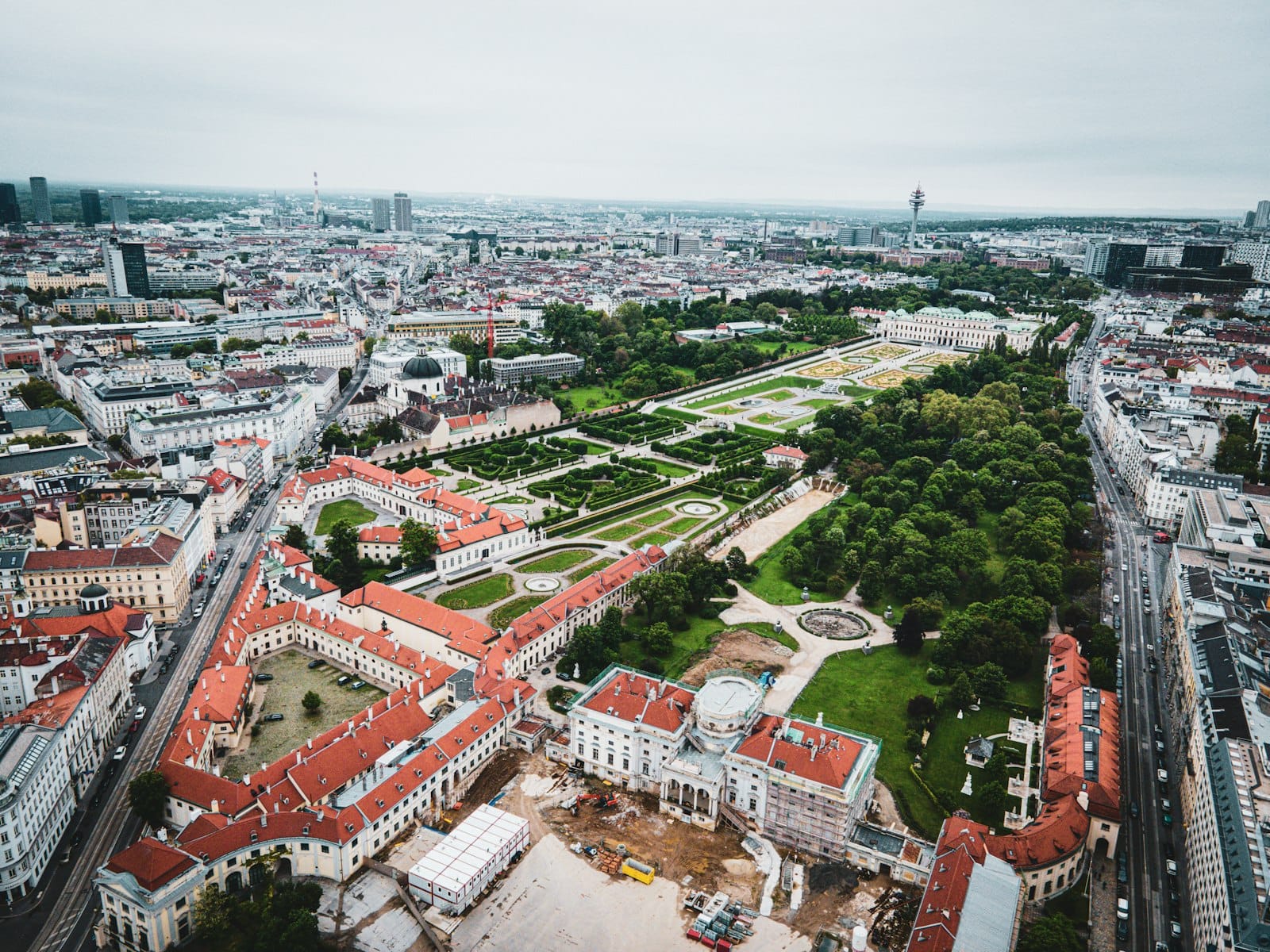
Vienna (Wien in German) is Austria's capital and one of its nine federal states, home to just over two million people across roughly 415 km². What sets it apart from other European capitals is the sheer density of imperial infrastructure that survived the 20th century largely intact. The Habsburgs spent centuries constructing palaces, opera houses, museums, and coffeehouses designed to project cultural dominance, and the result is a city where luxury feels less like a boutique add-on and more like the default setting.
That imperial legacy now translates into some of Europe's most distinctive high-end experiences: a world-famous opera house that has been in near-continuous operation since 1869, white Lipizzaner stallions trained in a baroque riding hall, and a coffeehouse tradition so refined it's on UNESCO's Intangible Cultural Heritage list. For travellers serious about luxury, Vienna rewards depth over speed. Our 3-day Vienna itinerary is a good starting framework, but 4-5 days is more realistic if you want to do the city properly.
ℹ️ Good to know
Vienna's official language is German, but English is widely spoken across hotels, restaurants, museums, and transport hubs. The currency is the Euro (EUR). Austria is in the Schengen Area, so most Western passport holders can enter visa-free for short stays — check your specific nationality before travelling.
Imperial Palaces and Iconic Landmarks
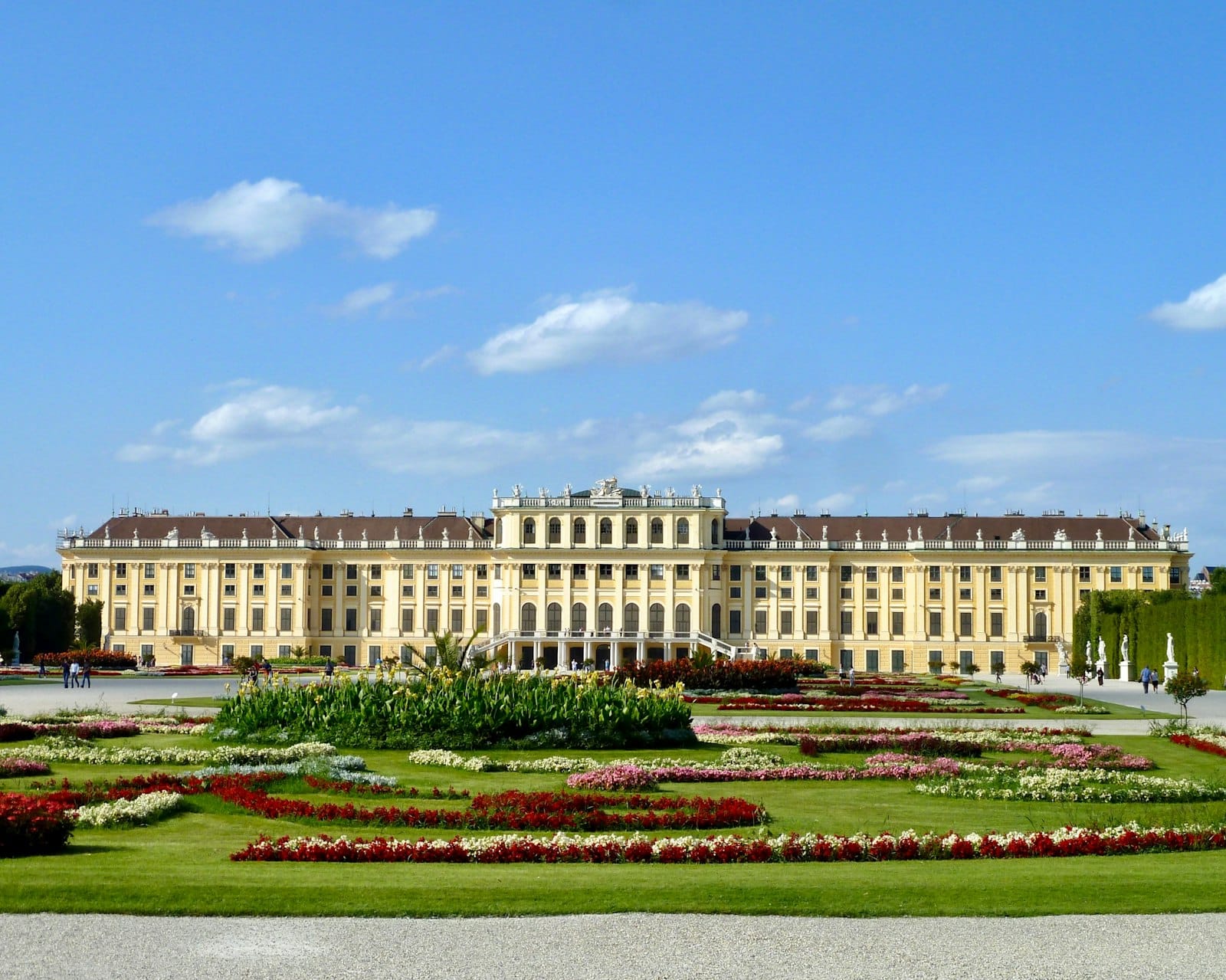
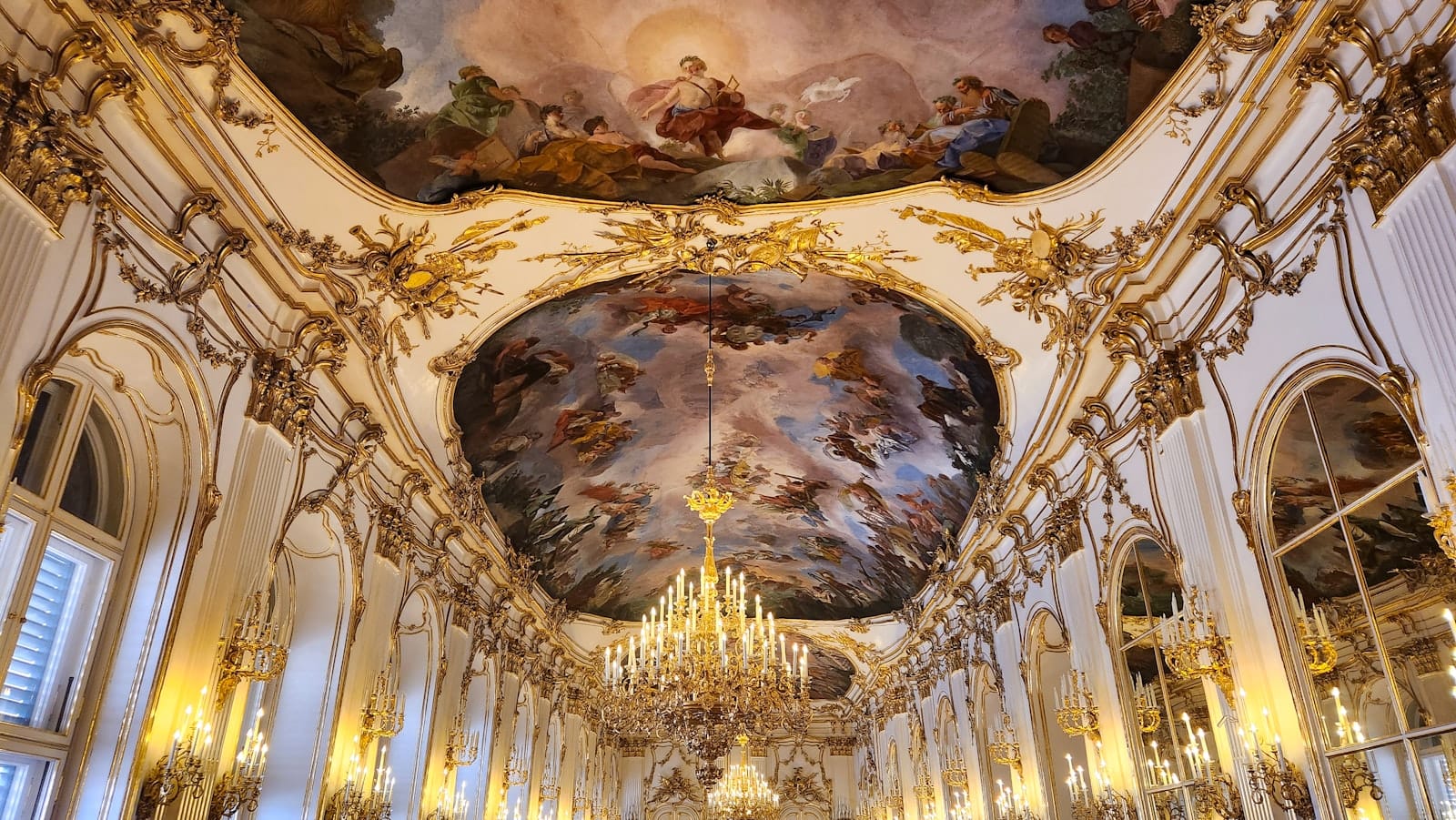
No luxury Vienna itinerary skips Schönbrunn Palace, and rightly so. The 'Grand Tour' covering 40 state rooms is the flagship experience, and it genuinely earns its reputation — the interiors are among the most opulent surviving examples of Rococo court decoration in Europe. Arrive as close to 09:00 as possible; by mid-morning the main hallways fill up significantly, especially in summer. The palace is a 15-minute ride from the city centre on the U4 metro (alight at Schönbrunn station), making it easy to combine with the Belvedere on the same day.
The Upper Belvedere offers a more manageable luxury experience: a baroque palace housing Klimt's 'The Kiss', surrounded by formal gardens that are genuinely photogenic in spring and early autumn. Unlike Schönbrunn, it's rarely crushingly crowded in the first hour of opening. The Hofburg Palace in the Innere Stadt is the third essential stop — the Habsburg winter residence contains the Imperial Treasury, the Sisi Museum, and the Spanish Riding School under one sprawling roof. Budget at least half a day here.
- Schönbrunn Palace Grand Tour 40 state rooms, UNESCO World Heritage Site. Arrive at opening (around 09:00) to beat crowds. Reach via U4 to Schönbrunn. Book timed tickets online in advance.
- Upper Belvedere Home to Klimt's 'The Kiss' and formal baroque gardens. Best visited in April-May when the gardens are in bloom. Pair with the Lower Belvedere's Orangery for a full day.
- Hofburg Palace complex Contains the Imperial Treasury, Sisi Museum, Imperial Apartments, and Spanish Riding School. Plan 3-5 hours minimum. Located at the heart of the Innere Stadt.
- Spanish Riding School Morning exercise sessions are cheaper than full performances and easier to book. Classical performances sell out weeks in advance — reserve early through the official website.
⚠️ What to skip
The Vienna Pass gives free or discounted entry to most major palaces and museums, plus unlimited use of the hop-on-hop-off bus. It makes financial sense if you're visiting 4+ attractions in 2-3 days. However, if your trip is weighted toward dining, opera evenings, and coffeehouses rather than museums, the maths often don't work in your favour. Calculate your specific itinerary before purchasing.
Classical Music, Opera, and the Performing Arts
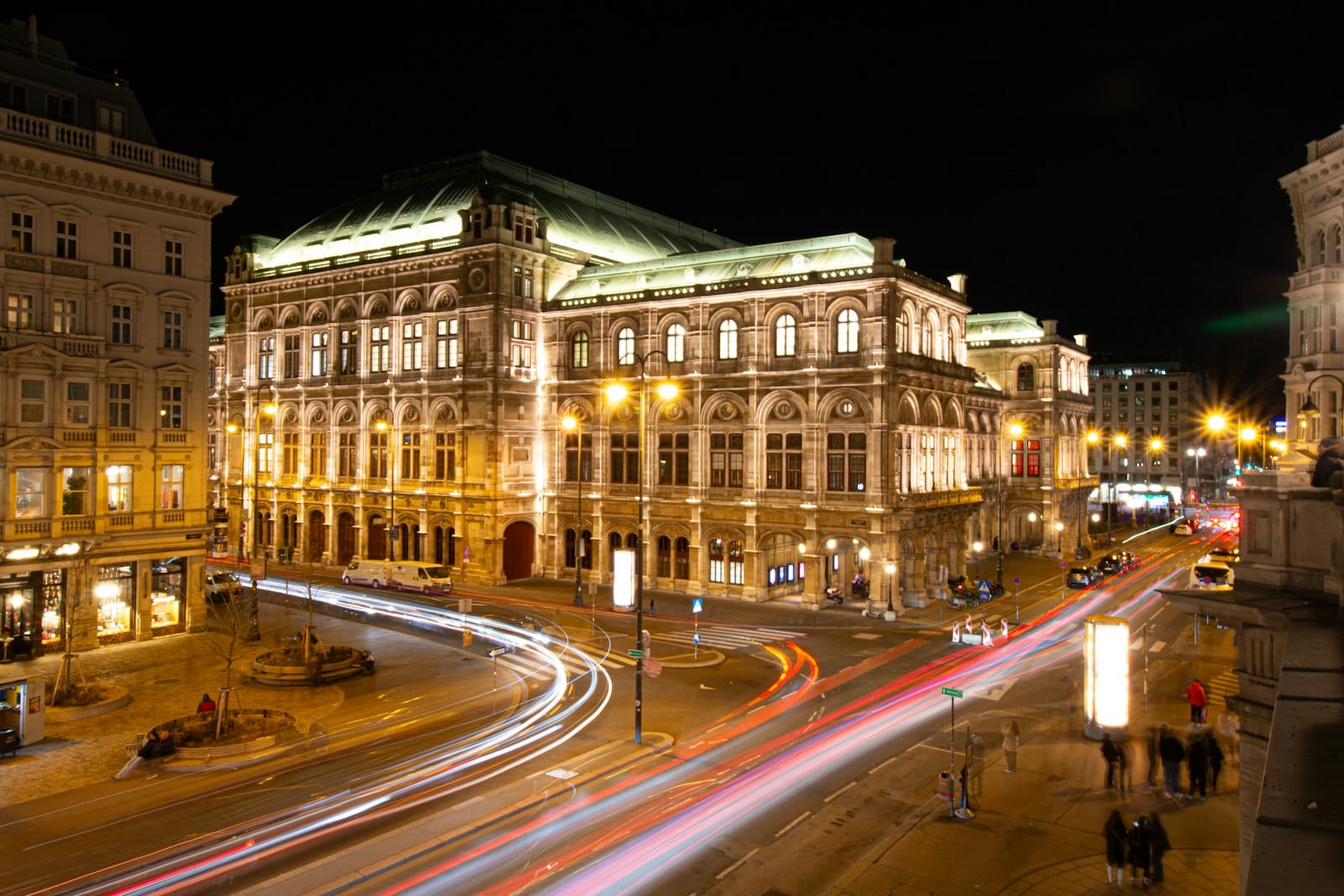
Vienna's performing arts scene is the most compelling argument for calling this city a true luxury destination. The Vienna State Opera hosts performances almost every night of the season (September through June), with ticket prices ranging from standing room for a few euros to premium stalls seats costing well over €200. For a luxury visit, aim for main floor or first balcony seats in the centre — the acoustics and sightlines are exceptional. Booking opens months in advance for popular productions; last-minute premium seats are rarely available.
The Musikverein is home to the Vienna Philharmonic and the most sought-after concert tickets in the city. The Golden Hall's acoustics are widely regarded as among the best in the world, and evening concerts in black tie are among Vienna's defining luxury experiences. For a slightly more accessible alternative, the Konzerthaus offers a diverse programme with fewer sold-out nights. Mozart concerts held at historic venues including Schönbrunn and St. Stephen's Cathedral are widely advertised to tourists — they are professional and atmospheric, but not the same calibre as the Philharmonic. Worth attending if you can't get opera or Musikverein tickets, but don't confuse them.
✨ Pro tip
For the Vienna State Opera, standing room tickets (Stehplatz) go on sale 80 minutes before curtain for a few euros. The experience is genuinely special — you stand at the back of the stalls or parterre — and it's a legitimate way to hear world-class performances. Dress code is smart-casual at minimum; formal dress is expected in premium seats.
Luxury Hotels: Where to Stay in Vienna
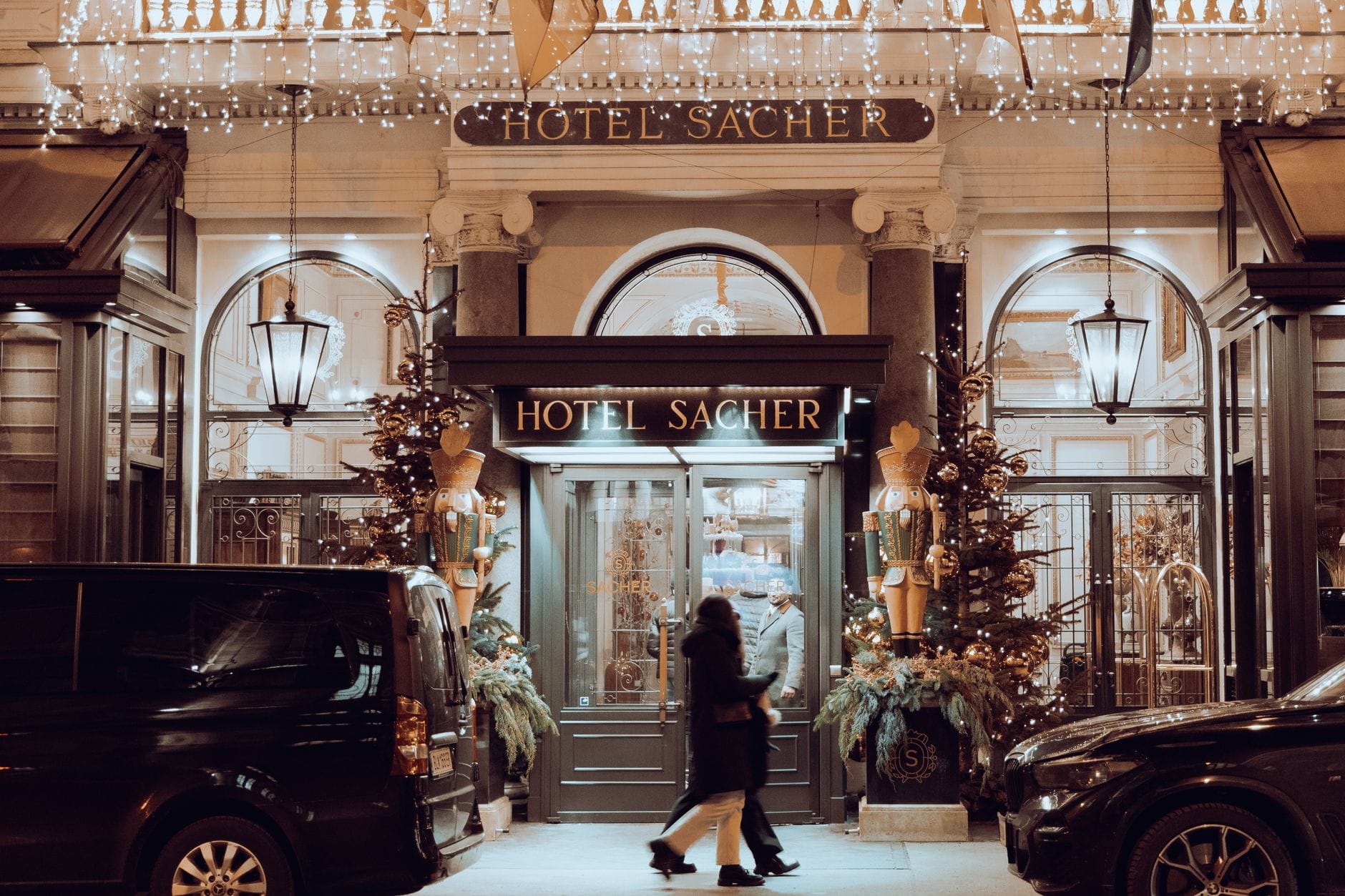
Vienna's top-tier hotel strip runs along and near the Ringstrasse, the grand boulevard Emperor Franz Joseph I commissioned in the 1860s to encircle the inner city. Staying here places you within walking distance of the Opera, the Kunsthistorisches Museum, and the Hofburg, which matters when you're moving between evening performances and late dinners.
- Hotel Sacher Wien The most historically loaded address in Vienna, famous for the original Sachertorte. Standard rooms typically from around €350-€500 per night in mid-season. The Rote Bar restaurant and the hotel café are experiences in themselves.
- Hotel Imperial A former palace converted into a Radisson Collection hotel. Consistently cited for its imperial interiors and formal service. Located directly on the Ringstrasse.
- Park Hyatt Vienna Housed in a former bank building in the Innere Stadt with spectacular hall architecture. Suites and spa facilities are among the city's best for modern luxury sensibility.
- Palais Coburg A smaller, discreet property converted from a 19th-century palace with a legendary wine cellar — reportedly one of the largest private collections in the world. For serious wine enthusiasts, this is the city's most distinctive luxury address.
Standard rooms at 5-star properties typically start around €280-€350 per night in shoulder season (March-April, October-November), rising to €400-€600 or more in peak summer and during major events like the Vienna Ball season in January-February. Suites at flagship properties reach €1,500 and beyond. Book directly with hotels during high-demand periods — third-party platforms sometimes show availability when the hotel's own allocation has sold out, but rates are rarely cheaper.
Fine Dining, Grand Cafés, and Indulgent Eating
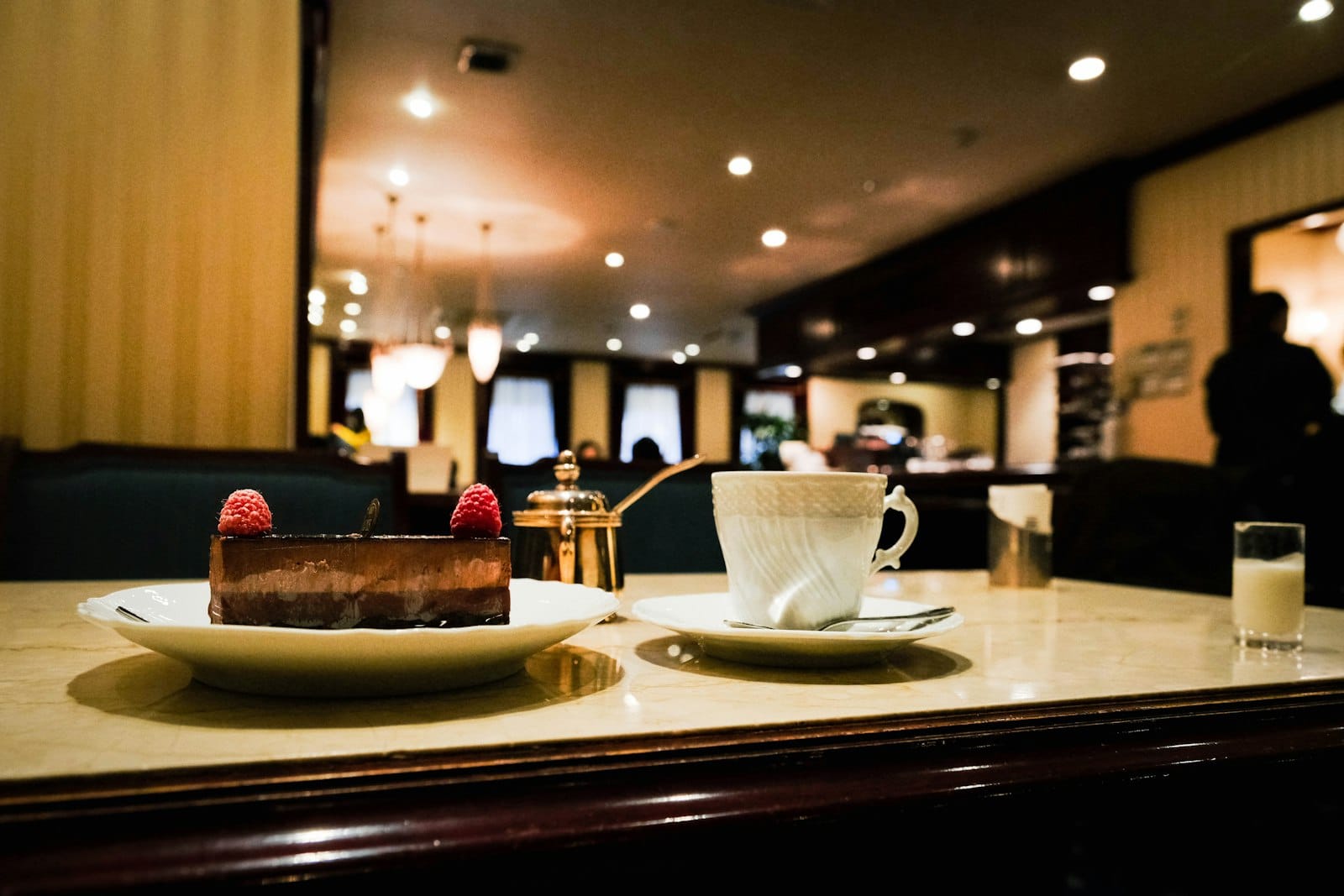
Vienna's fine dining scene has matured considerably. The city holds multiple Michelin-starred restaurants, and the Austrian approach to luxury cuisine tends toward refined versions of regional produce — game, freshwater fish, root vegetables, and dairy — rather than import-heavy international menus. For serious restaurant dining, reservations 2-4 weeks in advance are standard for top tables. Vienna's food culture goes well beyond Wiener Schnitzel, and the best luxury meals often draw on this local larder intelligently.
The grand coffeehouses are an essential part of any luxury itinerary, and they function quite differently from a standard café stop. Café Central in the Palais Ferstel is the most architecturally spectacular, with soaring vaulted ceilings and a patisserie counter that has been operating since 1876. Demel on the Kohlmarkt is the former Imperial and Royal Court Confectionary, and its window displays alone are worth the detour. These are not budget stops — expect to pay €8-€15 for coffee and a slice of cake — but they are genuine luxury experiences, not tourist traps. Budget 60-90 minutes to sit, read, and observe. Rushing a Viennese coffeehouse is a category error.
For a less formal but equally indulgent experience, the Heuriger wine taverns in the villages of Grinzing and Nussdorf on the northern edge of the city offer local Grüner Veltliner and Riesling alongside cold buffet platters in garden settings. These are genuinely local institutions, busy with Viennese residents on summer weekends, not manufactured tourist attractions. Combine a Heuriger evening with a sunset walk on the Kahlenberg for a genuinely memorable end to a day.
Practical Luxury: Getting Around and Seasonal Timing
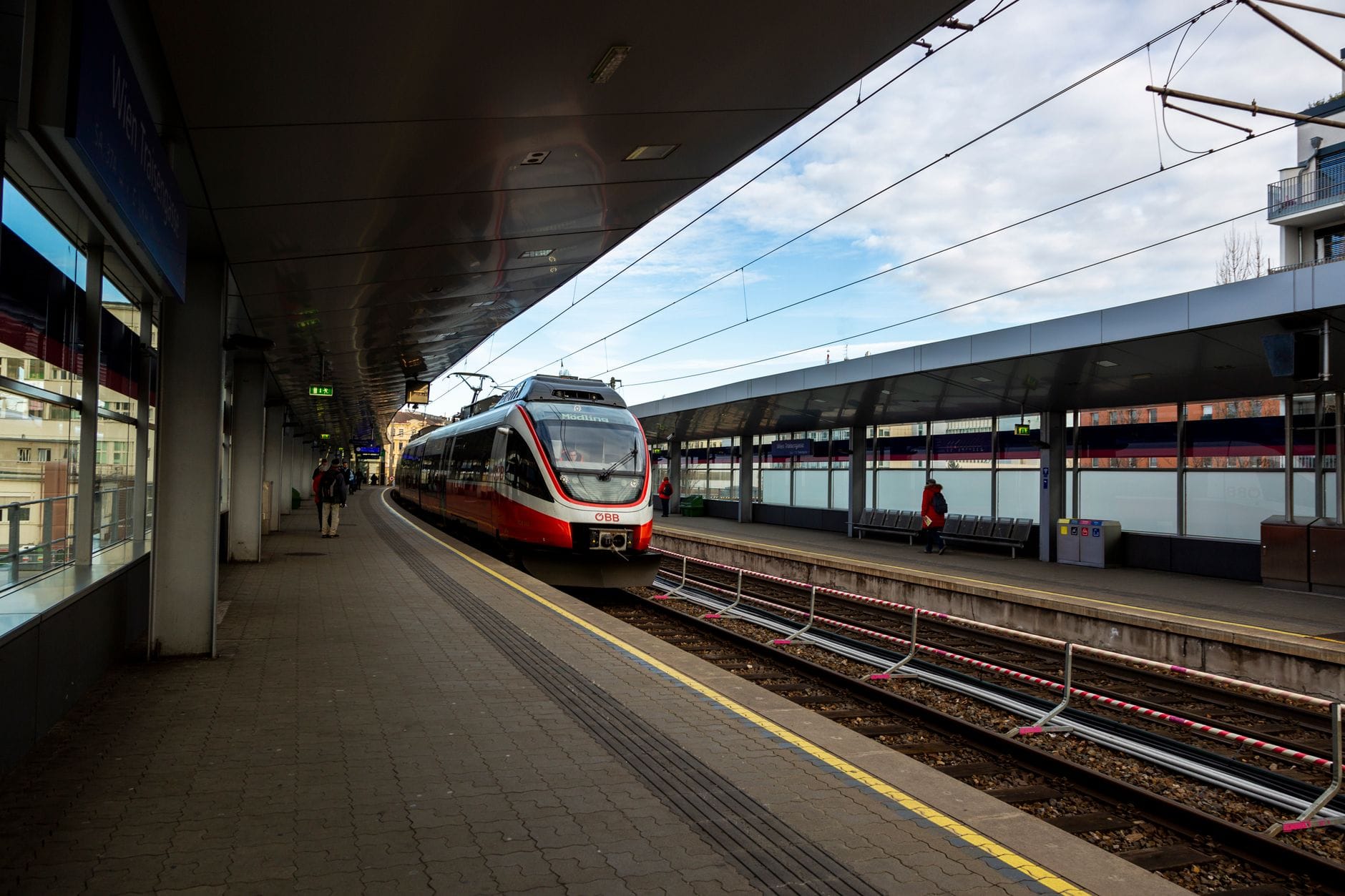
Vienna International Airport (IATA: VIE) sits roughly 18-20 km southeast of the city centre at Schwechat. The City Airport Train (CAT) runs non-stop to Wien Mitte station in about 16 minutes and offers check-in services at the city terminal. The S-Bahn S7 is slower (around 25 minutes) but cheaper and deposits you at multiple central stops. Taxis and ride-hailing services (Uber and Bolt both operate in Vienna) cost around €35-€50 to the centre depending on traffic. For a luxury start to the trip, pre-booked chauffeur transfers are widely available and worth considering if you're arriving with luggage for a longer stay.
Once in the city, Vienna's public transport network, operated by Wiener Linien, is excellent: the U-Bahn connects all major attractions, and trams cover the Ringstrasse circuit efficiently. For a luxury city break, the honest answer is that you'll walk more than you'll use transport — the Innere Stadt is compact. That said, the U4 is essential for Schönbrunn, and the tram network makes Belvedere and the MuseumsQuartier straightforward to reach. Taxis are metered and reliable; request them via app to avoid any ambiguity on pricing.
On seasonal timing: spring (April-May) and early autumn (September-October) offer the most comfortable conditions for an indulgent visit. Palace gardens are at their best, queues are shorter than in peak July-August, and hotel rates are slightly more competitive. Vienna in winter has its own luxury argument: the Ball season runs from January through early March, with the Vienna Opera Ball in February representing the city's most formal and theatrical social event. Christmas market season (late November through December) drives significant hotel demand — book 2-3 months ahead for the Ringstrasse properties. Summer is pleasant for outdoor dining and Schönbrunn's gardens, but July and August bring the largest tourist volumes of the year.
- Spring (April-May): best for palace gardens, moderate crowds, competitive hotel rates
- Summer (June-August): outdoor dining and Danube island events, but peak crowds at palaces — arrive early at all major sights
- Autumn (September-October): ideal weather, classical music season fully underway, quieter museums
- Winter (November-March): Ball season, Christmas markets, and festive concerts; highest hotel rates in late December and during the Opera Ball
💡 Local tip
Vienna tap water comes from Alpine springs and is among the best-quality municipal water in Europe. Carry a reusable bottle — the public drinking fountains (Bassena) throughout the city dispense the same water. This is one of Vienna's unsung practical advantages for travellers spending long days on their feet between palaces and concert halls.
FAQ
How many days do you need for a luxury break in Vienna?
Three days is the absolute minimum to cover the main imperial sights, one evening at the opera or a concert, and a proper coffeehouse experience. Four to five days allows you to add the Spanish Riding School, a Heuriger evening, unhurried museum visits, and at least one serious restaurant dinner without feeling rushed. Vienna rewards slowness — the city's luxury offering is as much about atmosphere as it is about specific attractions.
What is the best area to stay in Vienna for a luxury city break?
The Innere Stadt (1st District) and the Ringstrasse immediately surrounding it offer the best location for luxury travellers. You're within walking distance of the Opera, Hofburg, Kunsthistorisches Museum, and the grand coffeehouses. Properties like Hotel Sacher, Hotel Imperial, and Park Hyatt are all in or directly adjacent to this zone. The tradeoff is that it's the priciest area — expect to pay a premium for the convenience.
Do you need to book Vienna State Opera tickets in advance?
Yes, for premium seats at popular productions, booking well in advance (sometimes months ahead) is essential. The official Vienna State Opera website opens sales on a rolling basis. Standing room tickets (Stehplatz) are sold 80 minutes before curtain for a few euros and are a genuine option if you're flexible. Avoid third-party resellers charging inflated prices — the official booking system is straightforward to use.
Is Vienna an expensive city to visit?
Vienna is moderately expensive by Western European standards — comparable to Munich or Zurich but generally less costly than London or Paris for similar quality. Luxury hotel rooms, fine dining, and premium concert seats represent real expenditure, but the city also offers excellent value at mid-range. The grand coffeehouses, while not cheap, are far less expensive than comparable historic venues in Paris or London for what you get. Public transport is excellent value and well-integrated.
What unique luxury experiences does Vienna offer beyond the obvious palaces and opera?
Several experiences distinguish Vienna from other luxury destinations. The Spanish Riding School's morning training sessions offer access to one of the world's most specialised equestrian traditions in an authentic baroque setting. The Palais Coburg's private wine cellar dinners are unique to the city. A curated evening at a Heuriger wine tavern in Grinzing — with local growers pouring their own wine in a garden setting — is genuinely different from anything you'll find in comparable European cities. Vienna's auction houses (Dorotheum is the most prominent) also attract serious collectors and are open to casual visitors.