Vienna to Prague: Train, Bus & Every Travel Option Compared
The Vienna to Prague corridor is one of Central Europe's most traveled routes, with direct trains, budget buses, and flights all competing for your ticket. This guide breaks down real journey times, current price ranges, booking strategy, and which option actually gets you there fastest.
Plan and book this trip
Tools from our partner Travelpayouts help you compare flights and hotels. If you book through them, we may earn a commission at no extra cost to you.
Flights
Hotels map
TL;DR
- The Vienna to Prague train takes about 4 hours direct, with fares from around €12 booked in advance via ÖBB or RegioJet.
- Buses are nearly as fast as trains on this route (as little as 3h 55m) and cost from around €15, making them the top budget pick.
- Flying is almost never worth it door-to-door: flights take ~50 minutes in the air but 2.5+ hours total, and cost €130+ versus a train or bus fraction of that. See our day trips from Vienna guide if you're planning a shorter excursion.
- Book trains at least a week ahead for the lowest fares. Prices rise sharply close to departure, especially on weekends and holidays.
- Prague's main station (Praha hlavní nádraží) sits on the metro, making arrival logistics simple regardless of which transport you choose.
The Route at a Glance

Vienna (Wien) and Prague (Praha) are roughly 250 to 300 km apart as the crow flies, connected by rail lines that curve through the Czech countryside. The actual route distance by train is somewhat longer, but modern Railjet and RegioJet services cover it in under four and a half hours without any change of train. This makes Vienna to Prague one of the most convenient city-to-city journeys in Central Europe, comparable in ease to traveling between Vienna and Budapest or Vienna and Salzburg.
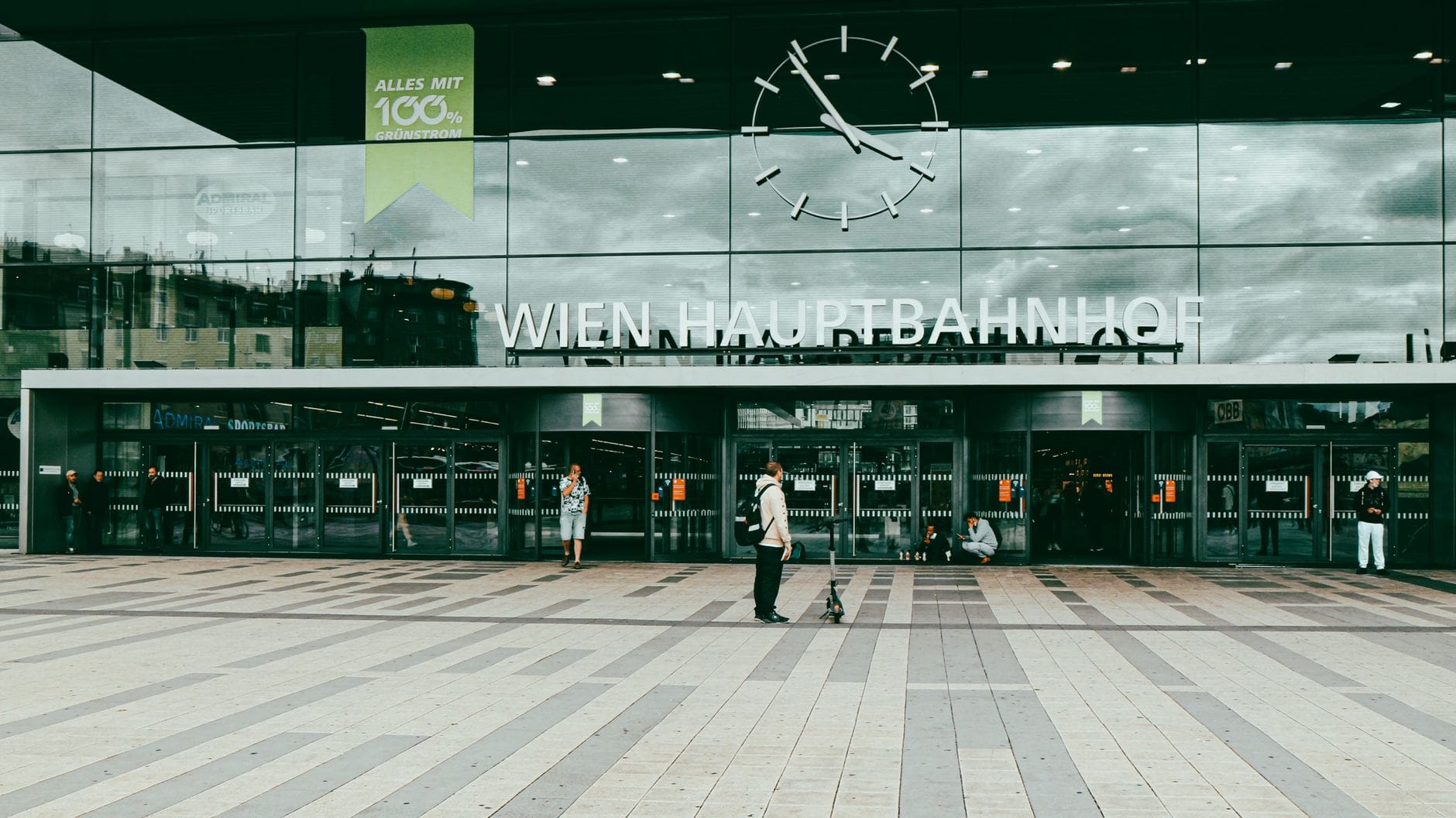
Both cities are straightforward to leave from: trains depart from Wien Hauptbahnhof (Vienna Central Station), which is well connected by U-Bahn lines U1 and U4 as well as trams. On the Prague end, you arrive at Praha hlavní nádraží, directly on metro Line C. You don't need to take a taxi at either end, which keeps costs down and logistics simple.
ℹ️ Good to know
Vienna operates on Central European Time (CET, UTC+1) and Prague is in the same zone, so there's no time adjustment to worry about when planning your schedule.
Taking the Train: The Smartest Option for Most Travelers
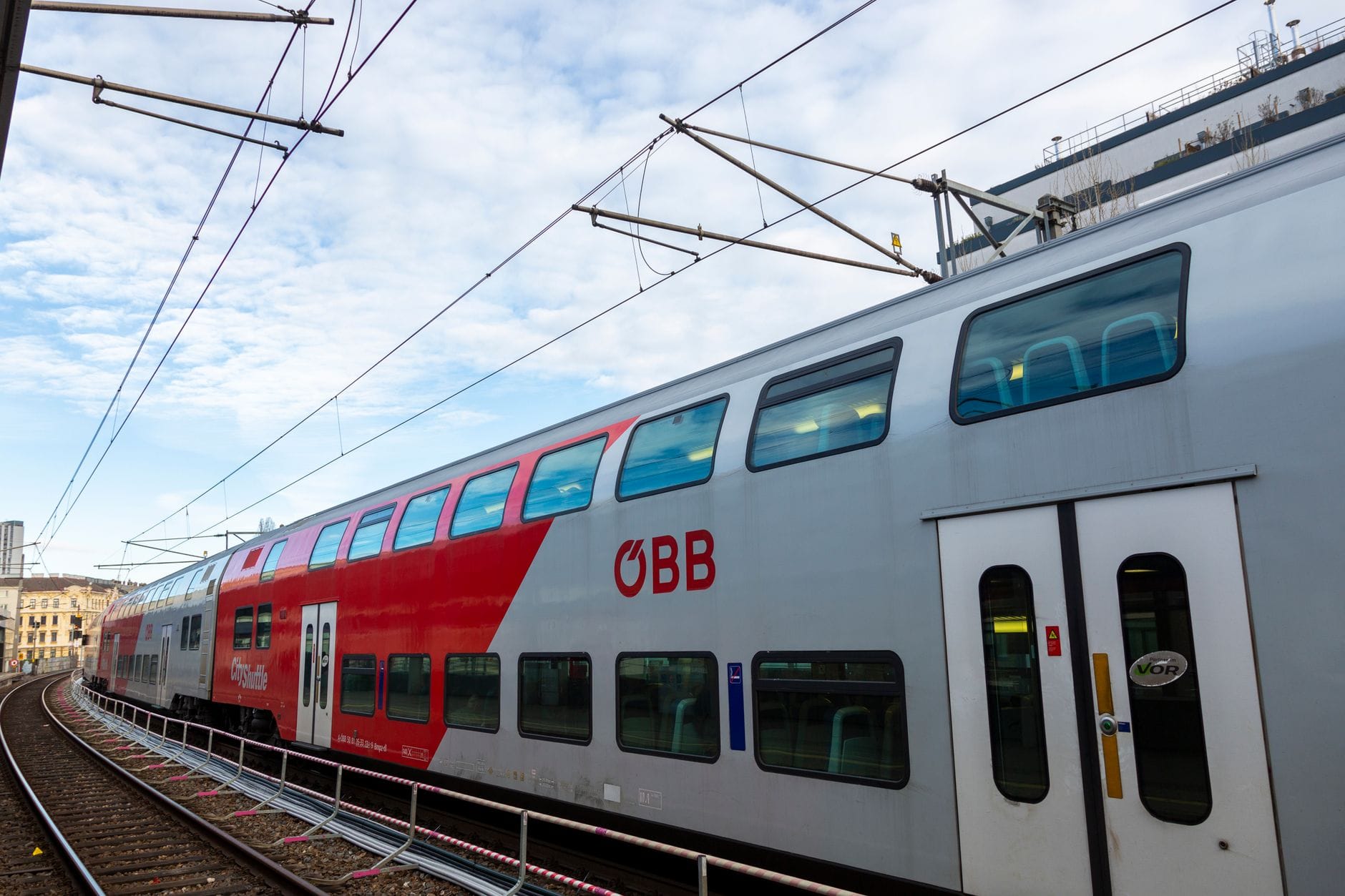
The Vienna to Prague train is the default choice for good reason. Around 14 to 16 direct services run daily between Wien Hauptbahnhof and Praha hlavní nádraží, operated primarily by ÖBB Railjet and the private Czech operator RegioJet. Journey times on the fastest services sit right around 3 hours 56 minutes, with most trains falling between 4 and 4.5 hours. The first trains depart as early as 05:10 and the last services leave around 22:10 to 22:38, giving you significant flexibility regardless of when your day starts or ends.
- ÖBB Railjet Austrian national rail's premium intercity service. Comfortable seating, a bistro car, power sockets, and reliable punctuality. Book directly at oebb.at for best prices.
- RegioJet Czech private operator known for competitive fares and better-than-expected on-board service for the price, including free coffee in some classes. Often the cheapest direct option.
- ČD (České dráhy) Czech national rail also operates some services on this corridor. Book via cd.cz or aggregators like Rail Europe and Omio.
Prices for the Vienna to Prague train start from around €12 to €15 one-way when booked well in advance, with typical fares ranging from €15 to €65 depending on class, operator, and how close to departure you book. RegioJet tends to offer the lowest floor prices. Second class on Railjet is perfectly comfortable for a 4-hour journey; there's little reason to upgrade unless you specifically want the quiet of first class.
✨ Pro tip
Book your Vienna to Prague train at least 7 to 14 days ahead to access saver fares. Prices can more than double in the final 48 hours before departure, particularly on Friday afternoons and Sunday evenings when the route is busiest with both tourists and commuters.
Taking the Bus: The Budget Alternative That's Barely Slower
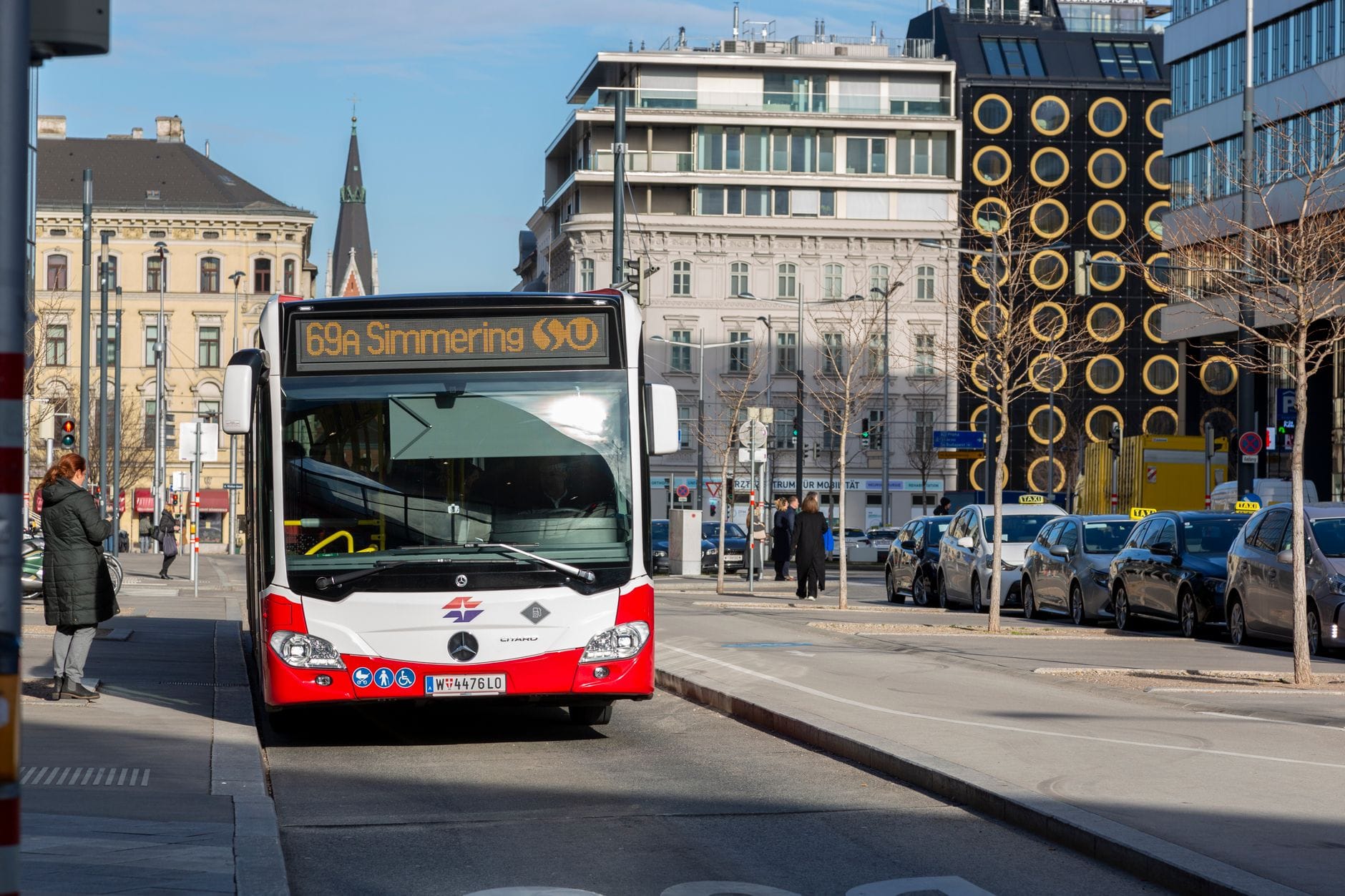
One of the most persistent myths about Vienna to Prague is that the bus is significantly slower than the train. It isn't. The fastest bus services on this route clock in at around 3 hours 55 minutes, essentially matching the quickest trains. There are dozens of daily departures from operators including FlixBus and RegioJet (which runs both trains and buses), with some aggregators listing over 60 connections per day spanning a window from roughly 01:00 to 23:30.
Bus fares typically start around €15 one-way and average between €18 and €26. Bus prices on this corridor tend to be cheapest in March and more expensive in December. The main trade-offs versus the train: bus stops in Vienna may not be directly at Wien Hauptbahnhof (check your specific departure point), and bus journey times are more susceptible to traffic, particularly around Prague. For budget travelers or those with flexible timing, the bus is a smart option.
- FlixBus: extensive network, frequent departures, book at flixbus.com
- RegioJet: runs both train and bus services, competitive fares, check regiojet.com
- Busbud and Wanderu: useful aggregators to compare prices across operators on a single search
⚠️ What to skip
Some budget bus services depart from Vienna's Erdberg bus station (U3 Erdberg stop), not from the main train station. Confirm your exact departure point when booking, especially if you're arriving in Vienna by train and need to cross the city.
Should You Fly? The Honest Answer
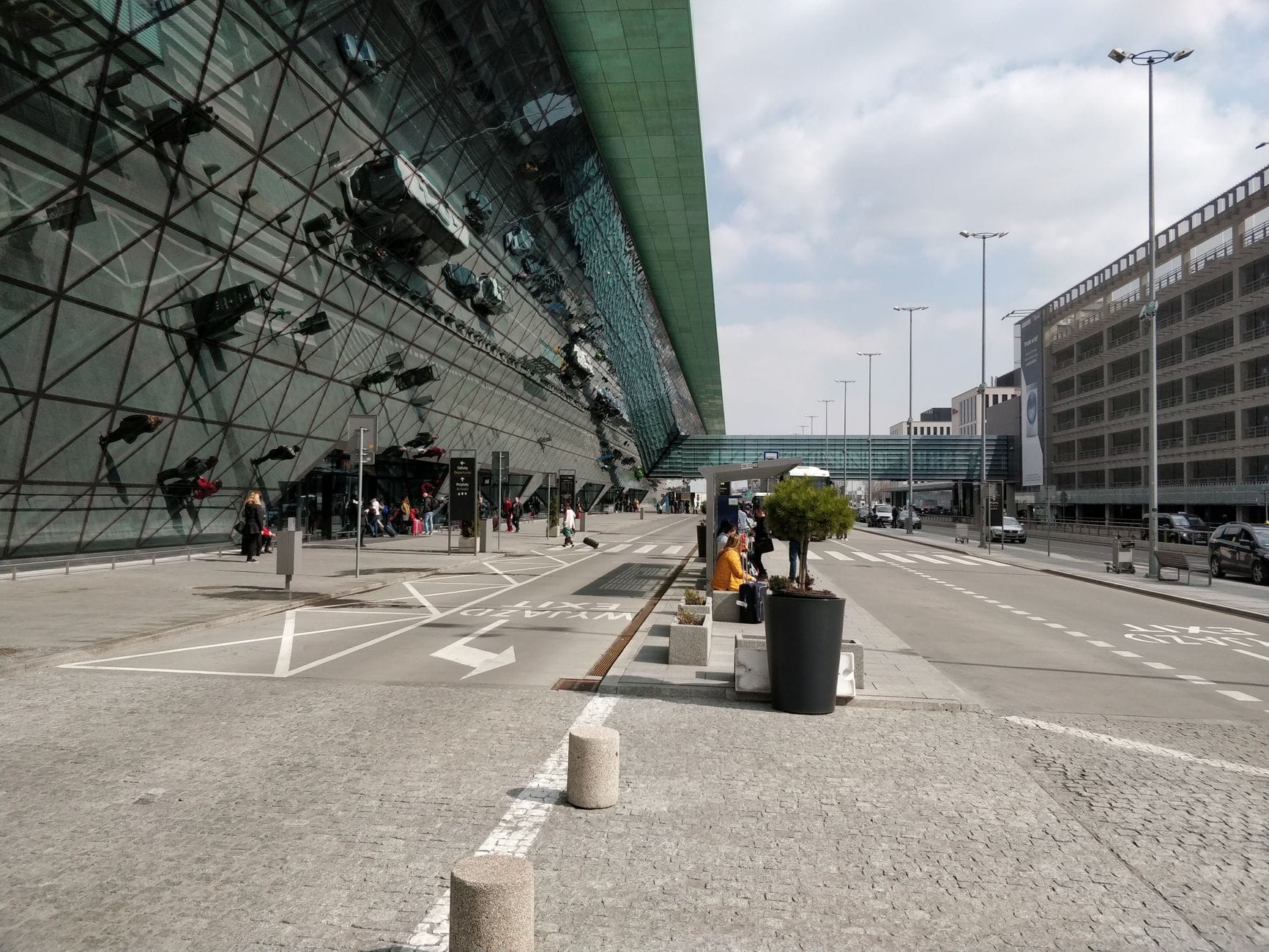
The flight from Vienna to Prague takes around 50 minutes in the air. That sounds appealing until you account for everything else. You'll need to get to Vienna International Airport (VIE), located about 18 to 20 km southeast of the city center. Add check-in time, security, boarding, the flight, landing, baggage claim, and then getting from Prague's Václav Havel Airport into the city center, and a realistic door-to-door estimate approaches 3.5 to 4 hours on a good day, often more.
For that added inconvenience, you'd also pay considerably more. Flights on this route typically start around €130 one-way, compared to €12 to €15 for an advance-purchase train ticket. Unless you're connecting from an international flight already landing at VIE and continuing to Prague, there's almost no scenario where flying makes practical sense. If your schedule requires maximum speed, the Vienna airport guide has full details on connections and transit options.
Booking Strategy: When and Where to Buy
For trains, the most reliable options are booking directly with ÖBB (oebb.at) or RegioJet (regiojet.com), or using aggregators like Rail Europe, Omio, or 12Go. Direct booking with the operator usually offers the widest range of fare classes and the simplest refund process. Aggregators are useful for comparing prices across operators in one view, but always double-check the final price against the operator's own site before committing.
For buses, FlixBus and RegioJet's own sites are your best starting points. Busbud and Wanderu aggregate most options clearly. One practical note: some third-party booking platforms add service fees that aren't always obvious until checkout. Read the total price carefully.
💡 Local tip
If you're traveling Vienna to Prague as part of a wider Central European trip, consider whether an Interrail or Eurail pass makes sense. On this specific corridor, point-to-point advance tickets are usually cheaper than pass reservations, but a pass adds value if you're also covering Vienna to Budapest, Vienna to Salzburg, or other routes in the same trip.
Practical Logistics: Stations, Timing & What to Expect
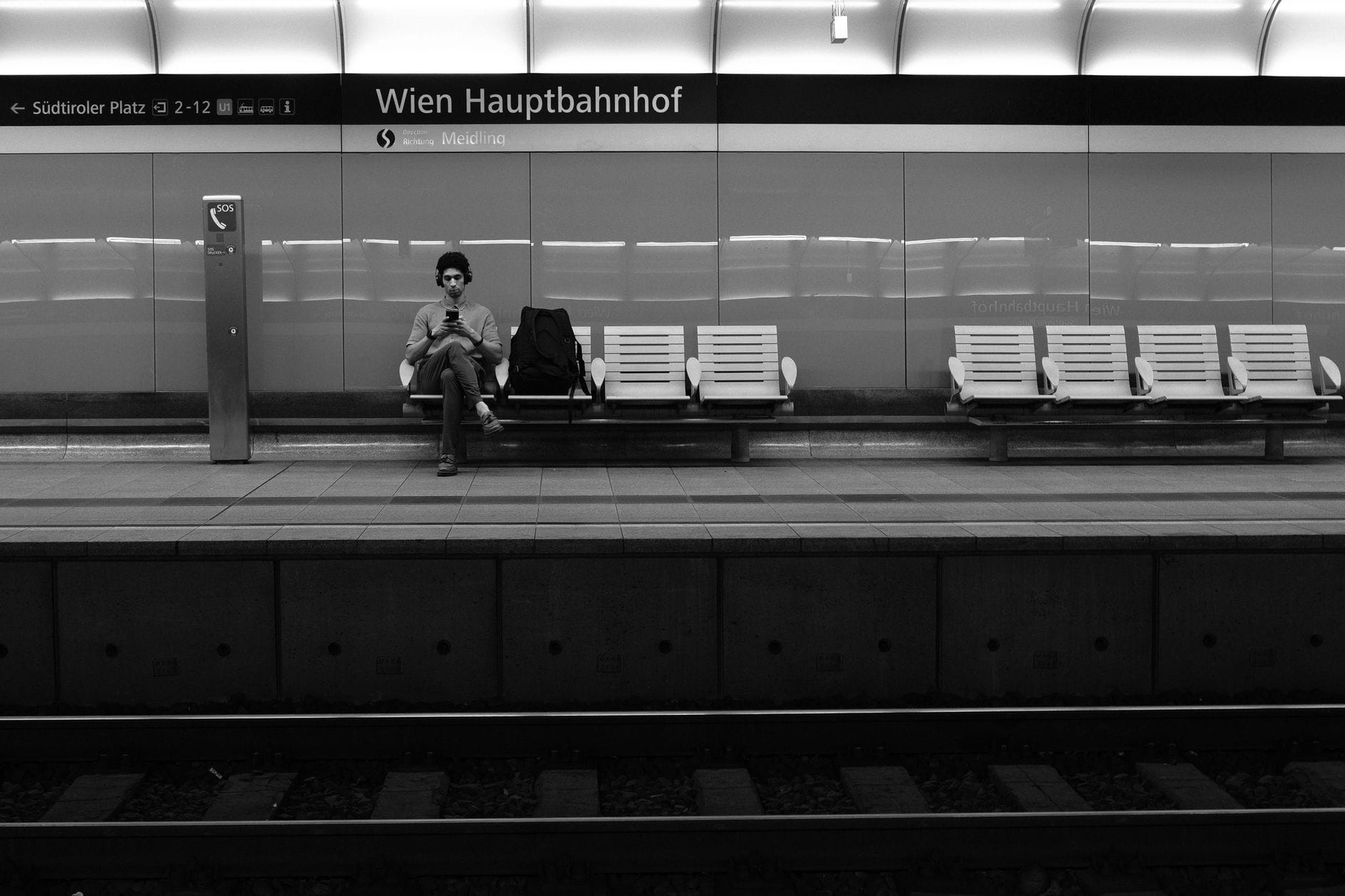
Trains depart from Wien Hauptbahnhof, Vienna's main intercity hub, which is served by U1 and U4 metro lines. The station has luggage storage, cafes, and a supermarket for stocking up before the journey. On the other end, Praha hlavní nádraží is centrally located and sits on Prague Metro Line C (red line), giving you direct access to the city center within minutes. For context on what awaits you in Vienna before you leave, our guide to getting around Vienna covers the full public transport network.
The border between Austria and the Czech Republic is no longer a hard stop for EU/Schengen travelers, but train staff may still check tickets and IDs on some services. Non-EU travelers should carry their passport throughout the journey. The train route passes through some pleasant countryside, particularly once you cross into the Czech Republic, making the journey itself a reasonably scenic part of the trip rather than dead time.
If you're trying to decide whether to base yourself in Vienna or Prague, or do both, the short journey time makes a two-city trip entirely realistic, even over a long weekend. Our 3-day Vienna itinerary and 2-day Vienna itinerary can help you figure out how much time you actually need in Vienna before hopping on the train.
For travelers considering other Central European routes from Vienna, the same Hauptbahnhof serves direct trains to Budapest (around 2.5 hours), Bratislava (about 1 hour), Salzburg (roughly 2.5 hours), and Munich (about 4 hours). If you're building a broader itinerary, check our Vienna to Budapest guide and Vienna to Salzburg guide for the same level of practical detail on those corridors.
FAQ
Is there a direct train from Vienna to Prague?
Yes. Multiple direct trains run daily between Wien Hauptbahnhof and Praha hlavní nádraží with no change required. The main operators are ÖBB Railjet and RegioJet, with around 14 to 16 direct services per day.
How long does the Vienna to Prague train take?
The fastest direct services take approximately 3 hours 56 minutes. Most trains fall between 4 and 4.5 hours. There are no services faster than this on the current timetable.
How much does the Vienna to Prague train cost?
Advance-purchase fares start from around €12 to €15 one-way. Booking close to departure or in peak season, prices can reach €50 to €65. RegioJet typically offers the lowest floor prices; ÖBB Railjet tends to be slightly higher but has more consistent frequency.
Is the bus a good option for Vienna to Prague?
Yes, particularly for budget travelers. The fastest buses match the quickest trains in journey time (around 3 hours 55 minutes) and cost from approximately €15 one-way. FlixBus and RegioJet are the main operators. The main drawback is susceptibility to traffic delays around Prague.
Should I fly from Vienna to Prague?
Almost certainly not. Flights take only 50 minutes in the air but 3.5 to 4+ hours door-to-door when you include airport transfers, security, and arrival logistics. Costs also run €130 or more one-way, versus €12 to €15 for an advance train ticket. The train wins on time, cost, and convenience for almost all travelers.