Vienna to Budapest by Train: Tickets, Times & Day Trip Tips
The Vienna to Budapest train is one of Europe's most straightforward cross-border routes: direct, frequent, and genuinely fast. This guide covers ticket prices, how to book, which operators to use, whether a day trip is realistic, and how Budapest fits into a wider Central European itinerary.
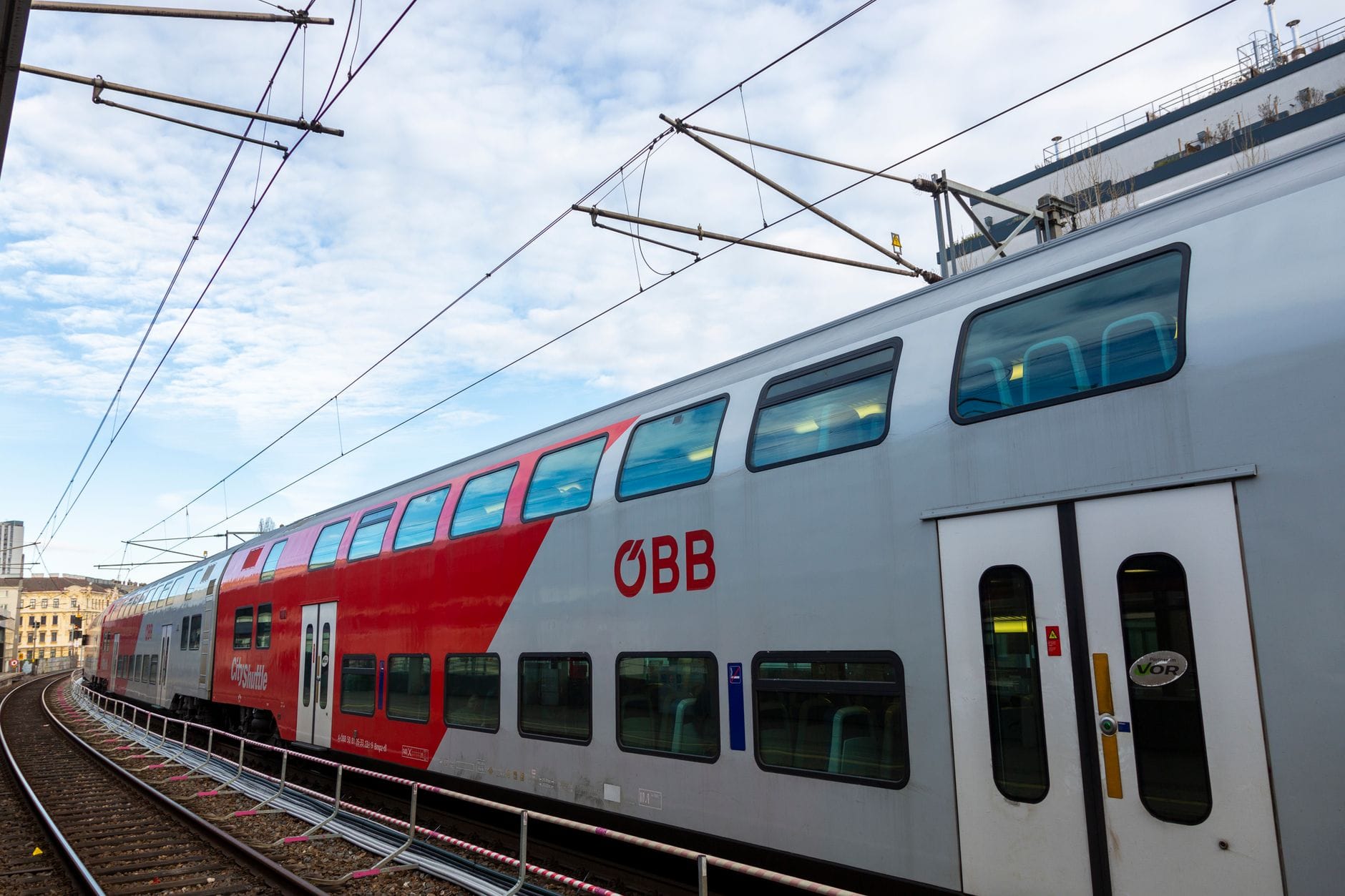
Plan and book this trip
Tools from our partner Travelpayouts help you compare flights and hotels. If you book through them, we may earn a commission at no extra cost to you.
Flights
Hotels map
TL;DR
- Direct Railjet and EuroCity trains run roughly hourly from Wien Hauptbahnhof to Budapest Keleti, covering the route in about 2 hours 30 minutes.
- Advance tickets via ÖBB start around €19.90 in 2nd class; same-day flexible fares rise to around €52. RegioJet often offers lower fares even close to departure.
- A same-day return day trip is feasible: take the first train (~07:00) and return on an evening service, giving you 8-9 hours in Budapest.
- Budapest pairs well with Vienna in a multi-city trip alongside a Vienna to Prague leg or a stop in Bratislava, which is only about 1 hour from Vienna by train.
- Book directly with ÖBB (Austrian Federal Railways) or MÁV (Hungarian Railways) for the cheapest fares; third-party platforms add convenience but sometimes charge booking fees.
The Route at a Glance: Distance, Journey Time & Frequency
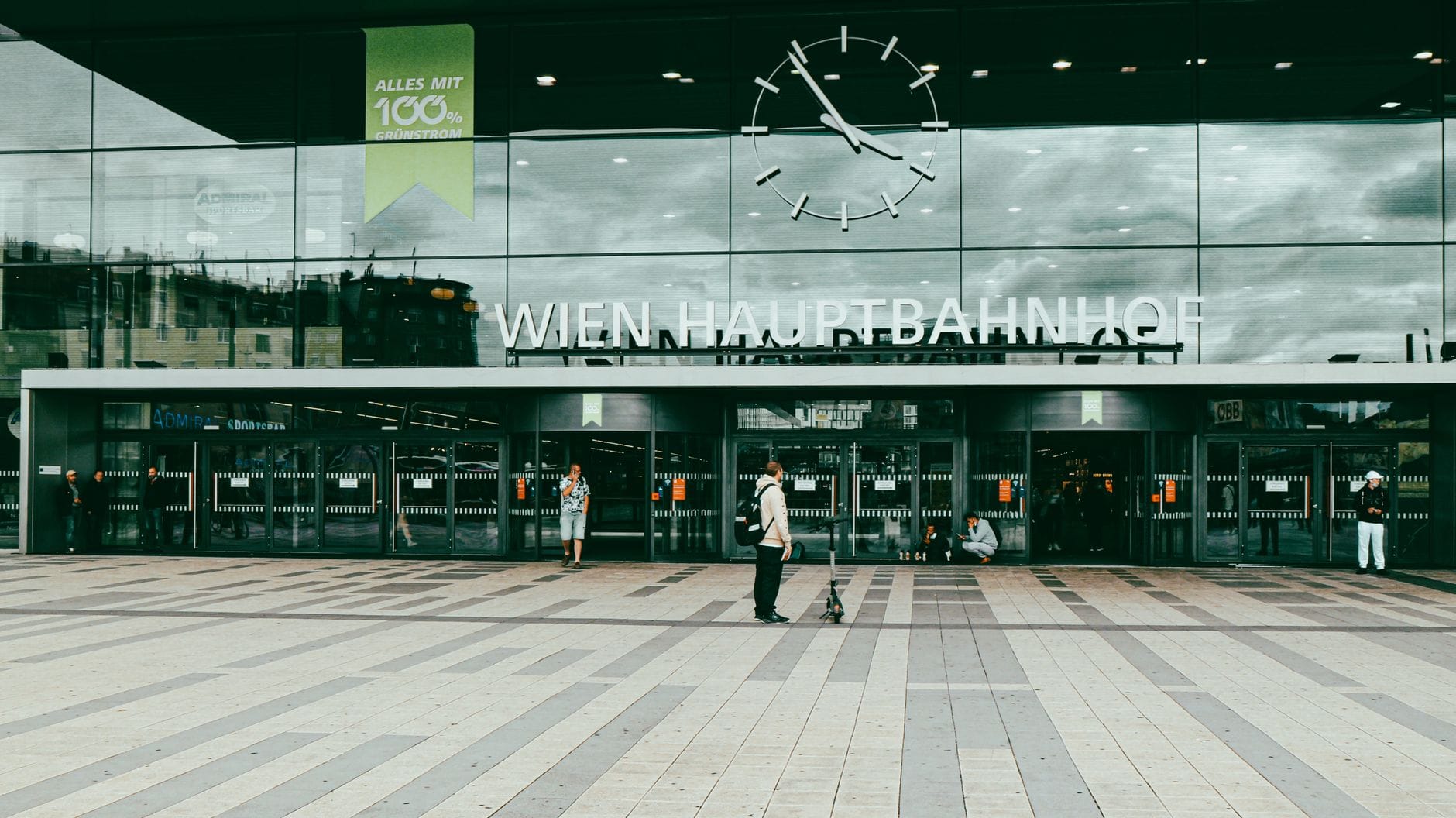
The Vienna to Budapest train is one of Central Europe's most practical cross-border connections. Direct services run between Wien Hauptbahnhof (Vienna's main station, known locally as Wien Hbf) and Budapest Keleti, with some services continuing to or terminating at Budapest Kelenföld. The rail distance is approximately 214 to 256 km depending on the station pair and measurement method used, and the journey takes between 2 hours 20 minutes and 2 hours 45 minutes on a direct Railjet or EuroCity train.
Frequency is excellent: roughly 20 to 24 departures per day during peak timetable periods, which works out to close to hourly throughout the day. The first departure from Wien Hbf is typically around 06:40 to 07:00, and the last service tends to leave in the late evening around 21:40, though exact times shift seasonally and by operator, so always check current schedules before booking.
ℹ️ Good to know
A common misconception: some journey-planning tools like Rome2Rio show no direct train by routing from a city-center address rather than Wien Hauptbahnhof. ÖBB Railjet and EuroCity trains run direct Wien Hbf to Budapest Keleti with no changes required.
Ticket Prices and How to Book
Pricing on the Vienna-Budapest corridor varies significantly by how far in advance you book and which operator you use. Here is a realistic breakdown:
- ÖBB Sparschiene (advance saver) From around €19.90 in 2nd class when booked weeks ahead. These are non-refundable fixed fares tied to a specific train. Book via the ÖBB website or app.
- ÖBB standard flexible fare Around €52.70 in 2nd class for same-day or short-notice bookings. This fare allows changes and cancellations, useful if your plans are uncertain.
- MÁV (Hungarian Railways) Advance tickets from approximately €13 in 2nd class. MÁV's booking platform is worth checking alongside ÖBB since the two railways operate jointly on some Railjet and EuroCity services.
- RegioJet A private Czech operator that runs competitively priced trains on this corridor. Prices can stay relatively low even close to departure, making it a practical option if you've left booking late.
- Third-party platforms (Rail Europe, Trainline, Omio) List tickets from around €9-11 for budget services or advance fares. Convenient for comparing options but some platforms add booking fees on top of the base fare.
✨ Pro tip
Book directly with ÖBB at oebb.at for the cheapest advance fares with no booking surcharge. The ÖBB app supports English and allows ticket downloads to your phone, which border officials accept. If ÖBB's saver fares are sold out, check RegioJet before defaulting to a full-flex ticket.
First-class tickets are available on Railjet services and include a guaranteed seat, more space, and on some trains access to a bistro car. For a 2.5-hour journey, 2nd class is perfectly comfortable and the upgrade rarely justifies the price difference unless you plan to work or sleep during the ride.
Is a Day Trip to Budapest from Vienna Worth It?
The short answer is yes, but with caveats. At under three hours each way, the Vienna to Budapest train makes a same-day return technically straightforward. Take the first departure around 07:00, arrive by 09:30, and you have roughly 8 to 9 hours in Budapest before a comfortable early evening return. That is enough time to walk across the Chain Bridge, visit the Fisherman's Bastion, explore the Great Market Hall, and soak in one of the city's thermal baths.
The honest drawback: Budapest genuinely rewards more time. The ruin bars in the Jewish Quarter don't get interesting until evening, the thermal bath culture is best experienced without rushing, and crossing from Buda to Pest (or vice versa) takes longer than maps suggest when you're actually on the ground. If you have any flexibility at all, an overnight stay transforms the experience. That said, as day trips from a European capital go, Budapest is among the most rewarding options available.
If you're planning a longer trip out of Vienna, the city also makes an excellent base for day trips in multiple directions. Bratislava is only about 1 hour away by train and often underestimated as a half-day stop, while the Wachau Valley wine region to the west is a strong alternative for those who want something closer to nature.
⚠️ What to skip
Budapest operates in Hungarian Forints (HUF), not Euros. While some tourist businesses accept cards widely, having some local currency helps, especially at thermal bath ticket counters and local markets. Exchange rates at Budapest Keleti station kiosks are typically poor. Use an ATM inside the station or a bank branch instead.
Multi-City Planning: Vienna, Budapest, and Beyond
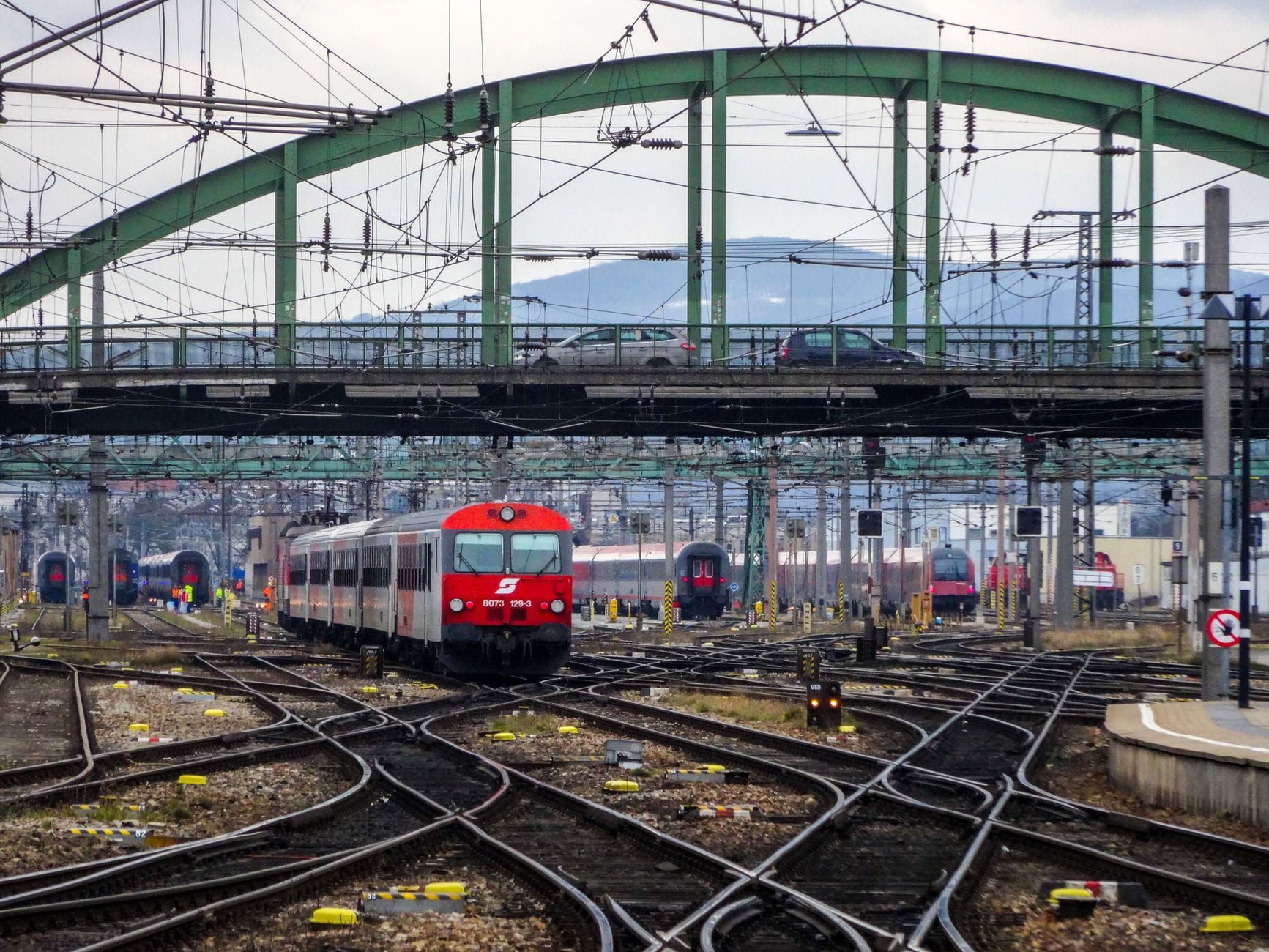
Vienna sits at one of Europe's most logistically convenient rail crossroads. Travelers who pair Vienna and Budapest commonly extend the trip to include Prague or Salzburg, creating a Central European circuit that works efficiently by train without needing to fly.
The Vienna to Prague train takes around 4 hours on direct EuroCity services, with multiple departures daily. Prague is a natural extension of a Vienna-Budapest trip if you're traveling in a loop. Our Vienna to Prague train guide covers booking and logistics in detail.
Going the other direction, the Vienna to Salzburg train takes around 2.5 hours and runs very frequently, with ÖBB Railjet and Westbahn both operating the corridor. Salzburg then connects easily to Munich, which is roughly 1.5 hours further west and reachable on direct trains from both Salzburg and Vienna. For anyone building a longer Alpine and Central European circuit, our Vienna to Salzburg guide is worth reading before finalizing a route.
- Vienna to Budapest ~2h30 direct, approx. €19-52 depending on advance booking. Hourly frequency.
- Vienna to Bratislava ~1h direct, very cheap fare. Good as a half-day stop between Vienna and Budapest.
- Vienna to Prague ~4h direct EuroCity, multiple departures daily. Excellent multi-city pairing.
- Vienna to Salzburg ~2h30 direct, very high frequency (both ÖBB Railjet and Westbahn). Budget-friendly with Westbahn.
- Vienna to Munich ~4h direct, ÖBB Railjet. Reasonable advance fares, well-suited to a west-east or return loop.
Practical Information for the Journey
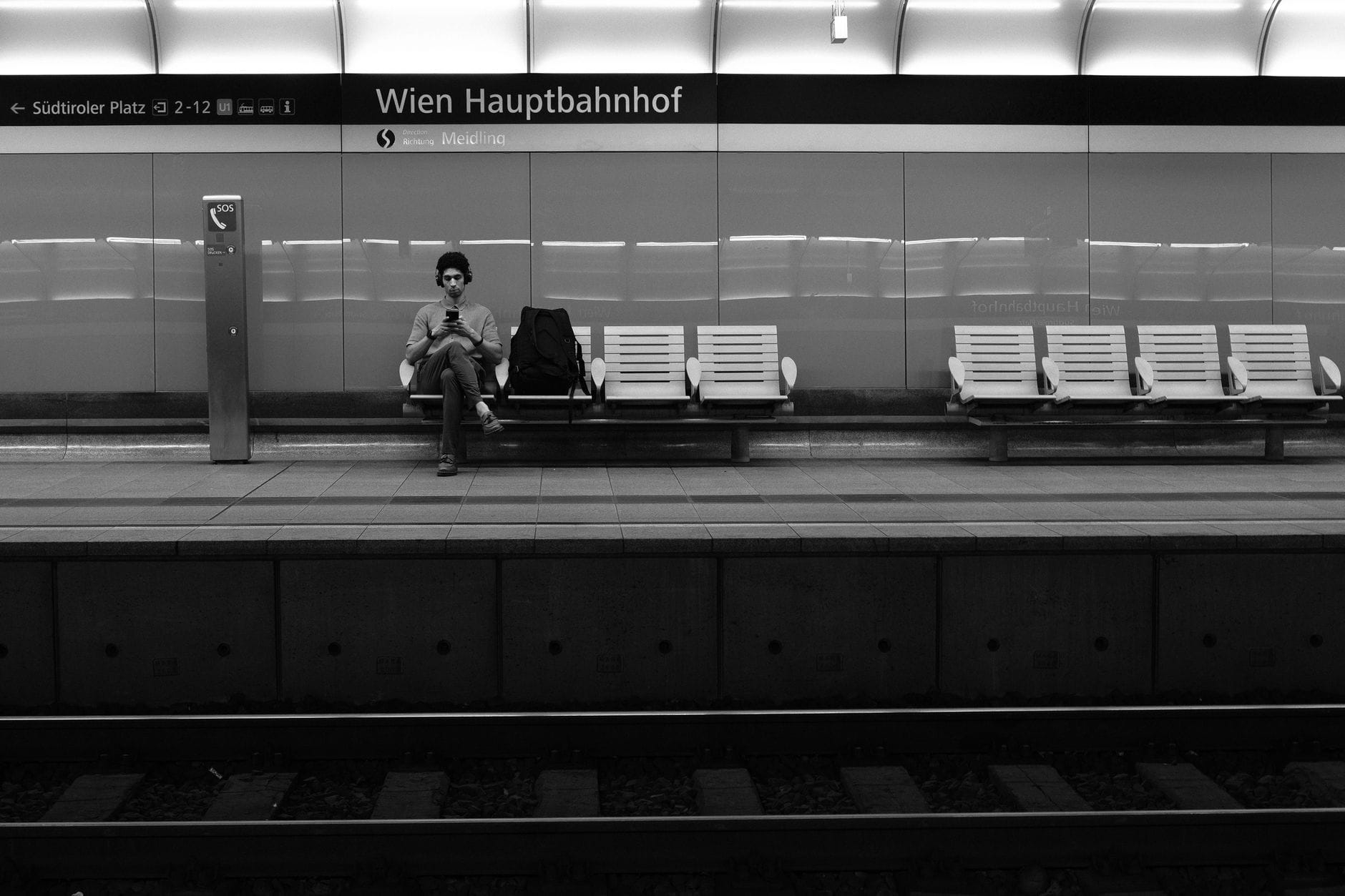
Wien Hauptbahnhof is Vienna's central mainline station and easily accessible by U-Bahn (lines U1 and D), S-Bahn, tram, and bus. It has clear English-language signage, staffed ticket counters, self-service machines, food options, and luggage storage. Allow yourself at least 15 minutes before departure if you need to print a ticket or collect one from a machine, though digital tickets on the ÖBB app work smoothly.
Getting to Wien Hbf from central Vienna is straightforward: U1 from Stephansplatz takes around 10 minutes. From Vienna Airport (VIE), the City Airport Train (CAT) connects to Wien Mitte in 16 minutes, from where U3 and U4 connect onward. Alternatively, the S7 S-Bahn runs directly to Wien Hbf from the airport, which is the cheaper option. More detail on airport connections is in our Vienna airport transport guide.
On the train itself: Railjet services have a bistro/dining car, free Wi-Fi (variable quality), and reserved seating included with most tickets. The border crossing between Austria and Hungary is seamless for EU citizens and Schengen-area passport holders; non-EU travelers should ensure their passport is accessible as border police occasionally conduct document checks on board. Austria and Hungary are both in the Schengen Area, so there is no formal border stop.
💡 Local tip
If you have a Eurail or Interrail pass, the Vienna-Budapest route is covered. However, on many Railjet and EuroCity services you still need to pay a seat reservation fee (currently a few euros) even with a pass. Book this reservation in advance, especially during summer, when this route fills up.
Vienna as a Base: Making the Most of Your Time Before or After Budapest
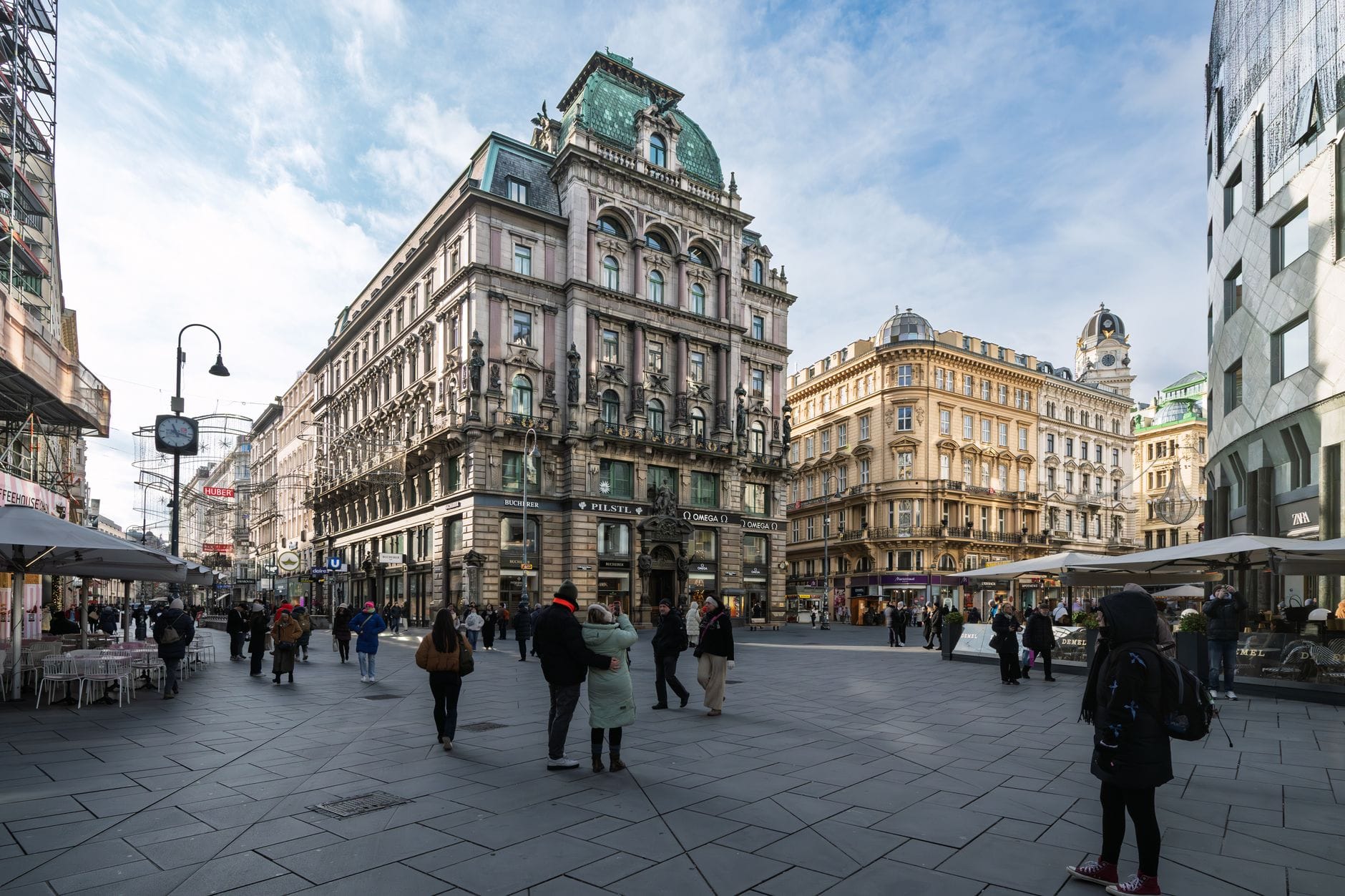
If you're dedicating proper time to Vienna before heading to Budapest, the city more than justifies 2 to 3 days. The imperial architecture of the Ringstrasse and the collections at the Kunsthistorisches Museum alone could fill a day. The coffeehouse culture is something to actually sit with rather than rush through.
For a structured approach to the city before you travel onward, the 3 days in Vienna itinerary covers the essential sights at a realistic pace. If you want to go deeper on any specific area, the guide to getting around Vienna explains how to use the U-Bahn, tram network, and 24/48/72-hour transport passes to move efficiently between neighborhoods.
Travelers combining Vienna and Budapest sometimes underestimate how much there is to explore outside the city center in Vienna itself. The Schönbrunn area in the west and the Belvedere district in the southeast each warrant half a day and are well-connected by public transport from Wien Hbf.
FAQ
How long does the train from Vienna to Budapest take?
Direct Railjet and EuroCity trains take between 2 hours 20 minutes and 2 hours 45 minutes from Wien Hauptbahnhof to Budapest Keleti. Journey times vary slightly by service and stopping pattern. There is no high-speed rail on this corridor in the same league as Western European TGV or ICE routes, but Railjet trains are modern and comfortable.
How much does a Vienna to Budapest train ticket cost?
Advance saver tickets with ÖBB start around €19.90 in 2nd class. MÁV (Hungarian Railways) offers advance fares from around €13. Same-day or flexible ÖBB tickets can rise to around €52. Private operator RegioJet often offers lower fares with less price variation between advance and last-minute booking. Always compare ÖBB, MÁV, and RegioJet before purchasing.
Is it possible to do Budapest as a day trip from Vienna?
Yes. Take the first morning departure from Wien Hbf (around 07:00), arrive in Budapest by 09:30, and return on an early evening service to be back in Vienna by around 22:00. You'll have 8 to 9 hours in Budapest, which is enough for the main highlights. However, Budapest is genuinely better with an overnight stay, particularly if you want to experience the thermal baths or ruin bar scene properly.
Do I need to reserve a seat on the Vienna to Budapest train?
On ÖBB Railjet and EuroCity services, seat reservations are either included or available as an add-on. With a Eurail or Interrail pass, you still need a separate seat reservation fee. Booking in advance is strongly recommended in summer (June to August) and around public holidays, when trains fill quickly. At other times of year, walk-up tickets are usually available but more expensive.
What is the best way to book Vienna to Budapest train tickets?
Book directly through ÖBB (oebb.at) for the cheapest ÖBB advance fares with no booking surcharge. For MÁV fares, use the MÁV-Start website. If you want to compare all operators including RegioJet in one search, Omio or Trainline work well, though they may add small booking fees. The ÖBB app supports digital tickets that are accepted at the border.