Vienna's 13th district, Hietzing, combines the grandeur of Schönbrunn Palace with leafy residential streets, a world-class zoo, and direct access to the Vienna Woods. It is one of the greenest districts in the city, offering a calmer pace than the inner districts while remaining well connected by the U4 metro line.
Hietzing is where Habsburg imperial ambition meets suburban Vienna at its most serene. Roughly three-quarters of the 13th district’s area is classified as green space, from the manicured gardens of Schönbrunn Palace to the vast woodland reserve of Lainzer Tiergarten. This is not a neighborhood built around nightlife or restaurant rows, but for anyone drawn to imperial architecture, long walks through forested hills, or the rare combination of a world-class palace and a working zoo, it delivers in a way few districts in any European capital can.
Orientation
Hietzing occupies the western edge of the Vienna city map, sitting noticeably apart from the compact inner districts clustered around the Ringstrasse. It borders Penzing (14th district) to the north, Meidling (12th) to the east, and Liesing (23rd) to the south. To the west, the district transitions directly into the Vienna Woods and, beyond those, into Lower Austria. That western border is not an urban street but a forest line.
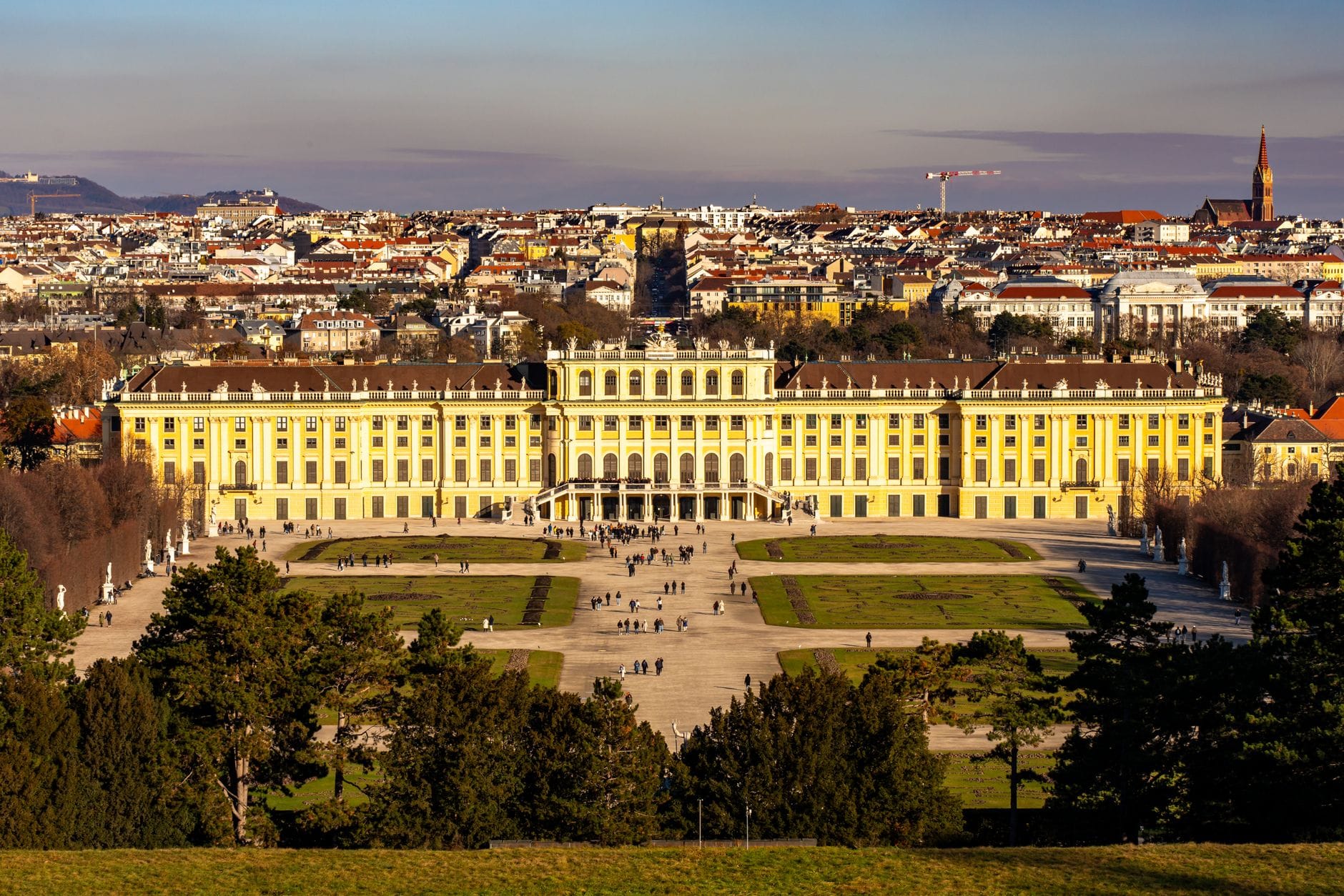
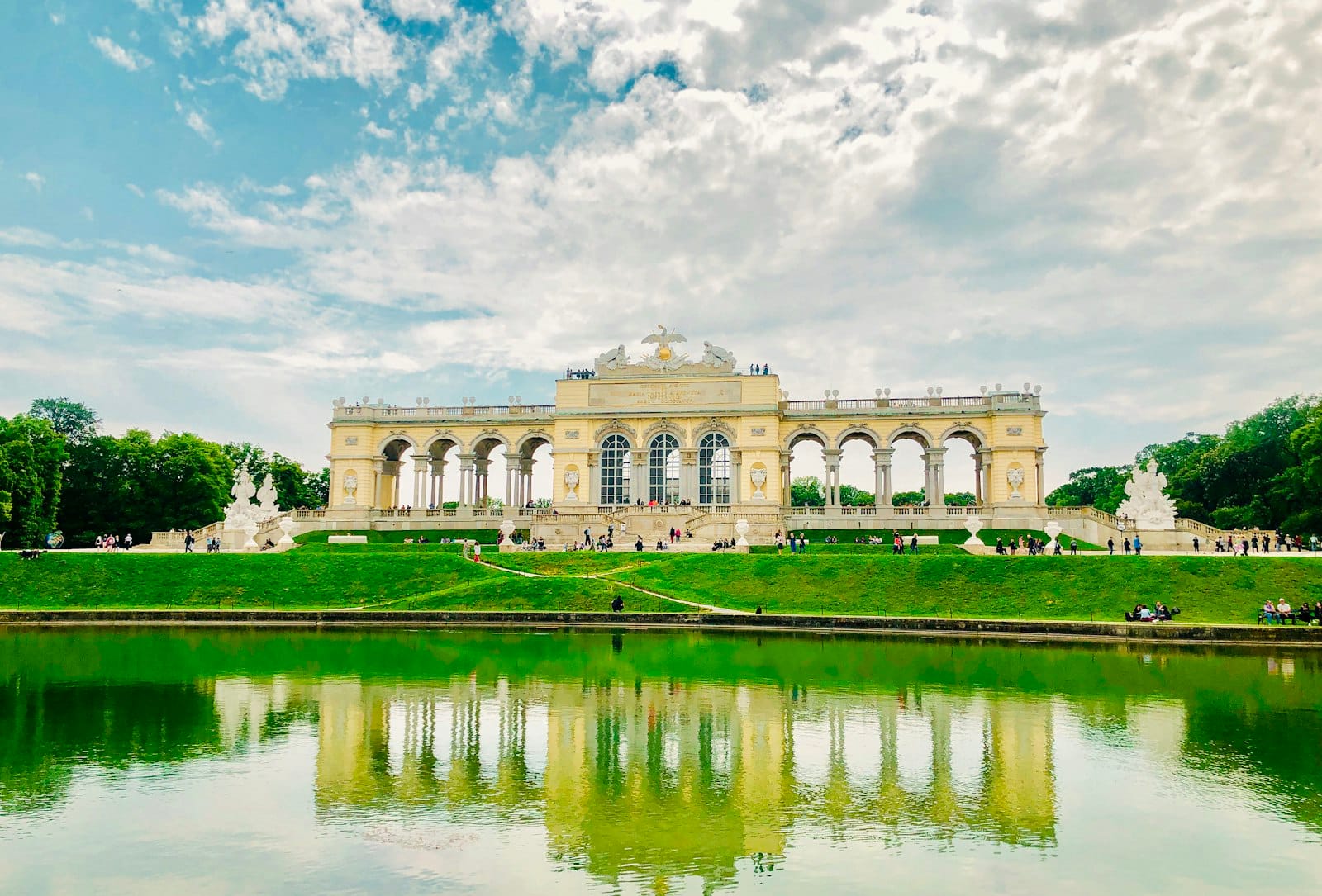
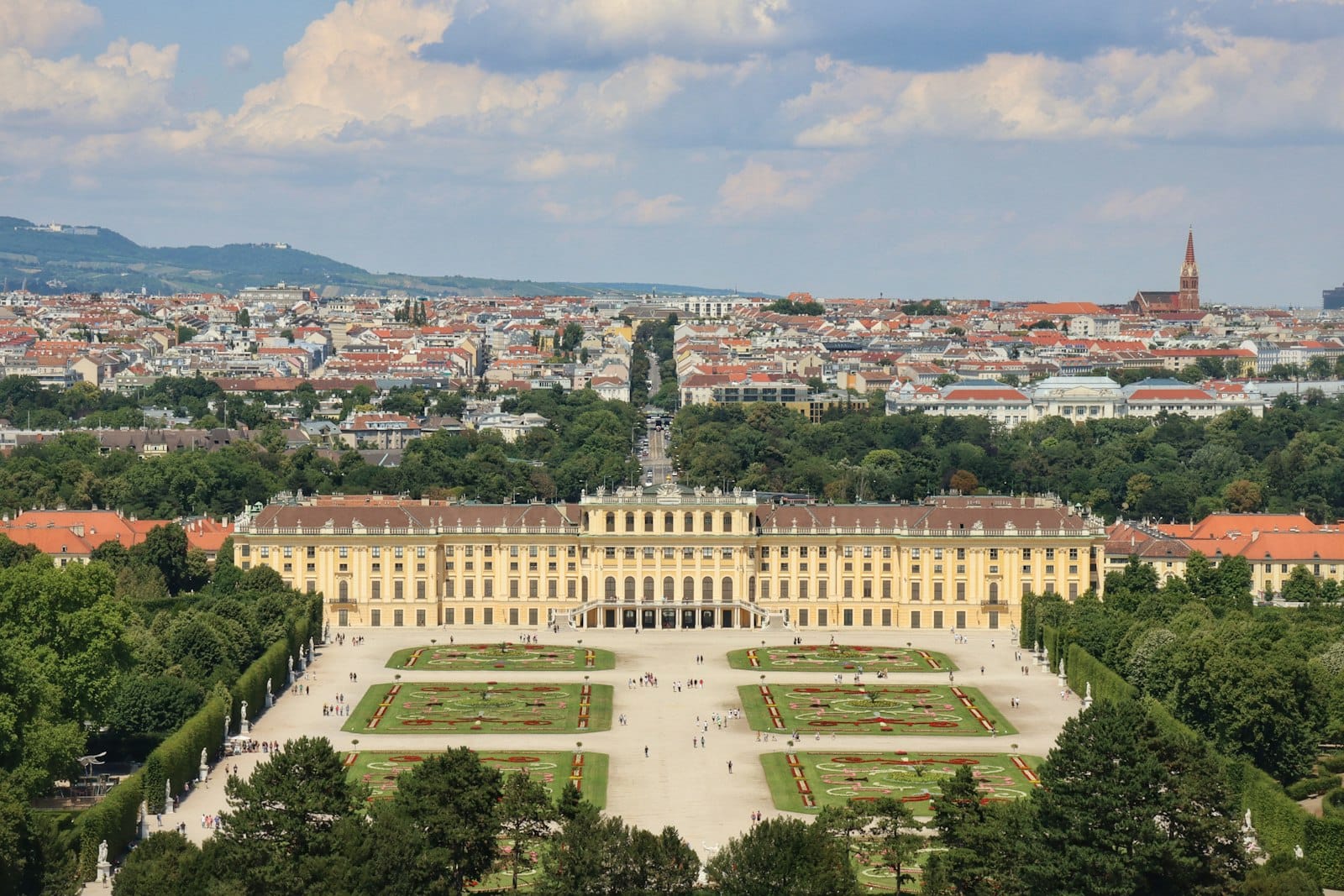
The Schönbrunn Palace complex anchors the district's eastern edge, roughly framed by Schönbrunner Straße to the north and Grünbergstraße to the east. From the main gate on Schönbrunner Schloßstraße, the land rises gently westward through terraced gardens toward the Gloriette colonnade on the hilltop, giving the whole area a clear topographic logic: the palace is at the bottom, the forest is at the top, and the residential streets of Hietzing fill the space in between.
Travelers arriving from the city center will typically come through Meidling or along the U4 corridor, which traces the Wien River valley westward from Karlsplatz. The district is roughly 5 to 6 kilometers from the historic center, close enough for a half-day visit but far enough that it has developed its own rhythm. For a broader sense of how Vienna's districts connect spatially, the guide to getting around Vienna covers the transit network in detail.
Character & Atmosphere
Hietzing moves at a different pace from the 1st or 7th districts. On a weekday morning, the streets around Hietzinger Hauptstraße feel like any prosperous Viennese suburb: bakeries open early, dog walkers cross through the side streets, and the cafés fill with retirees reading newspapers rather than tourists photographing their breakfast. The residential architecture here leans toward late-19th and early-20th-century villas, many with elaborately tiled vestibules and wrought-iron garden gates. This is the neighborhood where successful Viennese professionals moved when they wanted space, greenery, and a short tram ride to the opera.
The mood shifts noticeably as you approach the palace grounds. By mid-morning, tour groups begin moving through the main gate on Schönbrunner Schloßstraße. The palace courtyard fills quickly on summer days, and the paths through the formal gardens become genuinely crowded by late morning. The trick is to walk uphill: once you pass the Neptune Fountain and climb the terraced garden toward the Gloriette, the crowds thin considerably. The upper park in the afternoon light, with the city laid out below and swallows cutting through the warm air above the formal hedgerows, is one of the more quietly spectacular views in Vienna.
After dark, Hietzing is one of the calmest districts in the city. The palace grounds close to visitors in the evening, and the residential streets settle into near silence. There are a handful of local restaurants and wine bars around the Hietzing market and along Hietzinger Hauptstraße, but this is not a district you come to for nightlife. The quiet is a feature, not a flaw, depending on what you want from Vienna.
💡 Local tip
For the best experience of the palace gardens, arrive at opening time and head directly uphill toward the Gloriette. You will have the upper terraces largely to yourself for at least the first hour before the tour groups make the climb.
What to See & Do
The obvious starting point is Schönbrunn Palace itself, the former summer residence of the Habsburg dynasty and one of the most significant Baroque complexes in Europe. The palace has over 1,400 rooms, of which a curated selection is open to visitors, ranging from the compact Classic tour to the Grand tour. The interior rooms are lavishly decorated and give a clear sense of the scale on which the Habsburgs conducted daily life. Allow at least two hours for the interior alone.
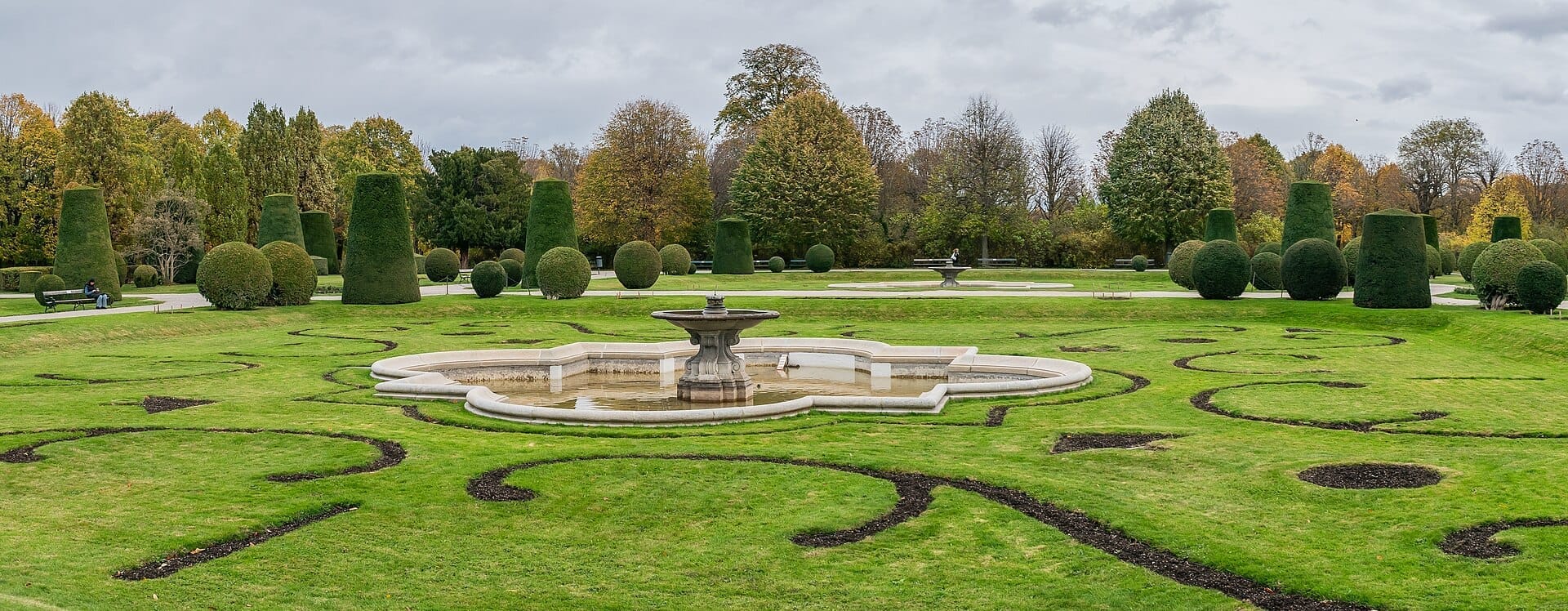
The Schönbrunn Palace and gardens complex is a UNESCO World Heritage Site and arguably the more rewarding part of the visit for those who find palace interiors repetitive. The Schönbrunn Palace Gardens are free to enter and open year-round. The formal parterre garden between the palace and the Neptune Fountain is geometric and immaculate, designed in the French style. The Gloriette at the top of the hill was built in 1775 as a triumphal monument and today houses a café, but the main reason to climb up is the panorama across Vienna's rooftop skyline.
Inside the palace grounds, Tiergarten Schönbrunn claims the title of the world's oldest continuously operating zoo, having been founded in 1752 as an imperial menagerie. It has evolved considerably since then and now holds giant pandas, polar bears, and a strong conservation program. It is one of the few attractions in Vienna that works as well for adults traveling without children as it does for families.
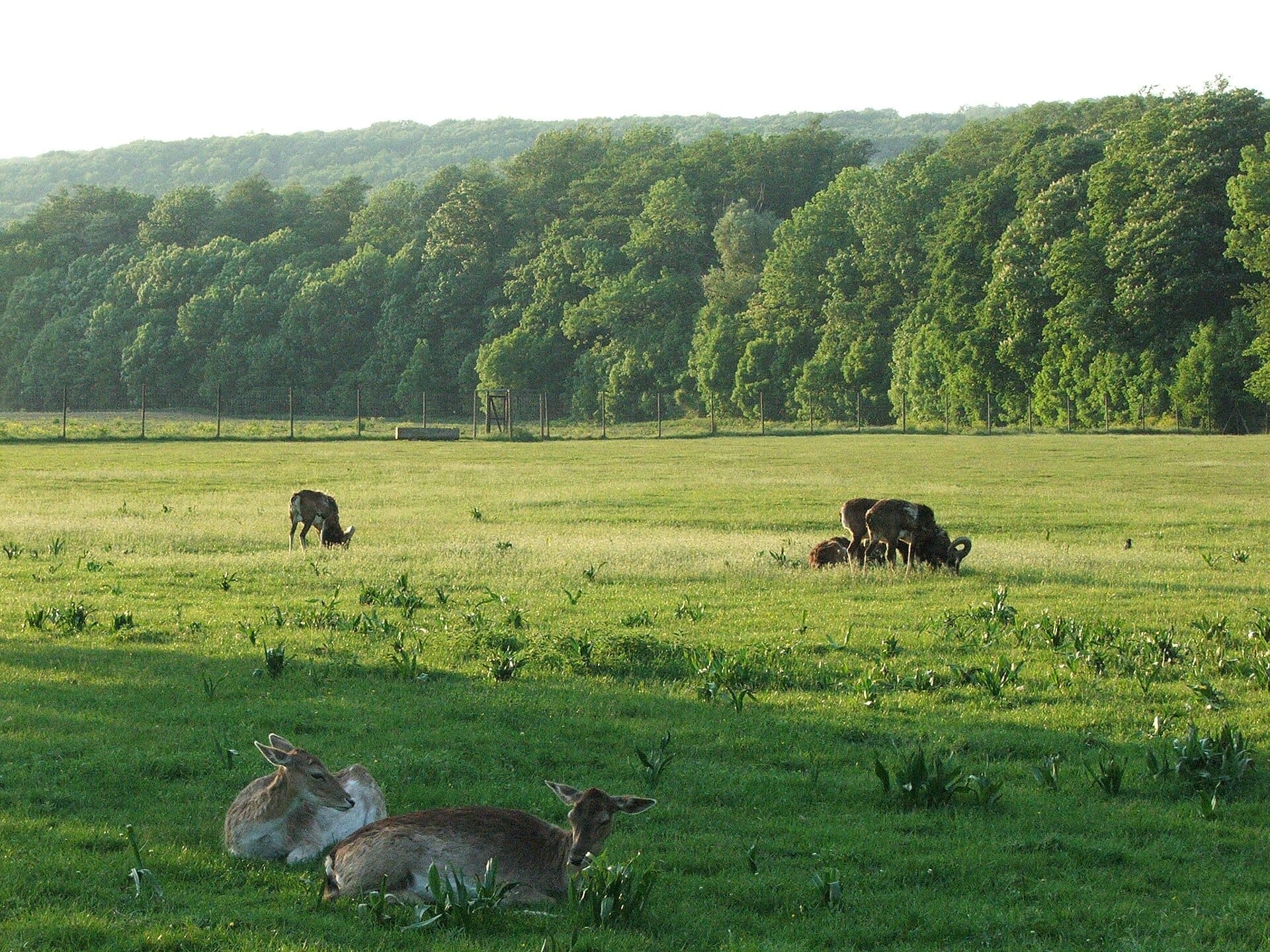
West of the palace, the Lainzer Tiergarten is a vast enclosed forest reserve that once served as the imperial hunting ground. Today it is open to walkers and cyclists, and it is genuinely wild in character compared to the manicured palace park. Wild boar roam freely, and the trails can take you deep enough into the woods that the city disappears entirely. The main entrance is on Hermesstraße, accessible by bus from Hietzing U4 station.
Schönbrunn Palace: interior tours of 26 or 40 rooms, with audio guide included
Schönbrunn Palace Gardens: free entry, formal parterre, rose garden, and maze
Gloriette colonnade: panoramic views over Vienna from the hilltop terrace
Tiergarten Schönbrunn: one of Europe's most respected zoological gardens
Lainzer Tiergarten: around 2,450 hectares of enclosed forest with hiking trails
Hietzinger Friedhof: historic cemetery where Gustav Klimt and Otto Wagner are buried
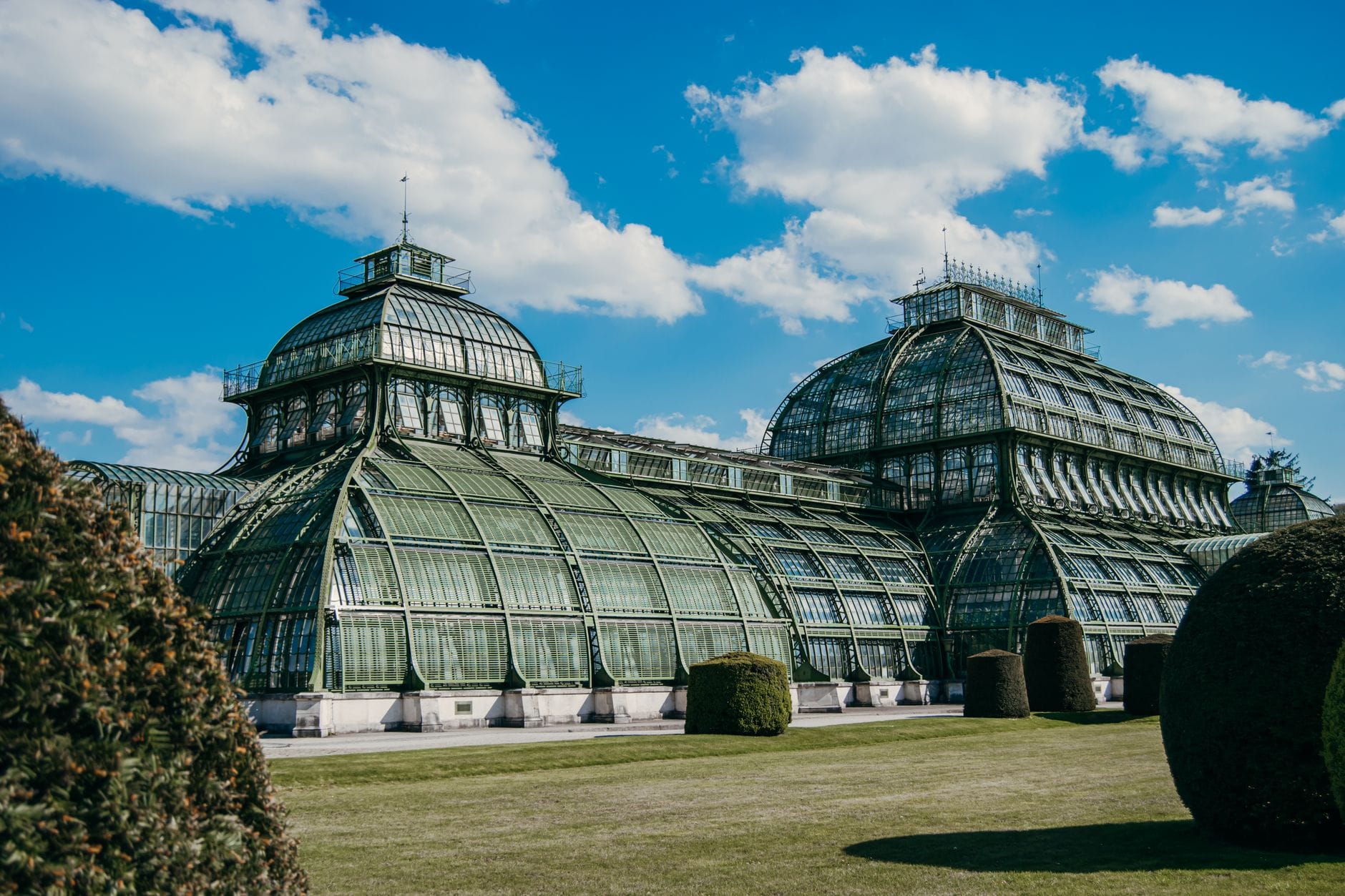
Palmenhaus Schönbrunn: 19th-century glass palm house within the palace grounds
The Palmenhaus Schönbrunn is worth noting separately. Built in the 1880s from cast iron and glass, it is one of the finest examples of 19th-century greenhouse architecture in Europe, housing tropical and subtropical plant collections. It sits within the palace grounds near the zoo entrance and is easy to combine with a zoo visit.
ℹ️ Good to know
Schönbrunn Palace and its grounds are listed as a UNESCO World Heritage Site. The site also includes the Roman Ruins and the Obelisk Fountain within the upper park, both worth seeking out if you have time beyond the main palace tour.
Eating & Drinking
The food options within the palace grounds are oriented toward tourism and priced accordingly. The Café Residenz inside the palace courtyard and the café within the Gloriette both serve coffee, cakes, and light meals in architecturally interesting settings, but neither is where locals eat. If you are planning a longer visit, it is worth noting that the on-site options are more expensive than what you will find in the surrounding streets.
The area around Hietzing U4 station and along Hietzinger Hauptstraße has a more authentic local food scene. There is a small covered market (the Hietzinger Markt) near the station, which operates on weekday mornings and Saturday, selling local produce, cheese, and prepared foods. The surrounding side streets have traditional Viennese restaurants serving Wiener Schnitzel, Tafelspitz, and seasonal dishes in unpretentious settings. Prices in this neighborhood are noticeably lower than in the 1st district for broadly similar quality.
For a more relaxed afternoon, the wine tavern tradition is accessible from the edges of Hietzing. The district borders the vineyards and villages that feed into Vienna's Heuriger culture. The guide to Heuriger wine taverns explains how these informal wine-focused inns work and where to find them. Several are within reach of the U4 line toward Grinzing or Heiligenstadt, making them a natural extension of a day that starts at Schönbrunn.
Coffee culture in Hietzing reflects the residential character of the district. The cafés here are proper Viennese coffeehouses in the traditional sense, with marble tables, newspaper racks, and no pressure to leave quickly. They are not performing their identity for tourists; they are simply operating the way they always have. Morning is the best time to experience them, when the light comes through the tall windows and the room is full of people who have nowhere particular to be.
Getting There & Around
The U4 metro line is the primary connection between Hietzing and central Vienna. The line runs from Heiligenstadt in the north through the city center, tracing the Wien River valley westward to Hütteldorf. Two stations serve the 13th district directly: Schönbrunn station places you about a 5 to 7 minute walk from the main palace entrance on Schönbrunner Schloßstraße, while Hietzing station is the better option for the zoo, the Lainzer Tiergarten, and the local shopping street. From Karlsplatz in the center, the journey to Schönbrunn station takes around 10 minutes.
Trams serve the district as well. Lines 10 and 60 stop directly outside Schönbrunn's gates and connect to other parts of the western city. Bus lines 8A, 56A, 56B, and 58A extend into the residential streets and toward the Lainzer Tiergarten entrance. For most visitors coming specifically for the palace, the U4 is the simplest option.
On foot, Hietzing is walkable within its residential core, but the distances between major attractions are substantial if you are planning to combine the palace, the zoo, and the Lainzer Tiergarten in a single day. The walk from the palace's main gate up through the gardens to the Gloriette is about 1.5 kilometers and involves a gradual climb of roughly 60 meters. From the Gloriette, it is another 2 kilometers through upper parkland to the western edge of the zoo. Factor in more time than the map distances suggest.
⚠️ What to skip
Pickpocketing has been reported at Schönbrunn, particularly during the Christmas and Easter markets when the palace courtyard becomes very crowded. Keep bags closed and wallets in front pockets in the main tourist areas. The surrounding residential streets are very safe, including after dark.
For visitors combining Schönbrunn with other major sites, the palace sits on a logical route between the inner city and the outer districts. MuseumsQuartier is about three U4 stops east of Schönbrunn station, making it straightforward to combine both areas in a single day without backtracking.
Where to Stay
Hietzing is not a district with heavy hotel infrastructure, which is both a drawback and an advantage depending on your priorities. The accommodation options here tend toward smaller hotels, guesthouses, and apartment rentals rather than large international chains. Staying in the district makes most sense if Schönbrunn and the western parks are your primary interest, or if you prefer a quieter base with easy metro access to the center.
The streets closest to Hietzing U4 station offer the best combination of convenience and local atmosphere. You are within walking distance of the palace, the Hietzinger Markt, and local restaurants, while remaining a 10 to 15 minute metro ride from the Innere Stadt. Families visiting specifically for the zoo and palace grounds will find this particularly logical.
Travelers who want to be closer to the main museum cluster, the opera, or the evening restaurant and bar scene should consider staying in the inner districts instead. The guide to where to stay in Vienna gives a district-by-district comparison that can help match your accommodation to your priorities. Hietzing suits travelers who want calm evenings, green surroundings, and a sense of the city's residential fabric rather than its tourist core.
Planning Your Visit
Schönbrunn fits naturally into a longer Vienna itinerary as a half-day or full-day excursion from the center. If you are working through a structured visit, the 3 days in Vienna itinerary typically positions Schönbrunn on day two or three, pairing it with the Belvedere or the MuseumsQuartier as bookends to a day in the outer districts.
The palace and gardens change character significantly across the seasons. Summer brings the longest opening hours, outdoor concerts in the courtyard, and the gardens at their most immaculate. In December, the Vienna Christmas market at Schönbrunn is one of the largest in the city and draws very large crowds, particularly on weekends. Spring, when the formal gardens are replanted and the horse chestnut trees along the main allée come into bloom, offers the palace at its most photogenic with relatively manageable visitor numbers.
Hietzing also has a specific connection to two of Vienna's most celebrated artists. Gustav Klimt lived and worked in the district during the last years of his life, and both he and the architect Otto Wagner are buried at Hietzinger Friedhof. For visitors following the trail of Viennese art history, the guide to Klimt and the Vienna Secession provides context for understanding why the district attracted so many figures from that era.
TL;DR
Hietzing is the 13th district of Vienna, home to Schönbrunn Palace, the world's oldest continuously operating zoo, and the Lainzer Tiergarten forest reserve. About three-quarters of the district is green space.
The U4 metro line connects the district to central Vienna in roughly 10 minutes, with Schönbrunn and Hietzing stations serving the main attractions.
Best suited for travelers who want to spend serious time at Schönbrunn, families visiting the zoo, or anyone who prefers a quieter, greener base over the busy inner districts.
The palace area gets crowded by mid-morning in summer and during the Christmas market season. Arrive early or head uphill to the Gloriette terrace to escape the main crowds.
Not the right choice for travelers whose priority is nightlife, a dense restaurant scene, or central proximity to the Ringstrasse museums. For those purposes, the inner districts are a better fit.
Top Attractions in Schönbrunn & Hietzing (13th District)
Three days is enough to experience Vienna's imperial core, its greatest art museums, and its legendary coffeehouse culture — if you route each day by geography. This guide structures your visit around three logical zones: the historic Innere Stadt, the Belvedere and Naschmarkt corridor, and Schönbrunn with the Prater.
Vienna holds one of the densest concentrations of world-class museums anywhere in Europe, from imperial art collections built over centuries to cutting-edge contemporary spaces. This guide covers the essential institutions, what makes each one worth your time, and how to plan your visits efficiently.
Vienna rewards visitors in every season, but the experience varies dramatically depending on when you go. This guide breaks down the weather, crowd levels, pricing, and cultural calendar month by month so you can choose the timing that fits your priorities.
Vienna sits at the centre of Central Europe, which makes it one of the best bases on the continent for day trips. From the vine-covered slopes of the Wachau Valley to the baroque splendour of Salzburg, here is everything you need to plan a trip outside the city with confidence.
Vienna's public transport network is one of Europe's most efficient, covering the entire city with U-Bahn, trams, buses, and S-Bahn. This guide covers 2026 ticket prices, airport transfer options, night services, and everything you need to move around the city without a car.
Vienna delivers imperial grandeur at every turn, from Schönbrunn Palace and the Vienna State Opera to Michelin-starred restaurants and storied grand cafés. This guide covers everything you need to plan an indulgent 3-5 day stay, with practical guidance on where to splurge and what to skip.
Vienna rewards couples with imperial grandeur, world-class music, candlelit coffeehouses, and panoramic hilltop views. This guide covers the most romantic things to do in Vienna, from palaces and concert halls to wine taverns and riverside strolls.
Vienna rewards visitors who go beyond the postcard. This guide covers the top things to do in Vienna Austria — from Schönbrunn Palace and Klimt's 'The Kiss' to Naschmarkt and the city's underrated museum scene — with real prices, seasonal advice, and clear notes on what's worth your time.
Forty-eight hours is enough to experience Vienna's imperial grandeur, world-class museums, and legendary café culture. This itinerary cuts through the options and tells you exactly what to prioritize, in what order, and why.
Vienna International Airport (IATA: VIE) sits 18-20 km southeast of the city centre at Schwechat. This guide covers every transfer option in detail, from the 16-minute City Airport Train to pre-booked fixed-price transfers that often undercut metered taxis, plus everything you need to know before you land.
Vienna is one of Europe's great architectural cities, where Baroque palaces, 19th-century Historicist monuments, and Art Nouveau masterpieces exist within walking distance of each other. This guide takes you through the buildings that define the city's visual identity, from imperial grandeur to radical modernism.
Vienna's ball season transforms the city every winter into one of the world's great celebrations of formal dance. This guide covers everything from Opera Ball tickets and dress codes to affordable alternatives, so you can plan the right night for your budget and style.
Vienna transforms into one of Europe's most spectacular Christmas destinations from November through early January, with dozens of free markets spread across imperial palaces, Gothic squares, and cobblestone lanes. This guide covers the best markets, what to eat and drink, and the top nearby attractions to combine for a full festive day out.
Vienna's sacred architecture spans eight centuries, from Romanesque foundations to soaring Gothic cathedrals, opulent Baroque interiors, and one of the world's great Art Nouveau churches. This guide covers the essential churches across styles, with practical tips on what to see inside each one.
Vienna is the undisputed world capital of classical music, home to the Vienna Philharmonic, Vienna State Opera, Musikverein, and dozens of nightly concerts across palaces and churches. This guide covers every major venue, realistic ticket prices, seasonal highlights, and how to book without overpaying.
Vienna's traditional coffeehouses are UNESCO-recognised cultural institutions, not just places to drink coffee. This guide covers the best venues, what to order, typical costs, etiquette rules, and how to tell the genuine article from a tourist trap.
Vienna holds more Egon Schiele than anywhere else on earth. This guide covers the major museum collections, the art-world context that shaped him, and the biographical sites that trace his short, electric life in the city.
From the Hofburg to the Kapuzinergruft, the Habsburg dynasty left Vienna with one of Europe's most concentrated collections of imperial architecture, art, and ritual. This guide covers the key sites, historical context, ticket prices, and the best way to structure a full day in imperial Vienna.
Vienna rewards those who look beyond the Hofburg and Schönbrunn. These off-the-beaten-path experiences range from a private princely art collection to a cemetery full of composers, a hilltop vineyard trail, and a museum inside a WWII gun tower.
Vienna surprises most visitors with how much green space it packs within its borders. Between the forested hills of the Vienna Woods, the Danube's recreational islands, and 14 marked city hiking trails totaling over 240 km, the Austrian capital rewards anyone willing to lace up their shoes or rent a bike.
Summer in Vienna runs hot, loud, and remarkably free. From the Vienna Philharmonic playing open-air in Schönbrunn's gardens to lakeside swimming on the Old Danube, this guide covers every worthwhile summer activity, the major festivals with dates, and the honest truth about peak-season crowds.
Vienna in winter is cold, atmospheric, and surprisingly rewarding. From Christmas markets and imperial palace tours to world-class concerts and coffeehouse culture, this guide covers everything you need to plan a smart, enjoyable trip between November and March.
Gustav Klimt and the Vienna Secession transformed Western art in just a decade. This guide traces their legacy across the city, from the gold-domed Secession building to the museums, churches, and coffeehouses that shaped the movement.
Vienna after dark is more layered than its imperial reputation suggests. This guide breaks down the best bar districts, club zones, jazz venues, and classical nights out, with honest price breakdowns, seasonal advice, and the neighborhoods worth exploring beyond the tourist trail.
Vienna has a reputation for imperial grandeur and high prices, but a realistic daily budget of €50–80 covers accommodation, food, transport, and plenty of sightseeing. This guide breaks down exactly where your money goes, what you can skip paying for entirely, and how to get the most out of every euro.
Vienna is a city of palaces, with far more than the two famous names. From the sprawling Hofburg to the intimate Liechtenstein Garden Palace and the museum-filled Albertina, this guide takes you through the full sweep of Vienna's imperial and aristocratic architectural heritage.
The Vienna Pass promises free entry to 70+ attractions and hop-on hop-off buses, but it only pays off under specific conditions. This guide breaks down exactly who benefits, who overpays, and how to calculate your own savings before you buy.
The Sachertorte is Vienna's most iconic dessert, but not every slice is created equal. This guide breaks down the history, the competing originals, current prices, and where to actually eat chocolate cake in Vienna without overpaying or getting a subpar version.
Vienna's shopping scene ranges from Habsburg-era luxury arcades to independent boutiques in the 7th district and a sprawling open-air food market that has operated for over a century. This guide maps out every major shopping area by character, price point, and practical logistics.
The Vienna to Budapest train is one of Europe's most straightforward cross-border routes: direct, frequent, and genuinely fast. This guide covers ticket prices, how to book, which operators to use, whether a day trip is realistic, and how Budapest fits into a wider Central European itinerary.
The Vienna to Prague corridor is one of Central Europe's most traveled routes, with direct trains, budget buses, and flights all competing for your ticket. This guide breaks down real journey times, current price ranges, booking strategy, and which option actually gets you there fastest.
The Vienna to Salzburg route is one of Austria's most traveled corridors, with fast Railjet trains covering 249 km in as little as 2 hours 22 minutes. This guide covers every transport option, realistic fares, booking strategy, and how to structure a day trip without rushing.
The Wachau Valley is one of the most rewarding day trips from Vienna, combining a Baroque abbey, a ruined castle above the Danube, and one of Austria's finest wine towns. This guide covers the best route, transport options, seasonal cruise logistics, and what to skip so you can make the most of a single day.
The First District is Vienna's compact historic core, a UNESCO World Heritage site you can cross on foot in 20 minutes. This guide covers the full self-guided walking route, key landmarks, honest pricing, and practical tips for every season.
Vienna is one of the few world capitals with functioning vineyards inside its city limits. This guide covers the Heuriger tavern tradition, the best wine districts to visit, how to get there, what to drink, and what separates a genuine Buschenschank from a tourist-facing imitation.
Vienna is one of Europe's most underrated family destinations, with free museum entry for under-18s, affordable public transport for kids, and attractions that genuinely engage children of all ages. This guide covers the best things to do in Vienna with kids, from palace gardens and aquariums to hands-on science museums and a 127-year-old ferris wheel.
Vienna played a central role in both World Wars, first as the capital of the Austro-Hungarian Empire and later as a focal point of Nazi annexation and persecution. This guide covers the key historical sites, Holocaust memorials, and practical logistics for visiting them — along with the honest, complicated history that shaped modern Austria.
Vienna's food culture runs deep: centuries of imperial cooking, Central European comfort food, and a coffee house tradition unlike anywhere else. This guide covers the dishes you should actually order, where to find the best versions, realistic prices, and the misconceptions that trip up first-time visitors.
Vienna's 23 districts each offer a different pace, price point, and proximity to the city's top sights. This guide cuts through the noise to tell you exactly which neighborhoods suit first-timers, budget travelers, culture seekers, and those who want a more local experience — with practical advice on transport, pricing, and what to watch out for.