Vienna's Famous Chocolate Cakes: Sachertorte and Beyond
The Sachertorte is Vienna's most iconic dessert, but not every slice is created equal. This guide breaks down the history, the competing originals, current prices, and where to actually eat chocolate cake in Vienna without overpaying or getting a subpar version.
Tickets & tours
Live prices and dates from our booking partner. If you book, we may earn a commission at no extra cost to you.
TL;DR
- Only Hotel Sacher's 'Original Sacher-Torte' and Demel's rival version are historically authentic; every other café can legally sell 'Sachertorte' under that generic name.
- A slice at Café Sacher runs around €8.90–€10.50; add a coffee and you're looking at €15–€20 total.
- Cheaper but solid alternatives exist: Café Central charges around €6.50–€7.50 per slice, and Aida as low as €4.50. See our Vienna coffeehouse guide for the full coffeehouse picture.
- Sachertorte is available year-round. Summer and Advent bring the longest queues at Café Sacher; book ahead or visit before 10am.
- Vienna's chocolate cake scene extends well beyond Sachertorte: Esterhazytorte, Dobostorte, and Mohr im Hemd all deserve your attention.
The Sachertorte Story: One Cake, Two Originals, Endless Imitations
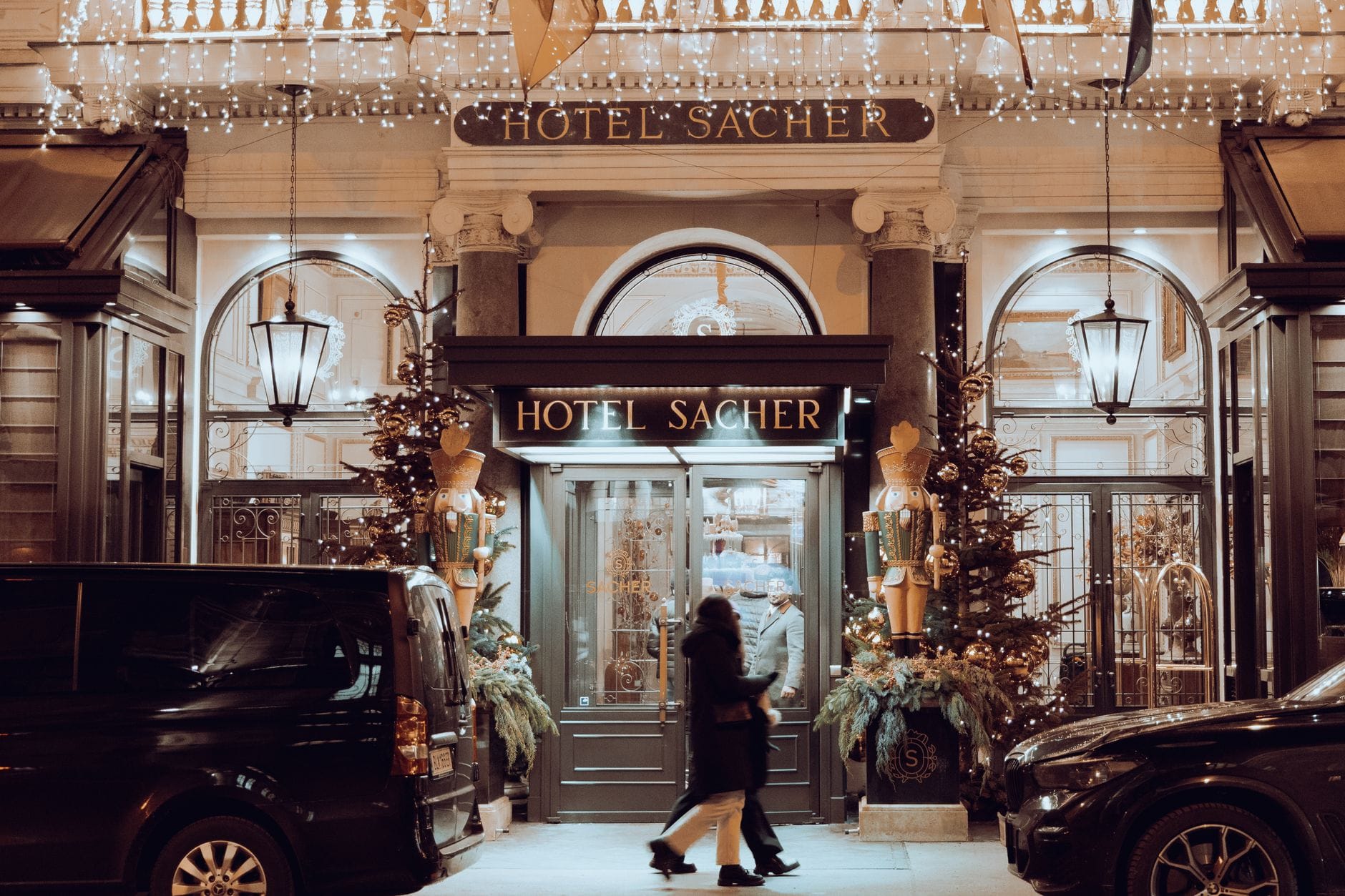
The Sachertorte was created in 1832 by a 16-year-old apprentice chef named Franz Sacher, who made it for Prince Metternich when the head chef fell ill. The recipe passed through the Sacher family, eventually becoming the centerpiece of Hotel Sacher, which opened on Philharmonikerstrasse in 1876. For decades, that seemed to settle the matter.
Then Demel, the imperial confectionery on Kohlmarkt, entered the picture. Franz Sacher's son Eduard had worked there and allegedly passed along the recipe. Demel began selling its own version, Hotel Sacher sued, and the so-called 'Sweet Lawsuit' (Süsser Streit) dragged through Austrian courts for years. The 1963 settlement gave Hotel Sacher the exclusive right to call its product the 'Original Sacher-Torte', while Demel could market its cake as the 'Eduard Sacher-Torte'. Both are legitimate historical recipes. They are not the same cake: Hotel Sacher splits the sponge and places apricot jam in the middle as well as under the glaze; Demel puts jam only beneath the chocolate coating.
ℹ️ Good to know
The word 'Sachertorte' itself is a generic term in Austria and cannot be trademarked. Any café, bakery, or supermarket can sell a 'Sachertorte'. Only the specific branded names 'Original Sacher-Torte' and 'Eduard Sacher-Torte' are protected. When a tourist café advertises its 'original' Sachertorte, that word carries no legal weight.
What this means practically: the vast majority of Sachertorte slices sold in Vienna's 1st district are legally named but culinarily unremarkable cakes made from standard recipes, priced at €7–€10 per slice, and served to tourists who assume they're getting something special. Some are fine. Many are not worth the price.
Where to Eat Sachertorte in Vienna: Honest Rankings
The choice between Hotel Sacher and Demel comes down to atmosphere and texture preference, not one being 'more authentic' than the other. Both are located in the Innere Stadt, within a short walk of each other and of major landmarks like St. Stephen's Cathedral and the Vienna State Opera.
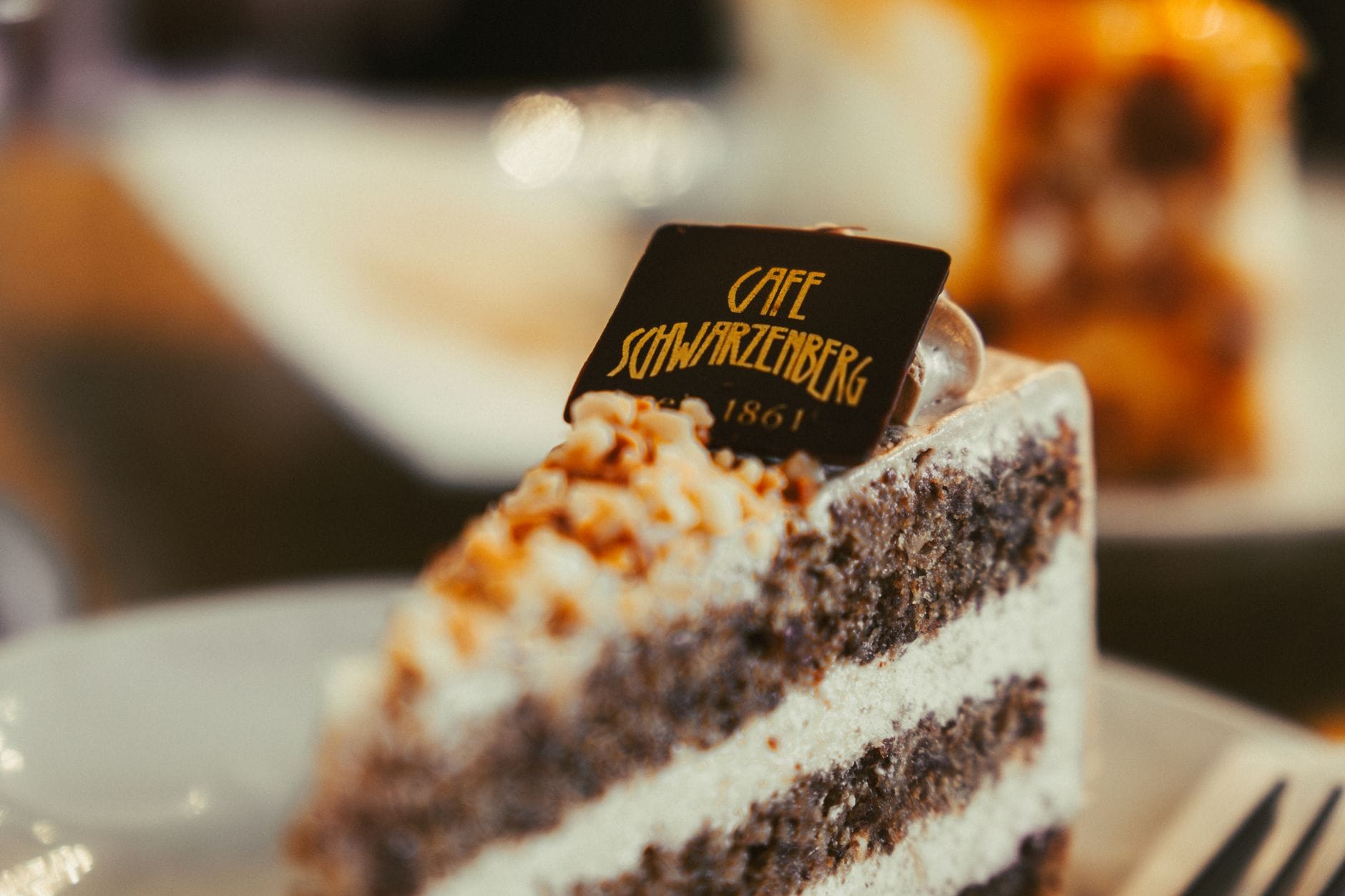
- Café Sacher Wien (Philharmonikerstrasse 4, 1010) The most famous address. Dense, slightly dry chocolate sponge with two layers of apricot jam, coated in a firm dark chocolate glaze. Served with a rosette of unsweetened Schlagobers (whipped cream). A slice costs around €8.90–€10.50; coffee adds €4–€6. The interior is all red velvet and Habsburg-era portraits. Expect queues of 20–40 minutes in peak season. Book a table online or arrive before 9am. There is also a Sacher Eck around the corner on Kärntner Strasse with shorter waits and the same cake.
- Demel (Kohlmarkt 14, 1010) The imperial confectionery founded in 1786, located on one of Vienna's most elegant shopping streets. The Eduard Sacher-Torte here has a single jam layer and a slightly glossier glaze. The cake is marginally less dense than Sacher's. Prices around €8–€8.90 per slice. The ground-floor display cases and open kitchen make this a more visually interesting stop than Café Sacher for first-timers. Queues are usually shorter.
- Café Central (Herrengasse 14, 1010) A grand Historicist coffeehouse in the former Palais Ferstel. The Sachertorte here costs around €6.50–€7.50 per slice and is a solid, competent version without the prestige markup. The setting is spectacular. Be aware that Café Central is also extremely popular with tourists, so the 'local' feel is somewhat diluted.
- Kurkonditorei Oberlaa (Neuer Markt 16, 1010) Less famous but more respected among Viennese pastry enthusiasts. Slices around €5.80–€6.50. This is a serious confectionery with a strong reputation for quality. Worth considering if you want a good cake without paying the Sacher premium.
- Aida (multiple locations, including Singerstrasse) Vienna's beloved pink-themed café chain. Sachertorte for around €4.50–€5.00. This is not a gourmet version, but it is honest about what it is. A practical, affordable option if you want to tick the box without ceremony.
⚠️ What to skip
Tourist cafés along Kärntner Strasse and around the Stephansdom frequently sell slices of 'Sachertorte' for €8–€10 that come from industrial suppliers. The packaging or menu may use evocative language like 'traditional' or 'authentic'. These are generally not worth the price. If you're paying premium rates, stick to Café Sacher, Demel, or Oberlaa.
What Sachertorte Actually Tastes Like (And What to Expect)
Many first-time visitors are surprised by how dense and dry Sachertorte is. This is by design. The cake is not a moist chocolate gateau; it is a firm, tightly crumbed sponge with a very thin apricot jam layer and a hard chocolate coating. The sweetness is restrained compared to most Western European chocolate cakes. The whipped cream served alongside is unsweetened, intended to balance the richness of the glaze rather than add more sugar.
If you are expecting something like a Belgian chocolate cake or a French fondant, Sachertorte will likely disappoint. It rewards those who appreciate subtlety and restraint. The apricot jam layer is subtle, not jammy. The chocolate glaze is the dominant flavor. Eat it slowly with the whipped cream incorporated into each bite, as Viennese tradition intends.
💡 Local tip
Order your Sachertorte with a Melange (Vienna's classic milky coffee) rather than a Cappuccino to get the full Viennese coffeehouse experience. The slightly bitter coffee cuts through the chocolate glaze perfectly. Asking for a Verlängerter (a longer, weaker black coffee) is another local option that works well with the cake's density.
Beyond Sachertorte: Vienna's Other Chocolate Cakes Worth Ordering
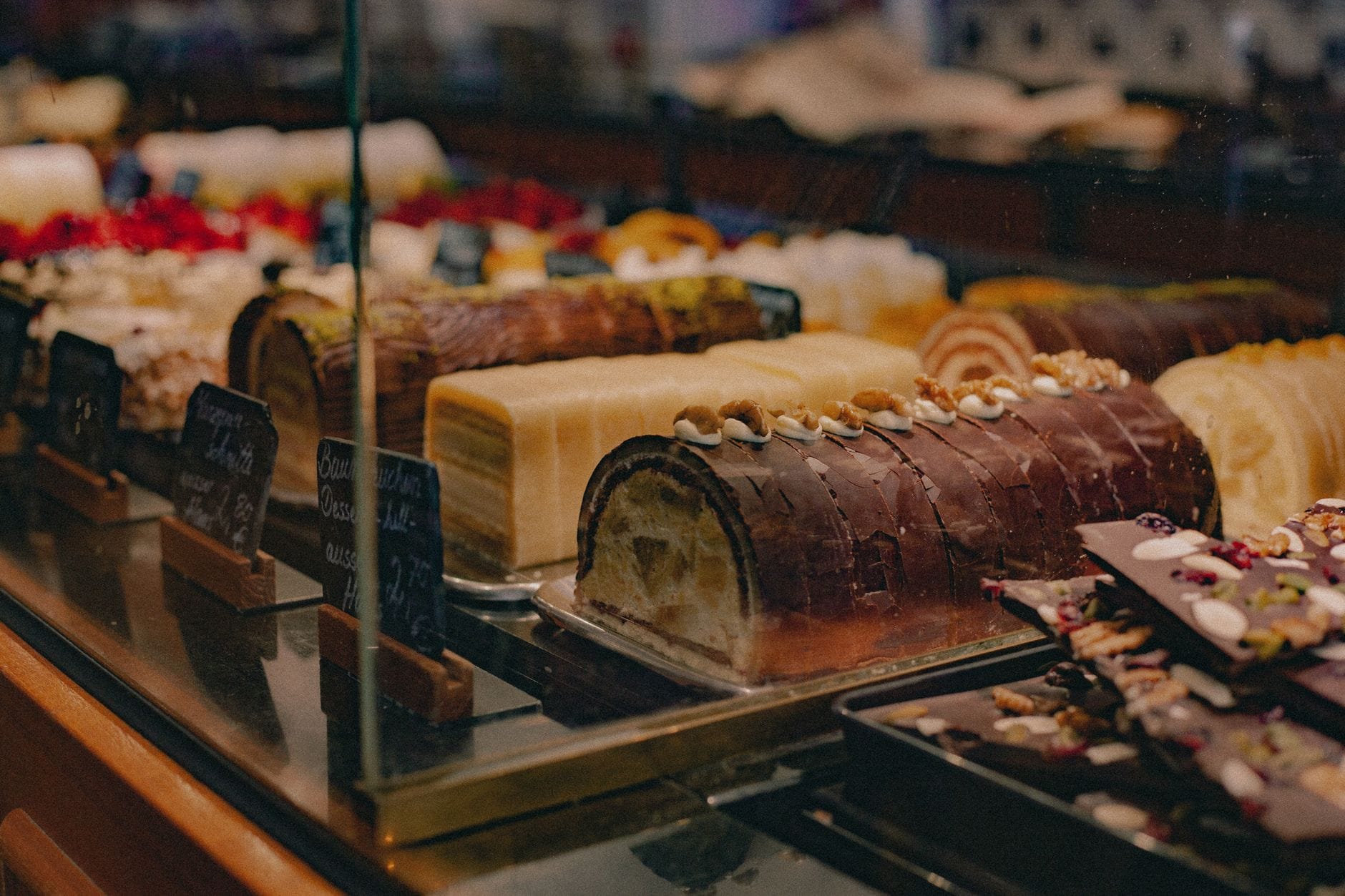
Vienna's Konditorei (confectionery) tradition is one of the richest in Europe. The Sachertorte may dominate tourist menus, but locals often prefer other cakes that deserve equal attention. Here are the chocolate-forward options worth knowing.
- Mohr im Hemd A warm chocolate pudding cake served with vanilla sauce and whipped cream. Not a layer cake but a hot dessert, often found in traditional Viennese restaurants (Beisl) rather than coffeehouses. Intensely chocolatey and far more indulgent than Sachertorte. Order it at a Viennese Beisl in the cooler months.
- Dobostorte Hungarian in origin but long adopted by Vienna's cake culture. Seven thin sponge layers with chocolate buttercream and a caramel top. Found in better Konditoreien and some coffeehouses. Richer and sweeter than Sachertorte, with more textural contrast.
- Esterhazytorte Named after the Hungarian aristocratic family. Alternating walnut meringue layers with vanilla or mocha buttercream, topped with a white fondant and chocolate feathering pattern. Often found alongside Sachertorte on Viennese cake counters. Less intensely chocolate-forward but deeply satisfying.
- Schokoladentorte (house chocolate cake) Many Konditoreien produce their own house version of chocolate layer cake with ganache filling or buttercream. Quality varies enormously. At a place like Oberlaa or Heiner (Wollzeile), these house cakes are often better value and more enjoyable than a tourist-priced Sachertorte.
For a broader picture of Vienna's cafe and pastry culture, the what to eat in Vienna guide covers everything from Wiener Schnitzel to Apfelstrudel. And if you want to understand the setting these cakes are served in, the Vienna coffeehouse guide explains the culture, etiquette, and best addresses in depth.
Practical Planning: Queues, Costs, and When to Go
Café Sacher is open daily, typically from around 8:00 to 20:00, though hours should be confirmed directly with the venue before visiting as they can vary seasonally. Demel keeps broadly similar hours. Both are located in Vienna's 1st district, making them easy to combine with a morning or afternoon spent exploring the Ringstrasse or the imperial center.
Peak queues at Café Sacher occur between roughly 11:00 and 16:00 in July and August, and during the Advent period in December when Vienna's Christmas markets draw large crowds to the 1st district. If you visit at 8:30 or after 17:00 on a weekday, waits are significantly shorter. Online reservations are accepted and strongly recommended for groups.
Budget reality check: a slice of Original Sacher-Torte plus a Melange at Café Sacher will cost €15–€20 all-in, including service. This is not a budget cafe stop. If you are watching costs, Demel is marginally cheaper and Oberlaa or Aida offer perfectly respectable alternatives at half the price. The experience at Café Sacher, complete with the red velvet interior and the historical weight of the address, is part of what you are paying for.
✨ Pro tip
You can buy whole Sachertorten at both Hotel Sacher and Demel to take home or ship internationally. They come in distinctive wooden boxes and keep well. A whole Original Sacher-Torte from Hotel Sacher is around €40–€50 depending on size. This is a far better souvenir than most things sold in the tourist shops on Kärntner Strasse.
How Sachertorte Fits Into Vienna's Wider Food and Culture Scene
Sachertorte is not an isolated phenomenon. It is the most famous product of a broader Viennese Konditorei tradition shaped by centuries of Habsburg court culture, Central European culinary exchange, and a city that has always taken its coffee and cake seriously. The same culture that produced Sachertorte also gave the world the Wiener Kaffeehaus, recognized by UNESCO as an Intangible Cultural Heritage. If you want to understand the context, spend time at Café Central or read about the broader coffeehouse tradition before visiting.
Vienna's cake culture also connects to its imperial history. The Habsburgs patronized confectioners, imported techniques from across their empire, and made the Konditorei a social institution. Many of the cakes you find today, including the Hungarian-influenced Dobostorte and Esterhazytorte, reflect the multicultural reach of that empire. For more on this background, the Vienna Habsburgs imperial history guide provides useful context.
FAQ
What is the difference between Hotel Sacher's Sachertorte and Demel's version?
Hotel Sacher's 'Original Sacher-Torte' has two layers of apricot jam: one between the two sponge layers and one beneath the chocolate glaze. Demel's 'Eduard Sacher-Torte' uses only a single jam layer directly under the glaze. Both are legitimate historical recipes from the same origin. The Hotel Sacher version tends to be slightly denser; Demel's glaze is often described as glossier. Both cost around €8–€10.50 per slice and are served with unsweetened whipped cream.
How much does a Sachertorte cost in Vienna?
At Café Sacher, a single slice costs approximately €8.90–€10.50. Adding a coffee brings the total to €15–€20. Demel charges around €8–€8.90 per slice. More affordable options include Café Central (€6.50–€7.50), Kurkonditorei Oberlaa (€5.80–€6.50), and Aida (€4.50–€5.00). Generic tourist cafés in the 1st district typically charge €7–€10 for non-branded versions of varying quality.
Can I take a Sachertorte home from Vienna?
Yes. Both Hotel Sacher and Demel sell whole cakes for takeaway or international shipping, packaged in wooden boxes. Hotel Sacher's whole Original Sacher-Torte costs around €40–€50 depending on size. They have a shelf life of several weeks, making them practical to bring home as gifts. Online orders are available through both venues' websites.
Is there always a long queue at Café Sacher?
Queues are common during peak hours (roughly 11:00–16:00) and in high season (summer and December). Arriving before 9:30 on a weekday or after 17:00 significantly reduces wait times. Hotel Sacher also accepts online table reservations, which is the easiest way to avoid queuing. The Sacher Eck, a smaller bar around the corner on Kärntner Strasse, usually has shorter waits and serves the same cake.
What other Viennese cakes should I try besides Sachertorte?
If you enjoy chocolate, order Mohr im Hemd (a warm chocolate pudding cake served at traditional Viennese restaurants), Dobostorte (layered sponge with chocolate buttercream and caramel), or a house Schokoladentorte at a quality Konditorei like Oberlaa. Esterhazytorte is a classic if you want something walnut-based with mocha notes. Vienna's cake culture is far broader than Sachertorte alone, and most serious Konditoreien will have five or more excellent options on the counter.
Tickets & tours
Live prices and dates from our booking partner. If you book, we may earn a commission at no extra cost to you.
Planning a trip? Discover personalized activities with the Nomado app.