Best Churches in Vienna: Baroque Masterpieces, Gothic Gems & Art Nouveau Wonders
Vienna's sacred architecture spans eight centuries, from Romanesque foundations to soaring Gothic cathedrals, opulent Baroque interiors, and one of the world's great Art Nouveau churches. This guide covers the essential churches across styles, with practical tips on what to see inside each one.
Plan and book this trip
Tools from our partner Travelpayouts help you compare flights and hotels. If you book through them, we may earn a commission at no extra cost to you.
Flights
Hotels map
Few European cities concentrate so much sacred architecture in such a compact area as Vienna. The Innere Stadt alone contains a dozen churches worth seeking out, ranging from the medieval Ruprechtskirche to the opulent Baroque interiors of the Peterskirche. But Vienna's church architecture doesn't stop at the Ring: the city's architectural ambition extended into the 20th century with Otto Wagner's radical Jugendstil church at Steinhof, and the Neo-Gothic Votivkirche on the Ringstrasse remains one of the most dramatic church facades in Central Europe. Whether you have a single afternoon or a full week, this guide is organized to help you see the best of each era.
💡 Local tip
Many Vienna churches are free to enter but charge for tower climbs, catacombs, or special areas. Dress modestly (covered shoulders and knees), and check opening hours before visiting as religious services can restrict sightseeing access.
Gothic Foundations: Vienna's Medieval Masterpieces
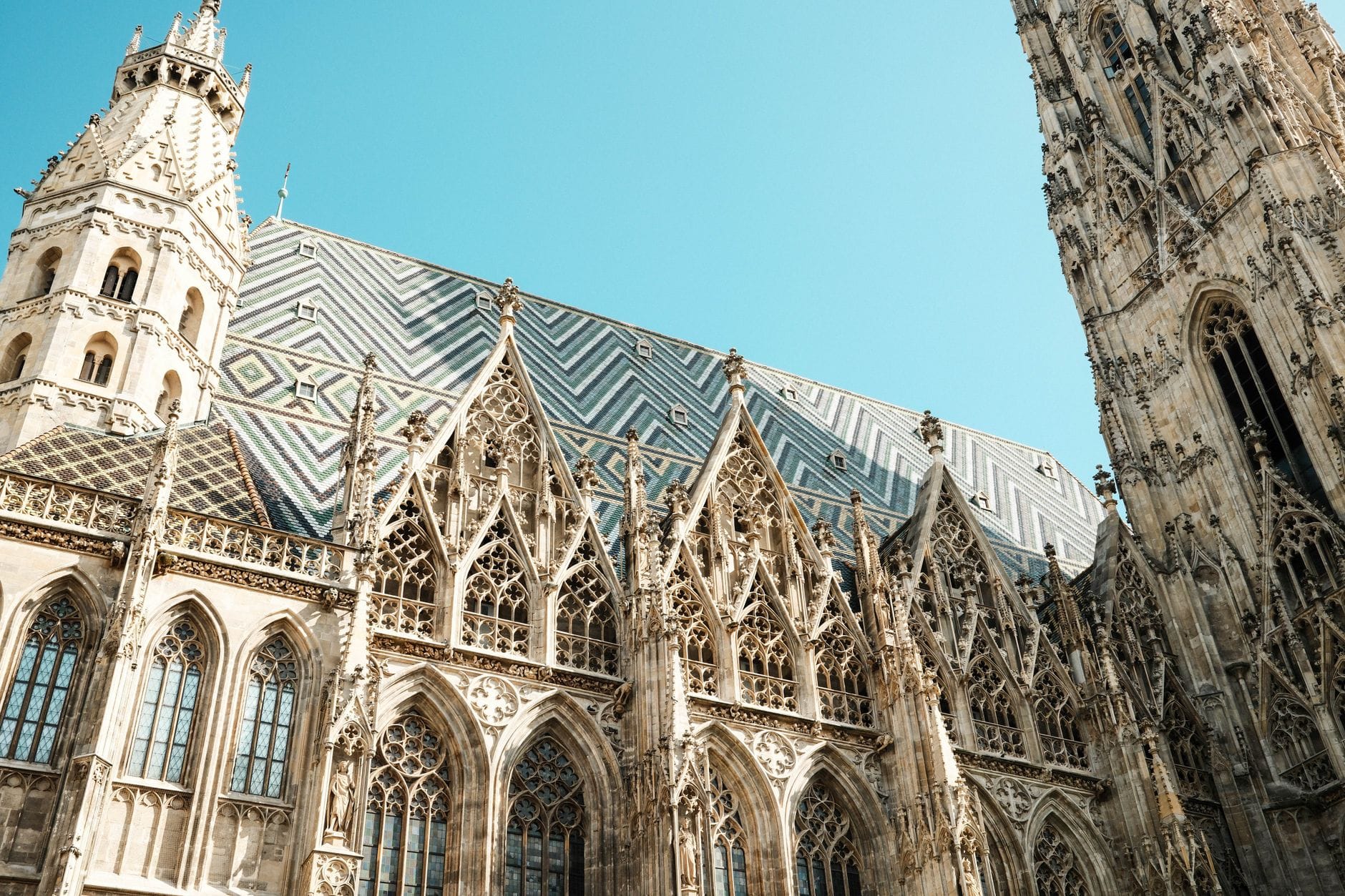
Vienna's Gothic churches form the spiritual and physical core of the old city. St. Stephen's Cathedral anchors the entire urban center, but smaller Gothic gems like the Augustinian Church reward those willing to explore the lanes behind the Habsburg's imperial district. Allow at least a half-day to do this cluster justice on foot.
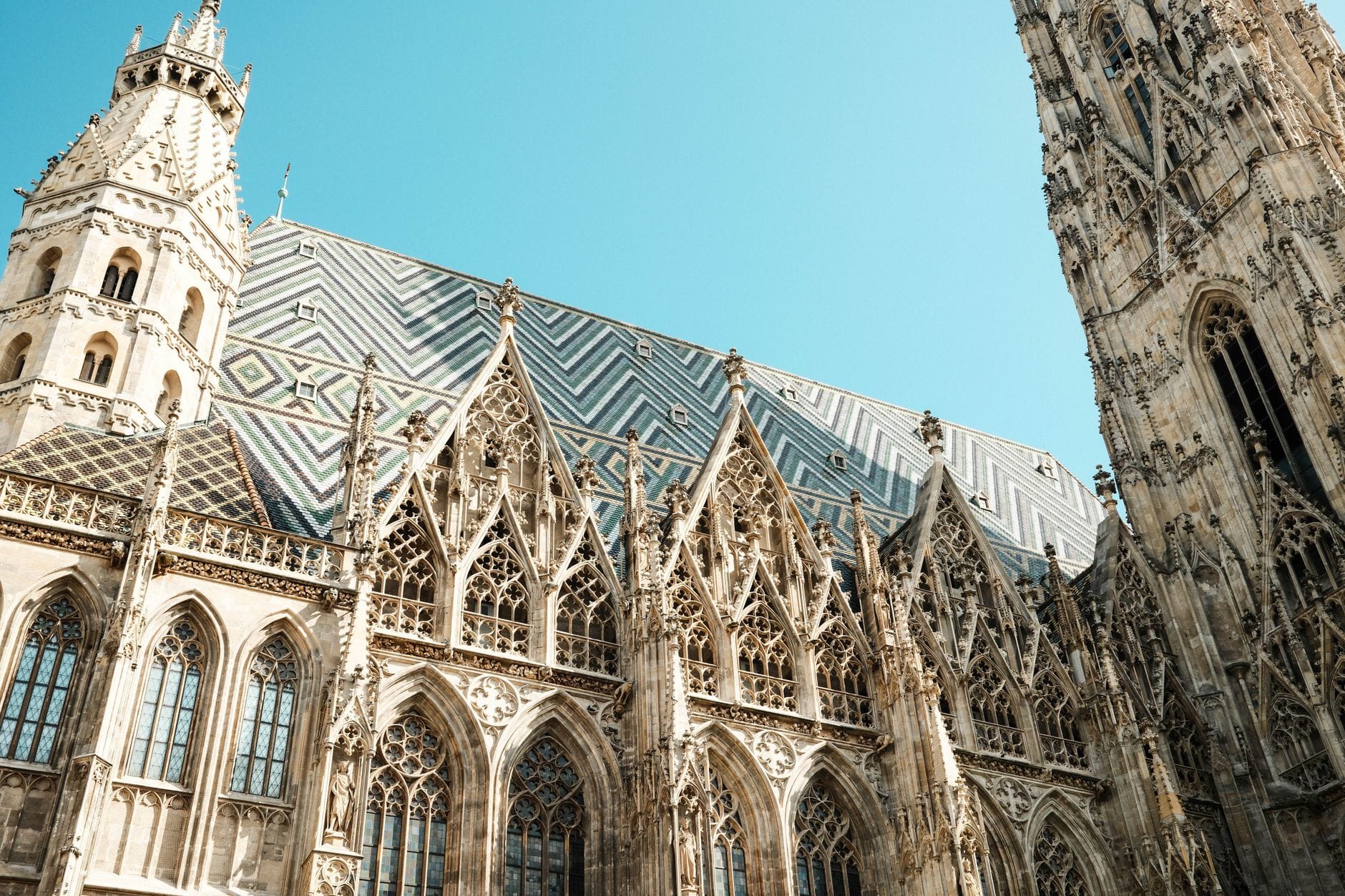
1. Climb the South Tower of Vienna's Gothic Crown Jewel
Vienna's defining landmark combines Romanesque origins with soaring Gothic ambition. The dazzling chevron-tiled roof, 136-meter South Tower, and Habsburg catacombs are all visitable. Go early to beat crowds and climb the tower for rooftop views over the old city.
Explore1. Climb the South Tower of Vienna's Gothic Crown Jewel
Vienna's defining landmark combines Romanesque origins with soaring Gothic ambition. The dazzling chevron-tiled roof, 136-meter South Tower, and Habsburg catacombs are all visitable. Go early to beat crowds and climb the tower for rooftop views over the old city.
Explore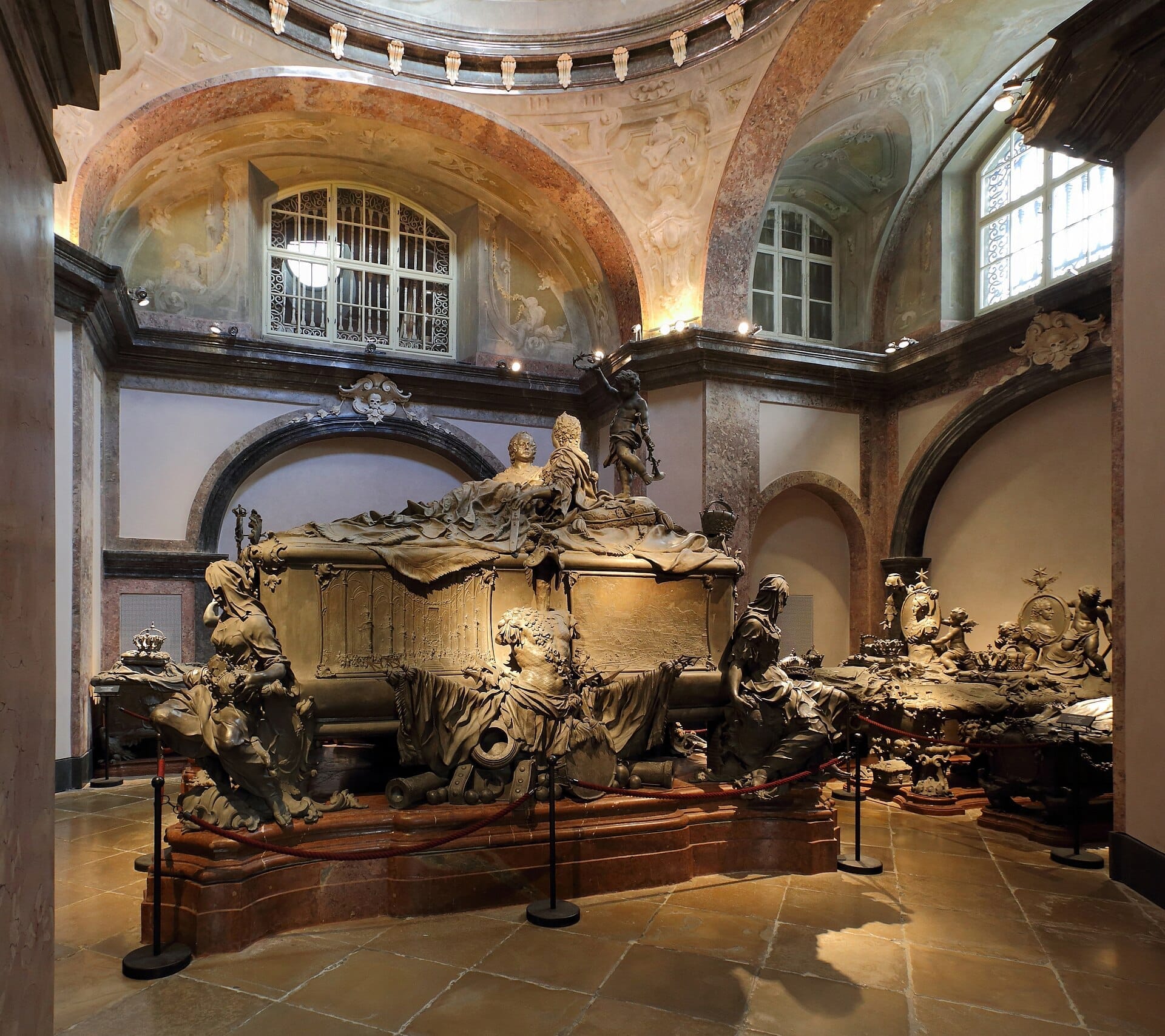
2. Descend into the Habsburg Imperial Crypt Beneath the Kapuziner Church
The unassuming Capuchin Church on Neuer Markt hides a remarkable secret: 149 imperial sarcophagi, including Empress Sisi and Franz Joseph. The contrast between the plain facade and the elaborate bronze coffins below makes this one of Vienna's most striking visits.
Explore2. Descend into the Habsburg Imperial Crypt Beneath the Kapuziner Church
The unassuming Capuchin Church on Neuer Markt hides a remarkable secret: 149 imperial sarcophagi, including Empress Sisi and Franz Joseph. The contrast between the plain facade and the elaborate bronze coffins below makes this one of Vienna's most striking visits.
ExploreBaroque Splendor: Vienna's Imperial-Era Churches
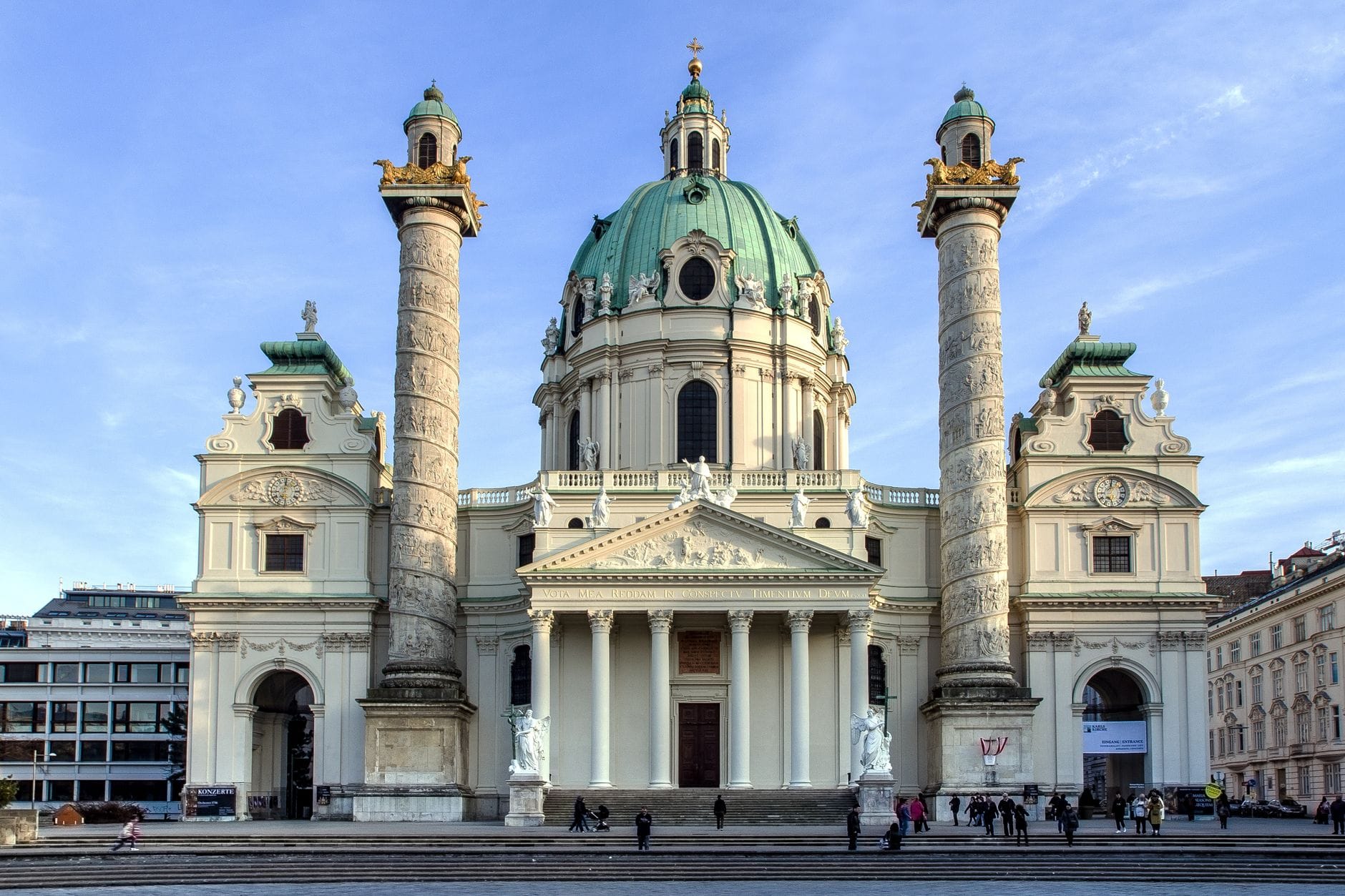
The Baroque era transformed Vienna into one of Europe's great religious showpieces. Emperors and aristocrats competed to commission ever more theatrical interiors, and the results, concentrated between the Hofburg and Karlsplatz, remain overwhelming in their confidence and scale. Pair your church visits with the broader Baroque palace circuit for a full picture of the era.
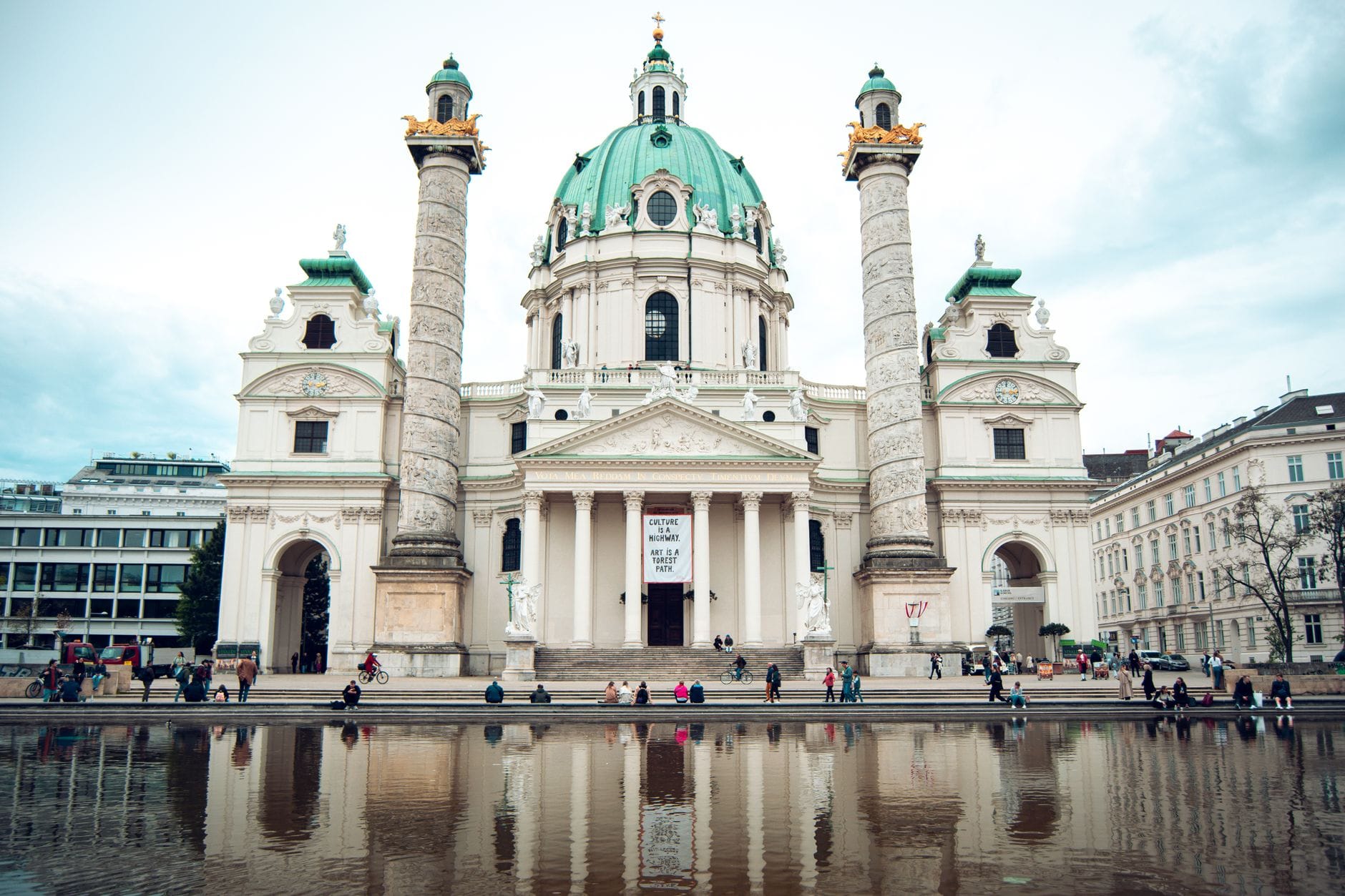
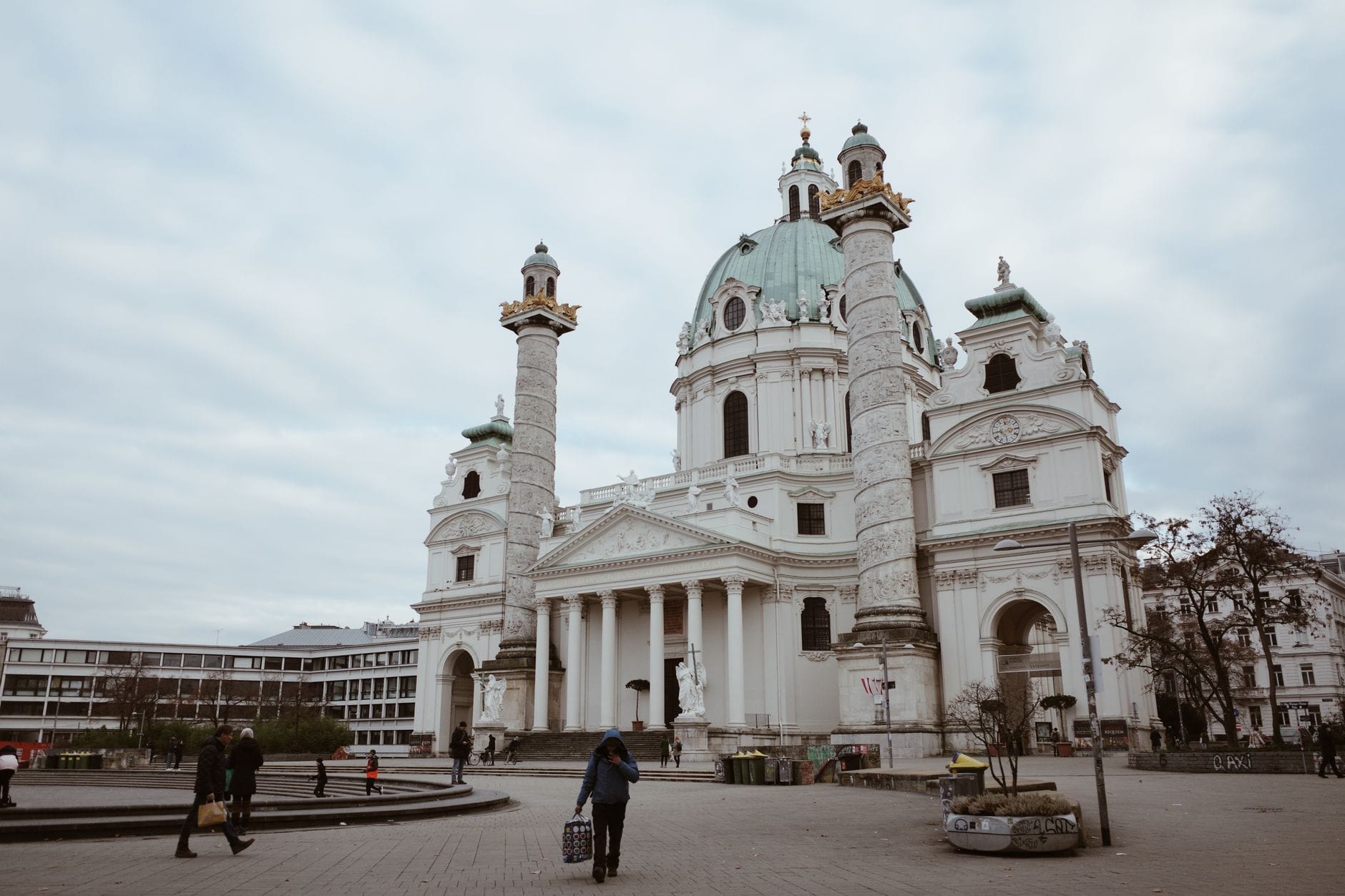
3. Ride the Panoramic Lift Inside Karlskirche's Magnificent Dome
Vienna's finest Baroque church rewards visitors twice over: from outside, Fischer von Erlach's twin triumphal columns and oval dome are extraordinary; inside, a glass lift carries you up inside the dome to view Rottmayr's ceiling frescoes at close range. Plan 45-60 minutes.
Explore3. Ride the Panoramic Lift Inside Karlskirche's Magnificent Dome
Vienna's finest Baroque church rewards visitors twice over: from outside, Fischer von Erlach's twin triumphal columns and oval dome are extraordinary; inside, a glass lift carries you up inside the dome to view Rottmayr's ceiling frescoes at close range. Plan 45-60 minutes.
Explore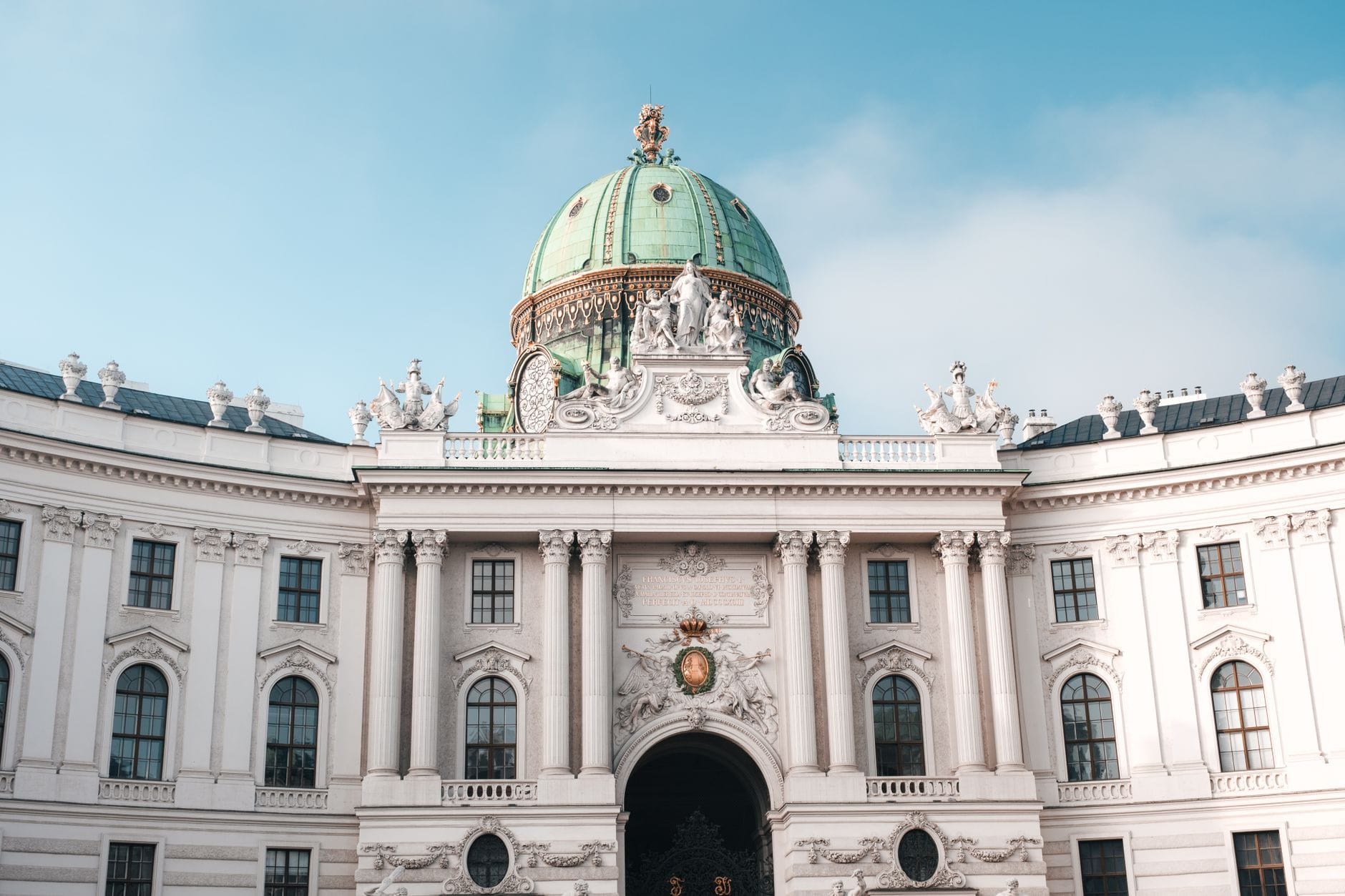
4. Find the Augustinian Church, the Habsburgs' Parish Church Inside the Hofburg
Hidden within the Hofburg complex, the Gothic-origin Augustinerkirche served as the Habsburg parish church for centuries. Royal weddings and funerals took place here, and the Herzgruft contains urns with the hearts of 54 Habsburgs, a detail most visitors completely miss.
Explore4. Find the Augustinian Church, the Habsburgs' Parish Church Inside the Hofburg
Hidden within the Hofburg complex, the Gothic-origin Augustinerkirche served as the Habsburg parish church for centuries. Royal weddings and funerals took place here, and the Herzgruft contains urns with the hearts of 54 Habsburgs, a detail most visitors completely miss.
Explore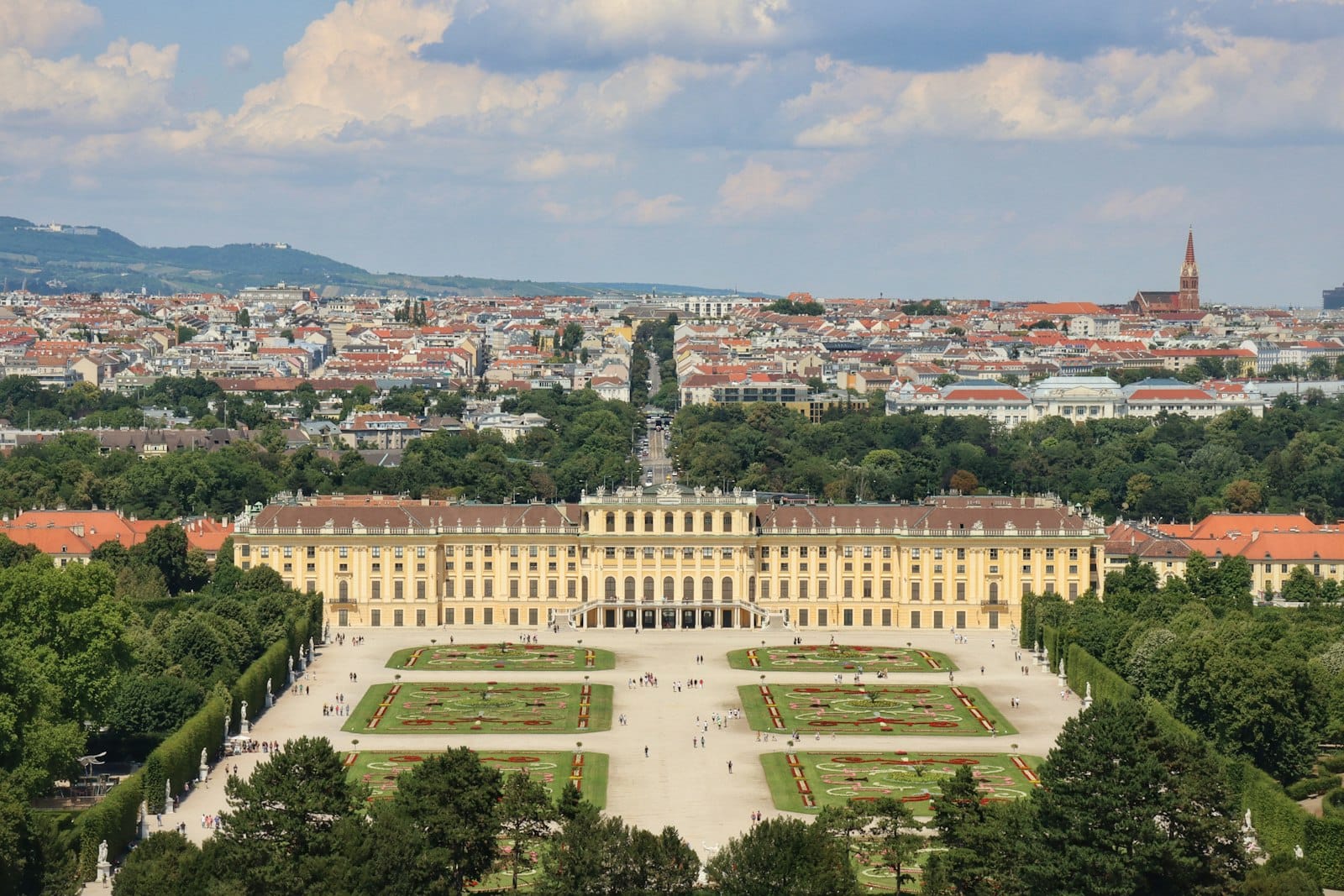
5. Visit the Palace Chapel Inside Schönbrunn, a Baroque Interior Hidden from Tourists
Most Schönbrunn visitors overlook the palace chapel, an intact Baroque interior where the young Mozart performed for Empress Maria Theresa. It's included in select palace tours and offers one of the most intimate Baroque church experiences in Vienna without the crowds.
Explore5. Visit the Palace Chapel Inside Schönbrunn, a Baroque Interior Hidden from Tourists
Most Schönbrunn visitors overlook the palace chapel, an intact Baroque interior where the young Mozart performed for Empress Maria Theresa. It's included in select palace tours and offers one of the most intimate Baroque church experiences in Vienna without the crowds.
Explore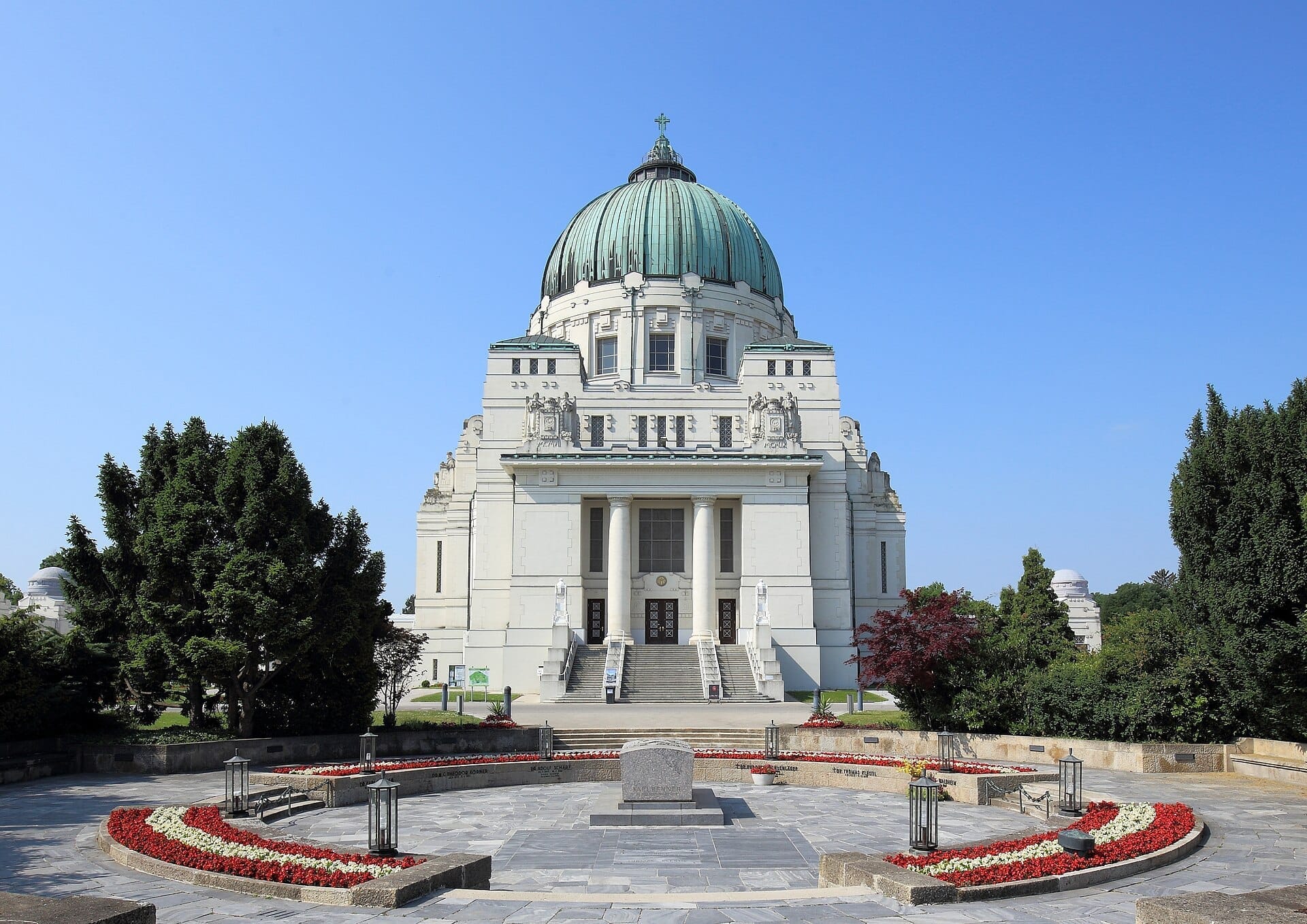
6. See the Lueger Memorial Church, Vienna's Monumental Cemetery Cathedral
The Central Cemetery's Karl-Borromäus-Kirche, also called the Lueger Church, is a striking early 20th-century domed church that anchors Vienna's vast municipal graveyard. The cemetery itself contains the graves of Beethoven, Brahms, and Schubert, making it a pilgrimage well worth the tram ride.
Explore6. See the Lueger Memorial Church, Vienna's Monumental Cemetery Cathedral
The Central Cemetery's Karl-Borromäus-Kirche, also called the Lueger Church, is a striking early 20th-century domed church that anchors Vienna's vast municipal graveyard. The cemetery itself contains the graves of Beethoven, Brahms, and Schubert, making it a pilgrimage well worth the tram ride.
ExploreNeo-Gothic & Ringstrasse Era: 19th-Century Sacred Architecture
When Emperor Franz Joseph rebuilt Vienna's boulevards in the second half of the 19th century, he commissioned a series of monumental Neo-Gothic churches that matched the ambition of the new Parliament, City Hall, and opera house. These churches sit alongside the Ringstrasse's great secular buildings and are best seen as part of the Innere Stadt walking circuit.
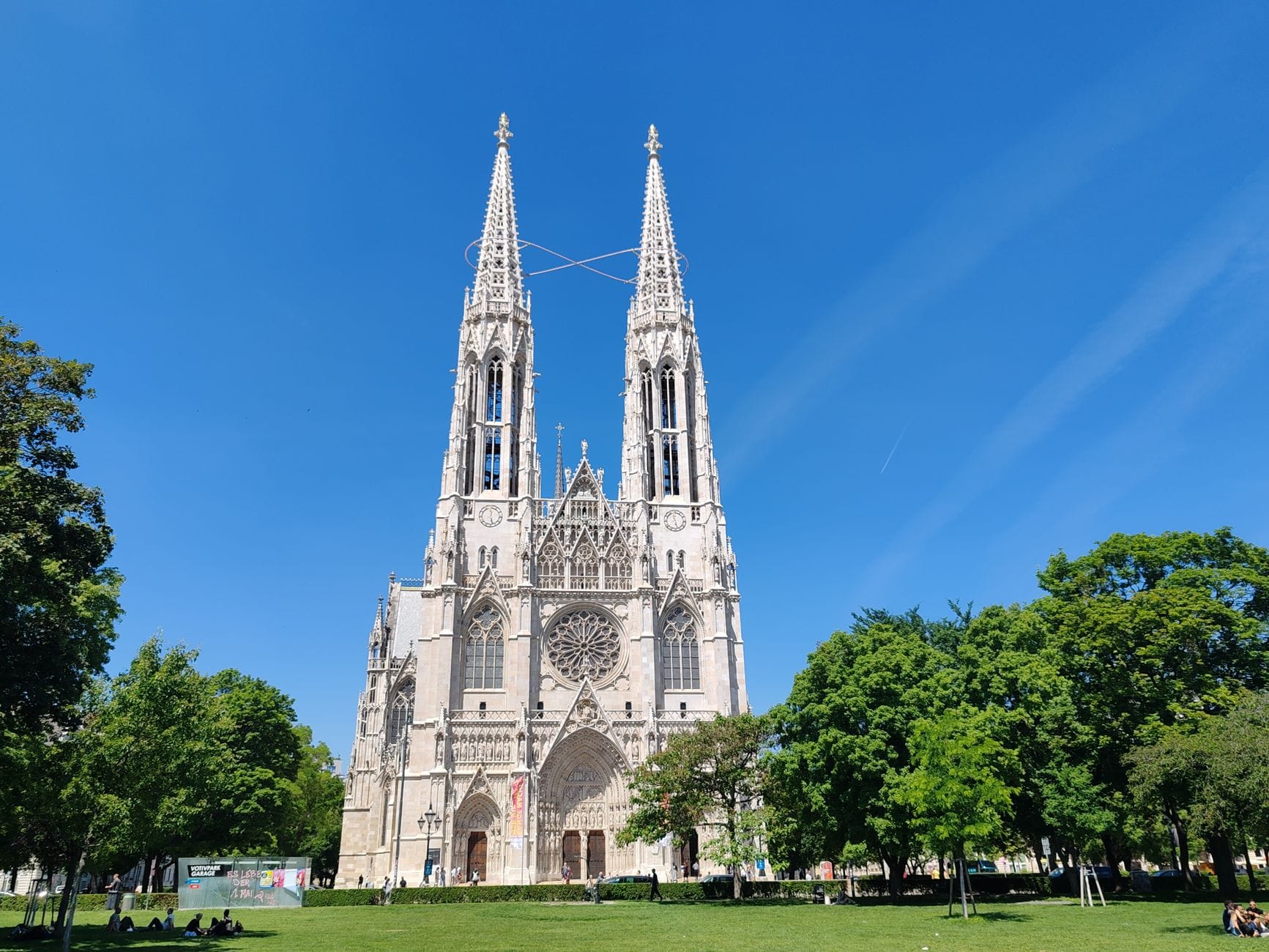
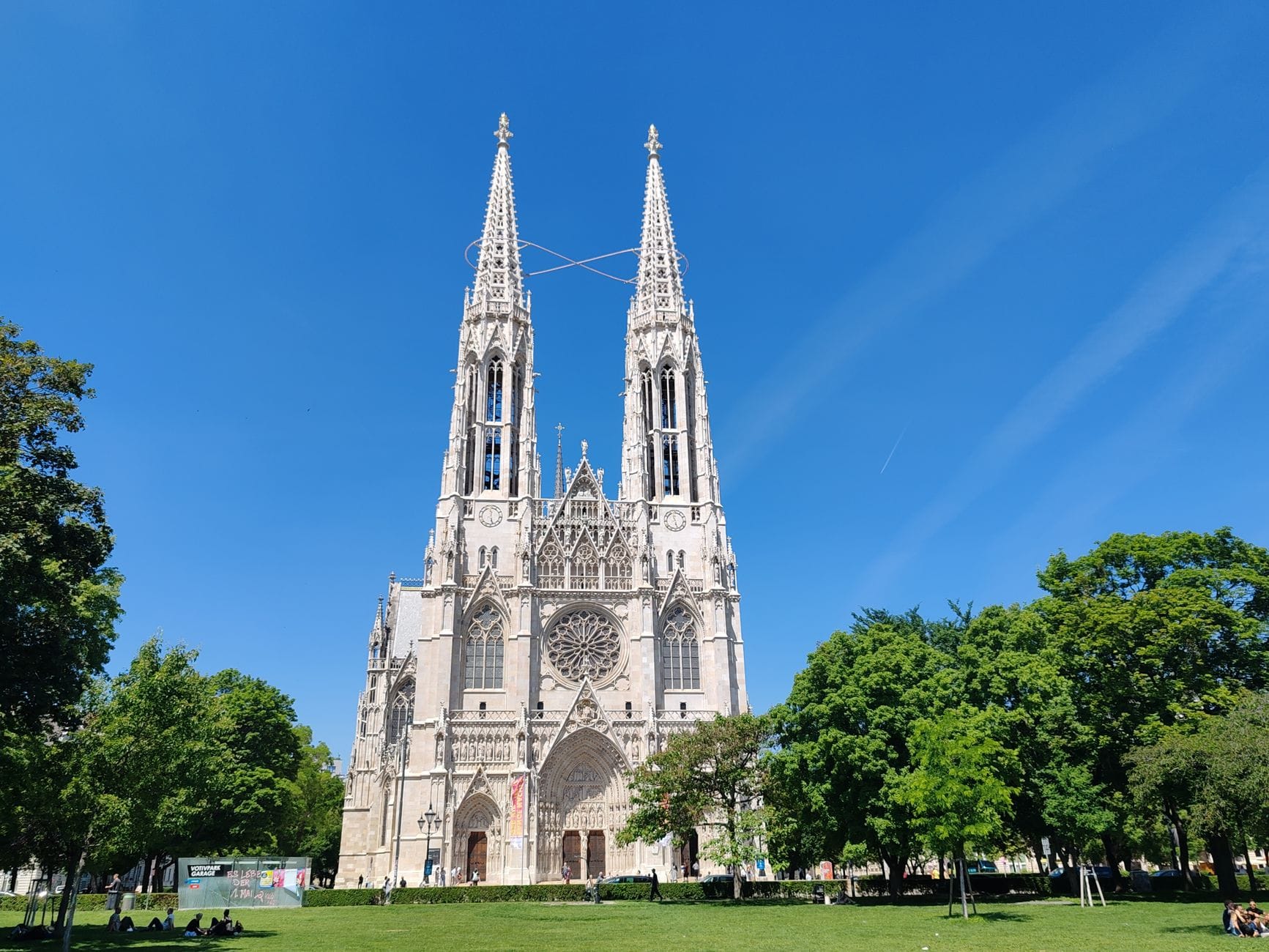
7. Stand Before the Twin Spires of the Votivkirche, Vienna's Thanksgiving Cathedral
Built after the 1853 assassination attempt on Franz Joseph, the Votivkirche is Vienna's most dramatic Neo-Gothic facade: twin 99-meter spires, elaborate stone tracery, and interior stained glass that floods the nave with color. The exterior is best photographed from the Ringstrasse in morning light.
Explore7. Stand Before the Twin Spires of the Votivkirche, Vienna's Thanksgiving Cathedral
Built after the 1853 assassination attempt on Franz Joseph, the Votivkirche is Vienna's most dramatic Neo-Gothic facade: twin 99-meter spires, elaborate stone tracery, and interior stained glass that floods the nave with color. The exterior is best photographed from the Ringstrasse in morning light.
Explore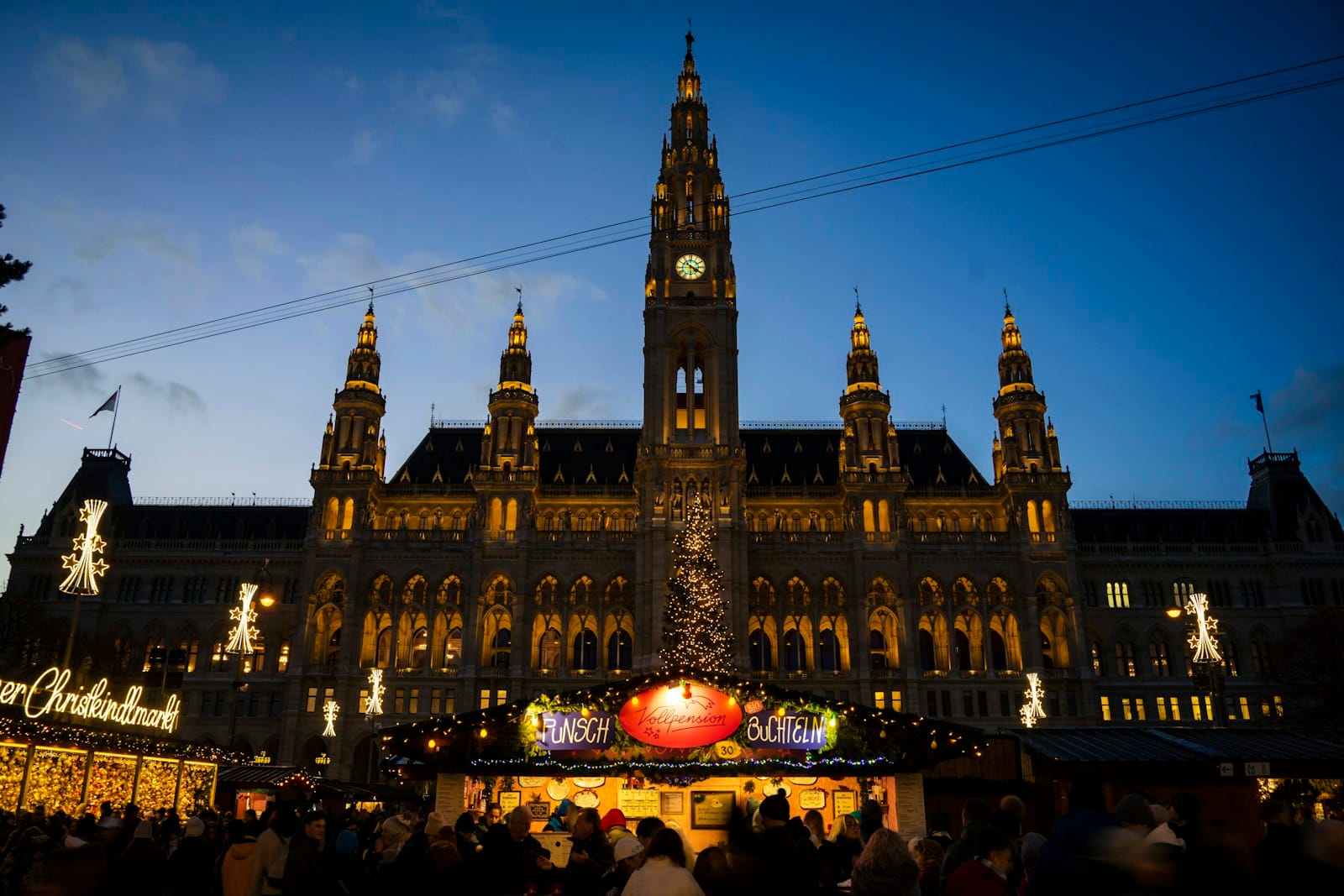
8. Admire the Neo-Gothic Rathaus That Rivals the City's Great Churches
Vienna's City Hall isn't a church, but its Neo-Gothic spire and ceremonial presence on the Ring make it an essential companion to the Votivkirche nearby. The Rathausmann figure topping the tower is one of Vienna's most recognizable silhouettes, best seen from the park opposite.
Explore8. Admire the Neo-Gothic Rathaus That Rivals the City's Great Churches
Vienna's City Hall isn't a church, but its Neo-Gothic spire and ceremonial presence on the Ring make it an essential companion to the Votivkirche nearby. The Rathausmann figure topping the tower is one of Vienna's most recognizable silhouettes, best seen from the park opposite.
ExploreArt Nouveau & Modern Sacred Architecture
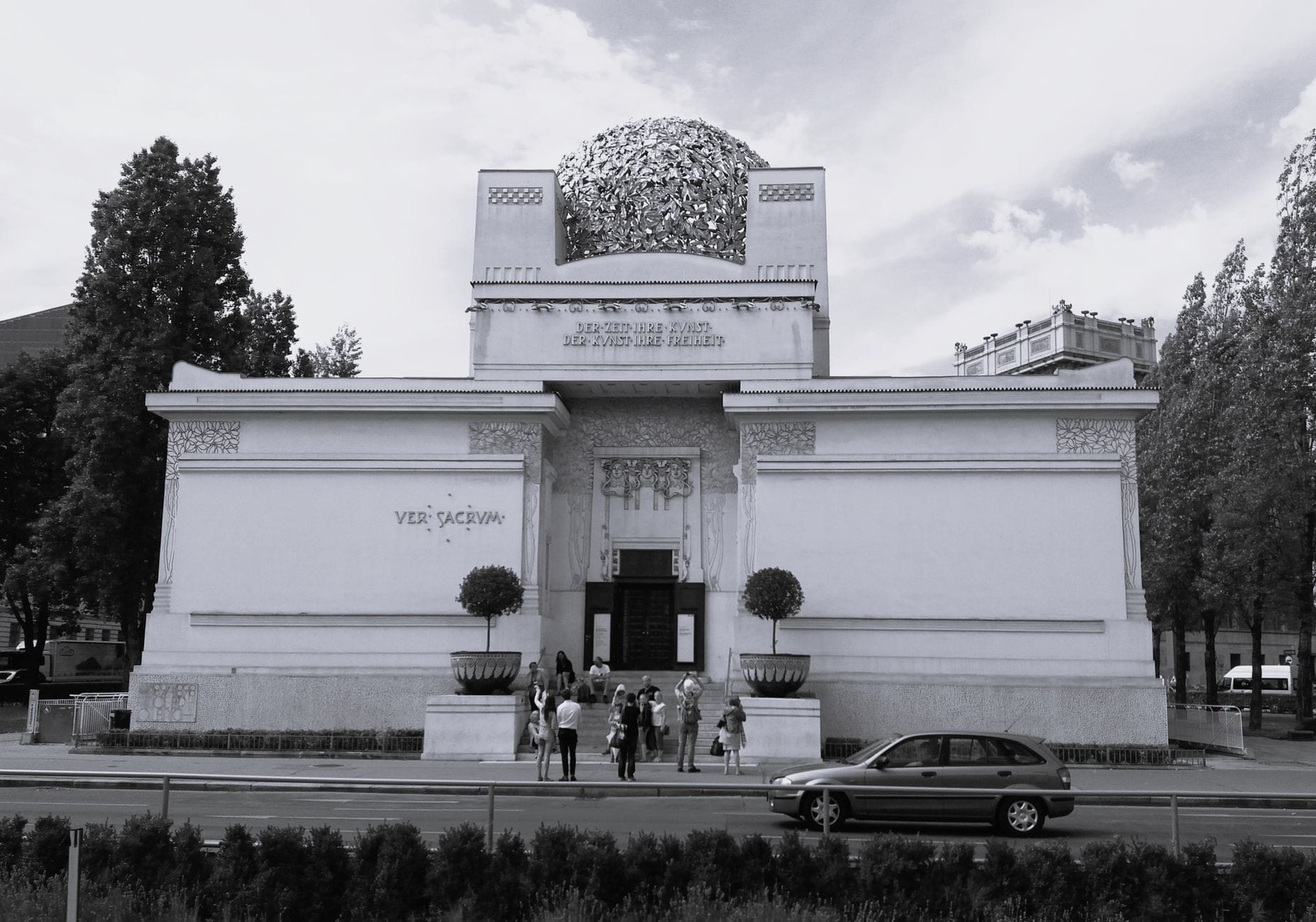
At the turn of the 20th century, Vienna's Jugendstil movement reimagined what a church could be. Otto Wagner's Steinhof church stands as the radical peak of this ambition, while the Secession building, though not a church, was consciously conceived as a temple to modern art. For the full context of this era, the Klimt and Secession guide provides essential background.
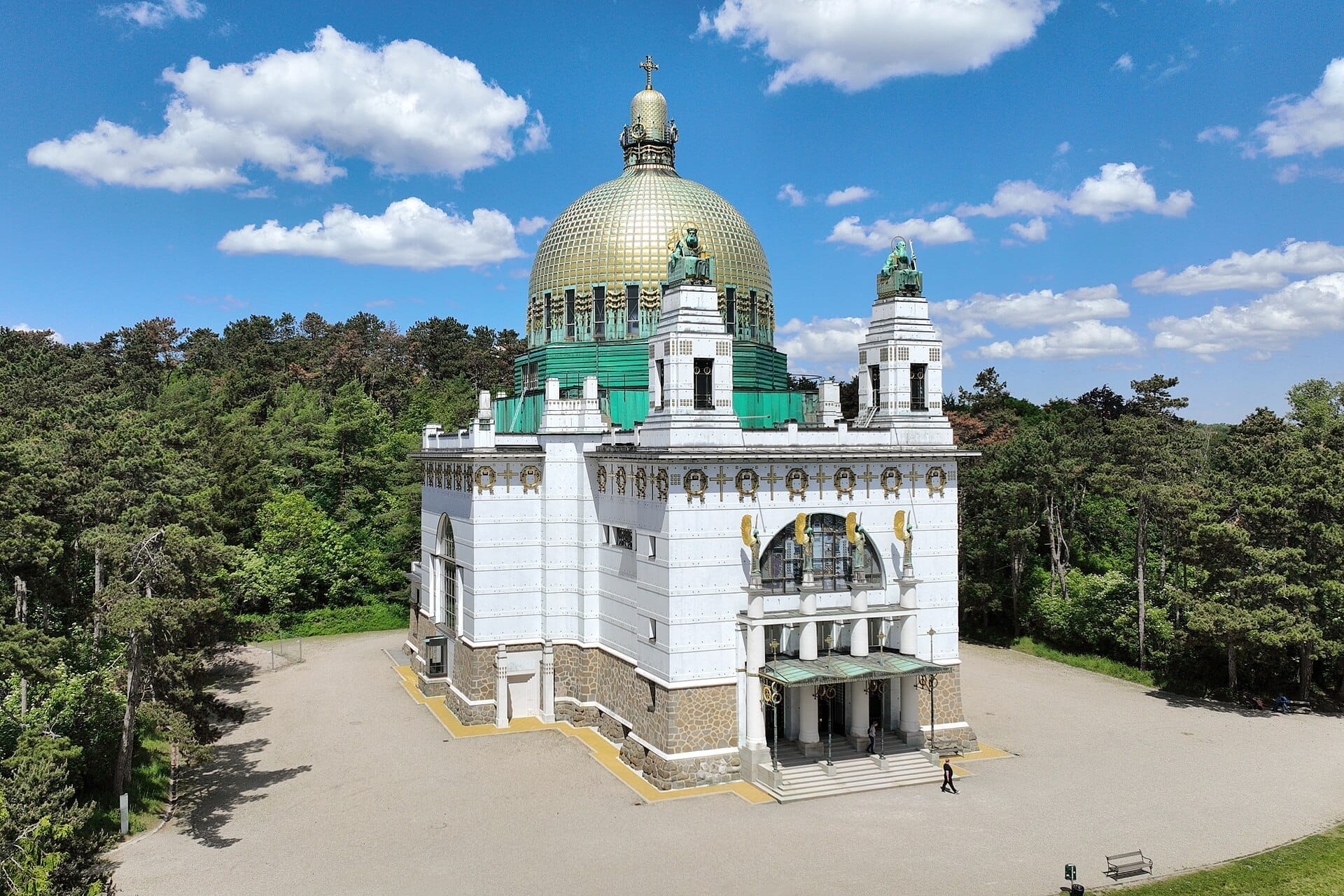
9. Make the Pilgrimage to Otto Wagner's Jugendstil Masterpiece at Steinhof
Built in 1907 on the grounds of a psychiatric hospital in Vienna's west, the Steinhof Church is a once-in-a-generation work of sacred architecture: copper dome, Kolo Moser stained glass, and an interior of pure Jugendstil refinement. Opening hours are limited, so check before visiting.
Explore9. Make the Pilgrimage to Otto Wagner's Jugendstil Masterpiece at Steinhof
Built in 1907 on the grounds of a psychiatric hospital in Vienna's west, the Steinhof Church is a once-in-a-generation work of sacred architecture: copper dome, Kolo Moser stained glass, and an interior of pure Jugendstil refinement. Opening hours are limited, so check before visiting.
Explore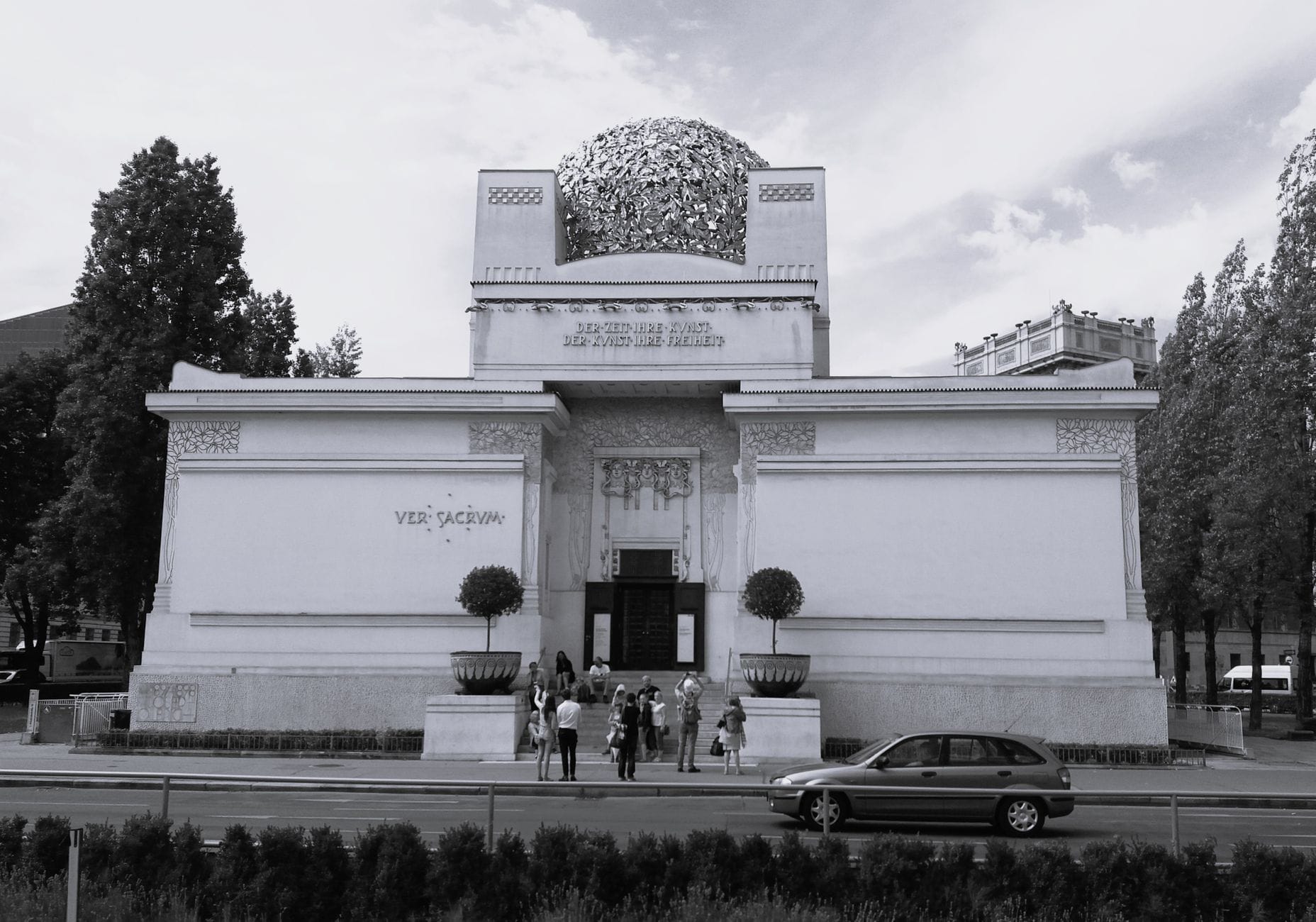
10. Treat the Secession Building as Vienna's Temple to Modern Art
Josef Maria Olbrich's 1897 Secession building, with its golden openwork dome and inscription 'To Every Age Its Art,' was conceived as a sacred space for progressive creativity. Klimt's monumental Beethoven Frieze in the basement functions like an altarpiece for an entirely secular religion.
Explore10. Treat the Secession Building as Vienna's Temple to Modern Art
Josef Maria Olbrich's 1897 Secession building, with its golden openwork dome and inscription 'To Every Age Its Art,' was conceived as a sacred space for progressive creativity. Klimt's monumental Beethoven Frieze in the basement functions like an altarpiece for an entirely secular religion.
ExploreBeyond the Obvious: Lesser-Known Sacred Sites Worth Seeking Out
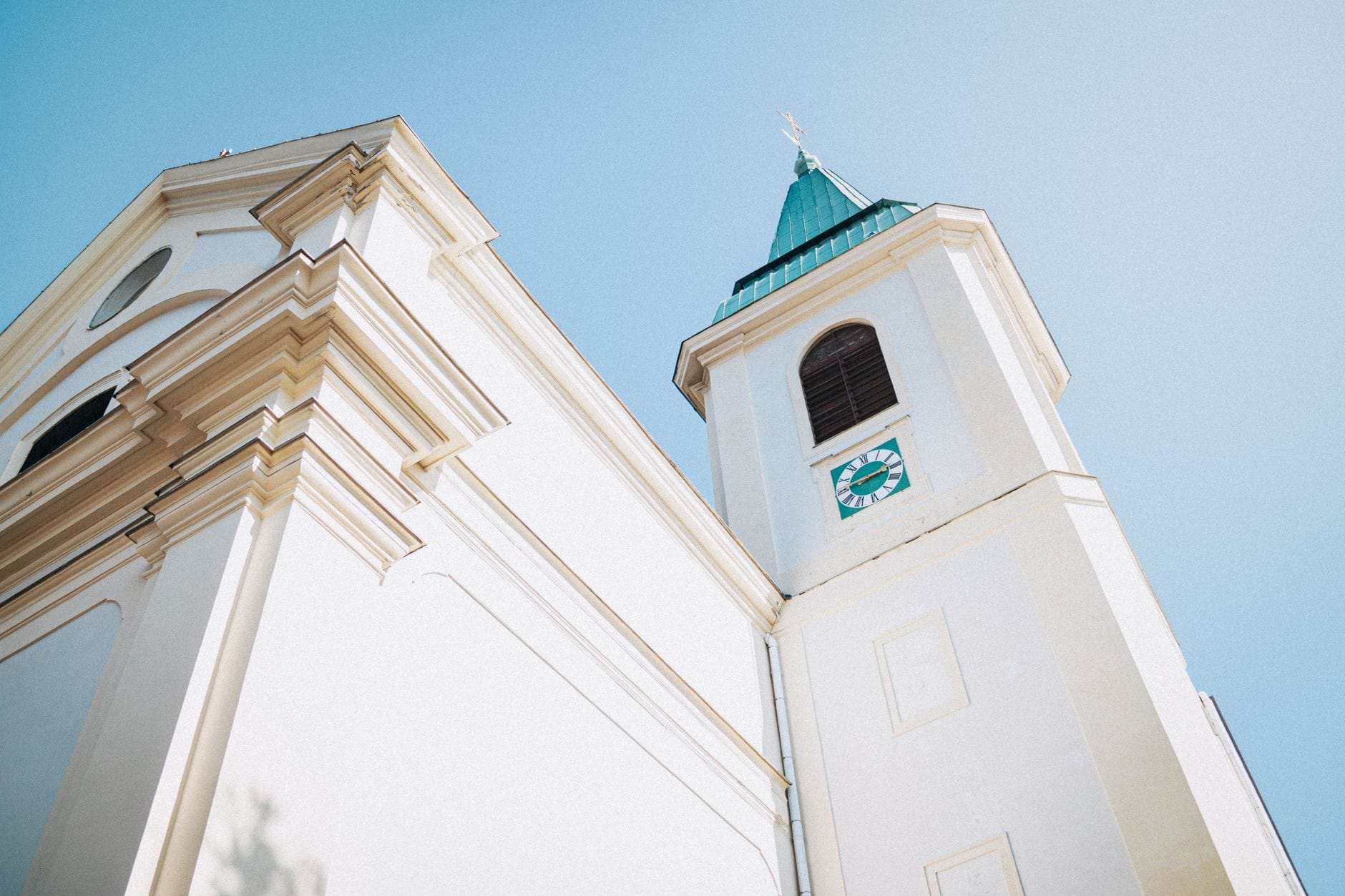
Vienna rewards church enthusiasts willing to explore beyond Stephansplatz. The city's lesser-known corners contain some extraordinary ecclesiastical architecture, from the Liechtenstein family's private Baroque chapel to the city's oldest church, the Romanesque Ruprechtskirche in the old Jewish quarter near the Danube Canal.
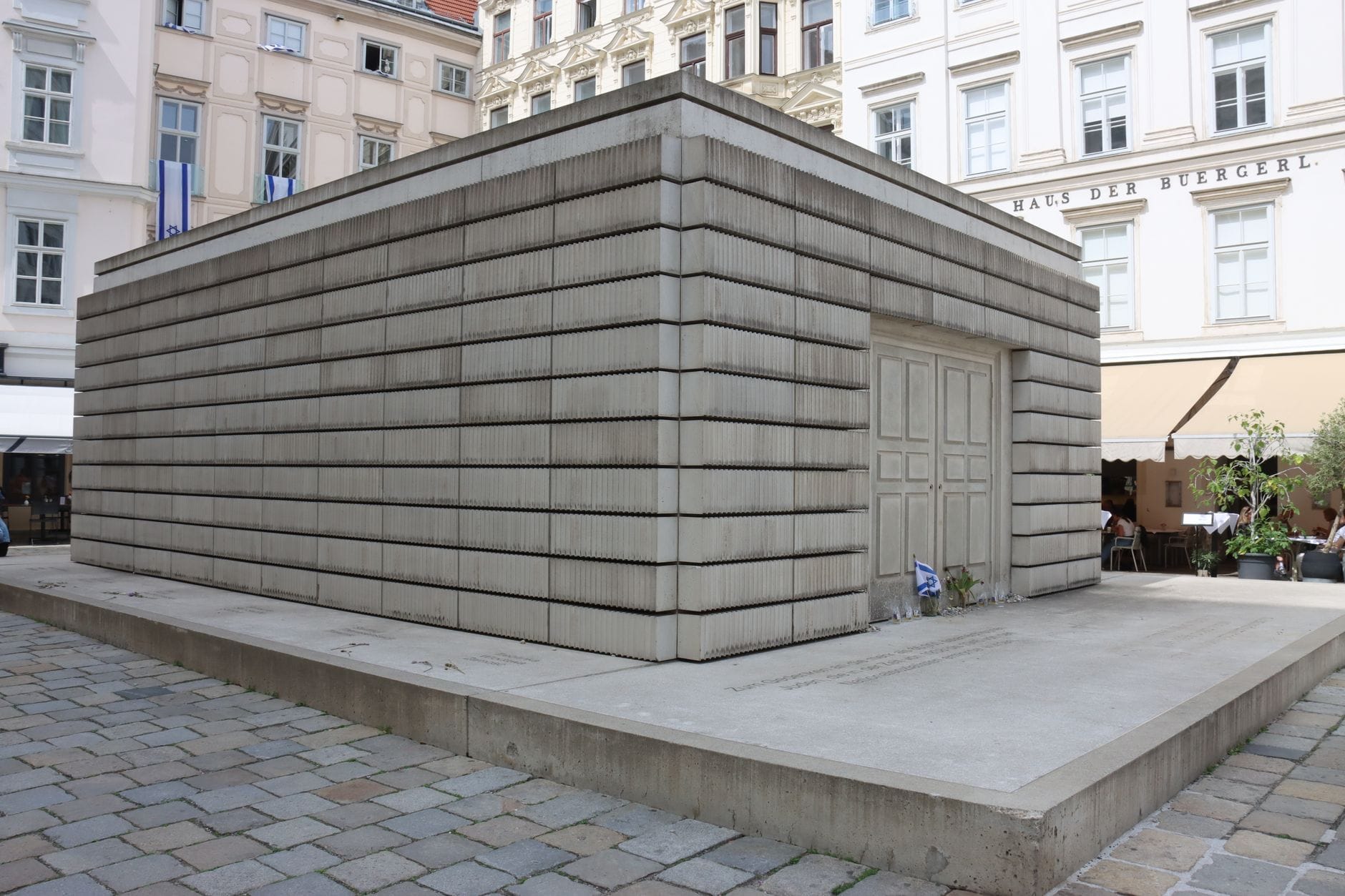
11. Descend Into the Ruins of Vienna's Medieval Synagogue at Judenplatz
Beneath Judenplatz square lie the excavated remains of a 15th-century synagogue, destroyed in the 1421 pogrom. The Museum Judenplatz documents this history alongside Rachel Whiteread's concrete Holocaust memorial above, making this Vienna's most layered and affecting sacred site.
Explore11. Descend Into the Ruins of Vienna's Medieval Synagogue at Judenplatz
Beneath Judenplatz square lie the excavated remains of a 15th-century synagogue, destroyed in the 1421 pogrom. The Museum Judenplatz documents this history alongside Rachel Whiteread's concrete Holocaust memorial above, making this Vienna's most layered and affecting sacred site.
Explore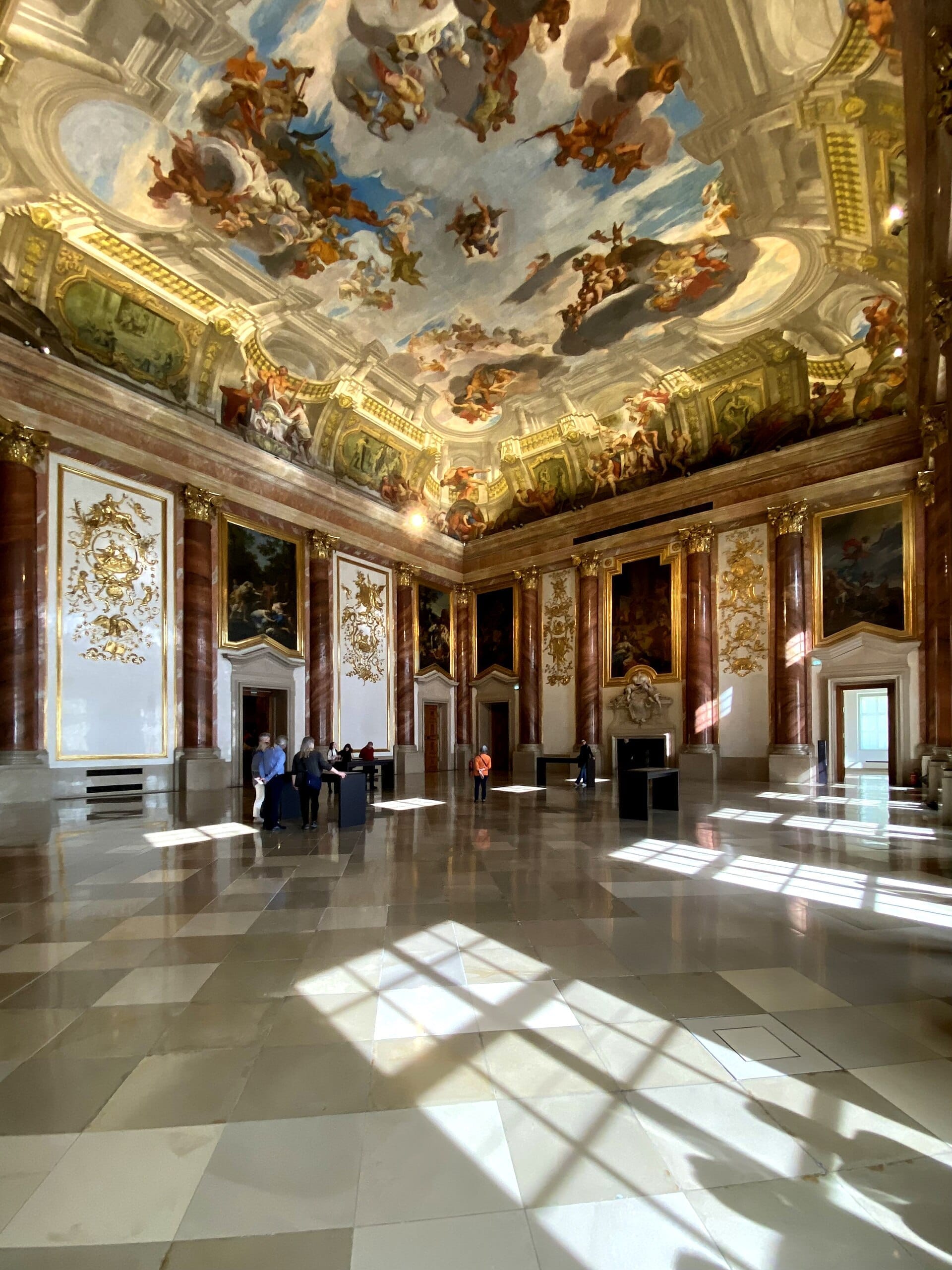
12. Discover the Private Baroque Chapel in the Liechtenstein Garden Palace
The Liechtenstein Garden Palace in the 9th district contains a private Baroque chapel of exceptional quality, accessible during guided tours. The palace as a whole is one of Vienna's great under-visited treasures, housing Rubens and Raphael works alongside the chapel's elaborate decoration.
Explore12. Discover the Private Baroque Chapel in the Liechtenstein Garden Palace
The Liechtenstein Garden Palace in the 9th district contains a private Baroque chapel of exceptional quality, accessible during guided tours. The palace as a whole is one of Vienna's great under-visited treasures, housing Rubens and Raphael works alongside the chapel's elaborate decoration.
Explore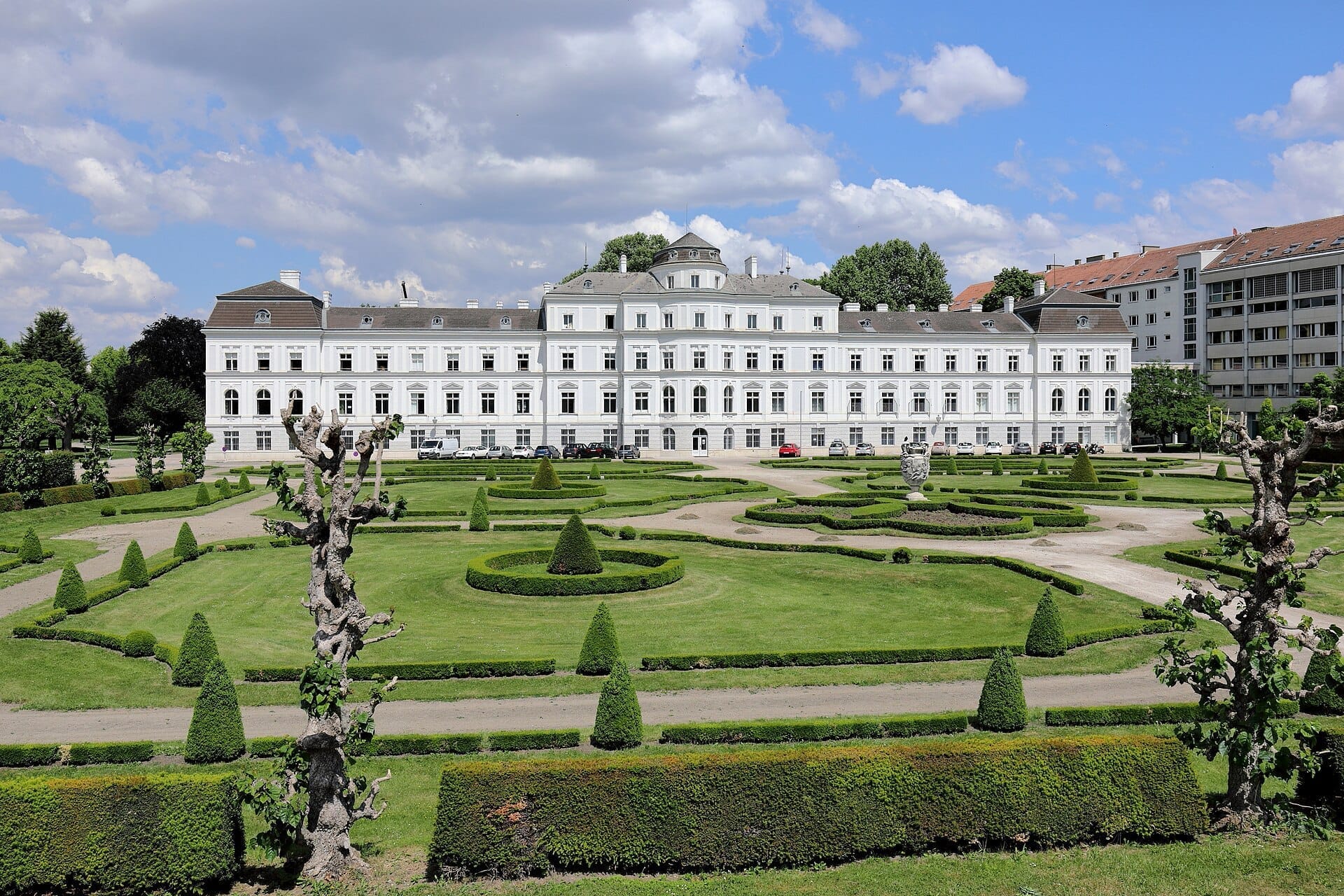
13. Find Vienna's Oldest Baroque Park Next to a Rarely Visited Parish Church
The Augarten in Leopoldstadt harbors a quiet parish church alongside the porcelain manufactory and WWII flak towers. For visitors tracing Vienna's Baroque landscape beyond the tourist circuit, this combination of historic park and modest church offers an authentic local atmosphere.
Explore13. Find Vienna's Oldest Baroque Park Next to a Rarely Visited Parish Church
The Augarten in Leopoldstadt harbors a quiet parish church alongside the porcelain manufactory and WWII flak towers. For visitors tracing Vienna's Baroque landscape beyond the tourist circuit, this combination of historic park and modest church offers an authentic local atmosphere.
ExploreImperial Burial Sites: Where the Habsburgs Rest
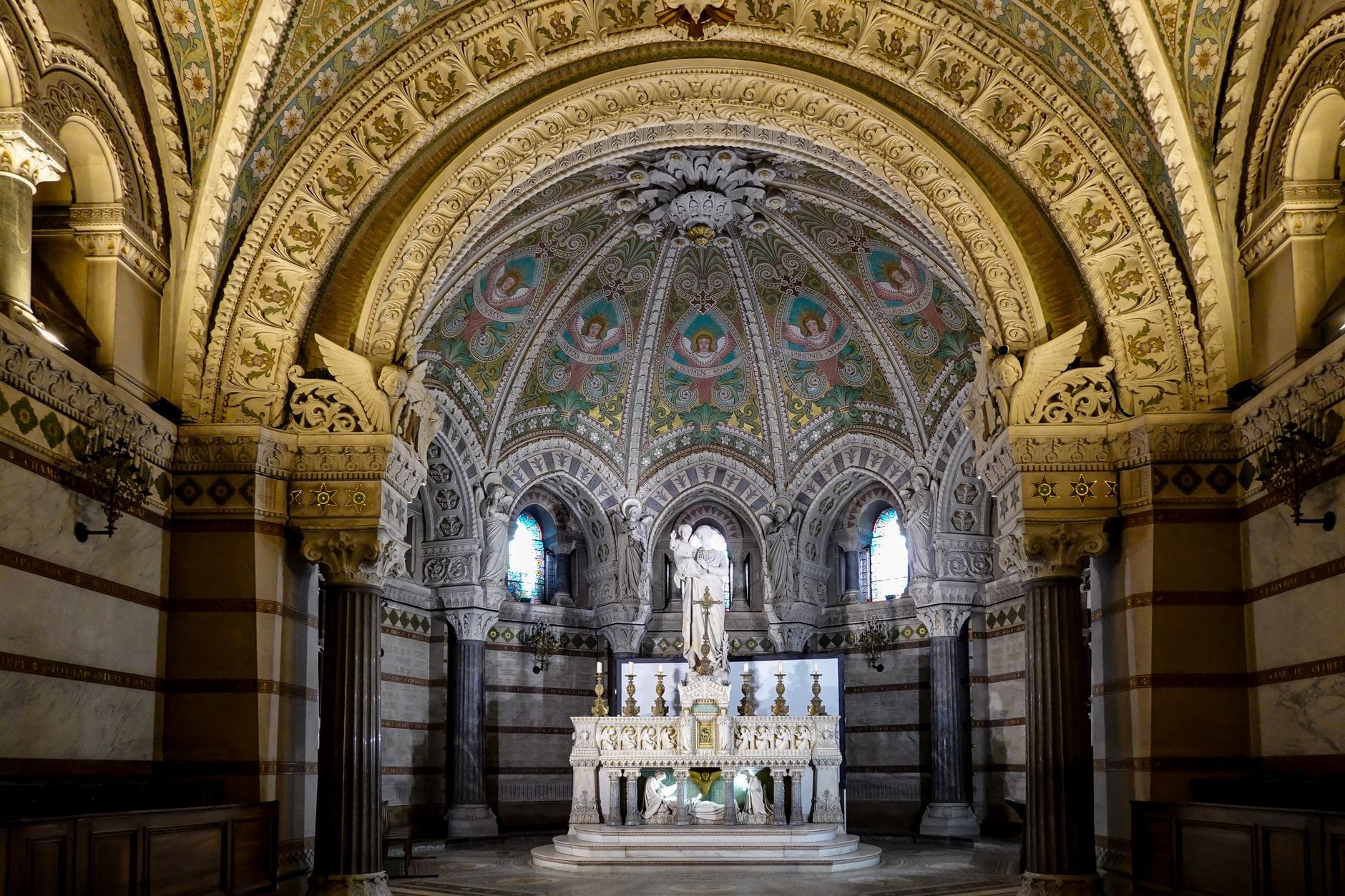
The Habsburg dynasty distributed their mortal remains across three separate Vienna churches in an elaborate ritual: bodies to the Kapuzinergruft, hearts to the Augustinerkirche, and entrails to St. Stephen's Cathedral. Following this macabre trail connects Vienna's major churches in an unexpectedly coherent imperial narrative.
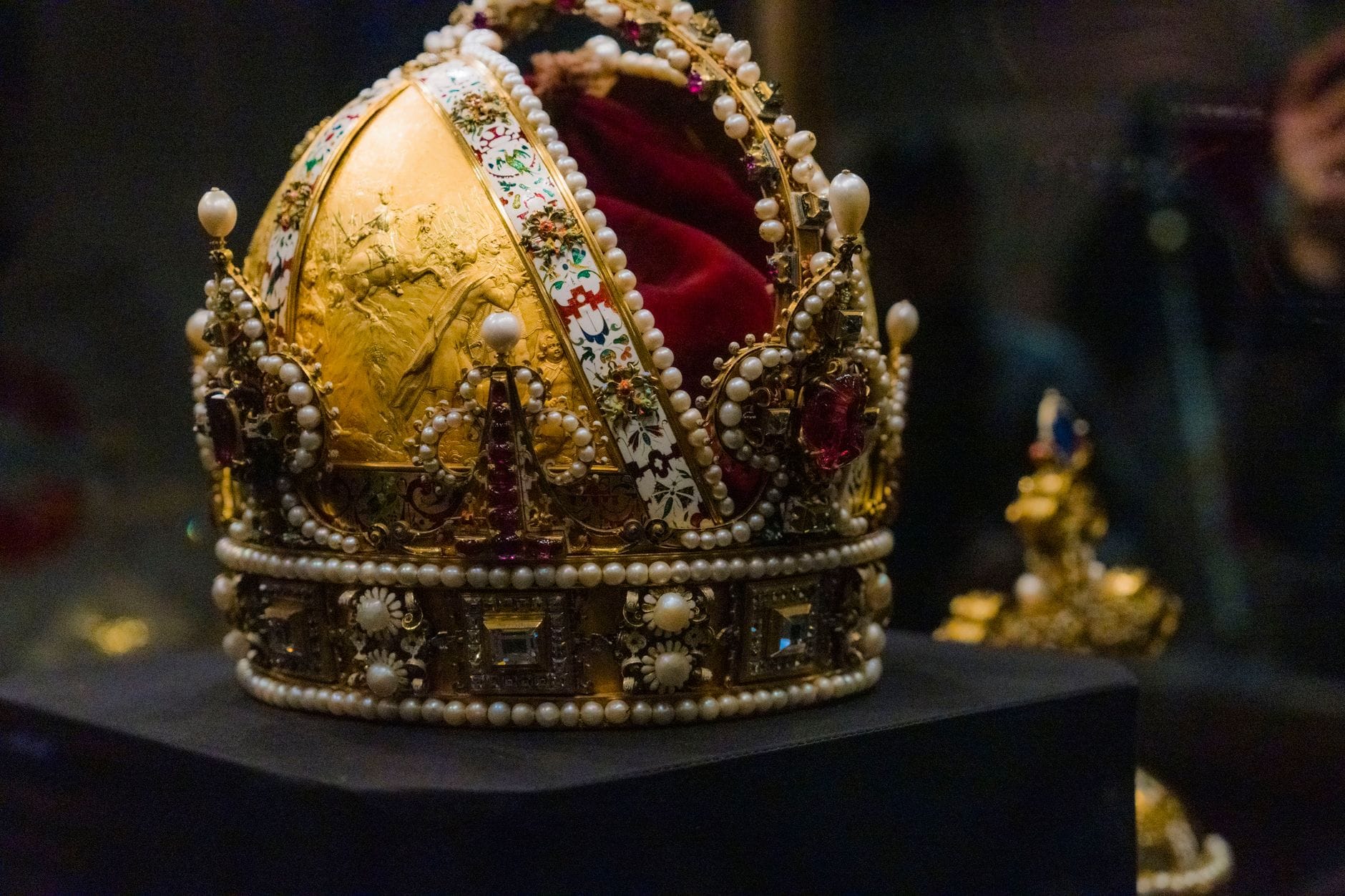
14. Understand the Sacred Dimension of Habsburg Power at the Imperial Treasury
The Hofburg treasury holds the Habsburg Crown Jewels alongside sacred relics including the Holy Lance and fragments of the True Cross. The religious objects here reveal how deeply the imperial and the sacred were intertwined in Habsburg identity across six centuries of rule.
Explore14. Understand the Sacred Dimension of Habsburg Power at the Imperial Treasury
The Hofburg treasury holds the Habsburg Crown Jewels alongside sacred relics including the Holy Lance and fragments of the True Cross. The religious objects here reveal how deeply the imperial and the sacred were intertwined in Habsburg identity across six centuries of rule.
Explore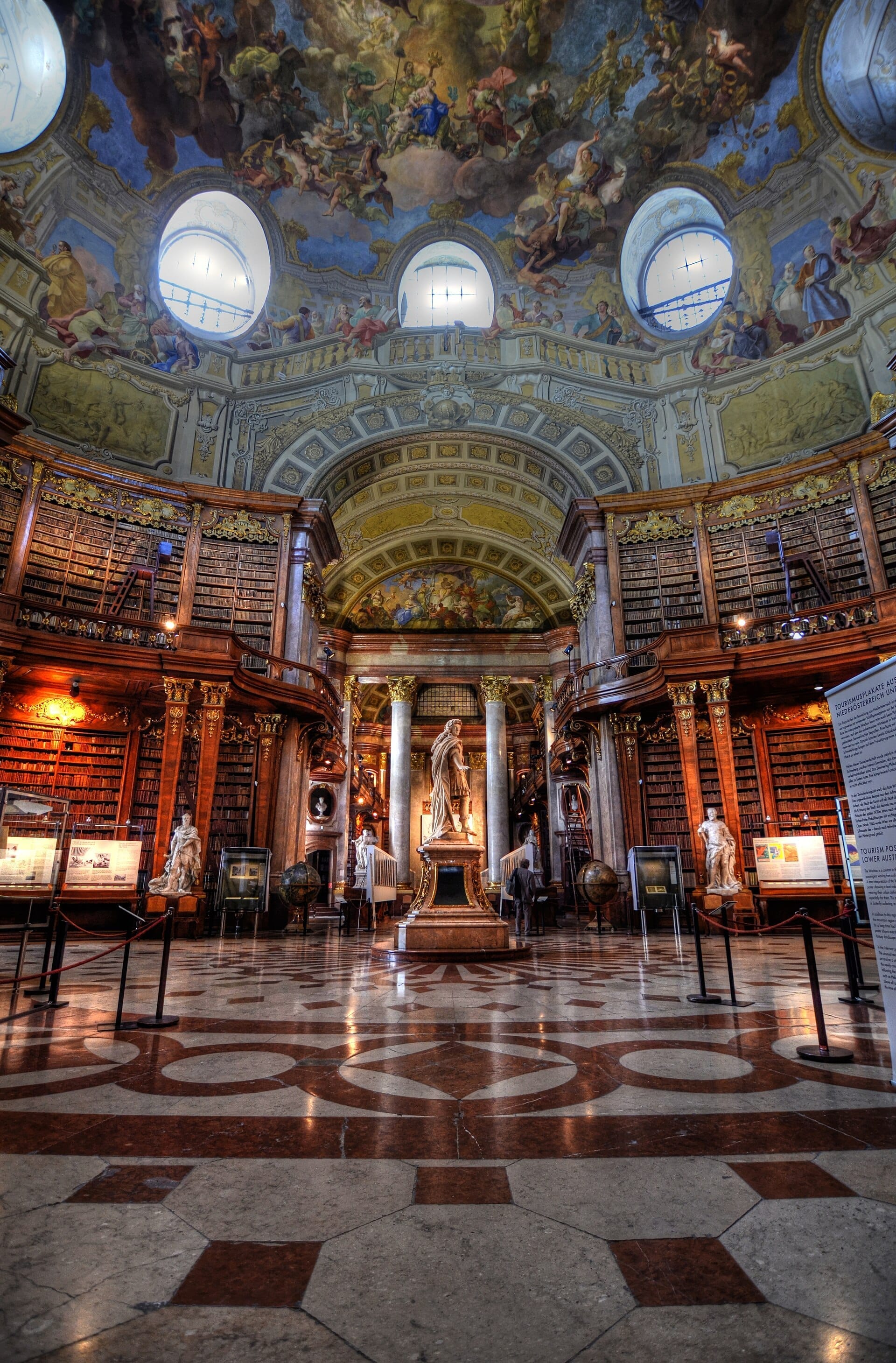
15. Visit a Secular Cathedral of Knowledge: the Baroque State Hall
The National Library's Prunksaal, designed by Fischer von Erlach (who also built Karlskirche), applies the same Baroque language of dome, fresco, and gilded gallery to the realm of knowledge. It reads as a secular church and sits steps from the Augustinerkirche, making the contrast striking.
Explore15. Visit a Secular Cathedral of Knowledge: the Baroque State Hall
The National Library's Prunksaal, designed by Fischer von Erlach (who also built Karlskirche), applies the same Baroque language of dome, fresco, and gilded gallery to the realm of knowledge. It reads as a secular church and sits steps from the Augustinerkirche, making the contrast striking.
Explore✨ Pro tip
The Vienna City Card gives unlimited public transport access, useful for reaching Steinhof Church (bus from Hütteldorf U4) and the Zentralfriedhof (tram 71 from Ring). Verify current card inclusions and prices before purchasing.
FAQ
How much does it cost to visit Vienna's churches?
Most Vienna churches are free to enter for prayer and general visits. Charges apply for specific attractions: St. Stephen's South Tower climb, catacombs, and the Pummerin elevator each have separate fees. The Karlskirche dome lift and the Kapuzinergruft (Imperial Crypt) also charge admission. Verify current prices on each church's official website before visiting.
What is the most important church to see in Vienna?
St. Stephen's Cathedral (Stephansdom) is the essential starting point: it's Vienna's Gothic masterpiece, the city's symbolic center, and offers multiple layers of interest including the tower climb, catacombs, and the cathedral's remarkable history spanning from the 12th century. If you only visit one church, make it this one.
Is the Karlskirche worth visiting inside?
Yes, and the interior is far more rewarding than a quick exterior glance suggests. The glass panoramic lift inside the dome is genuinely unusual, bringing you within arm's reach of Johann Michael Rottmayr's ceiling frescoes. The experience takes around 45-60 minutes and is particularly worthwhile for anyone interested in Baroque art and architecture.
How do I get to the Steinhof Church (Kirche am Steinhof)?
The Otto Wagner Church at Steinhof sits on the grounds of the Otto Wagner Spital in Vienna's 14th district. Take U4 to Hütteldorf, then bus 47A to Psychiatrisches Zentrum Baumgartner Höhe. Opening hours are very limited, typically Saturdays only, with guided tours available. Always check the official website before making the trip.
Can you visit Vienna's churches during religious services?
General areas of most churches remain accessible during services, but tourist areas, towers, and side chapels may be closed. Sunday mornings are particularly restricted. The Habsburg catacombs at St. Stephen's and the Imperial Crypt (Kapuzinergruft) operate on fixed ticketed tour slots regardless of services. Plan sightseeing visits on weekday mornings for the fewest restrictions.