Vienna's Palaces: The Complete Guide Beyond Schönbrunn & Belvedere
Vienna is a city of palaces, with far more than the two famous names. From the sprawling Hofburg to the intimate Liechtenstein Garden Palace and the museum-filled Albertina, this guide takes you through the full sweep of Vienna's imperial and aristocratic architectural heritage.
Plan and book this trip
Tools from our partner Travelpayouts help you compare flights and hotels. If you book through them, we may earn a commission at no extra cost to you.
Flights
Hotels map
Vienna has a common misconception attached to it: that Schönbrunn and Belvedere are the city's palace story. In reality, Austria has around 1,000 castles and palaces, and Vienna alone holds more than a dozen significant palatial buildings open to visitors. The Habsburg dynasty built, expanded, and gifted the city with an extraordinary architectural legacy that extends from the grand imperial apartments of the Innere Stadt to the Baroque garden palaces of the outer districts. Many of these buildings now house world-class museums, concert halls, or cultural institutions, making a palace-focused itinerary one of the most rewarding ways to see Vienna. For a deeper look at the imperial history behind these buildings, the Vienna Habsburgs imperial history guide provides essential context. If you are planning your time carefully, the 3 days in Vienna itinerary shows how to combine the major palace visits efficiently.
The Hofburg: Vienna's Imperial Heart
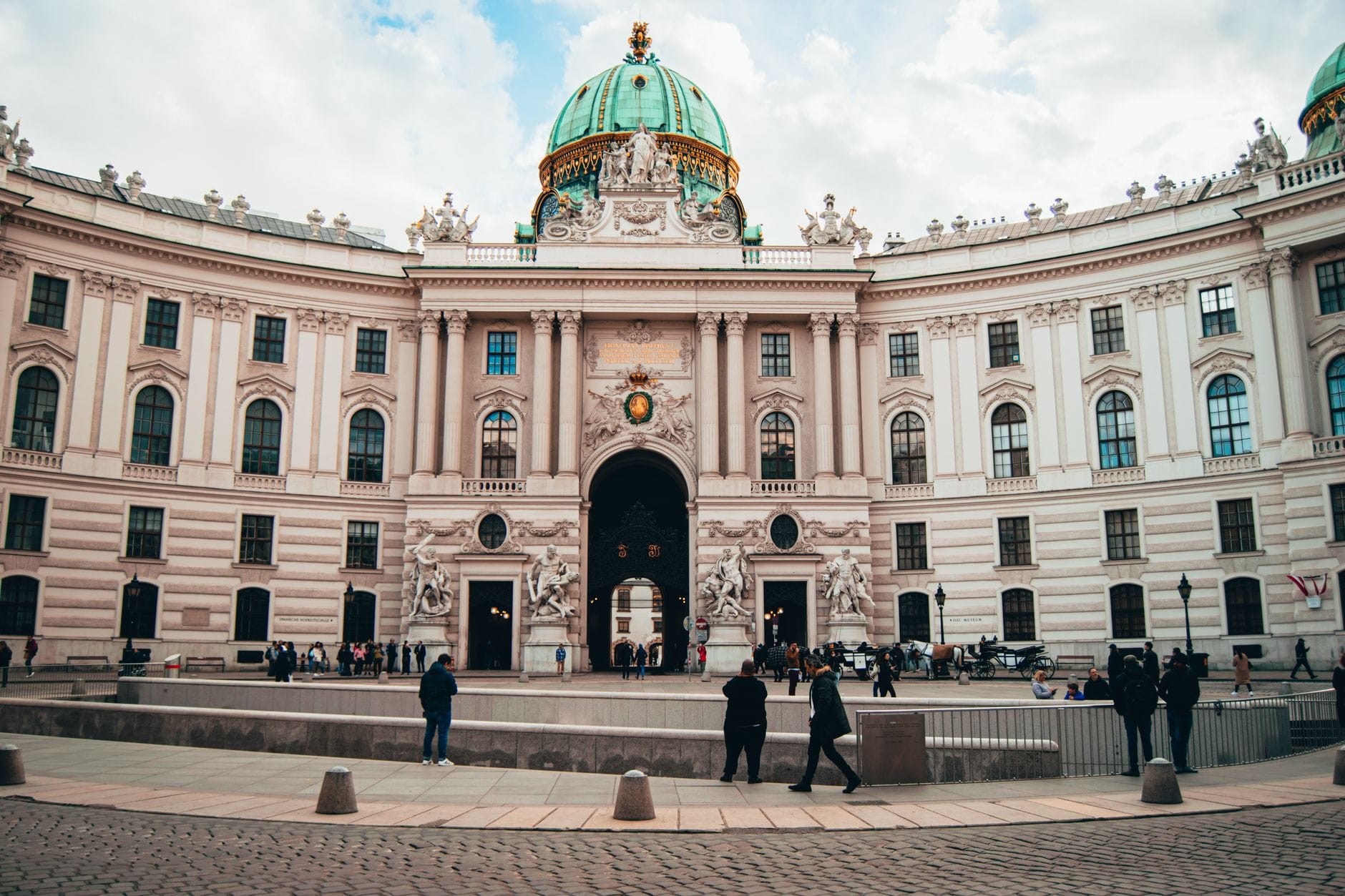
The Hofburg is not one building but an entire city within the city, accumulated over six centuries of Habsburg rule. It anchors the Innere Stadt and contains multiple distinct palace museums, each worth visiting independently. Allow at least half a day to do justice to its core highlights.
1. Explore Six Centuries of Habsburg Power at the Hofburg
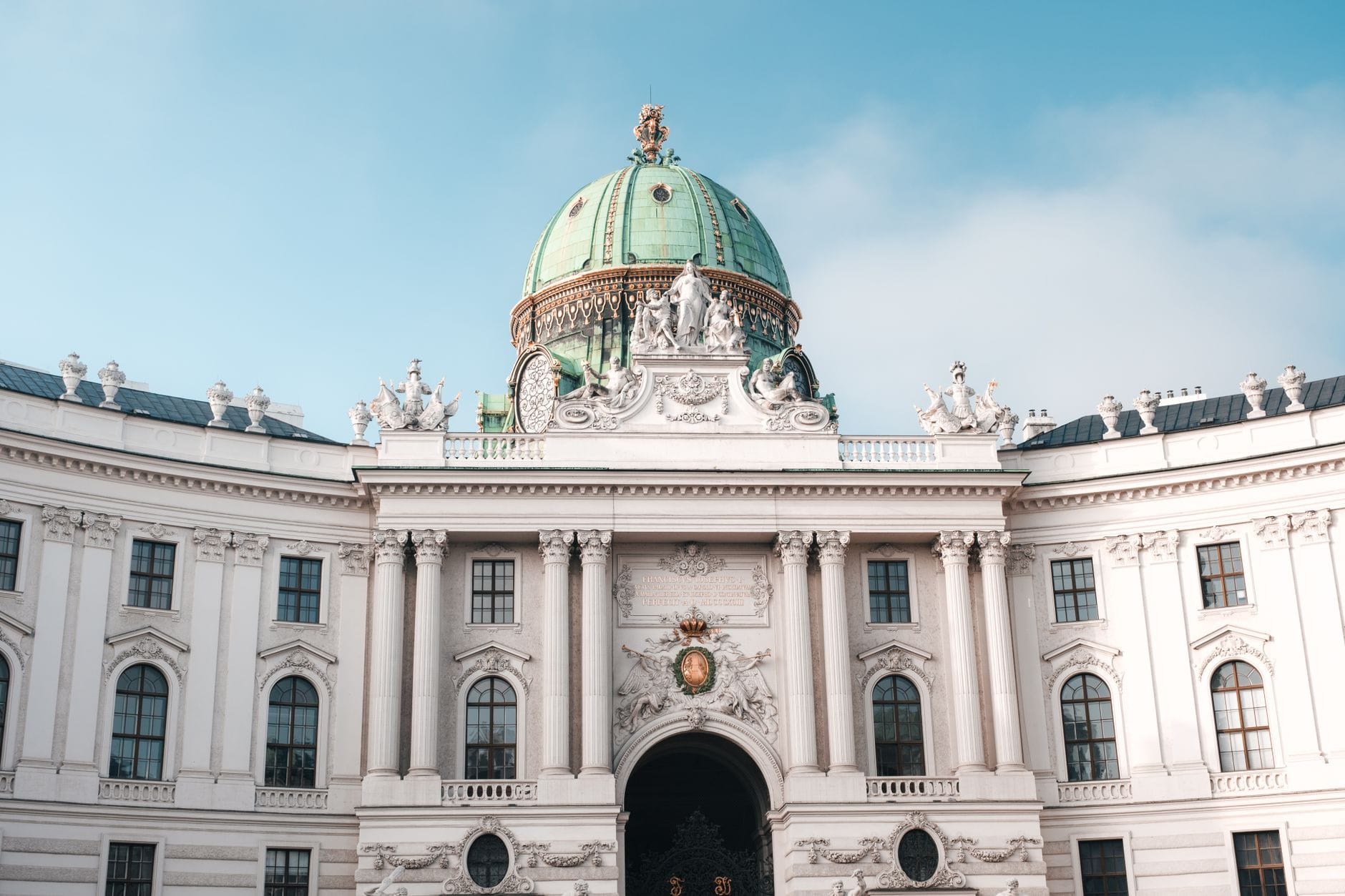
Vienna's greatest palace complex served as the Habsburg winter residence from the 13th century to 1918. Today it houses the Sisi Museum, Imperial Apartments, Spanish Riding School, Imperial Treasury, and the Albertina — all under one vast roof.
Explore1. Explore Six Centuries of Habsburg Power at the Hofburg
Vienna's greatest palace complex served as the Habsburg winter residence from the 13th century to 1918. Today it houses the Sisi Museum, Imperial Apartments, Spanish Riding School, Imperial Treasury, and the Albertina — all under one vast roof.
Explore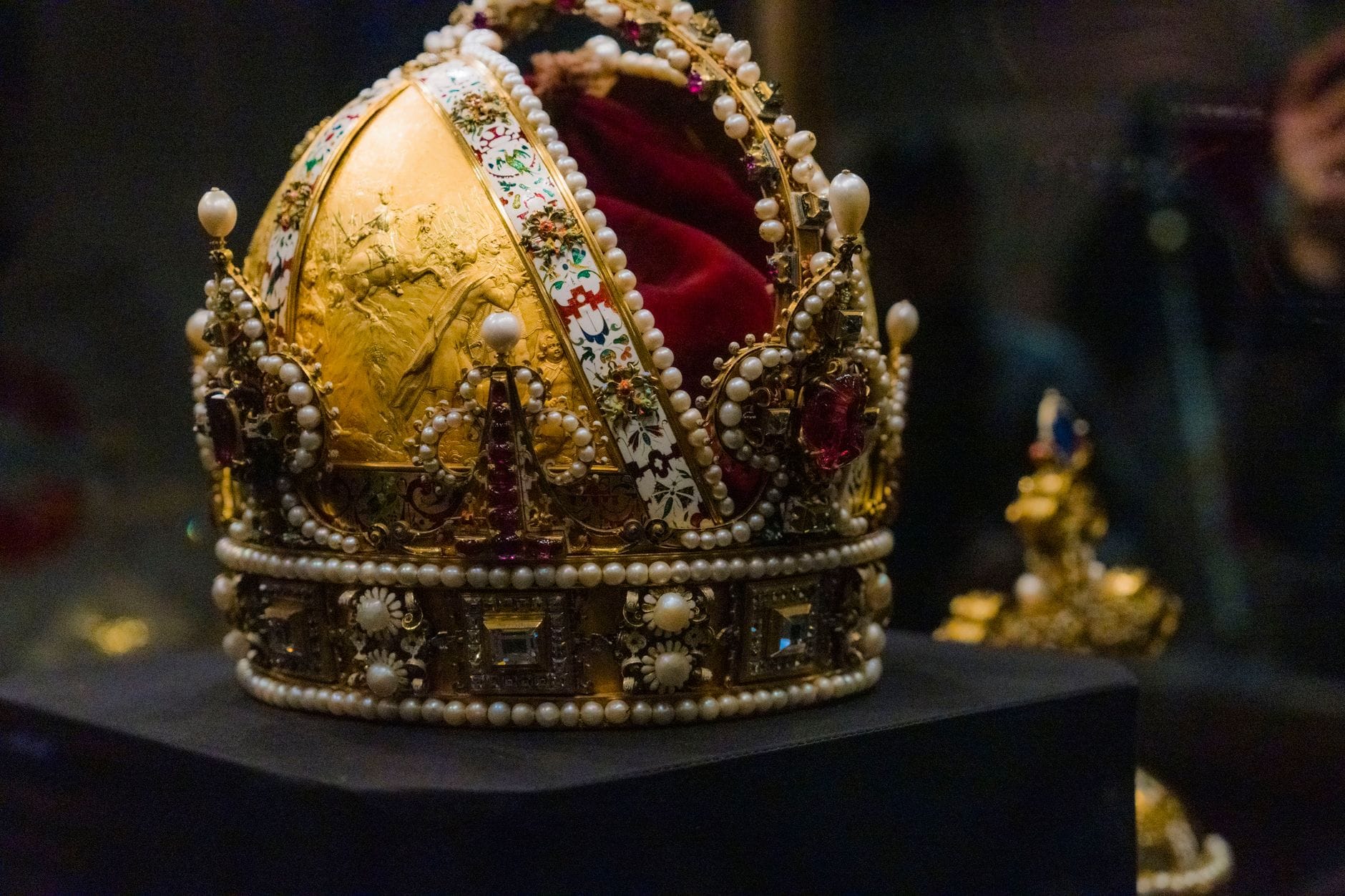
2. See the Habsburg Crown Jewels at the Imperial Treasury
Tucked inside the Hofburg, the Schatzkammer holds a millennium of European history in one room: the Habsburg Crown Jewels, the Holy Lance, and the Burgundian Treasure. Allow 90 minutes and go on a weekday morning to avoid groups.
Explore2. See the Habsburg Crown Jewels at the Imperial Treasury
Tucked inside the Hofburg, the Schatzkammer holds a millennium of European history in one room: the Habsburg Crown Jewels, the Holy Lance, and the Burgundian Treasure. Allow 90 minutes and go on a weekday morning to avoid groups.
Explore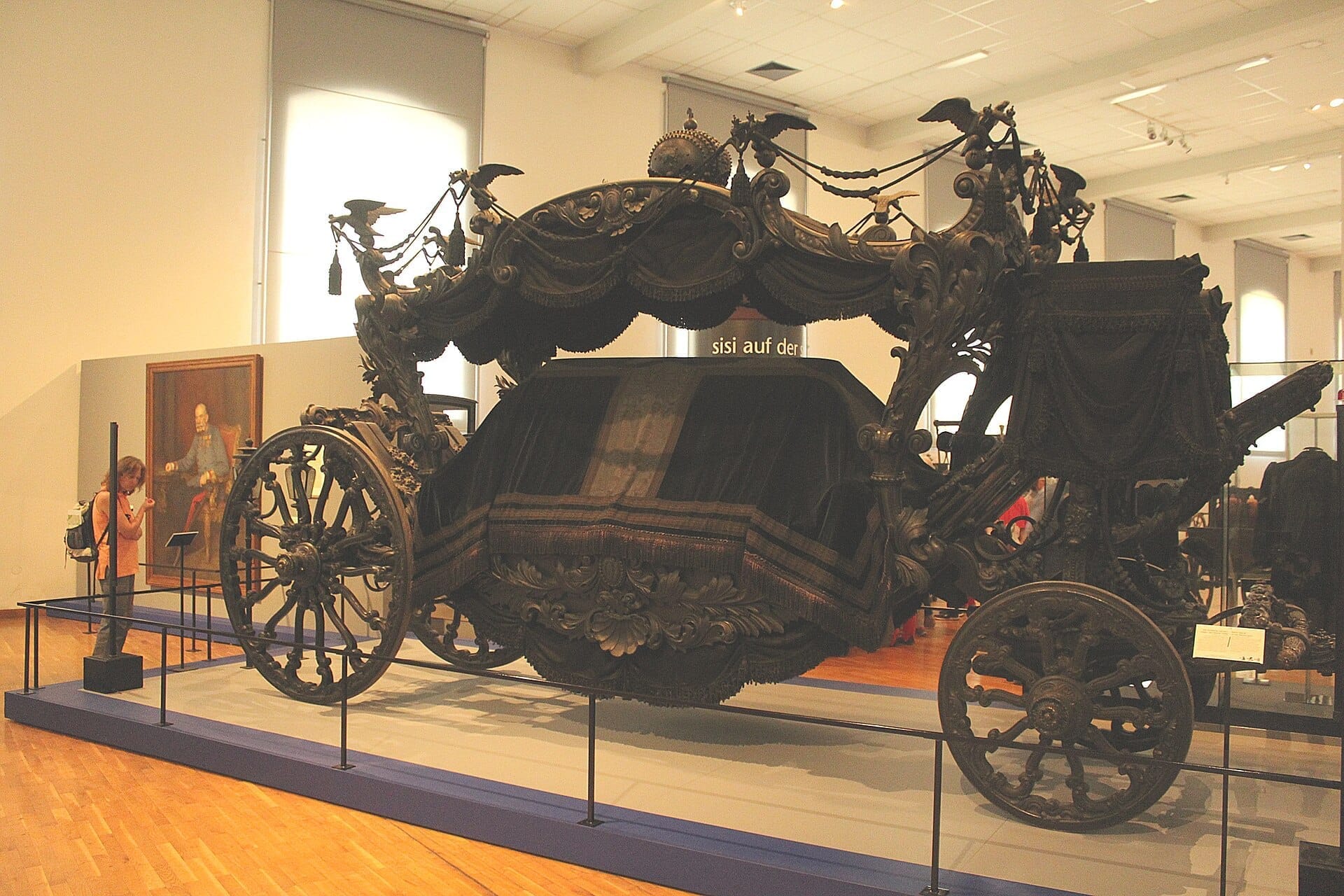
3. Meet Empress Elisabeth Through Her Personal Possessions
The Sisi Museum within the Hofburg Imperial Apartments displays the Empress's personal fan collection, reconstructed dresses, and the story of her assassination in 1898. It is more nuanced than the romantic legend suggests.
Explore3. Meet Empress Elisabeth Through Her Personal Possessions
The Sisi Museum within the Hofburg Imperial Apartments displays the Empress's personal fan collection, reconstructed dresses, and the story of her assassination in 1898. It is more nuanced than the romantic legend suggests.
Explore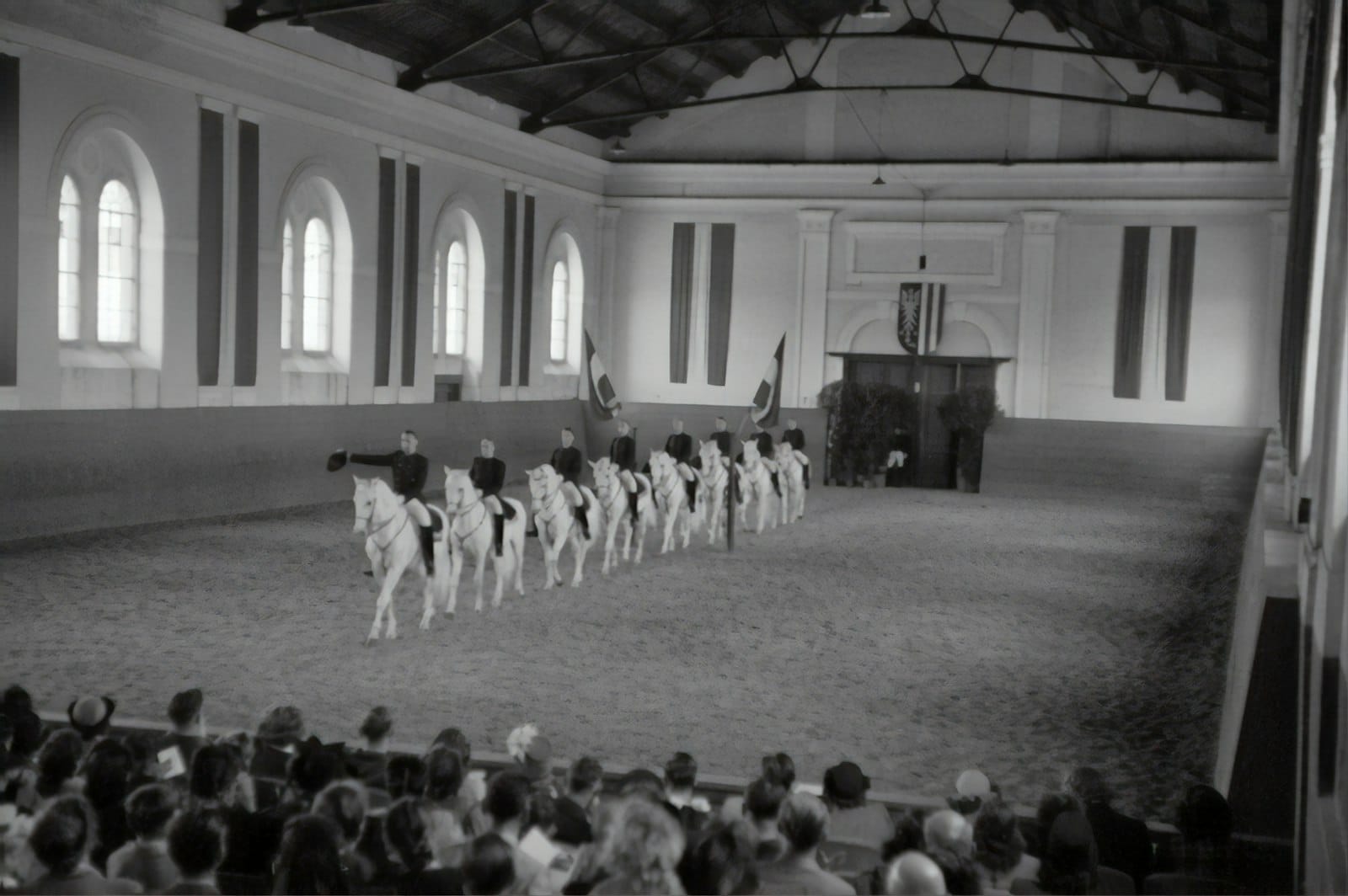
4. Watch Haute École Dressage in a Baroque Riding Hall
The Spanish Riding School has performed classical equestrian art inside the Hofburg's Winter Riding School since 1572. Morning training sessions offer an affordable alternative to full performances; book weeks ahead during peak season.
Explore4. Watch Haute École Dressage in a Baroque Riding Hall
The Spanish Riding School has performed classical equestrian art inside the Hofburg's Winter Riding School since 1572. Morning training sessions offer an affordable alternative to full performances; book weeks ahead during peak season.
Explore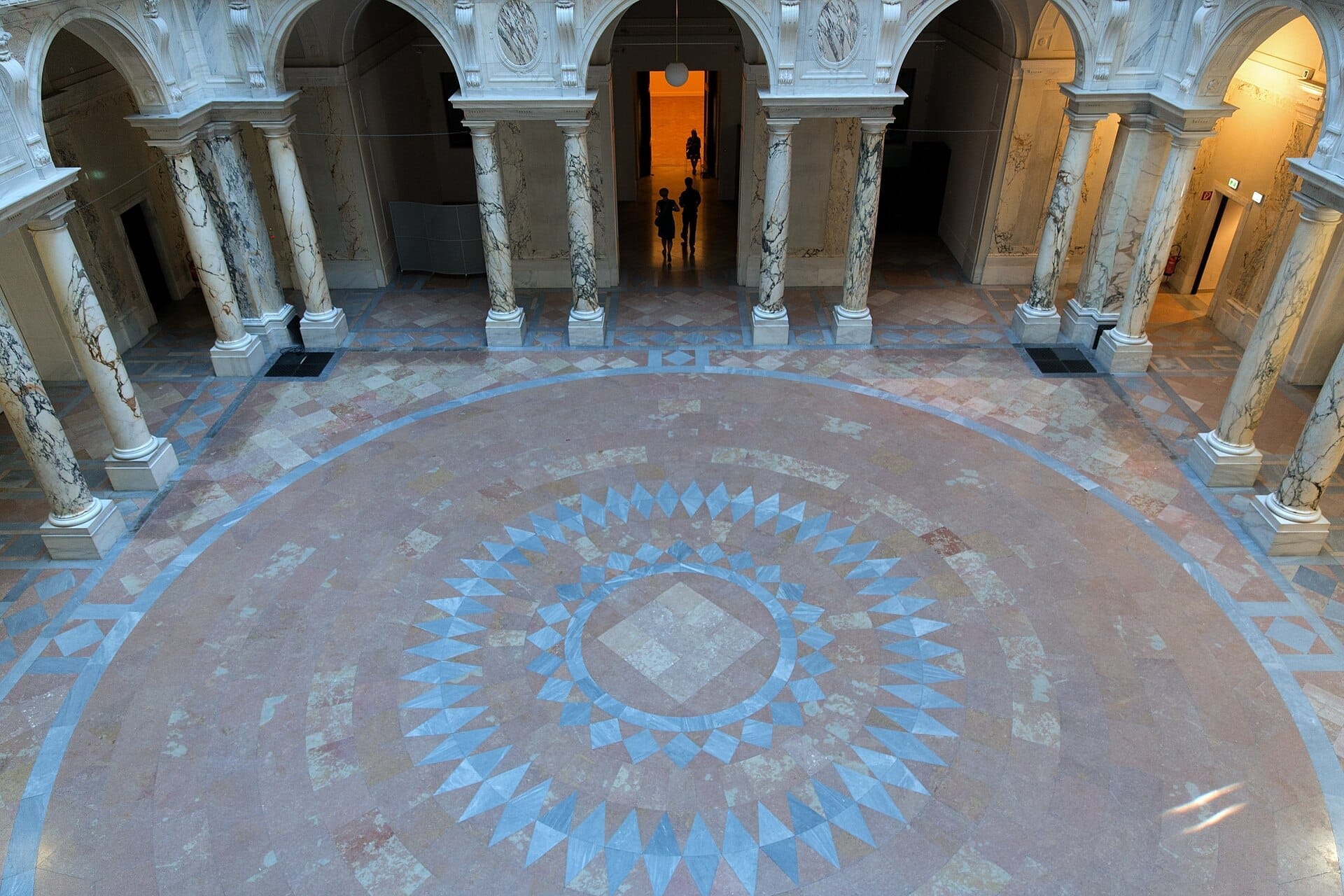
5. Discover the World's Cultures in the Hofburg's Ethnographic Palace
The Weltmuseum occupies a spectacular wing of the Hofburg and holds Aztec featherwork, Benin bronzes, and Pacific Island artifacts. The building itself, with its ceremonial halls and grand staircase, is as impressive as the collection.
Explore5. Discover the World's Cultures in the Hofburg's Ethnographic Palace
The Weltmuseum occupies a spectacular wing of the Hofburg and holds Aztec featherwork, Benin bronzes, and Pacific Island artifacts. The building itself, with its ceremonial halls and grand staircase, is as impressive as the collection.
Explore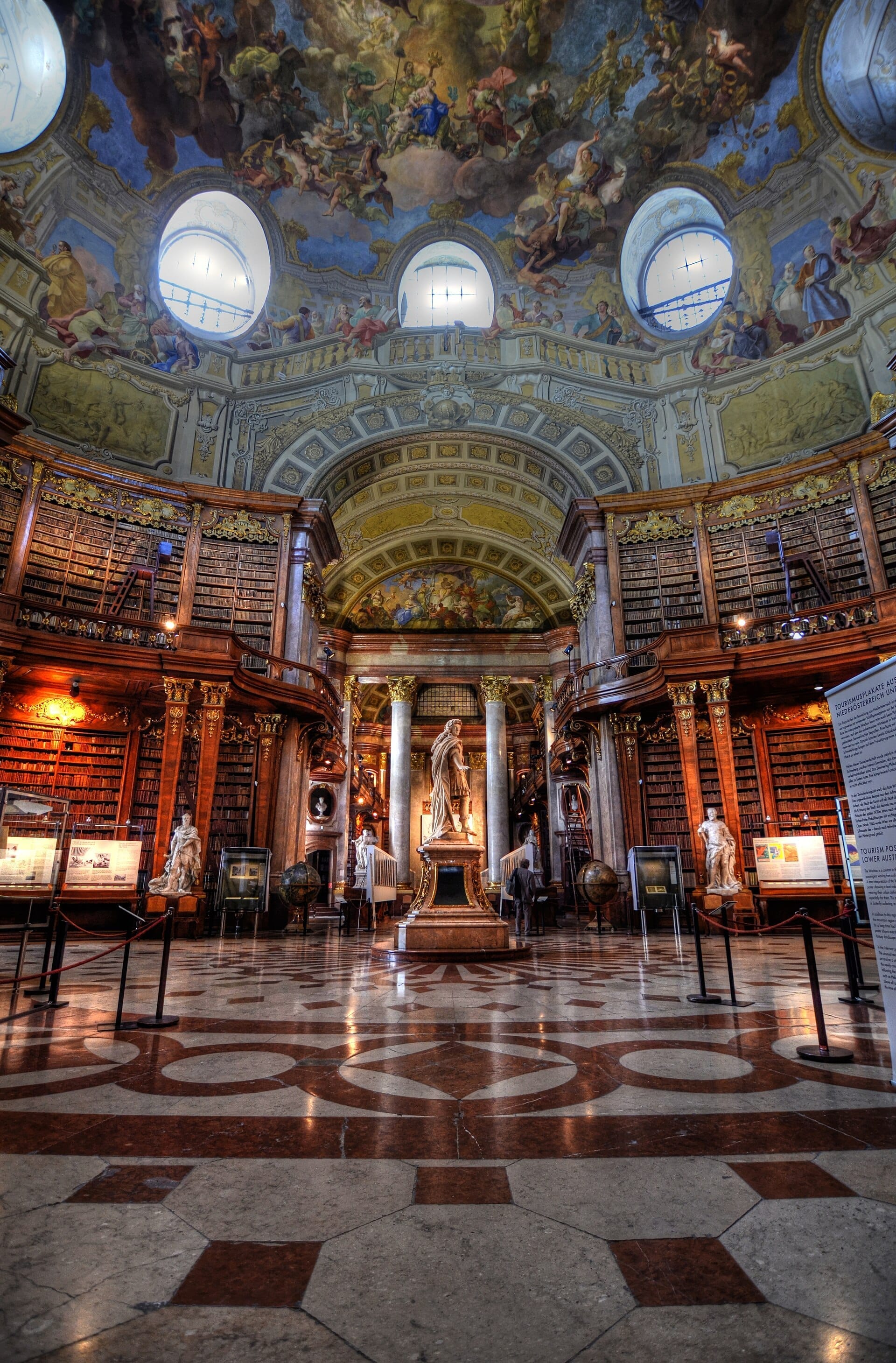
6. Stand Inside the World's Most Beautiful Library Hall
The Baroque State Hall of the National Library, built between 1723 and 1726, sits within the Hofburg complex. Its frescoed ceilings, marble columns, and 200,000 leather-bound volumes create one of Europe's most breathtaking interiors.
Explore6. Stand Inside the World's Most Beautiful Library Hall
The Baroque State Hall of the National Library, built between 1723 and 1726, sits within the Hofburg complex. Its frescoed ceilings, marble columns, and 200,000 leather-bound volumes create one of Europe's most breathtaking interiors.
ExploreThe Albertina & the Liechtenstein: Noble Palaces as World-Class Museums
Several of Vienna's finest palace buildings were built not for the Habsburgs but for the aristocratic families who orbited them. The Albertina and the Liechtenstein Garden Palace are the two most important examples, each housing collections of international museum quality. For more on Vienna's broader museum landscape, see the best museums in Vienna guide.
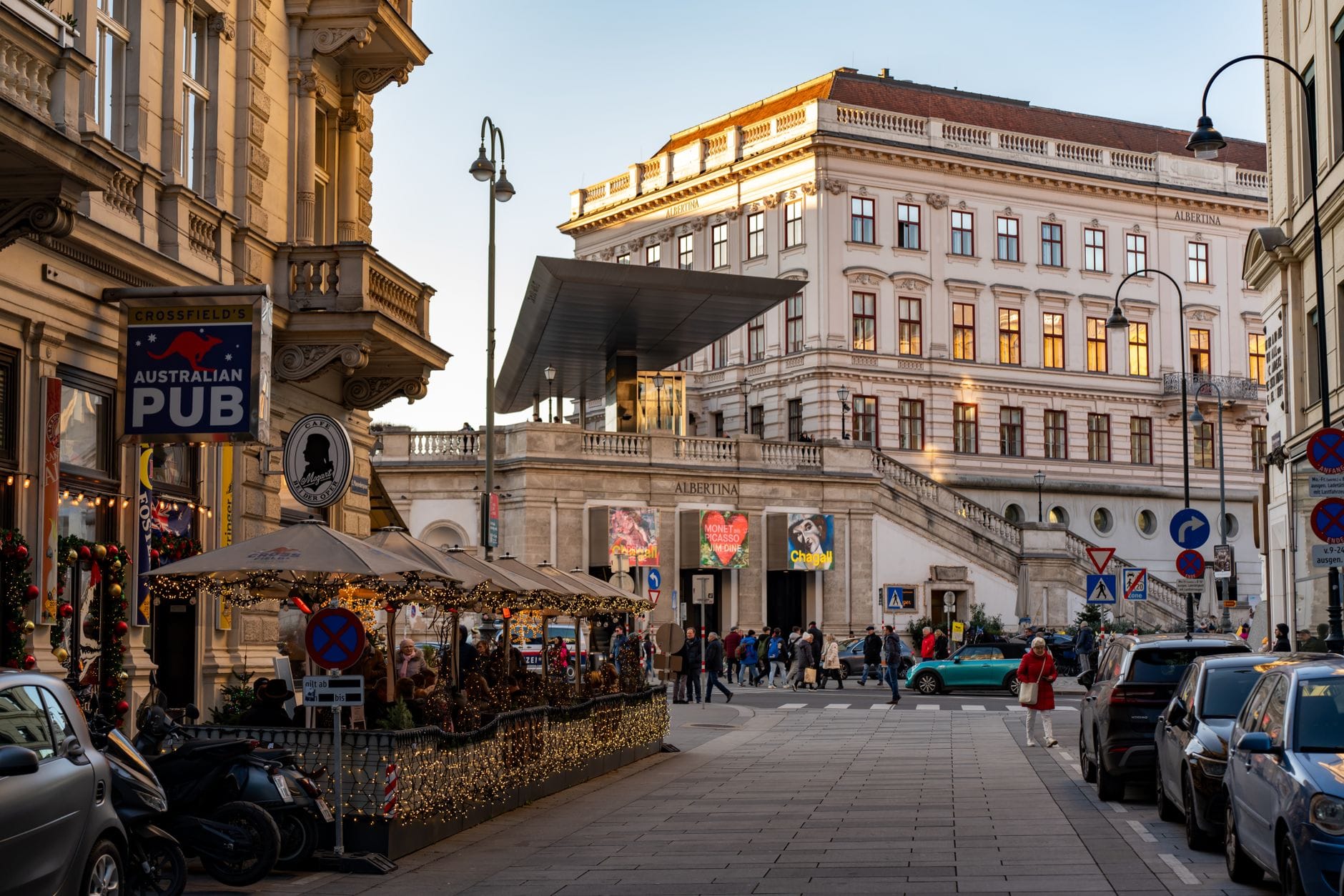
7. See Dürer, Monet, and Klimt in a Former Habsburg Palais
The Albertina occupies the Tarouca Palace at the edge of the Hofburg, housing over a million works on paper. Dürer's 'Young Hare', Monet's water lilies, and a room of Klimt drawings make this one of Europe's indispensable art museums.
Explore7. See Dürer, Monet, and Klimt in a Former Habsburg Palais
The Albertina occupies the Tarouca Palace at the edge of the Hofburg, housing over a million works on paper. Dürer's 'Young Hare', Monet's water lilies, and a room of Klimt drawings make this one of Europe's indispensable art museums.
Explore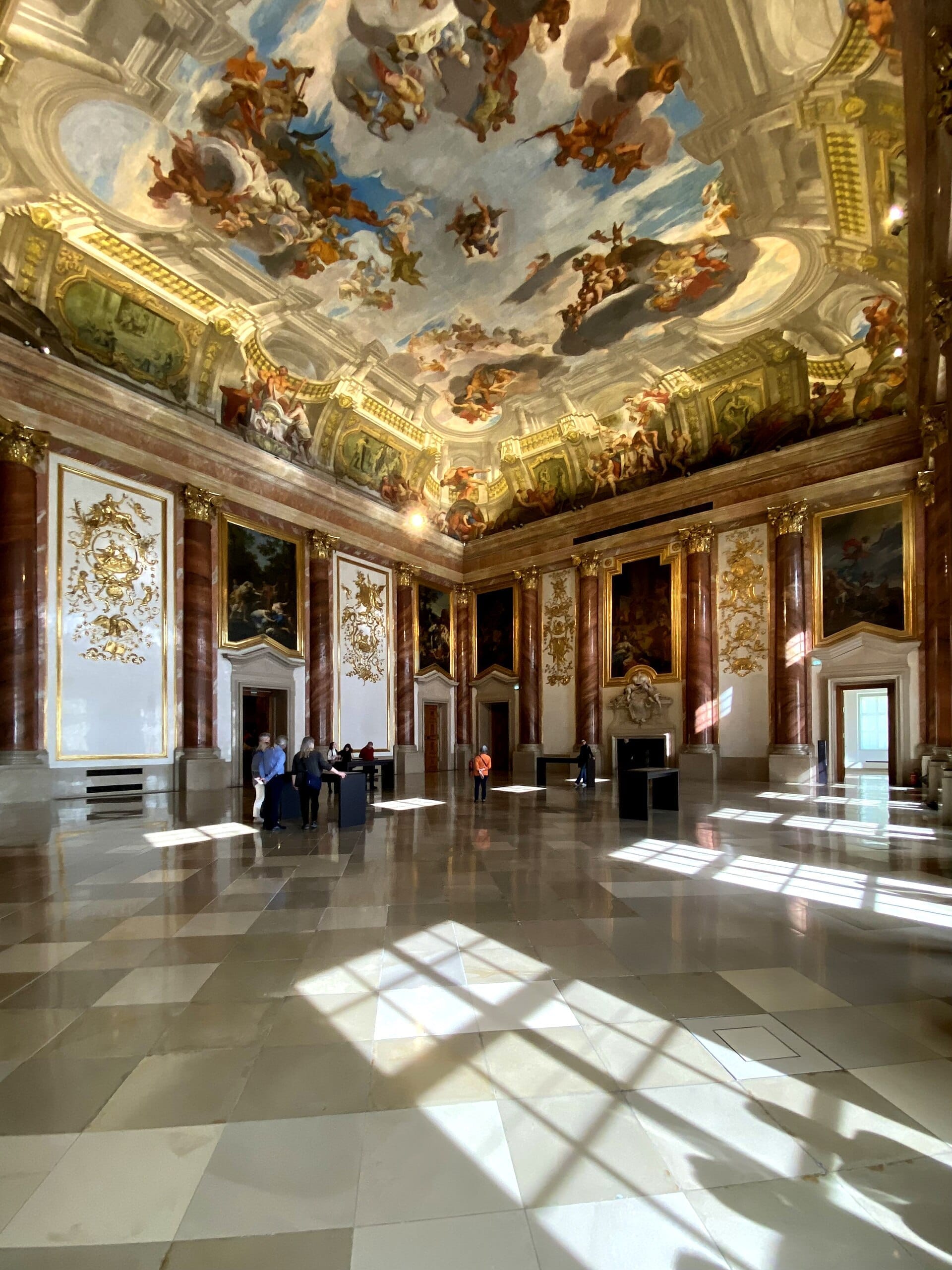
8. Explore One of Europe's Great Private Collections at the Liechtenstein Palace
The Liechtenstein Garden Palace in the 9th district is Vienna's most undervisited palatial treasure. Its Baroque ceremonial rooms house works by Raphael, Rubens, and Van Dyck. Entry is by guided tour and advance booking is essential.
Explore8. Explore One of Europe's Great Private Collections at the Liechtenstein Palace
The Liechtenstein Garden Palace in the 9th district is Vienna's most undervisited palatial treasure. Its Baroque ceremonial rooms house works by Raphael, Rubens, and Van Dyck. Entry is by guided tour and advance booking is essential.
Explore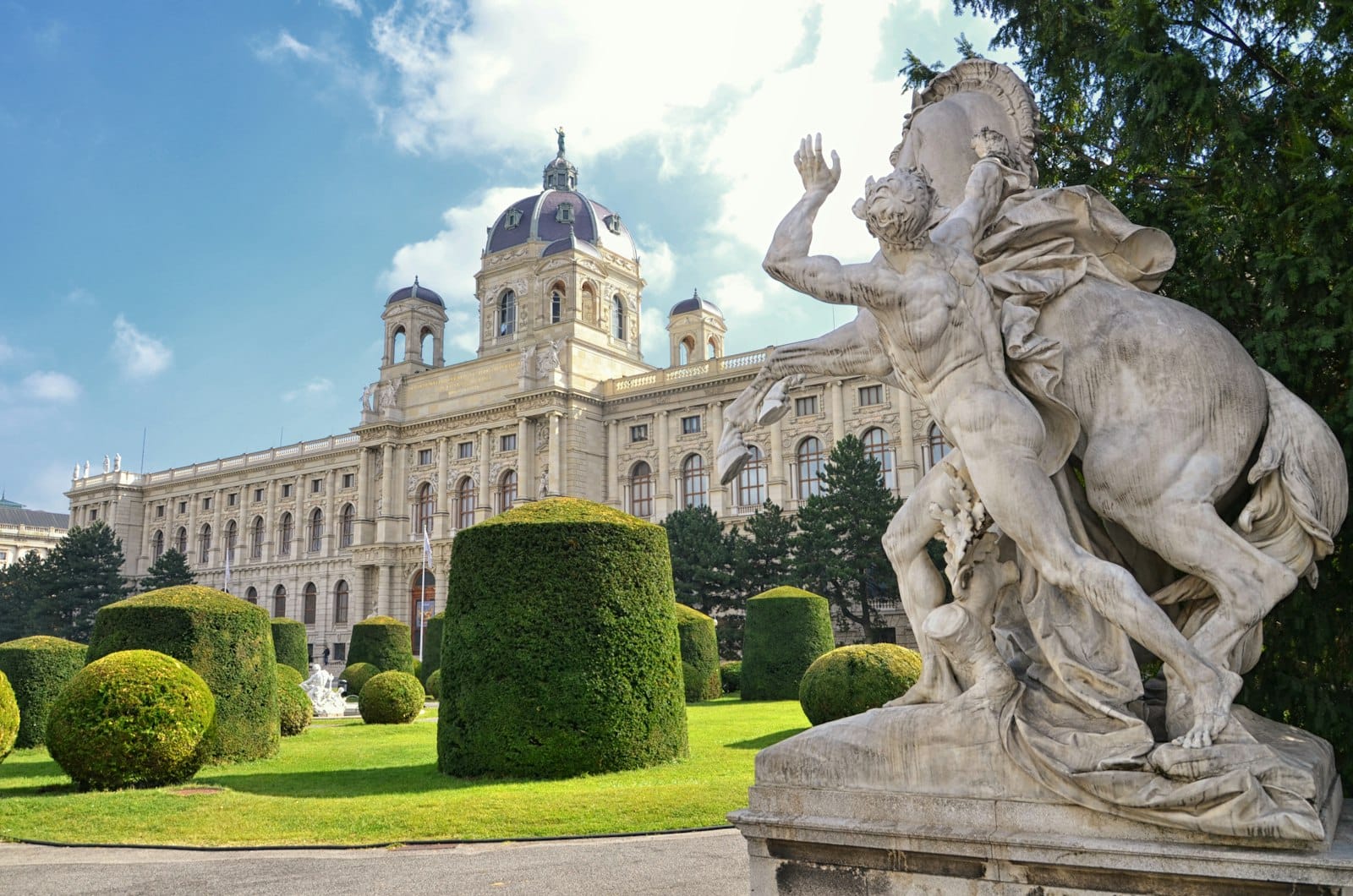
9. Visit the Emperor's Own Art Collection at the Kunsthistorisches Museum
Franz Joseph built this palace-museum to house the Habsburg art collection. Vermeer's 'Art of Painting', Bruegel's seasonal cycle, and Cellini's golden saltcellar sit in gilded halls designed to rival the Louvre. Allow a full half-day.
Explore9. Visit the Emperor's Own Art Collection at the Kunsthistorisches Museum
Franz Joseph built this palace-museum to house the Habsburg art collection. Vermeer's 'Art of Painting', Bruegel's seasonal cycle, and Cellini's golden saltcellar sit in gilded halls designed to rival the Louvre. Allow a full half-day.
ExploreBelvedere & Its Palace Ensemble
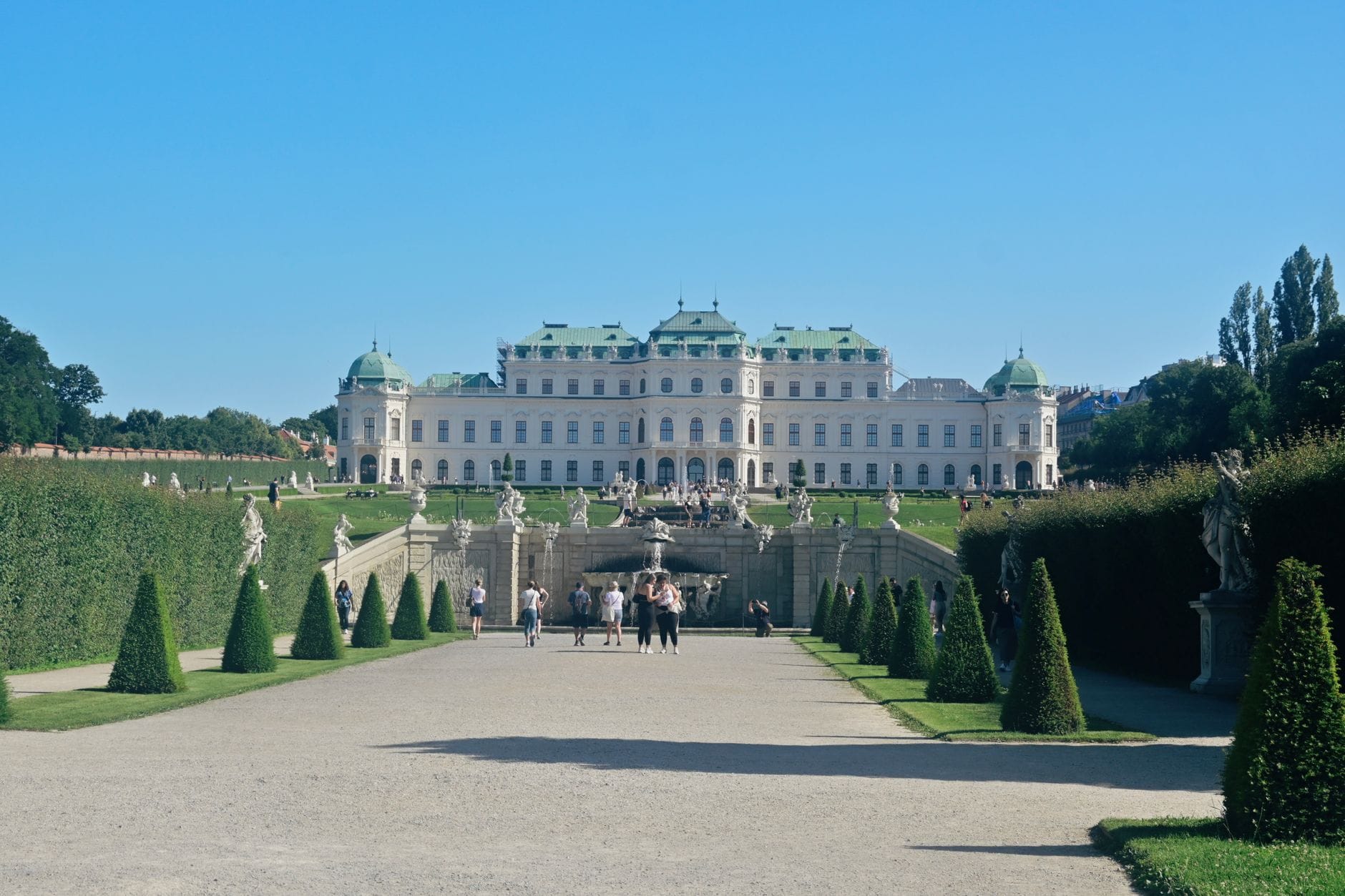
The Belvedere is not one palace but two, connected by the finest formal gardens in Vienna. Most visitors go directly to the Upper Belvedere for Klimt's 'The Kiss', but the Lower Belvedere and the gardens themselves deserve equal time. The Belvedere area also contains several other significant buildings within walking distance.
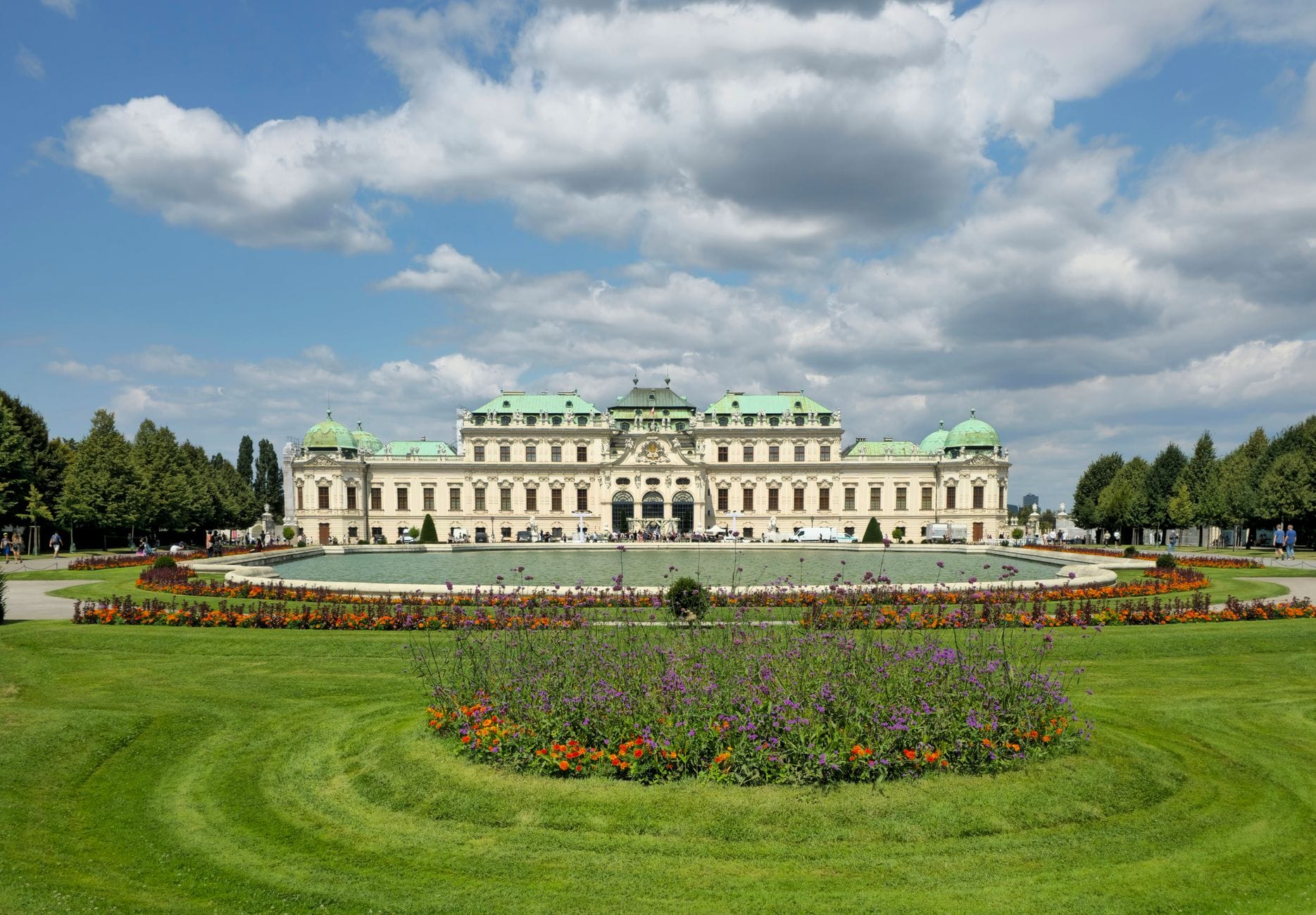
10. See Klimt's 'The Kiss' in Prince Eugene's Baroque Summer Palace
Built for Prince Eugene of Savoy in 1723, the Upper Belvedere's ceremonial rooms hold Austria's most visited painting. Arrive at 10am before tour groups arrive, and spend time in the Marble Hall's ceiling frescoes as well.
Explore10. See Klimt's 'The Kiss' in Prince Eugene's Baroque Summer Palace
Built for Prince Eugene of Savoy in 1723, the Upper Belvedere's ceremonial rooms hold Austria's most visited painting. Arrive at 10am before tour groups arrive, and spend time in the Marble Hall's ceiling frescoes as well.
Explore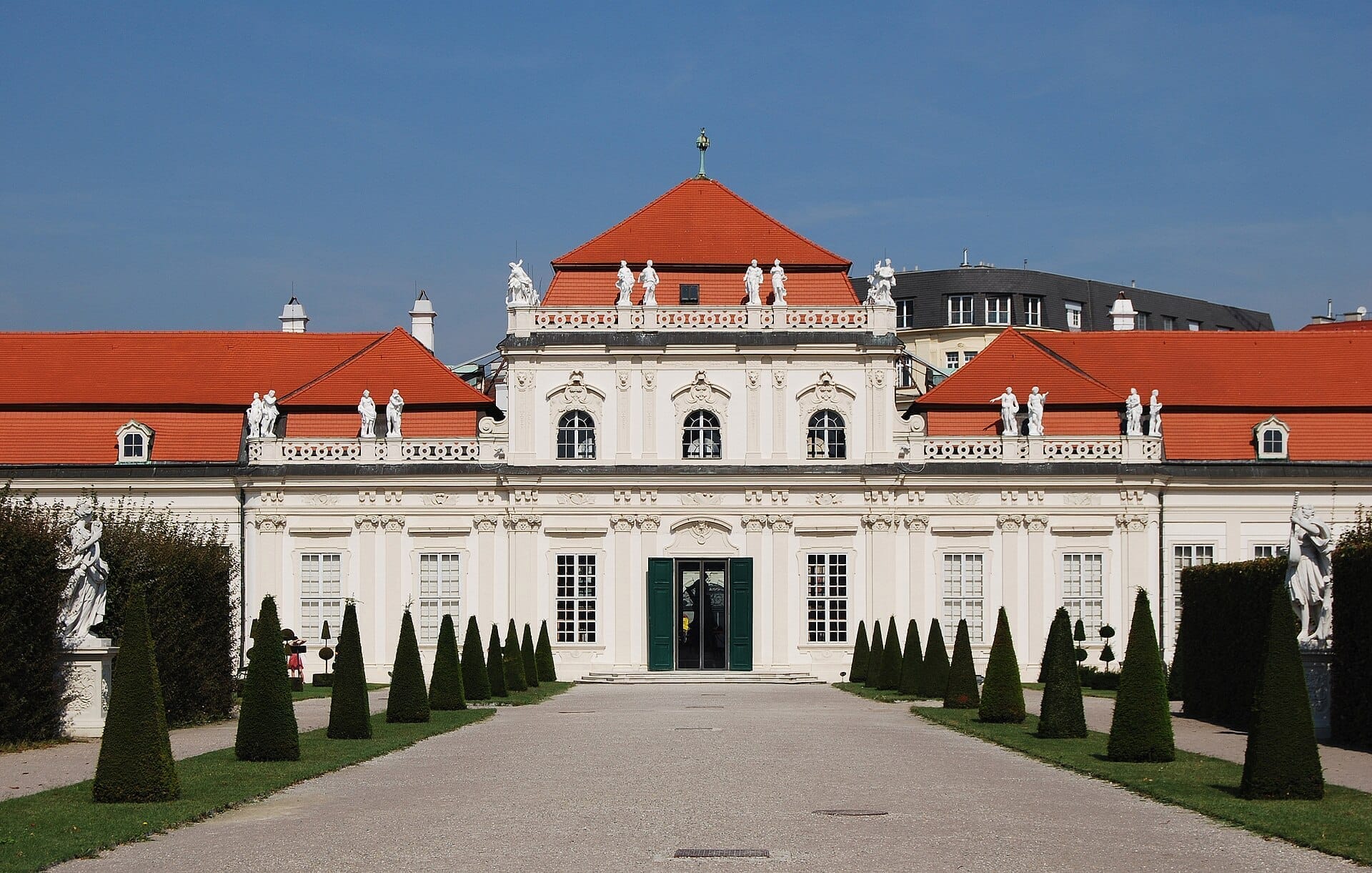
11. Discover the Baroque Museum and Orangery in the Lower Belvedere
The Lower Belvedere, Prince Eugene's private residence, is quieter and more intimate than the Upper. Its Baroque Museum, Golden Cabinet, and the Orangery hosting temporary exhibitions are consistently overlooked by first-time visitors.
Explore11. Discover the Baroque Museum and Orangery in the Lower Belvedere
The Lower Belvedere, Prince Eugene's private residence, is quieter and more intimate than the Upper. Its Baroque Museum, Golden Cabinet, and the Orangery hosting temporary exhibitions are consistently overlooked by first-time visitors.
Explore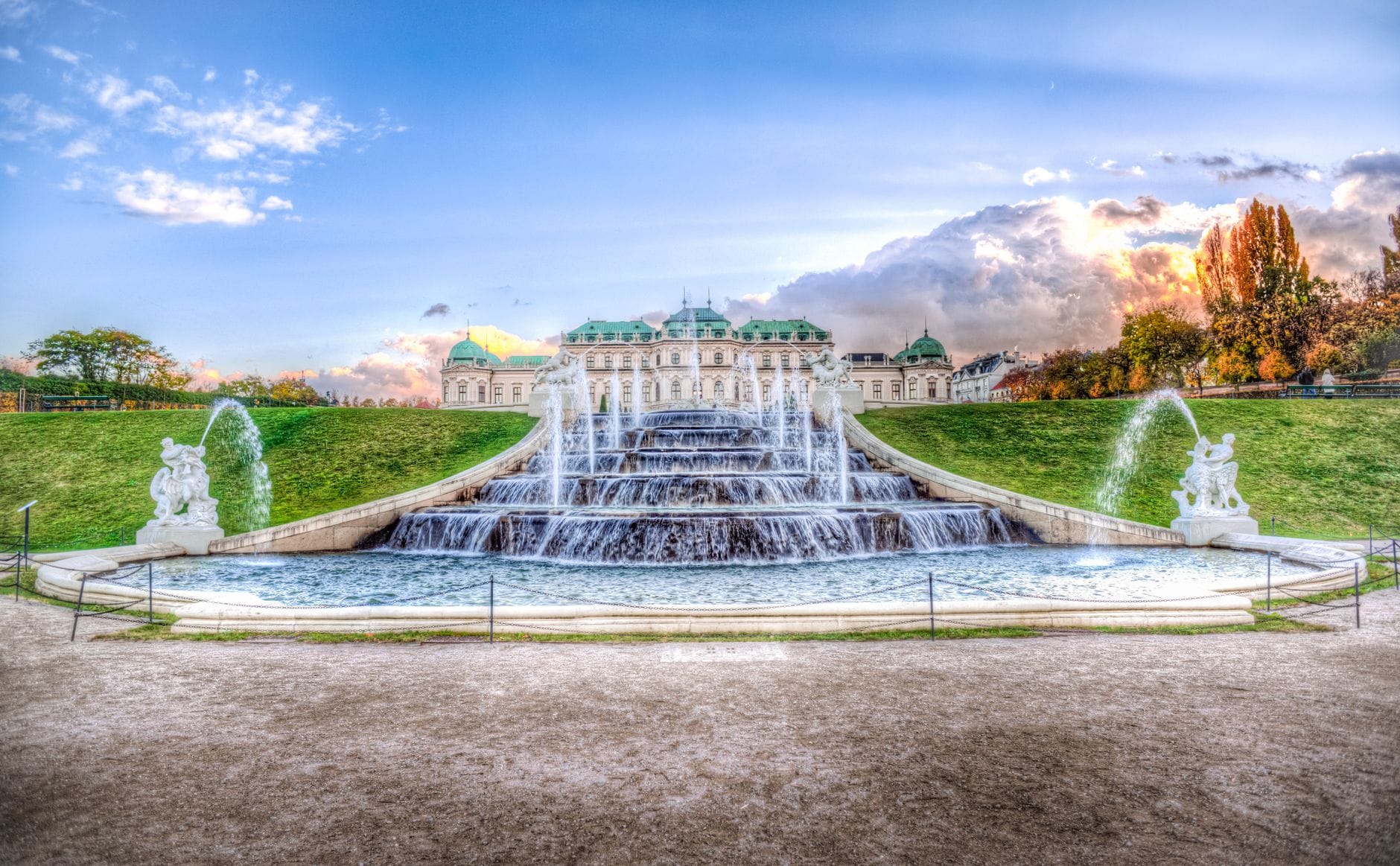
12. Walk the Formal Gardens Between Two Palaces
The Belvedere's French-style gardens are free to enter and connect both palaces along a central axis of cascading fountains and sphinx sculptures. The view back toward the Upper Belvedere's facade is the finest palatial vista in Vienna.
Explore12. Walk the Formal Gardens Between Two Palaces
The Belvedere's French-style gardens are free to enter and connect both palaces along a central axis of cascading fountains and sphinx sculptures. The view back toward the Upper Belvedere's facade is the finest palatial vista in Vienna.
ExploreSchönbrunn and Its Palace Complex
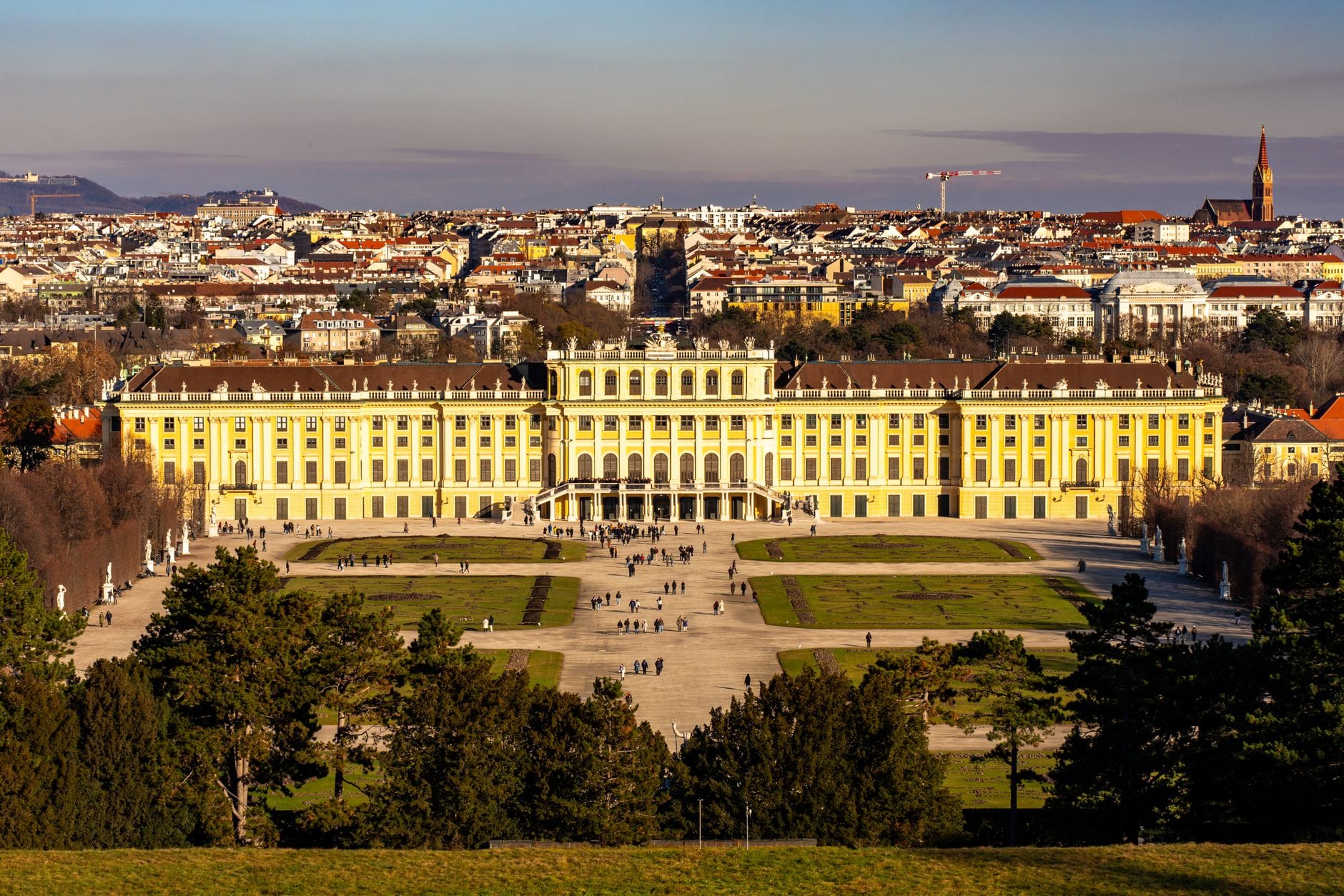
Schönbrunn is the starting point for many visitors, and rightly so, but the palace complex extends well beyond the imperial apartments. The grounds contain a remarkable concentration of palatial and imperial structures, each telling a different part of the Habsburg story. The Schönbrunn area rewards a full day of exploration.
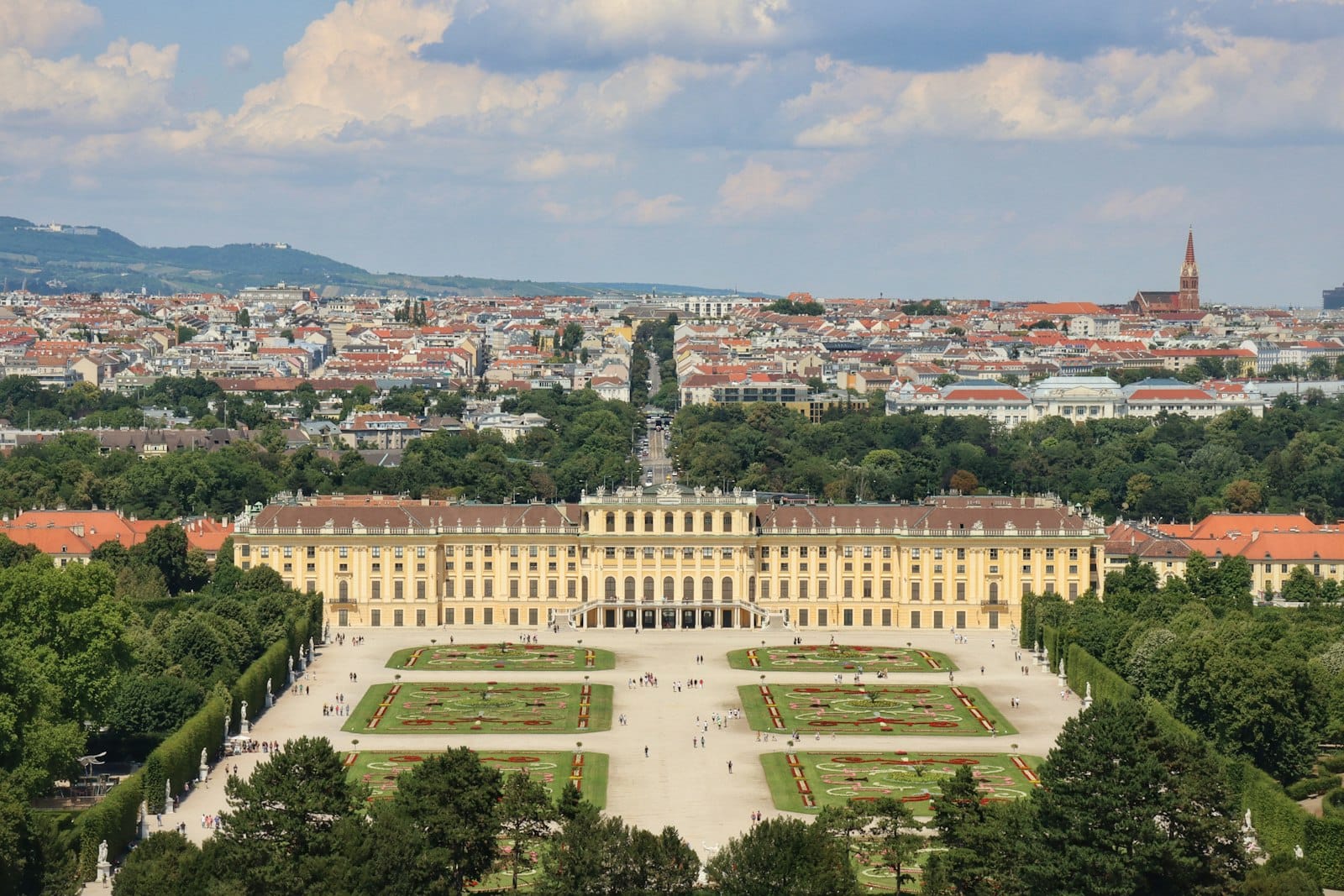
13. Tour the Lavish Imperial Apartments of the Habsburg Summer Residence
With 1,441 rooms and a UNESCO World Heritage designation, Schönbrunn is Europe's answer to Versailles. The Grand Tour of 40 state rooms shows Franz Joseph's spartan bedroom alongside Maria Theresa's extravagant Vieux-Lacque Room.
Explore13. Tour the Lavish Imperial Apartments of the Habsburg Summer Residence
With 1,441 rooms and a UNESCO World Heritage designation, Schönbrunn is Europe's answer to Versailles. The Grand Tour of 40 state rooms shows Franz Joseph's spartan bedroom alongside Maria Theresa's extravagant Vieux-Lacque Room.
Explore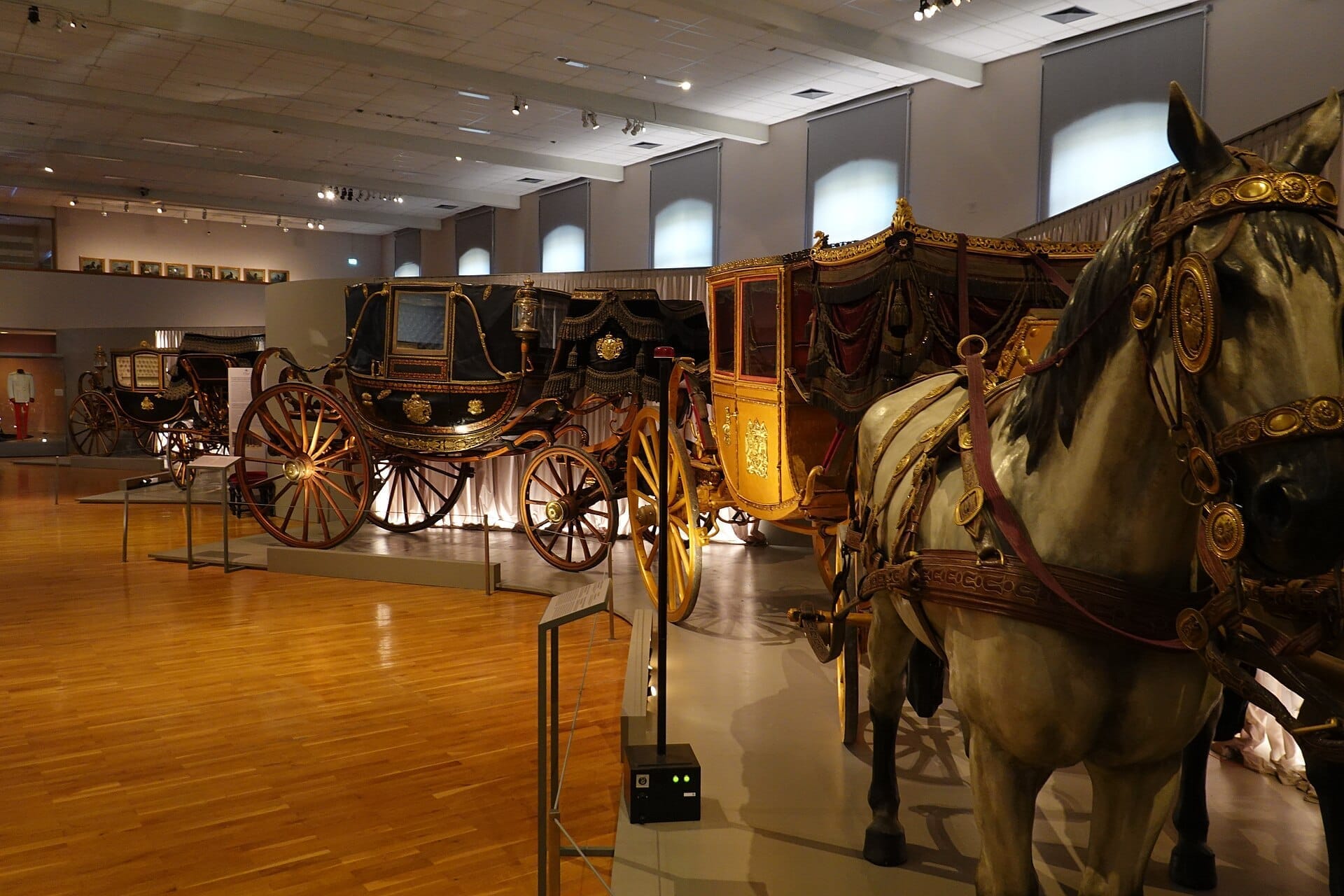
14. See the Golden Imperial Coronation Coach at the Carriage Museum
The Kaiserliche Wagenburg within the Schönbrunn complex holds Emperor Charles VI's golden coronation coach alongside hundreds of imperial vehicles. It is one of the world's most important collections of its kind and rarely crowded.
Explore14. See the Golden Imperial Coronation Coach at the Carriage Museum
The Kaiserliche Wagenburg within the Schönbrunn complex holds Emperor Charles VI's golden coronation coach alongside hundreds of imperial vehicles. It is one of the world's most important collections of its kind and rarely crowded.
Explore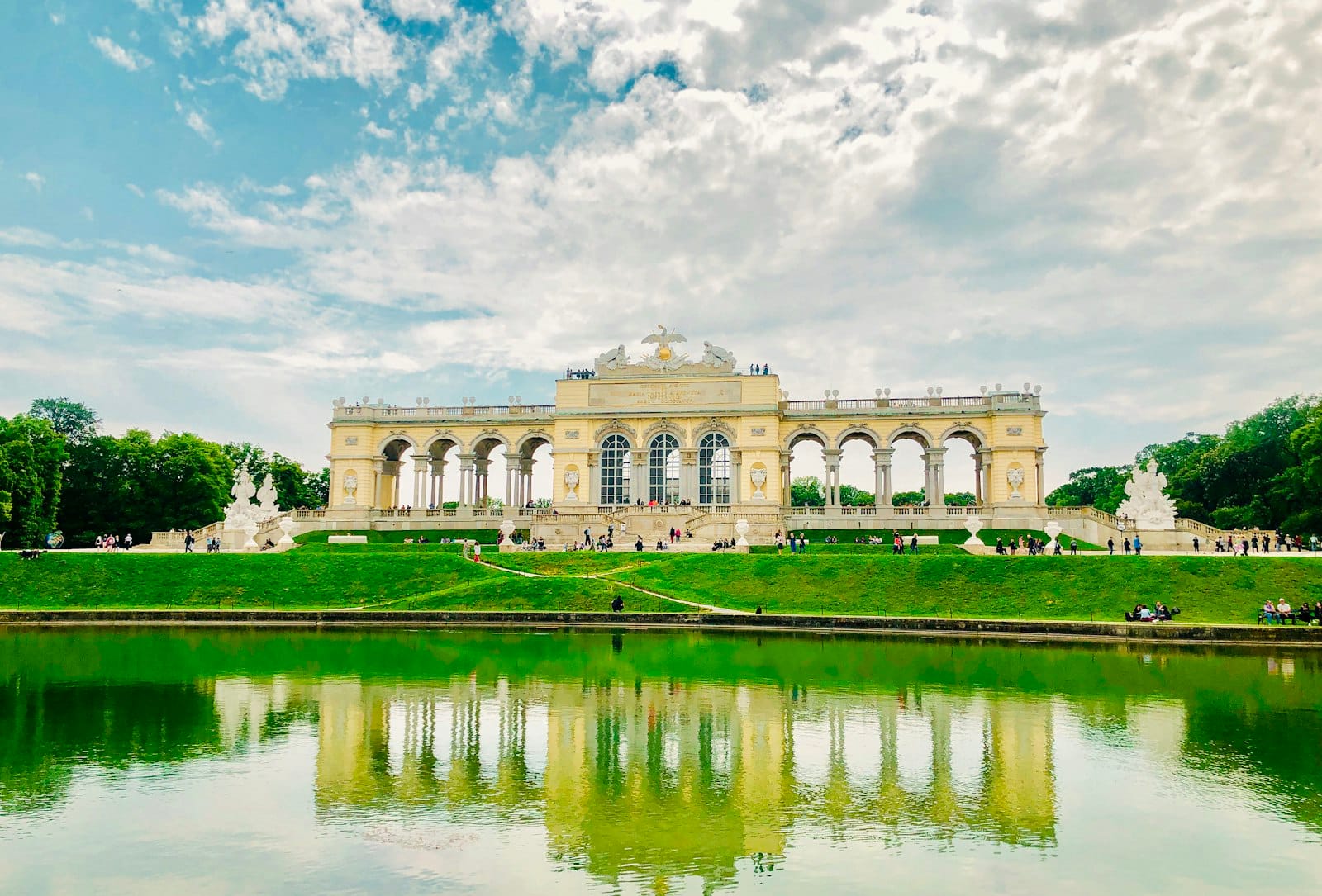
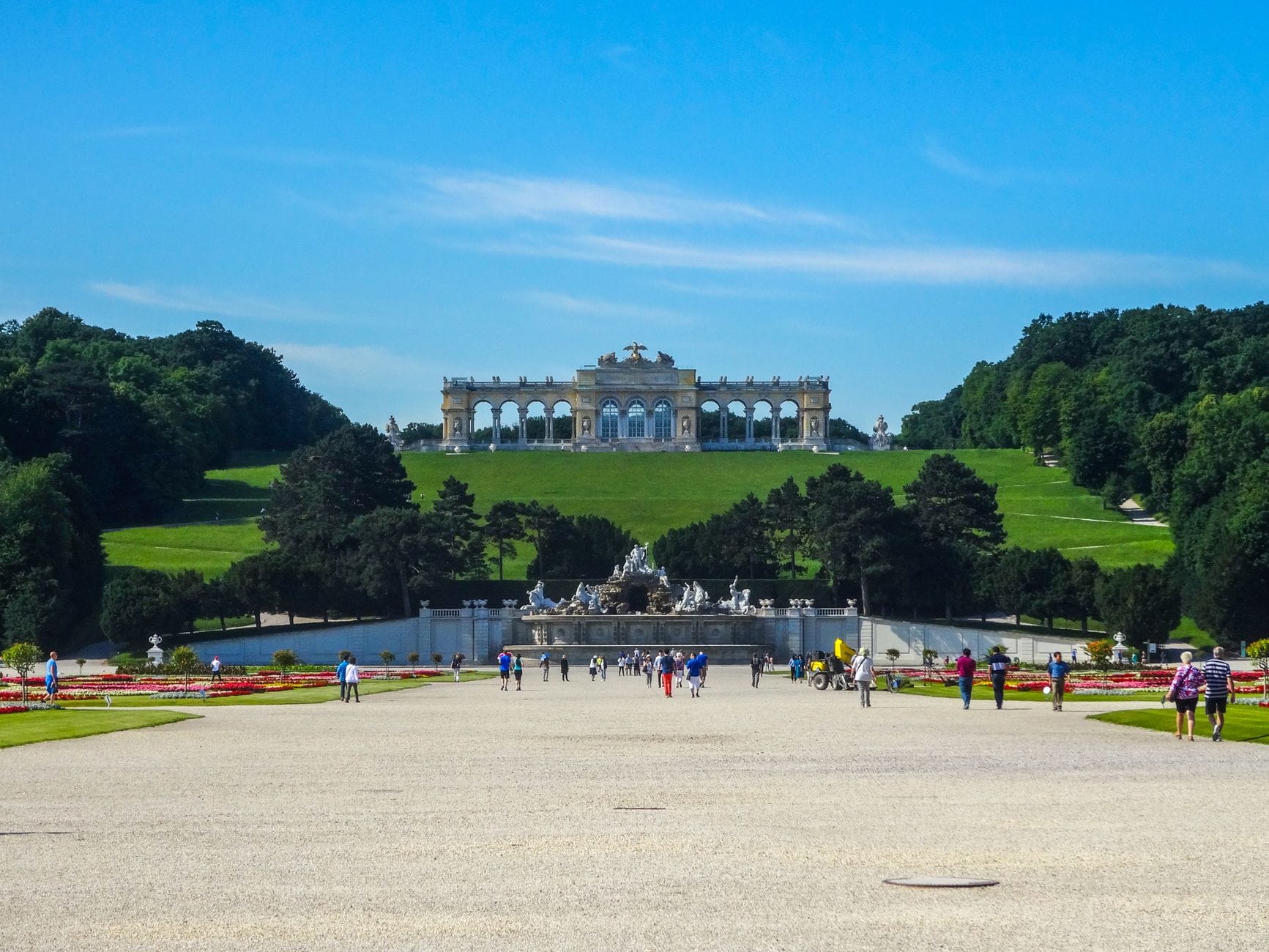
15. Climb to the Gloriette for Panoramic Views Over the Palace
The neoclassical Gloriette colonnade sits on the ridge above Schönbrunn and rewards the 15-minute uphill walk with the finest overhead view of the palace gardens and Vienna's rooftops. The café inside opens seasonally.
Explore15. Climb to the Gloriette for Panoramic Views Over the Palace
The neoclassical Gloriette colonnade sits on the ridge above Schönbrunn and rewards the 15-minute uphill walk with the finest overhead view of the palace gardens and Vienna's rooftops. The café inside opens seasonally.
Explore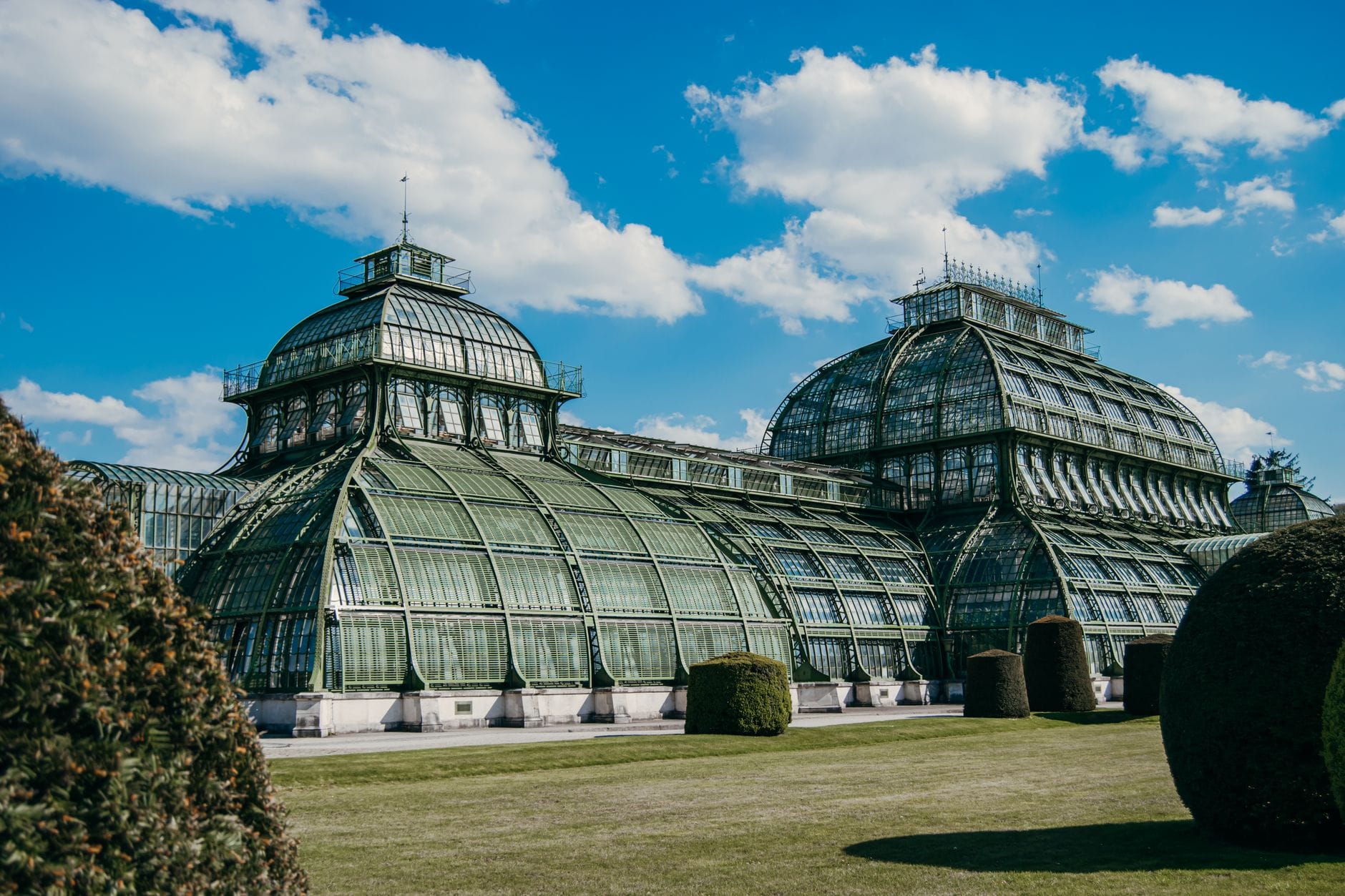
16. Step Inside Schönbrunn's Magnificent 19th-Century Palm House
The Palmenhaus is a masterpiece of Victorian iron-and-glass architecture within the Schönbrunn grounds, housing tropical plants across three climate zones. Its café-restaurant is one of the most atmospheric lunch spots in the city.
Explore16. Step Inside Schönbrunn's Magnificent 19th-Century Palm House
The Palmenhaus is a masterpiece of Victorian iron-and-glass architecture within the Schönbrunn grounds, housing tropical plants across three climate zones. Its café-restaurant is one of the most atmospheric lunch spots in the city.
ExplorePalace-Adjacent Highlights: Architecture, Art, and History
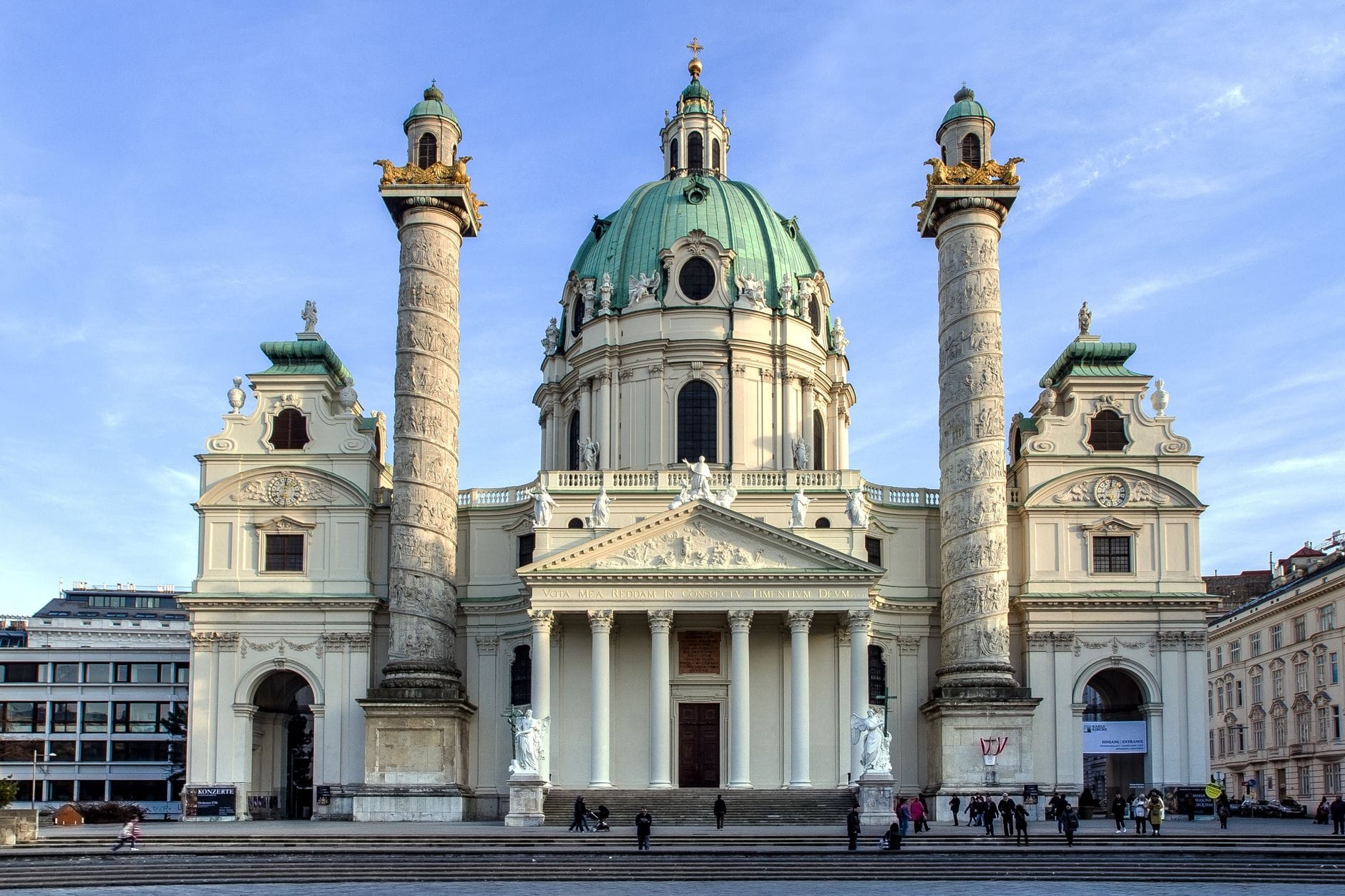
Vienna's palace culture extended far beyond the buildings themselves. The city's aristocratic and imperial patronage shaped its churches, museums, and public buildings into a network of palatial interiors. Several institutions directly adjacent to or housed within palace structures are essential to any complete palace-focused visit. The Vienna architecture guide covers the broader context of how this built environment developed across the centuries.
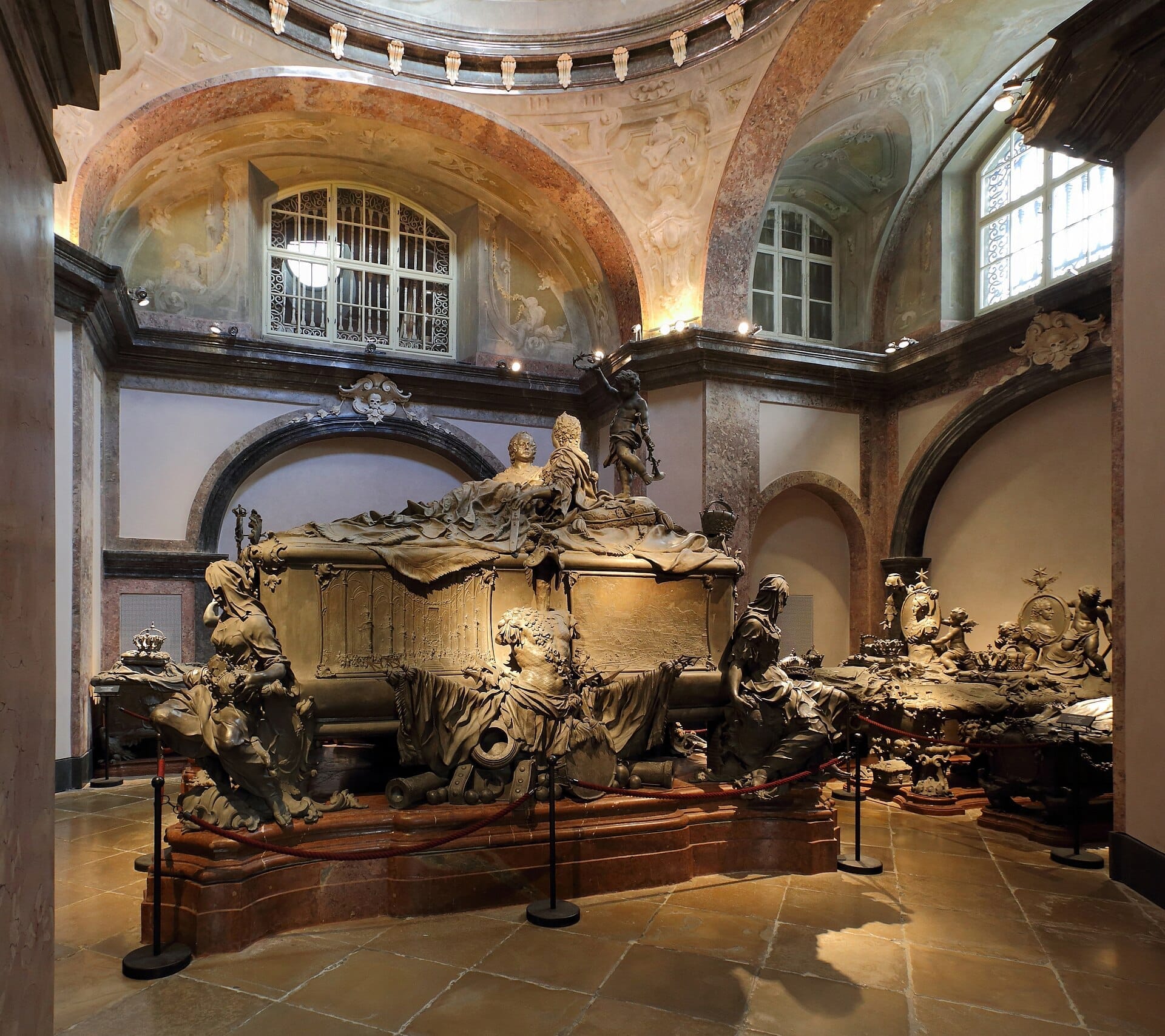
17. Pay Respects to 149 Habsburg Rulers in the Imperial Crypt
Beneath the modest Kapuziner Church near the Hofburg lies the burial vault of the Habsburg dynasty: 149 elaborately decorated sarcophagi including those of Empress Sisi and Emperor Franz Joseph. A quietly extraordinary place.
Explore17. Pay Respects to 149 Habsburg Rulers in the Imperial Crypt
Beneath the modest Kapuziner Church near the Hofburg lies the burial vault of the Habsburg dynasty: 149 elaborately decorated sarcophagi including those of Empress Sisi and Emperor Franz Joseph. A quietly extraordinary place.
Explore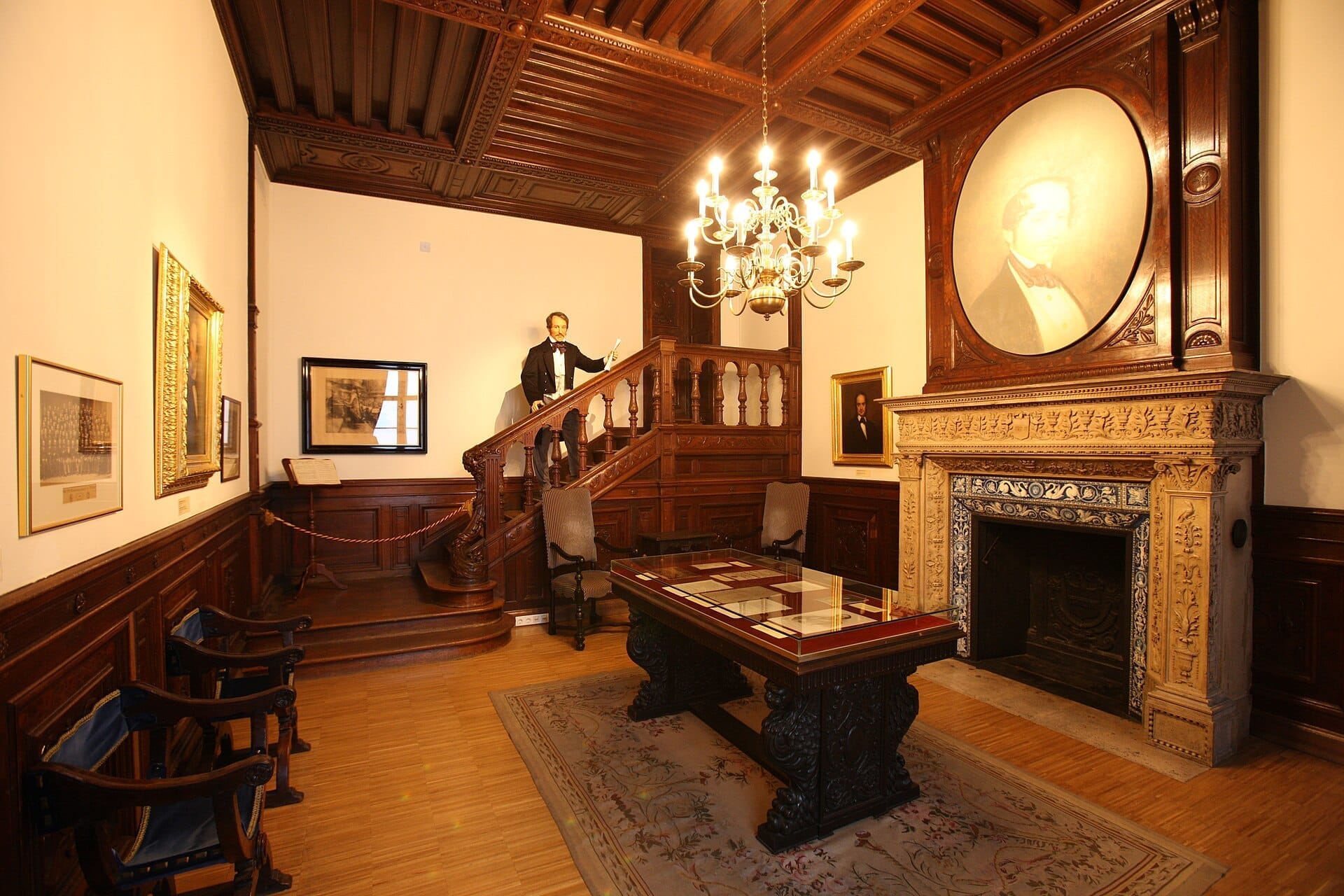
18. Explore an Interactive Music Museum in a Ringstrasse Palace
The House of Music occupies a 19th-century palace on the Annagasse, just off the Ringstrasse. Its five floors use immersive installations to explore Vienna's composers and let visitors conduct the Vienna Philharmonic virtually.
Explore18. Explore an Interactive Music Museum in a Ringstrasse Palace
The House of Music occupies a 19th-century palace on the Annagasse, just off the Ringstrasse. Its five floors use immersive installations to explore Vienna's composers and let visitors conduct the Vienna Philharmonic virtually.
Explore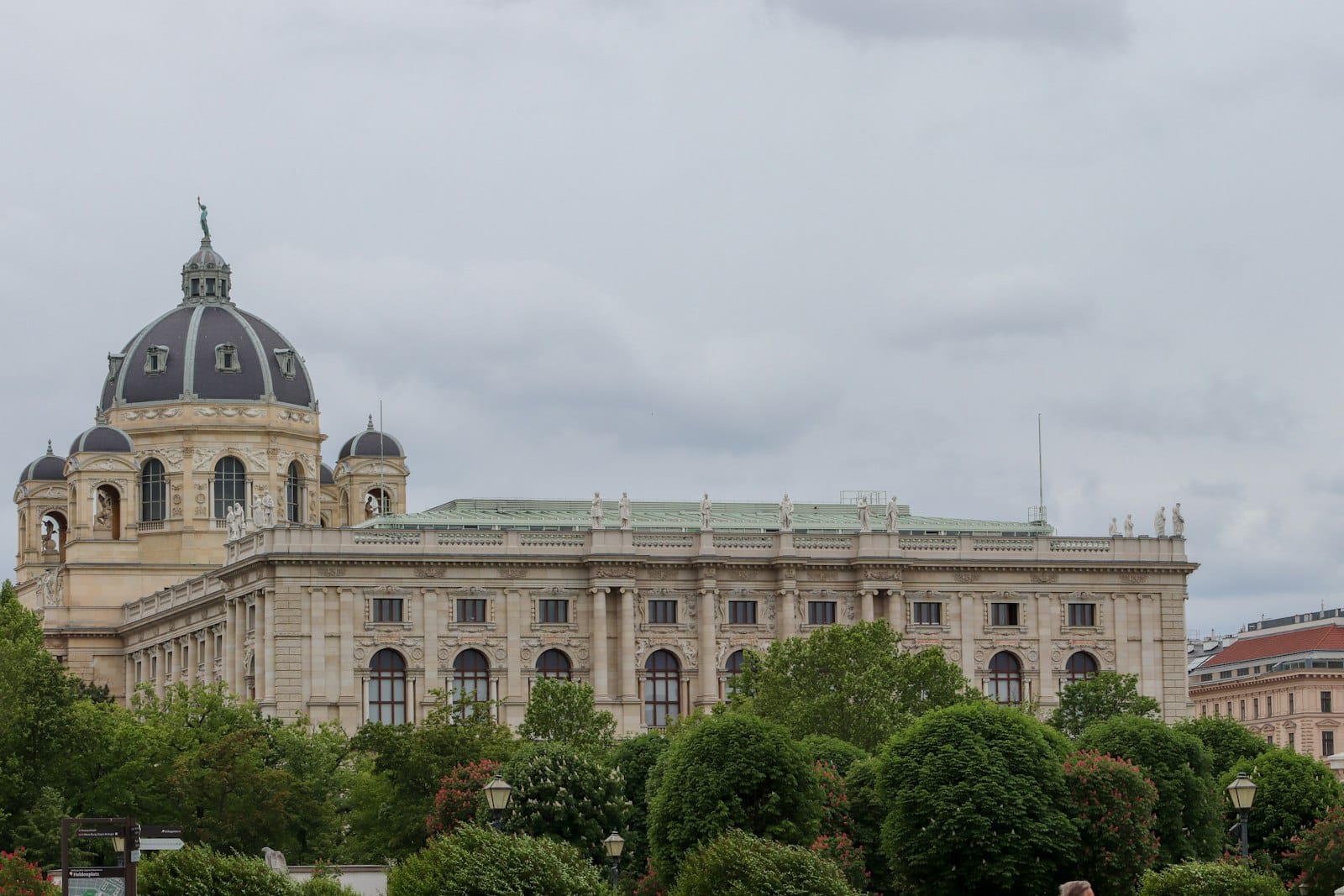
19. Visit the Twin Museum Palace Facing the Kunsthistorisches Museum
Deliberately built as a symmetrical pair with the art museum, the Natural History Museum's palatial halls hold the 25,000-year-old Venus of Willendorf and one of Europe's largest natural history collections. The architecture is as impressive as the exhibits.
Explore19. Visit the Twin Museum Palace Facing the Kunsthistorisches Museum
Deliberately built as a symmetrical pair with the art museum, the Natural History Museum's palatial halls hold the 25,000-year-old Venus of Willendorf and one of Europe's largest natural history collections. The architecture is as impressive as the exhibits.
Explore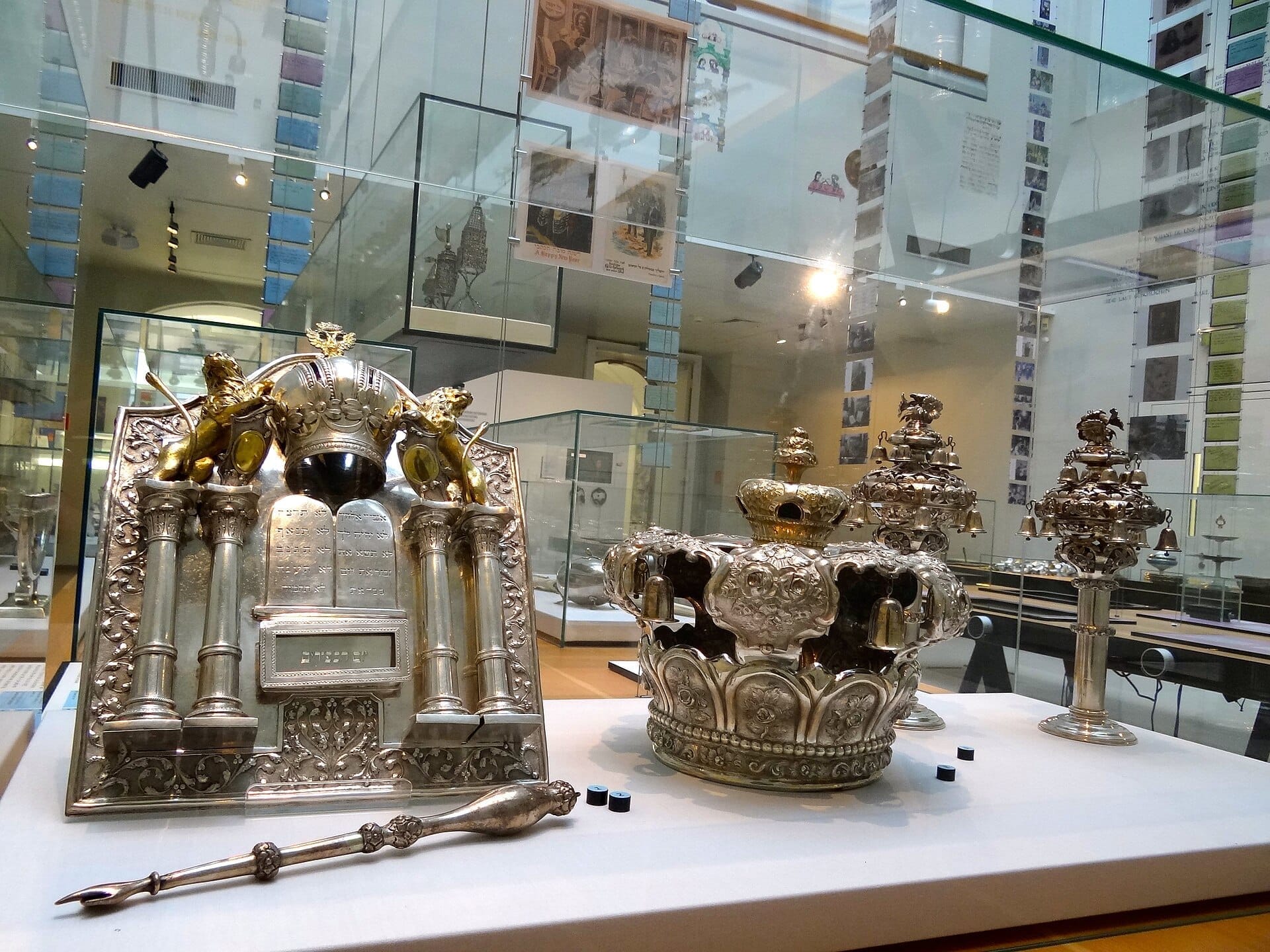
20. Discover the History of Vienna's Jews in a Former Palais
The Jewish Museum on Dorotheergasse occupies a beautifully converted Baroque palace and tells the story of a community that was central to Vienna's cultural golden age. The building itself is a palace worth entering for its architecture alone.
Explore20. Discover the History of Vienna's Jews in a Former Palais
The Jewish Museum on Dorotheergasse occupies a beautifully converted Baroque palace and tells the story of a community that was central to Vienna's cultural golden age. The building itself is a palace worth entering for its architecture alone.
Explore✨ Pro tip
Book palace museum tickets online in advance, especially for the Hofburg's Imperial Apartments and the Upper Belvedere. Queues at ticket desks can add 30-45 minutes during summer and holidays. The Vienna City Card and Vienna Pass both cover multiple palace museums.
FAQ
How many palaces are there in Vienna?
Vienna has more than a dozen significant palatial buildings open to visitors, and Austria as a whole has around 1,000 castles and palaces. Beyond Schönbrunn and Belvedere, the most important are the Hofburg, the Albertina, and the Liechtenstein Garden Palace.
Can you visit the Hofburg Palace for free?
The Hofburg's public courtyards and the Heldenplatz square are free to enter. However, the palace museums inside, including the Imperial Apartments, Sisi Museum, Imperial Treasury, and Weltmuseum, all require paid admission. Combined tickets are available and offer savings.
What is the best order to visit Vienna's palaces?
Start with the Hofburg on day one, visiting the Imperial Treasury in the morning when it is quietest. On day two, dedicate the morning to the Upper and Lower Belvedere with the gardens. Reserve Schönbrunn for a separate half-day, ideally including the Gloriette and Carriage Museum.
Is the Liechtenstein Garden Palace worth visiting?
Yes, it is one of Vienna's most underrated experiences. The palace holds a private collection of European old masters that rivals any public museum, in ceremonial Baroque rooms that feel genuinely preserved rather than restored. Book a guided tour in advance as access is restricted.
What is the difference between the Upper and Lower Belvedere?
The Upper Belvedere (Oberes Belvedere) was Prince Eugene's ceremonial summer palace and now holds Austria's main art collection, including Klimt's 'The Kiss'. The Lower Belvedere (Unteres Belvedere) was his private residence and contains the Baroque Museum and Orangery for temporary exhibitions. Both are on the same ticket.