Vienna Nightlife Guide: Bars, Clubs & After-Dark Experiences
Vienna after dark is more layered than its imperial reputation suggests. This guide breaks down the best bar districts, club zones, jazz venues, and classical nights out, with honest price breakdowns, seasonal advice, and the neighborhoods worth exploring beyond the tourist trail.
Plan and book this trip
Tools from our partner Travelpayouts help you compare flights and hotels. If you book through them, we may earn a commission at no extra cost to you.
Flights
Hotels map
TL;DR
- Vienna nightlife centers on five distinct zones: the Bermuda Triangle, Danube Canal, Prater/Leopoldstadt, the Gürtel arches, and the Innere Stadt bar strip.
- Club nights run late: doors typically open at 23:00 and sets go until 06:00 or 08:00, especially at Flex, Pratersauna, and Fluc near the canal.
- Standing tickets at the Vienna State Opera start around €4, making classical music one of the cheapest nights out in the city.
- Summer (June to September) is peak season for outdoor canal bars; in winter the scene moves indoors. See our best time to visit Vienna guide for seasonal context.
- Vienna is not Berlin: the club scene is smaller and more curated, but it has real depth in electronic music, jazz, and live venues if you know where to look.
Understanding Vienna's After-Dark Geography
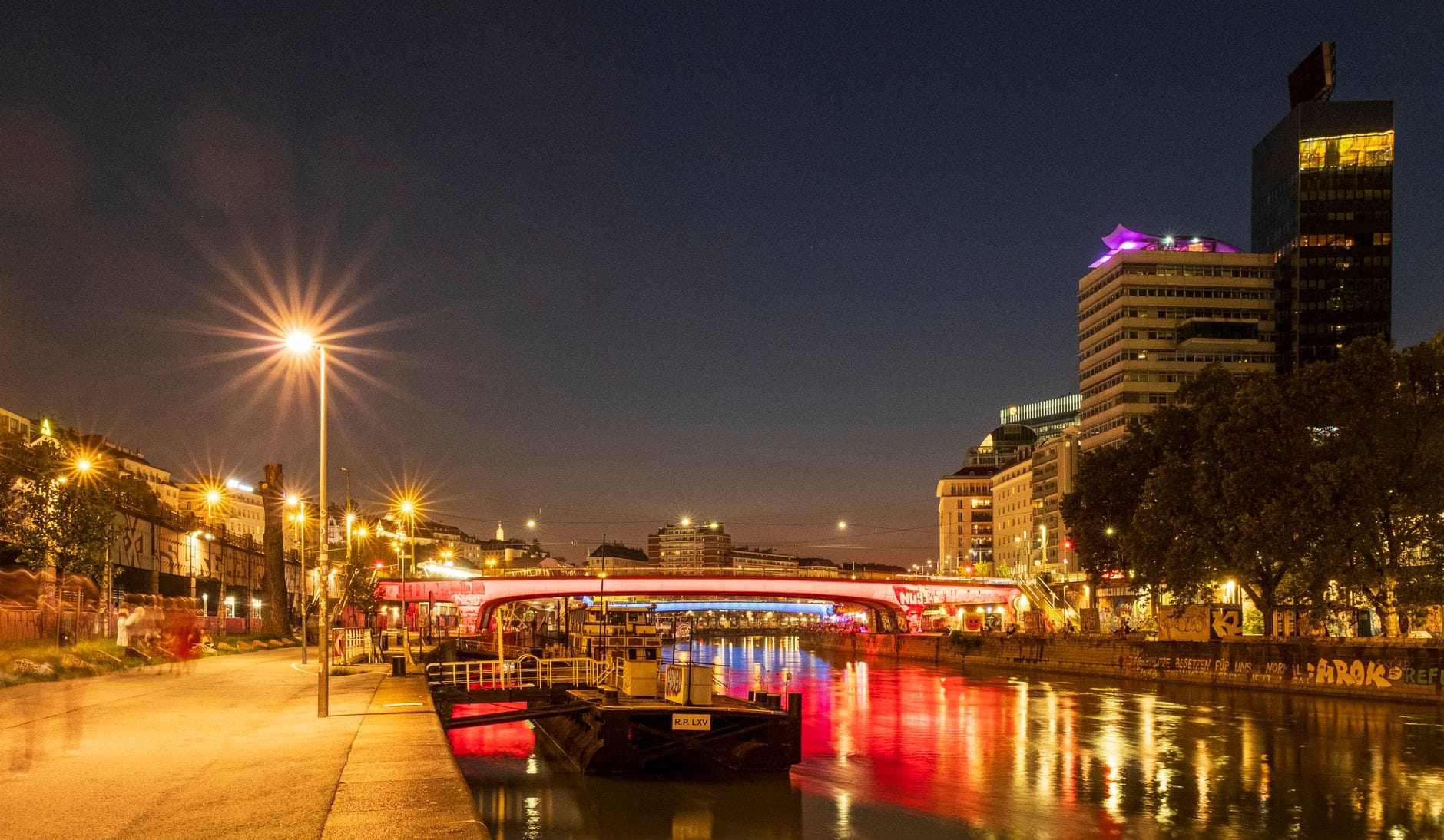
Vienna's nightlife is compact by the standards of a two-million-person capital. Most of the action concentrates within or just outside the Ringstraße, which means bar-hopping on foot is genuinely practical. The city divides into five main after-dark zones, each with a different character, price point, and crowd. Knowing which zone suits your evening saves a lot of time.
- Bermuda Triangle (1st District) The area around Ruprechtsplatz and St. Rupert's Church is Vienna's most concentrated bar-hopping zone. Dozens of small pubs, cocktail bars, and outdoor terraces pack into a few walkable streets. Busy from Thursday through Saturday; expect a mixed crowd of locals and tourists. A four-drink evening here runs around €20–30.
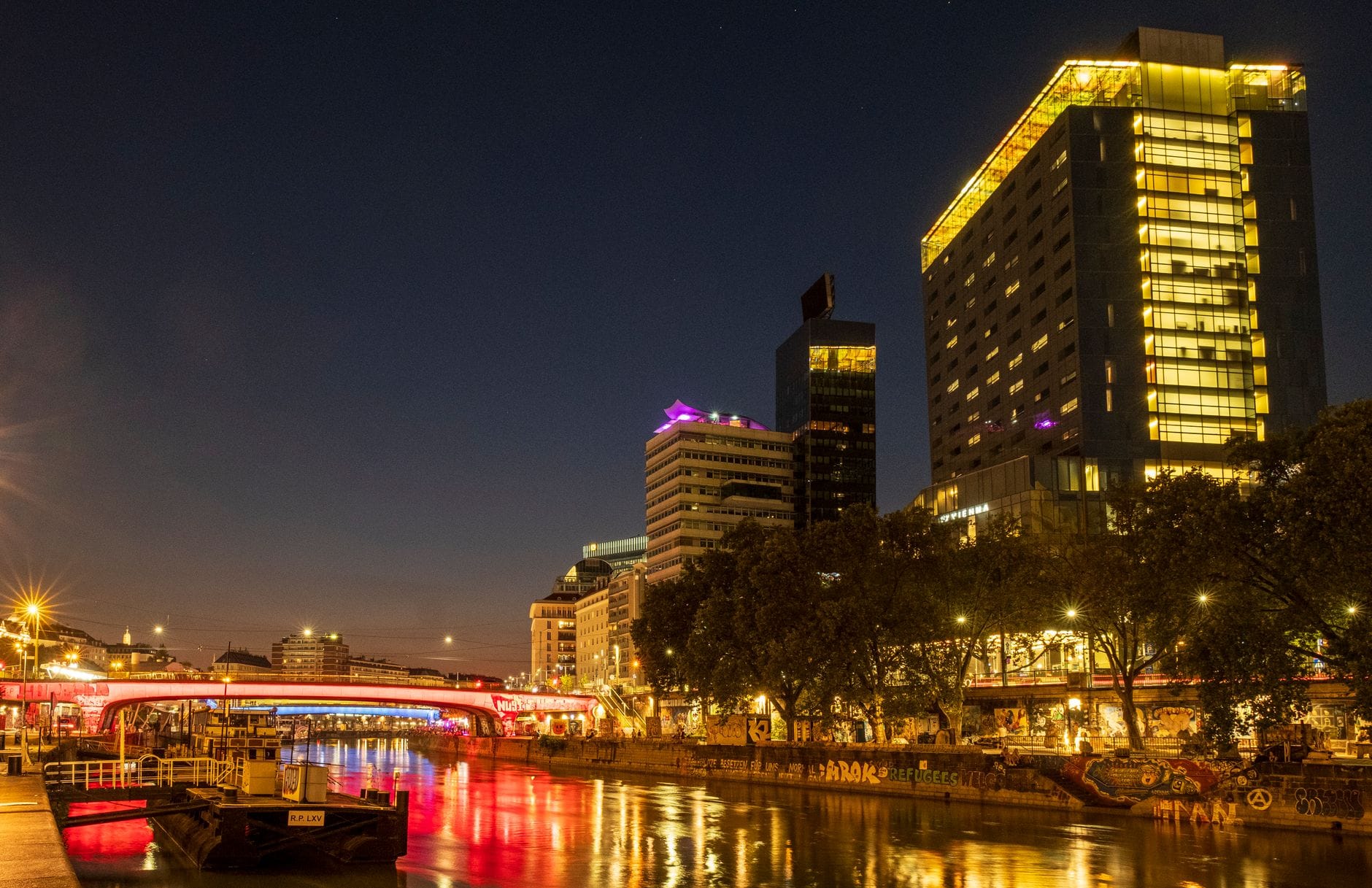
- Donaukanal (Danube Canal) The embankment between Schwedenplatz and Roßauer Lände transforms in summer into a string of open-air bars, DJ terraces, and club outposts. Peak hours run roughly 18:00 to 02:00. This is seasonal: most canal venues close or scale back dramatically between October and April.
- Prater and Leopoldstadt (2nd District) Home to Flex, Pratersauna, and Fluc — the three anchor clubs of Vienna's electronic scene. The canal-facing location of Flex in particular has made it a landmark for techno and drum-and-bass nights since the 1990s.
- Gürtel / Stadtbahnbögen (6th–9th Districts) The repurposed Otto Wagner subway arches running between Thaliastraße and Michelbeuern-AKH host a strip of live music bars and smaller clubs. Less tourist-heavy than the center, with cheaper drinks and a more local crowd. Worth the short U-Bahn ride.
- Spittelberg and Neubau (7th District) A quieter, more wine-bar-and-cocktail-focused zone west of the Museumsquartier. Good for an earlier evening that doesn't involve queuing outside a club at midnight.
💡 Local tip
Vienna's U-Bahn runs 24 hours on Friday and Saturday nights, which removes the usual midnight deadline that kills late nights in many European cities. On weekday nights it stops around 00:30, so plan accordingly or budget for a taxi.
The Club Scene: Electronic, Techno, and Late Nights
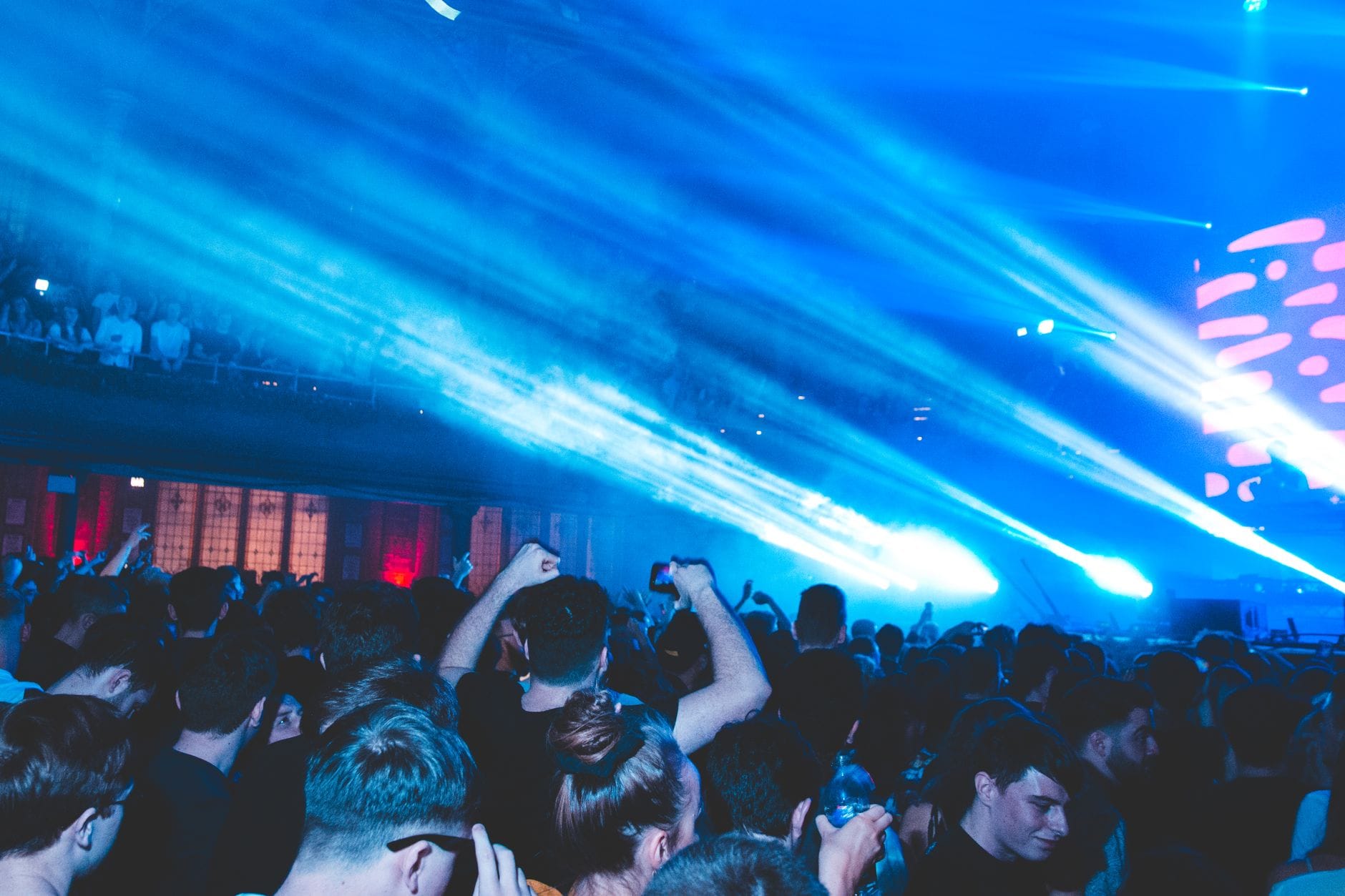
Vienna's club scene is not Berlin. That comparison comes up constantly, and it's worth addressing directly: the city has fewer mega-clubs, shorter queues, and a less ritualized door culture. What it does have is a tight-knit electronic music community with genuine longevity. Flex has been running serious techno and drum-and-bass bookings for over two decades. Pratersauna occupies a converted sauna complex with a large outdoor area that functions as Vienna's closest equivalent to an open-air festival experience.
The three clubs in Leopoldstadt cover different price points. Fluc near the Praterstern often has free entry with a beer around €3.50–4, making it the lowest-commitment option for an exploratory night. Flex charges €8–15 cover depending on the booking. Pratersauna runs €10–18 with beers at €4–5 and cocktails reaching €10–14. Doors at all three open late: plan on arriving after 23:00 if you want to find people there.
⚠️ What to skip
Pratersauna's outdoor area only operates when the weather cooperates. If you're planning a summer visit specifically for the terrace experience, check their social media the day of — Vienna gets surprise thunderstorms in July and August that force the venue indoors.
Beyond these three, the Gürtel arches host smaller club nights with rotating DJs and occasional live acts. The advantage here is the price: drinks tend to run €1–2 cheaper than in the canal zone, and the queues are shorter. The trade-off is that programming is less consistent, so it pays to check listings in advance on local event aggregators.
Classical Music and Opera at Night
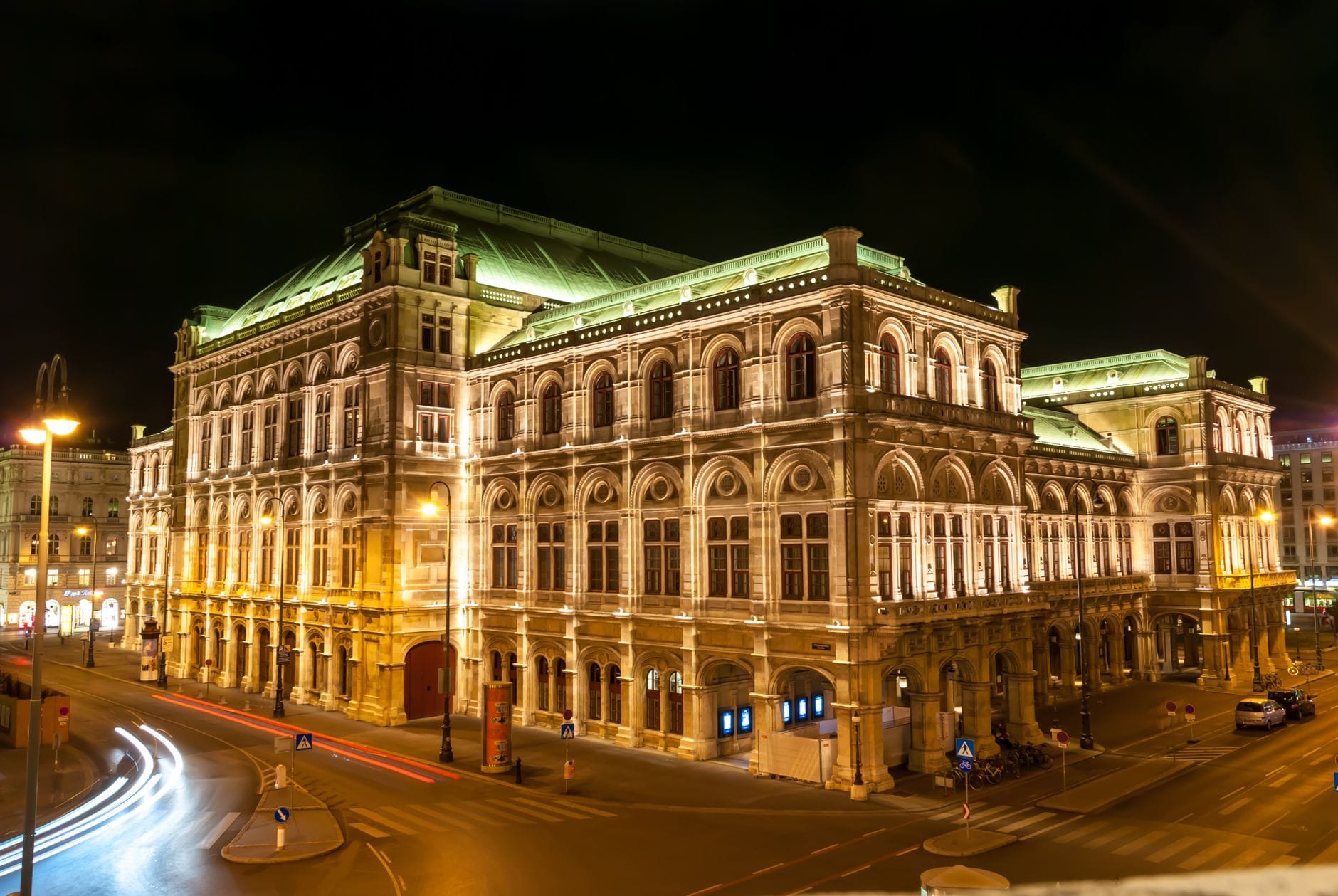
The Vienna State Opera is the obvious anchor of the city's classical nightlife, and it deserves its reputation. What many visitors don't know: standing-room tickets (Stehplätze) are available from around €4 and go on sale about 80 minutes before the performance. You'll queue, but it's a genuinely affordable way to experience one of the world's great opera houses. The main season runs September through June.
The Musikverein and Konzerthaus offer evening concert programs across their multiple halls. Both venues have last-minute ticket options, and smaller recitals in the side halls can cost significantly less than the main stage. For a deeper overview of the full classical music offering, the Vienna classical music guide covers programming, booking, and dress code expectations in detail.
✨ Pro tip
For the Volksoper — Vienna's second opera house — tickets are generally easier to get and cheaper than the State Opera, with a program that mixes opera, operetta, and musical theater. Standing tickets here can be as low as €3. It's a local favorite precisely because the tourist pressure is lower.
Jazz, Live Music, and Cocktail Bars
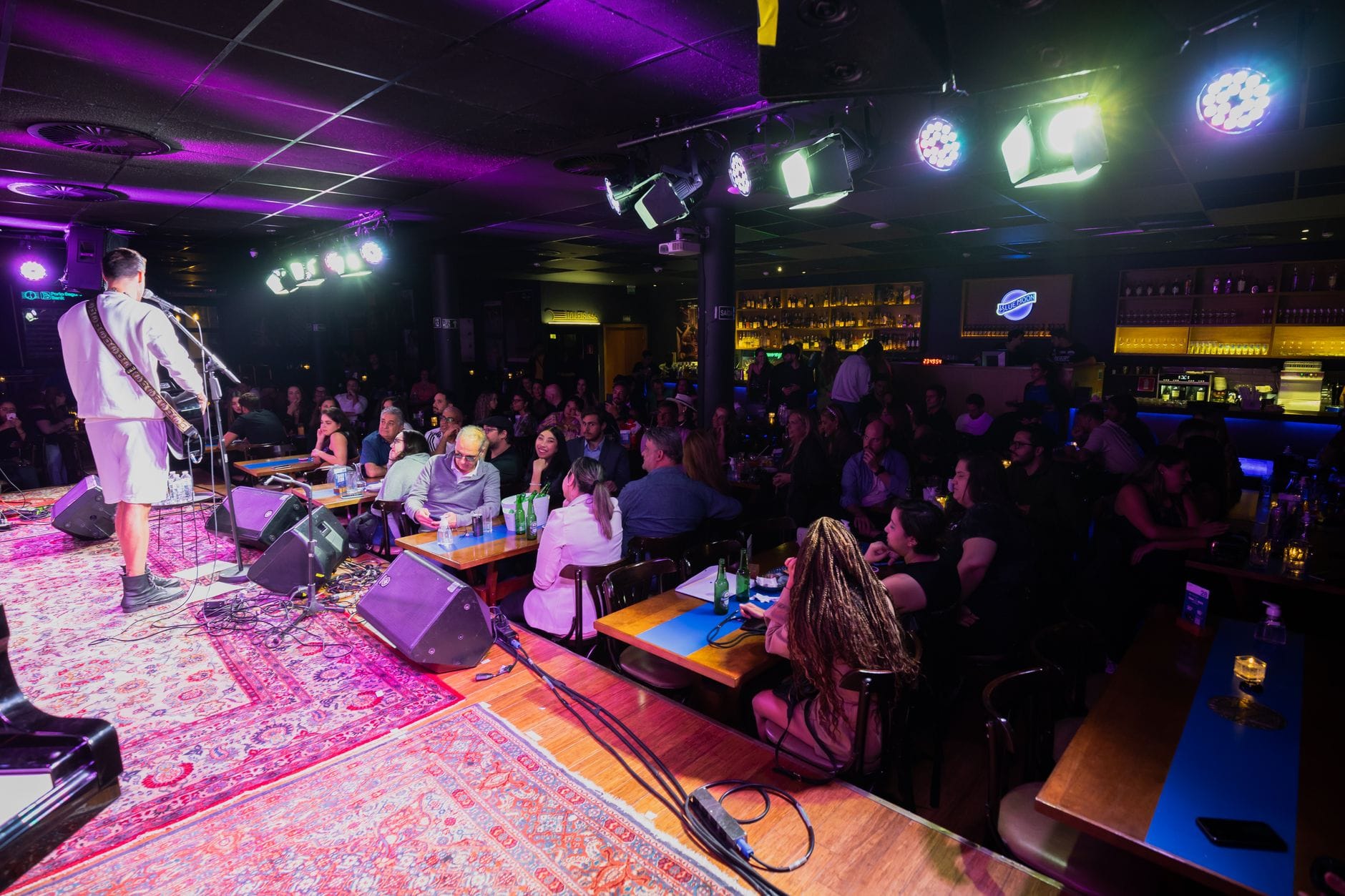
Vienna has two jazz institutions worth knowing about. Jazzland, located in the cellar vaults beneath St. Rupert's Church in the 1st District, is the older of the two and leans toward traditional and mainstream jazz. Porgy and Bess in the 1st District programs a broader range: modern jazz, experimental, and international bookings. Both venues have ticketed shows most evenings, with prices varying by act. Neither is a late-night club in the conventional sense; shows typically wrap by midnight.
For cocktail bars without a cover charge, the Bermuda Triangle has the highest concentration per square meter in the city. The quality range is wide: some bars have serious bartenders who know their amaro list, others are serving pre-mixed pours to tourist groups. A useful filter: if the menu is laminated and picture-heavy, keep walking. Craft cocktail bars in Neubau and around the Naschmarkt area tend to have more considered programs, with cocktails running €12–16.
- Jazzland: traditional jazz in a cellar venue near St. Rupert's Church, running since 1972
- Porgy and Bess: modern jazz and international bookings, considered Vienna's most prestigious jazz club
- Loos American Bar: Adolf Loos-designed room in the 1st District, tiny and architecturally significant, cocktails around €14–18
- Volksgarten Pavilion: summer garden bar and disco attached to the Volksgarten park, popular for weekend nights
- Roxy: long-running late-night bar on Operngasse, no cover, open until early morning
Seasonal Nightlife: What Changes and When
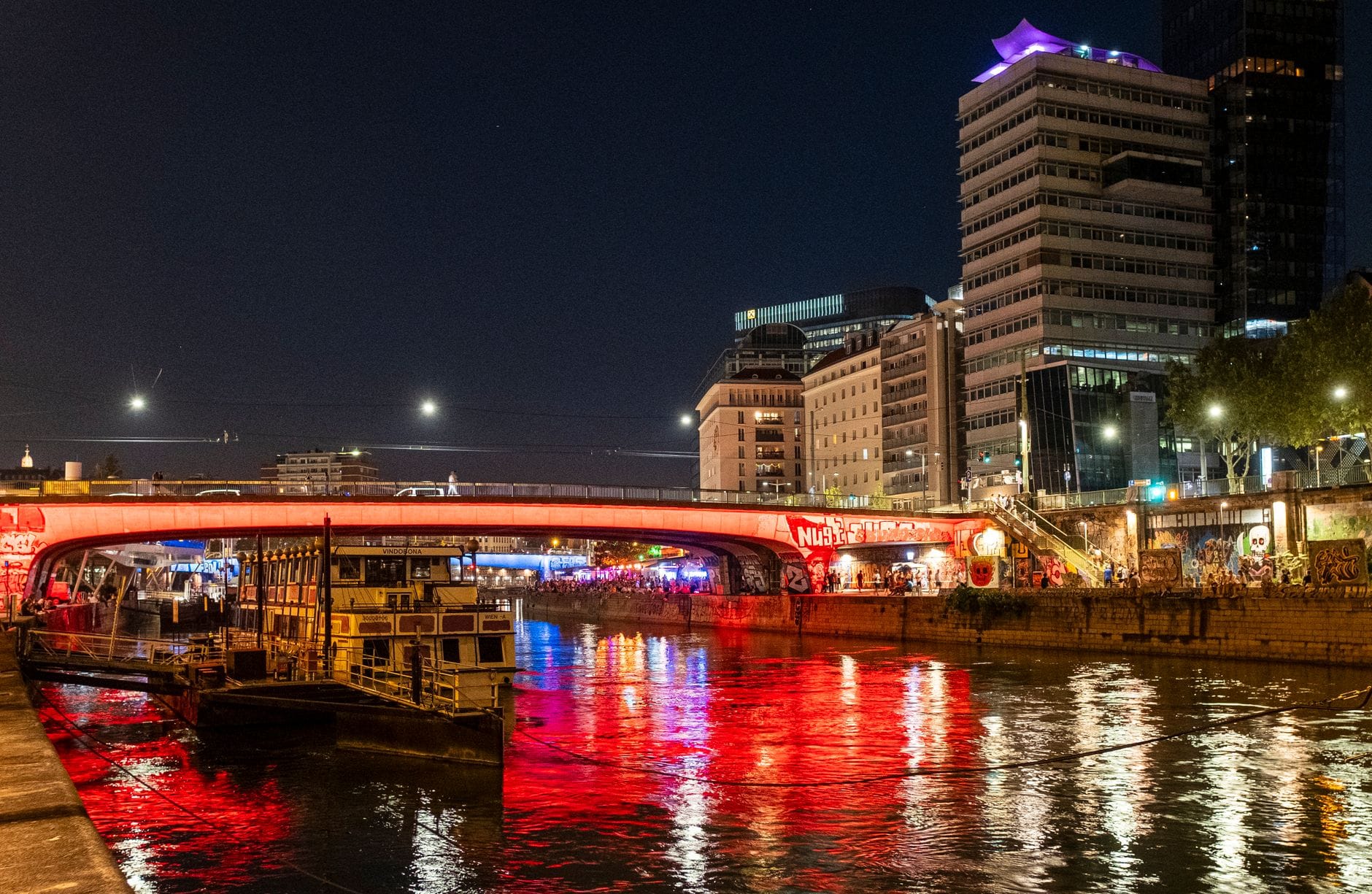
Summer is the clearest inflection point in Vienna nightlife. From June through early September, the Danube Canal embankment fills with pop-up bars, container clubs, and DJ stages. This is genuinely good: the combination of warm evenings, fairy lights strung along the canal, and affordable drinks makes it one of the more enjoyable outdoor drinking scenes in Central Europe. The area around Schwedenplatz is the easiest access point from the Innere Stadt. Pratersauna's outdoor terrace also operates in this window.
Winter doesn't kill the nightlife, but it reorganizes it. The canal bars close or move inside, and the focus shifts to indoor clubs, jazz venues, and the opera season, which runs at full capacity from September to June. January and February overlap with Vienna's ball season, when the city hosts hundreds of formal balls across its grand venues. These are their own category of nightlife: ticketed formal events with live orchestras, waltzing, and late dinners. The Opera Ball in February is the most prominent, but tickets are expensive and difficult to obtain. Smaller professional and student balls are far more accessible and worth investigating if your visit lands in this window.
Spring and autumn are the shoulder seasons: the canal scene hasn't fully opened or has recently closed, the ball season has ended or not yet started, but the clubs, jazz venues, and bar strips operate at full capacity. October in particular is a strong month for club programming, with summer festivals concluded and venues booking serious electronic acts.
Practical Nightlife Logistics
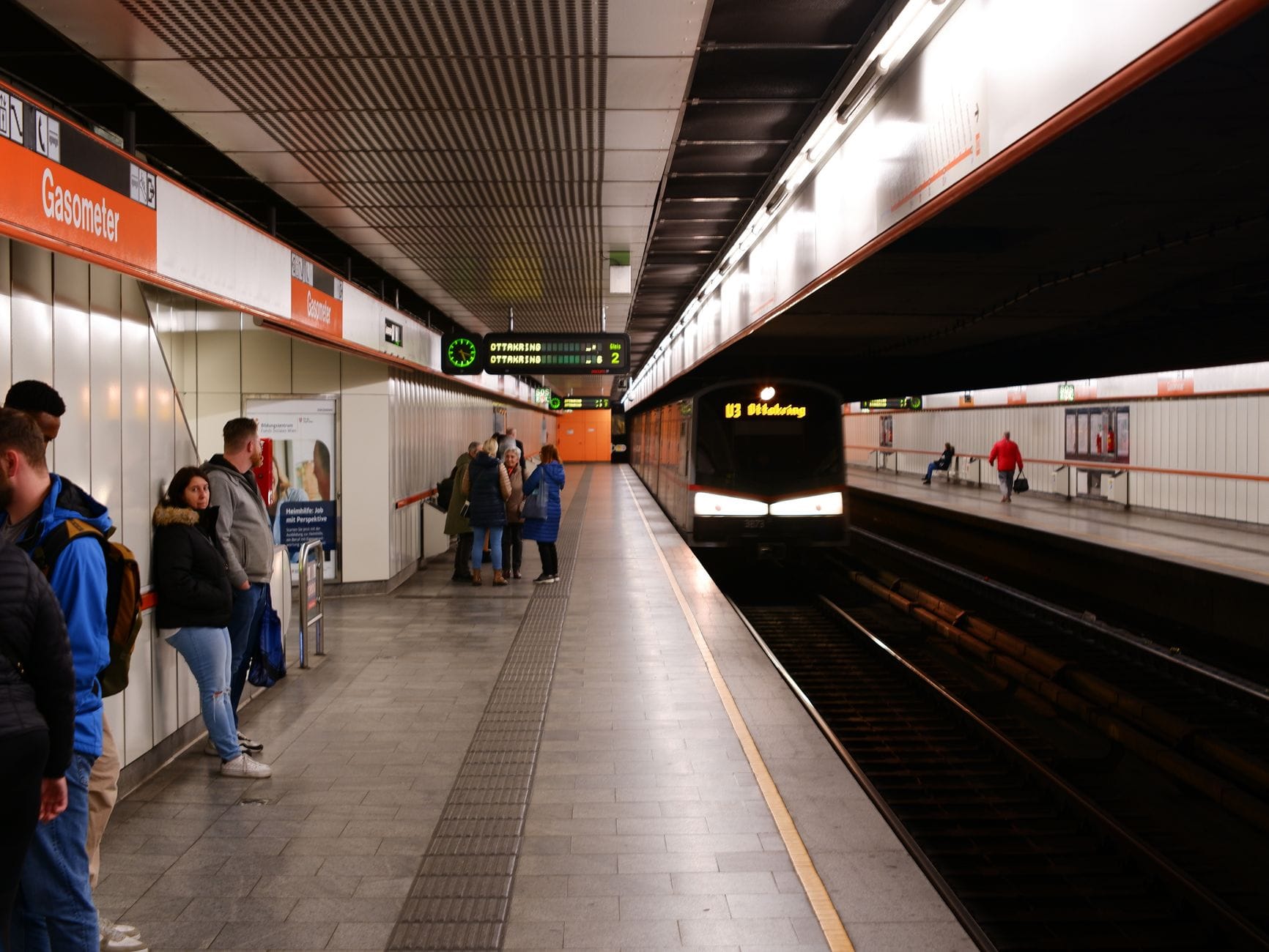
Getting around at night in Vienna is straightforward. The U-Bahn runs through the night on Fridays and Saturdays, with trains every 15–30 minutes depending on the line. On weeknights it stops around 00:30 and is replaced by night buses on the same network. Taxis and ride-hailing apps (Uber and Bolt both operate in Vienna) are readily available across the central districts. From the Bermuda Triangle or Schwedenplatz, most major hotels are within a 15-minute taxi ride.
On costs: Vienna nightlife is mid-range by Western European standards. A beer in a standard bar runs €3.50–5. Cocktails in a decent bar start around €12. Club entry varies from free (Fluc on quieter nights) to €18 for a headline booking at Pratersauna. If you're on a tighter budget, the Vienna on a budget guide has broader money-saving context, but the short version for nightlife is: the Gürtel arches and Fluc are the cheapest zones, and the opera standing tickets are an extraordinary value for the experience.
- Dress code: Vienna clubs are generally less strict than their counterparts in London or Paris. Smart-casual is fine for most venues. The opera and formal balls require appropriate dress — check venue-specific guidance before attending.
- Tipping: rounding up bar tabs is the norm rather than a percentage-based tip. On a €9.50 drink, leaving €10 is standard. Bartenders don't expect more.
- Language: German is the working language of most bars and clubs, but English is widely understood in tourist-facing venues. In the Gürtel zone and outer districts, German helps.
- Safety: Vienna's central districts are generally safe late at night. The Praterstern area around Fluc has had a rougher reputation in recent years; take standard urban precautions.
- Cash vs. card: most bars accept card payment, but some smaller clubs and canal bars are cash-only. Carry at least €20–30 in cash for a club night.
ℹ️ Good to know
The Vienna City Card offers unlimited public transport on the U-Bahn, trams, and buses for 24, 48, or 72 hours. If you're planning multiple late nights that will involve taxis back to your hotel, it may not cover your needs — but for evenings that end before the U-Bahn stops, it's efficient and worth considering alongside your daytime sightseeing.
FAQ
What time do clubs open and close in Vienna?
Most clubs in Vienna don't see a real crowd until midnight or later. Doors typically open around 22:00–23:00, but experienced clubbers arrive after midnight. Sets can run until 06:00 or 08:00 on weekends. Flex, Pratersauna, and Fluc all operate on this schedule.
Is Vienna nightlife good compared to Berlin or Prague?
Vienna's scene is smaller and more specialized than Berlin's, without the same volume of mega-clubs or 24-hour warehouse venues. Compared to Prague, it's less geared toward stag-party tourism and more toward local regulars and music-focused crowds. If you're specifically chasing a Berlin-style techno marathon, Vienna won't fully deliver. If you want a more curated evening — good jazz, serious electronic bookings, or opera — it punches well above its size.
What is the Bermuda Triangle in Vienna?
It's the informal name for the bar district around Ruprechtsplatz and St. Rupert's Church in the 1st District. The name refers to the fact that people can easily 'disappear' into the maze of small bars and pubs there. It's the most tourist-accessible bar-hopping zone in the city, walkable from most central hotels.
Are there outdoor bars in Vienna?
Yes, primarily along the Danube Canal between Schwedenplatz and Roßauer Lände during summer (roughly June to early September). The strip includes open-air bars, container clubs, and DJ stages. Pratersauna's outdoor terrace also operates in summer. Outside of June to September, most outdoor options close or move inside.
How much does a night out in Vienna cost?
A mid-range bar night in the Bermuda Triangle (four to five drinks) typically costs €20–30. Craft cocktail bars run €12–16 per drink. Club entry ranges from free (Fluc) to €10–18 (Pratersauna, Flex). Opera standing tickets start around €4. Overall, Vienna sits in the mid-range for Western Europe — more expensive than Budapest or Prague, cheaper than London or Zurich.