Shopping in Vienna: Best Streets, Markets & Districts
Vienna's shopping scene ranges from Habsburg-era luxury arcades to independent boutiques in the 7th district and a sprawling open-air food market that has operated for over a century. This guide maps out every major shopping area by character, price point, and practical logistics.
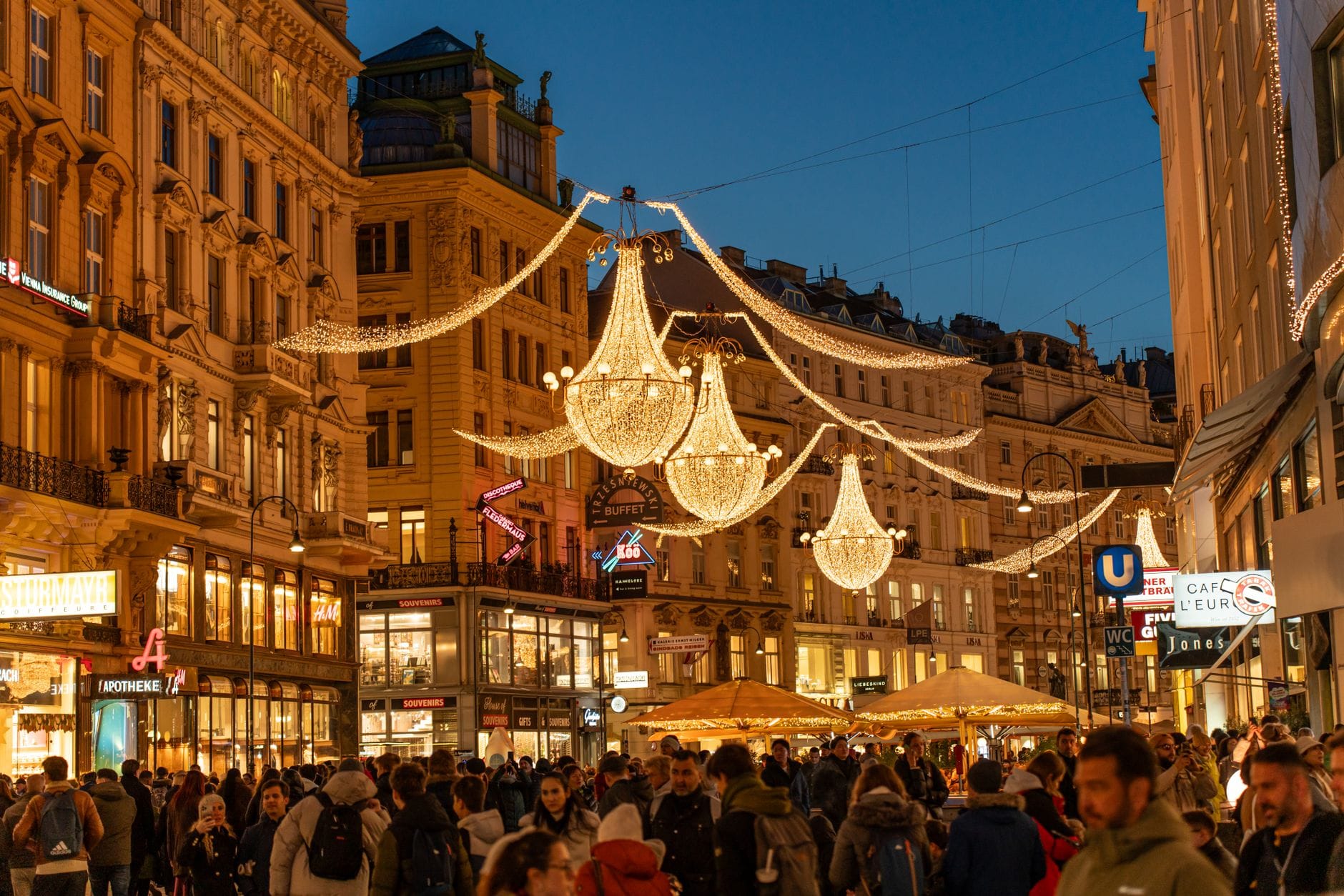
Plan and book this trip
Tools from our partner Travelpayouts help you compare flights and hotels. If you book through them, we may earn a commission at no extra cost to you.
Flights
Hotels map
TL;DR
- Mariahilfer Straße (about 1.8 km long) is Vienna's main everyday shopping street, mixing international chains with mid-range local brands.
- For luxury labels, head to Kohlmarkt and the Goldenes Quartier in the 1st district, not Kärntner Straße, which is more mixed than its reputation suggests.
- The 7th district (Neubau) is the best area for independent boutiques, design shops, and anything distinctly non-chain.
- The Naschmarkt is Vienna's most famous open-air market, open Monday to Saturday, and worth a visit for food shopping and browsing specialty stalls.
- Most central shops follow Monday to Saturday hours (roughly 9:00–19:00). Sunday shopping is largely limited to malls and tourist-area stores, so plan accordingly.
How Vienna's Shopping is Organized
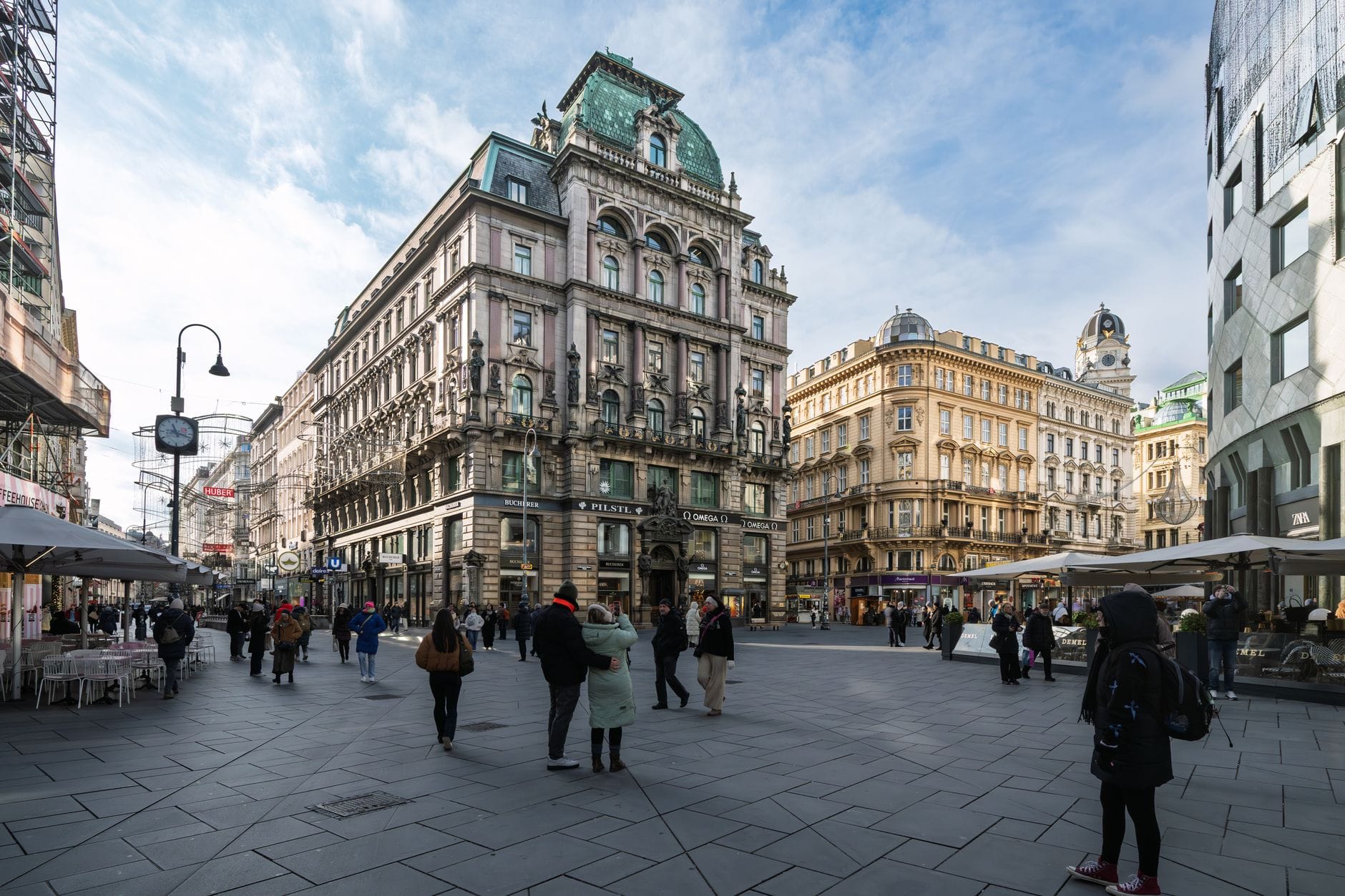
Vienna's retail geography is surprisingly logical once you understand the basic structure. The city divides into 23 administrative districts (Bezirke), and each shopping zone has a distinct personality that broadly reflects the district around it. The 1st district (Innere Stadt) is where you find the historic streets, the luxury labels, and the highest tourist density. The 6th and 7th districts form a long commercial corridor stretching west from the Ring, covering everything from fast fashion to independent design. Markets and transport hub malls fill in the rest.
Knowing which area suits your budget and taste saves a lot of wandering. For a full picture of the city's layout before you start shopping, the Innere Stadt walking tour guide covers the 1st district streets in detail, including the retail core around Graben and Kohlmarkt.
ℹ️ Good to know
Sunday shopping in Vienna is limited. Most shops outside of major malls, train station retail, and a handful of tourist-area stores are closed on Sundays by law. If your only free day is Sunday, head to a mall like Donau Zentrum or BahnhofCity Wien Hauptbahnhof, or focus on the Naschmarkt (which closes at midday on Saturdays and is shut on Sundays).
The 1st District: Luxury, History, and the Golden Quarter
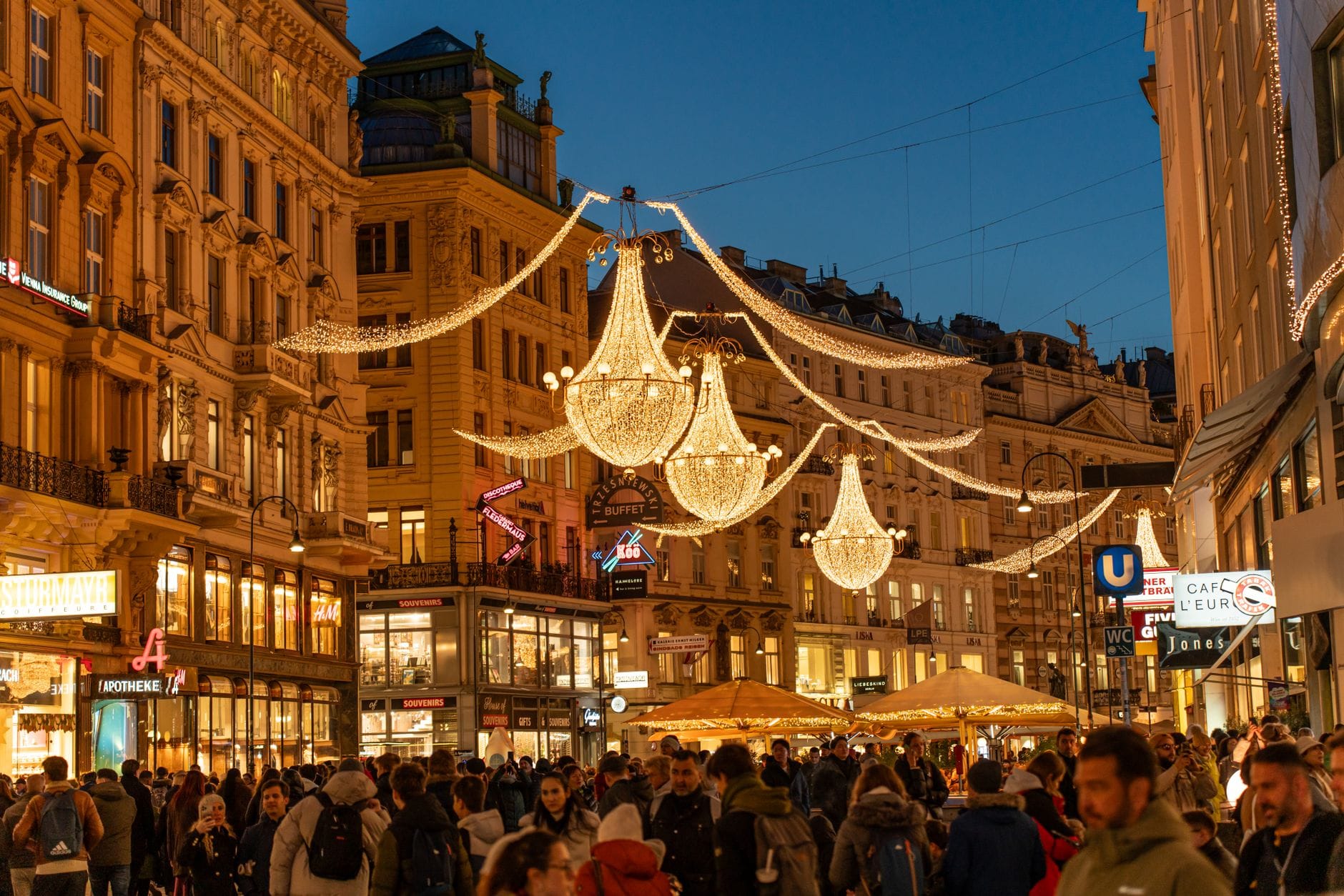
Kärntner Straße is the street visitors tend to encounter first, running from the Vienna State Opera south entrance to Stephansplatz. It is largely pedestrianized, lined with international brands including Boss, Peek & Cloppenburg, and the Steffl department store, and it sits at the top of most tourist shopping lists. That reputation is partly misleading. Kärntner Straße is a high-footfall generalist street, not a luxury corridor. The prices are high, the crowds are heavy between 11:00 and 17:00, and several storefronts lean hard into tourist-trap souvenir territory. It is worth walking, but it is not where Vienna's serious retail happens.
For actual luxury shopping, turn left off Kärntner Straße toward Graben and Kohlmarkt. Graben is one of Vienna's great public spaces, a wide pedestrian boulevard with Baroque plague columns and a concentration of upscale boutiques including the famous Julius Meinl am Graben delicatessen. Kohlmarkt, the short street connecting Graben to the Hofburg, is where the high-end labels concentrate: Cartier, Gucci, Dior, and Burberry all have flagship-style stores here. Combined with the nearby Goldenes Quartier (the Golden Quarter, anchored by Bognergasse, Tuchlauben, and Seitzergasse), this forms the most concentrated luxury retail zone in Austria.
- Kärntner Straße High tourist footfall, mixed mid-range to premium brands. Best for department store shopping at Steffl and international chain browsing. Avoid the souvenir shops near Stephansplatz.
- Graben Upscale pedestrian boulevard. Julius Meinl am Graben alone is worth a stop for Austrian food products as gifts. Surrounding boutiques lean toward jewelry, fashion accessories, and luxury cosmetics.
- Kohlmarkt & the Goldenes Quartier Vienna's equivalent of a luxury mile. If you are looking for Hermès, Chanel, or Gucci in a less frenetic setting than a major European capital, this is genuinely pleasant. Prices are identical to Paris or London, but the streets are quieter.
⚠️ What to skip
The souvenir shops around Stephansplatz selling Mozart chocolates and snow globes charge a significant premium for items available at lower prices in supermarkets or specialist confectionery stores. Julius Meinl am Graben is a better source for quality Austrian food gifts at more transparent pricing.
Mariahilfer Straße: Vienna's Everyday Shopping Street
At approximately 1.8 km, Mariahilfer Straße is the longest shopping street in Vienna, running roughly from Westbahnhof (West Train Station) east toward Museumsquartier. It spans the 6th and 7th districts and is the street that most Viennese residents actually use for everyday retail. H&M, Zara, Mango, MediaMarkt, and dozens of mid-range Austrian and international brands operate here. There are also independent bookshops, a few local fashion labels, and a well-regarded branch of the Thalia book chain.
The street divides into a fully pedestrianized inner section and a shared zone (Begegnungszone) closer to the Ring end, where trams still run. Peak crowding happens on Saturday afternoons between roughly 12:00 and 16:00. If you are doing serious browsing, a weekday morning is considerably calmer. Mariahilfer Straße is also close to the MuseumsQuartier area, so it pairs naturally with a cultural morning if you want to combine both.
💡 Local tip
Mariahilfer Straße is not exclusively budget or chain shopping. The western end (closer to Westbahnhof) skews more mass-market, while the eastern end near MuseumsQuartier has a higher proportion of independent stores and design-focused boutiques. Start from the east if that is what you are looking for.
The 7th District (Neubau): Independent Boutiques and Design
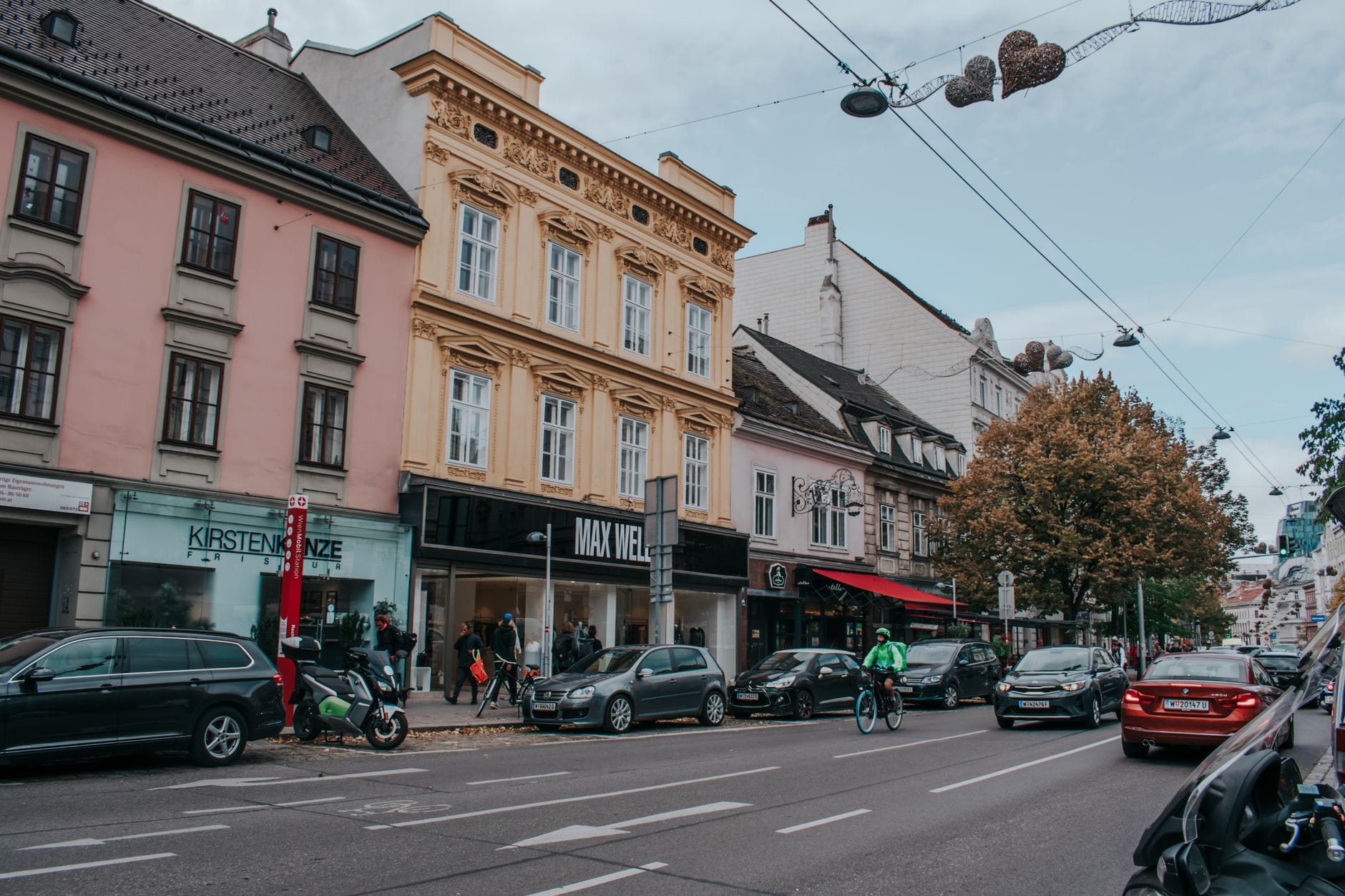
Neubau is where Vienna's independent retail scene is most concentrated. Neubaugasse itself is the spine of this area, a street known for small fashion boutiques, design object shops, and specialty stores that would look at home in Berlin's Prenzlauer Berg or Copenhagen's Vesterbro. The character is decidedly local: fewer chain stores, more considered curation, and a customer base that is largely Viennese rather than tourist.
The Spittelberg quarter, a grid of Baroque-era streets between Burggasse and Siebensterngasse, adds an artisan and gallery dimension. Spittelberg has a deserved reputation as a nightlife area, but its daytime retail includes small galleries, craft shops, and boutiques selling locally made ceramics, jewelry, and clothing. It is also home to one of Vienna's best Christmas markets in December, which turns the cobblestone streets into a genuinely atmospheric seasonal shopping destination.
For visitors interested in Austrian design and art beyond the obvious souvenir shops, Neubau is the district to prioritize. It sits close to the MuseumsQuartier and the Leopold Museum, making a combined shopping and culture half-day very practical.
Vienna's Markets: Naschmarkt and Beyond
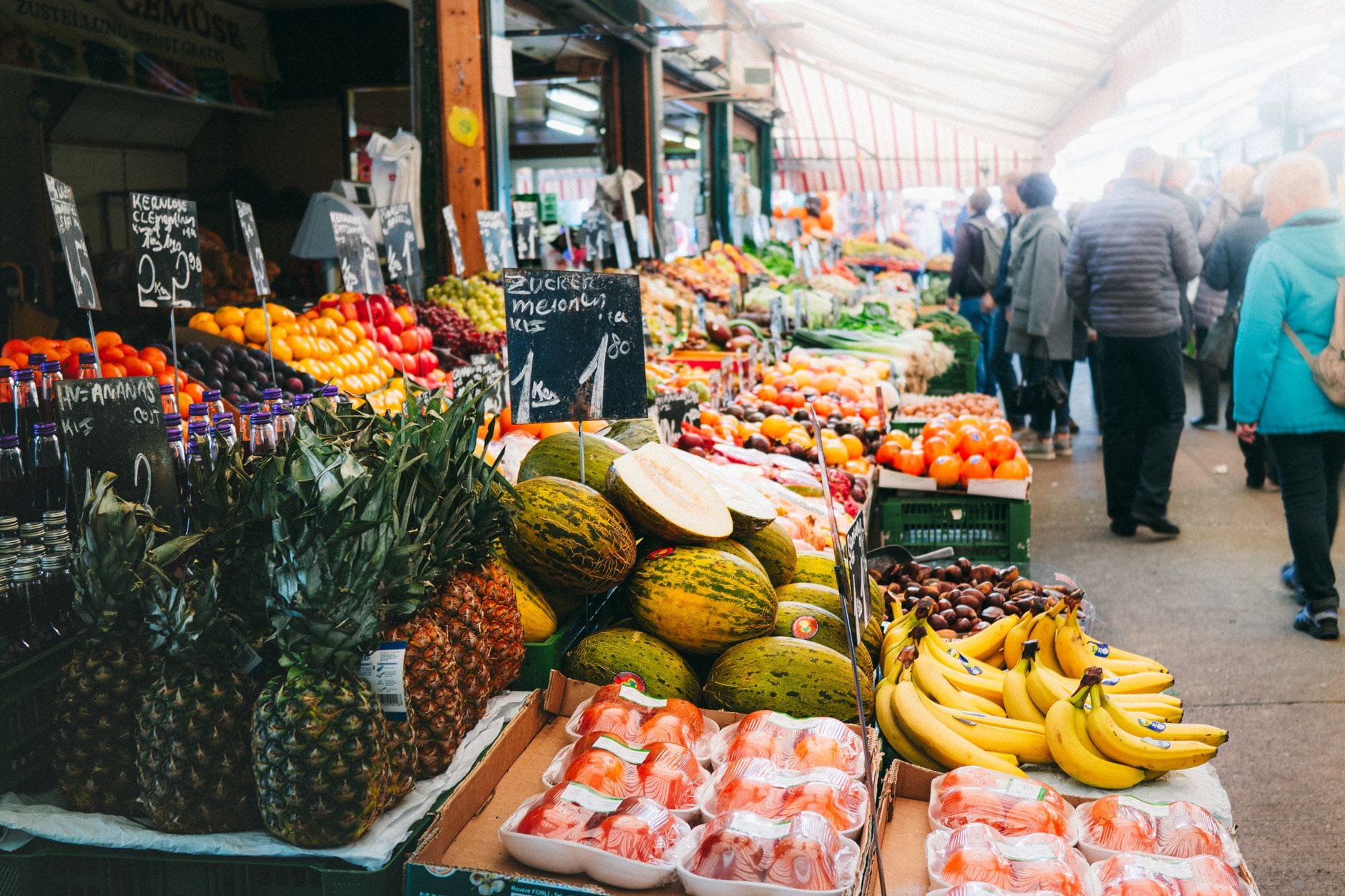
The Naschmarkt is Vienna's most famous open-air market and operates Monday through Saturday along a stretch of the Linke Wienzeile in the 6th district. It covers roughly 1.5 km and includes around 120 market stalls and permanent shops, split between fresh produce (vegetables, fish, meat, spices, olives) and prepared food vendors and sit-down restaurants. For food shopping, the middle section has the best quality-to-price ratio. The stalls closest to the U4 Kettenbrückengasse exit cater heavily to tourists and price accordingly.
On Saturdays, a flea market extends along the southern side of the Naschmarkt from around 06:30 until roughly 14:00. The quality varies considerably from genuine antiques and second-hand vinyl to low-grade junk, but it is worth walking even if you are not buying. Arrive before 10:00 for the best selection; by noon it becomes very crowded.
Beyond the Naschmarkt, the Kutschkermarkt in the 18th district is one of Vienna's remaining authentic neighborhood street markets, operating since 1885. It lacks the tourist overlay of the Naschmarkt and is more representative of how Viennese residents actually shop for food. Vienna also runs a network of seasonal markets: the Christmas markets (Christkindlmärkte) in November and December and Easter markets in March and April effectively become their own category of seasonal shopping for crafts, decorations, and traditional Austrian food products.
- Naschmarkt (6th district) Open Monday to Saturday. Best for specialty food, spices, international produce, and restaurant stops. Saturday flea market from early morning is a separate draw.
- Kutschkermarkt (18th district) Neighborhood market since 1885, largely residential clientele. Less tourist infrastructure but more authentic market atmosphere.
- Spittelberg Christmas Market (7th district) One of Vienna's more charming seasonal markets. Runs through Advent in the cobblestone streets of Spittelberg, with craft goods and food stalls. Less commercial than the Rathaus market.
- Christkindlmarkt am Rathausplatz The largest and most-visited Christmas market, in front of the Rathaus. Extensive, well-organized, and very crowded on weekends. Good range of Austrian crafts and food but prices reflect the location.
Malls, Transport Hubs, and Practical Shopping
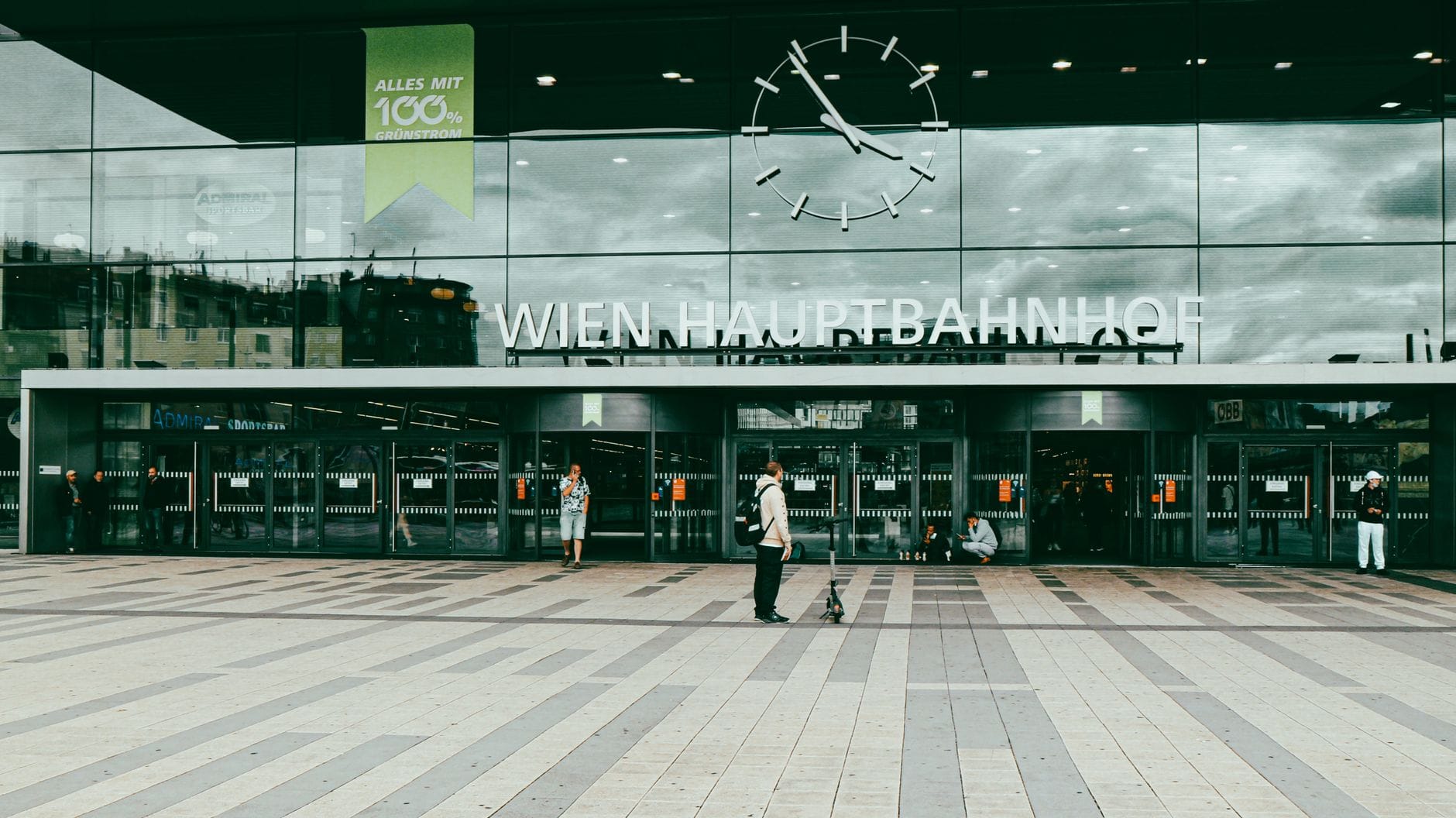
Vienna has several large shopping malls, most useful either for their Sunday opening (where local laws permit) or their convenience as transport hubs. BahnhofCity Wien Hauptbahnhof is attached to the main railway station and covers everyday retail, supermarkets, and services in a format familiar to any European city. Wien Mitte The Mall, beside the Landstraße U-Bahn station, is smaller but well-placed for visitors staying in the 3rd district. Millennium City in the 20th district combines retail with a multiplex cinema.
Donau Zentrum (Wagramer Straße 94, 1220 Vienna) is the largest mall in the city by retail area, located in the 22nd district and accessible via U1 to Kaisermühlen-VIC. It is a standard large-format European mall with a full range of international and Austrian chains. Unless you are staying in the Donaustadt area or specifically need a large-format electronics or home goods store, it is not worth a dedicated trip from the city center.
✨ Pro tip
If you are looking for genuine Austrian design products to take home, skip the airport shops and look instead at the MAK (Museum of Applied Arts) shop near the Stubenring, the MuseumsQuartier design stores, or the boutiques along Neubaugasse. Quality is higher, prices are comparable, and the range is more interesting than airport gift shops.
For visitors interested in the broader context of Vienna's districts and neighborhoods, including where to stay relative to these shopping zones, the where to stay in Vienna guide covers proximity and transport connections across the main areas. Budget-conscious shoppers should also check Vienna on a budget for strategies on timing, markets, and discount options.
FAQ
What is the best shopping street in Vienna?
It depends on what you are buying. Mariahilfer Straße is the best for everyday fashion and mid-range brands, with around 1.8 km of retail. For luxury labels, Kohlmarkt and the Goldenes Quartier in the 1st district are the highest concentration of top-tier names. For independent and design-focused boutiques, Neubaugasse in the 7th district is the strongest option.
Are shops open on Sundays in Vienna?
Most standard shops are closed on Sundays under Austrian trading laws. Exceptions include shops inside major shopping centers (check individual mall websites for current Sunday hours), stores in major transport hubs like Wien Hauptbahnhof and Wien Mitte, and some tourist-facing shops in the 1st district. Do not plan a dedicated Sunday shopping day in Vienna without checking in advance.
Is the Naschmarkt worth visiting?
Yes, but with realistic expectations. The Naschmarkt is genuinely interesting for specialty food shopping, particularly for spices, Middle Eastern groceries, and Austrian produce. The restaurant section is solid for lunch. However, the stalls nearest the main U-Bahn exit are noticeably tourist-priced. For the best experience, visit on a weekday morning or on Saturday before 10:00 for the flea market.
Where can I find authentic Austrian souvenirs in Vienna rather than mass-produced items?
Avoid the souvenir shops clustered around Stephansplatz and along Kärntner Straße. Better options include Julius Meinl am Graben for quality Austrian food products (coffee, chocolate, preserves), the MAK shop on Stubenring for design objects, the MuseumsQuartier design stores, and Spittelberg boutiques for ceramics and handmade jewelry. Christmas markets at Spittelberg and the Freyung also have a higher proportion of genuine craft goods.
How does shopping in Vienna compare to other European cities in terms of price?
Vienna sits broadly in line with other major Western European capitals for retail pricing. Luxury goods on Kohlmarkt are priced equivalently to Paris or Milan. Mid-range chains on Mariahilfer Straße match prices you would find in German or Dutch cities. The Naschmarkt is reasonably priced for food compared to supermarkets once you move past the tourist-facing stalls. VAT in Austria is 20% on most goods, and non-EU visitors can claim a refund on purchases above a qualifying threshold through the Global Blue or Planet system, available at participating stores.