The West End is London's most concentrated zone of entertainment, culture, and commerce. Home to around 40 official theatres, Oxford Street, Soho, and Covent Garden, it draws more visitors than almost anywhere else in the city. Whether you come for a show, a shopping spree, or just to soak up the energy of central London, the West End delivers.
The West End is where London performs, shops, and eats out. Crammed into roughly 2 square kilometres between Trafalgar Square and Oxford Street, it holds around 40 commercial theatres, some of the city's best restaurants, and flagship stores on three of the most famous shopping streets in the world. Few neighbourhoods anywhere operate at this intensity.
Orientation: Where the West End Sits
The West End occupies the central-north part of the City of Westminster, directly west of the City of London's financial district and north of the River Thames. Its rough boundary runs from Trafalgar Square in the south, up to Oxford Street in the north, with Regent Street forming a natural western edge and Kingsway and the Strand anchoring the eastern side. Aldwych curves around the southeastern corner, connecting the Strand to Holborn.
Within that perimeter, the West End breaks down into distinct micro-neighbourhoods that each have a different feel. Soho is dense and nocturnal. Covent Garden is touristy but charming at street level. Fitzrovia, which many consider part of the wider West End, is quieter and increasingly known for restaurants and independent shops. Mayfair sits to the west of Regent Street and operates in a different register entirely: quieter streets, private members' clubs, and galleries selling seven-figure art.
The West End borders or blends into several other key London areas. Walk south from Trafalgar Square and you are in Westminster, with Buckingham Palace and the Houses of Parliament within easy reach. Head east along the Strand and you arrive at the edges of the City. The South Bank sits just across Waterloo Bridge from Covent Garden, reachable on foot in under fifteen minutes.
Character & Atmosphere
The West End operates on a kind of permanent performance schedule. Early mornings, before 9am, belong to delivery drivers, theatre stage crews, and café staff setting up. The streets around Covent Garden's Piazza are still quiet enough that you can hear the cobblestones underfoot. By mid-morning, shoppers begin filling Oxford Street from both ends, moving in from Oxford Circus Tube to the west and Tottenham Court Road to the east.
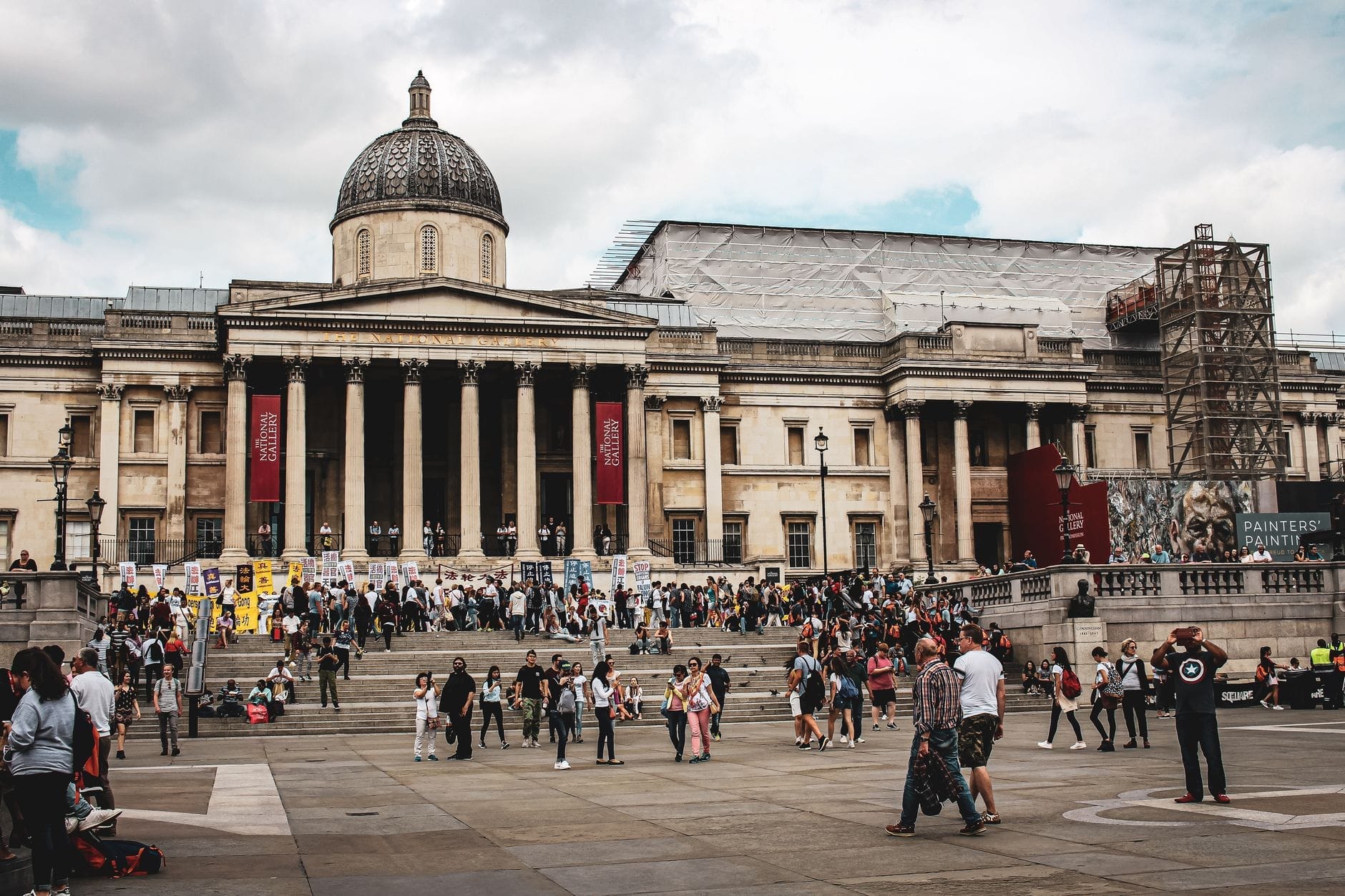
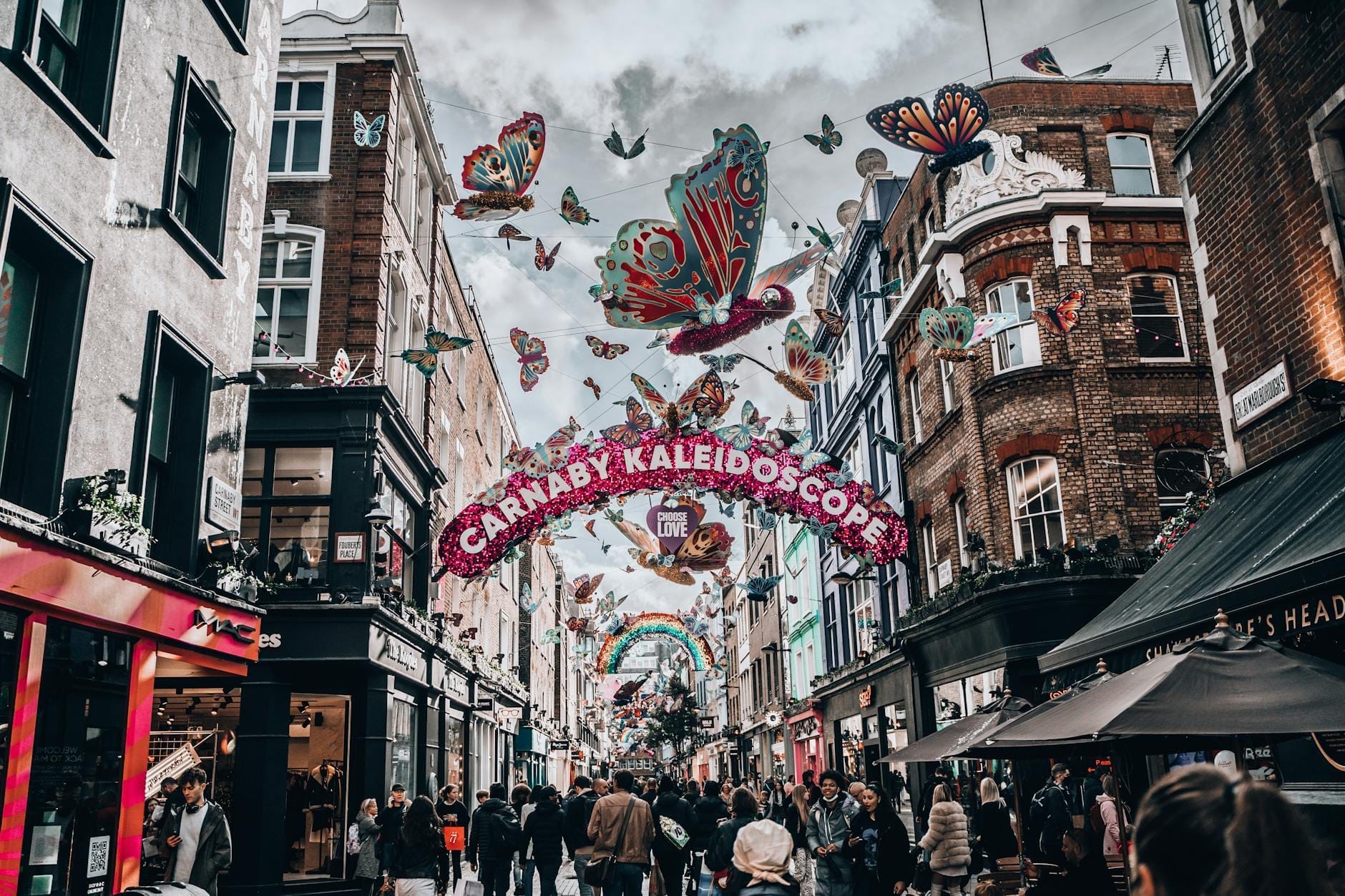
Afternoons in the West End have a layered quality. The light falls long and flat across Trafalgar Square in summer, catching the stone facade of the National Gallery. Around Leicester Square, the crowds thicken from lunchtime onwards. Soho's Carnaby Street and the lanes off it feel more local and relaxed at 3pm than they do at 10pm, when the bars and restaurants have taken over completely.
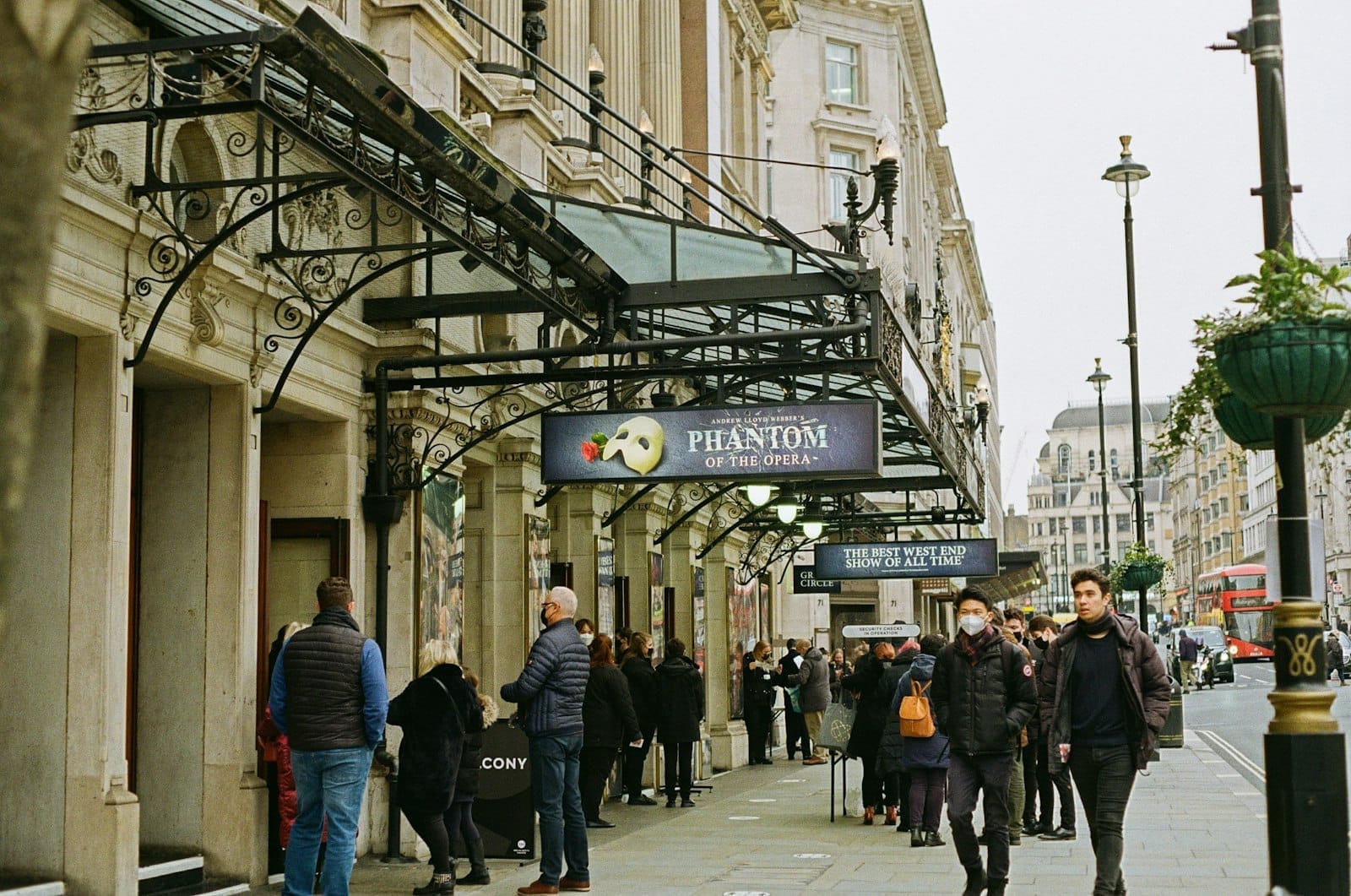
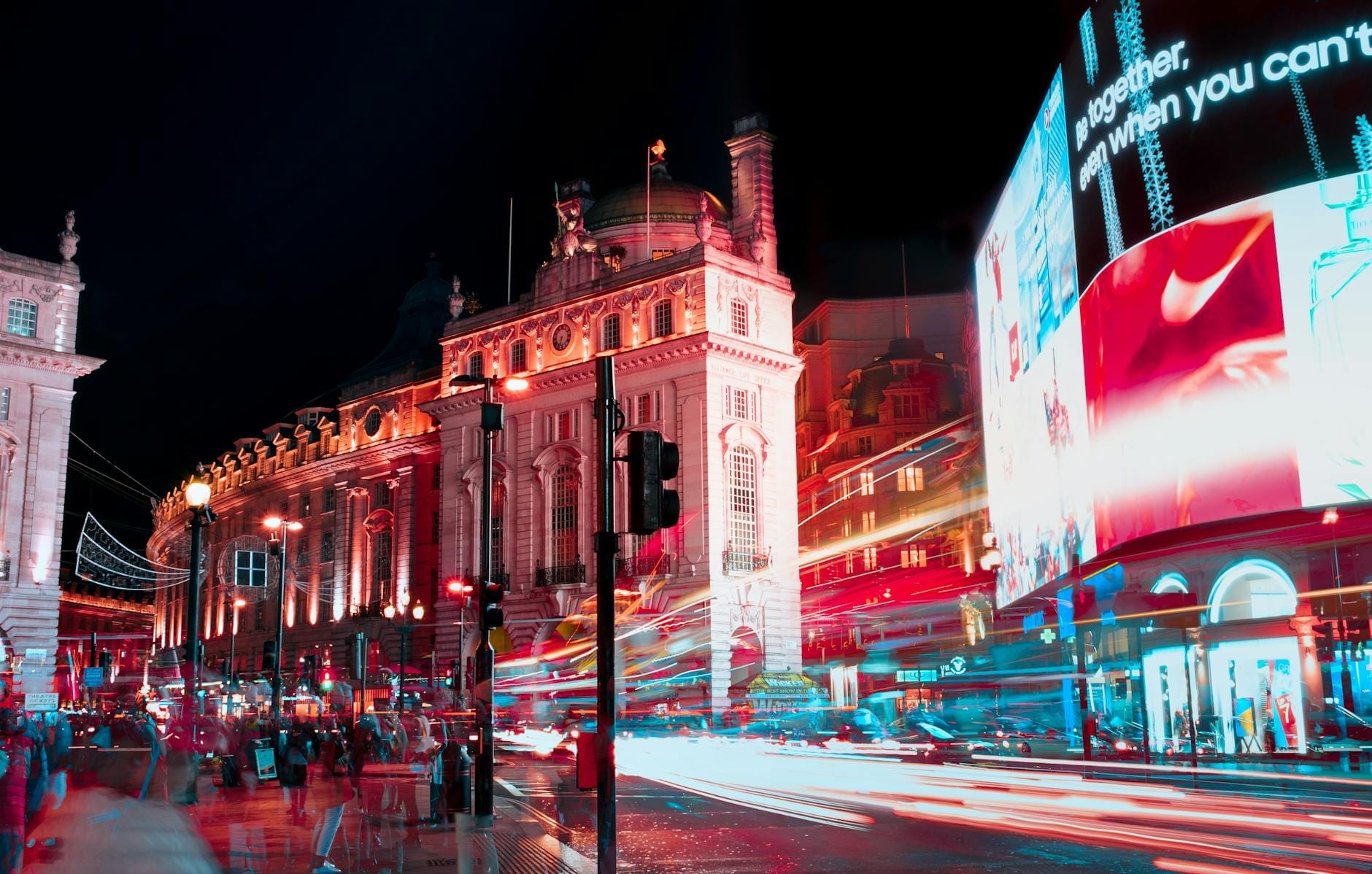
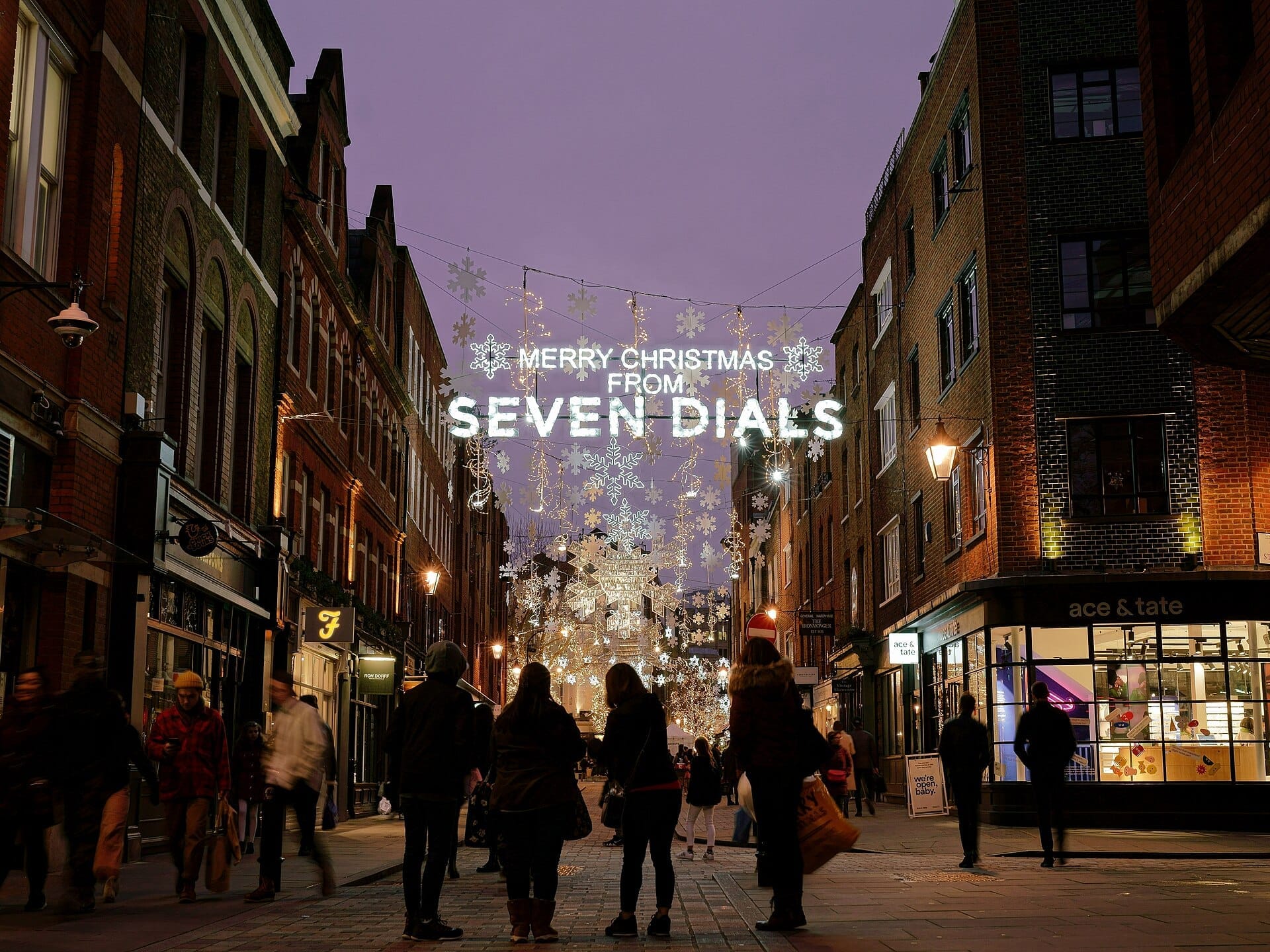
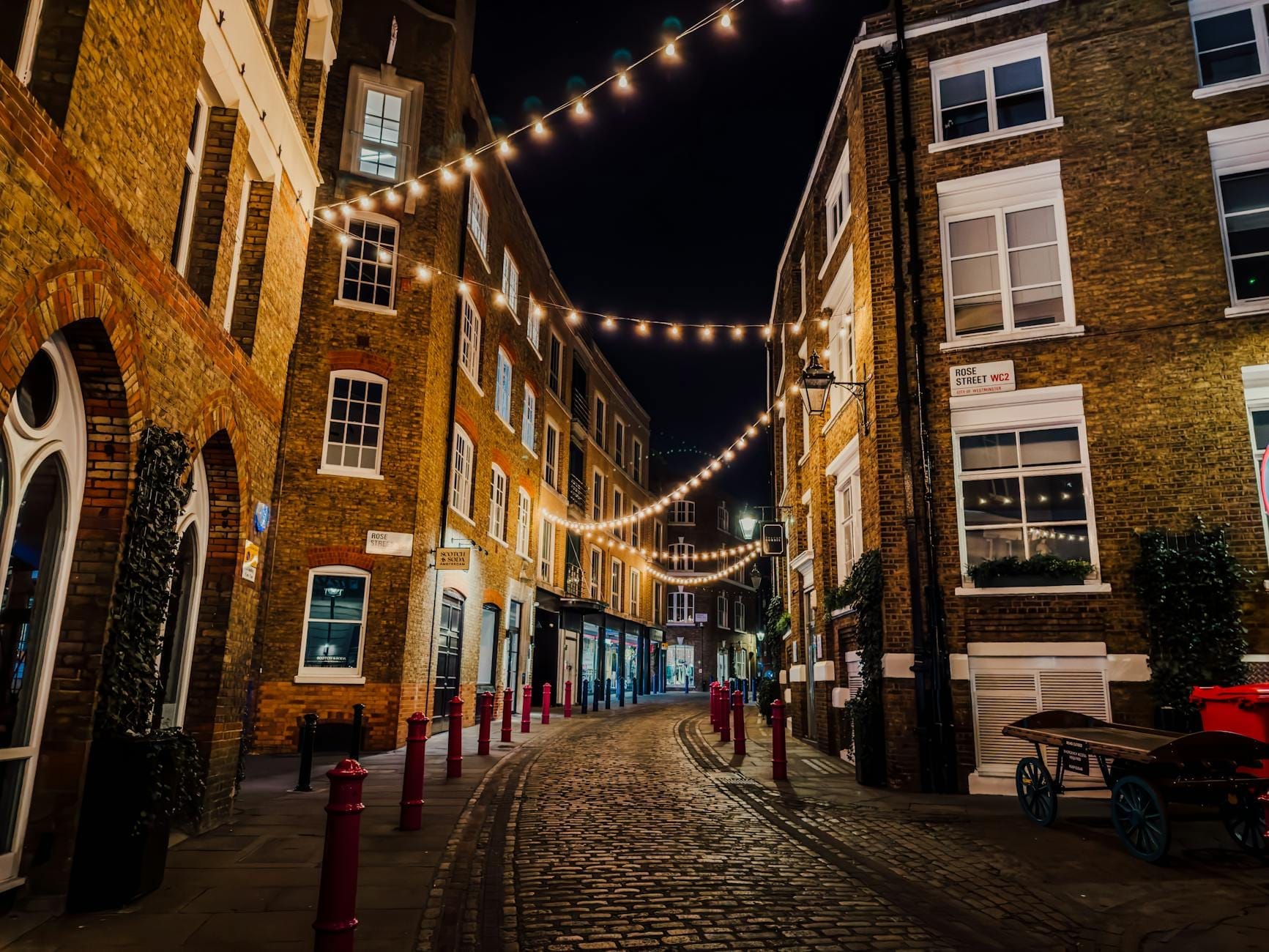
After dark, the West End shifts into its highest gear. Pre-theatre dinner crowds fill Covent Garden and the streets around Shaftesbury Avenue from 5:30pm. Then, after 10:30pm, when shows let out, another wave moves through: some heading home, others spilling into the bars of Soho, which stays busy until 3am in places. The streets around Leicester Square on a Friday night are loud, bright, and not especially relaxing. If you want theatre-night atmosphere without the full chaos, the streets just north of Long Acre or around Seven Dials offer the same energy at lower volume.
ℹ️ Good to know
The West End is not a single administrative area. It spans parts of the City of Westminster and is best understood as a cultural zone rather than a borough. Westminster City Council uses its own boundary definition for planning and licensing purposes.
What to See & Do
The headline attraction is theatre. London's West End is one of the world's great live performance destinations, with around 40 officially designated commercial theatres, most of them clustered along Shaftesbury Avenue, the Strand, and the streets between them. The Lyceum, the Palladium, the Donmar Warehouse, and the Noel Coward Theatre all sit within walking distance of each other. Shows range from long-running musicals to serious drama and one-off star events. Book in advance for anything major, particularly on weekends.
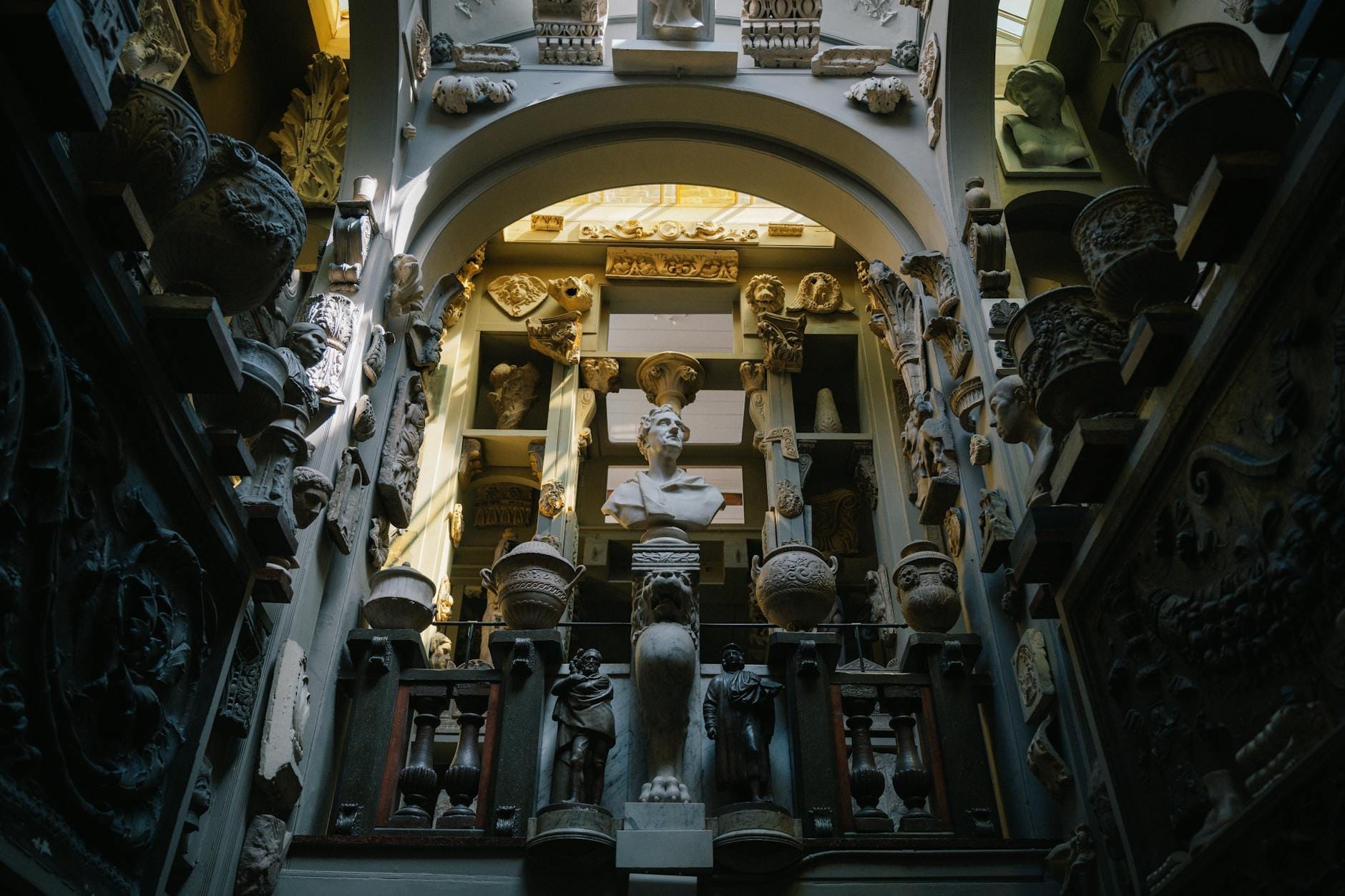
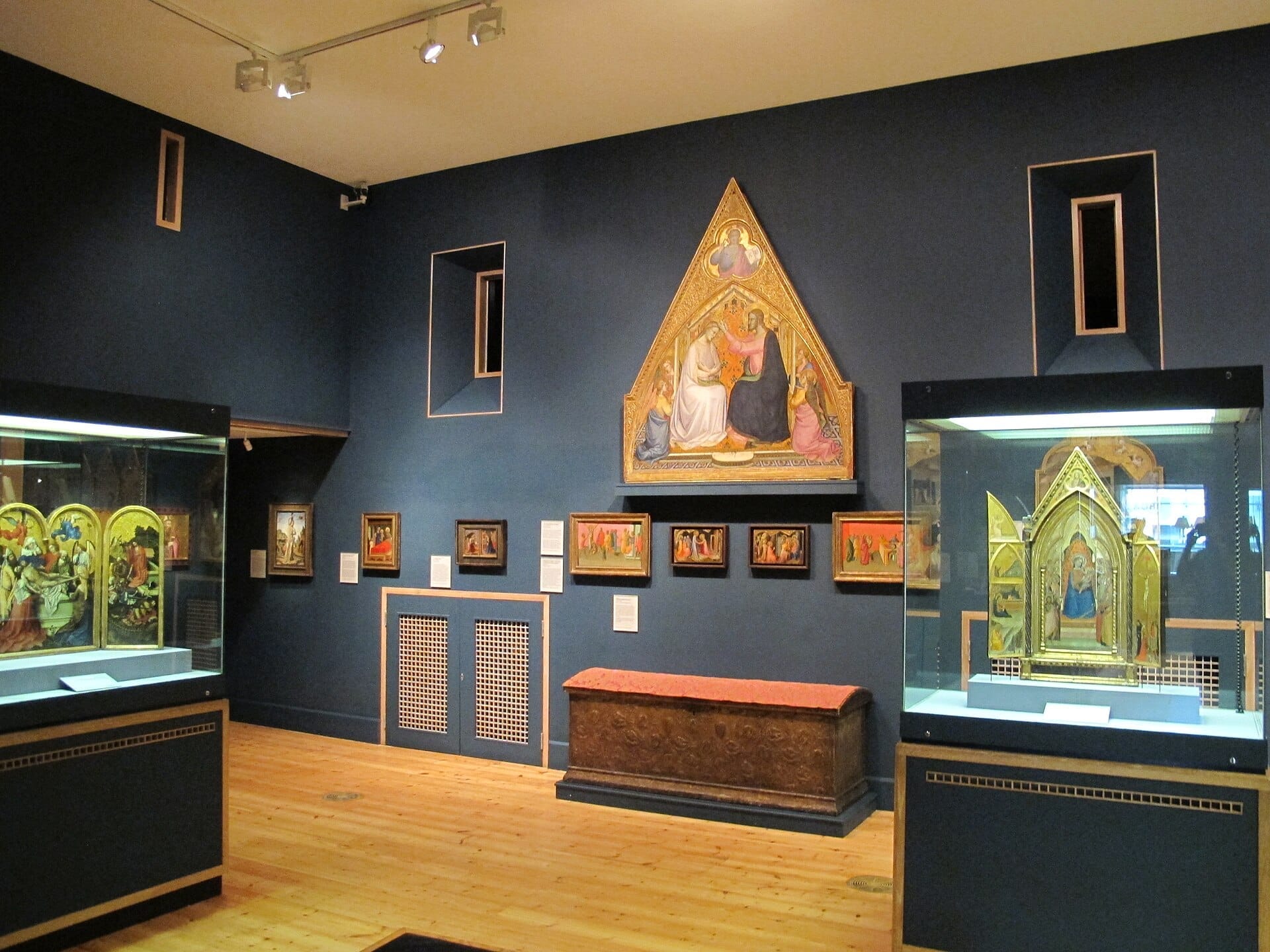
Beyond theatre, the West End contains several world-class museums and galleries. The National Gallery on Trafalgar Square holds one of the finest collections of European painting anywhere in the world, and entry to the permanent collection is free. The National Portrait Gallery, which reopened after major renovation in 2023, sits immediately adjacent. The Sir John Soane's Museum on Lincoln's Inn Fields is one of London's most unusual spaces: a Georgian architect's house frozen in time, packed floor-to-ceiling with antiquities, paintings, and architectural drawings.
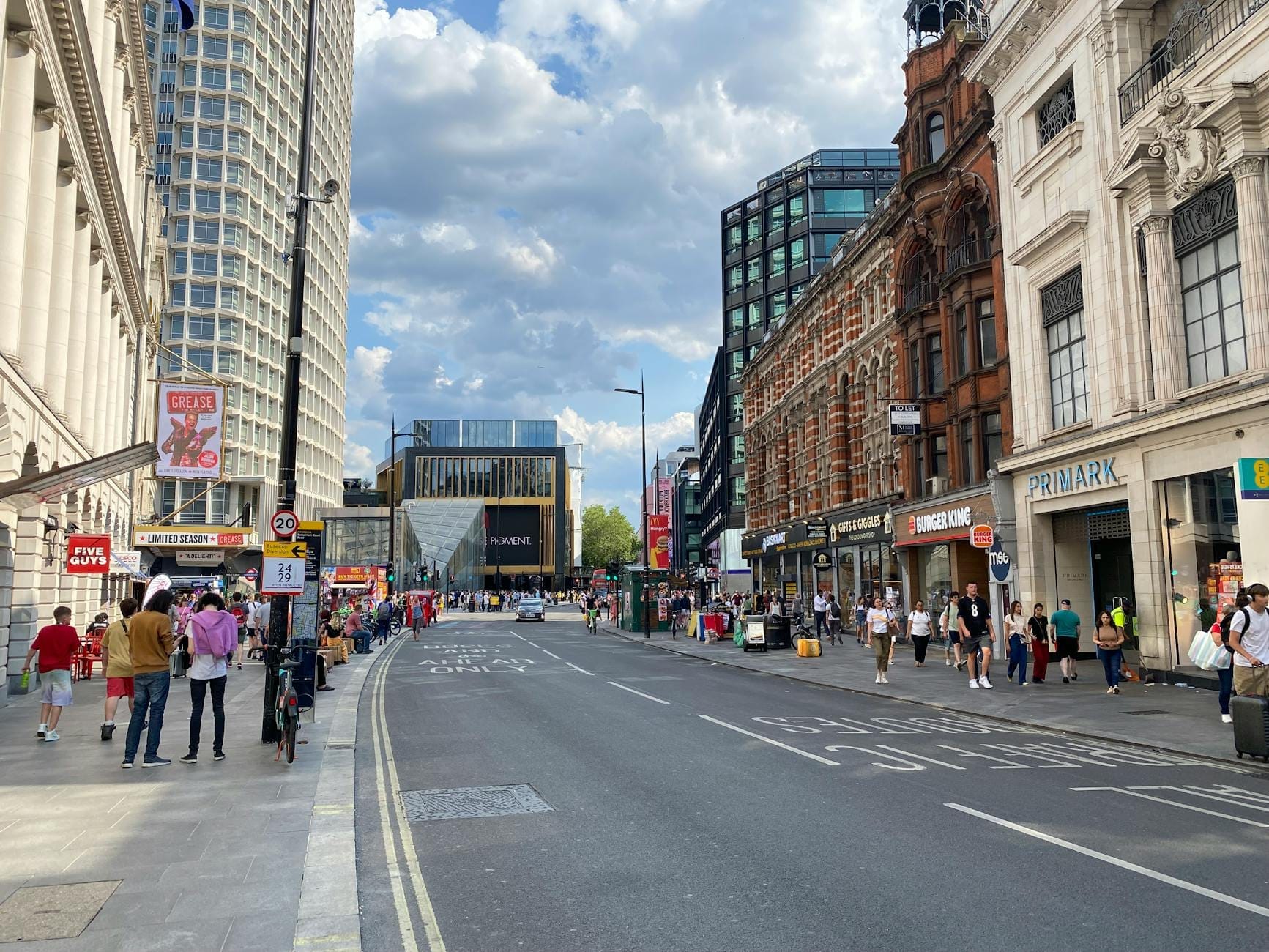
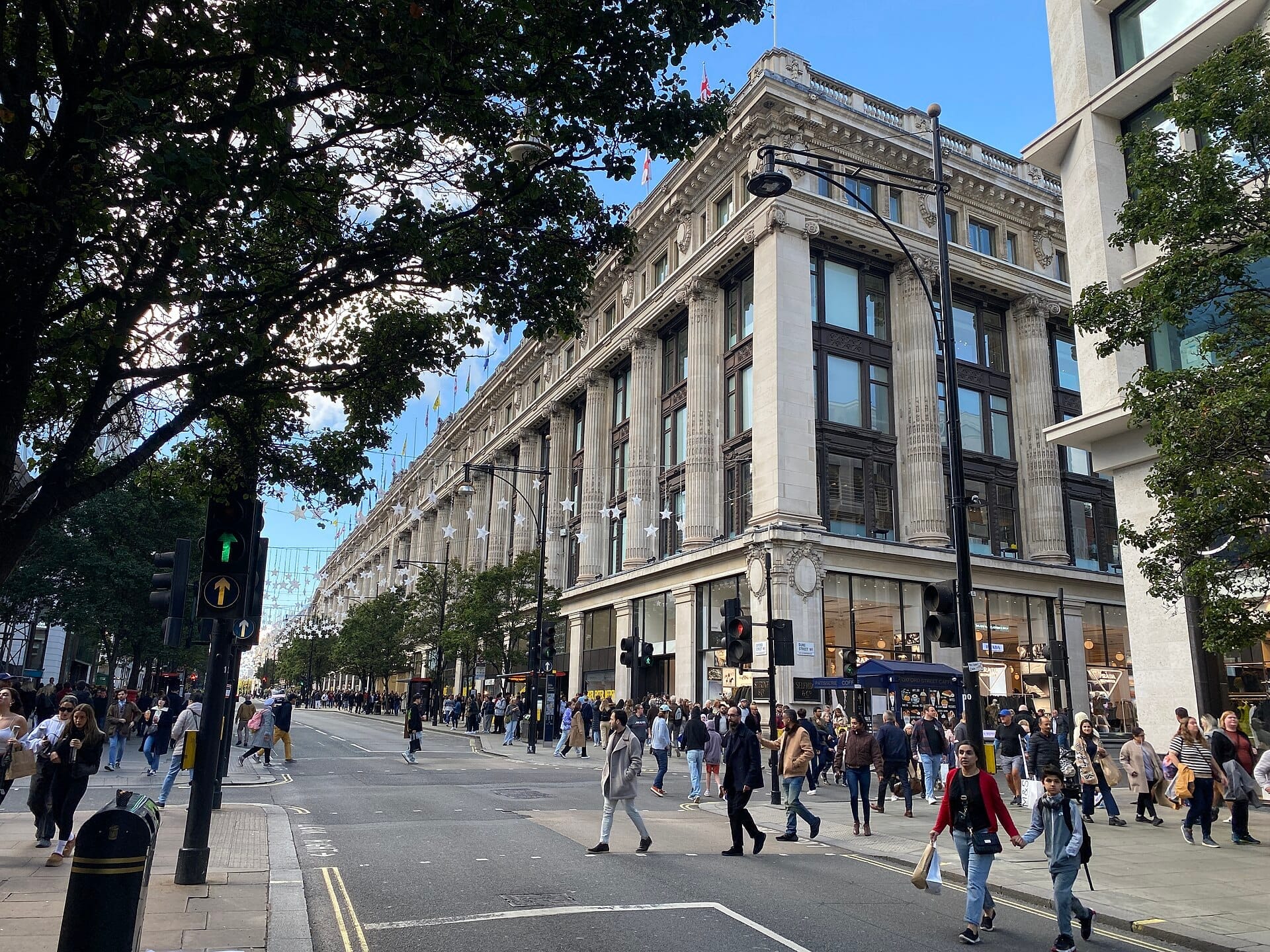
Shopping is a serious pursuit here. Oxford Street runs for nearly two kilometres and carries more foot traffic than almost any other retail street in Europe. Regent Street, running south from Oxford Circus to Piccadilly, is more architecturally distinguished, with its curved colonnaded buildings housing flagships for brands like Apple, Anthropologie, and Burberry. Carnaby Street and its surrounding lanes feel more independent and creative in character. For a more curated experience, Seven Dials in Covent Garden gathers independent fashion, homeware, and food shops around a Victorian sundial column.
National Gallery and National Portrait Gallery (free permanent collections)
West End theatre along Shaftesbury Avenue and the Strand
Covent Garden Piazza and the London Transport Museum
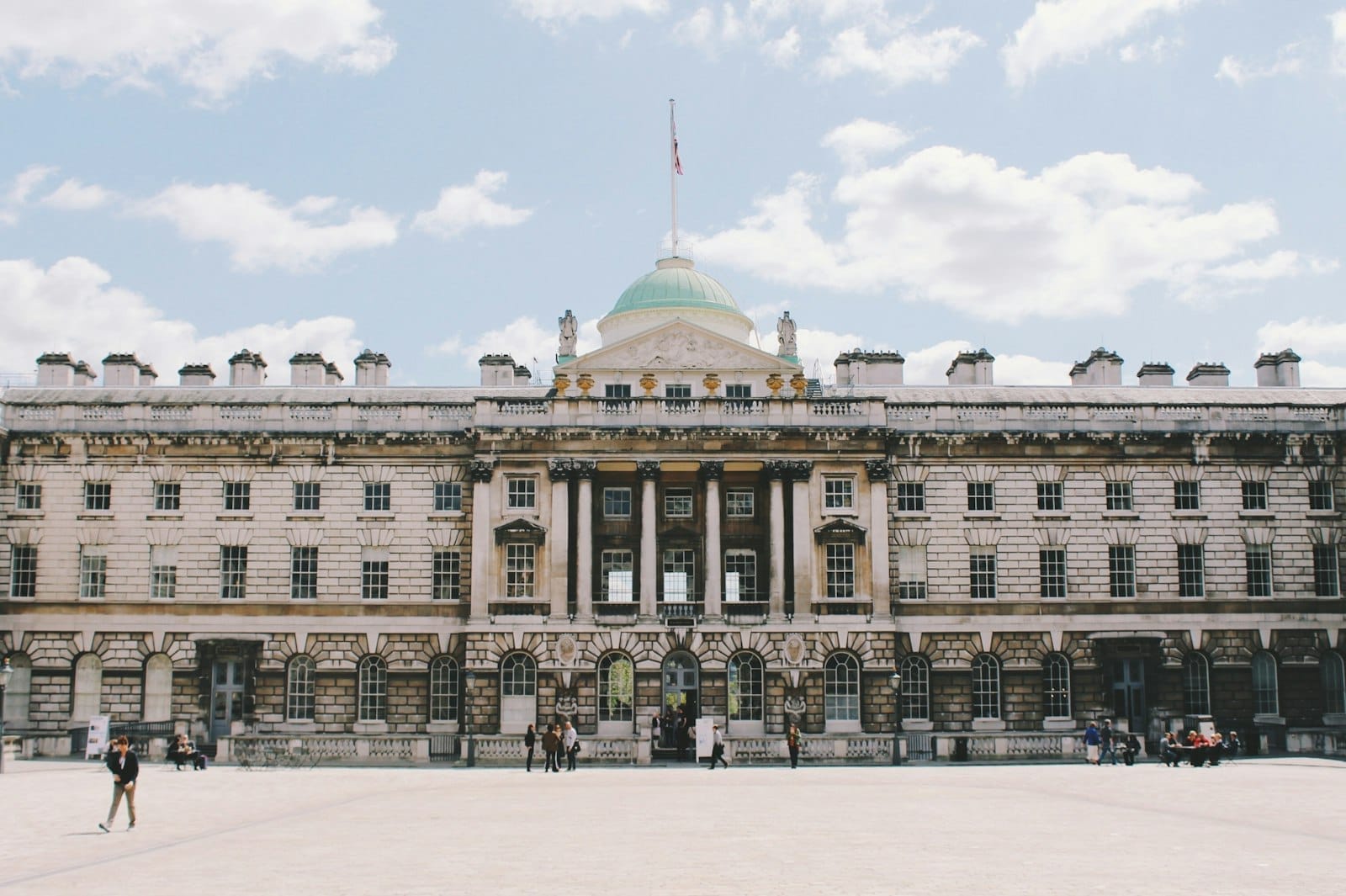
Sir John Soane's Museum on Lincoln's Inn Fields
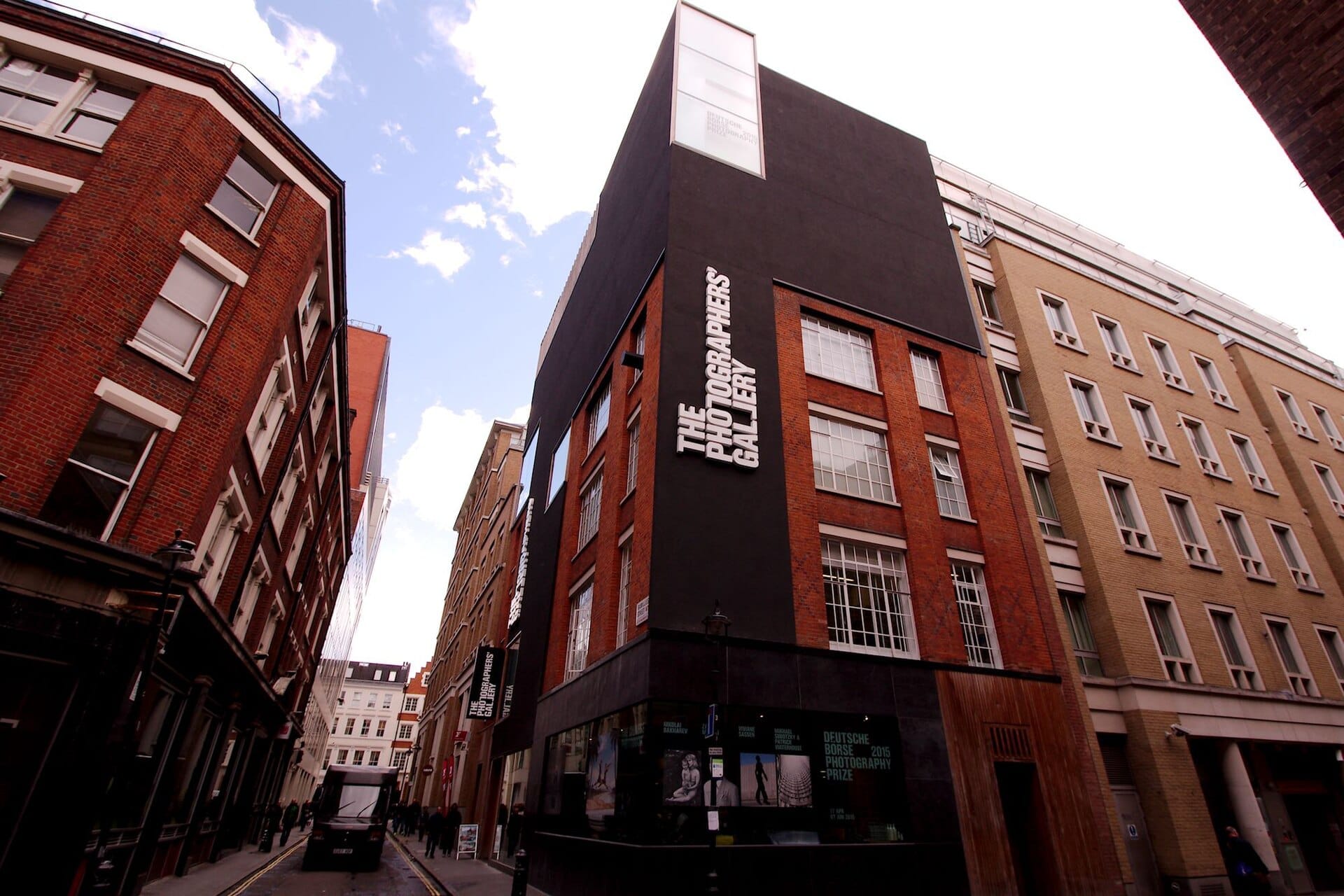
The Photographers' Gallery on Ramillies Street, off Oxford Street
Trafalgar Square and its year-round programme of events
Shopping on Oxford Street, Regent Street, and Seven Dials
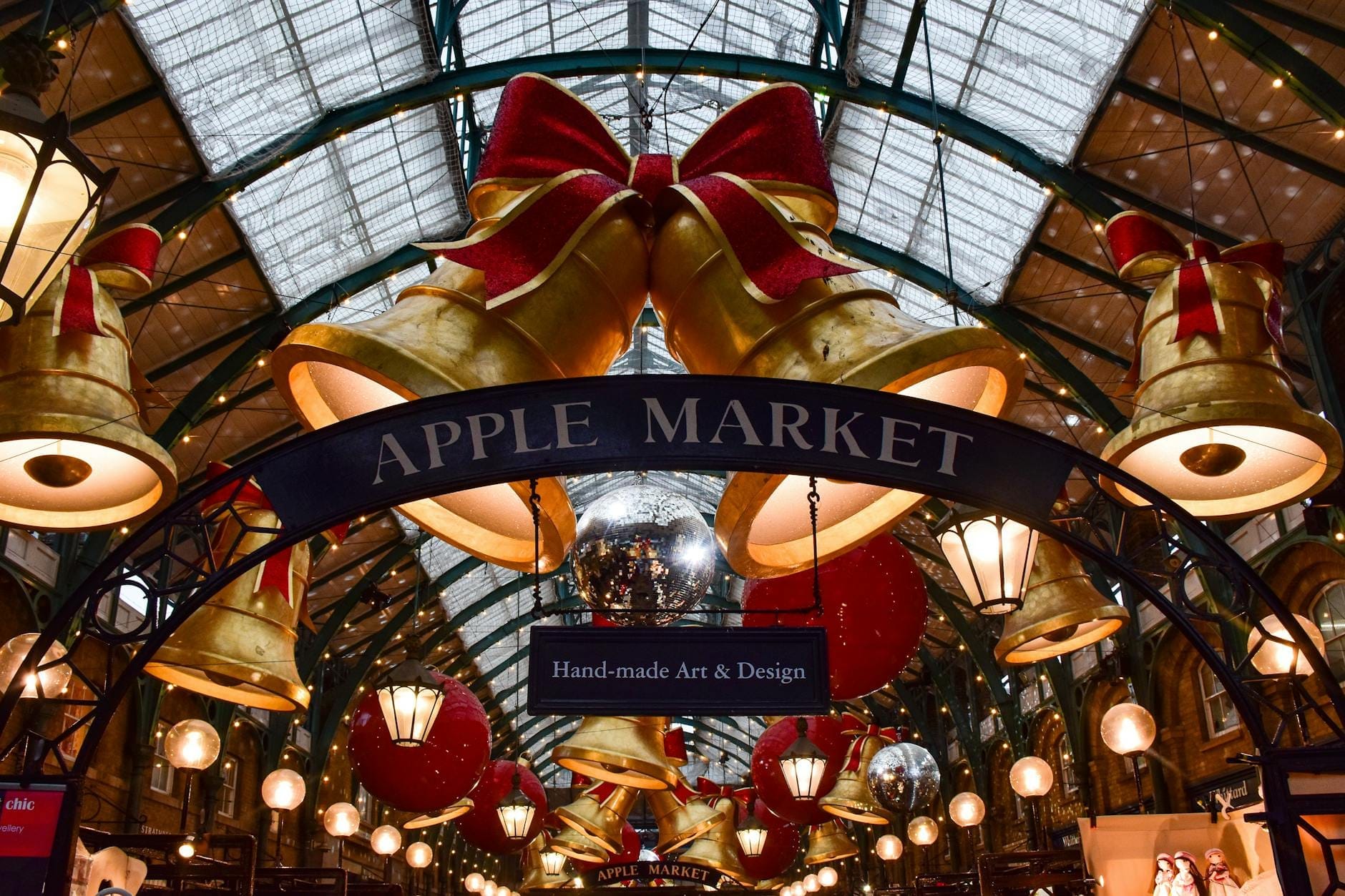
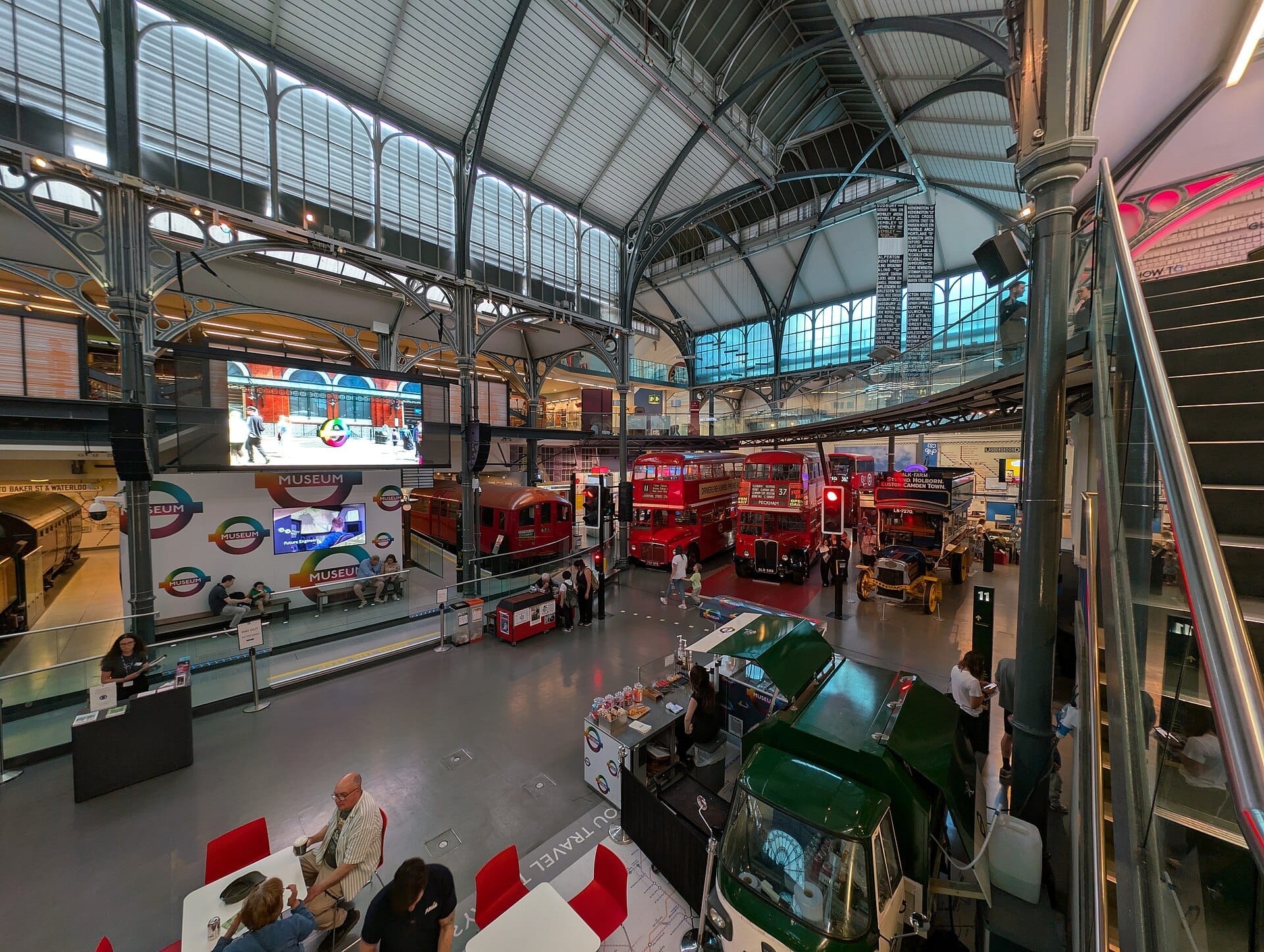
Covent Garden itself deserves specific mention. The covered market building at the Piazza hosts stalls, cafés, and street performers, while the surrounding streets include Covent Garden's boutiques and restaurants. The London Transport Museum in the old Flower Market building is one of the better-value paid attractions in the area, with a serious collection charting the history of the Tube and London's bus network.
💡 Local tip
For theatre tickets, the TKTS booth on the south side of Leicester Square sells same-day and advance tickets at discounted prices for official West End shows. Arrive early, particularly on weekends, and check which shows are available before joining the queue.
Eating & Drinking
The West End has one of London's most concentrated and diverse food scenes. Soho, in particular, has long been one of the city's best eating postcodes. Chinatown, centred on Gerrard Street just off Leicester Square, offers some of the most affordable and authentic Chinese cooking in central London, with bubble tea shops, bakeries, and restaurants from multiple Chinese regional traditions packed into a few short streets.
Moving north through Soho, the streets between Wardour Street and Dean Street hold a dense concentration of independent restaurants, wine bars, and small plates spots. The area around Old Compton Street has a strong café culture and a cluster of bars that stay busy late. Fitzrovia, just north of Oxford Street, is slightly calmer and increasingly known for quality independent restaurants.
Covent Garden's restaurant scene skews slightly more tourist-facing, particularly around the Piazza, where prices are higher and the crowds are thicker. Walk a block or two towards Seven Dials and the options become better value and more interesting. Neal's Yard, a small courtyard just off Short's Gardens, is a good stop for coffee and independent food shops.
Price ranges vary widely. A sit-down lunch in Soho can range from around £12-15 for a bowl of ramen or a bao to £50-plus per head at one of the neighbourhood's more celebrated tables. Pre-theatre menus, typically served before 6:30pm, are common around Covent Garden and offer reasonable value for a two-course meal with a drink.
Chinatown on Gerrard Street: affordable and authentic, open late
Soho's Dean Street and Wardour Street corridors: independent restaurants, wine bars
Neal's Yard in Covent Garden: coffee shops and specialty food
Seven Dials area: better value than the Piazza, more varied
Fitzrovia: quieter, quality independent dining north of Oxford Street
⚠️ What to skip
Restaurants immediately around Leicester Square and the Covent Garden Piazza charge a significant premium for location. The food quality does not always match the price. Even a five-minute walk away, you will find better value and often better cooking.
Getting There & Around
The West End is one of the best-served parts of London for public transport. Multiple Underground lines converge here, and the stations are close together, which means walking between them is often faster than taking the Tube.
Key Underground stations serving the West End include Oxford Circus (Central, Bakerloo, and Victoria lines), Tottenham Court Road (Central and Elizabeth lines, the latter connecting directly to Heathrow and Paddington), Piccadilly Circus (Piccadilly and Bakerloo lines), Leicester Square (Northern and Piccadilly lines), Covent Garden (Piccadilly line), Holborn (Central and Piccadilly lines), and Charing Cross (Bakerloo and Northern lines, plus National Rail services).
Transport for London publishes a West End walking map specifically because the Tube stations here are so densely packed that many journeys are faster on foot. The walk from Oxford Circus to Covent Garden takes around 15 minutes; from Trafalgar Square to Leicester Square, under 5 minutes. If you are travelling from Heathrow, the Elizabeth line to Tottenham Court Road is a direct route, taking roughly 35-40 minutes. For full guidance on navigating London's transport networks, see the getting around London guide.
Buses are plentiful along Oxford Street, Regent Street, the Strand, and Kingsway. Night buses continue running when the Tube closes, which matters if you are in Soho after midnight. Taxis and ride-hailing apps (Uber, Bolt, Free Now) operate throughout the area, though traffic around Leicester Square and Oxford Circus can make them slow during peak hours. Walking or cycling via the Santander Cycle hire scheme is often the quickest option for short hops within the West End.
Where to Stay
The West End is one of London's most popular areas to stay, and hotel prices reflect that. The advantage is convenience: you can walk to theatres, galleries, and restaurants without worrying about transport. The disadvantage is that street noise, particularly around Soho and Leicester Square, can be significant on weekend nights.
For a quieter base within easy reach of the West End's main draws, the streets around Covent Garden and Holborn tend to be calmer at night than those in Soho or directly on Oxford Street. Fitzrovia, just north of Oxford Street between Tottenham Court Road and Great Portland Street, offers a genuine neighbourhood feel with quieter streets while remaining a short walk from everything.
The West End suits first-time visitors to London particularly well, since nearly every major central attraction is within reach on foot or a short Tube ride. If you are deciding where to base yourself, the broader guide to where to stay in London compares the West End with other neighbourhoods across the city.
Budget options are limited directly within the West End. Hostels and more affordable hotels are more common in areas just outside the boundary, such as Bloomsbury to the north or Waterloo just across the river. Luxury hotels, by contrast, are a West End speciality: there is a concentration of five-star properties around Mayfair and Piccadilly.
Practical Notes & Worth Knowing
The West End is not designed for a quiet or contemplative visit to London. It is dense, commercially driven, and engineered for maximum footfall. Oxford Street in particular can feel overwhelming during school holidays, sales periods, and weekends in summer. If crowds are a genuine concern for you, plan visits for weekday mornings.
Petty theft, particularly pickpocketing in crowded areas like Oxford Circus, Leicester Square, and Covent Garden, is a normal urban risk. Keep bags secure and be aware of your surroundings in very busy areas. The Metropolitan Police and standard London safety guidance apply: the West End does not have a notably elevated crime rate compared to other major city centres, but the volume of visitors makes it a target for opportunistic theft.
For visitors on a budget, note that several of the West End's best attractions, including the National Gallery and many of its events at Trafalgar Square, are free to enter. For more ideas on getting the most from London without spending heavily, see the guide to free things to do in London.
💡 Local tip
If you are visiting for theatre, aim to book accommodation within walking distance of the specific venue you are visiting. After a show ends at 10:30pm, the Tube platforms at Leicester Square and Covent Garden are packed. Walking ten minutes to a calmer station, like Holborn or Temple, can make the journey home significantly less stressful.
TL;DR
The West End is London's entertainment core: around 40 theatres, world-class free museums, and some of the most famous shopping streets in Europe, all within a walkable 2 sq km.
Best for: first-time visitors, theatre-goers, shoppers, and anyone who wants to be at the centre of London's cultural life without needing to plan complex transport.
Weigh the trade-offs: the most tourist-heavy strips around Leicester Square and Oxford Street are noisy, crowded, and expensive. Step one street away and the experience changes immediately.
Transit access is exceptional, with multiple Underground lines and the Elizabeth line all stopping within the boundary. Walking between stations is often faster than taking the Tube.
Not ideal for: travellers seeking a quiet base, those on a tight accommodation budget, or anyone who finds crowds draining. In that case, Bloomsbury or the South Bank offer a calmer alternative within similar distance of the main sights.
Afternoon tea in London ranges from grand hotel rituals at £95 per person to relaxed neighbourhood spreads under £50. This guide covers the top venues across every budget, how to book, what to wear, and which hyped spots are actually worth it.
London has more world-class museums than almost any city on Earth, and the majority are free. This guide covers the essential institutions across art, history, science, design, and beyond, helping you plan your visits with confidence.
London has more parkland per capita than almost any major world city, and its eight Royal Parks alone cover just under 4,900 acres of public green space. This guide covers the finest parks across the city, from the grand central Royal Parks to wilder escapes on the edges of Greater London.
London rewards visitors in every season, but the experience shifts dramatically depending on when you go. This guide breaks down crowd levels, weather, prices, and key events month by month so you can plan a trip that matches exactly what you want from the city.
London's skyline is one of the world's great visual spectacles, mixing centuries-old domes with glass towers and royal parks. This guide covers the best places to see it all — free rooftop gardens, paid observation decks, hilltop parks, and river vantage points that reward at any time of day.
London is perfectly placed for world-class day trips. Whether you want a Tudor palace on the Thames, a city of dreaming spires, or a prehistoric stone circle, all of it is within two hours. This guide covers the best options, how to get there, and what to prioritise.
London is one of the world's great free cities. From world-class museums and contemporary art galleries to royal parks, iconic walks, and spectacular viewpoints, this guide covers the best experiences in London that are completely free to enjoy.
London has one of the most comprehensive urban transport networks in the world, covering 9 million residents across 1,572 km² of Greater London. This guide breaks down every option, from the Tube to river buses, with fare details, airport transfer routes, and insider tips to save time and money.
London gave the Wizarding World its real-world addresses, from the glass-roofed arcade that stood in for Diagon Alley to the Islington townhouses of Grimmauld Place. This guide covers every major filming location, the Warner Bros. Studio Tour, how to get there, and what to skip — with practical advice on crowds, costs, and what each spot actually looks like in person.
London has six airports, and choosing the wrong one can add hours and serious cost to your journey. This guide breaks down Heathrow, Gatwick, Stansted, Luton, City, and Southend with practical advice on every transport option, realistic fares, and which airport actually suits your trip.
London's food scene is one of the most diverse and underrated in the world. This guide cuts through the noise to tell you what to actually eat, which neighbourhoods to target, what things cost, and how to avoid the tourist traps.
London is one of the world's great cities, spanning 1,572 km² across 32 boroughs with 9.1 million residents and over 300 languages spoken. This guide covers everything a first-time visitor needs: how to get in, how to get around, which neighborhoods to prioritize, what to book in advance, and the practical details that make the difference between a stressful trip and a great one.
London rewards those who look beyond the headline attractions. From ruined churches turned secret gardens to world-class free museums tucked down side streets, these are the places locals love and most visitors miss entirely.
London's hop-on hop-off buses are everywhere, but are they the smartest way to see the city? This guide breaks down the main operators, what you get for your money, who benefits most, and when to skip the pass entirely.
December transforms London into one of Europe's most atmospheric winter destinations. From Hyde Park Winter Wonderland to the South Bank's riverside market stalls, this guide covers everything you need to plan a memorable Christmas visit, including what to skip, what to book in advance, and how to get around without the crowds.
Summer in London runs from late June through August and delivers a different city: long daylight hours, royal parks at their peak, and a packed calendar of festivals, sporting events, and outdoor culture. This guide covers what to expect, what to book in advance, and what to skip.
Three days in London is enough to cover the essential sights, explore a couple of neighbourhoods, and get a real feel for the city. This itinerary is built around practical logistics, clear priorities, and current ticket prices so you can spend less time planning and more time exploring.
Five days in London is enough to cover the iconic landmarks, explore distinct neighbourhoods, and still have time to eat and drink well. This day-by-day guide cuts through the noise with specific recommendations, realistic timings, and practical advice on what is worth your time.
London's market scene spans 1,000-year-old food halls, world-famous antiques rows, and creative street markets under Victorian ironwork. This guide covers the best across every category, with practical tips on when to go and what to expect.
London's nightlife spans everything from underground warehouse raves in Greenwich to velvet-rope cocktail bars in Mayfair. This guide breaks down the best areas, top clubs, practical costs, and the timing tricks that separate a great night from an expensive disappointment.
London has a reputation for expense, but a well-planned trip can be surprisingly affordable. From world-class free museums to discount West End seats and Oyster card tricks, this guide covers every practical angle for stretching your pounds in one of Europe's great capitals.
The London Pass promises access to 100+ attractions for a flat daily fee. But does it actually save you money? This guide breaks down the real costs, the best use cases, and who should skip it entirely.
The River Thames is the backbone of London, stretching 215 miles through southern England and shaping the city's history, skyline, and daily life. This guide covers sightseeing cruises, the Thames Path, riverside eating and drinking, water sports, and the key landmarks you'll pass along the way, with practical advice on what's worth your time and what to skip.
London is a remarkably safe city for its size, but petty theft and tourist-targeted scams are real risks. This guide covers the most common threats, where they happen, and exactly what to do to protect yourself and your belongings.
London's shopping scene spans everything from 300-store Oxford Street to Sunday flower markets in the East End. This guide covers the best streets, markets, and stores by category, with practical advice on timing, crowds, and where your money actually goes furthest.
Getting from London to Amsterdam is one of Europe's most popular city-to-city trips. This guide breaks down every option — Eurostar, budget flights, overnight ferry, and long-distance coach — with realistic journey times, current price ranges, and advice on which suits your trip.
Covering every way to travel between London and Edinburgh, this guide breaks down real journey times, current price ranges, and which option makes sense depending on your budget, schedule and priorities. The answer is not always what you expect.
There are three realistic ways to get from London to Paris: the Eurostar train, a short-haul flight, or an overnight coach. This guide breaks down journey times, realistic fares, booking strategy, and the practical details that trip-planning sites usually skip.
London rewards walkers more than almost any other city. From the medieval lanes of the Square Mile to the riverbanks of the South Bank, the best way to understand this city is on foot. This guide covers guided group tours, official City of London walks, tip-based 'free' options, and self-guided routes, with practical advice on pricing, booking, and when to show up.
London is one of the world's great family destinations, with free world-class museums, royal parks, river adventures, and enough child-friendly attractions to fill a week. This guide cuts through the noise with practical advice on what's worth booking in advance, what's actually free, and how to keep the whole family sane on the Tube.
From Mayfair's grand hotels to Knightsbridge's world-class restaurants and private cultural experiences, this guide covers everything you need to plan a high-end stay in London. Expect specific neighbourhood advice, booking strategies, and clear assessments of where the money is well spent.
London is one of the world's great photography cities, with iconic landmarks, colourful streets, and unexpected architectural gems around every corner. This guide covers the 20 most photogenic spots, from the obvious classics to the lesser-known spaces that will make your feed stand out.
Notting Hill Carnival is Europe's largest street festival, drawing over a million visitors to west London every August Bank Holiday weekend. This guide covers the 2026 schedule, the full route, how to get there, what to eat, and what to expect on each day.
Open House Festival is London's annual architecture celebration, opening over 800 buildings, tours, and talks across all 33 boroughs — most of them free. This guide covers dates, booking strategy, neighbourhood planning, and which events fill up fastest.
London rewards couples who know where to look. This guide covers the most romantic experiences in the city — from sunset river cruises and West End theatre to free viewpoints and atmospheric parks — with practical advice on what's worth the price and what you can enjoy for nothing.
From the Ceremony of the Keys at the Tower of London to the summer opening of Buckingham Palace's State Rooms, London's royal sites are more accessible than most visitors realize. This guide covers what to see, when to go, what to book in advance, and what to skip.
London rewards visitors who go beyond the obvious. This guide covers the best things to do in London across culture, history, food, and neighbourhoods, with practical tips on what's worth your time, what to skip, and how to do it all without overpaying.
London's West End is one of the world's great theatre destinations, with around 40 major venues and over 17 million audience visits a year. This guide covers everything from buying tickets and finding discounts to getting there, picking the right seat, and knowing what to expect on the night.
Choosing where to stay in London shapes your entire trip. This guide breaks down the city's best neighbourhoods by location, transport access, price range, and atmosphere, so you can book with confidence rather than guesswork.
Getting into Wimbledon is more accessible than most people think — if you know the system. This guide covers every official ticket route, real price ranges, The Queue strategy, and practical tips for making the most of your day at the world's most famous tennis tournament.